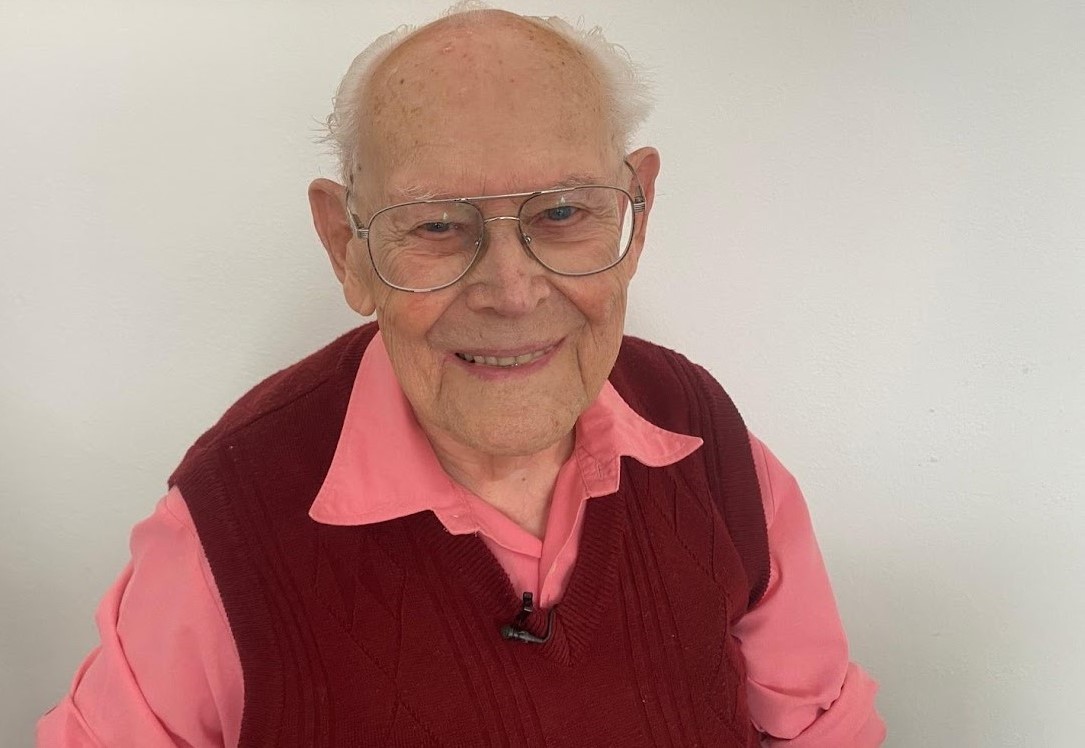
Jiří Šigut

* 1929

  • "I was in Prague on 20 August. I was also working in the field of physical education - among other things I was a member of the presidium of the Central Committee of the Czechoslovak Socialist Society. I got there as a union officer and organised youth sports games and other events. I arrived home from Prague around noon; I stopped by the editorial office, but there was nothing to see then. Sometime around 2:30 in the morning, the phone rang at home. They called to say we were being occupied. I immediately stood up and set off. I stopped a truck, which gave me a ride to the newsroom. When I arrived, we immediately changed the front page of the paper. In the second edition we put the news that we were being occupied - that troops of five armies had entered our territory. So already in the second edition there was an announcement that we were occupied by Soviet troops. Then a Soviet lieutenant came. I knew Russian, so I talked to him. He asked how it was possible that the newspaper said we had been occupied... He couldn't understand that we had managed to prepare everything in such a short time, and even print it for the rotation. Of course, then the newspaper was confiscated. I myself was taken out with a machine gun at my back - that was something, I must say."

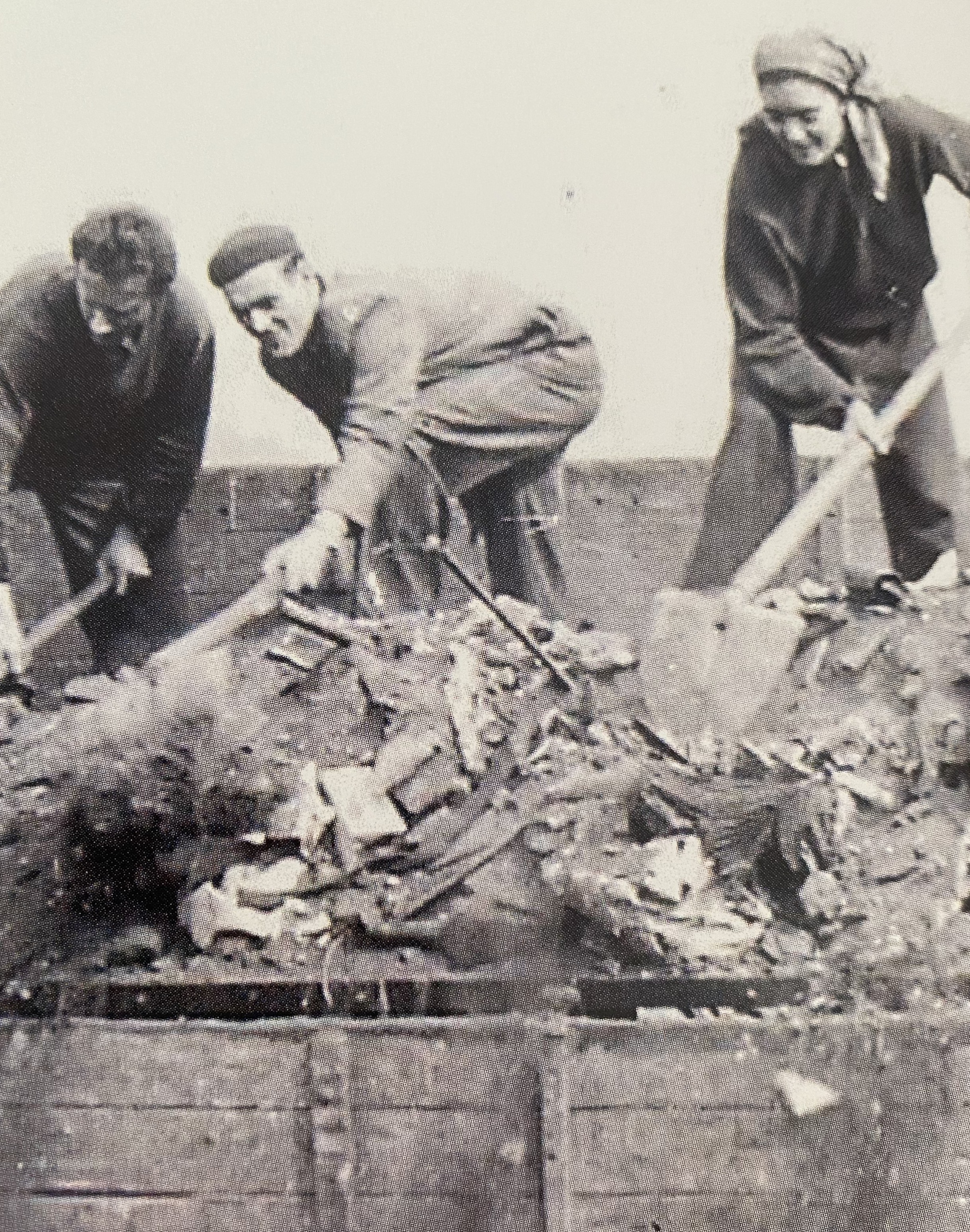
  • "Then we lived to see the liberation. On 25 April, when the Russians came, we lived in the cellar - like Maňka, we were hiding there. I was there with my mother and my sister, my sister and her husband, and they had a little baby, three months old. And that's where the first Russian came to greet us. It was very emotional. They called out, ‚Češi? Češi? Češi? German niet?‘ They were looking for Germans. That was our first encounter with the Russian army. Then the next wave of Russians came, and there was already a call: 'Davay tchasy! (Give me the watch)' My brother-in-law had an English watch and they took it away. But right after the liberation I got involved in the reconstruction of the city. The Russians started to build bridges over the Svratka River, because they were all blown up. For about a week I worked on the bridge by Milosrdných bratří, where we built a makeshift wooden bridge from beams. Then I moved to another workplace - to Černovice, to the bridge over the Svratka, where I also helped."

  • "There was a rumour at the time that a sugar factory was burning in Sokolnice and that everyone could pick up as much sugar as they wanted. So my friend and I took a cart and drove from Židenice through Černovice and Komárov to Tuřany. In Tuřany we met German soldiers who were retreating, and we went against them towards the sugar factory. At that moment, Russian planes started attacking the Germans. We ducked into a ditch and I could just hear the machine gun rounds whizzing past us. They were shooting at the Germans, but luckily we escaped. That was my first, actually second encounter with death - it was really about metres. And we, stupid boys, continued on despite the experience. We came to a viaduct over which the Russians were already making artillery preparations. Russian shells were flying over the trees. But we were lucky - at the viaduct, where today there is a big substation, someone had been probably also going to Sokolnice to get sugar. But he didn't have time to take it, he just loaded it up and then had to run away, so he spilled a pile of raw sugar on the road. We scooped it into bags and took three bags of the yellow raw sugar. When we were walking back, we caught the air battle again in Tuřany. A Russian plane crashed there and we passed right by it. But in the end we arrived in Židenice with a bag of sugar and with great glory."

  • Full recordings
  • 1

    Brno, 22.07.2025

    (audio)
    duration: 01:16:51
    media recorded in project Stories of 20th Century
Full recordings are available only for logged users.

I conditioned the implementation of the party’s central committee resolution on my own judgment

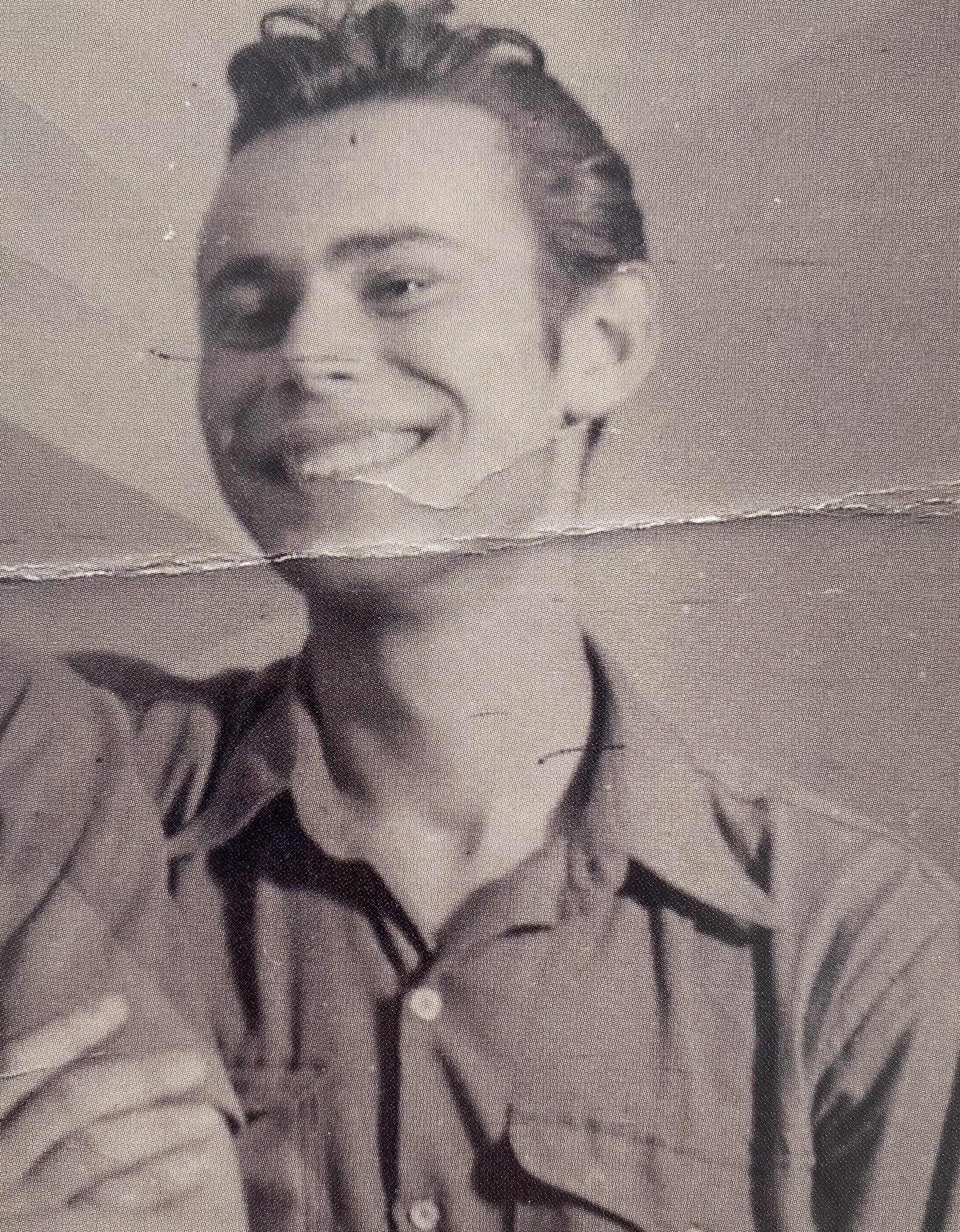
Jiří Šigut at the military service in 1951
photo: witness´s archive

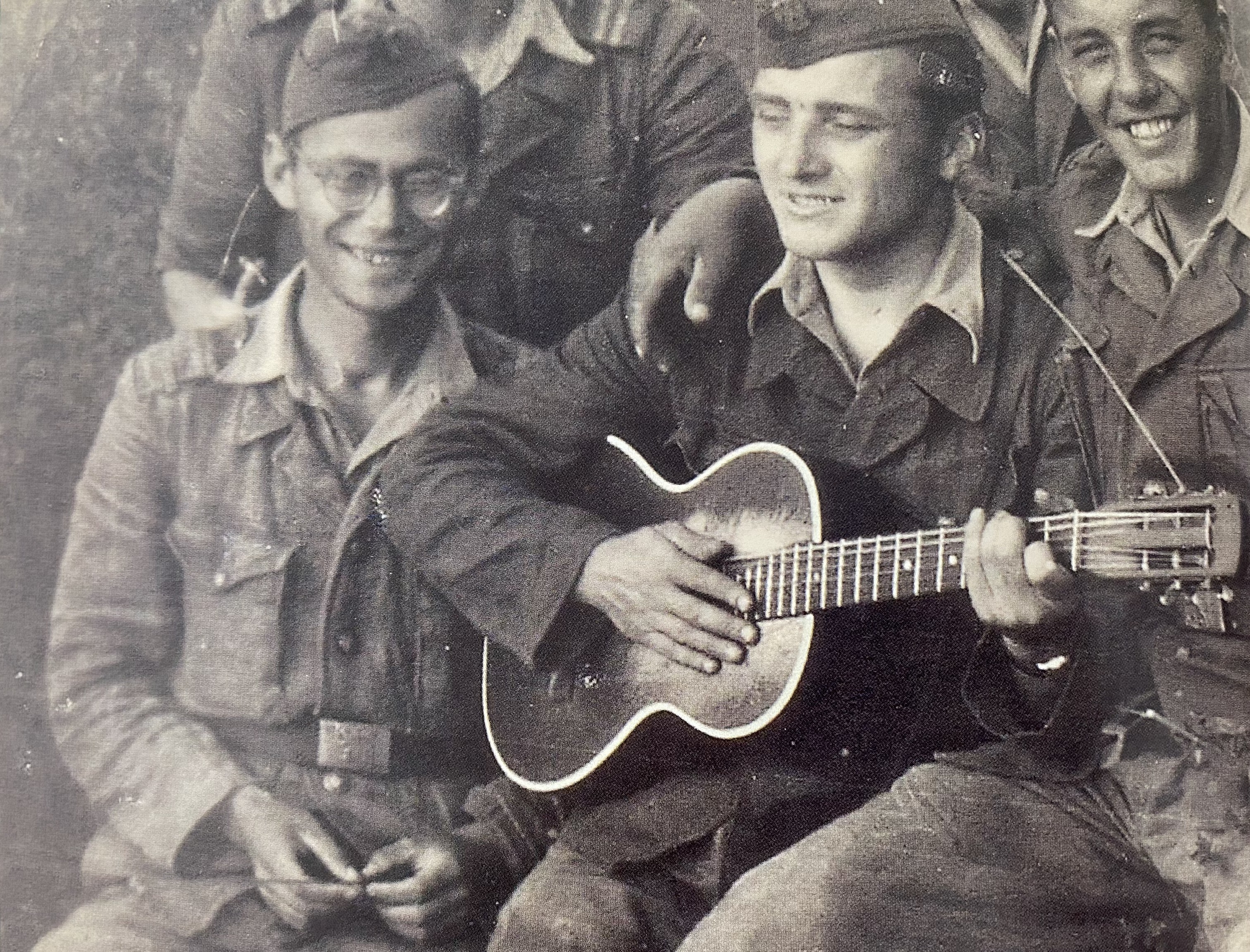
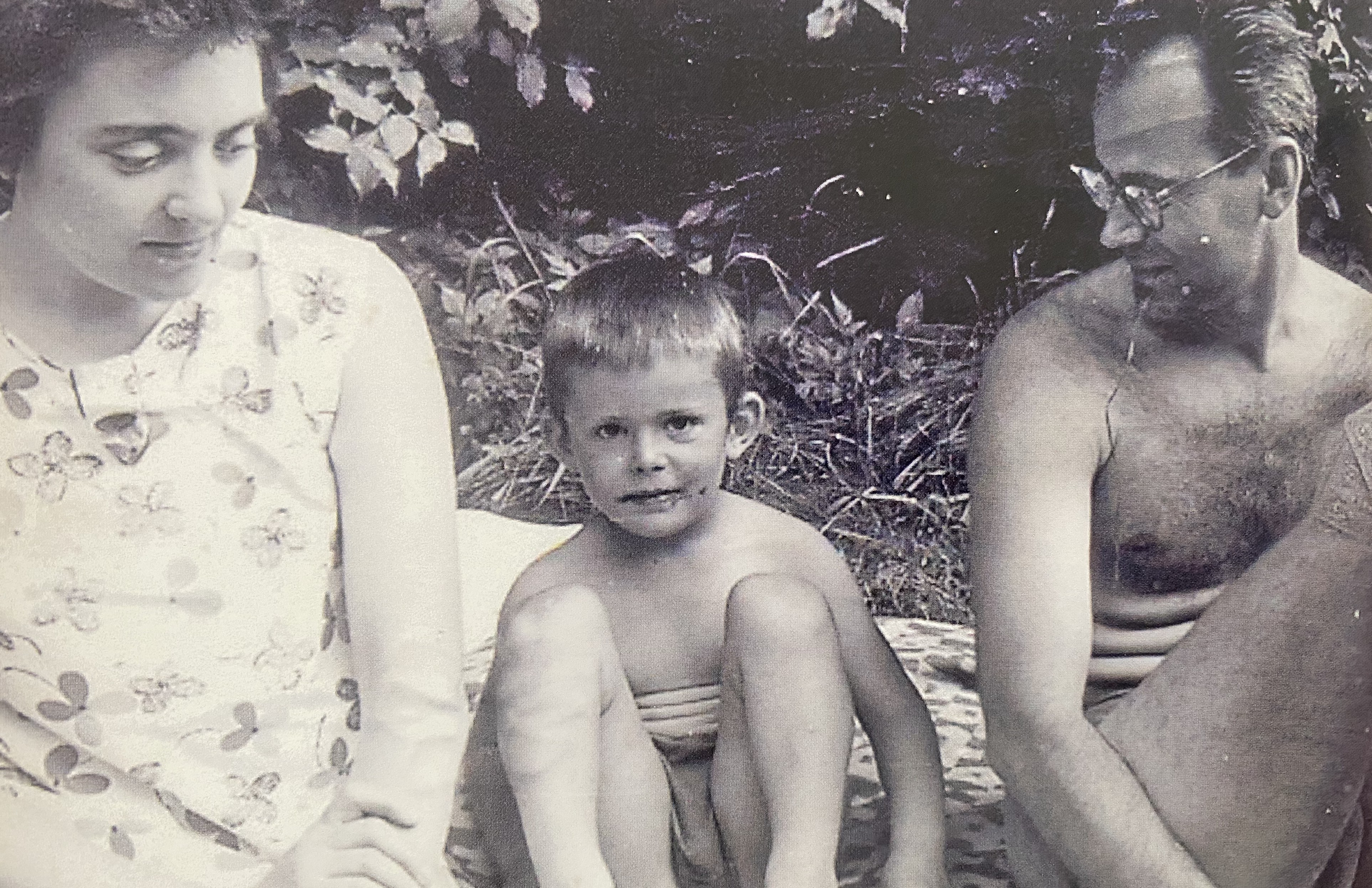
Jiří Šigut was born on 23 April 1929 in Sighoti, Marmaros, Romania. He spent his childhood in Brno, where he experienced hunger and bombing during World War II. After the war he graduated from business school and worked in an insurance company. He was actively involved in the Union of Czech Youth, where he met many prominent personalities and his future wife Marie. In the 1950s he graduated from the Reserve Officers’ School and shortly afterwards joined the Communist Party of Czechoslovakia. He later combined his professional career with journalism - he became deputy editor-in-chief of the daily Rovnost. On 21 August 1968, the newspaper was one of the first to report on the occupation of Czechoslovakia, for which he was fired from the editorial office and subsequently expelled from the Communist Party. Together with his wife, they then devoted themselves to home lectures and after the Velvet Revolution they actively participated in the activities of the Brno Vesna association. In 2025, Jiří Šigut and his wife Marie lived in Brno-Líšno.