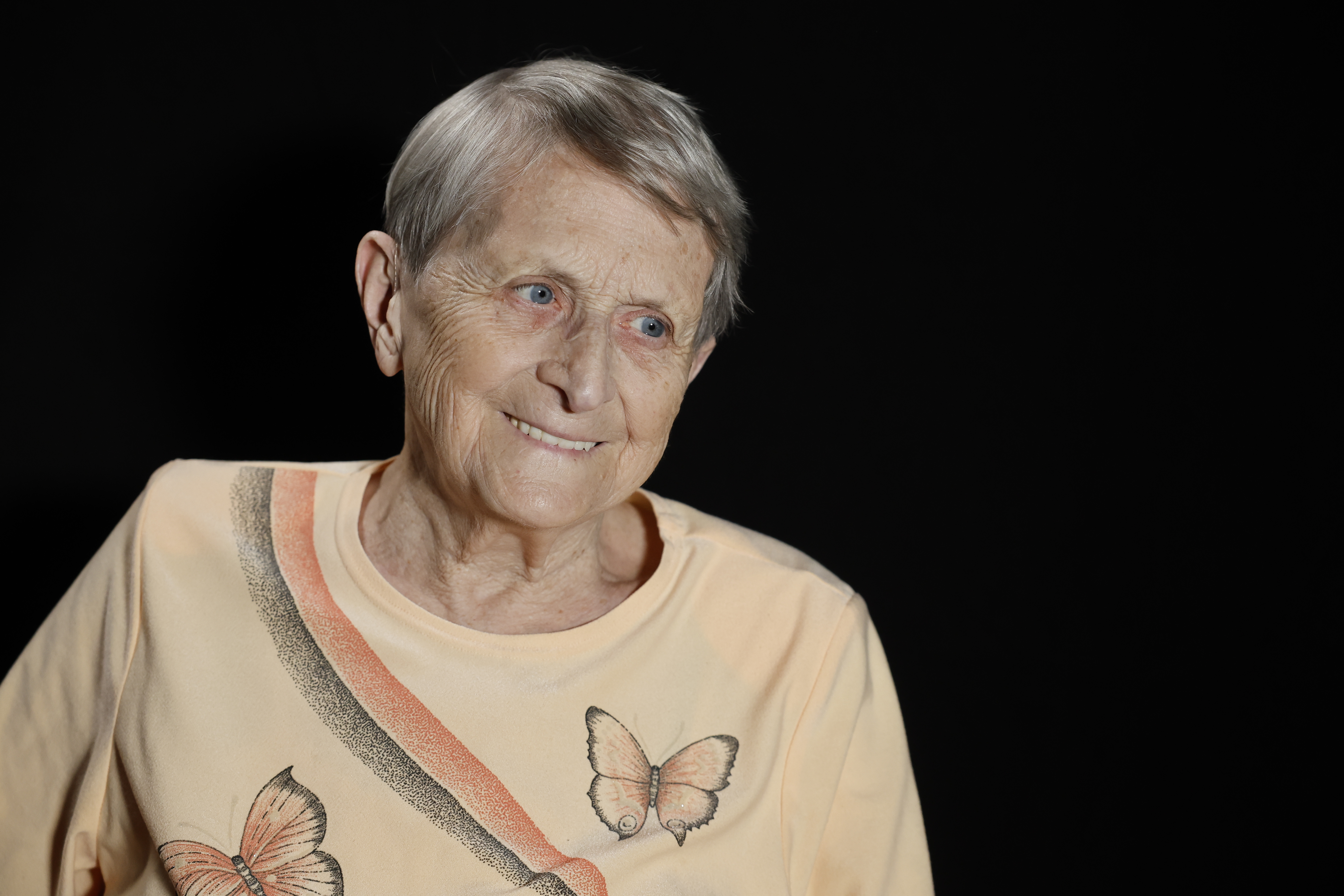
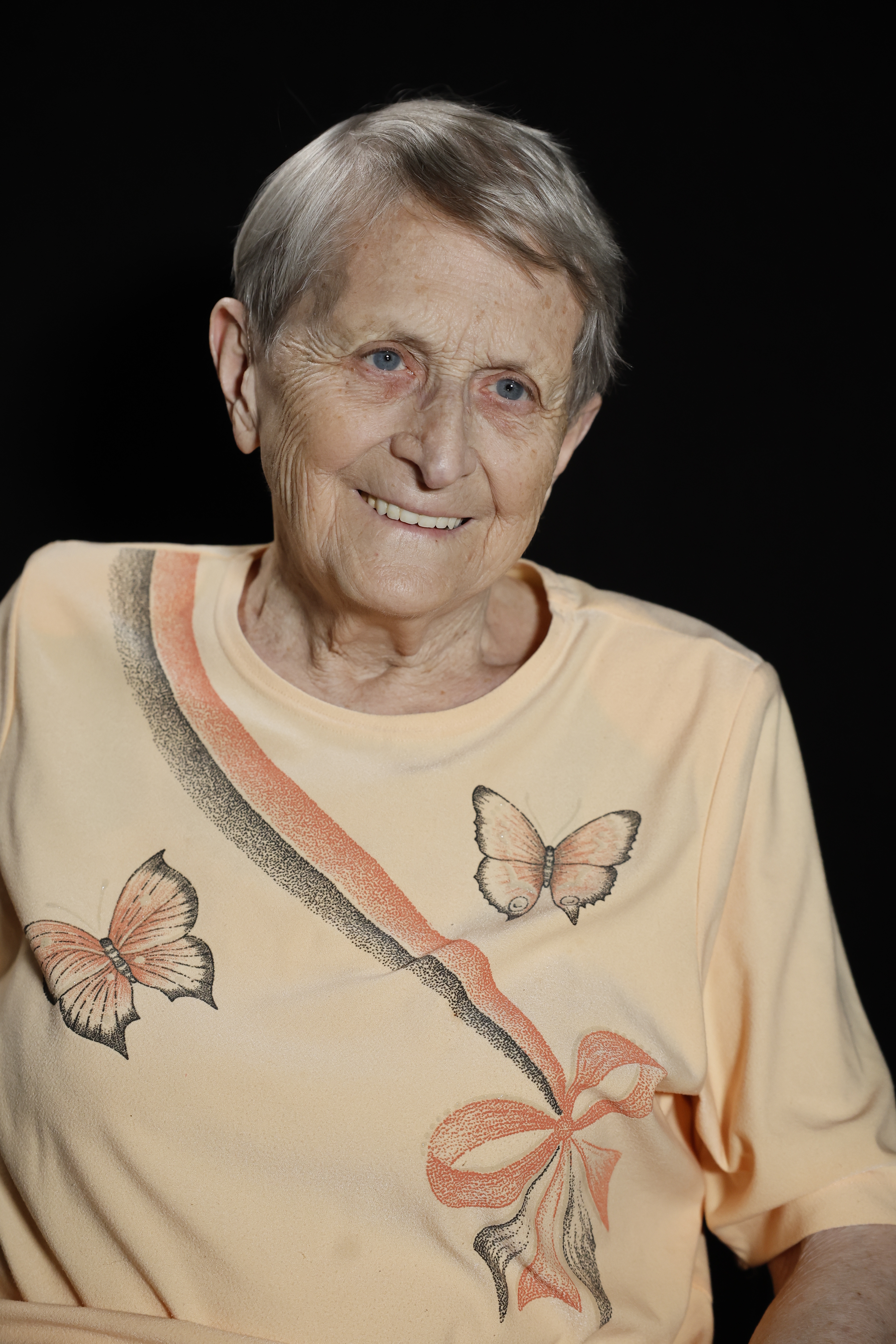
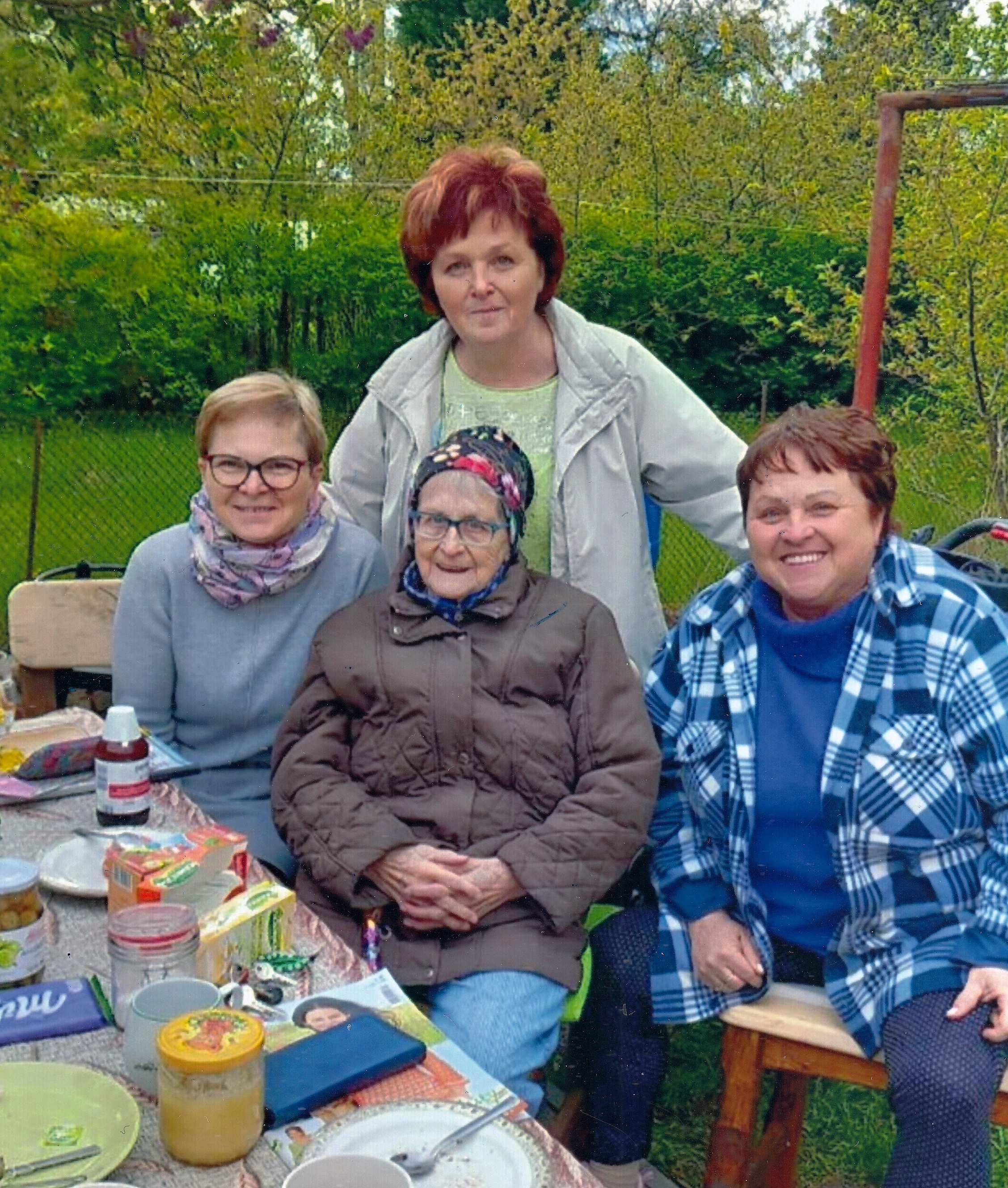
Zdeňka Pivrncová

* 1936

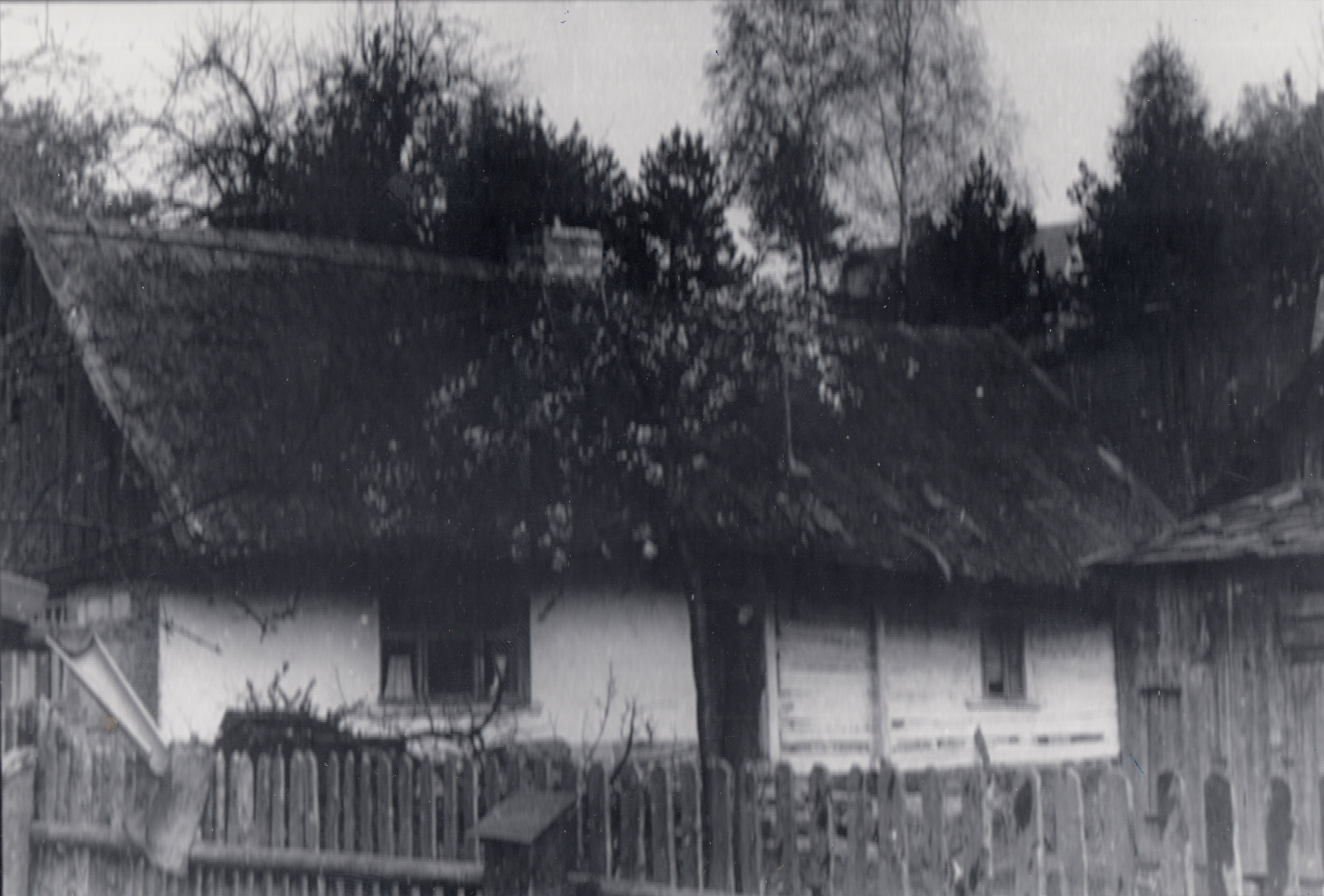
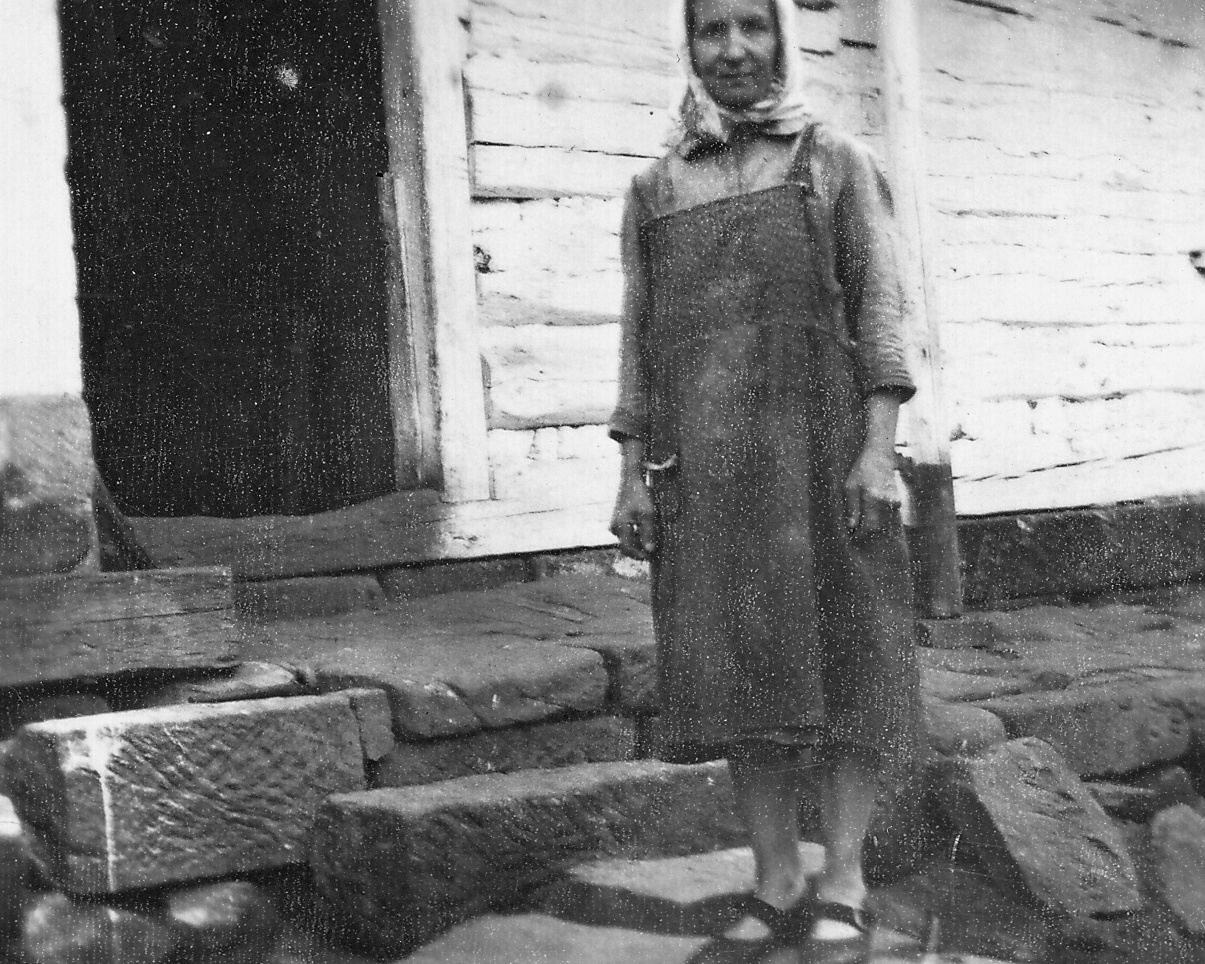
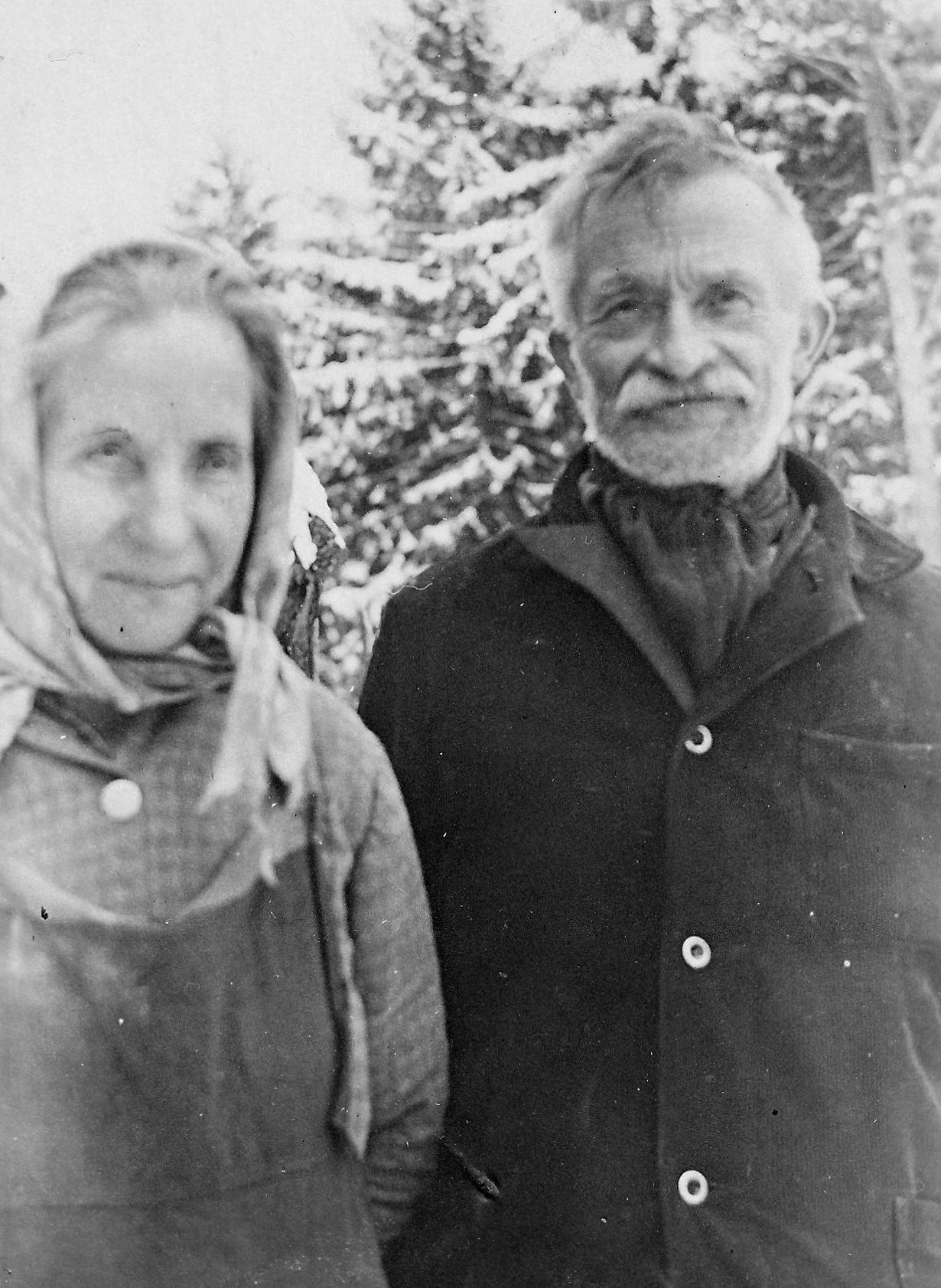
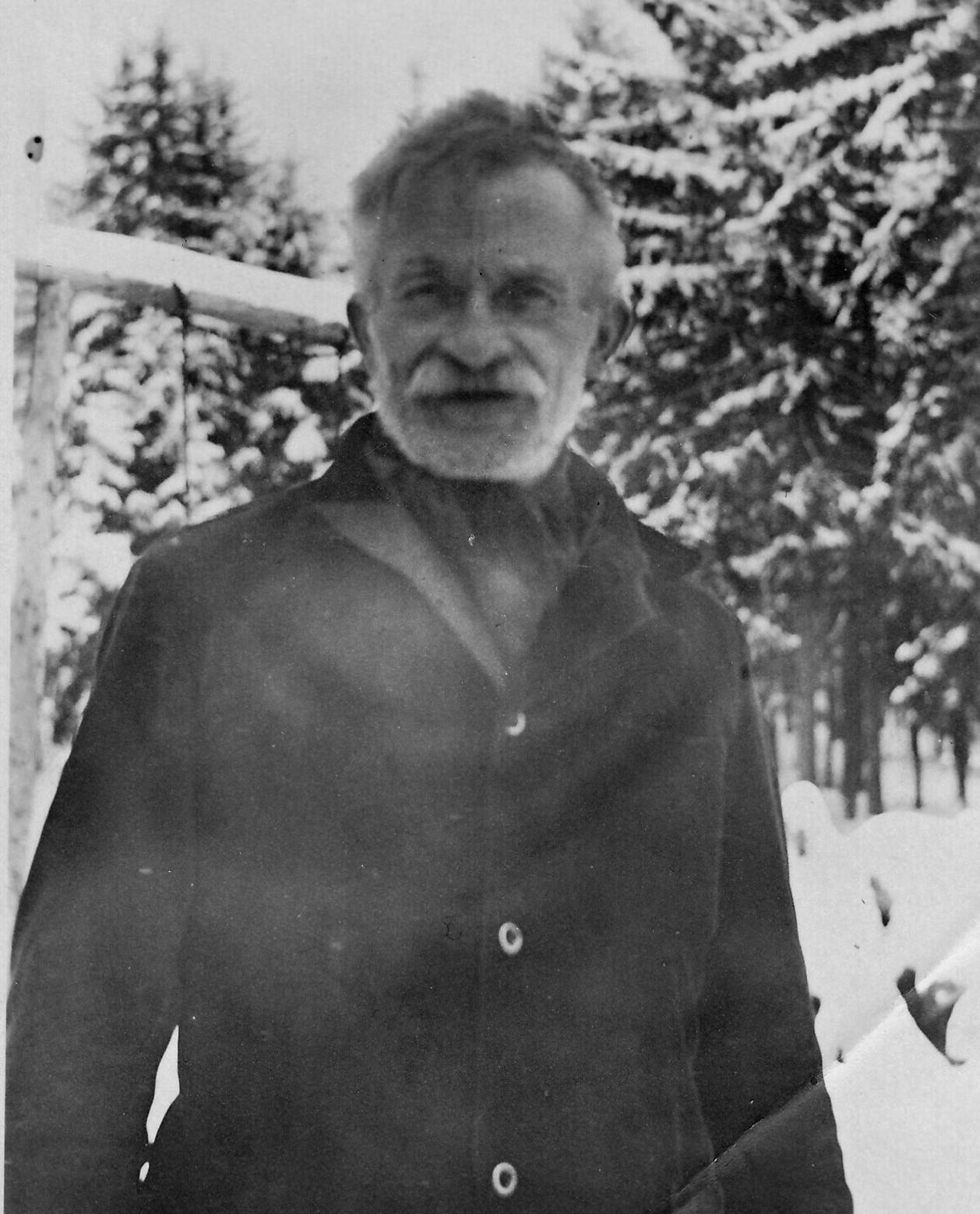
  • "The Germans saw my grandfather chopping and cutting wood and spreading it around his yard so that it would dry out and he could store it. I guess they had agreed to go sit on the wood, so they left their work and went to have a snack. They got there, and when my grandfather understood what they wanted he suddenly ran and with my grandmother they grabbed me and and moved me into the other room and said, 'There are two Englishmen in there and they are sick, they have dysentery. Don't go to them. And you mustn't let them go to the window either, because there will be Germans in the yard.' Well, I understood that, because since I had lived through the whole war, somebody would hide with us or come to our house to eat... So I was there with them, only I was [afraid] of them having dysentery. I didn't know what it was. They were on one side, I was near the window, but I didn't go to them."

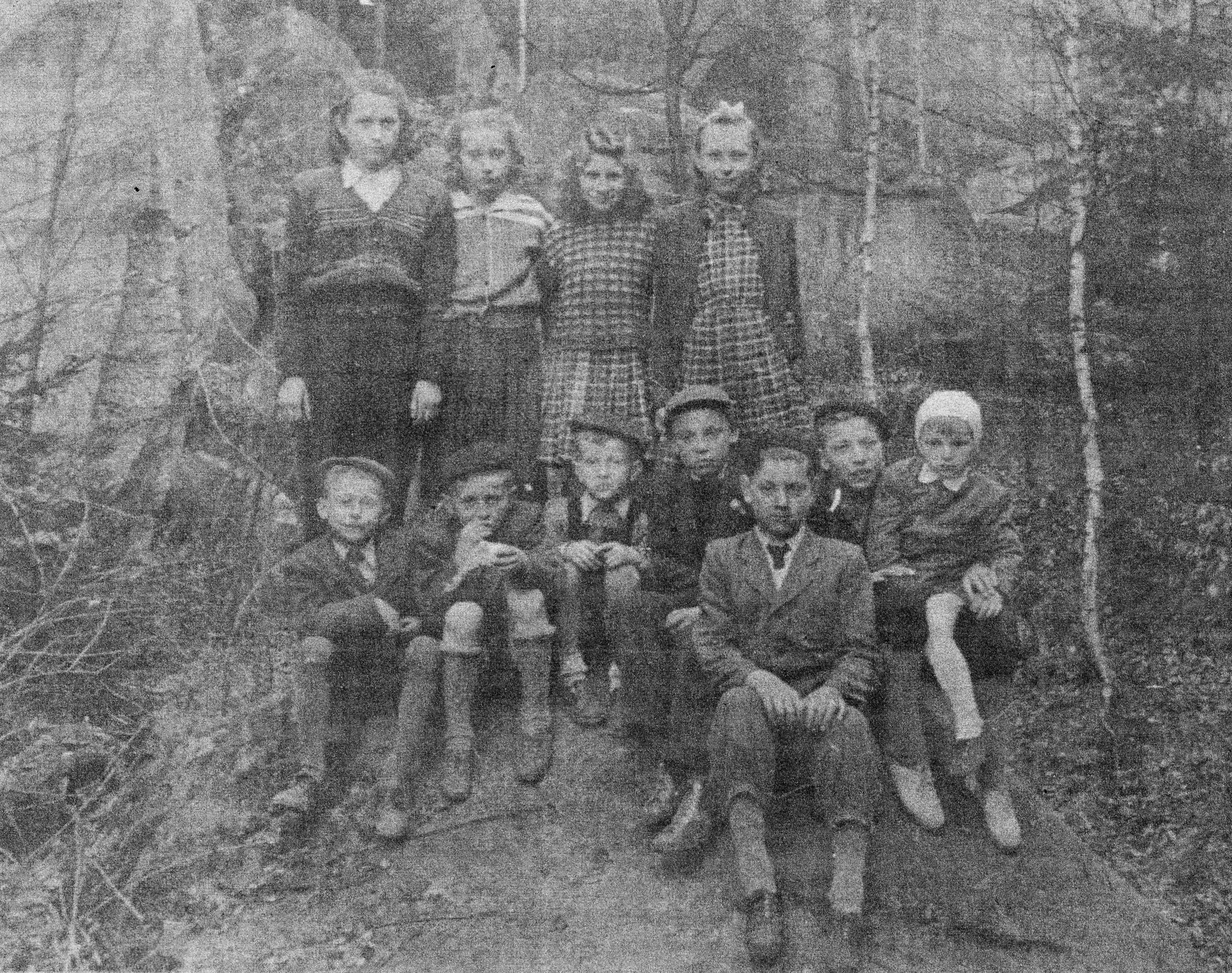
  • "My mom and my dad, my grandma next door and my grandpa, we lived right next to the woods. And that forest was full of all kinds of refugees during the war, mostly Russians and so on. They were hungry and we tried to feed them. I knew two of them by name. And my parents were brave, probably other parents weren't, because there was no such thing as talk among the children. They took me with them, and I knew what to do and how to do it. We even had to go through two villages - to have something to feed them - to get flour. We went through Brada, we came across the road, there was Zámezí and there was a mill there. And in that mill there was a very nice miller who put flour in our backpack, and we went back again at night."

  • "I got to the end of Prachov, and there the road went down to another village, and I had to turn right at a curve into Holín. I could already see the cemetery at the end of the road and then it was down to the school. Now suddenly I see on both sides of the road there were German soldiers in the ditches, one next to the other with a gun - a rifle - pointed at the road. But I didn't get it, I just kept walking, just looking from one side to the other. I crossed, then I was at the cemetery and went to school. I don't remember what happened next. Whether I reached the school or not, how it was with the soldiers I don't either, but afterwards I realized that if any of them had just done that, I wouldn't have been here."

  • Full recordings
  • 1

    Liberec, 11.08.2025

    (audio)
    duration: 01:09:25
  • 2

    Liberec, 15.08.2025

    (audio)
    duration: 01:21:56
Full recordings are available only for logged users.

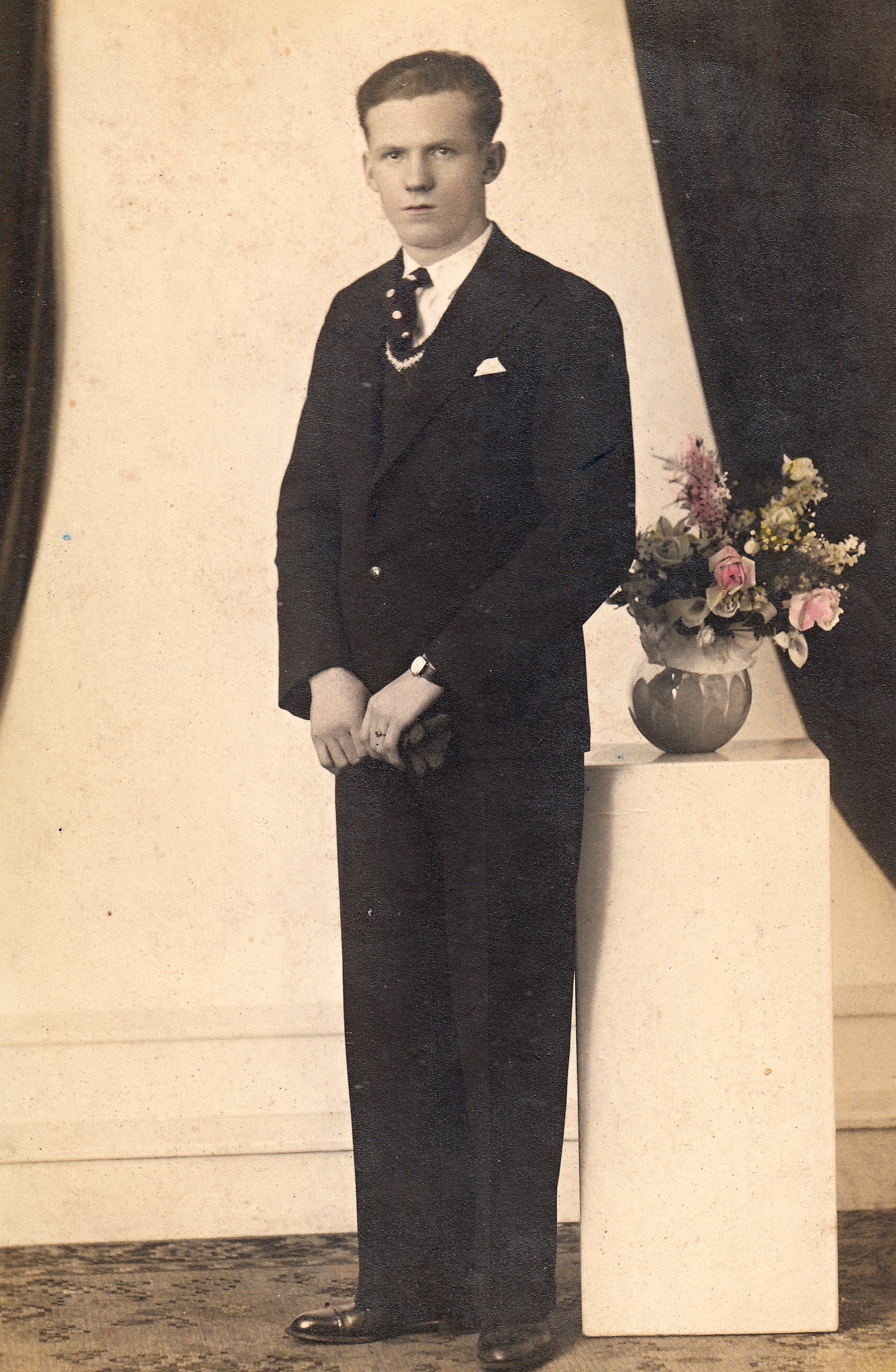
The Germans were having lunch in our yard while I was next door watching the English airmen
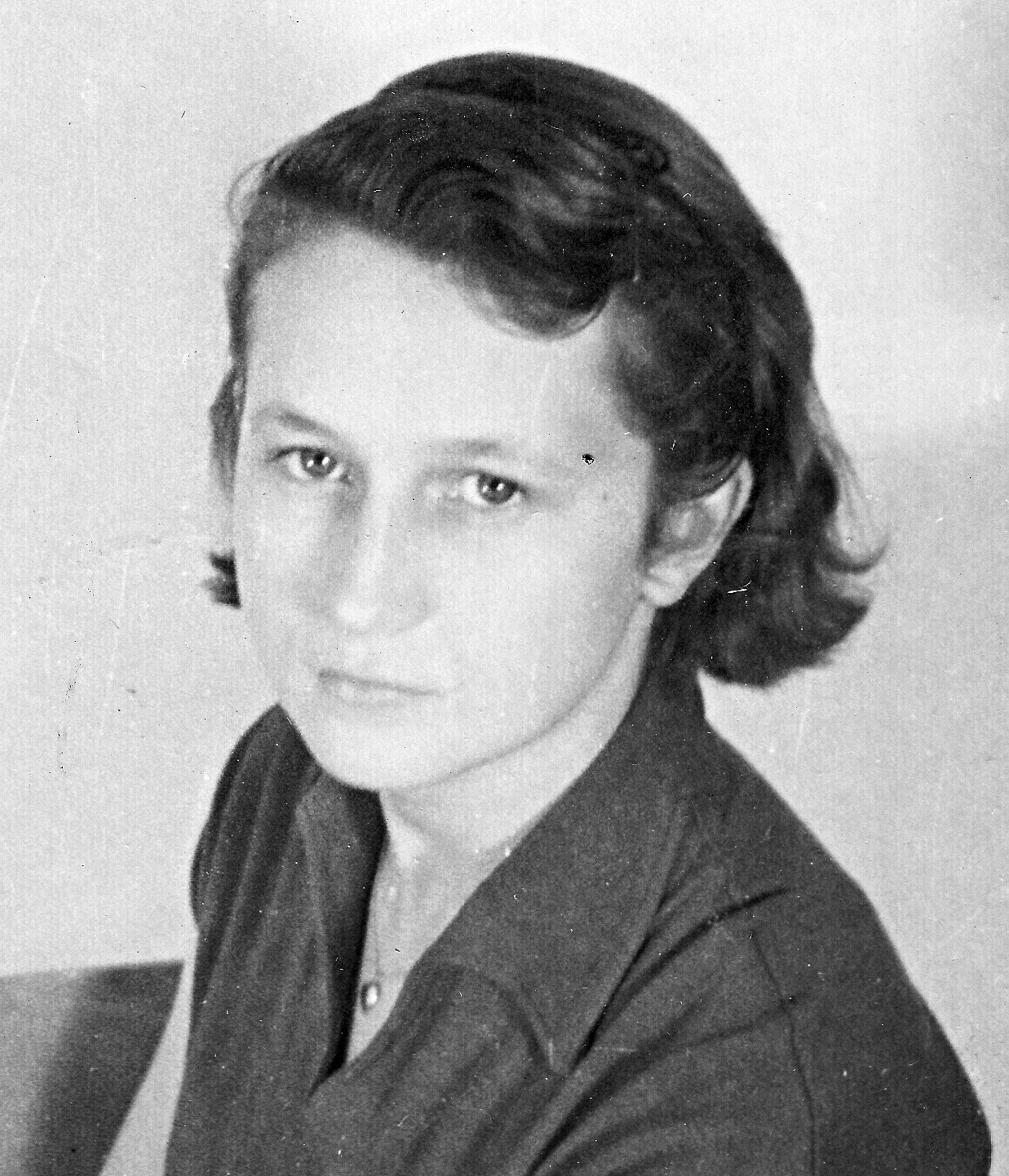
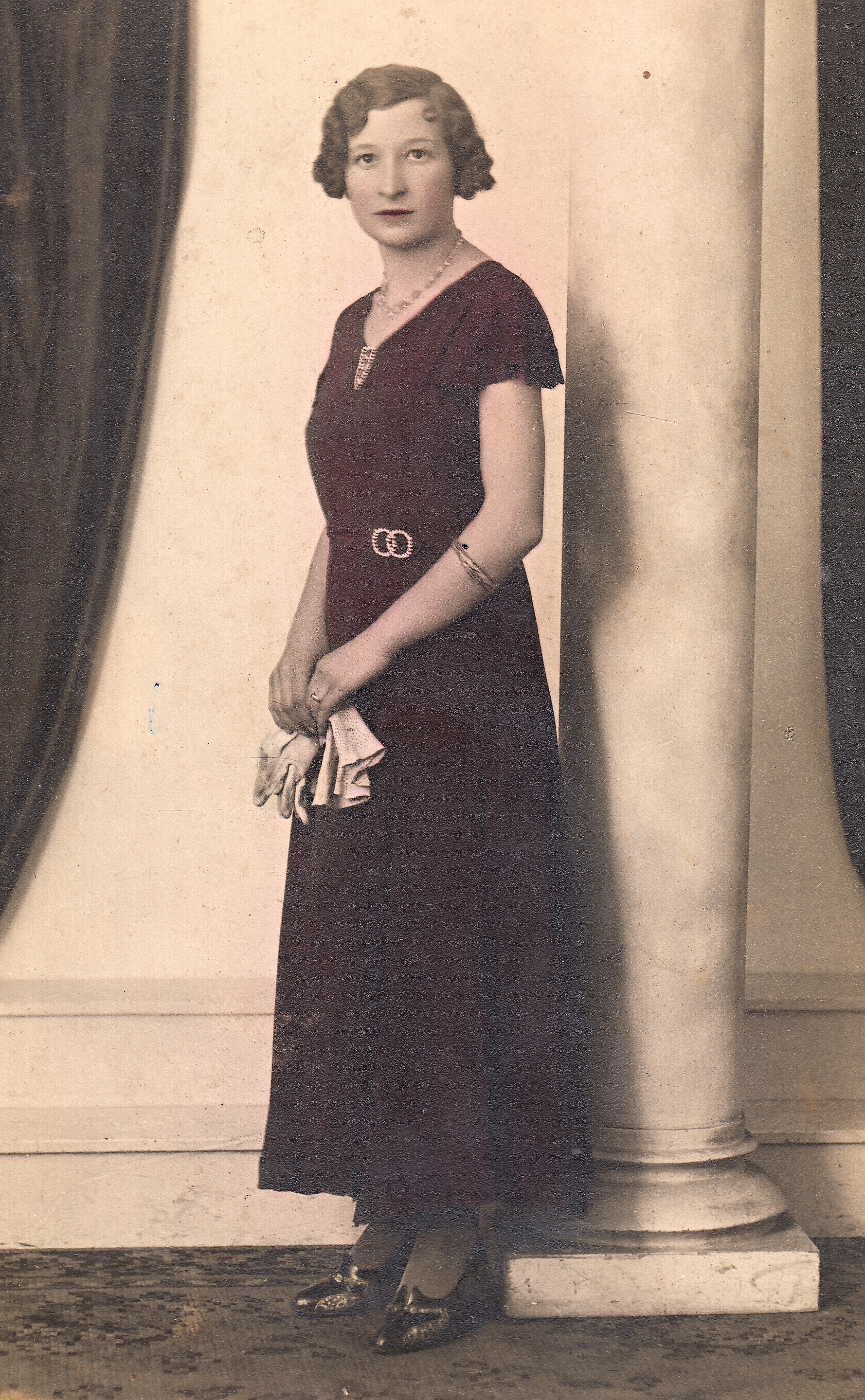
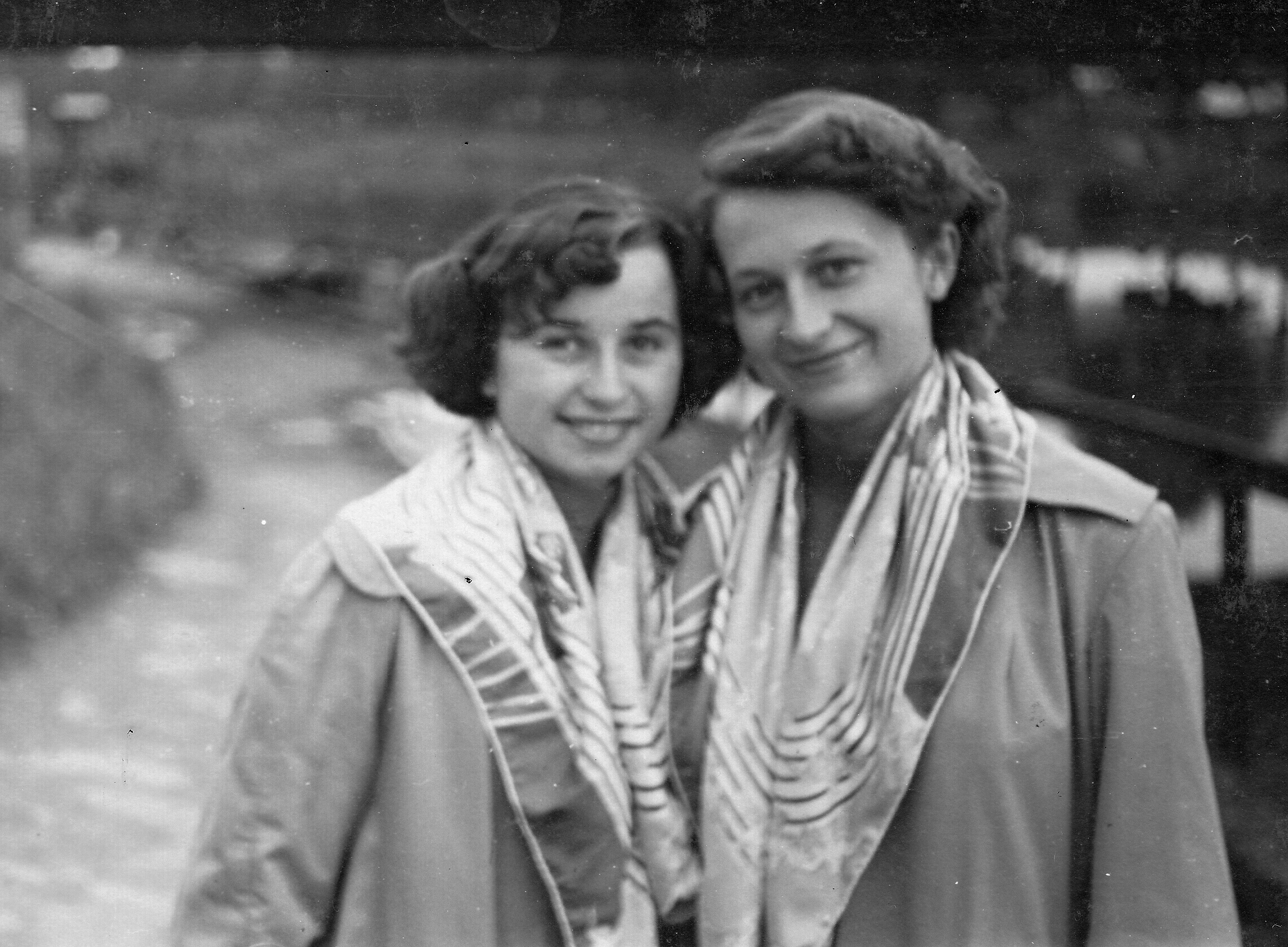
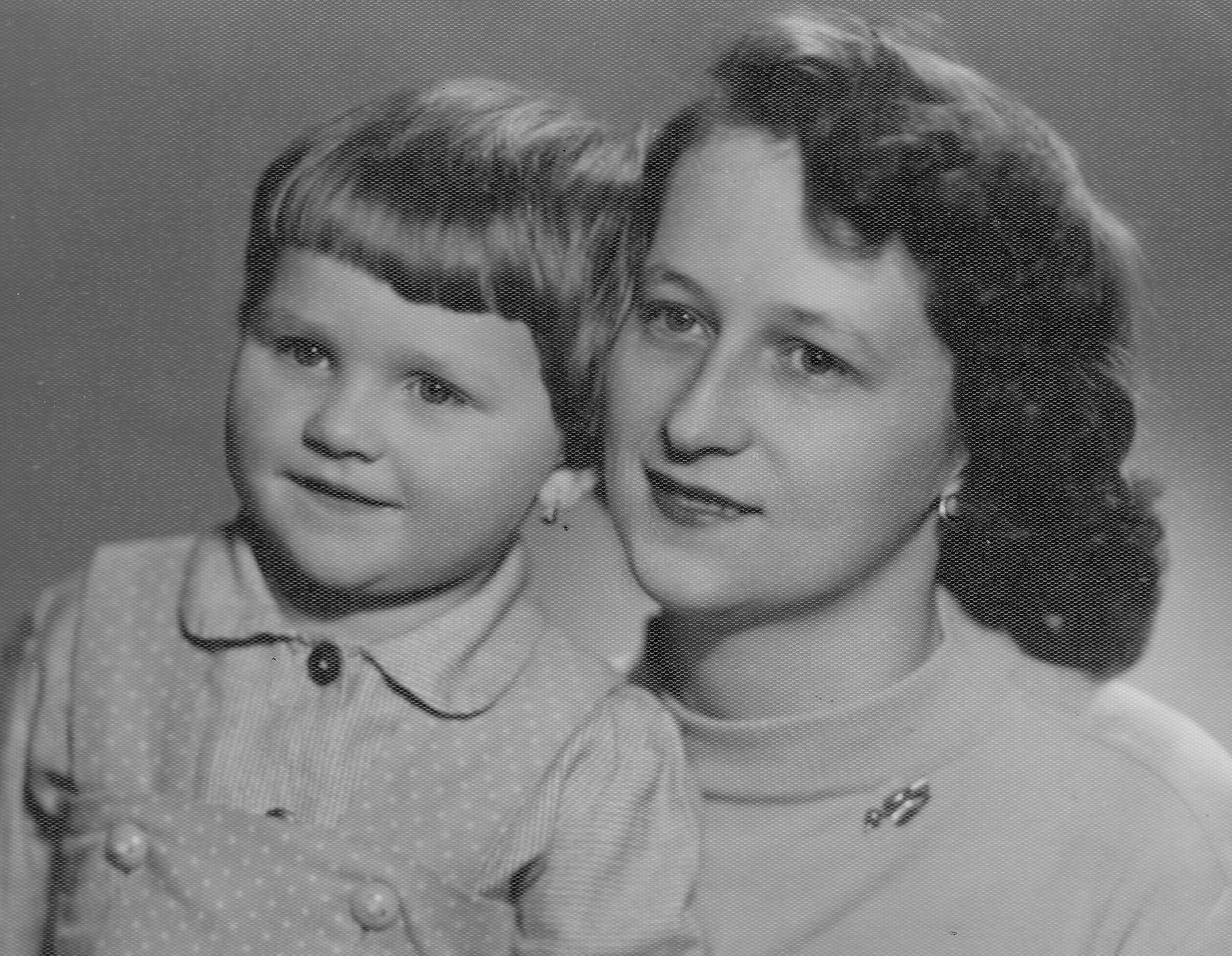
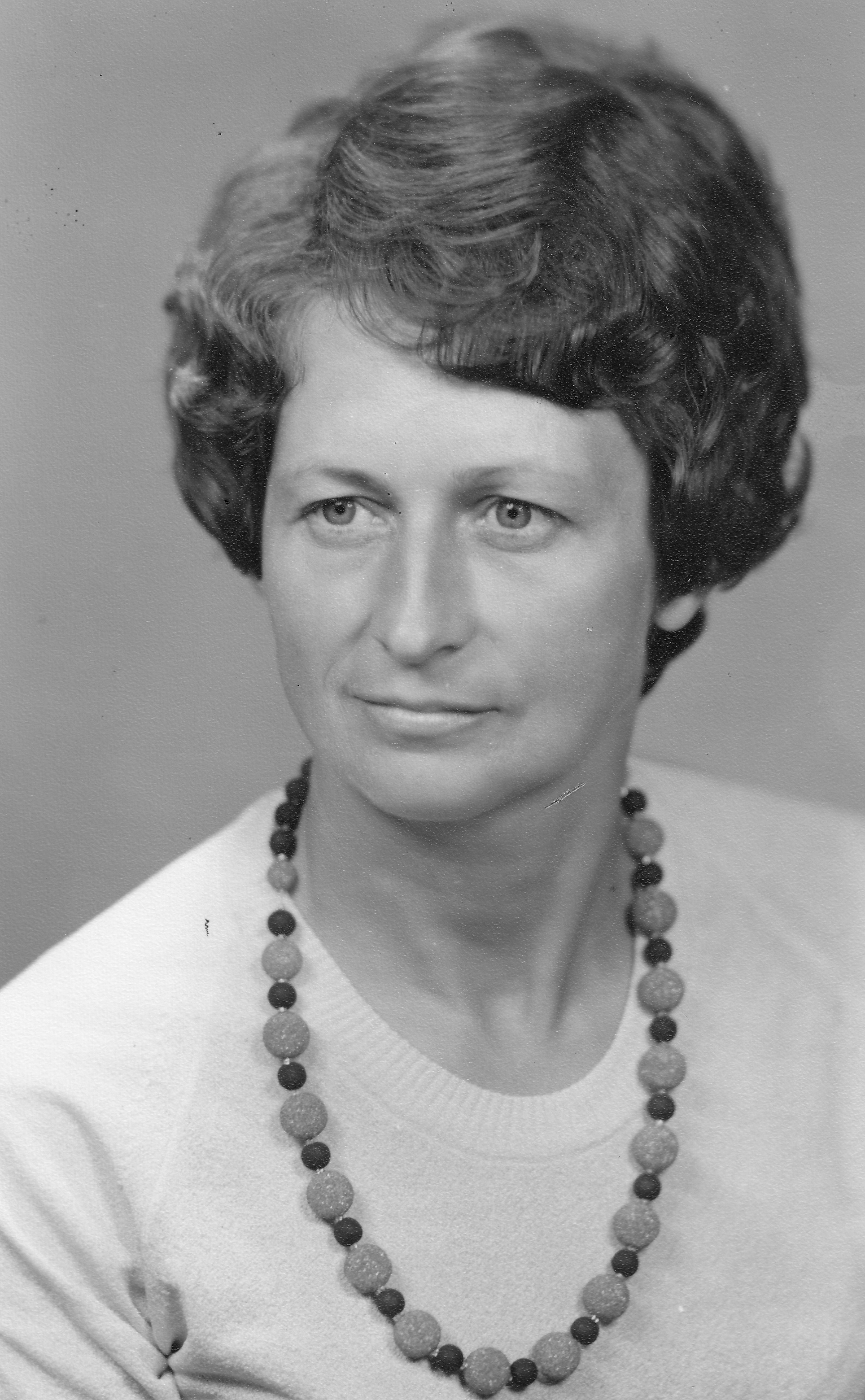
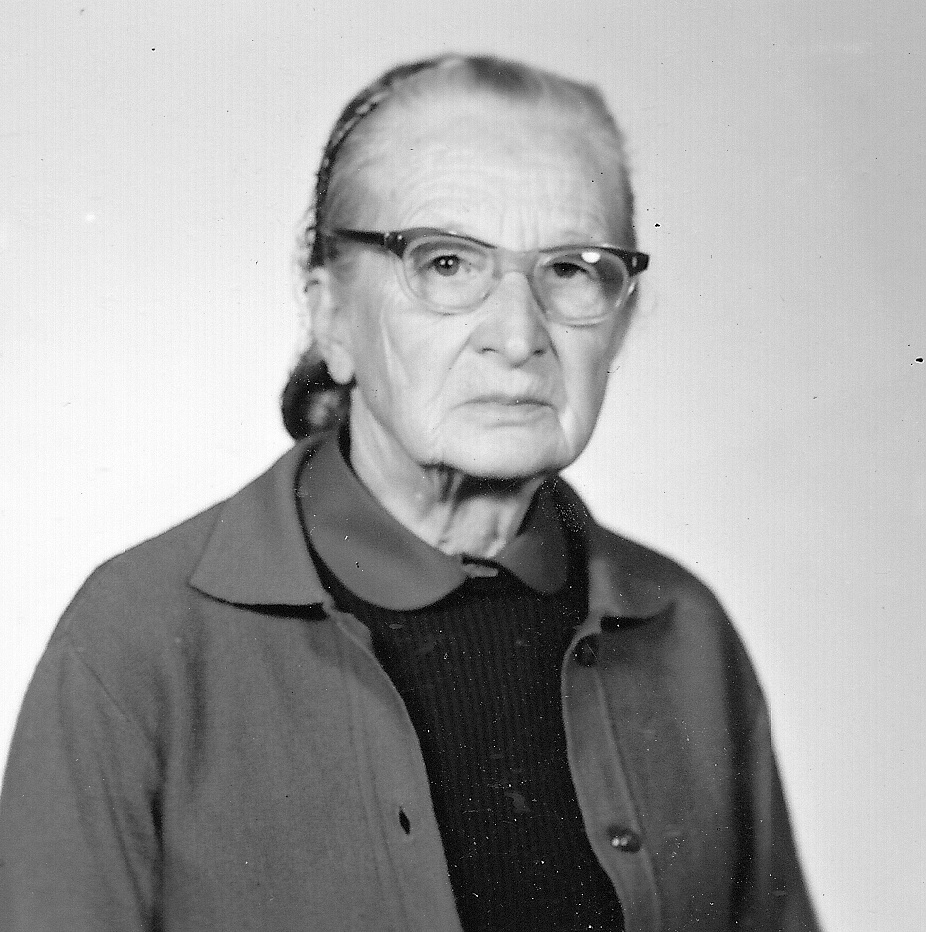
Zdeňka Pivrncová in 1953
photo: Witness´s archive

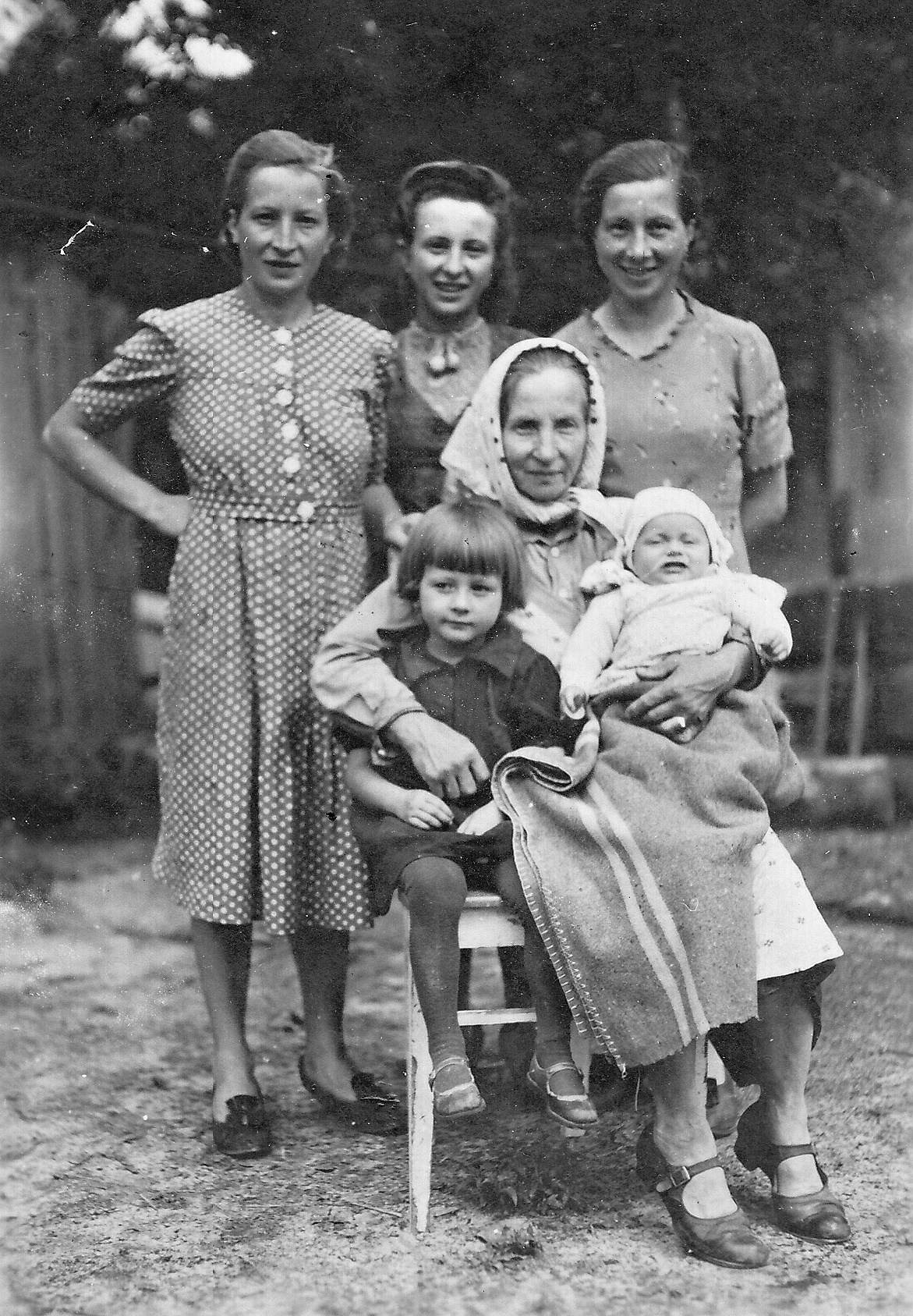
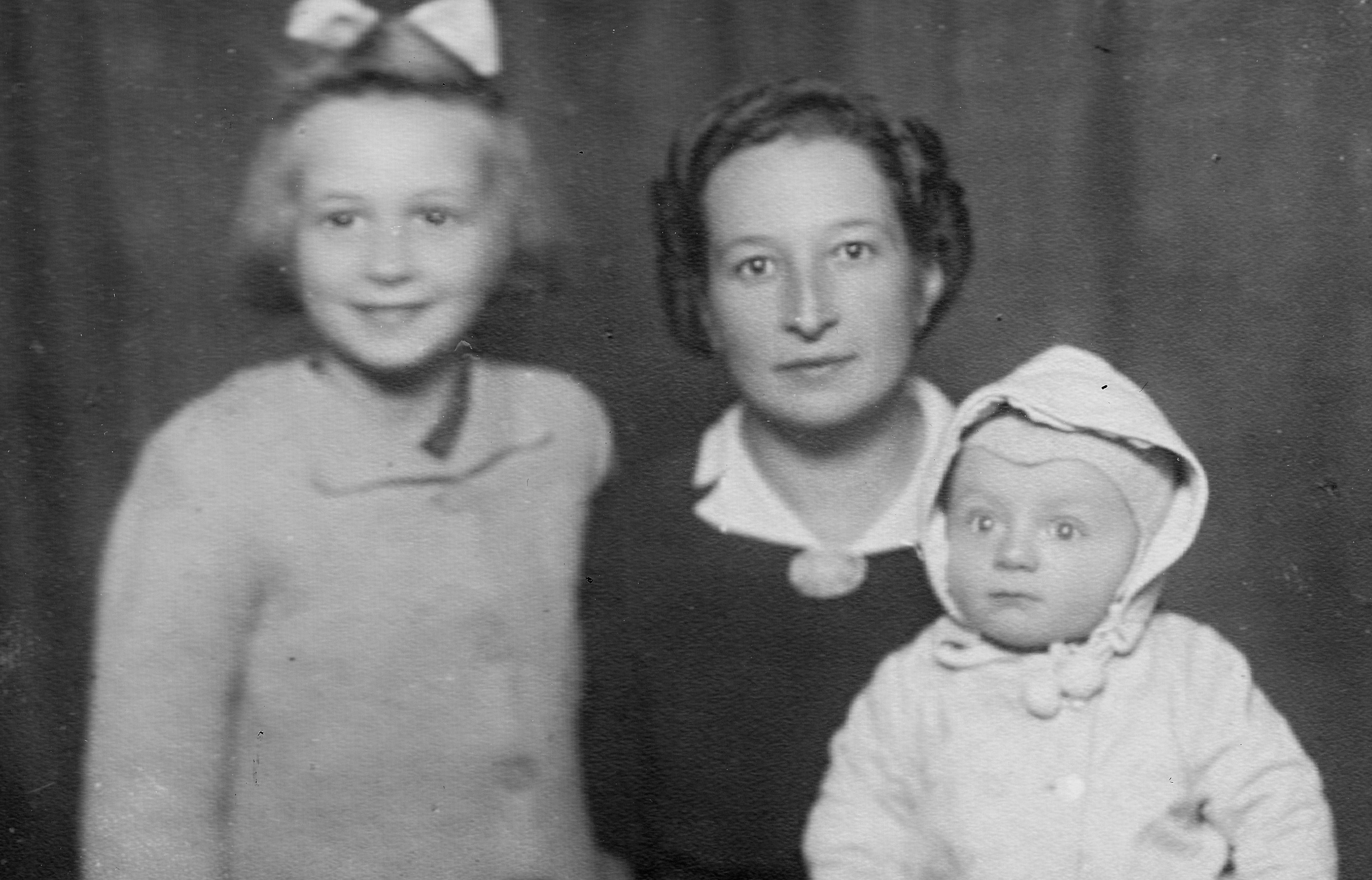
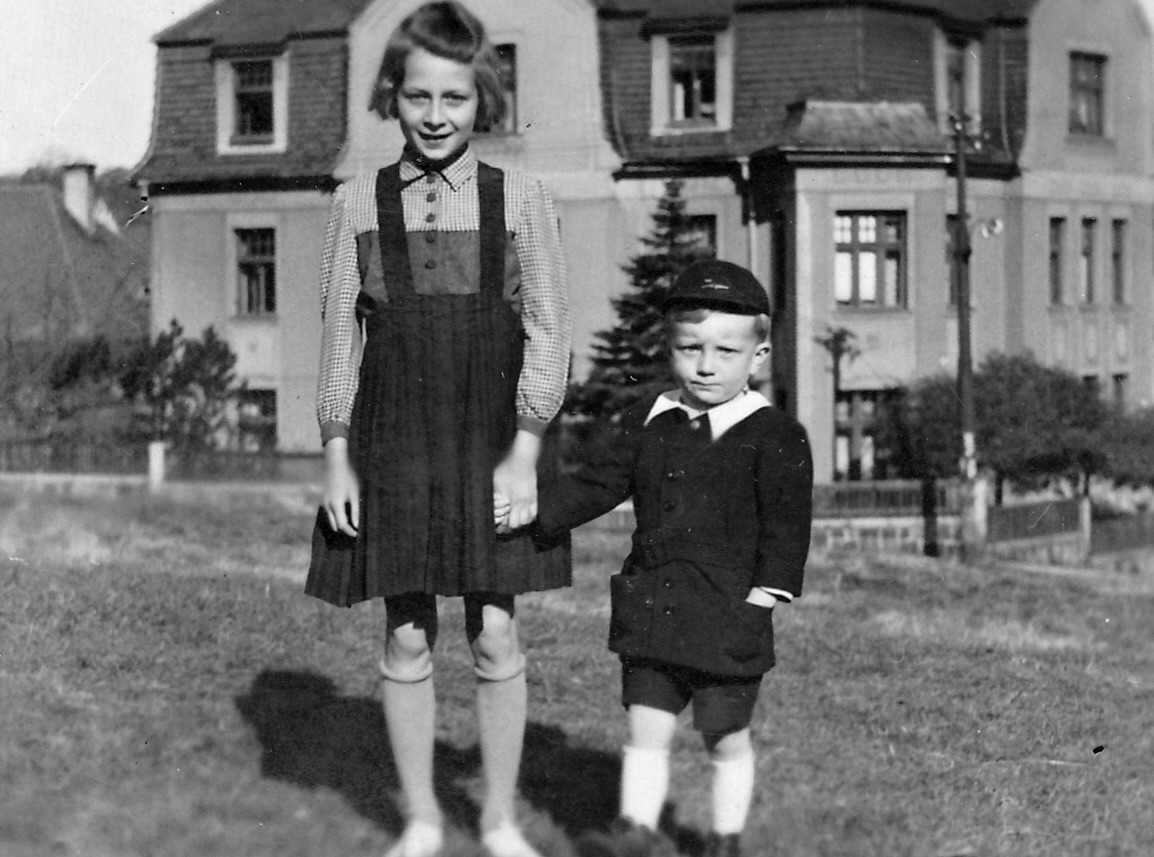
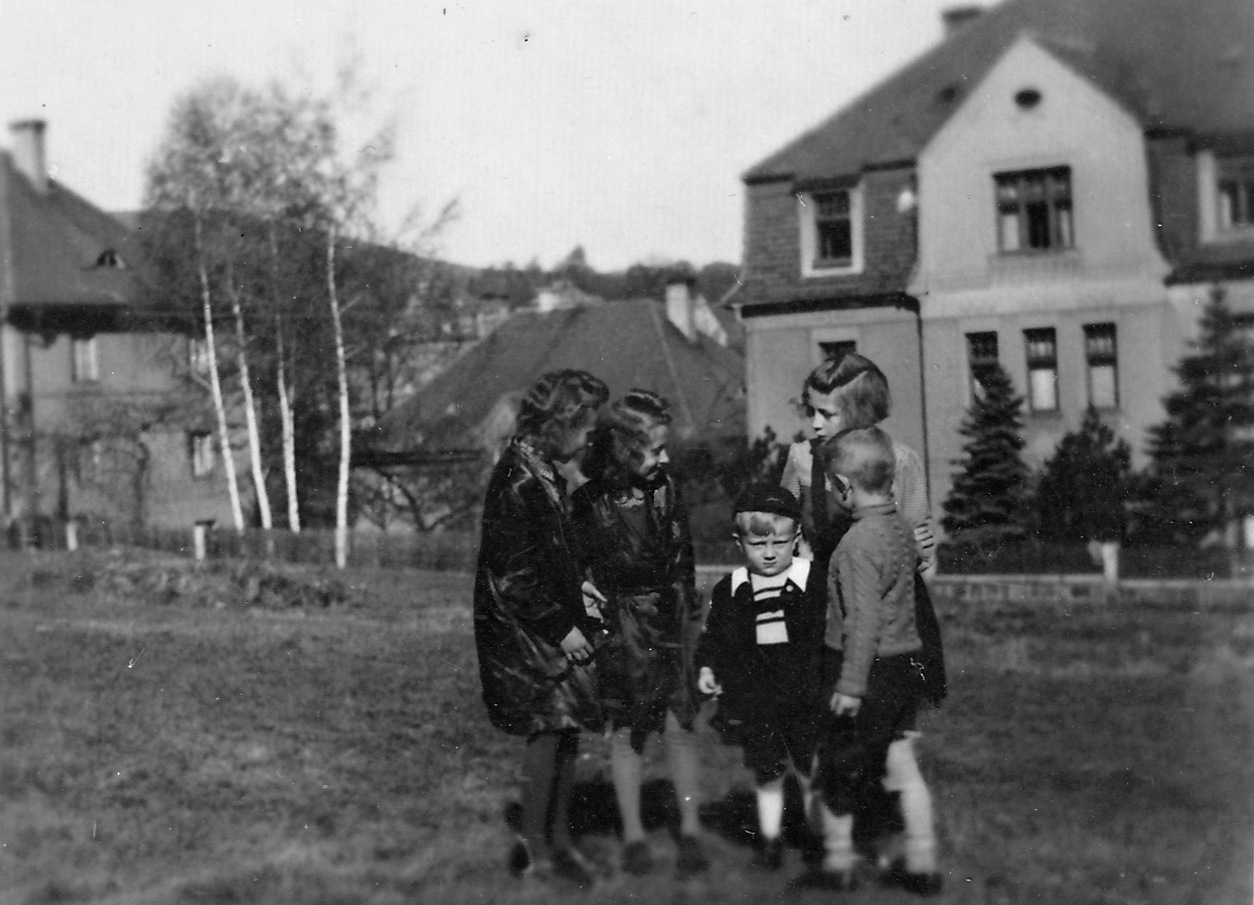
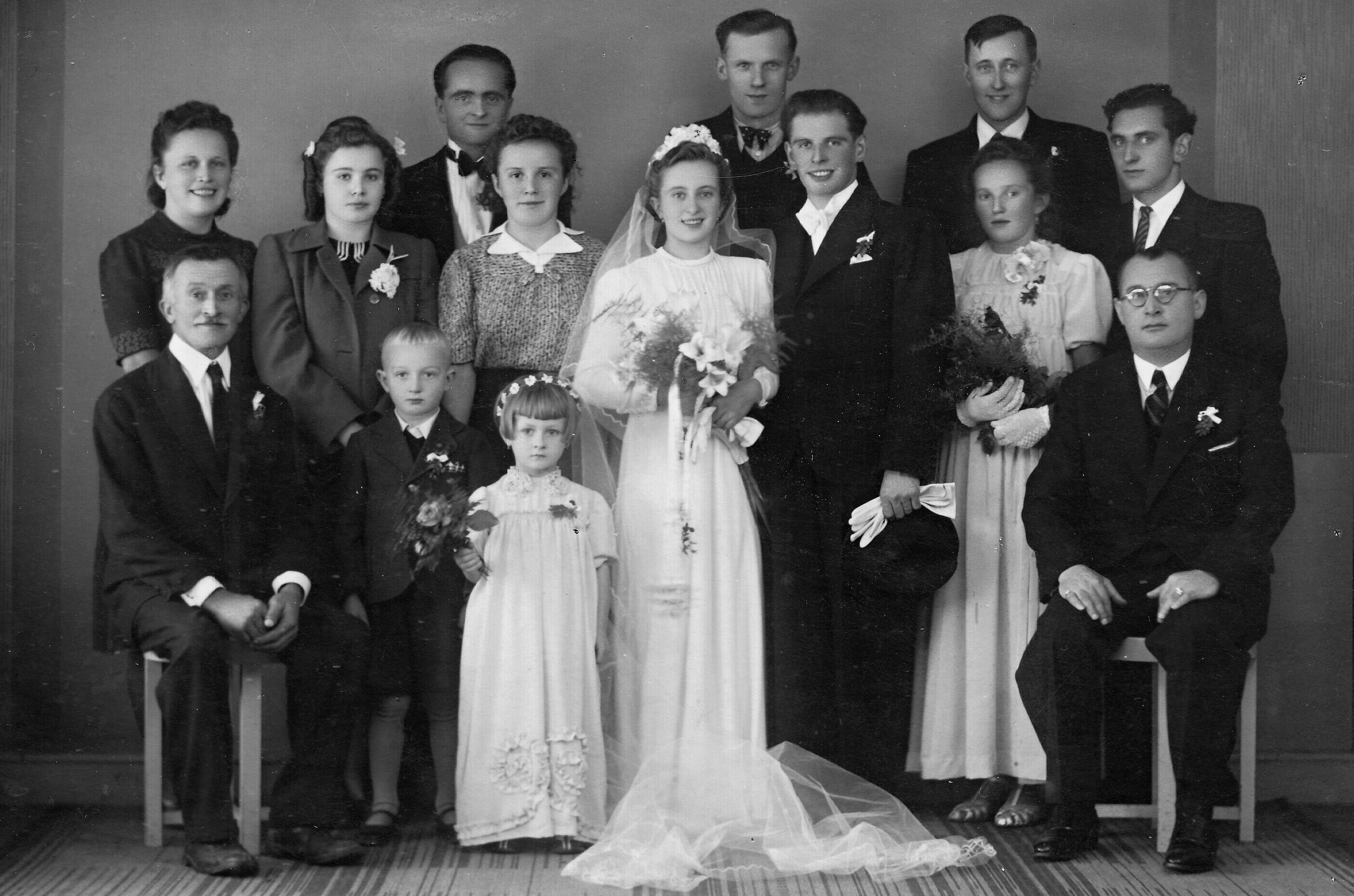
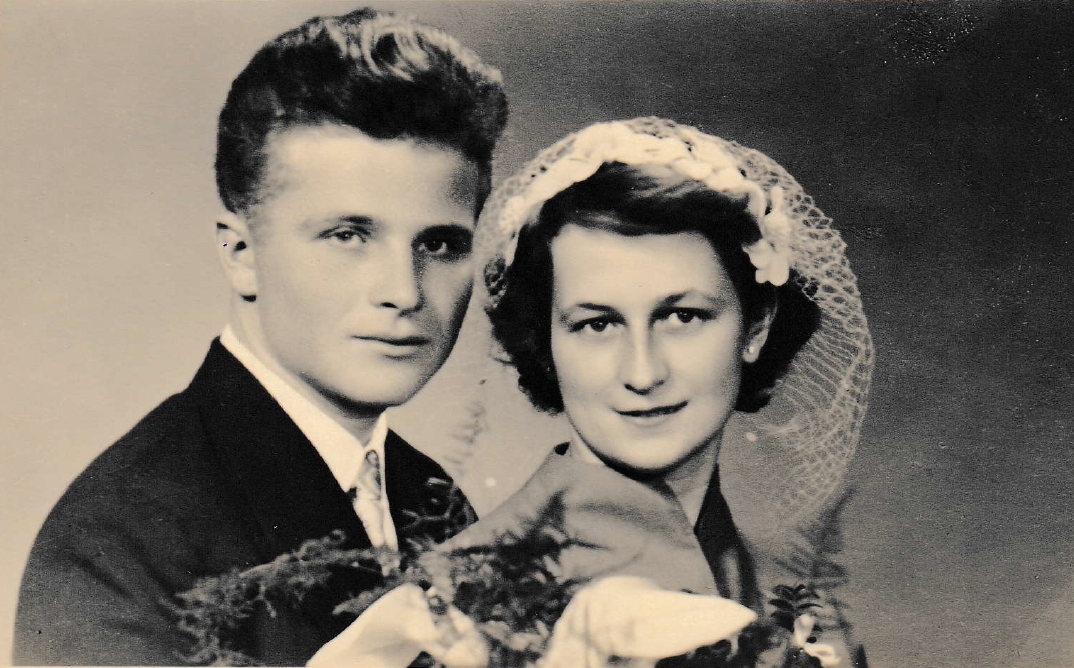
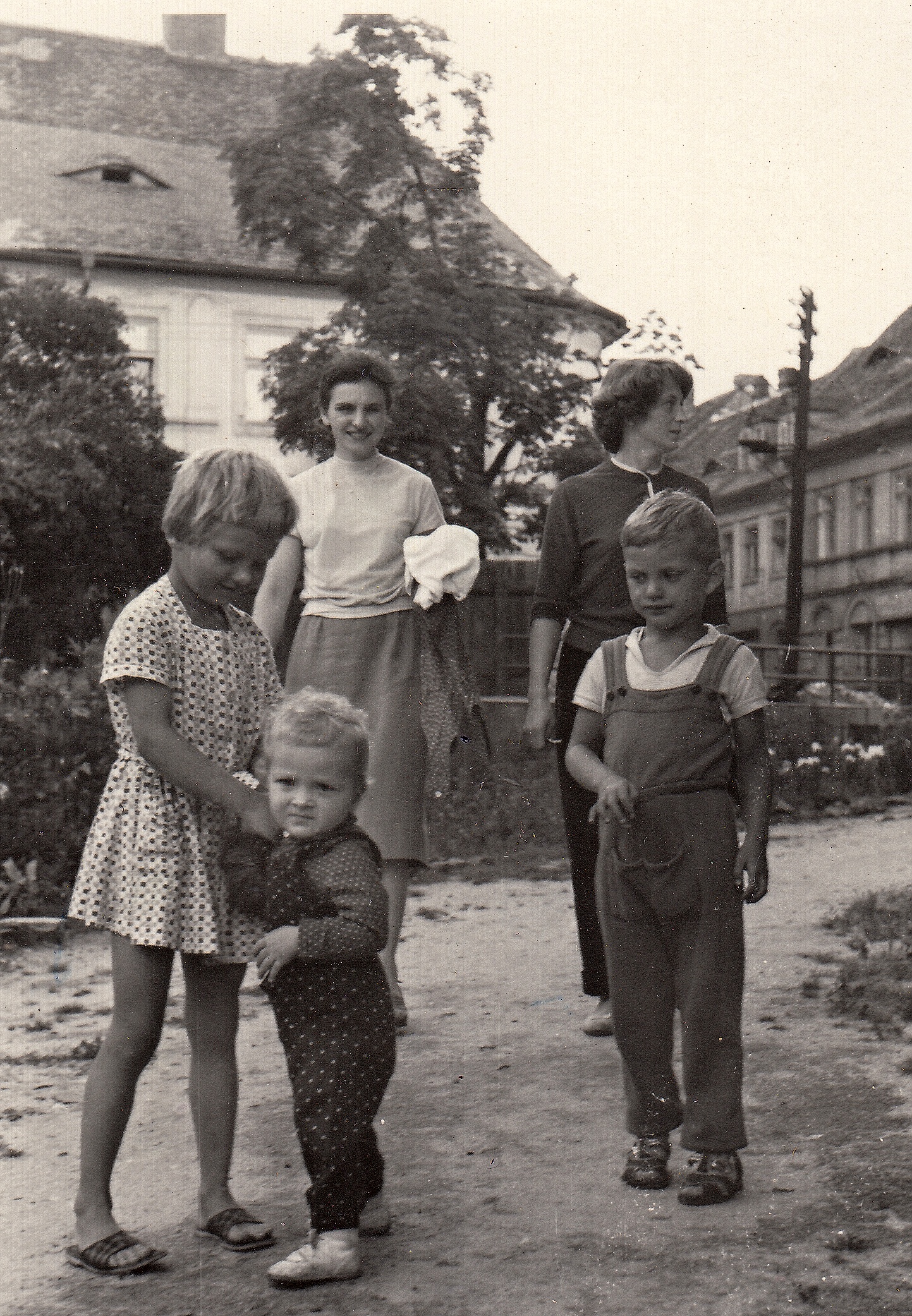
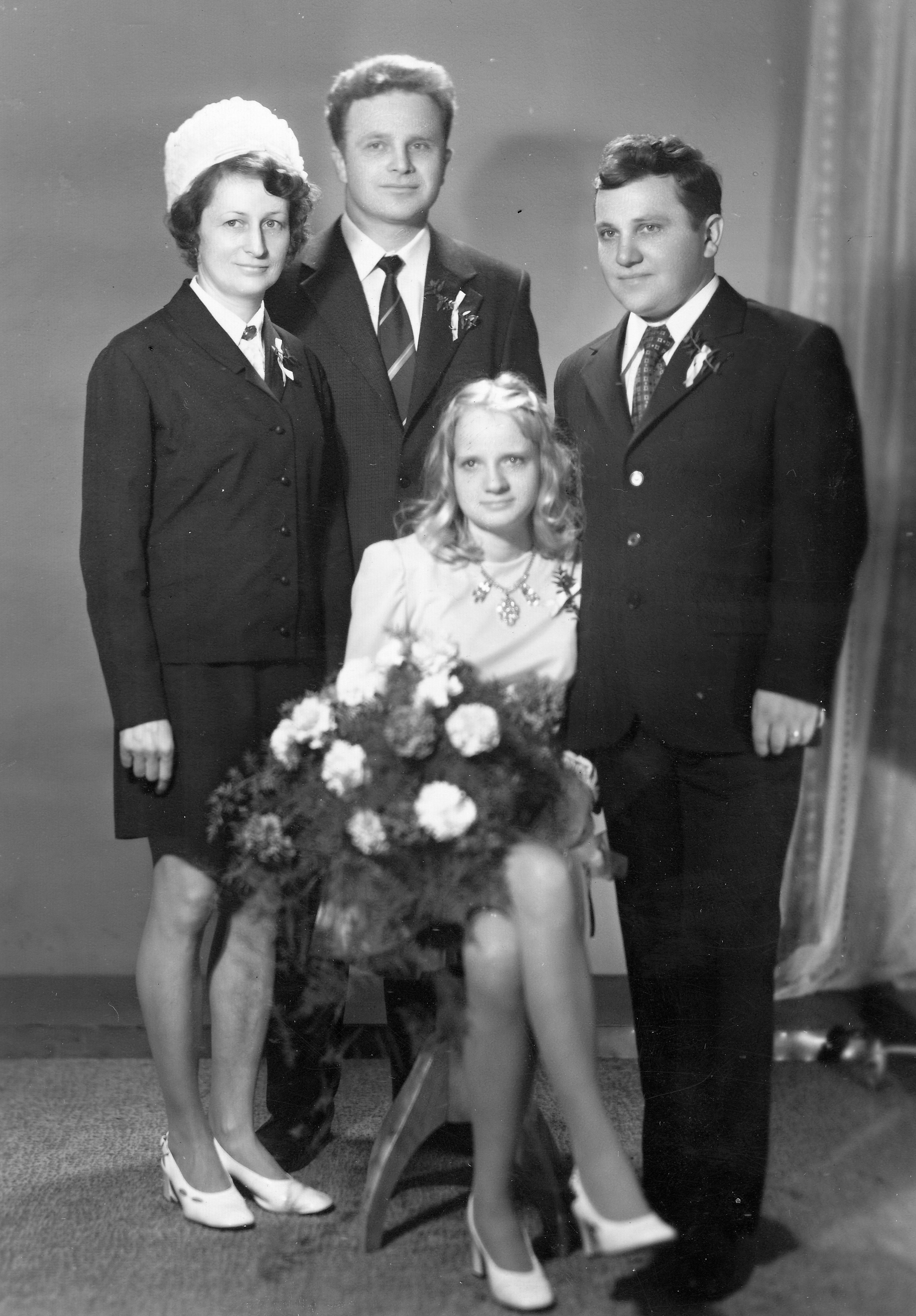
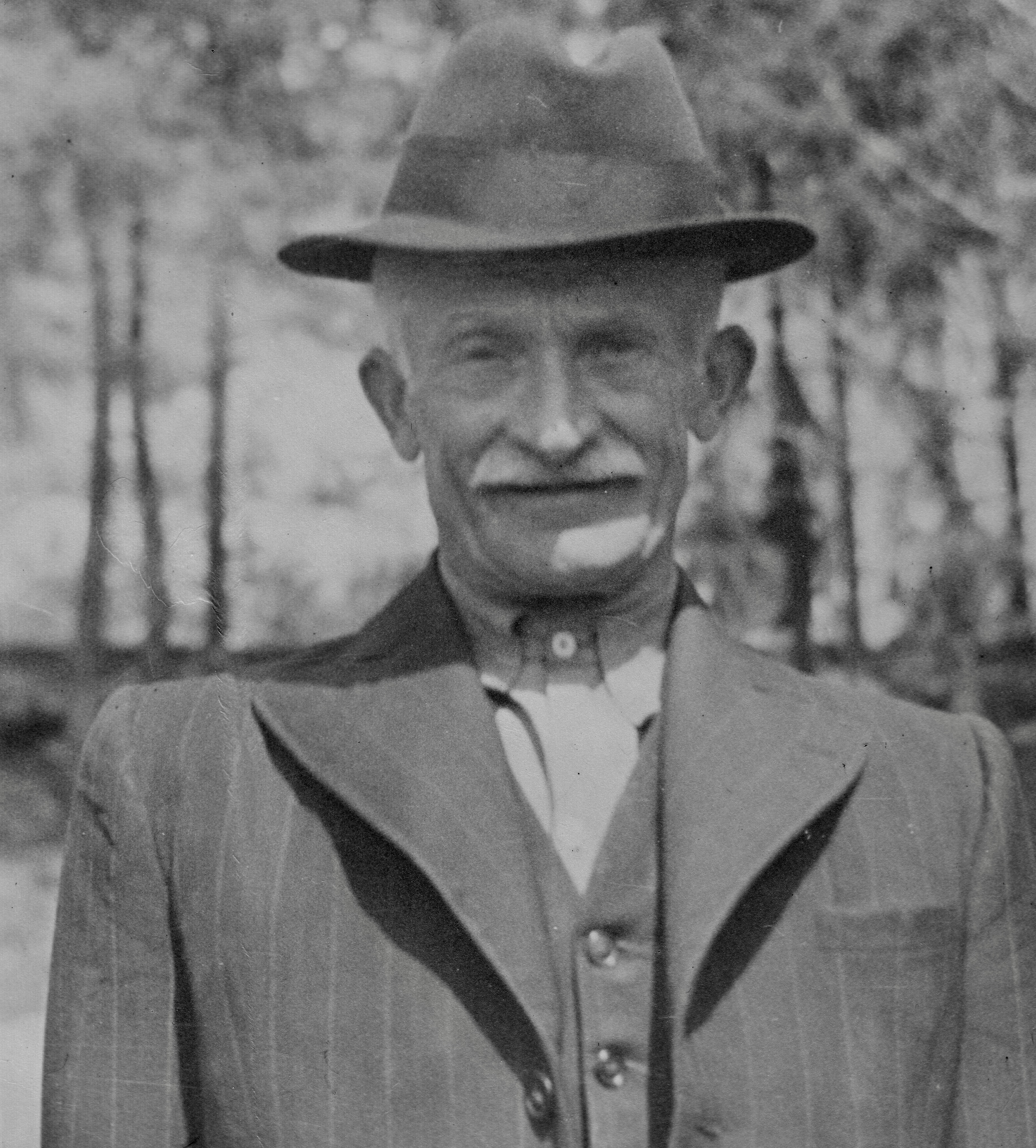
Zdeňka Pivrncová was born on 8 July 1936 in Prachov near Jičín, where her family was involved in the domestic anti-Nazi resistance during the Second World War. In her grandparents’ house, pursued English airmen were hiding and the whole family participated in collecting food for escaped prisoners who managed to escape from various transports or death marches. After the end of the Second World War, her parents and brother moved to Liberec, where she joined scouting. After graduating from a municipal school, she decided to study electromechanics in Semily, later married Jim Pivrnec and they raised three daughters. She greeted the Prague Spring period with enthusiasm, especially as the Junák was re-authorised. She became a member again and led her daughters to scouting as well. At the time of recording (2025) she was living in Česká Lípa.