They weren’t all bastards, but how do you know?
Download image
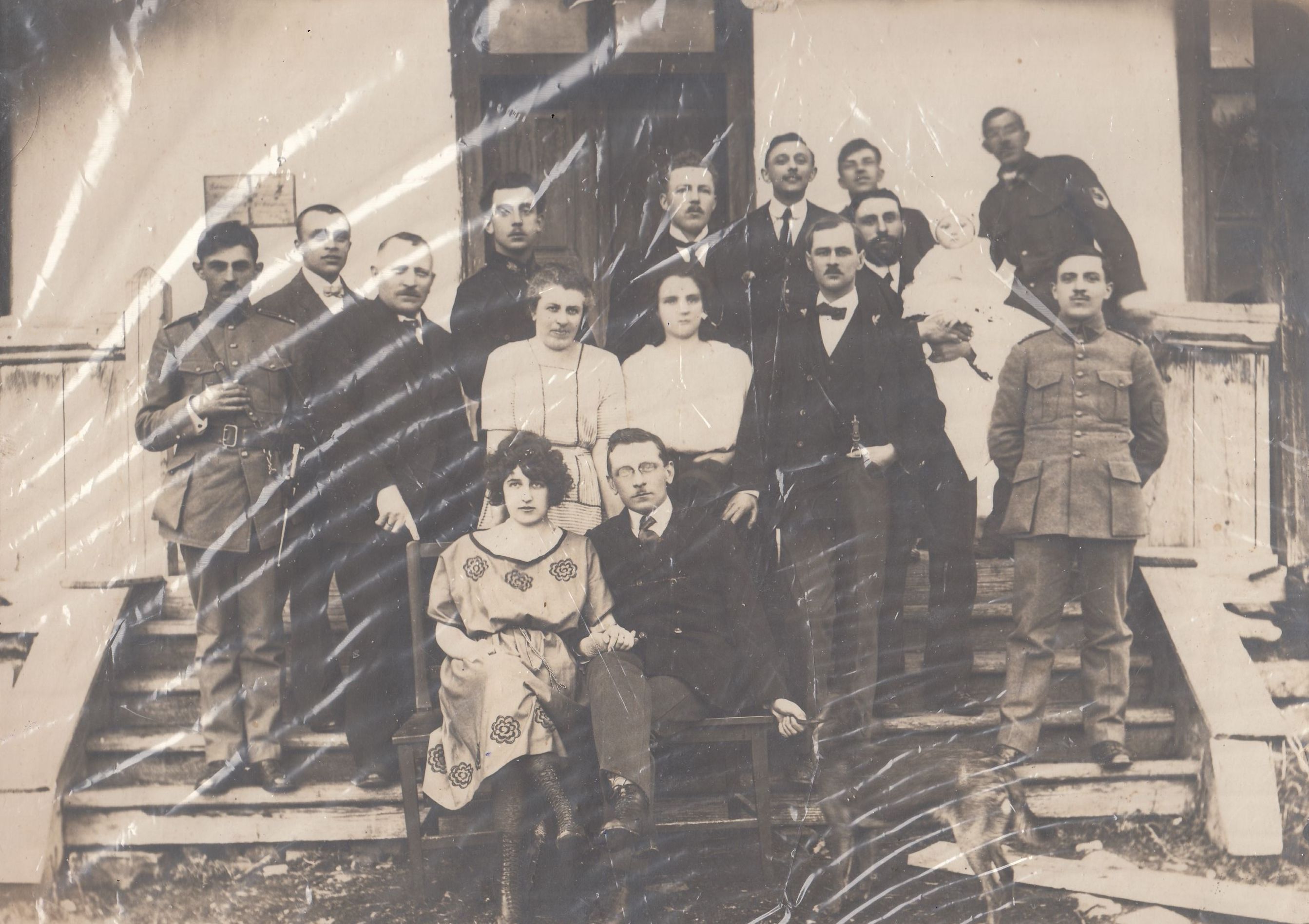
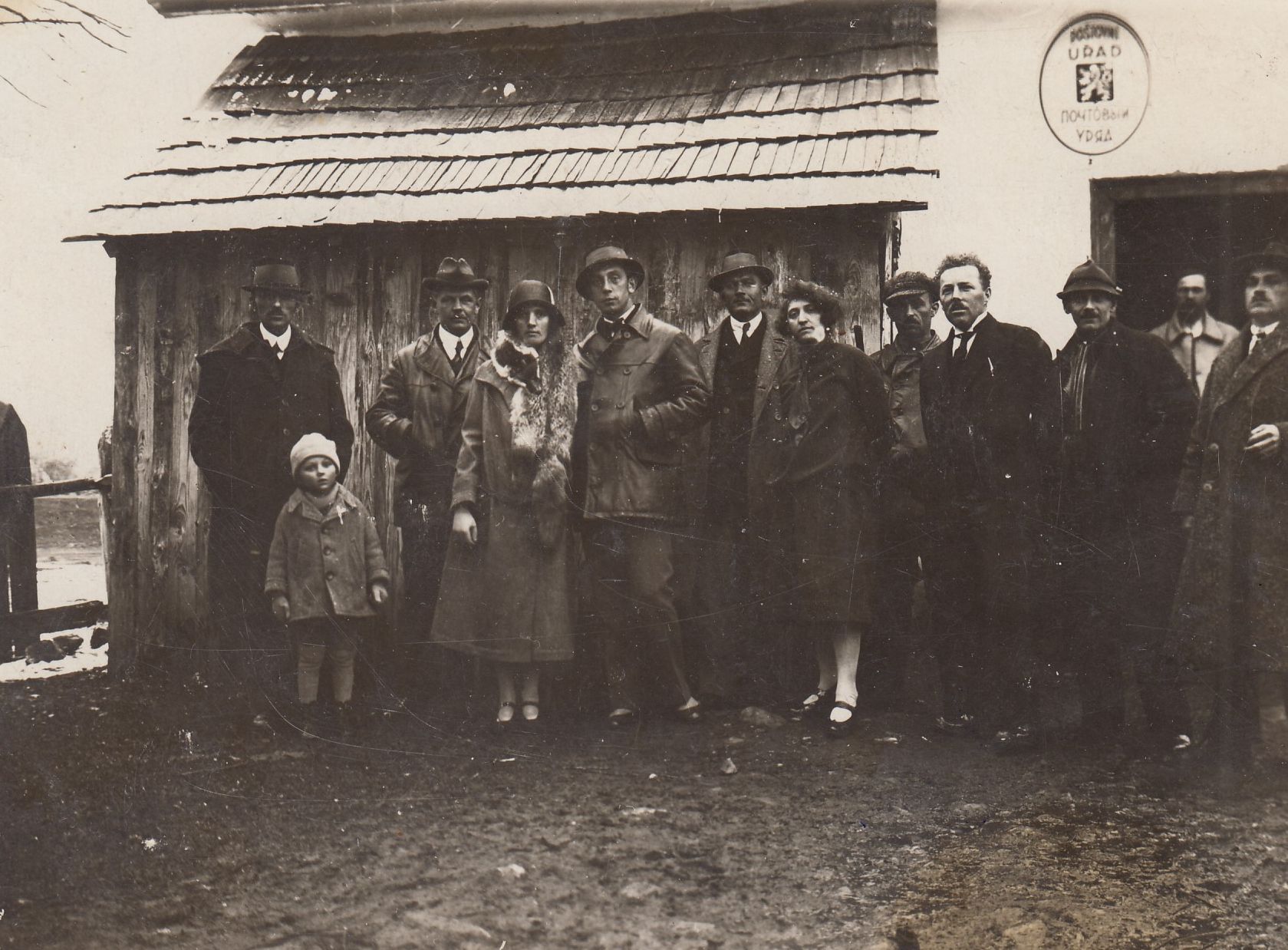
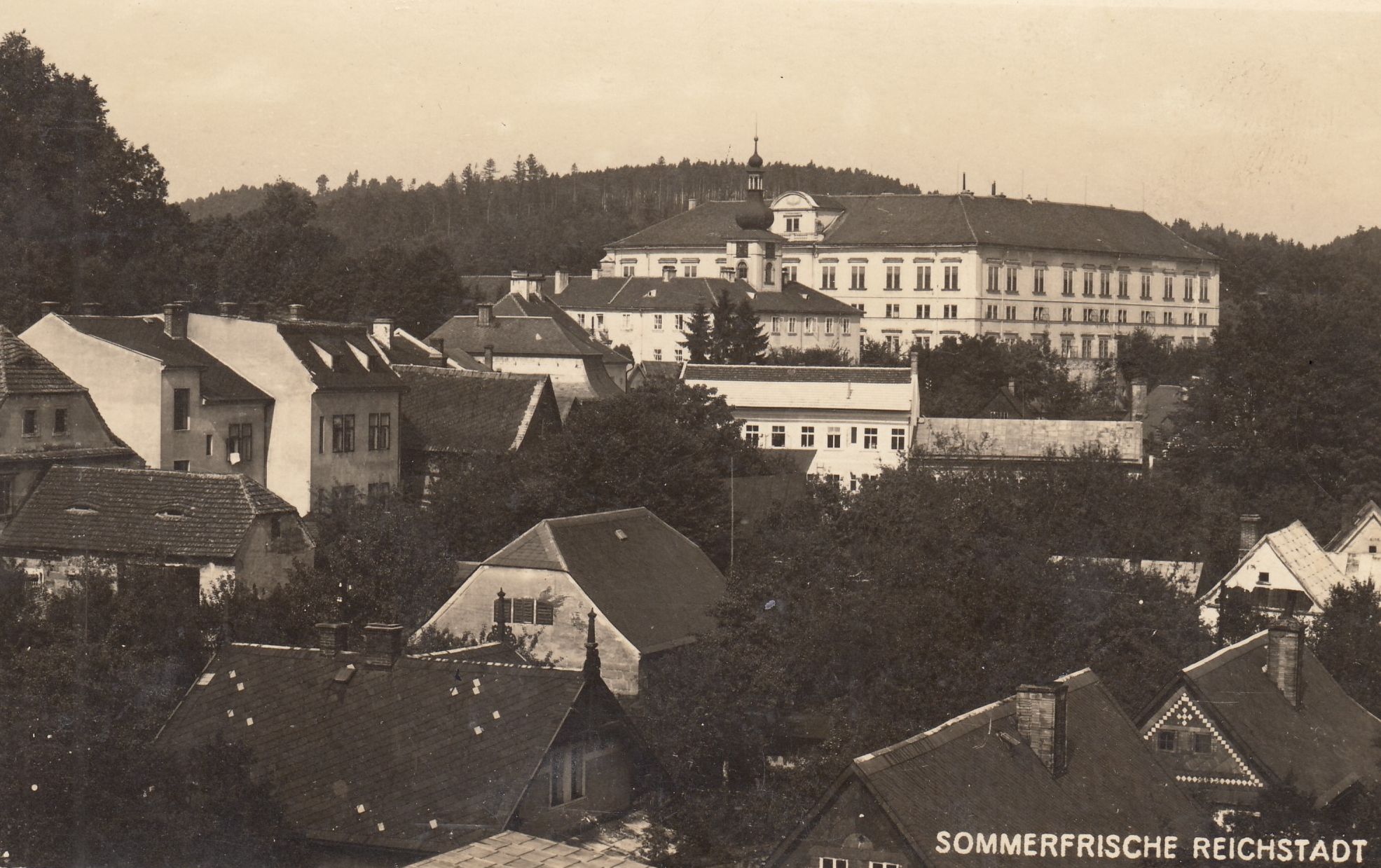
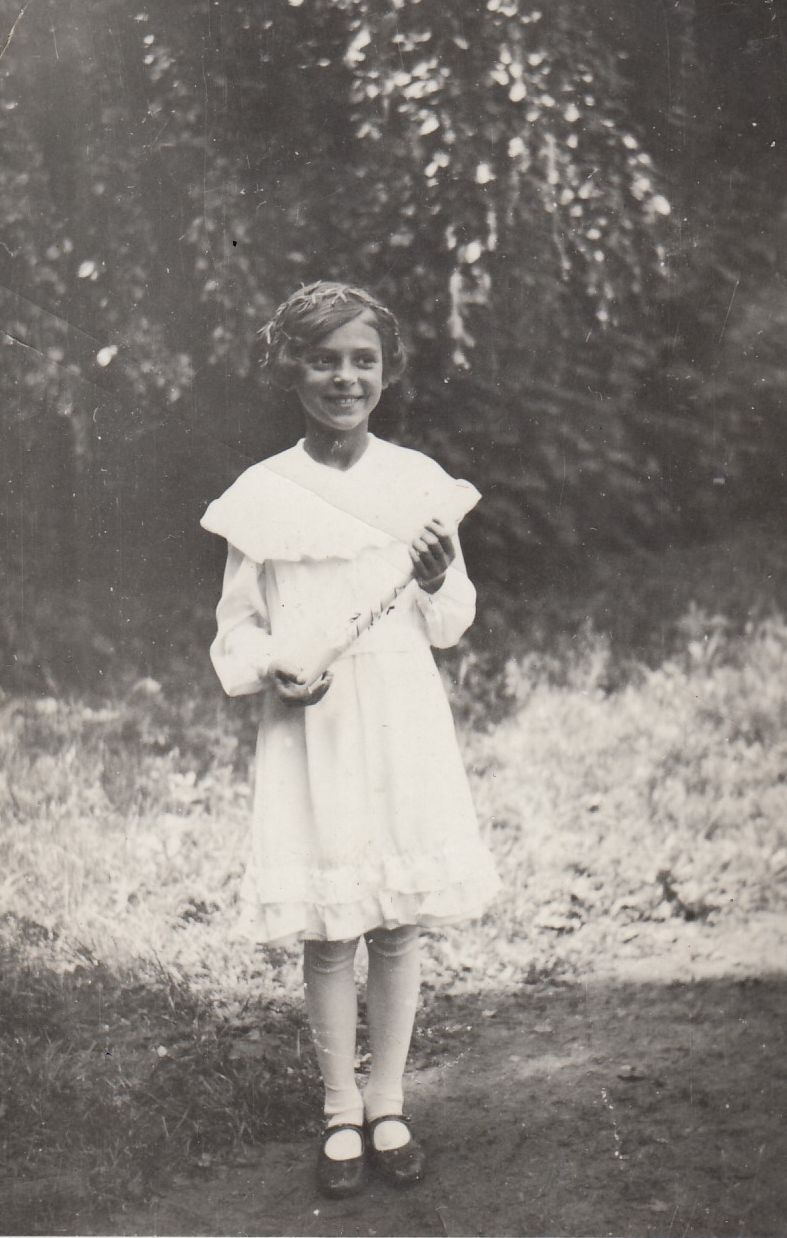
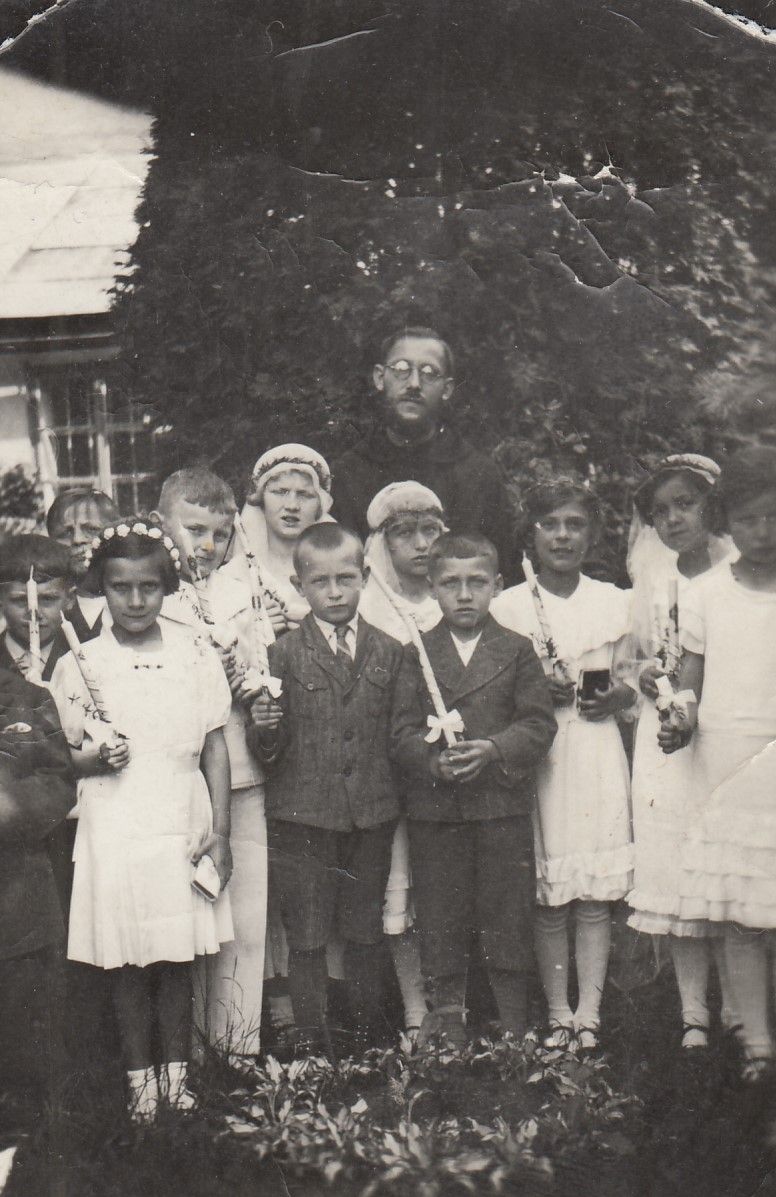
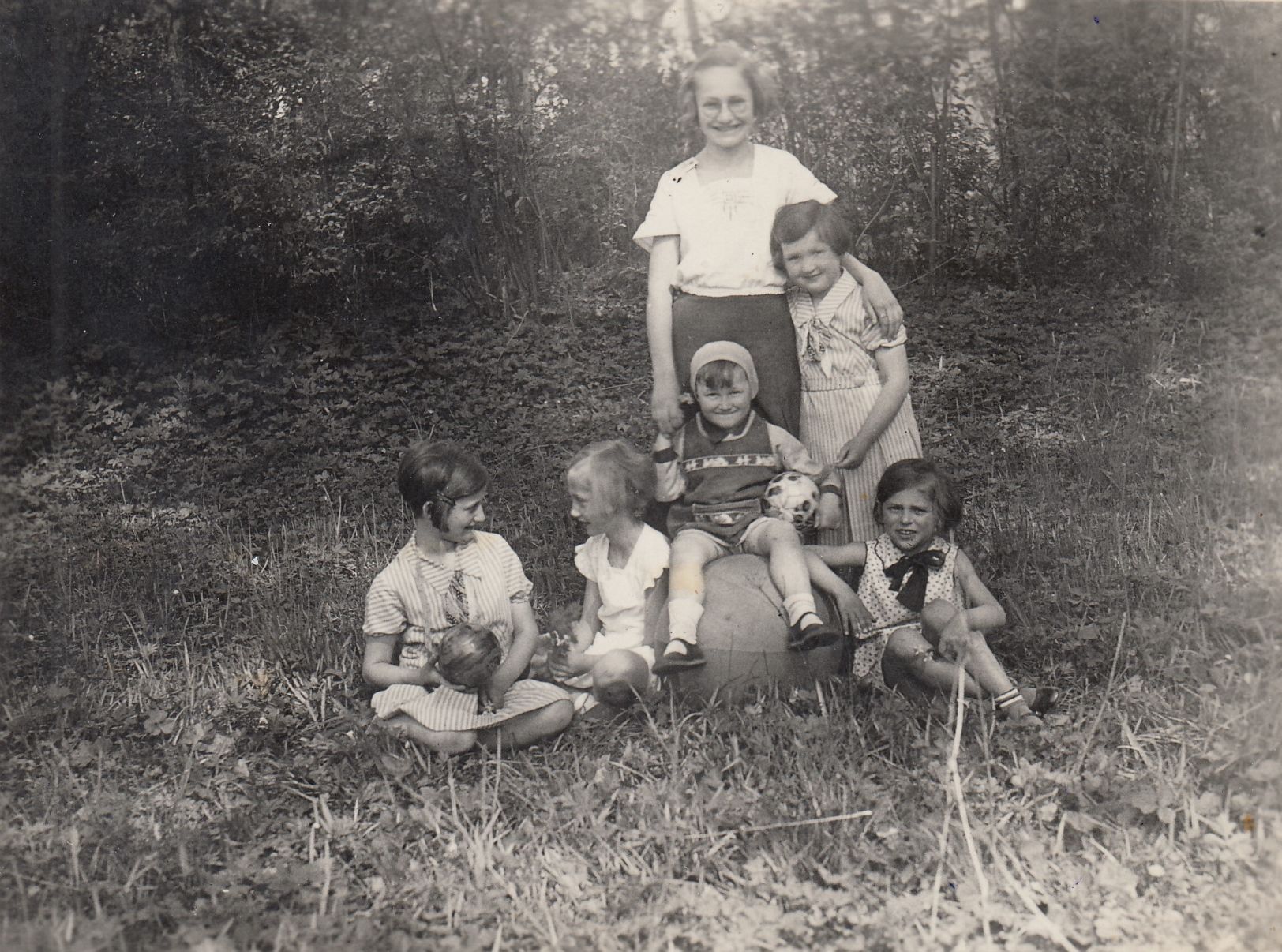
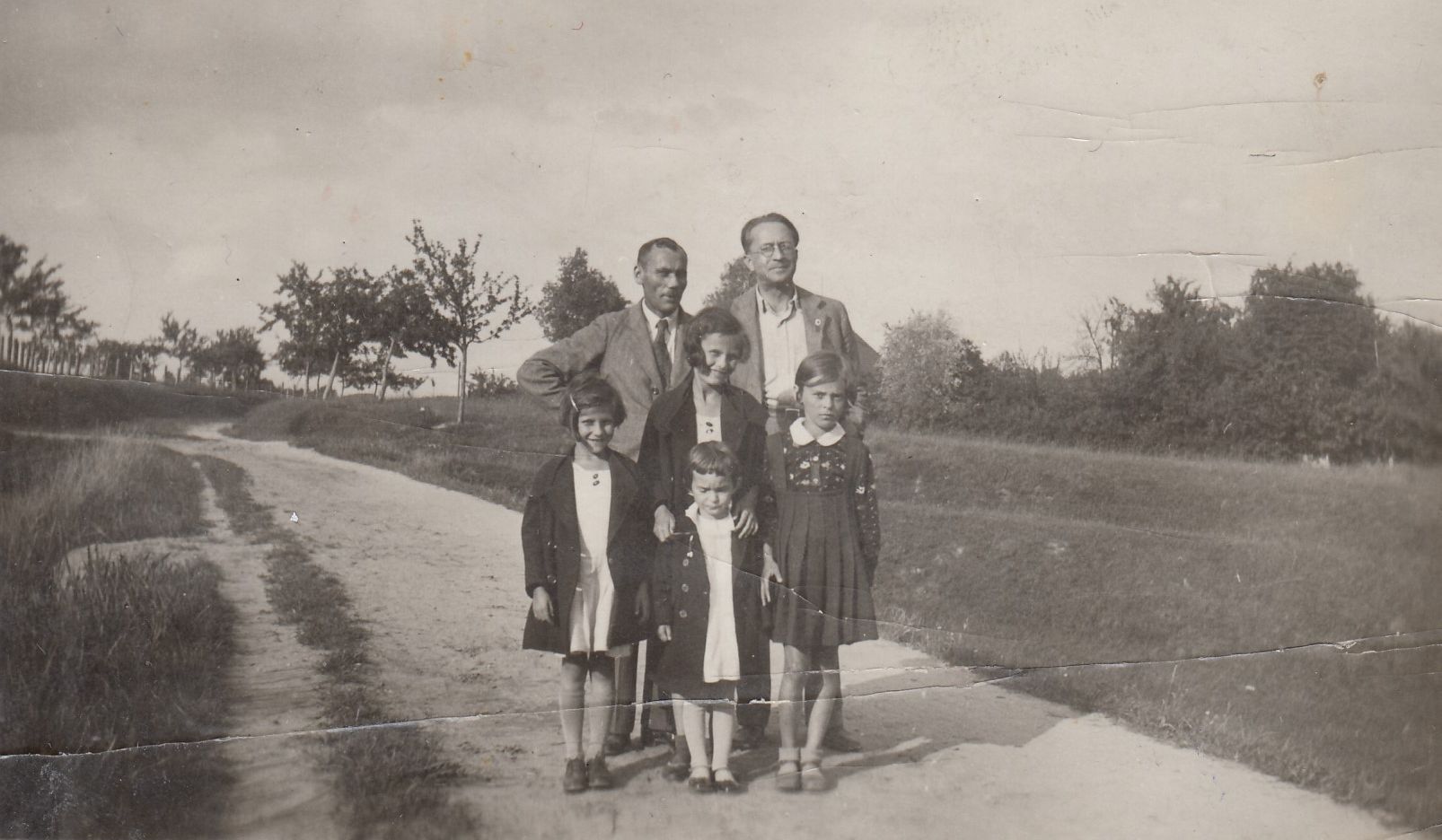
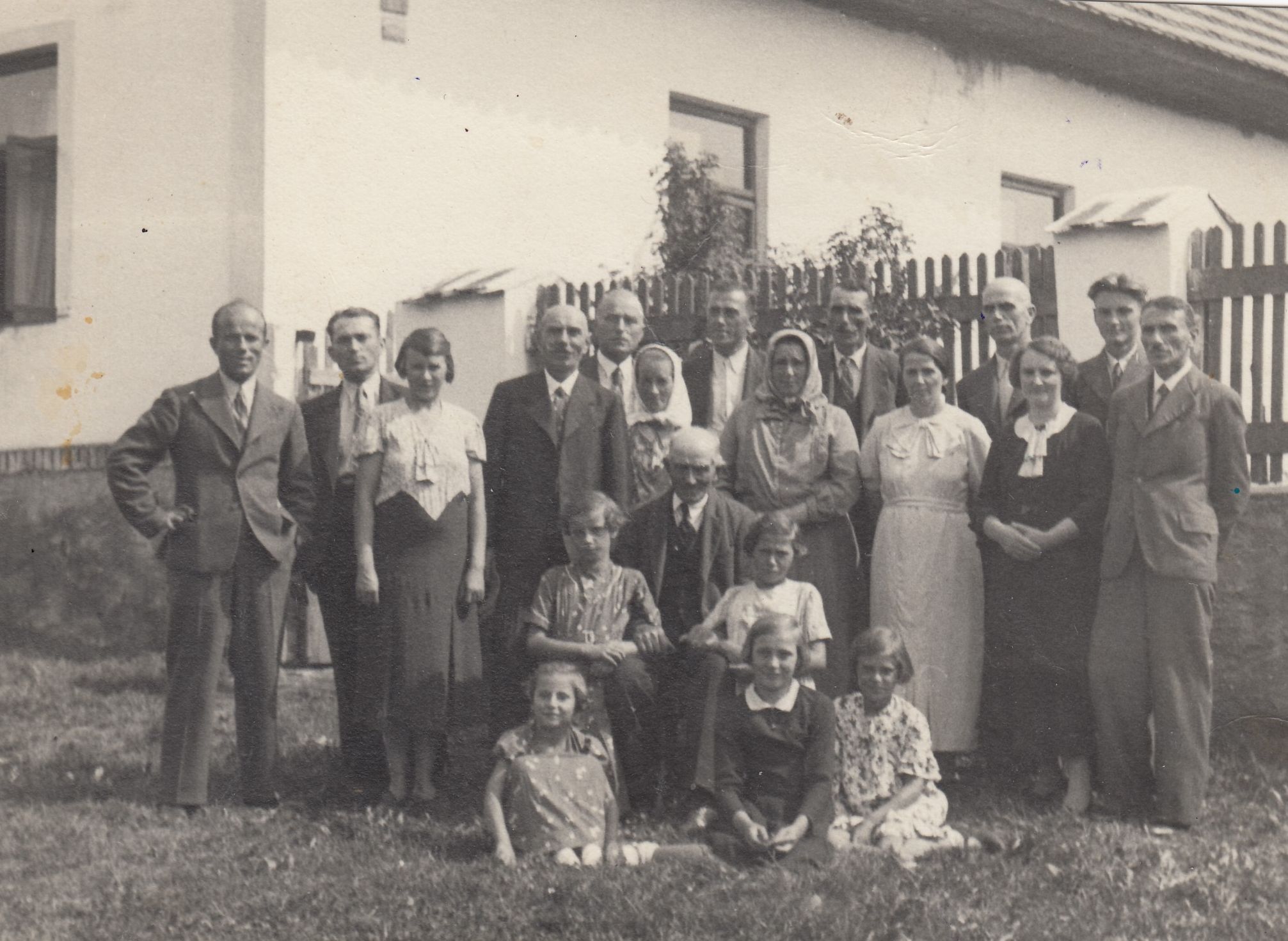
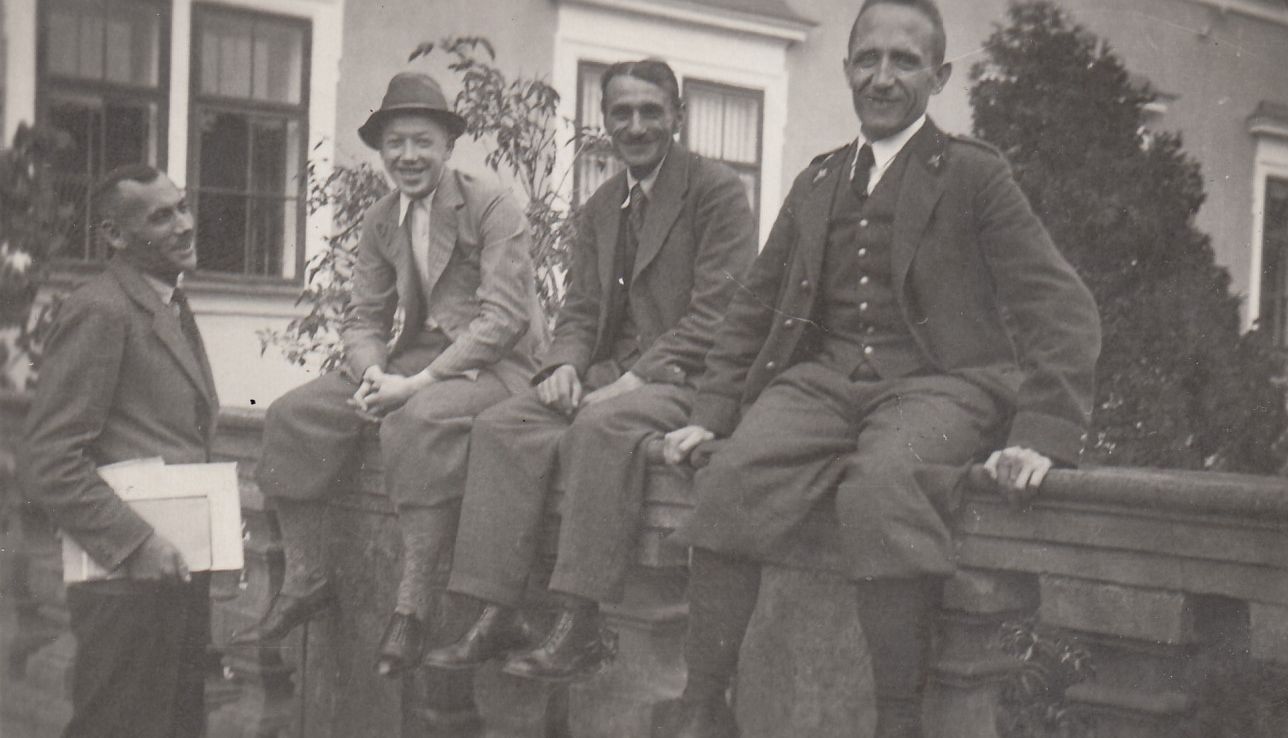
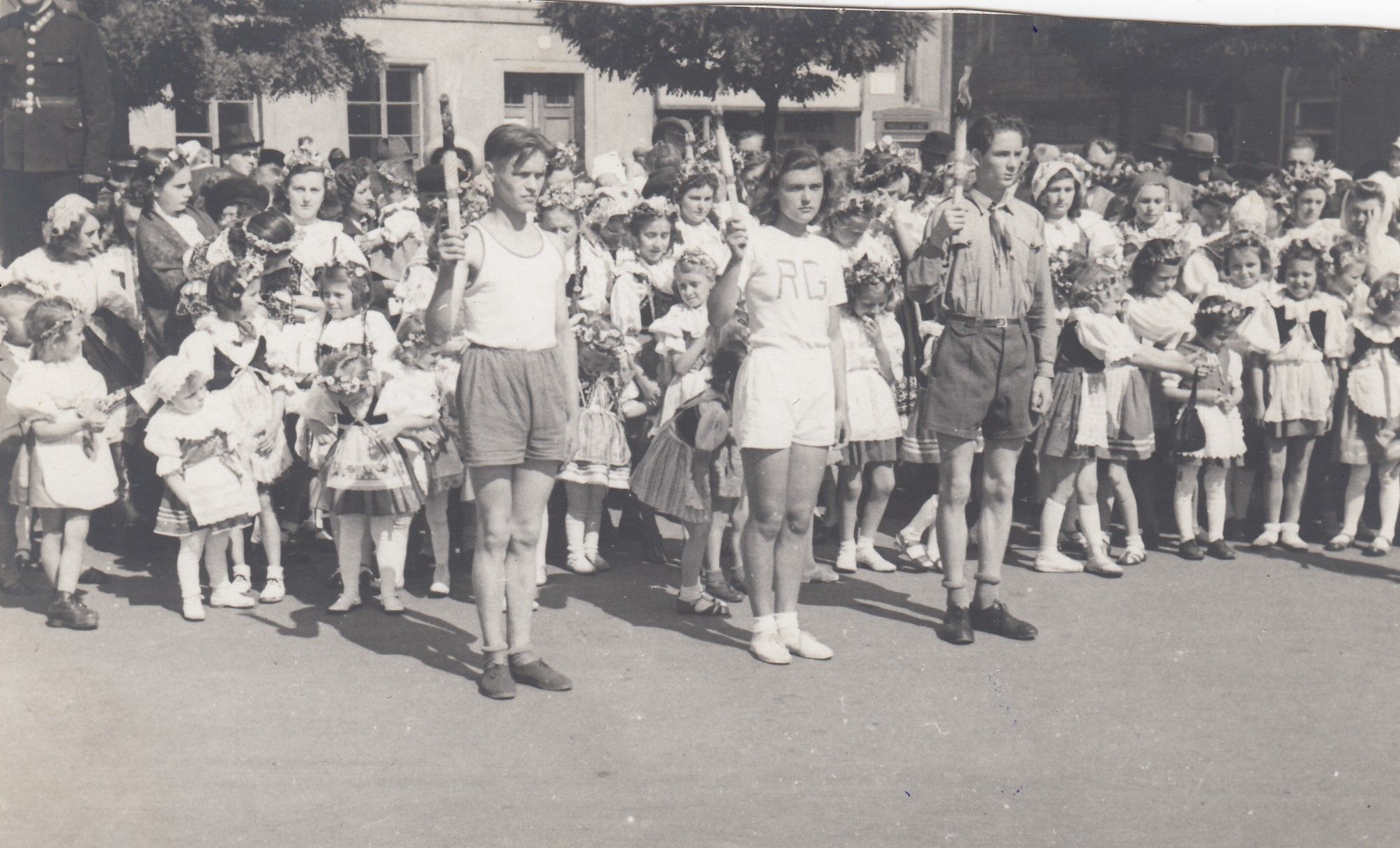
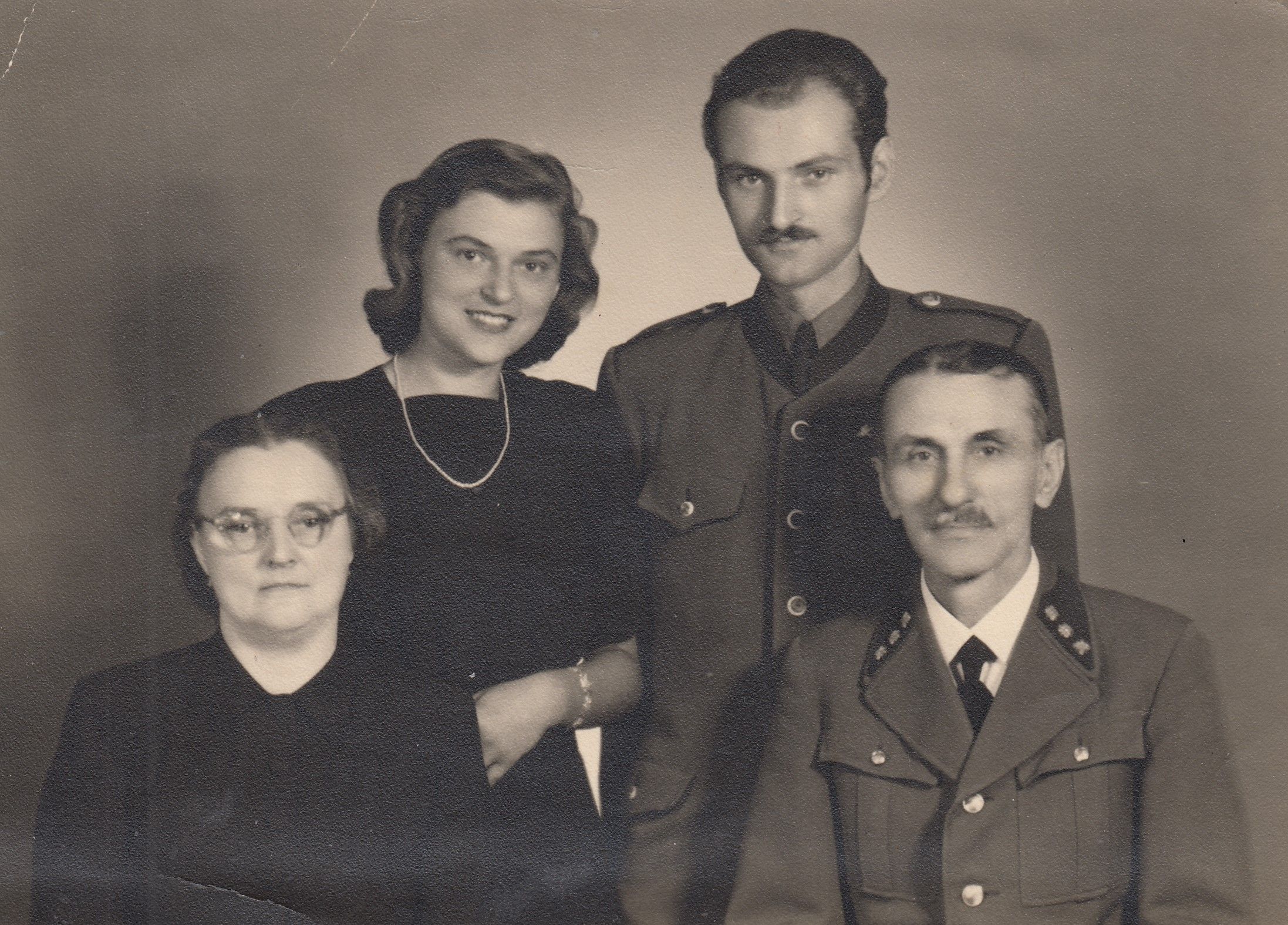
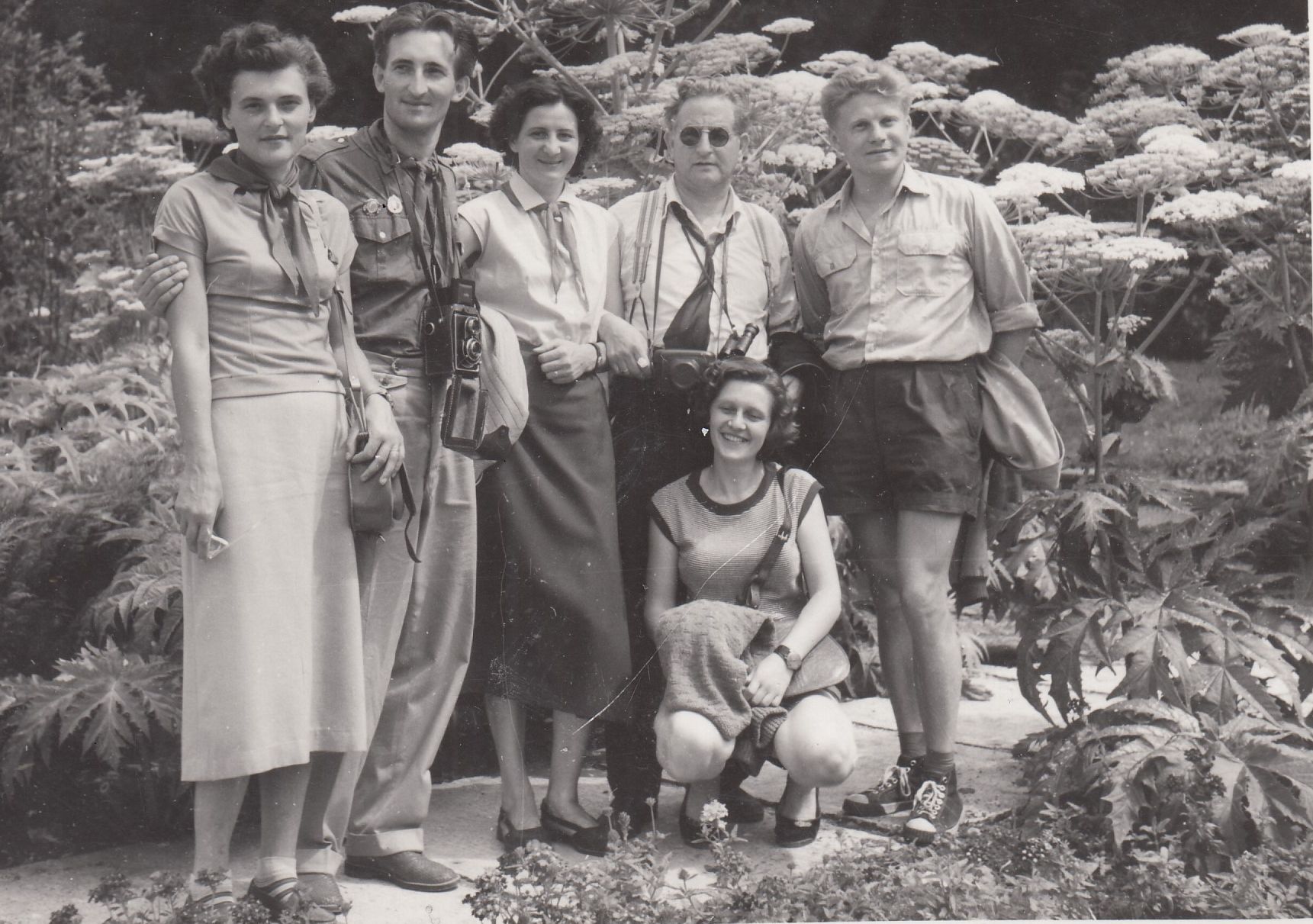
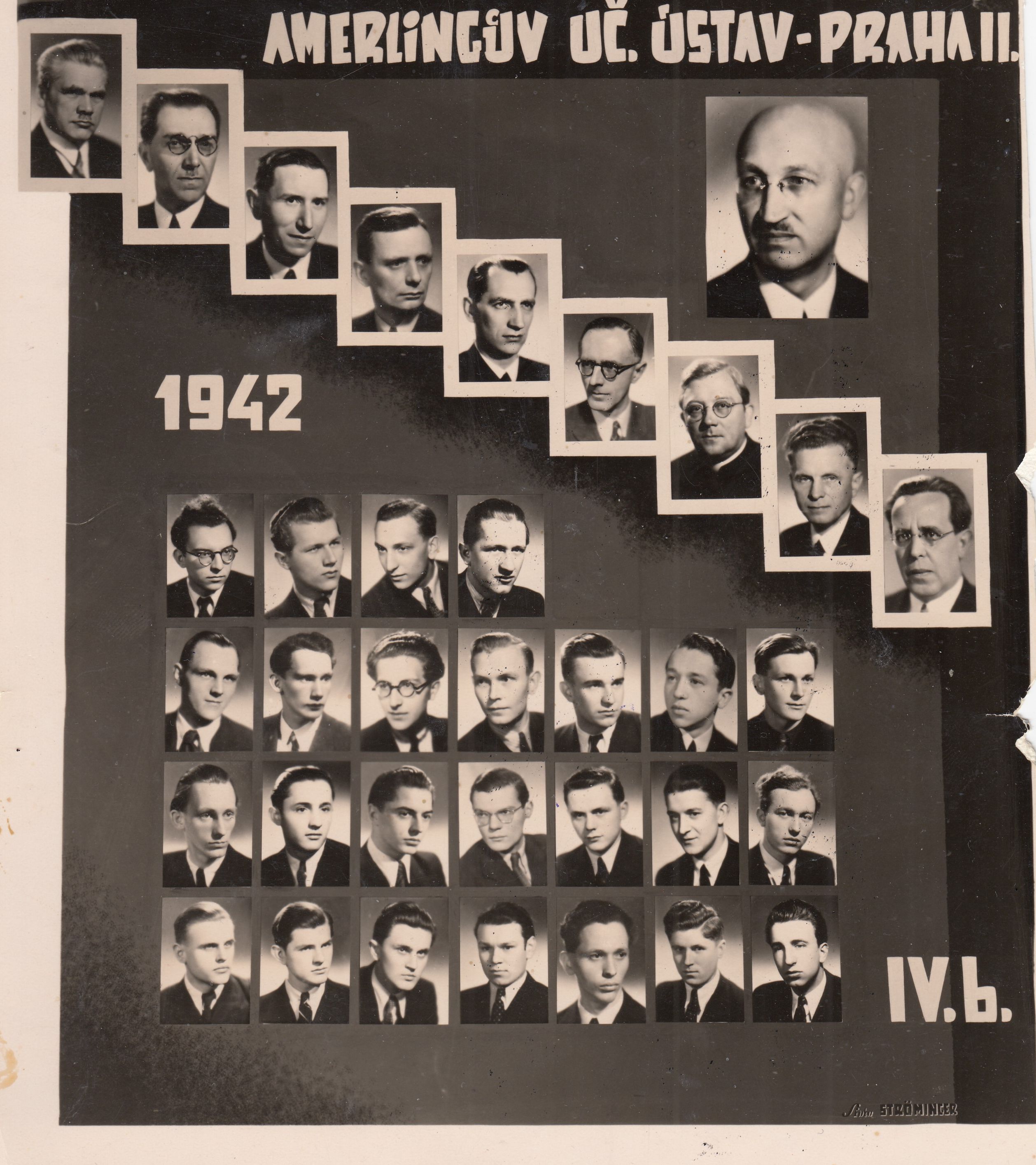
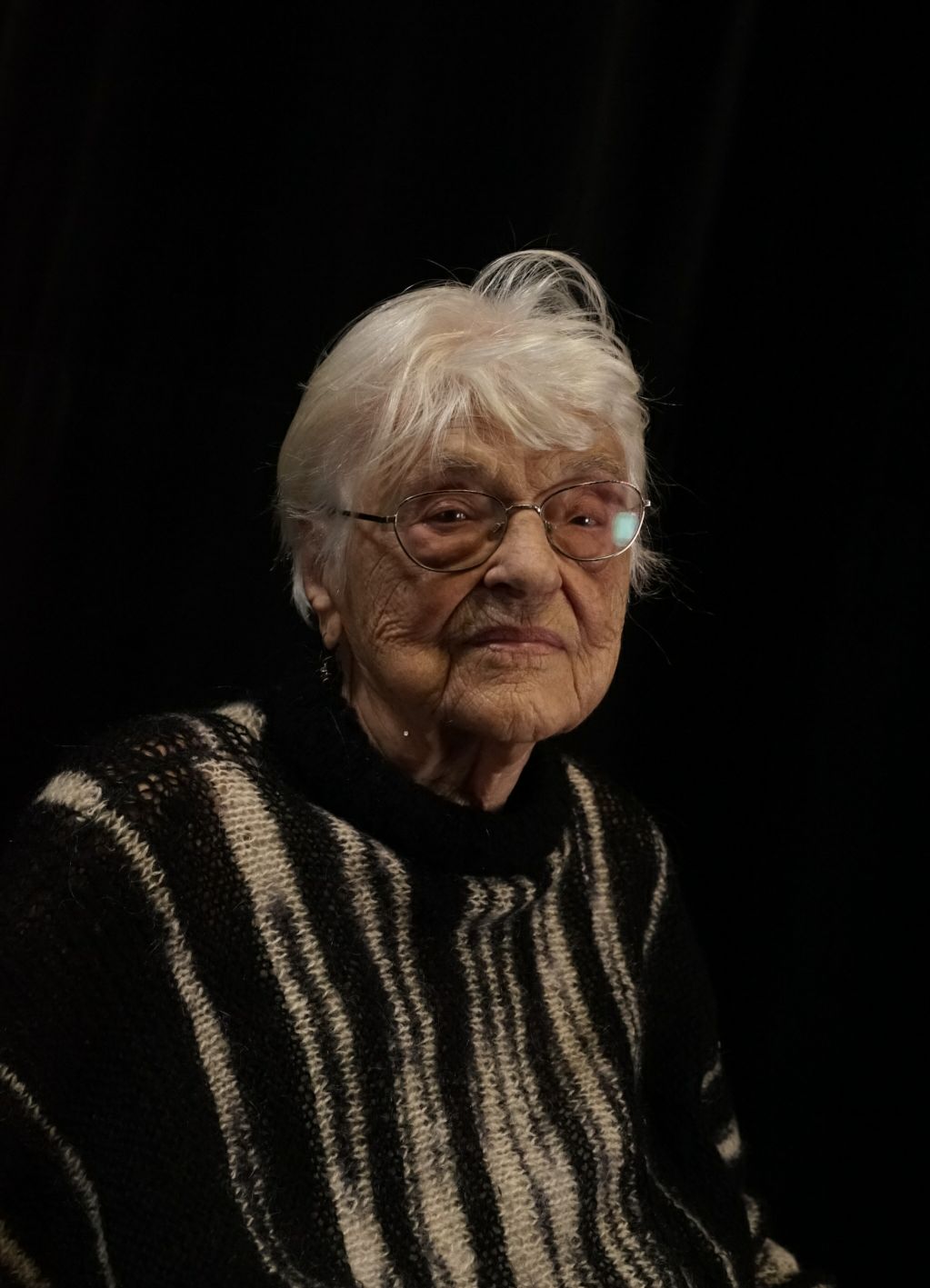
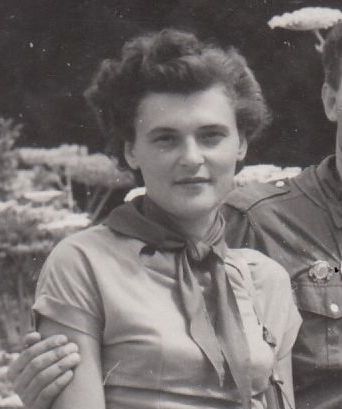
Věra Pešková, née Pávková, was born on 27 October 1926 in Siněvirská Poljana in Subcarpathian Rus, where her father, Vojtěch Pávek, worked for the forestry administration. Her mother, Růžena Pávková, was a housewife. In the early 1930s, the family returned to Czechoslovakia. Her father got a job in the Sudetenland in Zákupy (German: Reichstadt). Věra Pešková describes the escalation of Czech-German relations in the border region in the second half of the 1930s. They left the German Zákupy under very dramatic circumstances just before the Munich Agreement was announced in September 1938. Thereafter, as Czech refugees from the Sudetenland, they moved frequently. After Munich Agreement, Věra Pešková and her brother Jaromír spent a few weeks with relatives in Prague, while their parents found refuge in Brandýs nad Labem. Then they all moved together to Hořiněves in East Bohemia, where they lived for about two years. In 1941 they moved to Stará Boleslav. Due to circumstances, in a very short time she changed several grammar schools in various towns. She was not allowed to continue from the fourth grade to the fifth one because of her insufficient knowledge of German. Instead, she took a one-year course in typing and shorthand. At the end of the war she did not avoid total deployment, working in agriculture and in factories around Stará Boleslav. She experienced the arrival of the Red Army troops in Brandýs nad Labem. After the war, she completed four years of secondary school in three years and graduated in 1948. Shortly after graduation, she began working as a teacher, a profession she continued until her retirement in the 1980s. In 1968, she opposed the arrival of Warsaw Pact troops. She was later labelled a reactionary for her views and transferred from the school in Lomnice nad Lužnicí to Třeboň. She was allowed to stay on as a primary school teacher, but her career and position among her colleagues were very limited. In 2025 she was living in Třeboň.