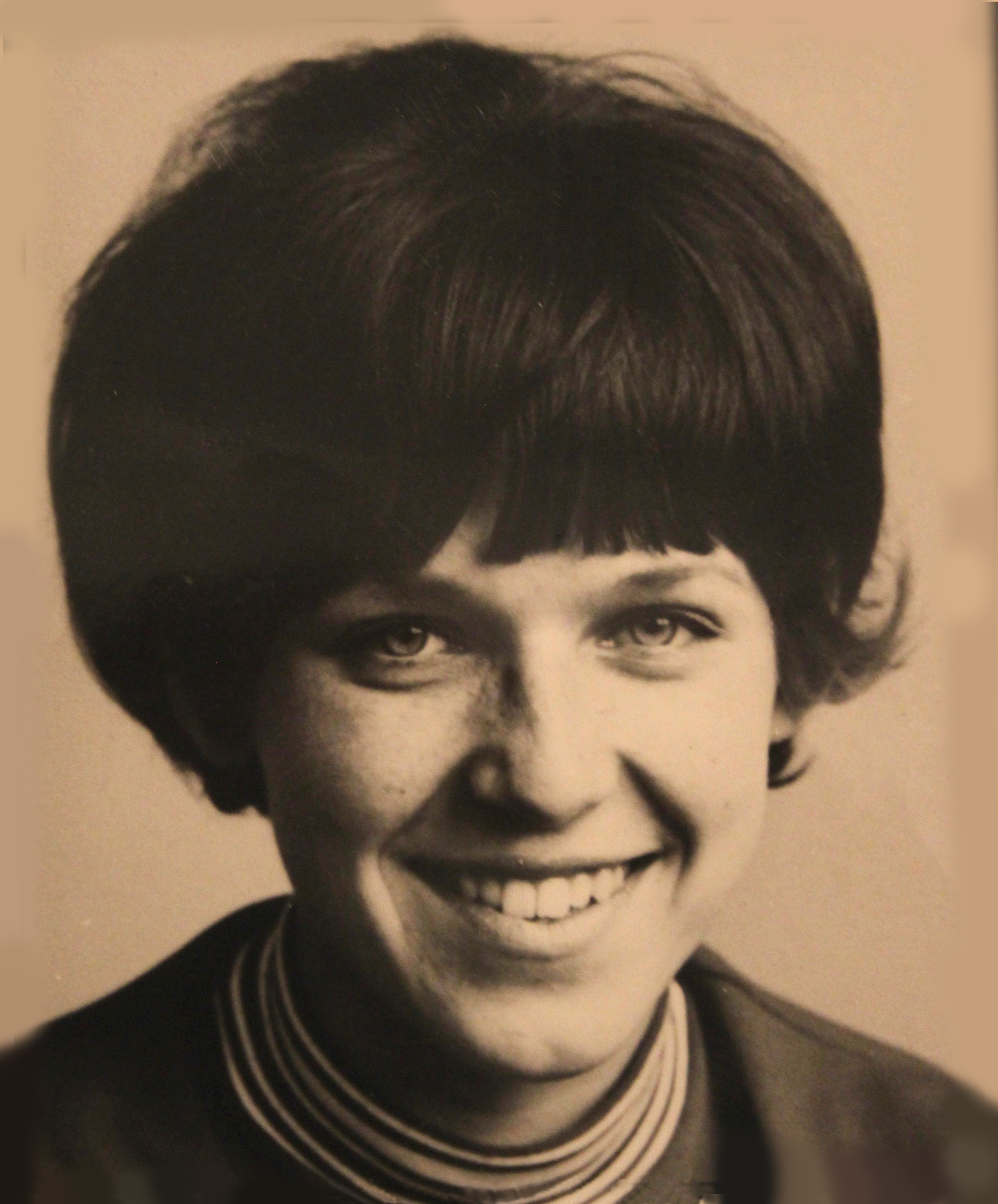
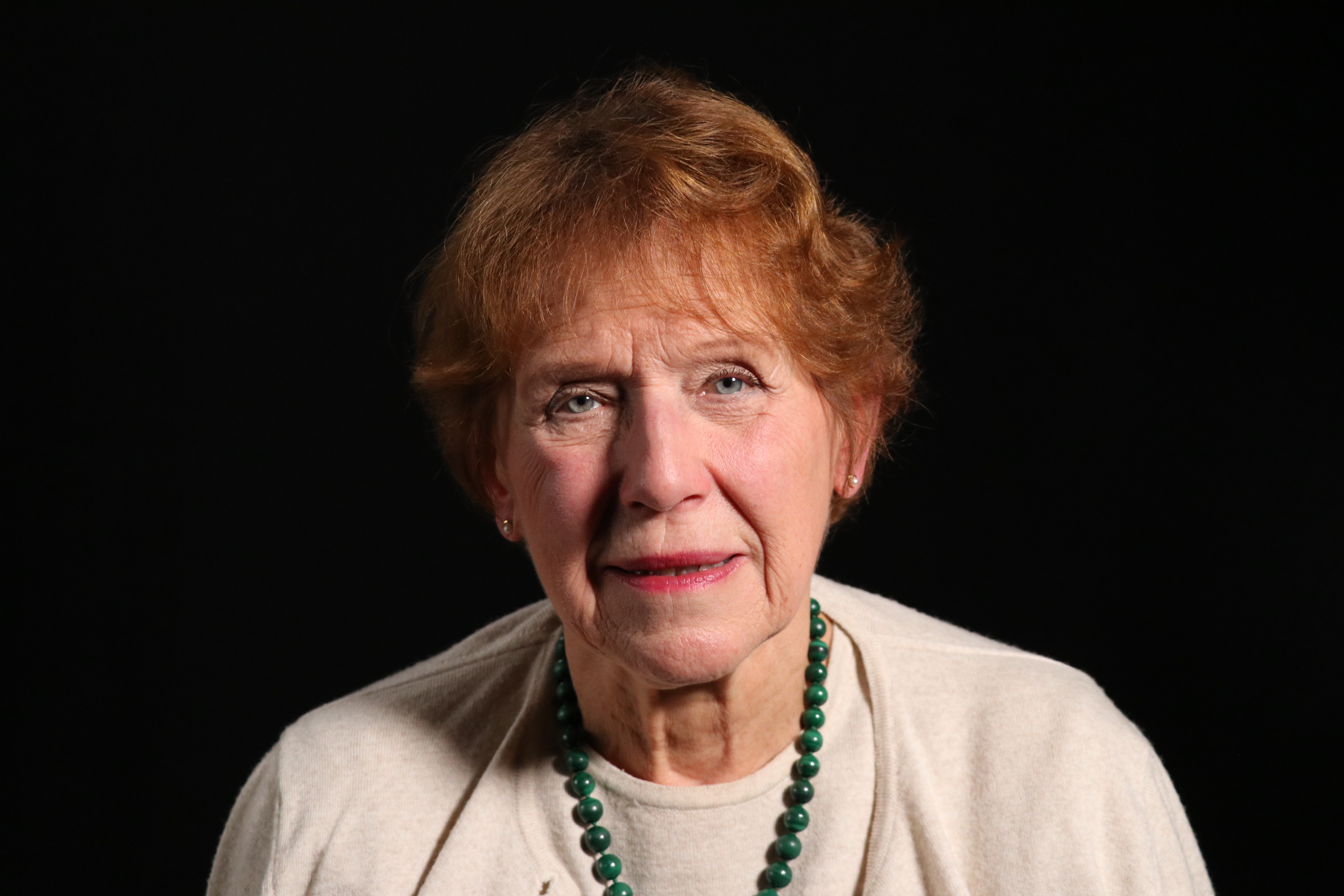
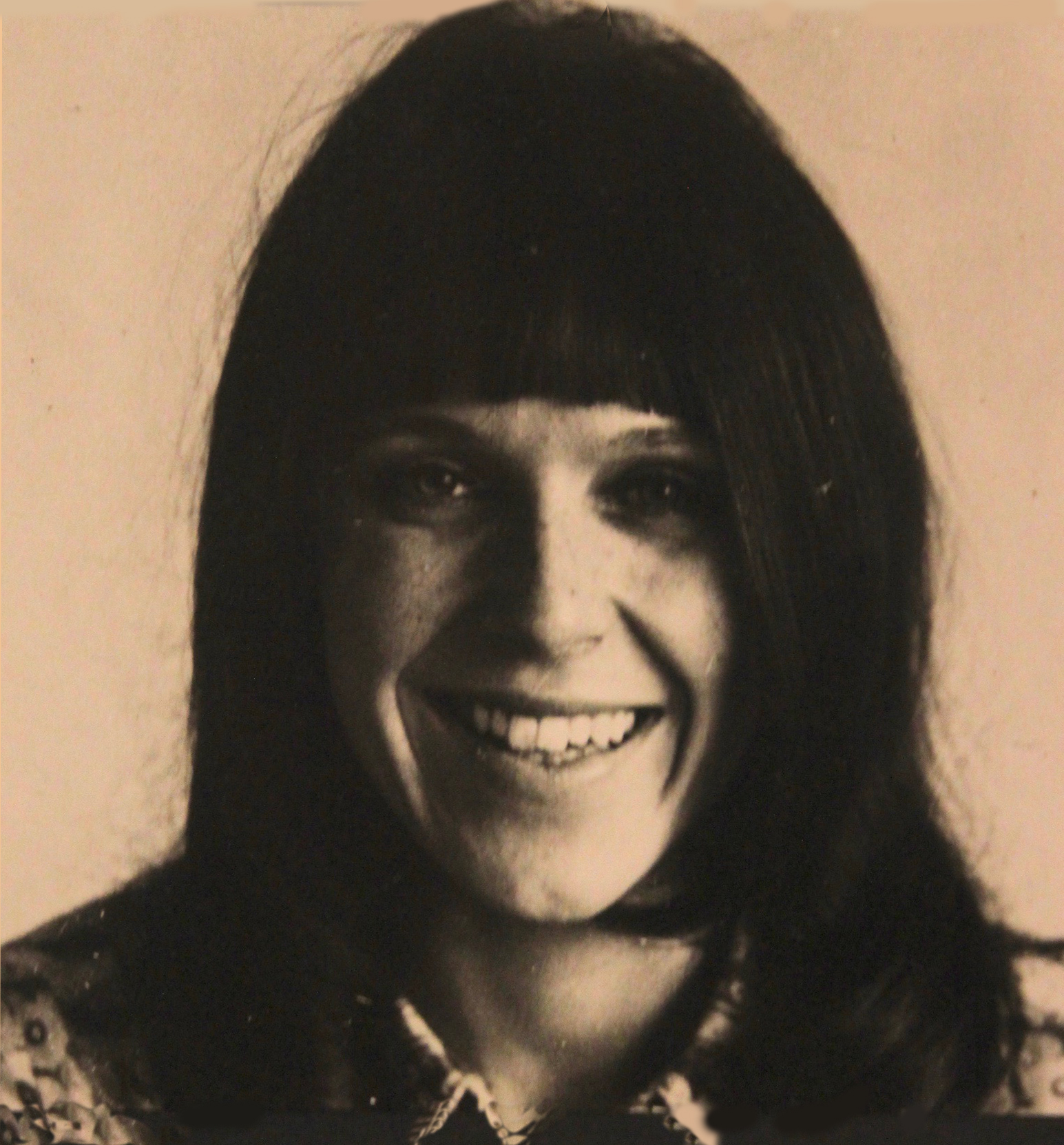
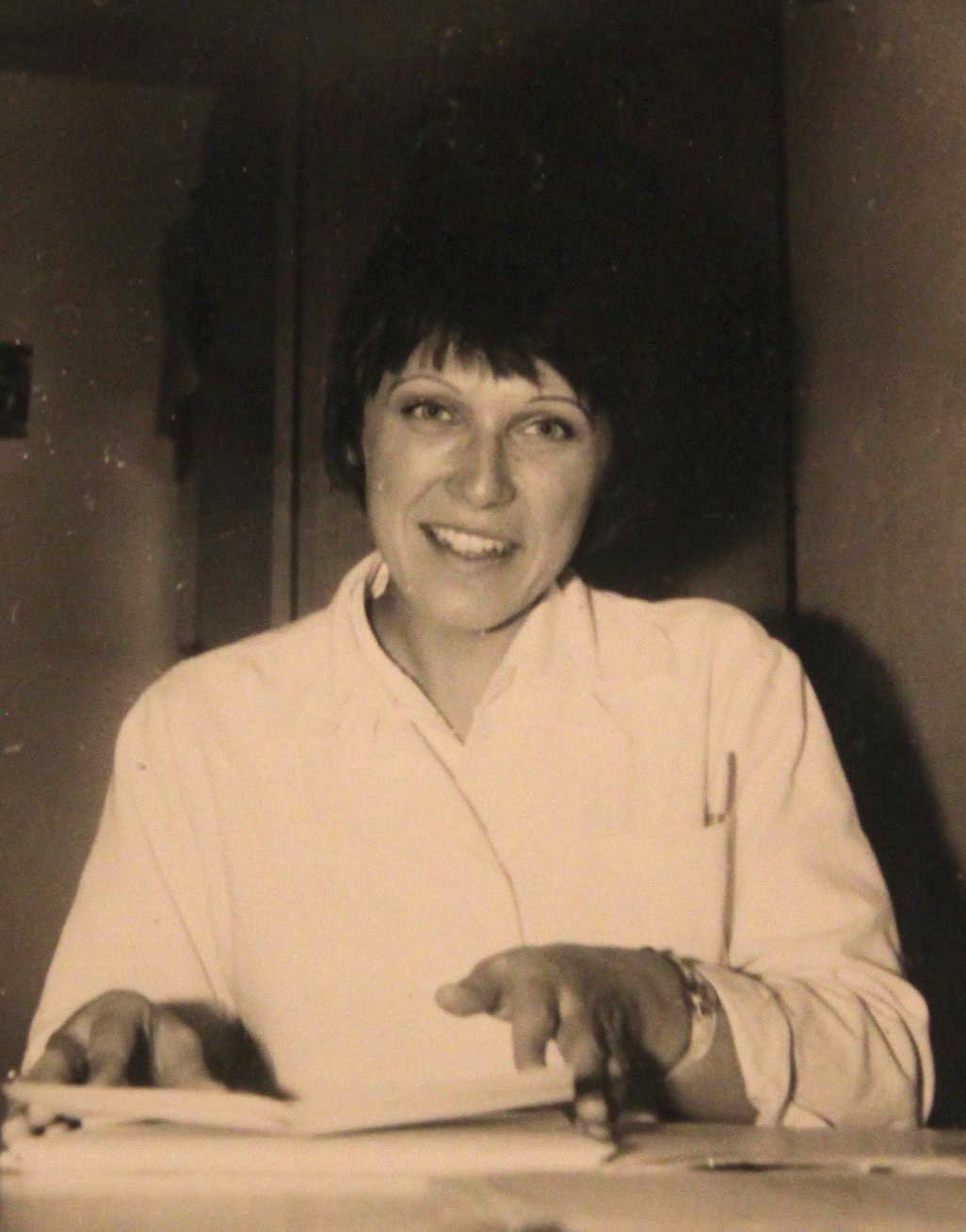
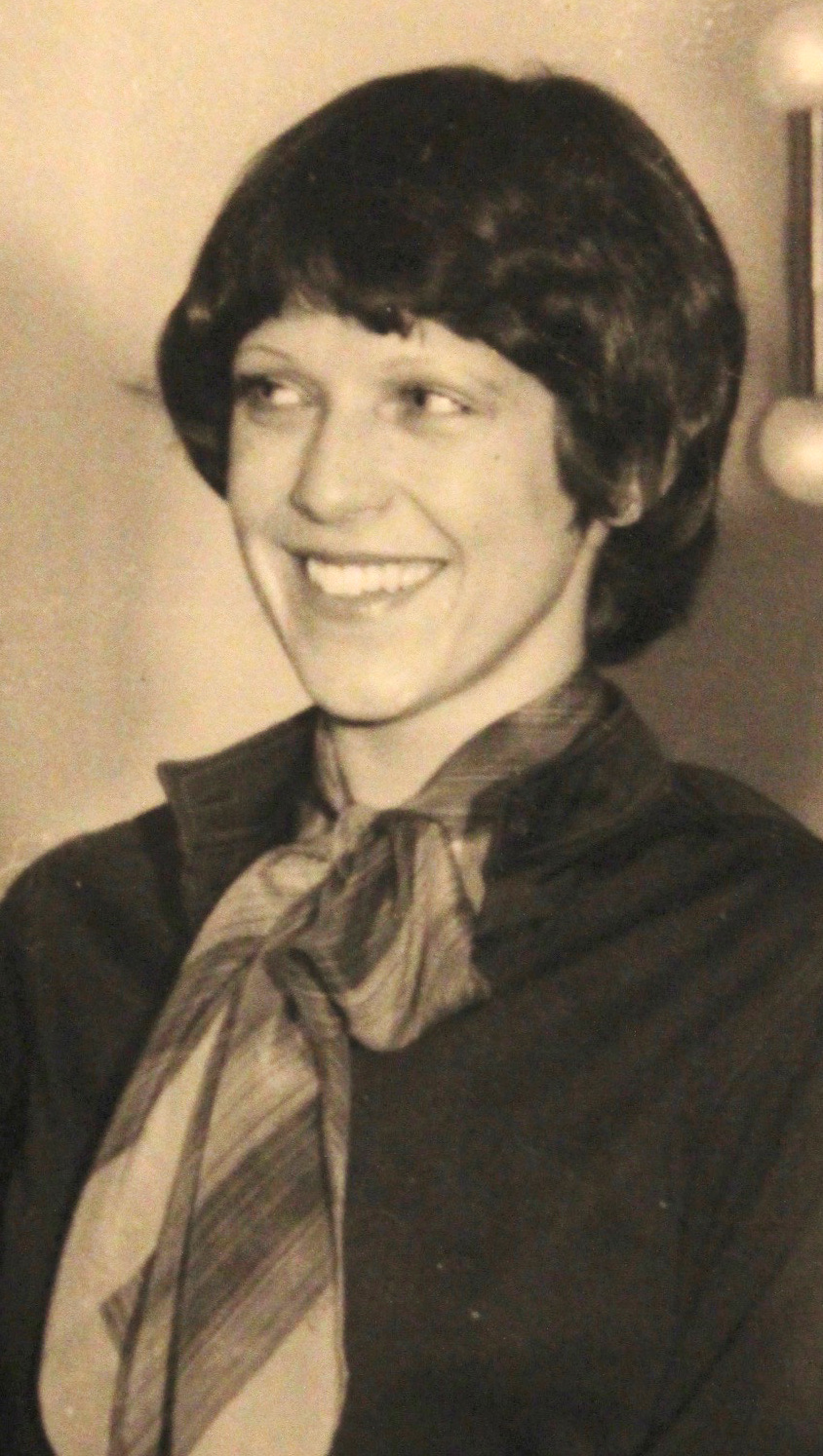
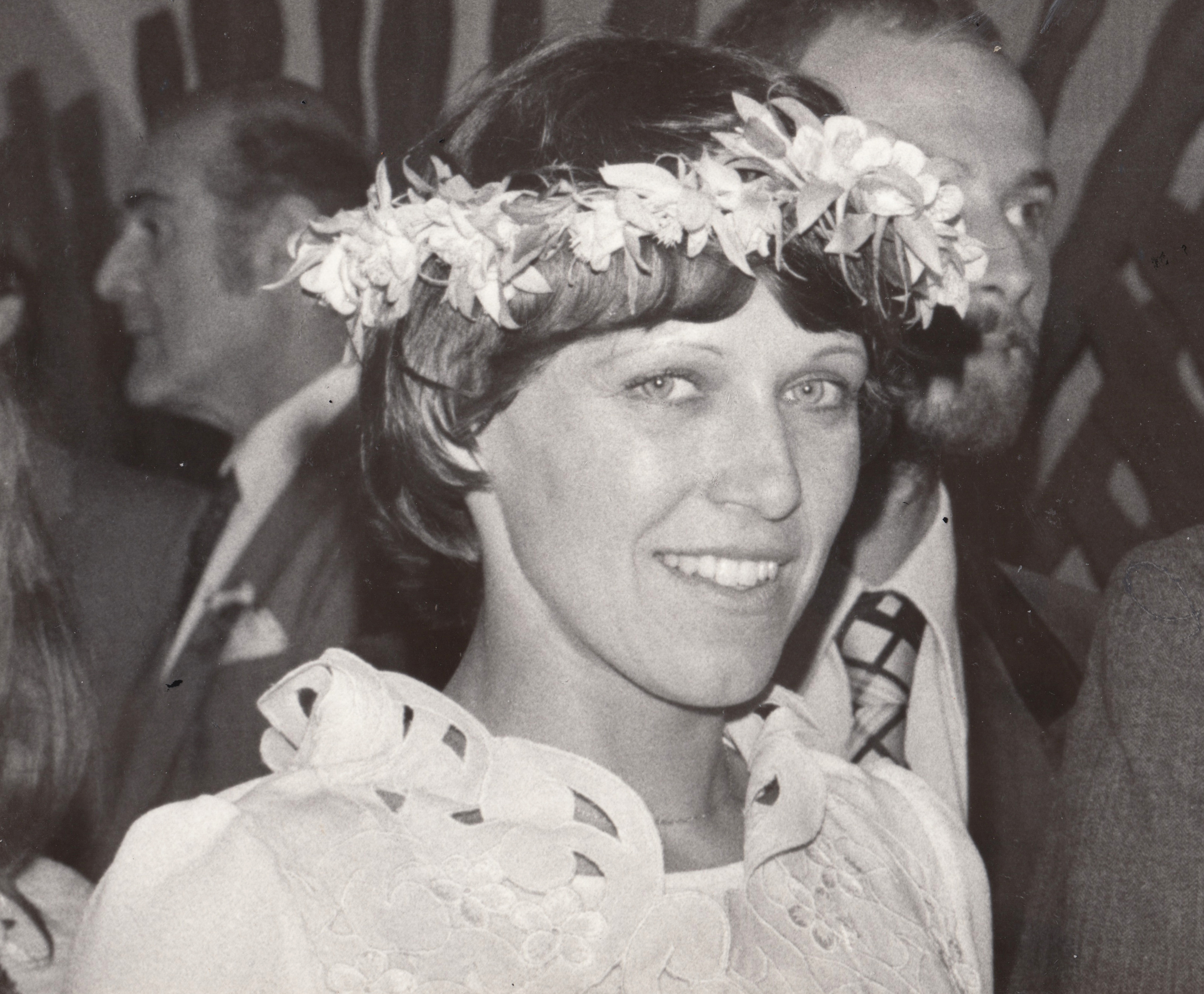
"Then we started to become friends and he really liked all the activities of Škadok [the name of the sports club], he really liked going on all the trips, skiing, orienteering and everything we did, and going to the theatres, so he was very keen to join us and we socialised outside the Škadok, we went to theatres and cinemas. And when there were parties at some other embassies and he was invited, I would accompany him, I would go with him. And all this time I was very afraid that it would come out that I was seeing him, because I was very afraid that I would be called in for questioning. And that was what we were terribly afraid of, that was what we were all terribly afraid of at that time, that we would be called to State Security for questioning. So we would do things like when we were discussing what we were going to see at the movies - I never phoned him from my flat, and he was never allowed to park his car anywhere near us, near our house.My mother said that if she saw the car once, I had to move out, she strictly forbade it immediately, so we tried to keep it a secret. He said that I spoke good English and that I spoke like the secretaries in the Dutch, Danish or Belgian embassies, so I would probably be considered as such, and I always called only from a phone box. And when we were arranging for some theatres, for example, I pronounced it badly, so as not to say it well in Czech, so that it wouldn't be obvious that I was Czech."
"And the second thing is that in the summer my friends from England came to visit us, they stayed with us and we told them so enthusiastically how communism was coming to an end and how beautiful it would be and that now we would be in a democracy like theirs, And they left on Sunday and on Wednesday the Russians came. And one of them stayed here, here in the Czech Republic, so the way we told the English for those fortnight how wonderful it was now and how great it was, and then suddenly bang... This house of ours was facing Leninova Street, so we saw at three in the morning the tanks going past our house, and destroying the cars that were parked there, and how... it was terrible, so it woke us up and we were looking out of the windows at the horror coming from the airport. And then at school it was still good, all the teachers were angry about the Russian invasion, they were swearing about it..."
"The first teacher who taught me from first to third grade, it was unbelievable, she was fanatical, she was like... I came home and I wanted us to put the fridge in the corridor so that all the people could use it because everybody is supposed to have the same thing and everybody is supposed to share everything equally. And my mum explained to me that they have a TV and we don't have a TV and everybody puts stuff in the fridge, so it's useless."
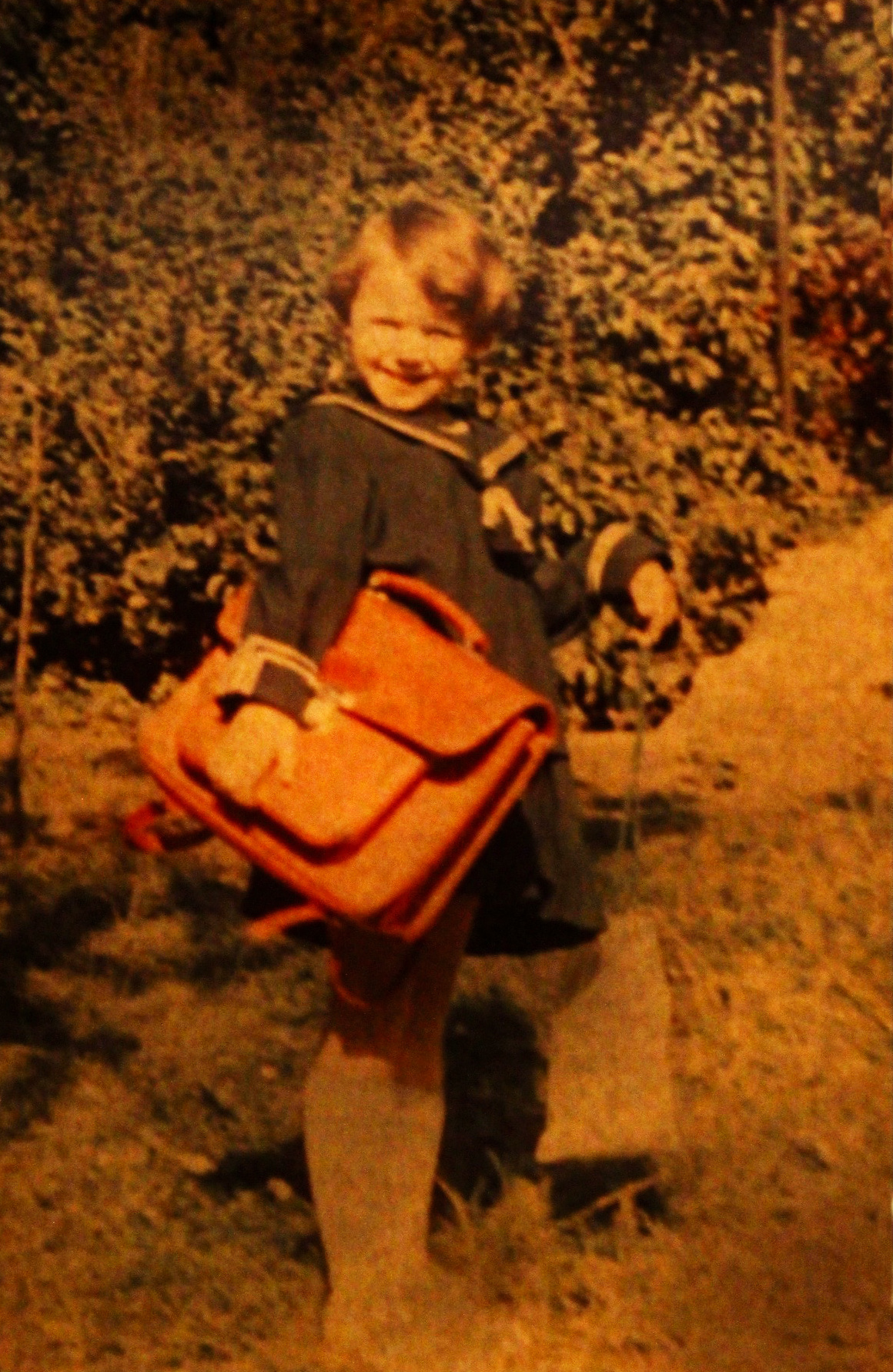
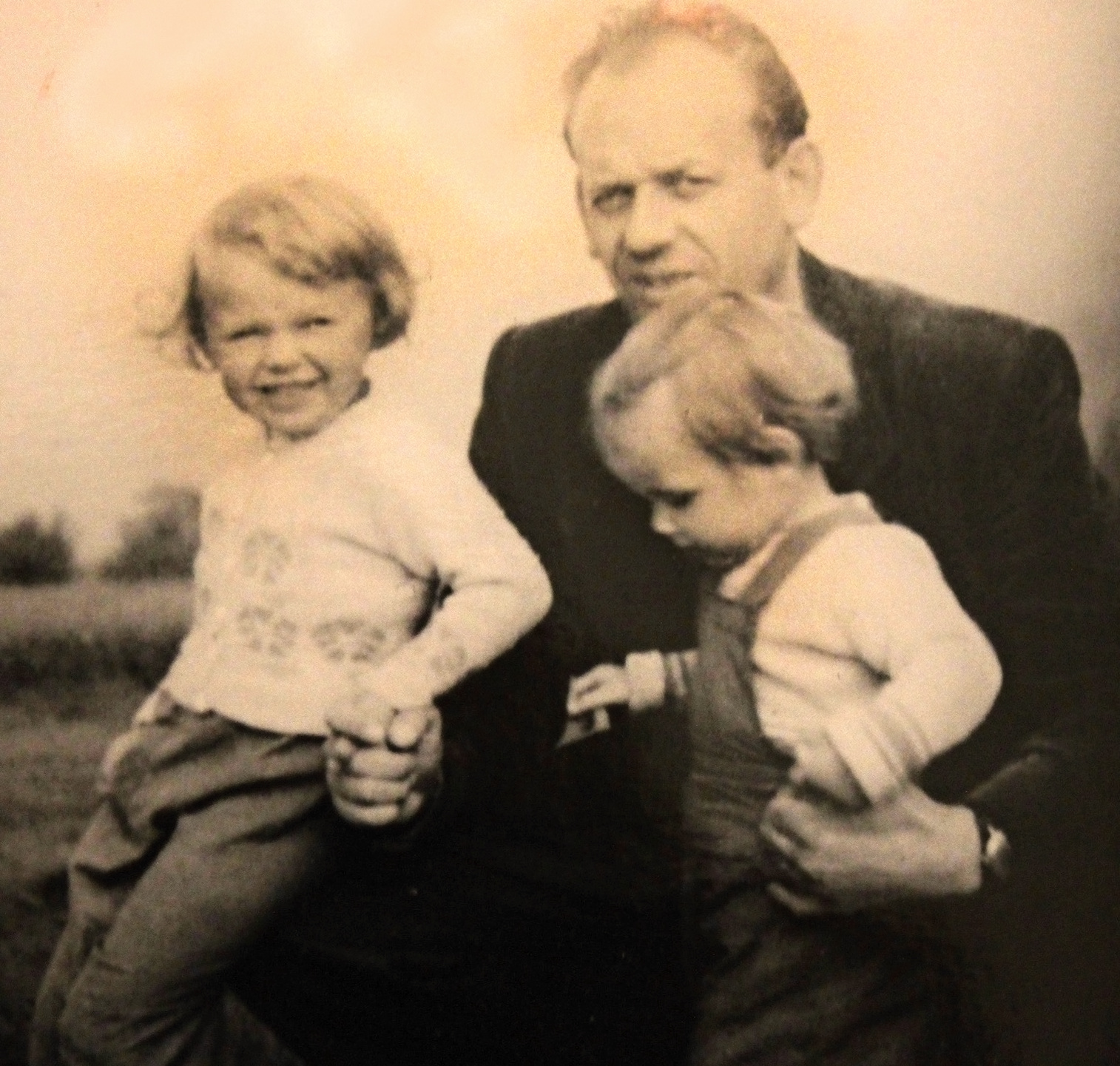
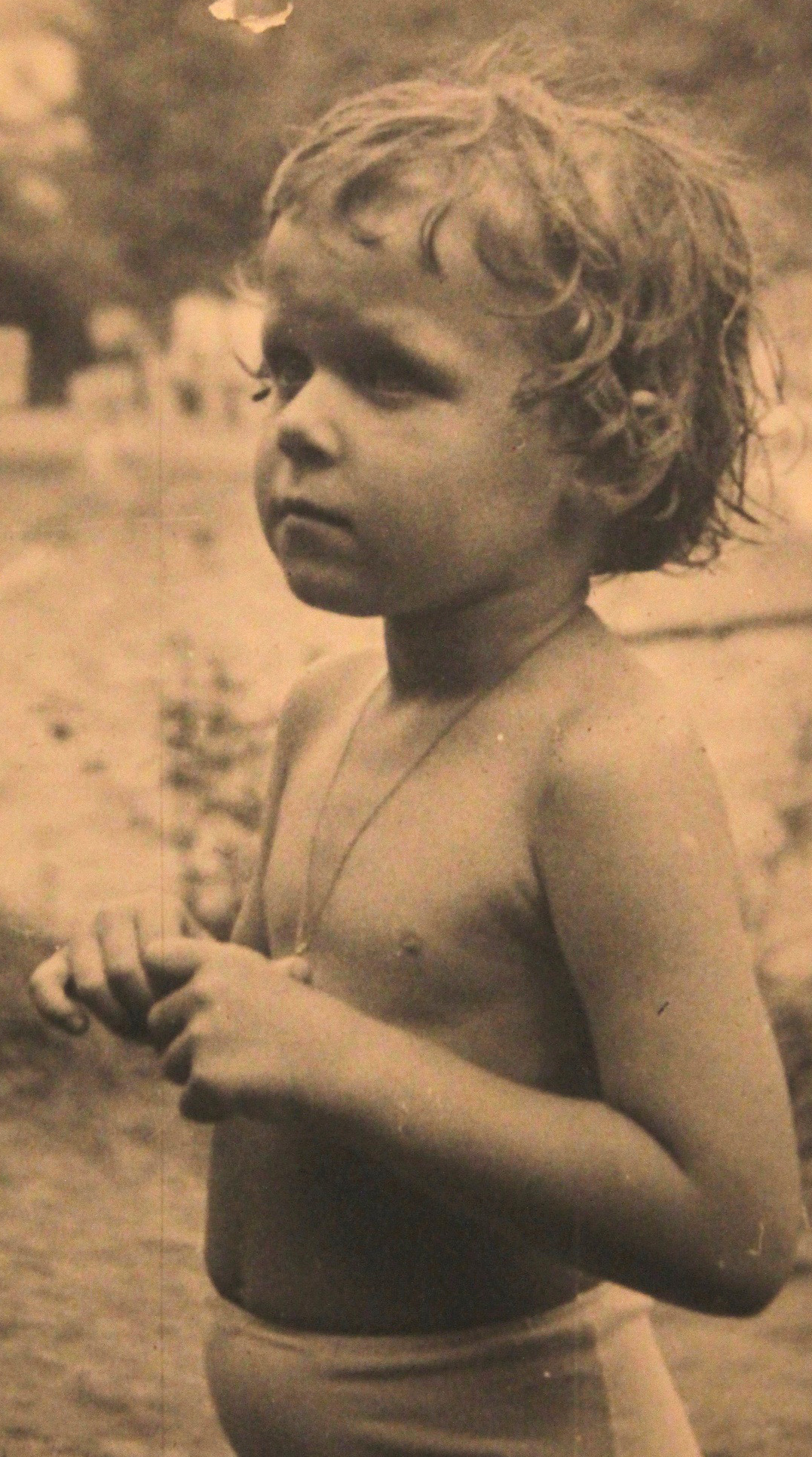
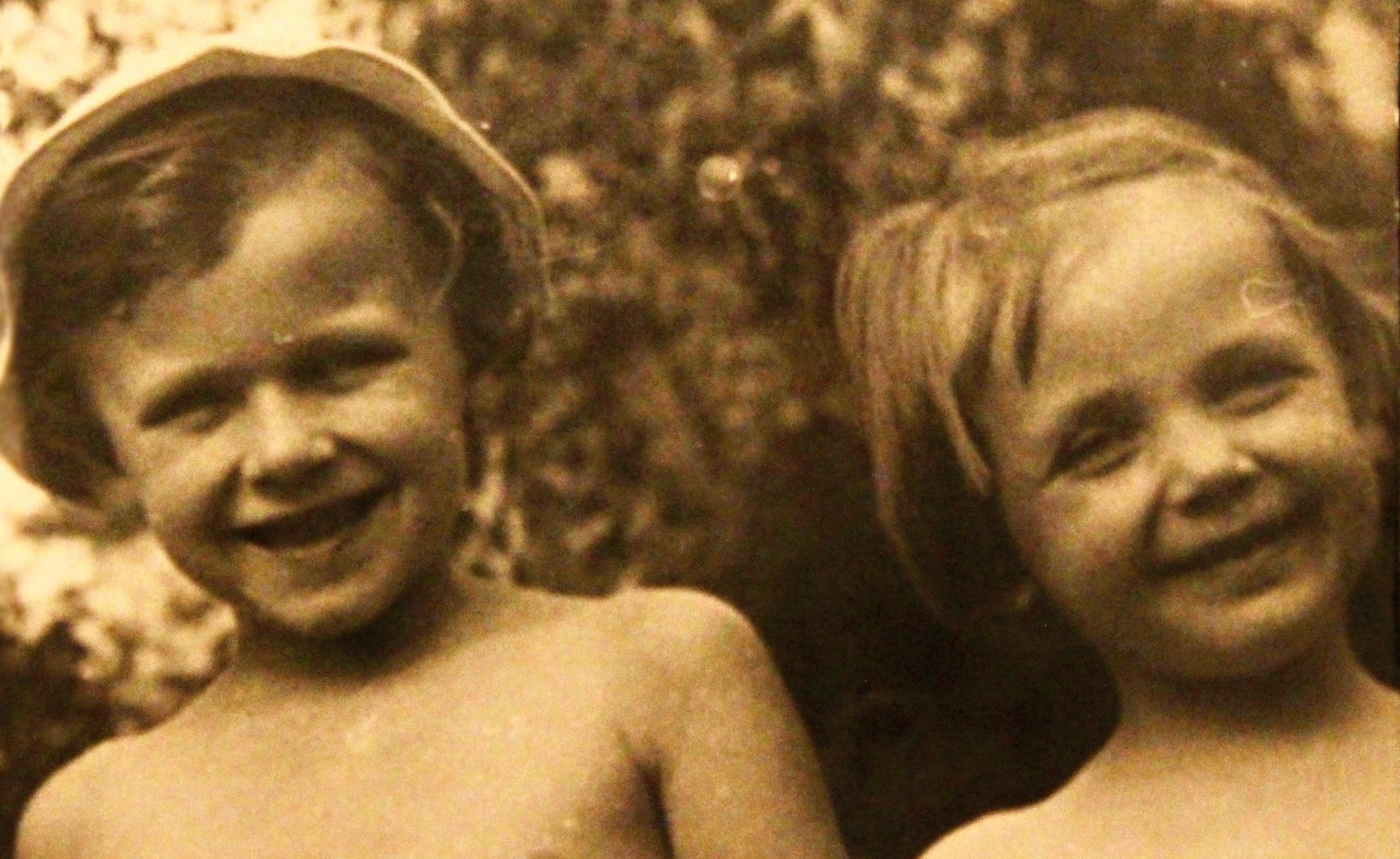
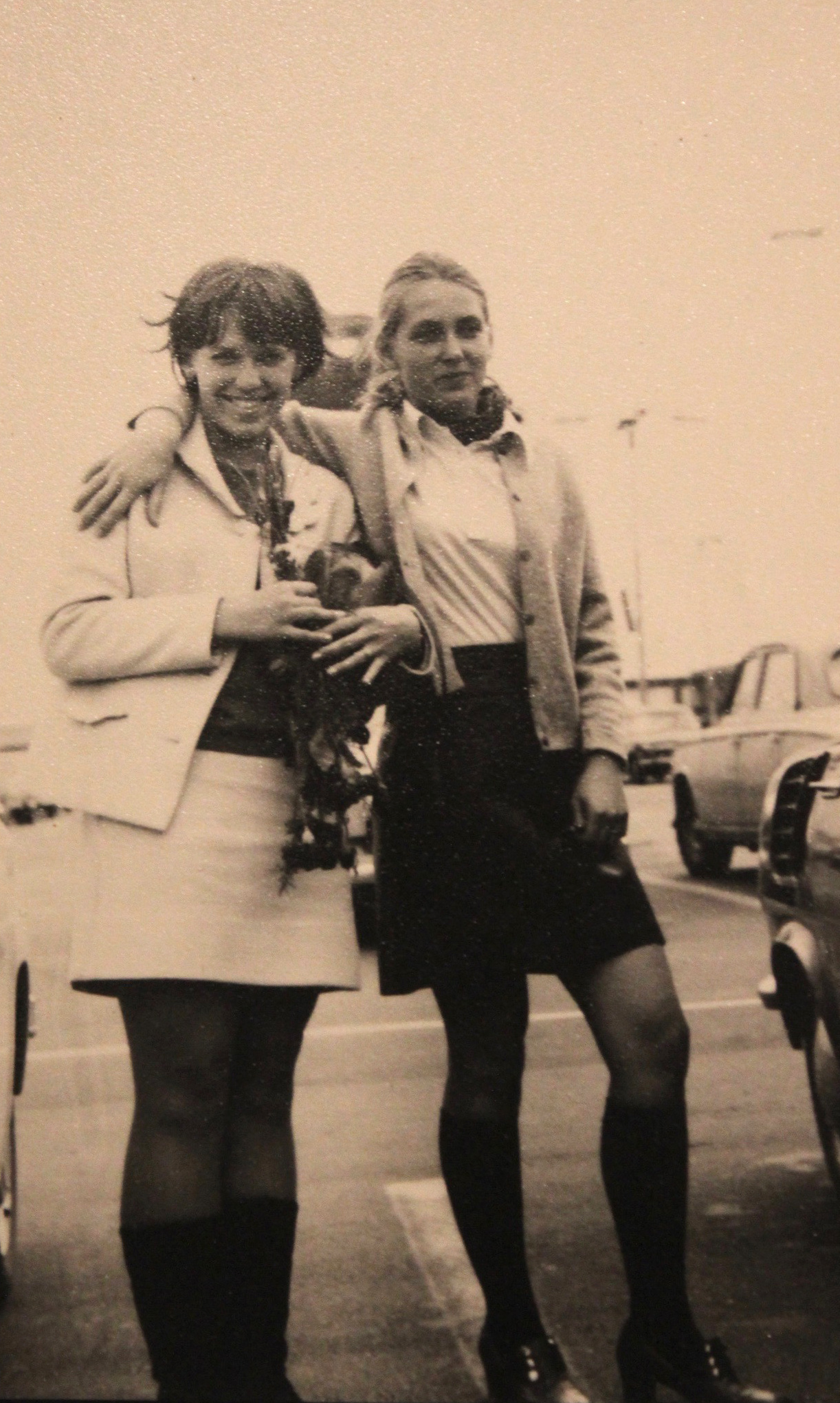
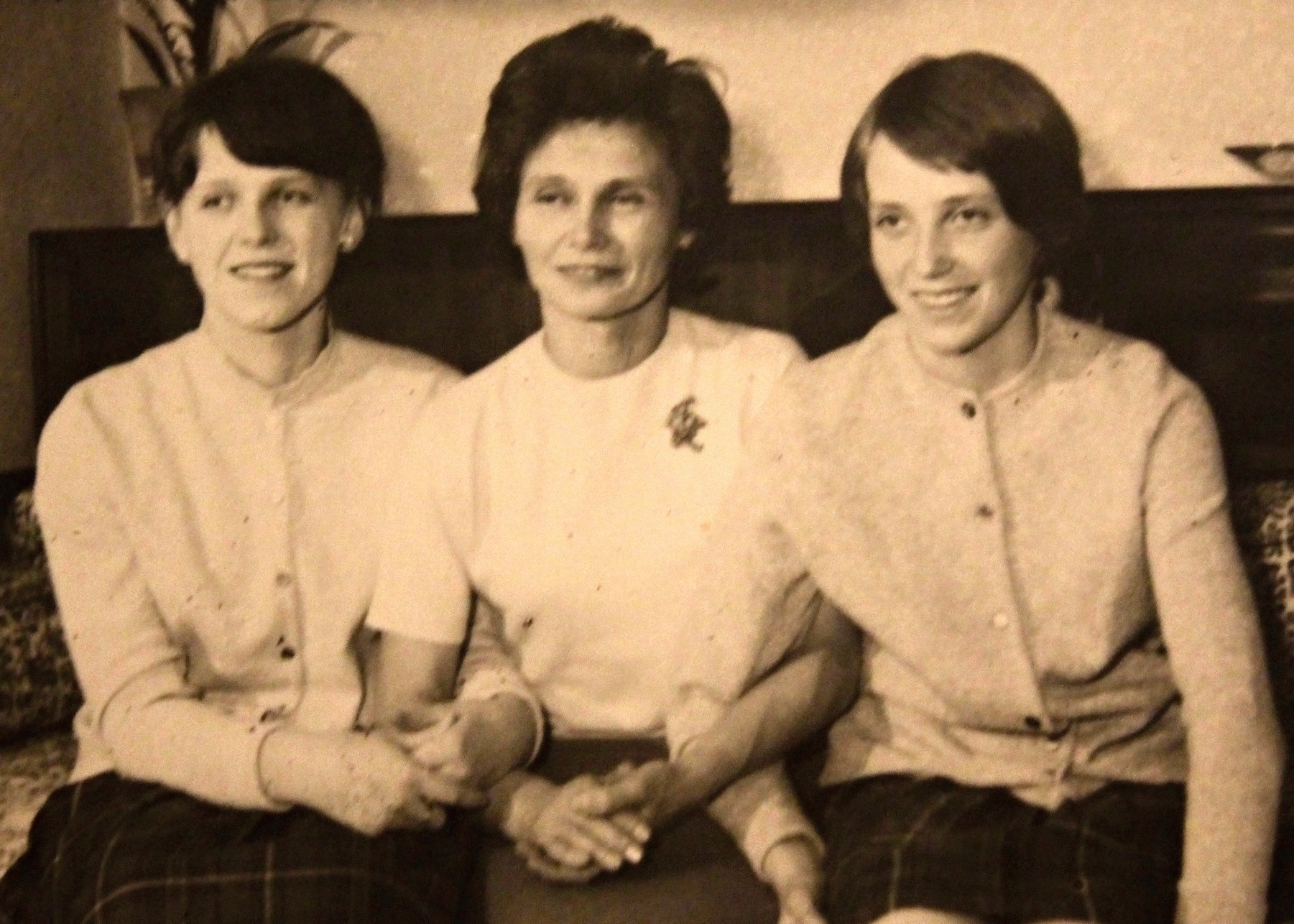
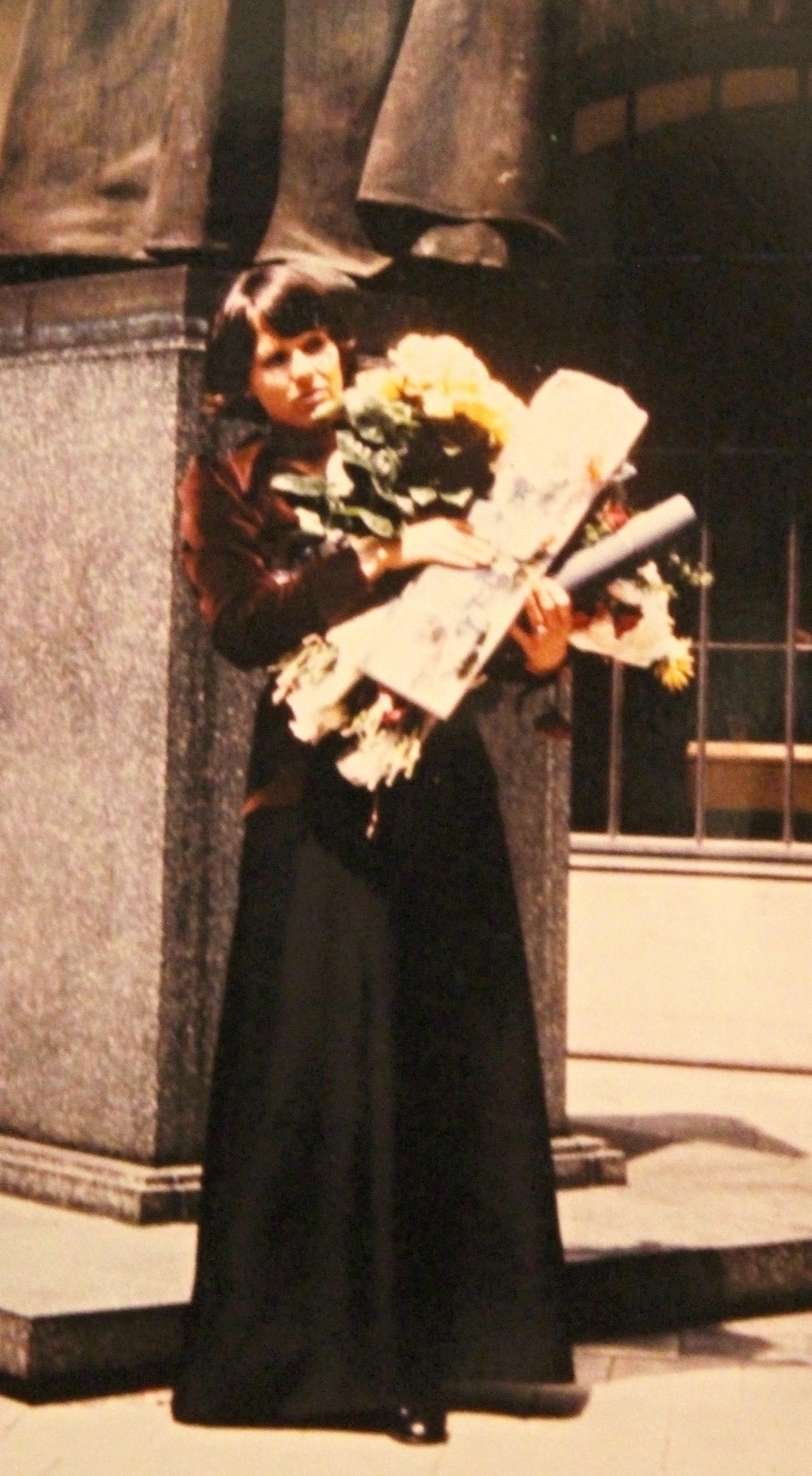
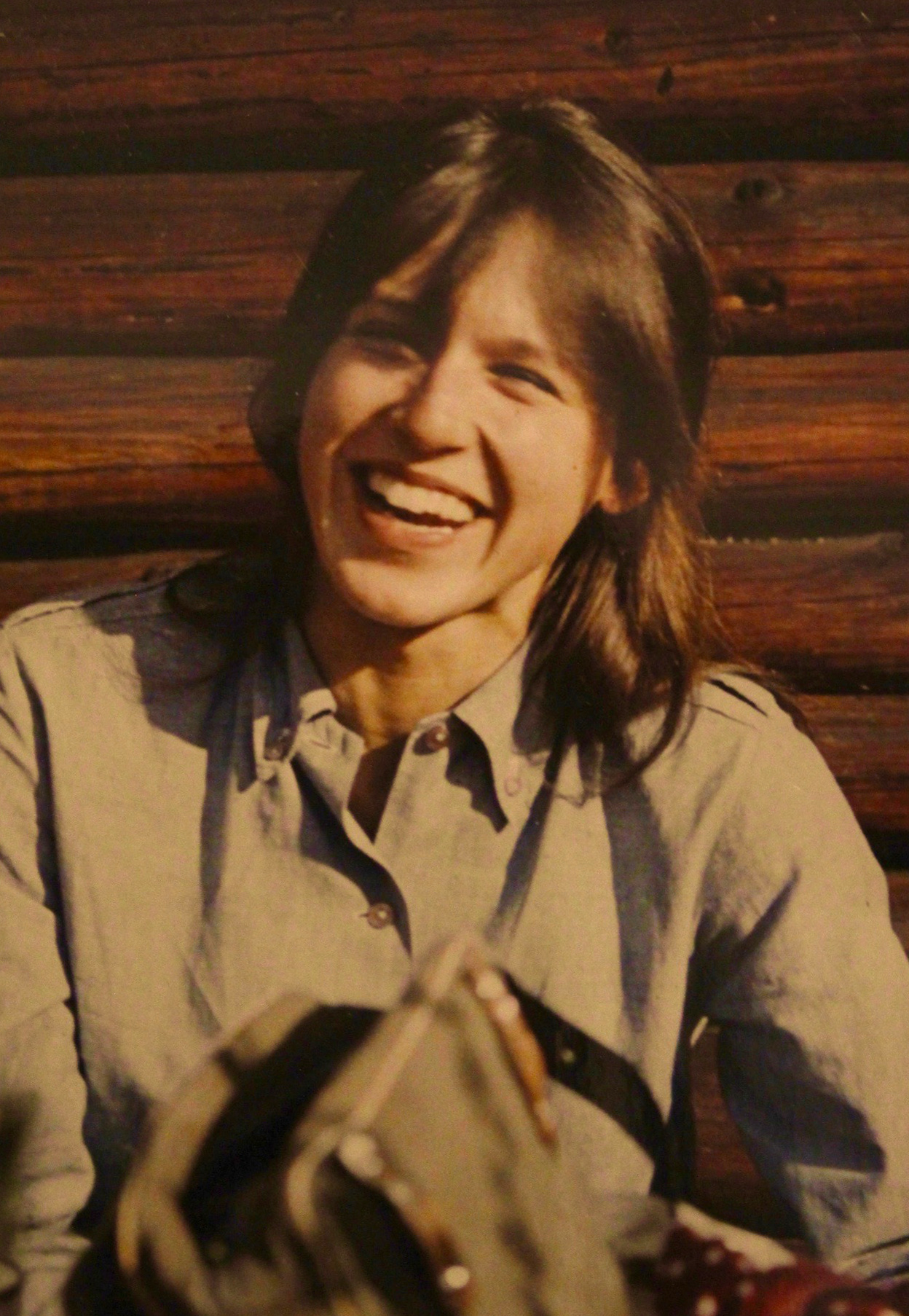
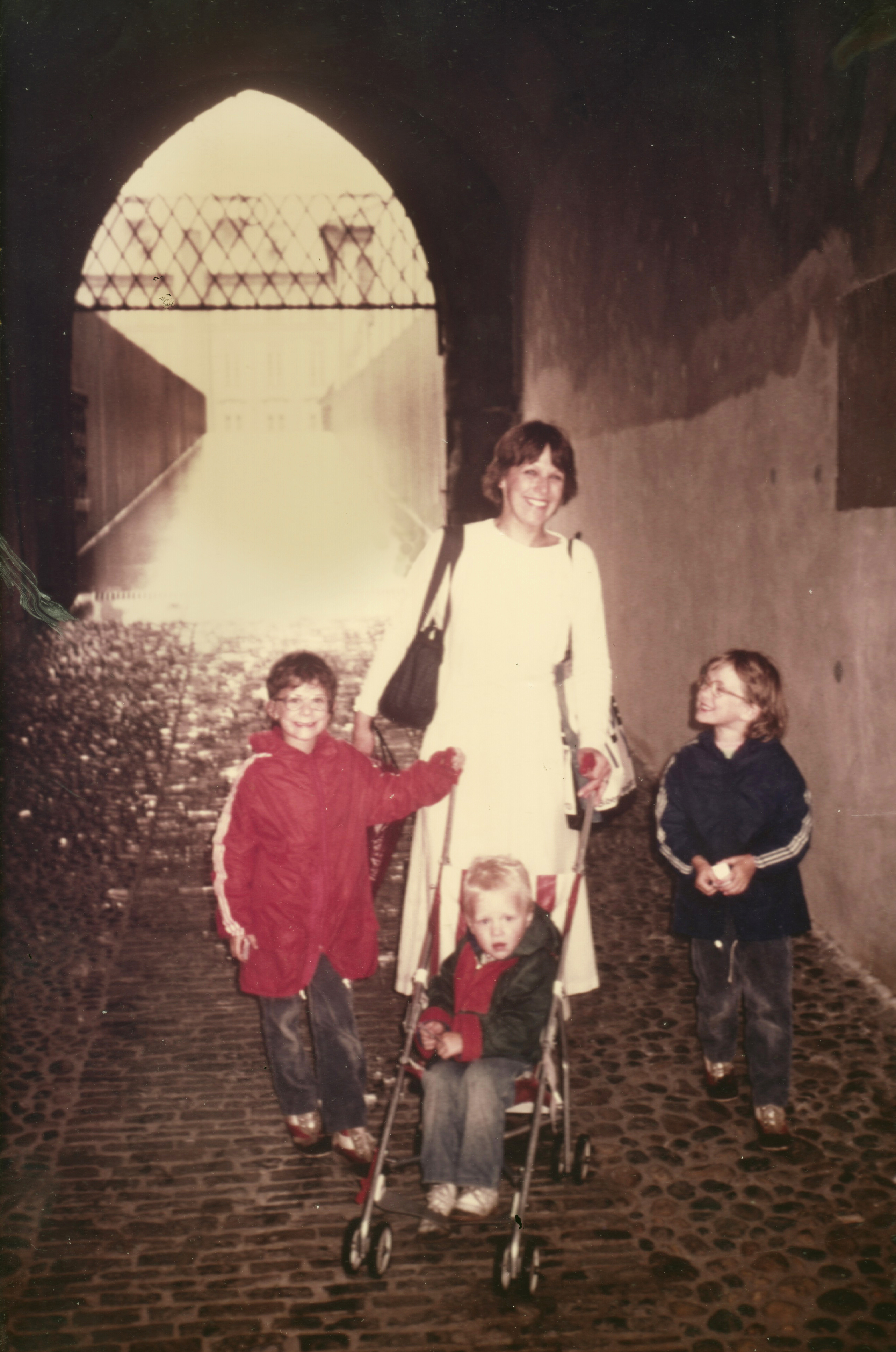
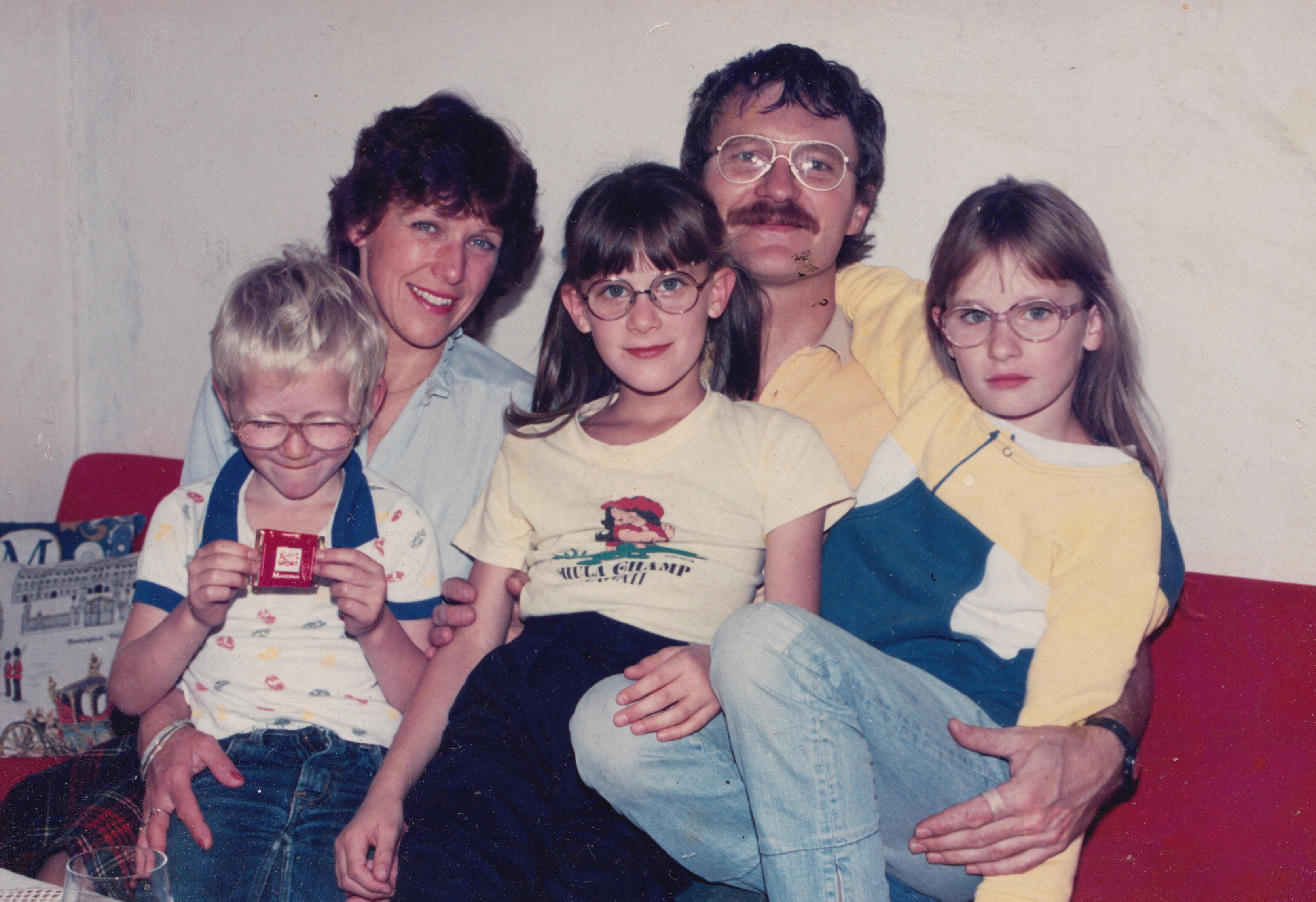
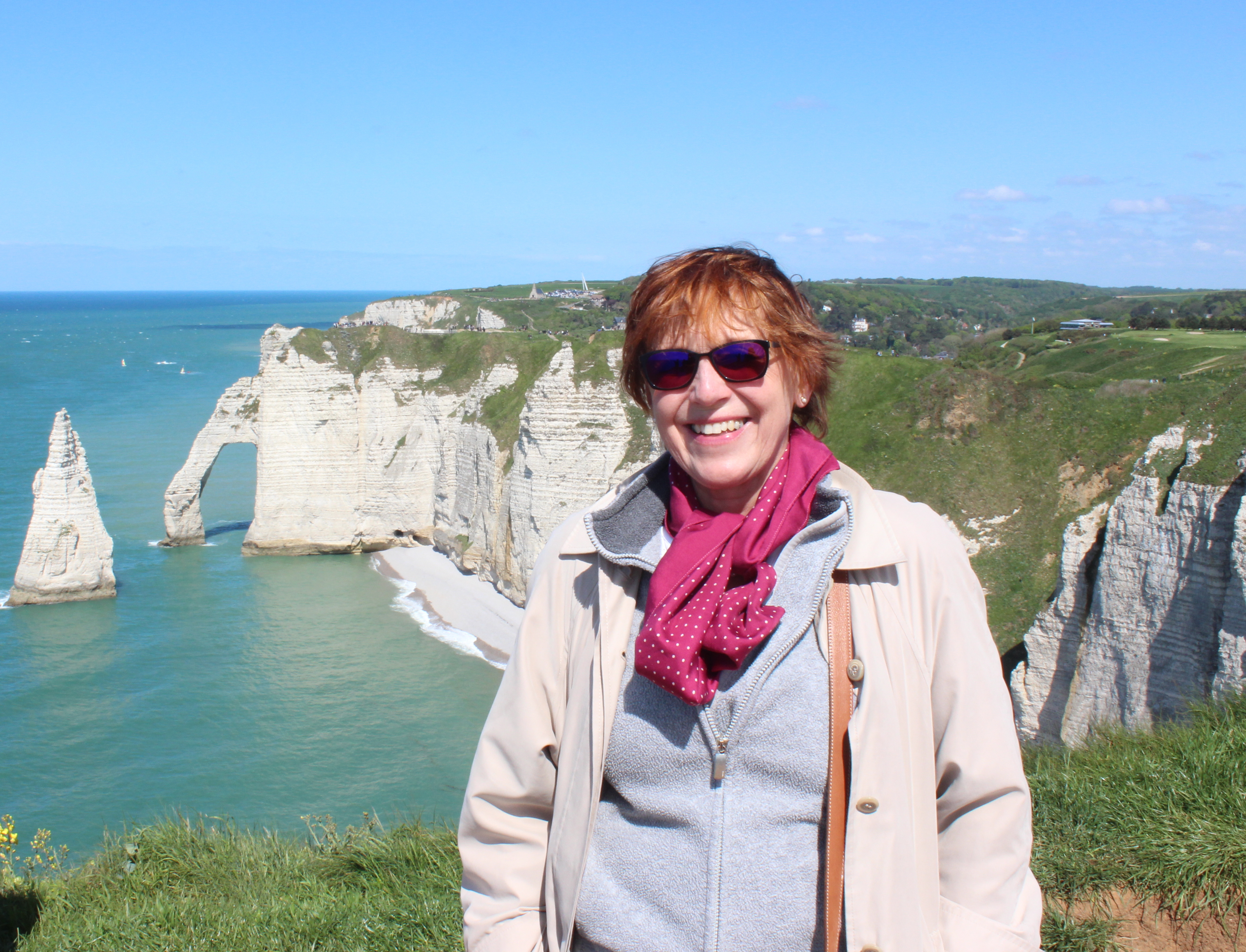
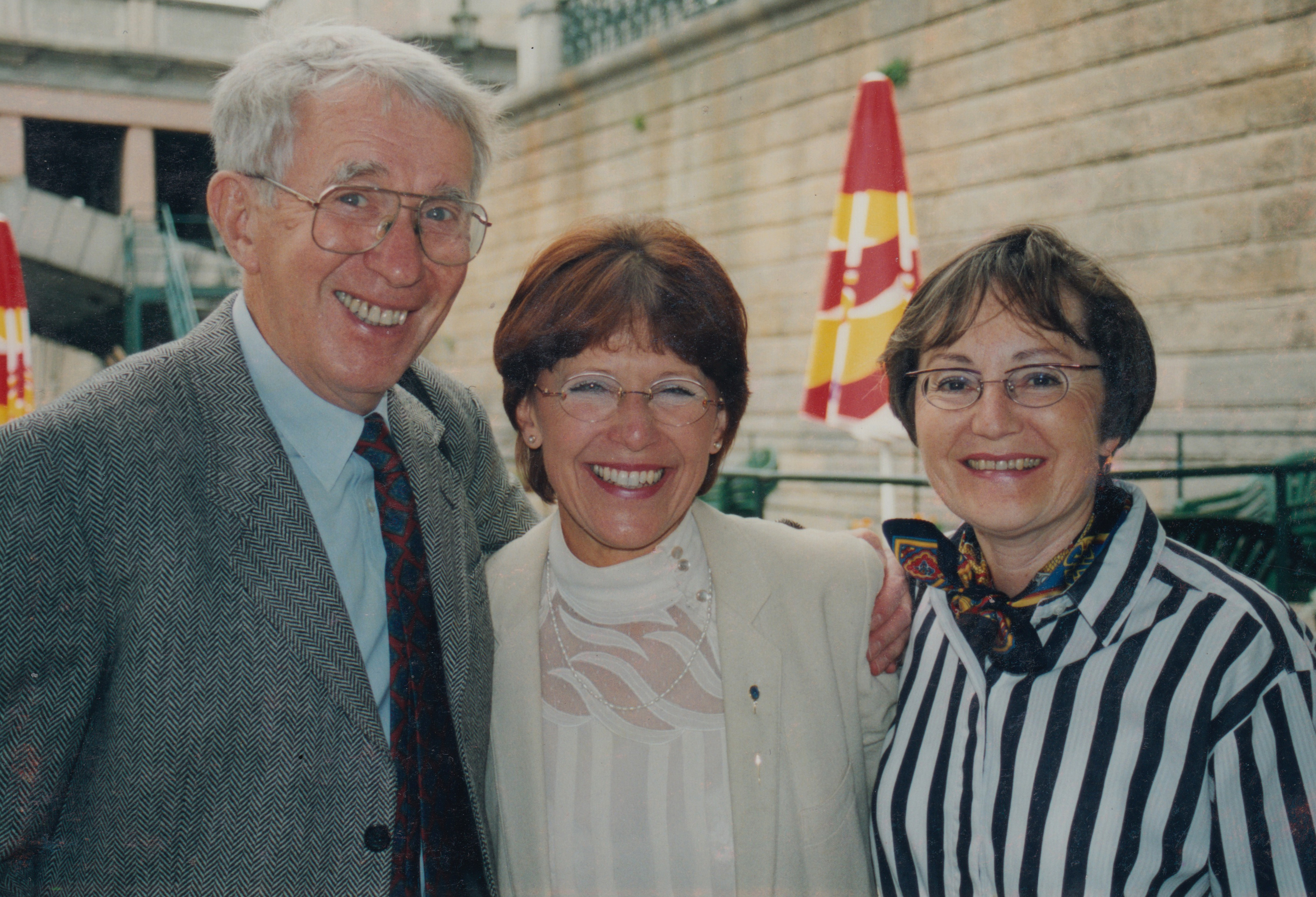
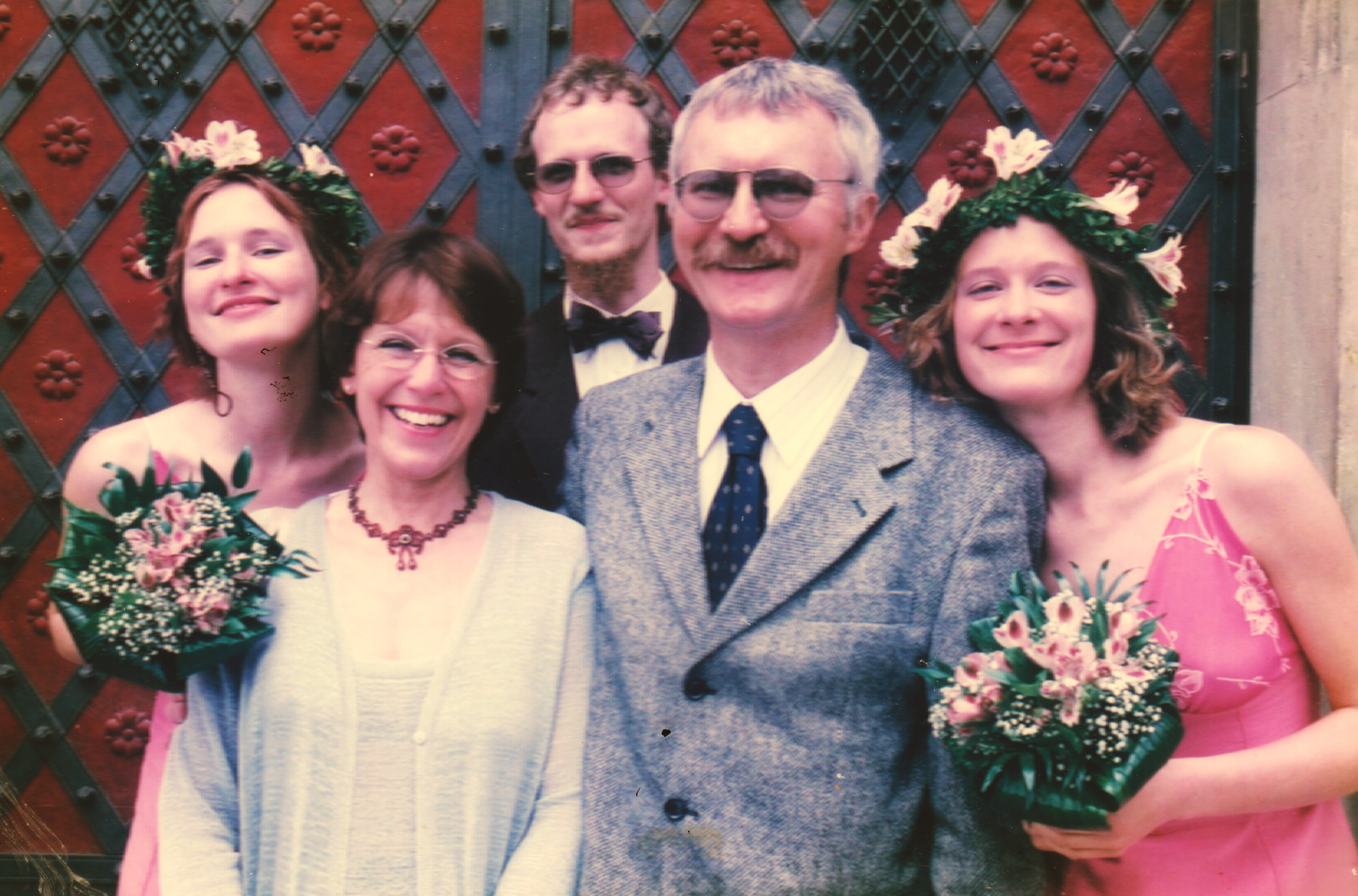
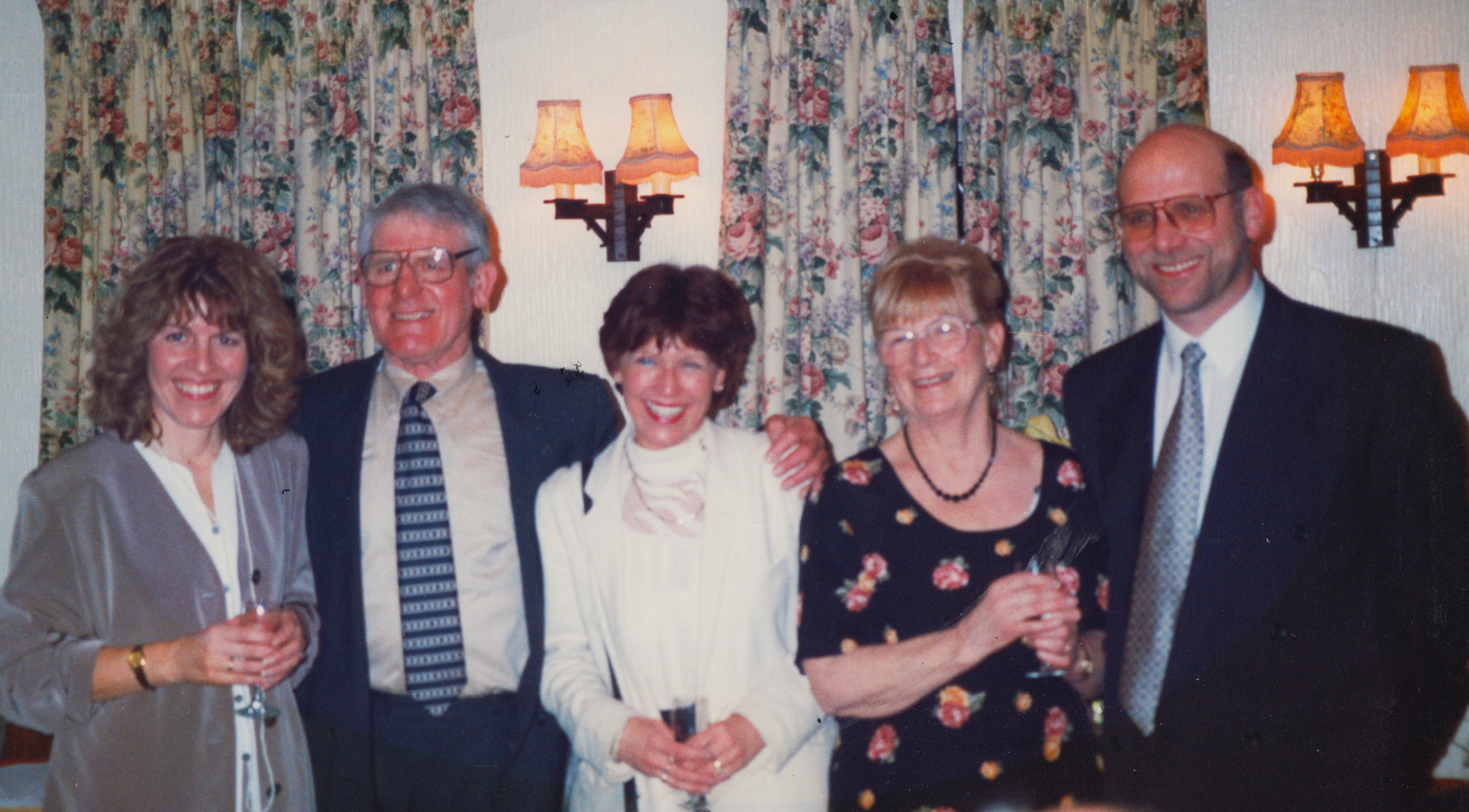
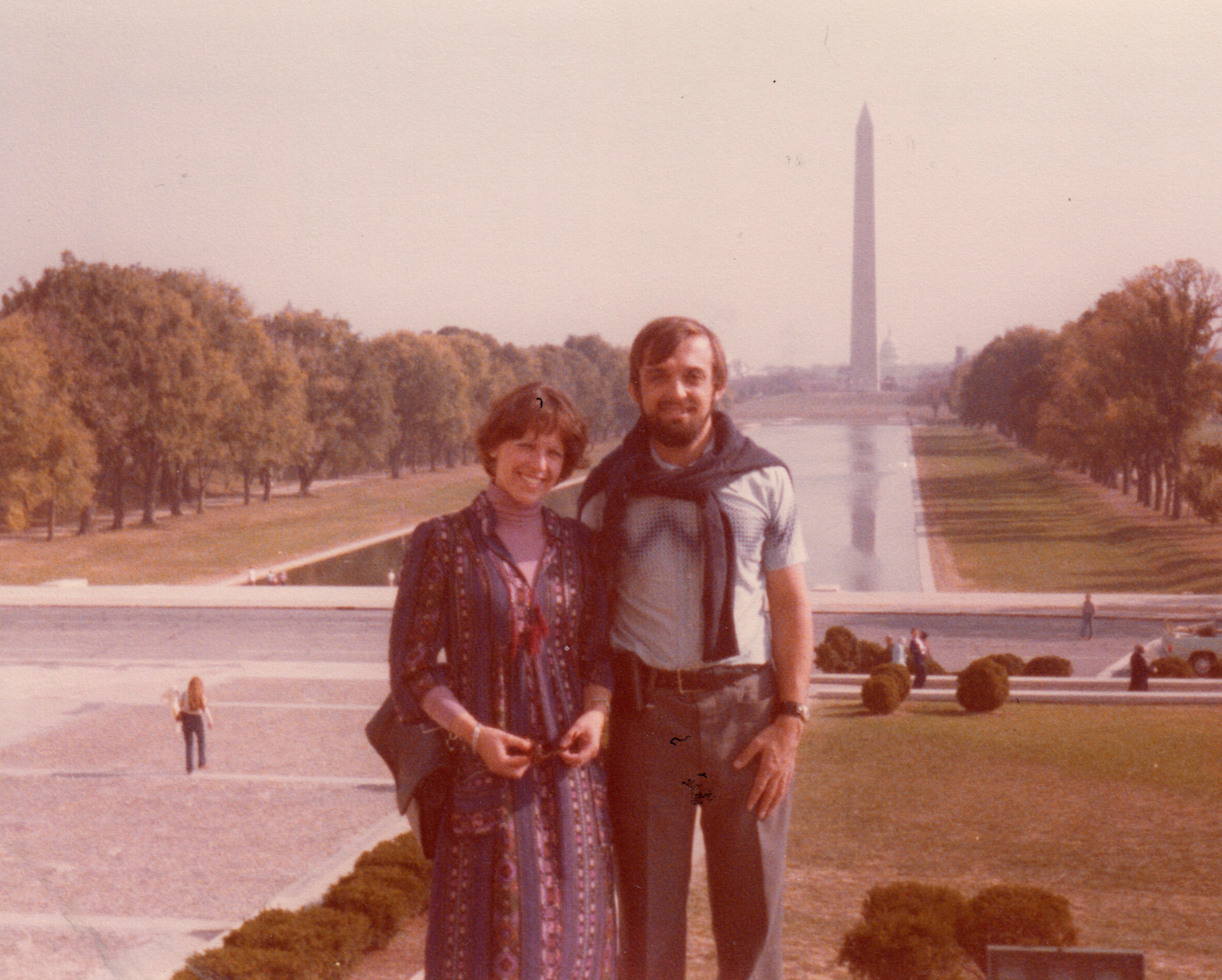
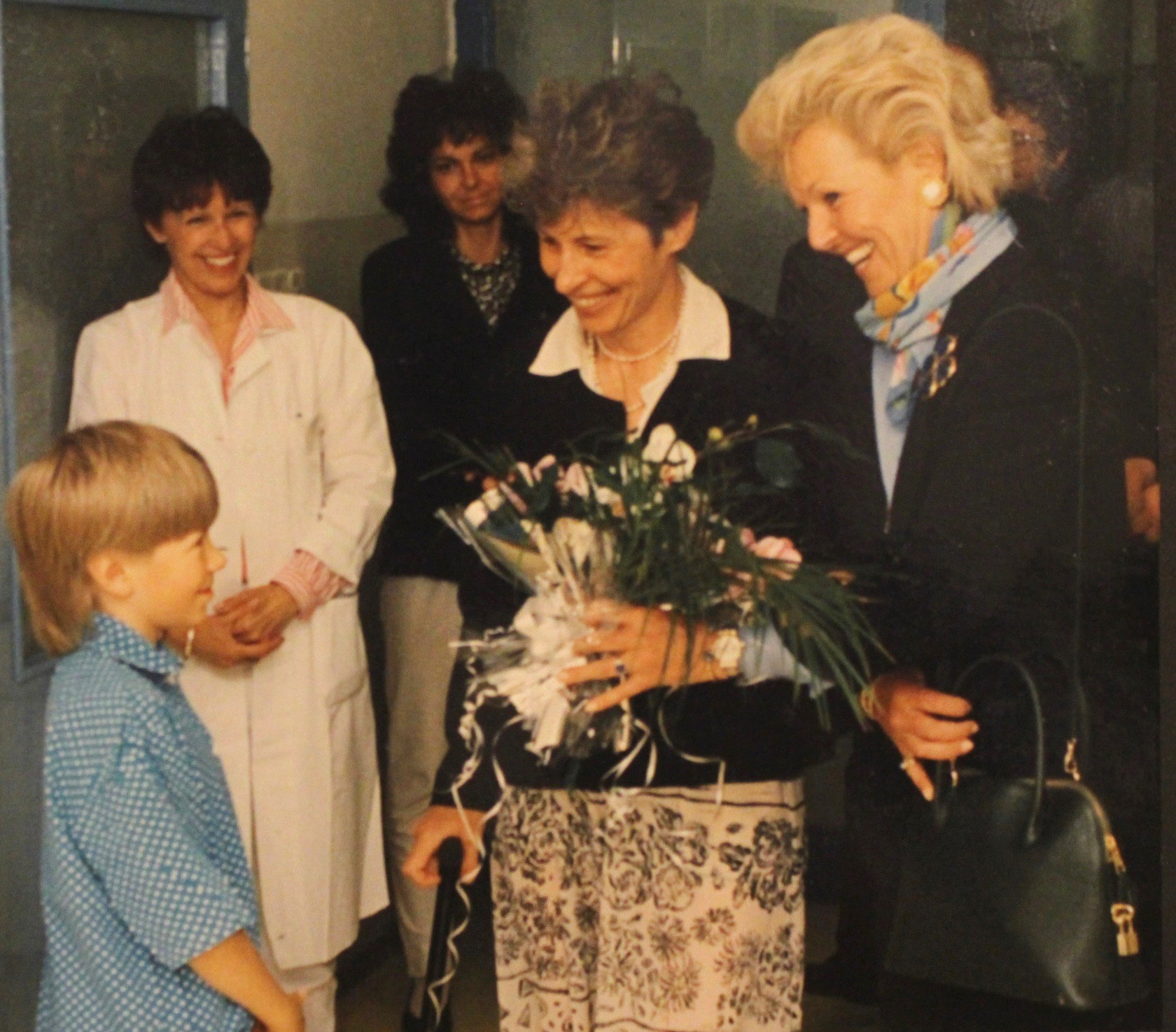
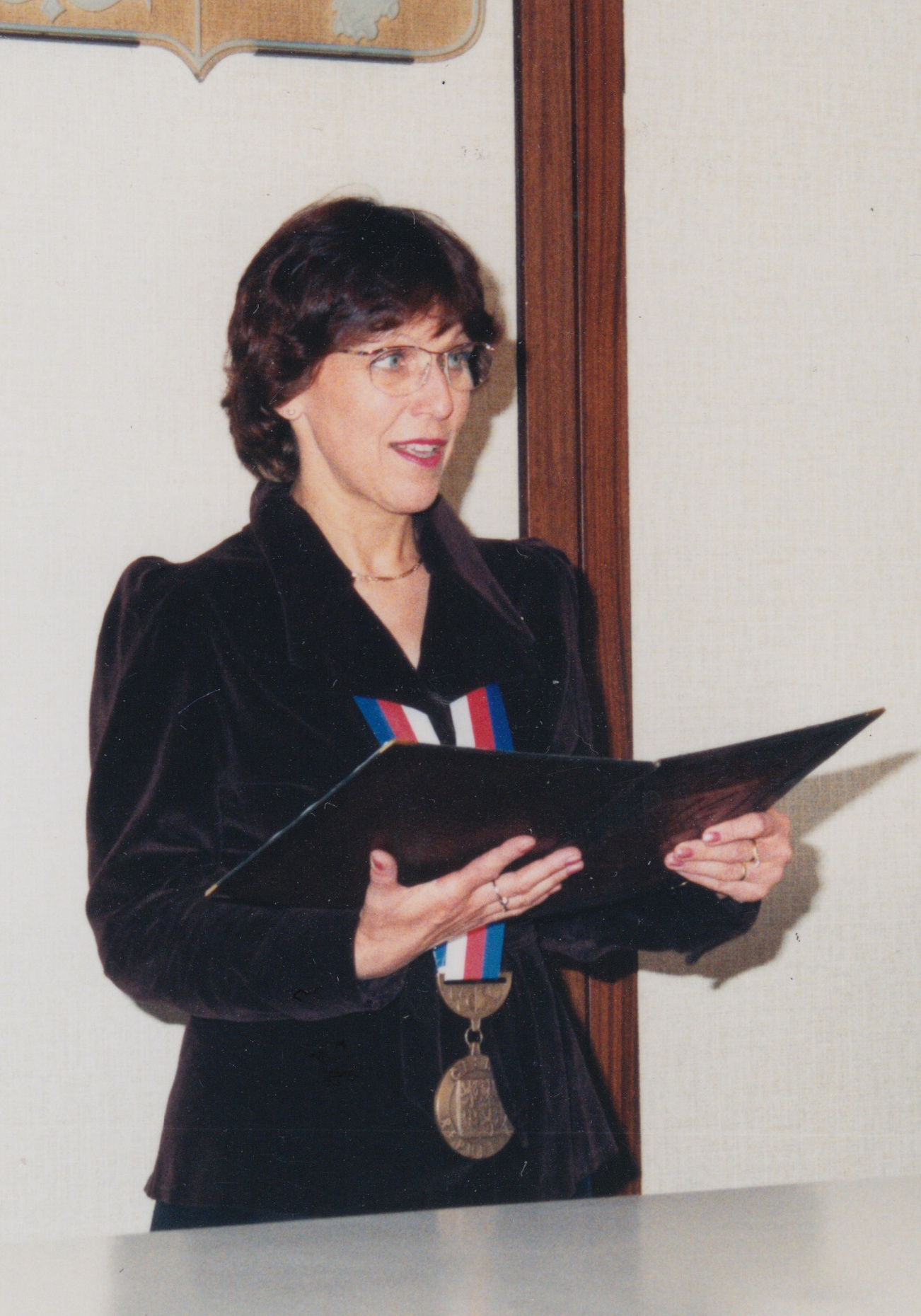
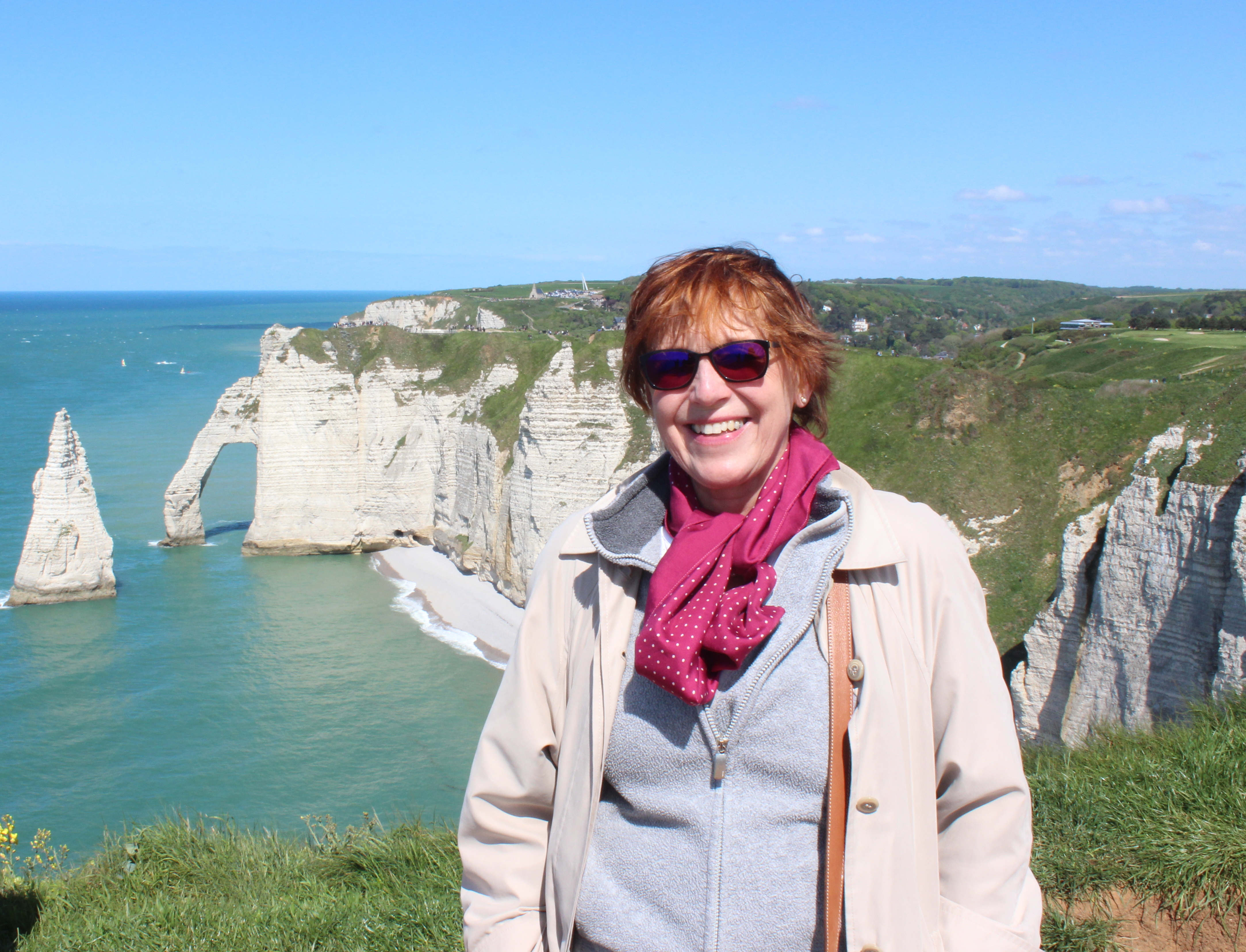
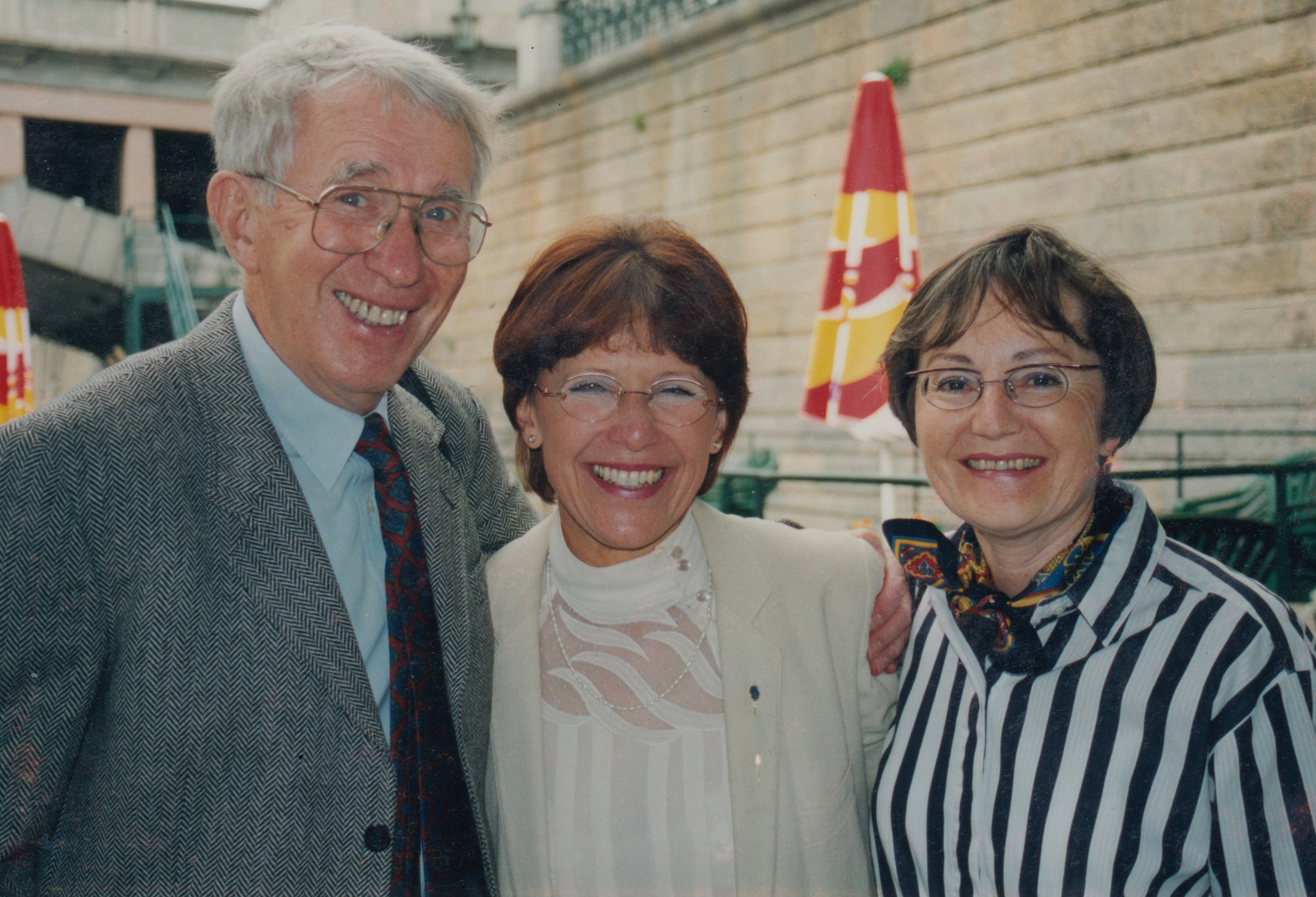
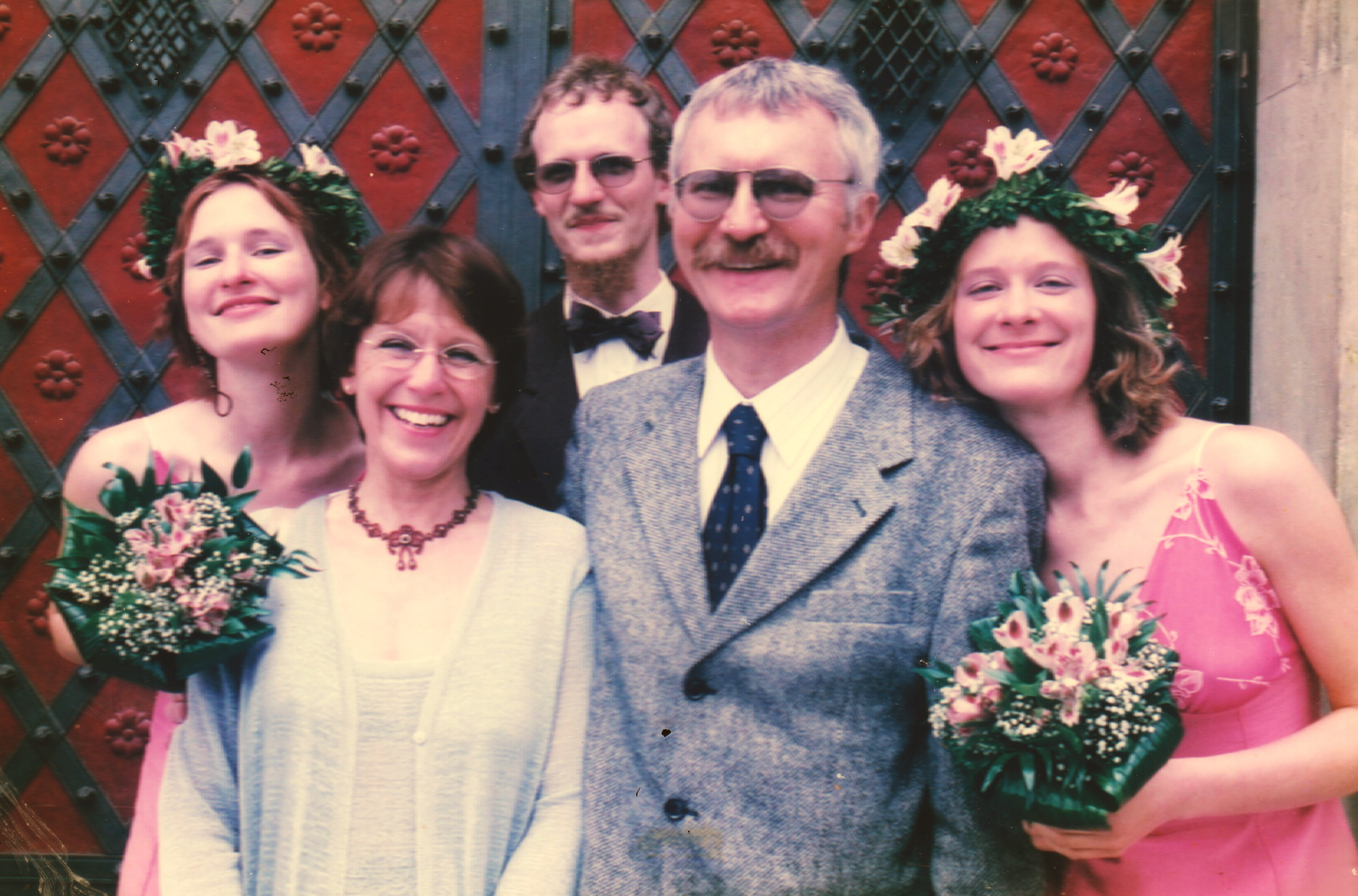
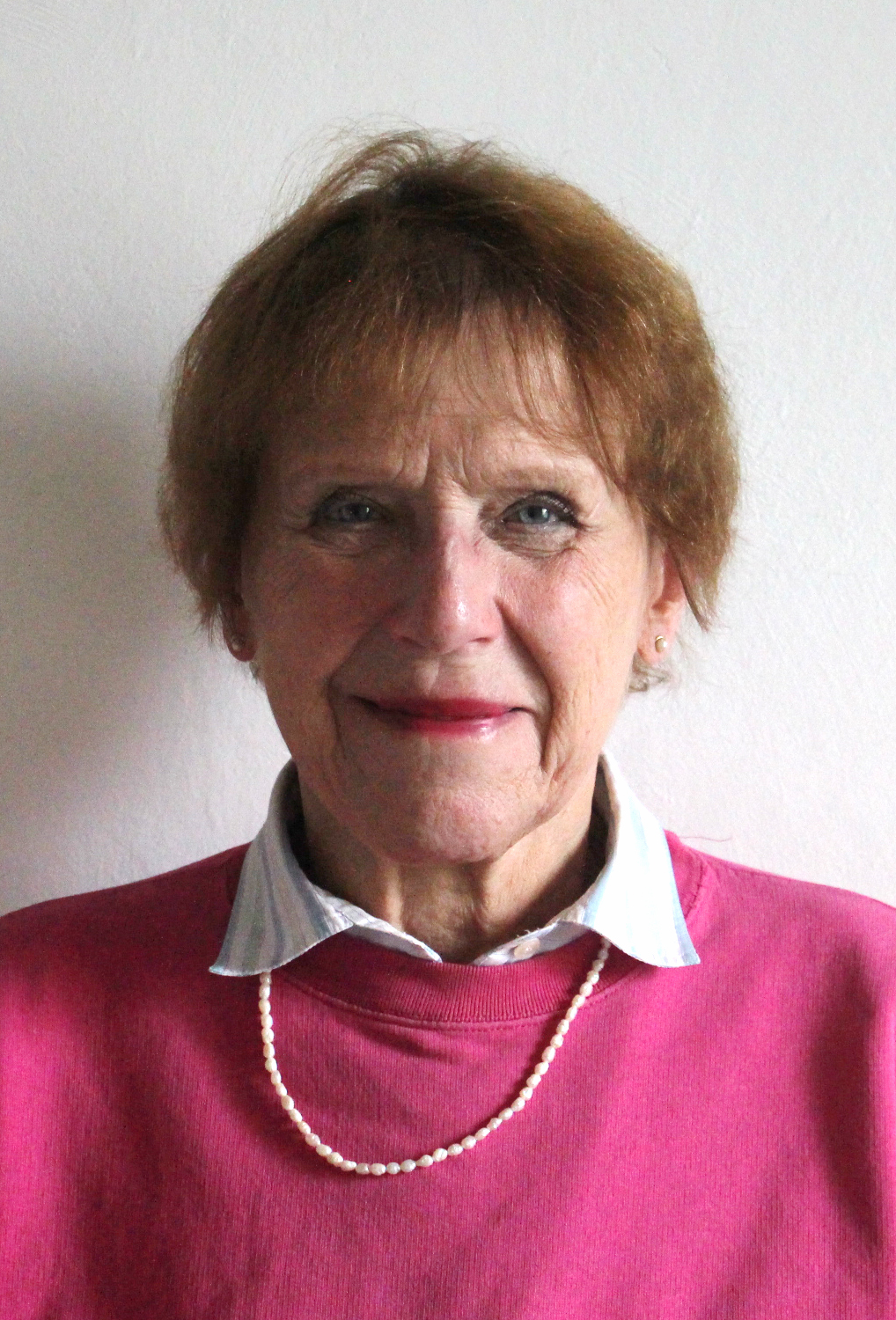
Jana Pekárková, née Komersová, was born on 7 June 1951 in Prague to parents Irena and Jiří Komers. She spent her childhood with her mother and sister Daniela (Ina) Komersová in a divided flat in Hanspaulka. Her mother focused on her daughters’ education, especially languages. Jana Pekárková learned Russian and English, and in the mid-1960s she used to attend an international camp in Křižanov. She experienced the invasion of the Warsaw Pact troops as a grammar school student, when students from England were staying with her. In 1974 she graduated from the Faculty of Arts of Charles University with a degree in psychology and then worked at the children’s clinic in Motol with children with mild brain dysfunction. In 1976 she met the American consul Rex Himes. State Security kept the “Helium” file on him in 1974-1977, and after their meeting State Security also opened the “Atlanta” file on Jana Pekárková. To avoid being followed, they used conspiratorial methods. Rex Himes socialised with, among others, Charter signatories including Václav Havel and Pavel Landovský, he was socially active, participated in sporting events and organised parties with film screenings. He left Czechoslovakia in 1977 and the witness met him again a year later during a three-month stay in the USA. The “Atlanta” file was closed by State Security in 1979. In the same year, the witness entered a pedagogical-psychological counselling centre, after three years she went on maternity leave and had three children. She did not return to Motol until 1989. In November 1989, she and her husband became active in the Civic Forum. After the Velvet Revolution, Jana Pekárková interpreted and accompanied important visitors to the Motol Hospital. In 1991, she began working at the Ministry of Health, and from 1996 to 2002 she served on the Modřany City Council, most recently as deputy mayor. In 2025, she lived in Prague and had a small-time private psychological practice.