"I remember Father Aleš well because we loved him very much. He was like our dad. He was locked up in Ruzyně for a year. About three or four months in, the door suddenly opened and Aleš came home. We said, 'Father, what happened?' He said, 'I don't know. The guard came to me in the morning and said: You're free to go.' So was everybody who was with him at the time. We had no idea of what had happened that got them home. We only found out after the Velvet Revolution from Father Koláček of Vatican Radio who was in St. Peter's Square on 27 March, Palm Sunday. Pope John Paul II was celebrating the holy mass, and he had a habit of going among the people then. He didn't ride the papamobile like today's popes, because there weren't so many people. Father Koláček could talk to him. He told him, 'Father, they cracked down on all the Franciscan communities in Czechoslovakia this morning at seven o'clock.' John Paul said to his secretary, 'Remind me.' Then we just learned that he paid the ransom for our brothers and sisters, so actually they were ransomed, they were paid for. The Communists liked money, and since it was 1984 and the terror was not so harsh, they gladly took the payment for our brothers and sisters. Those were quite large sums, I don't recall, but I know it was twice as much for the brother as for the sister. I remember laughing at the idea that our brothers were more valuable."
"I was scared because it was very uncomfortable. The guy didn't look at me very much, he looked sideways and he asked these questions like, 'Are you a nun?' or 'When did you take your vows?' or then he said, 'Well, you obviously want to be famous, don't you? You'll be on the Vatican radio today. These news about you travel fast, don't they?' I didn't say anything, I kept quiet. Then he said to me: 'Mrs Nosková, you are a sewer of our society.' That upset me quite a bit, so I gathered some courage and said: 'Look, if you call me a sewer, I protest. I feel like a regular citizen of this country. I go to work, and if I perform poorly and people complain, just ask my boss, and then you can call me a sewer.' He was taken aback a bit but kept his stance. He was an arrogant man. 'So what did you do, why did you live together like that and how come you were together...?' Things you can't admit. I knew I should keep my mouth shut, so I kept my mouth shut. They had a problem with us because they didn't actually find out anything. Then Father Aleš told us that when they were driving him to Ruzyně, the captain who was in charge of the interrogations said, 'Your young folks did very well indeed.'"
"He likely knew who turned him in and why he was in the concentration camp. He also said once, 'I'll never tell you the name. I'll go with that, so that you don't have any prejudice against those people or suffer due to that. About two years before he passed, at Christmas, all three of us - mum, him and I - were togehter. This is a bit difficult memory, but it shows my father. It was Christmas Eve and shops were open then. Mum said, 'Please go to the store and get me something.' He came from the shop, didn't speak at all, and when we sat down at the table he said, 'I have something to tell you. I met the person in the store.' We already knew. We didn't ask, and he didn't say his name. 'I have to tell you, the Lord God has given me great strength. I went up to him and I shook his hand and I said, 'I wish you a blessed Christmas,' and he grabbed my hand with both of his and said to me, 'Gusta, you don't know what you did for me today.' That was the Christmas that my mom and I both felt that my dad had come to terms."
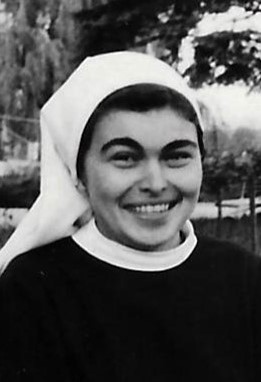
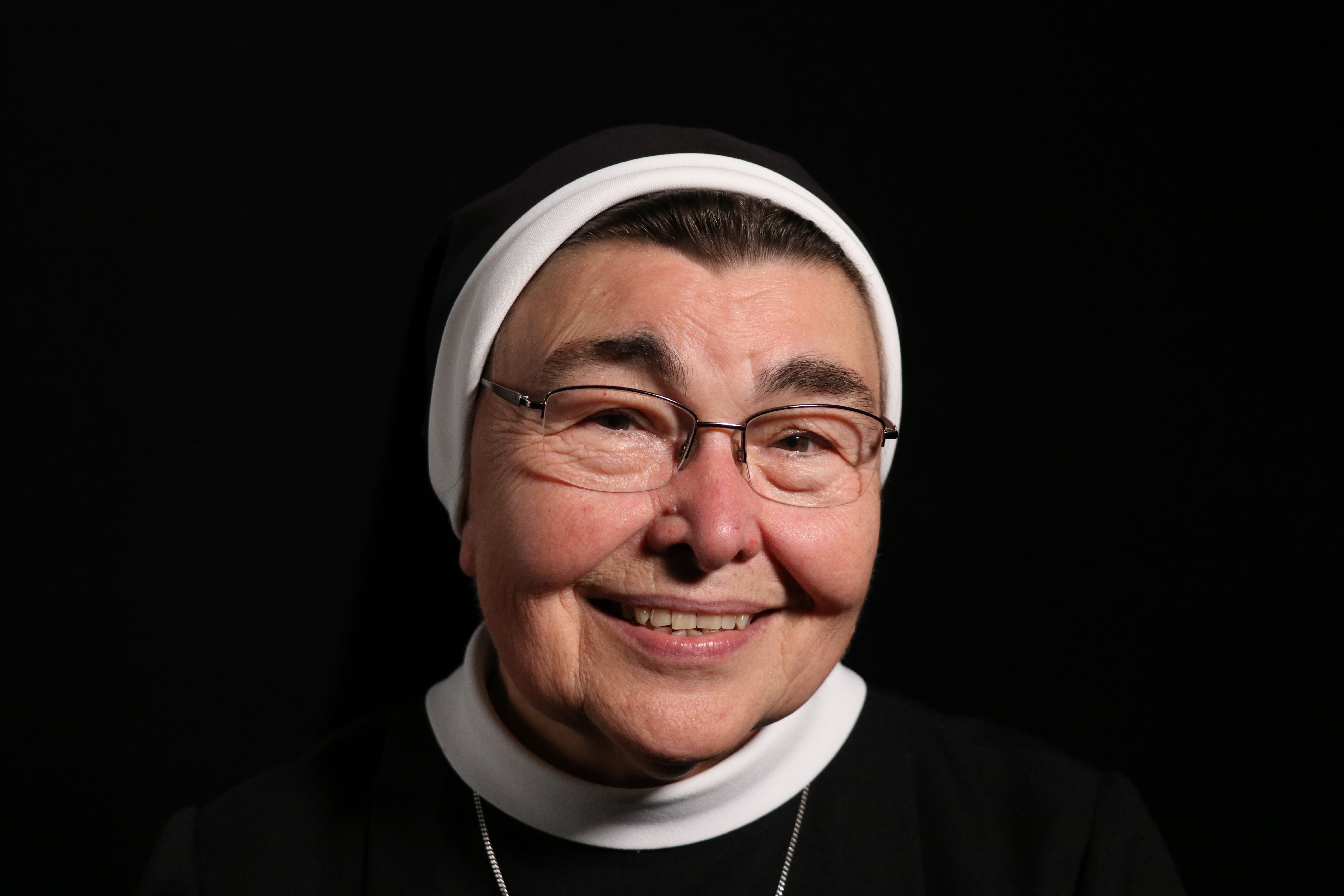
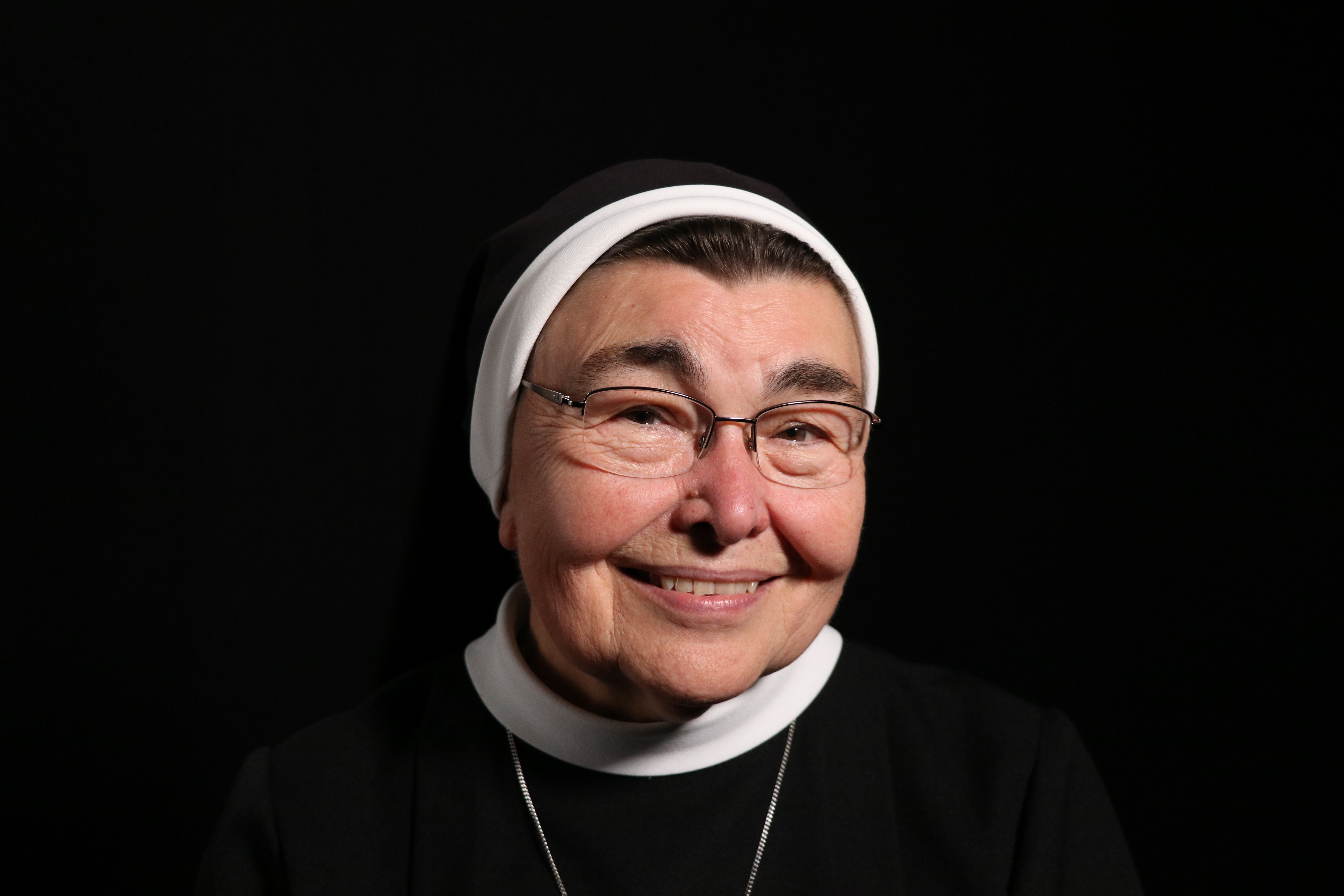
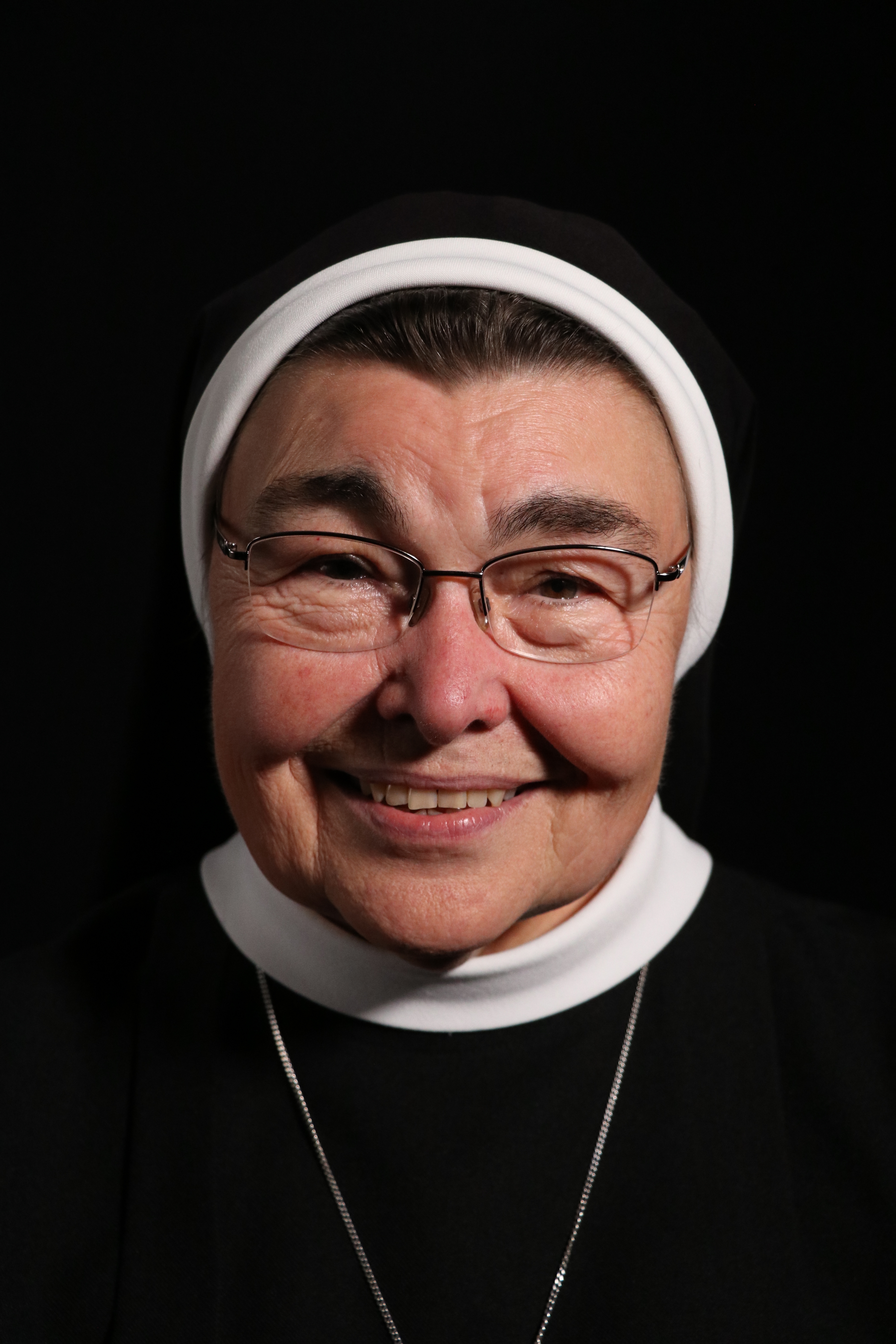
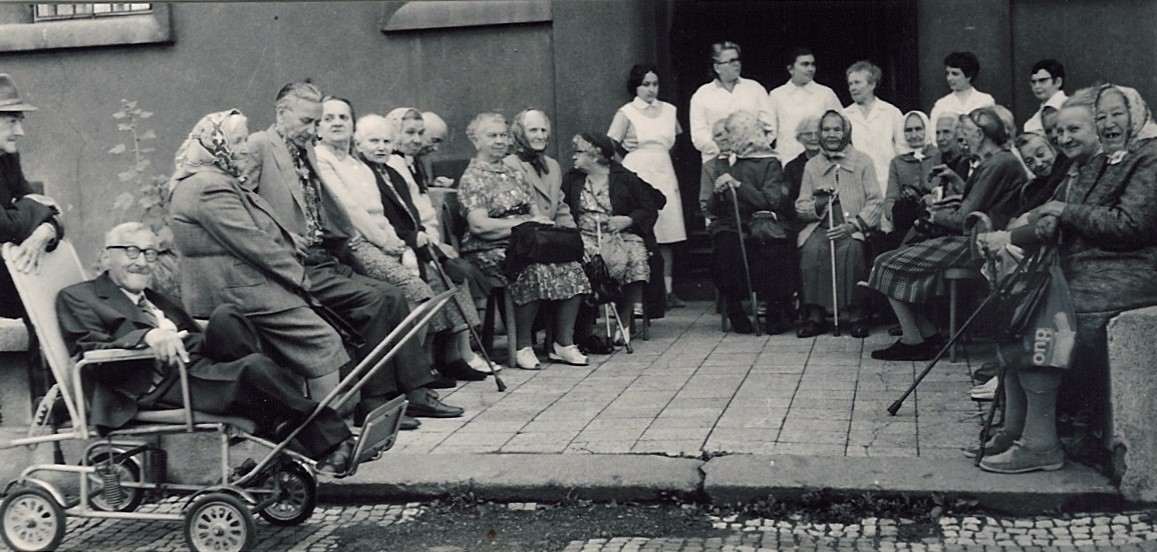
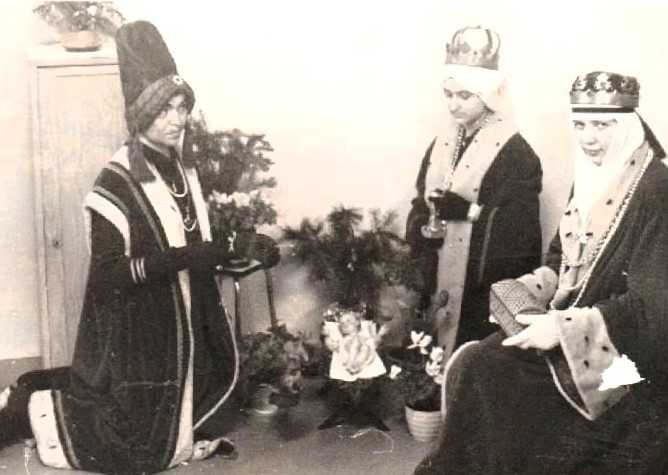
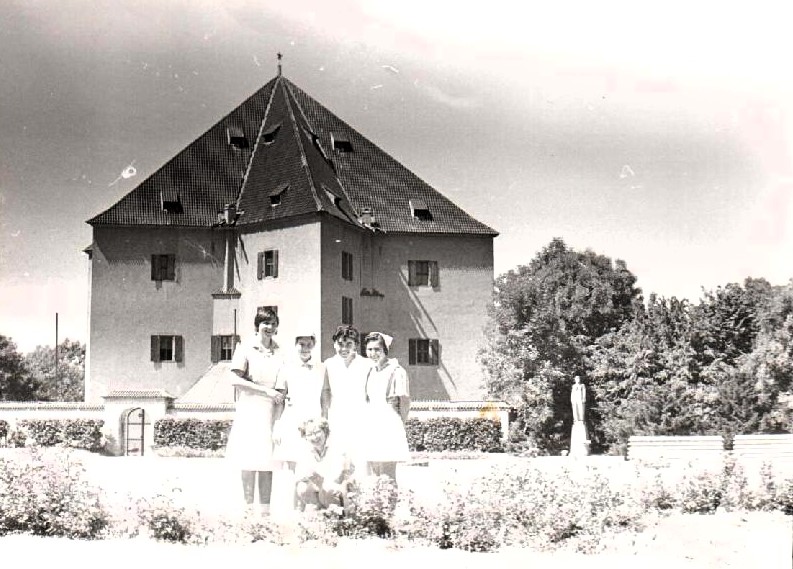
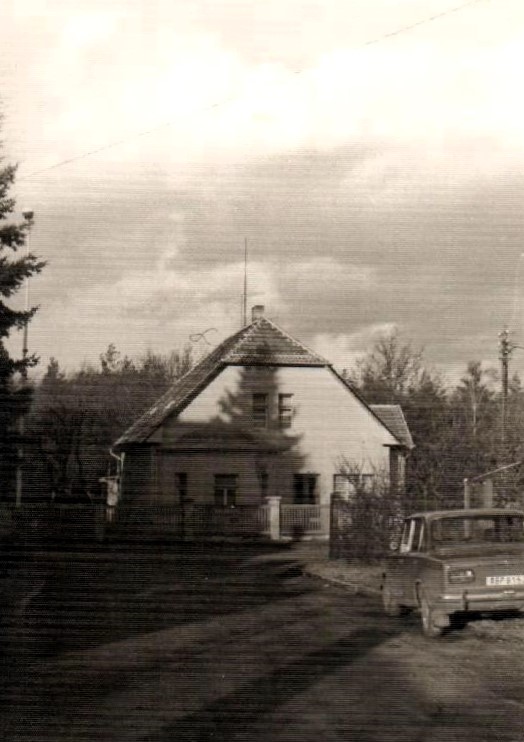
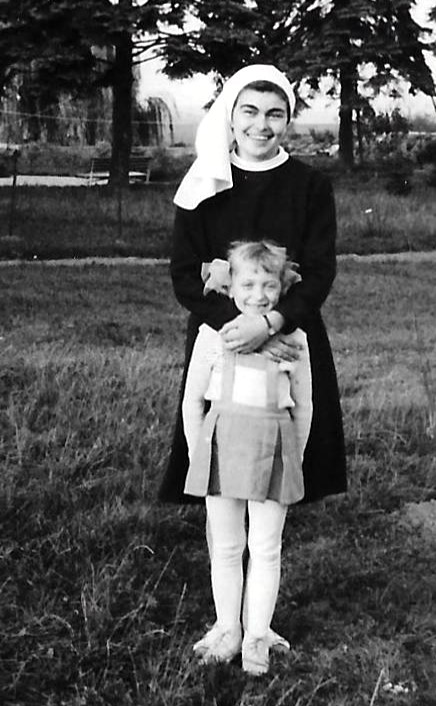
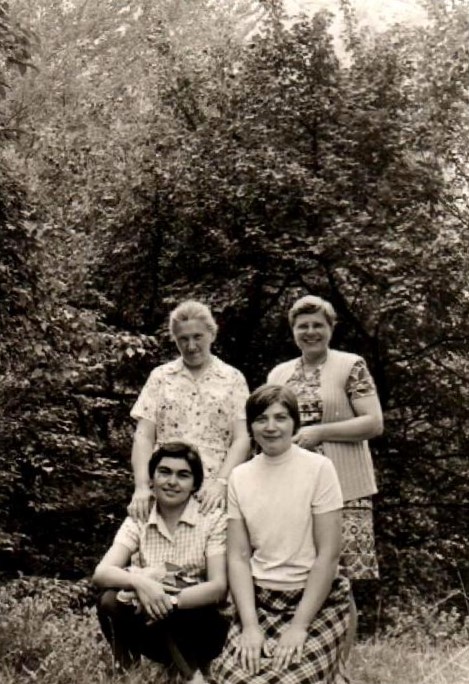
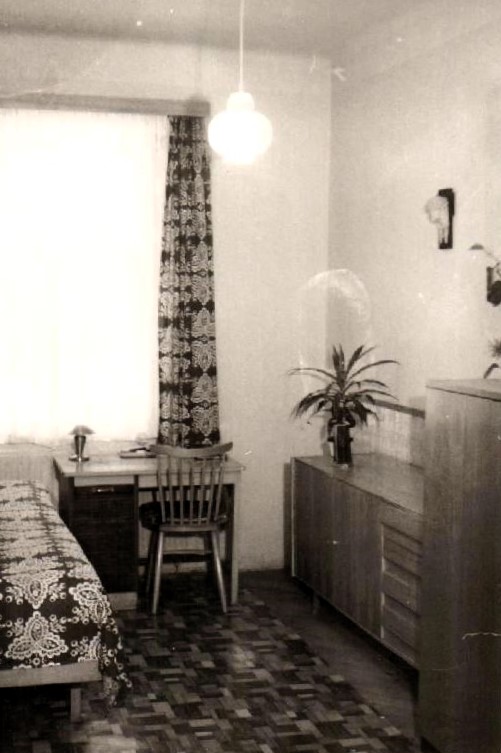
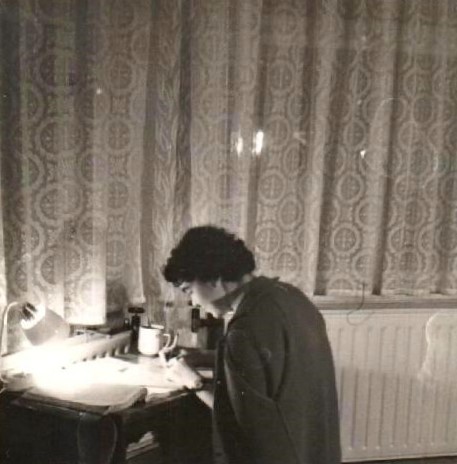
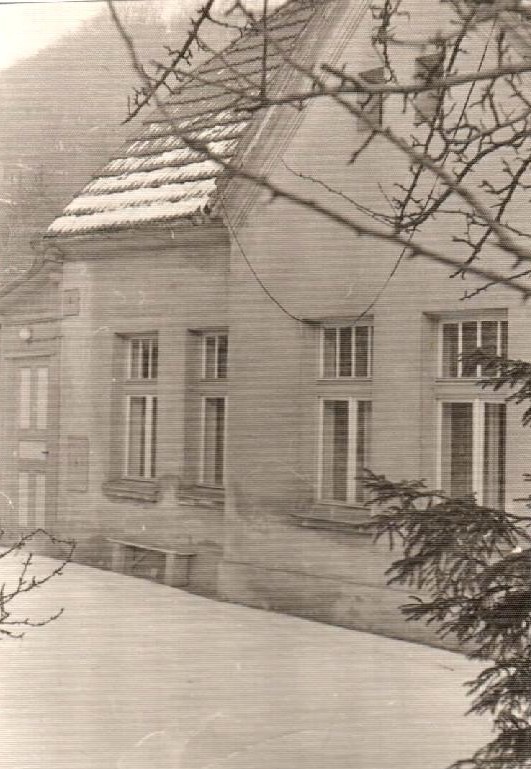
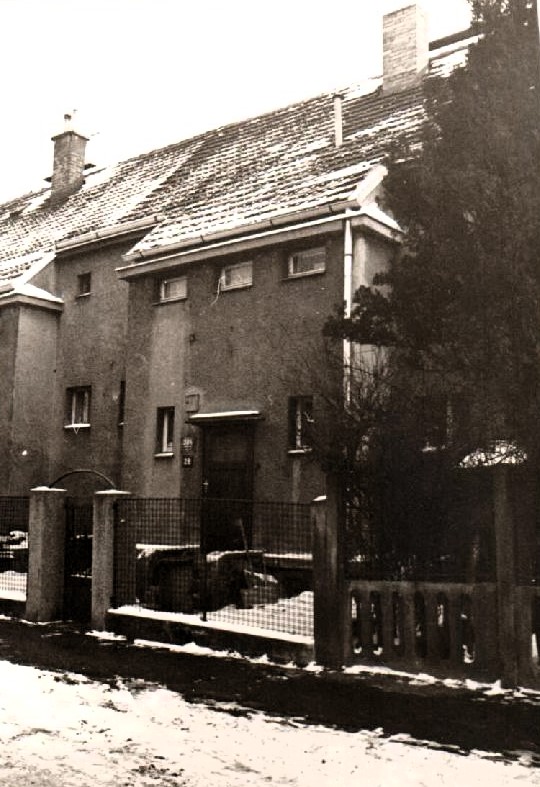
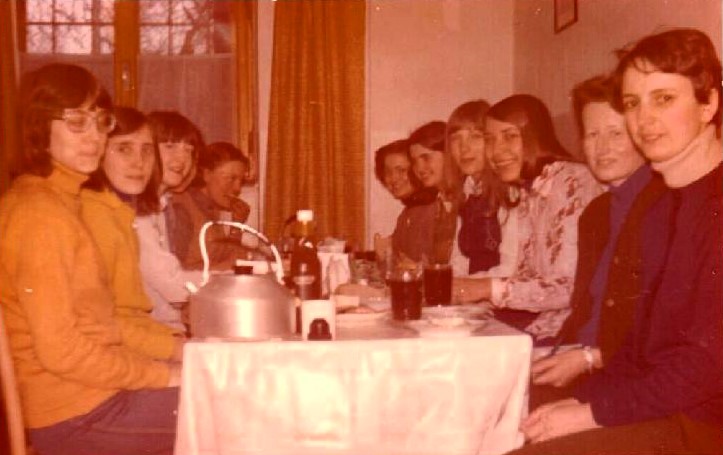
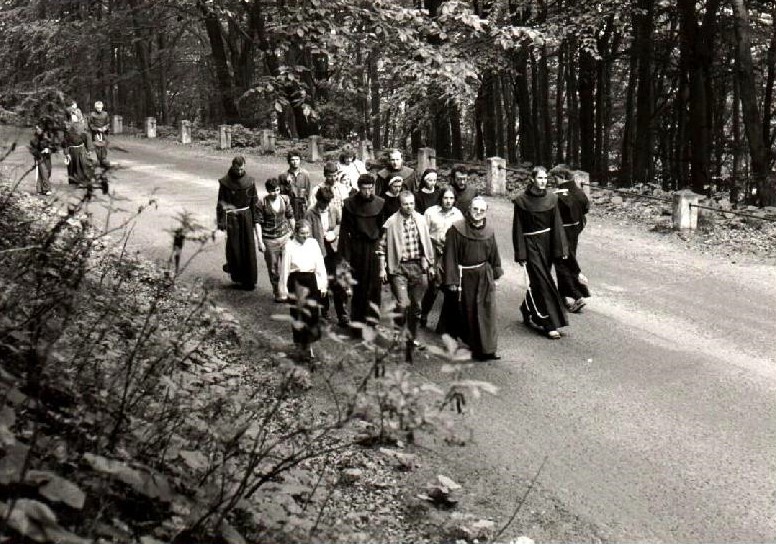
Františka Nosková was born in Přerov on 17 March 1951. She grew up in nearby Žalkovice and her values were shaped by the loving care and deep faith of her parents. Her father Augustin Nosek was imprisoned during World War II for resistance activities. In 1971, shortly after completing a secondary school of economics in Kroměříž during the emerging normalisation period, she chose a religious life and secretly joined the congregation of the School Sisters of St. Francis. She completed her religious formation in a community that operated secretly in one of Prague’s retirement homes. From 1977, she lived in an illegal Franciscan community - the ‘Little House’ - in Prague-Kunratice. The house was raided and its inhabitants interrogated during a nationwide State Security raid on the Franciscan Order on Palm Sunday in 1983. As the community members were resisting harsh psychological pressure from the StB, Sister Zdislava found great encouragement in the Velehrad pilgrimage, which turned into a public manifestation of faith at the end of the normalisation period. After the collapse of the communist regime, she took part in restoring religious education in schools and focused intensively on pastoral work. In the mid-1990s, she lived with the people at the Franciscan mission in Kazakhstan. Since 2013 she has been in charge of preparing the beatification process for Sister Eliška Pretschnerová. In 2025, Sister Zdislava lived in a regular house in Prague-Brevnov.