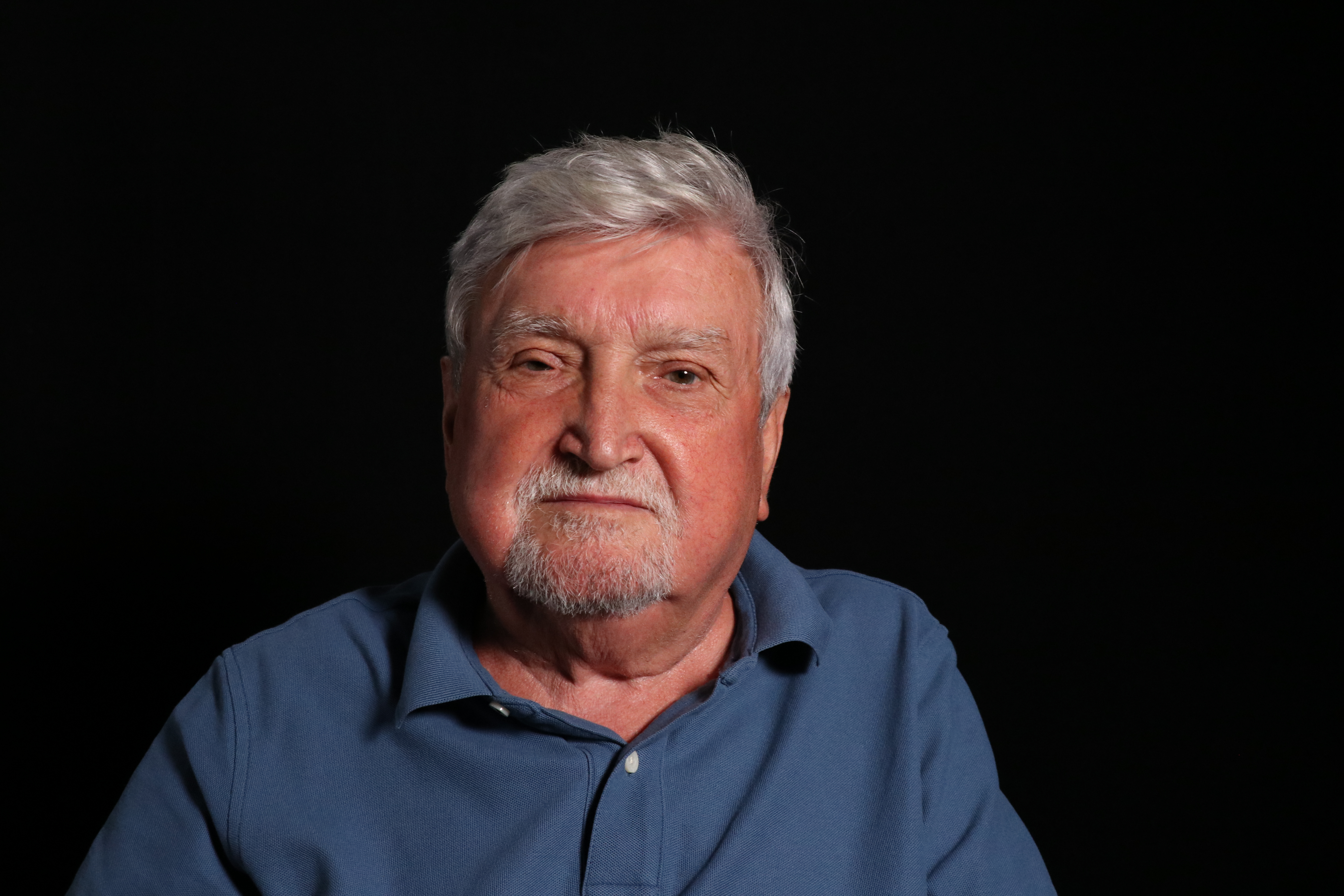
Tomáš Mikeska

* 1948

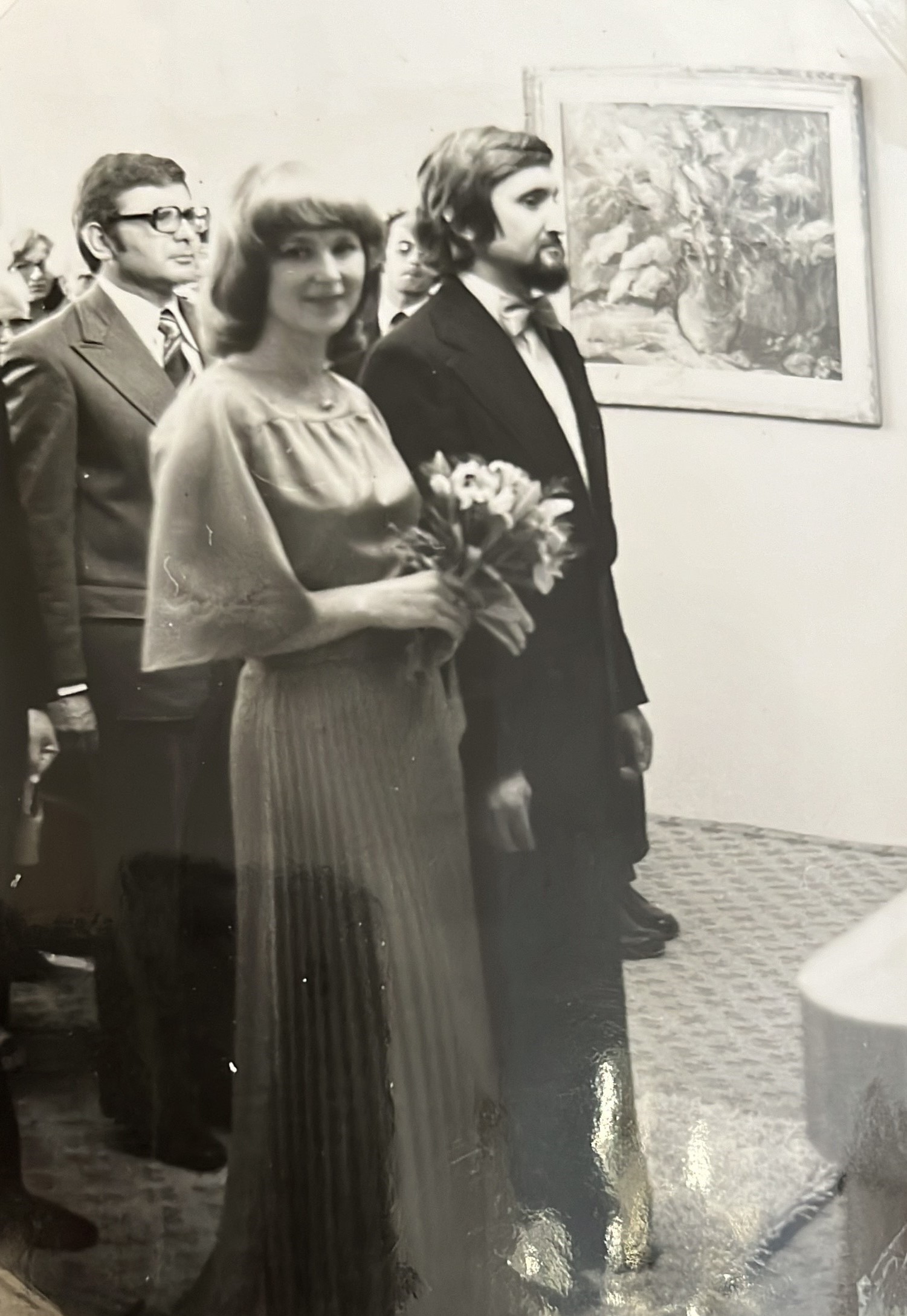
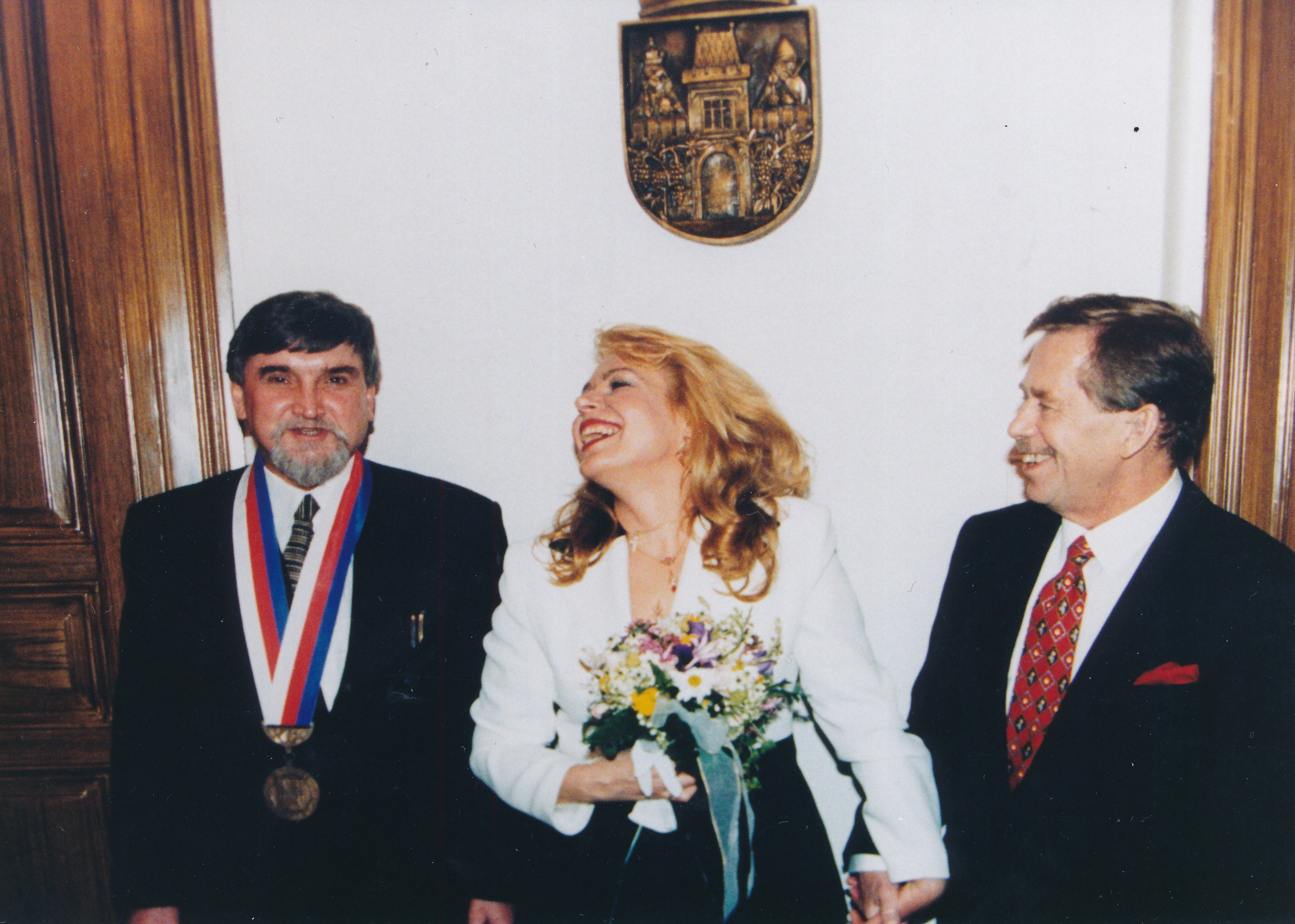
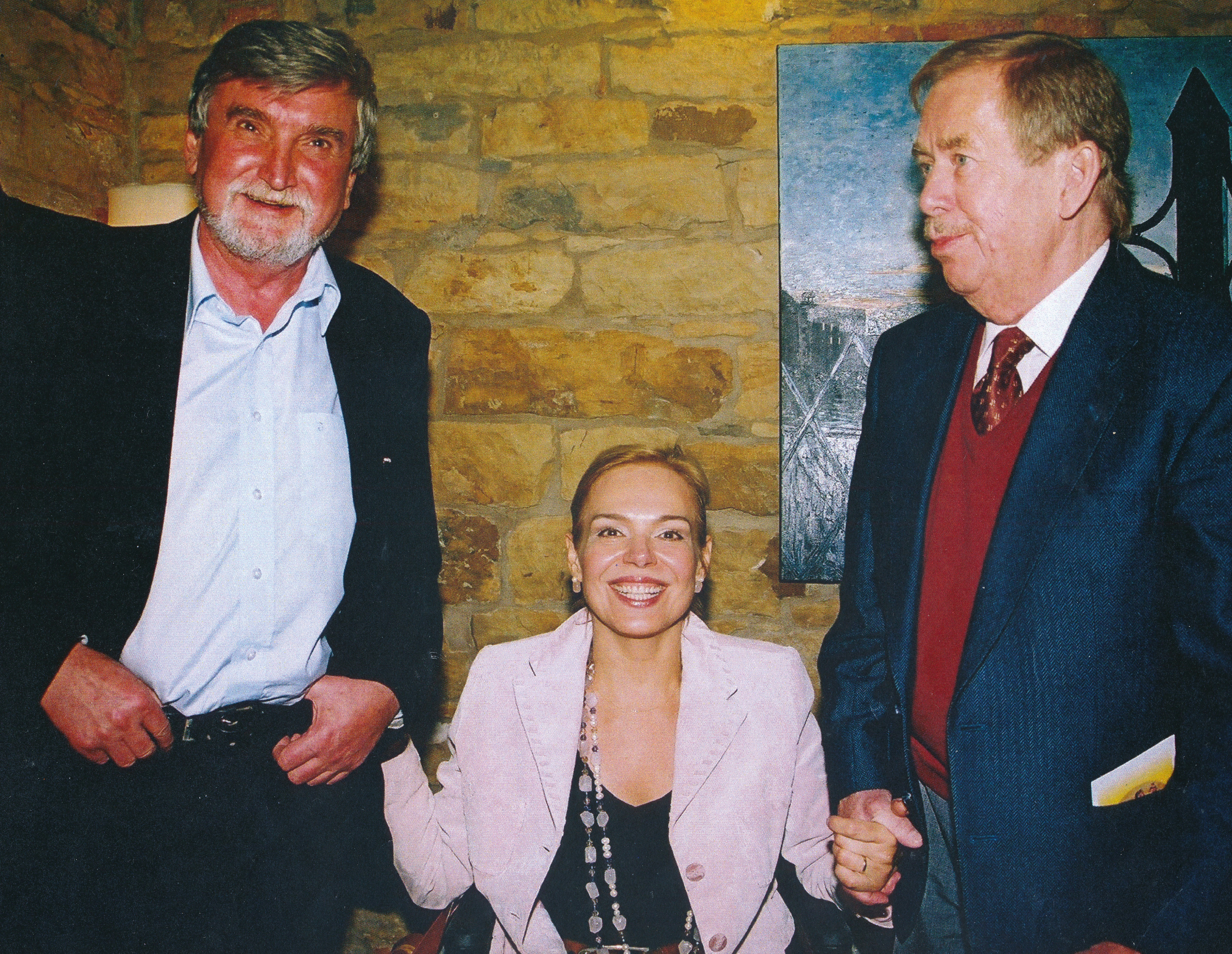
  • "Havel came, he had ID cards ready. He instructed me where it would be: it must not be in the ceremony hall, it must be in the office. There will be so-and-so at so-and-so hour, that day and so on, there will be so-and-so and you must not talk about it. As a dramaturge, he had it all figured out how the whole wedding was going to play out. In the meantime, he got a call from Tříska - no, the director from America." - "Forman." - "Forman. He said that Tříska would be his witness and Dáša´s witness would be the actress. And then he let me out saying, 'Go downstairs, someone will take you in.' So I went downstairs, went through the villa, looking for someone. I saw that they were living there together. Dr. Lipárová was in the kitchen, saying she'd call me a car. Meanwhile, she was telling me all the gossip about the house. How Dáša didn't like the way he'd organised the wedding and that she was in Žižkov, sulking and didn't want to come. That was the gossip in Žižkov. I was beside myself with all the things she told me. How Havel is, how she is. She was his housekeeper and she told me: 'He can't even make tea. He can't live without a woman.' That was the only positive thing she said about them. Anyway, I wasn't allowed to tell anyone about the wedding, except the clerk who was to arrange it. Then Manina, the head of security, came to me and said that there were windows in the office without curtains and that I had to put curtains there. So I got some friends. There were no curtains, so we bought curtains. The night before the wedding, we fixed them. The furniture was communist, dirty, leather chairs. It was horrible, it was impossible. So we had to move it out and we went to the second-hand shop on Libeňský ostrov, to the antique shop. I wanted to rent furniture there. They said, 'Buy it. We'll bring it to you at the town hall, and when you don't need it in three days' - they didn't ask why I needed it - 'then we'll take it away, but we want to pay the transport.' So I paid them a hundred and twenty-five thousand in cash, and then when we took it back, they gave me the hundred and twenty thousand back. That was good with the furniture. The curtains, that was a big problem. We were in there in the evening, and the editor of the Blesk magazine rang the bell. That he'd heard that the wedding was going to be, it was rumoured that there was going to be a wedding on the fourth, but they didn't know where. So the reporters ran all over Prague looking for a place. The one from Blesk thought that his first wedding had been at the Žižkov City Hall, so if it wasn't going to be there. The lights were on. I sent my assistant there and he said it was bullshit. He convinced him, he was that good. The next day the editor called me and said he'd been fired from Blesk."

  • "I went to all the demonstrations, but I didn't go to the demonstration at Albertov because I said, 'That's a permitted demonstration, I can't go there. It's organized by the Youth Union, I can't go there.‘ However, we were in Prague and we found out that something was happening at the National Theatre. My father-in-law and mother-in-law were there. So we went to the National Theatre and we saw the crowd being pushed by the cops. So we went to see what was going on. Suddenly the crowd was pushed far away. We ran into the church next to the New Stage. And all of a sudden the crowd went and we were in this church. We were about to come out, and suddenly the cops pushed into the crowd again. So we were walking out. Anyway, my mother-in-law ran in and a cop came at her with a baton. The parish priest or somebody got out and said, 'You can't go in here!' The policeman stopped and let us go. We then ran away and ran along the embankment to the Rudolfinum where the bus was standing. But on the way I saw that there were military transports going there and they had nets on top. I wondered if they were going to catch people in the nets or what they were going to do. That was me with my wife, my mother-in-law, my father-in-law and the little boy. Of course, that's when we ran away when we saw that such horror was going on. So I immediately turned on Free Europe and I know I called all my friends to tell them what was happening here in Prague... some horror."

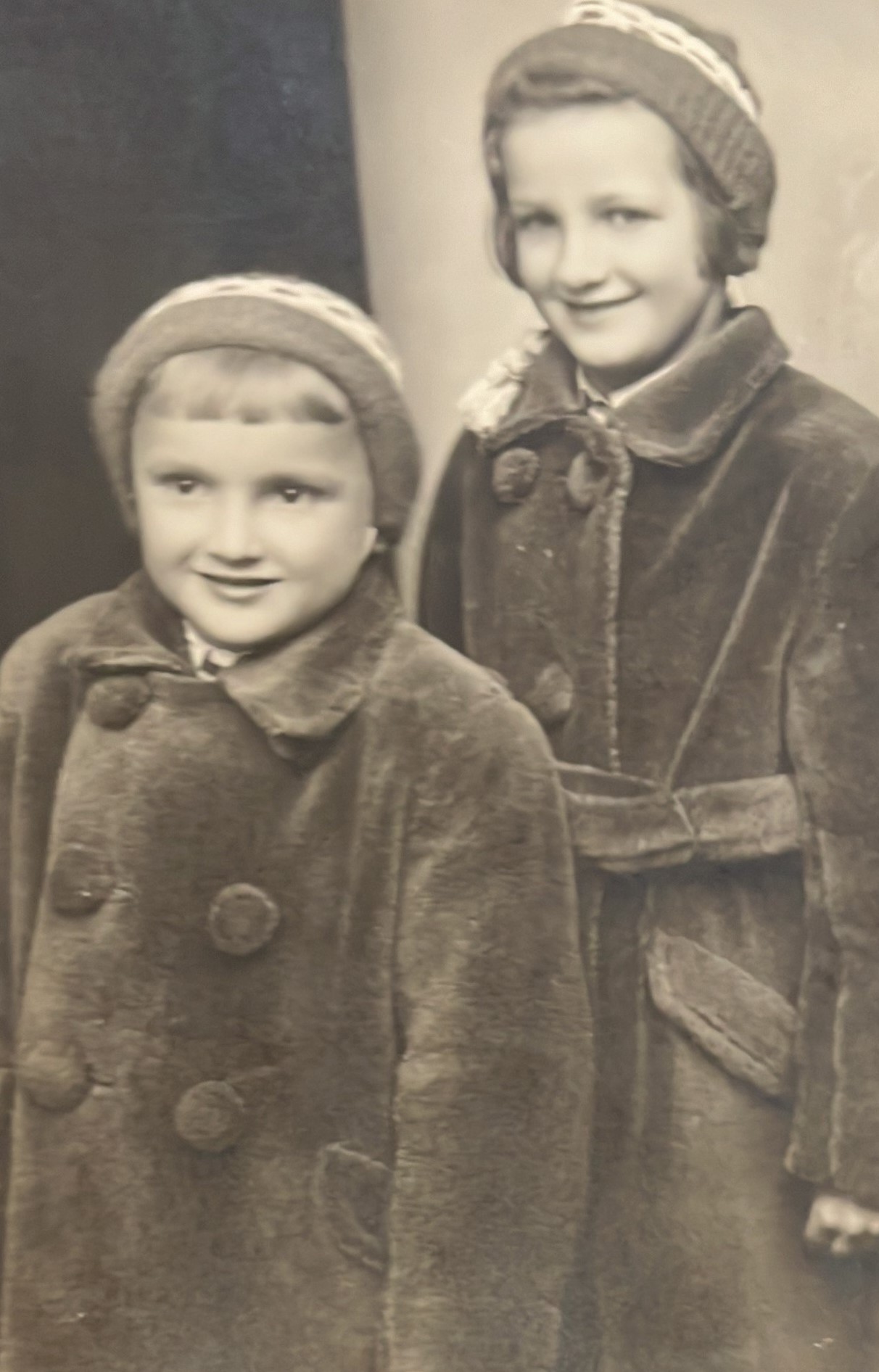
  • "Then I remember a lot about Leopoldov. We arrived in Leopoldov at six o'clock in the morning, we drove all night. I remember sleeping in Valašské Meziříčí on a table somewhere in the waiting room. We arrived in Leopoldov early, because we had to be there at eight o'clock. We actually arrived there in front of the prison. It was a kind of stone prison, with dogs guarding it upstairs. I was interested in that. But we waited there until four or five o'clock in the afternoon. They deliberately made us wait there hungry and thirsty. Then we went to my father's place and we talked for about a quarter of an hour. It looked like we came into a room. There was a counter, and behind the counter was a net up to the ceiling. And behind the net were ten guys, and one of them was my father. And we talked to him through the net, about a foot away from him, for about a quarter of an hour. A quarter of an hour later, we were chased out again. I remember that exactly, I was maybe four years old. Because when my father was locked up in Leopoldov, I remember that. Then I remember well Valdice, the so-called kartouzy. You used to go in towards the baroque church. There were planted flower beds. I have such childhood memories of that prison. There were beautiful flowers, little hearts. Today we have those hearts at our cottage, it's my memory of Valdice, where I used to visit my father in the prison. Then Daddy was in the women's prison in Pardubice for four years. There were about two hundred women prisoners there and thirty men who were employed to maintain the prison. It sounds funny that they were in the maintenance of a women's prison. But they were breaking down the buildings there. It was terribly dangerous, because they built a prison there, they made six- or seven-story buildings. And the houses were falling down and cracking. So the thirty prisoners were knocking down the upper floors and building roofs. He was there for four years. There, of course, the punishment, according to his later account, was much milder. The worst was in Leopoldov, when they were starving and cold. That was the worst period. He was in Leopoldov for almost two years and he lost weight there. He had originally, when they locked him up, he was almost a hundred kilometres, and then he lost forty kilos."

  • Full recordings
  • 1

    Praha, 07.11.2024

    (audio)
    duration: 01:22:50
    media recorded in project The Stories of Our Neigbours
  • 2

    Praha, 05.05.2025

    (audio)
    duration: 02:02:24
    media recorded in project Stories of the 20th Century TV
  • 3

    Praha, 18.07.2025

    (audio)
    duration: 01:32:08
    media recorded in project Stories of the 20th Century TV
Full recordings are available only for logged users.

Communists are bastards
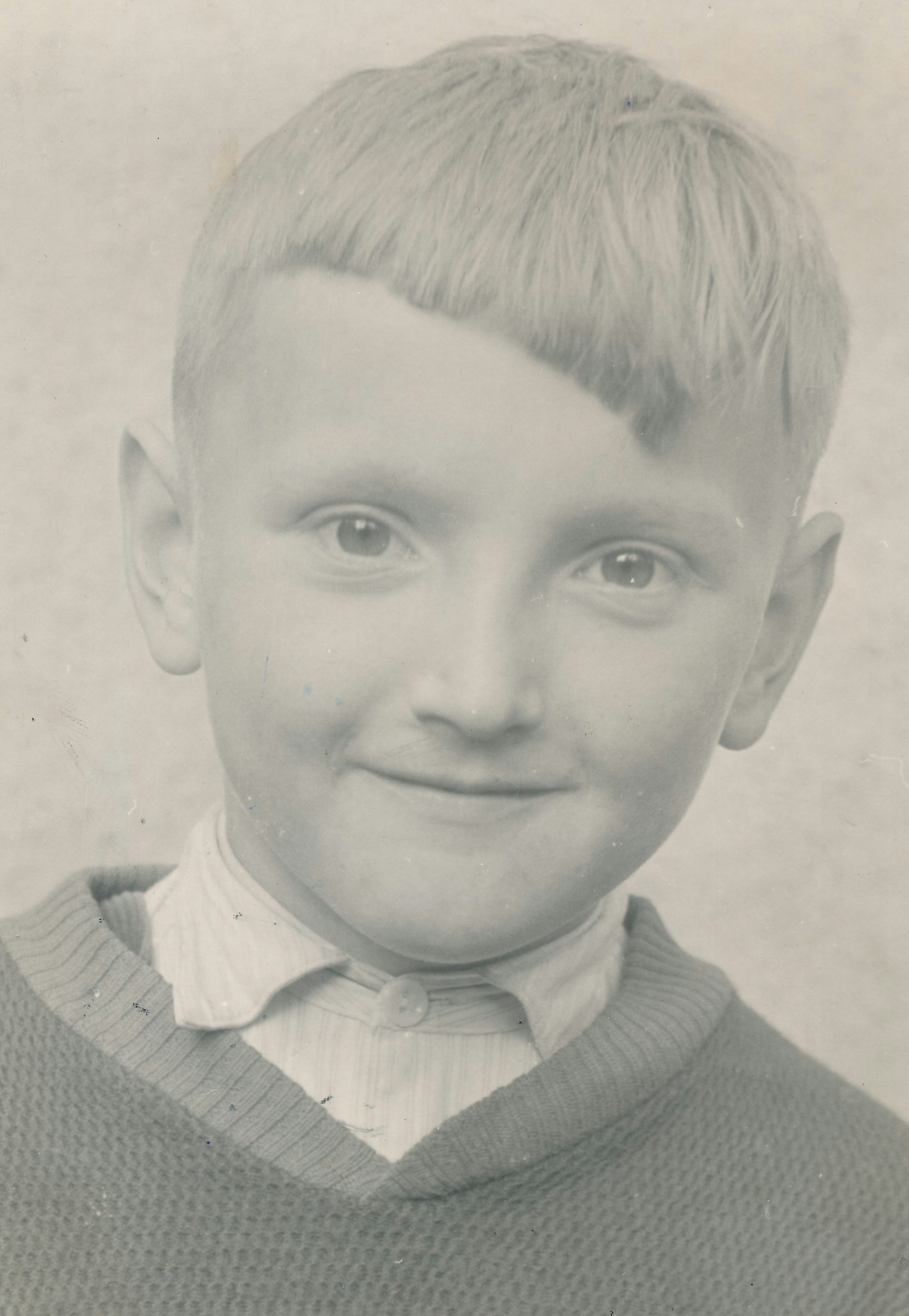
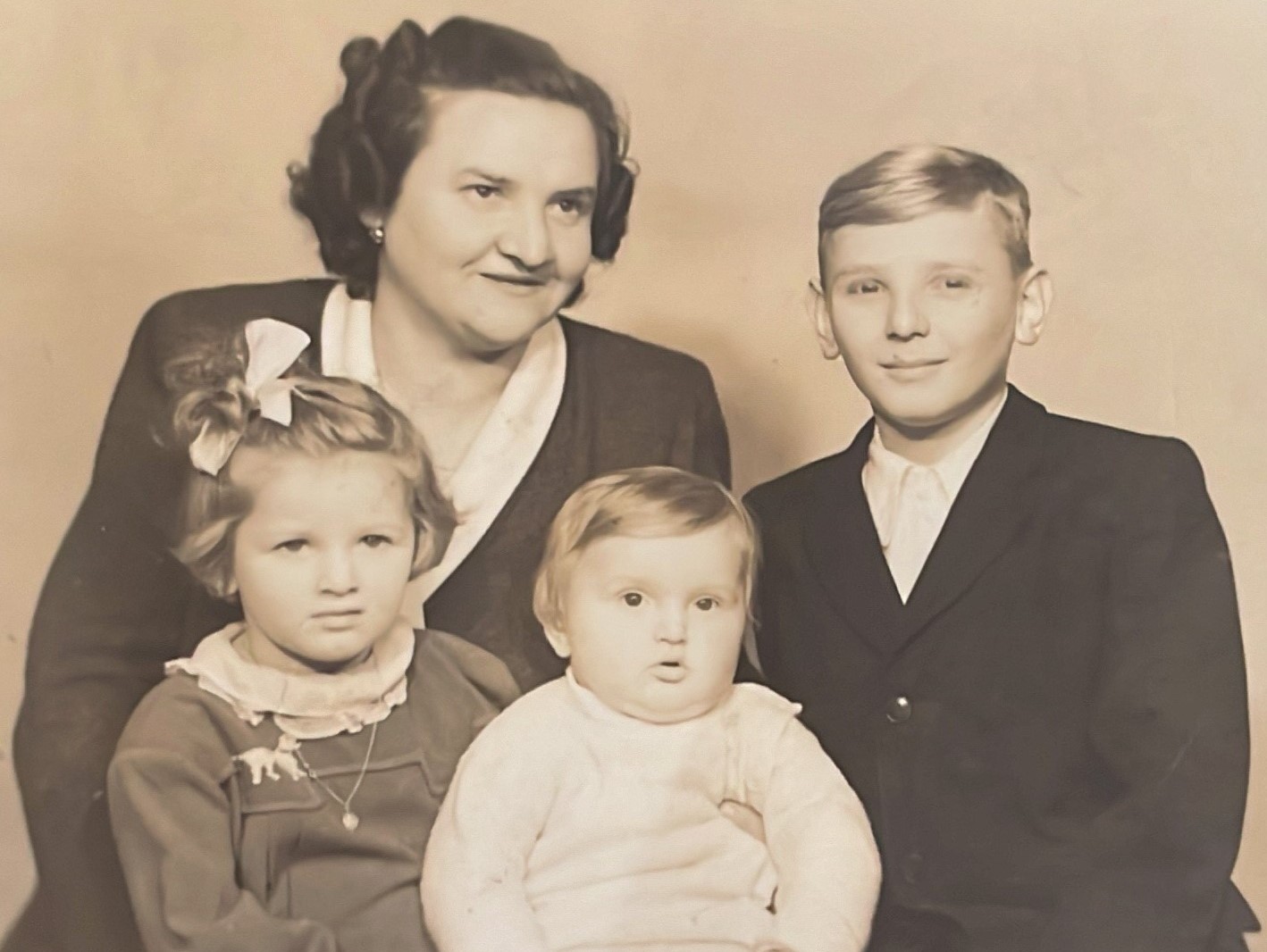
Tomáš Mikeska at the age of 8 years
photo: Witness´s archive

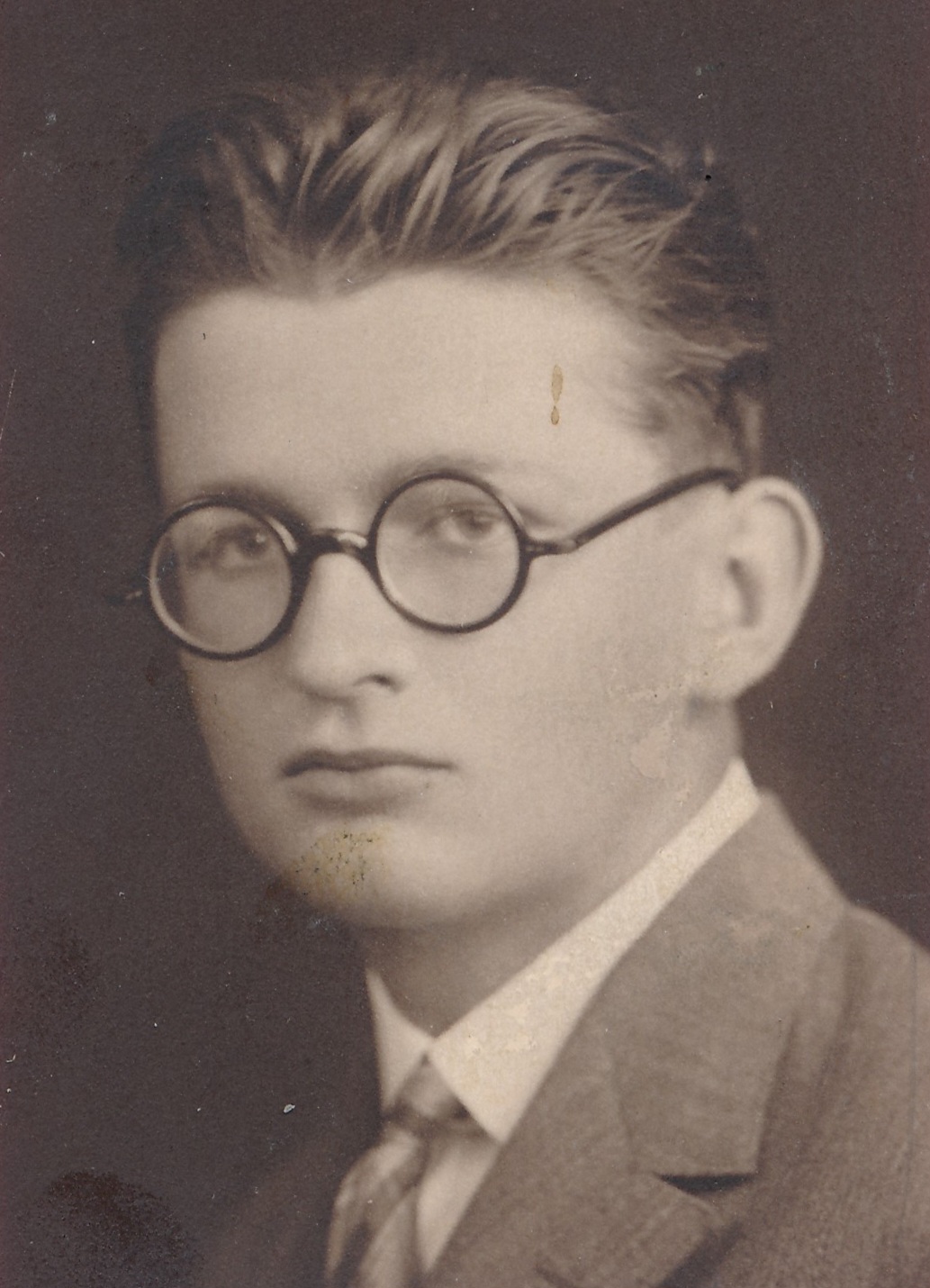
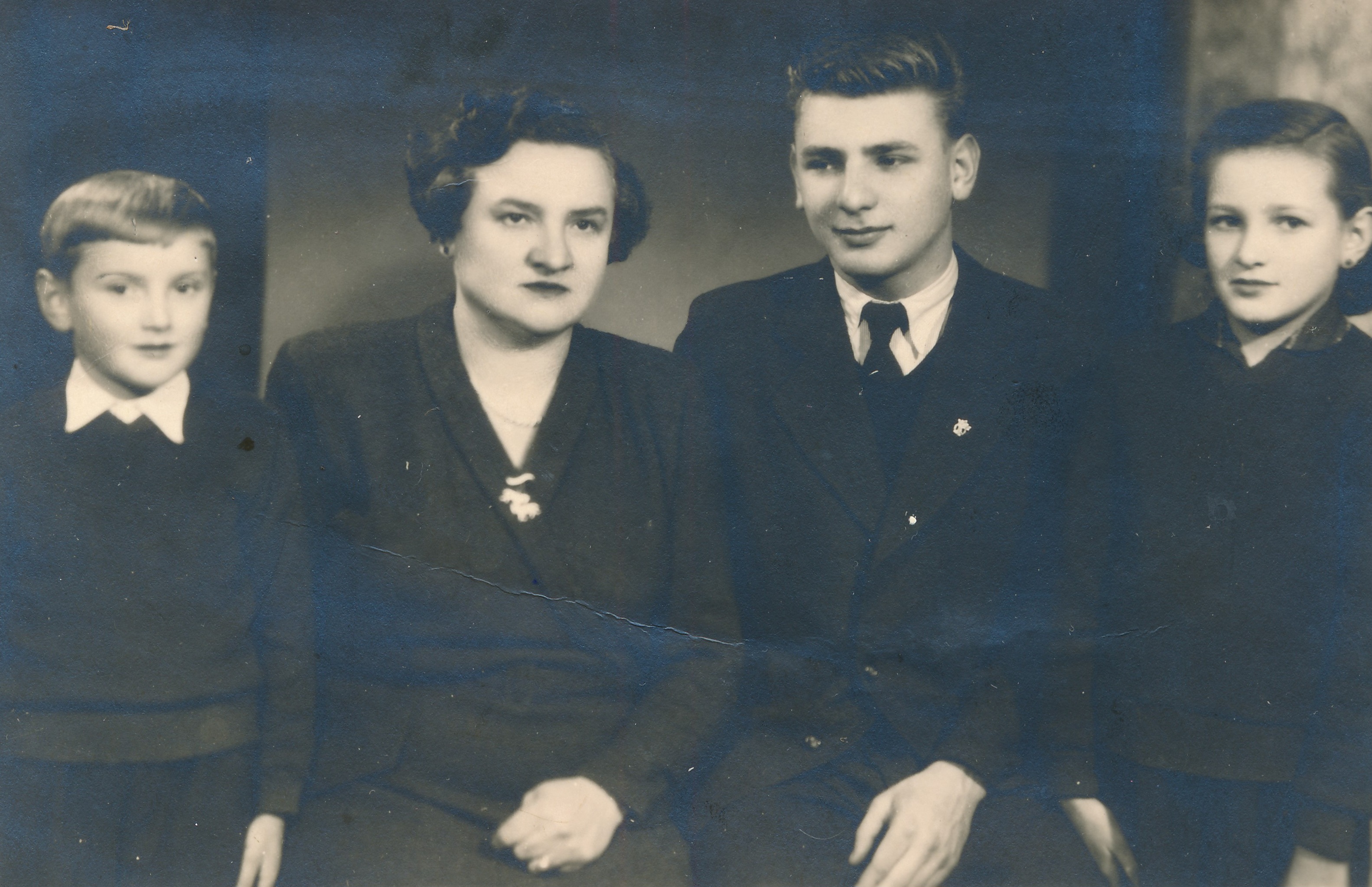
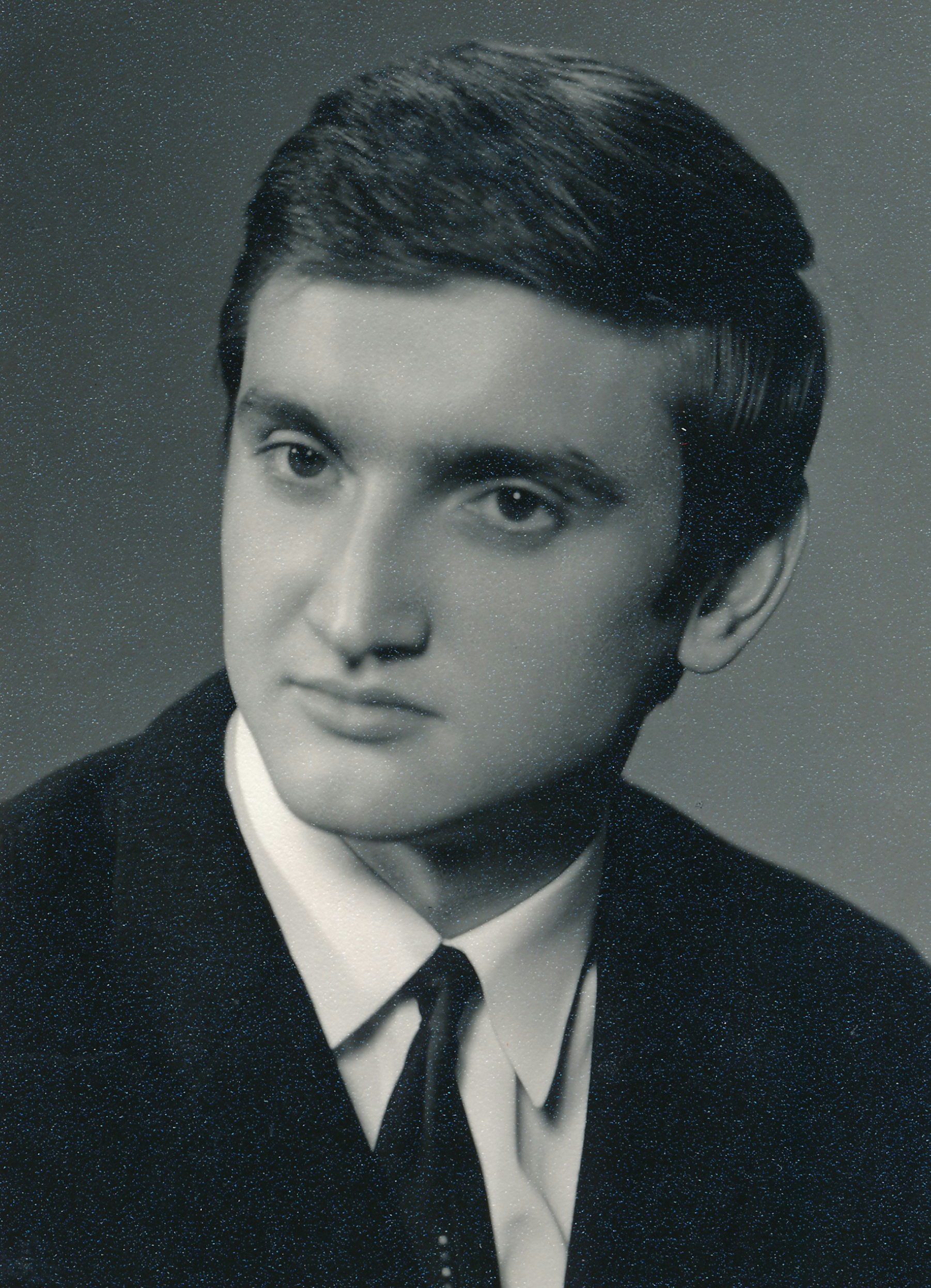
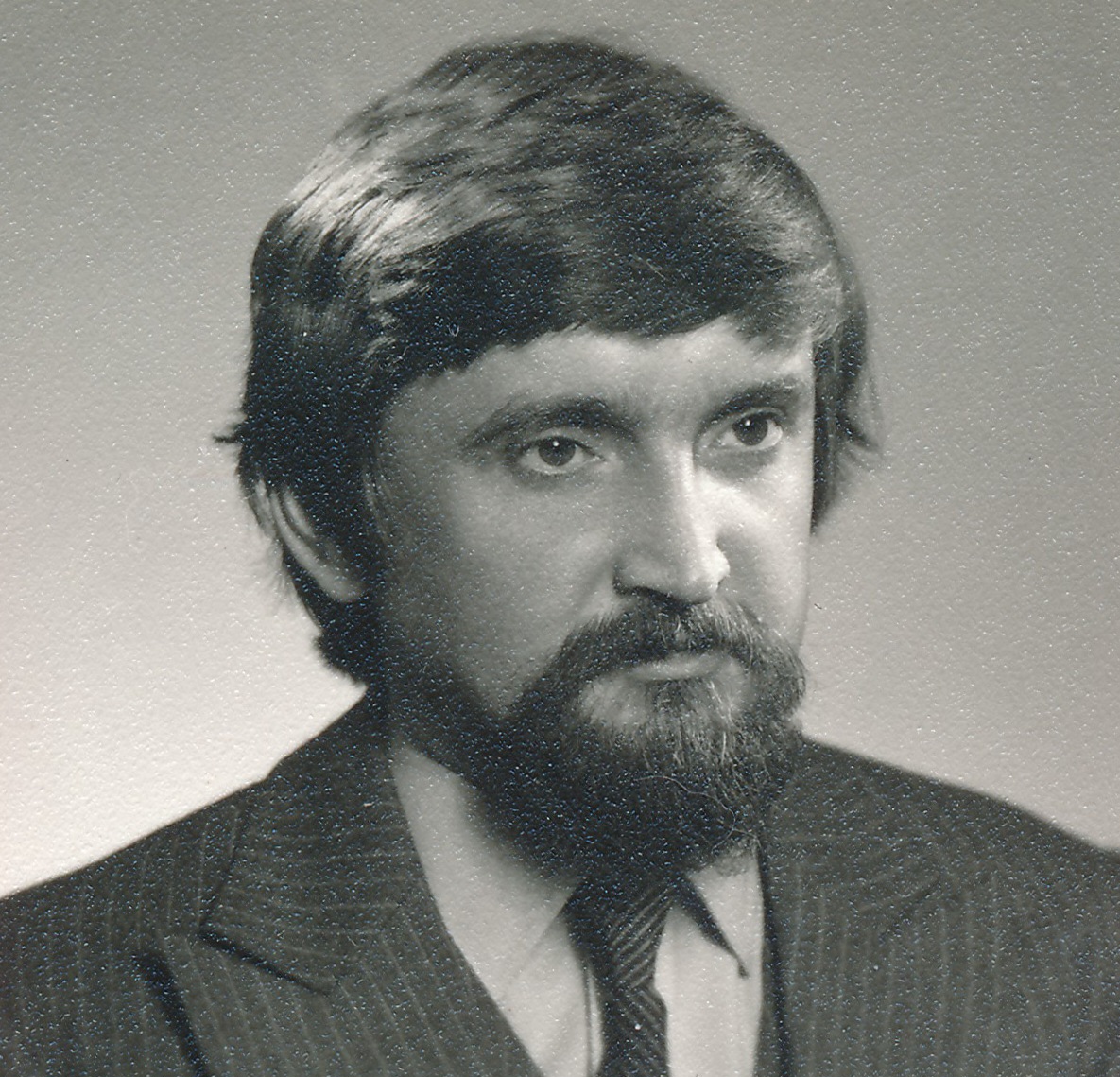
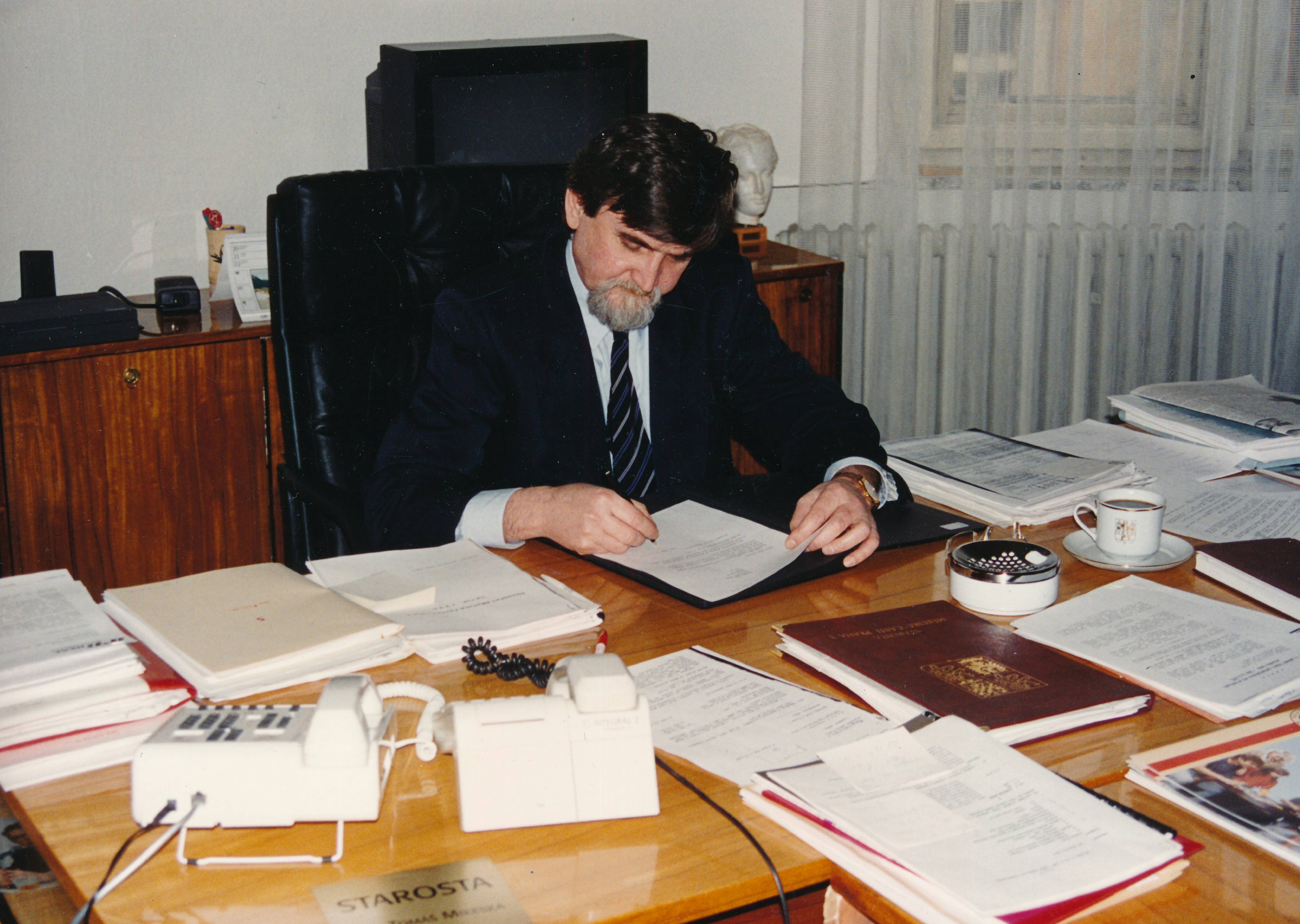
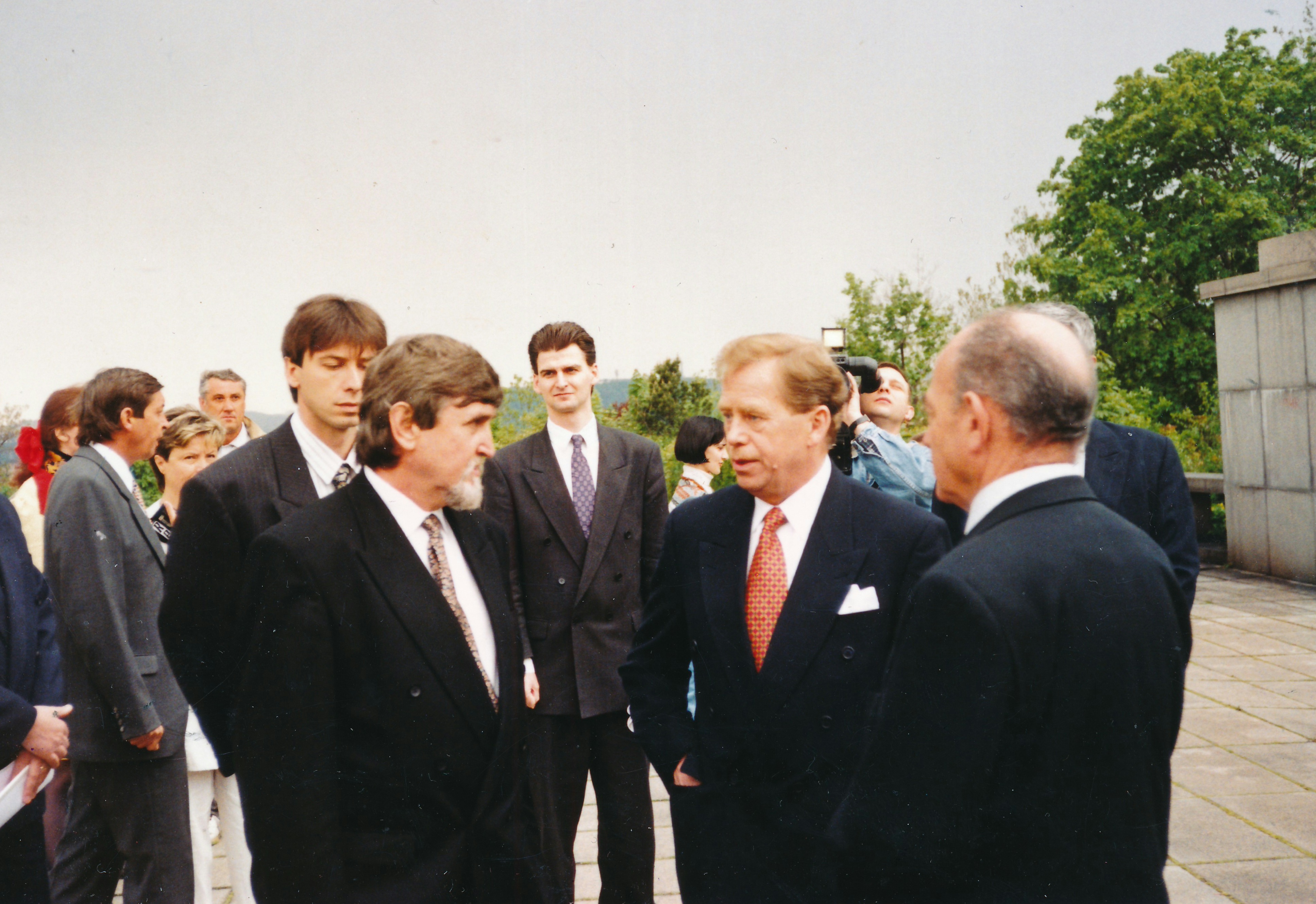
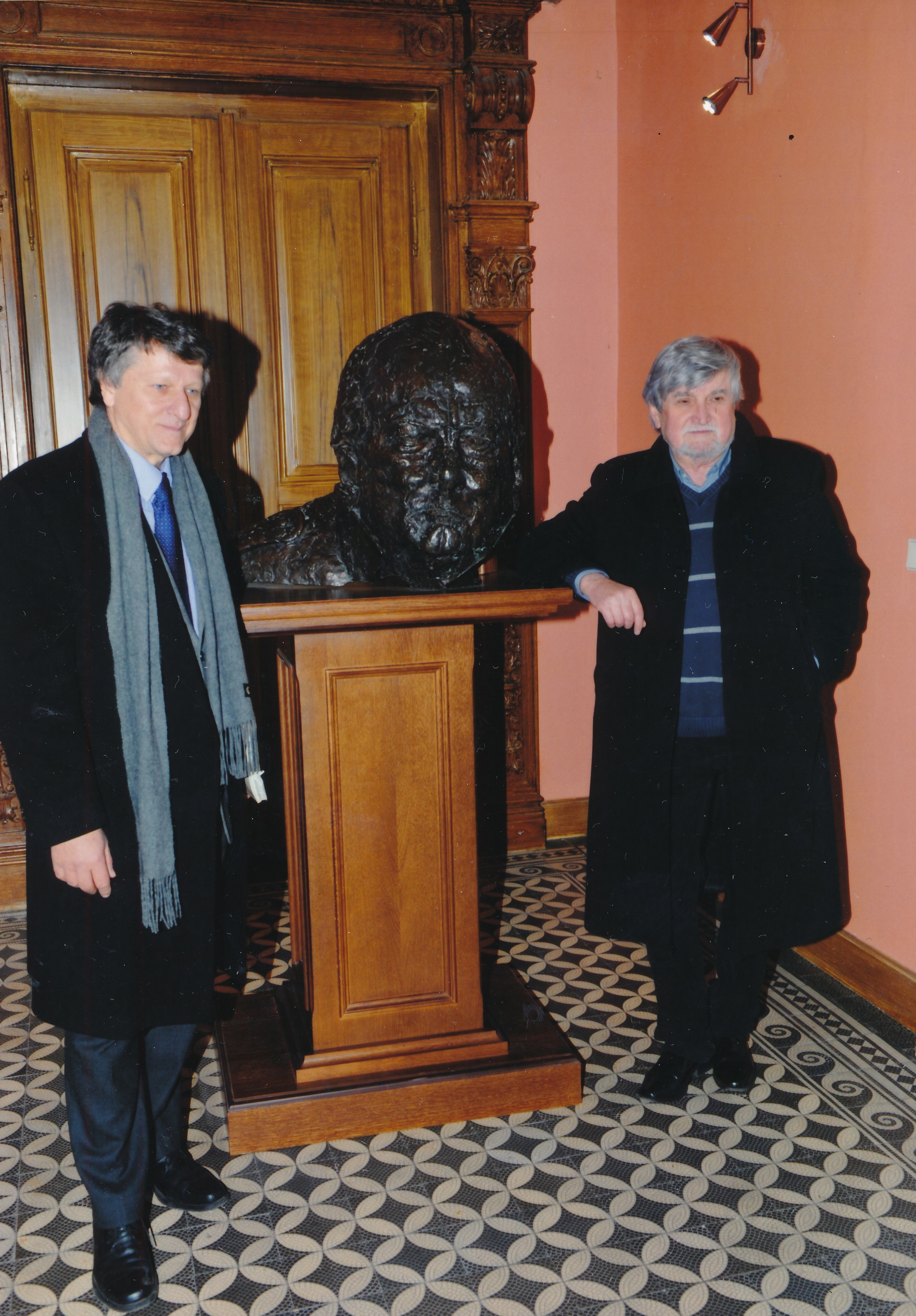
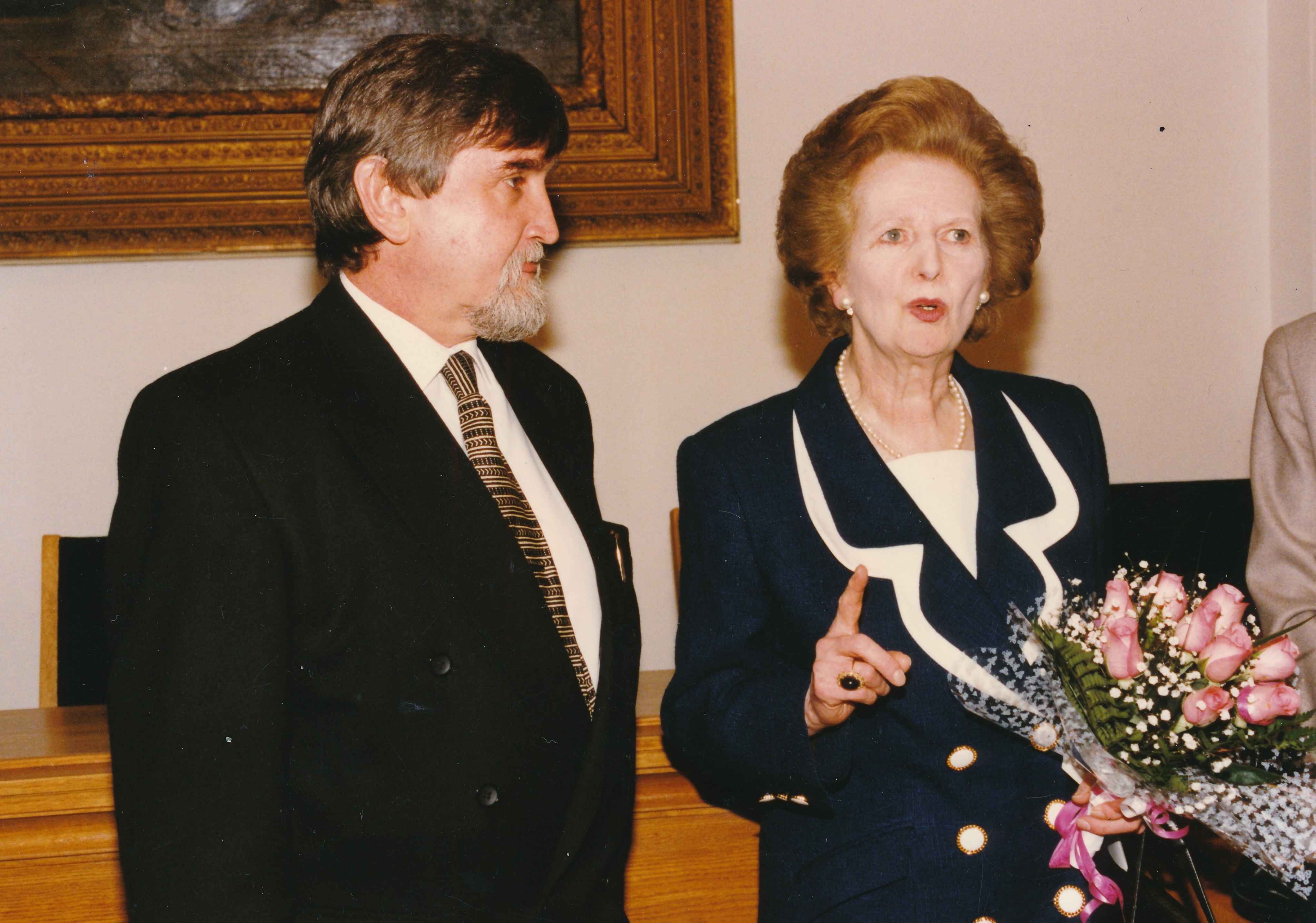
Tomáš Mikeska was born on 22 January 1948 in Javorník. His childhood was marked by the arrest of his father Antonín Mikeska in 1951. For alleged espionage for the Vatican, the director of the archbishop’s forests was sent to prison for nine years. This left his mother Antonie Mikesková alone with their three children. As a child he used to visit his father in Leopoldov or Valdice. With the support of her immediate family and the community of believers in Javorník, she managed to survive for seven and a half years before her husband was released. As soon as he returned home, she lost her job. His father was never able to return to his profession as a lawyer and worked in the blue-collar jobs until his retirement. The family moved to live with grandparents in Ostrava, because both parents found work at the Klement Gottwald New Steelworks, which, among other things, stood on the land of his grandfather Tomáš Mikeska without the owners’ knowledge. The believing family found themselves in a strongly secularized Ostrava. The fact that the son Tomáš attended a religious courses was to prevent him from being admitted to grammar school. Although the school refused such an assessment, he did not get into his dream secondary school and began to study at technical school in Přerov. In 1967, when he took the university entrance exam, his father’s fate no longer had any influence on his son’s career. He got into the University of Mining without any problems, where he chose a newly emerging field of study focused on the then novelty: computers. As a software engineer, he started working with the Ostrava Regional Hospital during his studies and after graduation he found his first job and wife there. Together with medical experts, he created a digital list of malignant neoplasms, which is still used today. In 1988 he moved to Prague with his family and together with his wife, also a computer scientist, started working at the Federal Statistical Office. Immediately, he also threw himself into the demonstrations that were appearing in the capital. He also joined the Národní Street events on 17 November 1989, although he did not aim for this rally. He founded Civic Forum in the Federal Statistical Office, and also plunged into municipal politics. As mayor of Prague 3, he led the district out of high debt and advocated the erection of a monument to Winston Churchill in front of the University of Economics. It was he who, under conspiratorial circumstances, married Czech President Václav Havel and his second wife Dagmar. In 2002, he resigned from his home Civil Democratic Party (ODS) party. He headed the association that led to the rescue of the Žižkov Freight Station. In 2025, Tomáš Mikeska worked on the supervisory board of the Museum of the Memory of the XXth Century and on the committee for territorial development in Prague 3, on the finance committee and on the energy dispatching in Prague 3.