Bedřich Michalec

* 1949

  • "They [people fleeing across the border] thought it was easy. It wasn't that easy; there was electricity and also dogs somewhere in my time already. There was this loop near Aš. They would cross over to Germany, but as they walked further, they came back to Czechia. They thought they were already in Germany, then suddenly they heard: 'Stop!' and our soldiers appeared. Most of them [the refugees] were young people. They wanted to go West. What also happened in Pomezí was that two guys in Ostrava stole a Tatra from a construction site and wanted to drive it through the gate in Pomezí. They got it rolling; the gate was not closed properly all the way. It was this square metal cube. They bent the gate, the cab fell off the truck as they hit it. They didn't drive through. One of them ran to Germany and the other ran to Bohemia instead. He got caught and we drove him in our car."

  • "The way it worked was that each dog had a gate and they were up against each other. They each had a section. When something happened, the dogs were taught to run against each other once the cage or kennel opened. So, they would run against each other in the section where the intruder was crossing the fence."

  • "We used to attend the PŠM [military political training], but you know how it was in 1968... It was relaxed. We didn't know what was going to happen or how it was going to happen. They didn't really explain the political situation much, but they did afterwards, indeed. It changed rapidly after 21 August. At first, the occupiers were outside and we weren't allowed out of the barracks. They woke us up at four AM on the 22nd, we went to the roll call area and took the oath. One of us read it, we said 'I swear' and that was it. We did a lot of firing drills. This went on for like ten days, with guns pointed at us from all sides and a Soviet tank parked in front of the gate. Ten days later, the Russians would enter the barracks freely, and they were no longer occupiers, they were liberators."

  • Full recordings
  • 1

    Mariánské Lázně, 11.04.2025

    (audio)
    duration: 01:36:15
Full recordings are available only for logged users.

The Russians were called occupiers. Then they became liberators in ten days.
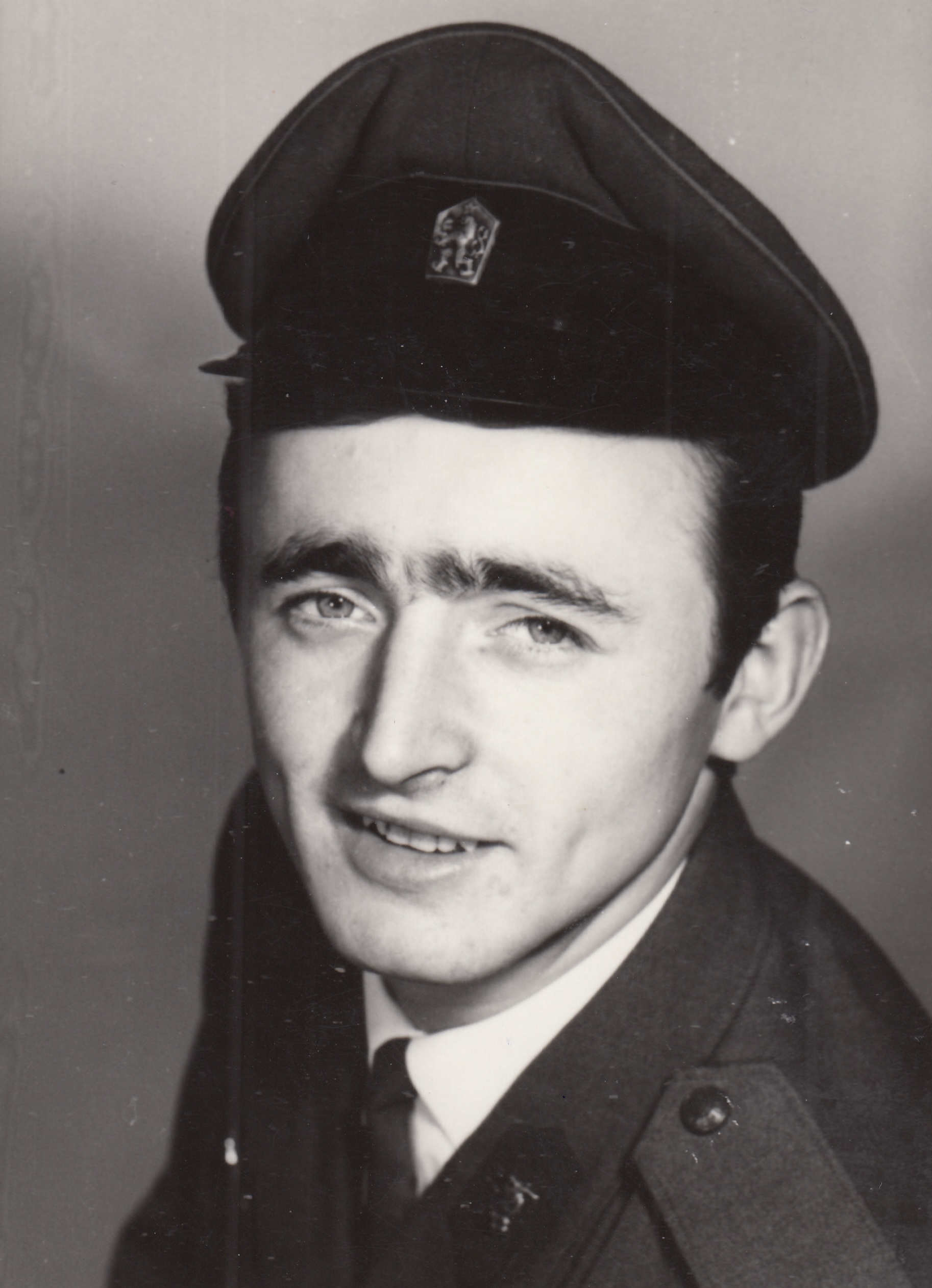
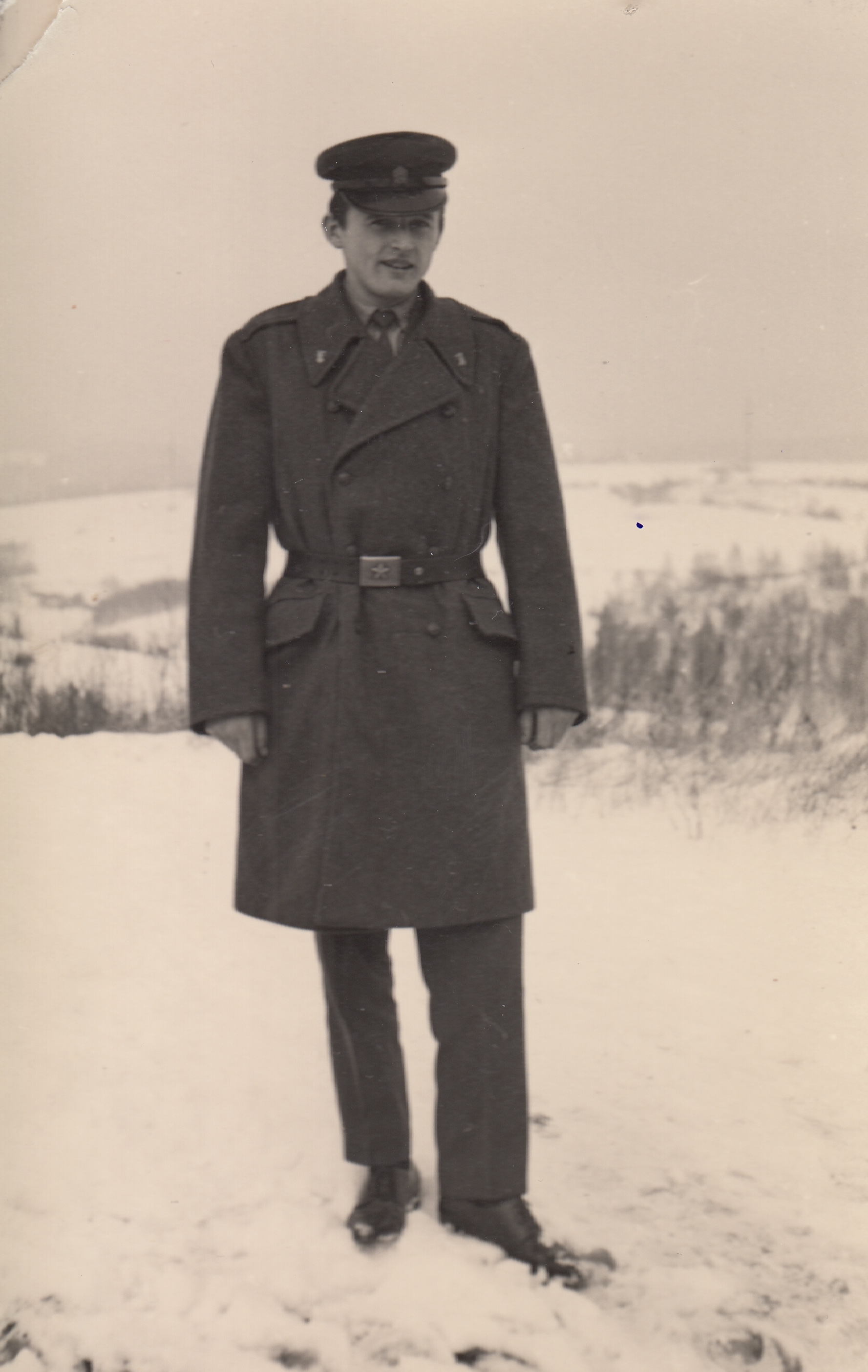
In the army in Cheb, 1969
photo: Witness's archive

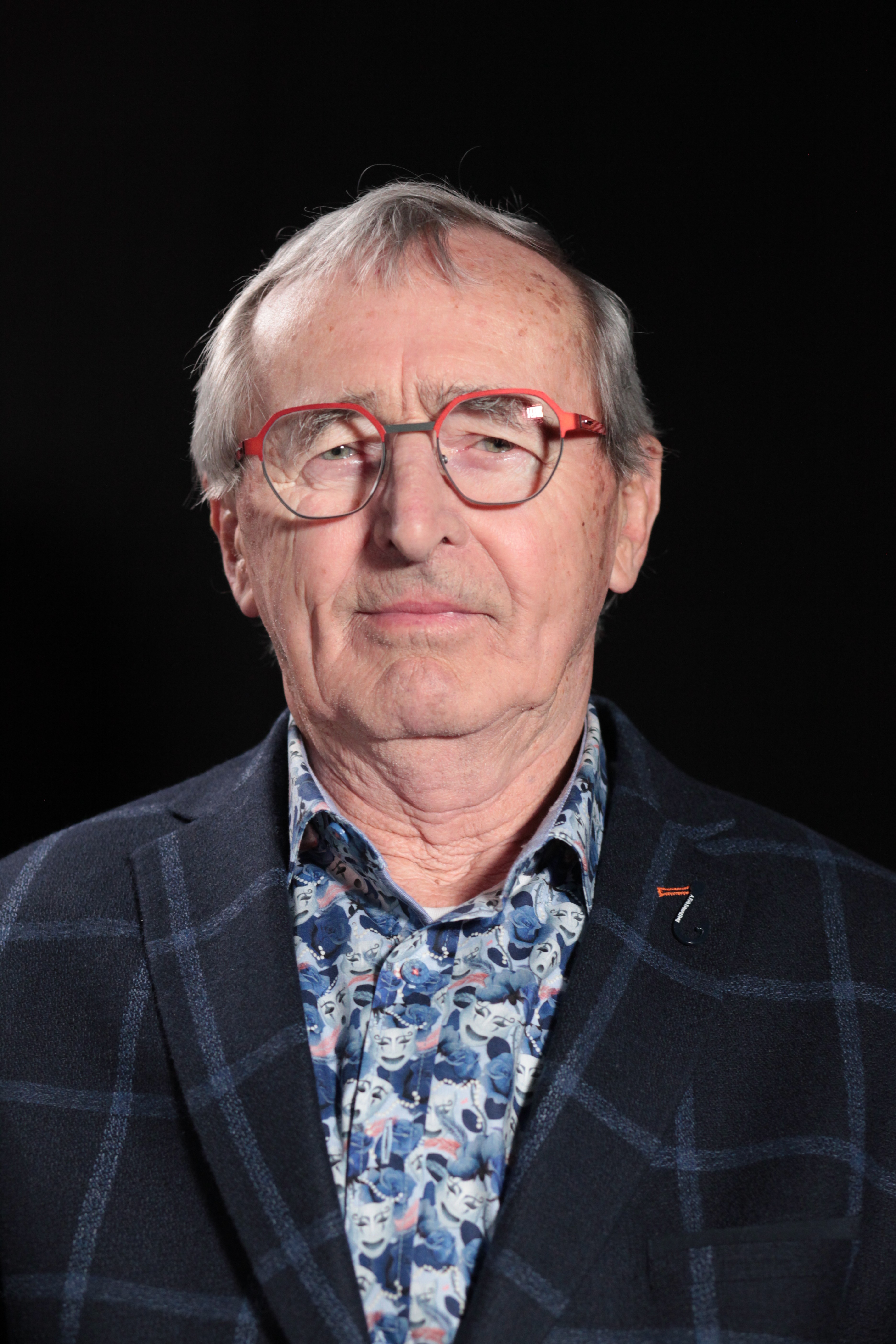
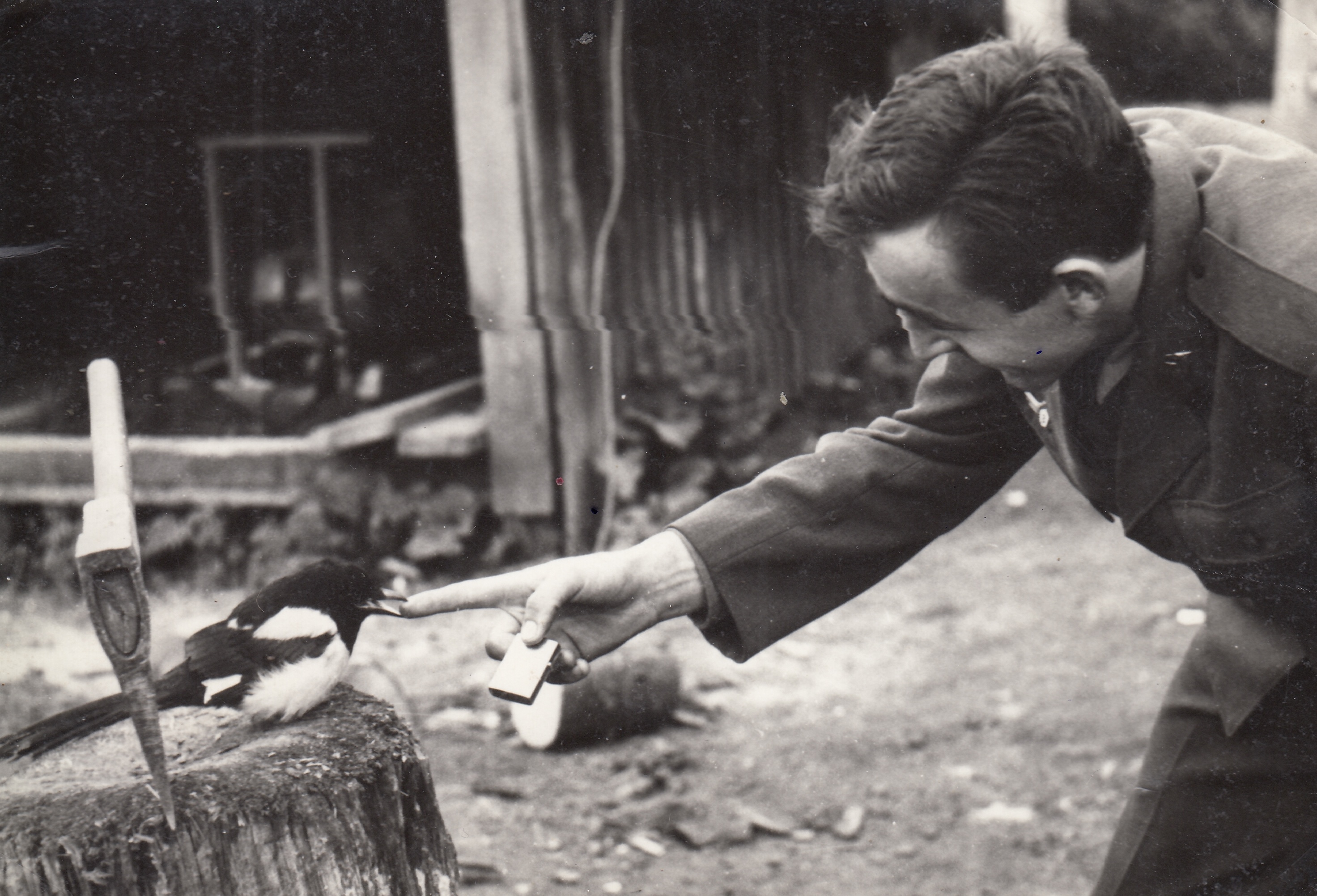
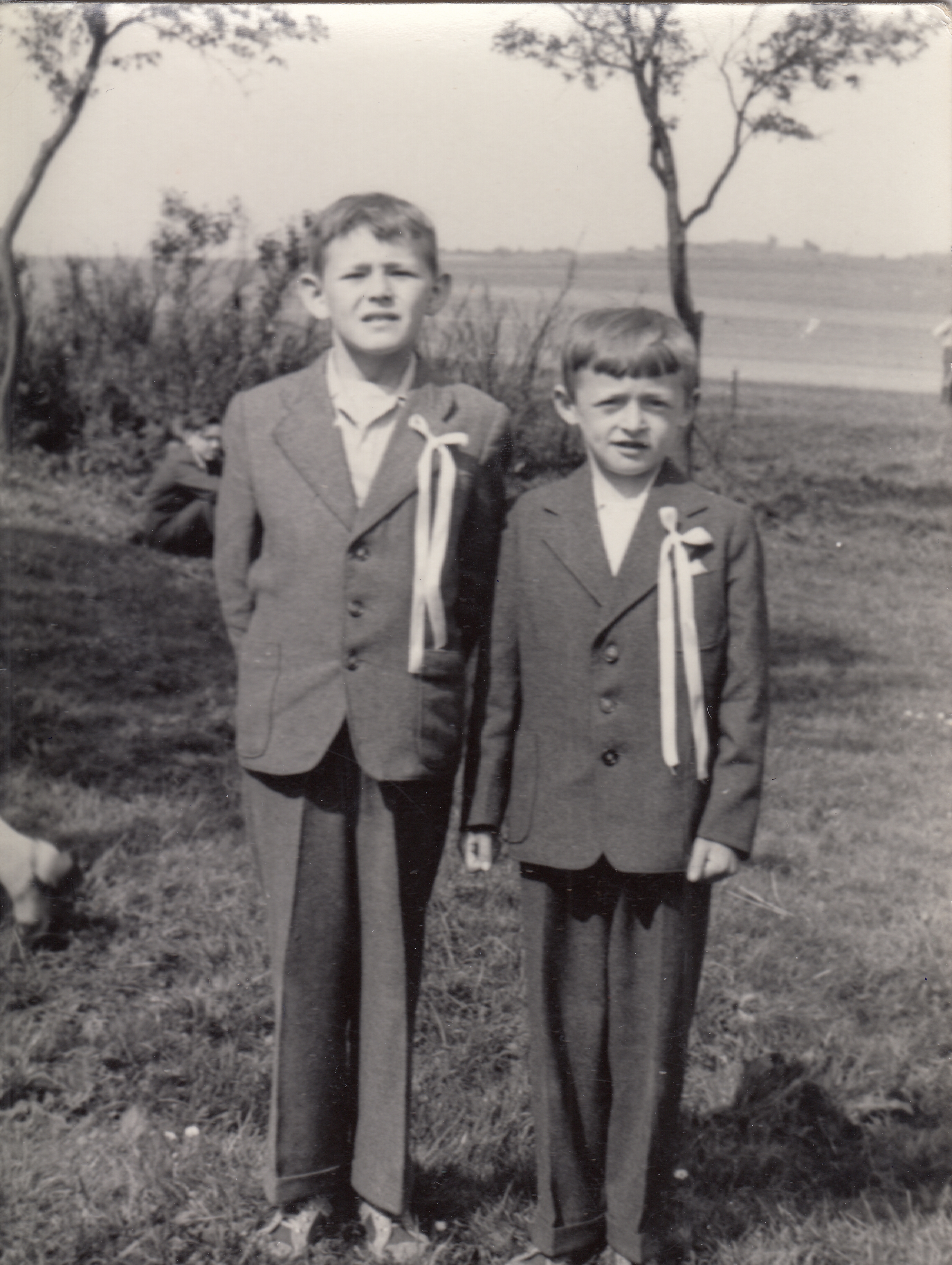
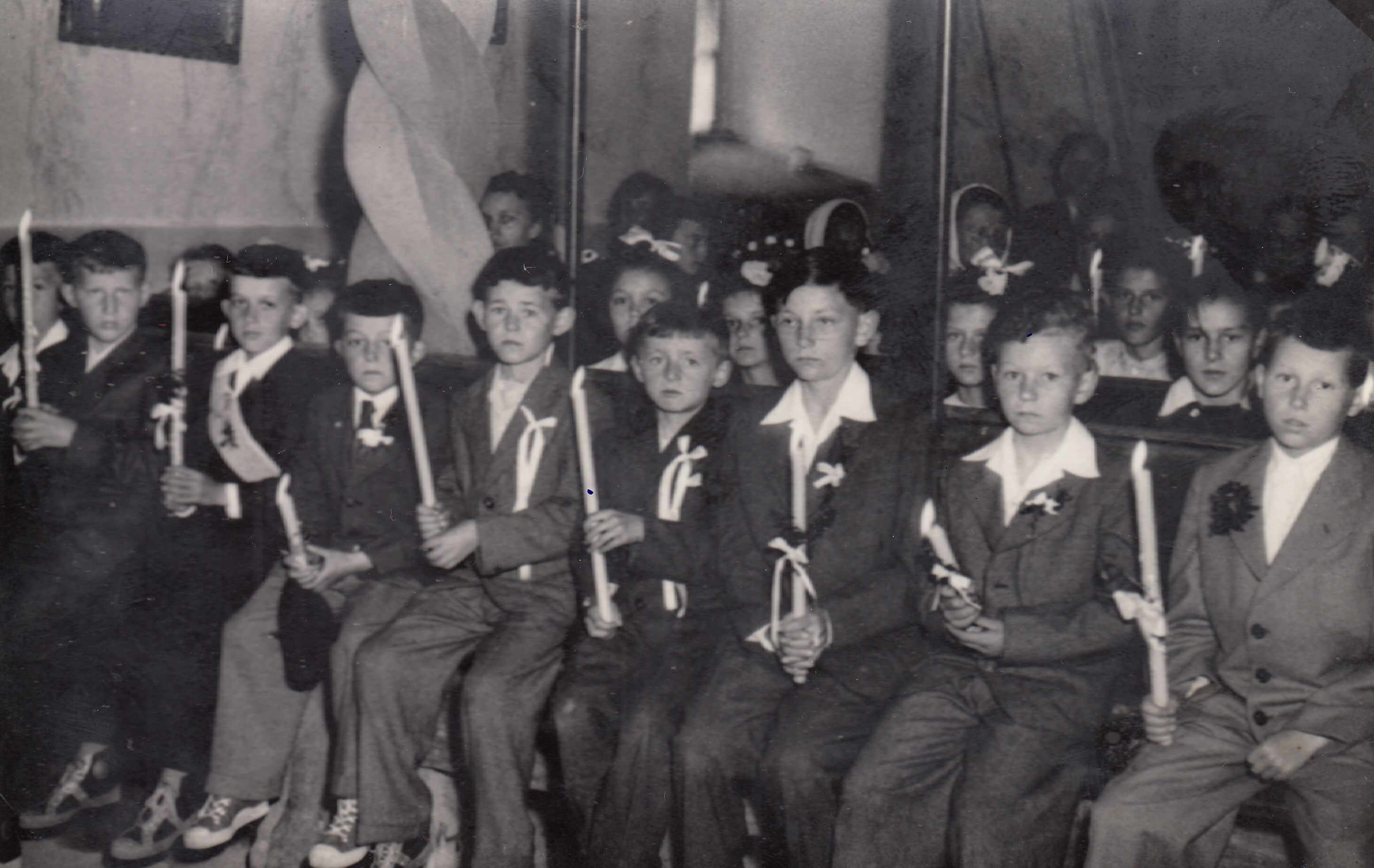
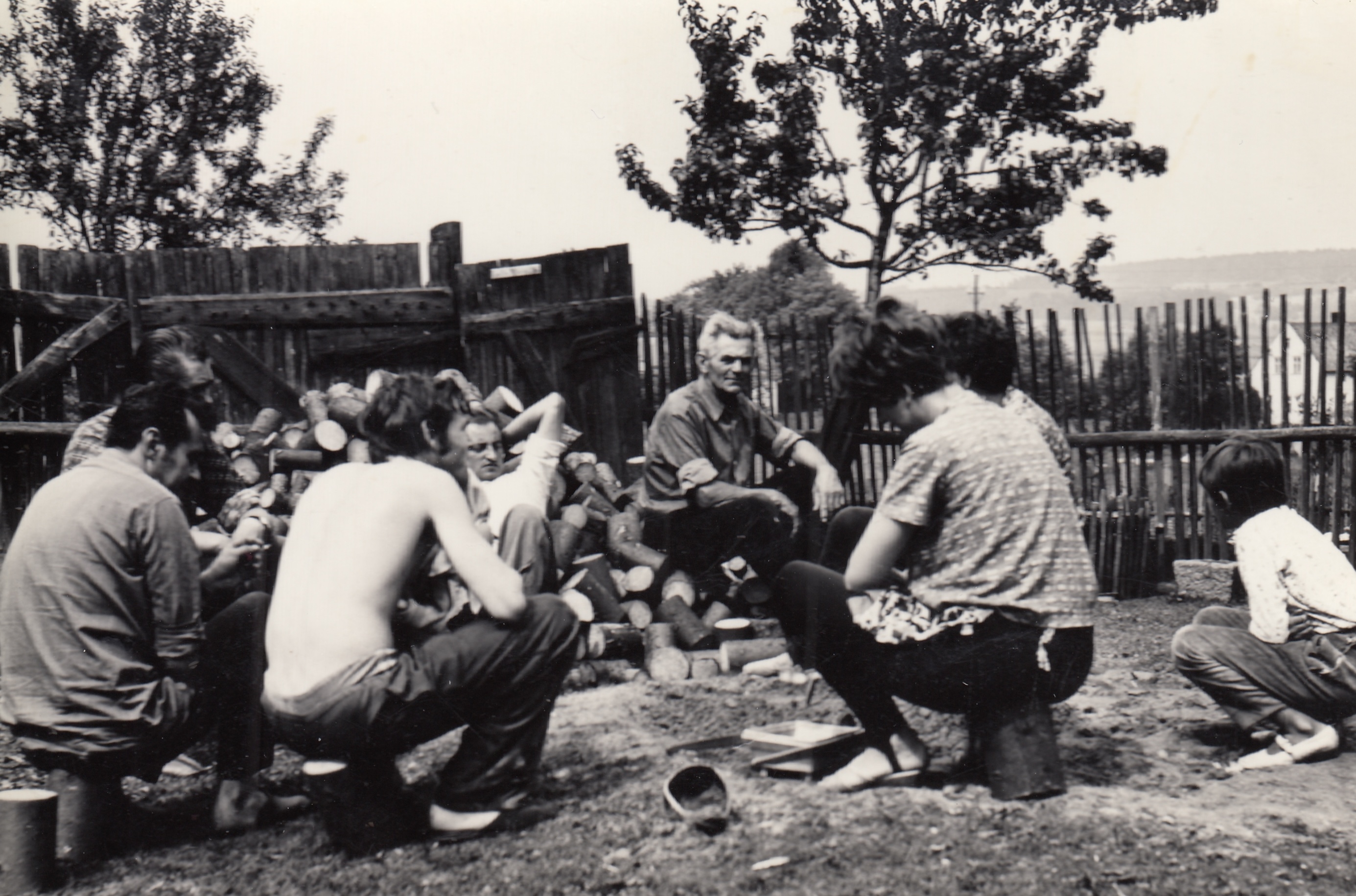
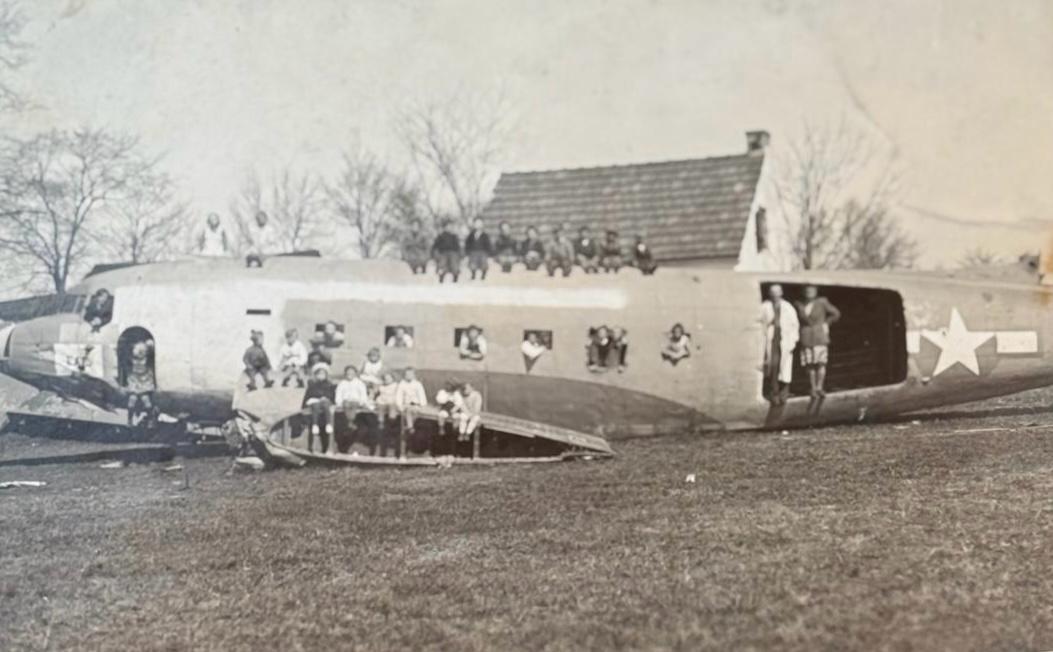
Bedřich Michalec was born in Krásné Údolí near Karlovy Vary on 15 October 1949 into the family of private farmer Bedřich Michalec Sr. His parents came to West Bohemia in 1946 to farm. In the early 1950s, they got under strong pressure to join the local farming cooperative (JZD). Bedřich Michalec Sr. resisted threats and pressure from State Security Service (StB) for a long time, ultimately giving in only in 1960. The witness joined the military for his mandatory two-year service on 1 August 1968. Serving with the border unit in Nýrsko, he witnessed the invasion of the Warsaw Pact troops, the encirclement of the barracks by Soviet troops and the rapid change of situation in the army. He worked as the unit’s car mechanic and then as a driver with the command company in Cheb. A few times, he even drove people who were detained while trying to cross the border. In August 1969, he and his company were deployed in Prague, ready to quash the expected riots on the first anniversary of the Warsaw Pact invasion. Having left the army, he rejoined the JZD in Krásné Údolí, married in 1973 and had two sons. In November 1989 he co-founded the Civic Forum in Krásné Údolí and took part in local public life. After the collapse of the JZD, he worked as a driver for Hollandia until retiring in 2011.