Lukáš Matoušek

* 1943

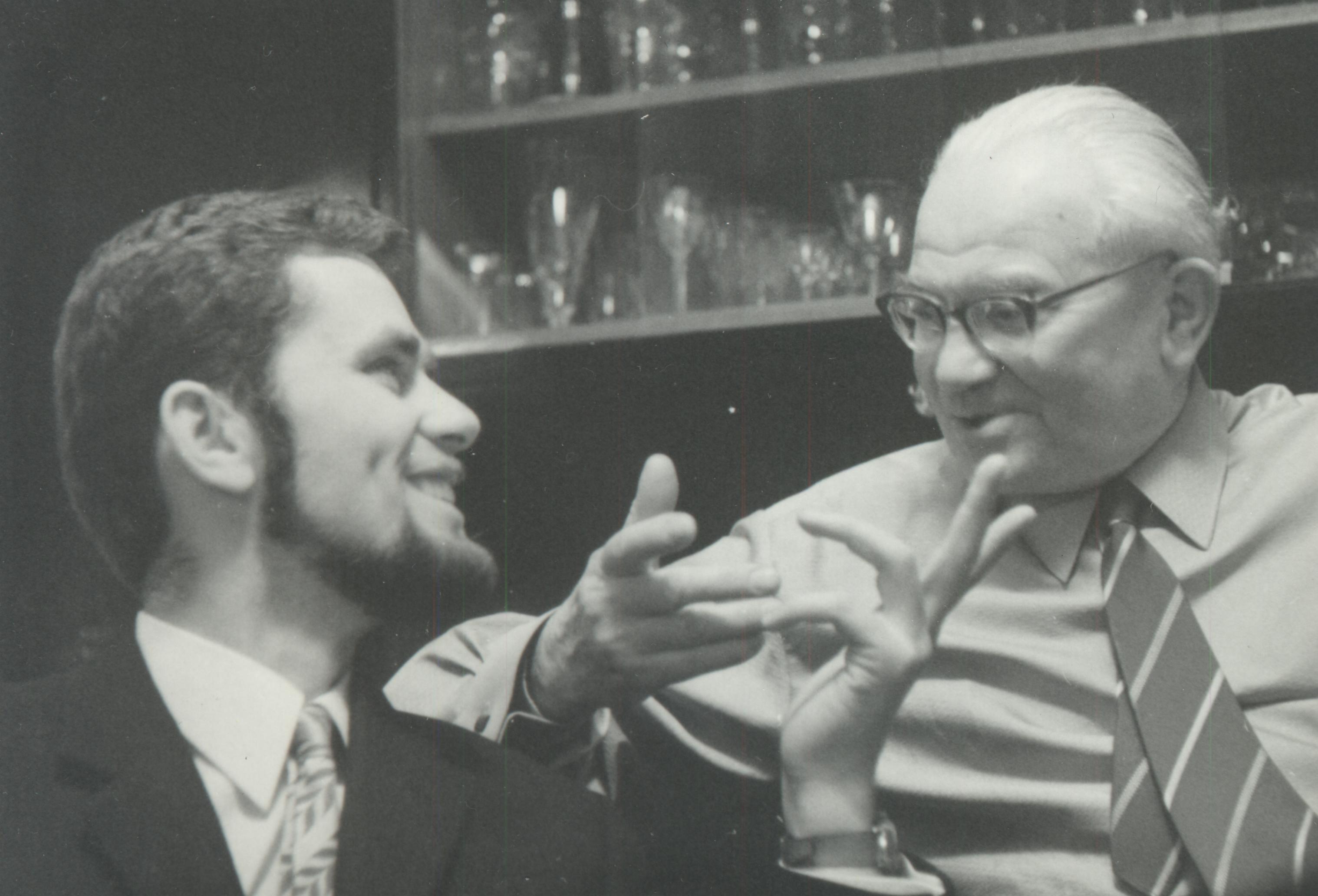
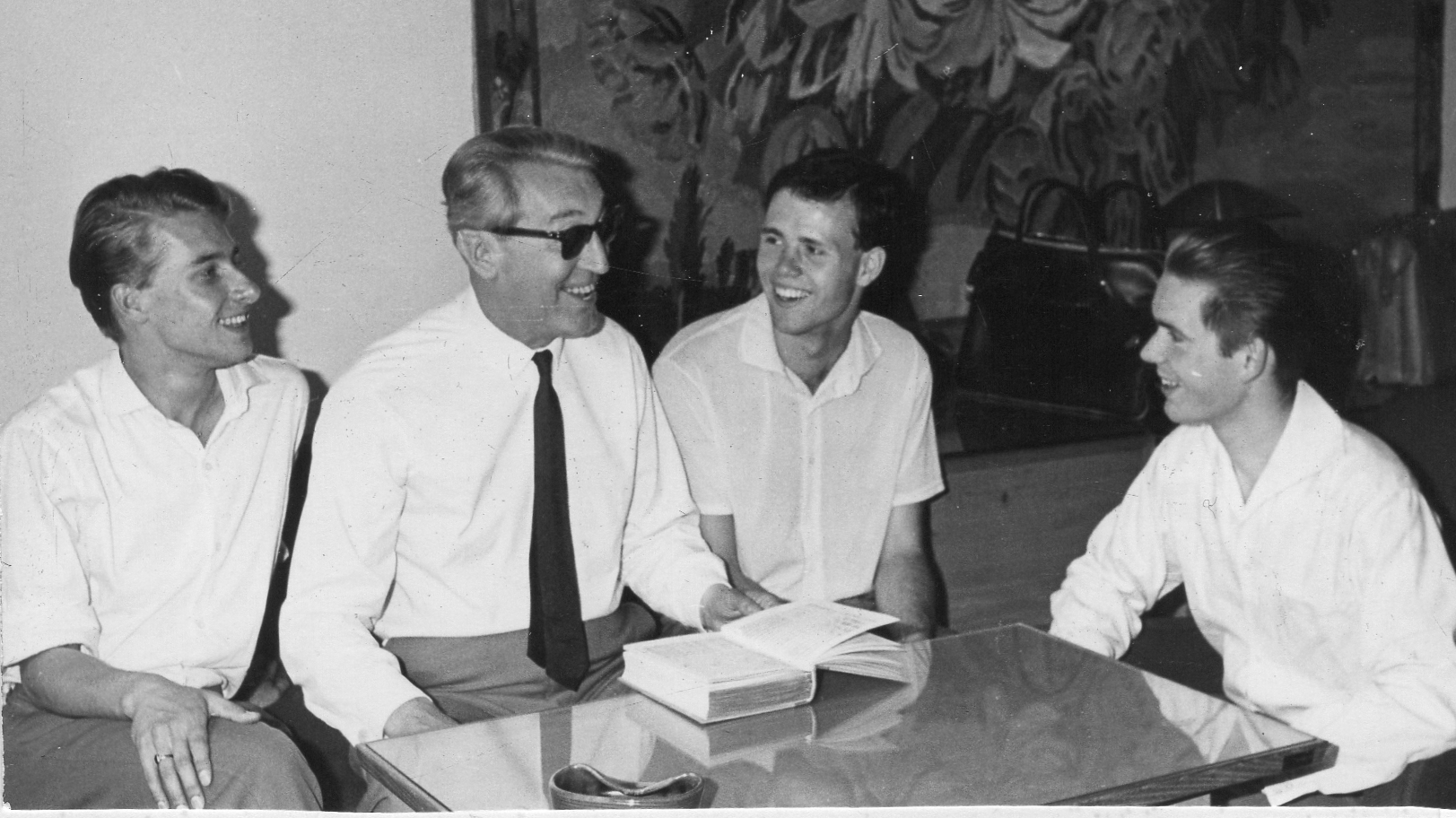
  • "I became very friendly with him when I was teaching at the Deyl school in the Lesser Town. I used to visit him in Úvoz, the street where this Sudek Museum is today. That was incredibly interesting. We listened to music, and his place was incredibly messy. He had a round table in the middle with a mound of things piled up on it. He also had a spot with a record player and speaker cabinets covered with a scarf to keep dust away. That's where we listened to the music. He had maybe one chair in there, and then just some boxes to sit on. I recall he once brought a recording of Leonino and Perottino, who were authors back in 1200, to Munslinger. The music annoyed us terribly, but I took interest in this style of music a couple of years later and remembered that Sudek had it, so I went over to his place to borrow the record. He had a bed in the other room, and there was actually the entrance to what used to be a shop most likely. That was his place. There was the former street entrance, only you couldn't go in there because he had boxes of negatives against one wall, and on the other side he had these cardboard boxes with records. There were two rows of boxes that kept converging, and they merged about a metre off the door to the street and you couldn't go in there any more. So, I said I'd like to borrow this record, and he said something along the lines of, 'Take the sixth box out of the second row, and there in the bottom row...' I took out the box, there it was, the record, and he had no captions on it at all. I remember when he died and Anna Fárová the photography historian was organising his photographic legacy, we spoke about it and she said: 'This is hopeless; Sudek never captioned anything so we have to go through it piece by piece and actually put it together.'"

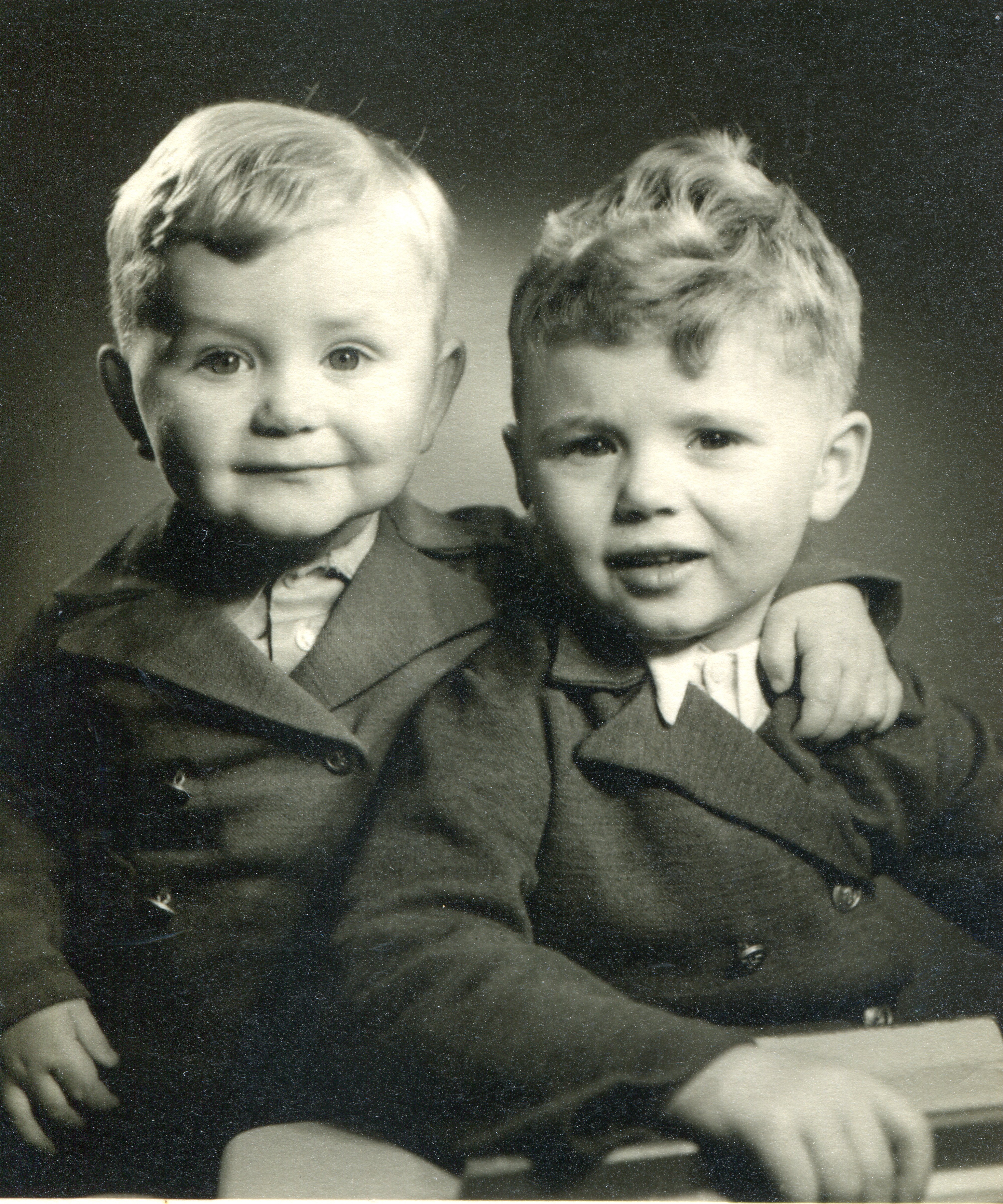
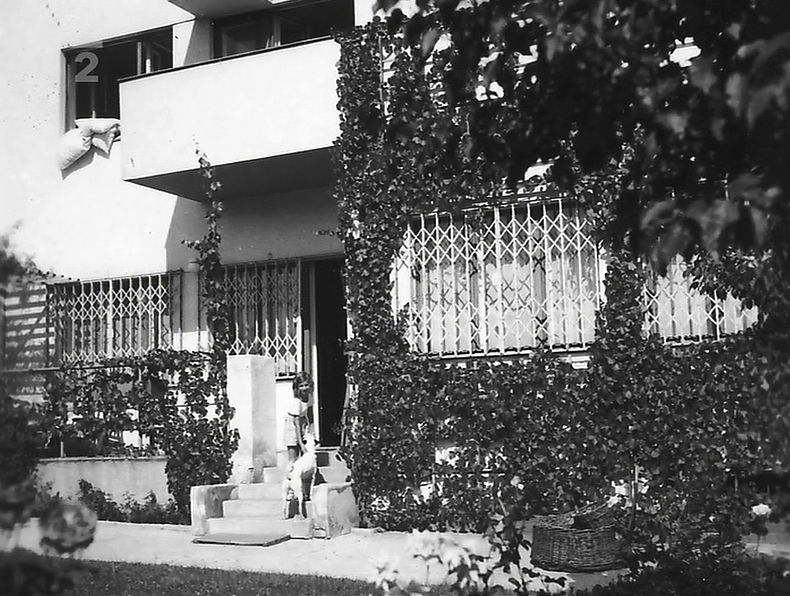
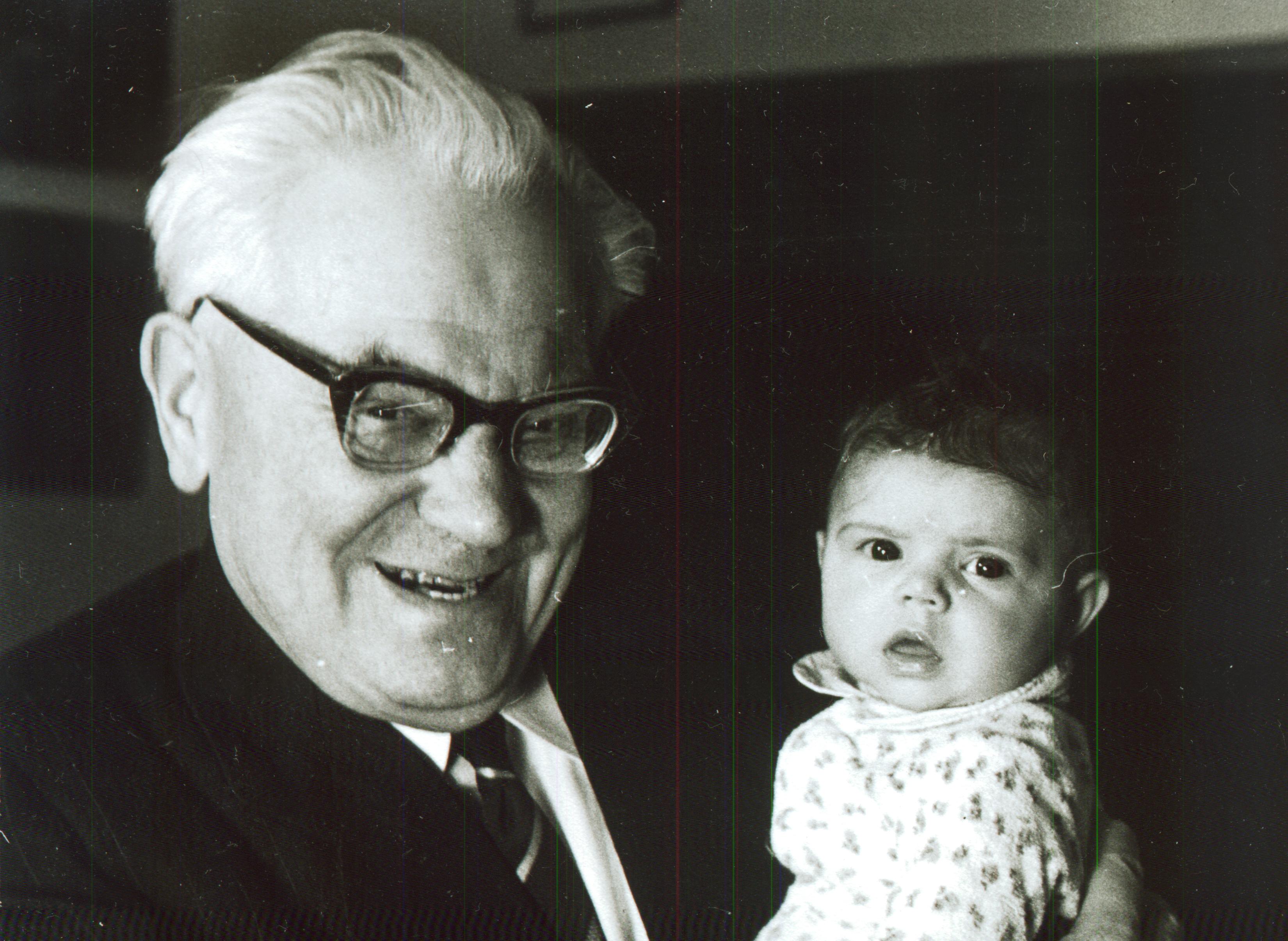
  • "When I was maybe four or five years old, I don't know exactly, I remember an exhibition where my grandfather displayed stuff from his factory. President Beneš with Mrs. Benešová and Jan Masaryk attended the opening, and we were there because grandpa took the whole family. I recall my aunt poking me in the back and saying, 'Go say hello to Mr. President,' and I walked over there and put my hand up and said, 'Hello, Mr. President, my name is Lukáš Matoušek,' because I was taught to introduce myself. I have a couple of photos of Mr Beneš bowing down to me, Mrs. Benešová, Jan Masaryk, and I also recall there was a Minister of Nutrition named Majer, and he said to me, 'You know, I'm the one who doesn't give you the oranges.' Then I remember - this was after 1948 when my grandfather... Of course, I remember my grandfather... When we used to go to his cottage as children, he was actually already under surveillance, or some secret policemen would always show up. The lady who would babysit my brother and me always warned him and told him that when he came to us, some people were following. He'd say, 'They come to me all the time, don't worry about it.'"

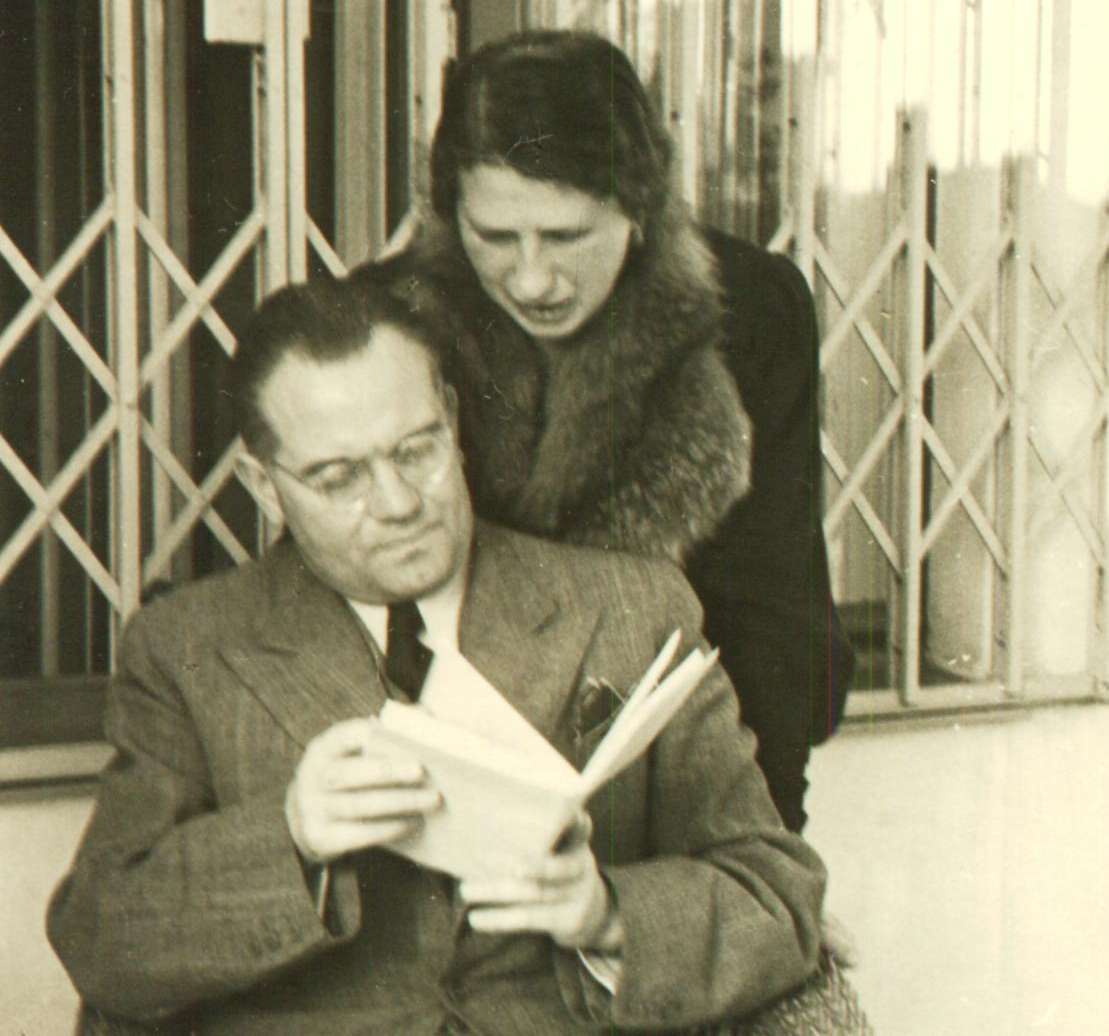
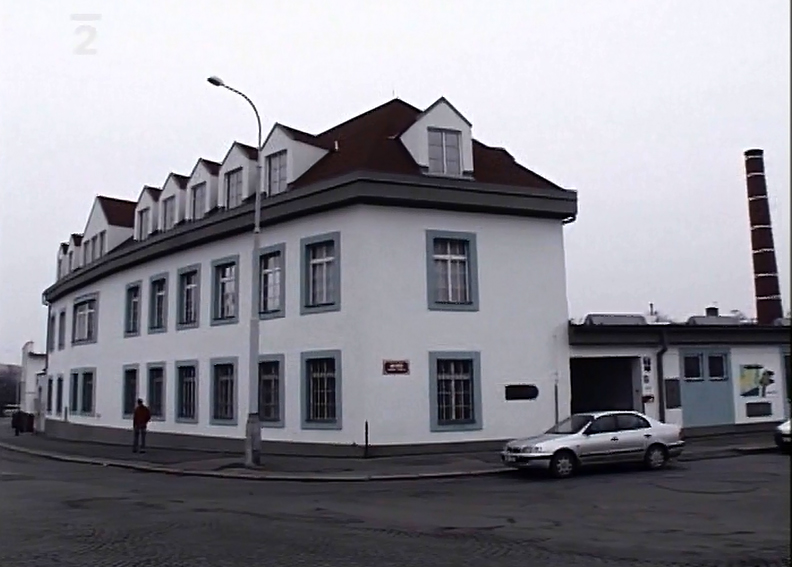
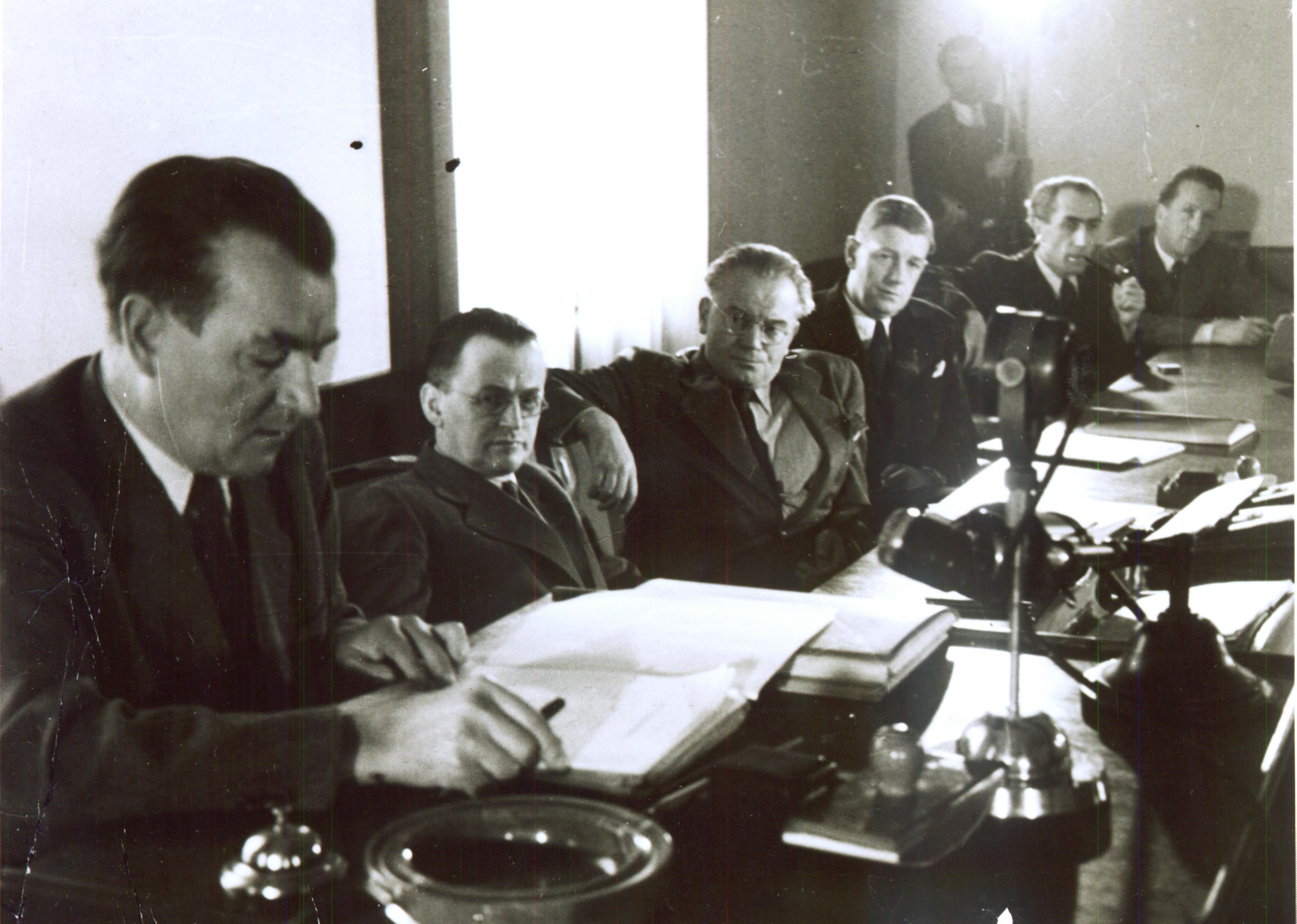
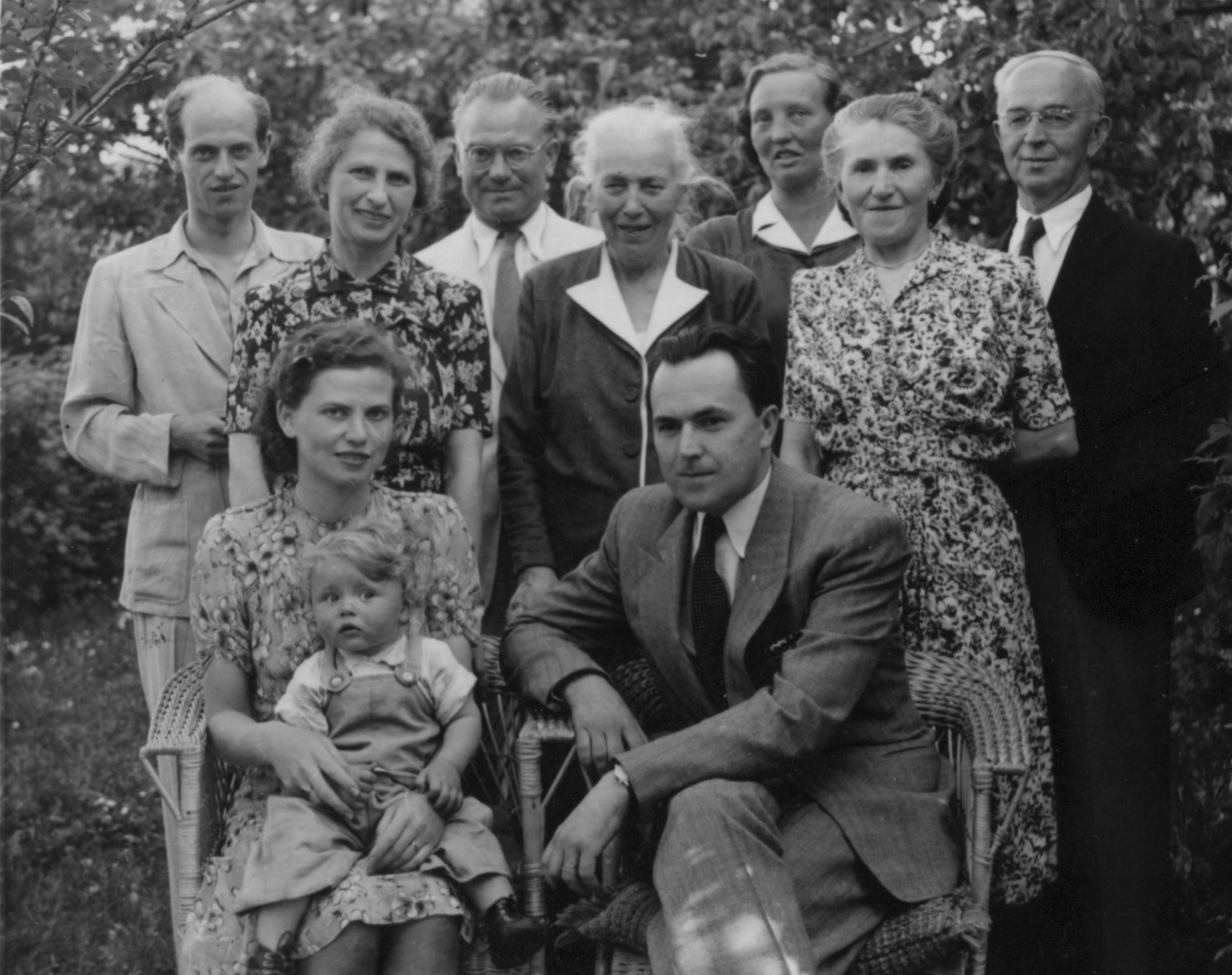
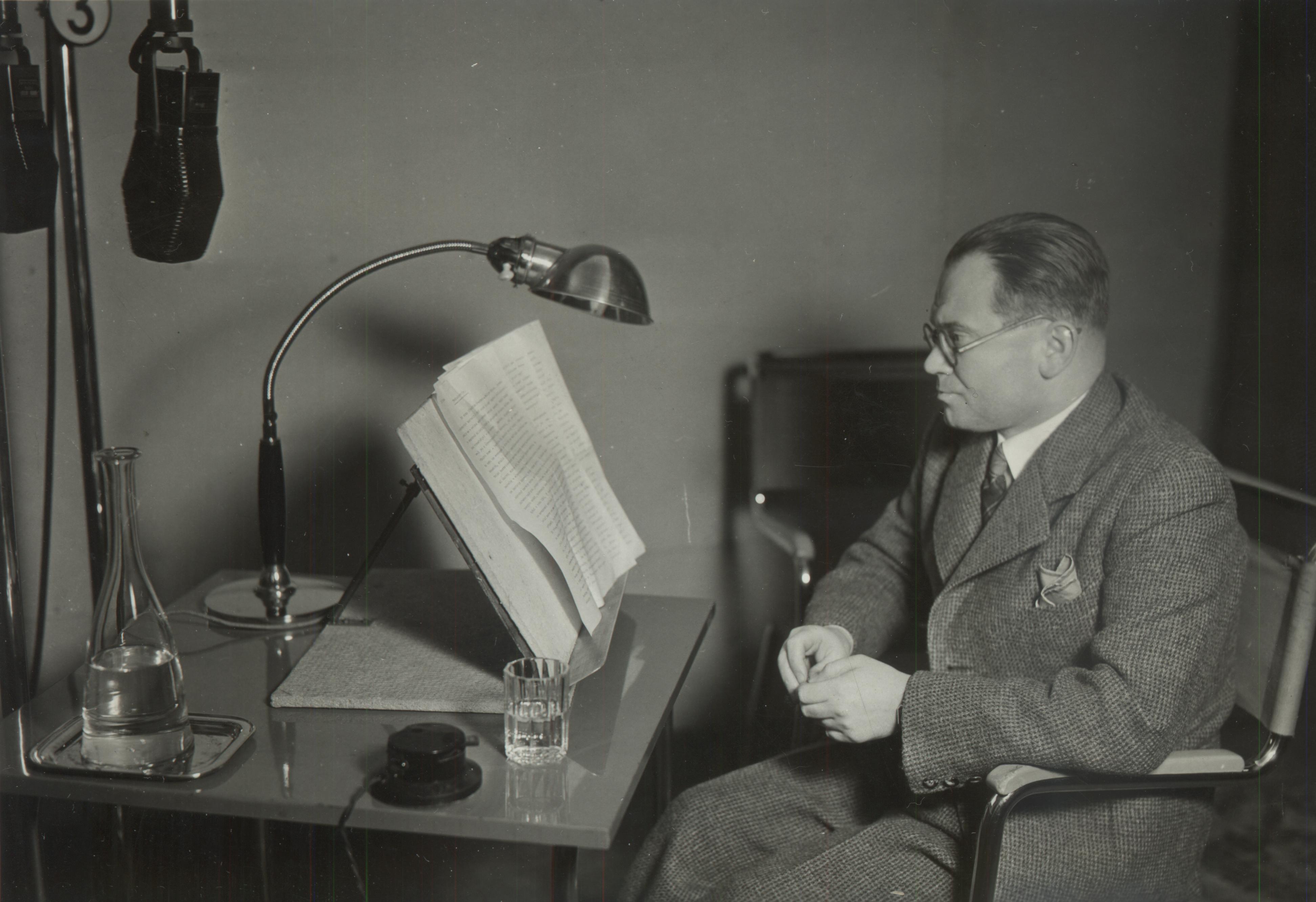
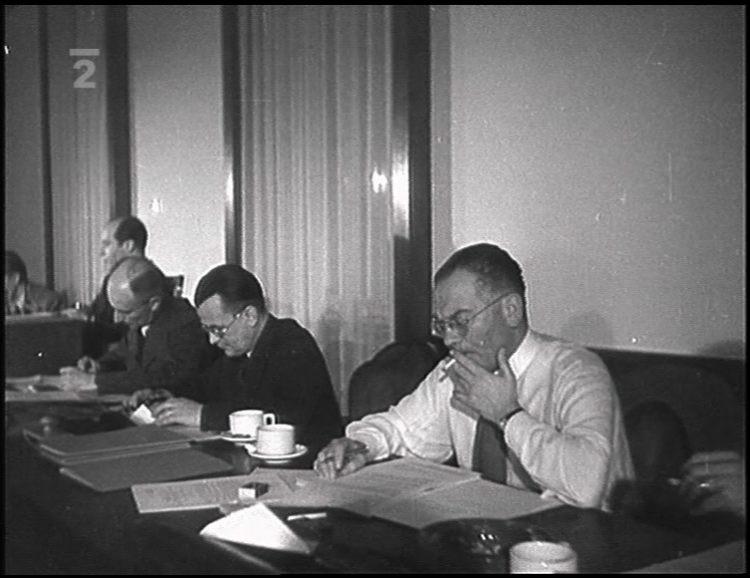
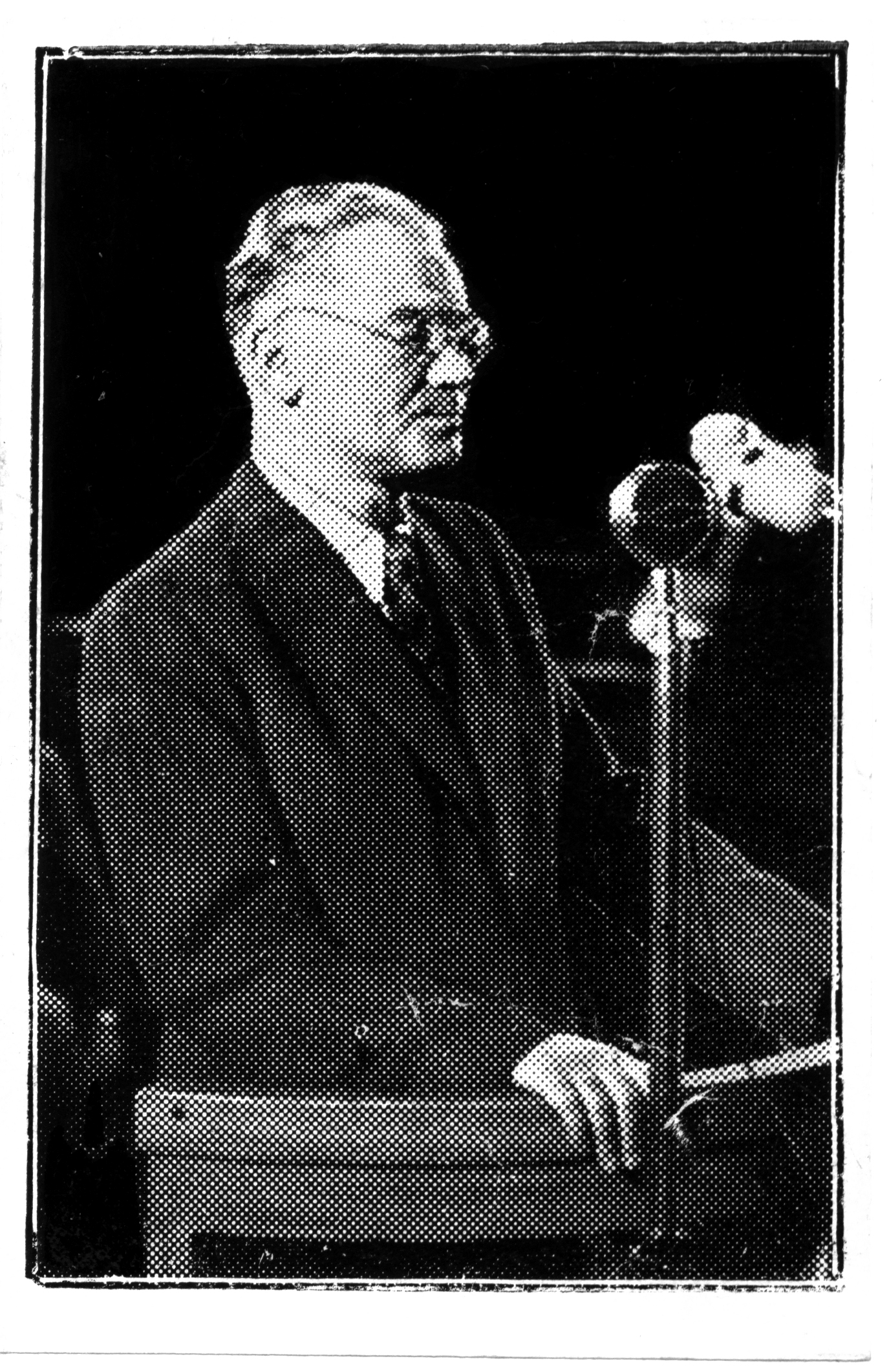
  • "My grandfather Jiří Hejda graduated in law, but started out as a journalist and took interest in economics. Soon, he became quite an interesting economist and wrote about the subject. He wrote for České slovo, then for Lidové noviny, but I don't know in what order now. He was Ferdinand Peroutka's high school mate, they were a year apart, and Peroutka often took him to Přítomnost to do economic analysis for him. He worked as a journalist/economist for many years. Then, as an economist, he was recruited by ČKD to be the CEO. He had to leave ČKD at the beginning of the occupation, and he bought a kitchen equipment factory in Vršovice with the severance pay that he got, and he ran that plant throughout the war."

  • Full recordings
  • 1

    Praha, 21.10.2024

    (audio)
    duration: 01:17:21
    media recorded in project Stories of the 20th Century TV
  • 2

    Praha, 24.02.2025

    (audio)
    duration: 01:36:13
    media recorded in project Stories of the 20th Century TV
Full recordings are available only for logged users.

Grandpa’s conviction affected the whole family
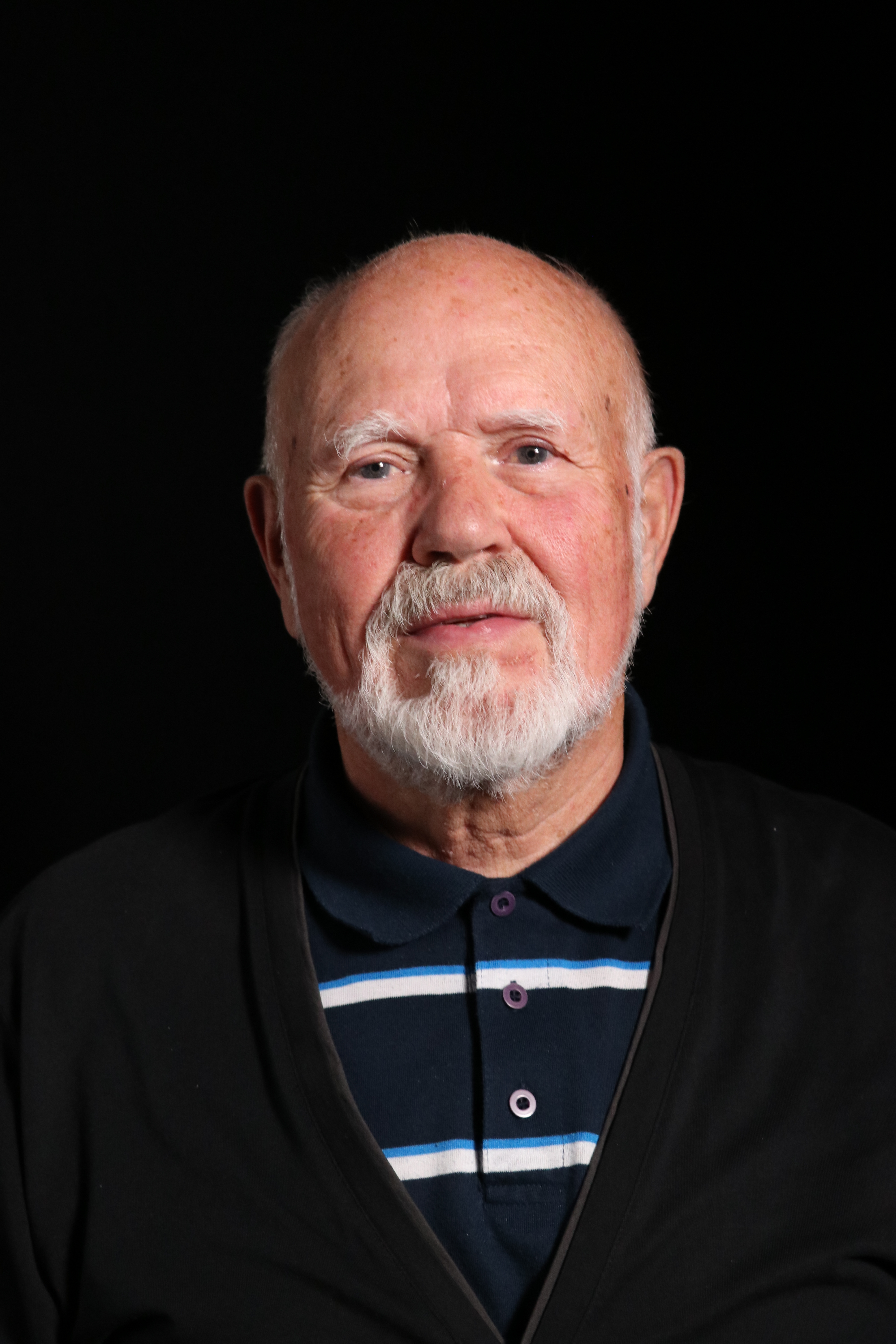
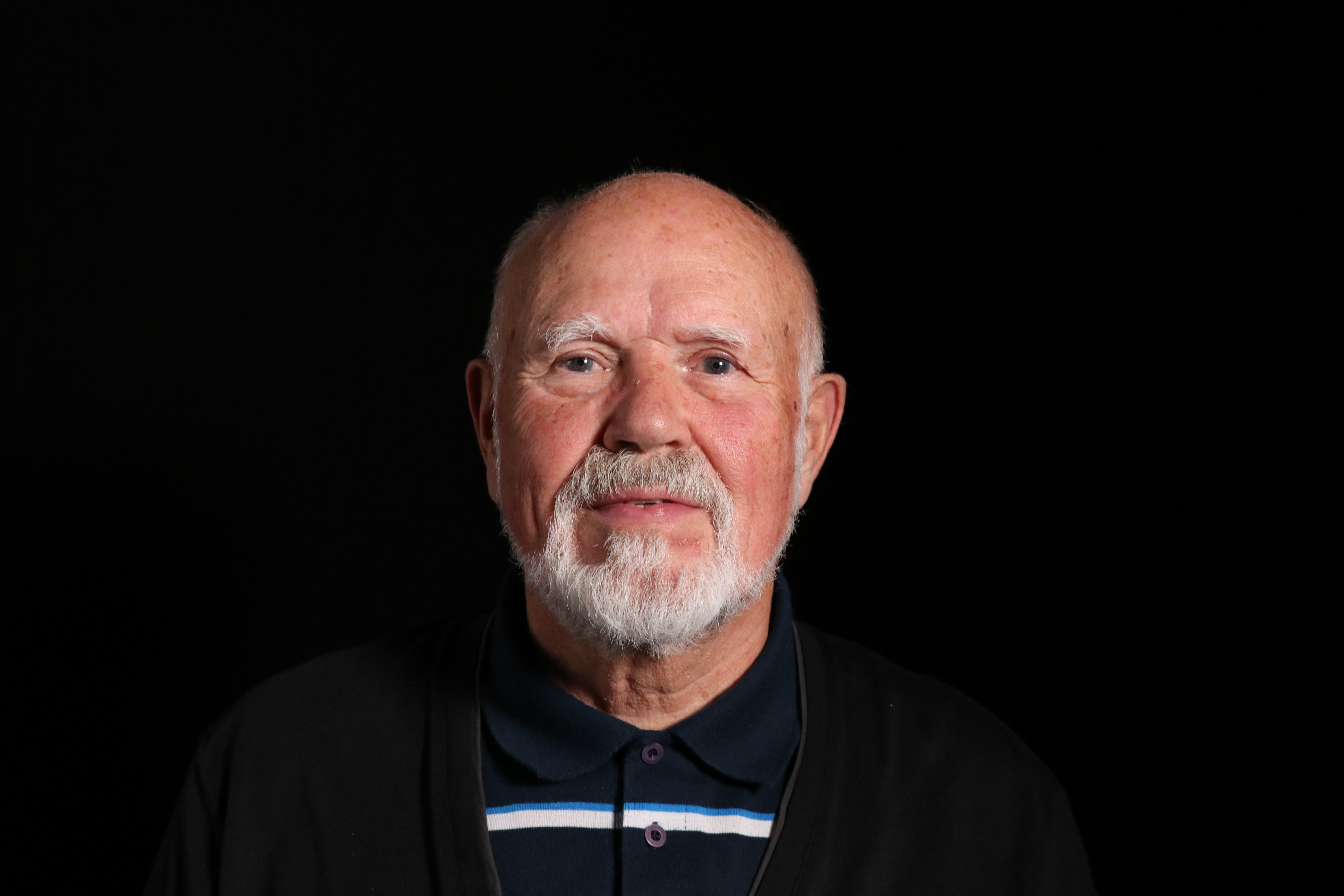
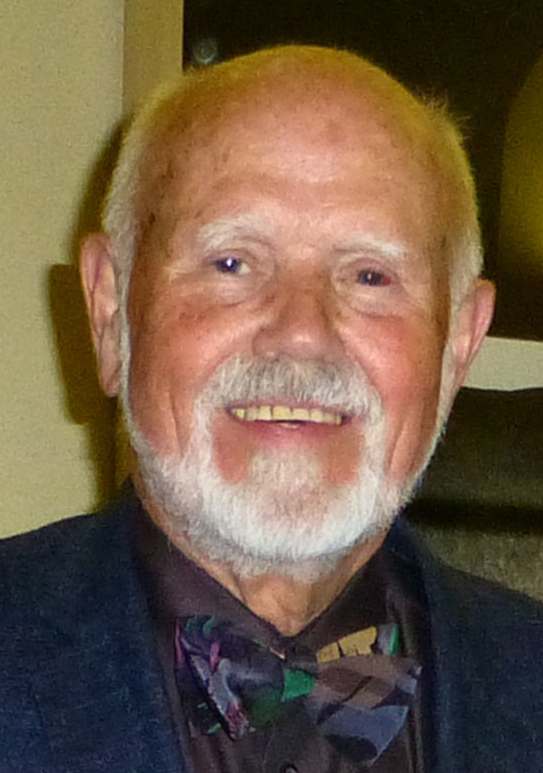
Lukáš Matoušek in 2024
photo: Memory of Nation

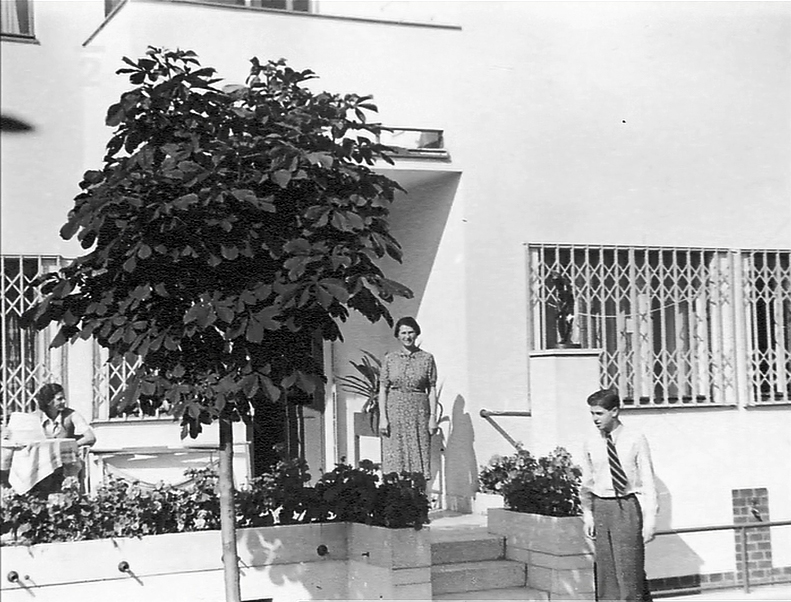
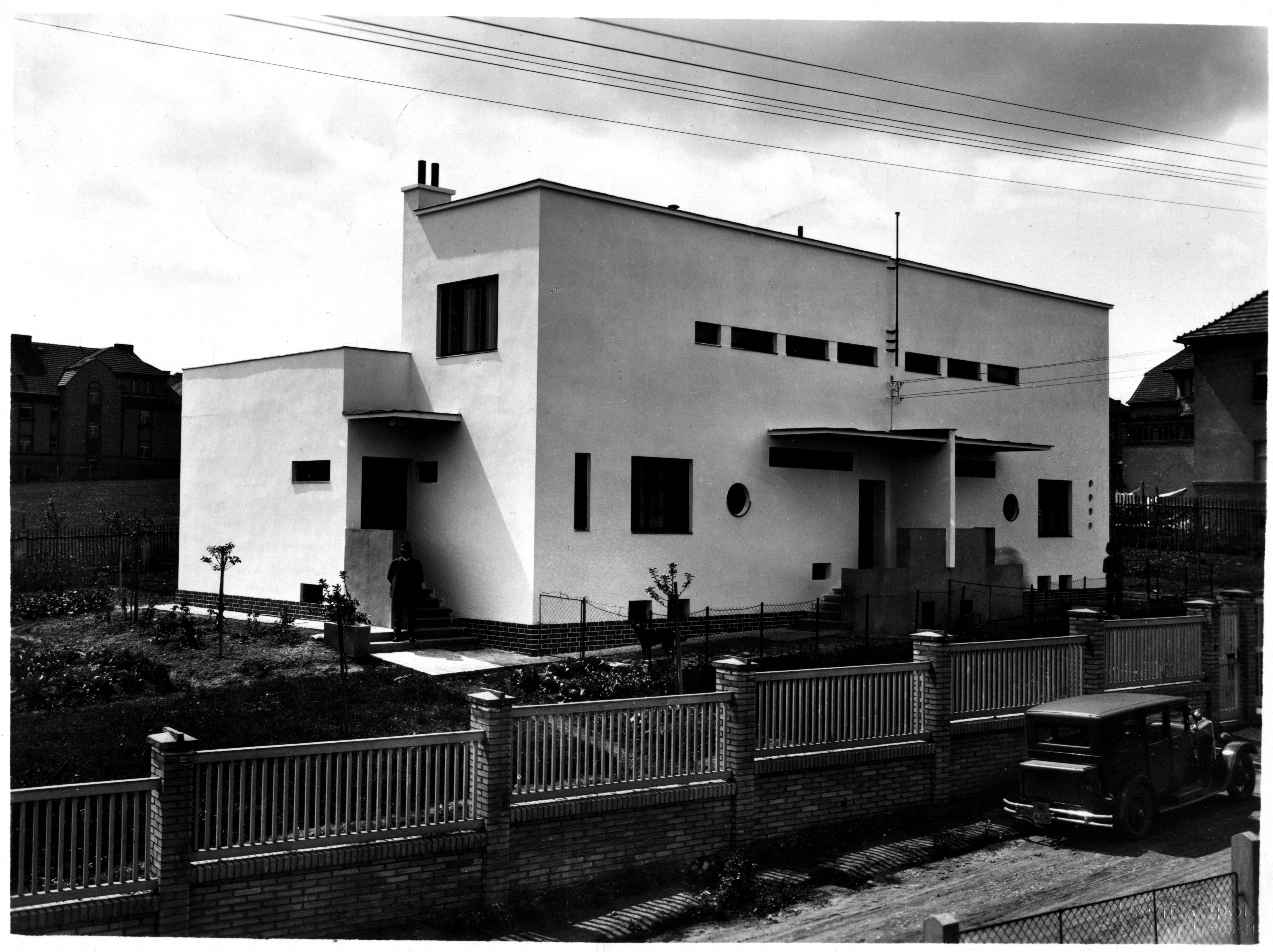
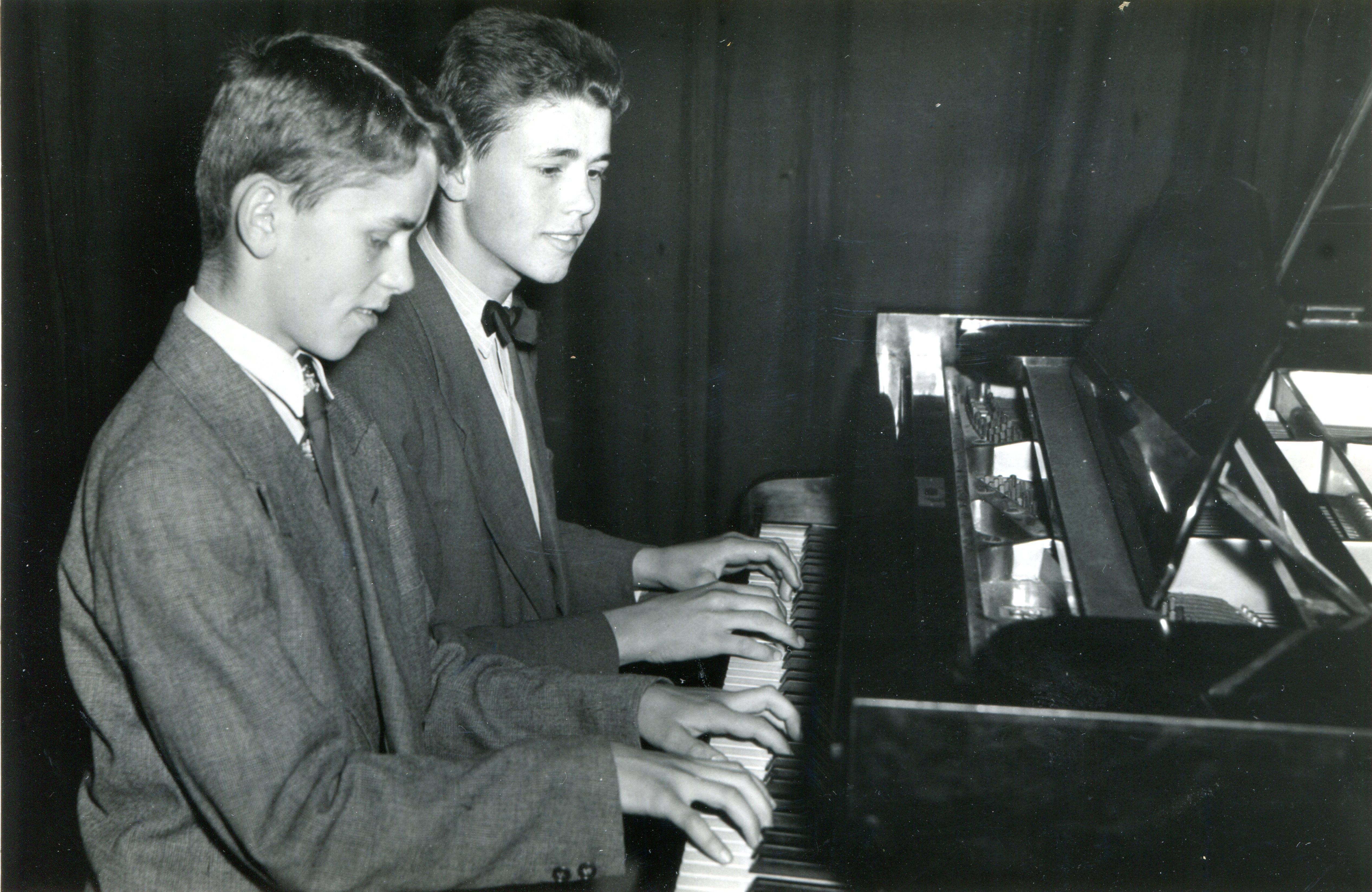
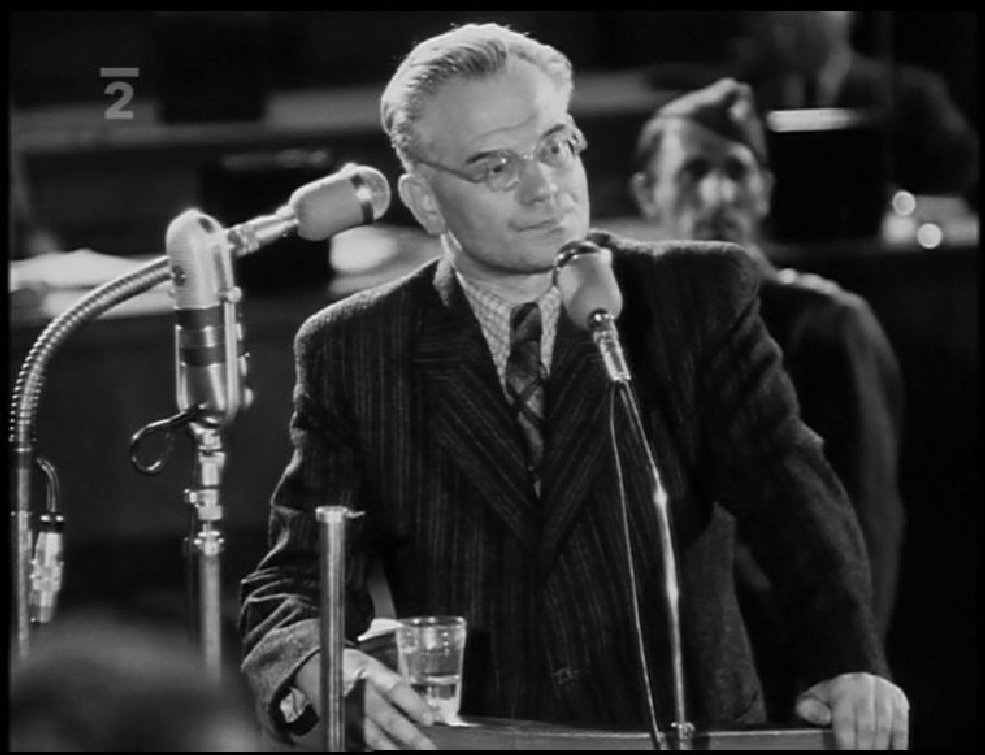
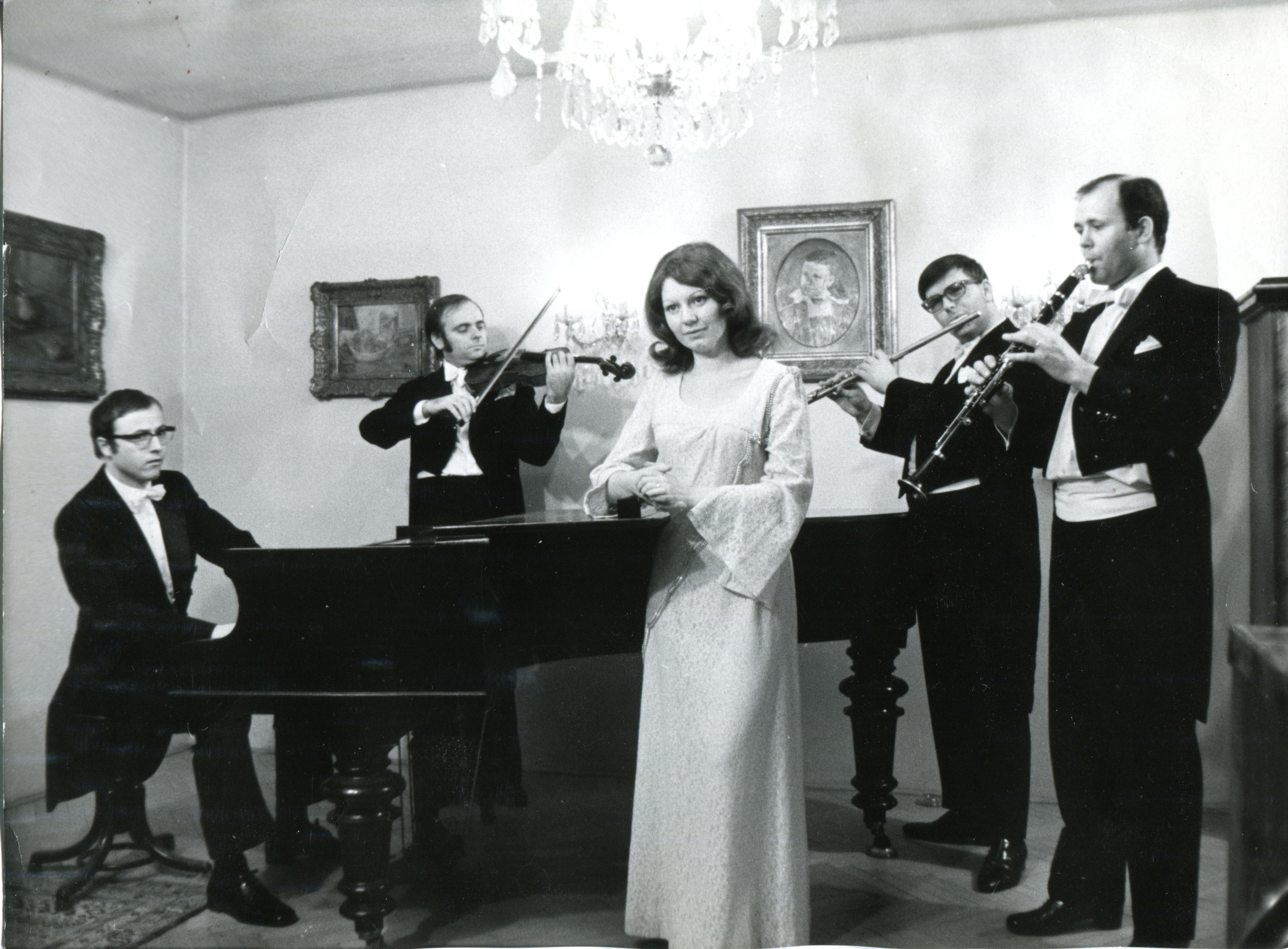
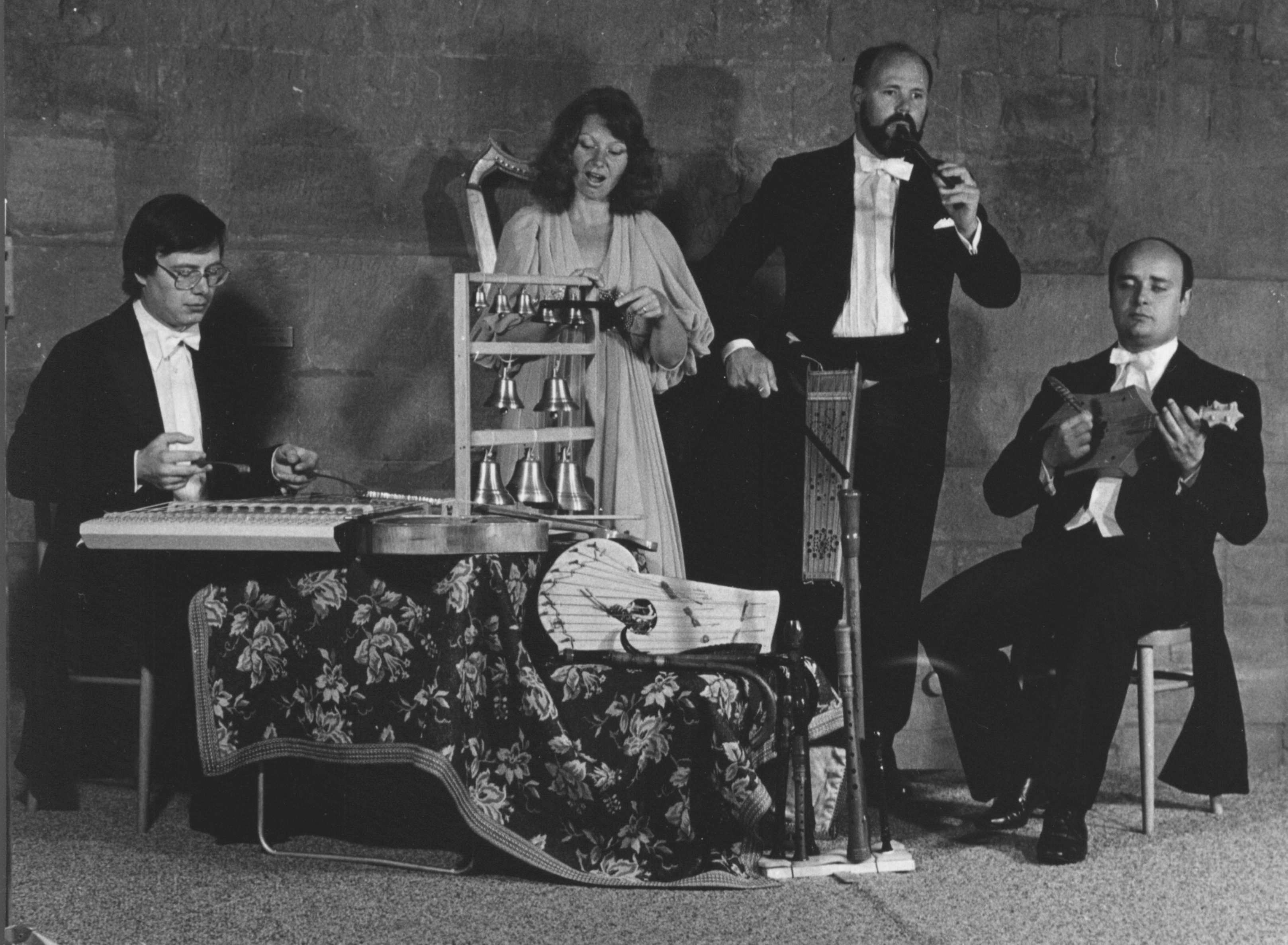
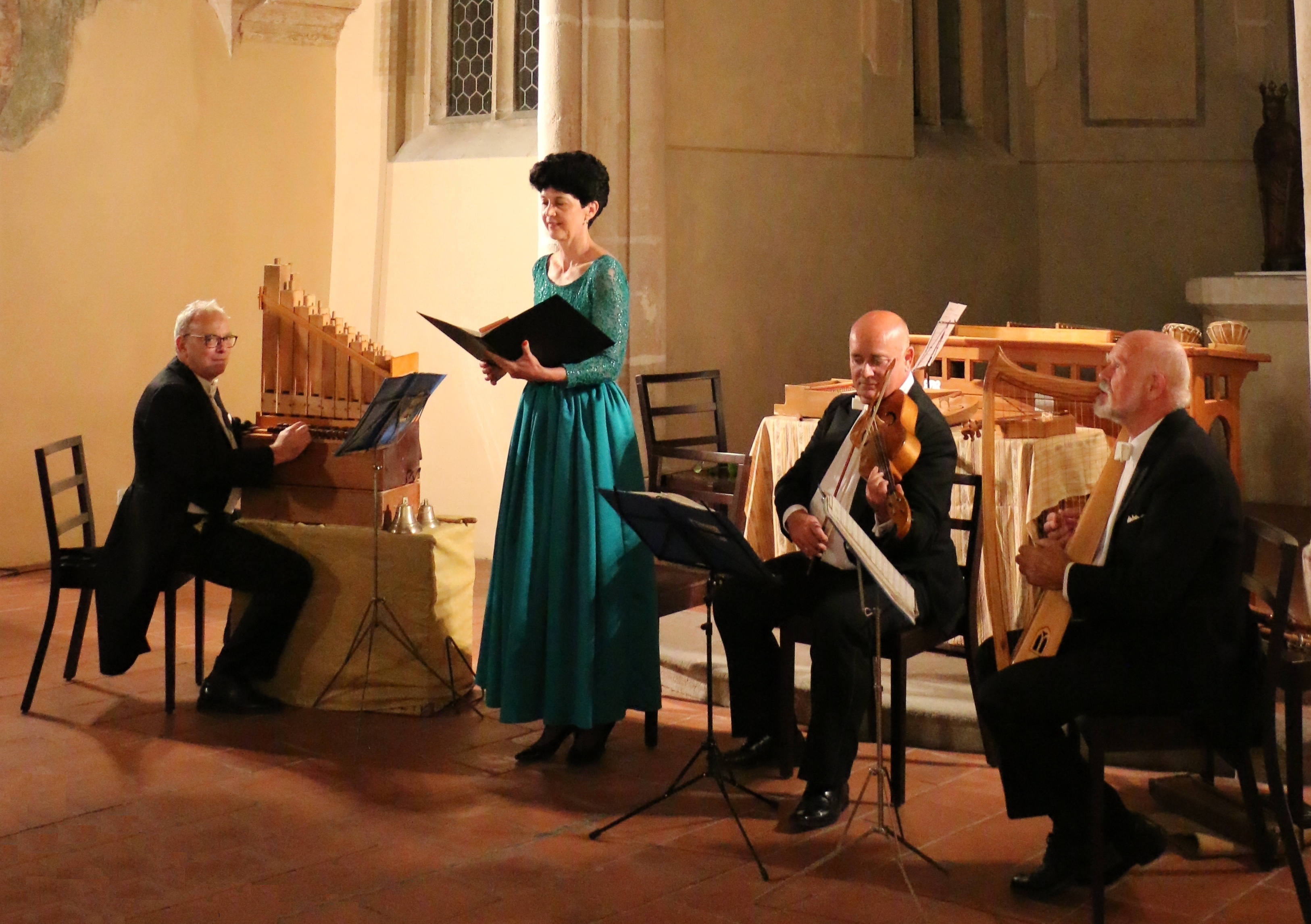
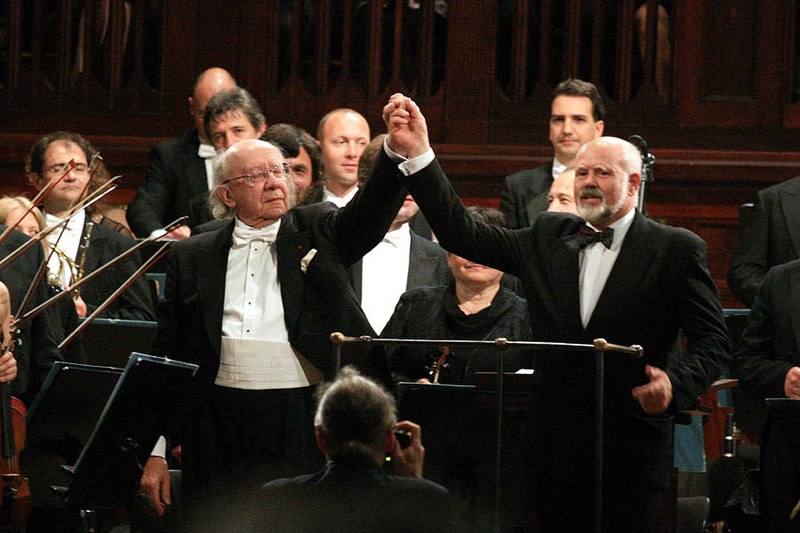
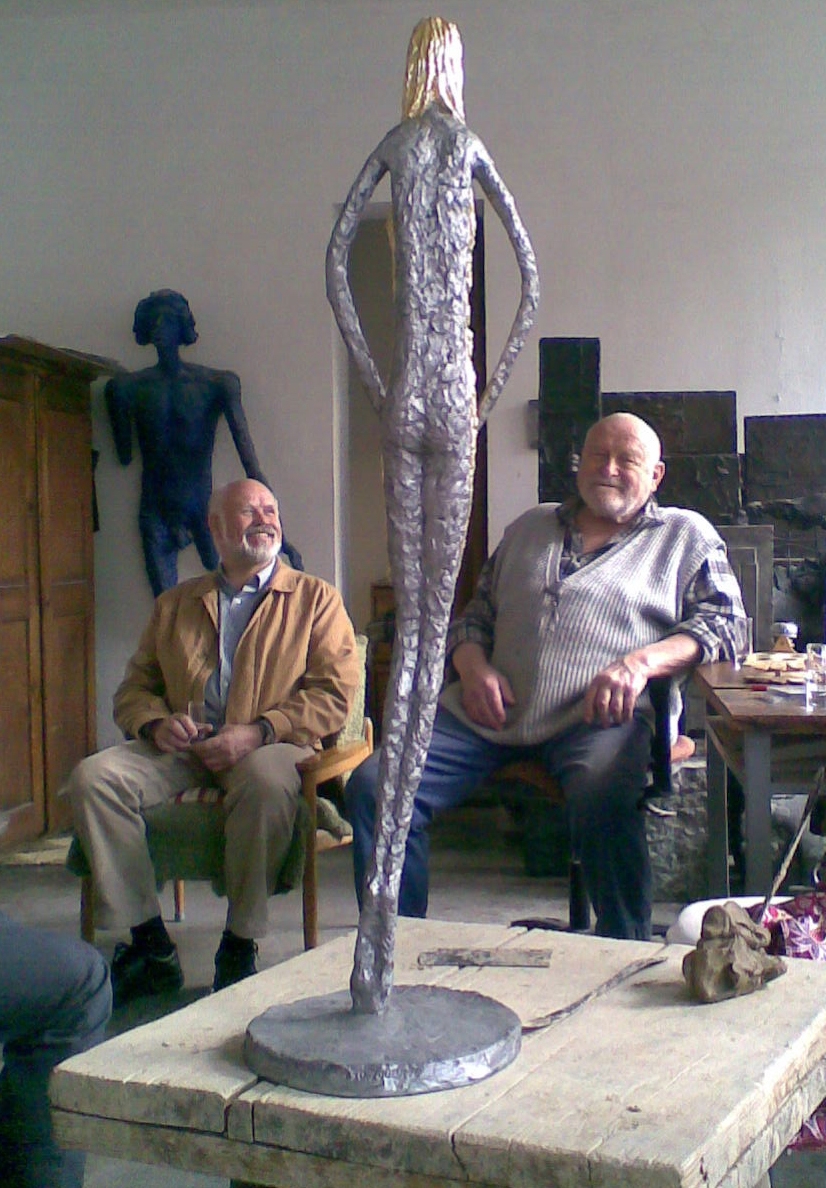
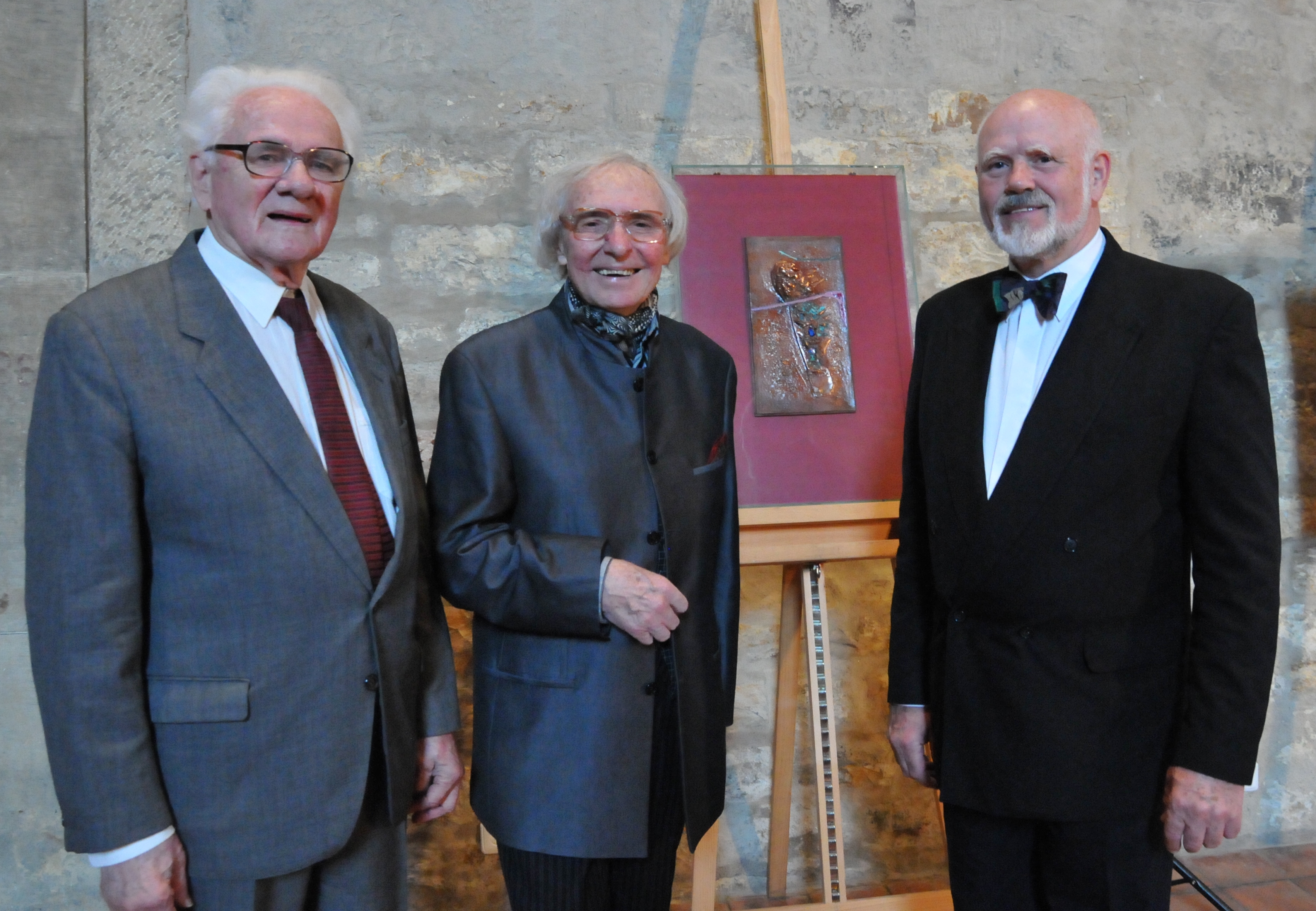
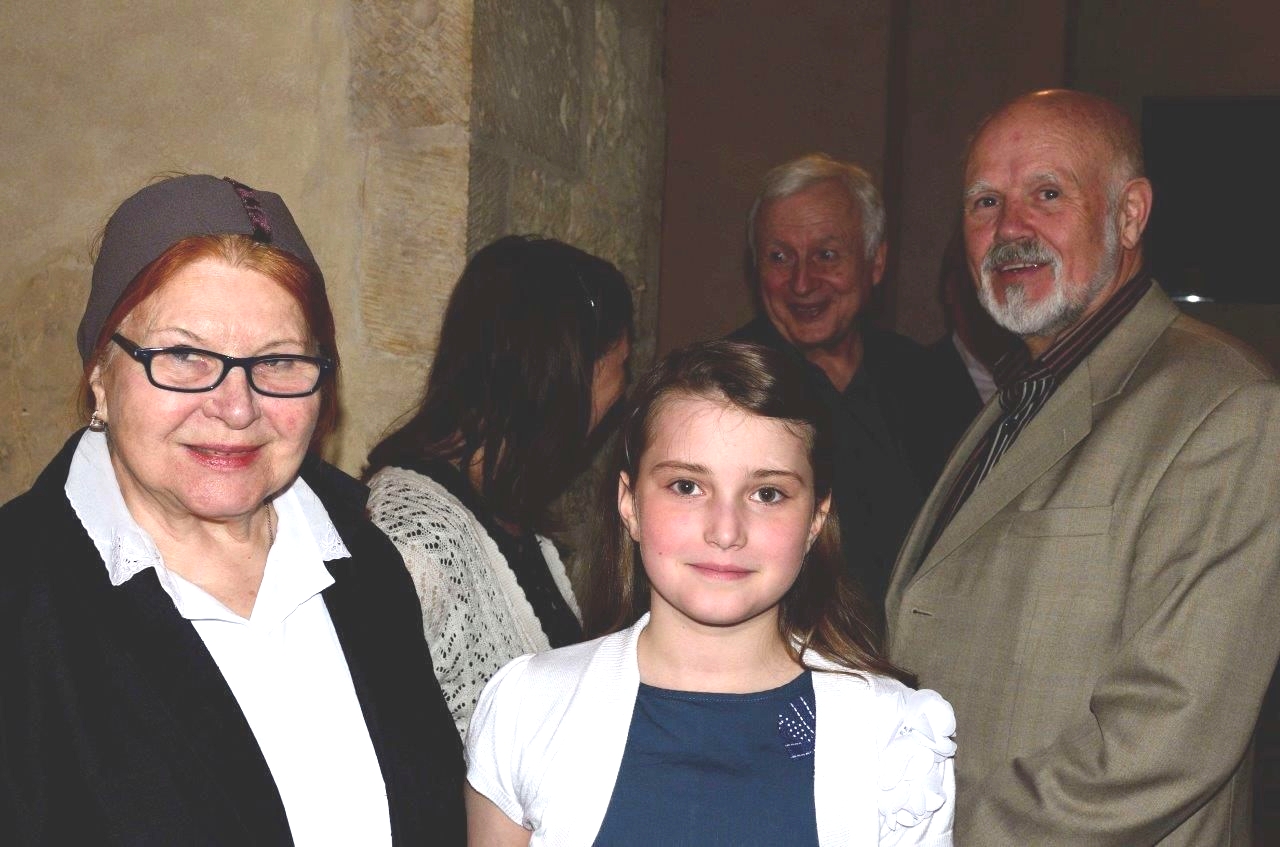
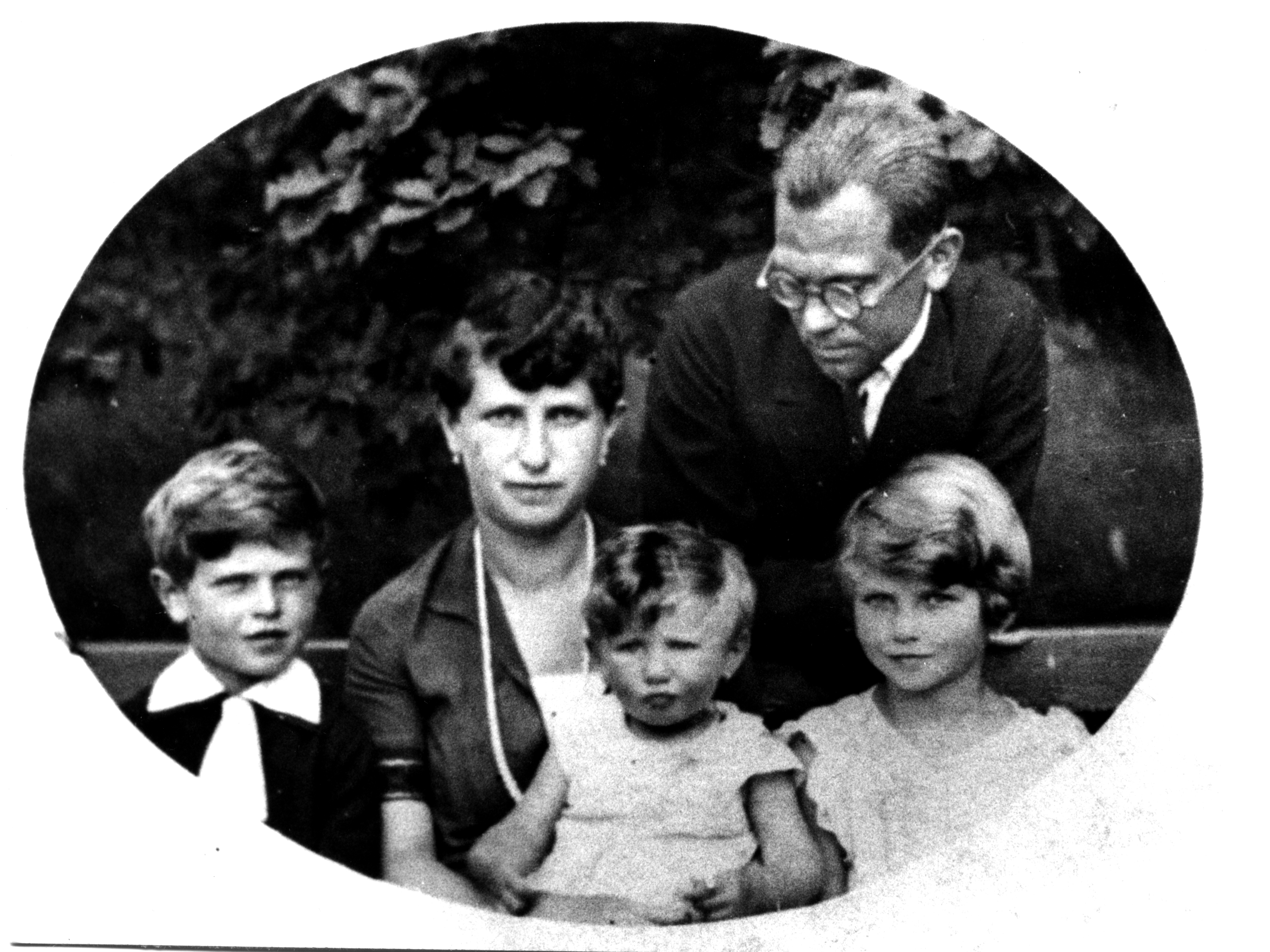
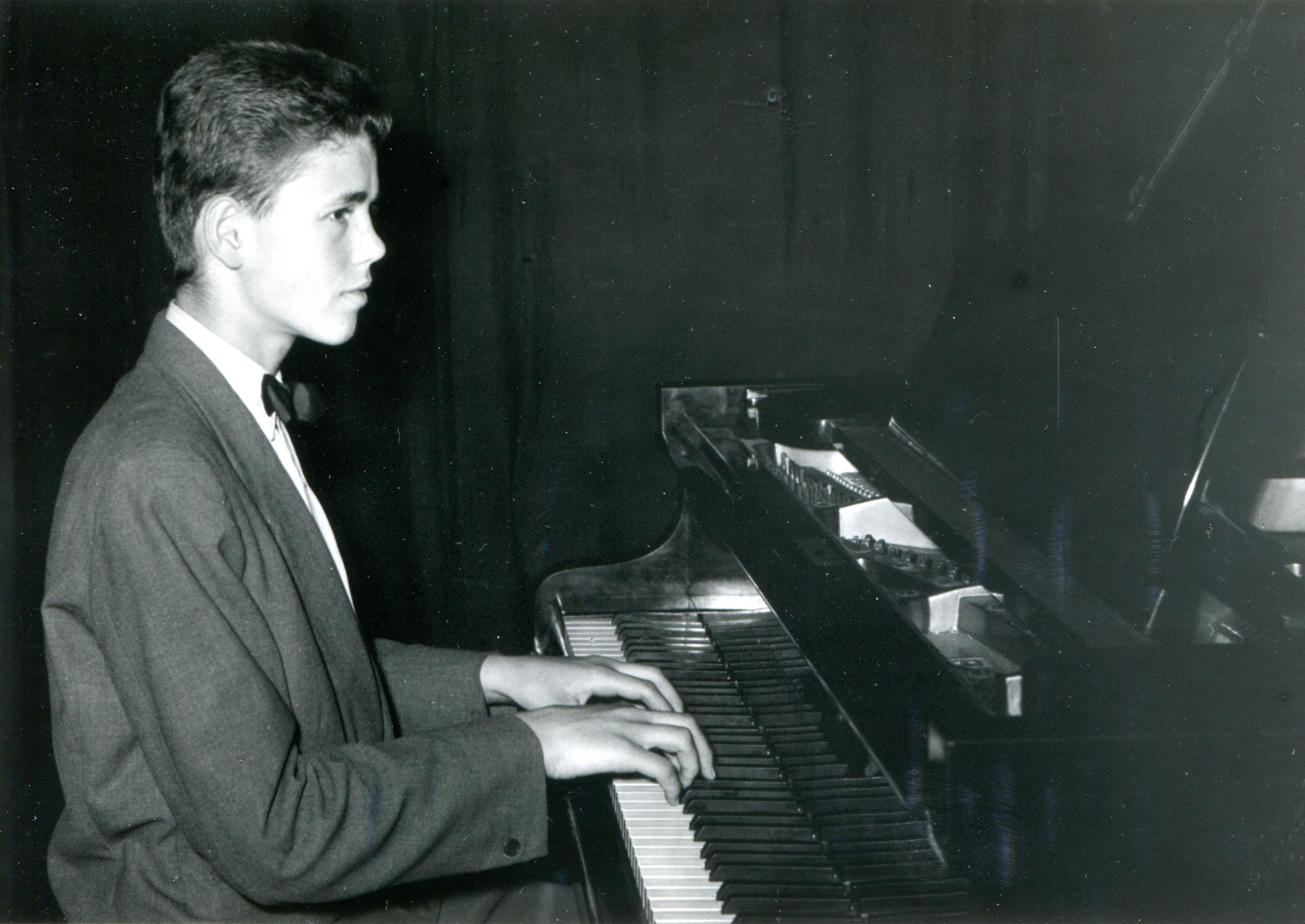
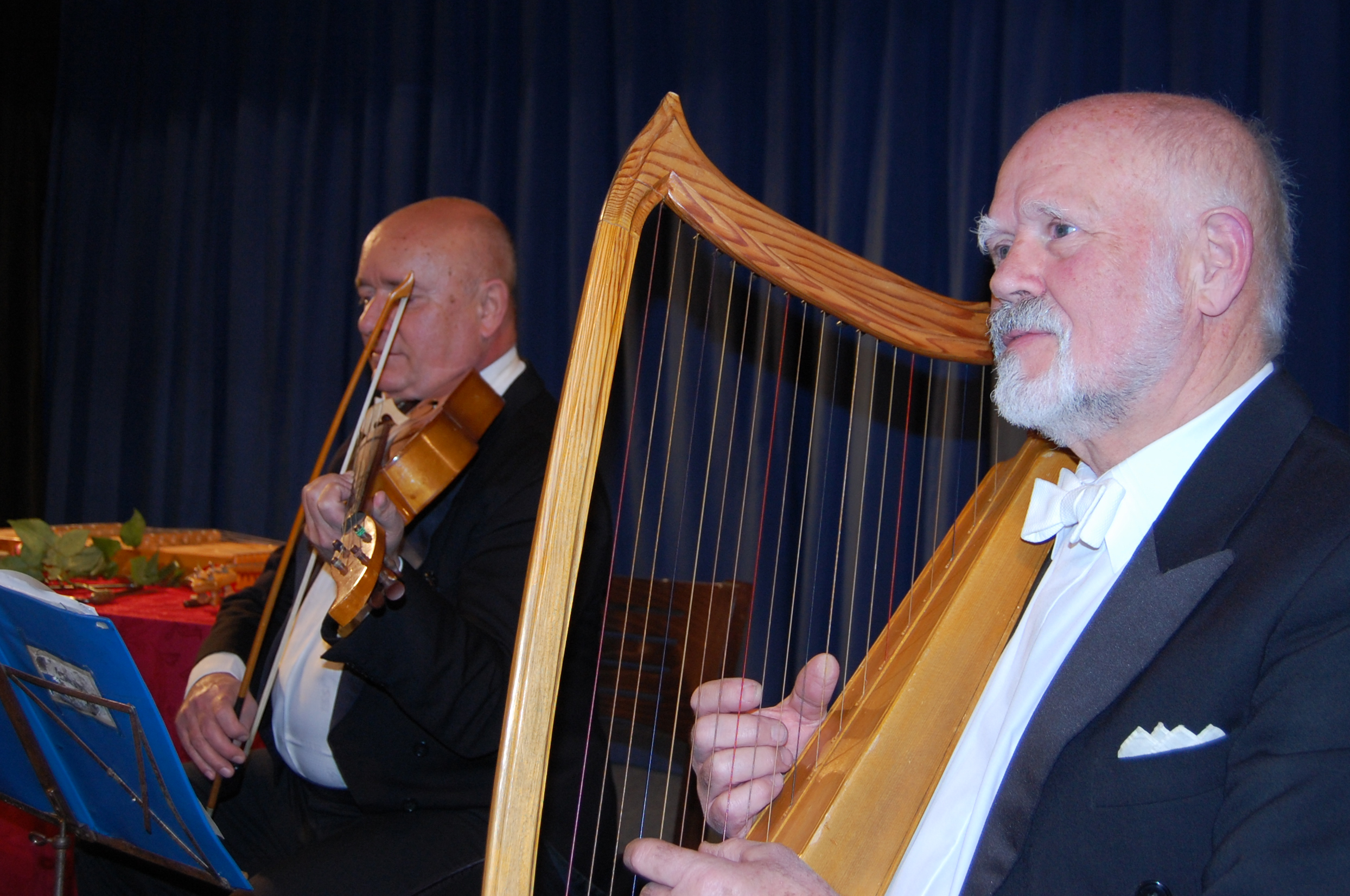
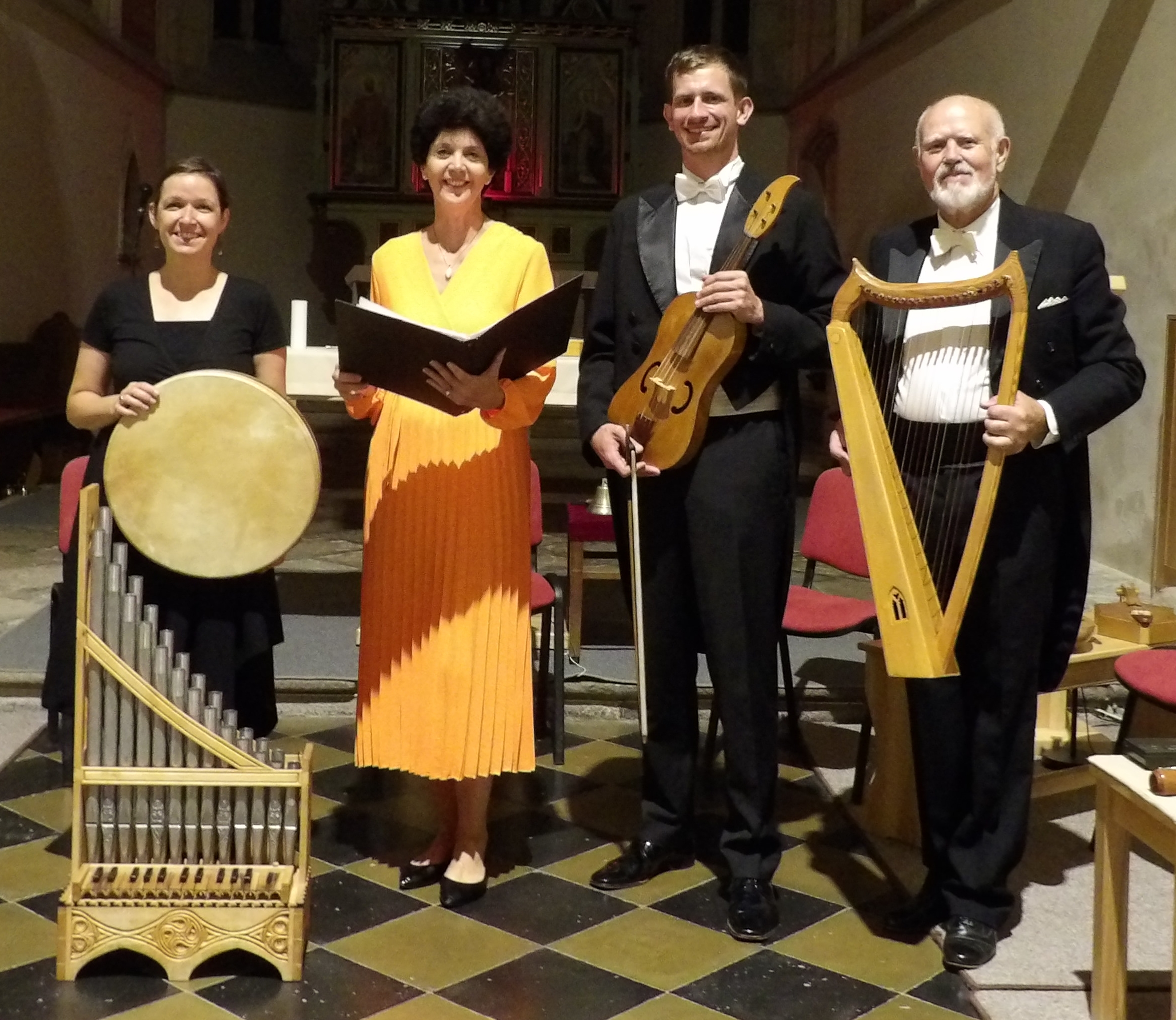
Lukáš Matoušek was born in Prague on 29 May 1943 into the family of paediatrician Miroslav Matoušek and his wife Jitka, a nurse. His mother was the daughter of journalist and politician Jiří Hejda who was convicted in the same trial as Milada Horáková in 1950. He was convicted to life for alleged espionage and treason, but his sentence was later commuted to 25 years. Lukáš Matoušek played the piano and clarinet from an early age. He wanted to study music but was not allowed to university because of his background. He worked at Mikrotechna for one year to improve his cadre profile, then entered the Prague Conservatory to study clarinet playing. He also took up composition and conducting. Having graduated, he began teaching at the Deyl Conservatory in Prague, and later studied composition at JAMU. In 1963 he founded the Ars cameralis ensemble, specialising in the confrontation of medieval and contemporary music. In 1969 he composed a cantata on the Old Testament Latin text of the Lamentations of Jeremiah the Prophet in response to the invasion of the Warsaw Pact troops. Since then, he was an inconvenient author for the regime. He worked as an editor and musical director at Czech Radio from 1977. He never joined the communist party. After the collapse of the regime, he continued to work as a composer and dramaturge. He lived in Tehov near Prague in 2024.