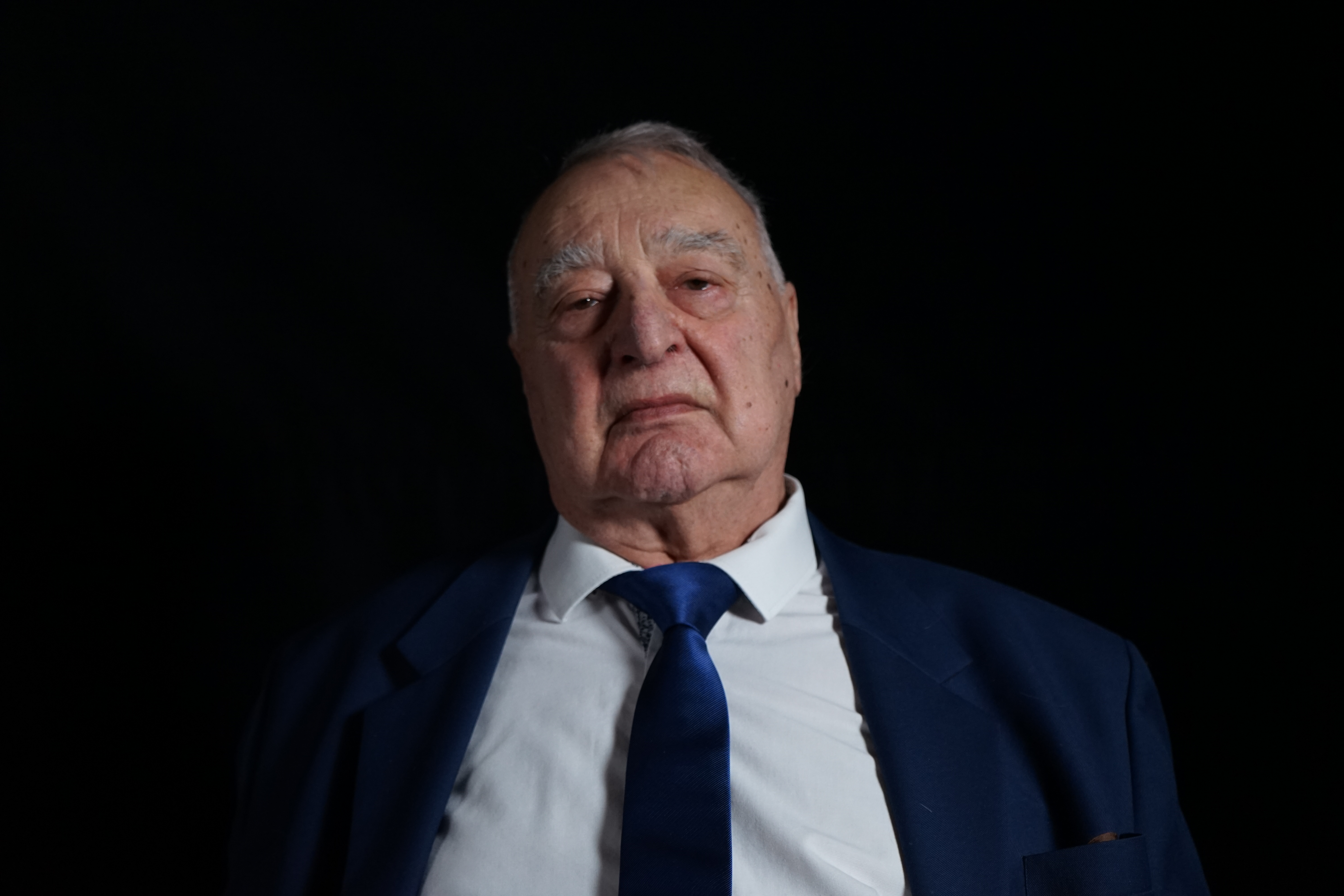
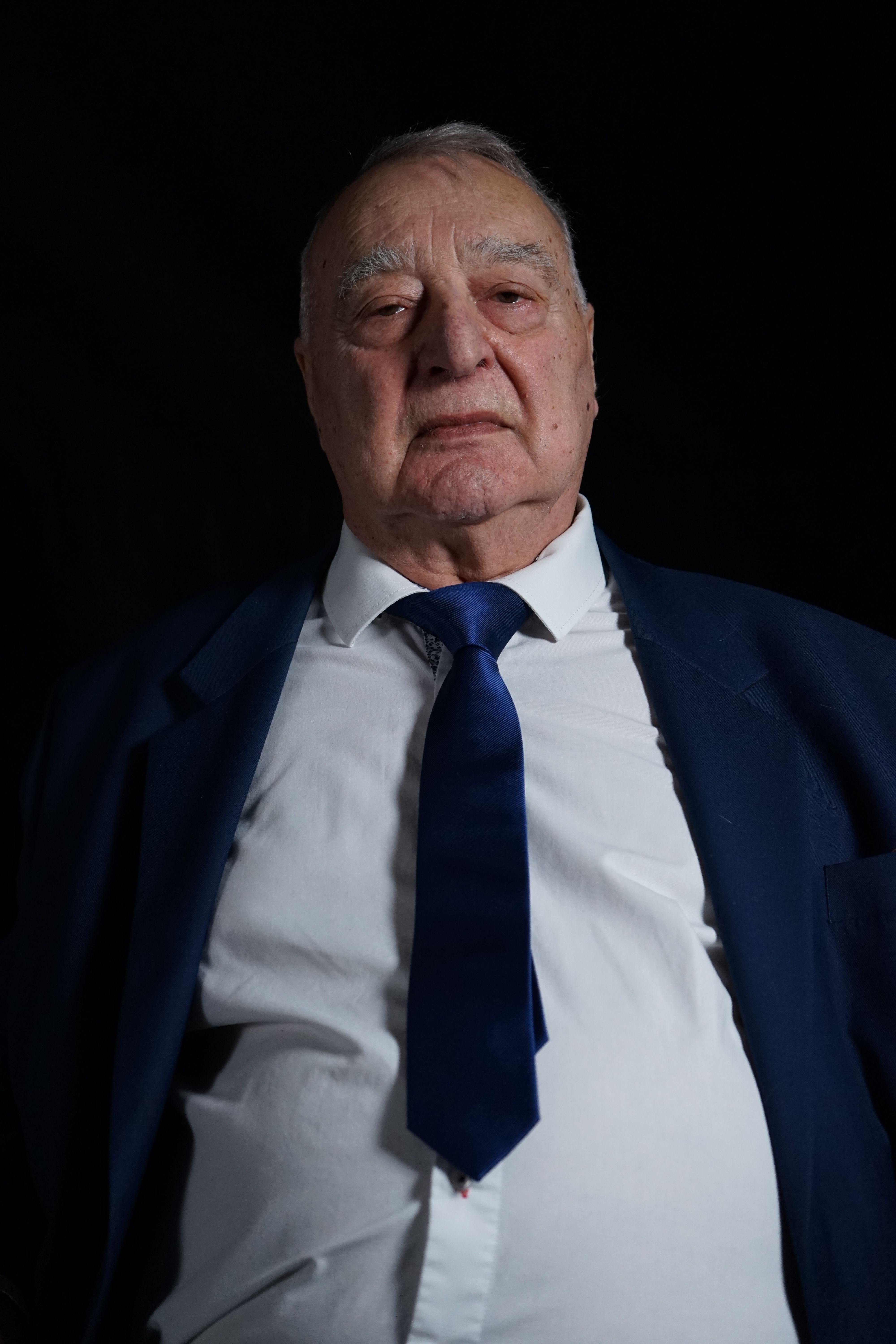
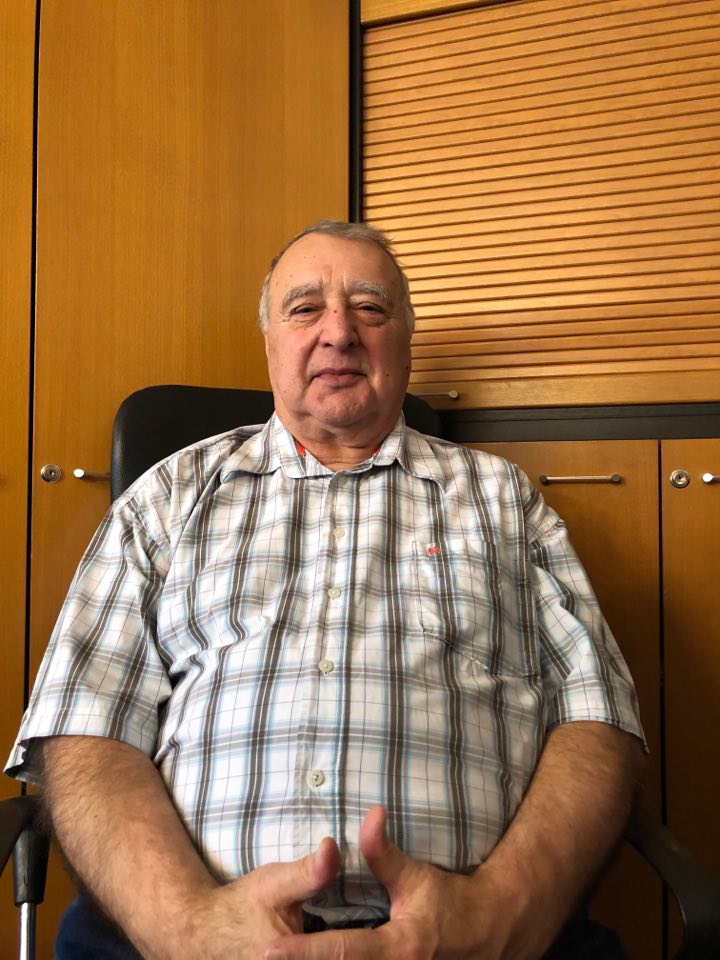
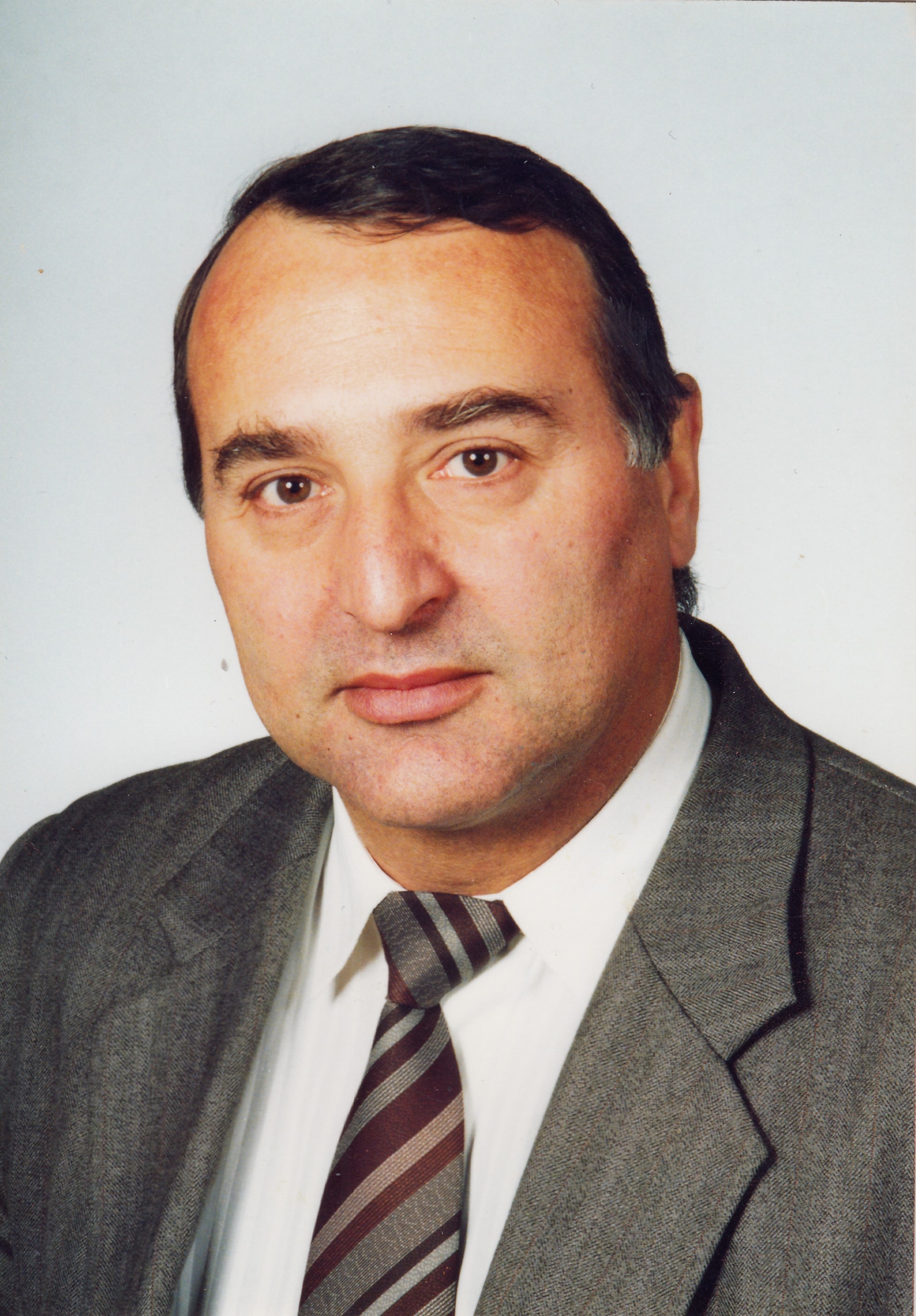
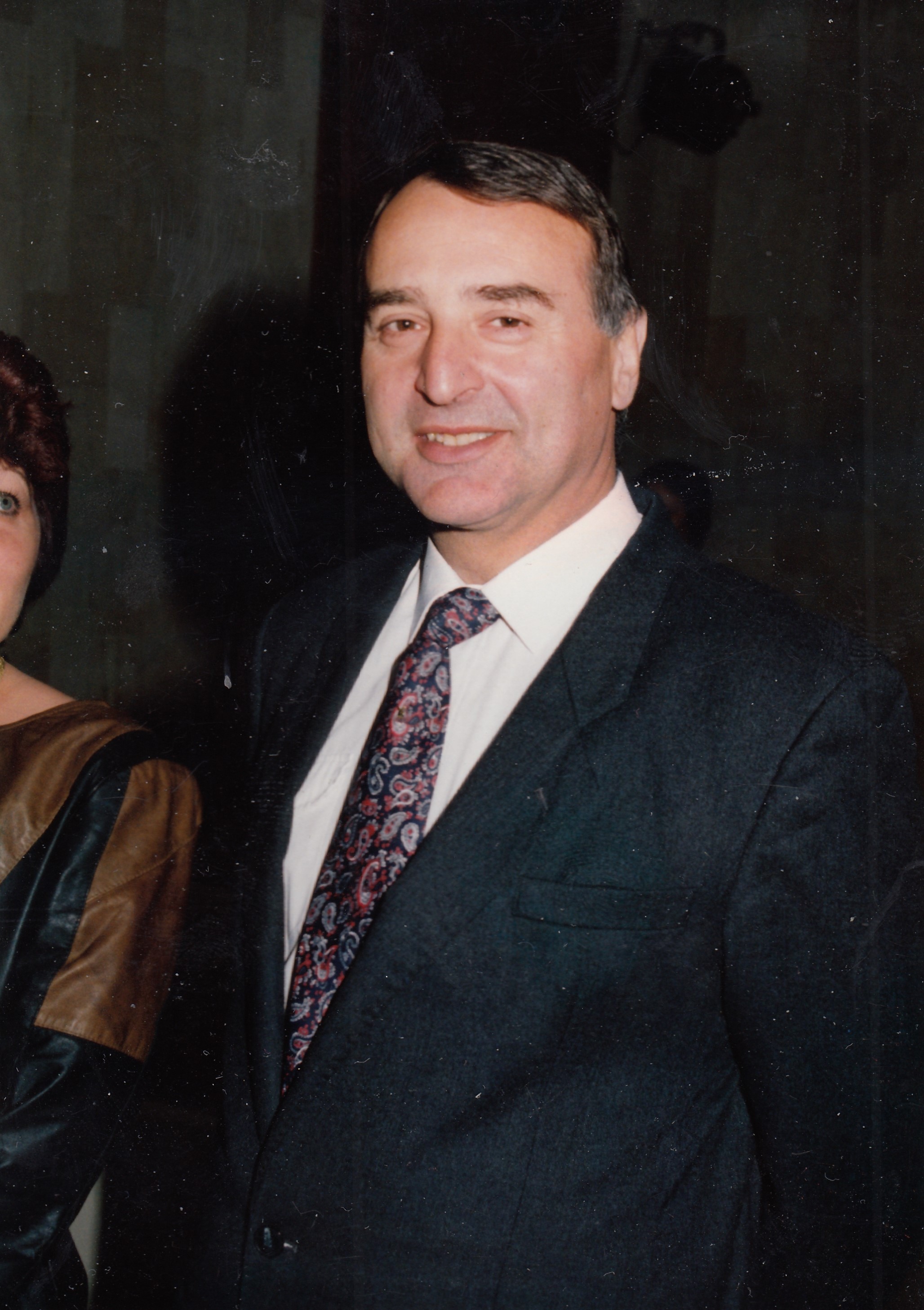
Jan Matějíček

* 1948

  • "Perhaps there was one more such prejudice that we perceived when we walked into the courtroom - the judge always said, 'Well, the comrade prosecutor will sit here and the defense attorney will sit there.' So we were already being distinguished in that way because we were the 'pests' and we were interfering with what the comrade prosecutor wanted."

  • "At that time everyone in the room already had the so-called soldier’s countdown meter. It seemed to me that everyone had one, so I didn't get one. I made a sort of collage with a window and behind it was a scrolling disk on which I scrolled through the days. They cut the meter and I scrolled the days. And the collage was such that its central motif was a Russian tank breaking through our border barrier, and underneath it I wrote a quote by [Friedrich] Nietzsche: You have to love peace as a mean of new wars. Then when he [a member of the SSM] came in, he became terribly angry and shouted that I would get Sabinov for this, which was a military prison in Slovakia. And that I was going to face two years in prison because that was promoting fascism. He couldn't even distinguish between Nazism and fascism. He grabbed the collage and ran with it to the regimental headquarters. Fortunately, I was very lucky in my life that it was not the regimental commander who was there, but Colonel Kvač, who at that time knew me from athletics. He snatched the collage from the SSM member and said, 'Yeah, good. Go on, I'll take care of it myself.' Well, then he scolded me: 'You're stupid, how far can you see!' He took the collage, tore it up and threw it in the trash. Then he said, 'Don't let it happen again.'"

  • "We still had no one in charge and it was almost visible, so we opened up a personal weapons depot in the company, which every one of us had there. There was a key to that storehouse at the company supervisor's, of course, in case it was very necessary to get in quickly. The company commander, who was an officer, was supposed to come at that time and he would open it and give us our weapons. We issued them ourselves at that time. As scouts, we got shot at quite a bit, so we would drop off the rounds that were left over when we hit our first shots. The leftovers were to be given back to the fire leader. We always kept some though, because some of the guys thought maybe we could squeeze something in when we had practice outside again. Never happened. We never used live rounds, but we thought we would use them for the anduly [Soviet planes] that were flying in front of us at a relatively very low altitude. We lay down with machine guns on the roofs of the barracks. If someone had given the order to shoot at that time, we probably would have shot. Of course it wouldn't have helped anything, but it would have been an act of defiance."

  • Full recordings
  • 1

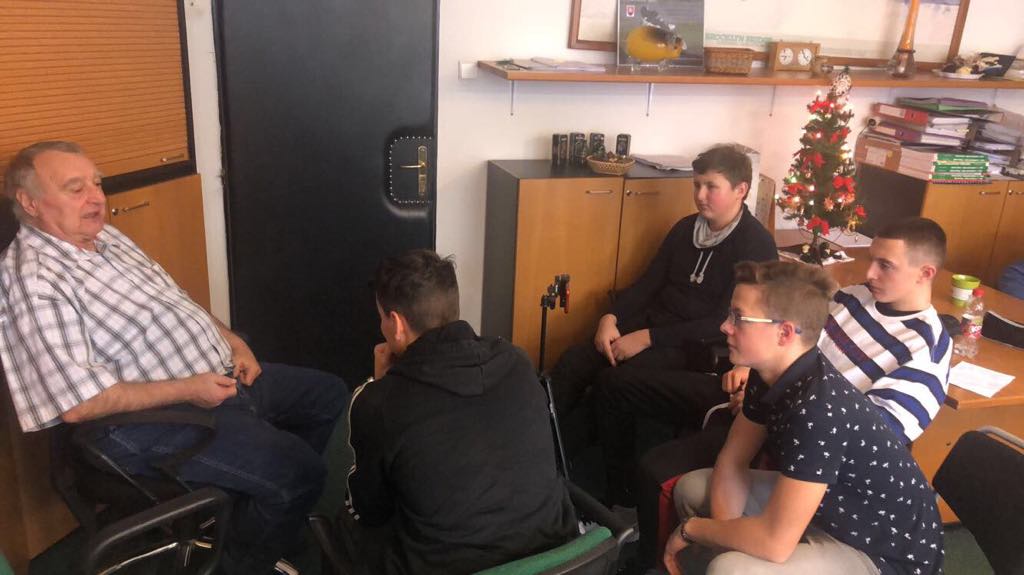
    Kolín, 20.12.2018

    (audio)
    duration: 36:26
    media recorded in project The Stories of Our Neigbours
  • 2

    Hradec Králové, 25.02.2025

    (audio)
    duration: 01:23:55
    media recorded in project Příběhy regionu - HRK REG ED
Full recordings are available only for logged users.

He was pointing a submachine gun at Soviet planes
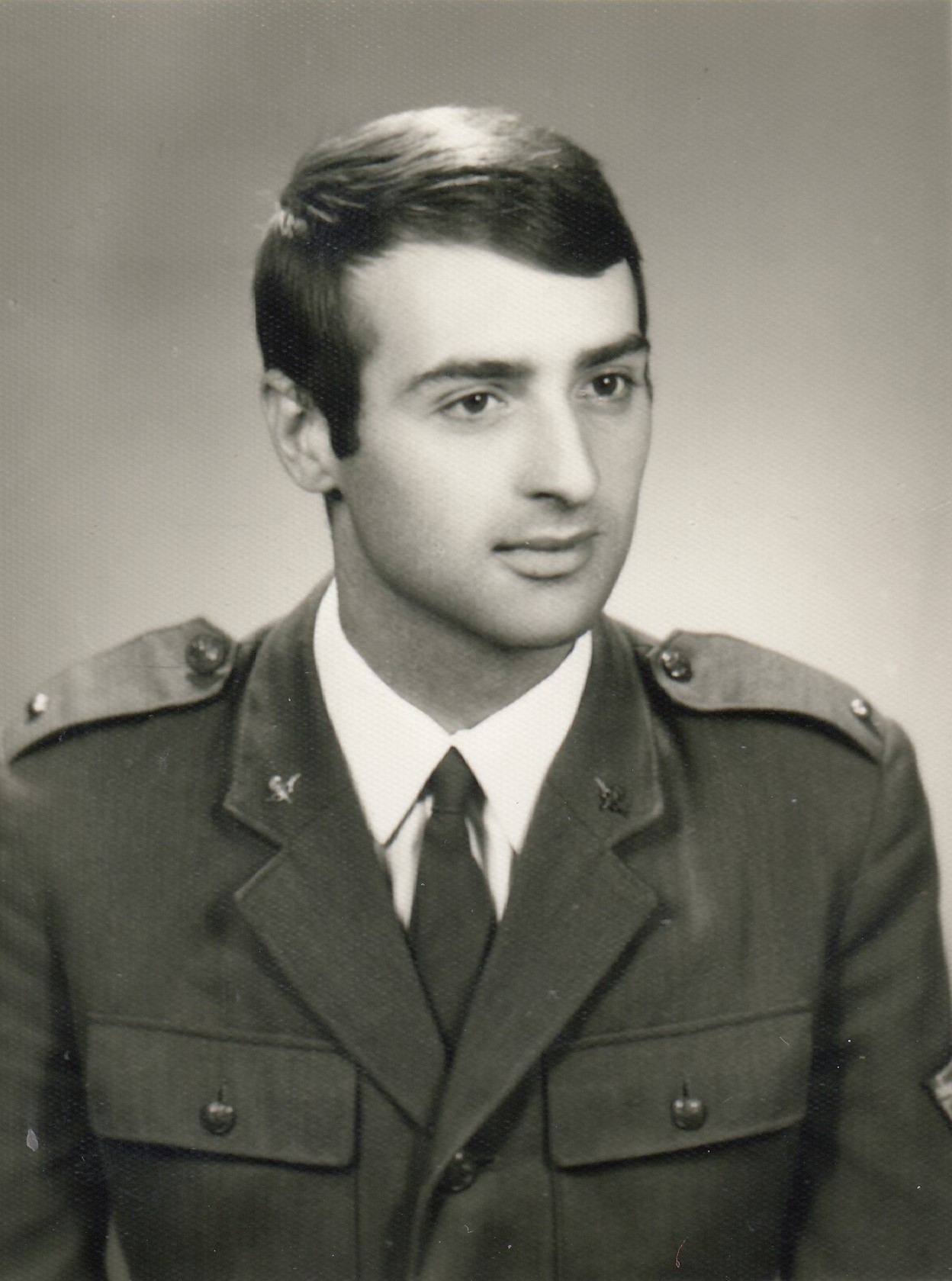
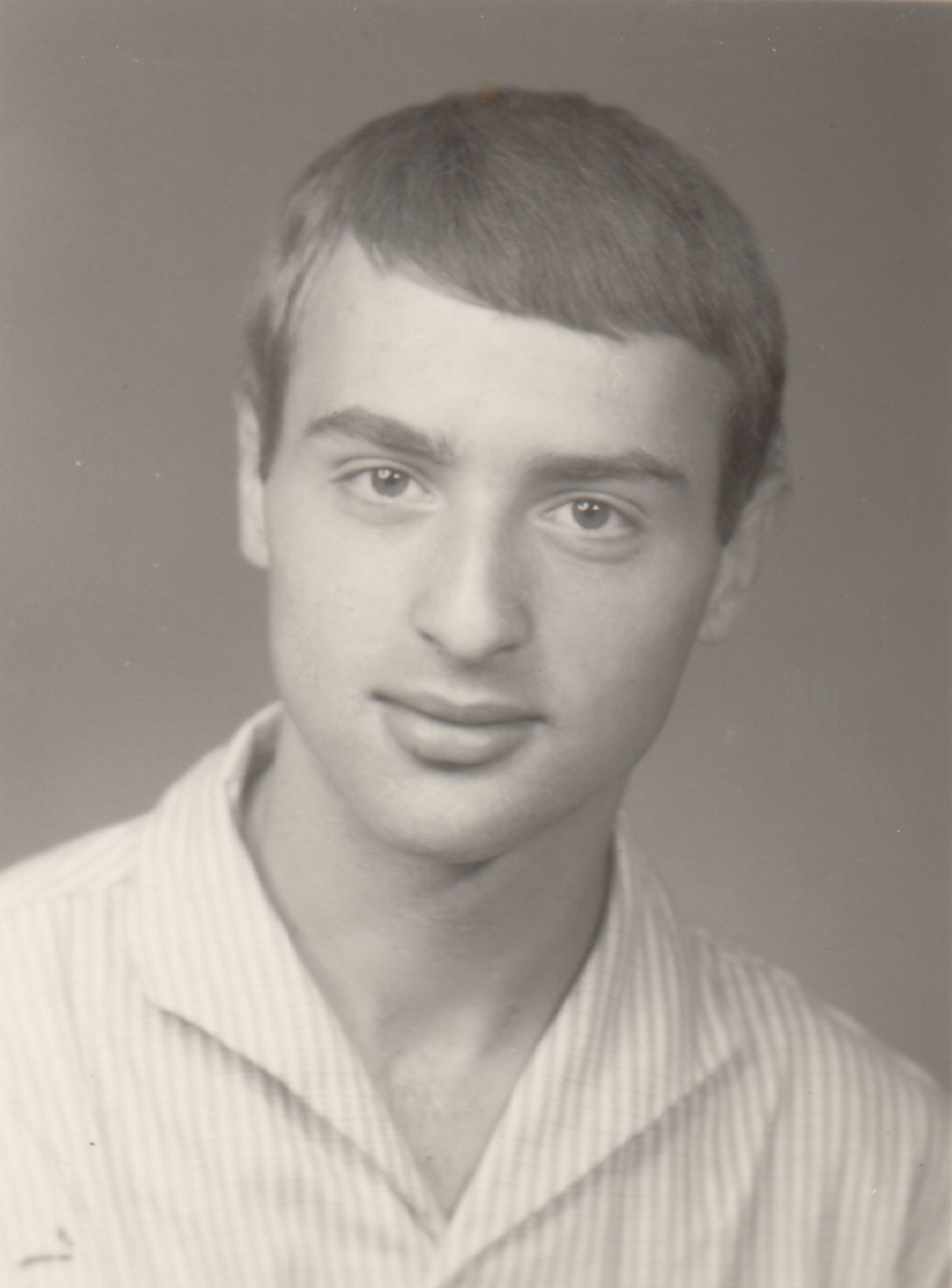
Jan Matějíček in the military service, 1969
photo: archive of a witness

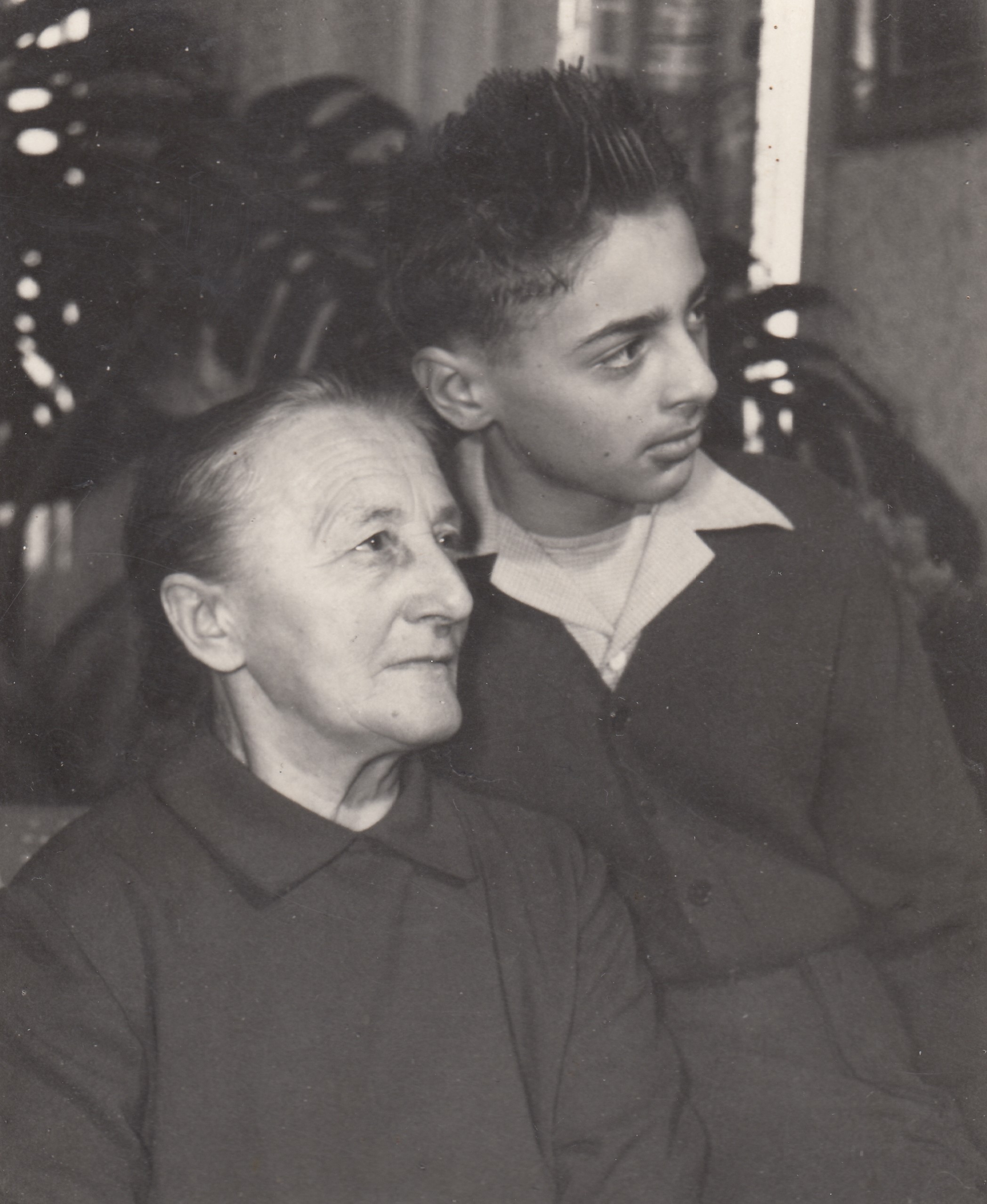
Jan Matějíček was born on November 28,1948 in Dymokure, where he graduated from primary school. He continued his studies at the secondary general education school, from which he graduated in 1967. In the same year he enlisted in Luštěnice to the reconnaissance battalion. He experienced the invasion of the Warsaw Pact troops during the military service. After completing his military basic training, he enrolled at the Faculty of Law of Charles University, from which he graduated in 1974. He has been practicing law since the second half of the 1970s. At the time of filming for Memory of Nations, in 2025, he lived in Kolín.