Hitler promised his Germans economic prosperity that was unattainable; Fidel Castro’s communism stood in the Plaza de la Revolución claiming that milk would flow through the pipes of the rich and that we would all be well off.
Download image
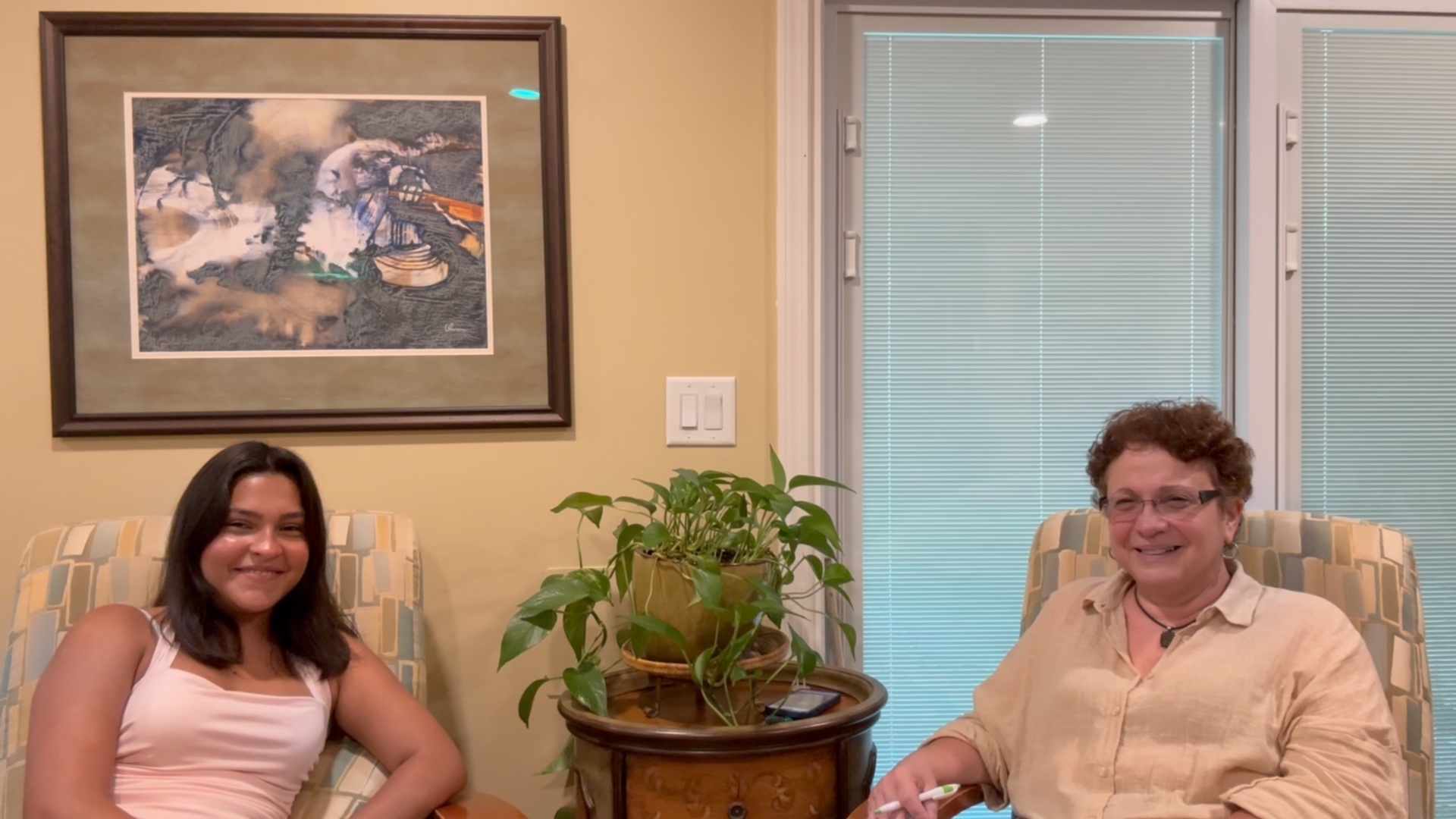
Rita Martín was born in Havana, Cuba, in 1963, into a Havana family spanning several generations. Her childhood was early marked by the violence and repression of the totalitarian regime. Between the ages of two and four, she witnessed military trucks loaded with dead bodies, an image that left a lasting traumatic imprint. Her father, a former revolutionary against Fulgencio Batista and later a critic of Fidel Castro, was expelled from his position at the Ministry of Industry after a conflict with Ernesto “Che” Guevara and forced to work as a cigar roller, a trade that Rita also learned. From an early age, she experienced daily control and fear. In 1968, the family learned of an uncle’s death in Miami by secretly listening to a foreign radio station, which forced them to hide their grief. Two episodes marked her growing awareness: at the age of ten, out of fear, she lied to American journalists, denying her desire to travel—an act she experienced as a profound betrayal of herself; at eighteen, by contrast, she openly affirmed her wish to leave the country, distinguishing herself from her cousins and reaffirming her identity. As a writer, she became part of the so-called “Generation of the 1980s,” characterized by a critical stance and a break with the official socialist realist aesthetic. Considering literary criticism insufficient, she became involved in direct political action by joining the dissident group Armonía. This decision cost her her job and led to a trial in which her self-identification as a social democrat was treated as a crime against state security. After the trial, the regime intensified pressure to force her to leave the country. When she refused to go into exile, she was subjected to repeated physical assaults by state security agents in civilian clothes—attacks that were particularly dangerous due to pre-existing neurological conditions. This systematic violence ultimately forced her to leave Cuba. In 1994, she went into exile in the United States, where she has pursued her career as a university professor and writer. This interview was conducted within the framework of the project Memory of Our Cuban Neighbors, in Madrid, 2025.