Miloslav Maršálek

* 1945

  • "They didn't have a warrant. I went voluntarily. And that I was to come again on the sixth of January. There it was again: Sparty (cifarettes) if I don't want to and 'Light up,' and so I was like, 'Why I wouldn't light up, right?' So I almost enjoyed it because I felt like I hadn't not only done anything of substance, but I hadn't given anything away or hurt anybody. It was still in the same vein. Before it was over, they invited another one, their superior, who introduced himself as Colonel Doubek. He says, 'Well, but you did a shitty thing, you did a shitty thing. And so I, still thinking I had done a masterstroke, wrote a statement - as the head of the unionist club I realized that I had not acted favourably on the youth and that I should act on the youth in the spirit of the ideas of socialism. And I thought I was a hero, almost like, and that was the end of it. This is the first case of 'Mareš'."

  • "When I came to Brno, I suddenly found myself among people, by happy coincidence, among people I had read about or whose works I had read. In that Plamen, Host to the House [literary magazines]... Suddenly, I was sitting with Ludvík Kundera over tea, with Skácel - I saw him live during high school, when Professor Gurica, the head of the recitation club, went to the Nezval's Třebíč festival and said: 'Milos, they are paying my way, so you'll take the train,' he was an avid cyclist, 'and I'll ride my bike.' And there, at Nezval's Třebíč, one of the first years, Jan Skácel was on the jury. During that high school, the first year of the Strážnice Maruška Kudeříková literary competition was announced, so I got the third prize for poetry."

  • "After all, at the beginning of the sixties, let's say from the sixty-third year, one could hear Werich on the radio, things were more open, Semafor, Suchý... We absorbed all this without realising it. Only after we came to Brno. In the meantime, what happened was that I applied to the JAMU in Brno, but like in everything I do in life, I'm inconsistent, so I guess I prepared badly or I didn't prepare well or I was naive, I don't know, but that's how I messed up a lot of things, that I didn't finish them or didn't do them well. That's how I didn't get into JAMU, and that's how I ended up in library school."

  • Full recordings
  • 1

    Prostějov, 25.09.2025

    (audio)
    duration: 02:56:31
    media recorded in project Stories of 20th Century
Full recordings are available only for logged users.

I should have been more careful
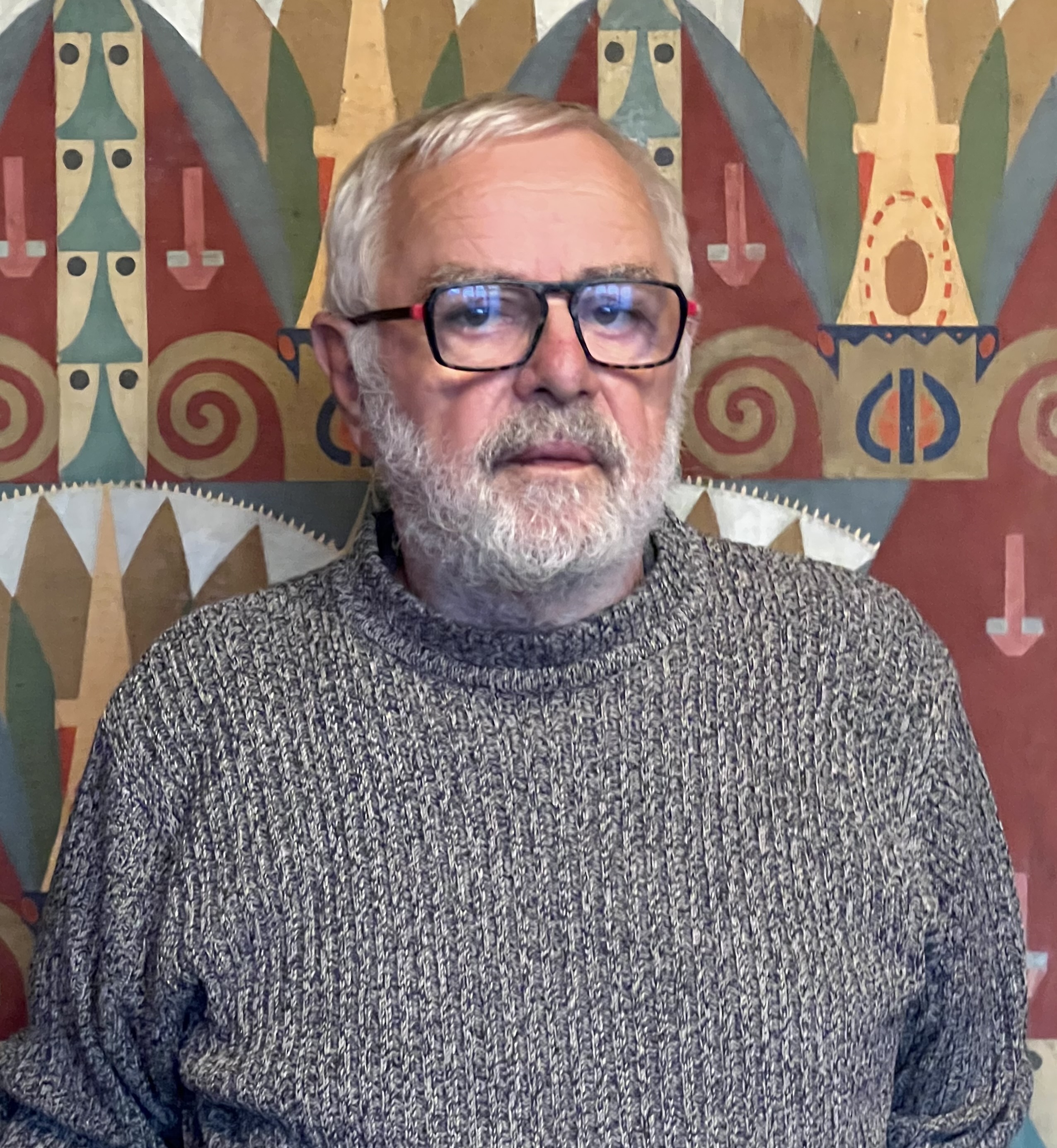
Miloslav Maršálek, 2025
photo: Pavel Jungmann

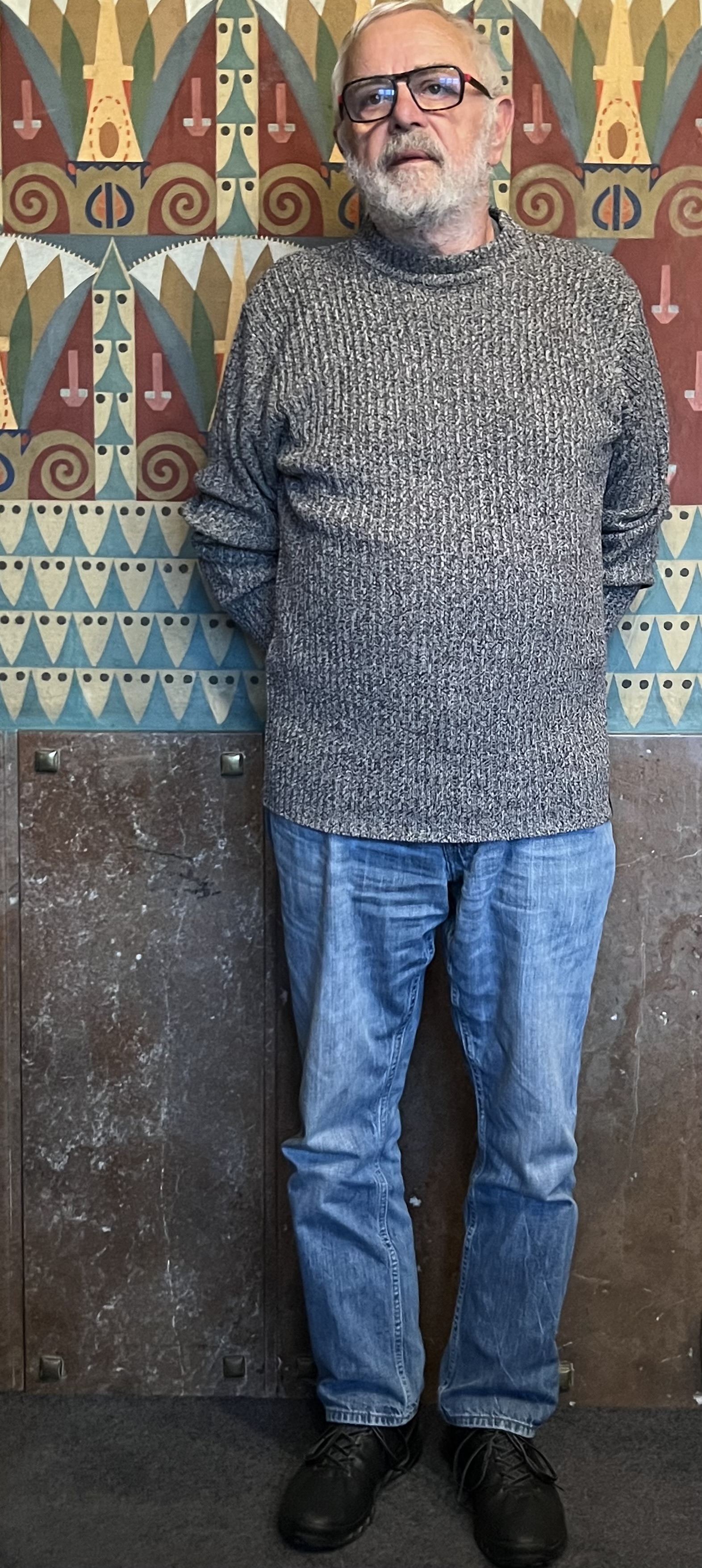
Miroslav Maršálek was born on November 9, 1945 into a family of small farmers in Dambořice. His parents went through the war period - his mother Ludmila was totally deployed in Germany and after her return she fought with tuberculosis for a long time, which led to Miloslav and his brother spending some time in an orphanage. After the war, the family moved several times in search of his father’s work in the gardens, eventually settling in Ždánice, where Miloslav Maršálek spent his school years. Gradually he became interested in literature, poetry, recitation and theatre. At grammar school he wrote, recited, won prizes in literary competitions and after graduation unsuccessfully applied to JAMU. He studied at the library school in Brno and moved in the milieu of literati and young artists. He started acting in Theatre X and worked in the Zlín and Otrokovice libraries. He spent his military service as a librarian in a road battalion. After his return, he worked at the Brno SSM youth club on Křenová Street. In 1976, he was summoned by the State Security Service (StB) for interrogation because of copying and distributing literary samizdat and signed, as he says - in his naivety, an undertaking to cooperate, which he later assessed as a mistake in his life. In 1977, he joined the Hanak Theatre in Prostějov, with whom he later travelled to the World Expo 86 in Vancouver - his first confrontation with the West. In November 1989, he actively participated in the protests and spoke as a representative of the actors at rallies in Brno and Prostějov. After the coup, he continued as an actor in HaDivadlo and participated in the transformation of the company in the new conditions. The theatre remained his profession and his life background. At the time of filming in 2025, Miloslav Maršálek lived in Prostějov and still commuted to Brno to perform. He spoke openly and critically about his cooperation with the State Securita, without trying to excuse his own failures.