Nothing is happening, nobody is giving any money. And then suddenly it all goes dark for me; I don't really know anything anymore. I'm just holding the baby like this, since it's a car seat and pretty small. My son is standing and he's holding on to two seats like this, and his head is hanging down. He's half-asleep, half-awake. I don't know how long we were like that. Too long. Suddenly I feel someone taking my purse. I had a small purse over my shoulder, and my child was in it. In that bag were passports, or I don't know, I think they were passports. But I can't... oh God, my head had fallen back somewhere and I can't get it back, and the only thing I know is that with my last ounce of will, I'm holding onto this child. And this goes on for a while, someone rummaging through me. But that stops at some point, and with an incredible willpower, I somehow pull my head back. And as if my eyes had stayed back there, I somehow bring them back too, I open my eyes, and I see there's no one left on the bus, that my son, the poor thing, is still hanging on like this, and his little head is falling, he's sleeping while standing up. I look at the child, at Andrea, and she's hanging, hanging completely like a rag doll! I'm trying to hear if she's breathing, but I can't register it at all. What is happening, is she alive? I don't know, I have no signal! And now I'm afraid that if I react in any way, there's no one to help me; I'm completely alone. And my son is right next to me; I don't want to scare him either. I don't know what could help me. And so I go, driven by some instinct, feeling around with my hand and opening that purse, where I find, I feel, a little packet of sugar. And on the packet it says, ‘If you love the color blue.’ And that's my favorite color. So, I had put that little bag—it was from some cafe—in that purse and forgotten about it. It was one of those completely worn-out ones. I open it, and I put that sugar into my little girl's mouth, just like this, as I'm holding her, her mouth slightly open. Just a tiny bit, crumb by crumb, but nothing, nothing, absolutely nothing... but I just kept on putting it in, crushing that sugar and constantly praying, I don't even know what anymore! And at one point, she moves her tongue, licks up that sugar, and I realize then that she's alive. That maybe it brought her back, that it, in my opinion, brought her back to life! That sugar, that energy, I don't know what. And she just shifted a little, and when I saw she was alive, of course, I felt better. And then I just watched the two of them. The bus finally started moving, and I have no idea what after. I don't know if someone paid, if they didn't, what happened. I don't remember anything after that because all my attention was on those children.
I went to Grbavica. It was a terrible day, when Grbavica was burning, when I was afraid for my mother and sister and their children—whether they had survived. Because the fighting was so fierce, it was terrifying. There was so much shooting there! Since we lived on a hill, we could see Grbavica and all that chaos, but we had no information, and I decided to go there. I walked past the barricades where they searched me. They asked me where I was going, and I said I was going to see if my mother was alive. And they let me pass, the Federation guys. I crossed the Vrbanja Bridge, which is now called the Suada Dilberović Bridge, after the first person to be killed there. You can't describe it, you can only experience it, how I walked through that rain of bullets! I was meant to survive! Then I went into a street where it was relatively calm. You could hear gunfire, but the street was sheltered, and my mother was already living nearby. I walked past a bunch of Chetniks, the ones with the cockades—they were weekend Chetniks. There were other people in uniforms too; they weren't all Chetniks. When I got back, my mom just said to me, ‘Get back here this instant!’ I grabbed them, because there was more food there; they were somehow buying a tray of eggs. My sister had just arrived and brought that tray of eggs. They were in some perforated net bag, and I grabbed them and started back. Again, the same guys I had just walked past stopped me, and they hadn't even paid any attention to me. They asked me: “Where are you going? Give me your ID!” I gave it to him, and he read, “Rose Luxemburg Street, where is that?” When he said that “where,” I'd had enough! I said, “You don't know where? Go home!” I snatched the ID out of his hand, and he said: “You're an Alija...” and all that kind of thing. I thought they might even shoot at me, but I mean, I'm scared afterward. I went back across that bridge, I don't know how I got back... I don't know. Then I walked around town with that bag of eggs, so at least you couldn't see what I was carrying! People were stopping me and questioning me. It's all a lack of common sense, and it's incredible how narrow-minded a person's thinking gets in situations like that. There's absolutely no cause-and-effect thinking. It absolutely doesn't exist. That moment and nothing else. And so I'm walking around with these eggs, and people stop me and ask, “Where did you get the eggs? Where did you buy them?” And that's when I realize I'm in a new kind of danger—that now I'm some kind of outsider, some interloper from Grbavica who's come among them. I say, ‘Down there!’ And I lie. And for the whole time after that, and that was in May and we left on August 5th, people would ask me, 'So where did you find the eggs?'
I was standing in line for bread then because someone said—I saw people standing—that a bread truck was supposed to arrive. You couldn't buy anything, but trucks were still driving around. I can't remember anymore whether that bread was given away or sold. I just know I was running like crazy from one neighborhood to another trying to get some bread. I was standing in that line for about fifteen, twenty minutes, just watching people. I was so sad because I saw people I normally see there. I stood in that line for about fifteen, twenty minutes, just watching the people. I was so sad because I saw people I normally see there who looked like they were in someone else's clothes, like soulless bodies. Everyone avoided making eye contact with anyone they knew because we all looked so bad. Many had lost their teeth, it was terrible, they were emaciated. Many had lost someone and were sad. And suddenly I said to myself, “What a sham this is, that bread isn't going to come like it has a hundred times before.” And all of a sudden I decided to leave the line; I walked about fifty steps away. I walked a little straight and then to the right; there was an entrance to the “Svijetlosti” building, and as I went inside—having gone about fifty steps further—I heard a terrible explosion. And then all of us who were there just felt a sense of relief: “Ah, it's a good thing I'm here!” So, that's how close I was to death.
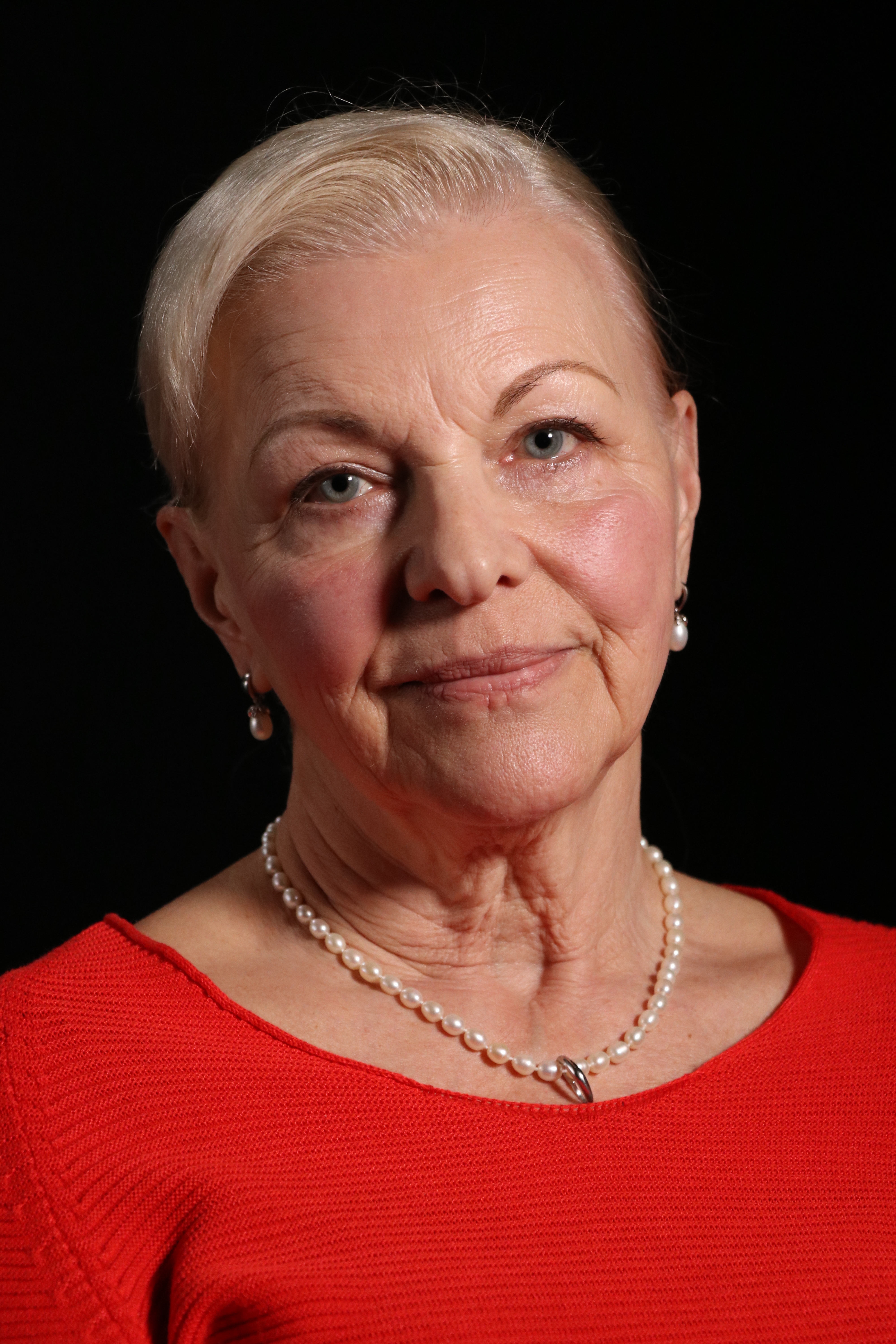
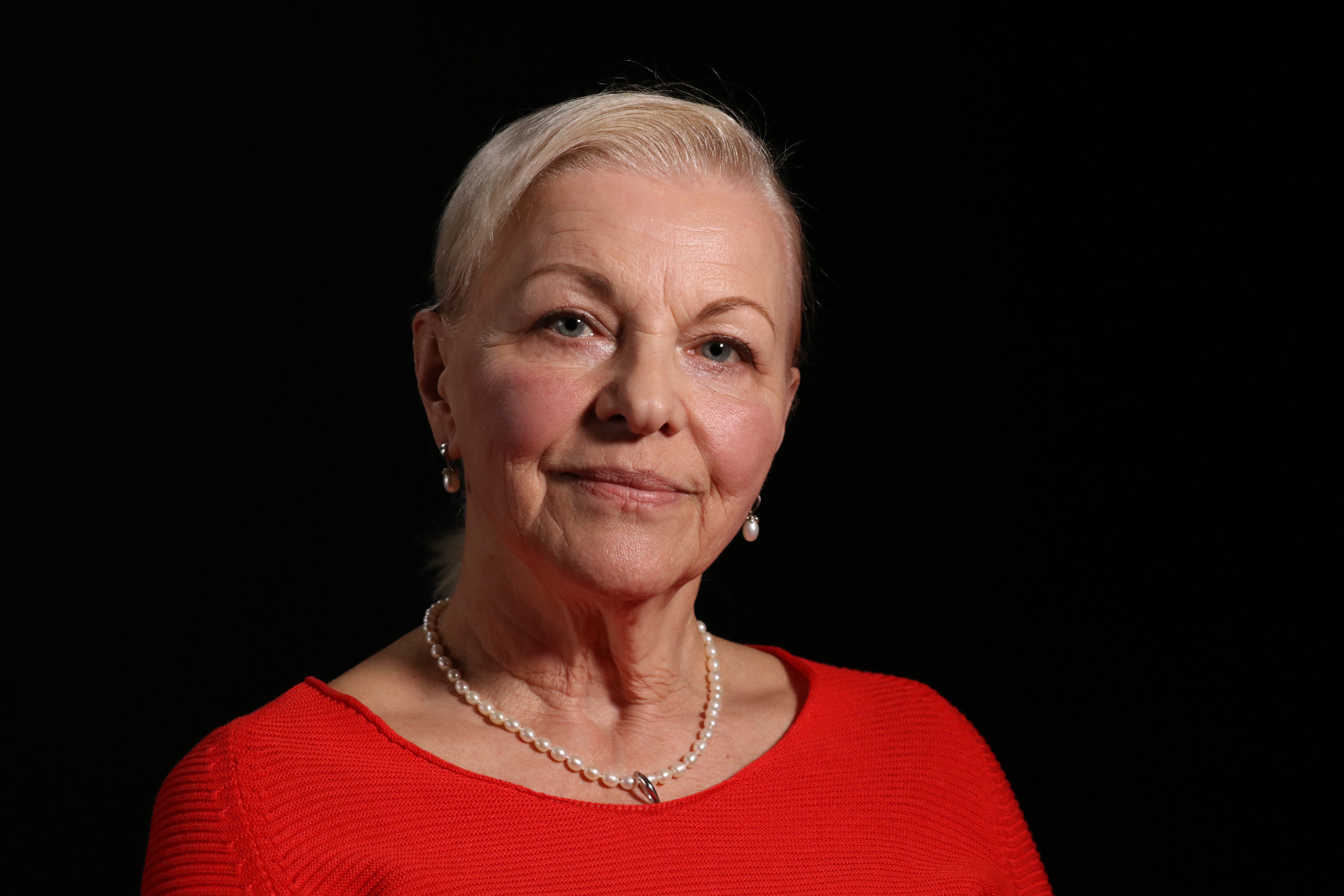
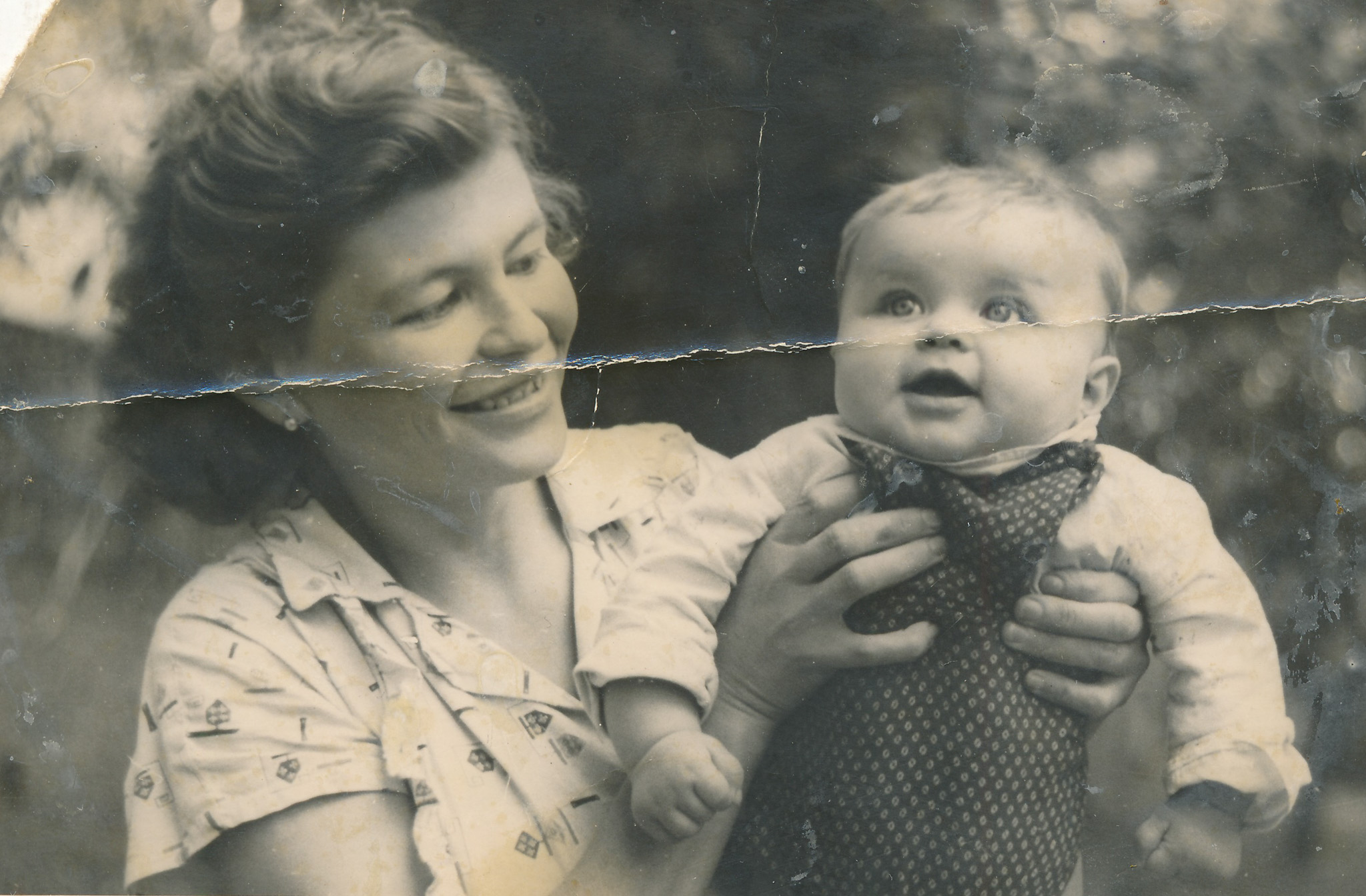
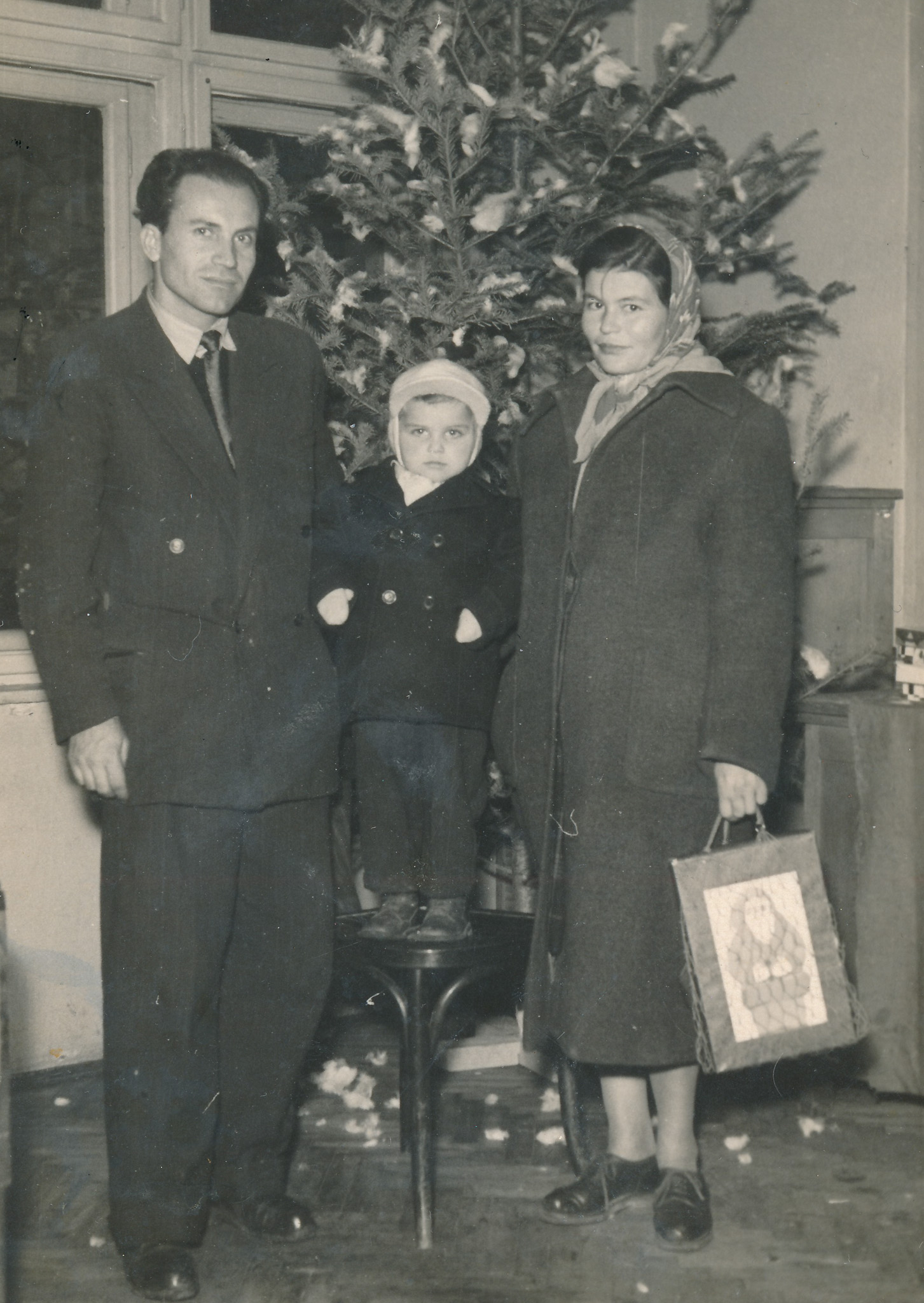
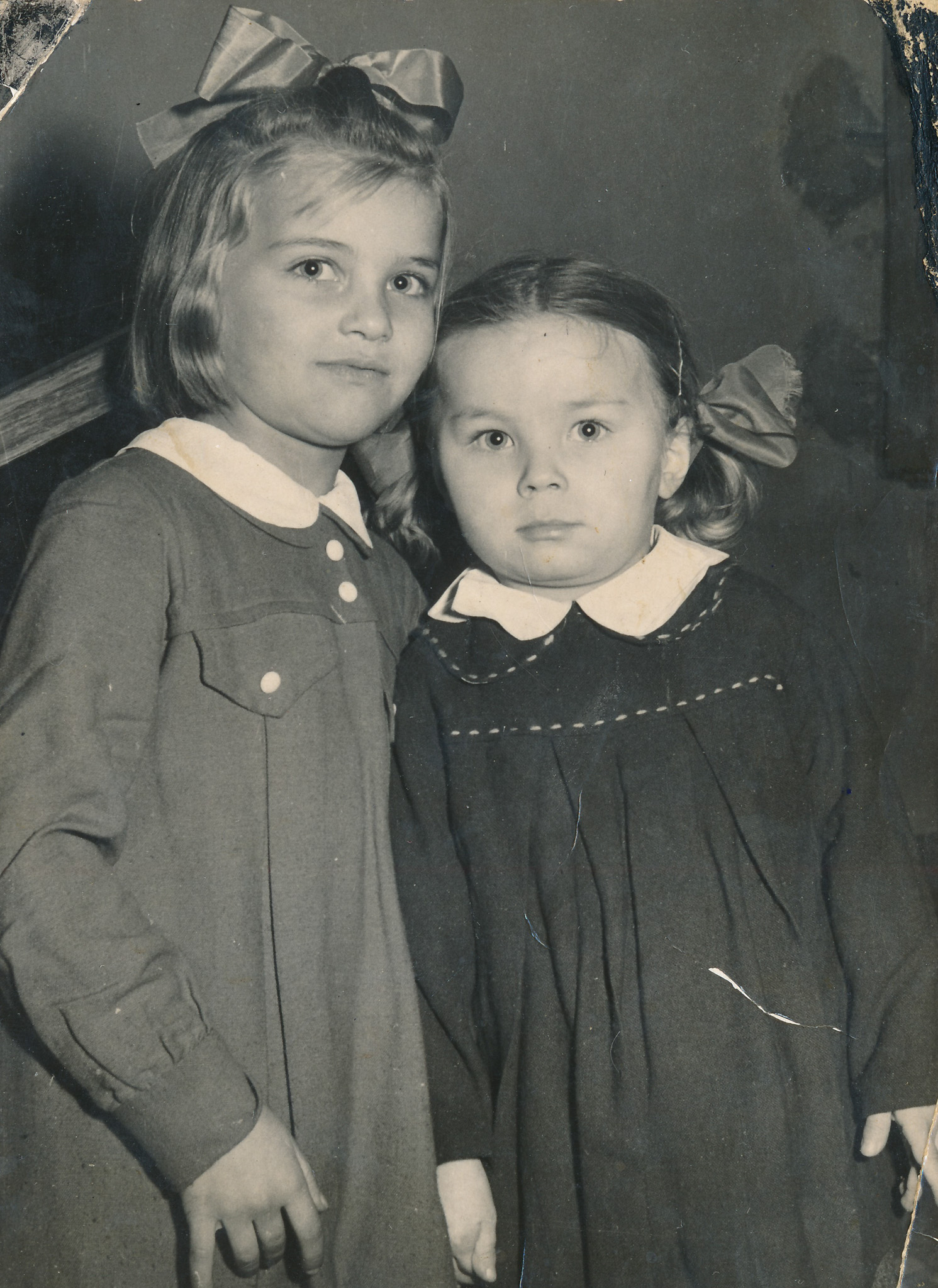
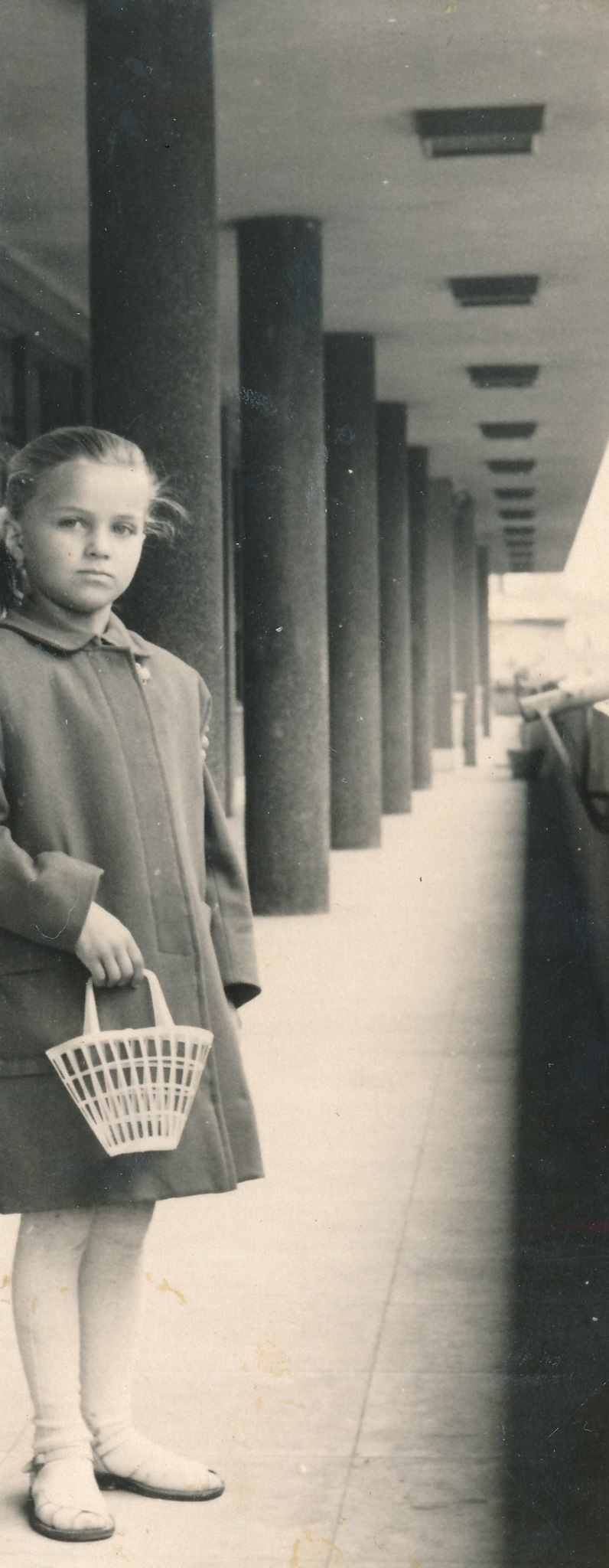
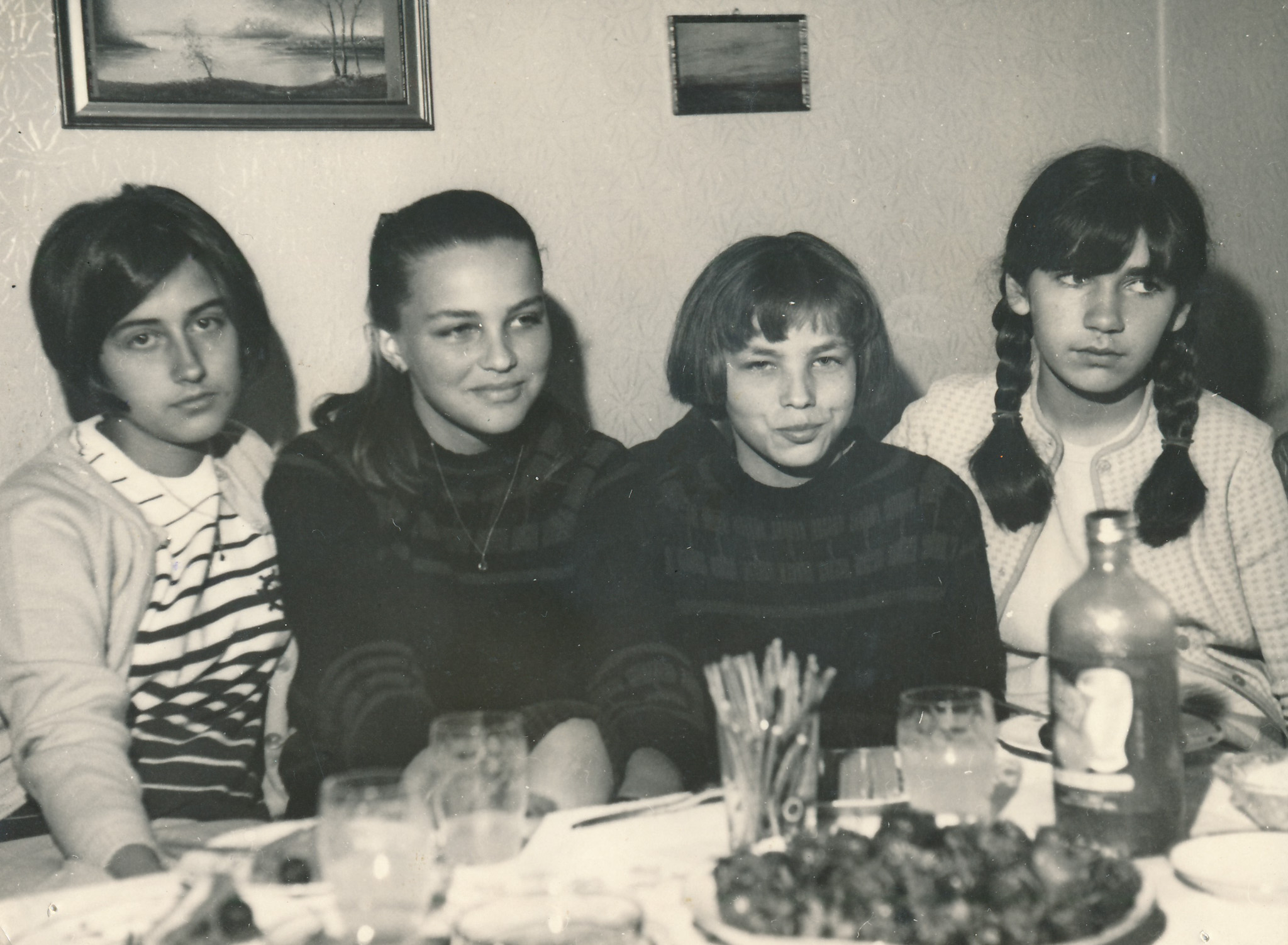
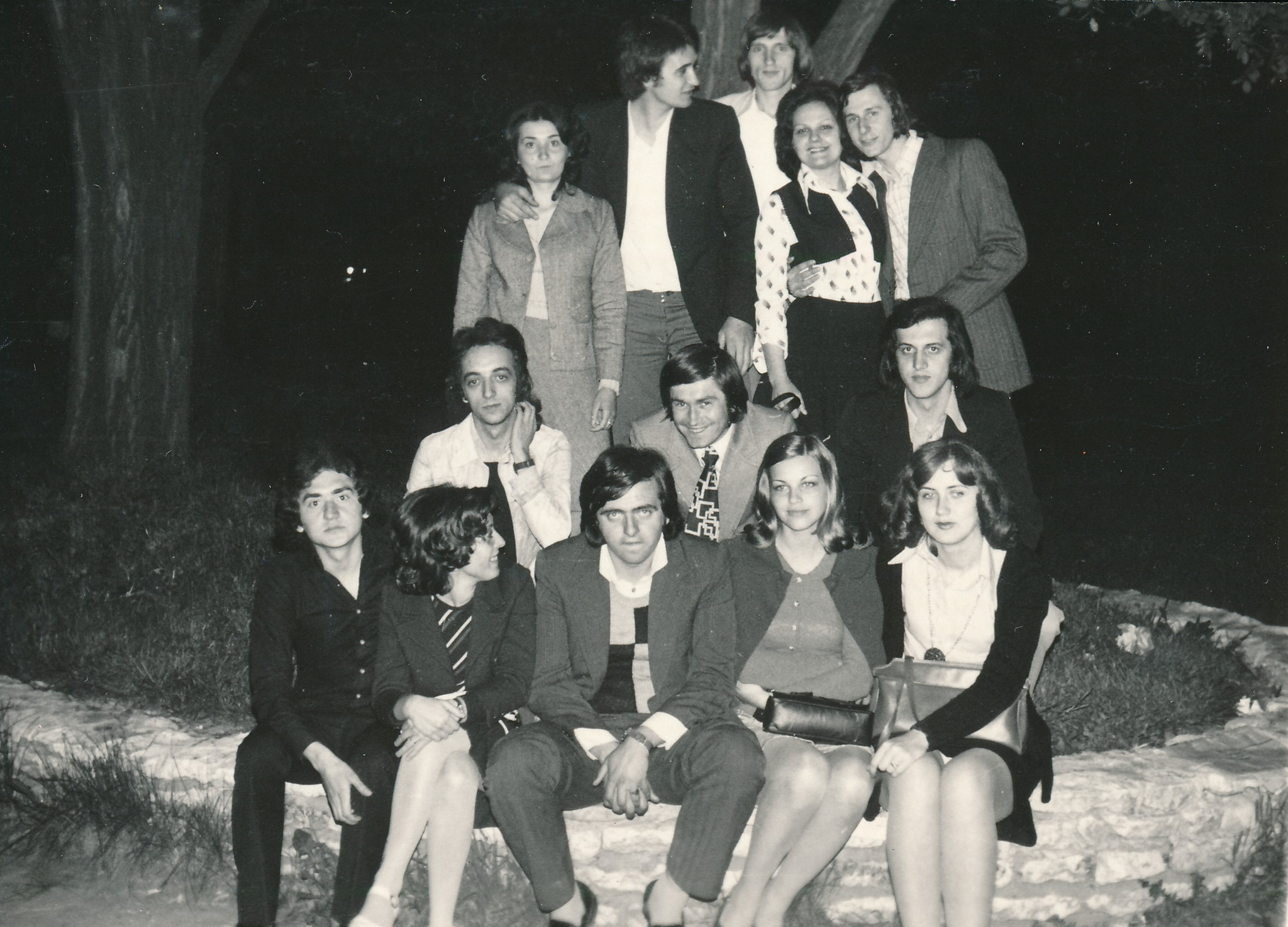
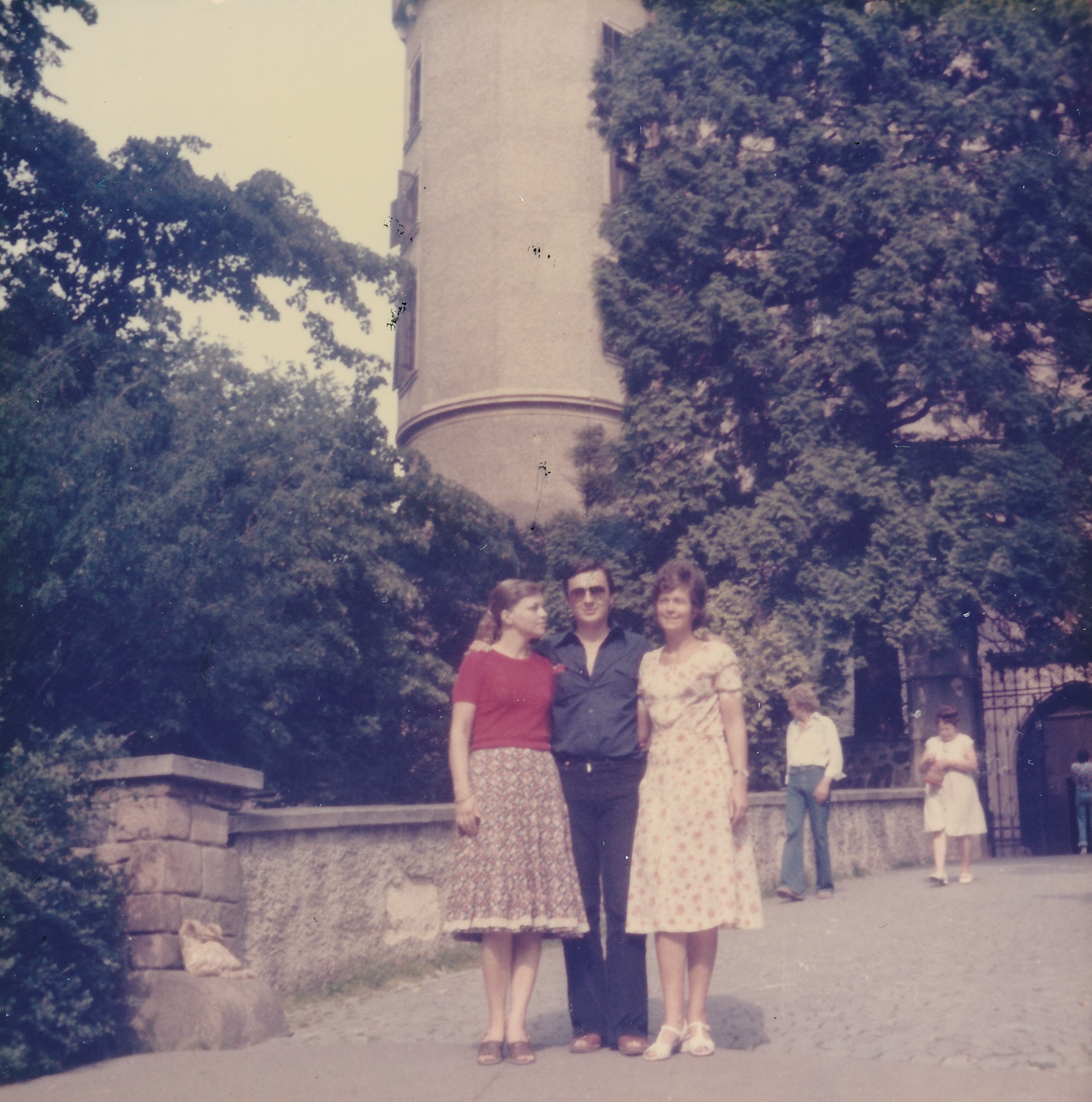
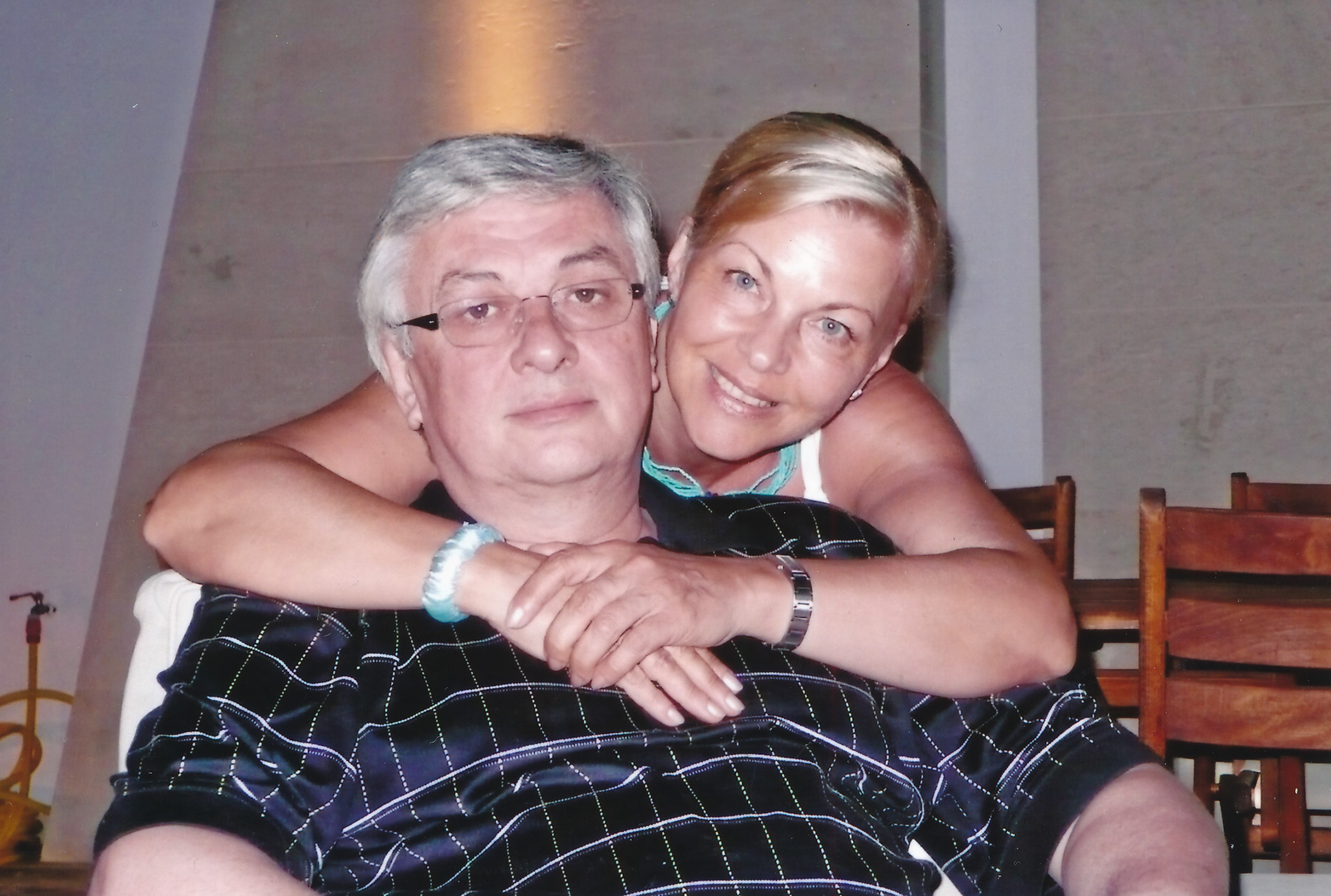
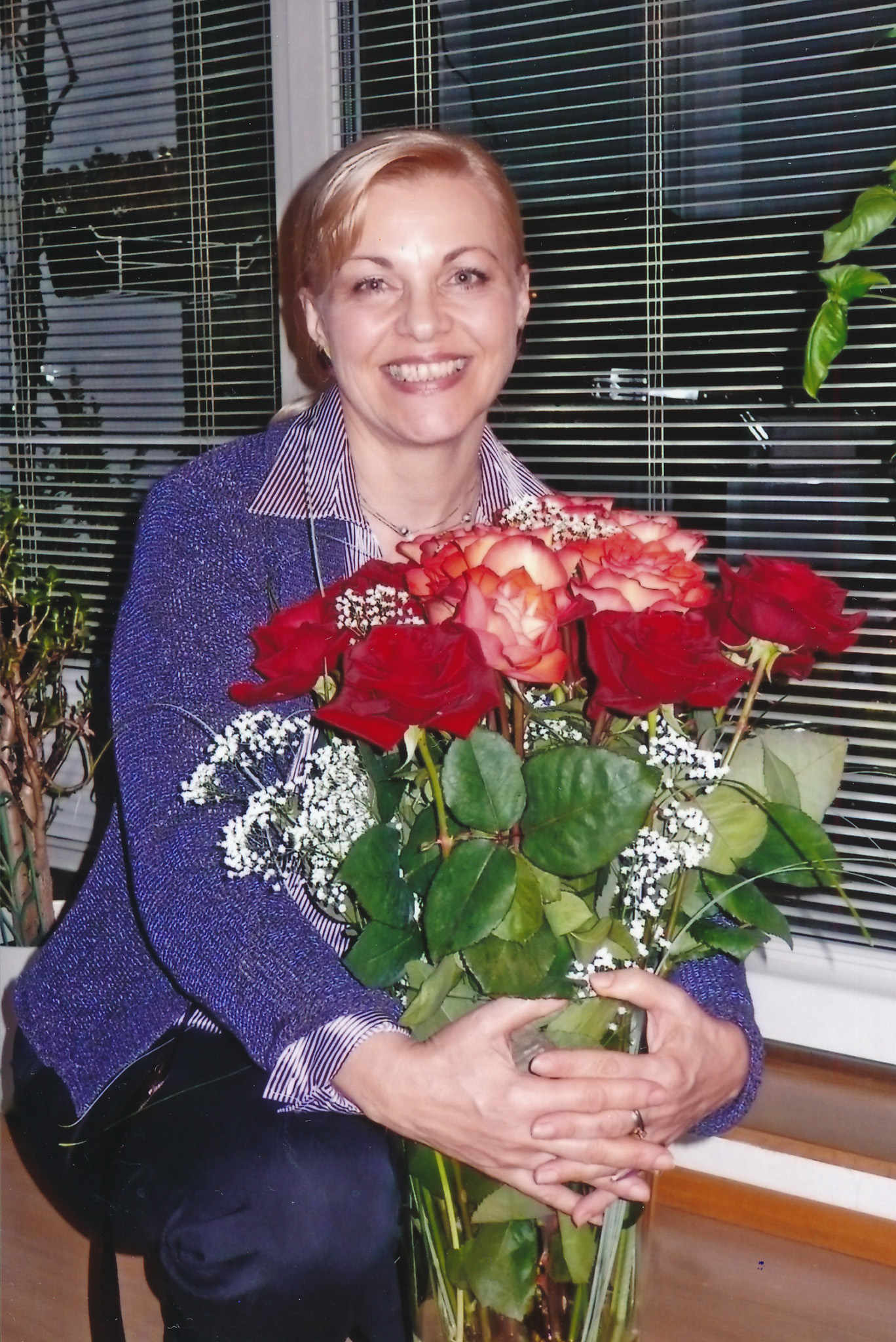
Zvjezdana Marković was born on March 27, 1952, in Sarajevo (Yugoslavia). Together with her younger sister, she grew up in an intellectual and artistic family—with her mother Milka, a homemaker, and her father, journalist and writer Milan Mučibabić, author of seventeen books on the National Liberation Struggle in which he was a direct participant. After the war, he worked as an editor and journalist for the Sarajevo daily newspaper “Oslobodjenje” until 1969, when, disillusioned by the situation in society, he took early retirement. At the same time, he withdrew from membership in the Communist Party of Yugoslavia.
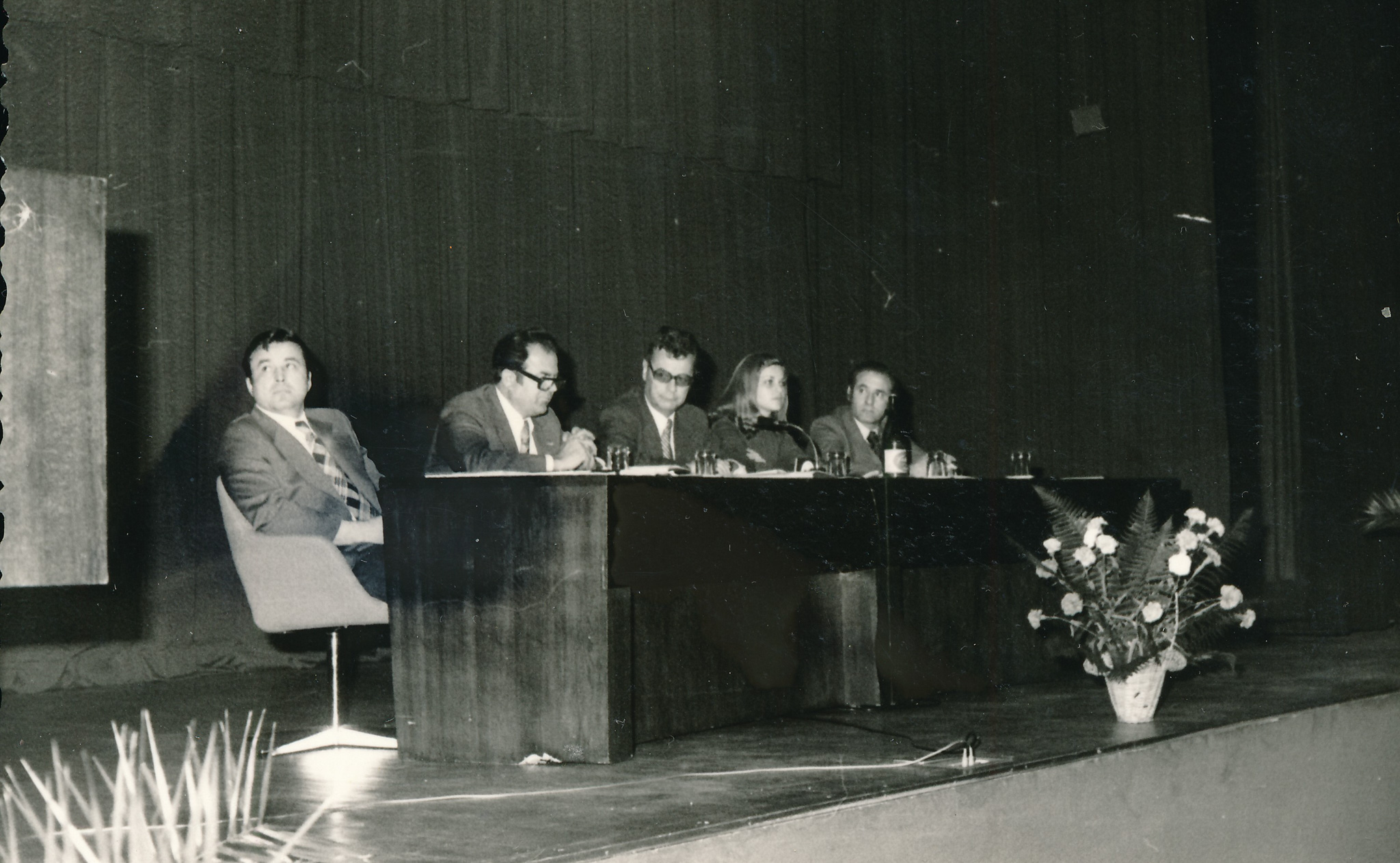
Zvjezdana Marković studied at the Faculty of Economics in Sarajevo, where she also earned her master’s degree. She was the director of marketing and development for the publishing house “Svjetlost,” one of the largest in Yugoslavia.
During the first months of the war, which began in Sarajevo in April 1992, she lived with her family in the Muslim part of the city. Their house was the target of daily searches and looting, as they were unwelcome as Serbs. Her husband and his father, who had fled to them from Grbavica with his wife, lived in daily fear of being drafted into one side’s army or the other, as they did not want to shoot at their own countrymen.
During the war in Sarajevo, they suffered from a lack of food, water, gas, and electricity, as well as all the other basic necessities for survival in wartime. Due to frequent shelling, they spent most of their time in the basement with their children. On several occasions, Zvezdana Marković narrowly escaped certain death.
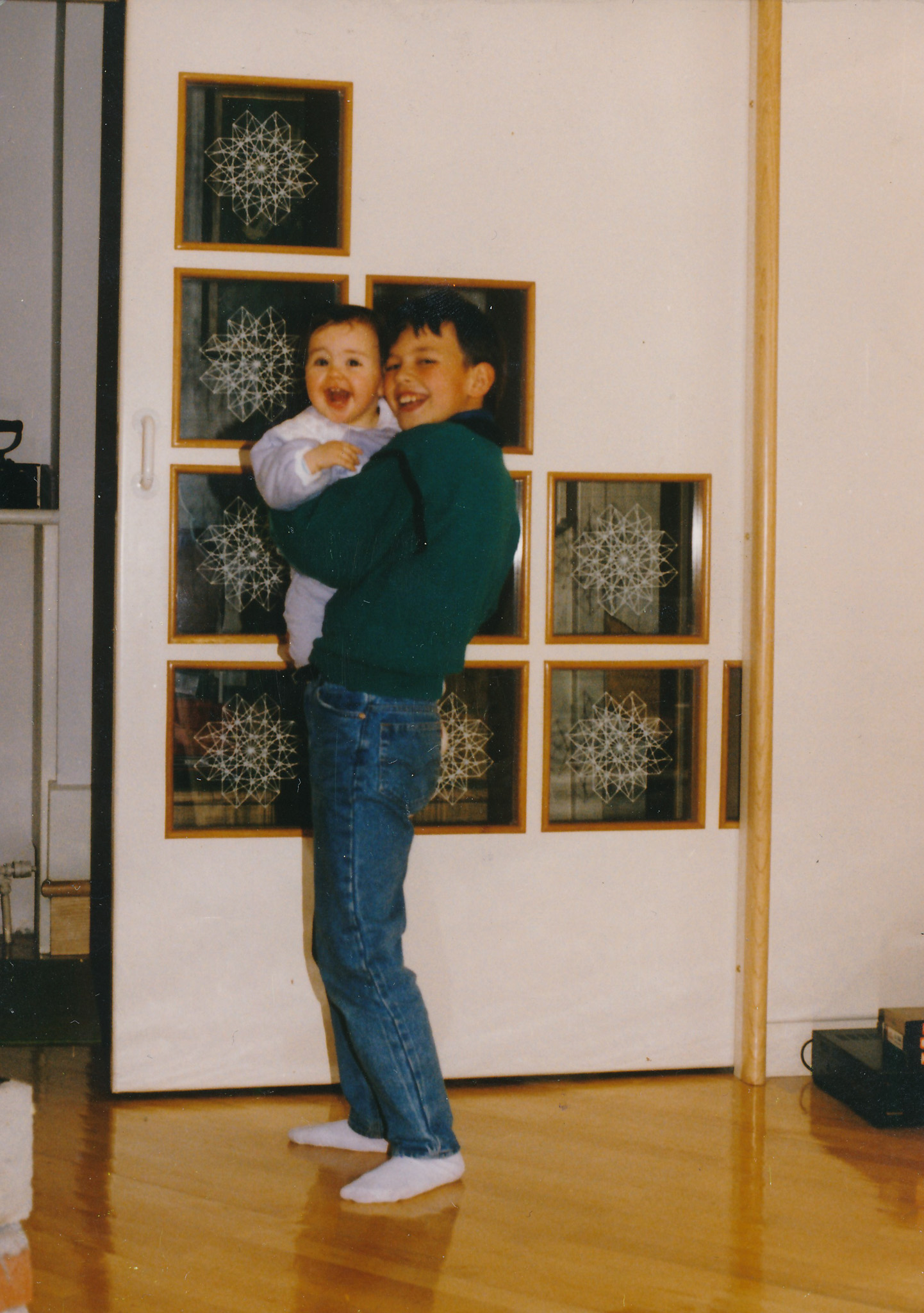
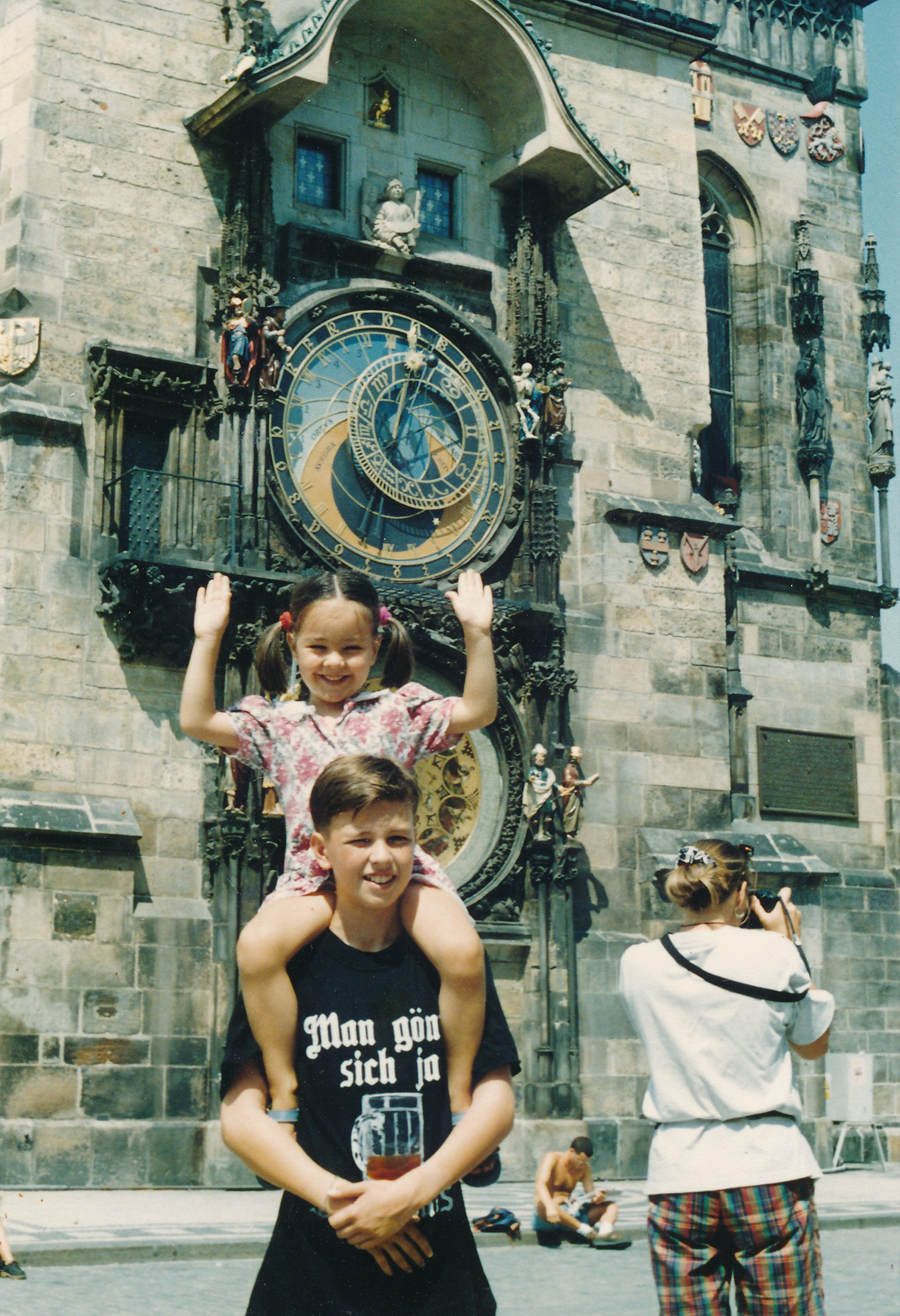
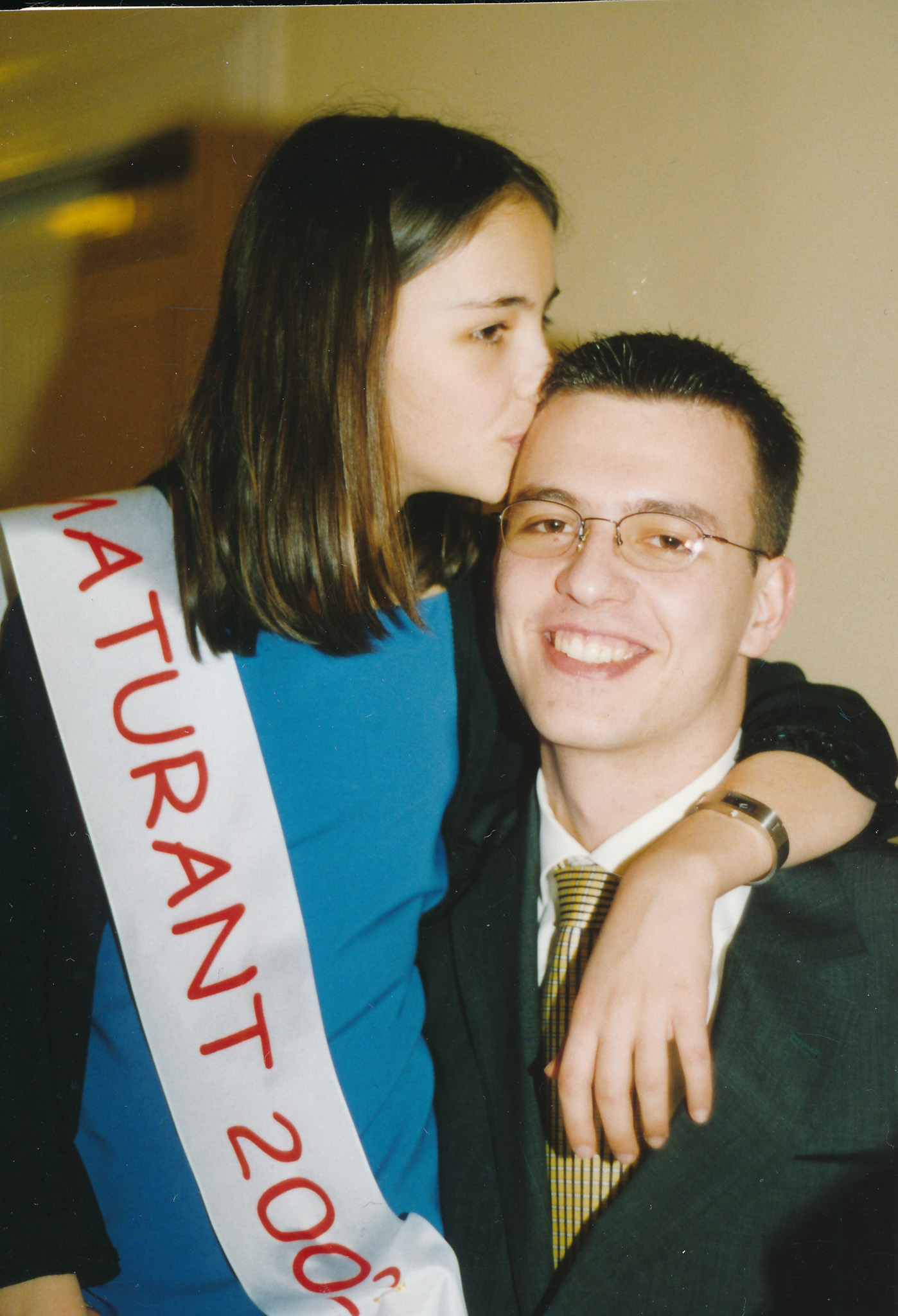
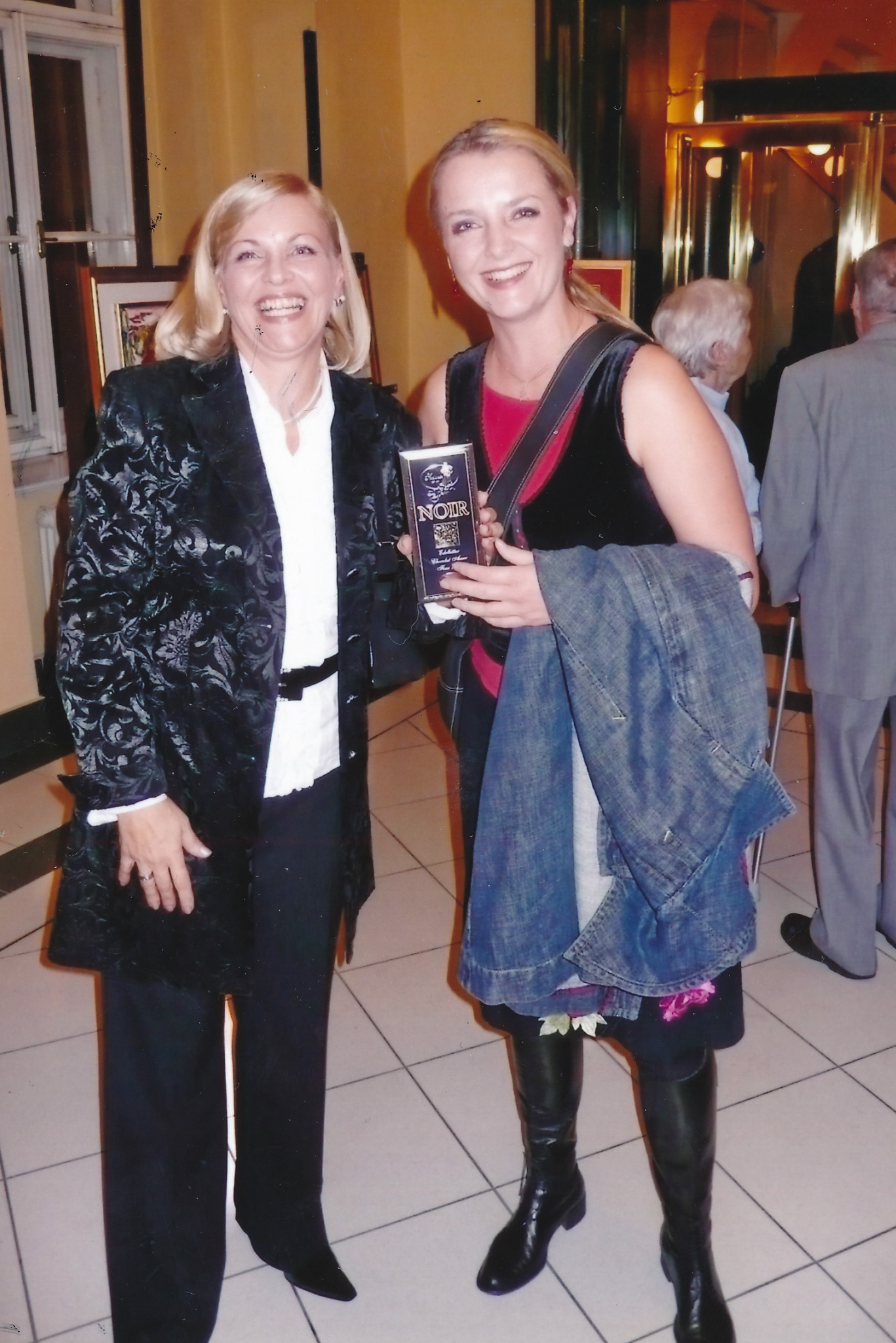
After the Bosnian government approved the departure of mothers with children from the city in August 1992, she left Sarajevo with her son and daughter with the help of the Jewish community. After a short stay in Tijesno, Croatia, she went to Zurich, as they had a family business there. In Zurich, she was reunited with her husband, who had also managed to leave Sarajevo. Although they had planned to wait out the war there, when they discovered that business partners had robbed them, they decided to move to Prague, where they have lived ever since. Her husband Savo, an architect, founded a successful architectural firm, while Zvjezdana has worked as a cultural manager to this day, promoting the cultural values of her country. She has translated several books from and into Czech (including “Doktor Karel Bayer a počátky moderní zdravotní péče v Bosně a Hercegovině” by Valerijan Žujo, “Lastavica” z.s. 2023; “They Killed Our Ferdinand,” by Martin Ježek and Pavel Trojan, National University Library, Sarajevo, 2021; “Why?: A Testimony of Life with Dr. Oldřich Pecl and the Prague Trial of 1950,” by Ana Milić Peclova, For Prague 2017; “Sjećanja na Bosnu Františka Valouška,” Bosanska riječ, 2015; “Bosenský kat,” by Ranko Risojević, For Prague 2010).
She is one of the protagonists of the documentary film “Ženy od vedle” by Teodora Remundová, filmed in 2016.
She is a frequent guest speaker at schools where, based on her personal experience, she speaks about refugee life and the problems of integrating foreigners into Czech society.
She is a member of the “Lastavica” association, founded in Prague by citizens of the former Yugoslavia.
Translated with DeepL.com (free version)