Libor Malý

* 1962

  • "In the military, during my first month, I really thought about killing myself, even in the reception center. It was crazy. It was like something unreal. You couldn't sleep, you couldn't eat, you were always cold because they could heat the place for an hour and then the stove had to be swept out. I don't know why they were so harsh. When you had time off, you had to polish the floor with this hydro wax, which was crazy, man, you couldn't wash it off your hands, and then there were the clothes stacks, you had to do it within three minutes. That's why I get dressed slowly now when I'm going somewhere, like an hour, I can't stand getting dressed quickly anymore. Now everyone was there, the lockers were on top of each other, people were bumping into each other. Experienced criminals got dressed quickly, they knew how to fold their clothes, but you couldn't do it. You would be folding until two in the morning. Then you had to get up at six and run somewhere, you couldn't eat, you were always cold, I was considering suicide."

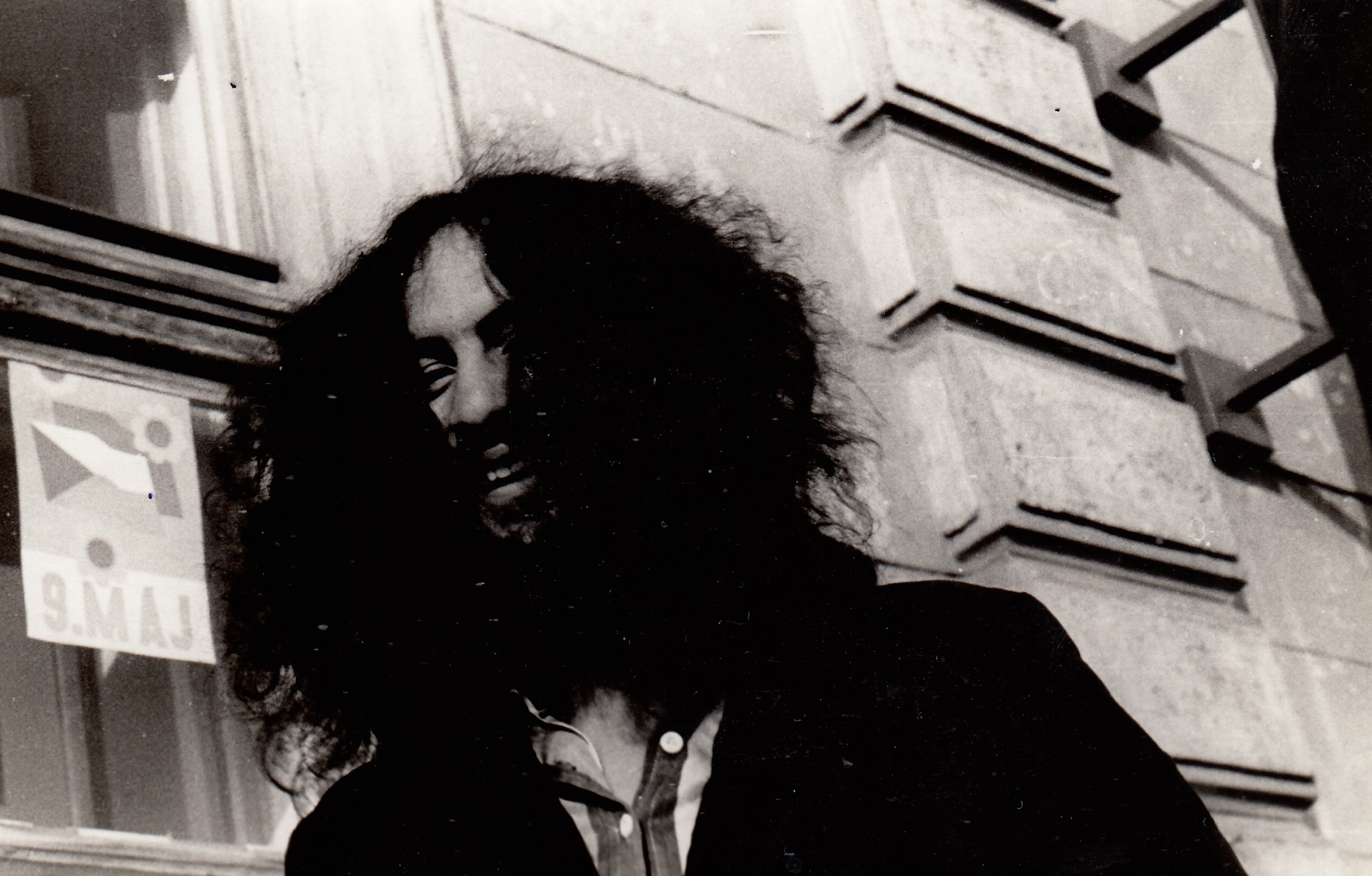
  • "That's a good story. My mom worked at the Armory, and I worked at the square, which was a bit downhill, so I was able to ride home at maybe thirty or forty [km/h], and I had hair down to my waist at the time, but that doesn't matter. And when I got home, my mom said to me, 'I was so embarrassed.' And I said, 'Why?' 'I'm sitting with my colleague at the bus stop, and she says, "Look at that woman, how fast she's going." And that was you.'"

  • "The arms factory is in Jasenice, it's called Jasenice, and the Russians, actually, there's another Jasenice behind Valašské Meziříčí, the Russians went there for fuel. Of course, they sent them to the Armory in Jasenice near Vsetín, so I remember how they drove with those tanker trucks, repainted all the streets, and I remember that, because we lived in Luh, which is on the way to Jasenice, a housing estate, and the trucks drove there, I remember how we stared at them, there were no tanks there, nothing. Oh, and there was another good story. I knew the man, he was a dispatcher in Vsetín, and they actually sent a Russian train somewhere to Slovakia, and he sent it to Velké Karlovice, which is a single track and a dead end. After that, he was no longer a dispatcher."

  • Full recordings
  • 1

    Zlín, 24.02.2025

    (audio)
    duration: 02:30:45
    media recorded in project Stories of the region - Central Moravia
Full recordings are available only for logged users.

I began to hate the Bolsheviks in the military
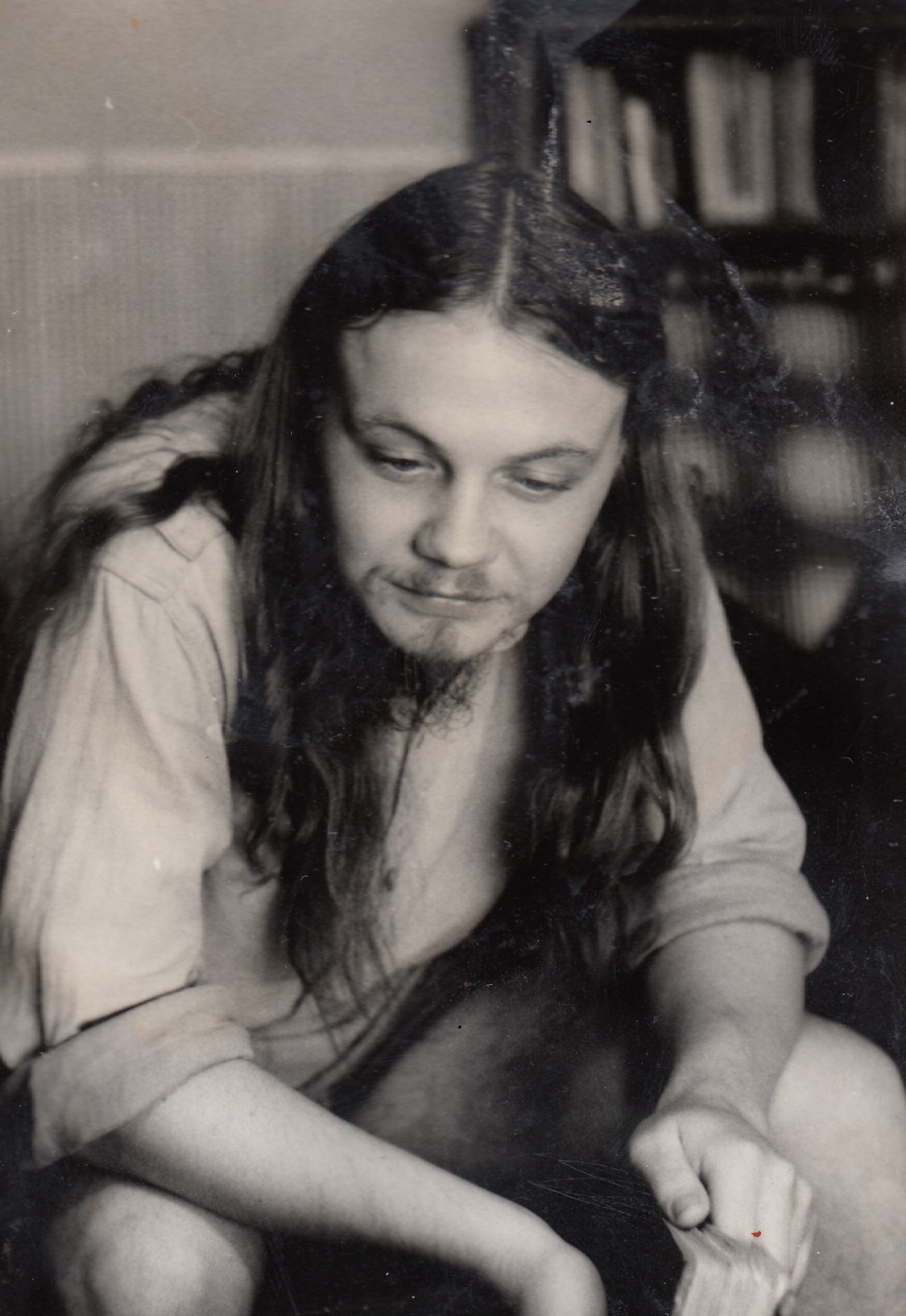
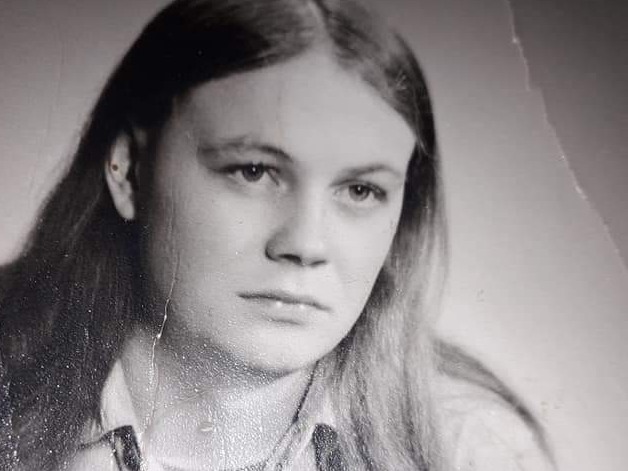
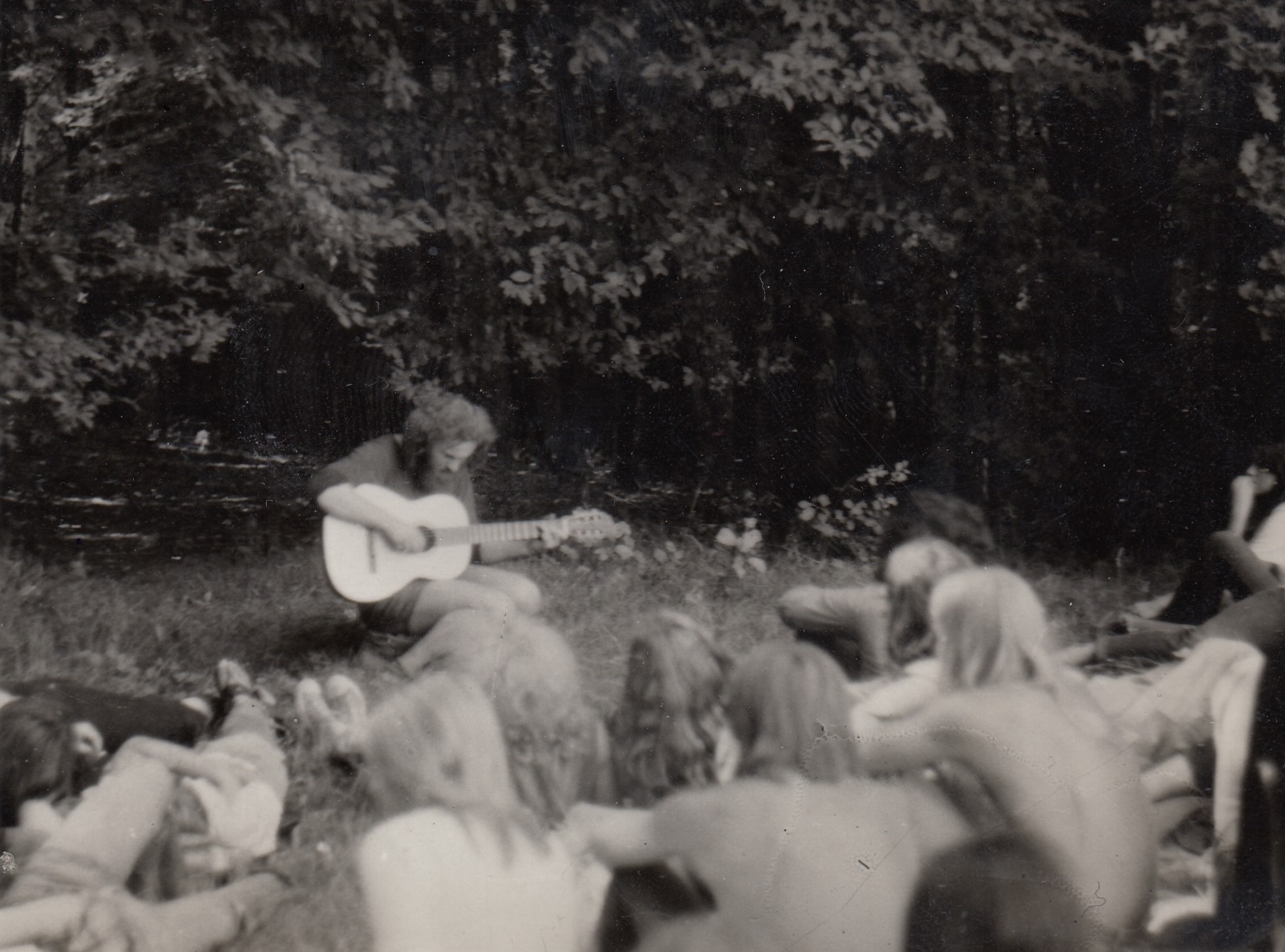
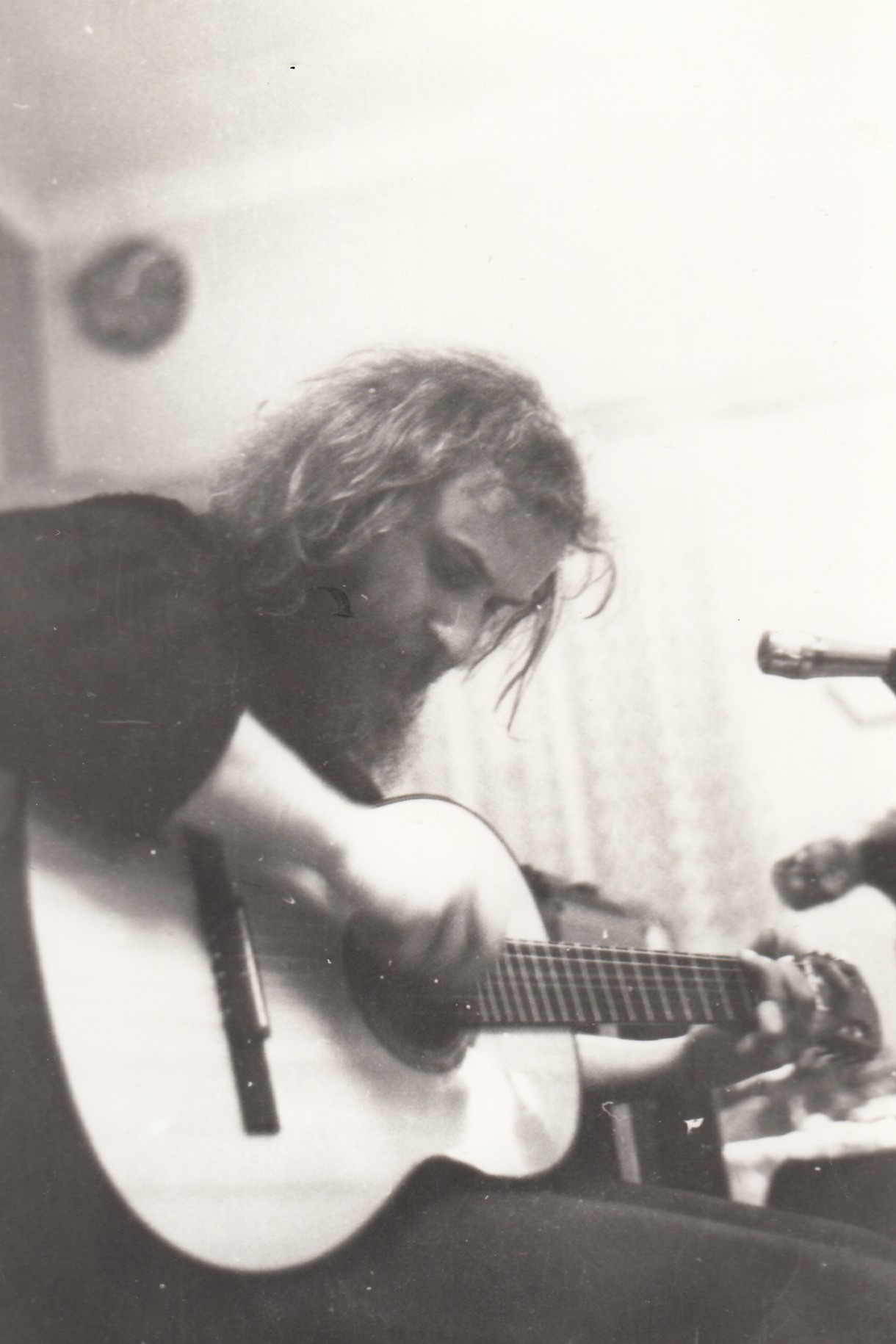
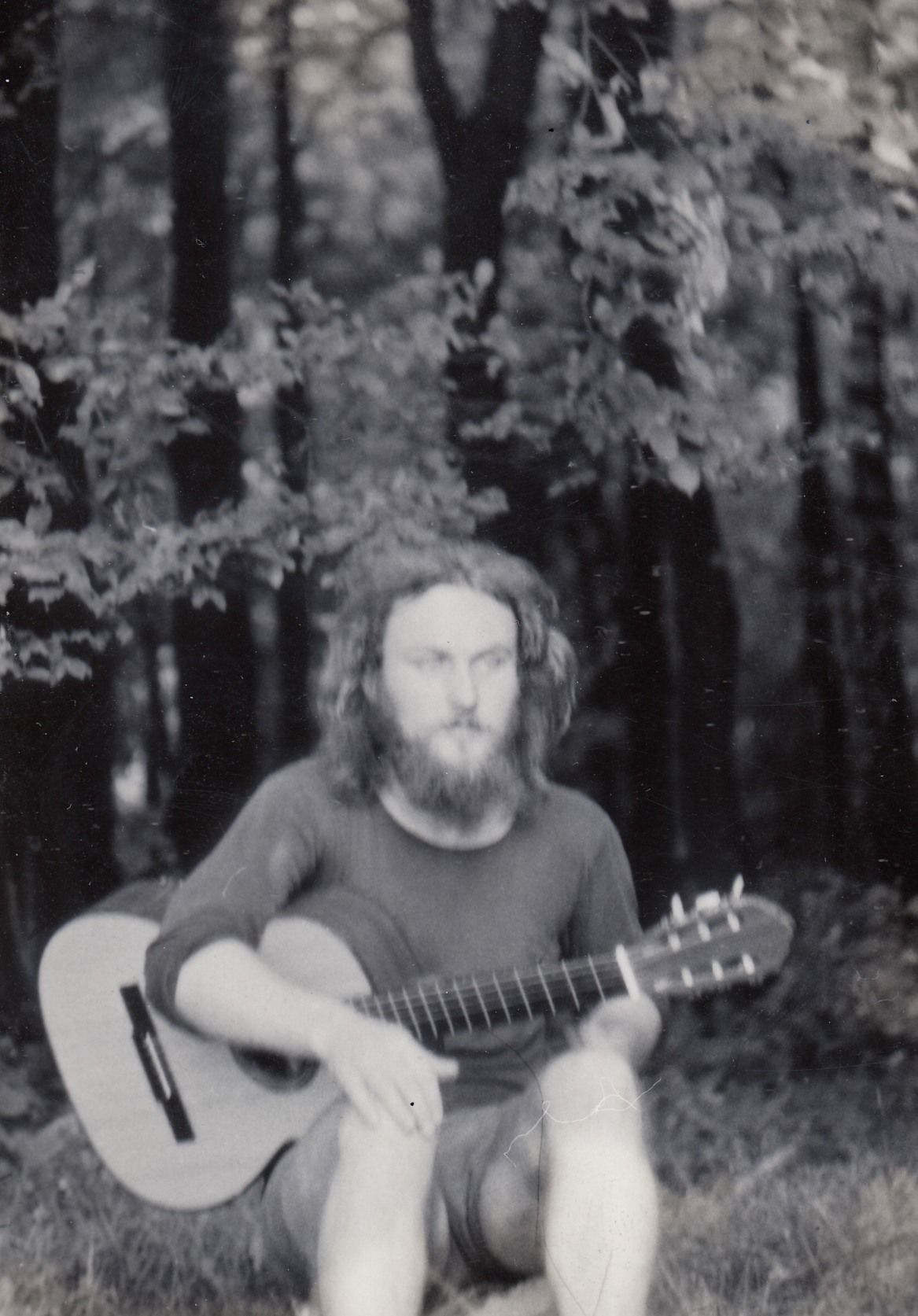
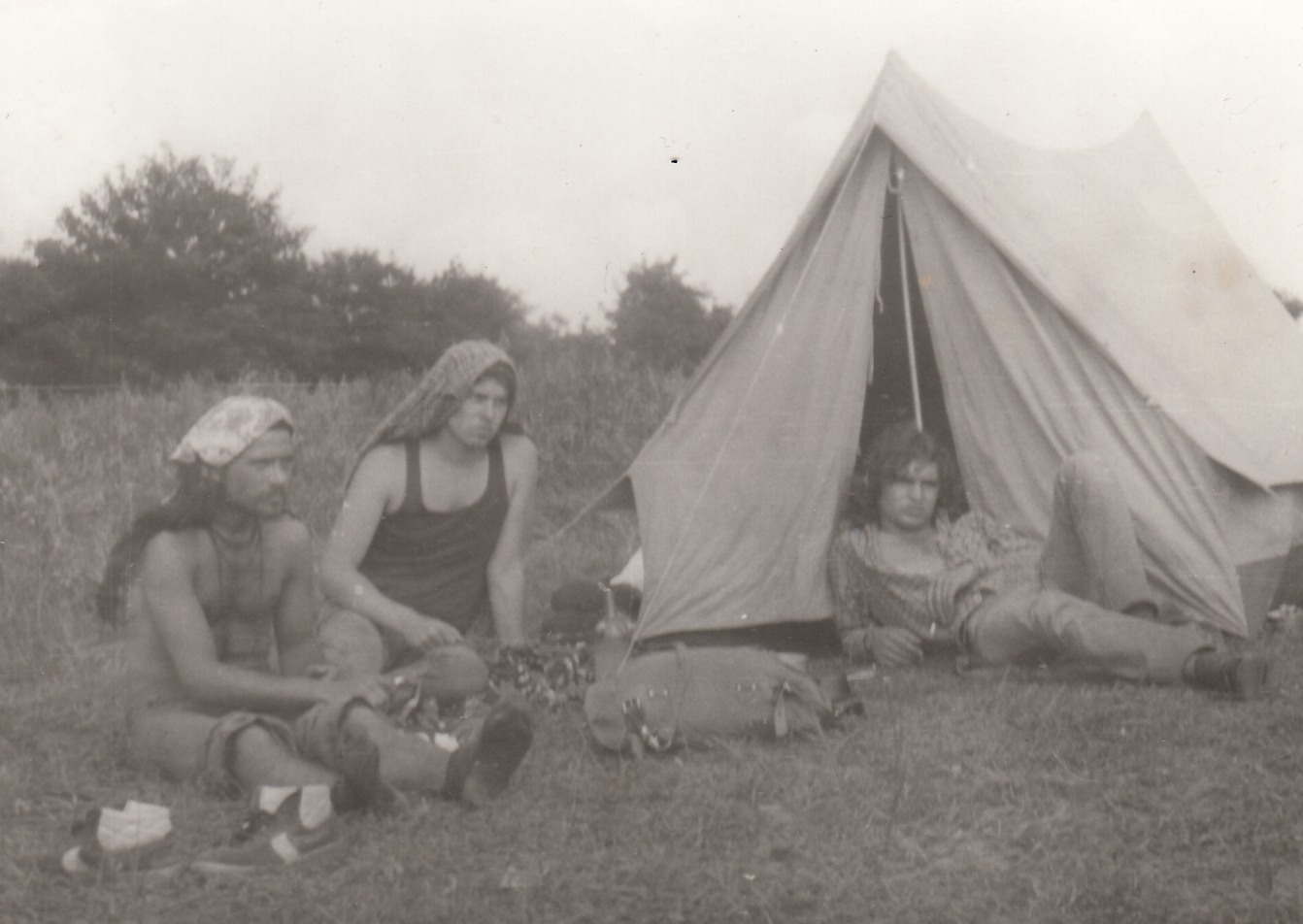
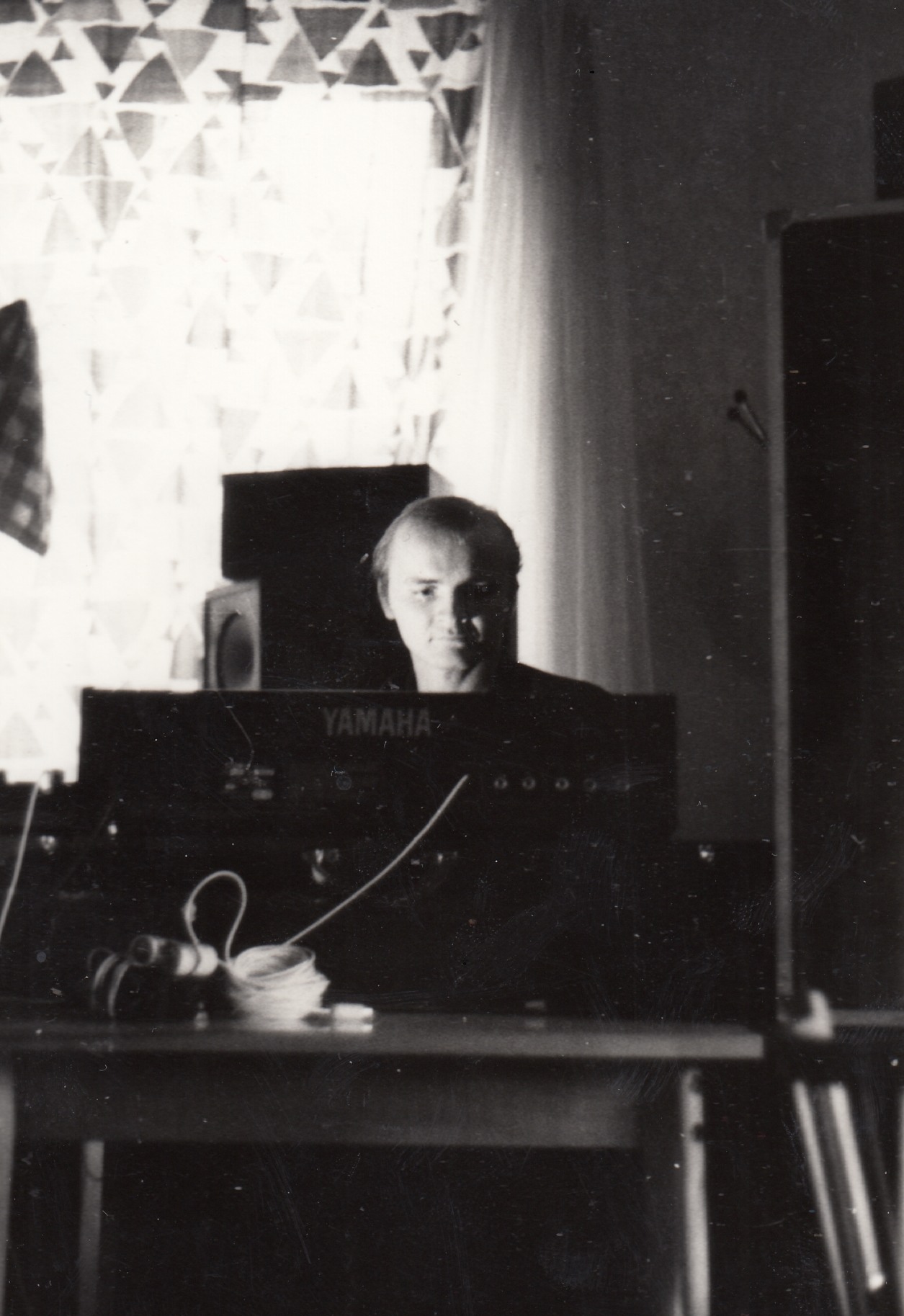
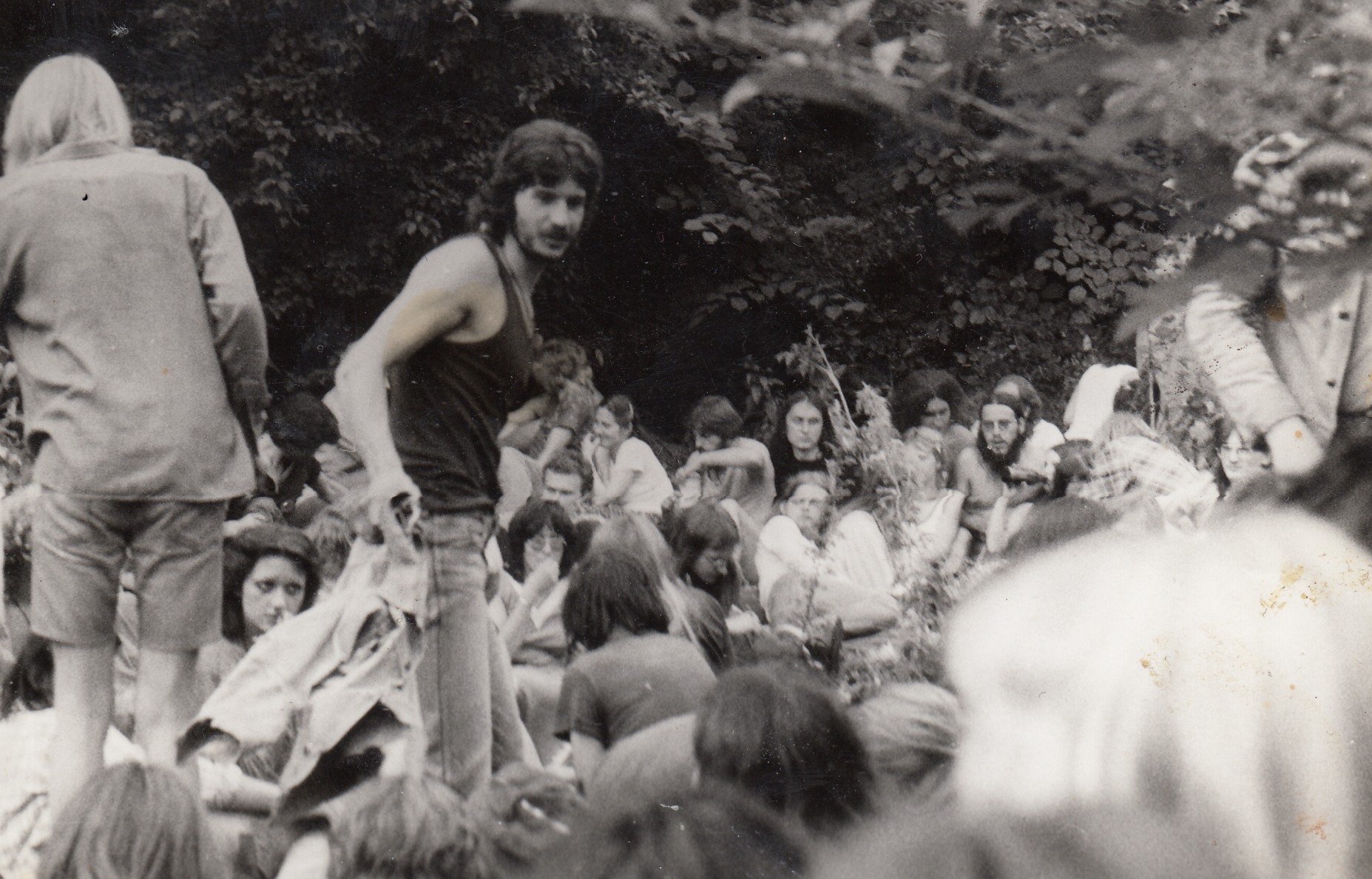
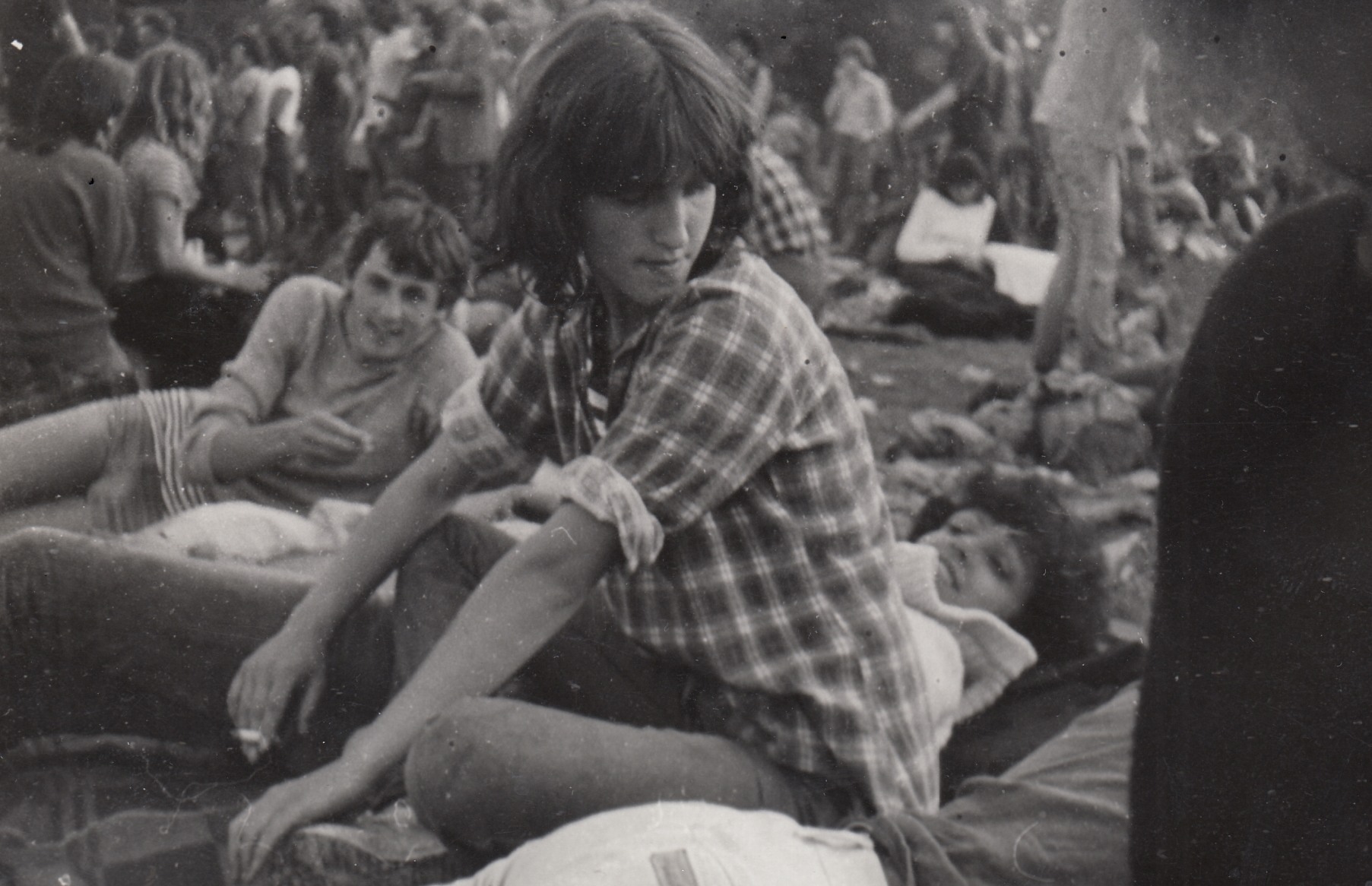
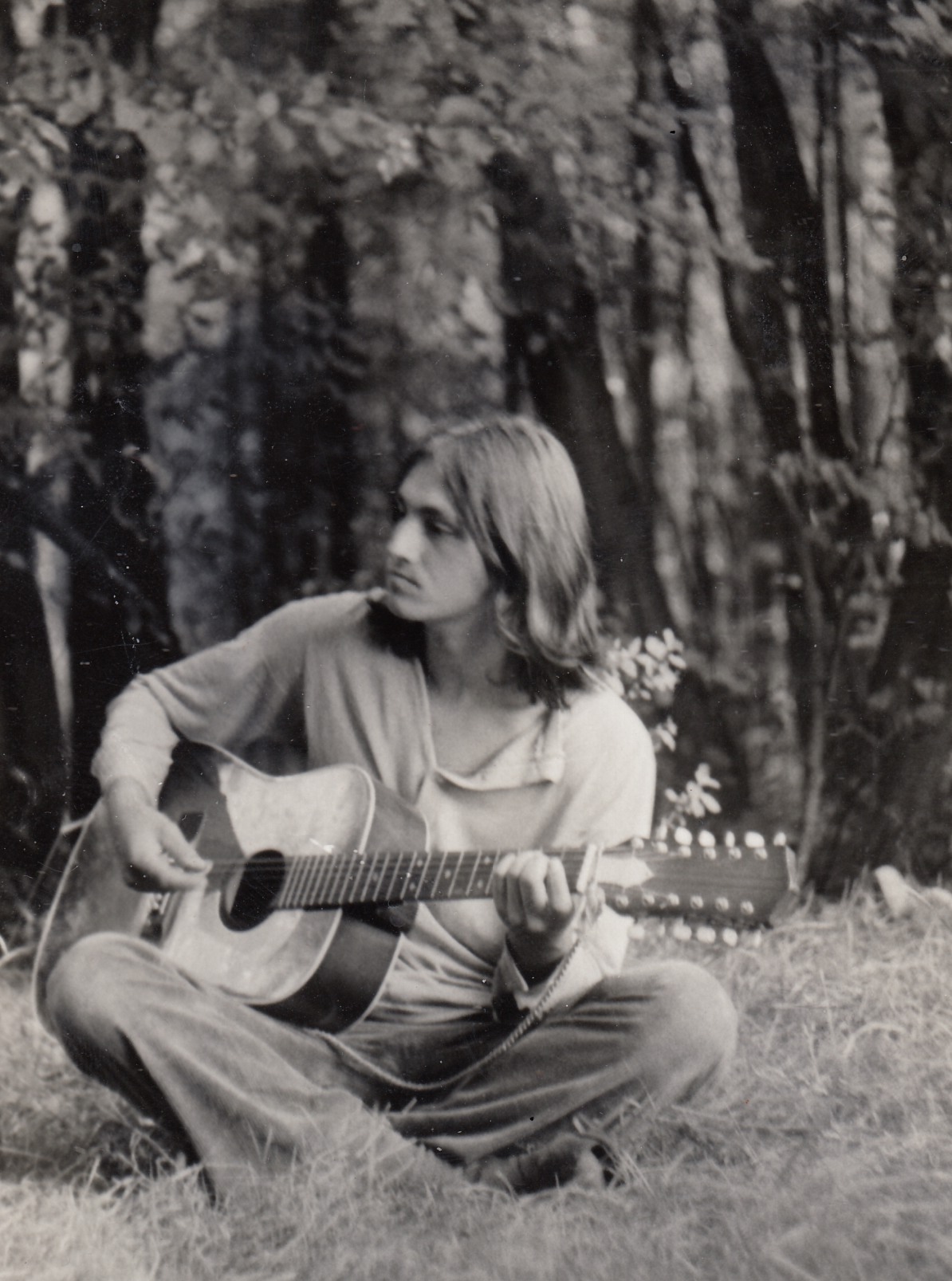
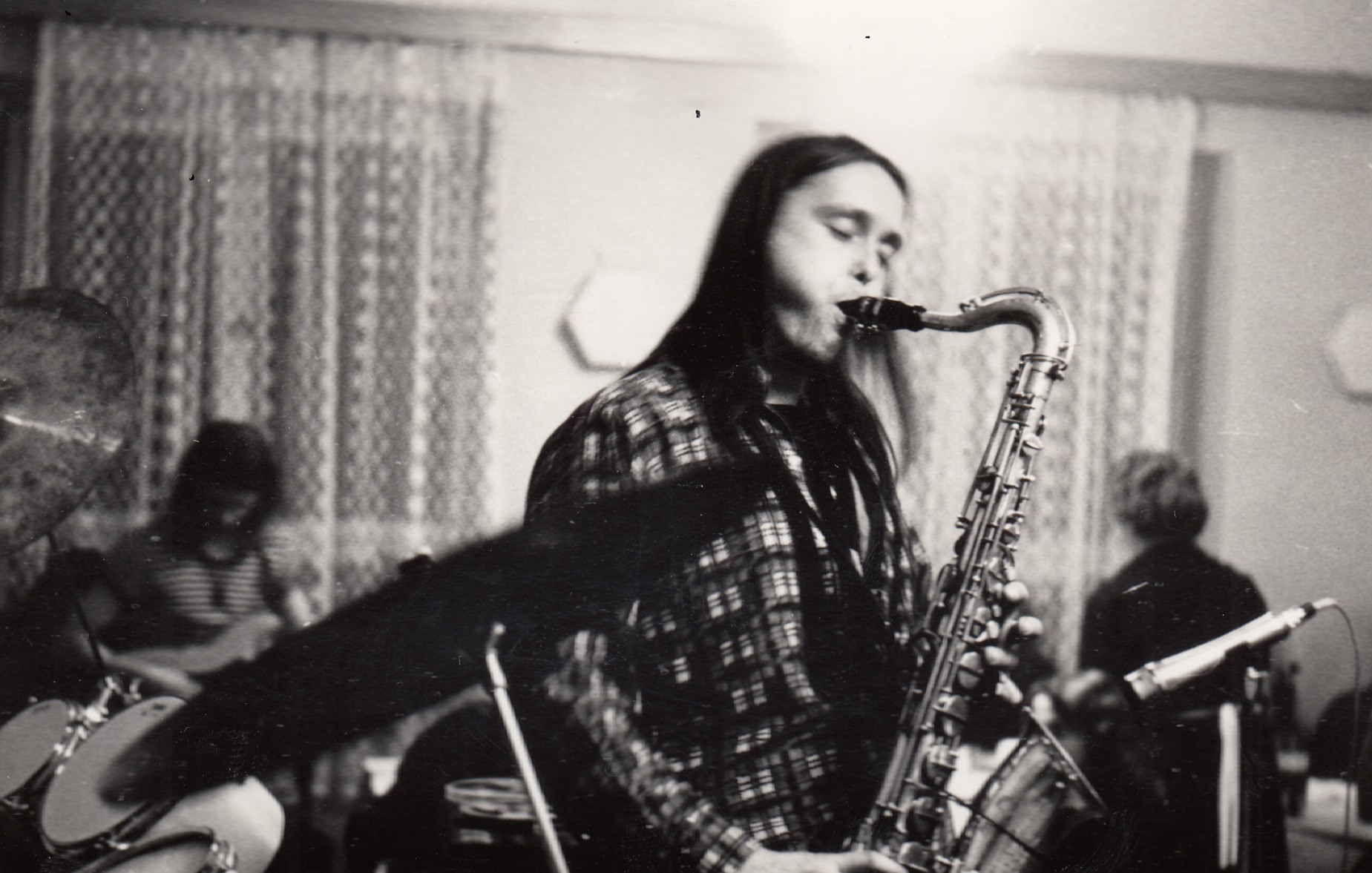
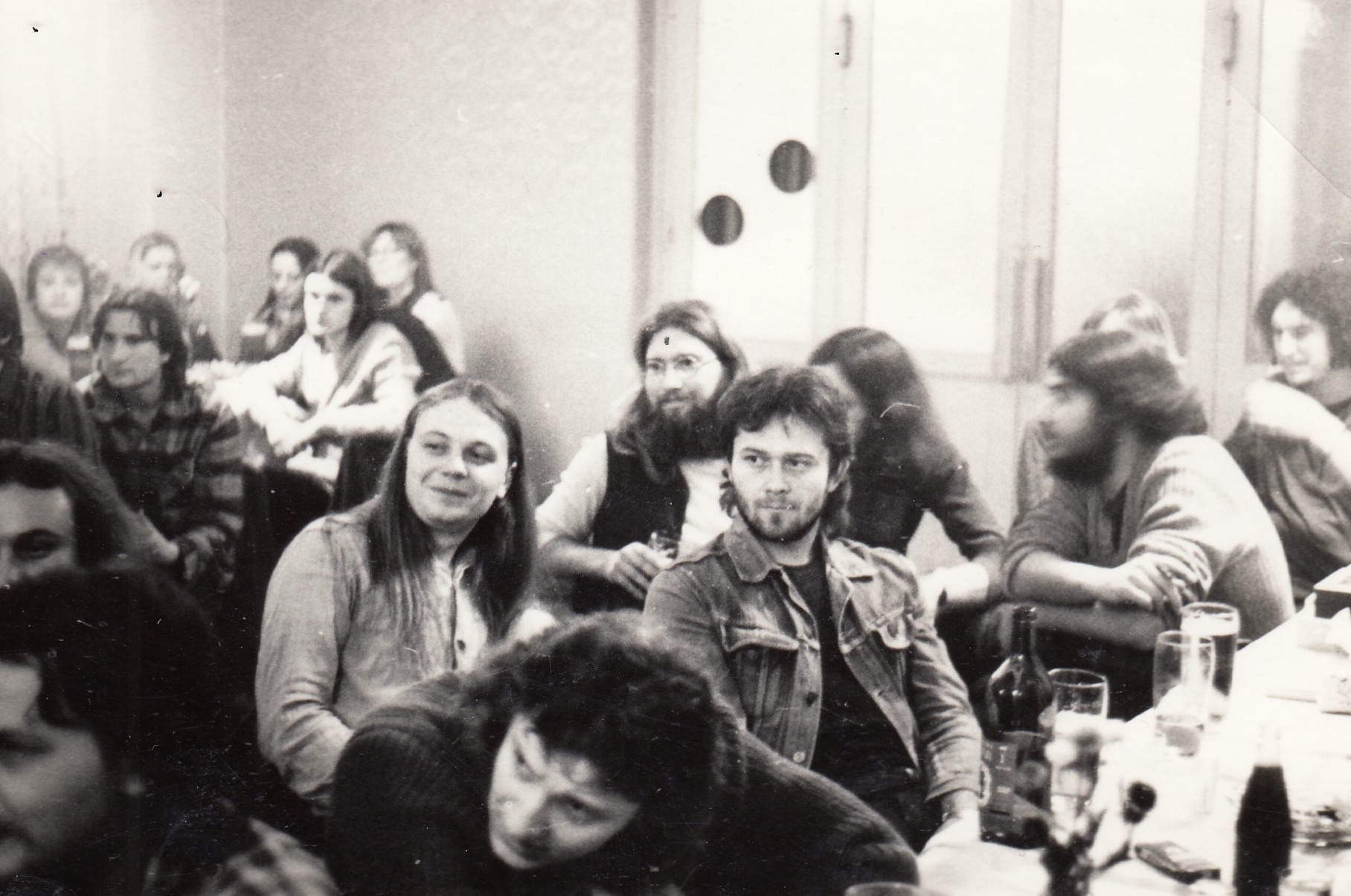
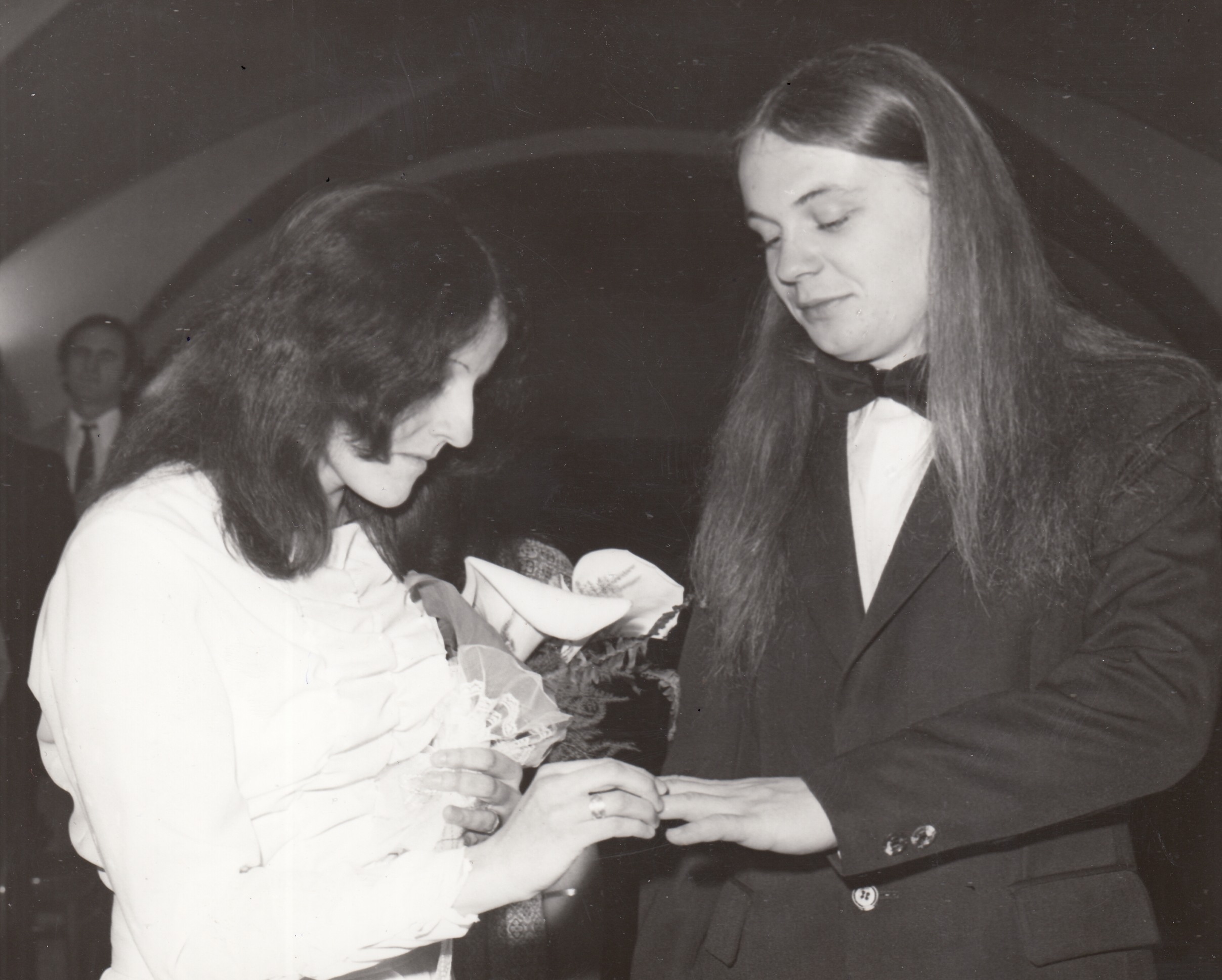
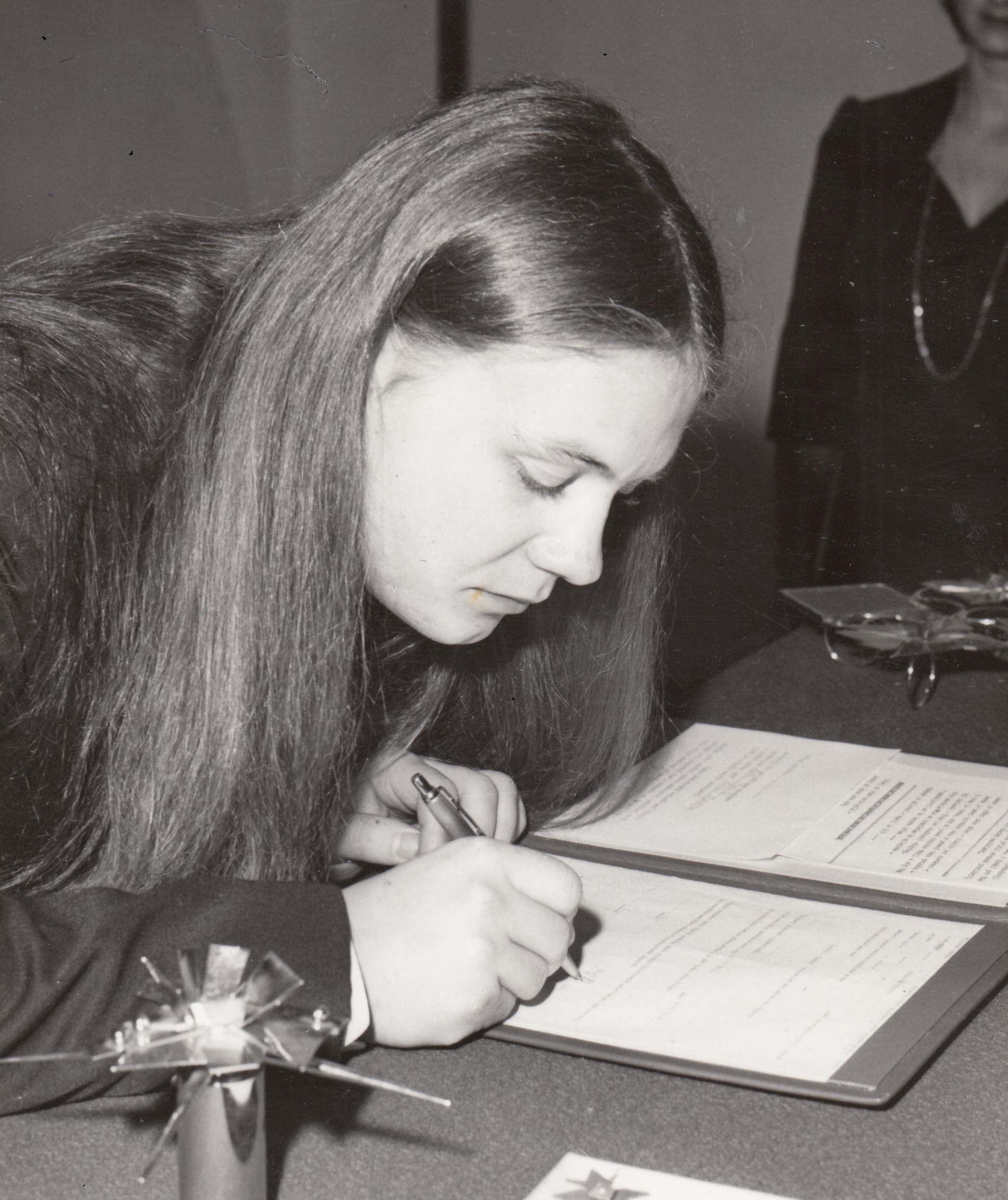
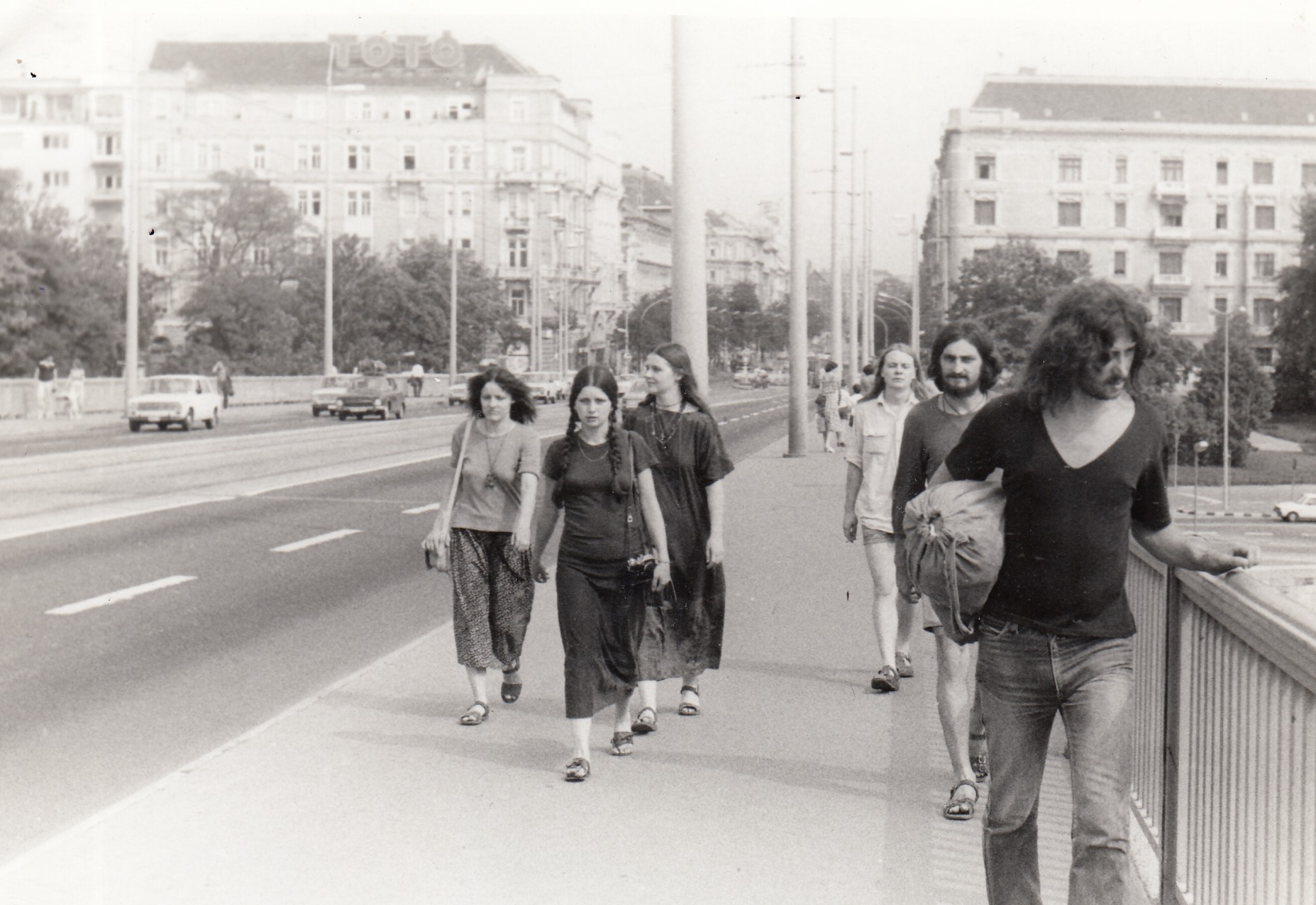
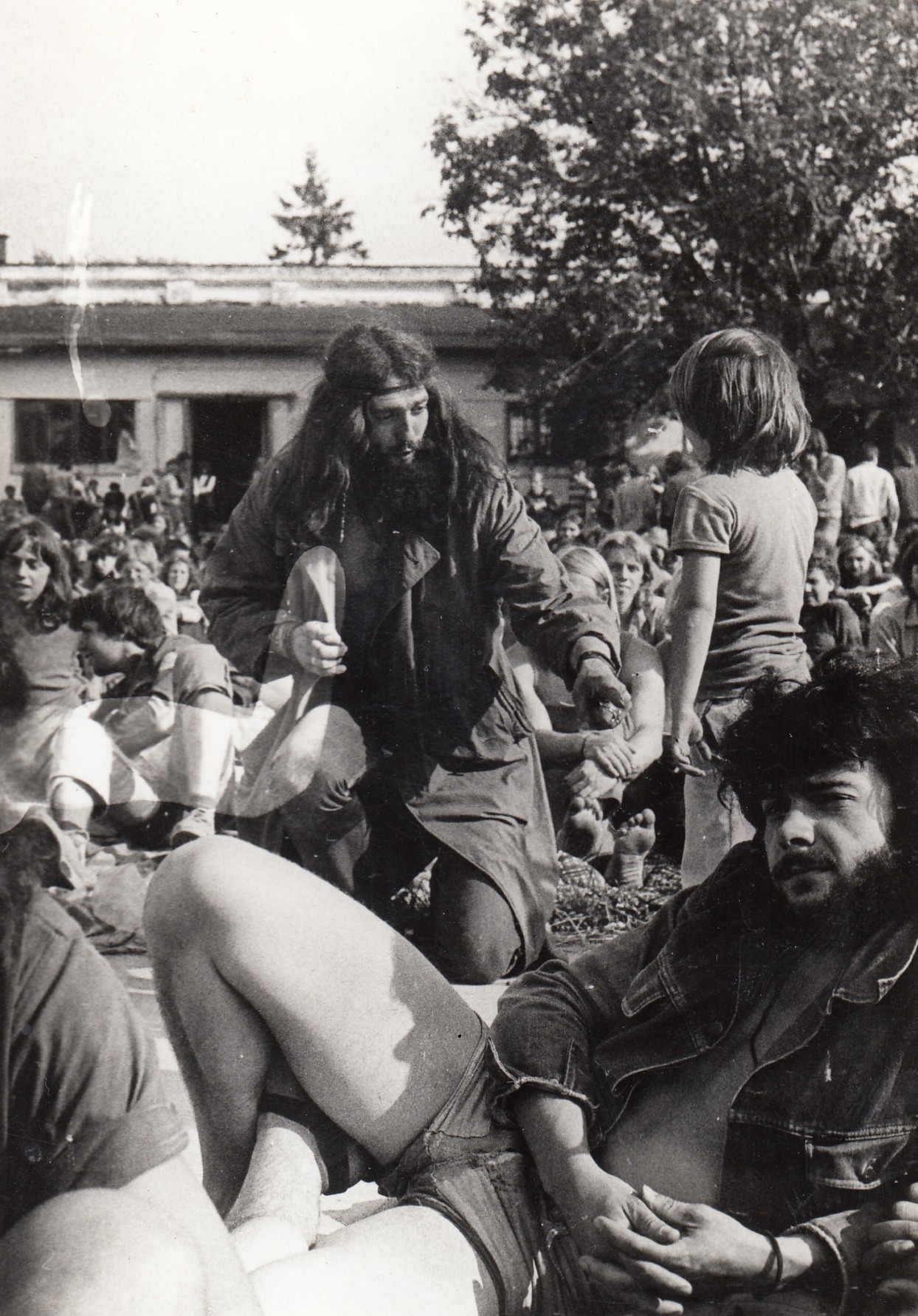
Libor Malý, period photo
photo: witness archive

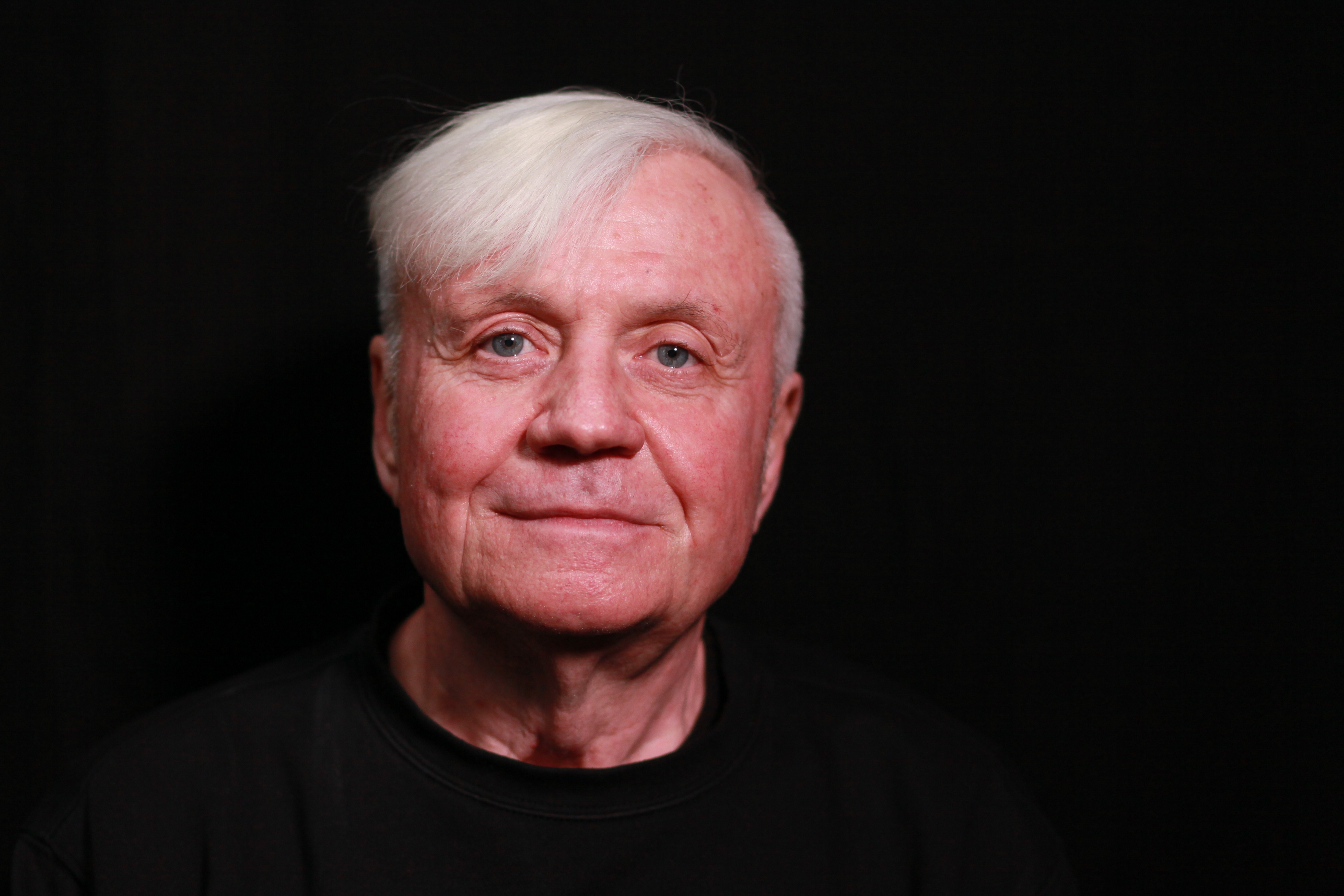
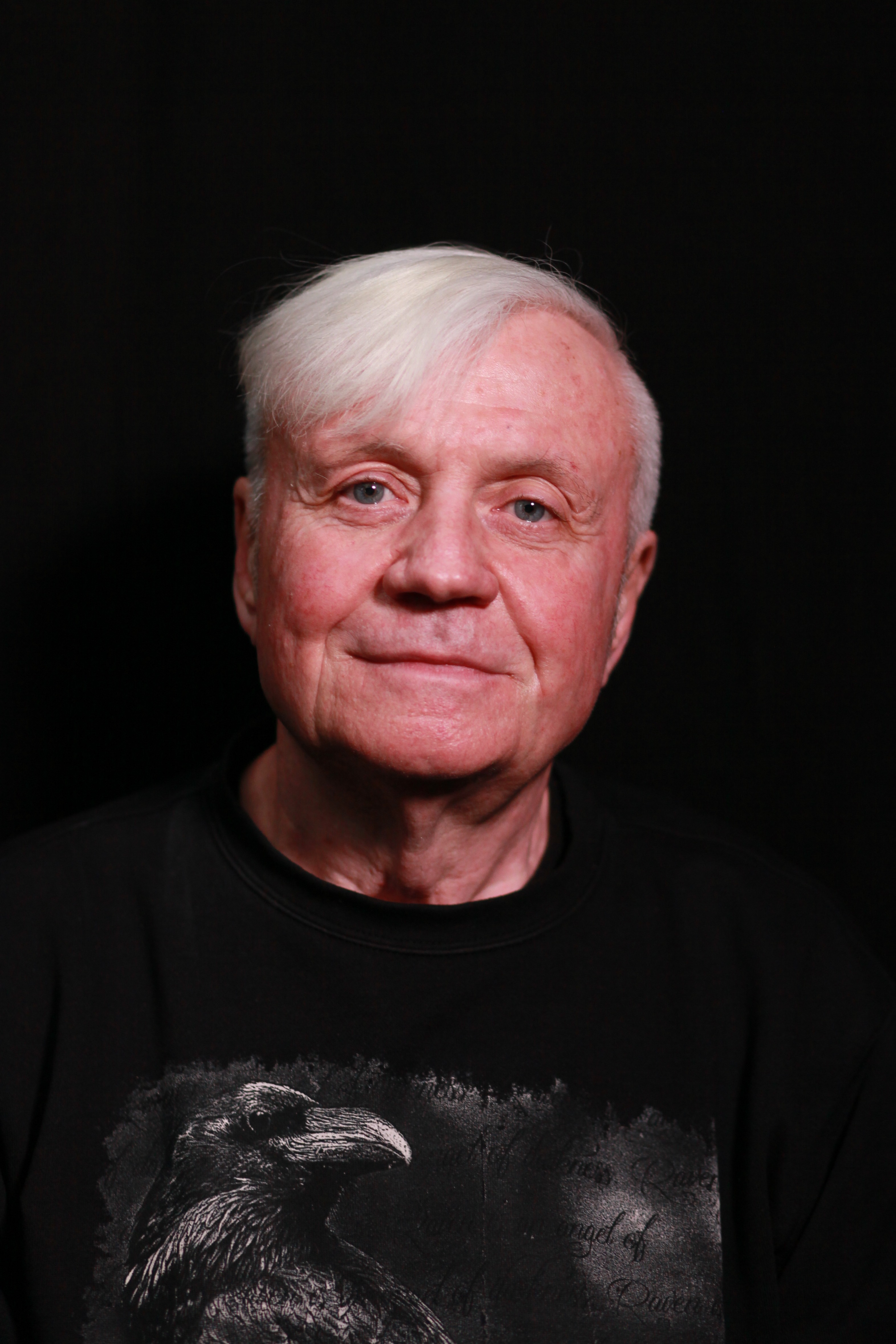
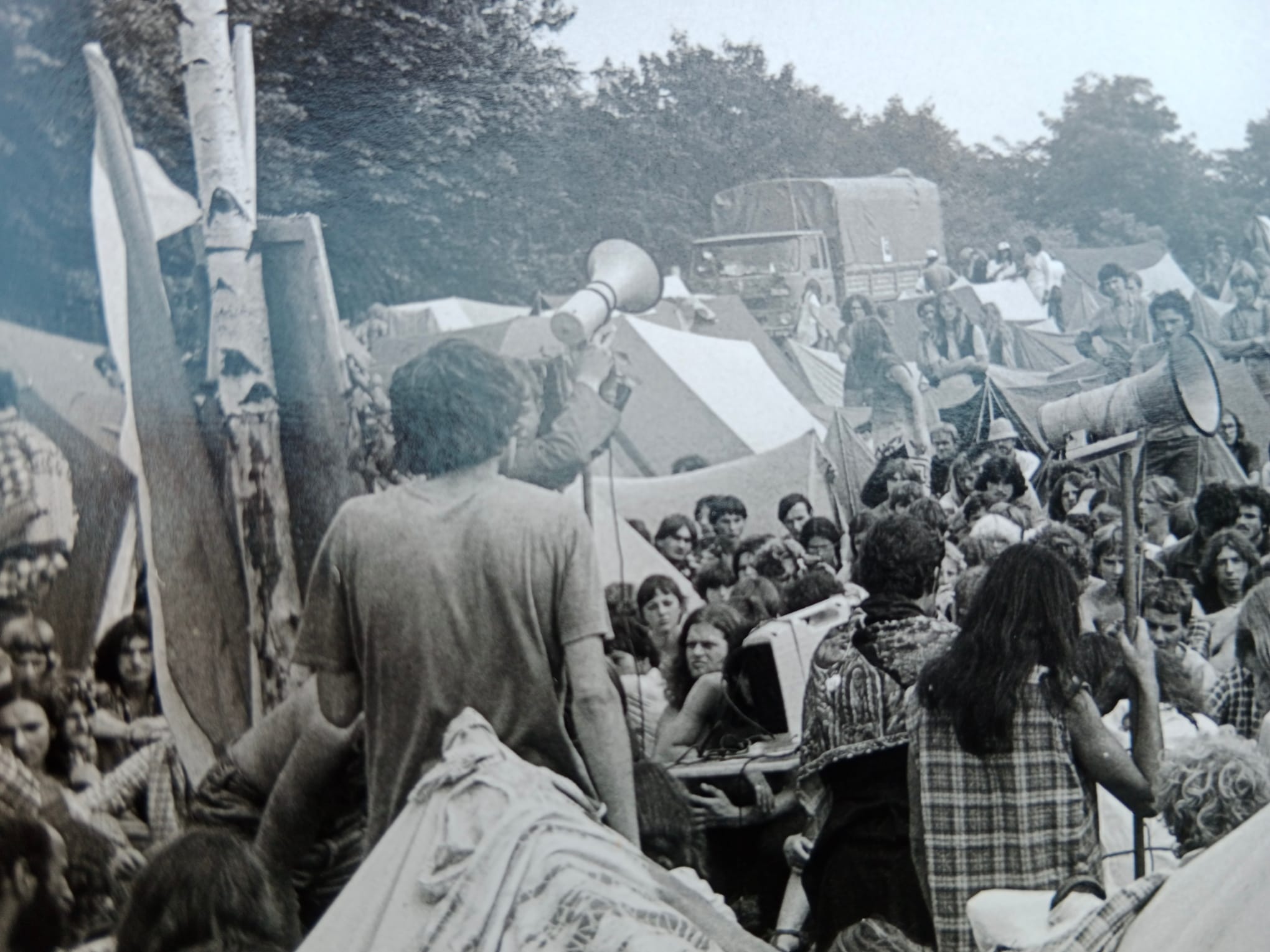
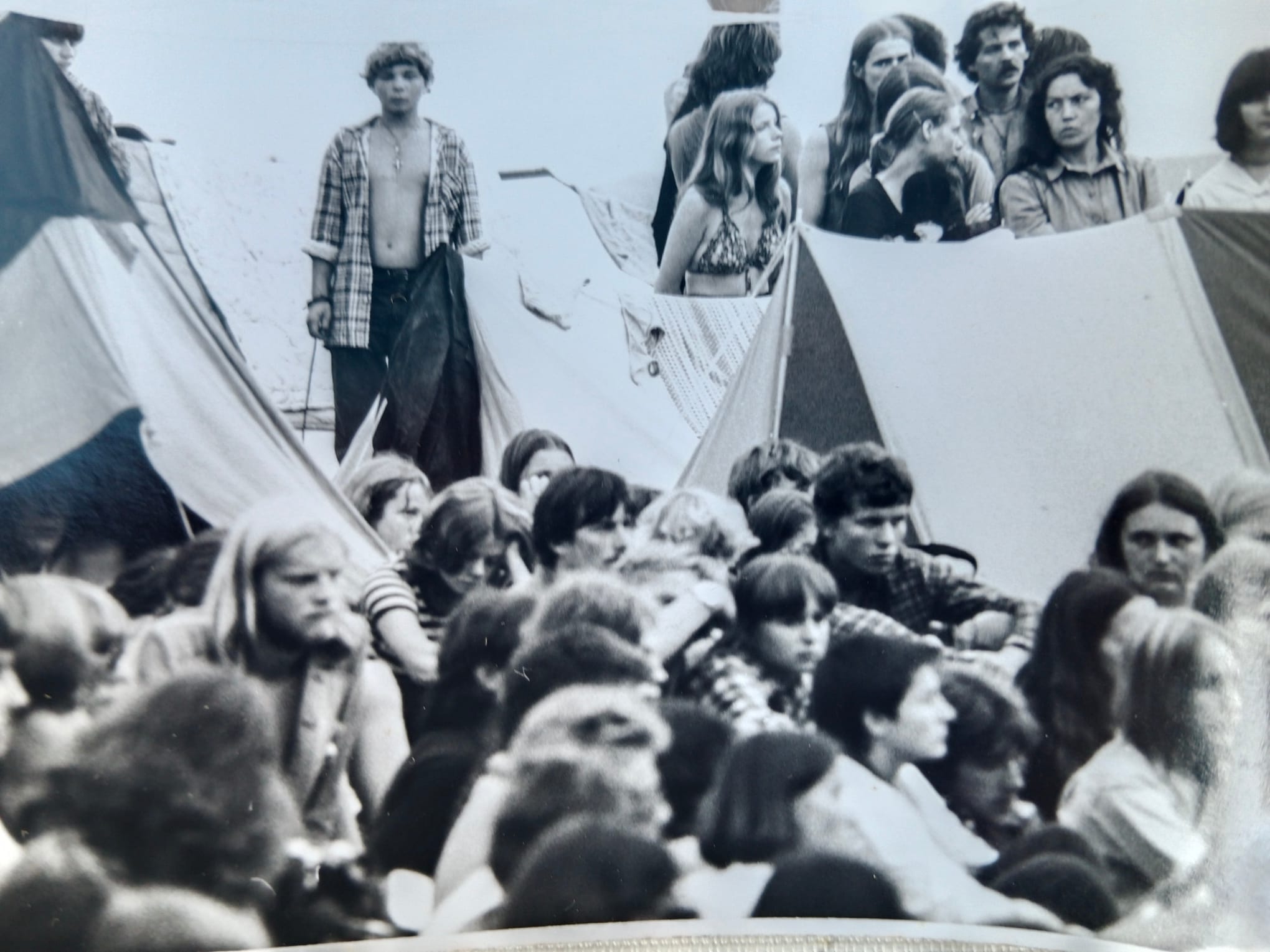
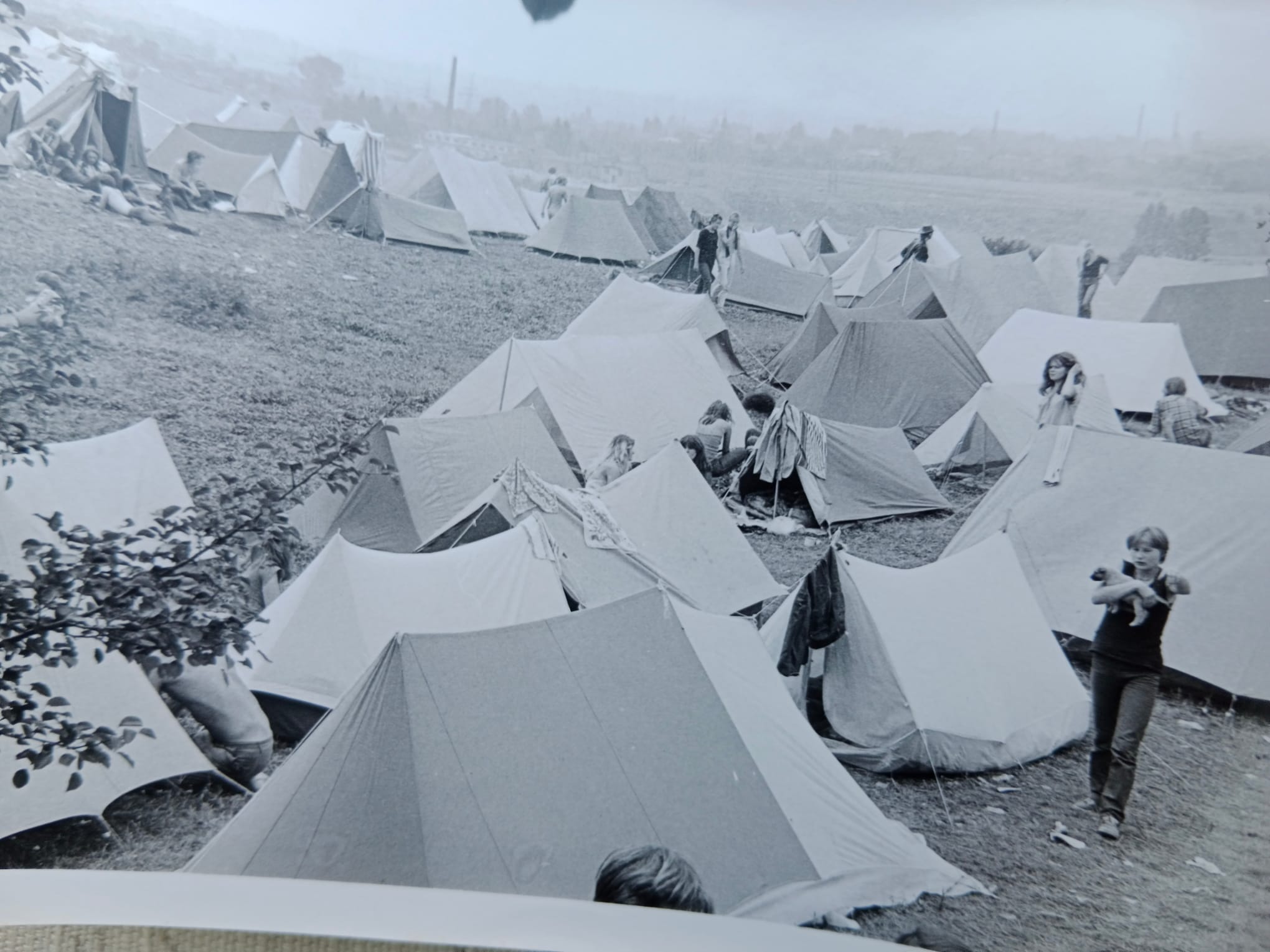
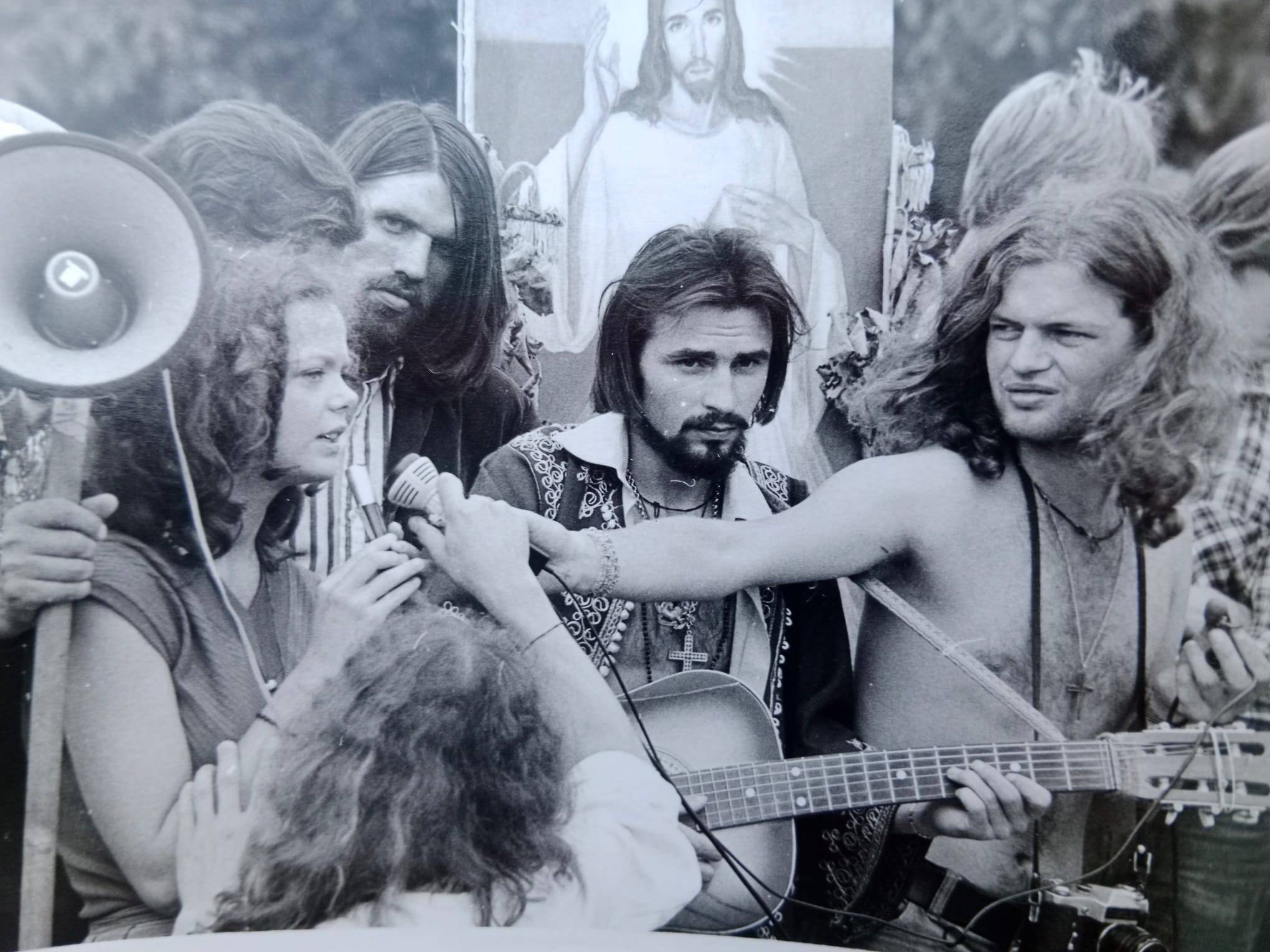
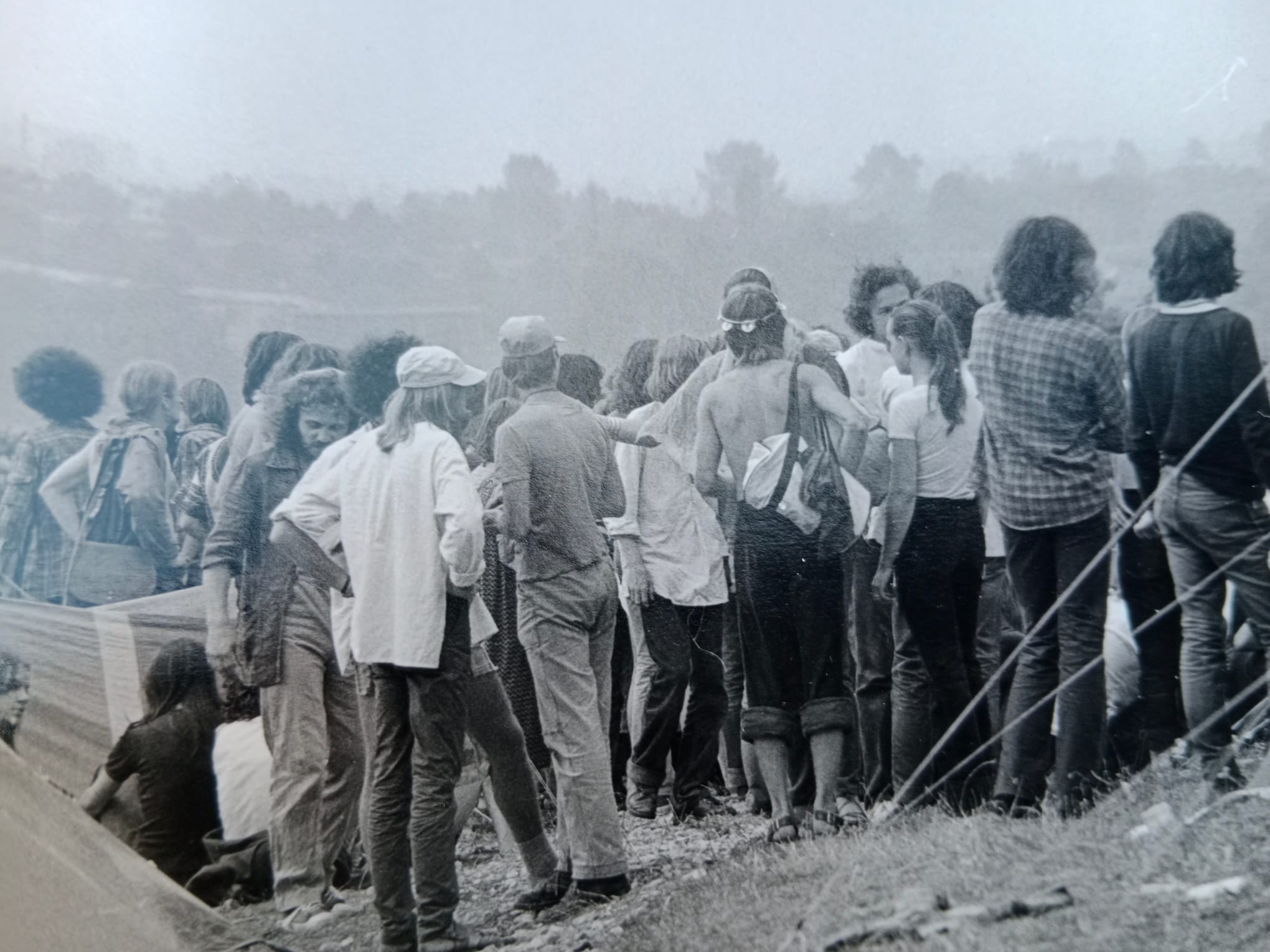
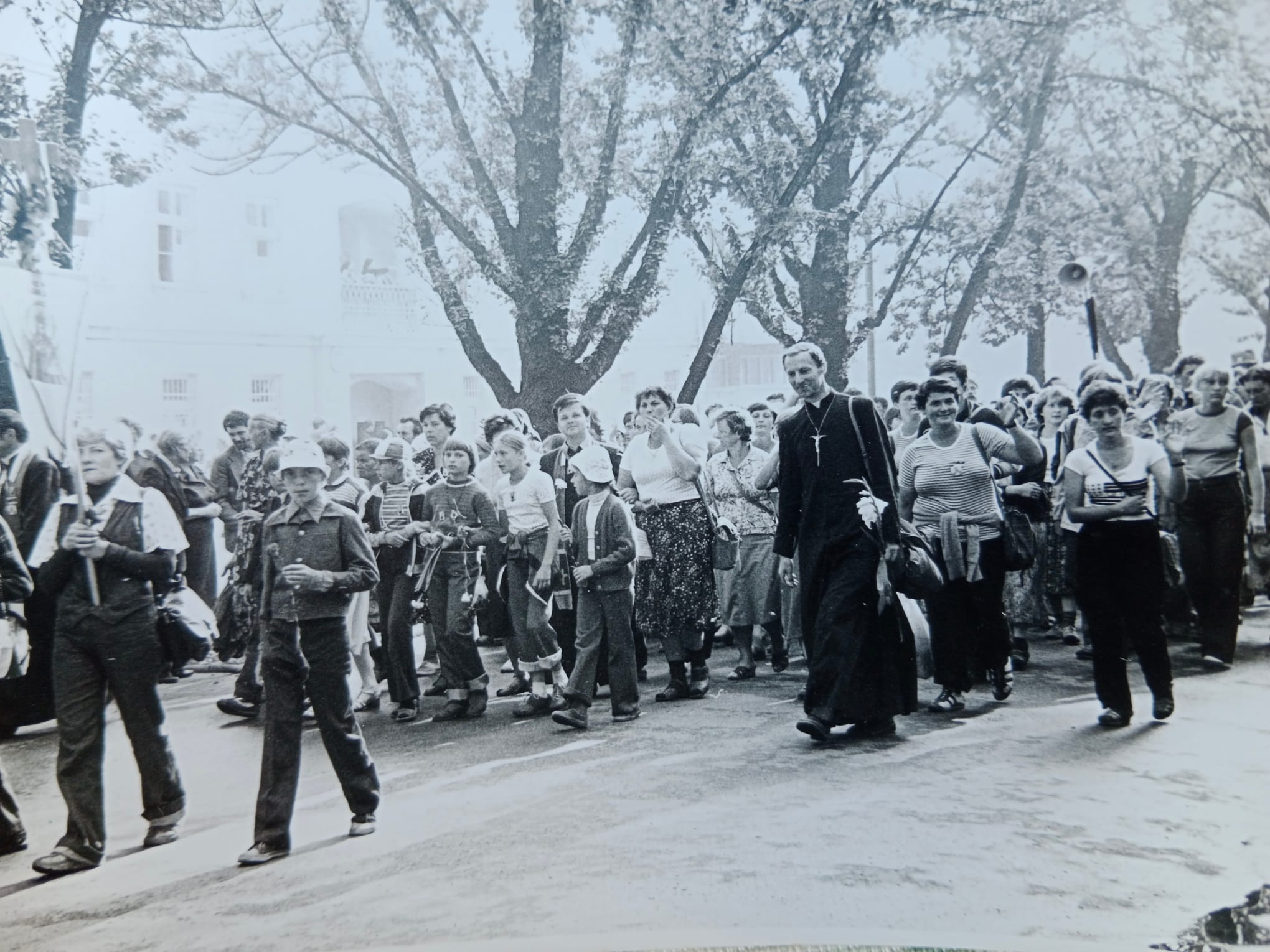
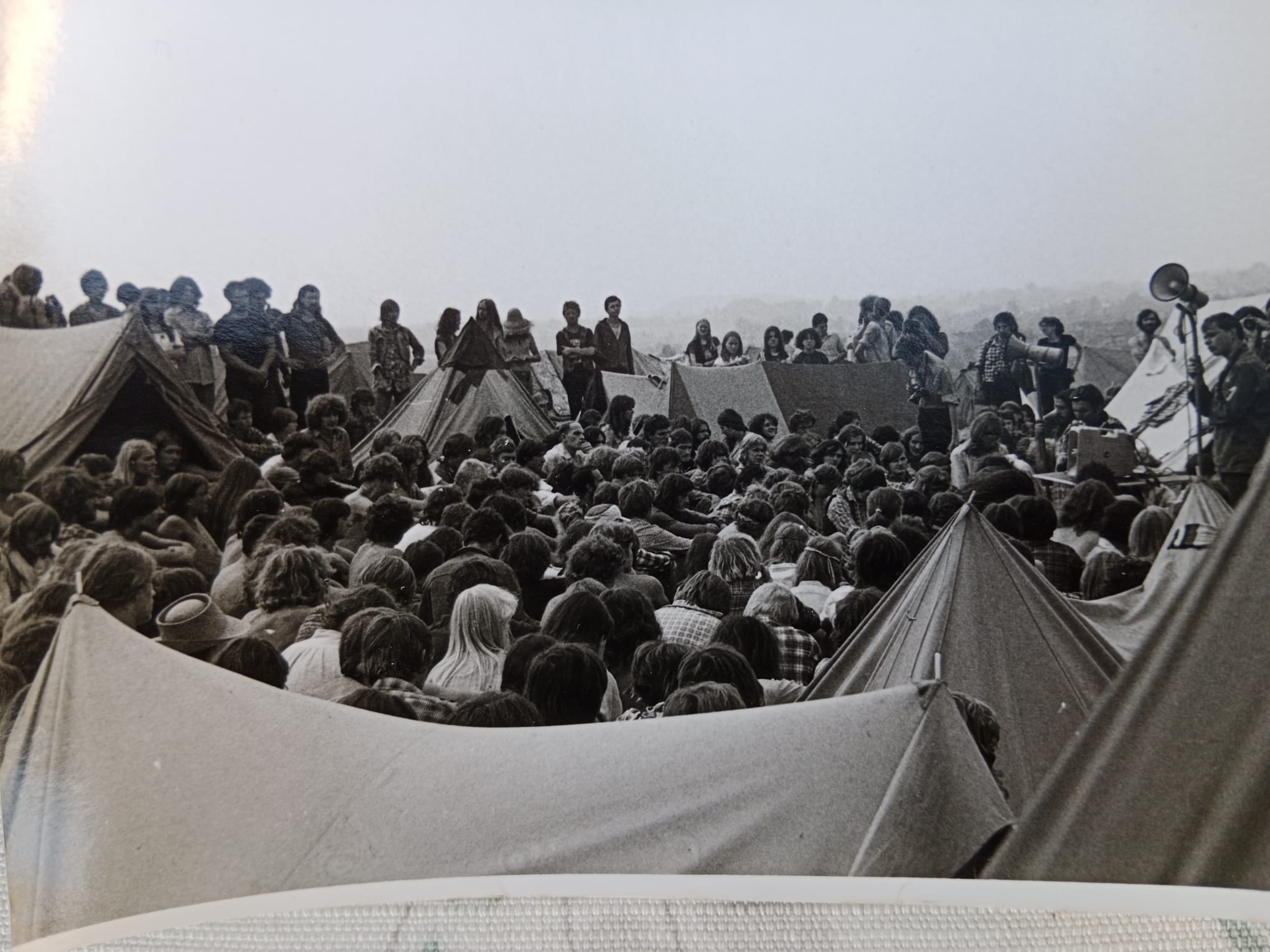
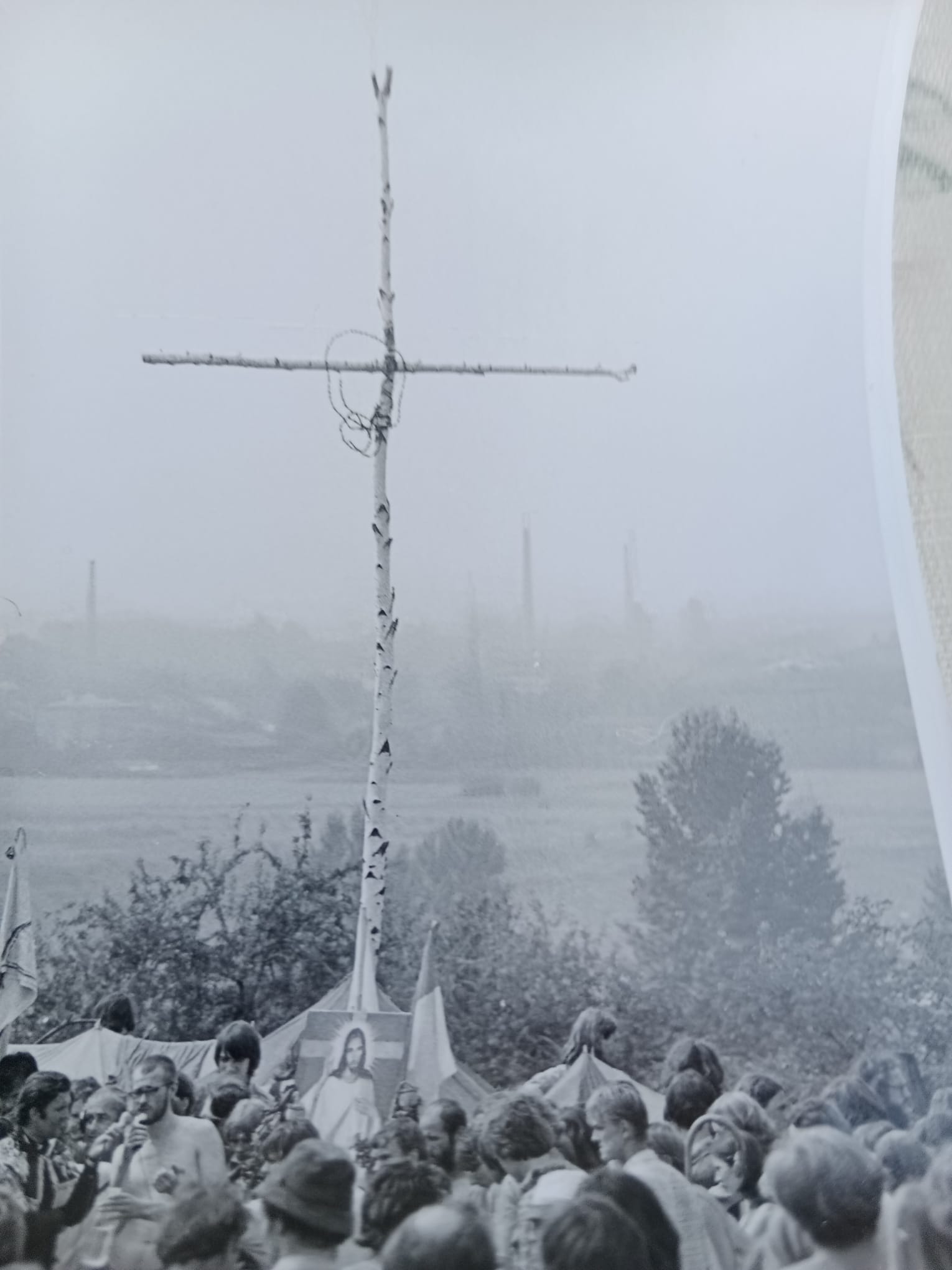
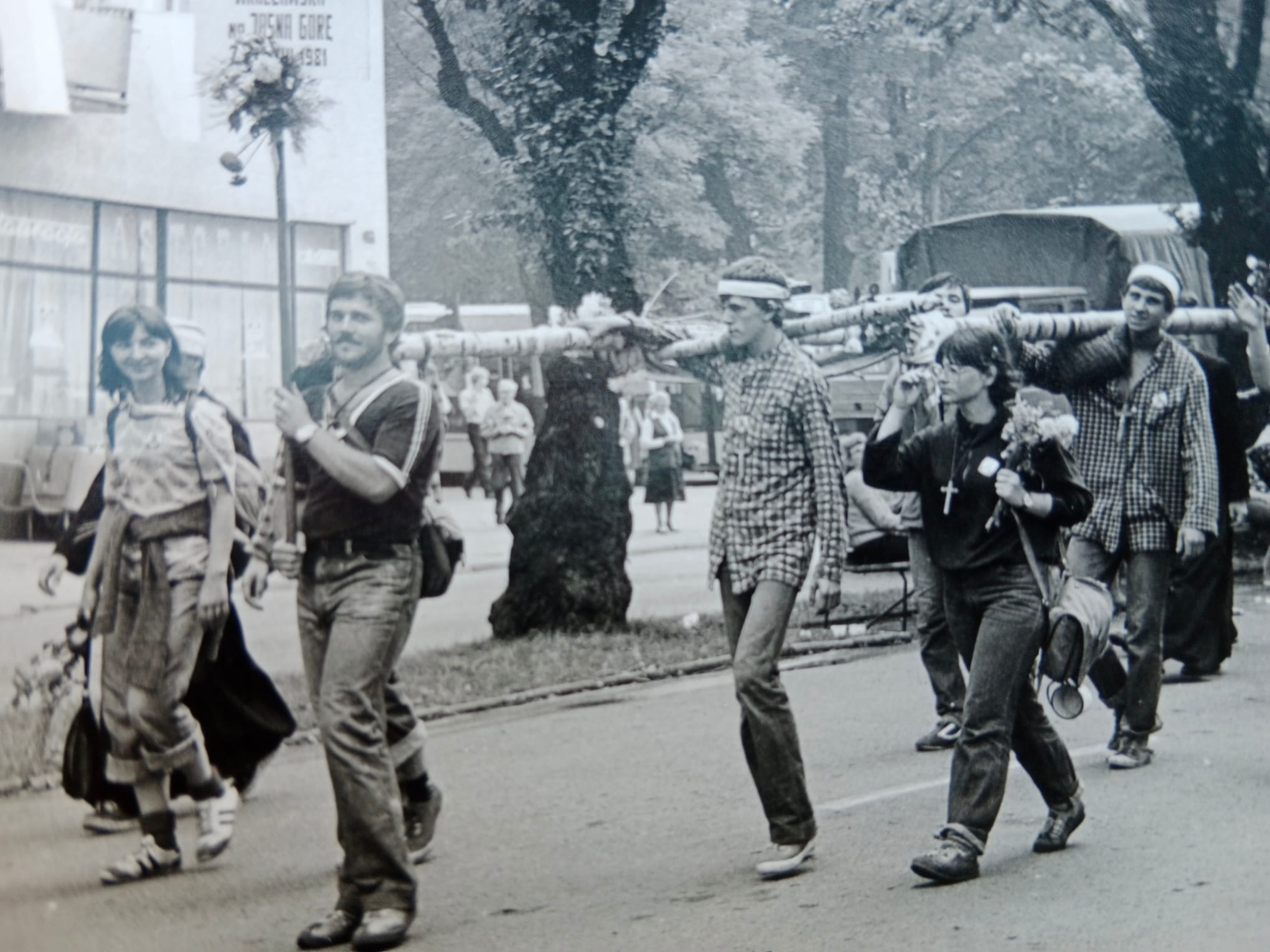
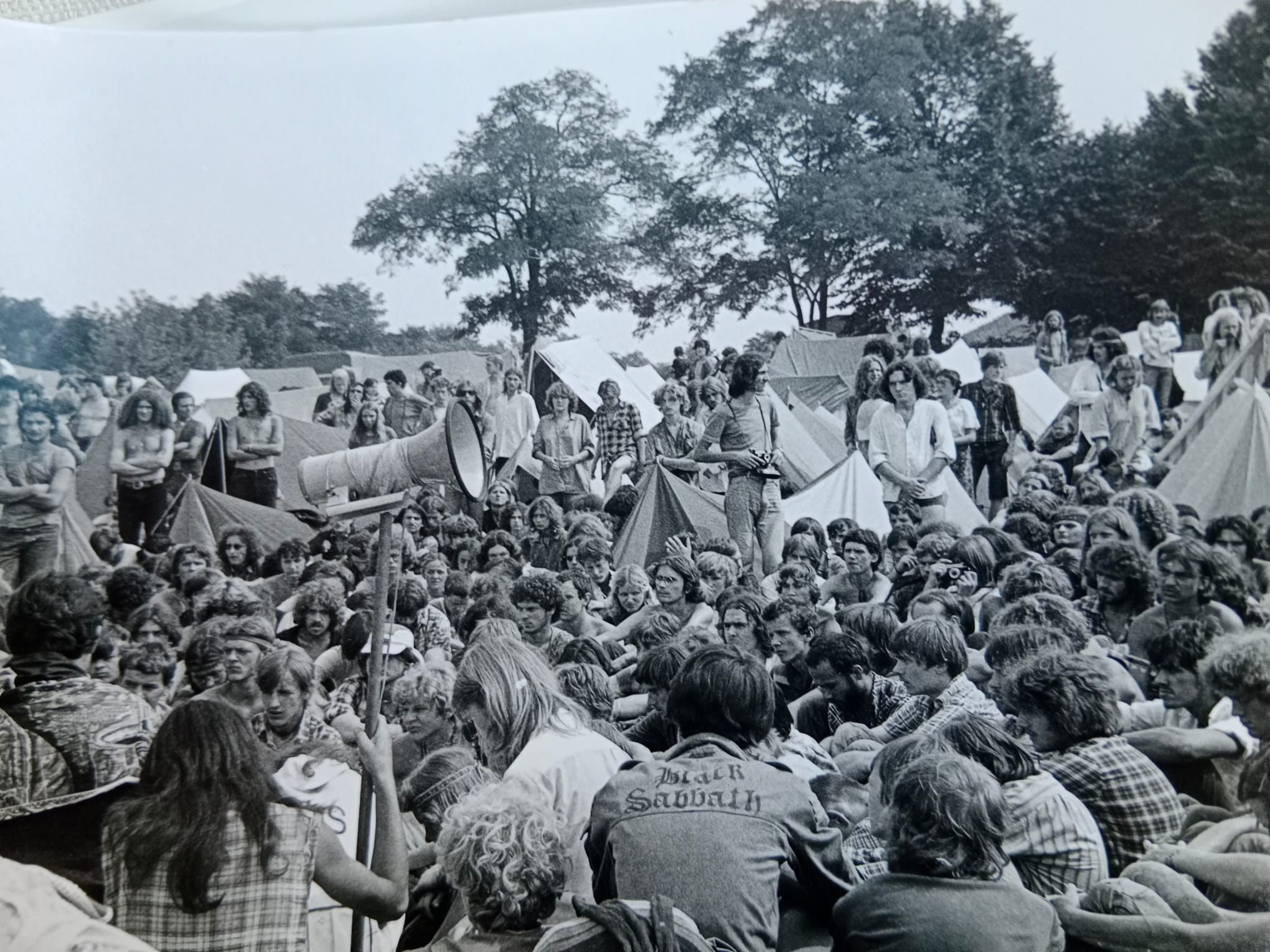
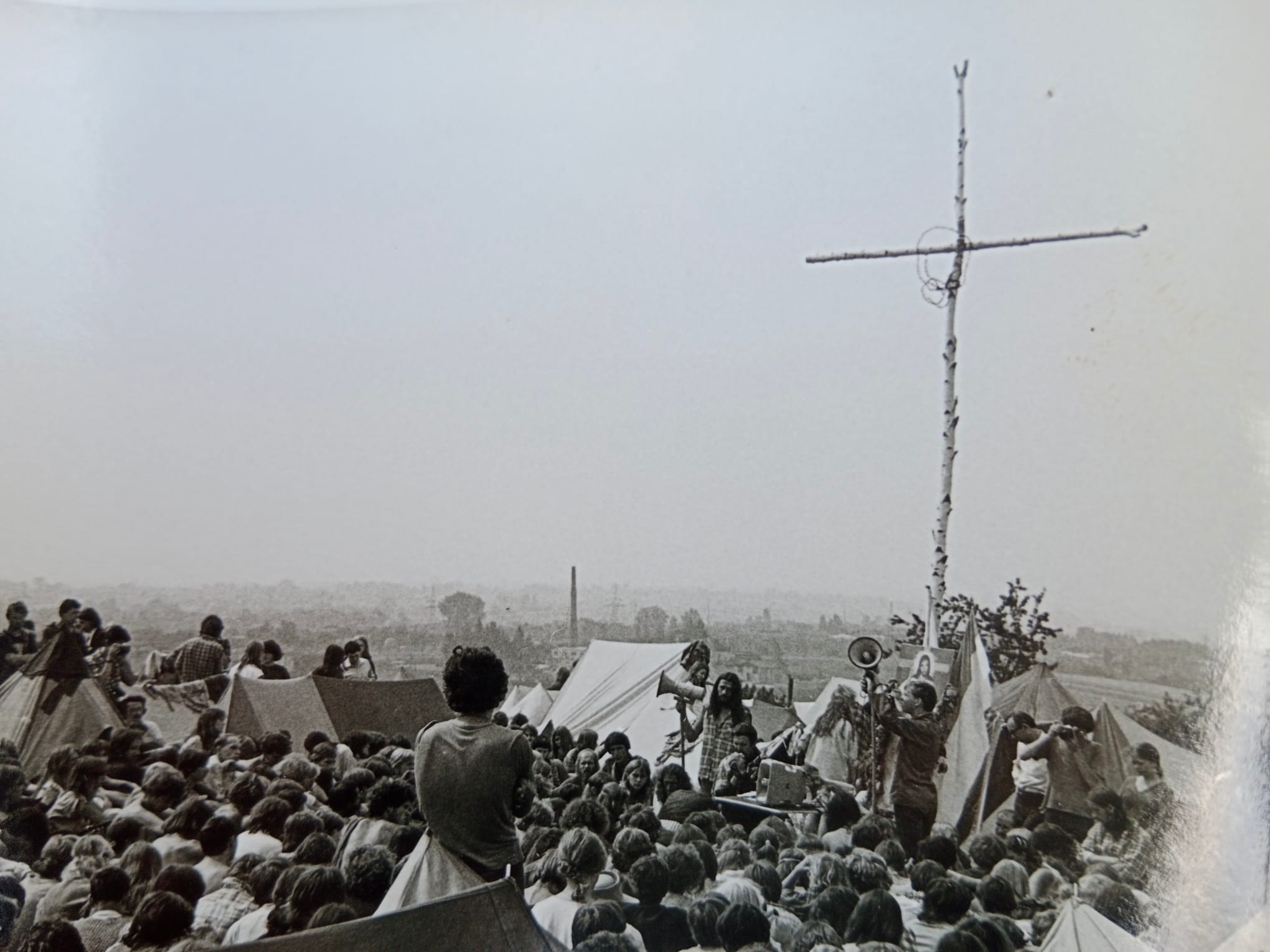
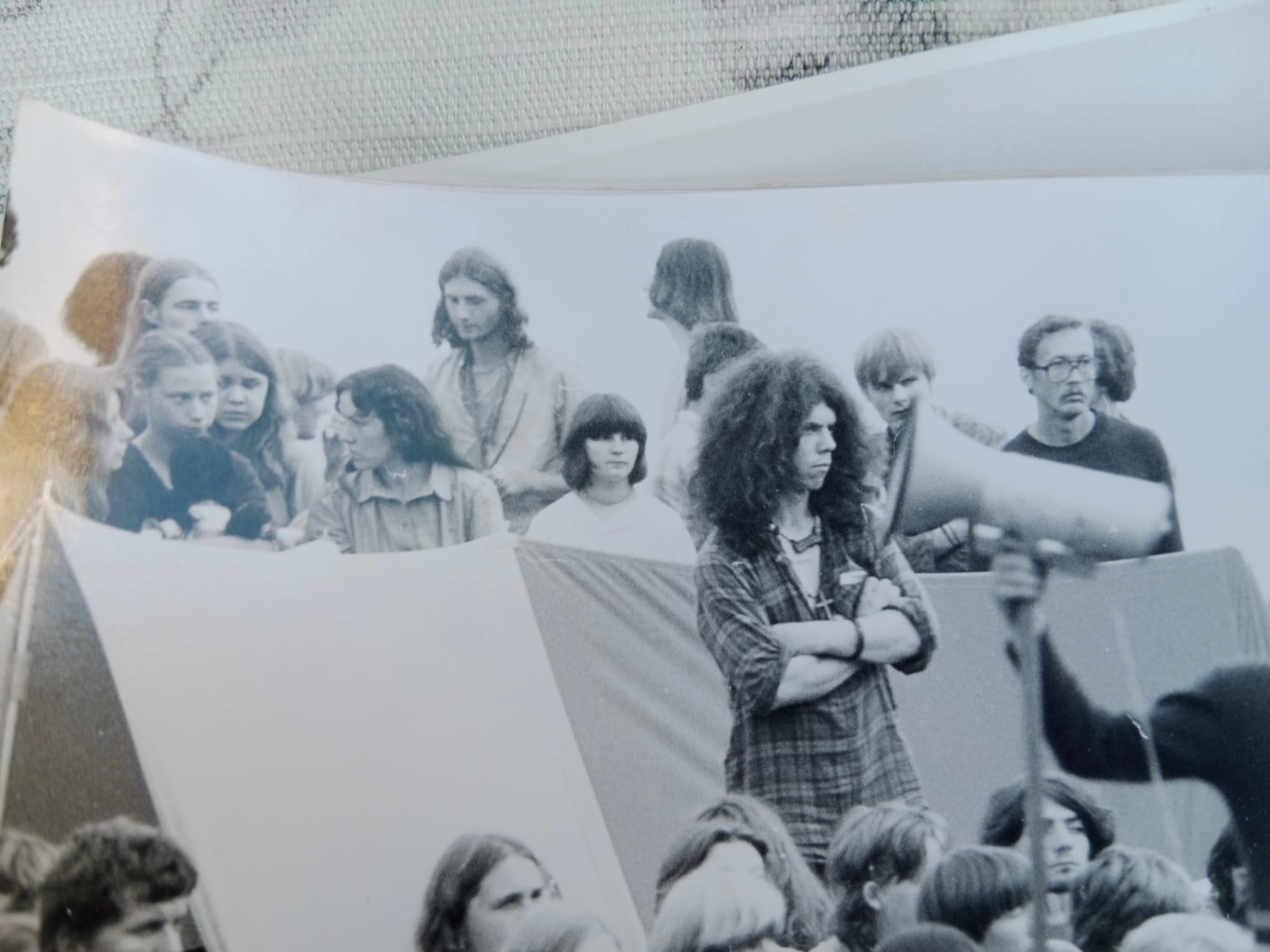
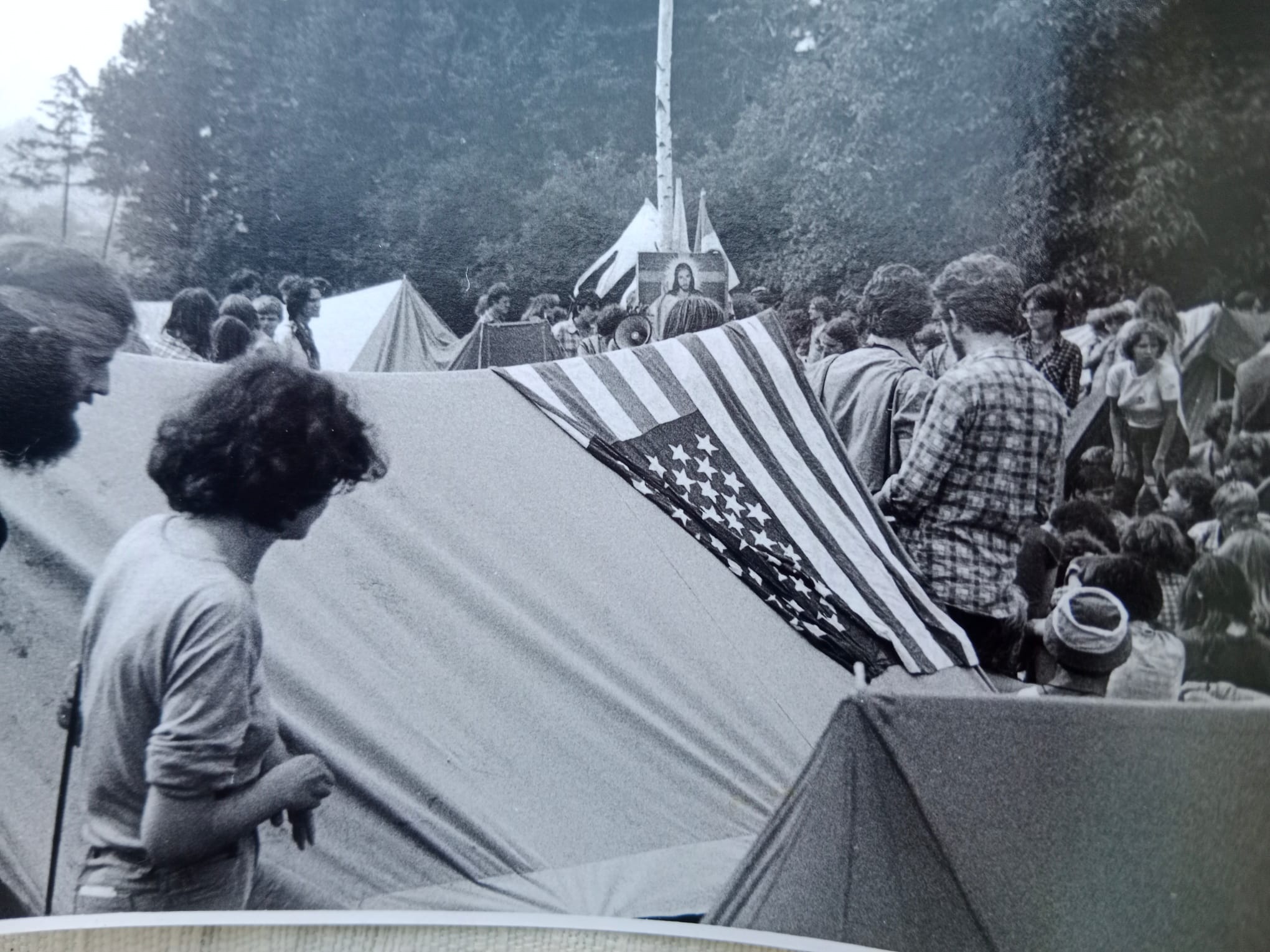
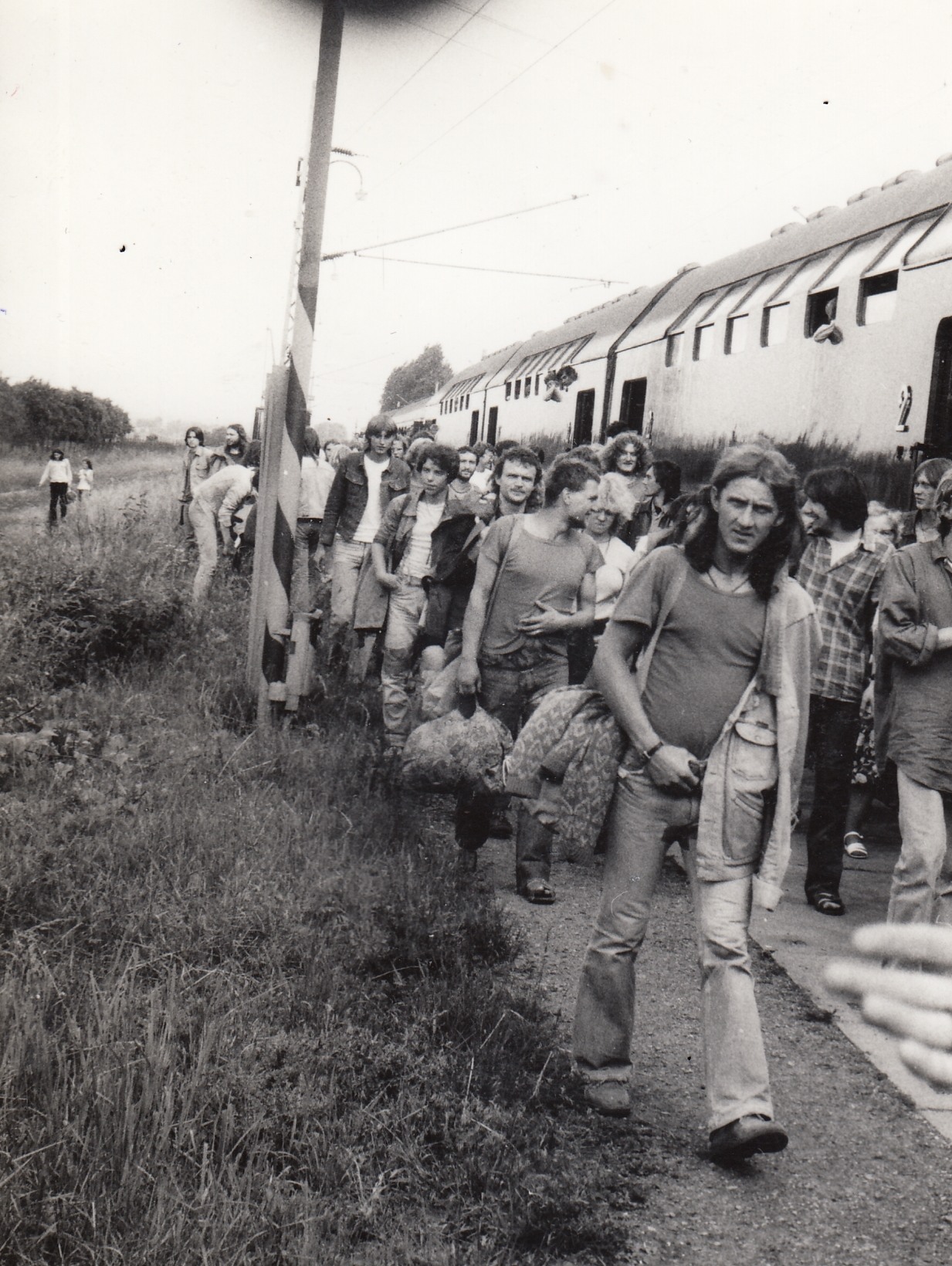
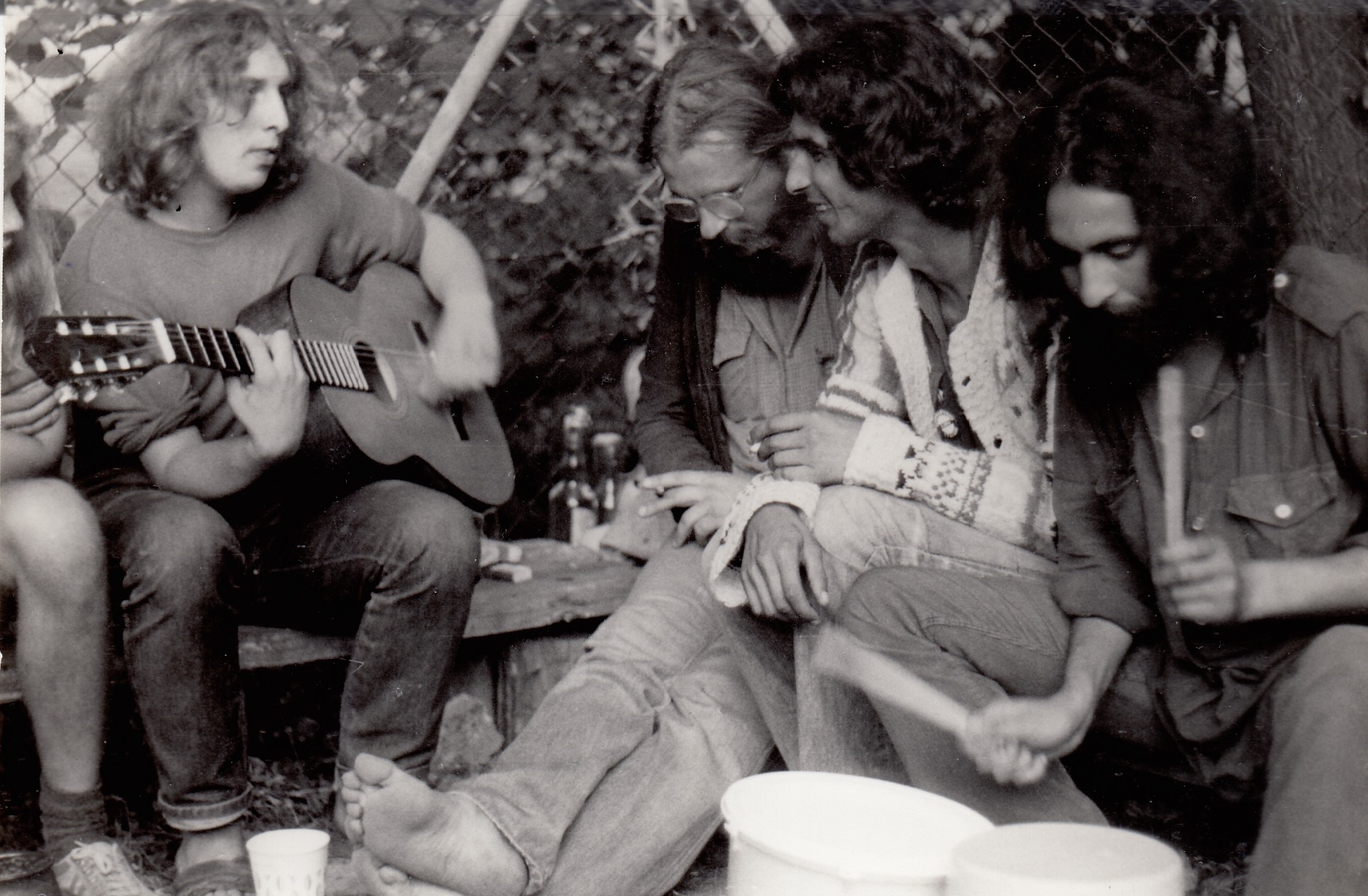
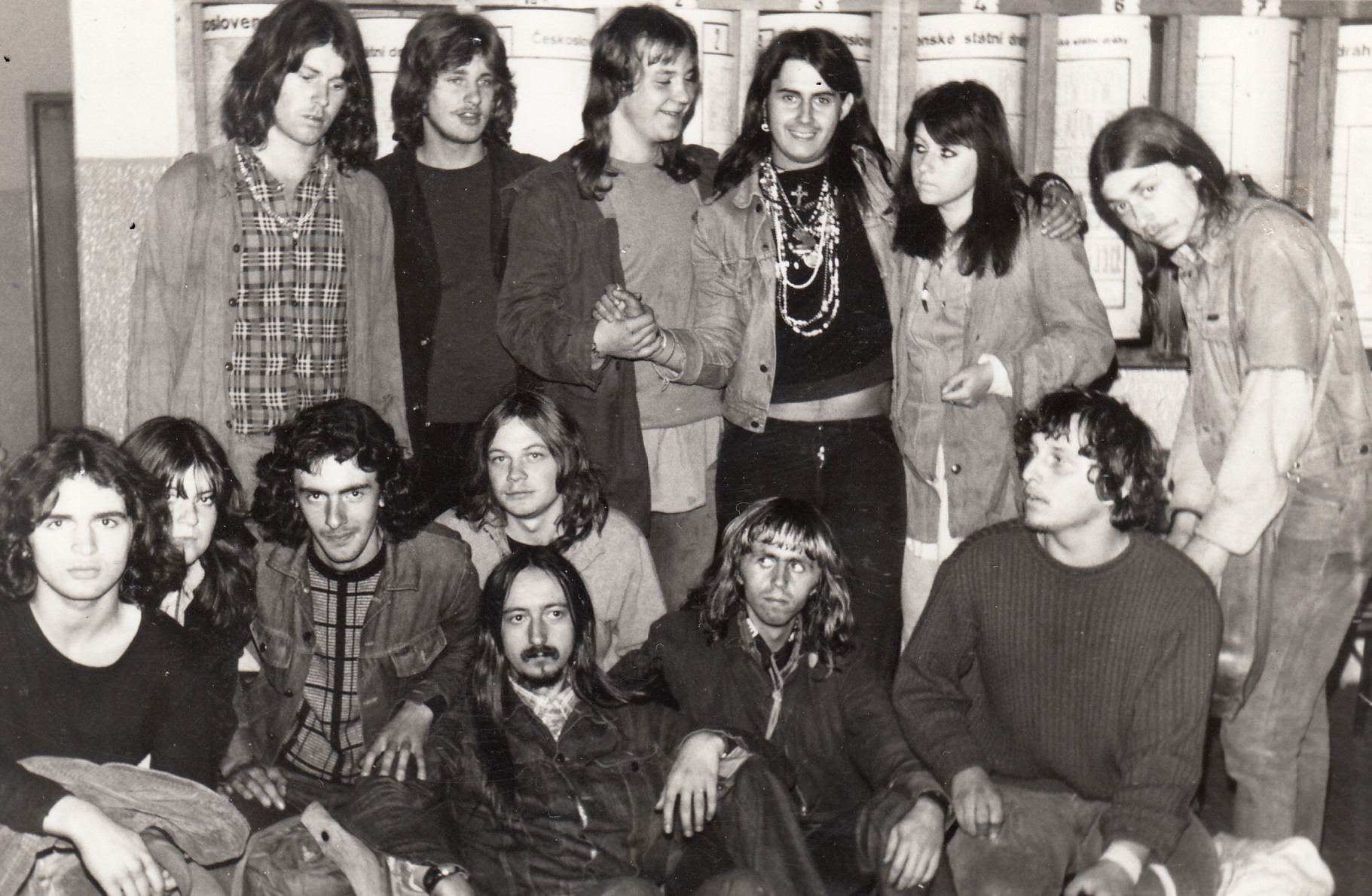
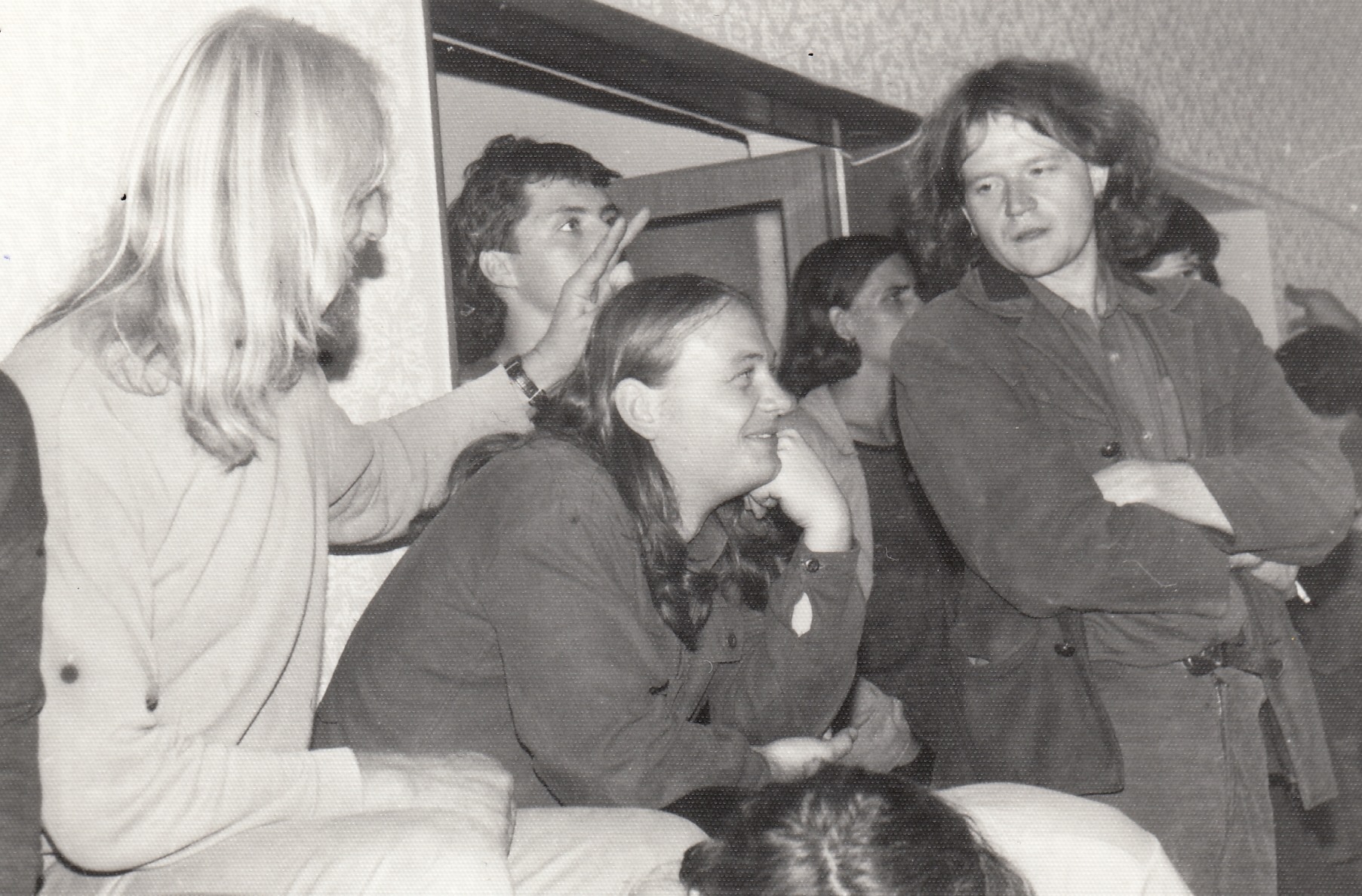
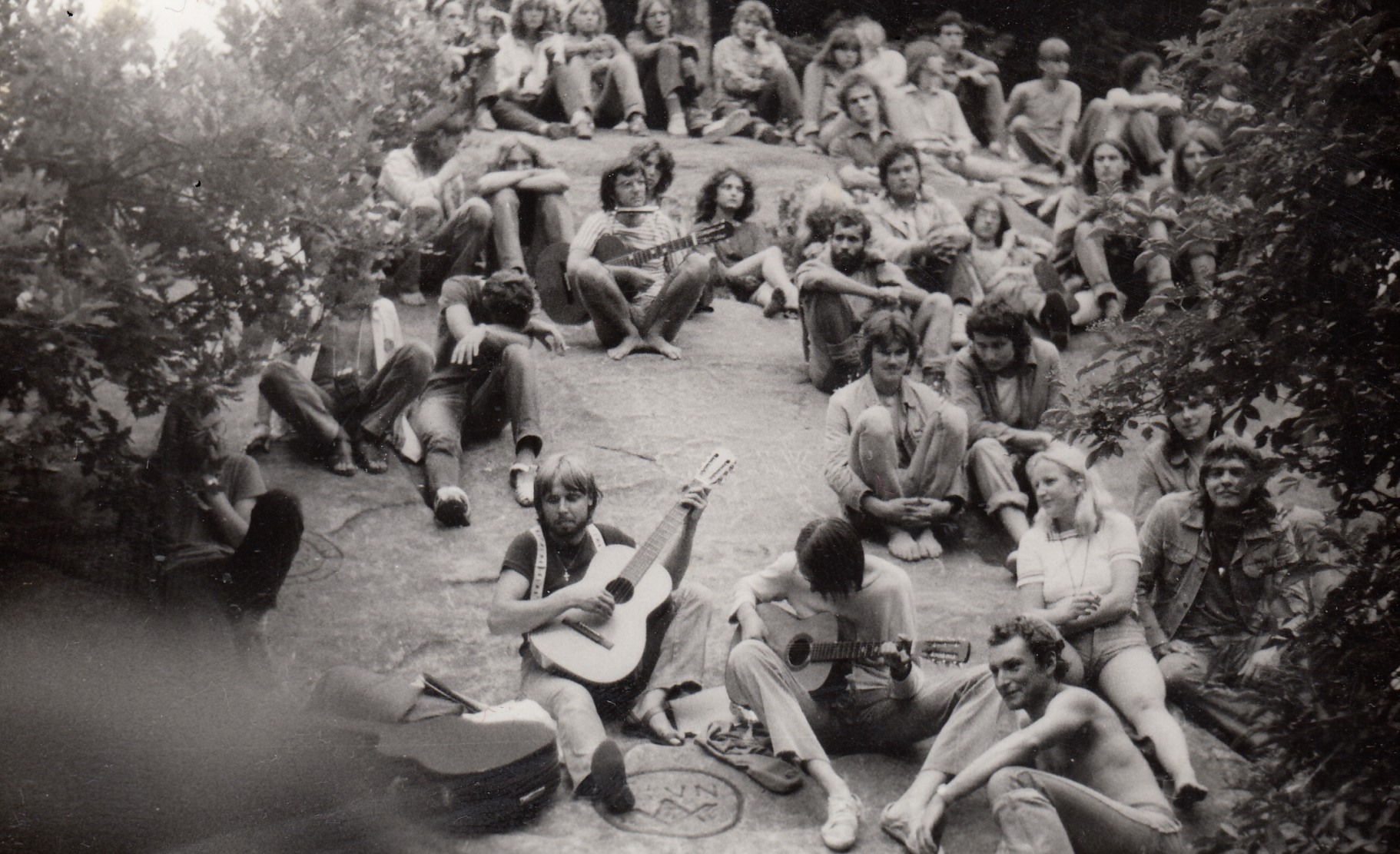
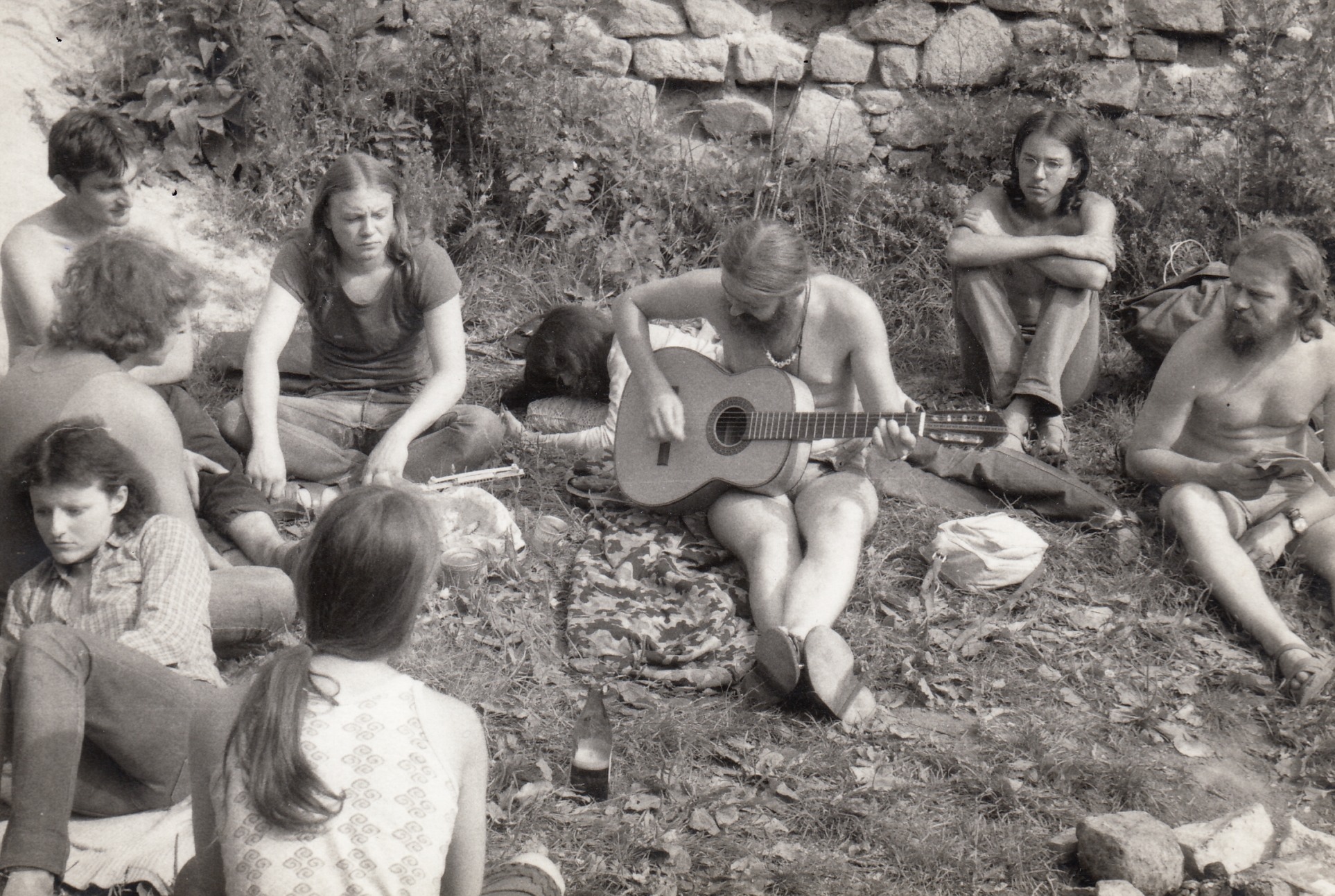
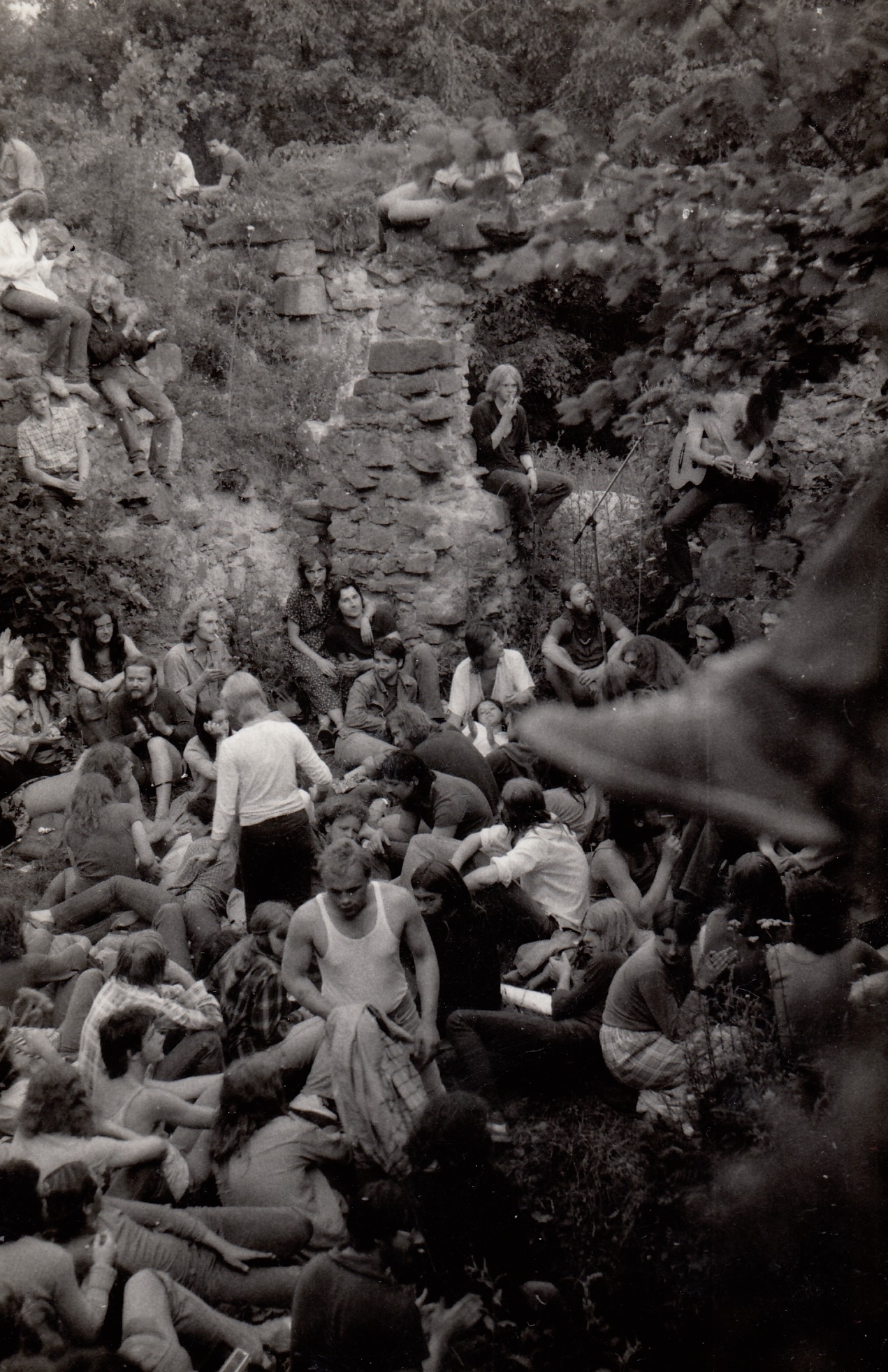
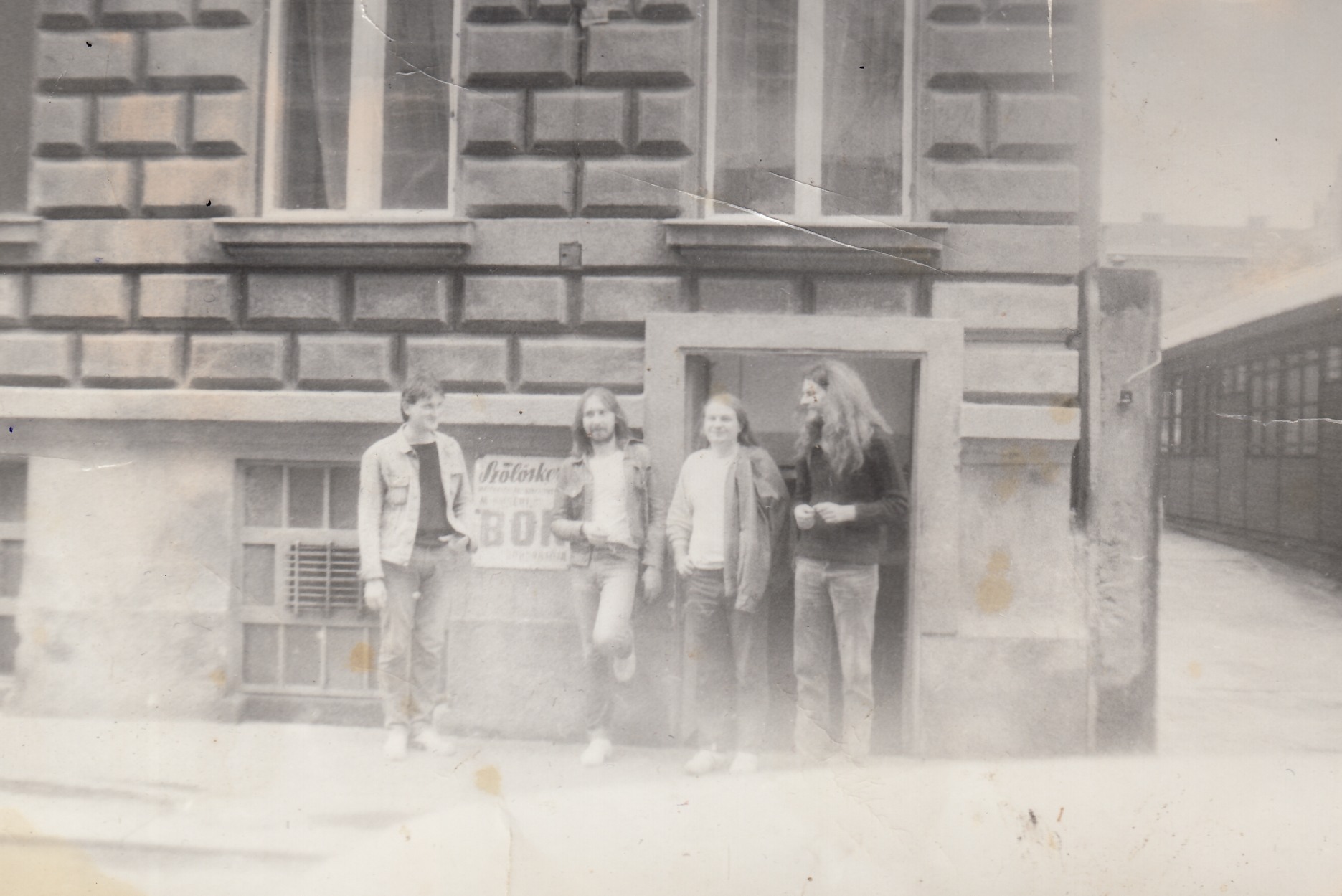
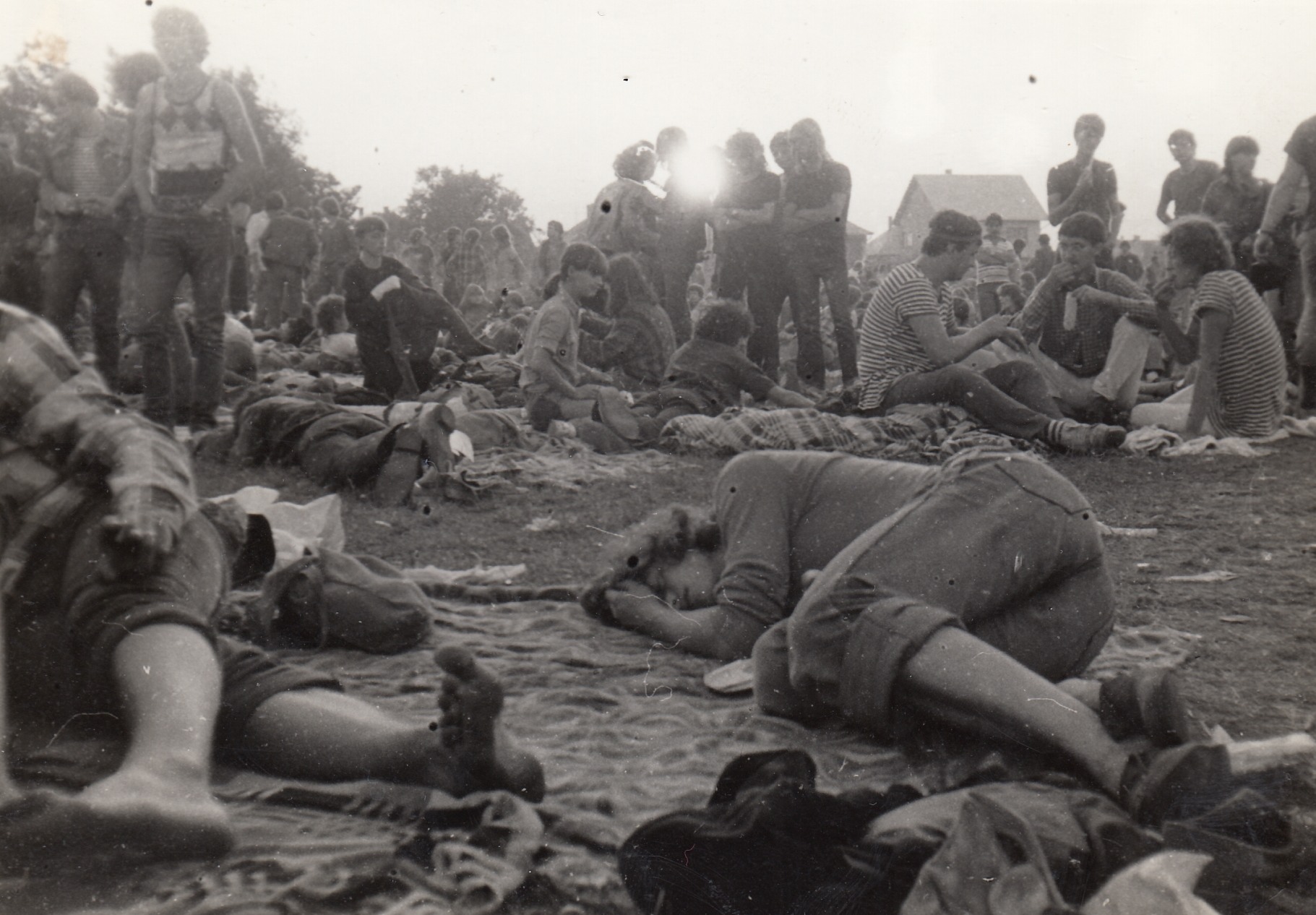
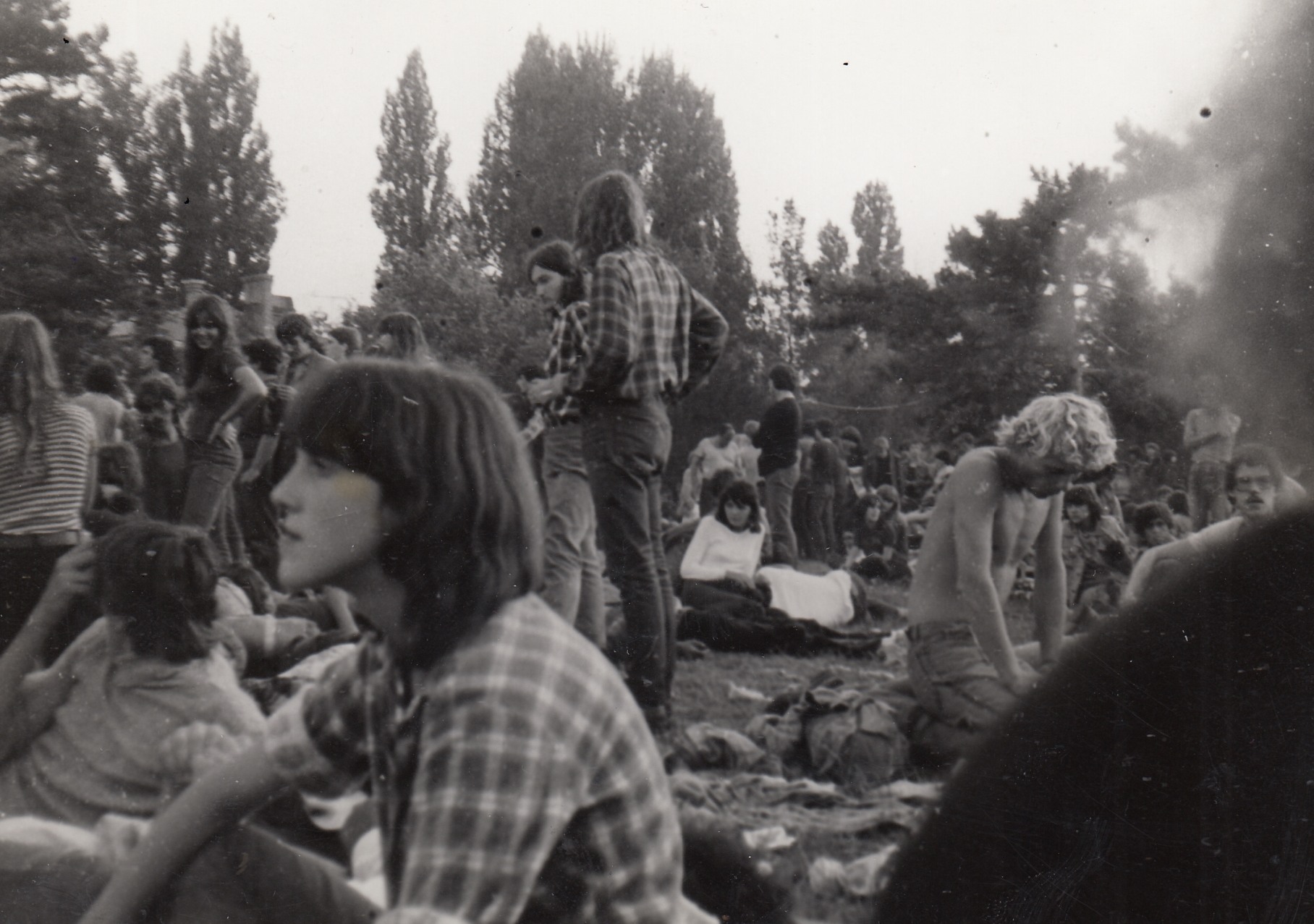
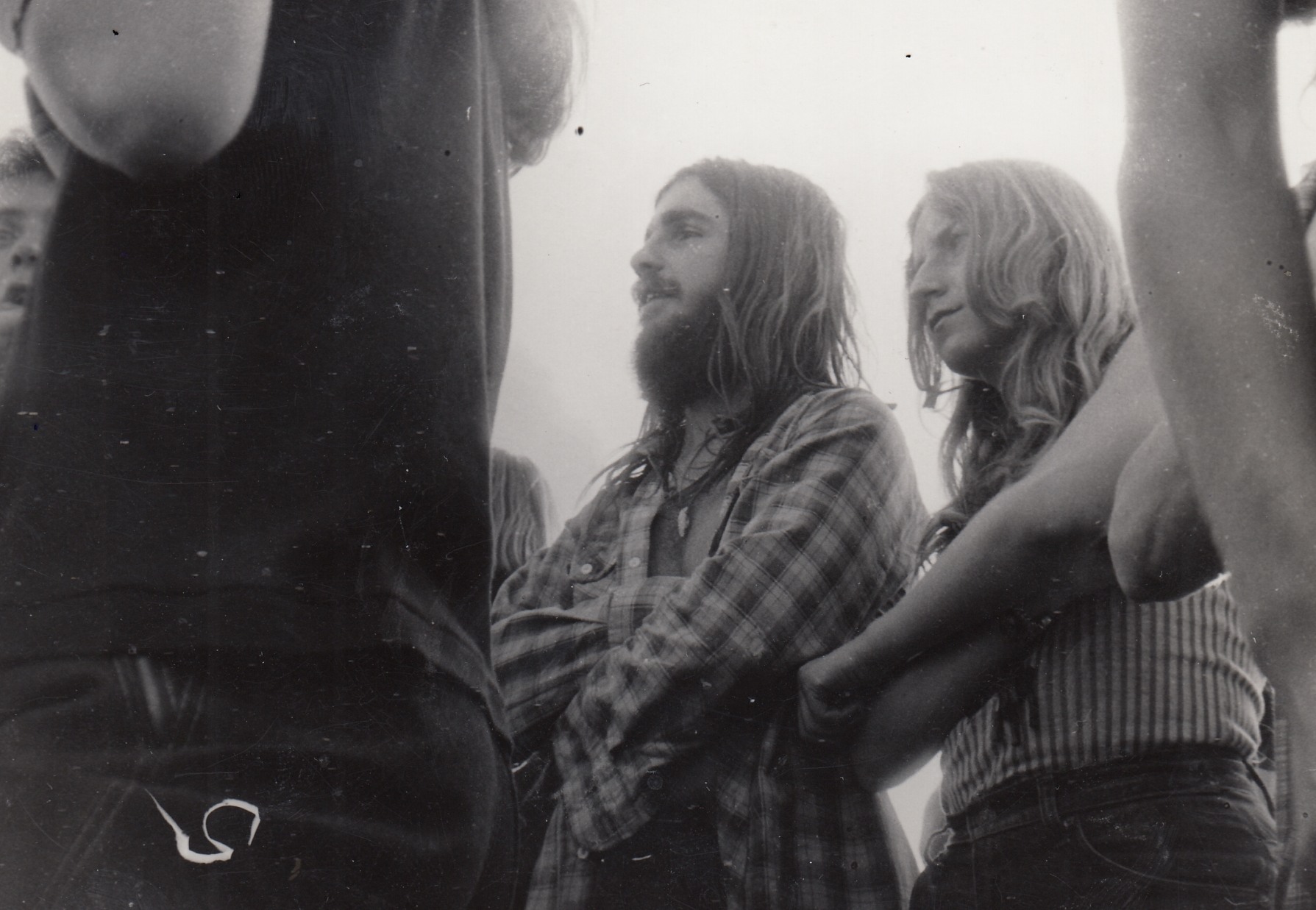
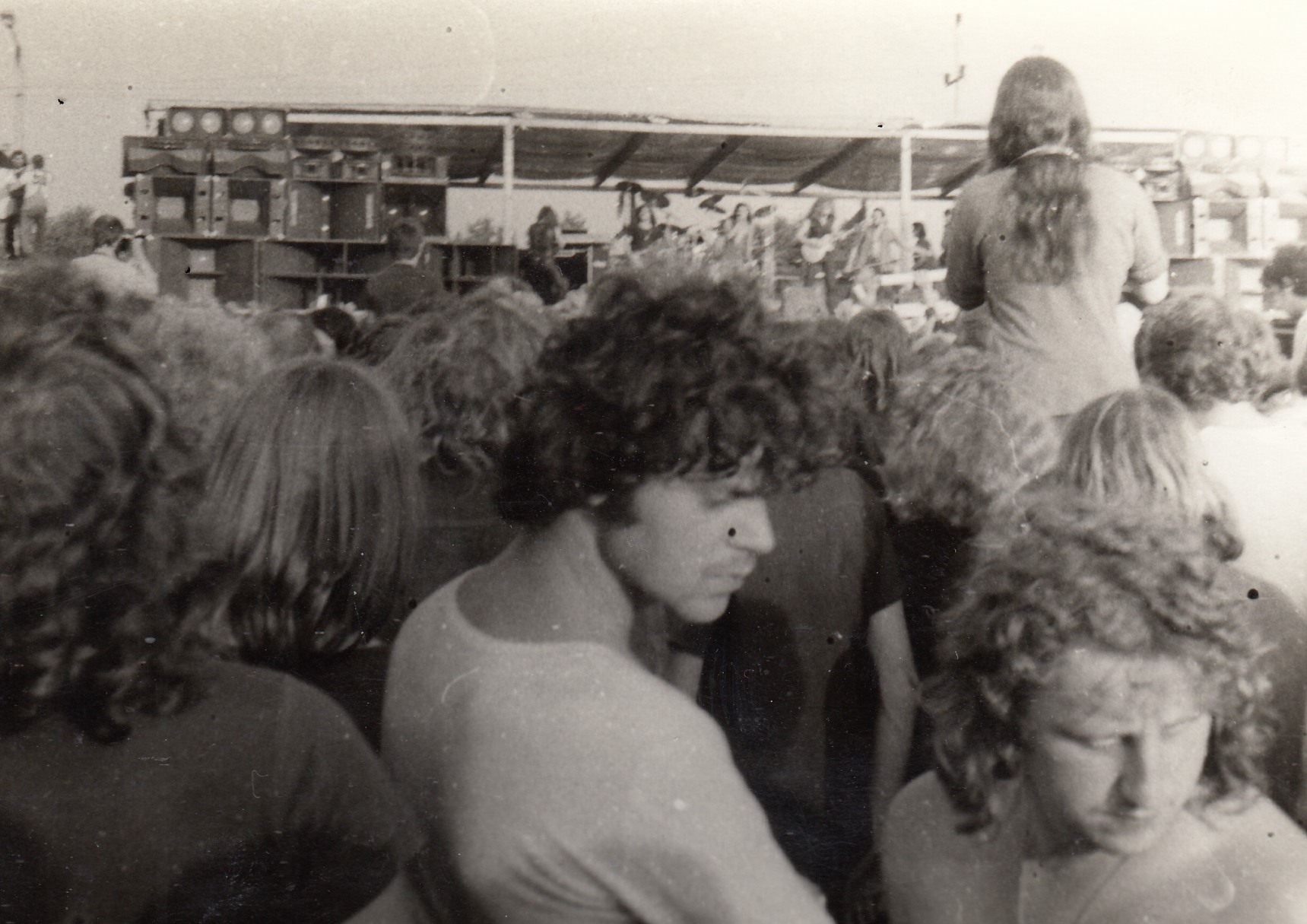
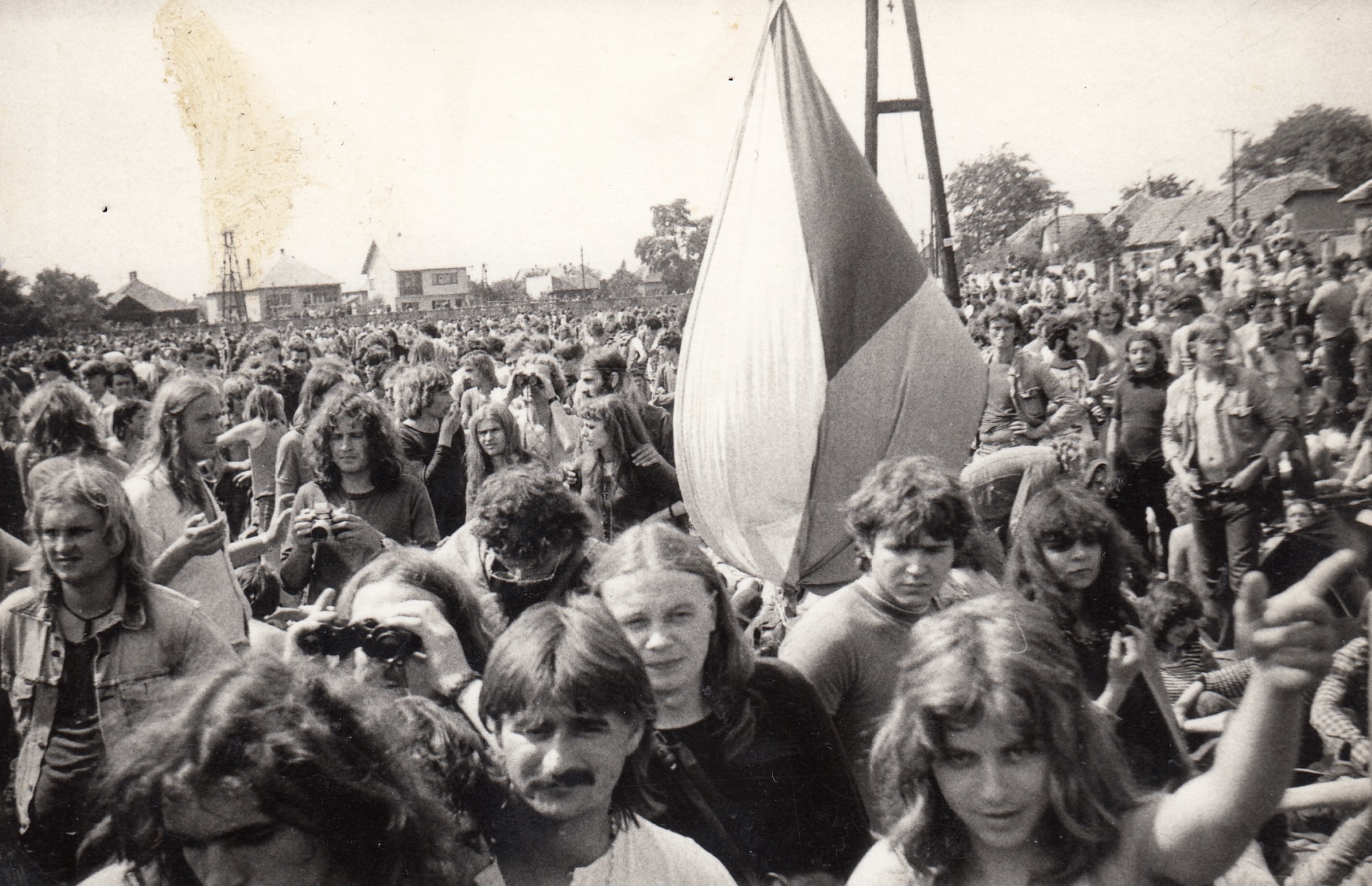
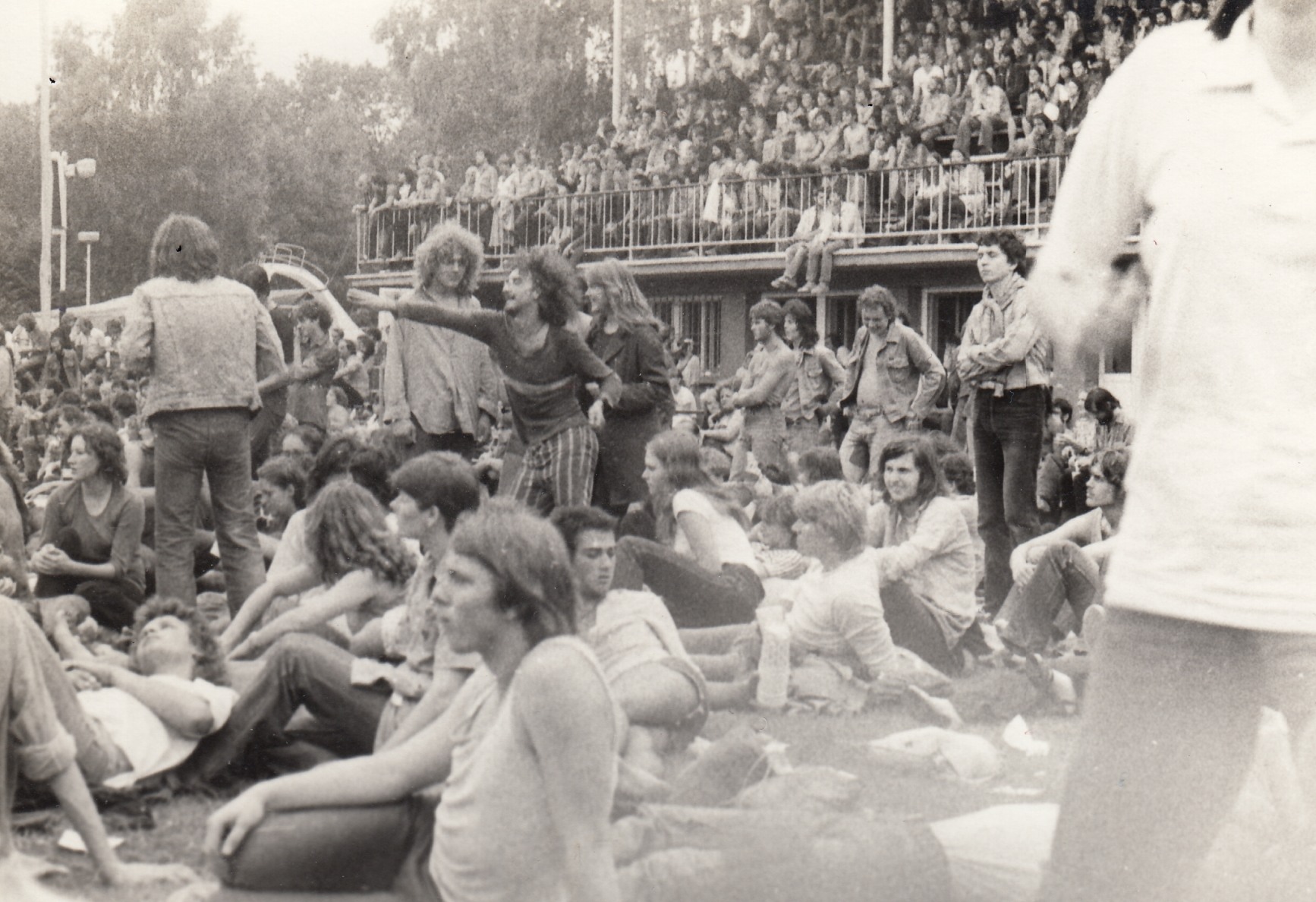
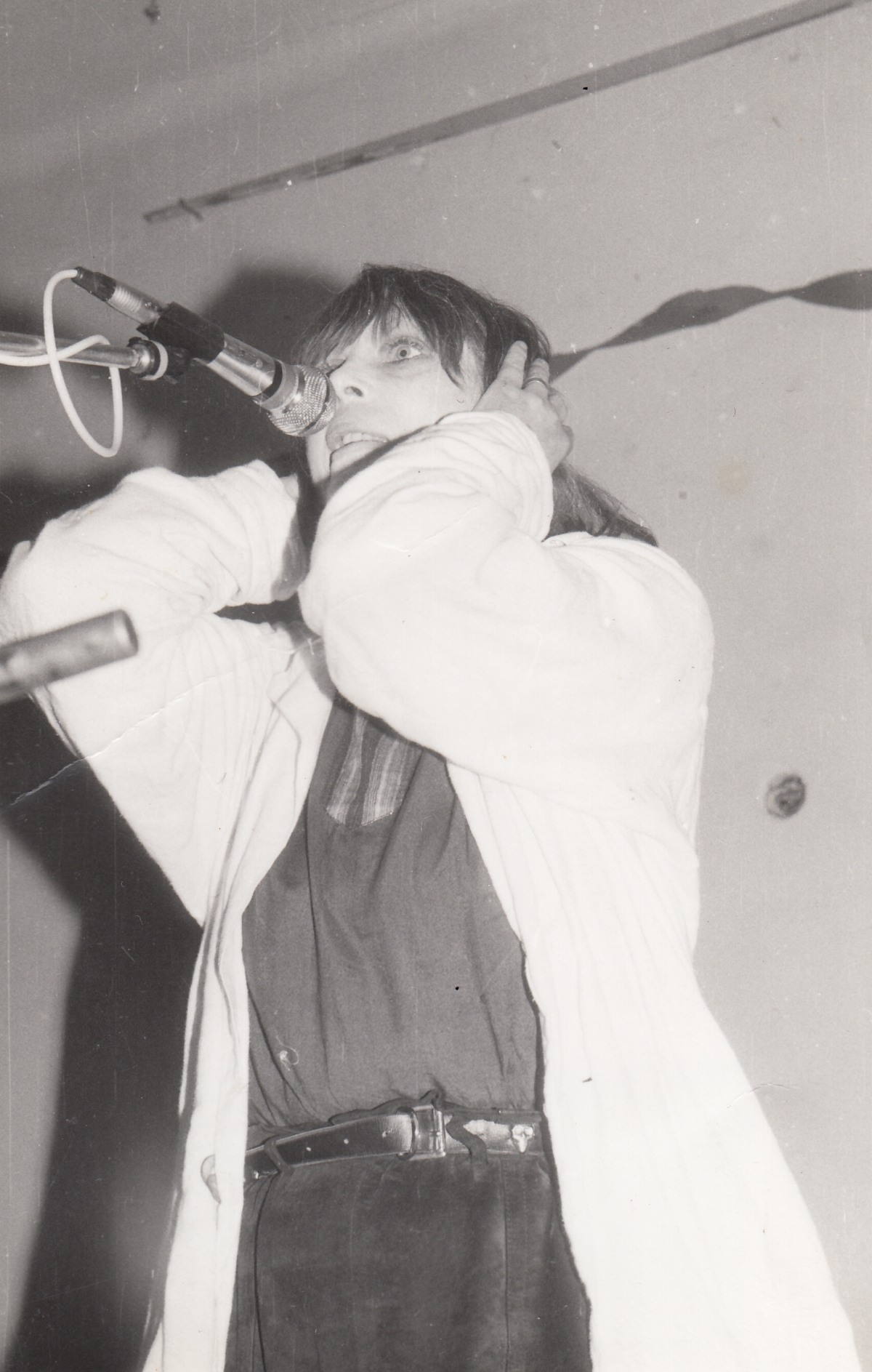
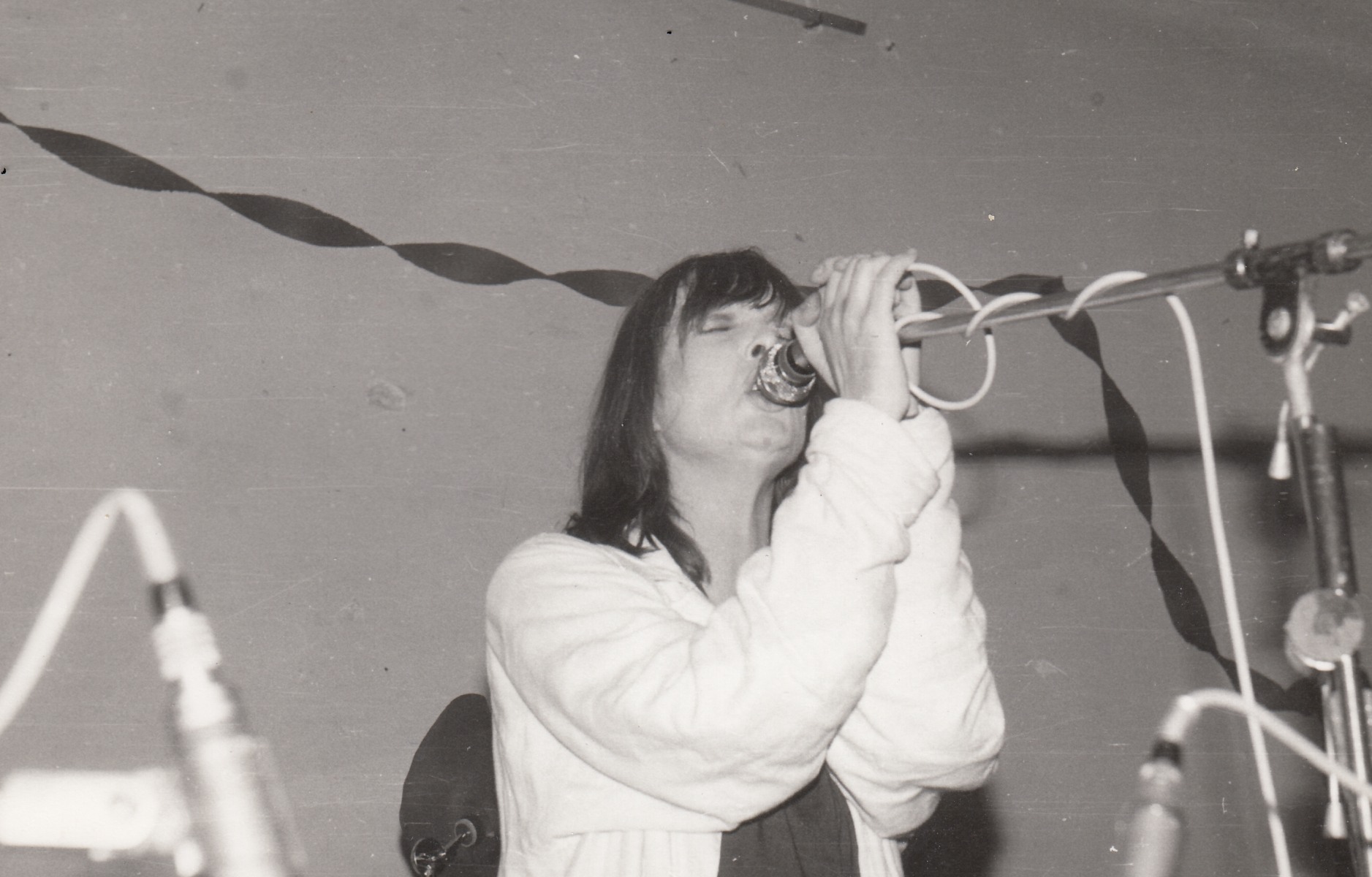
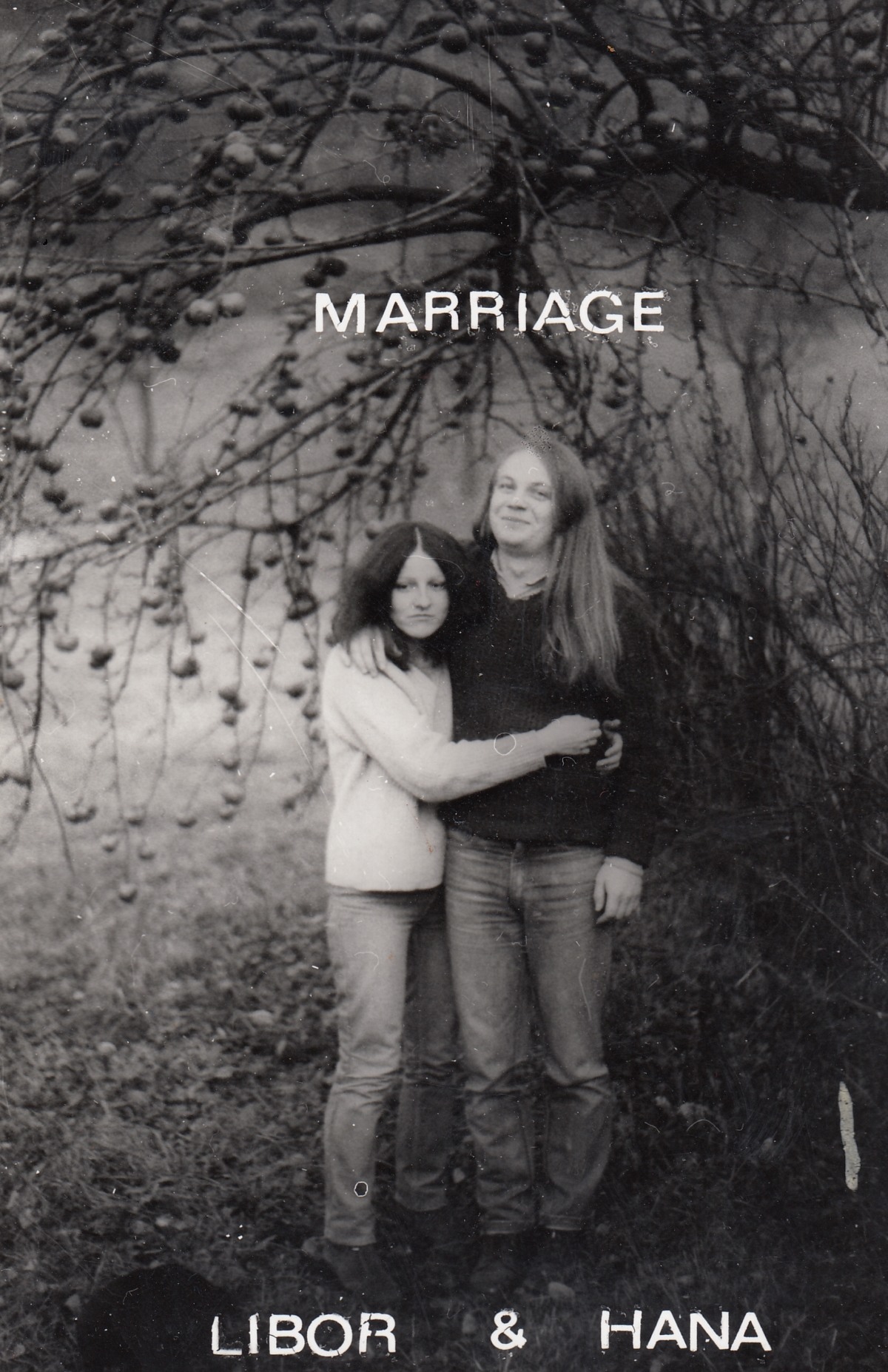
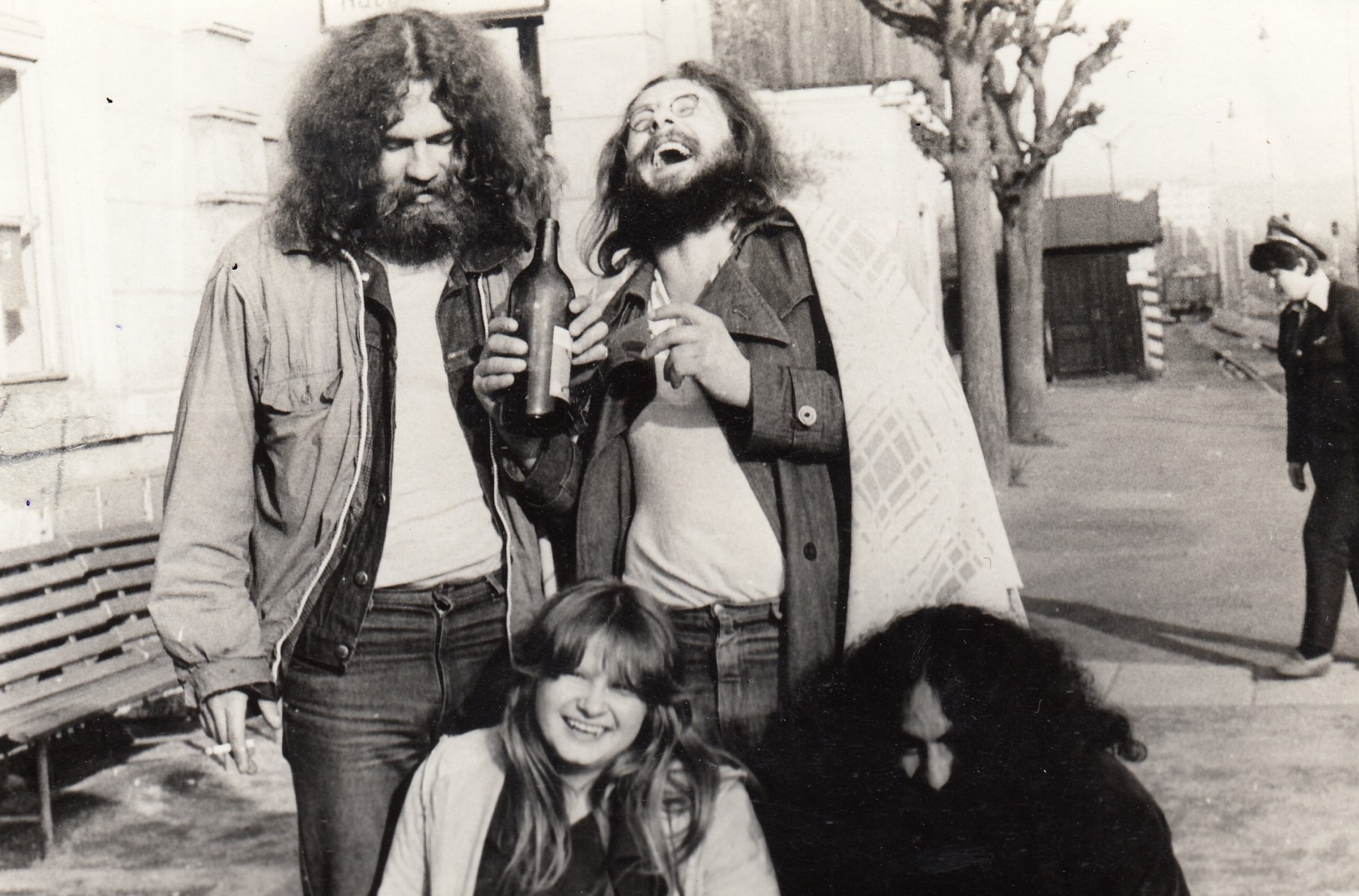
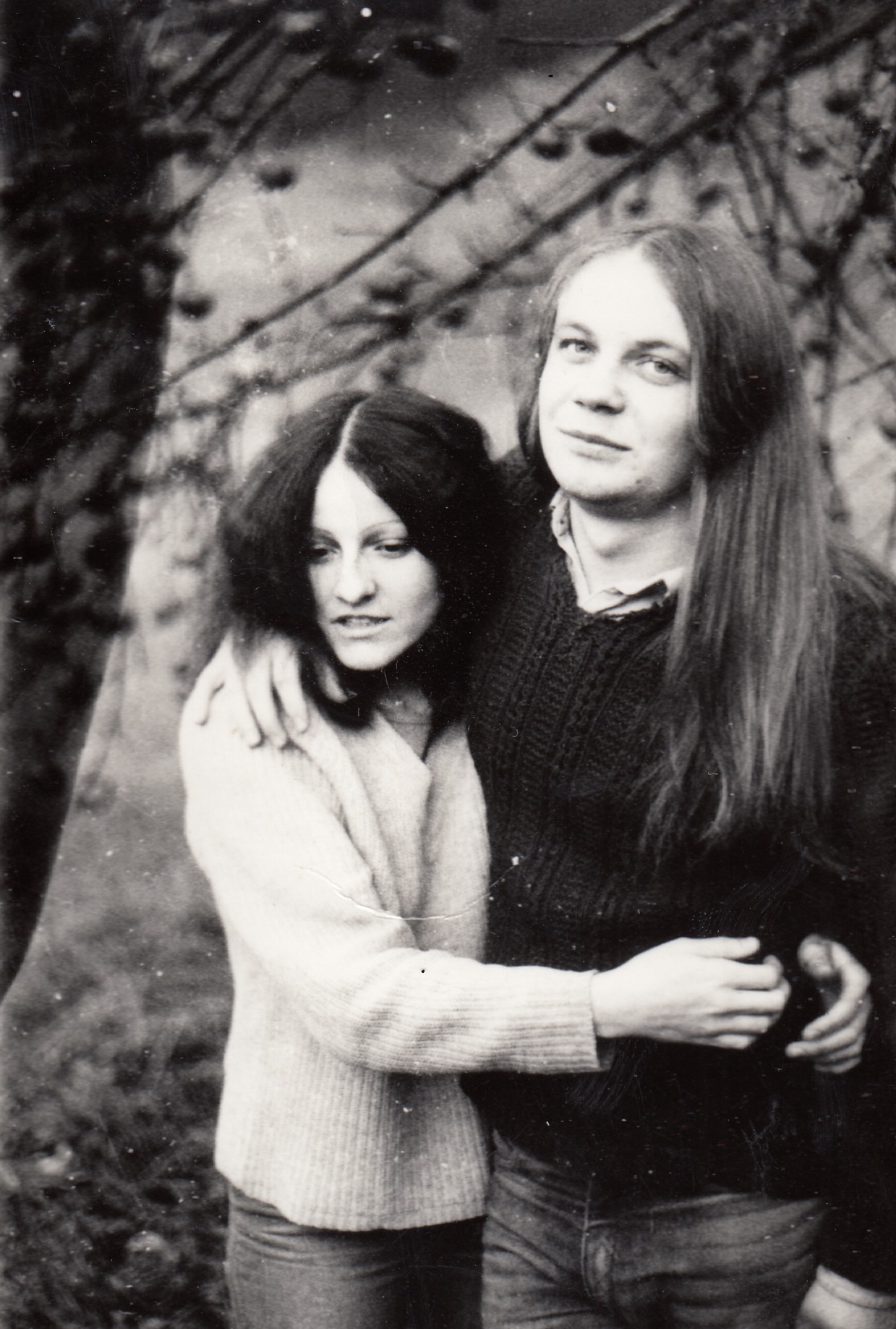
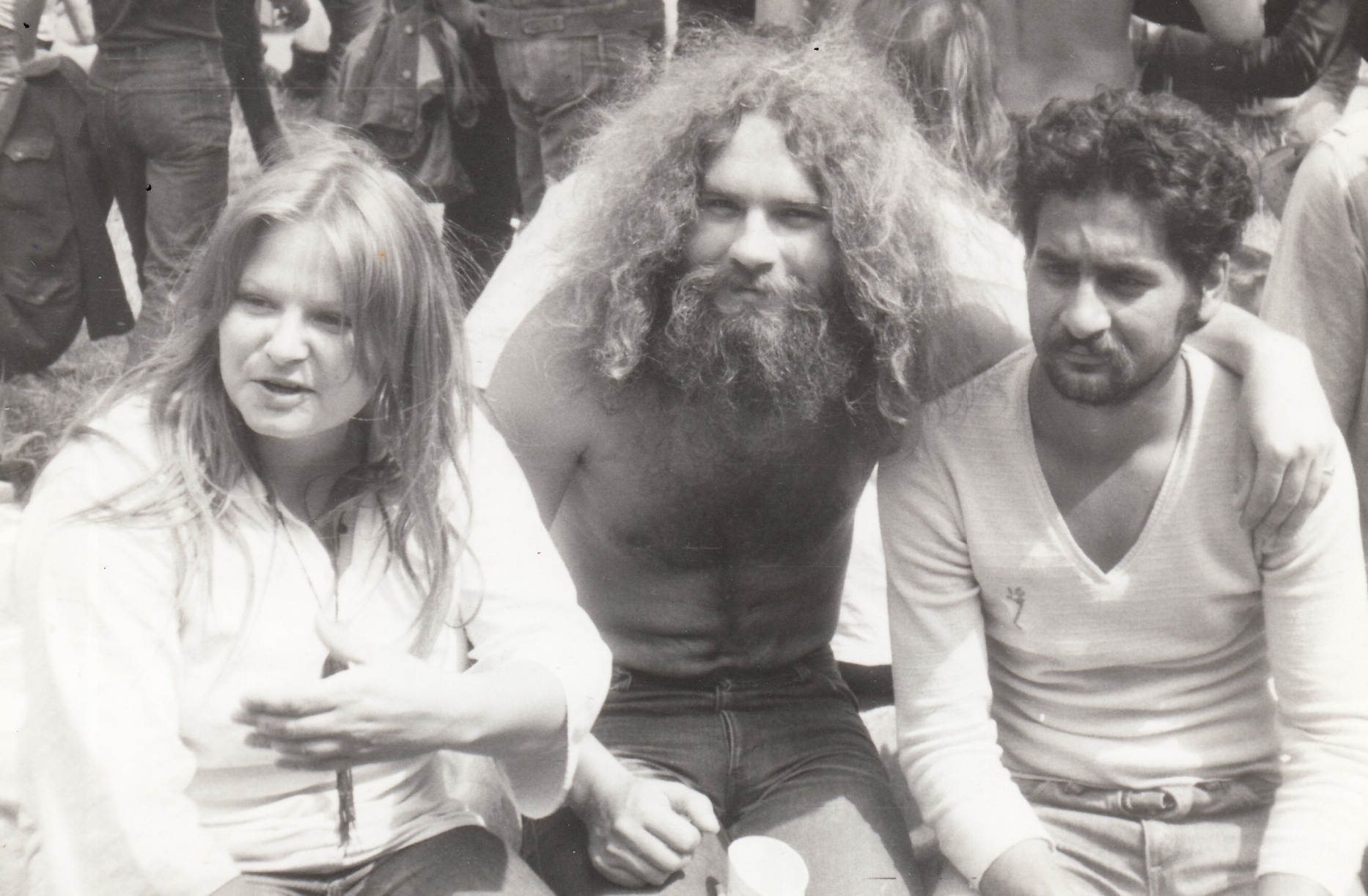
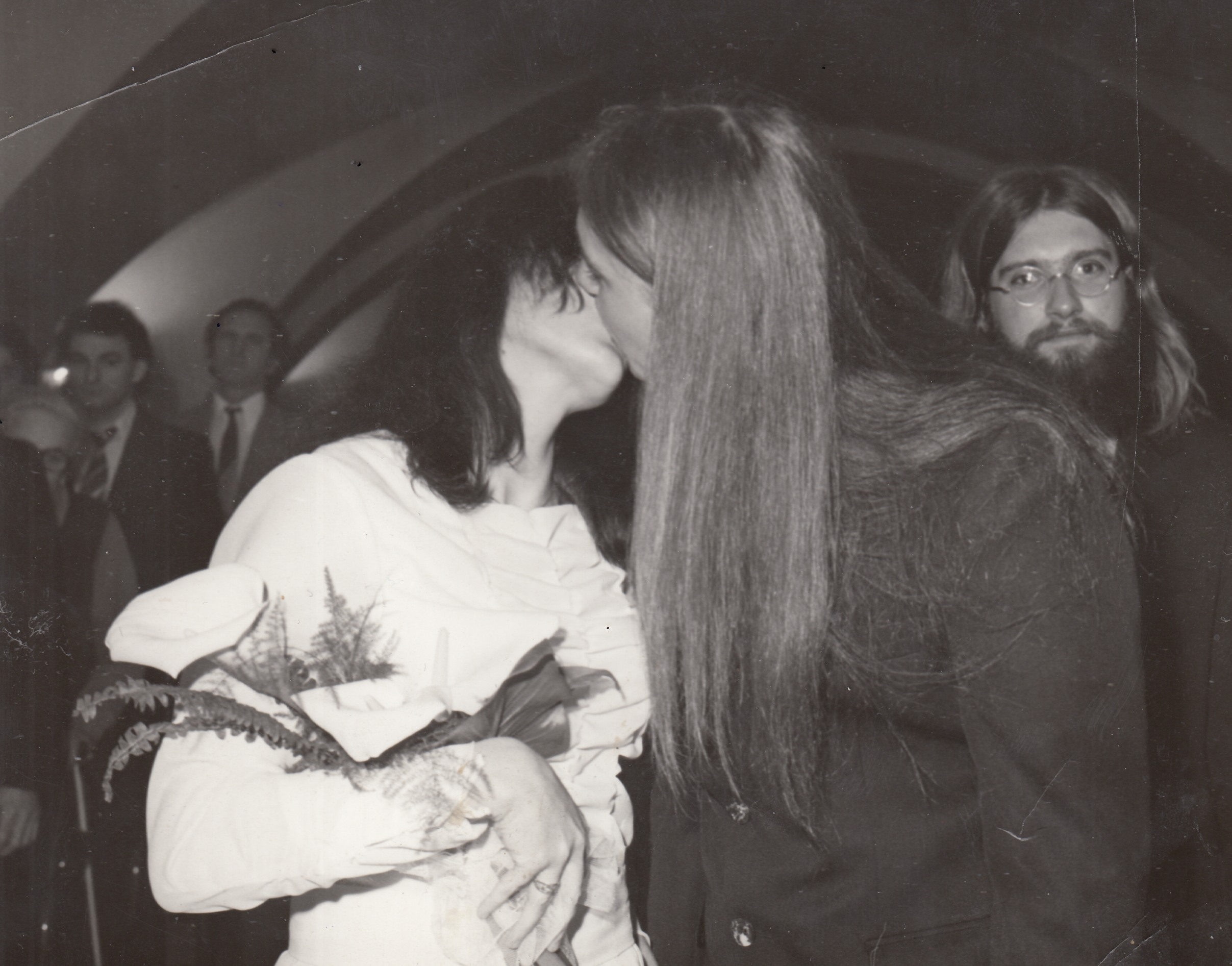
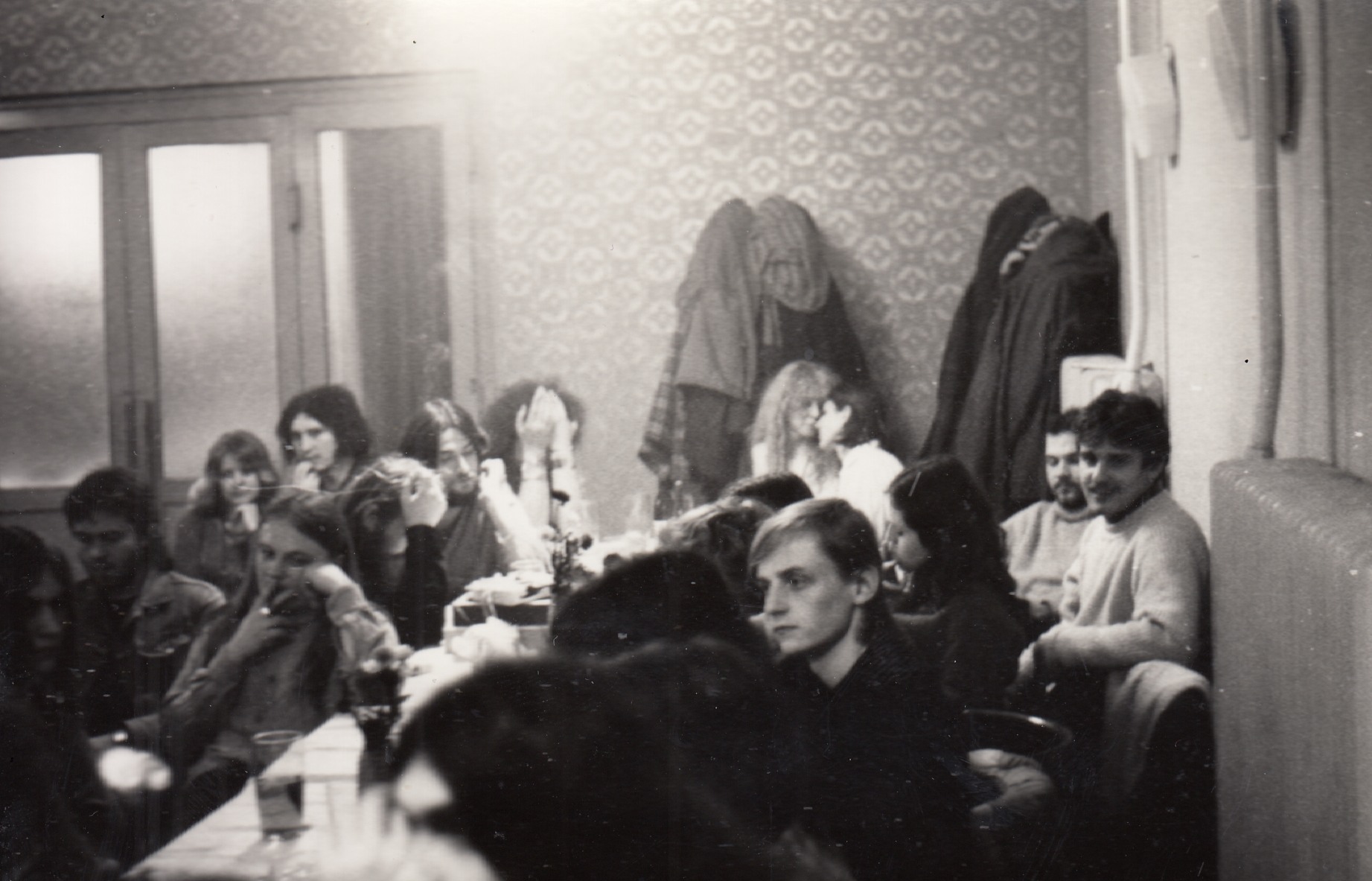
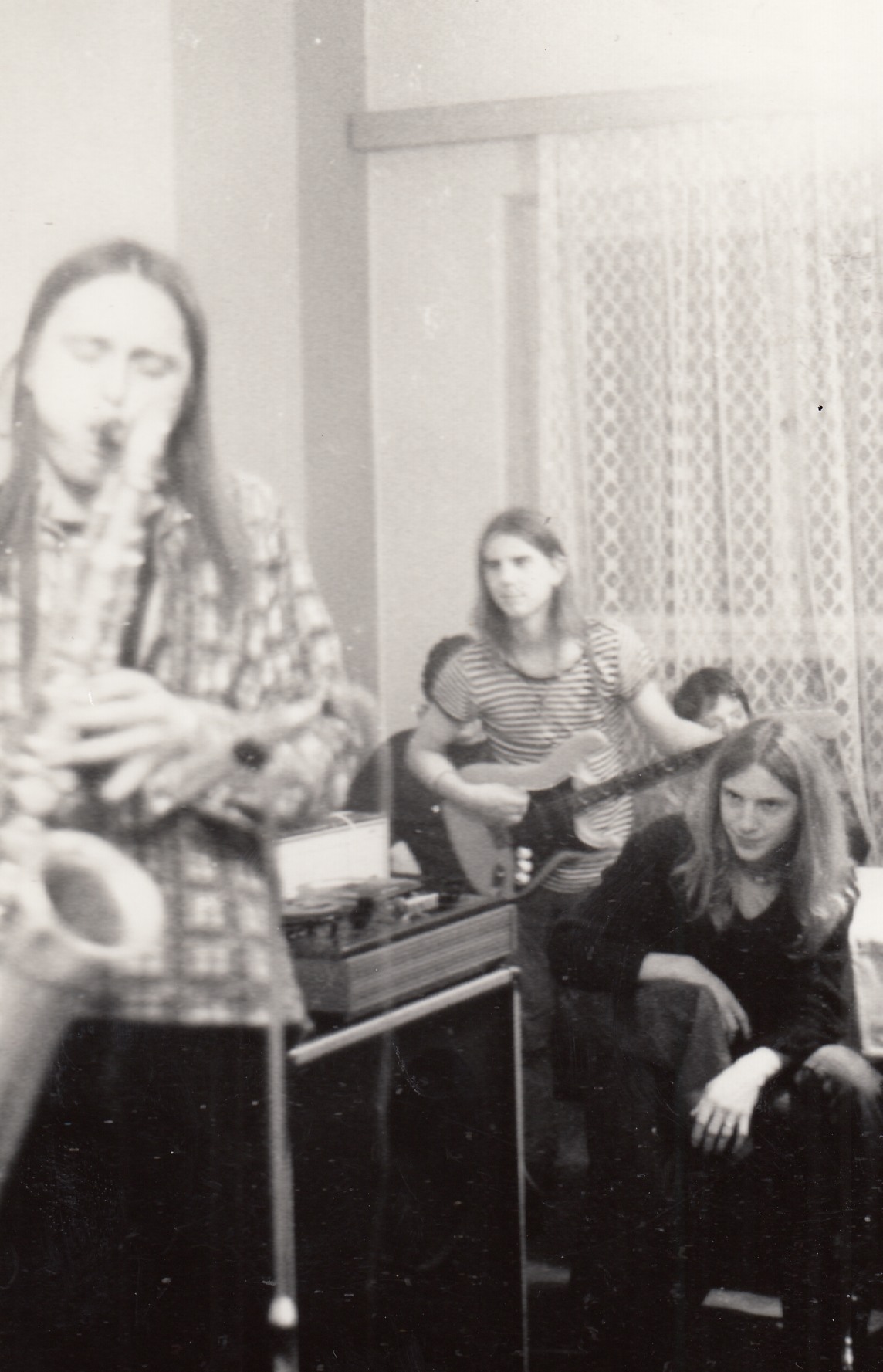
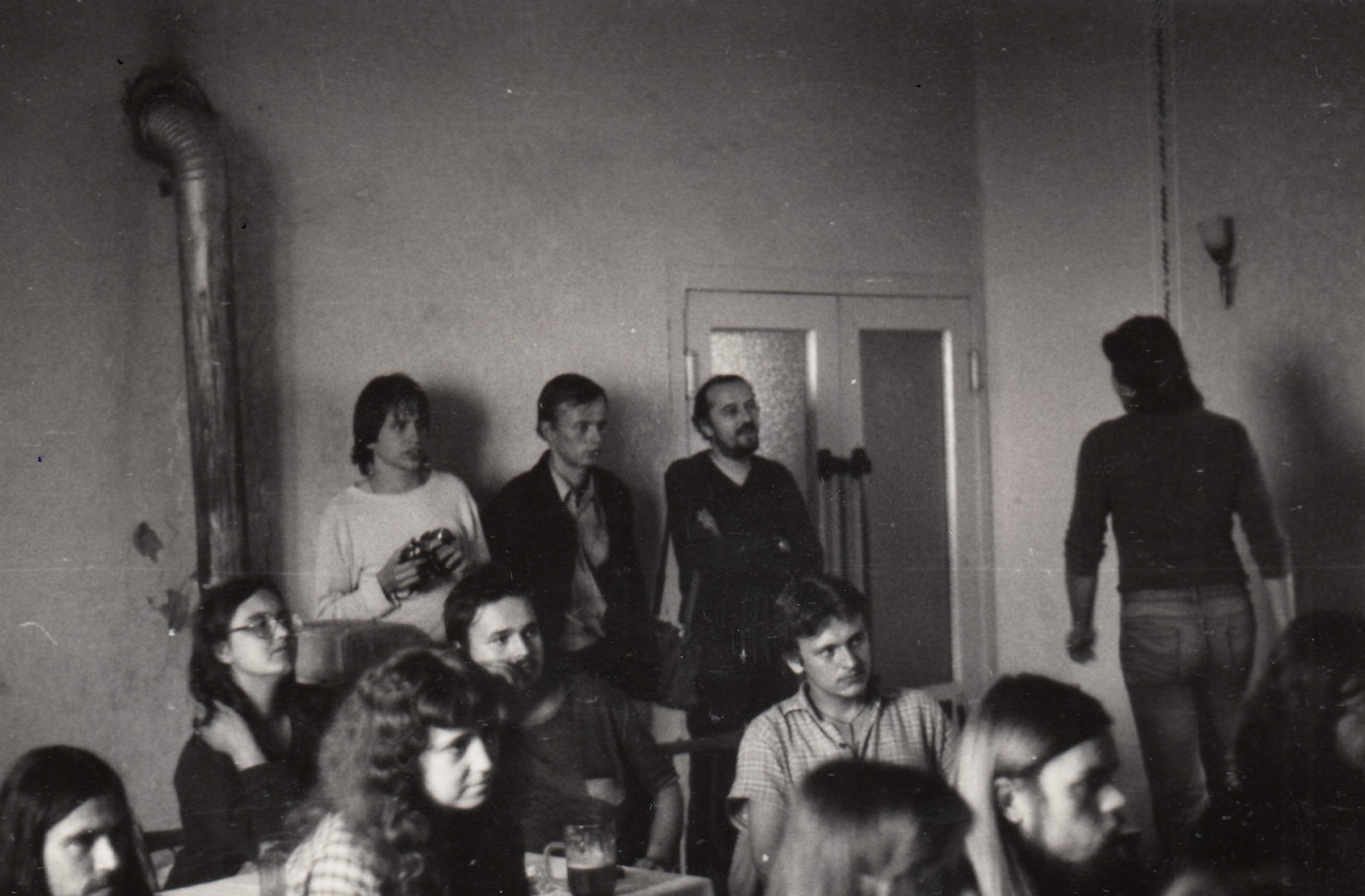
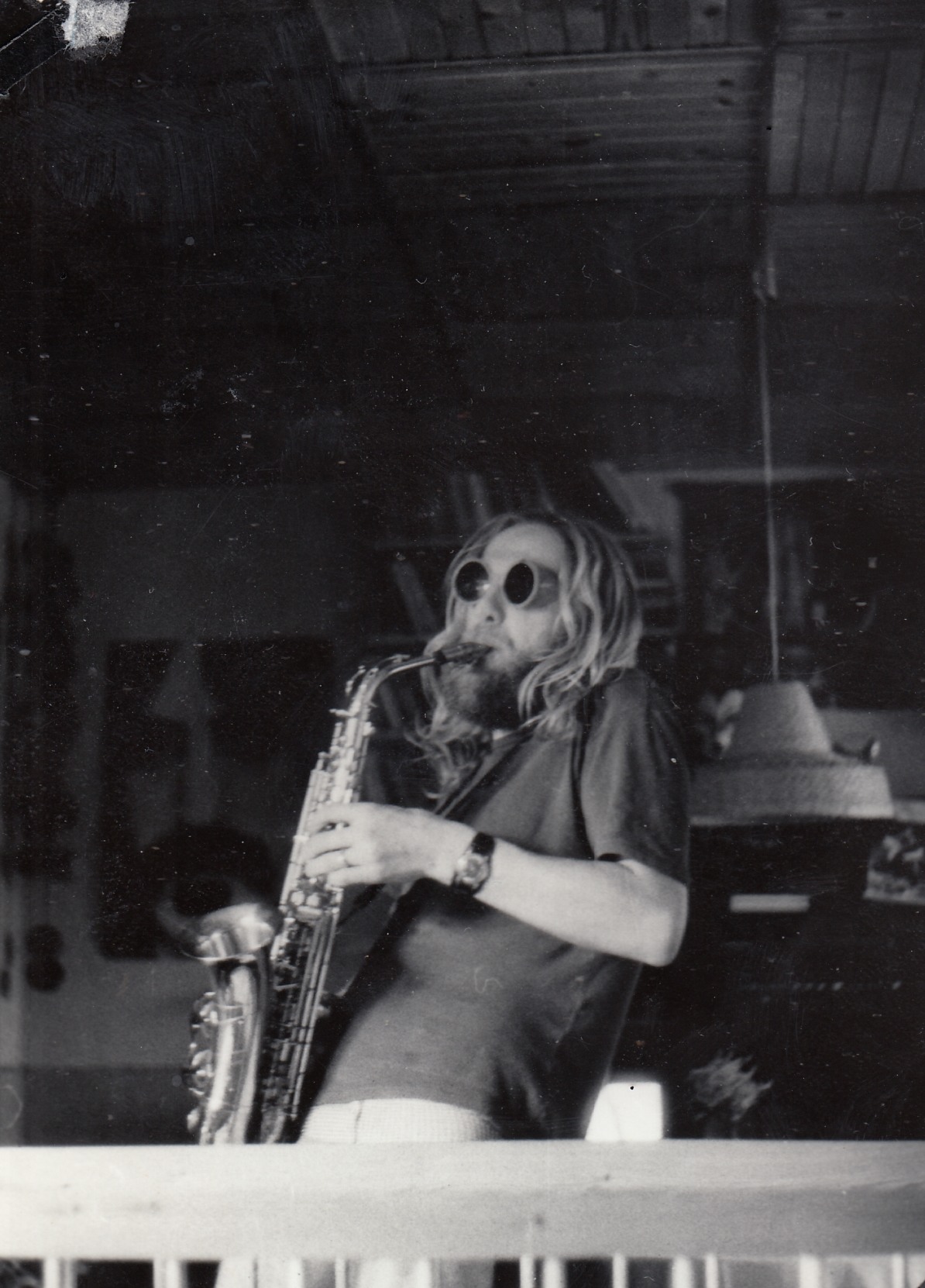
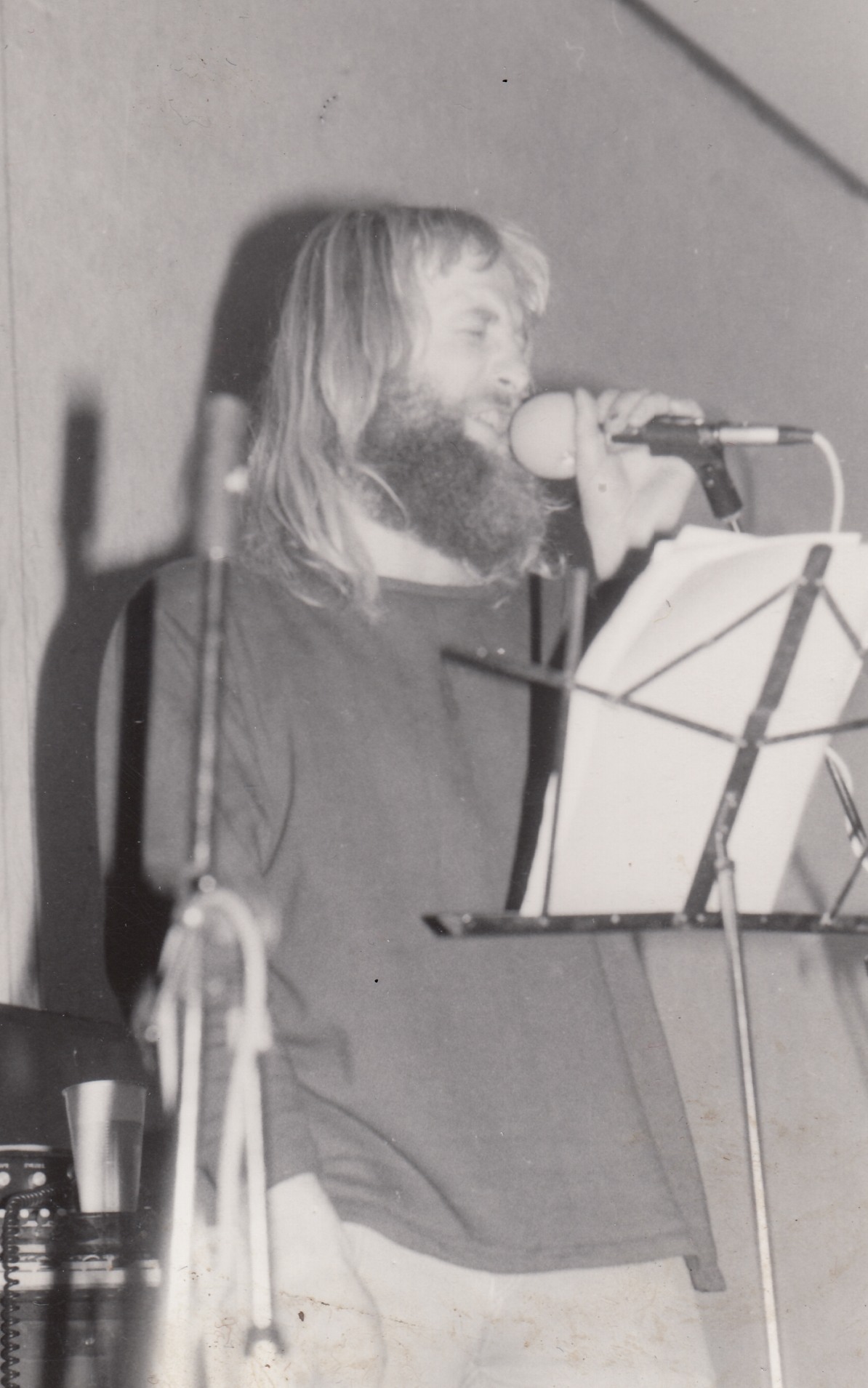
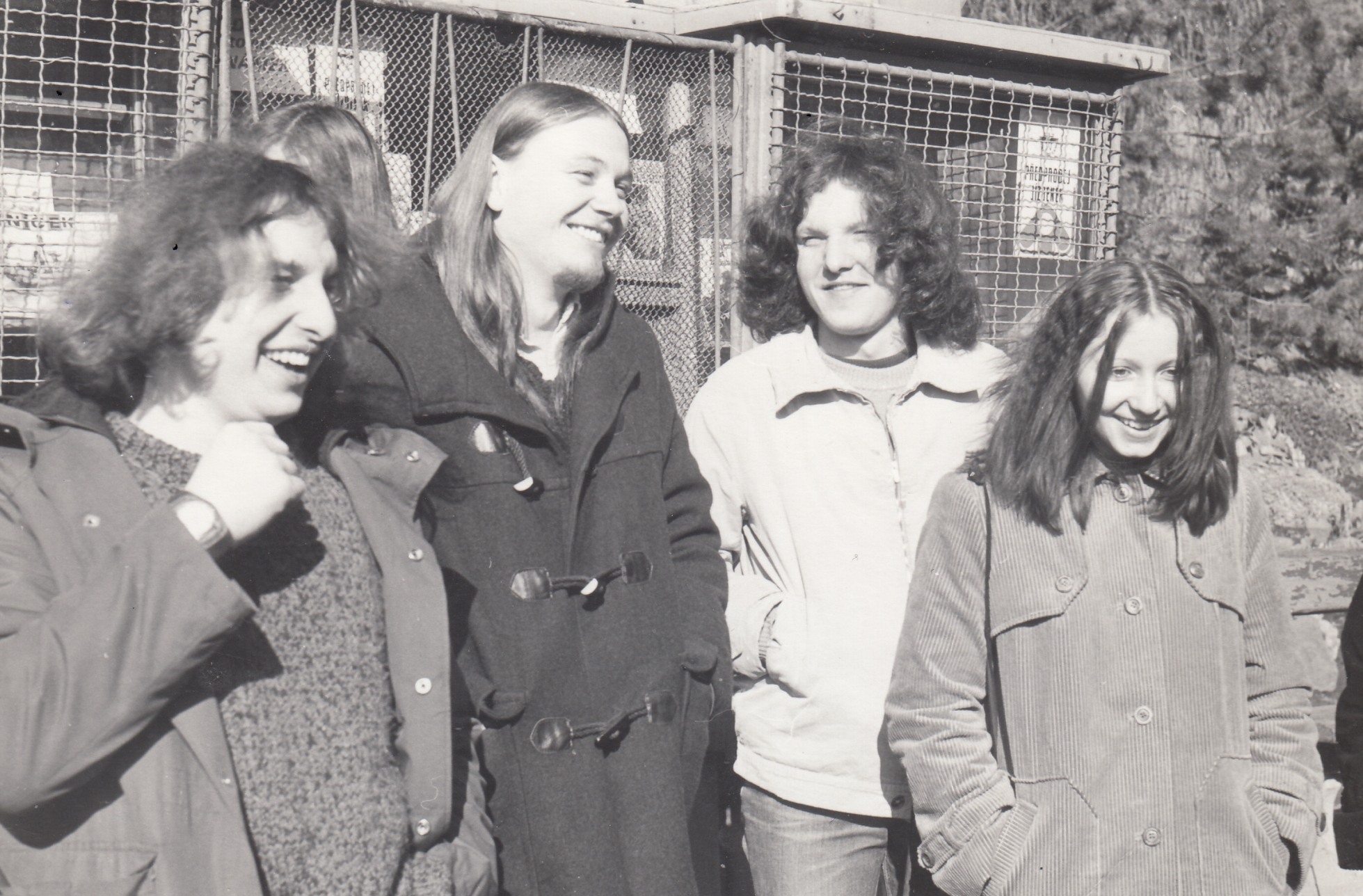
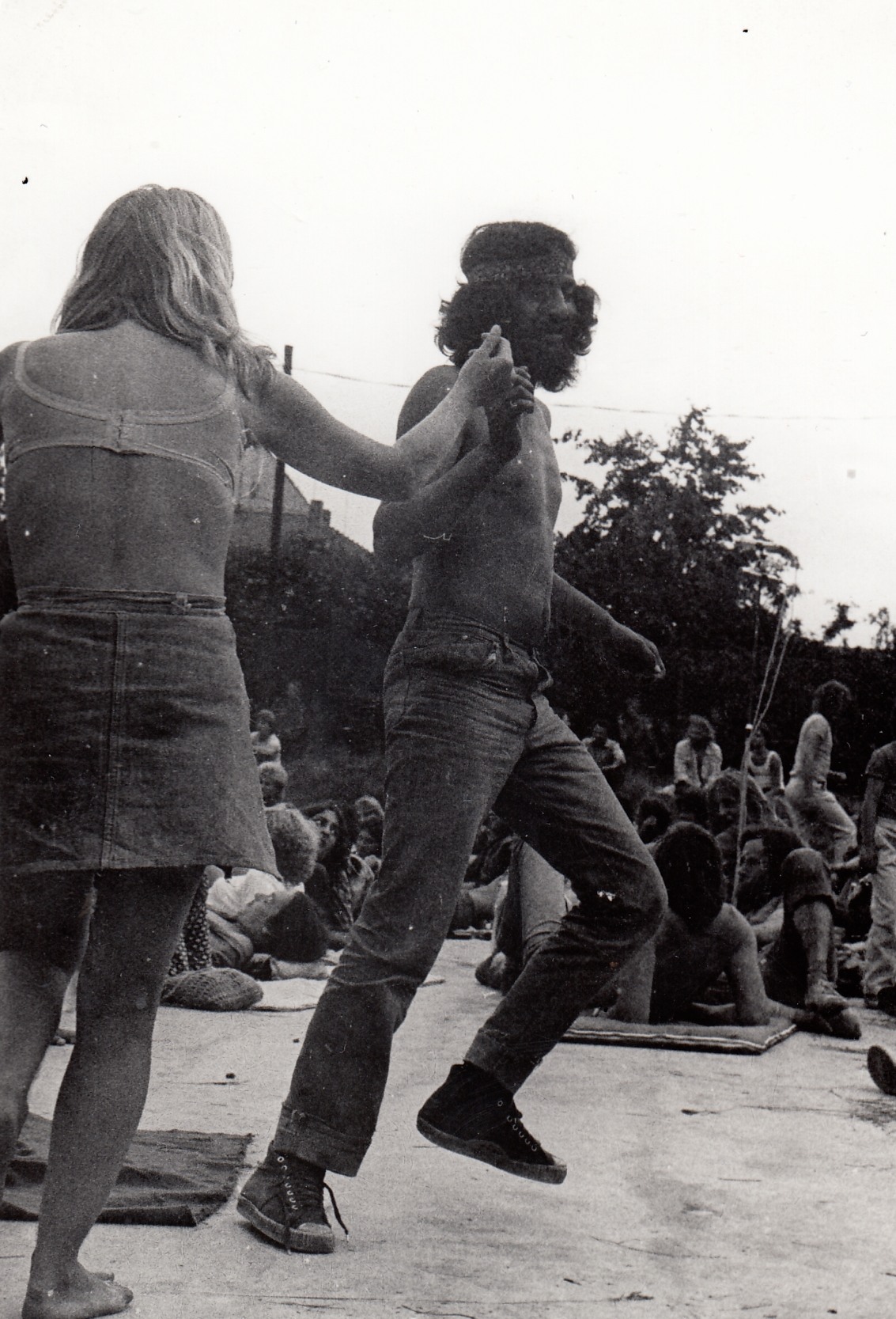
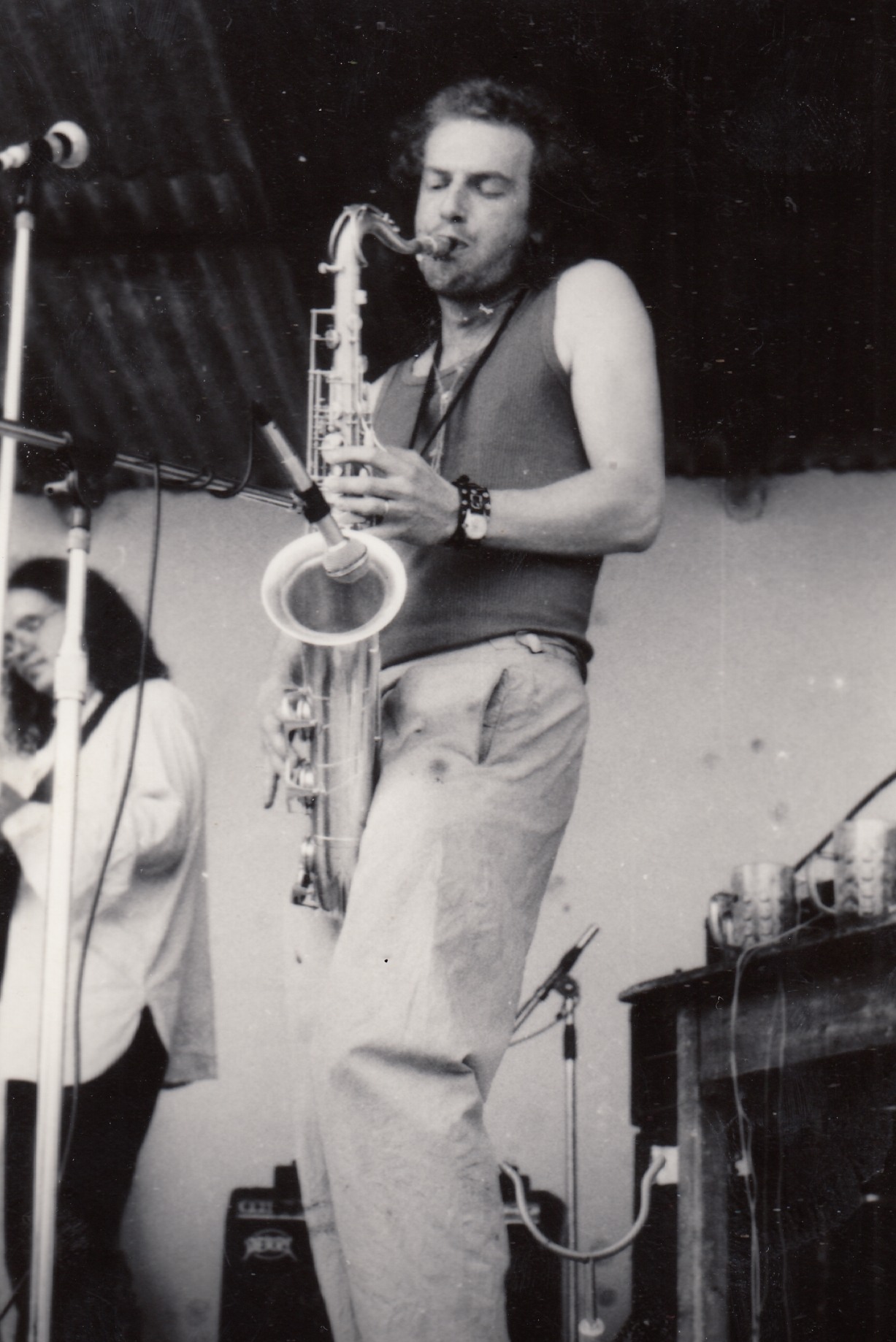
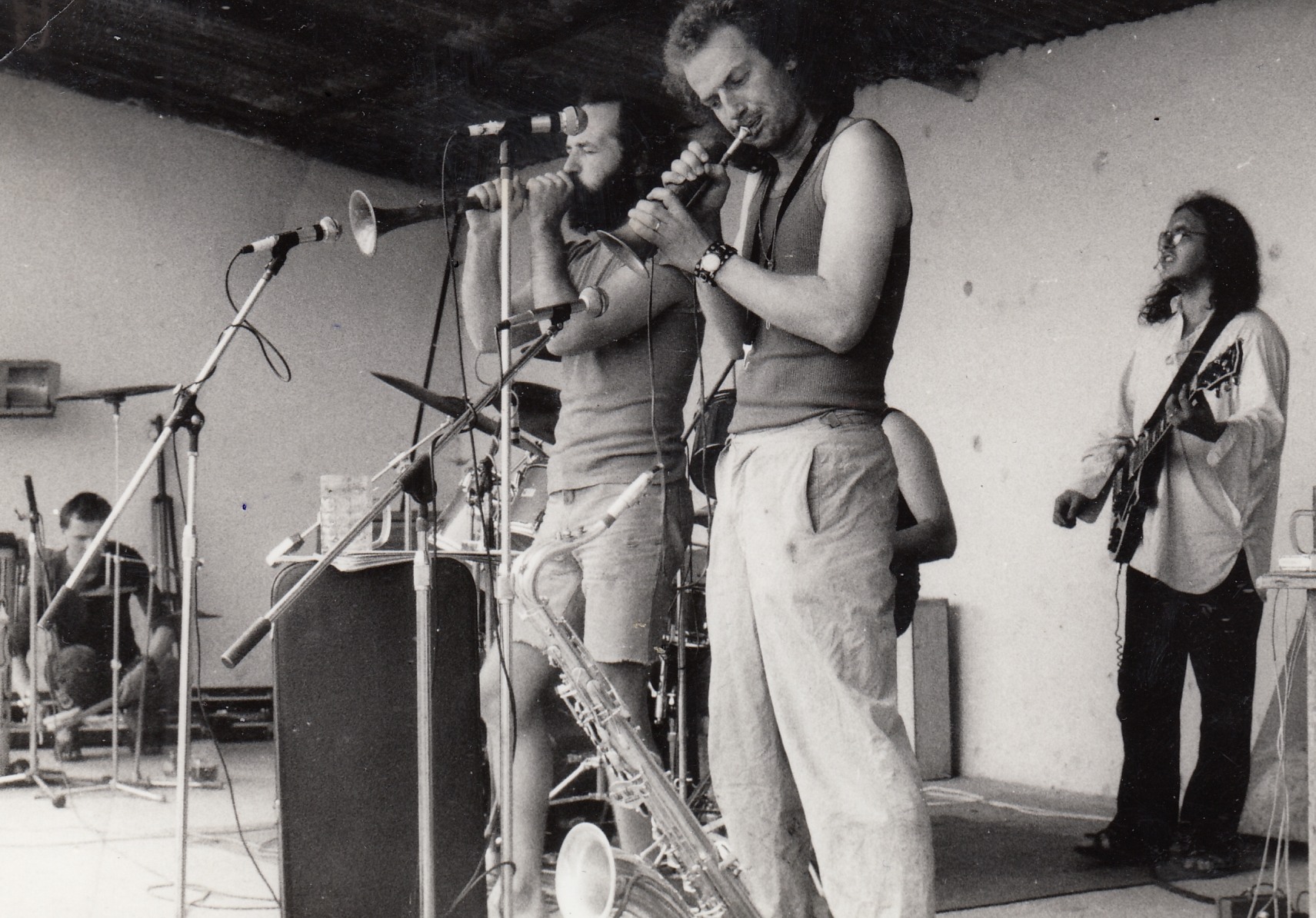
Libor Malý was born on September 19, 1962, in Slavičín. His athletic parents, Marie and Josef, devoted themselves to him from an early age and taught him to skate, ski, and ride a bike. At the age of thirteen, however, Libor began to devote himself to rock music instead of sports. Together with his older friends, the so-called “máničkas,” he went to concerts—the highlight of which was a visit to the relatively free Budapest, but also to the pilgrimage site in Częstochowa, Poland, where a hippie commune lived at the time. Because of this, he underwent his first interrogation by State Security at the age of seventeen. Due to his connections with the underground and his involvement in the creation and distribution of samizdat, he received a poor assessment and was forced to enlist in a penal military unit in Kramolín in 1983, where he participated in the construction of the Dukovany power plant. He remembers his military service as a terrible period full of injustice and poor living conditions. After his release from the barracks, he and his wife Hana became involved in the Moravian samizdat movement again, acting as a liaison between the then Gottwaldov, Vsetín, and Rožnov pod Radhoštem. In 1988, he signed a petition against the entry of Warsaw Pact troops into Czechoslovakia on behalf of himself and his wife, for which he was interrogated again. In November 1989, he took part in the Festival of Czechoslovak Independent Culture in Wrocław, where exiles Jaroslav Hutka, Vlastimil Třešňák, and Karel Kryl performed on one stage. After the Velvet Revolution broke out, he went to Prague, where he took part in demonstrations and witnessed Václav Malý’s speech at Letná on November 25, 1989. In times of freedom, he fulfilled his dreams by traveling around the world and devoting himself to his lifelong hobby – cycling. In 2025, he is deeply affected by the Russian invasion of Ukraine, where he has friends and where he regularly travels and witnesses the horrors of war. At the time of filming the interview, he was living in Vsetín.