Marie Macková

* 1957

  • "I was in Kutná Hora, I am not generally built for large mass events. I used to go to work then, we didn't have our fourth child yet, so I went to the school health office after my third maternity leave and we didn't know much at the beginning... Then it started leaking in, we started watching it and we were so glad it was happening. And it was preceded by the canonization of Agnes of Bohemia, and that was, I think, a week before November 17th, when the massacre on Národní Street took place. And so we watched that with excitement because it was broadcast on Czech television, which was a miracle. There was no religious broadcast on Czech TV, zero, at most some Christmas carol. For that we went to church very early in the morning, it used to be at seven o'clock in St. Barbara, so that we could watch TV at nine o'clock, there was no delayed viewing either, and we rushed. And the announcer... I may say it broadly now, the announcer on TV was Miloš Frýba, who was a kind of dry announcer, who we sometimes made fun of. And suddenly Miloš Frýba appeared and announced the broadcast of the canonization of Agnes of Bohemia and we found it very curious because we thought it just didn't, it didn't fit him at all."

  • "We were very good at distinguishing what a pioneer camp was and what the hidden scouts were. You could see that beautifully at those camps. We used to take their water first to see if it was safe, then we used to check the samples in the kitchen and things like that and the kitchen and if they had a chance to have a warm bath once a week. And it was a beautiful camp, I can't remember where, and I said, 'Well, the opportunity for the boys to wash in warm water?' And the leader was wearing an Indian shirt, these Indian clothes, he had a ladybug here, he had a ladybug in his hair like this. And he looked at me and he said, 'Well, here, here's our tub.' And they had a tin tub dumped in the woods. 'We'll heat the water here on the fire.' Well, I would have liked to see that, but okay, he convinced me. And I said, 'Well, aren't you putting a screen there or something?' And he looked at me and he said, 'Oh, miss, we're a boys' camp!' And that was it. And then there was one camp that was never inspected. And because I was young, I thought, 'Well, that's an interesting one,' so I chose it. We weren't being checked, which camp we were checking, otherwise it was very convenient. We had a driver! When we used to go around those camps, nowadays just a company vehicle and you go and nobody talks to you, but we had a driver! So I went with a driver to check on a camp somewhere near Sázava. And my colleague says, 'Well, you can't get there, there's no road, they're throwing the stuff off the train to build the camp there.' I say: 'That makes it even more interesting!' So I told the driver to stop here, that I'll walk there. And I walked a few kilometres through the woods to that camp, and I got a blister on my foot. And I got to the camp and I said, 'I'm from the health office.' And this kid came running up and yelled, 'Sokol, the health inspector is here!' And they said, 'How did she get here?!' And I said, 'Do you have a first aid kit?' 'Yes, we do.' 'Would you patch up my blister?' So they patched up my blister and said, 'Would you like some potato soup?' I said, 'I would!' Well, it was all right, wasn't it."

  • "But I remember in the morning, my dad had a holiday and someone rang the bell at five o'clock. Daddy leaned out of his bedroom window - Daddy was the director of Pragoděv at the time, so he had quite a lot of responsibility - and someone shouted at him: 'You have to go to the factory, we're occupied!' And it took a while to believe that we were occupied, because for a while it looked as if someone was playing a joke on us. Then Daddy was in the factory continuously for about three days and Mummy looked after us. I remember we were sitting on the couch in the kitchen, knees under our chins, shaking, listening to the radio, crying. We lived in the centre, so there were tanks driving around today's Wenceslas Square. Now we were waiting to see when one would fall through, because it was all undermined, it was an unpleasant moment."

  • Full recordings
  • 1

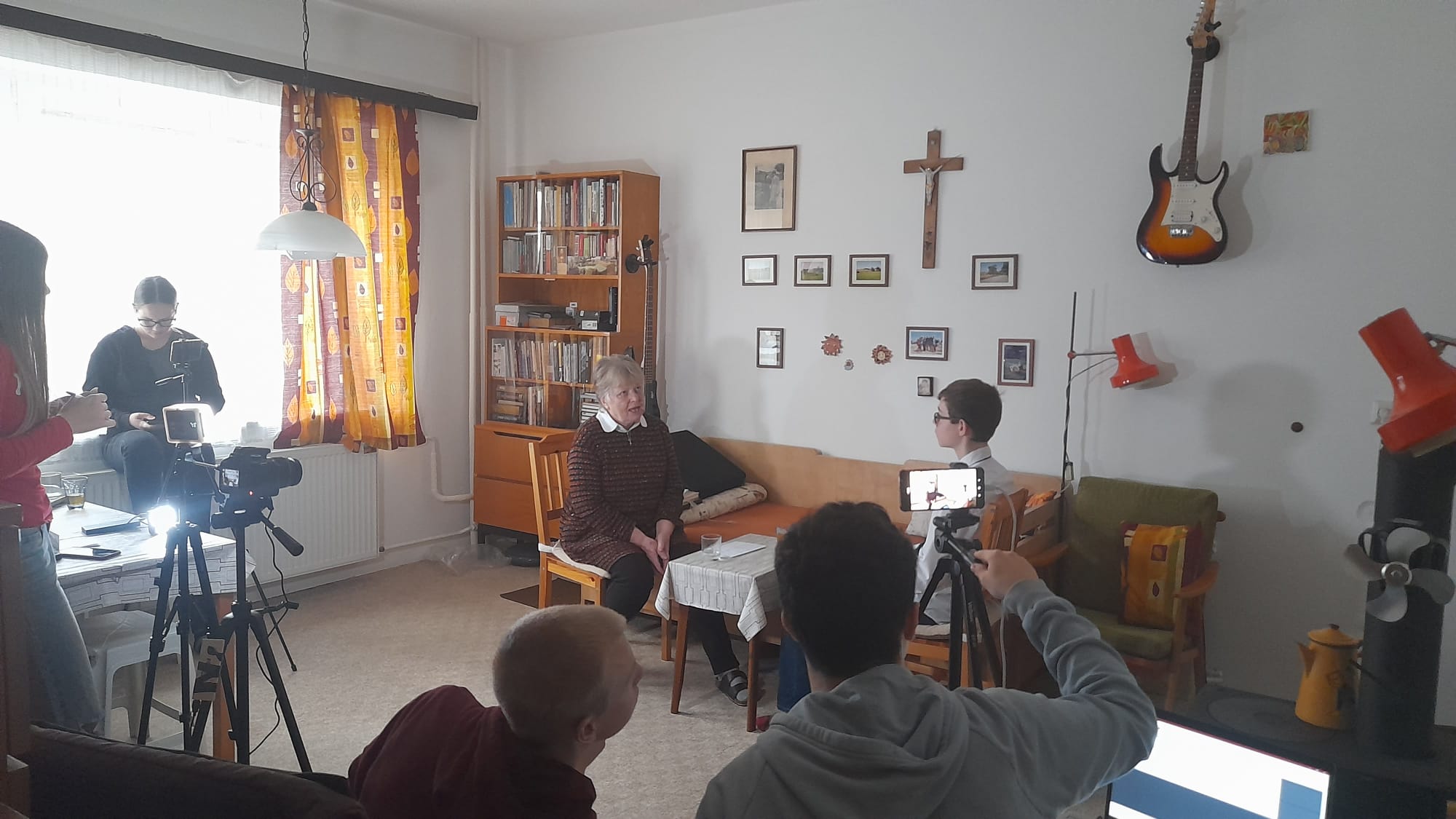
    Kutná Hora, 17.12.2024

    (audio)
    duration: 57:24
    media recorded in project The Stories of Our Neigbours
Full recordings are available only for logged users.

I was motivated to embark on the restoration of the Church and its values
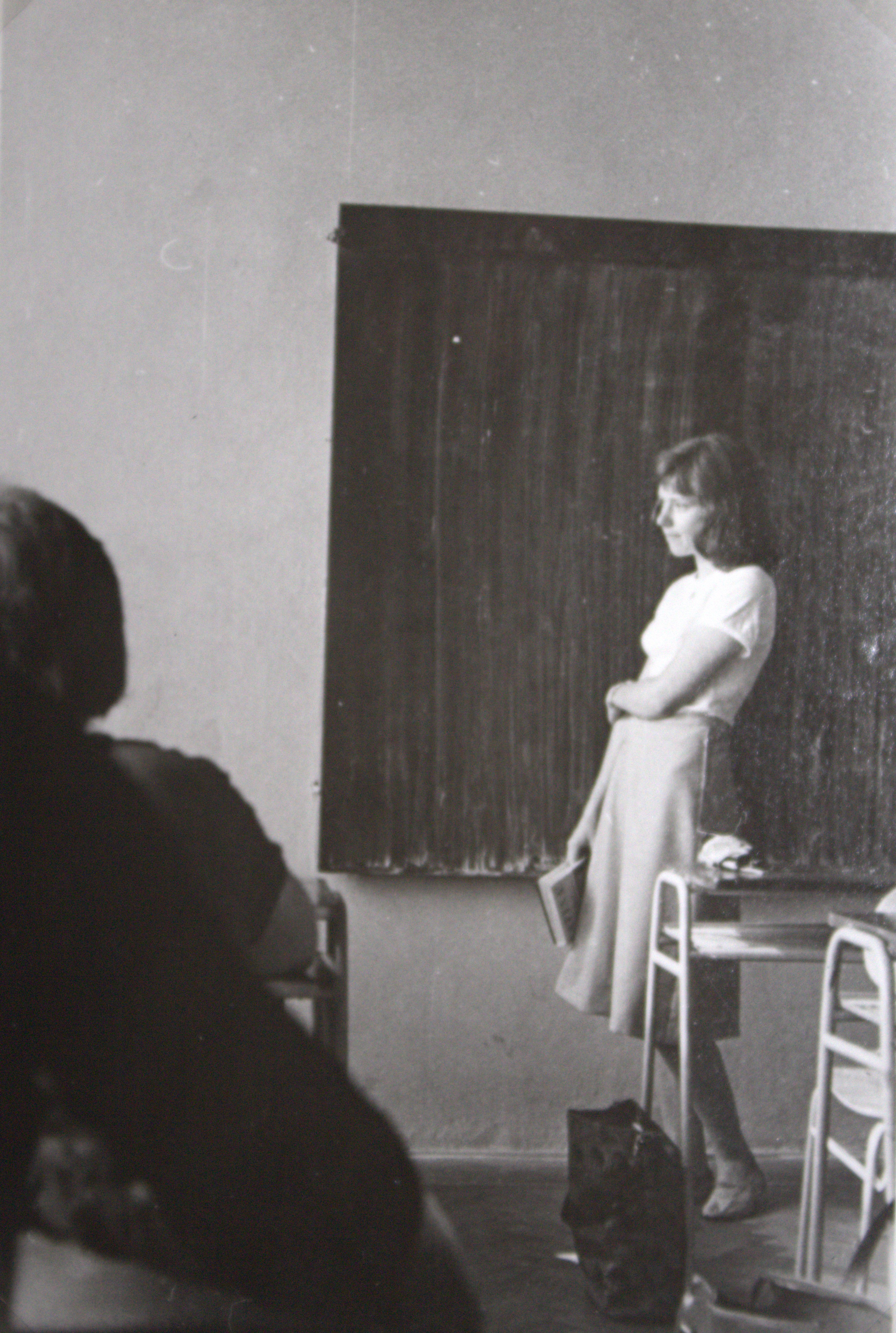
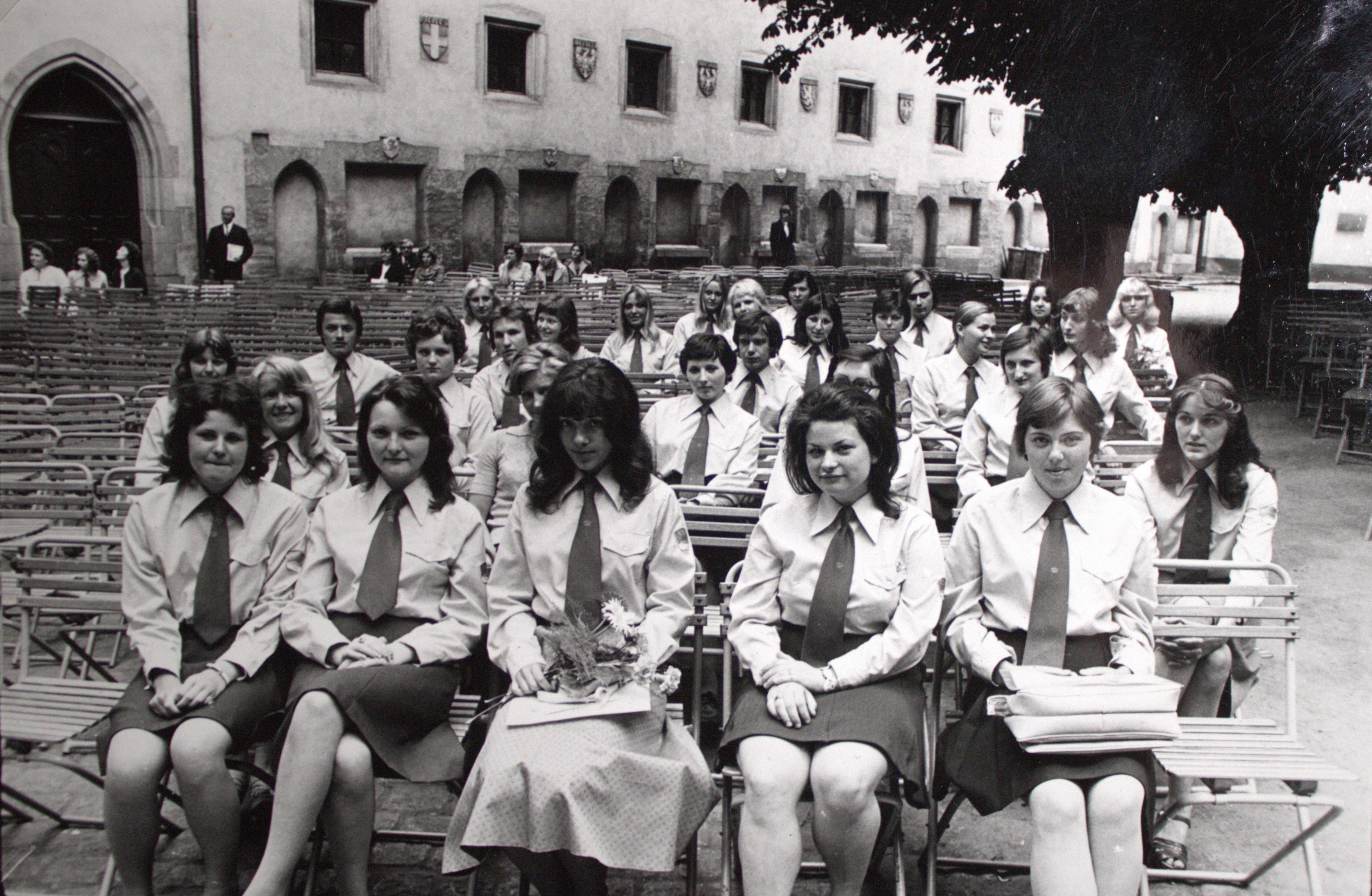
As a student of the Kutná Hora Gymnázium (1972-1976) during an examination in Latin language
photo: Witness´s archive

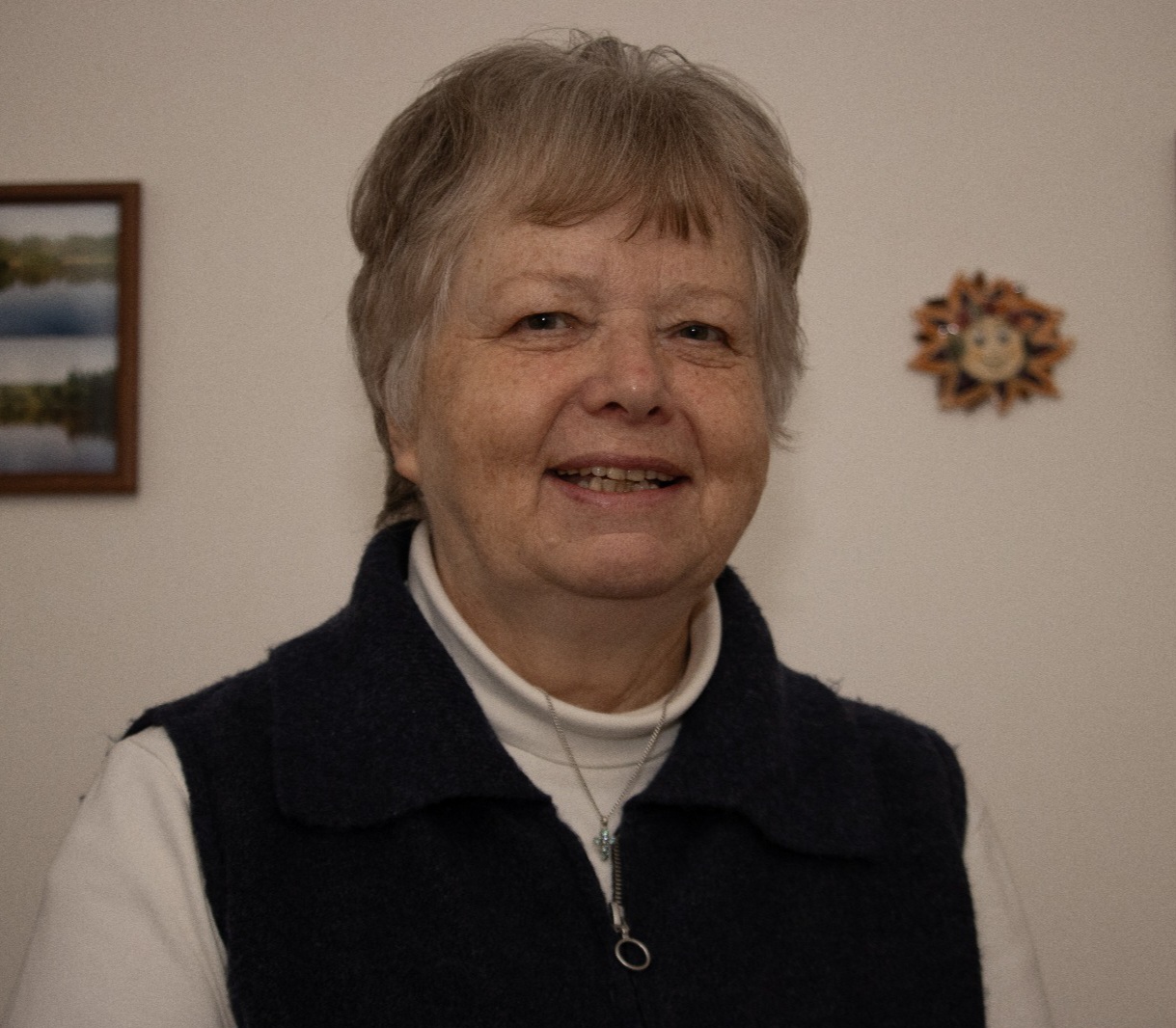
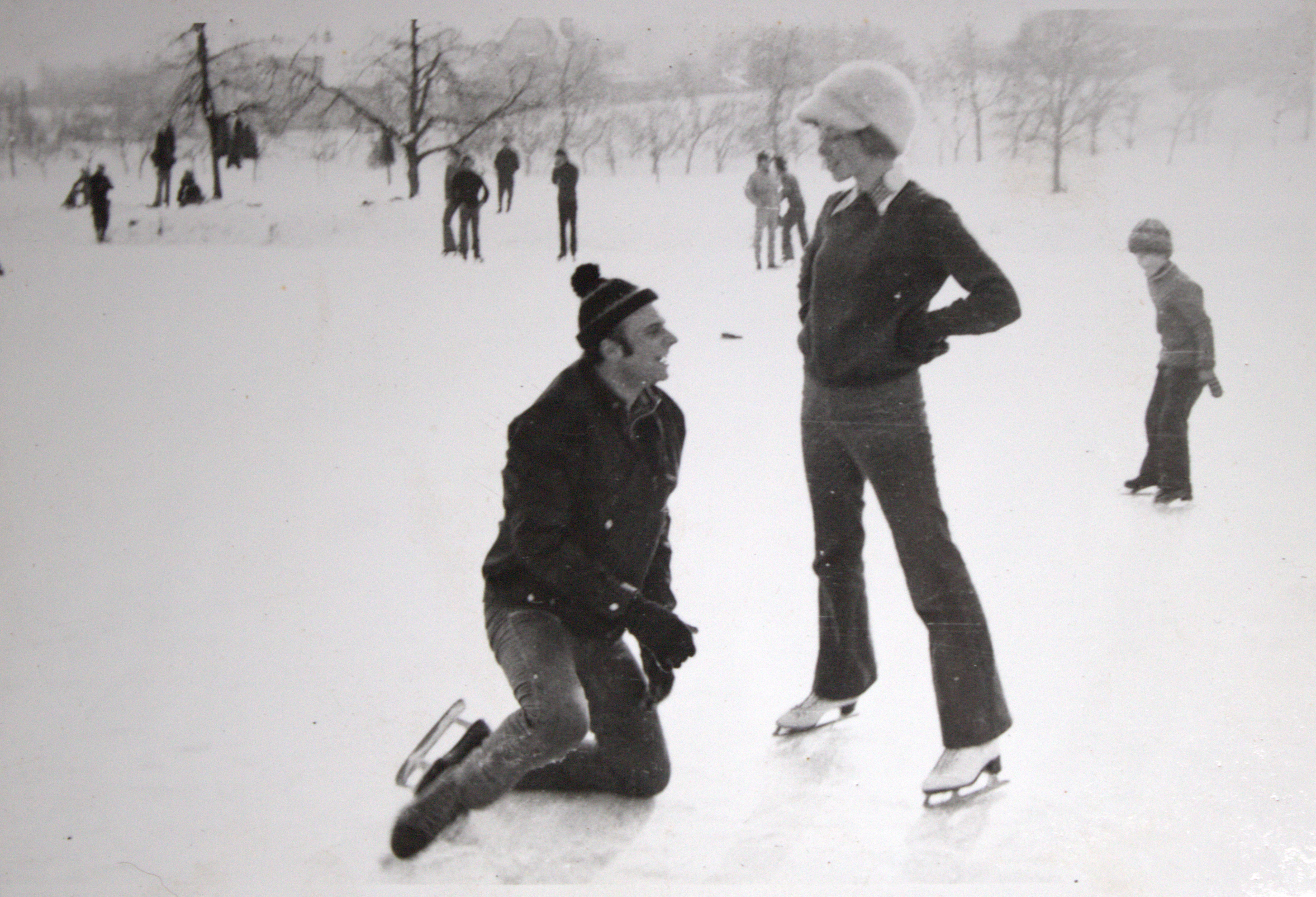
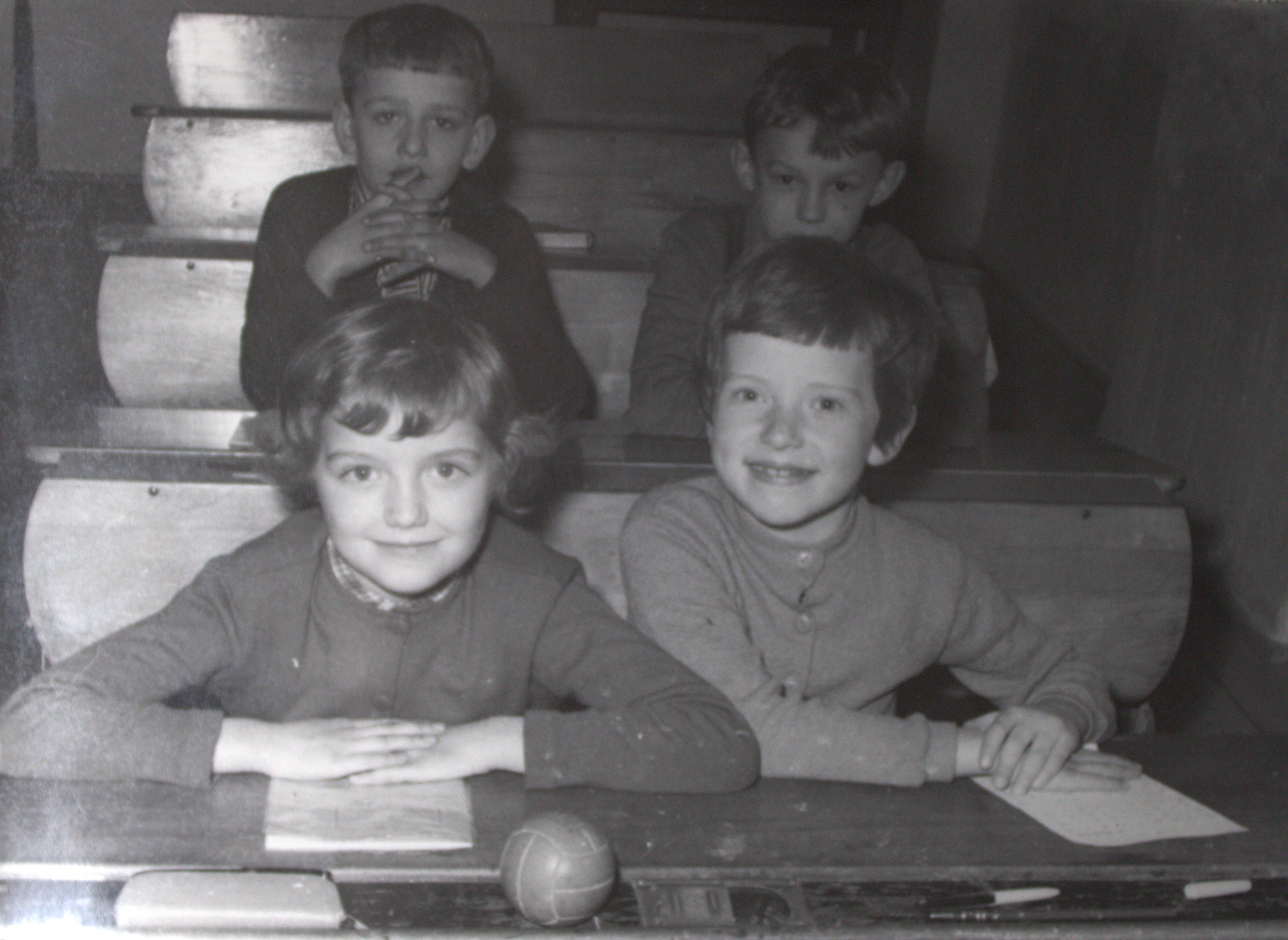
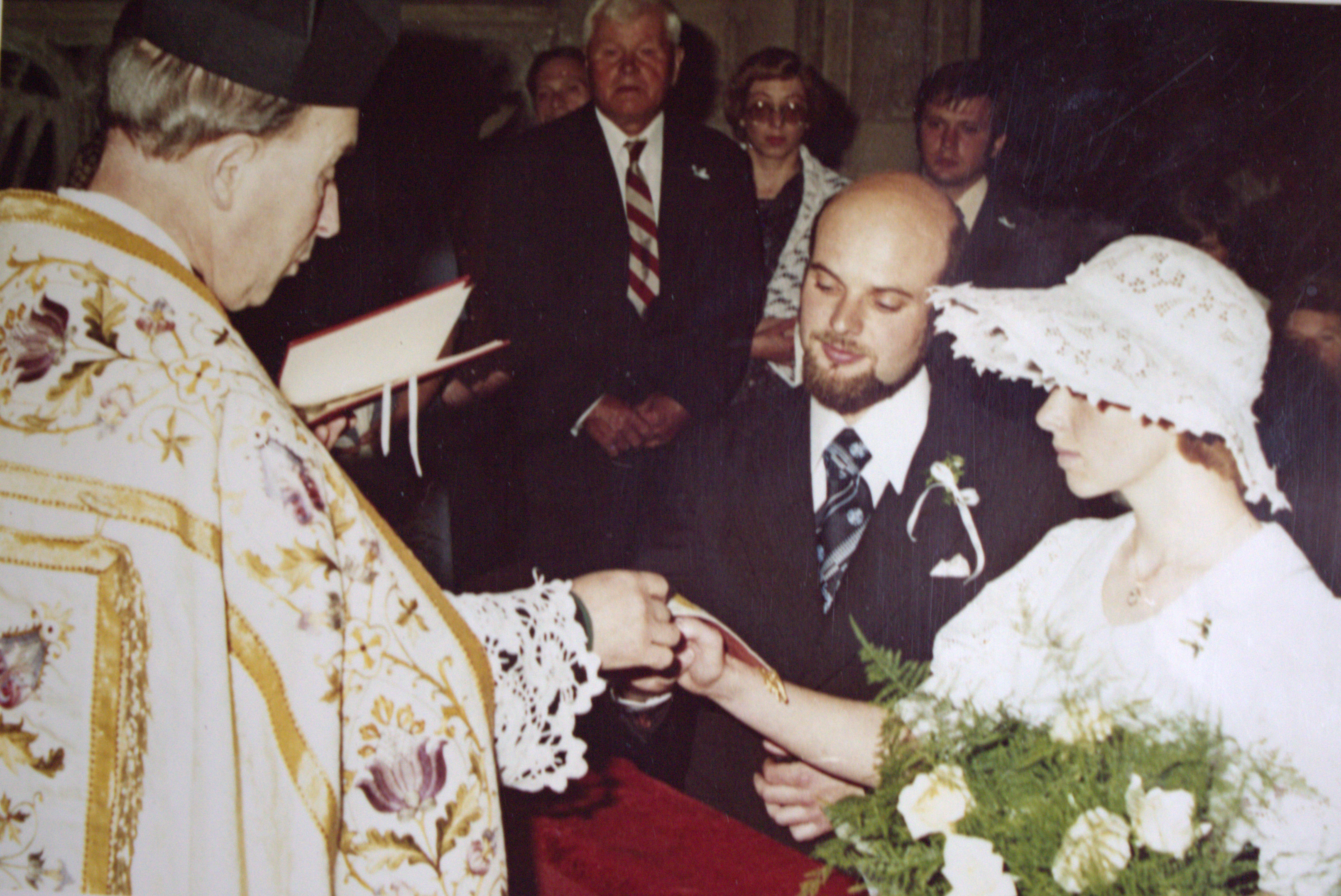
Marie Macková, née Šlejtrová, was born on 13 January 1957 in Kutná Hora into a Christian family. In the 1960s, she played puppet theatre with her father in Kutná Hora. She remembers the empty shops and tanks on the square in Kutná Hora when the occupation troops invaded Czechoslovakia in August 1968. Her father was the director of Pragoděv at the time, but after 1968 he was dismissed from his post because of his opposition to the entry of the occupying troops into Czechoslovakia. In 1972-1976 she graduated from the Secondary General Education School in Kutná Hora, but she refused to go to university because of her opposition to the regime. She took a two-year medical extension course in Prague, then worked in municipal hygiene and later in child hygiene. She and her husband attended Christian home meetings and raised their four children together. In November 1989, she participated in a demonstration in Kutná Hora Square, where she signed a petition demanding the end of the communist regime. After the revolution, she was involved in the renewal of the church in Kutná Hora, and from 1994-2005 she worked as director of the regional branch of Charity. She helped to establish the Church Gymnasium of St. Voršila in Kutná Hora. In 2024 she was living in Kutná Hora.