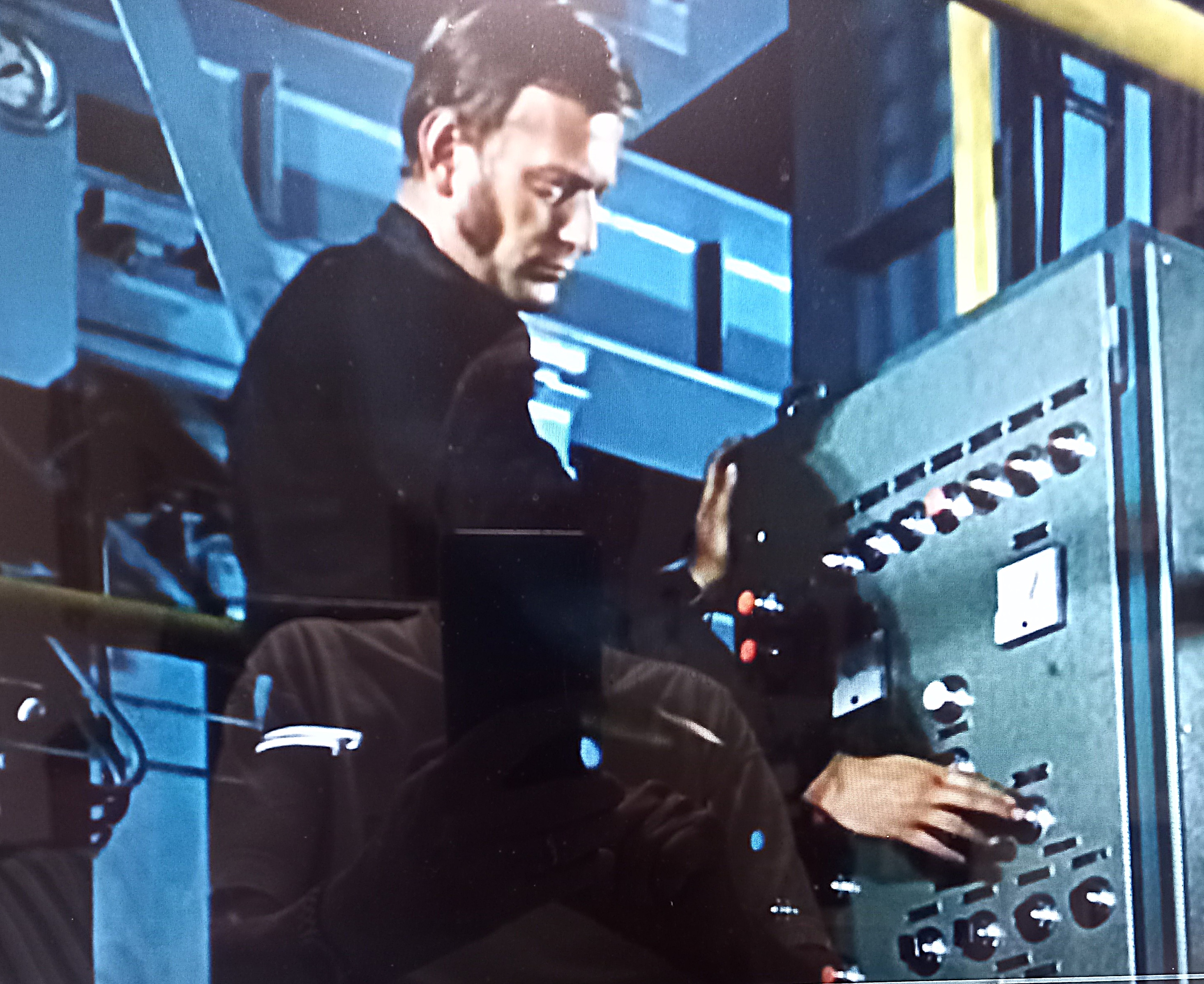
"The new brake cylinder that was supposed to start working there wasn't braking. It was leaking oil, it was leaking and immediately the pressures went down. I got information from the back that the pressure cylinders had already lost contact with the sleepers they were resting on and were pushing the church. So it was clear that this thing wasn't working. So we had the rollers running, and they were going to reach their new value. So we tried to see if we could catch it sooner. But I think it just worked out that the foot that was resting there was over the fret that it was going to miss and reach further. So the church spontaneously went and traveled the distance that was left to the rollers, which is sixty feet of range. The result was that it ran up, I think, to a speed of a little over ten inches a minute, as against the three that had been planned. It was out of the question that the church would miss, but we were concerned that there might be some sort of impact on that run-up. Which the measuring instruments registered, but everything was safe."
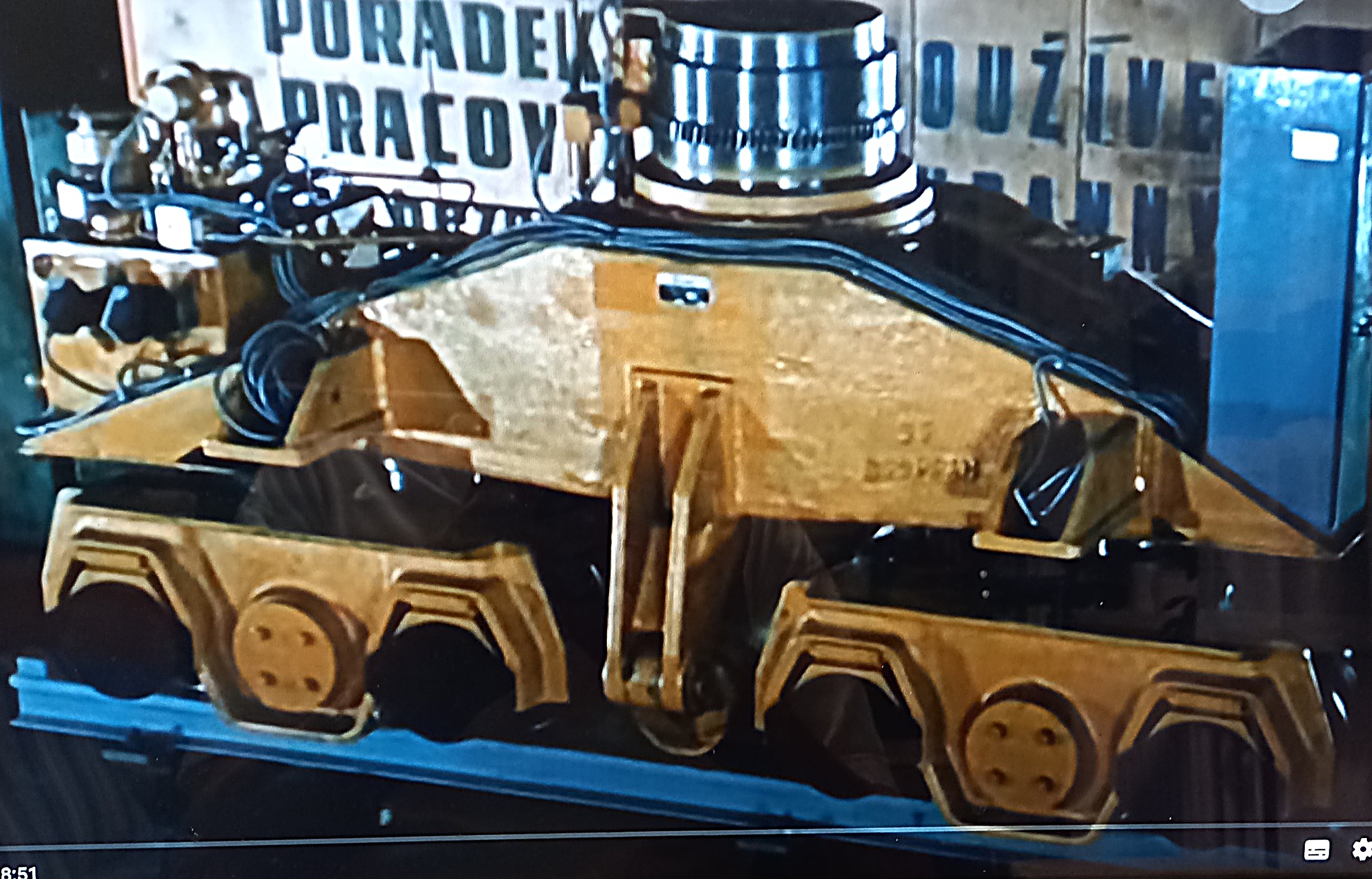
"It was a problem to find a company to make the chassis. I was already a bit of a novice there. We had such a close community in the Wallenstein Palace. There we had already discussed it with Ing. Bareš and he came up with the fact that he had a problem with it. So I suggested to him that I was doing a similar thesis, so I would design the chassis myself. He agreed, but he had to discuss it with his boss and everyone. A committee was formed, which consisted of Professor Fraubauer from the Department of Rolling Stock from the Faculty of Transport, Associate Professor Brepta from the CTU in Prague - he was a dynamist - and two people from the Research Institute of Rolling Stock from Kartouzská Street. I was always the first to present what I had done. When you do a project like this, the first part of it you think of a four-wheeled carriage. But when you find out that it has 500 tons of pressure on it, you realize that it's a bit too much. So I suggested that there had to be eight wheels - that it would be two chassis that would connect."
"So they found me a job in the design of locomotives at ČKD Lokomotivka, where I tried to get into university. They didn't take me because I didn't fit in... I didn't have a good record. So we appealed, but they said they wouldn't take me because of my father's politics. Only in time I could repeat it. So I went to CKD to Lokomotivka, where I stayed for a year. Then I went to the army, and there I made another attempt to go to college, but they told me that they also needed to get to know me more."
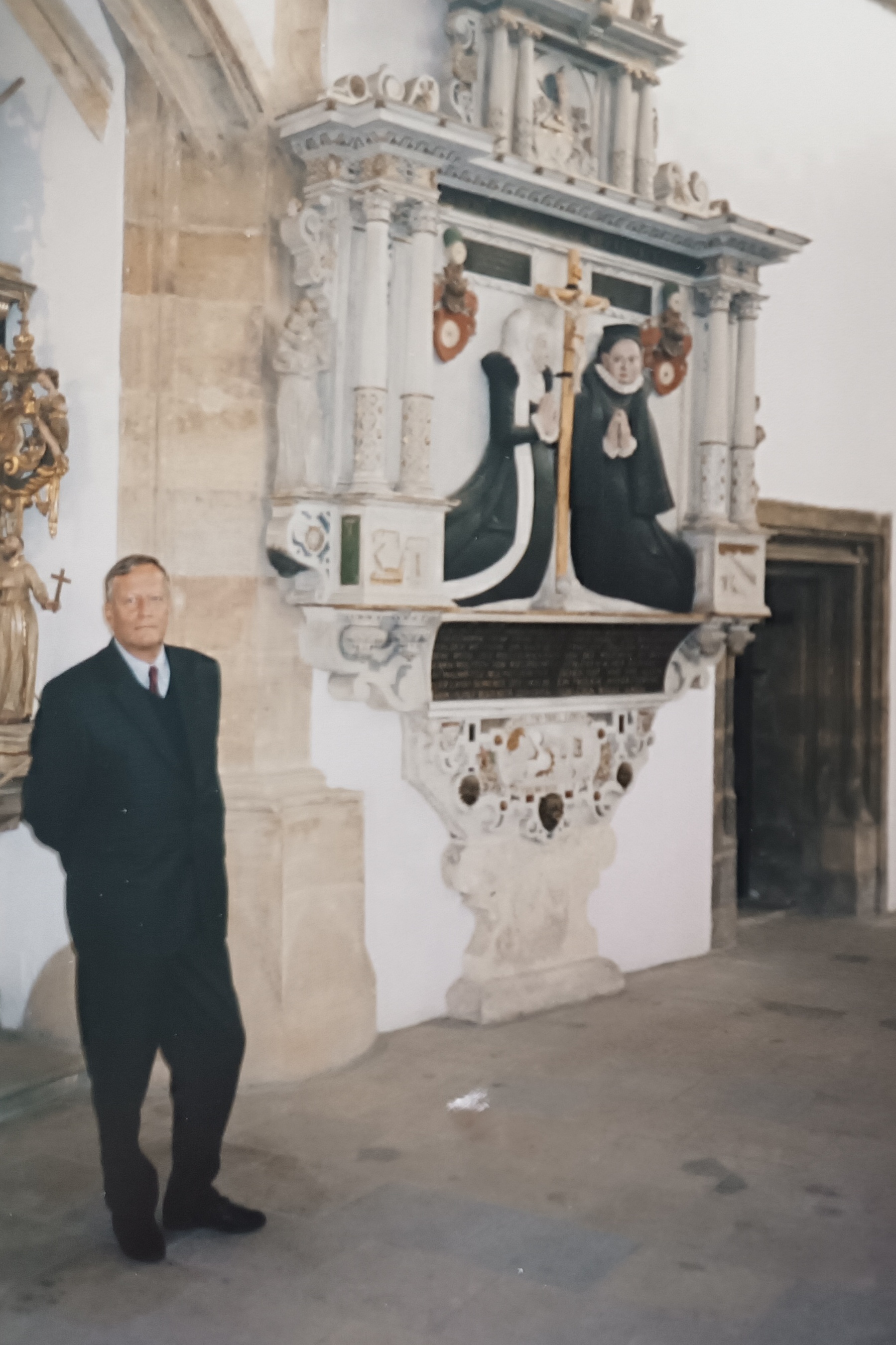
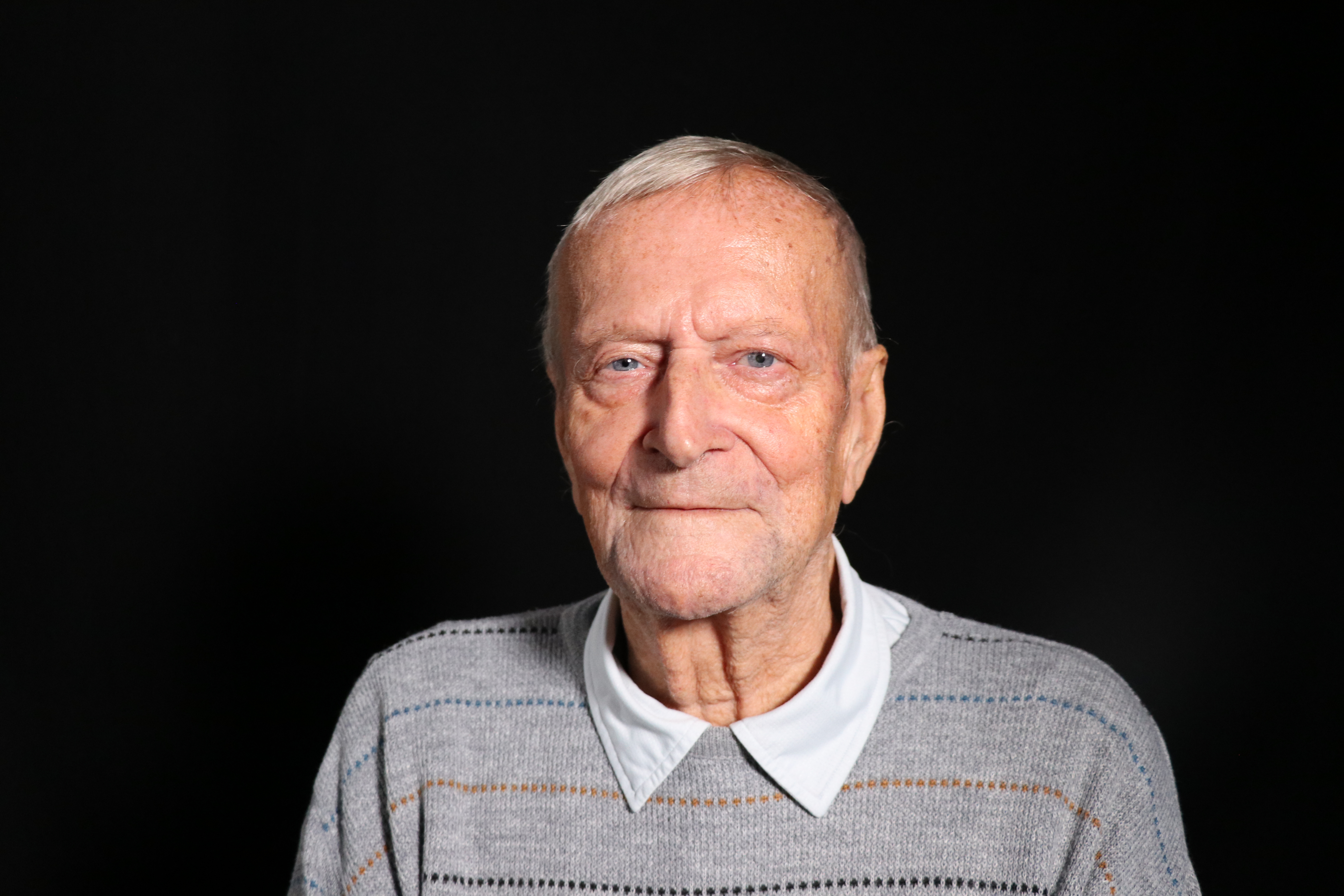
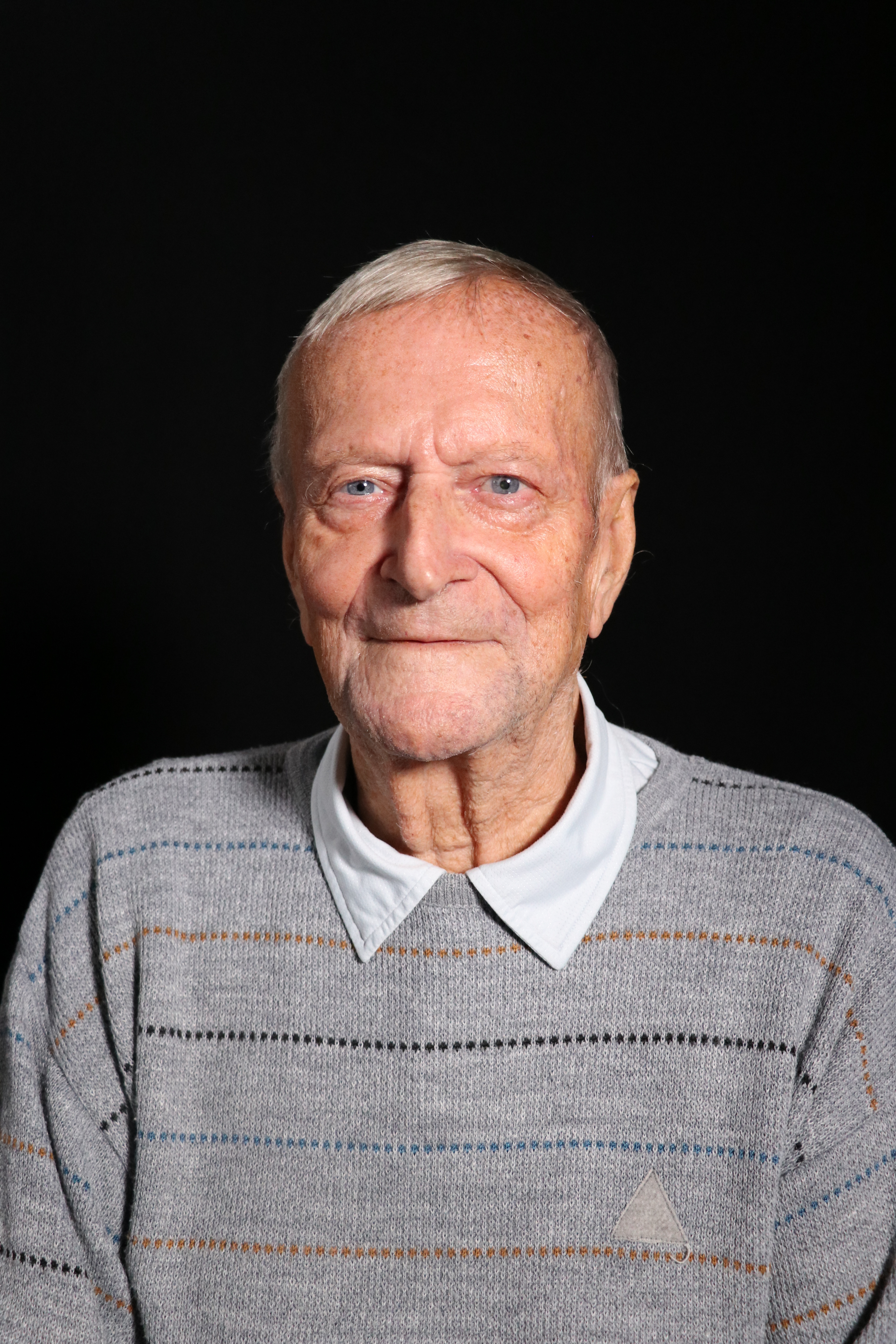
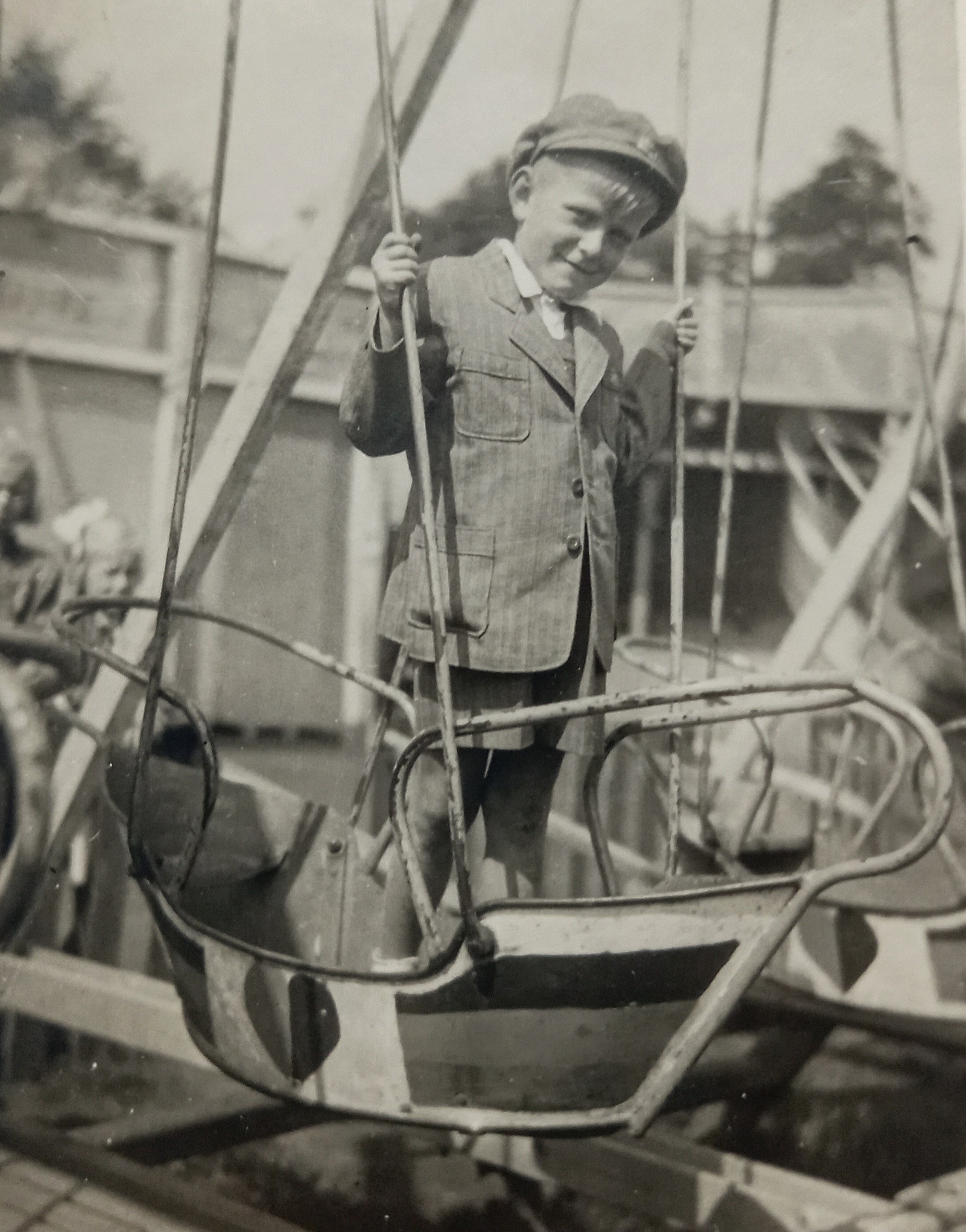
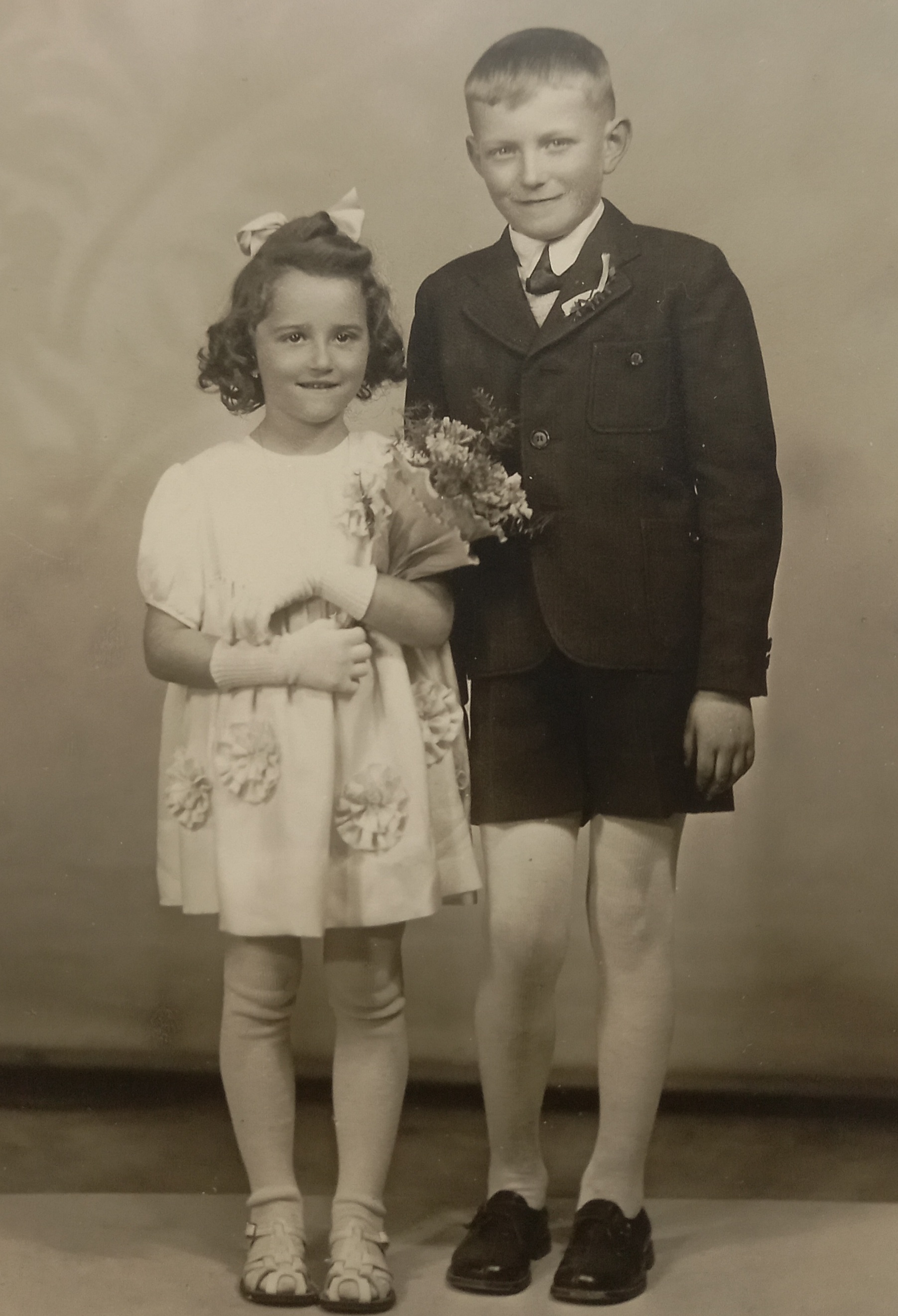
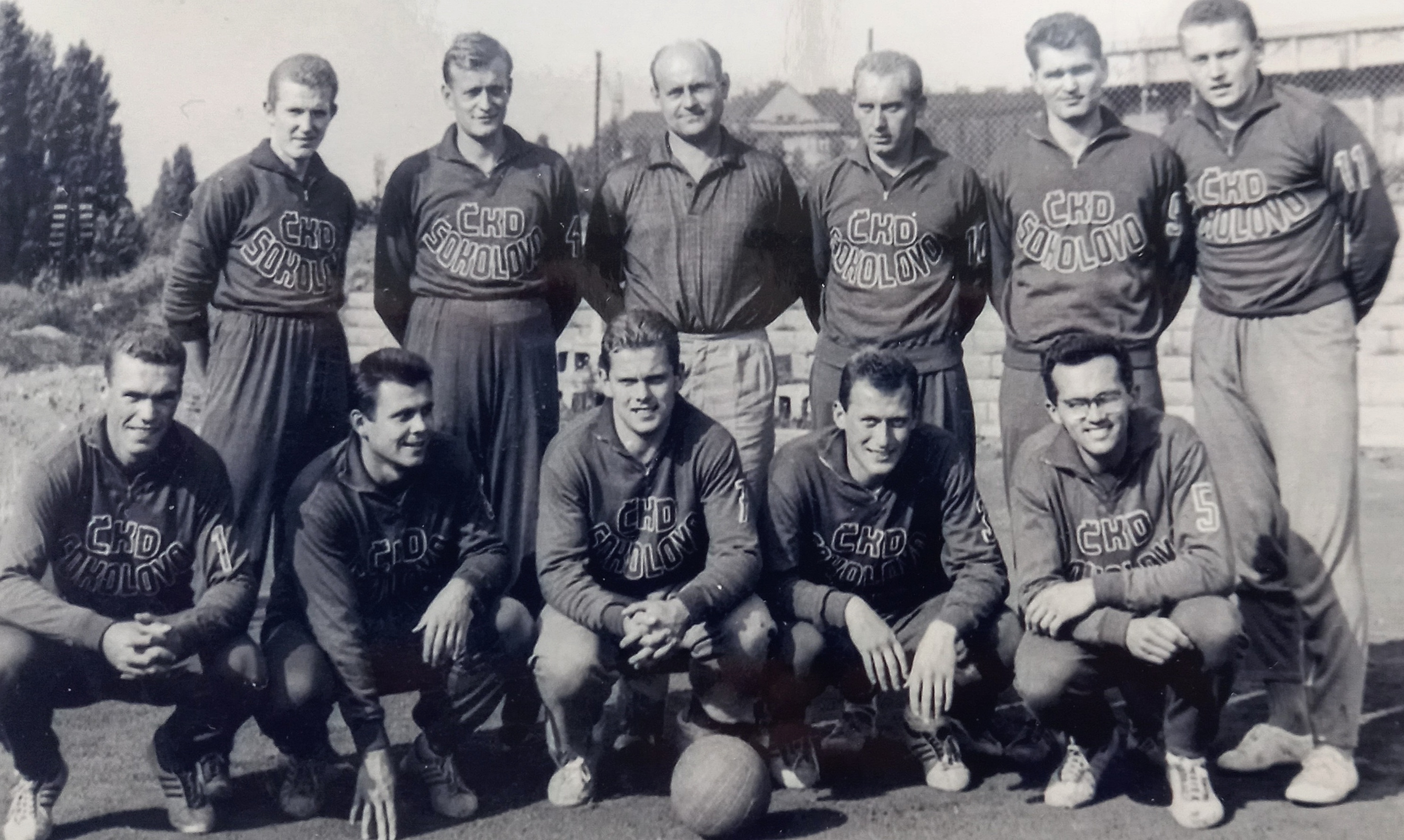
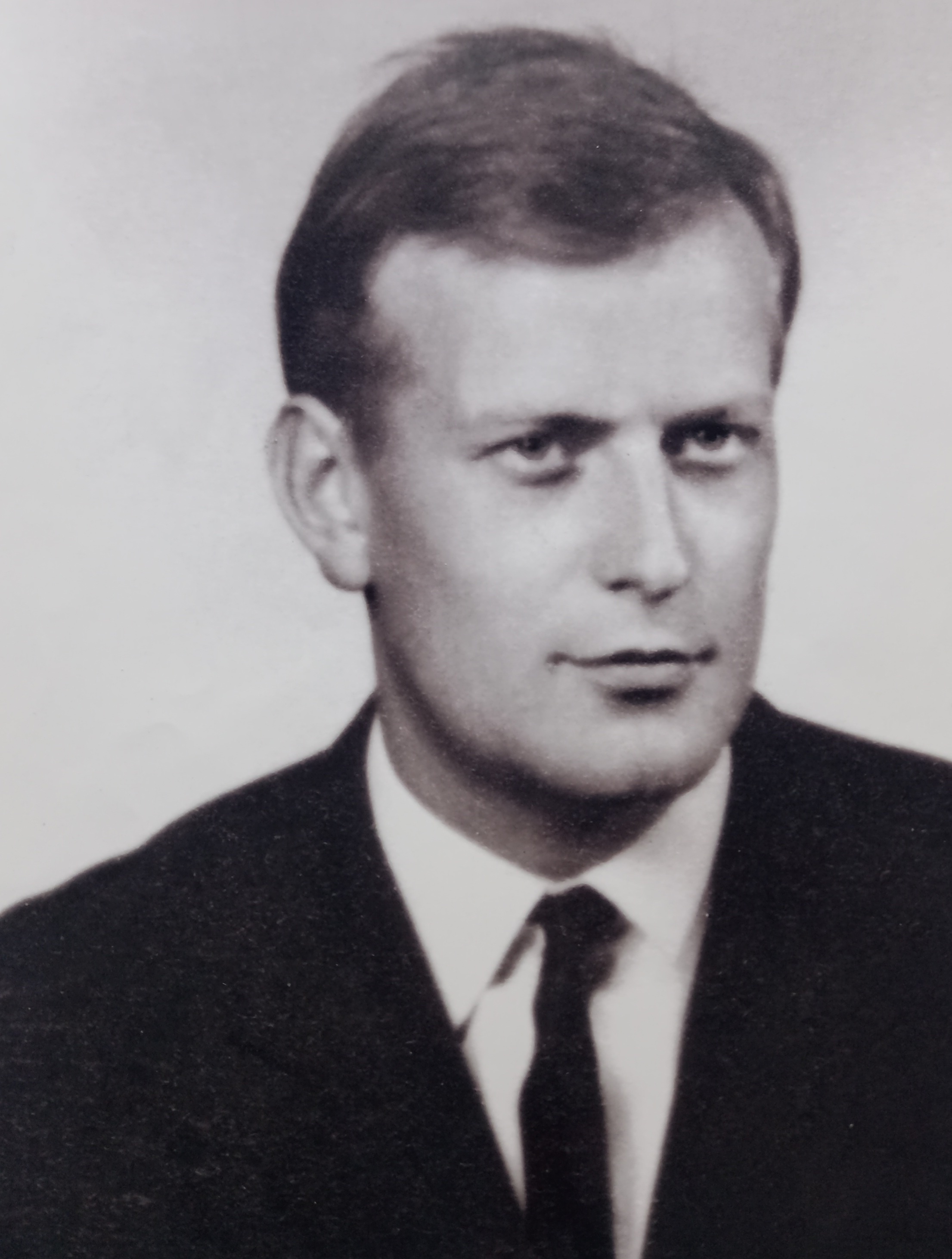
Jaroslav Lukeš was born on May 7, 1940 in Kladno, but spent his childhood in Letná, Prague. After graduating from the Secondary Industrial School of Electrical Engineering he wanted to continue his studies at university. Since his father had been the secretary of the chairman of the Czechoslovak Social Democracy, Jaroslav Lukeš was not recommended to study. He therefore started working at the ČKD company. He did not get to the University of Transport until the war, and he studied at the school by distance learning, in the field of locomotive construction. He graduated in 1966 and returned to ČKD, to the research department. In 1968, he moved to Sigma, a company involved in nuclear power plant research. During a winter holiday in 1969, he met the director of Transfera, who was in charge of the future relocation of the Church of the Assumption in Most. He accepted his offer and from 1970 was one of the members of the Transfera team that prepared and implemented the relocation of the Gothic monument. He is the author of the construction of the trolleys on which the church travelled more than 800 metres in 1975. From 1976 he worked at the Road and Railway Construction Company, where he participated in the construction of the first drawbridge in Czechoslovakia. He retired in 2006, before which he was still in business. Jaroslav Lukeš lived in Prague in 2025.