Jiří Loskot

* 1931

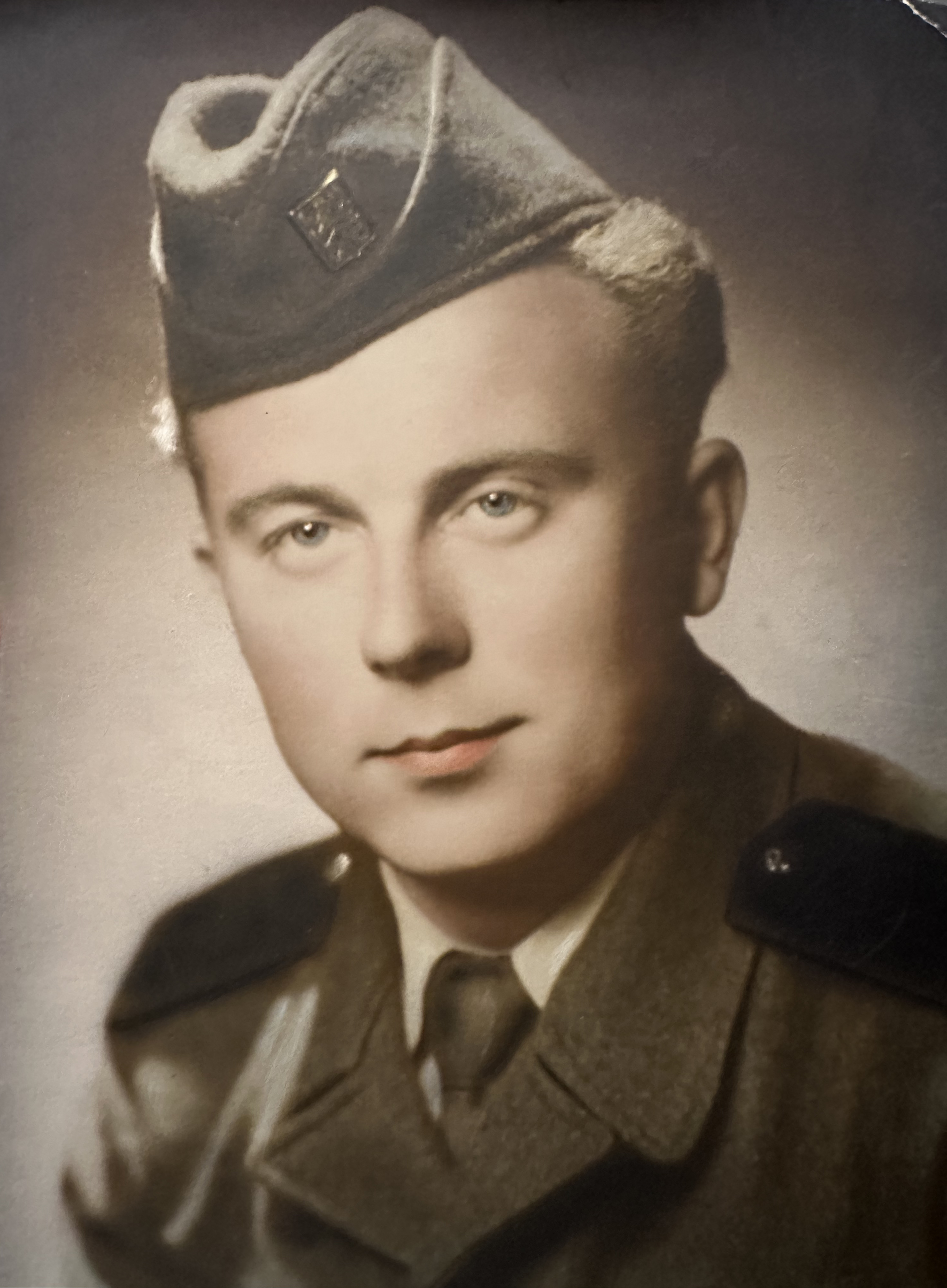
  • "We were in Děčín for the military vow. They took us from the lower yard. There was a flower garden on one side of the castle, on the other side there was a hillside down to the farm buildings, and a path about 300 metres long led through the middle from the main gate. Then there was one line-up place and they had tables laid out there, and there were border guards and artillerymen, I believe. And they left us standing on that road. All three companies that we were there, about 90 men in a triple line, in a triple line. They ordered us left face, we were in a triple line, and there were three, six machine gunners with us who had loaded machine guns and were guarding us there. And they had a speech, a man from the Ministry of National Defence. And he was giving a speech, and when we wre lined up there in there, four companies, two companies of border guards, two companies of artillerymen, he [said], 'You see the outcasts of human society right there in front of you.' He was pointing at us like this, 'The outcasts of human society. Their skulls should be used to pave the square in Děčín.'"

  • "He lived two houses behind [my friend] and I wouldn't be able to run there, so we climbed the wall. Well, I say, with that one friend, he was already on the roof and I was smaller and I was probably not as agile. I was already swinging my leg over and I had textile shoe on my left leg, my toes were protruding as they were torn. And as it [the shoe] came loose, it came off, just as the one bullet hit the end of it, the heel, that I had a bit of a piece there afterwards... [shot out]. If it had been 10 centimetres higher, I would have got it in the leg."

  • "And we lived in a former laundry. It was a room 4,5 x 4 meters. There was a brick boiler in the corner. And because originally there was a butcher there, he used to cook tripe sausage in it, and then it was used to boil laundry. Simple door, simple single window. You had to put a blanket over the door in the winter to keep the draught out. And if you didn't stoke up the stove at night, the water would freeze in the bucket. I guess those were the conditions. And [my parents] had one bed about a metre wide, and they slept in that, and my mother had a chest that was about 60 centimeters high, about that size, and she made me a little straw bed out of two sacks and put some sheets over it and stuff. And my aunt in Prague got or bought an older quilted cotton blanket from somebody. And I slept under that."

  • Full recordings
  • 1

    Úvaly, 09.01.2026

    (audio)
    duration: 04:43:32
    media recorded in project Stories of 20th Century
Full recordings are available only for logged users.

Our skulls should be used to pave the square in Děčín
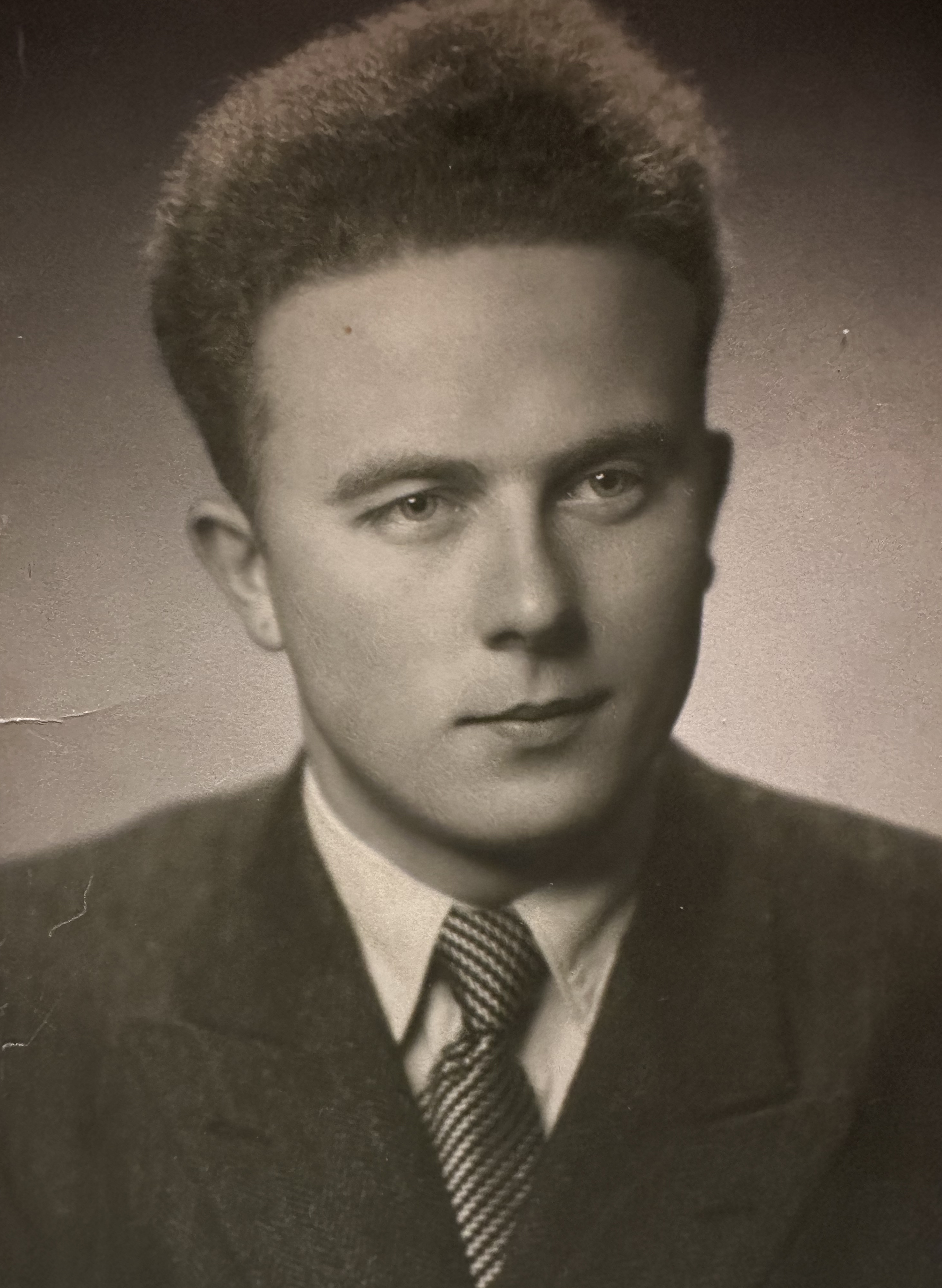
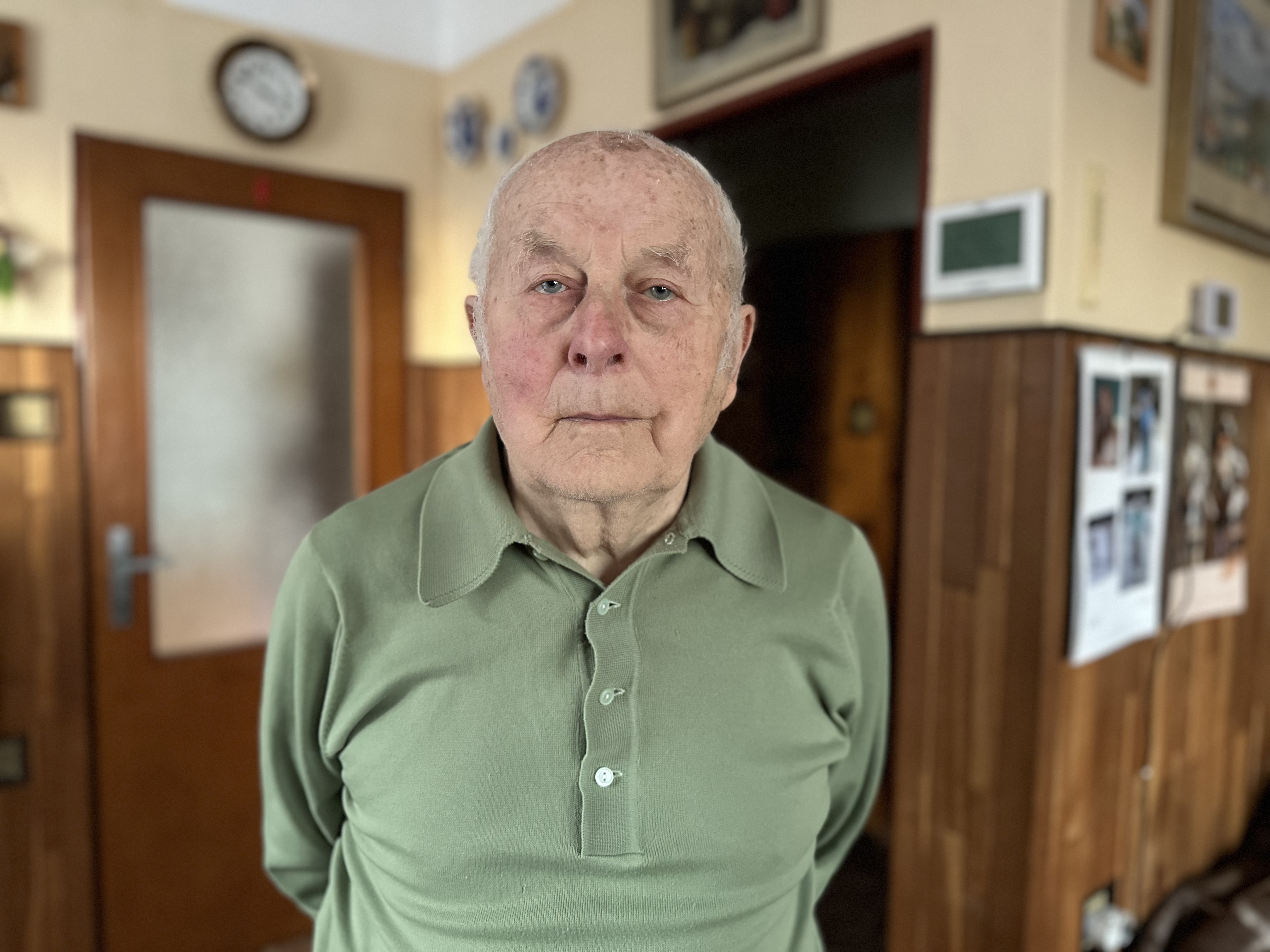
Jiří Loskot
Jiří Loskot
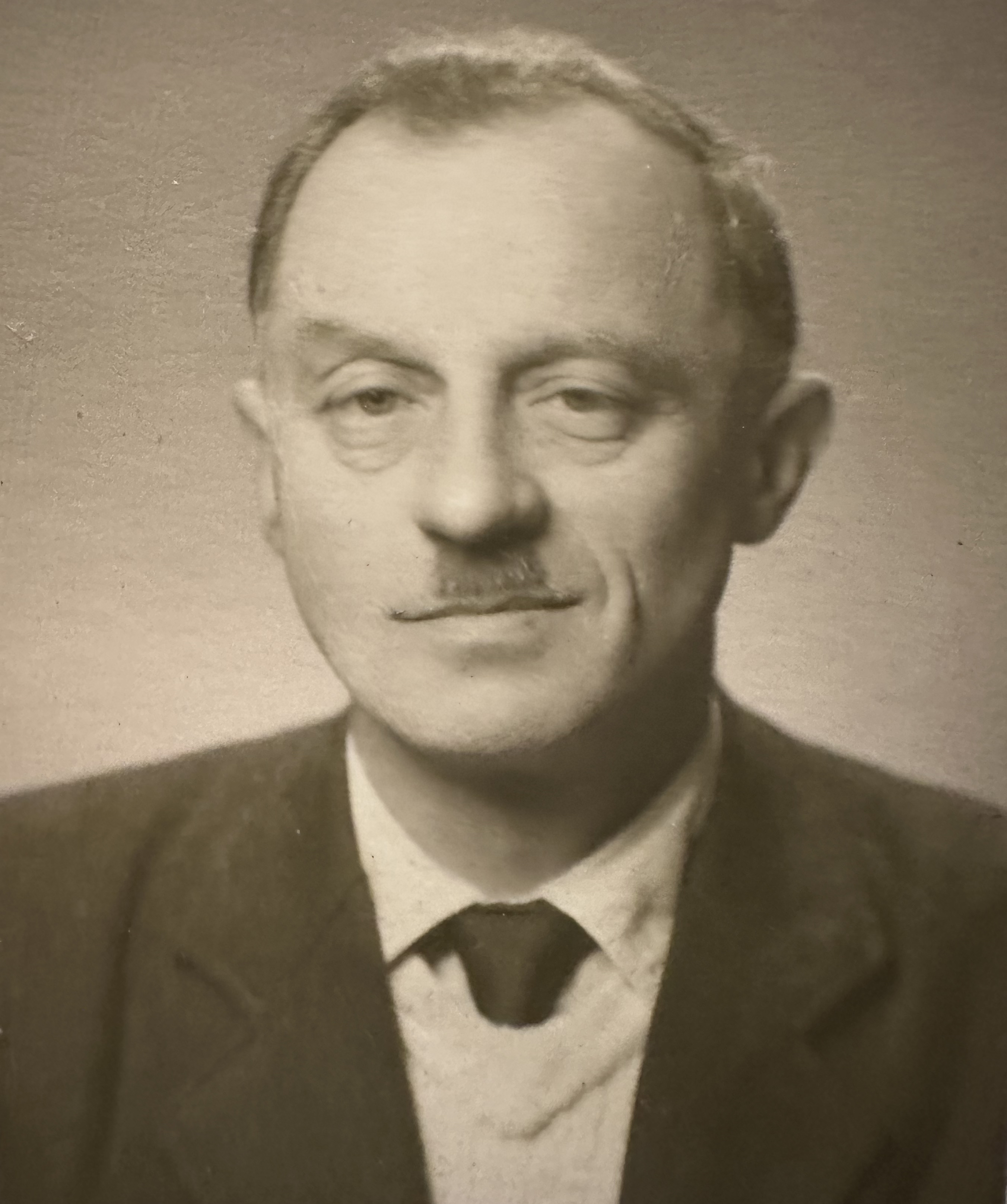
photo: witness´s archive

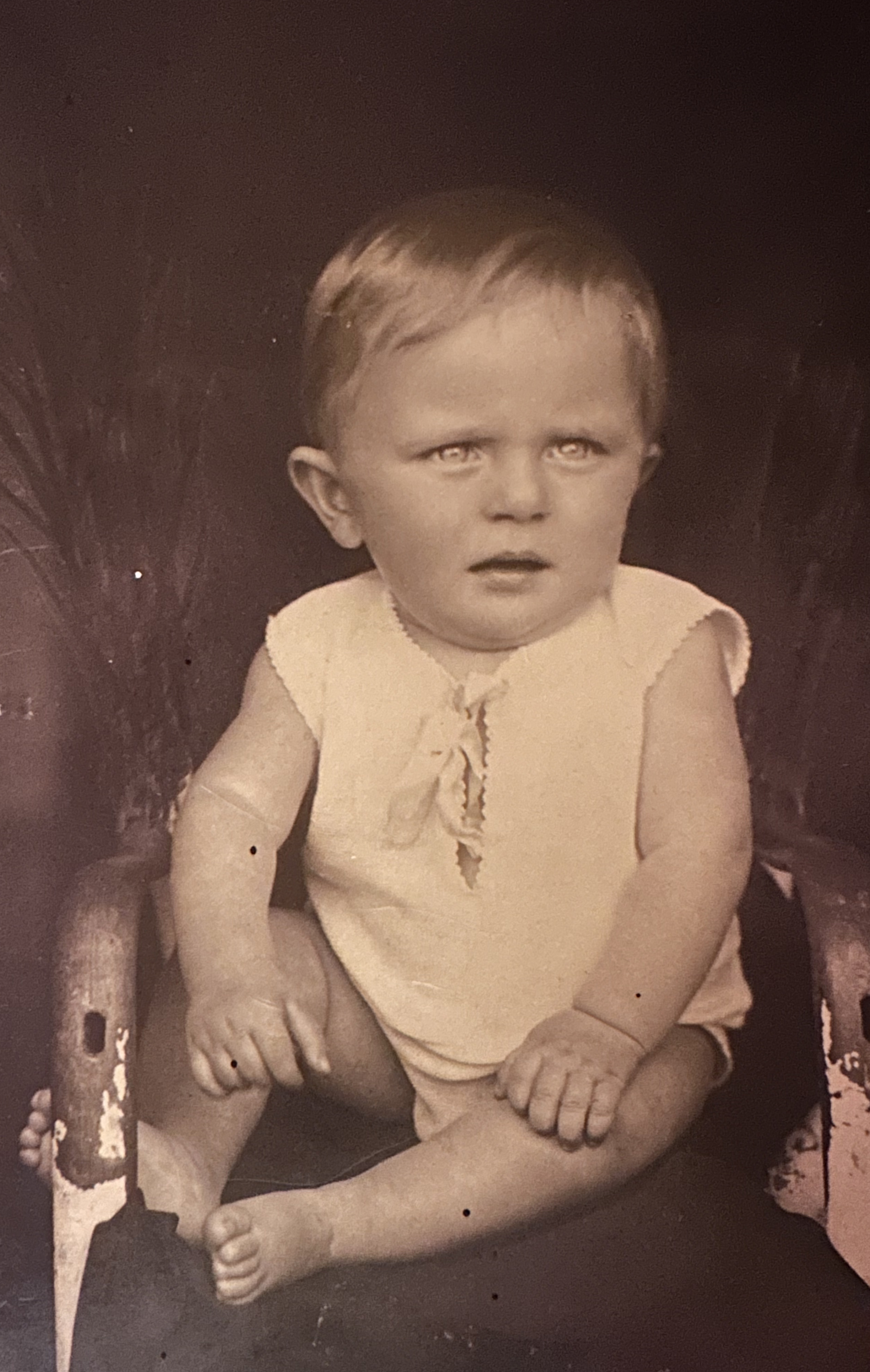
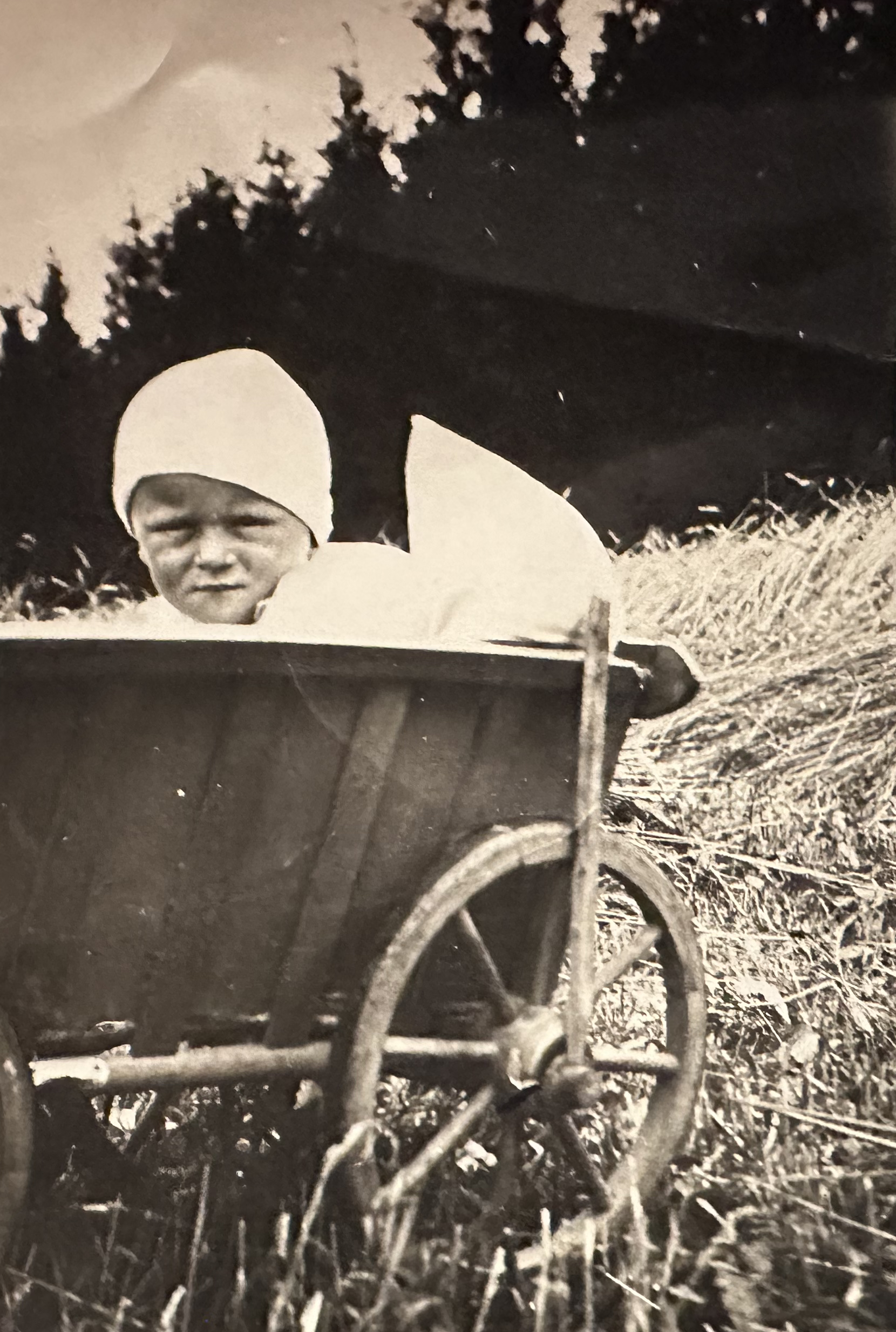
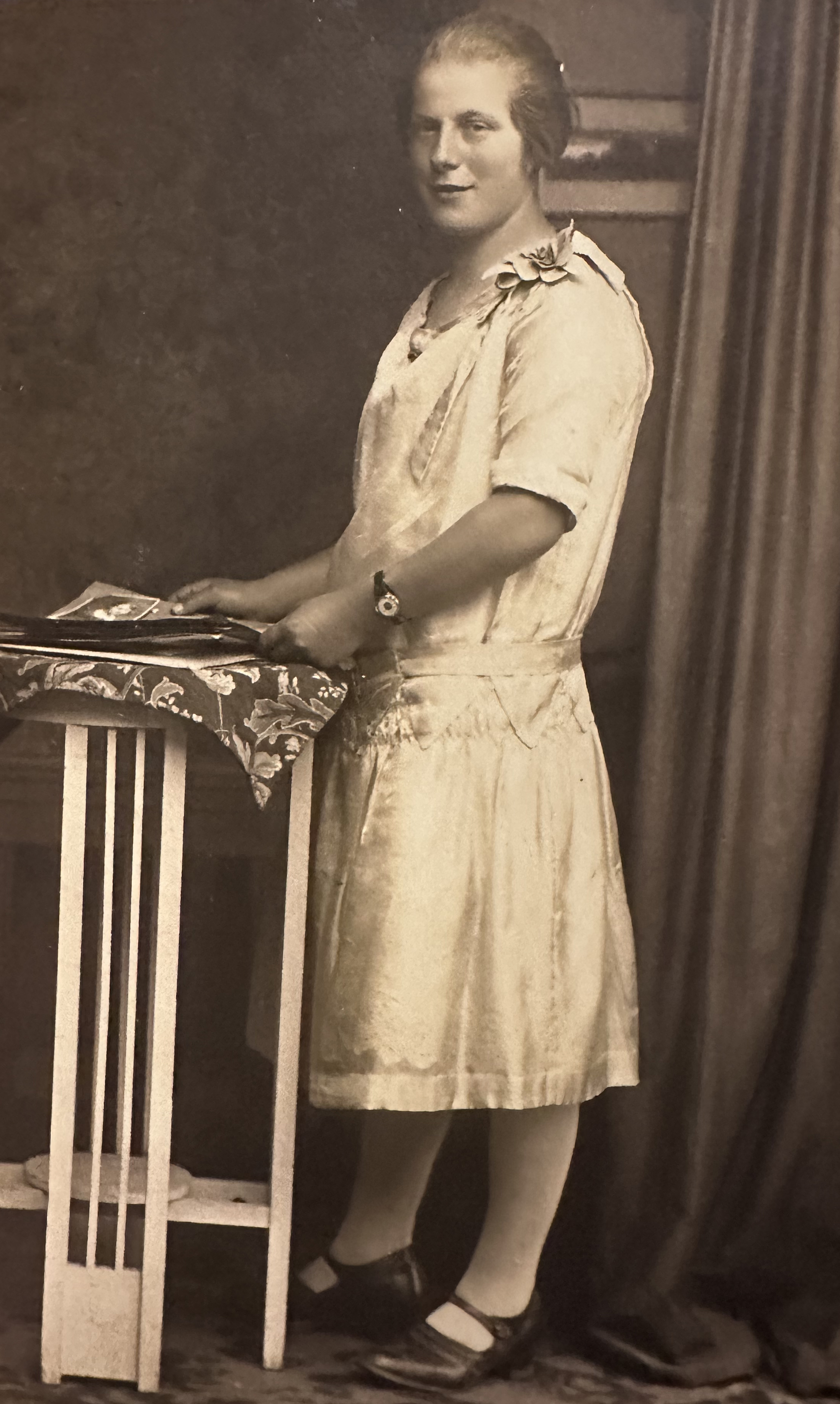
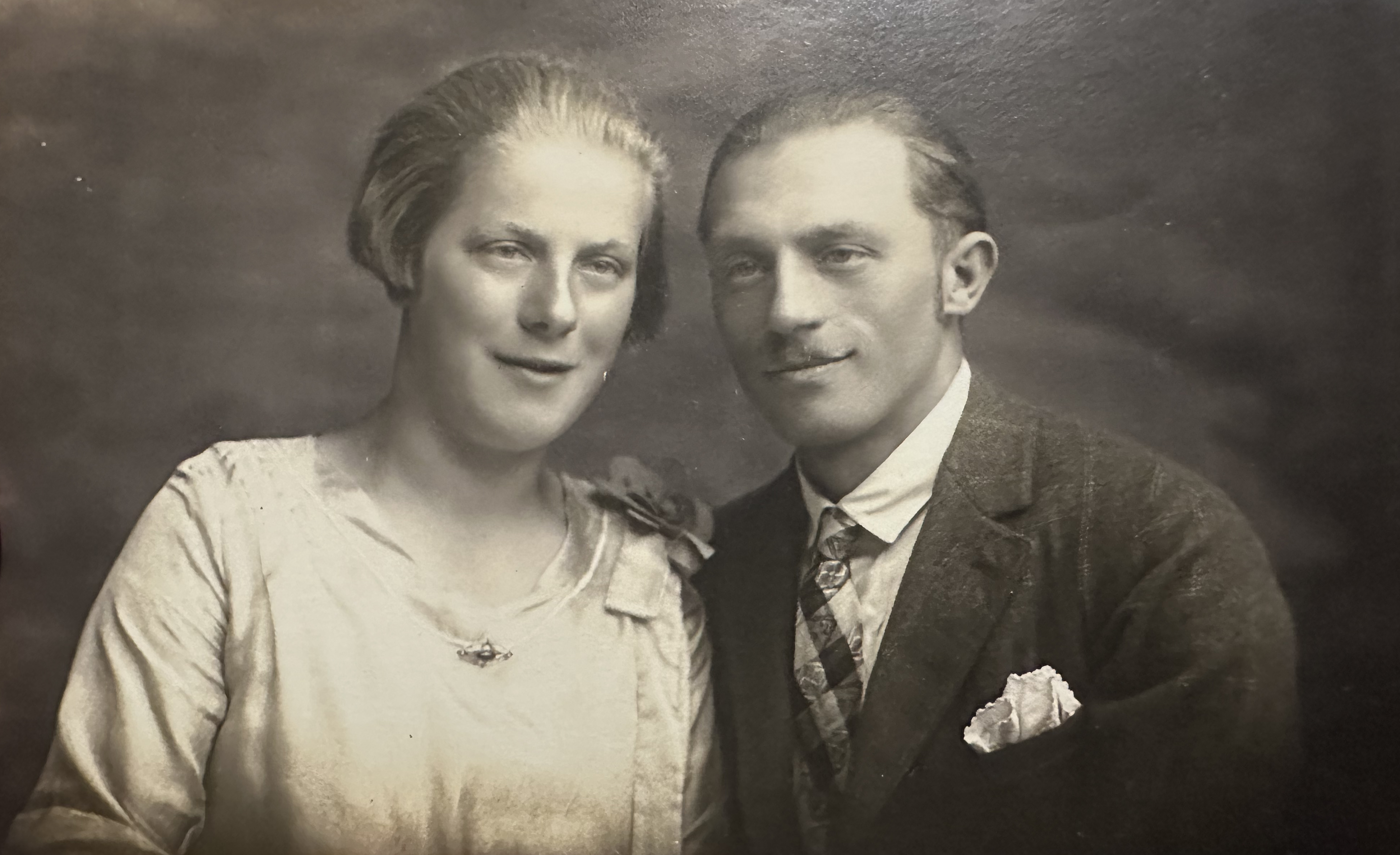
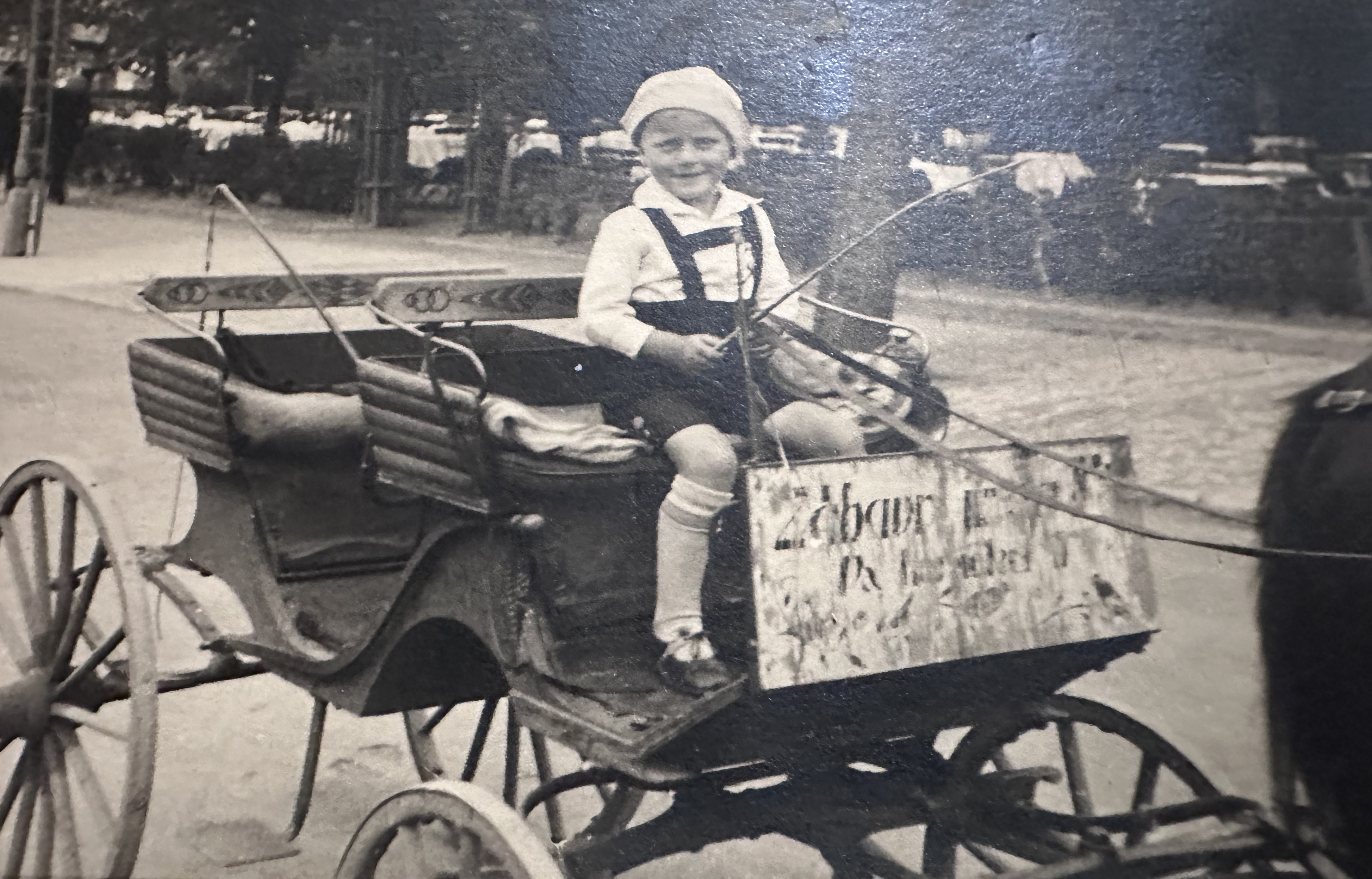
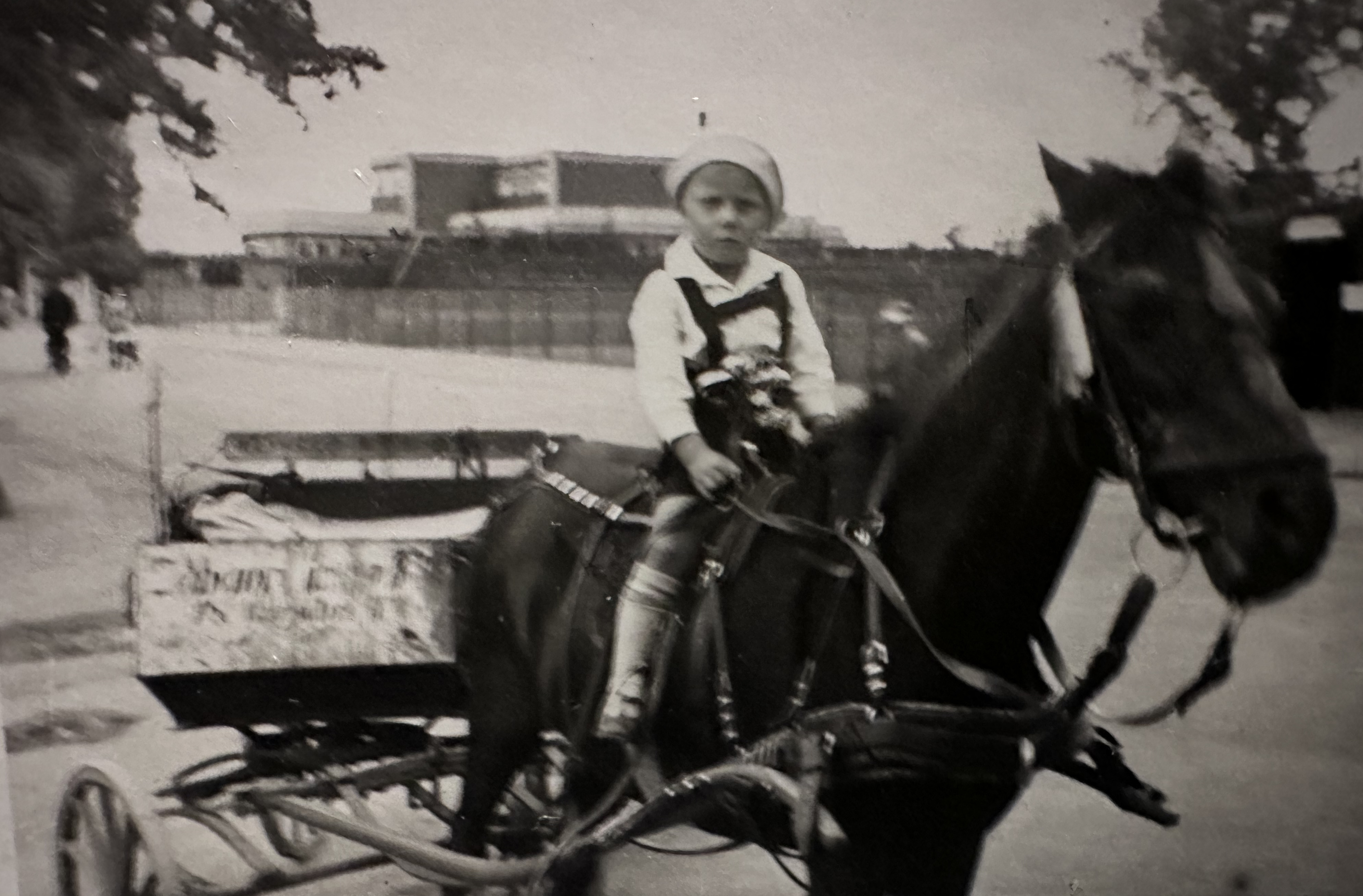
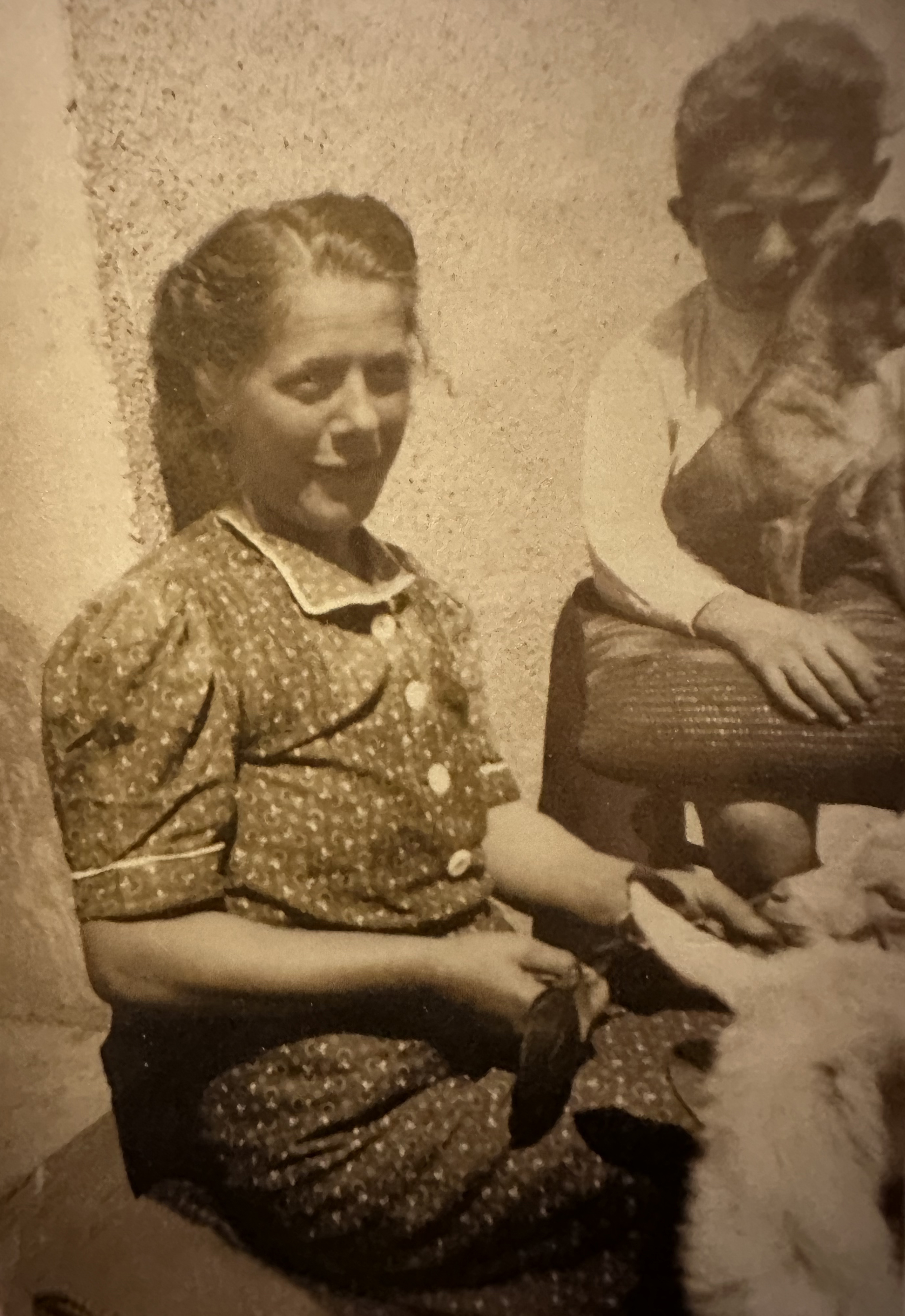
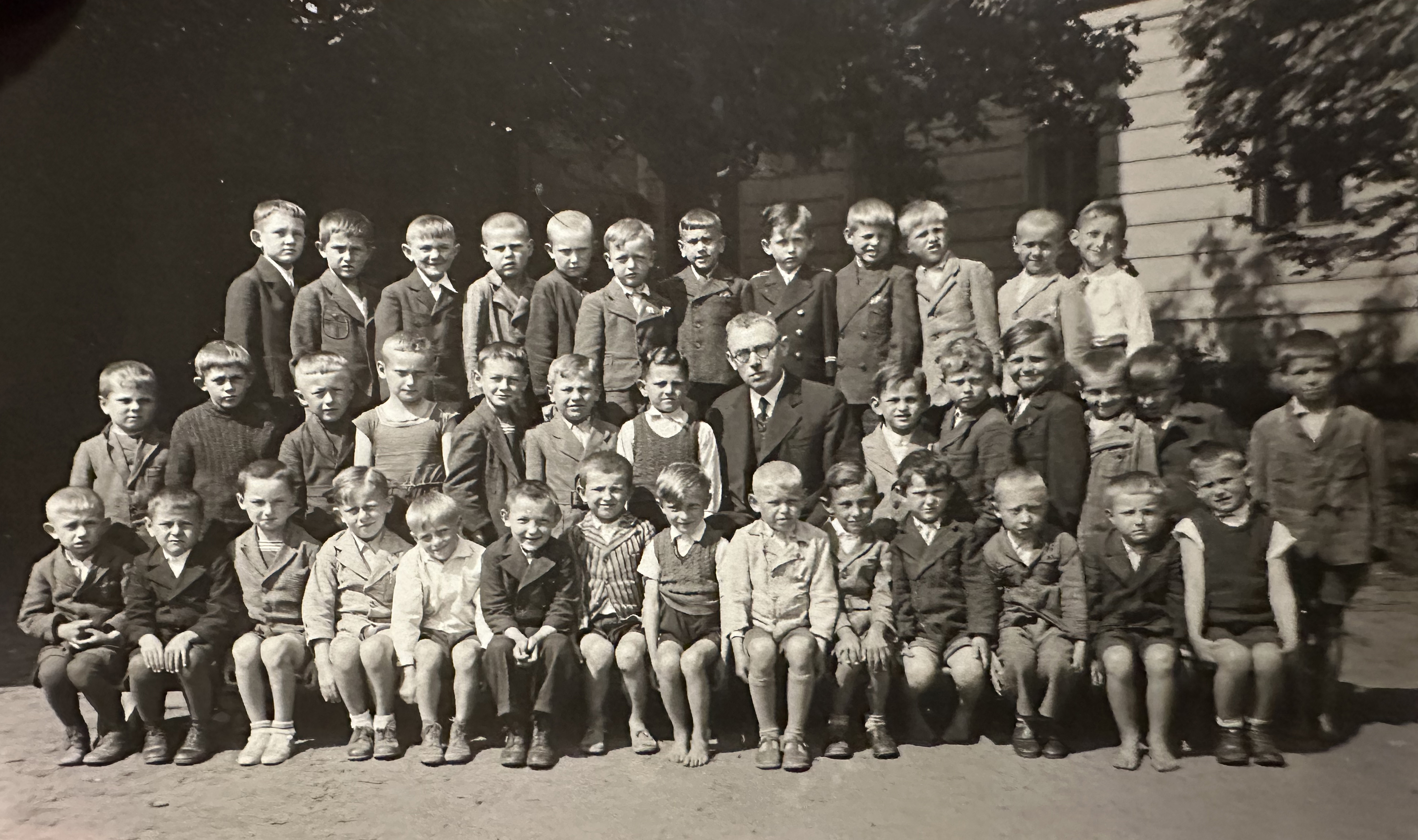
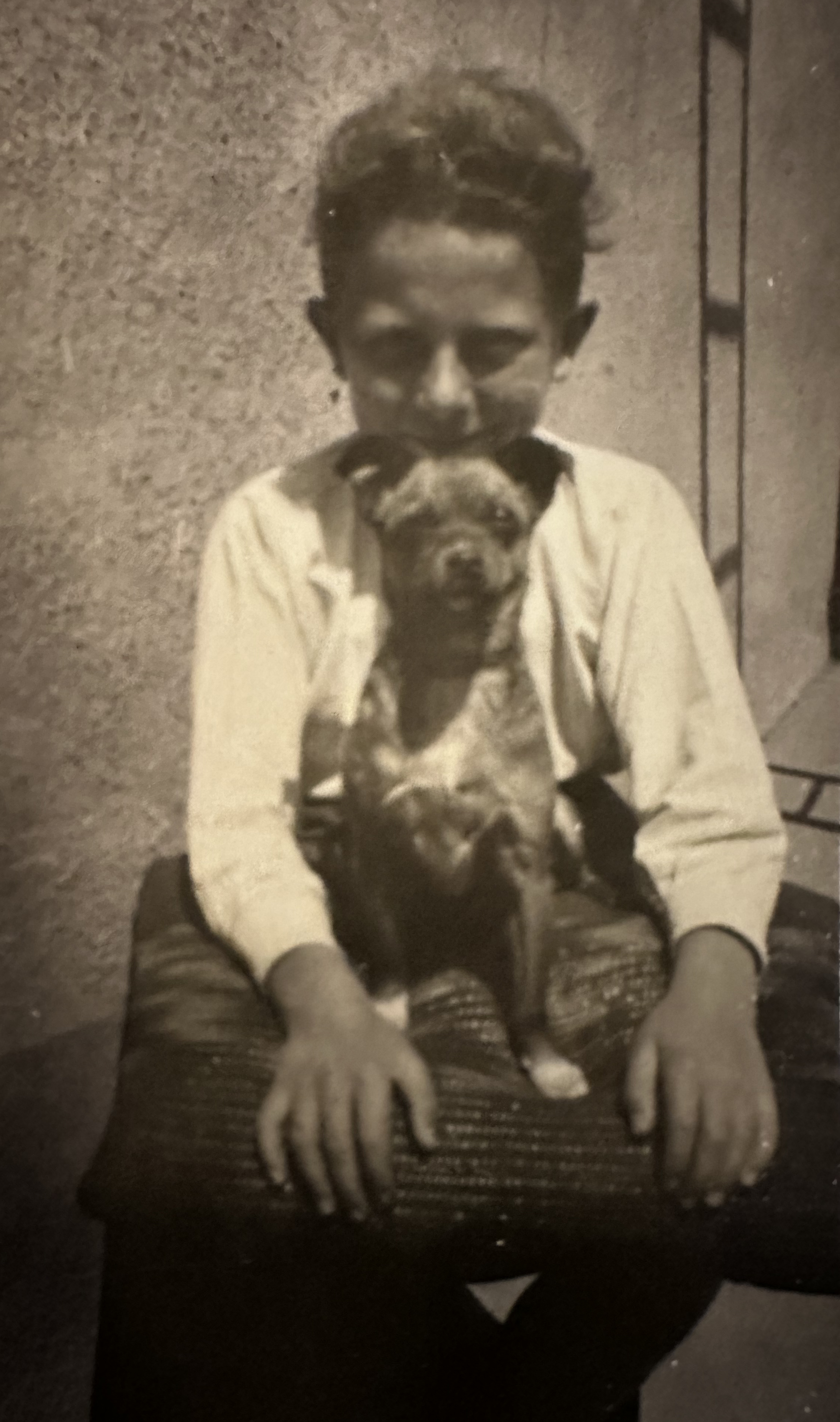
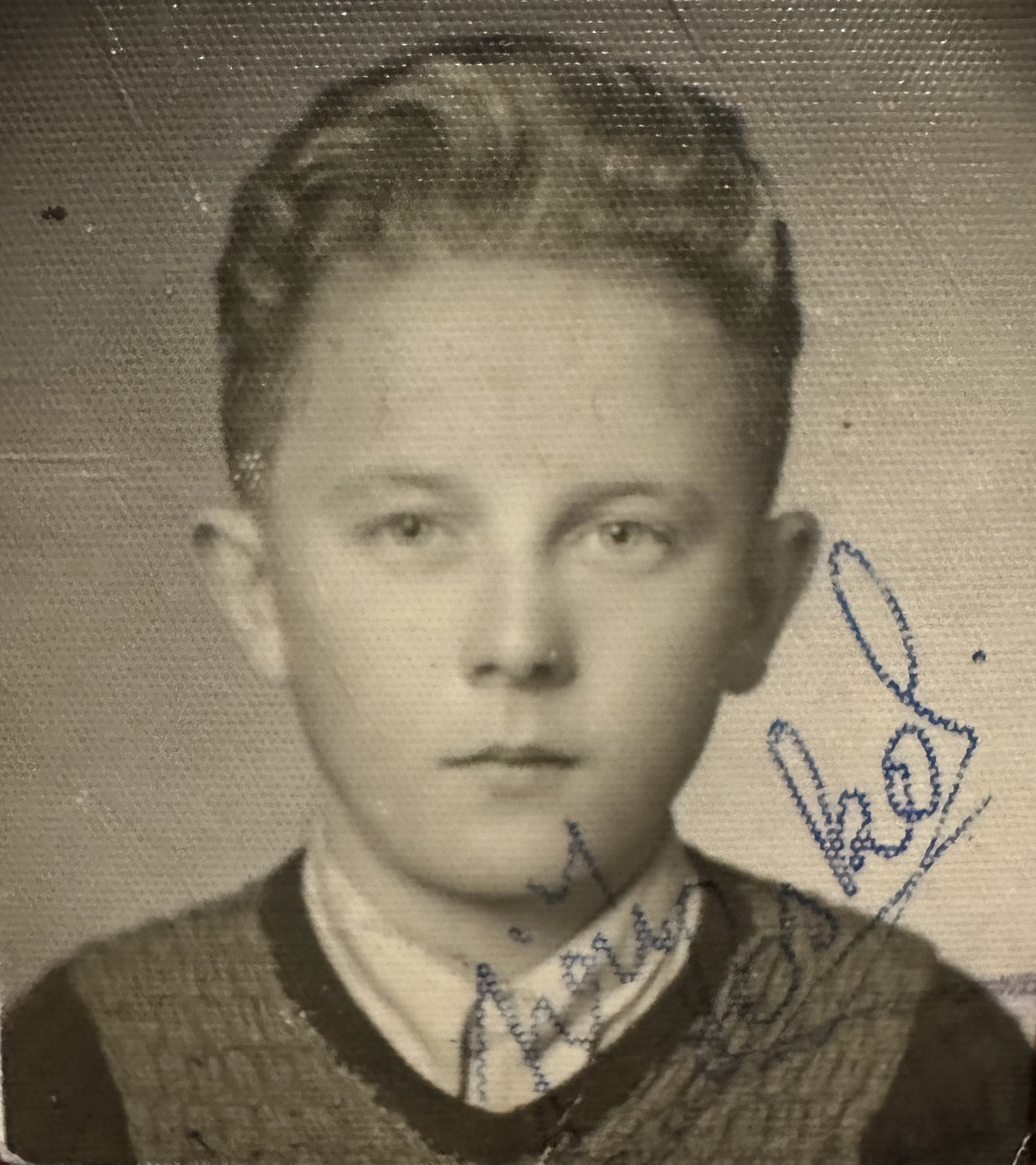
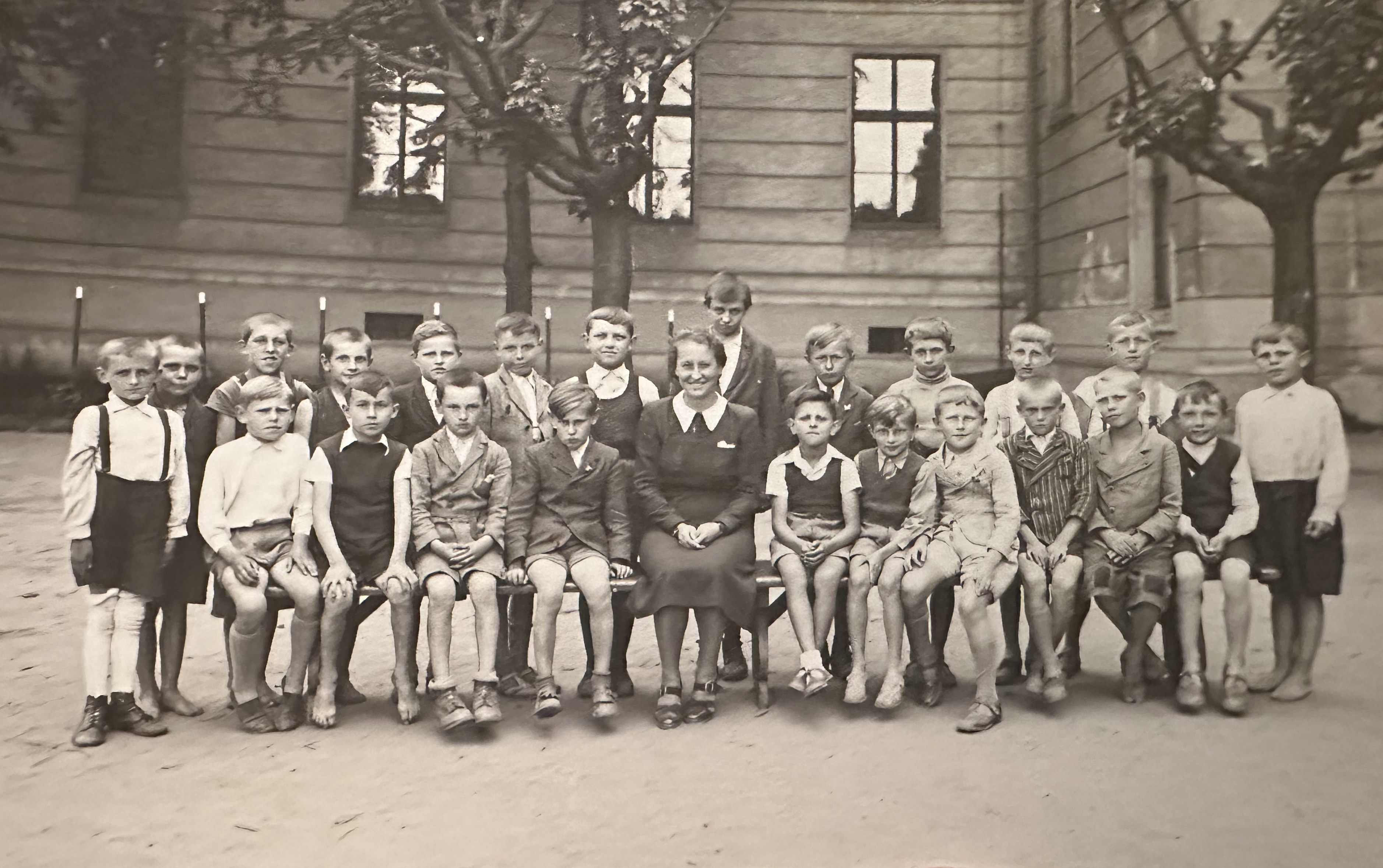
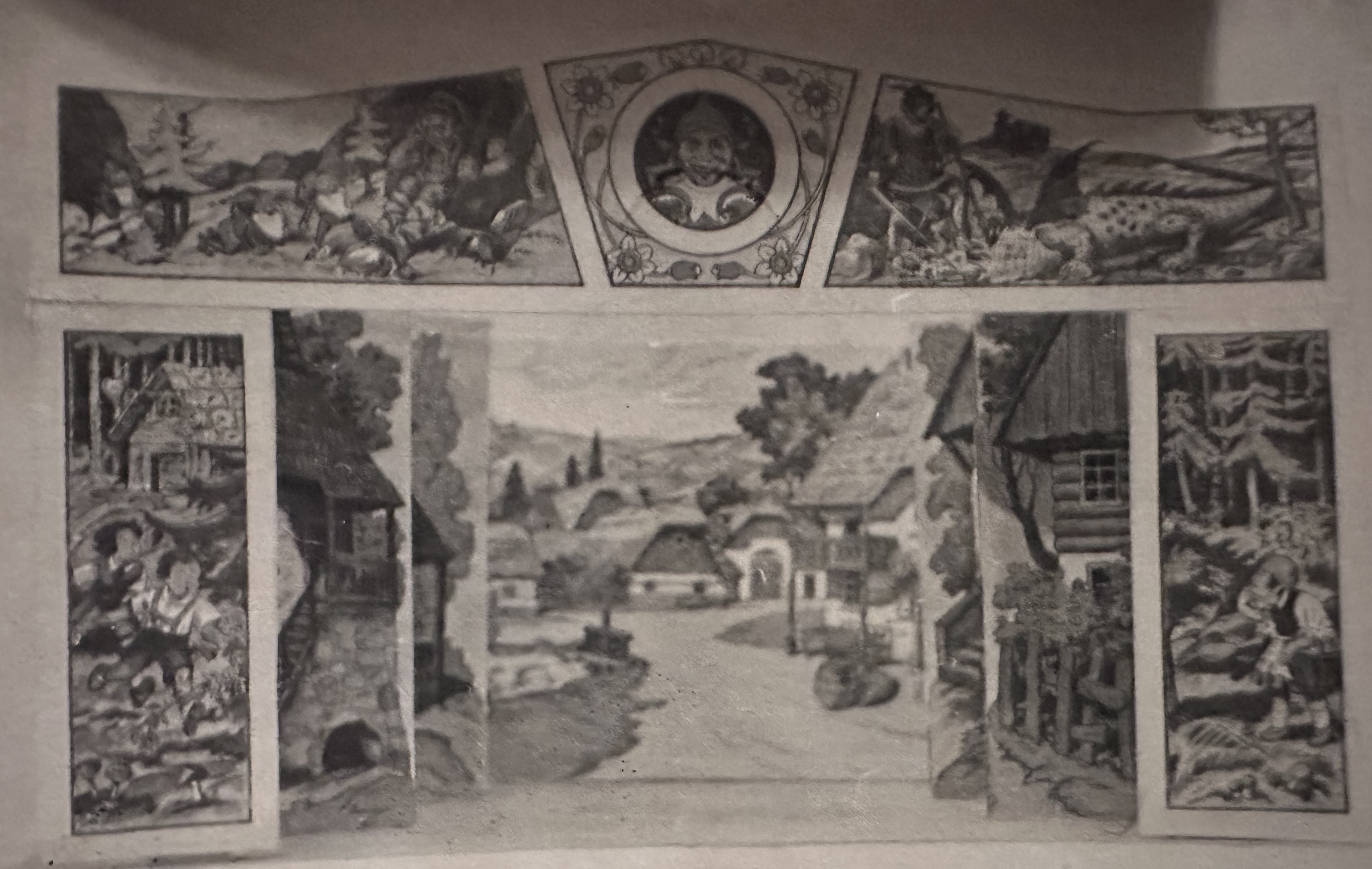
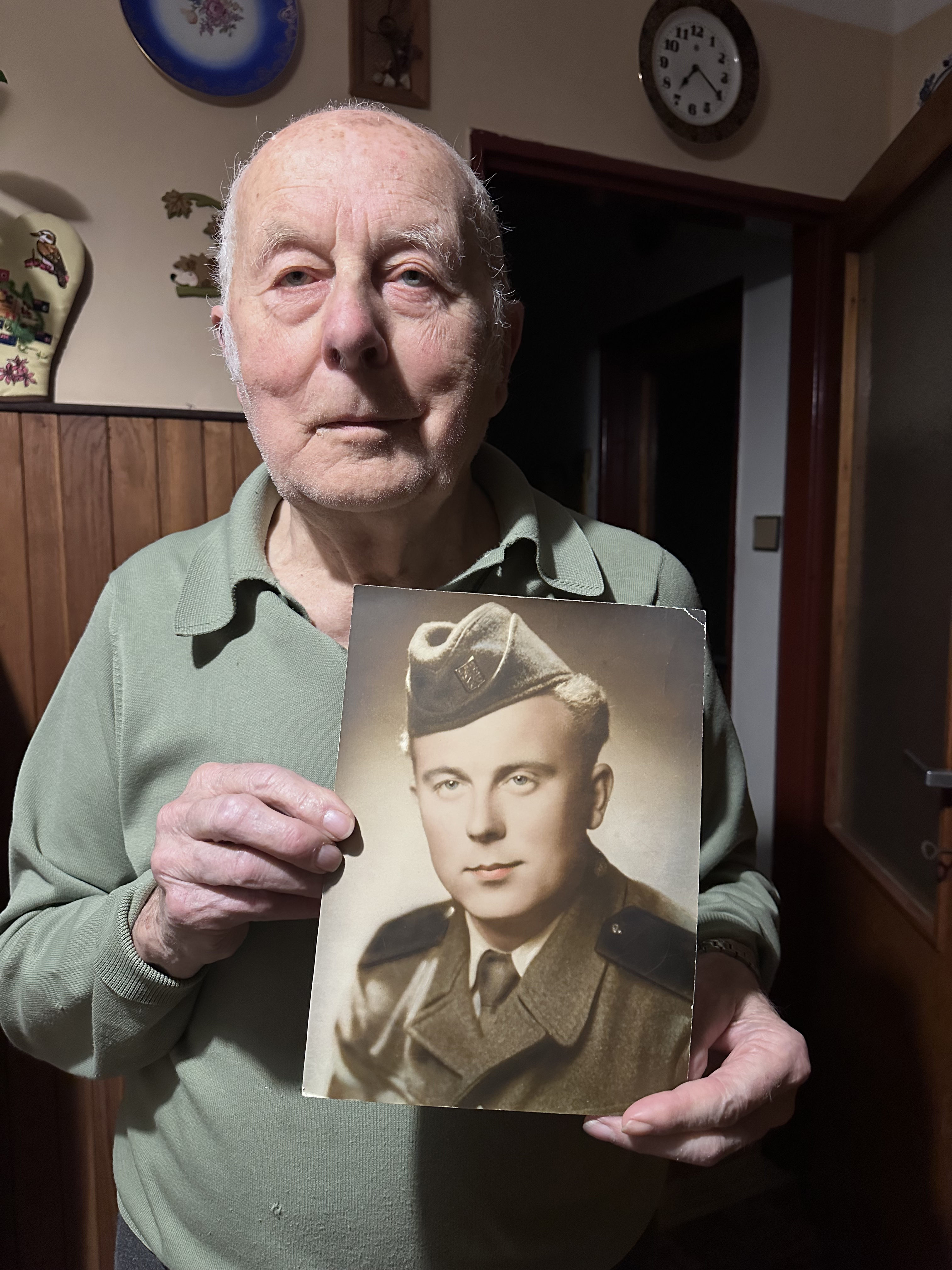
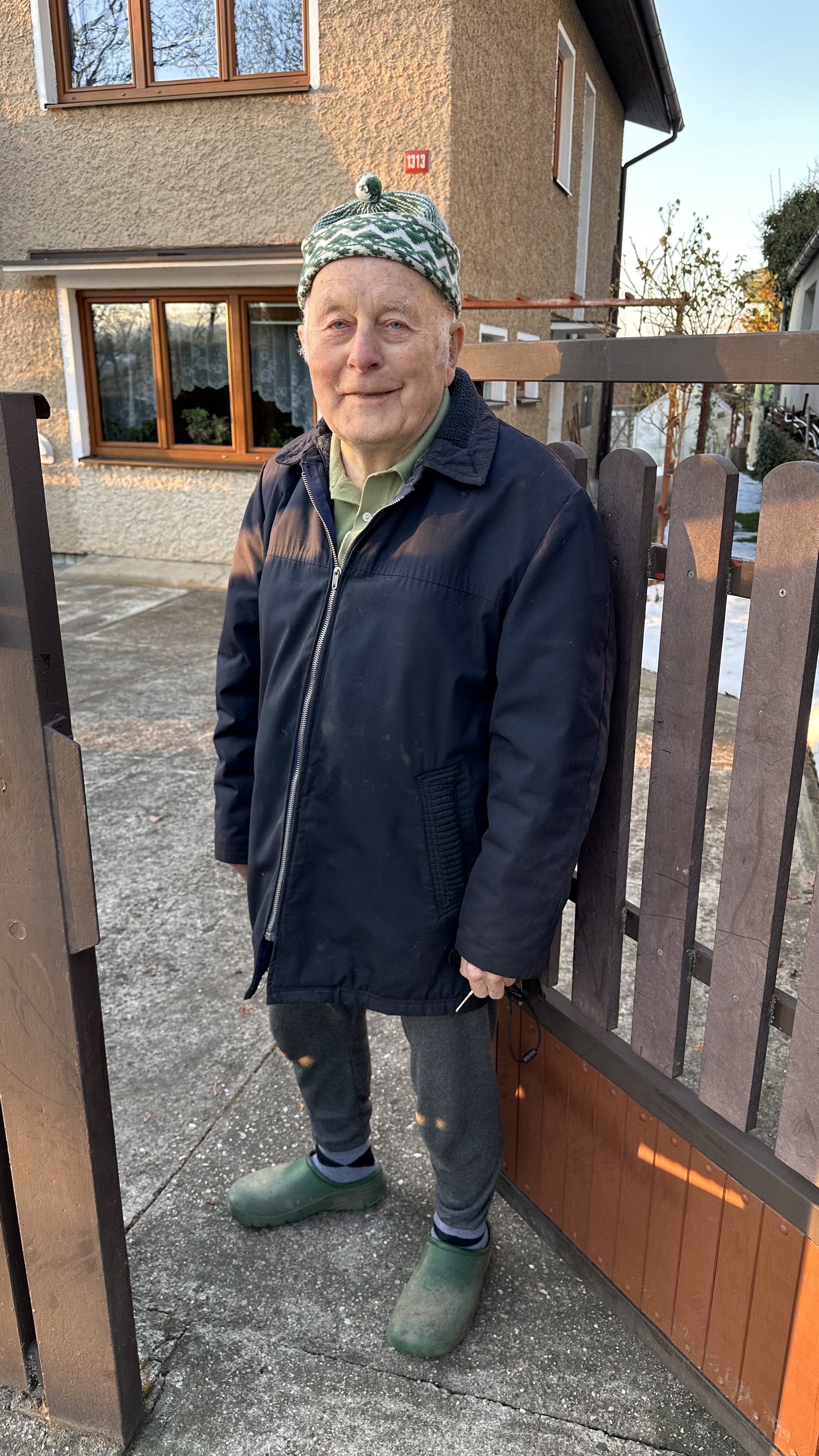
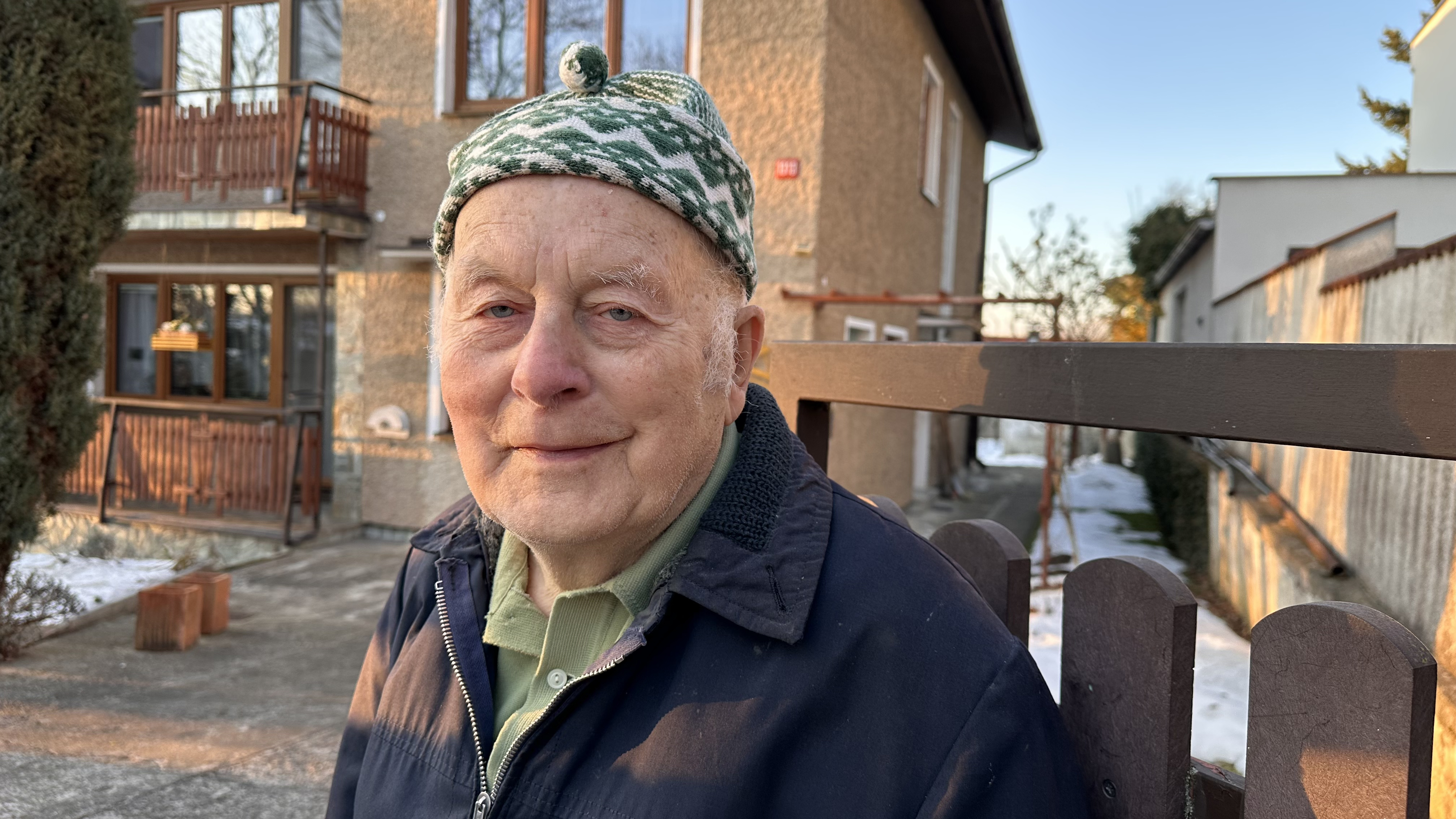
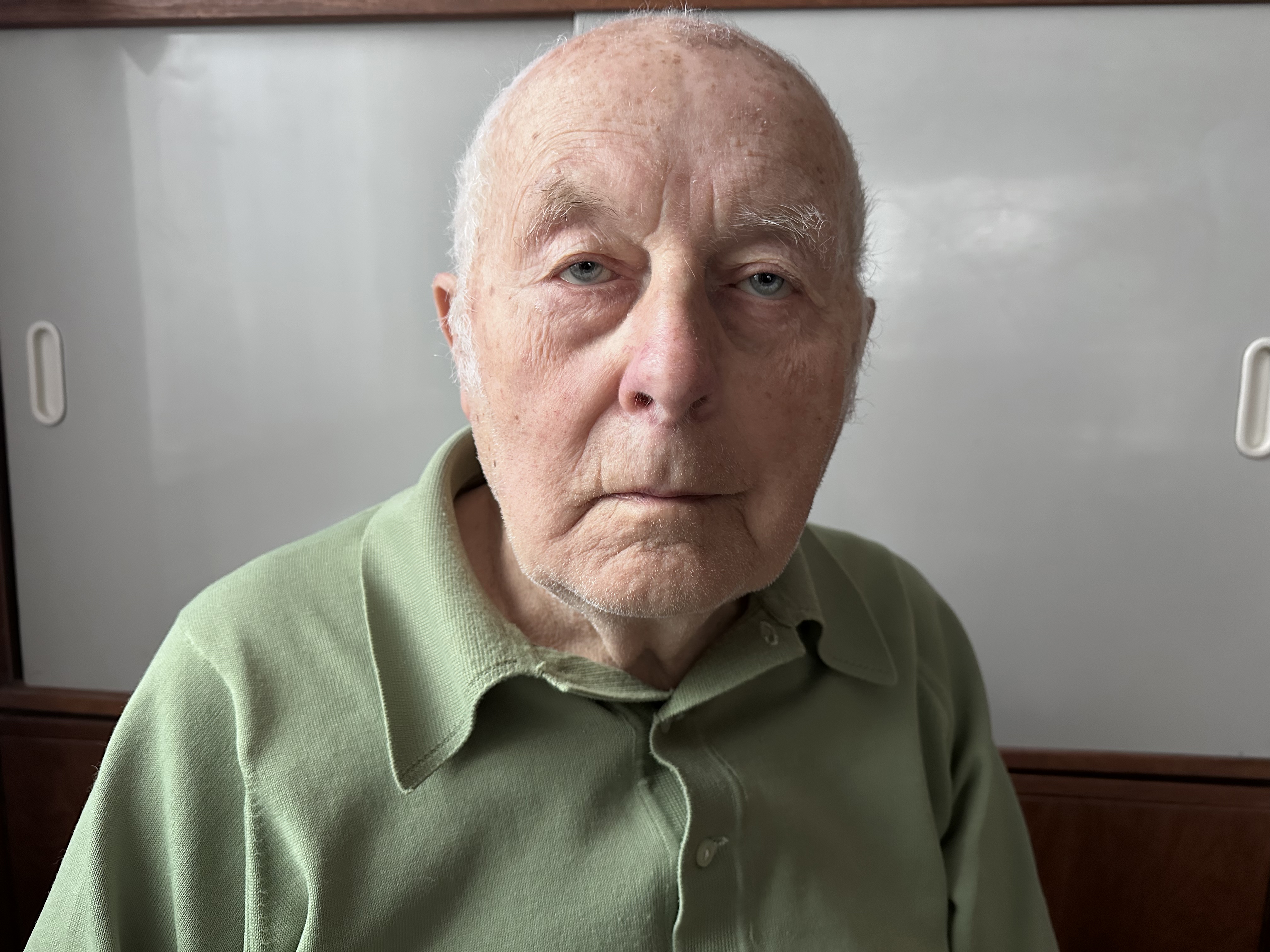
Jiří Loskot was born on 8 January 1931 in Svatý Jan near Sedlčany into the working-class family of Františka and Karel Jindřich Loskot. In 1932 the family moved to Třebestovice near Nymburk in connection with the economic crisis. His father was a trained waiter, but worked mainly as an agricultural and construction worker; later he carried out custom production of paper decorations and nativity scenes on a trade licence. Jiří Loskot entered the municipal school in Sadská in 1937. He experienced the German occupation in March 1939, and remembers the wartime rationing system and a Gestapo house searche. At the end of the war in May 1945, his father was wounded in Třebestovice while fighting with retreating German troops. After the war, Jiří Loskot trained as a cabinetmaker and received his certificate in August 1948. For political reasons, as the son of a tradesman, he was unable to apply to secondary technical school. His mother died in 1949. In 1950, his father’s trade was closed down and he lost his job as a result of the closure of the private joinery shop where he worked. In 1952 he enlisted in the Auxiliary Engineering Corps (PTP) because of his “class background”. He served in forestry and woodworking operations in Strašice and Mirošov. After returning to civilian life, he married Helena Holousová in 1955. He worked in municipal services and woodworking enterprises. In 1966 he moved to Úvaly, where he had a workplace and a company flat. In August 1968 he experienced the invasion of the Warsaw Pact troops right at his workplace. Although he repeatedly refused to join the Communist Party of Czechoslovakia, he worked as an operations foreman thanks to his expertise. He raised two children with his wife and lived in Úvaly at the time of recording in 2026.