Anna Liebigerová

* 1937

  • "That's when he arrived, then that American General Patton arrived. So we welcomed him. That's what I remember there was a pub across the gate called At the Three Musketeers or the Three Musketeers or something like that. We were standing at that pub and we saw Patton come in, on some open tank. So we waved to him. And they made their camp in that very park where we played the most, that's where they set up. And to get acquainted with us, they did a kind of get introductory meeting, so we went there with Daddy too. And there was a Czech-American who translated for us, and there was a magician there, too, and they did all kinds of things, all kinds of magic tricks and I don't know - exercises. And the Czech-American said what do we want to ask, and Daddy volunteered right away. He was so active too, and he immediately said that the kids were used to going to the park to play and if it would be okay, if we wouldn't be bothering them if we came up to them. And the Czech-American said that they wouldn't mind, on the contrary they would be happy - that they also had their children at home and that they were looking forward to seeing them. And we kept going over there to play and it was really all perfectly fine."

  • "Once we were just coming back from a shelter and our house was broken, a bomb had fallen near it. And so they freed up some offices for us in the prison. That was one room always and there were bunk beds, so we kind of lived in that one room. Well, it was bad, because at the end of the war especially the guards who had been somehow in league with the Germans , suddenly played great patriots. They put a barrier across the road. Now normal, ordinary people, mothers with small children said, 'We are Germans, what will happen to us now?' and so they were running down Klatovská Street, which led to Klatovy. They were running to go to Germany, and they were all dragged to the prison and beaten there. It was terrible there. Daddy always came in completely devastated by what these people could do. He was such a sensitive person, it hurt him so much, like they were beating him. And Mum says, 'Please, and you don't even...?' Dad said he wouldn't touch anybody, and if she wanted him to beat up some woman with a kid? She told him no, but he could just shove somebody. And my father said he wouldn't even shove anyone."

  • "And so once, too, it was always the sirens, the tram stopped, and, well, go wherever you want. So that's what happened to me once. The sirens went off, the tram stopped, well, a little girl in second class with a briefcase, nobody noticed her. So she got into the building behind the door, and I was shaking because there were bombs falling around me, and they were fragmentation bombs and incendiary bombs, and I saw them burning, I was shaking. It's a good thing my parents were model Catholics and taught us to pray. I was huddled there in a corner praying and praying and it turned out well. I finally got saved, but then they signalled the end of it again. They weren't allowed to come out right away because they still had the so-called ground shooters. And whoever ran out - well, don't run out of a burning building - they shot him down with machine guns. If somebody came out, they killed him right away. But I knew I wasn't allowed to do that yet, only after they'd signal the end and the planes had left. So that was the most powerful experience I had. And then I got out and went to school. It was under the Pilsen theatre and the school was fine."

  • Full recordings
  • 1

    Znojmo, 24.05.2025

    (audio)
    duration: 15:01
    media recorded in project Field reports
  • 2

    Znojmo , 22.09.2025

    (audio)
    duration: 01:32:35
    media recorded in project Příběhy regionu - JMK REG ED
Full recordings are available only for logged users.

Bombs were falling all around me, I was shaking in the corner behind the door, praying
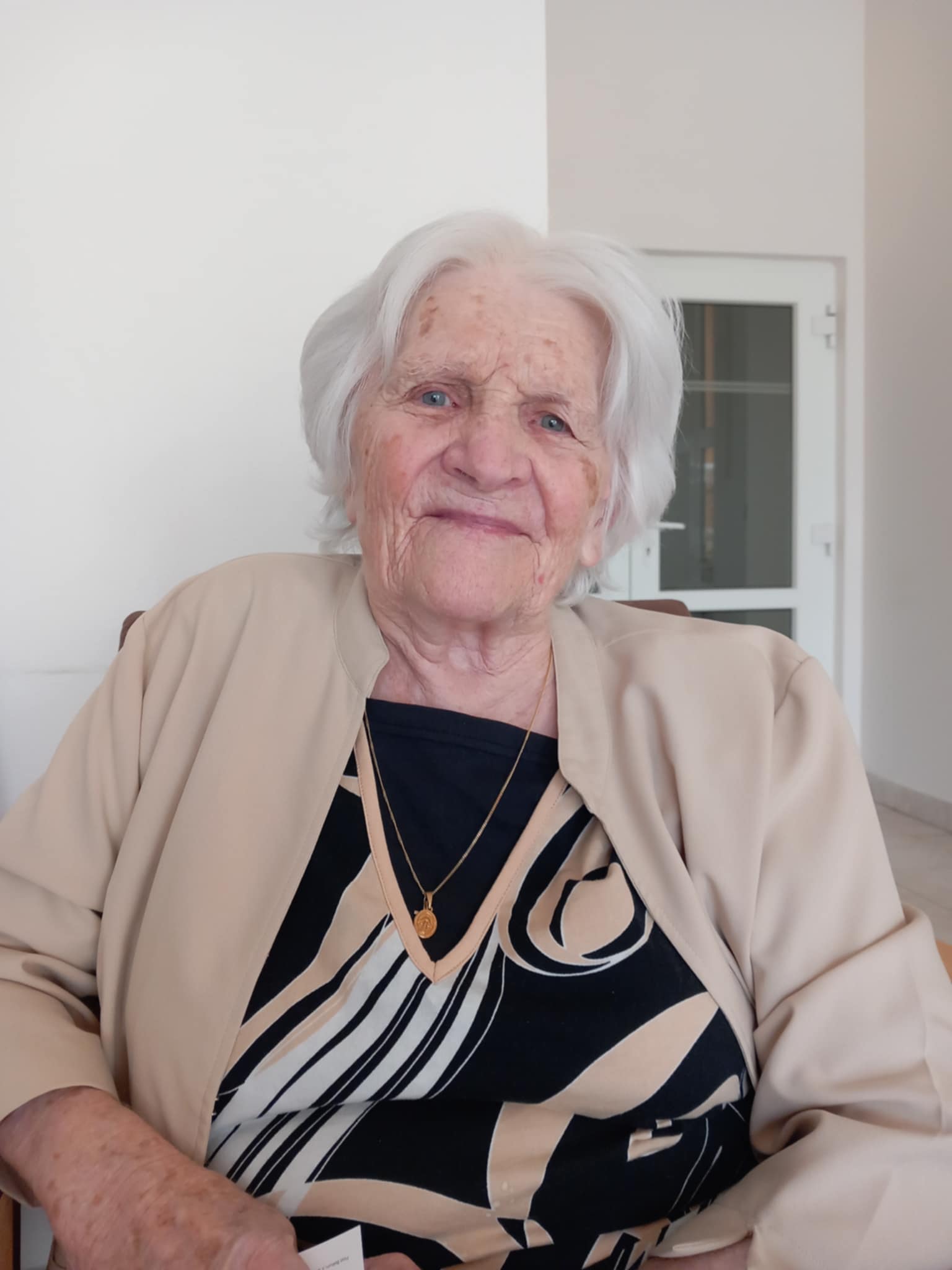
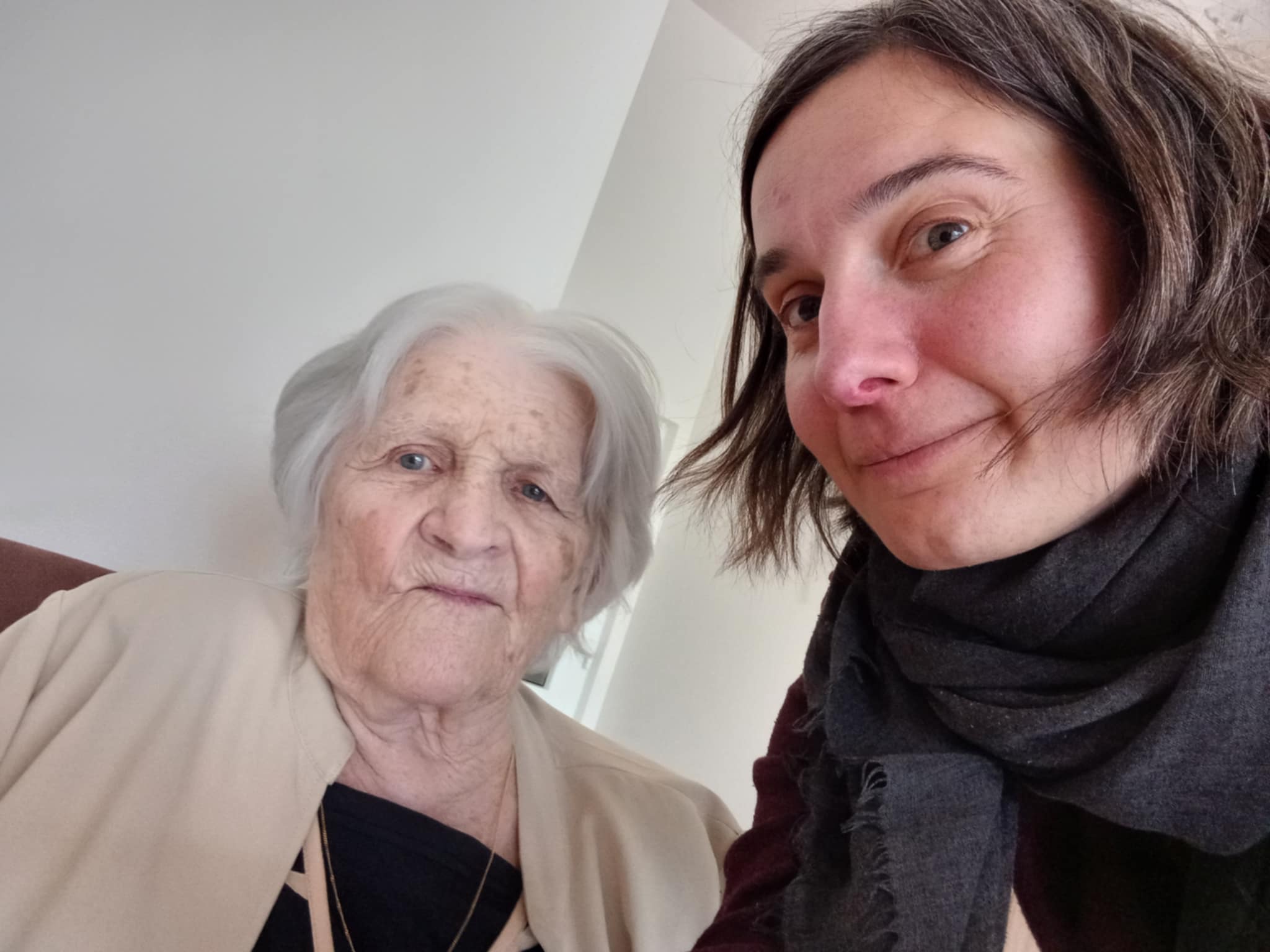
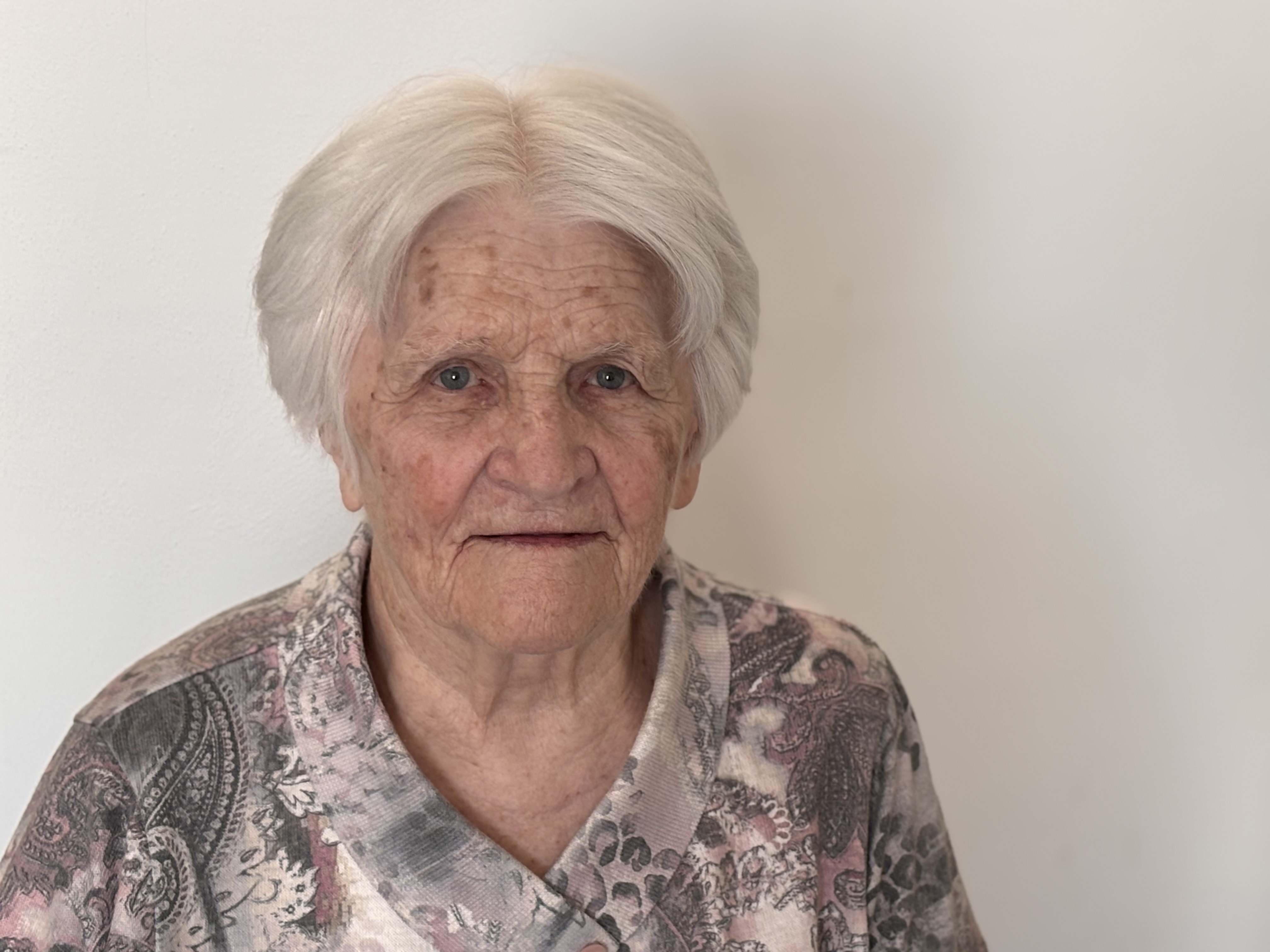
Anna Liebigerová during recording, Znojmo, 2025
photo: Post Bellum

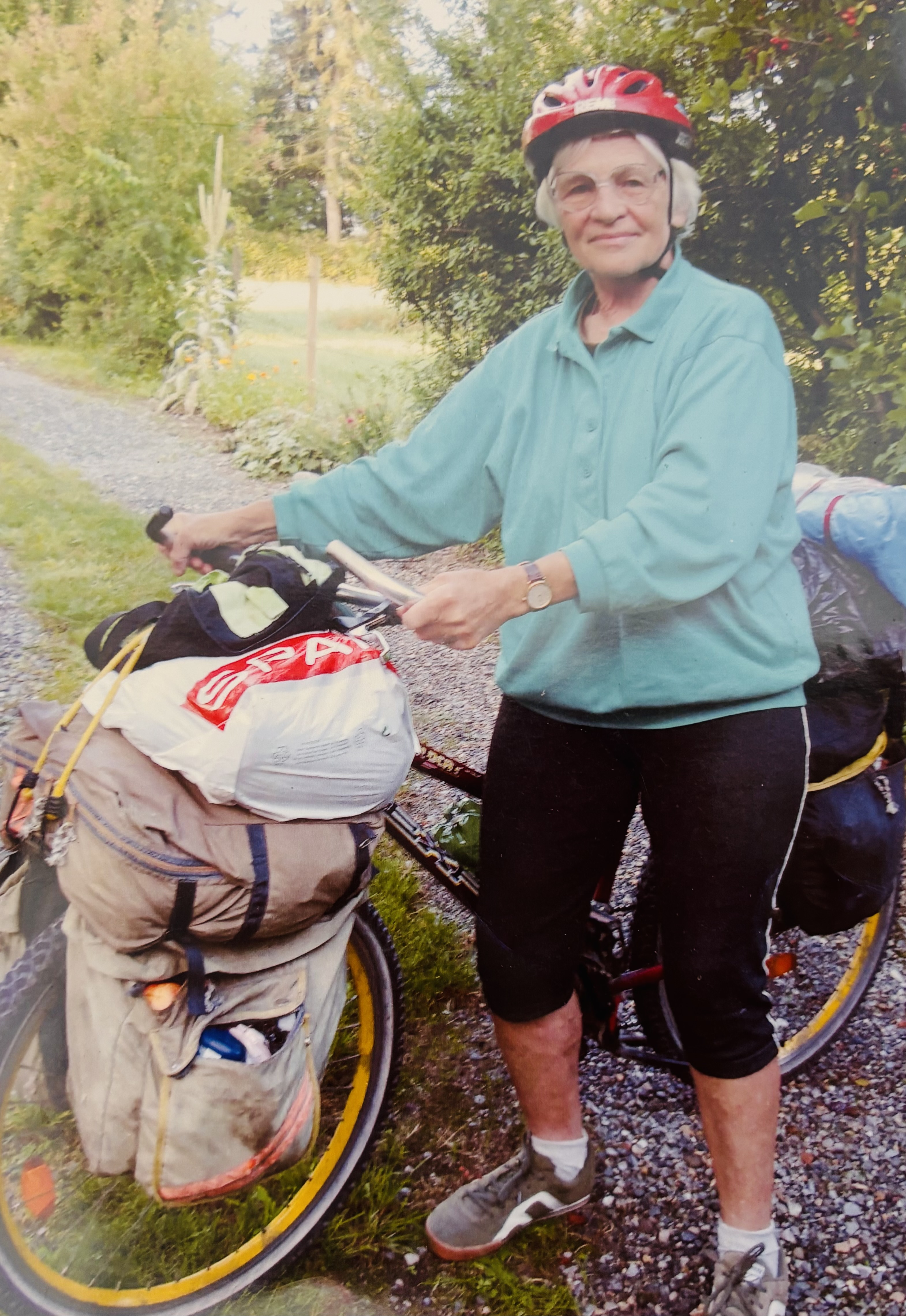
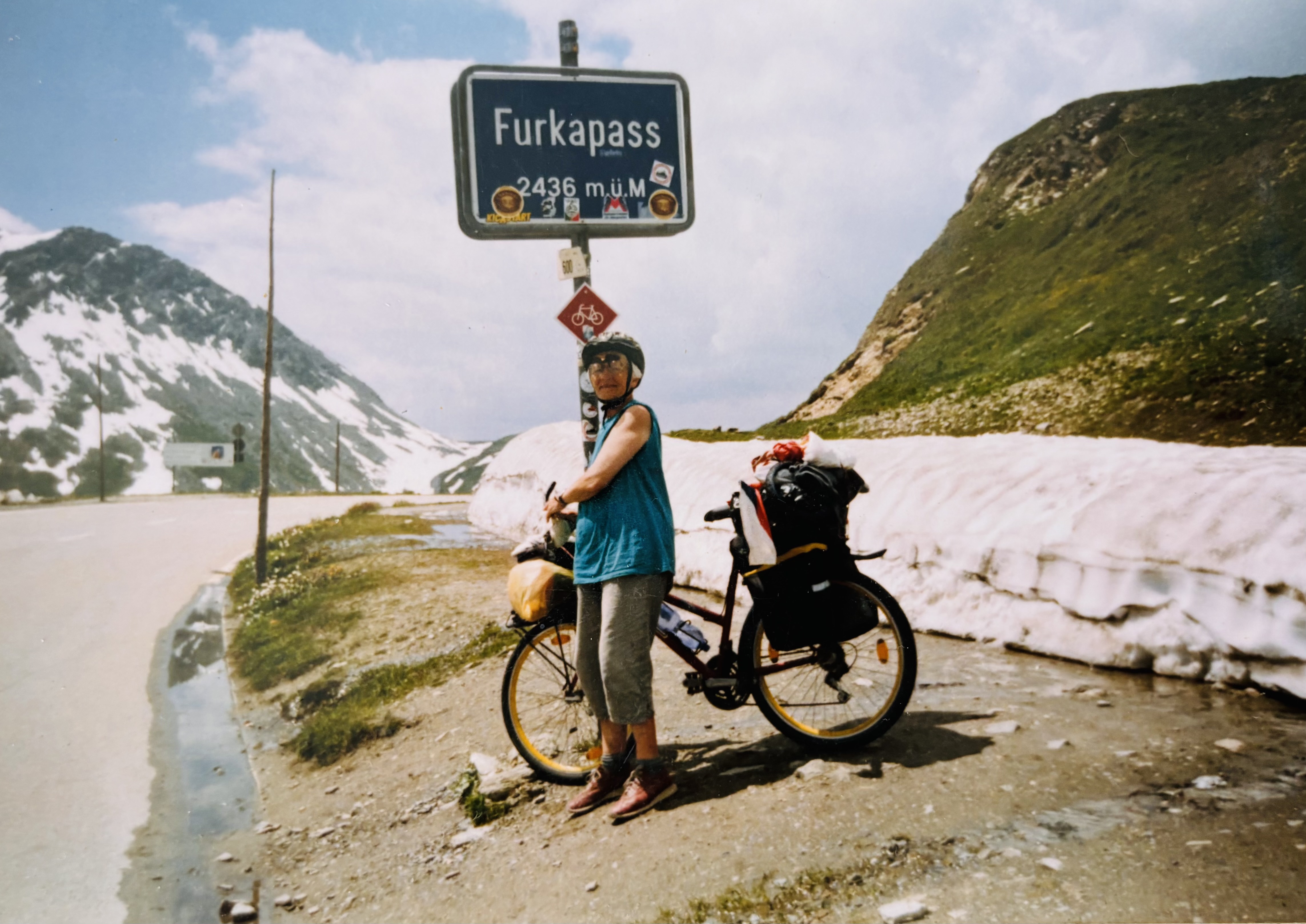
Anna Liebigerová, née Havelková, was born on 11 May 1937 in the village of Višňové near Moravský Krumlov as the third of four siblings. Her father worked as a prison guard, her mother was a housewife. After her father was transferred to Pilsen prison, the family moved to him in 1943/1944. The witness experienced the bombing of Plzeň, she remembers escaping to a shelter and how she was caught by the bombing on her way to school alone and had to hide behind the door of a nearby house. The bombing destroyed the family’s flat, so she spent the end of the war in a makeshift room converted from a prison office. From there, the witness saw how some of the guards ill-treated Germans who were on the run from Pilsen. She also remembers welcoming General Patton and moving to Znojmo, where her father was relieved of his job as a prison guard and was himself briefly imprisoned. Anna Liebiger graduated from the secondary school of education, married and had five children, the first of whom, Lenka, died at the age of six months. The marriage was not a happy one, and the witness divorced and raised her four children alone. She experienced oppression from the regime because of her faith and had to go to church in secret. After 2000, she repeatedly went alone on a cyclo-pilgrimage to places of pilgrimage in Europe - she went to Lourdes, Santiago de Compostela, Fatima, etc. In 2025, she was living in Znojmo, writing memories of her life for her 11 grandchildren and four great-grandchildren and enjoying her large family.