Adéla Lasáková

* 1935

  • "A teacher lived nearby, upstairs. She had Hitler's image hung on the wall. The Russians found the image. They carried it to our place, pierced its eyes and burned it. – "What did they do to the teacher?" – "They were all gone by then, the place was empty. They are lucky to have been gone because the Russians would shoot them."

  • "This guy named Kašný was a big farmer. I was working in a beet field and a car pulled up suddenly. That was during the communist era. Two guys got out. One in a leather coat and one casual. They went to Mr Kašný, Jindřich Kašný. He had to go with them. He asked what he had done wrong. They said he'd cut the beet the wrong way, too much waste. That wasn't true. He didn't want to join the coop. So they took him away and he never came back. He had to work in the uranium mines and he died there."

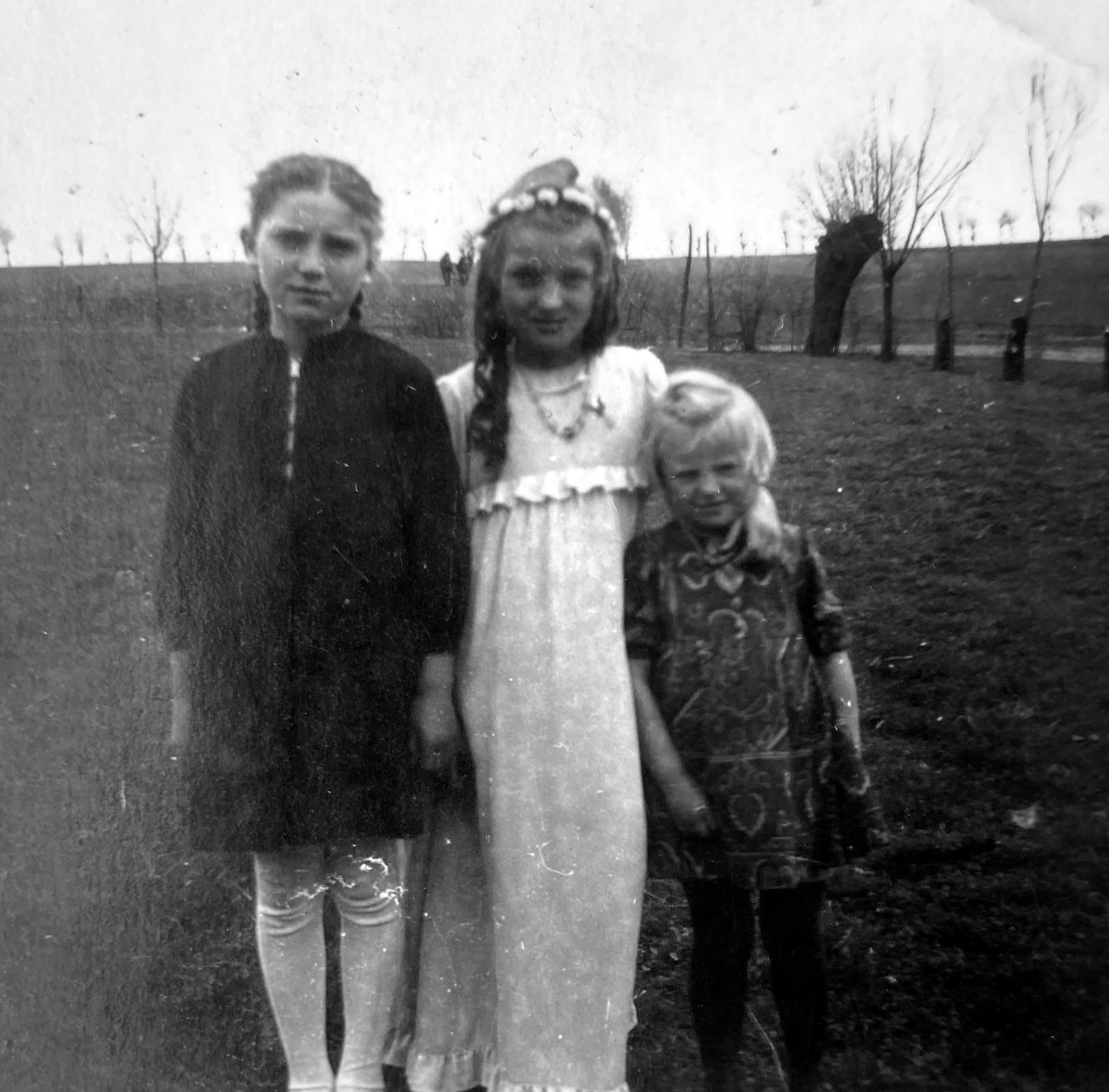
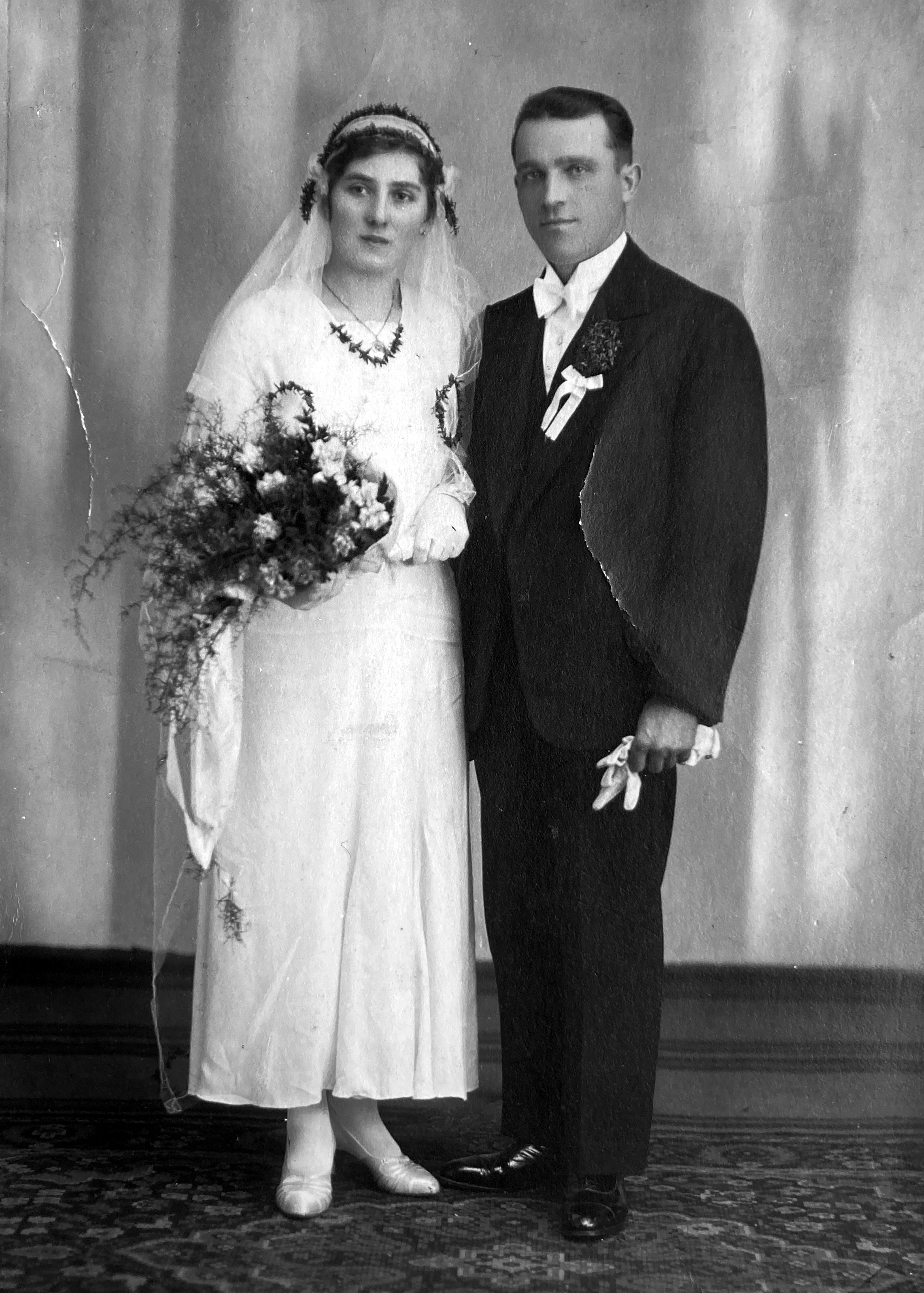
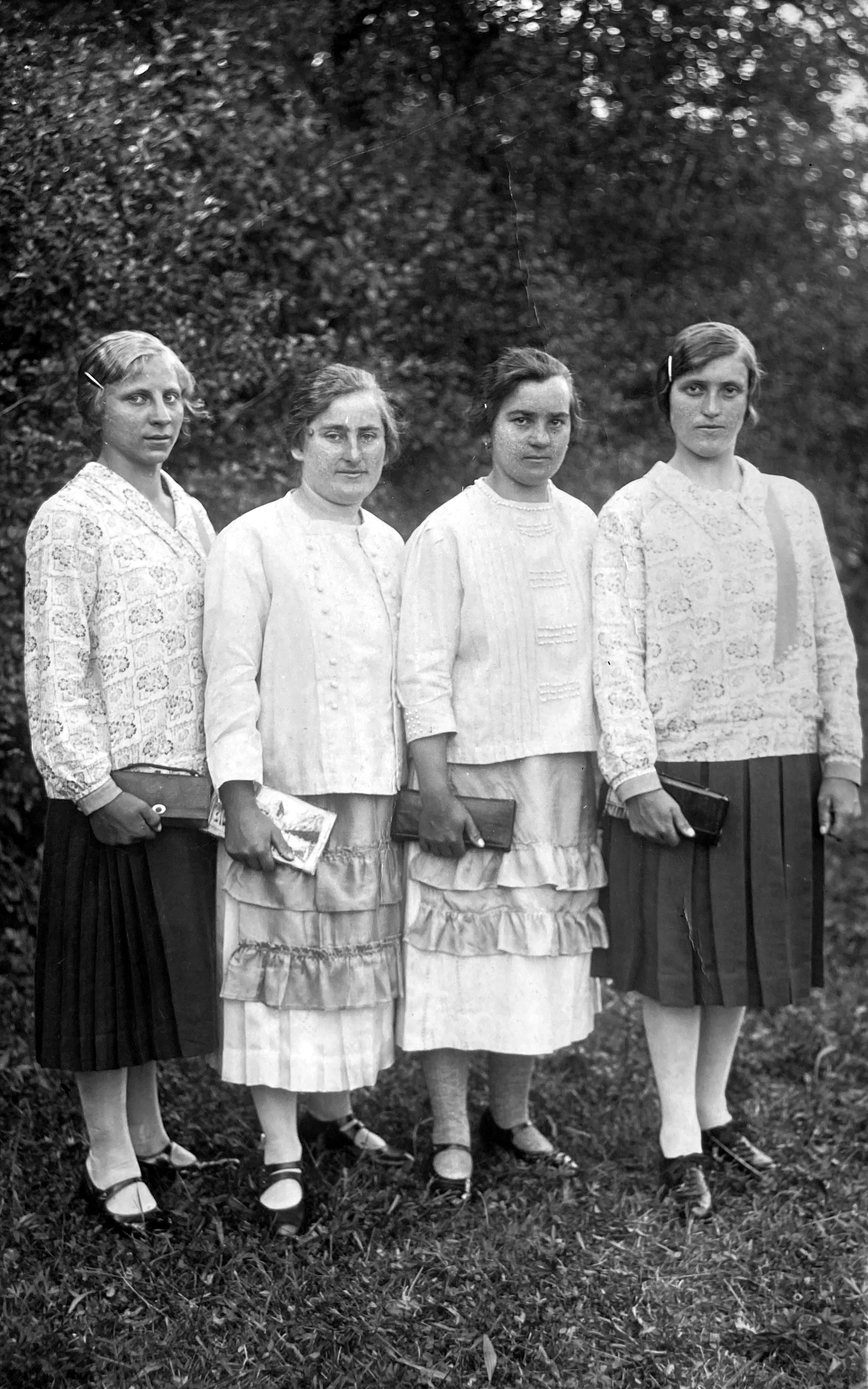
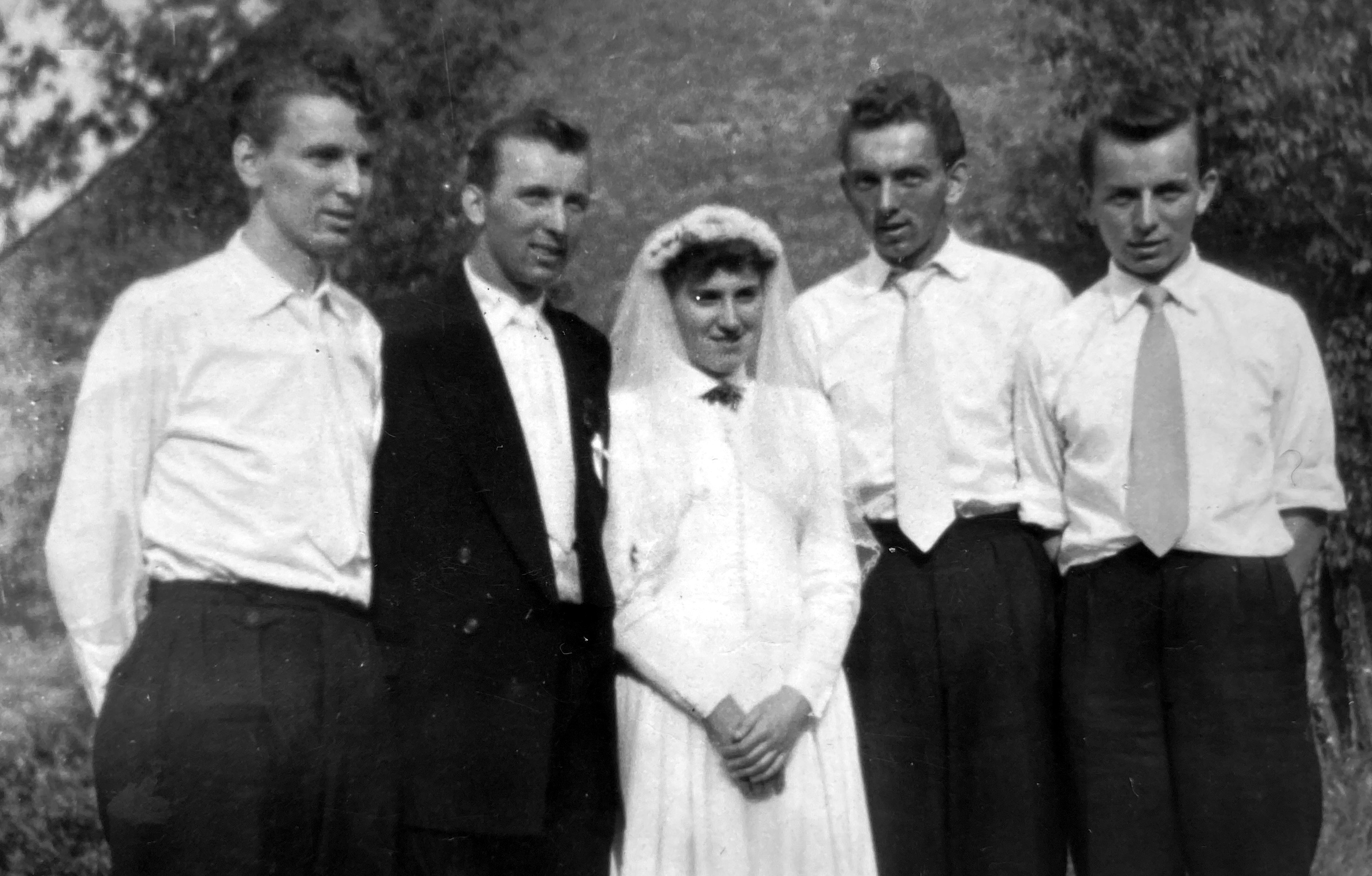
  • "My uncle was killed in the war. I was a bridesmaid. My cousin has a photo of it. We sang songs. There is a memorial for soldiers killed in WWI in the village. There was a man named Iran. He was an SS man and he gave a speech about the dead soldiers. They sang the song, 'Ich hatt' einen Kameraden'... I can't go on. It was sung for those who were killed."

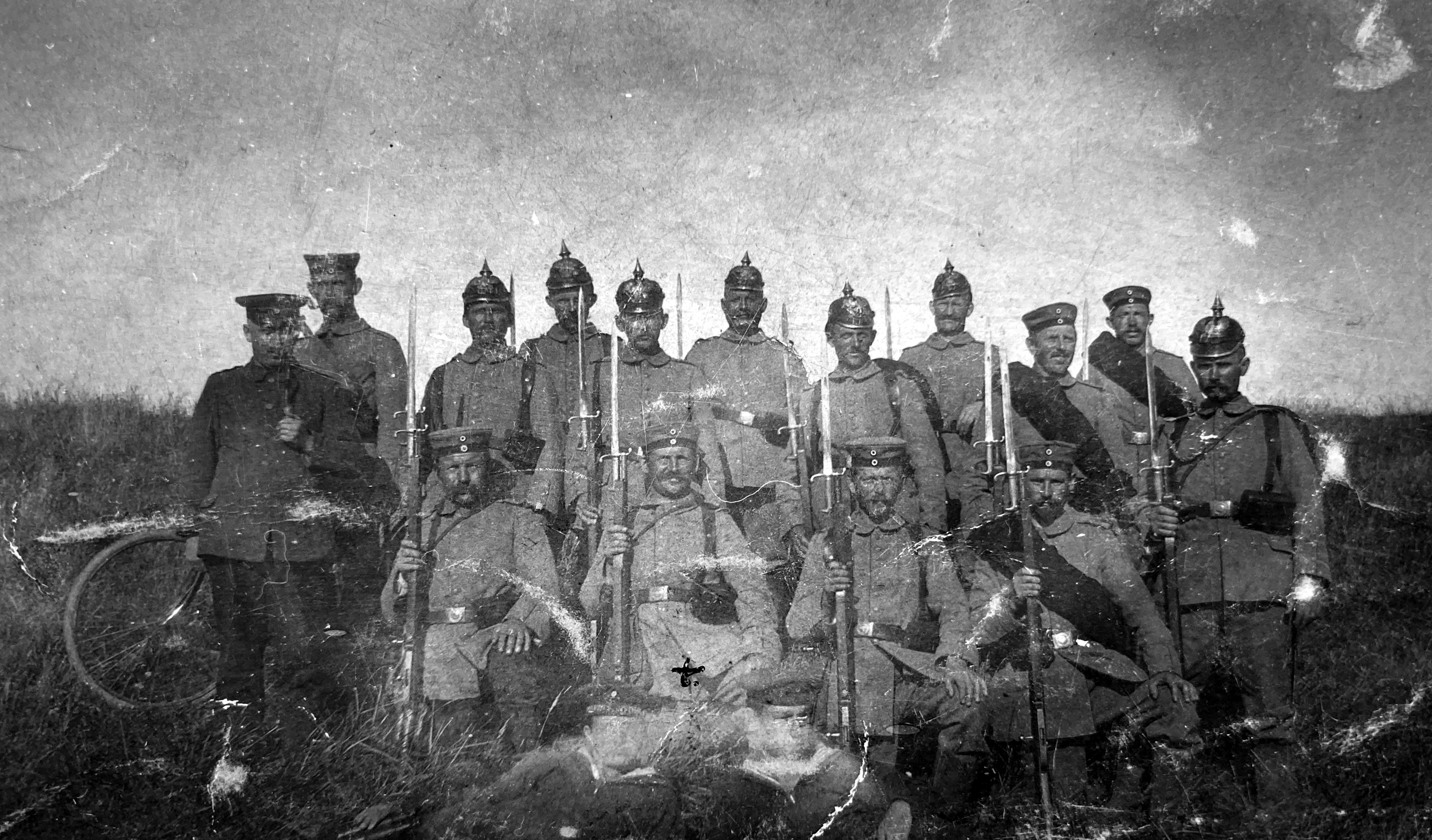
  • "Whose grandpa was that?" "Mine. Mum's dad." "What was his name?" "Josef. Josef Flaška." "What happened to him?" "An artillery shell. It was the worst here when the frontline was passing. We were in the cellar and suddenly there was a lot of dust. Grandpa and grandma thought we were on fire, so they ran out of the cellar. The house was intact, but half the barn was gone. Grandma went back to the cellar, but he went to clean his pipe. Then a shell hit the neighbour's house and shrapnels flew through the window. One hit him in the leg. He lay there and he bled to death. The Russians were coming, the Germans were gone, and he died. We were left alone. A single aunt, my grandma and me."

  • Full recordings
  • 1

    Oldřišov, 26.03.2025

    (audio)
    duration: 02:13:45
  • 2

    Oldřišov, 31.03.2025

    (audio)
    duration: 01:01:00
Full recordings are available only for logged users.

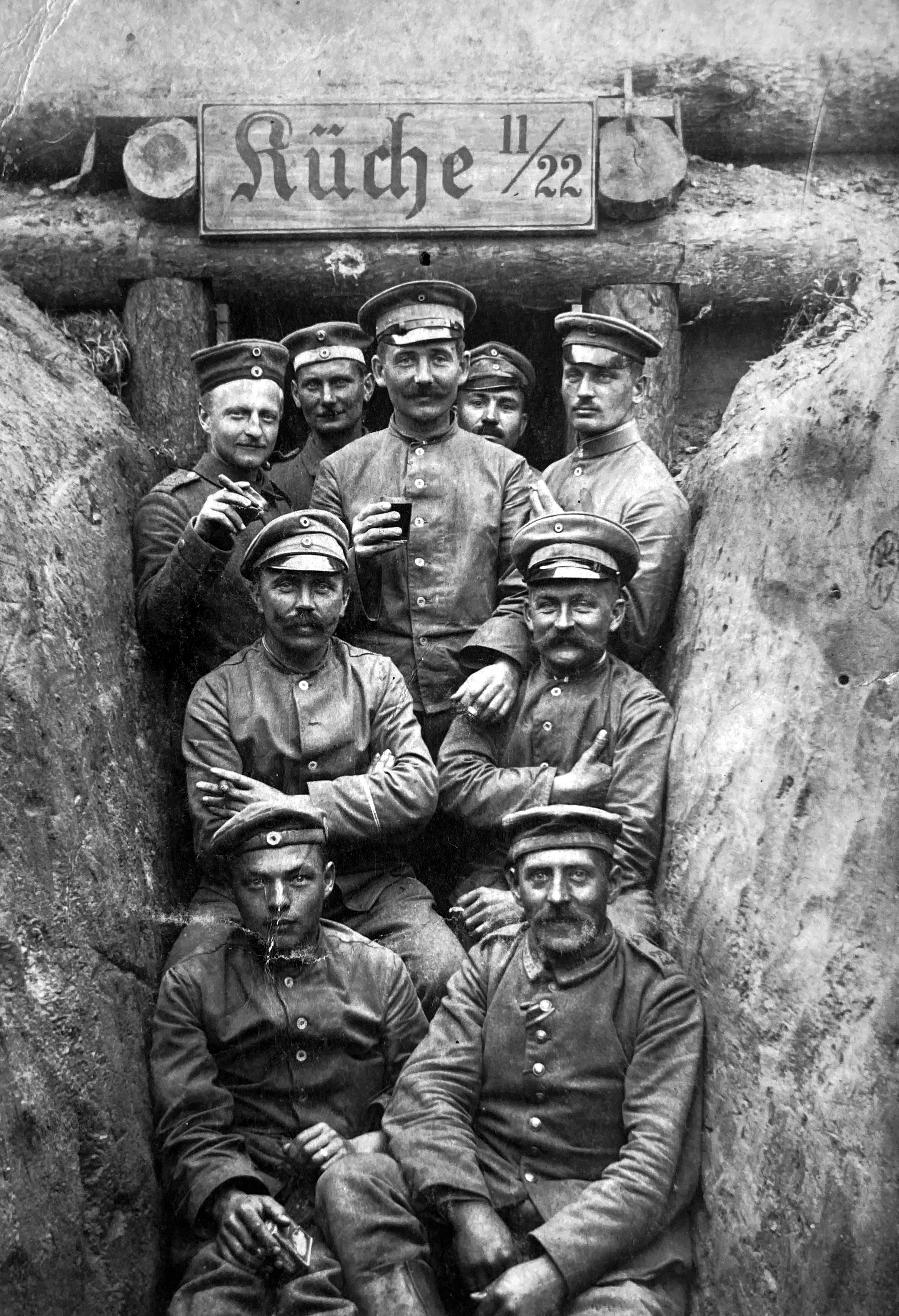
The fateful kitchen of WWI veteran Josef Flaška from Oldřišov
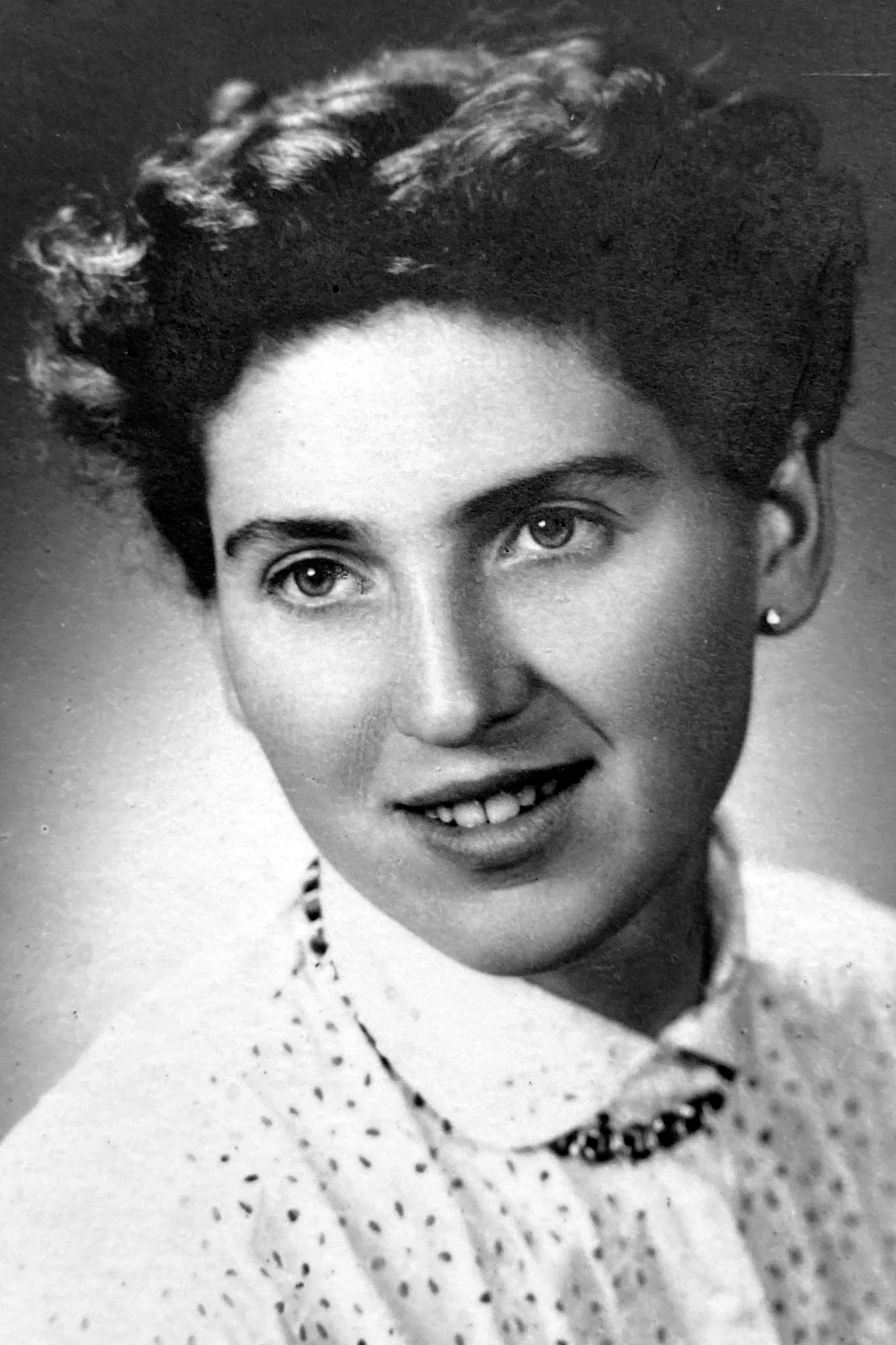
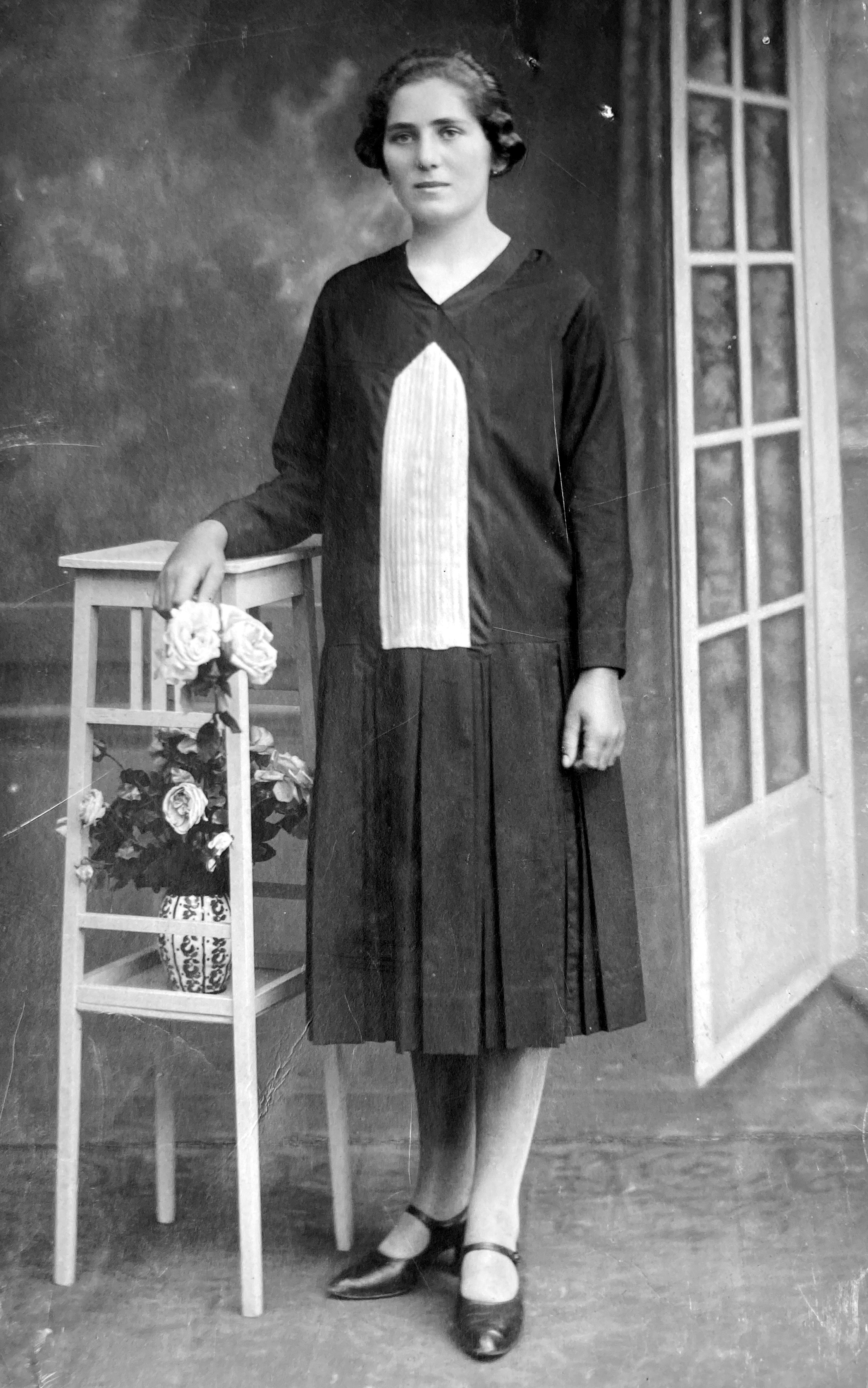
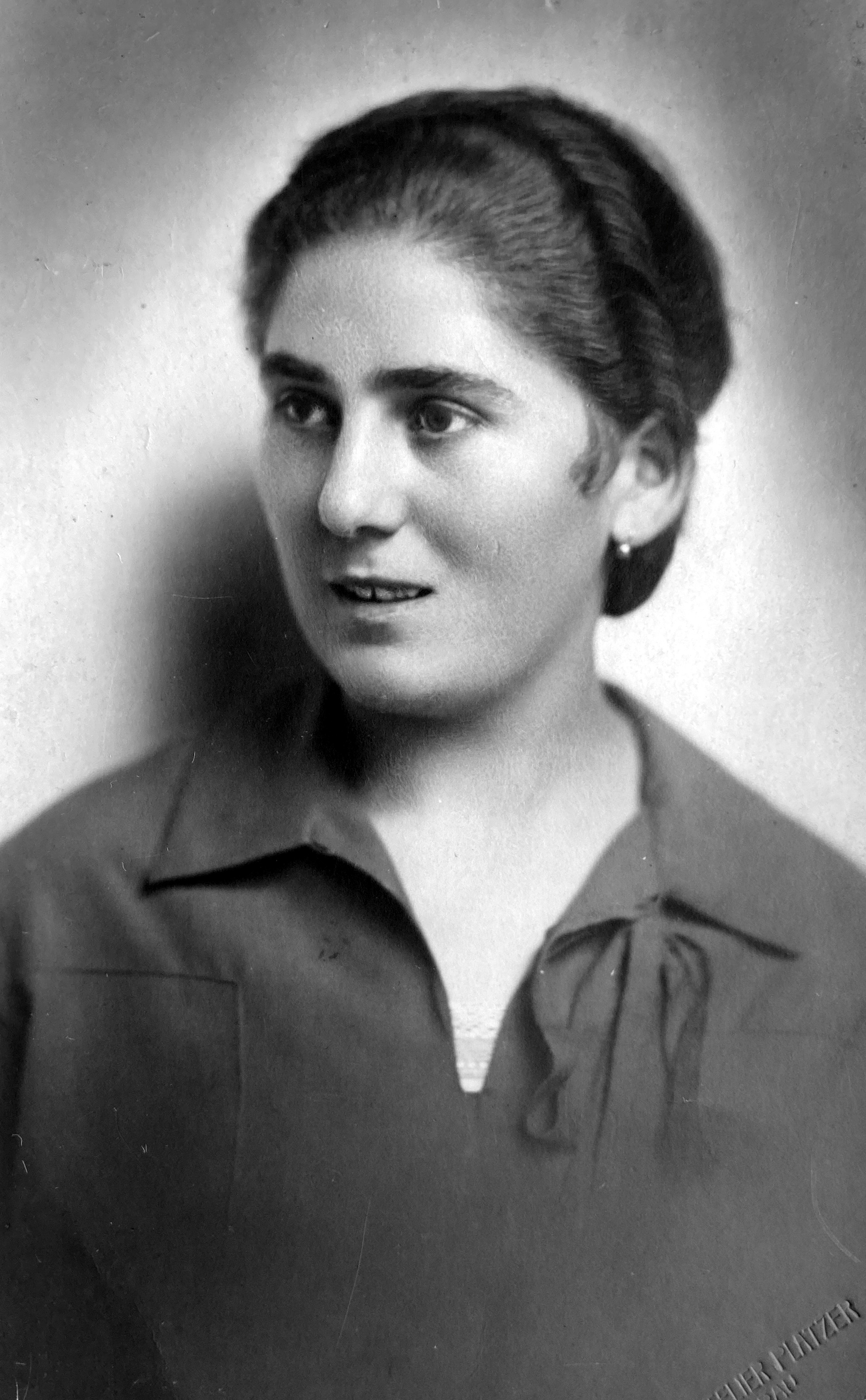
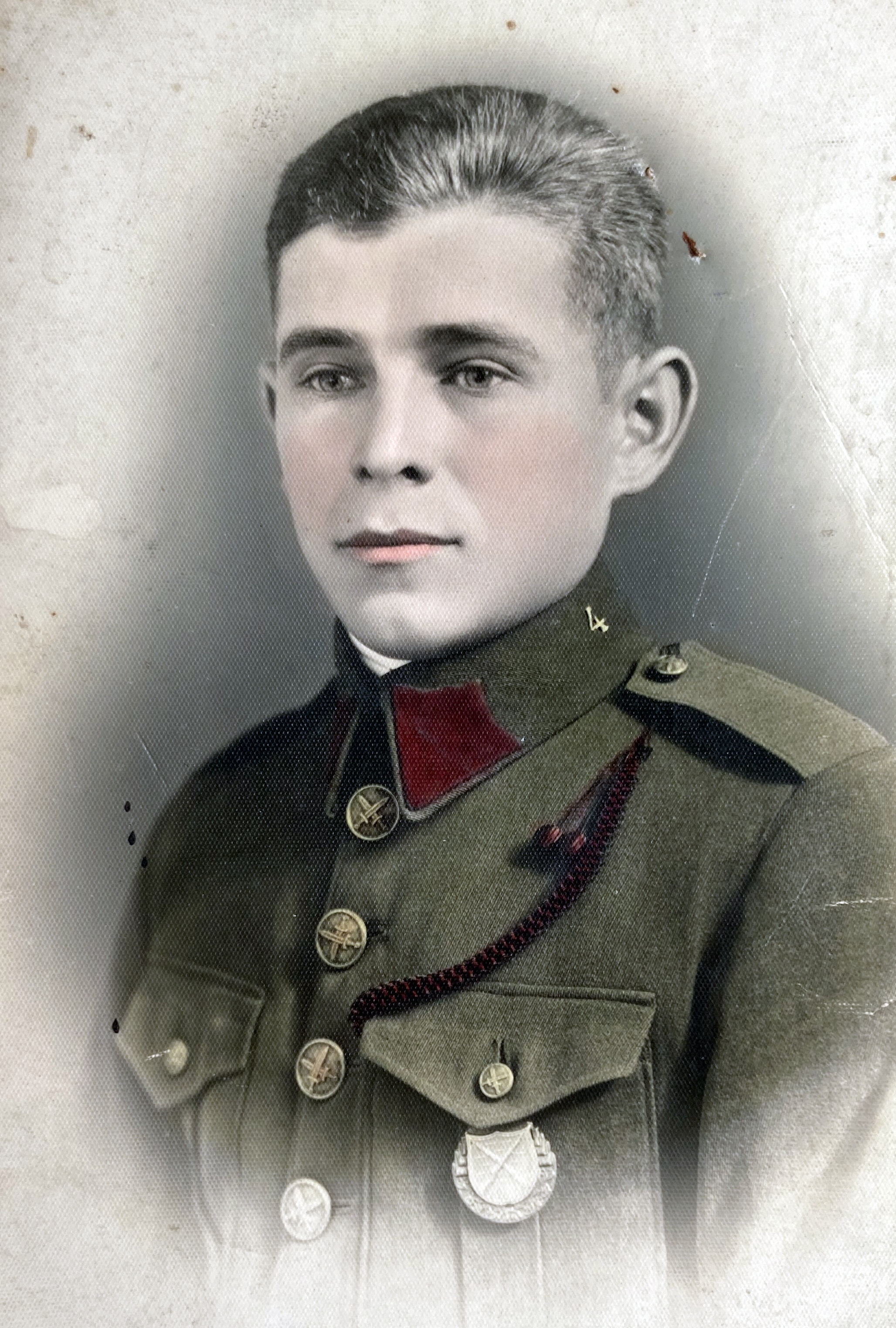
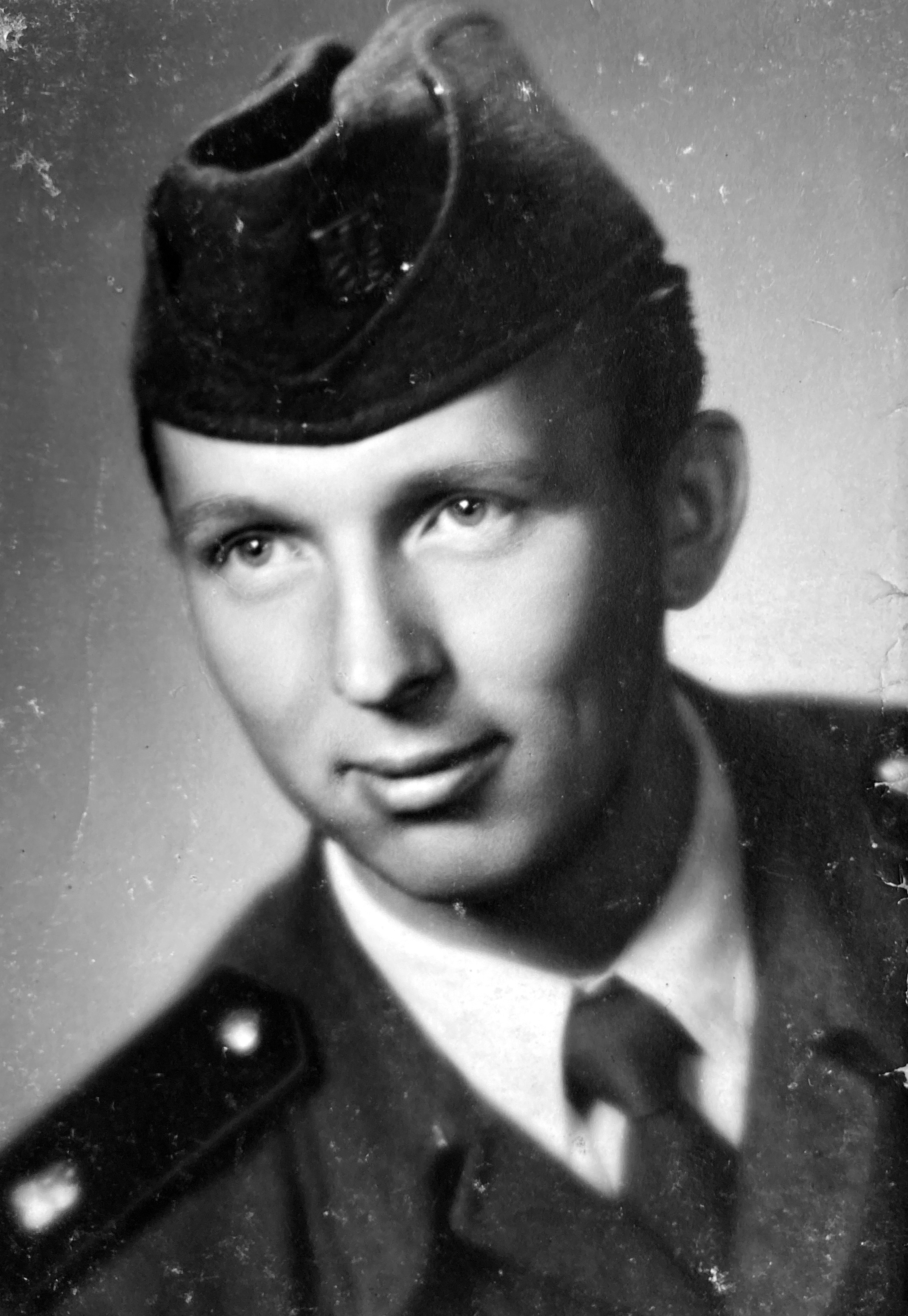
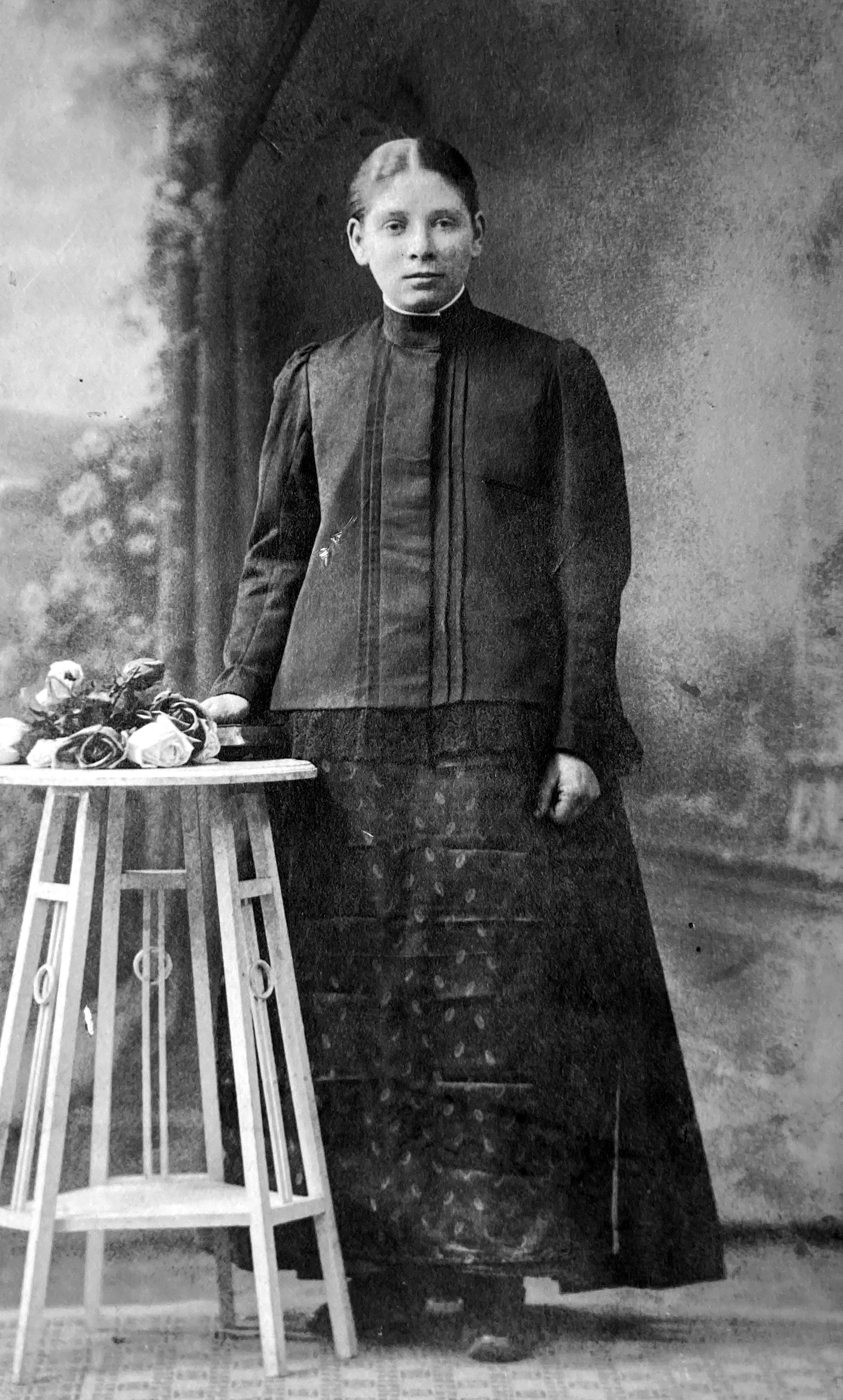
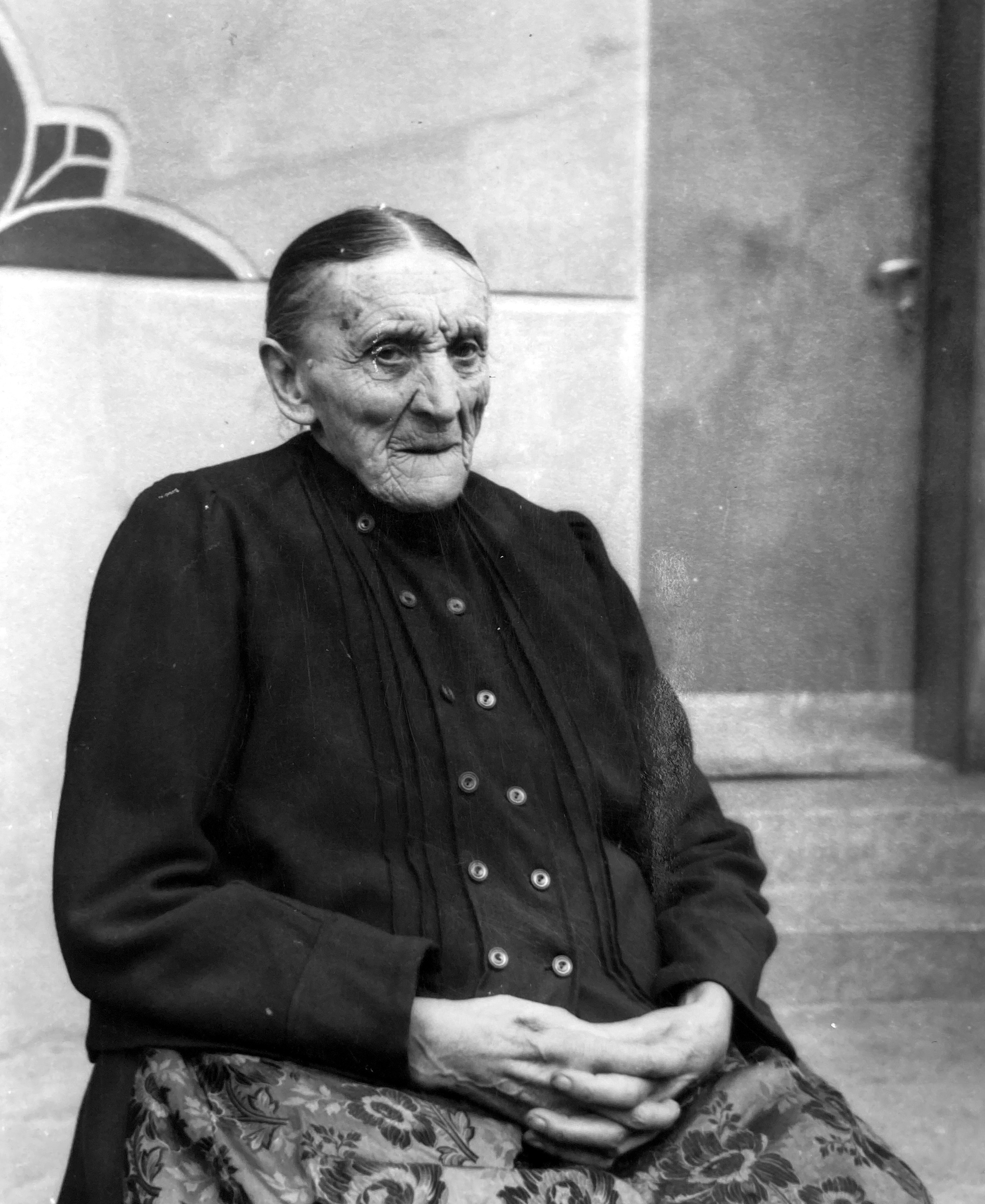
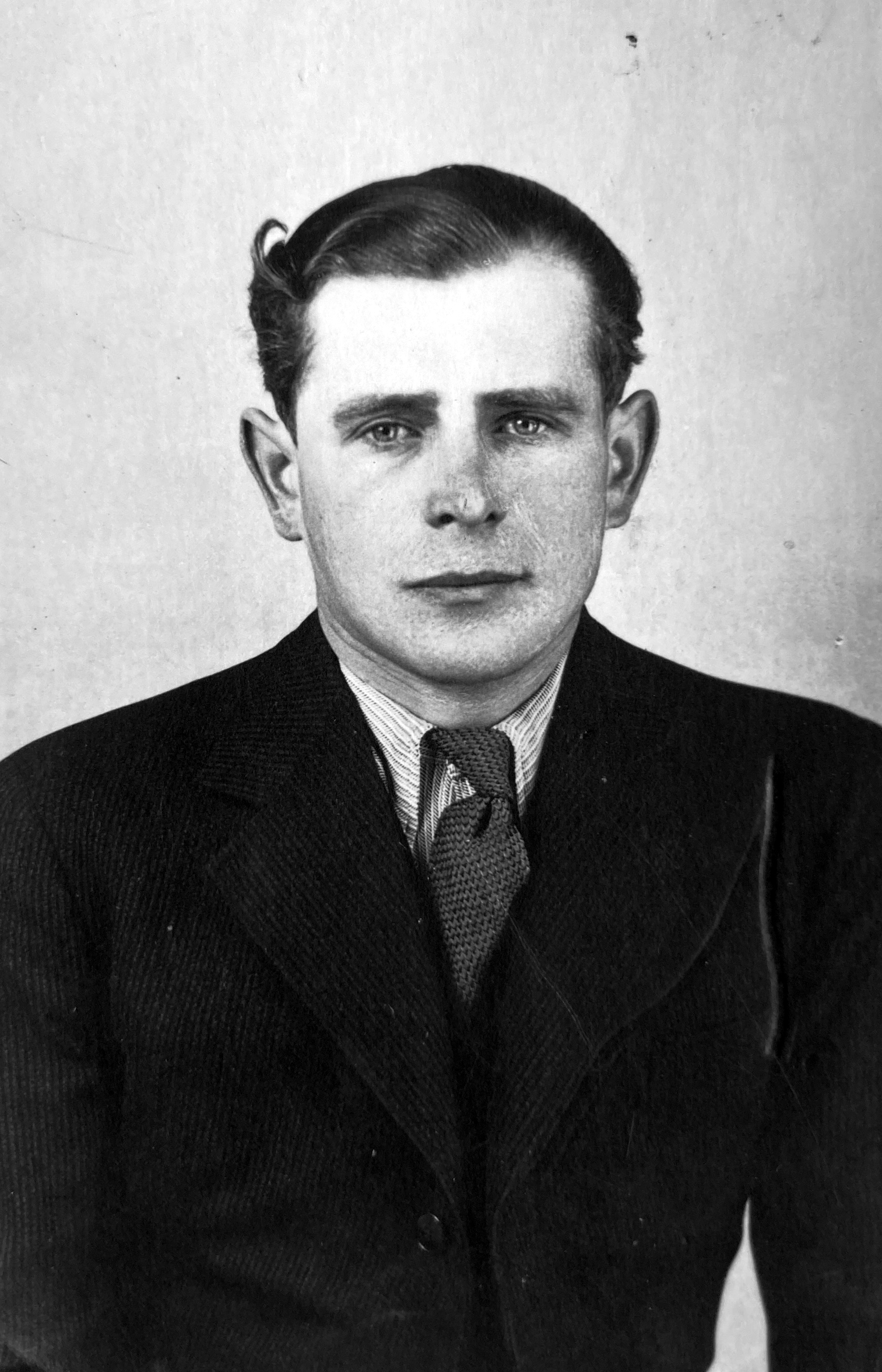
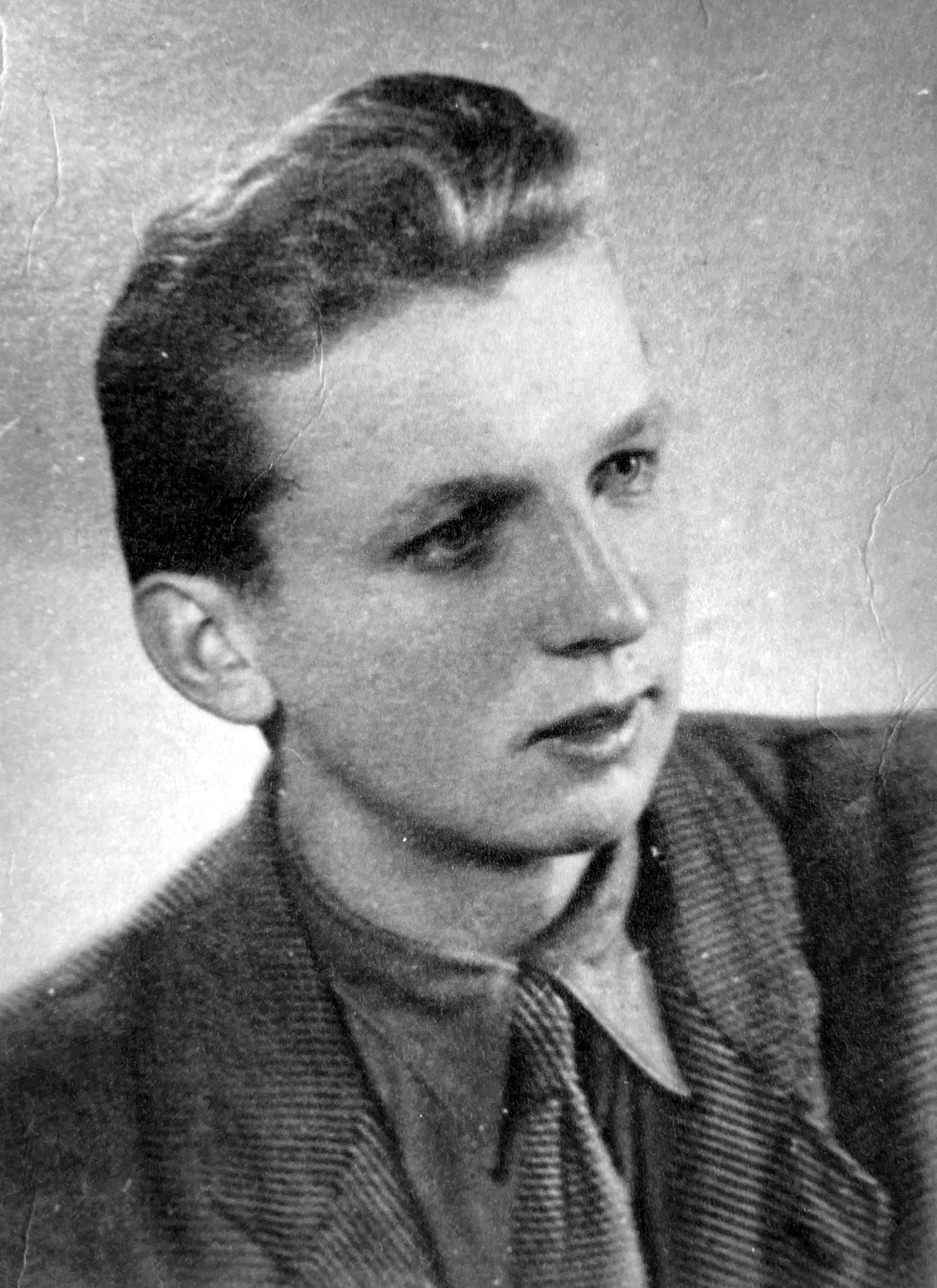
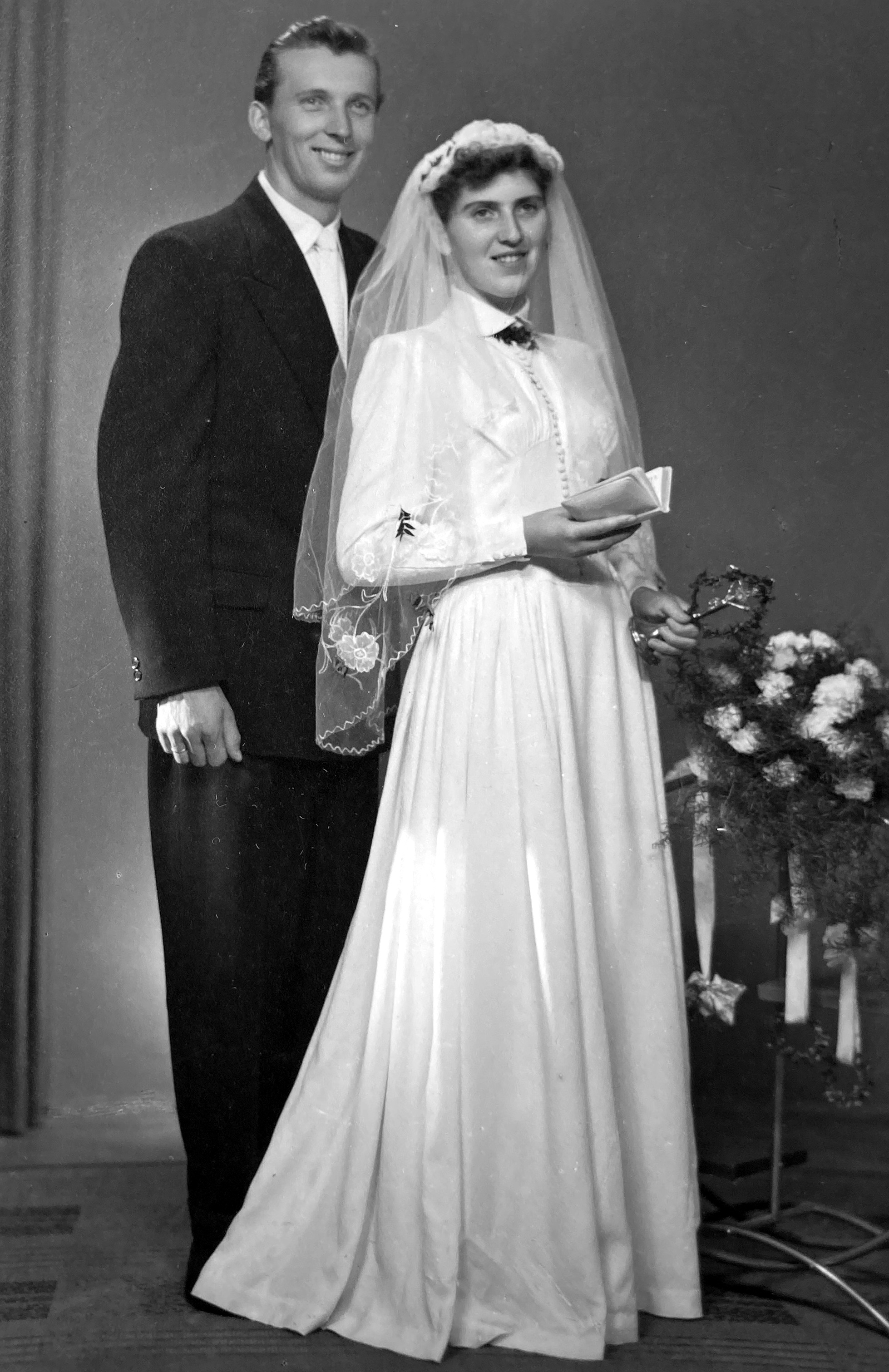
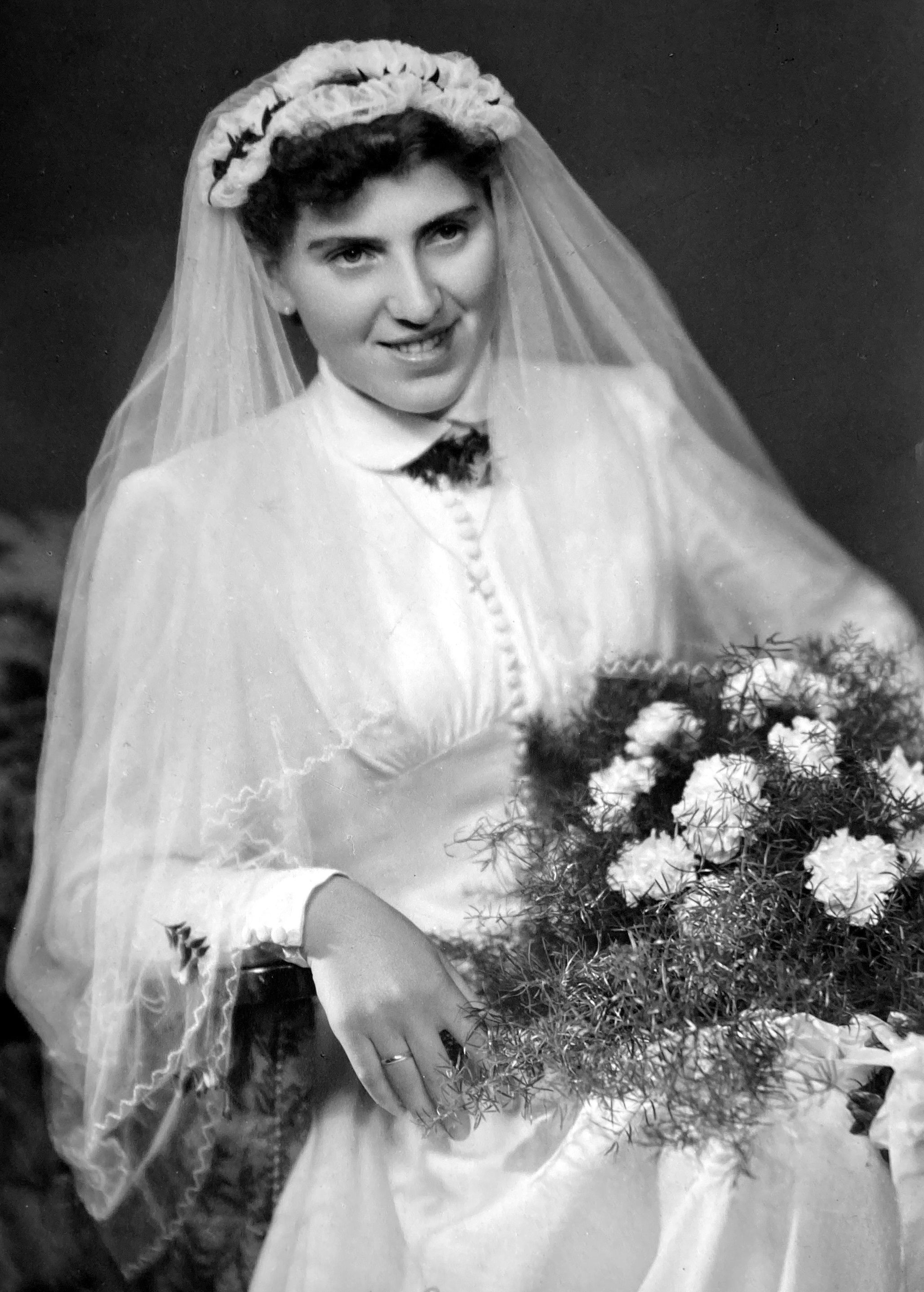
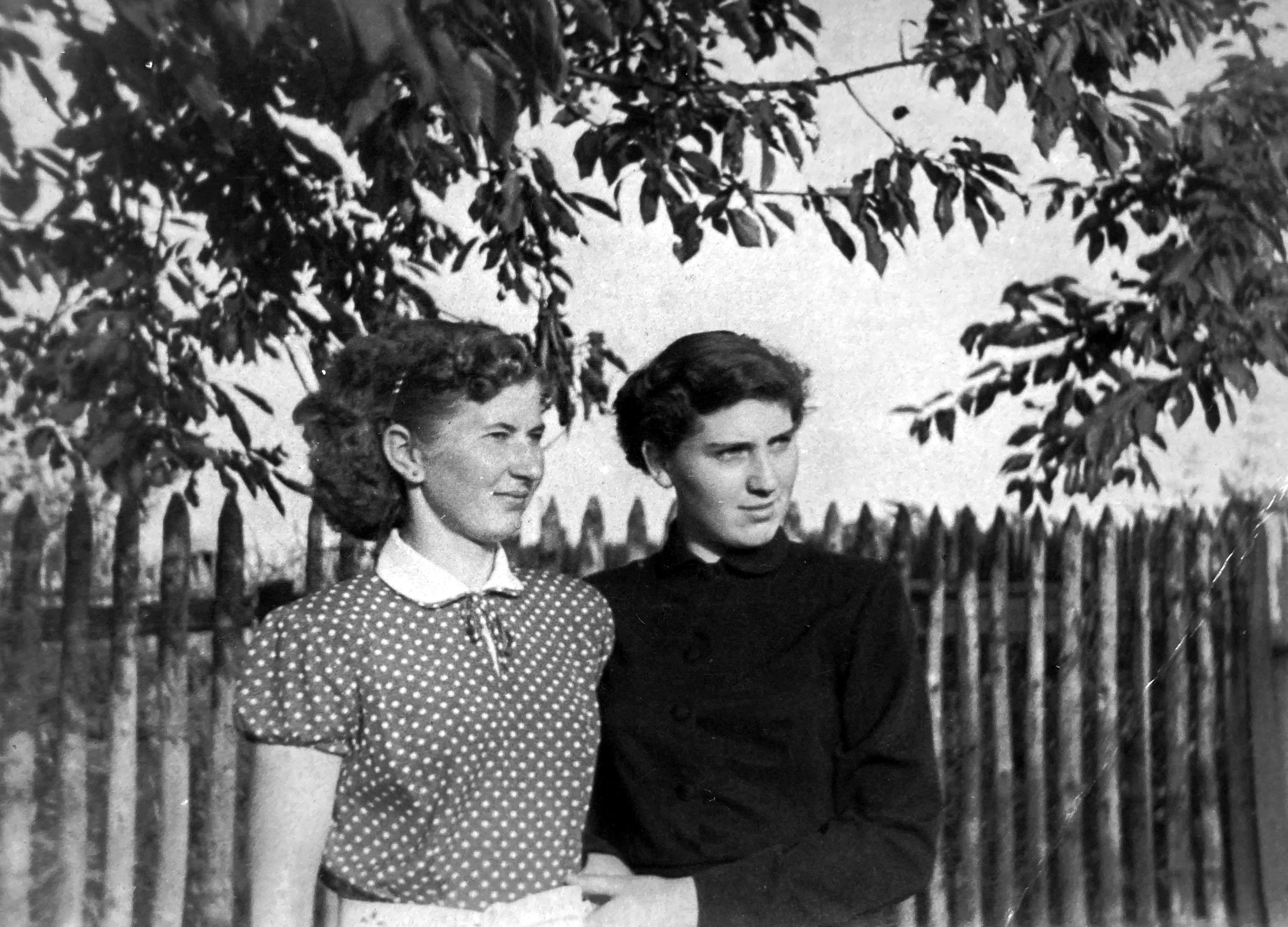
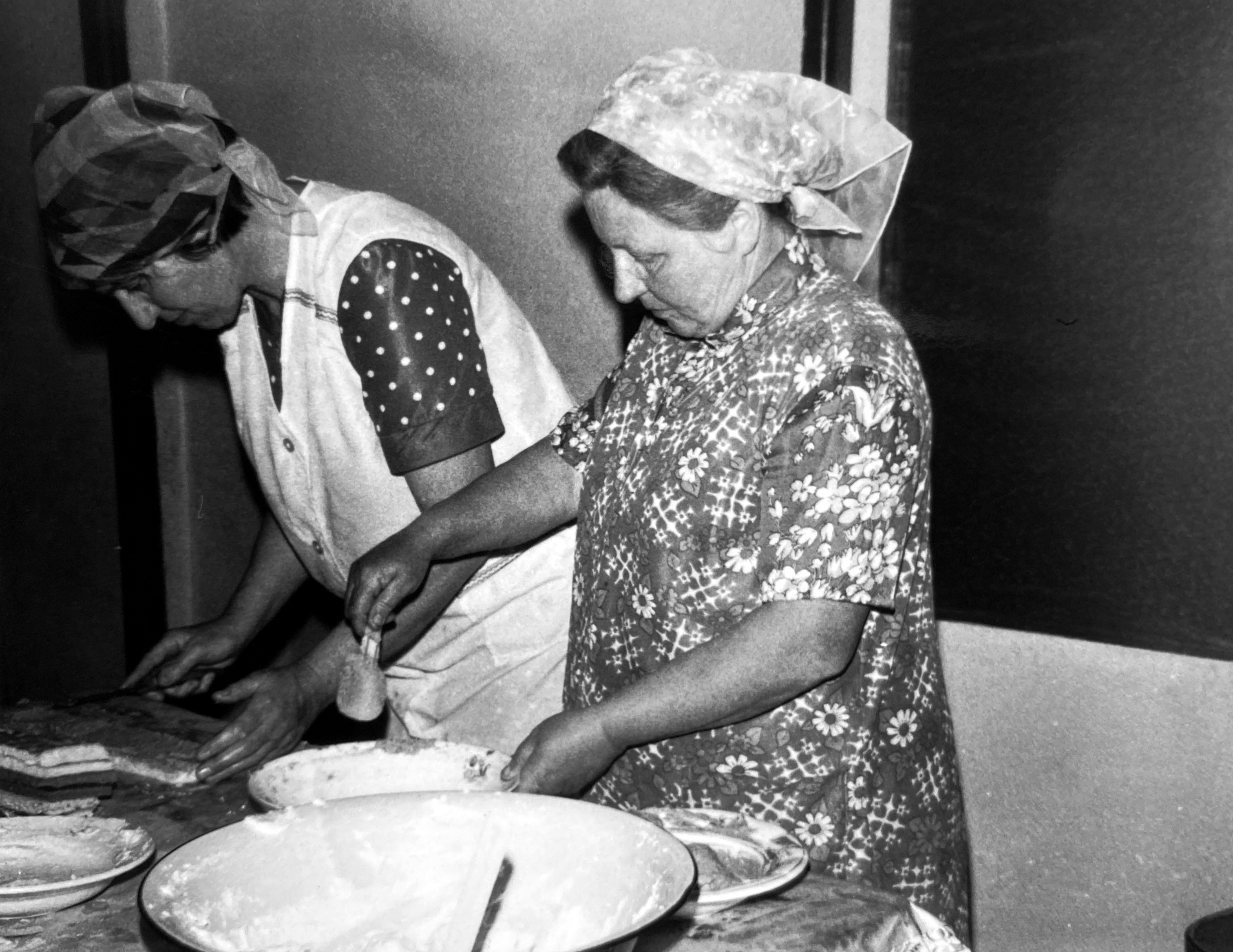
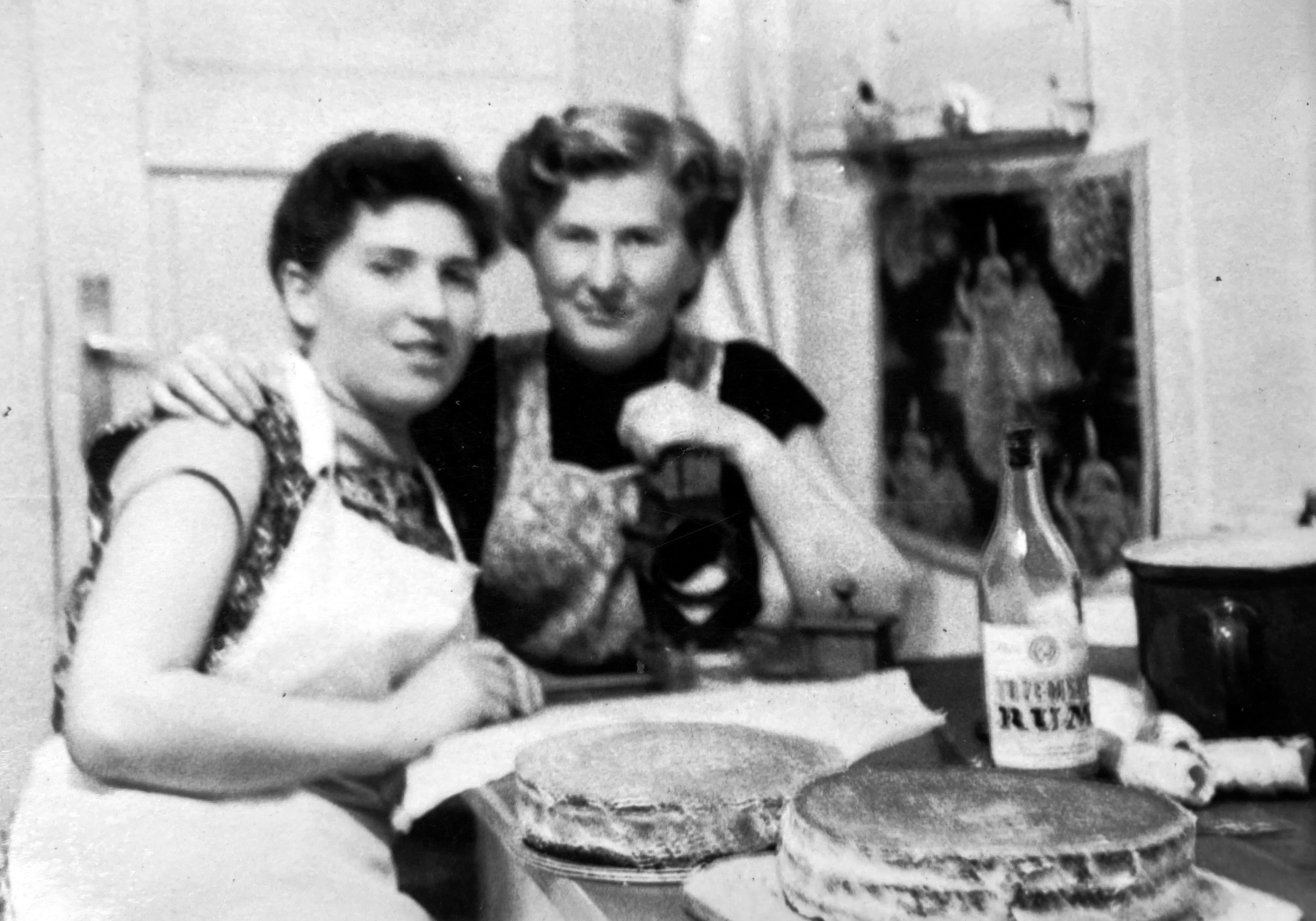
Adéla Lasáková, mid-1950s
photo: Adéla Lasáková's archive

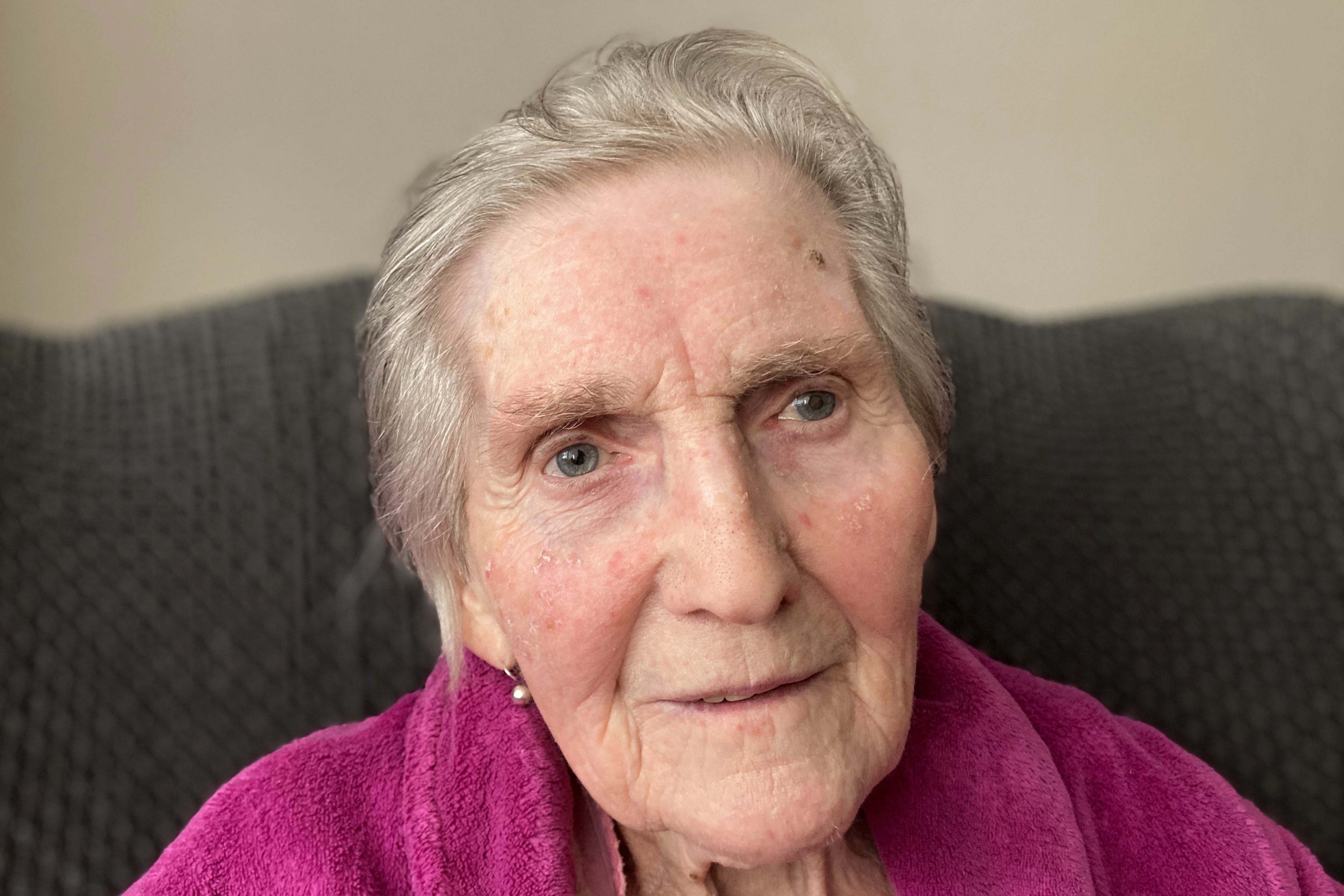
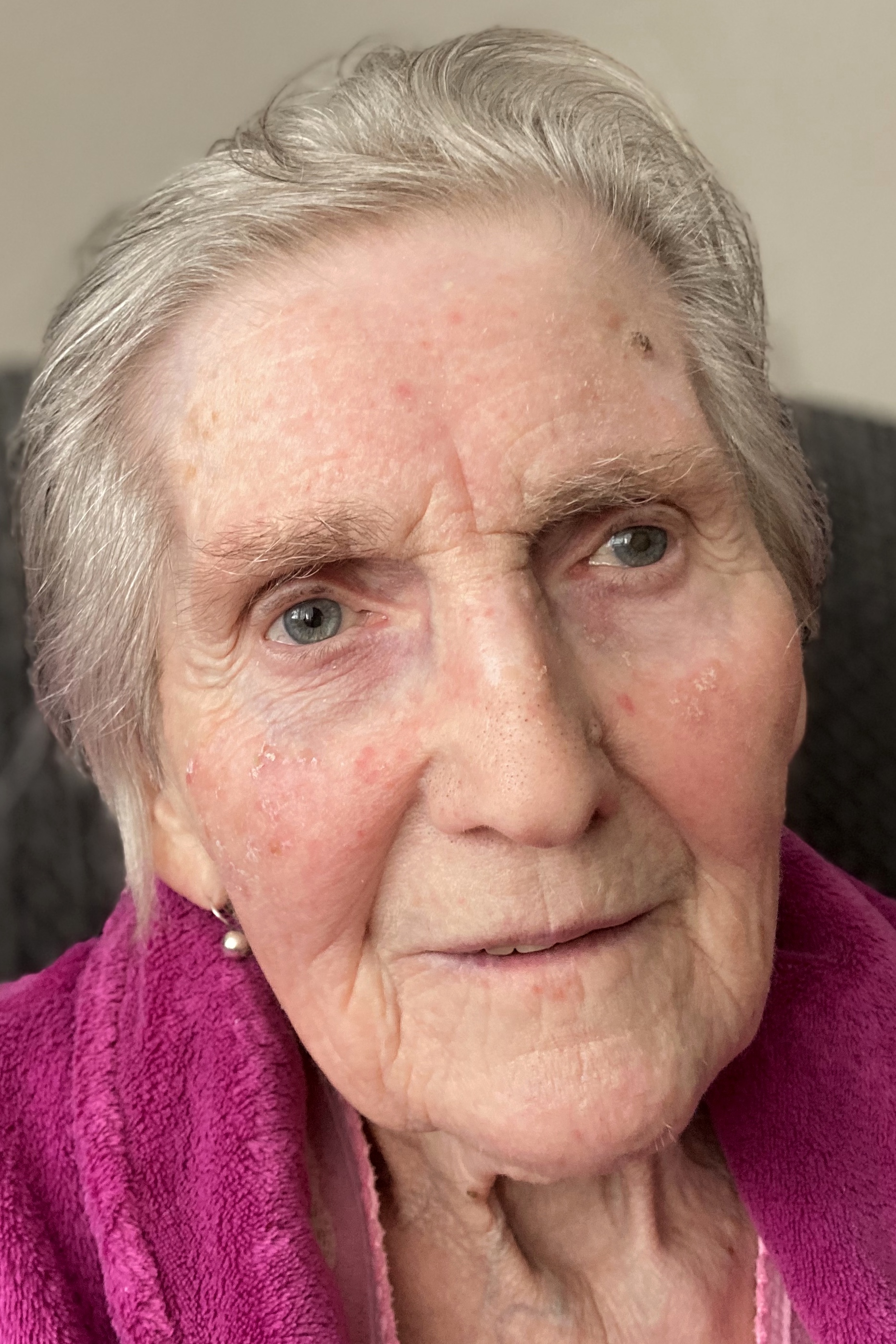
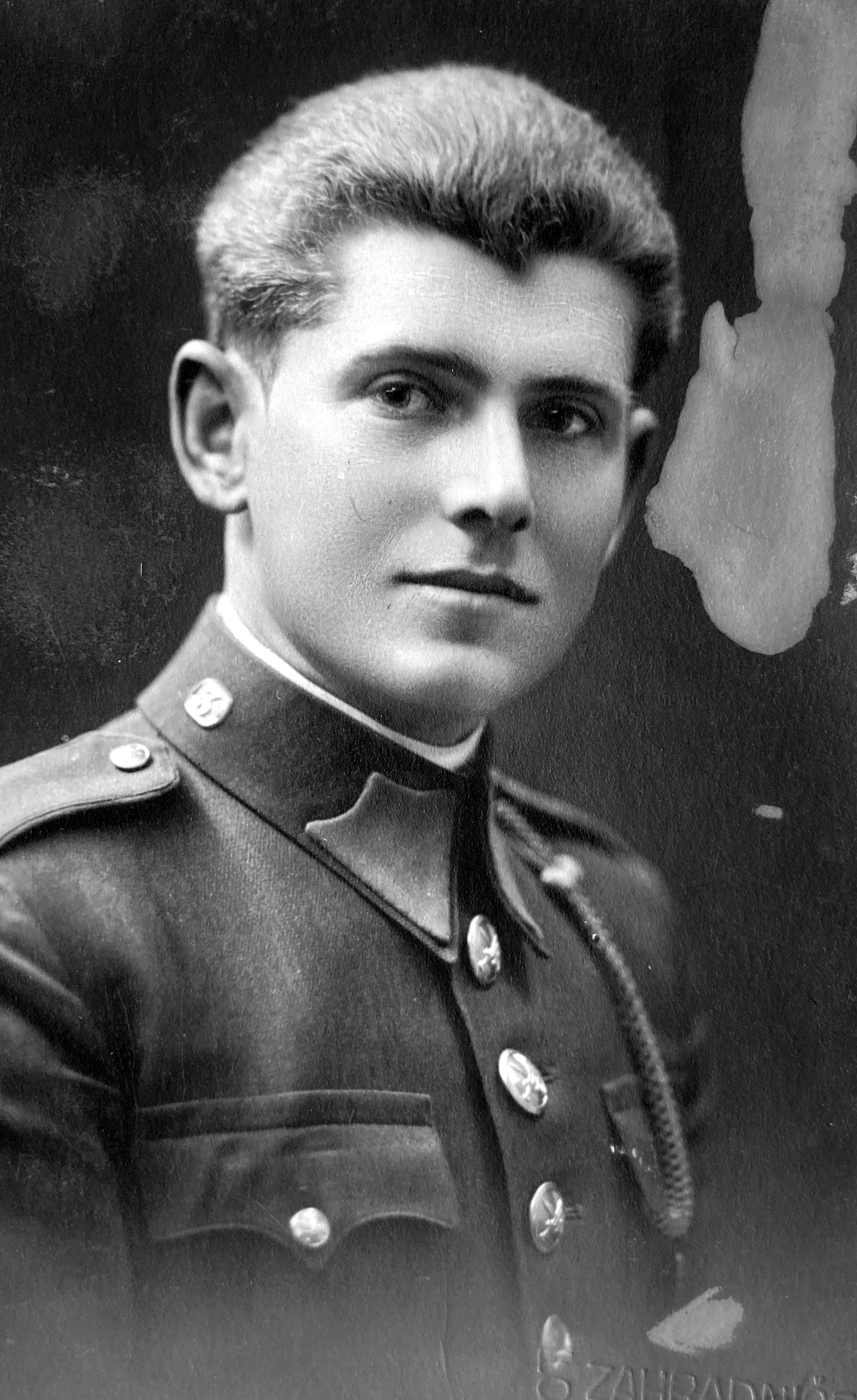
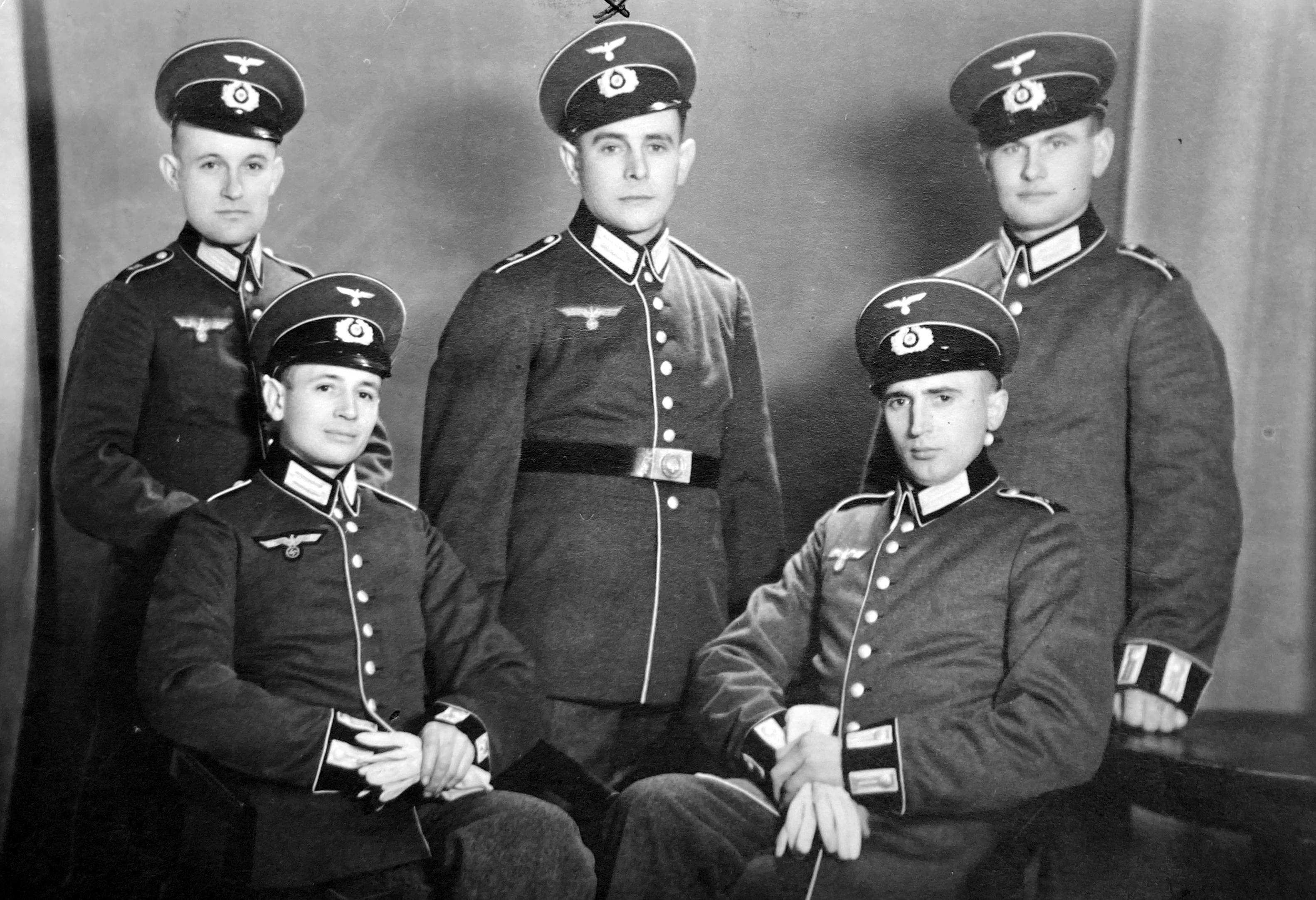
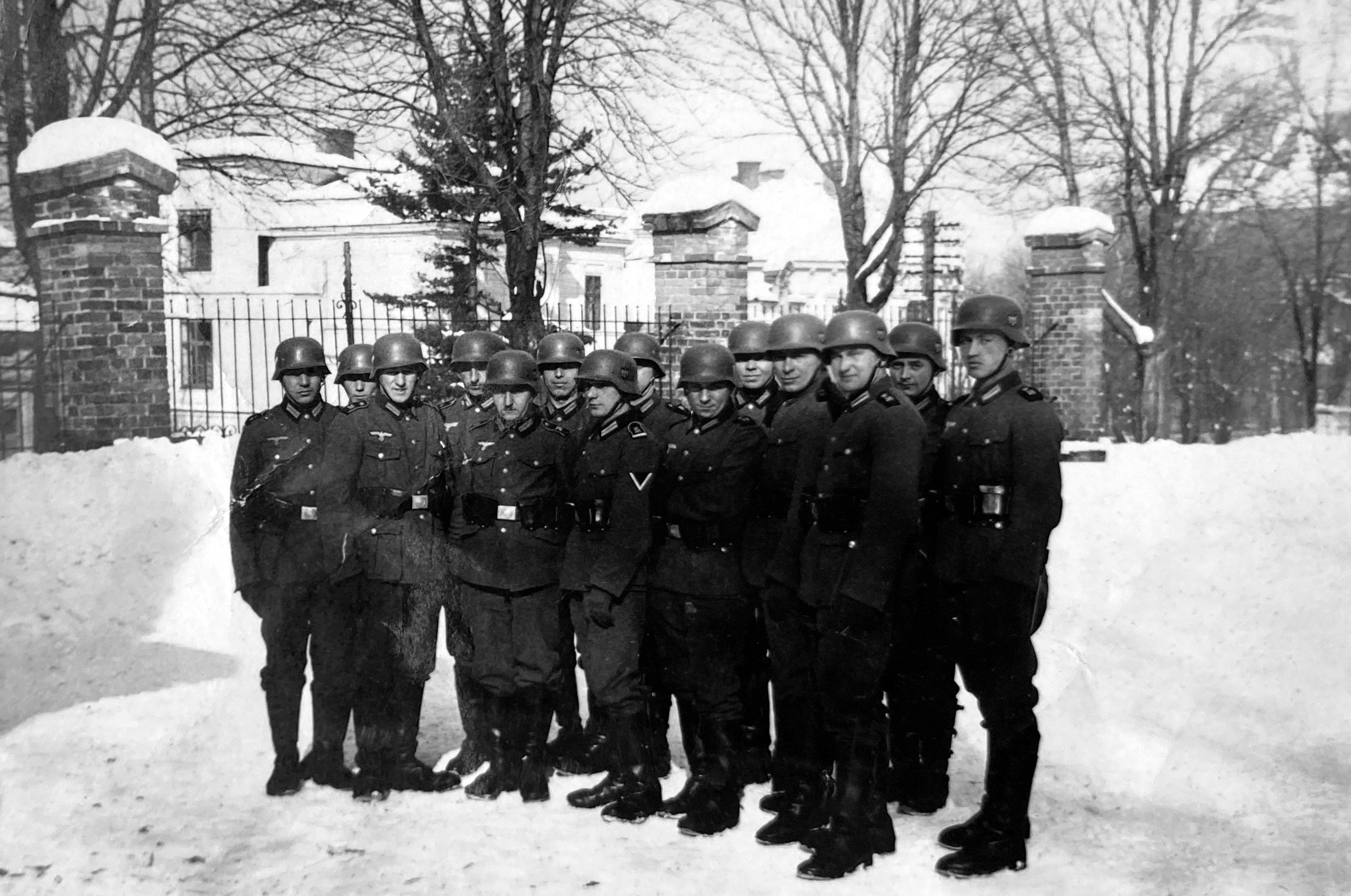
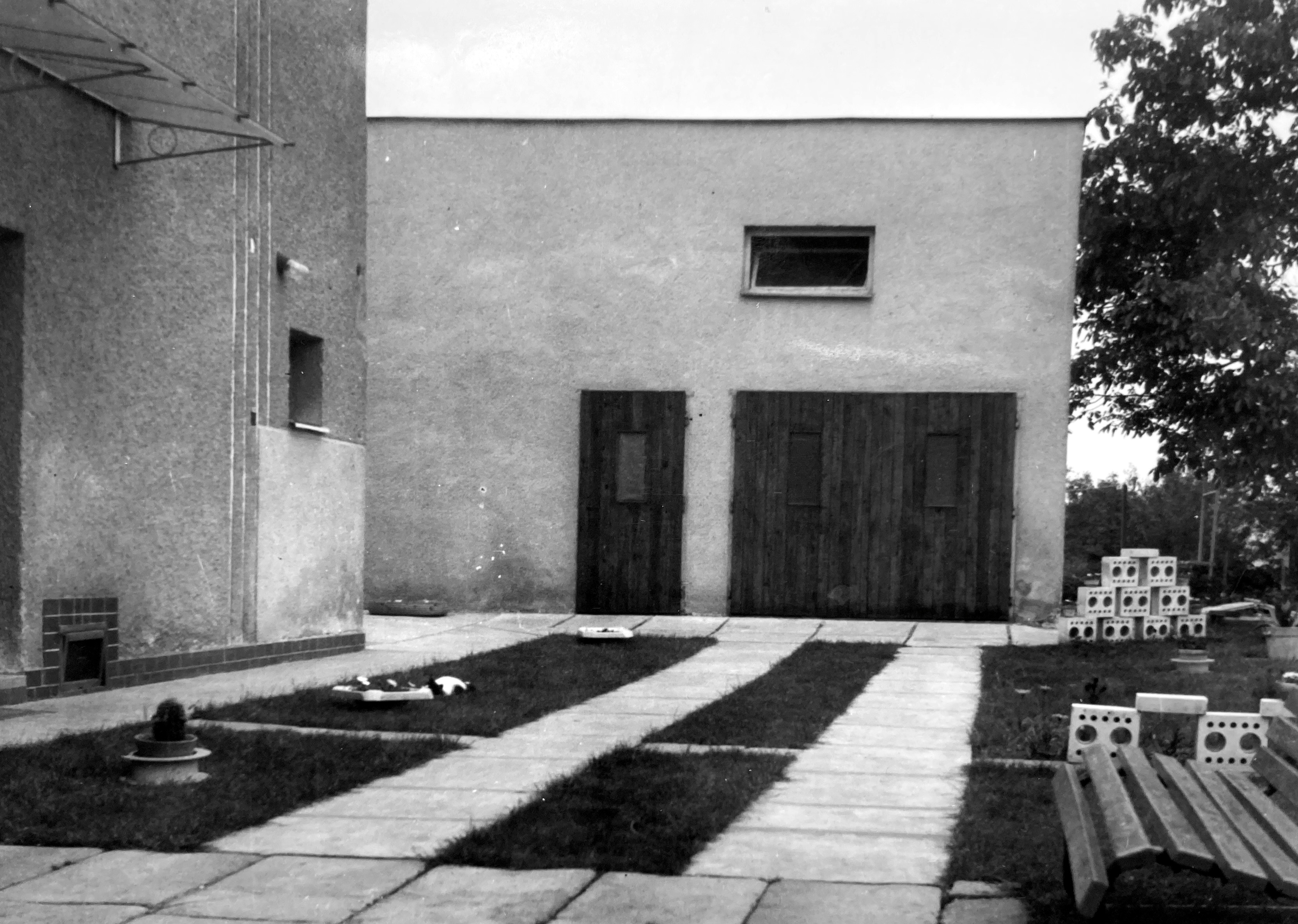
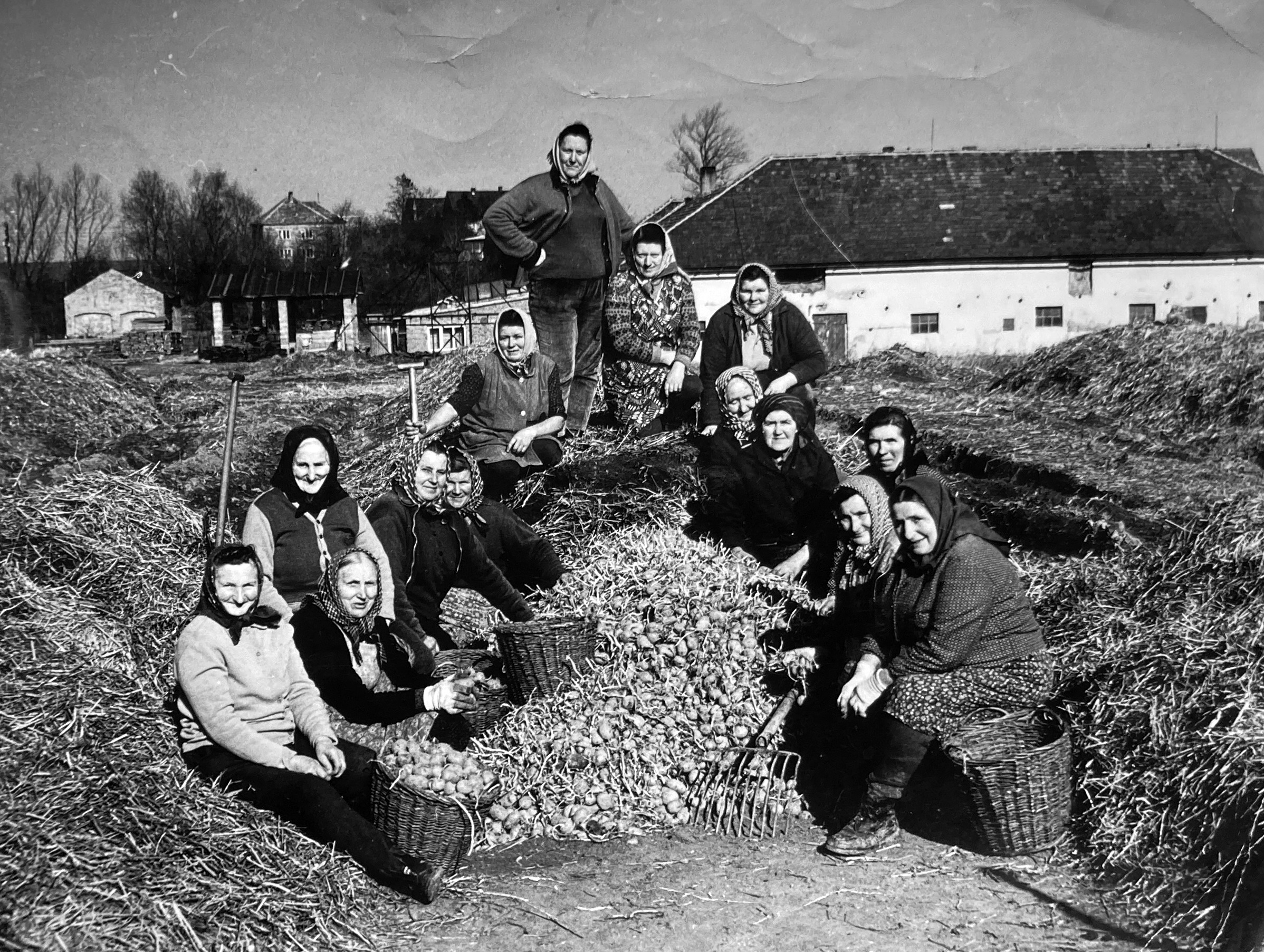
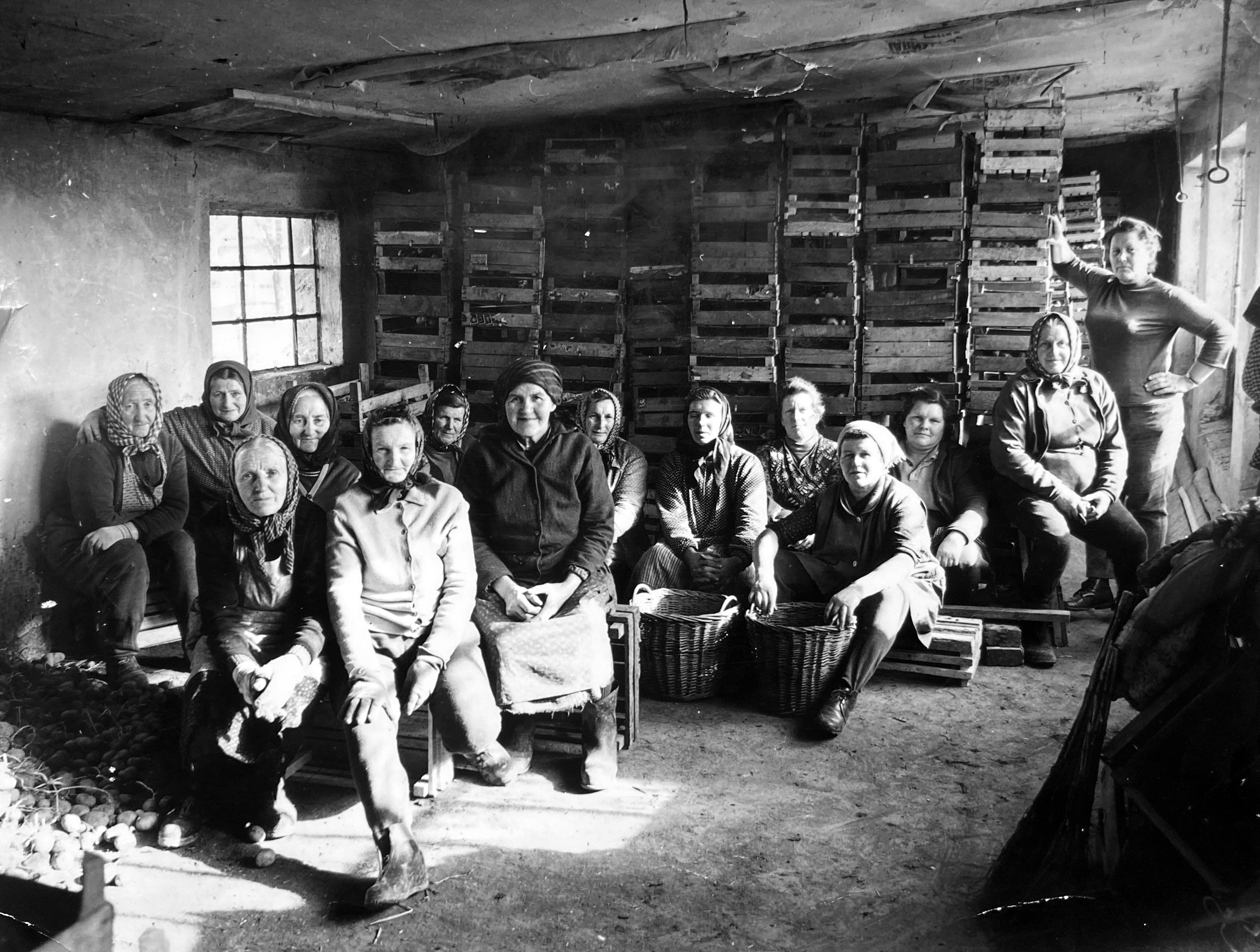
Adéla Lasáková, née Baďurová, was born in Oldřišov in the Hlučín region on 14 August 1935 as the only child of bricklayer and musician Maxmilián Baďura. He enlisted in the Wehrmacht with a military band during the war. Witness’s mother Františka died of pneumonia in 1938. Adéla Lasáková grew up with her mother’s parents. Her grandfather Josef Flaska was World War I veteran and owned a small farm. She witnessed the Allies’ air raids on Upper Silesia in 1944. She an American fighter plane crashing and a pilot being captured. During the Ostrava-Opava operation in the spring of 1945, the farm was hit by artillery and Adela Lasáková’s grandfather was killed. During the collectivization, she witnessed the arrest of farmer Kašný who died in communist prison. She went straight from primary school to work. She worked in laundries, paper mills, and earned extra money as a wedding cook. At the time of filming in the spring of 2025, she was living in her family home in Oldřišov.