"We were mostly on good terms with the Russians. Only once, near Liptovský Mikuláš they got a bit drunk, and started shooting. We were afraid, since we did not know what was happening, we feared the front broke through. Then our commander came and he calmed us down, he said we did not have to be afraid, it´s just the Russians who got a little drunk and who are shooting for fun."
"The drill was the same for us as for men. Crawling, jumping, falling to the ground...The training was very strenuous. There was one corporal, and he would punish us for not being able to jump as far as men. Or for not falling to the ground quickly enough. So we complained about it, and he got replaced. The new one was just great. He made us exercise a bit, then let us rest... He was great."
"We were assembling firearms. They would leave their weapons with us, and we had to clean them, but then we would not know how to put them together again, because nobody showed us how to do that. They were like: ´just disassemble it, and then do what you can.´And we, all girls, had to think hard how to reassemble it. Then, one sub-lieutenant came to us and told us that he knew we did not have a clue how to put it back together, so he helped us. When we did it, there was always some part of the weapon left."
"There was one private with us on the observation point, and during the nights, when we were sleepy, he would sing a lullaby for us. Once the lieutenant Novák caught us, so he shouted ´Silence on the line!´and the private became quiet."
"The first action, after we got to the front, happened in the forest. And lieutenant Novák, who was the commander of our unit, kept telling us: ´Girls, you have to dig, you got to dig a trench for yourselves. In case of an air raid...´But we were on the front for the very first time, we had no idea what it looked like, so we just laughed at it. My cousin was married and she was there with her husband. And my brother-in-law worked diligently, he dug a shelter in the ground, covered it with some branches, put a raincoat and more dirt over it. And when the bombs started to fall down on us, how happy we were that we could squeeze into his shelter. Next time, therefore, whenever we moved to a new location, we were not idling. We grabbed a shovel and started to dig. The first experience taught us a lesson.
"We joined the army on our own will. My Dad went first, and we stayed at home with my Mom. Everything around was destroyed by bombing, and we would have to commute a long way to work. When my father learnt this, he took a leave from the army and came home planning to take me there with him. But at the time, I was already on my way. We went to via Rovno and Šepetovka all the way to Sadagora, where we went through the training and we were sworn into the army. From there we went to the front. Therefore my father did not find me at home, so he took my sister with him. My Mom stayed at home with my brother and she cried all the time, she did not want to be there alone. So my father made some arrangements with general Svoboda, and they had her serve in the officers´canteen. The same for my brother and sister, so we were all together. My father was in charge of the bakery and I served with the artillery."
"At first we would work on so-called ´malfunctions.´The Germans would cut our cables and wires, and then they would wait for someone from our unit to go repair it. Then they would take him captive. At the beginning, the sent us, girls, to fix ´malfunctions´as well, but later they stopped doing that. I was in the telephone exchange room, so I reported malfunctions, when something went wrong. I was not sent to the field."
"The Christmas of 1944 was the best one of all. At home, I was never keen on making Christmas cookies and such, but here I said: "Girls, let´s celebrate our own Christmas, let´s bake something.´My Mom worked in the canteen, so she gave us all the necessary ingredients, and we baked Christmas cookies. So we did not miss Christmas that year."
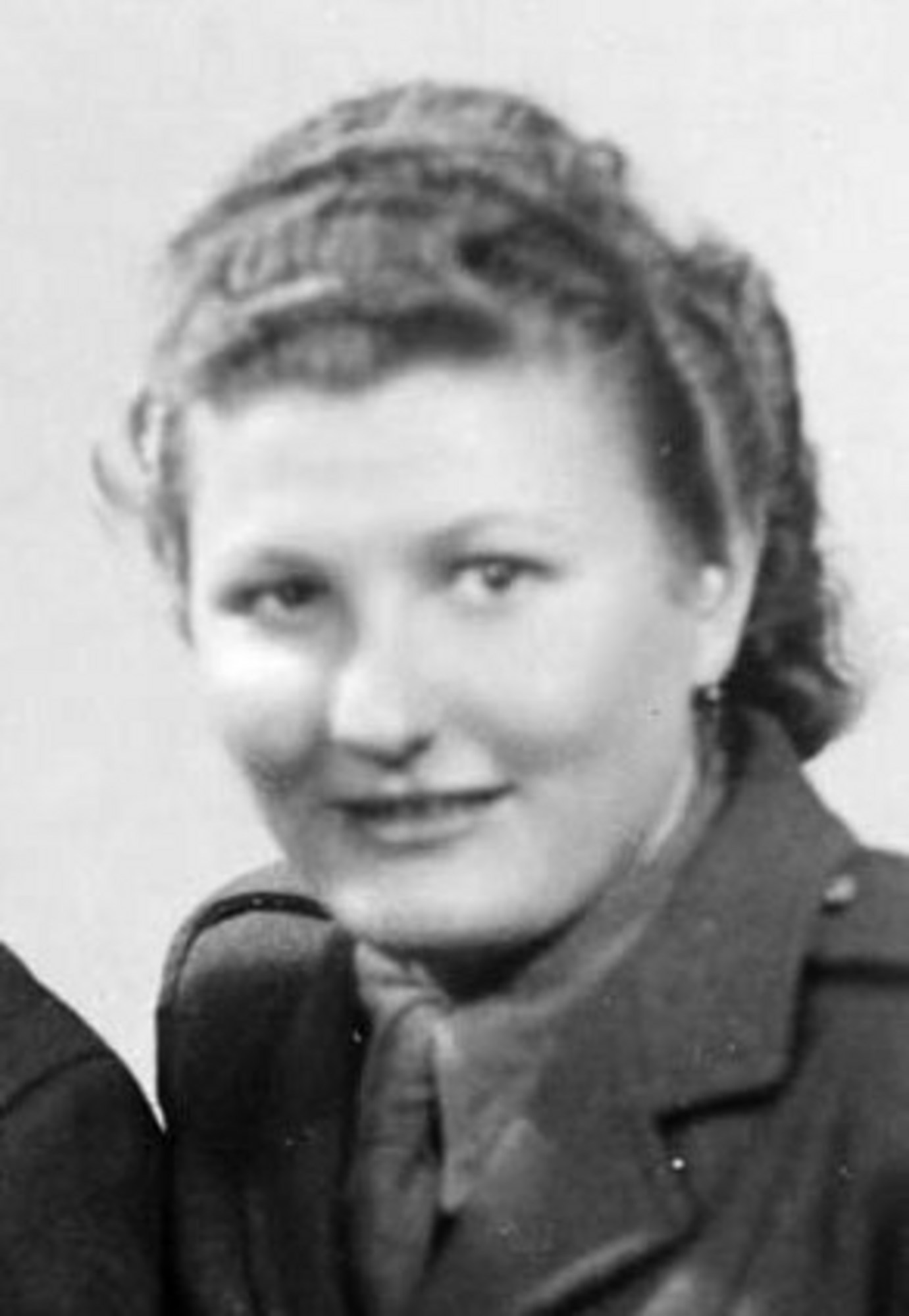
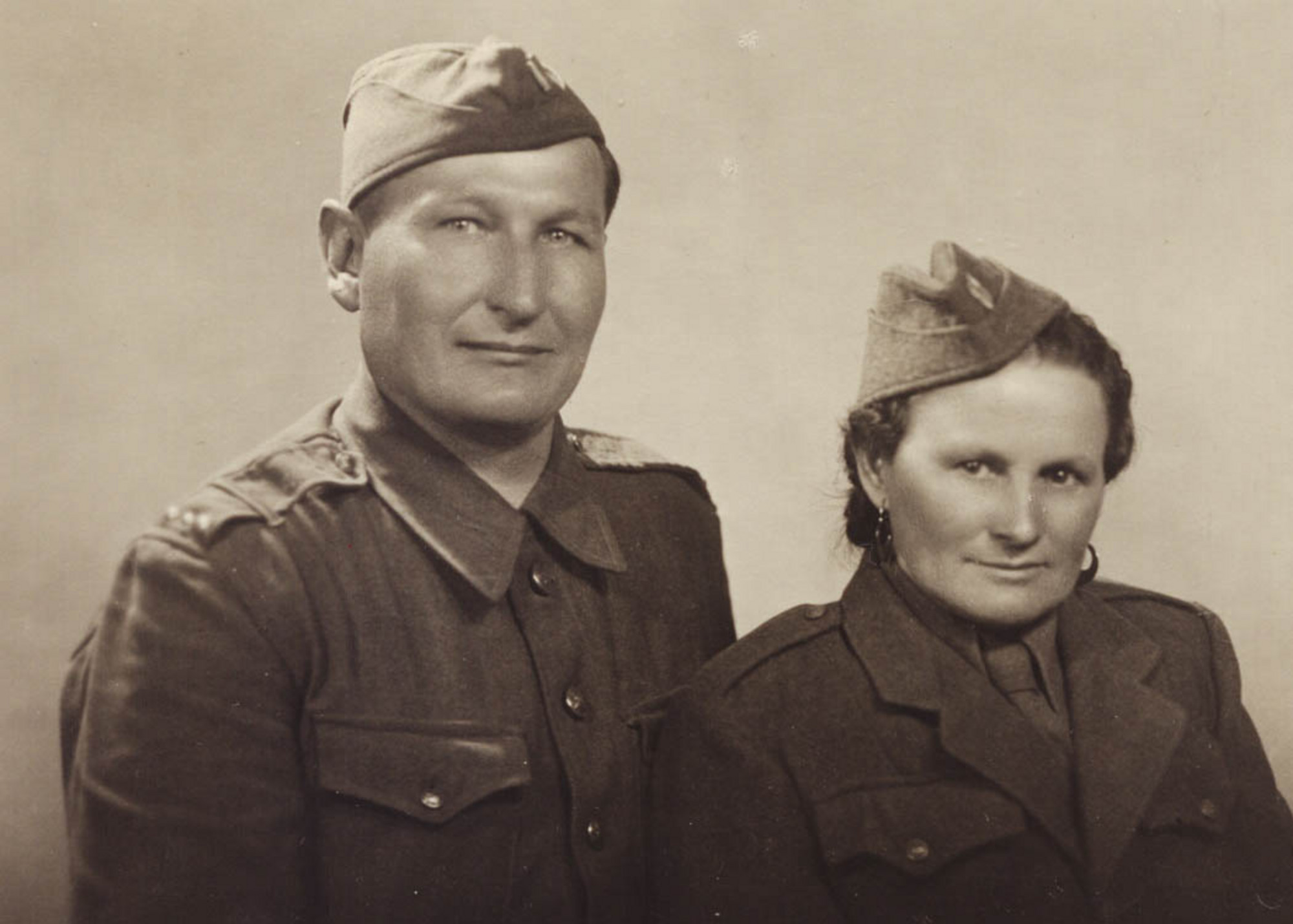
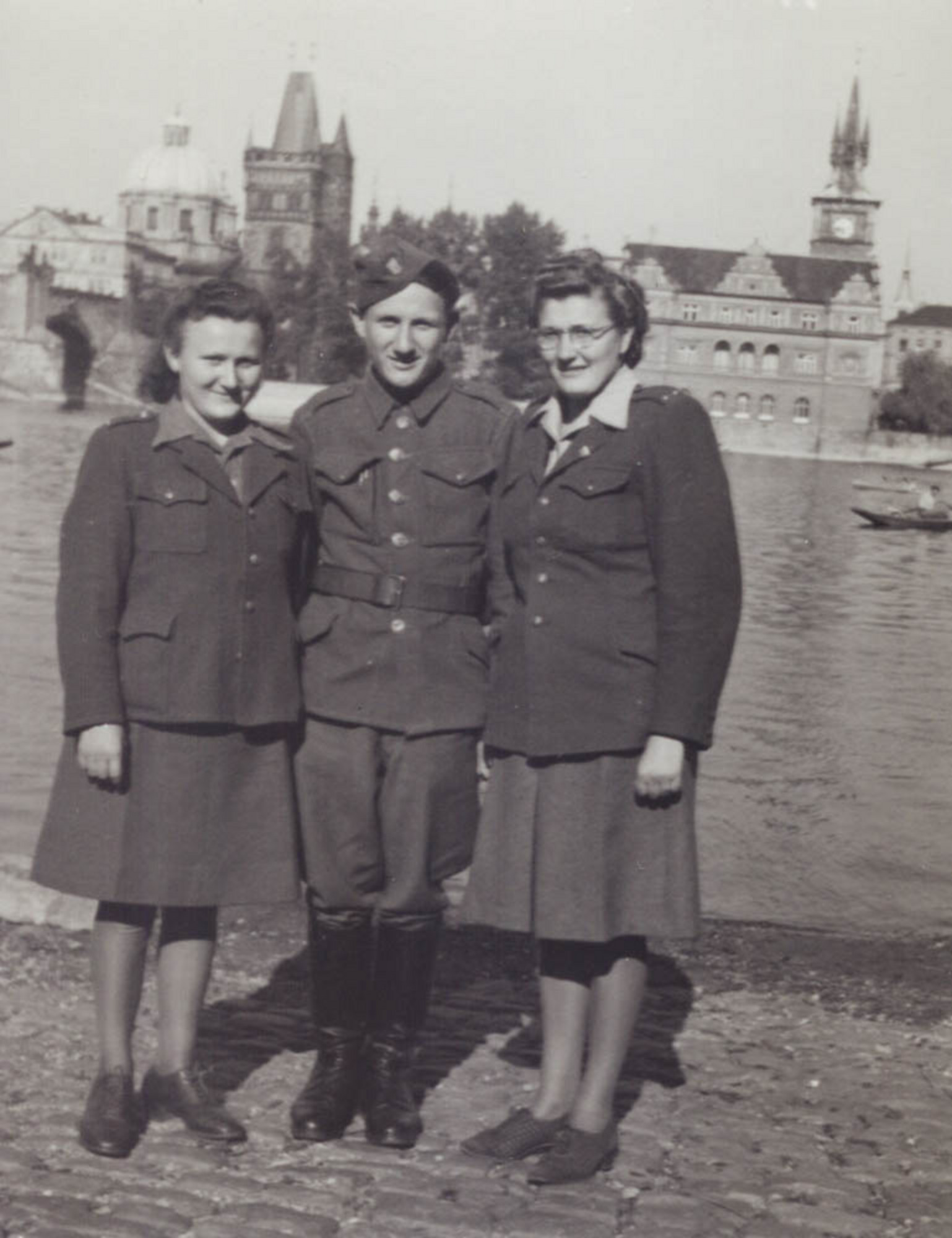
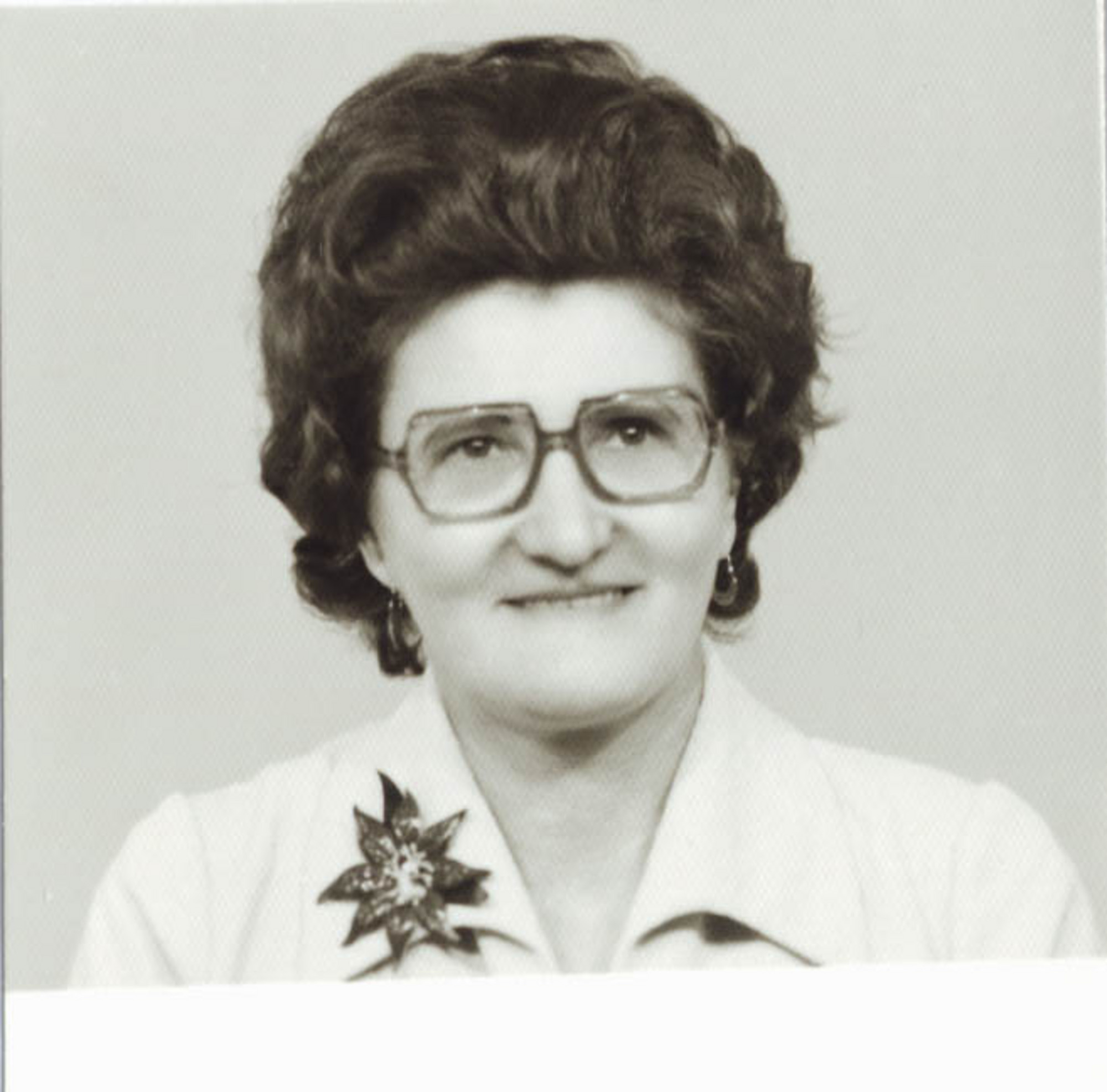
Emilie Kyselová was born on August 16, 1925 to parents František and Zdeňka Kozák in the Czech village of Teremno (later Lipiny) in Volhynia in today’s northwestern Ukraine. Her father and uncle owned and operated a mill between Lipiny and Lutsk, but the Soviets seized it after the war and Soviet occupation began in September 1939. The front passed through Volhynia twice, and during the Nazi occupation, Czechs there witnessed the murder of the Luka Jewish community. In March 1944, after the Soviets “liberated” Volhynia, Emilia’s father František, like other Czechs from Volhynia, enlisted in the 1st Czechoslovak Army Corps. Two months later, Emilie followed him, otherwise the Soviet authorities would have sent her to work in Russia. Her younger sister then joined the Czechoslovak unit, and eventually her mother and brother as well. The whole family then went through the Carpatho-Dukla operation with the army. Emilie was assigned to a telephone exchange with the artillerymen. Through Krosno, Jaslo, Dukla and Liptovský Mikuláš, the Kozaks reached Prague. After the end of the war they were demobilized in September 1945. They acquired a mill left by displaced Germans in Bohumilice near Znojmo, but after the communist takeover it was collectivised. Emilia’s father and siblings spent several months in detention. After the Velvet Revolution, they applied for restitution, but in 2003 they were still waiting for a court decision. Emilie Kyselová died on October 11, 2010.
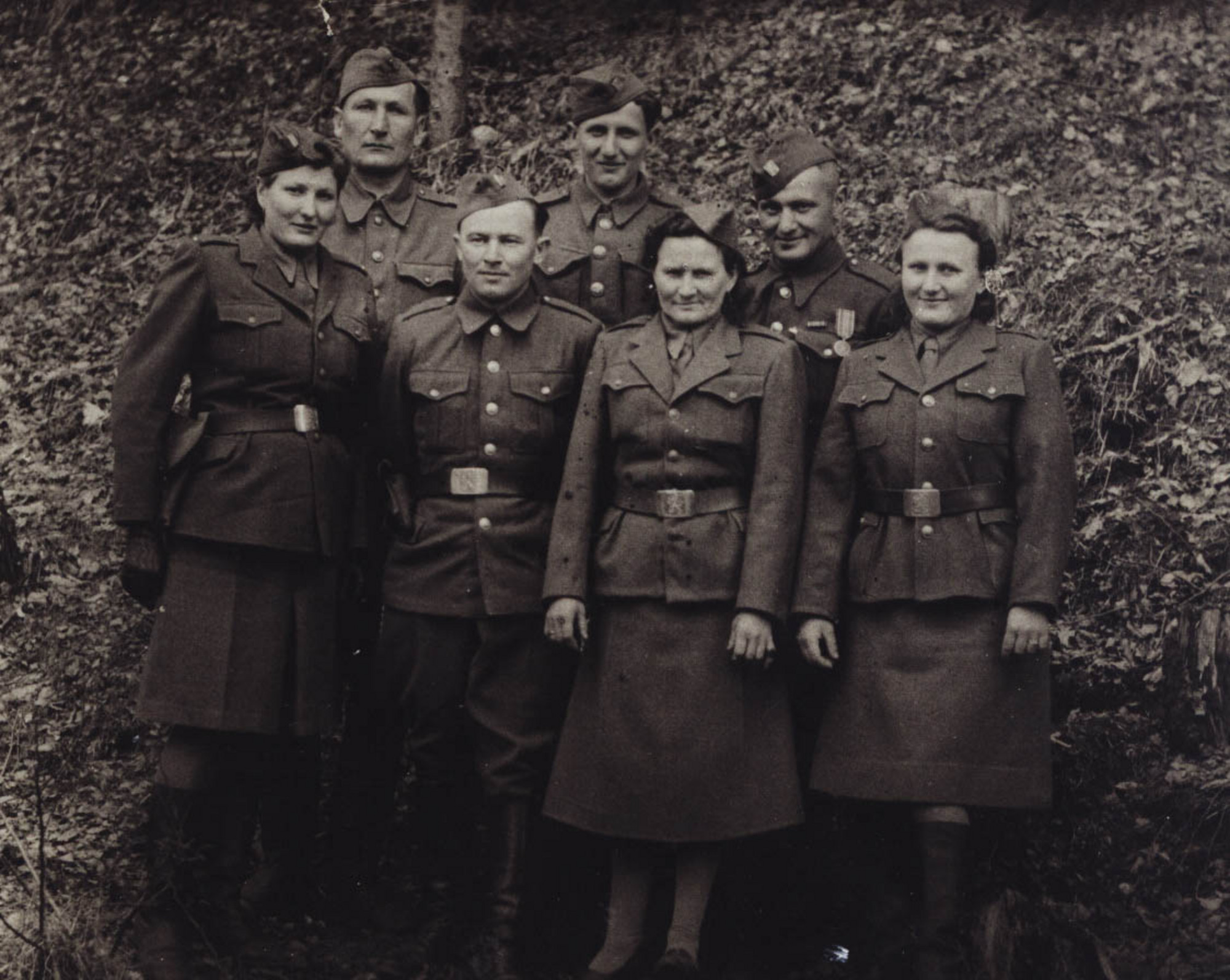
Part of Emilie's family in military uniform (from left: Emilie, father František, uncle Václav Prokůpek, youngest brother Jaroslav, mother Zdenka, uncle Jaroslav Prokůpek, younger sister Anastazie) - in the forest in Polish territory
Part of Emilie's family in military uniform (from left: Emilie, father František, uncle Václav Prokůpek, youngest brother Jaroslav, mother Zdenka, uncle Jaroslav Prokůpek, younger sister Anastazie) - in the forest in Polish territory