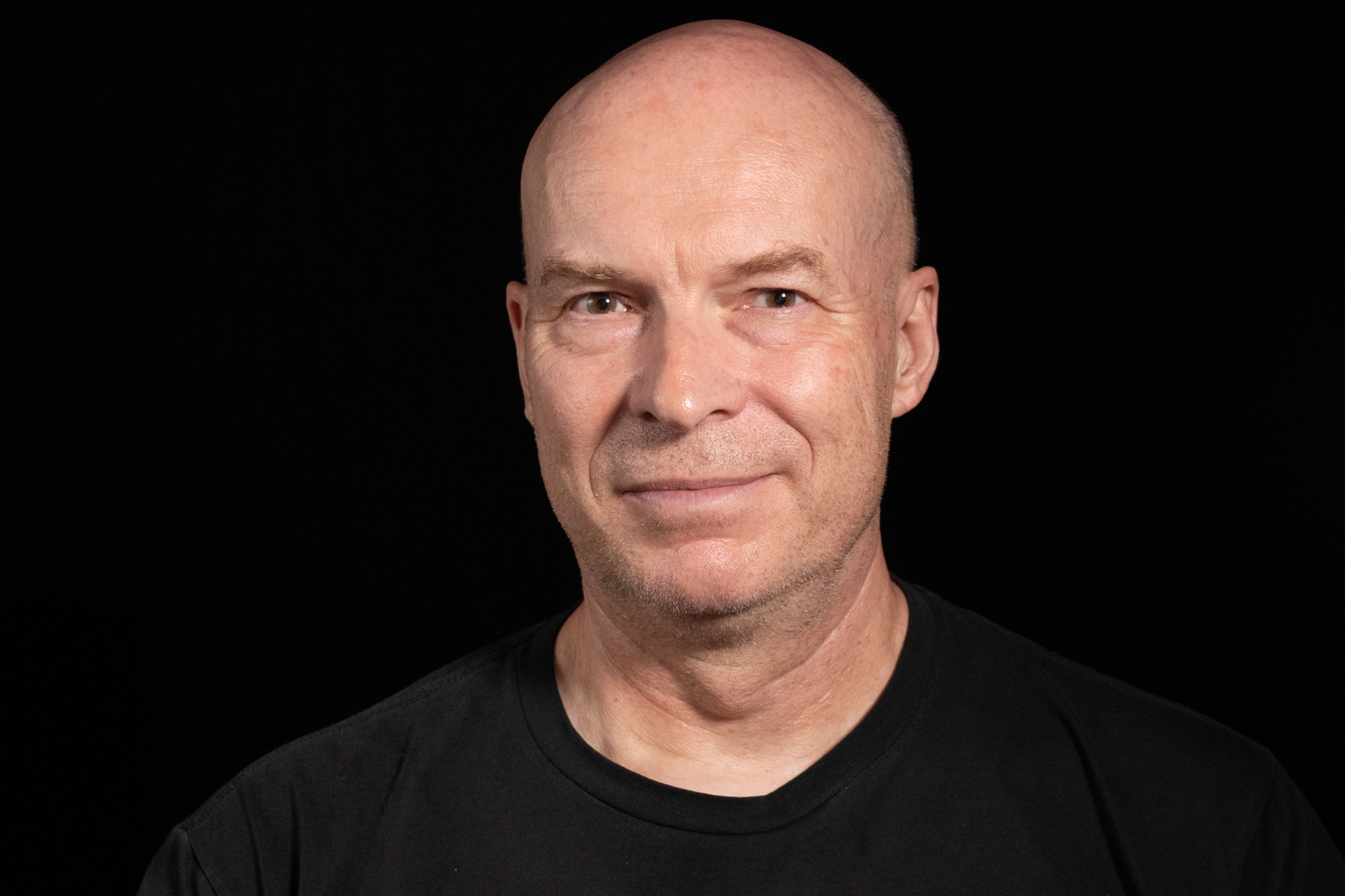
Jan Kulísek

* 1962

  • "And then we somehow ran into the tunnel, but suddenly we see, after about twenty minutes, the light of a torch behind us. Somebody was coming after us, whether they were chasing us, we don't know. So we just kept stumbling. There were these, it wasn't like the movie. The end of the big holiday, I think it was called, where there was a family, they'd crawled up against the wall in that tunnel, which is wrong. There was no place to lie down, because often there were steps sticking out of the cars, it would take you. So there are shelters for the workers every hundred, maybe two hundred meters, and the indication is a line on the tunnel wall where the shelter is. So we knew right away how it worked. And when the train came, we saw it for a long time before it swept past us. But the thing was that many times we didn't know how far away the train was, some pounding in the tracks was very hard to hear, strangely enough. I thought, let's listen, estimate how far away the train is, because the tunnel is straight. There's no curve. And also if the train was standing or going, what now, we were sitting there in that shelter, we were about to leave the shelter, because the train was definitely standing, and suddenly it swept past us, with a terrible rumble. But we eventually made it, maybe two, two and a half hours, and we were out in the fresh air."

  • "But what was happening in our family was that my daddy always, before I went to school, we would have breakfast together, like with my daddy, my mommy, and me, since first grade. And he always listened to the Czech BBC. I remember exactly, it was always seven fifteen, quarter to eight, to seven thirty, so I always heard the whole thing, from first grade, every day. Every working day. And then when I was getting my wits about me, when I was thirteen or fourteen years old, I was listening to it myself, Daddy would listen to it in the evening. The evening BBC broadcast was from seven-thirty to eight, and then the Voice of America was from nine to ten. So it was a daily routine. And I don't think it was very usual at all, I don't think, I know that. It wasn't usual, we can say that, that's a fact, because, for instance, there wasn't anybody else of my classmates who followed it like that."

  • "Look, I went to first grade in 1968. So I remember that too, it was a very interesting time. We were occupied by the Soviet army, the Warsaw Pact army, they came on August 21, 1968. We were in the Jizera Mountains like every year around that time, Slovanka cottage, everybody can look up where it is, we were there in log cabins. I remember that to this day. I was six years old, and when we woke up, at about four o'clock, it was getting light, just a terrible rumbling, like an earthquake. My mother, my parents woke up and they were saying what was going on and everything. Finally they said we would wait till morning, see what happens. Well, we woke up a little earlier and suddenly I see quite a mess. There were log cabins in a row and people were already running out of some of the cabins, some even with suitcases, and there was really an unprecedented rush. And then we went into the dining hall and I still remember that, there were scenes from Prague where it looked like the Vietnam War. There was a war in Vietnam at that time, I didn't follow the news, but I saw it, there was a war, there was shooting, it was like in Vietnam. And now all of a sudden, people were crying and saying that it is terrible. And it makes me feel emotional today too, because later I realized what it meant, you know."

  • Full recordings
  • 1

    Praha, 07.06.2022

    (audio)
    duration: 02:07:49
    media recorded in project Stories of the 20th Century TV
Full recordings are available only for logged users.

I didn’t know until I emigrated that my father was in prison
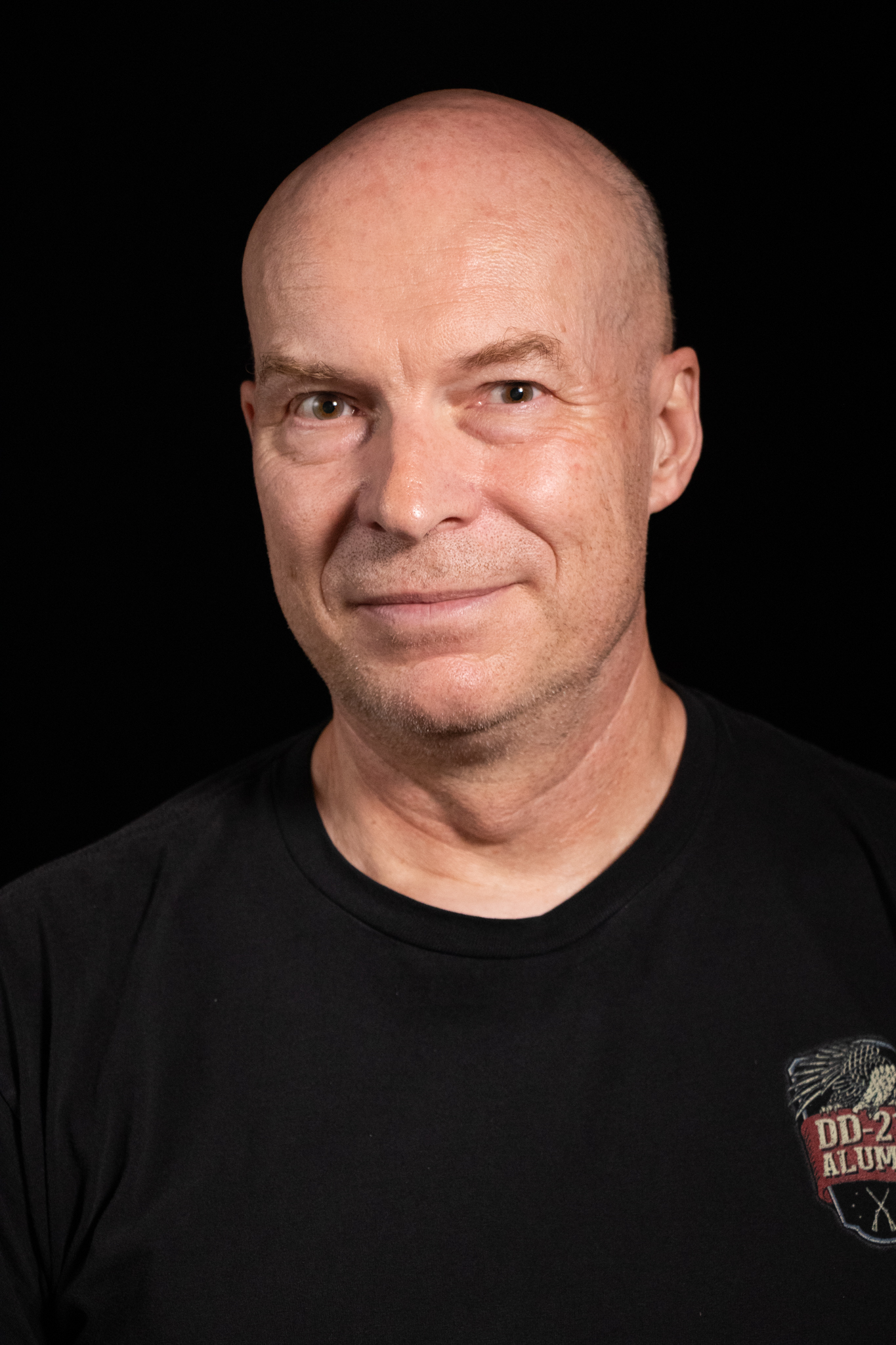
Jan Kulísek was born in Prague-Podolí on 24 April 1962. His father was arrested in the 1950s together with his first wife and sentenced on the basis of provocation by State Security. He was released on amnesty in 1960, but he never spoke to his son about his imprisonment. The witness graduated from the Electrical Engineering School in Prague and was accepted to the Czech Technical University in 1983. Even as a child he listened to foreign broadcasts with his father, and from the age of fifteen he wanted to leave Czechoslovakia for free America. In 1984, he and his friend went legally to Yugoslavia and walked through an 8 kilometre long railroad tunnel to Austria. He left the Traiskirchen refugee camp for the United States in the summer of 1984, where he worked as a manual laborer and completed his education. In 1989, he signed up to join the U.S. Army for five years. From 1990, he served on a base in Germany, and in September 1990, he was sent to Saudi Arabia after the outbreak of the Gulf War. There, his unit functioned as support, particularly for helicopter pilots. He returned to Germany after the end of the conflict. In the 1990s, he worked as a logistics manager for the Delphi automotive company in Bakov nad Jizerou. He and his wife traveled back to the US to live in San Francisco in 2022.