Marie Kubová

* 1929

  • "It also said how many clothes they could take, how many shoes, blankets, this and that. Also the kitchen furniture, the cupboard, the bed. A policeman came and said it was far away. The farm was near Roudnice, and they took them beyond Pardubice, which is quite a distance, isn't it. When mum asked where they were taking them, they said, 'You'll see, kulak.' It was early March, it was snowing, and they were covered by just a tarp on the truck. They were cold; the snow was falling in. What hurt mum the most was that when they made a bathroom stop, the policeman went with her to the bathroom. That was so humiliating! We weren't stupid, but that was just so beneath us."

  • "It was around noon and suddenly a car, more like a bus, stopped in front of the school. The Germans rolled out of it wearing heavy boots and stomped to the school and up the stairs. I can still hear them screaming. We weren't allowed to walk out, the headmaster had to stay in his office and teachers where they were just teaching. They kept yelling at us not to come out of the classrooms. The teachers didn't know anything, we were all scared. We were locked up like that for about two hours. After two hours, we saw our schoolmates from the sixth grade, aged fifteen or sixteen, only boys from the window. The seventh graders went including the girls, and nobody saw them ever again."

  • "We hid prisoners during the war. I'll tell you that too, it's interesting. We used to have a big stack of straw out there behind the barn. One night we were sitting after dinner and suddenly there was a knock on the window. The windows were covered with blankets, no light was allowed. There were huge fines for failing to blackout. We were all scared but we opened it. It was an escaped convict from Terezín. He was hungry and needed a place to sleep. We hid him. He recovered a little and left. We hid about 12 of them during the war. We put them in a straw stack; it was huge. A tunnel was made from the top all the way down. They climbed up and slid all the way down so they weren't visible. We'd bring them food and they'd recover. They were Russian soldiers who had escaped from captivity, one was a Frenchman. We prayed that the Gestapo wouldn't find out."

  • Full recordings
  • 1

    Chomutov, 17.09.2025

    (audio)
    duration: 57:46
    media recorded in project Příběhy regionu - Ústecký kraj
  • 2

    Chomutov, 20.09.2025

    (audio)
    duration: 26:08
    media recorded in project Příběhy regionu - Ústecký kraj
Full recordings are available only for logged users.

We hid prisoners during the war, then the communists took everything from us.

Witness with husband Vít Kuba and daughter Marie, 1952
photo: Witness

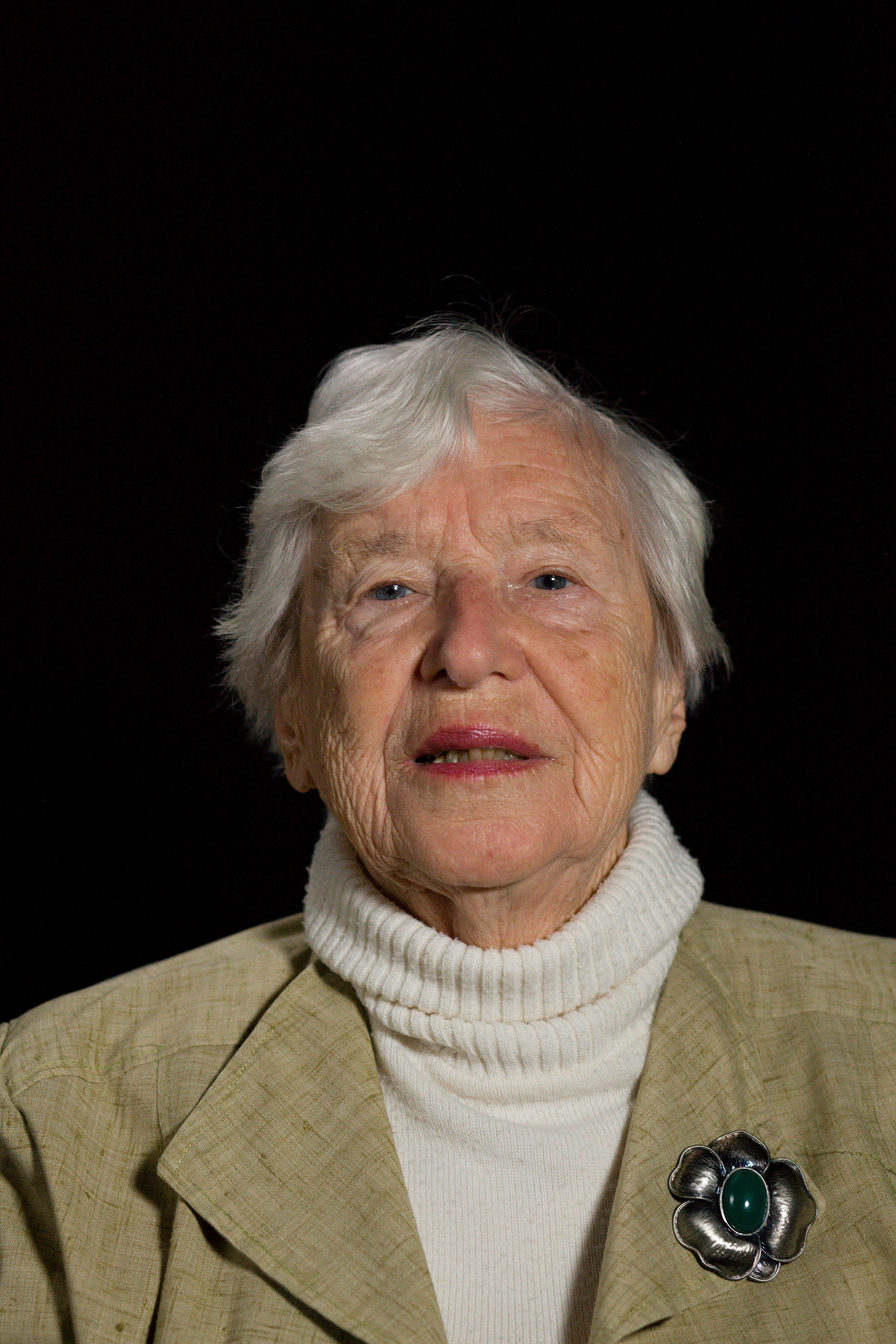
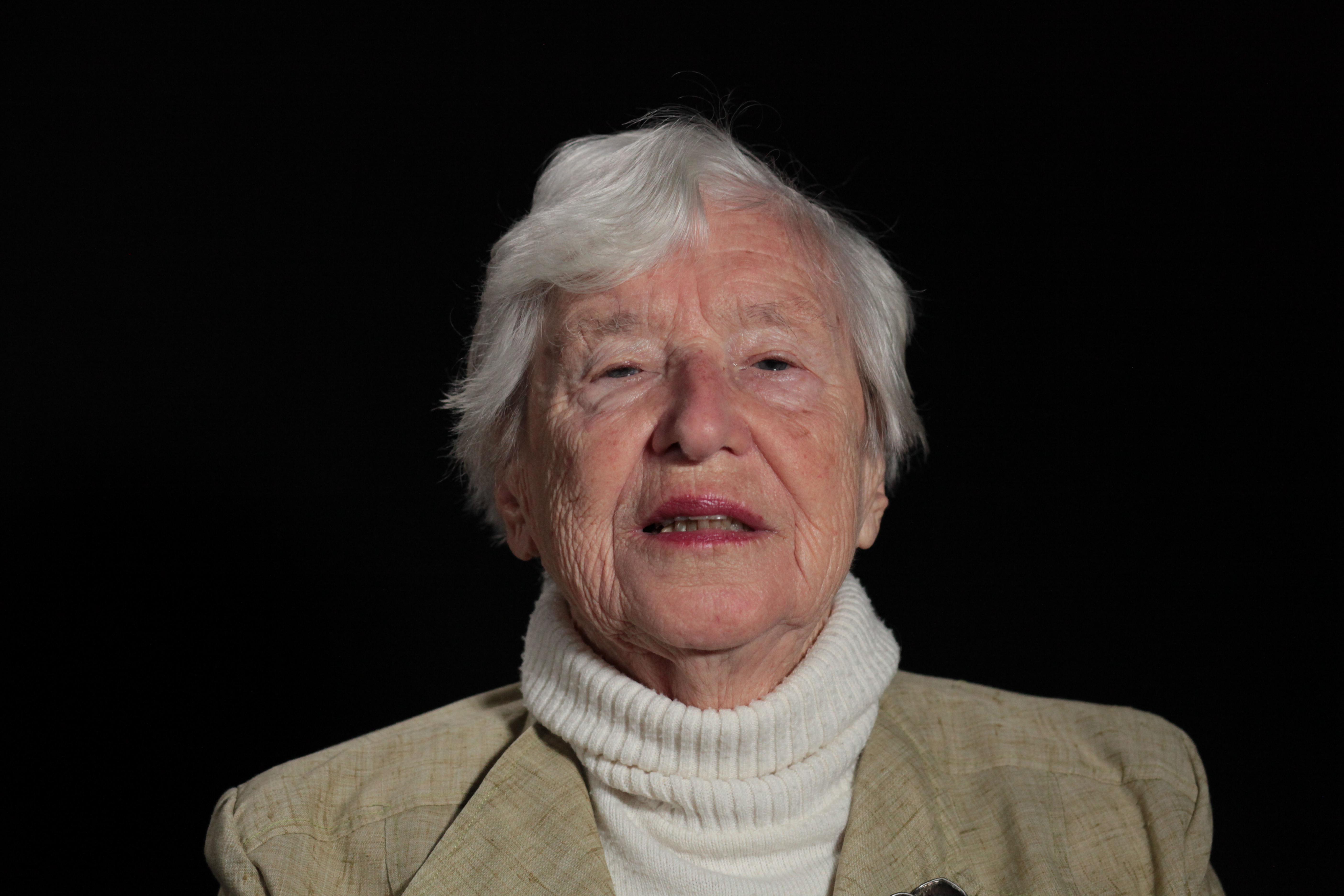
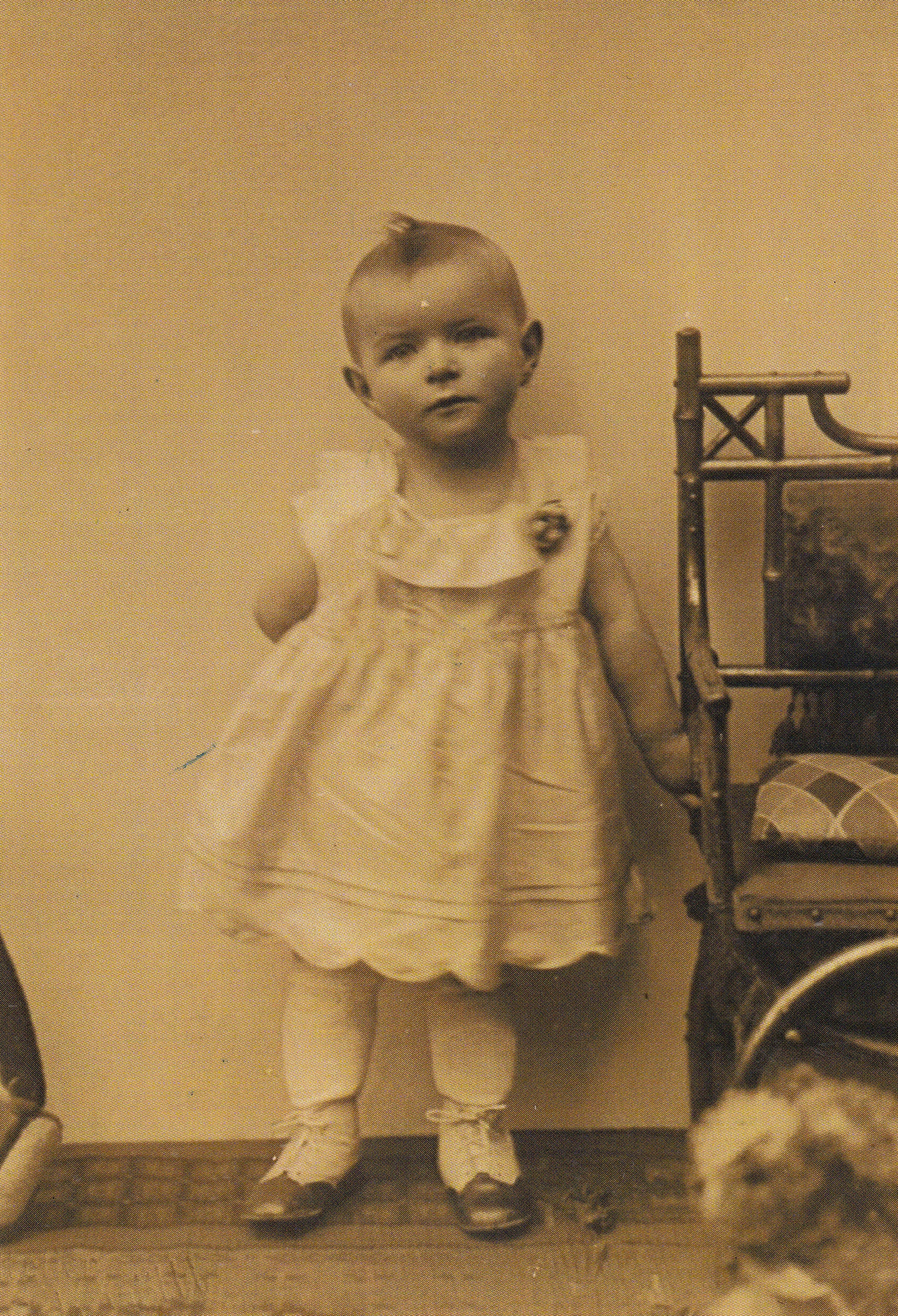
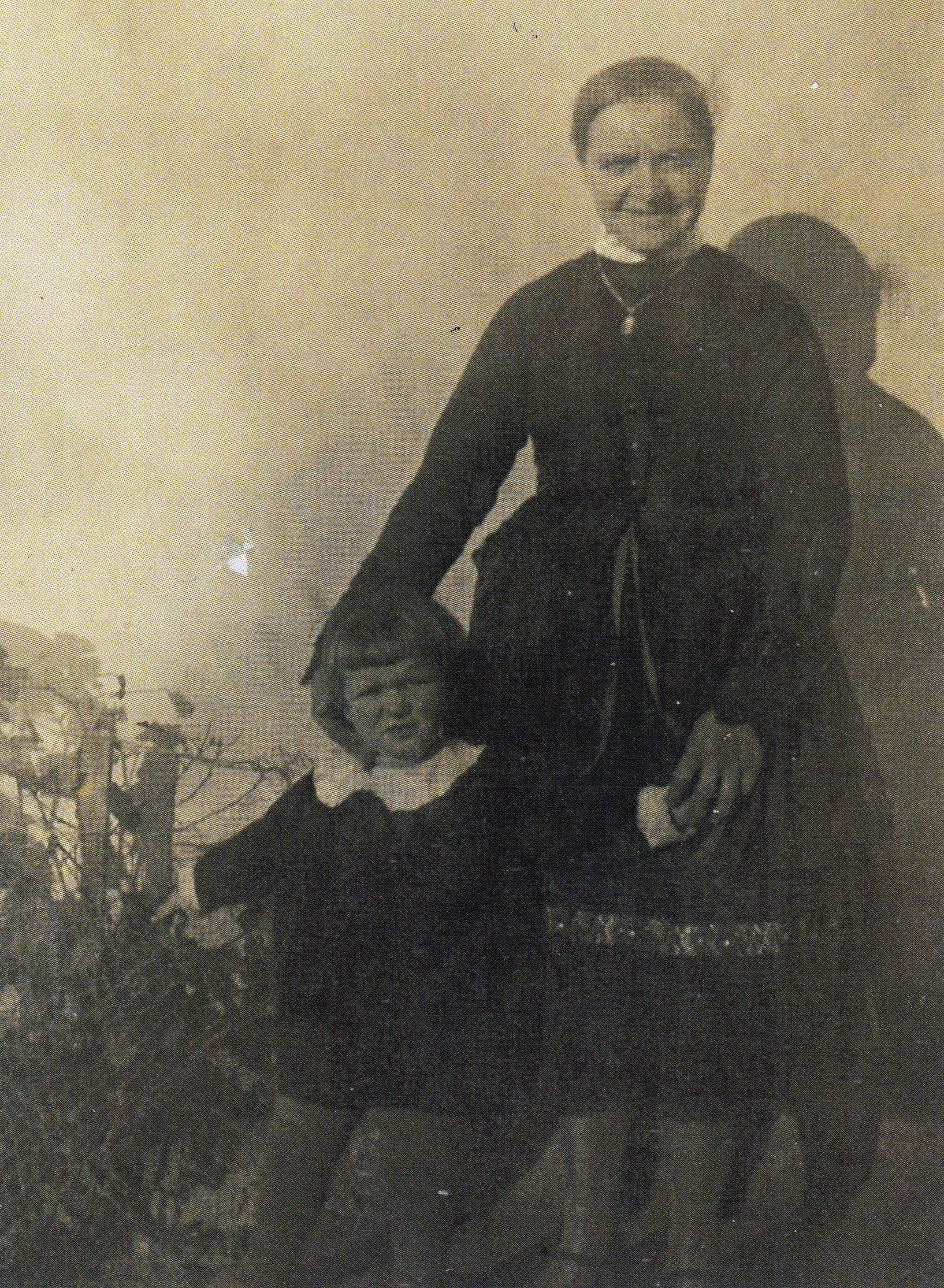
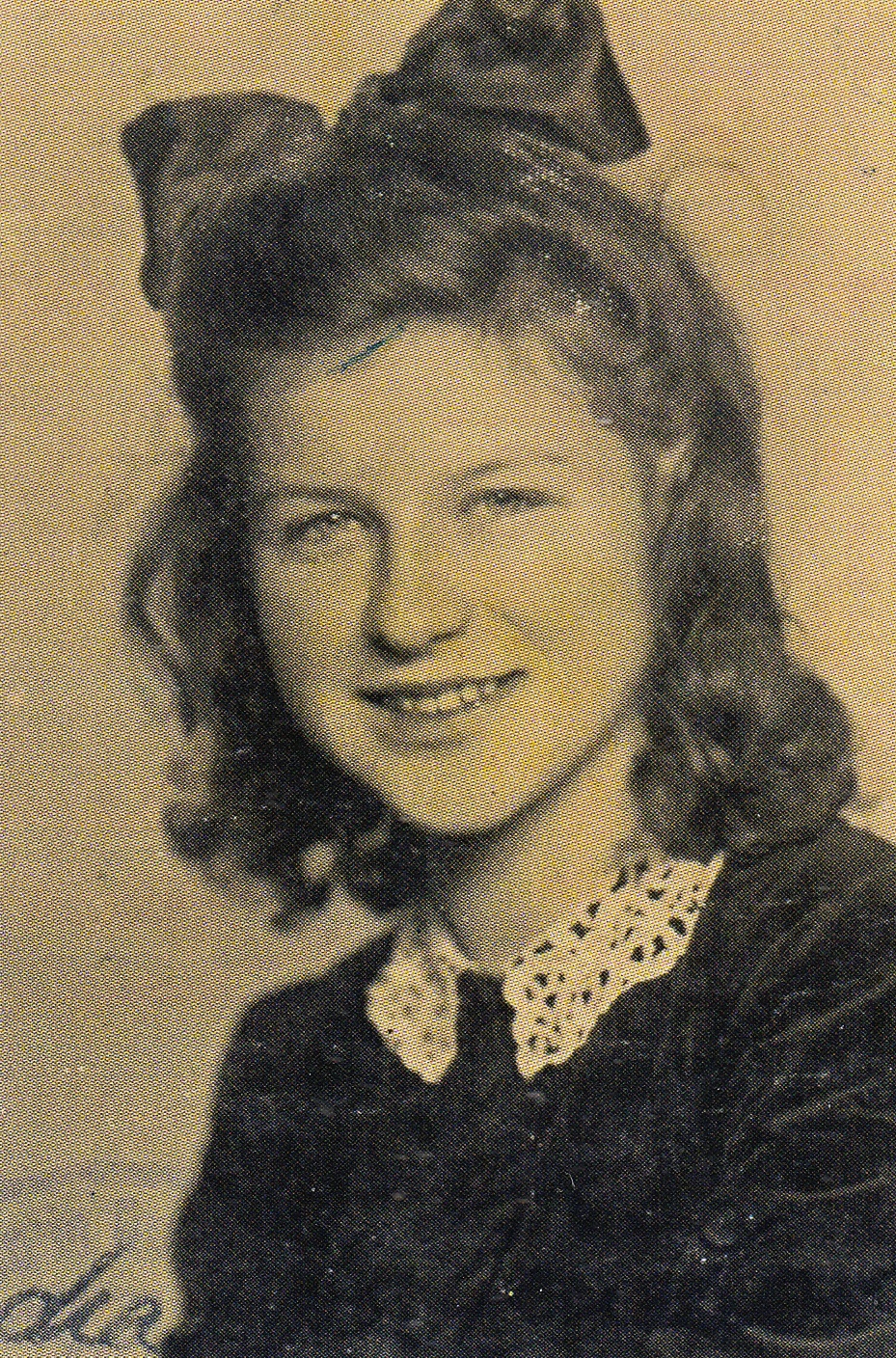
Marie Kubová was born in Kralovice in the Plzeň region on 5 September 1929. When her father died in 1934, she left Kralovice with her mother for Lovosice at age five to live on a farm with her uncle, who got arrested by the Gestapo during the war. The family hid war prisoners in a straw stack. She witnessed the arrests of students while attending the grammar school in Roudnice nad Labem. The family was labelled kulaks after the war and the stepfather was imprisoned. Their farm was seized and the mother was sent to a distant farm in Pardubice. The witness applied with President Gottwald to allow her to take her mother to Lovosice, but was unsuccessful. She was living in Chomutov in a home for the elderly in 2025.