Jaroslav Kubát

* 1957

  • "I don't quite remember the details, but I have the impression that the guard came for me, there was a man waiting for me, and he took me within the barracks to a completely different building to the big ones, as we used to call them, to the motor gunners, there was this main big building. There he just sat me down and started telling me about how I was an intelligent boy and that I had a secondary school education. Because all those guys weren't there, right, there were a lot of drivers, but I don't mean that in a pejorative way. And he just started offering and then he basically told me that he needed to know information on one particular, on a guy named Honza Hrabák, if I remember. He was rumored to be sniffing Čikuli and I don't know what. I said I wasn't really friends with him. And he was maybe half a year older, he wasn't from our group."

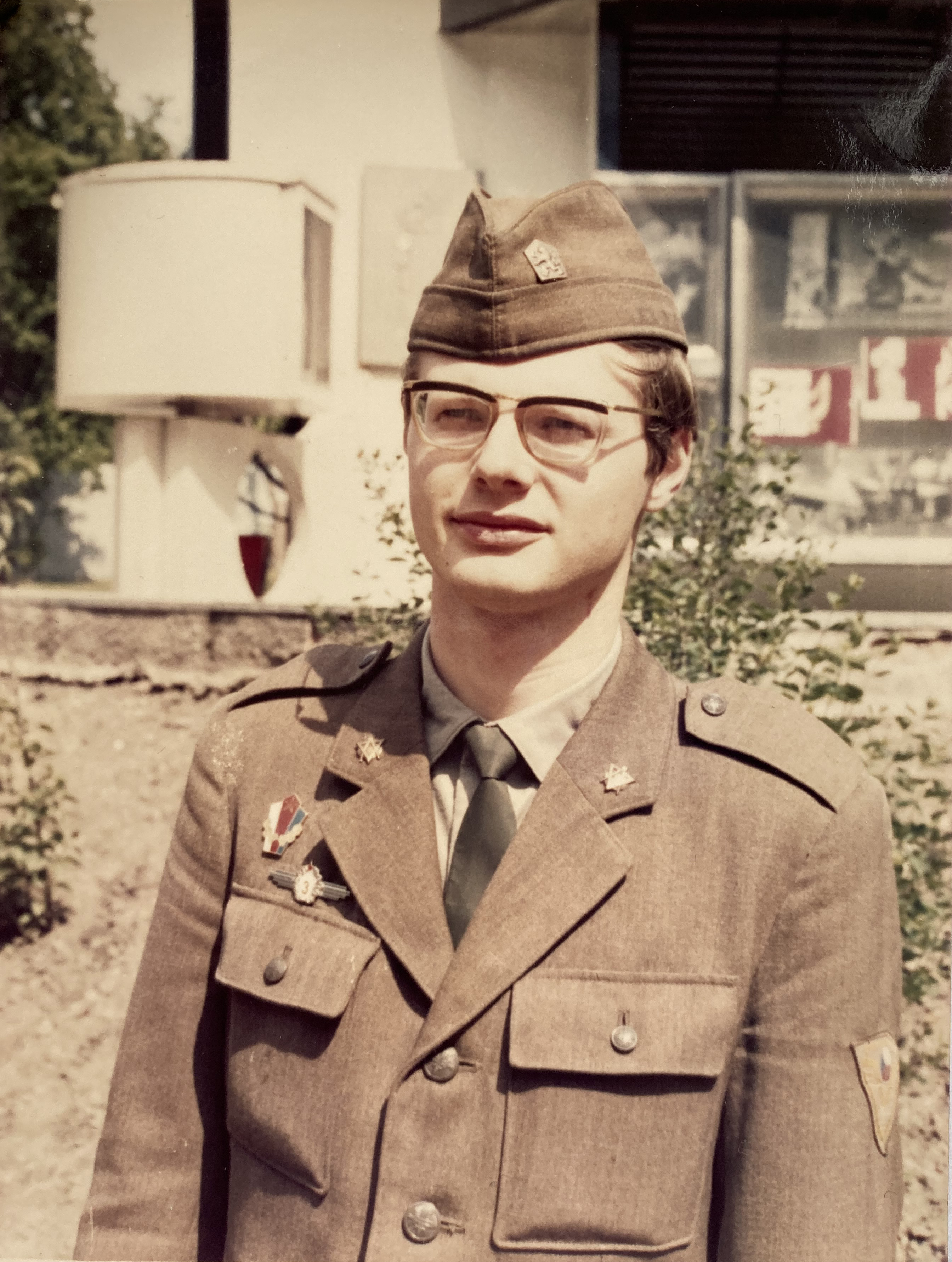
  • "Everything was secret. I'm saying we were secret, and when we went from the barracks to military exercise, the interesting thing about it was that we went to exercise every month for a week, no matter what month it was, winter, summer, spring. And I remember that when we went to the first [exercise] after the enlistment, I was enlisting in November, so we went in the winter. And I remember we were driving somewhere, we stopped in the woods, we jumped off these cars, there was more than knee-deep snow. And now the commander there told us, 'And this is where the camp will be by morning.' There was a guy in our platoon, and he started crying."

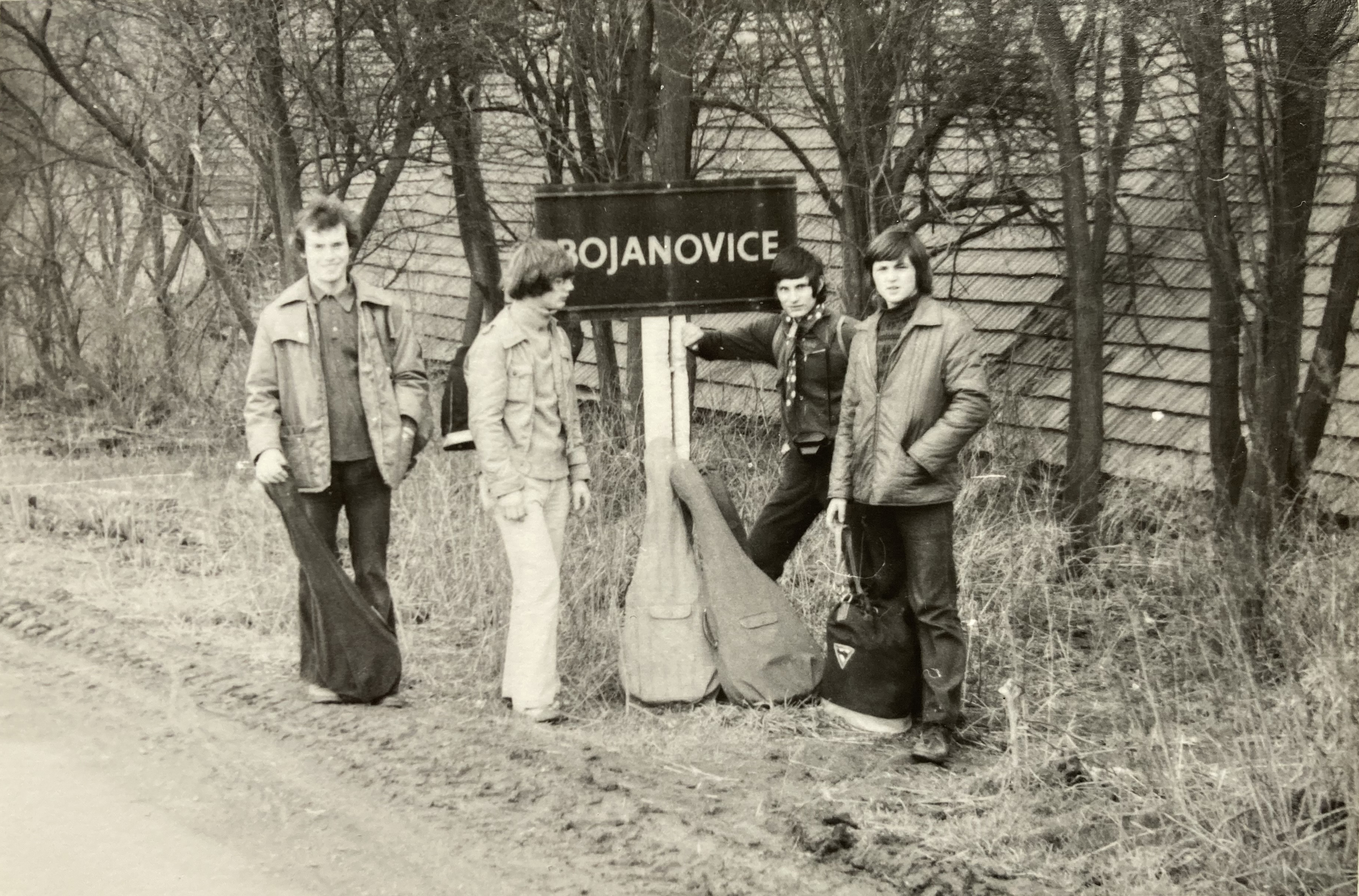
  • "It was called Větrník, before that it was called Pionýr, it was a magazine, and I don't remember now whether it was still in the first Pionýr before Větrník or afterwards, then they completely closed down Větrník, then it was just Pionýr. But I have the impression that it was in the... I would guess it was in my fourth or fifth grade. So I made friends with a couple of people in the village there and we started - it was running then, it was called Tourist Troop. And it was, because you grew up on the Quick Arrows (Rychlé šípy), so it was like make a club and like do some expeditions and now write to the editor and they would write back maybe and there were some things like that. So we started a hiking group number thousand and six hundred and ten. We were called the Zálesák and we had a flag with an oak leaf and it lasted until those guys then stopped having time and somehow it didn't work. But it was awfully nice, and we even wanted to make a clubhouse somewhere in somebody's house, in a shed, like the Quick Arrows. That was really cool, so it was like... There weren't many trips either, it lasted less than a year."

  • Full recordings
  • 1

    Praha, 20.11.2024

    (audio)
    duration: 21:22
    media recorded in project The Stories of Our Neigbours
  • 2

    Praha, 11.12.2024

    (audio)
    duration: 18:32
    media recorded in project The Stories of Our Neigbours
  • 3

    Praha, 15.05.2025

    (audio)
    duration: 01:37:46
    media recorded in project Stories of the 20th Century TV
Full recordings are available only for logged users.

I’m a man very focused on freedom
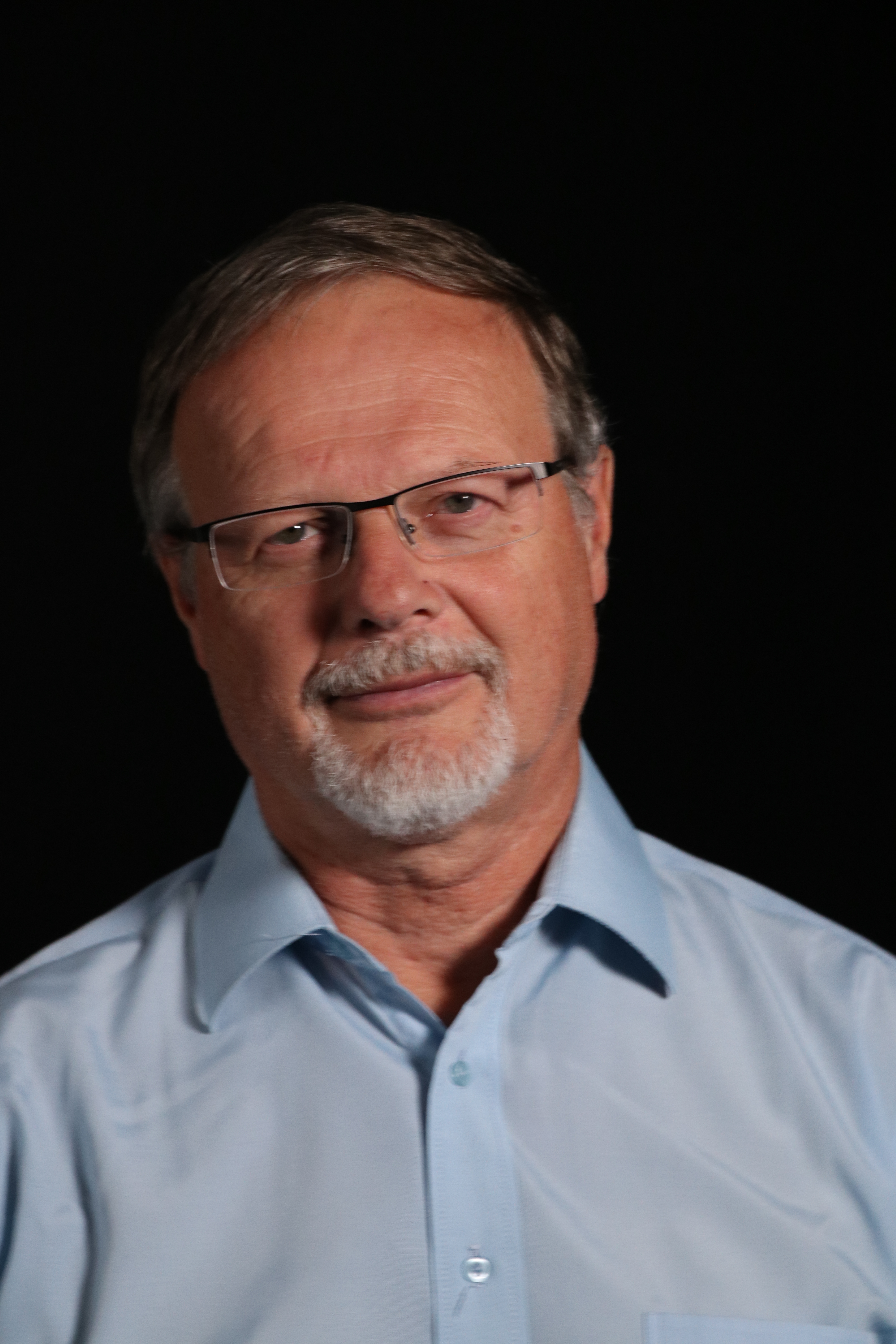
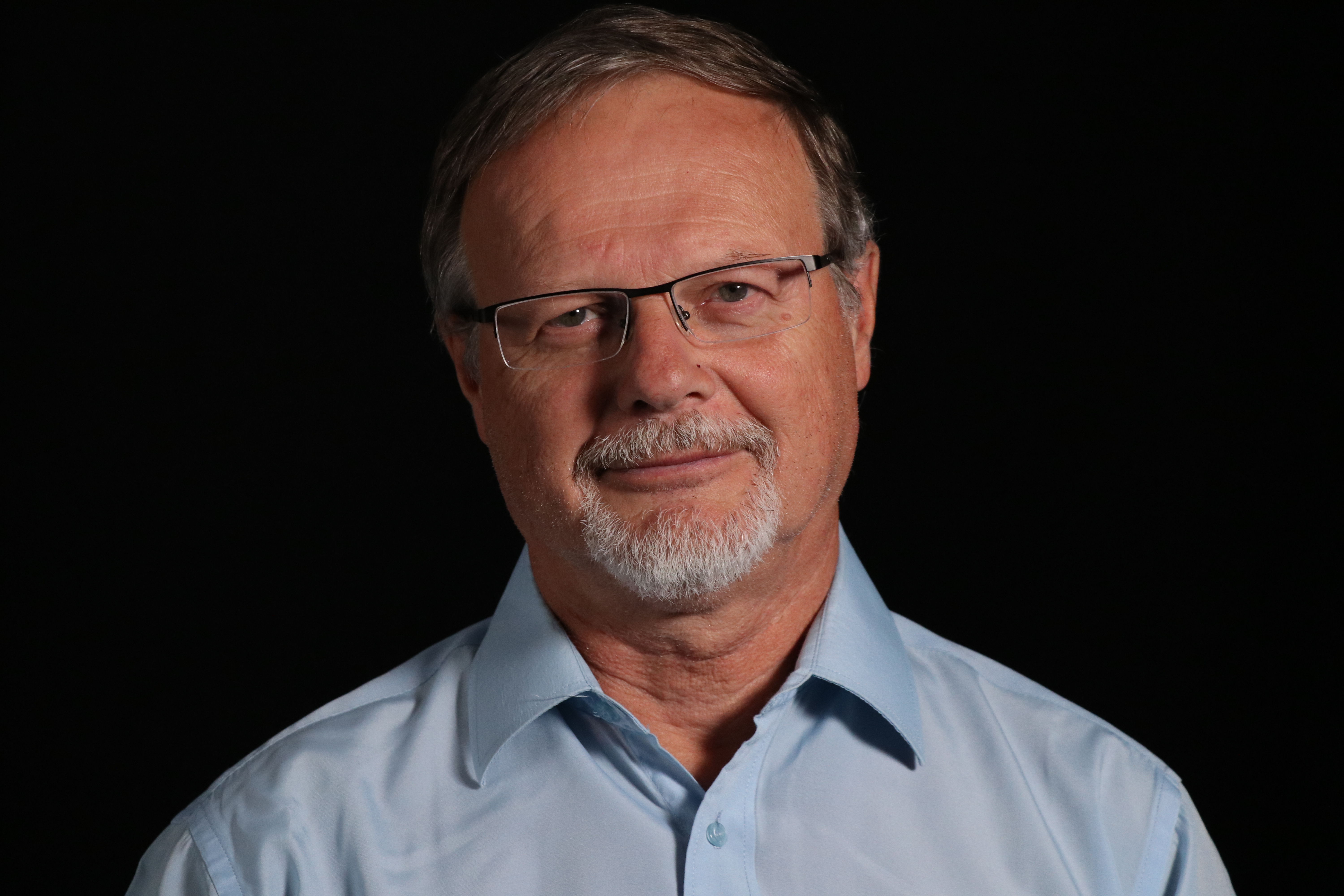
Jaroslav Kubát in 2025
photo: Post Bellum

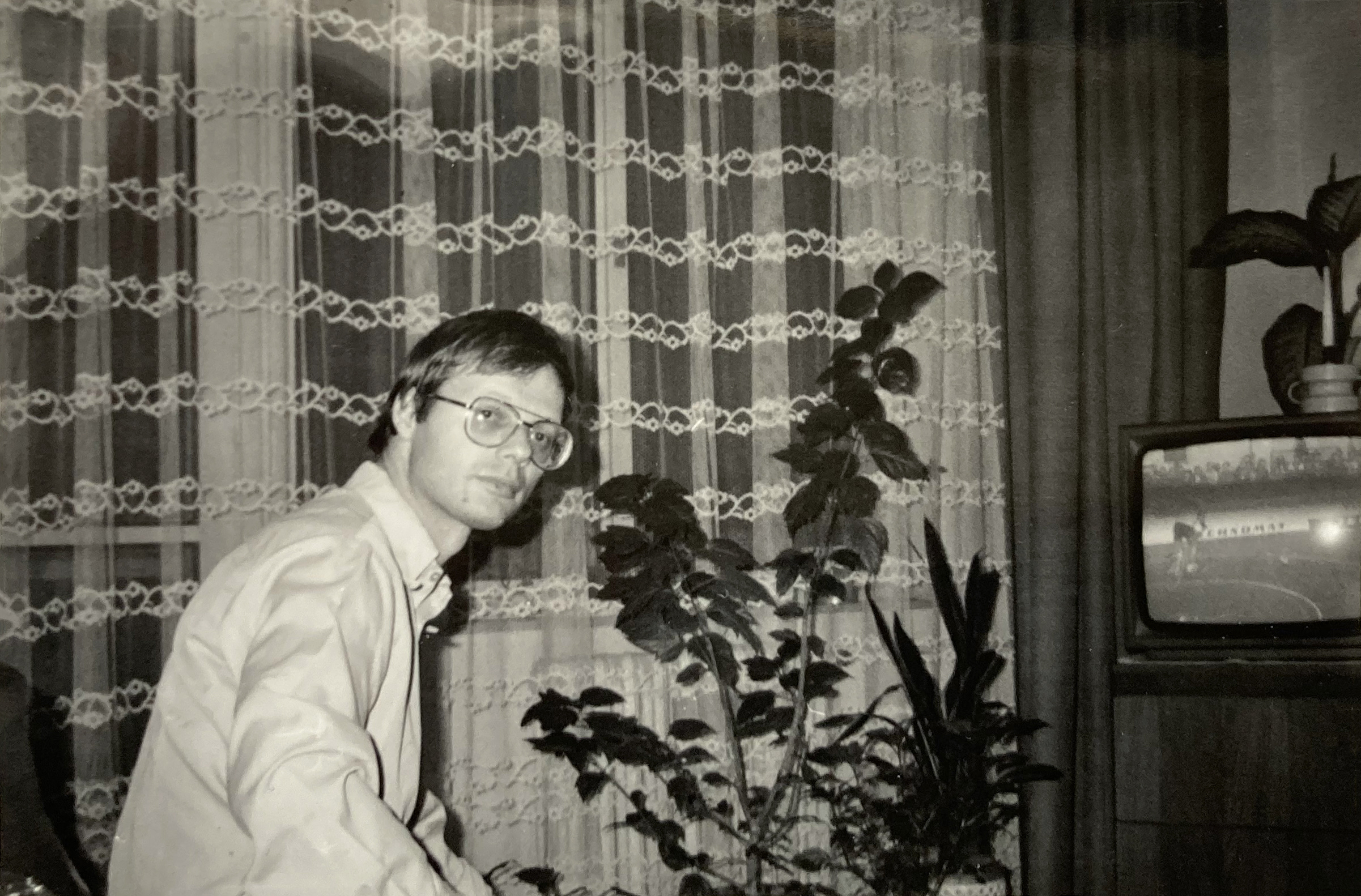
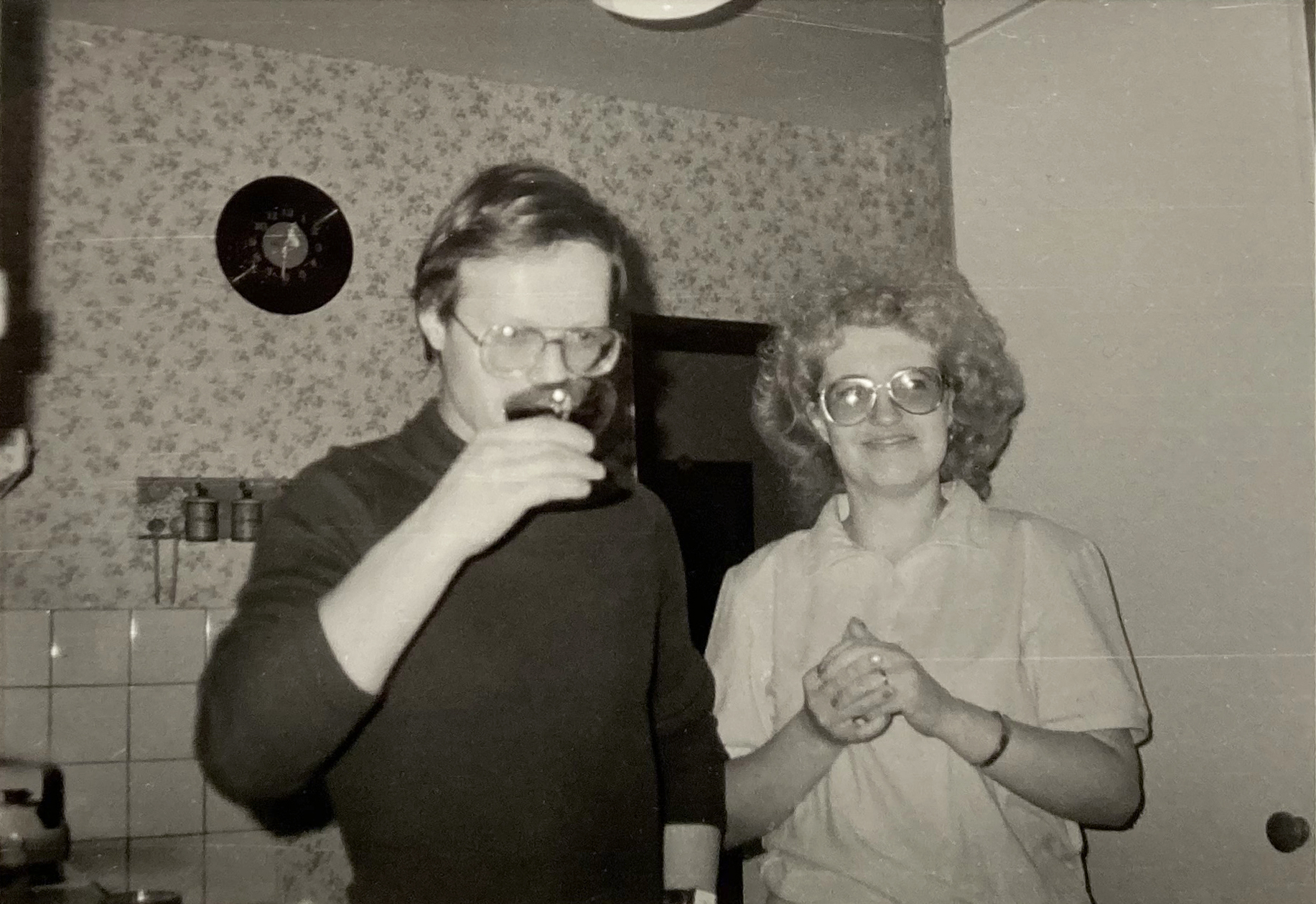
Jaroslav Kubát was born on September 19, 1957 in Český Brod, his father was a machinist and his mother a clerk. The family moved around according to the father’s occupation. Jaroslav Kubát went to primary school in Zeleneč, Svémyslice, Horní Počernice and Kralupy nad Vltavou. When he was ten years old, he and his friends founded a hiking club called Zálesák. He graduated from the Secondary Technical Electrical Engineering School in Ječná Street in Prague. With his friends, he took up tramping and wandered through nature. After graduation he joined the Tesla company and in the autumn of 1977 he was conscripted for compulsory military service in Vimperk. During the war, the military counter-intelligence tried to persuade him to cooperate, and kept a file on him under the number VKR 76450 under the code name Laura. In 1979, the file was destroyed. After returning to civilian life, he married, worked in Prague Communications and participated in the construction of tram tracks. In 1989 he participated in unauthorized demonstrations and protests, and was once arrested and dropped off a police bus somewhere near Dobríš. He watched the events of the Velvet Revolution in November of that year with euphoric feelings. After the relaxation of conditions, he worked briefly in Germany. He completed his education at a secondary ctechnical school of civil engineering and for the next ten years worked as a construction manager in a private company. He and his wife Eva raised a son and a daughter. In 2025 Jaroslav Kubát was living in Prague.