"I think the head physician was a bit of a two-faced person. On the one hand, he allowed two undercover cops to take me to a secret apartment and question me on my opinion on the Lidice women. I was lost for words sometimes! I still have a little rose of Lidice women somewhere!" - "How did you tackle it? Why the Lidice women?" - "They were looking for a reason and also for contact to my husband. I only pieced it together later; my head physician was on very good terms with those institutions. When I crashed, they didn't take my car keys away because he said that I as a physician needed it. There were a lot of things you could do in the Nový Jičín district if you knew the right people; you were untouchable then."
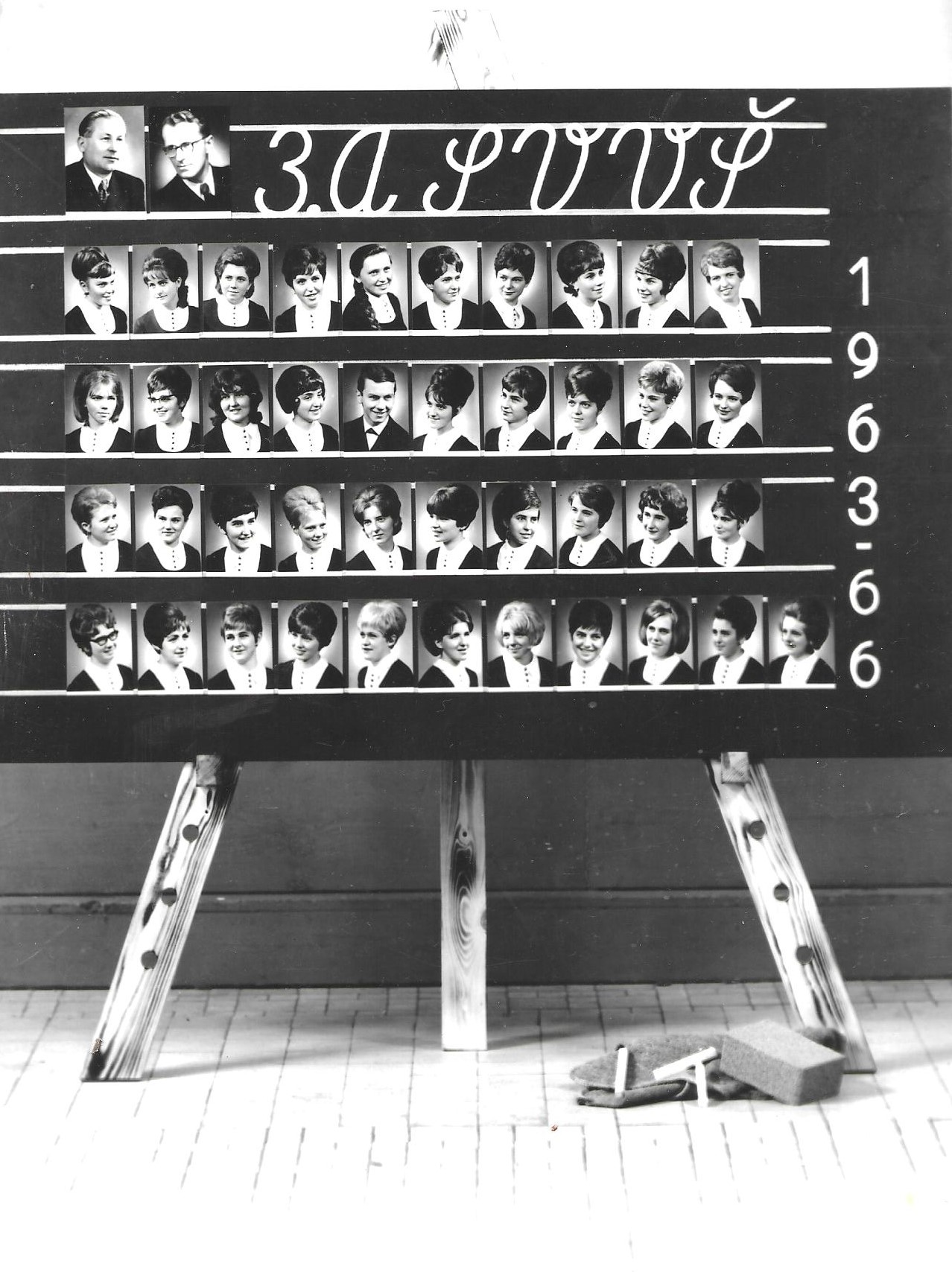
"They were actually trying to convince me and break me. My best friend, who I went on to study medicine with, was the class president. She came up to me and said, 'Jana, we're meant to be canvassing and lecturing you on Marxist ideology. If they ever ask you, tell them that we do.' That was increddibly fair of her. Sometime before Christmas, they called my father to the school and asked if he knew what I was doing. He said, 'I know.' They said, 'Won't you convince her?' He said, 'I'm not going to break her spine.' That likely did it; they told him the party would meet to discuss. The party met again and decided to let me finish and graduate, but not any more than that. Let me give you my point of view on the matter. First of all, my father had many friends and acquaintances even among the Communists. He decorated their places. They knew our family. Second, Pelhřimov is a very small town. They had no reason to expel me for study reasons because my grades were good. It was the faith that bothered them. I think it was because it was the 1960s and things were loosening up a bit. I graduated in 1966. It wasn't the 1950s anymore or the 1970s yet when they wouldn't let my sister go to school at all. Horní Cerekev is in the South Bohemian region and none of us worked in farming, so they wrote on her high school application that she could train for a cow keeper."
"In addition to being a decorator, my dad was the local librarian and was also very active in the Red Cross. He was friends with the local physician, and I thought I'd become a doctor one day. Books were lent on Sunday afternoon. Cerekev has like 1,500 citizens, and when books were lent, records played to let people know they could go out and borrow books. I remember when the first black and white TV set arrived. It wasn't at home; people went to the library to watch the news. That's the way it was. I did well at school; we looked forward to the holidays. We brought in report cards, our suitcases were already packed by the door, and they sent us to our grandparents' farm house in Bojiště. They didn't have time for us, we had lots of freedom, so we did everything possible, and then at the end of the holidays they took us home again and we went to school. Saturdays were a working day back then. Since the Ten Commandments orders 'remember the Sabbath day, to keep it holy', which was Saturday by the Old Testament, our parents excused us from school. It had a lot to do with the understanding of the school principals and teachers. They often examined me on Saturday lessons on Mondays."
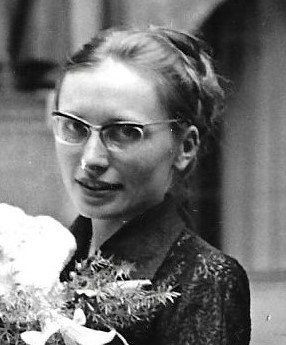
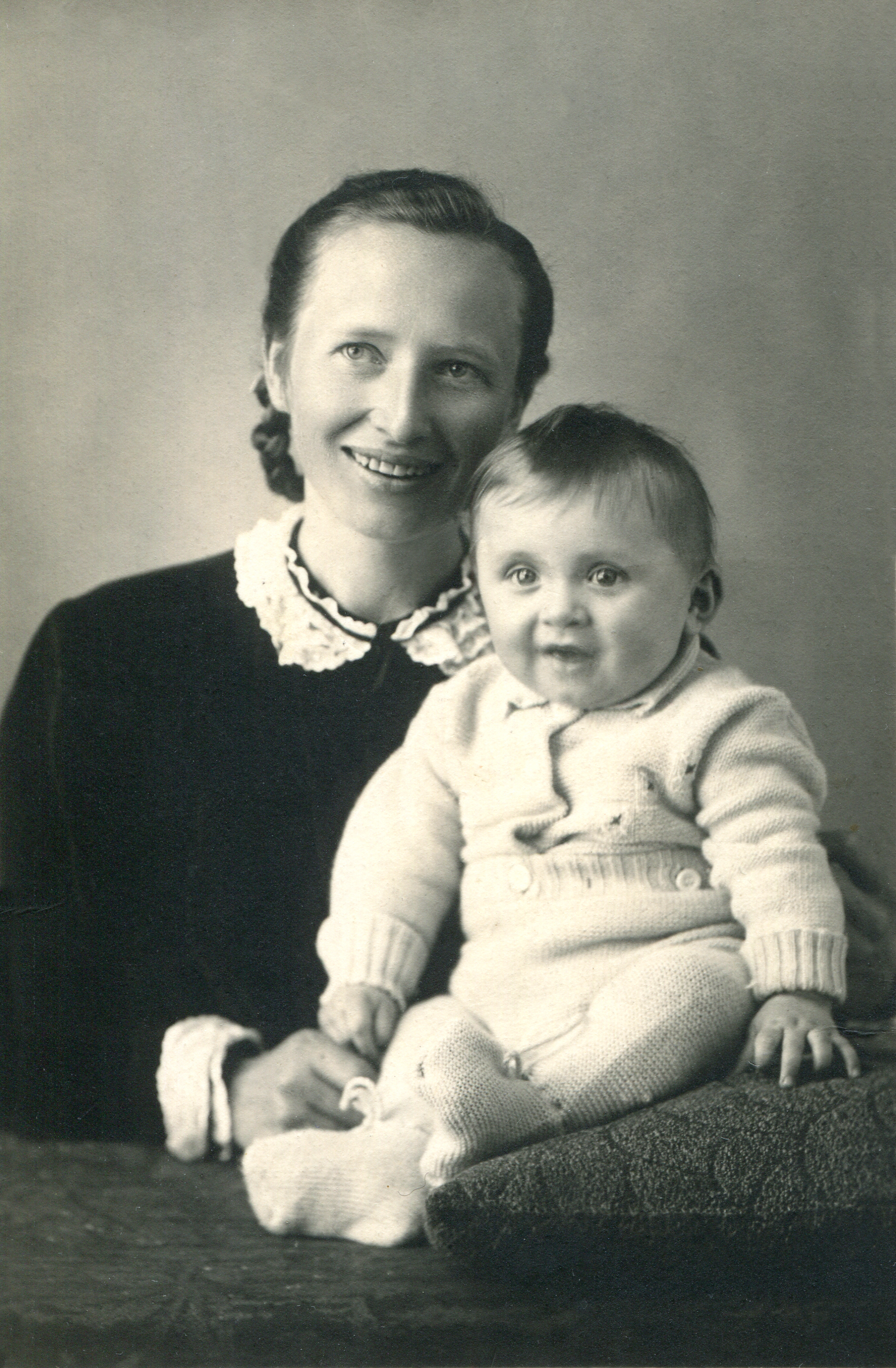
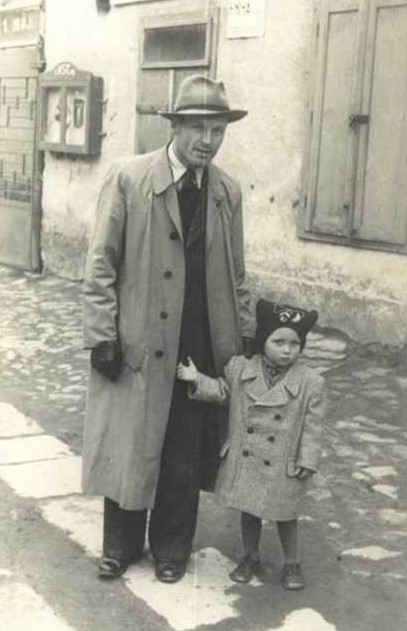
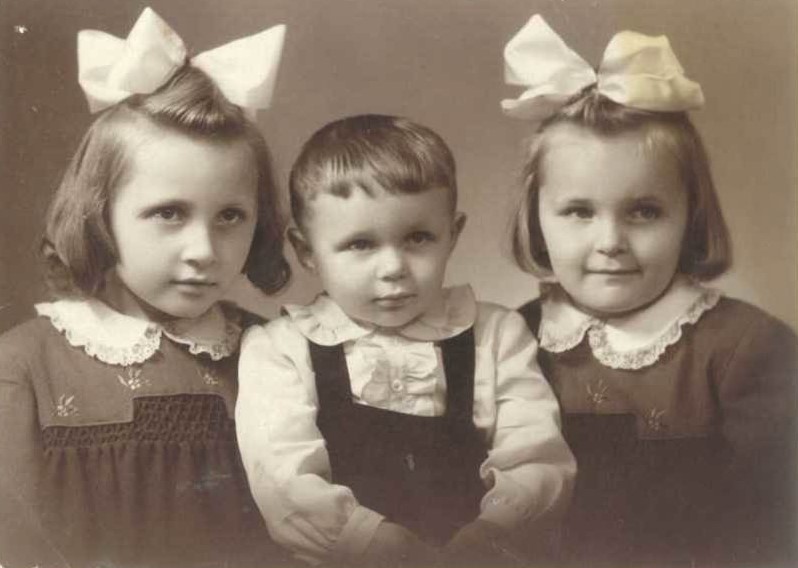
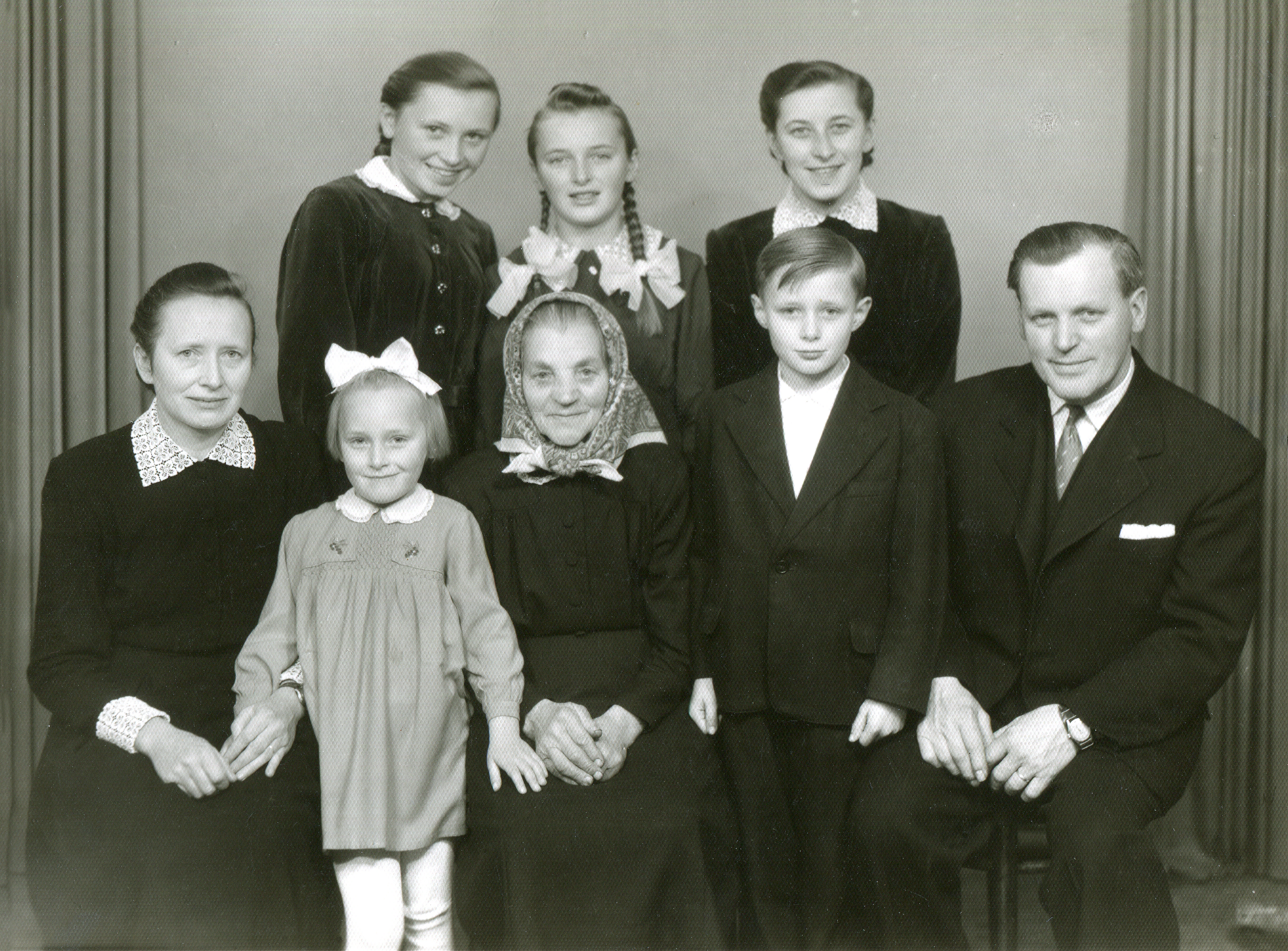
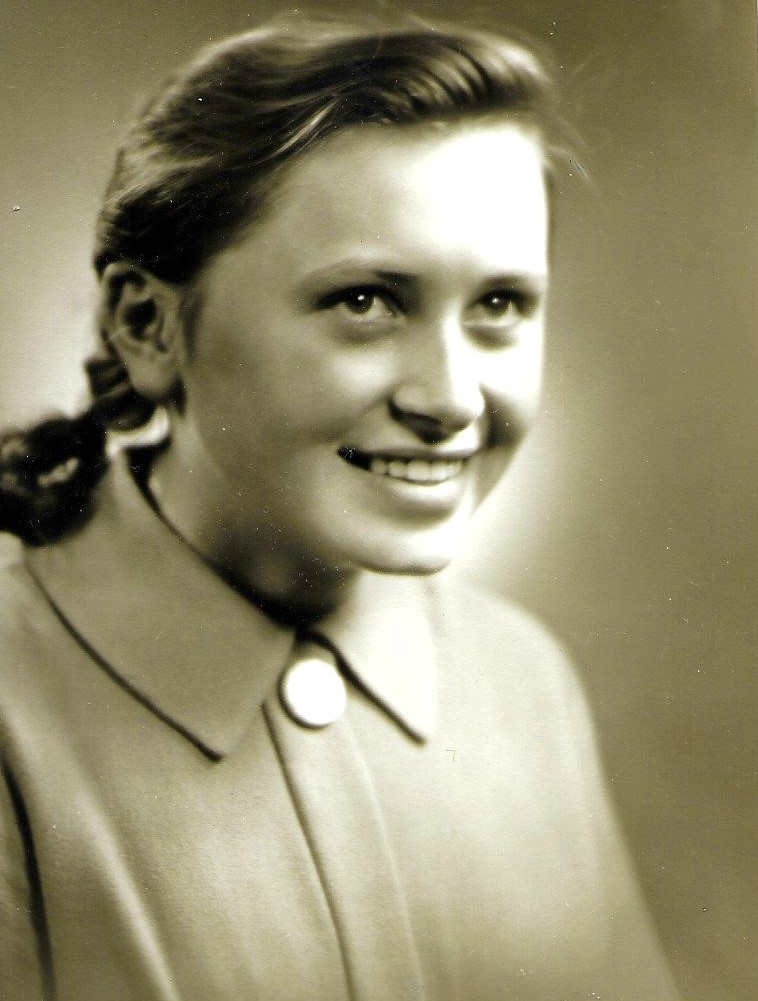
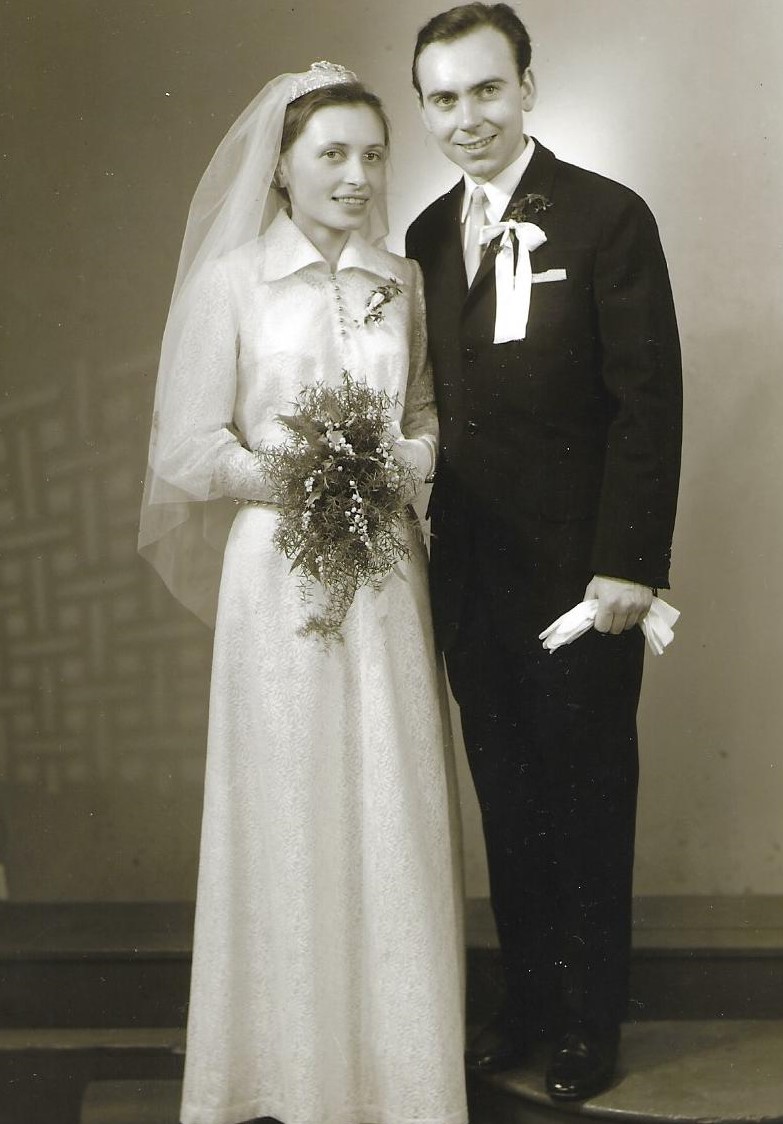
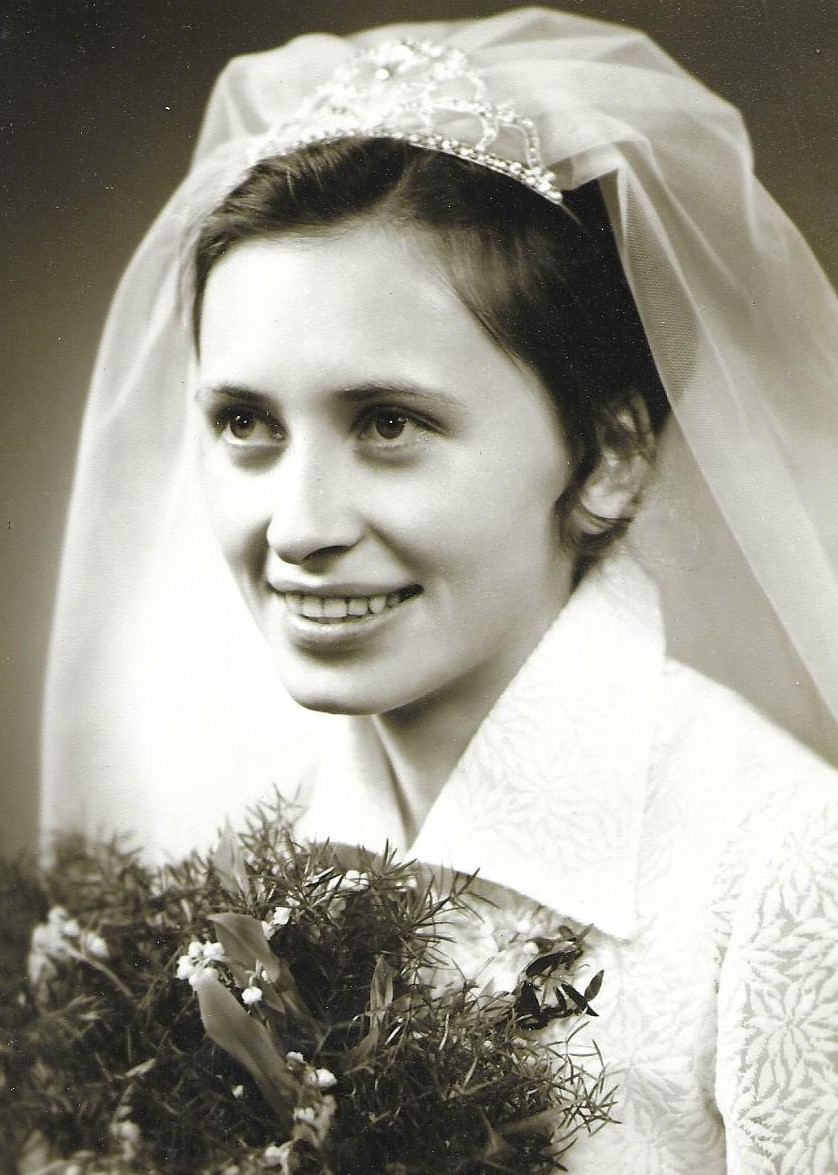
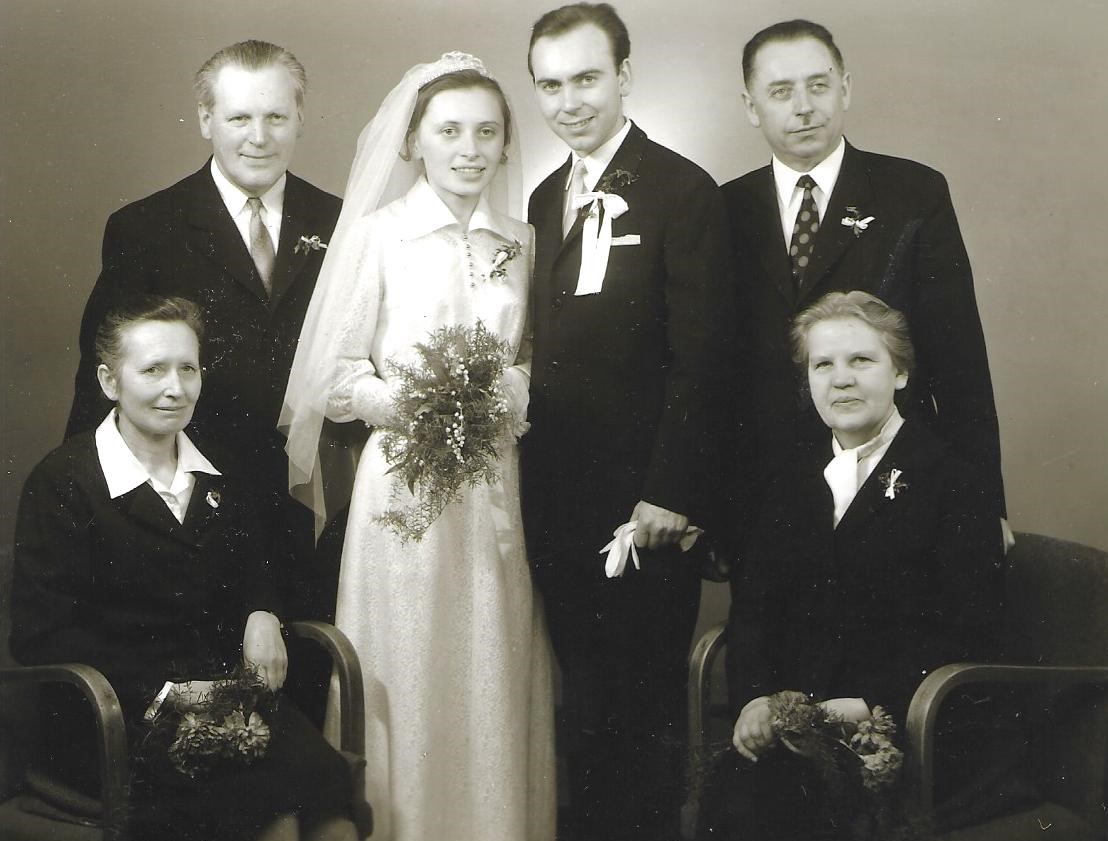
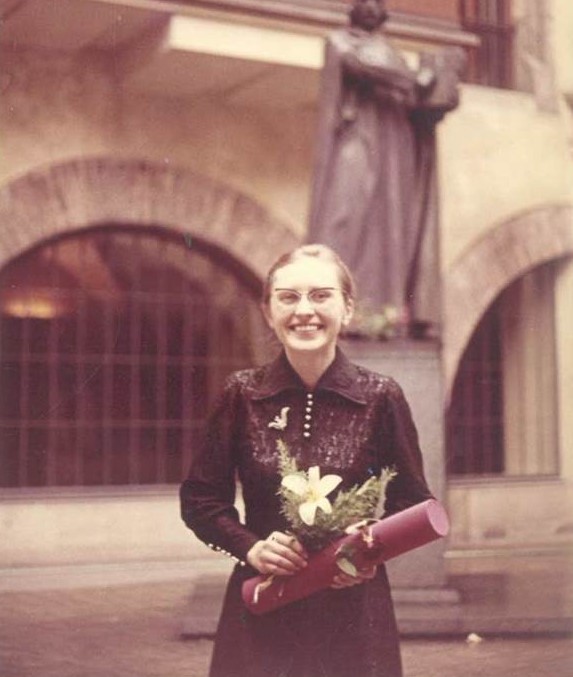
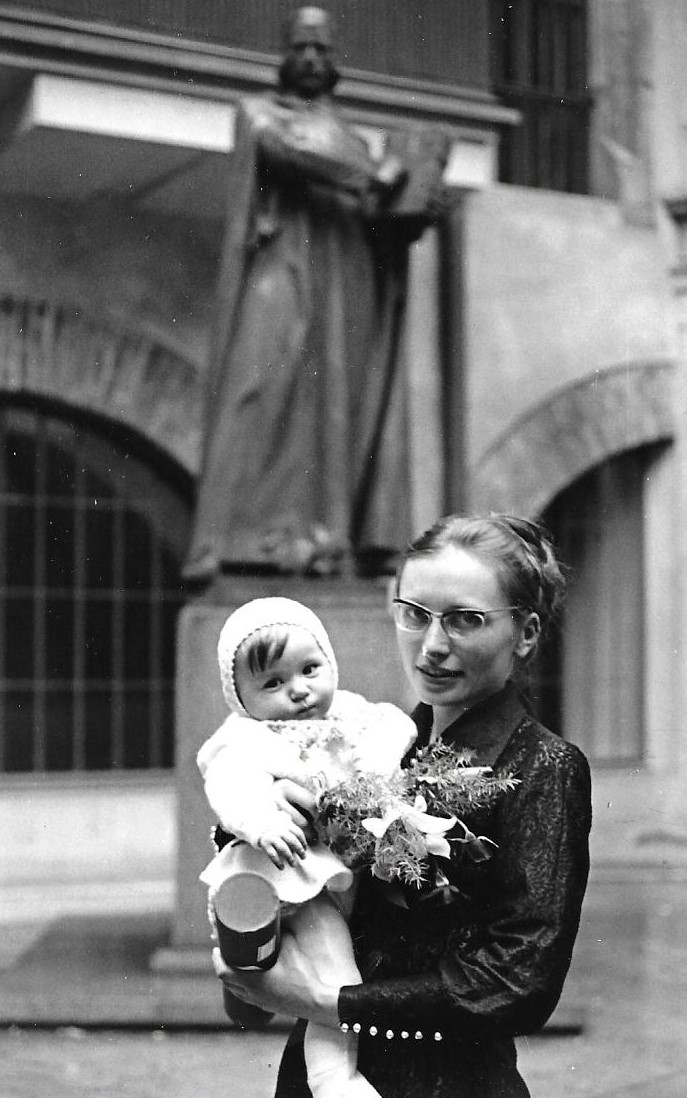
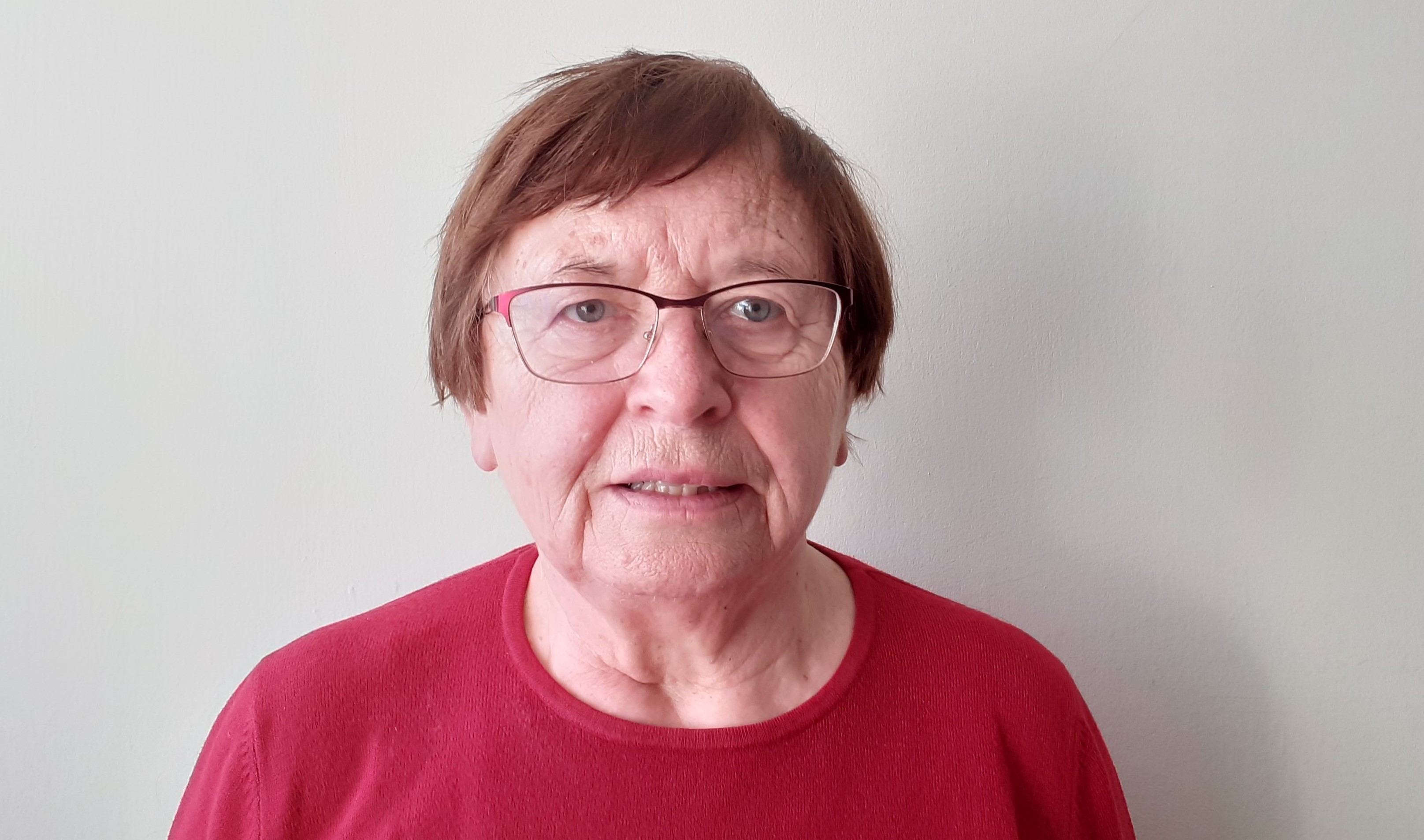
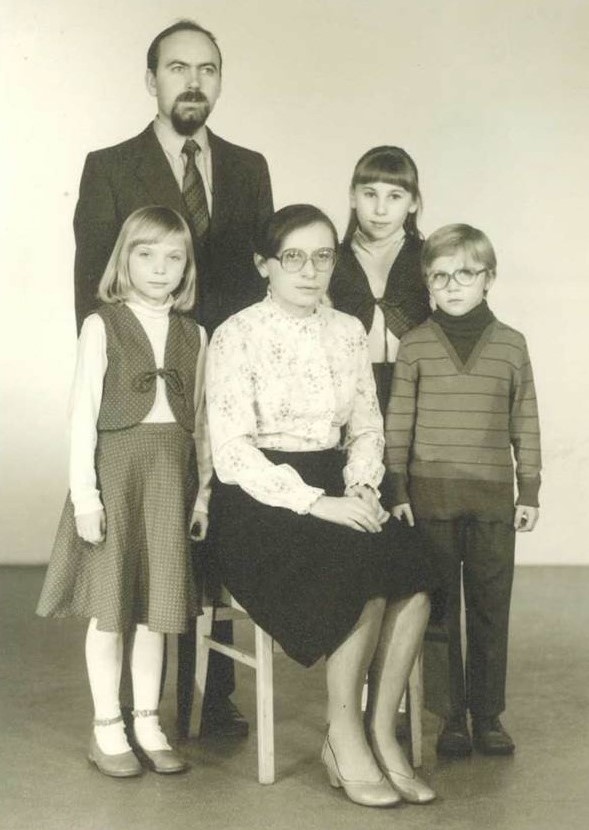
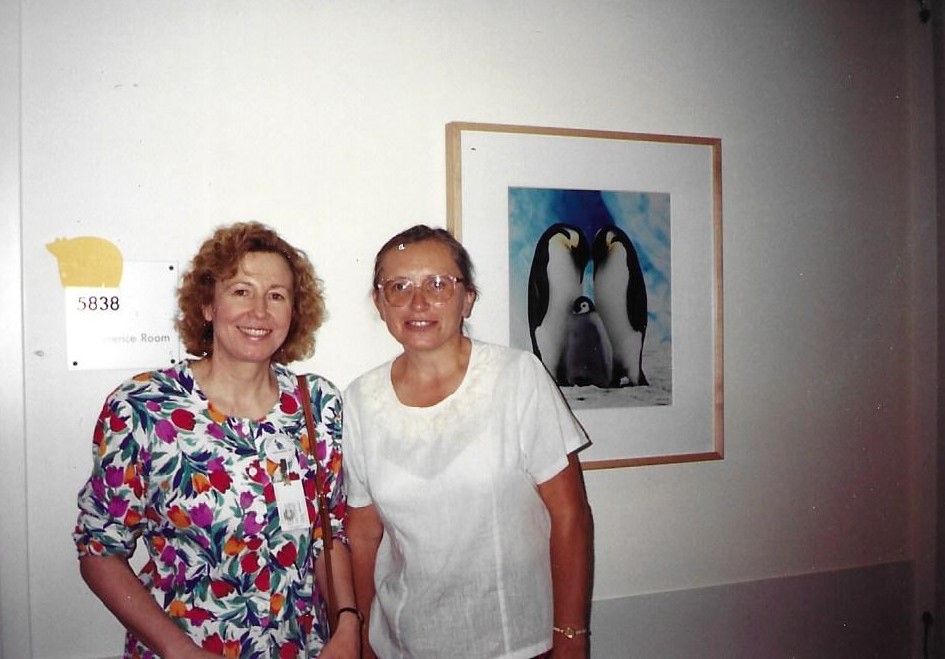
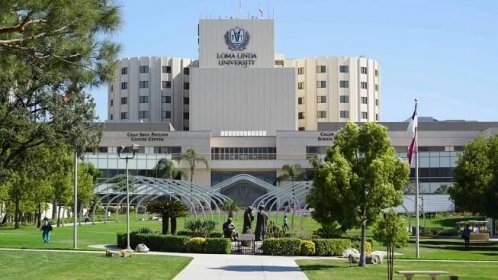
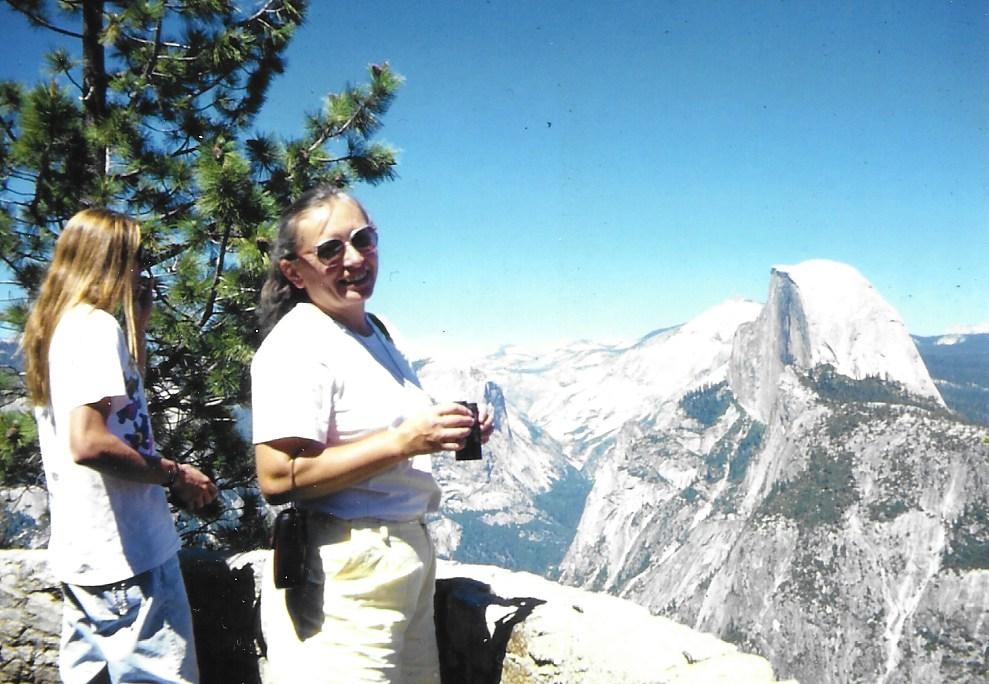
Jana Krynská, née Martínková, was born in Horní Cerekev near Pelhřimov on 26 October 1948 into a family of members of the Seventh-day Adventist Church. Her father Karel was gifted and eager for education, but trained as a decorator due to a lack of means, and her mother Josefa worked as a seamstress in the DRUPO manufacturing cooperative. They raised their five children in faith, which meant that the children did not go to school on Saturdays until 1968 when Saturdays vecame a leisure day. This caused much trouble. The father was self-employed, so he did not have work on Saturdays. Jana graduated from a general high school, but since she refused to go to school on Saturdays, she was not recommended for further studies. She was admitted to Charles University further to an appeal, majoring in dentistry; it was 1966 and the political ‘thaw’ was already noticeable in society. Two years later, she transferred to general medicine and chose to pursue pulmonary medicine. Her husband was an Adventist preacher, so they relocated countless times and this meant always commuting to work for Jana. In the 1990s, she and husband went to the United States, visiting friends and lecturing in Adventist churches. The trip was a great inspiration to her. Her faith stays alive in her family, with her three children are also believers. In addition to her medical practice, Jana Krynská was also an educator: she lectured, and continues to do so in retirement, for both the professionals and laypeople, mostly on the topic of healthy lifestyles.
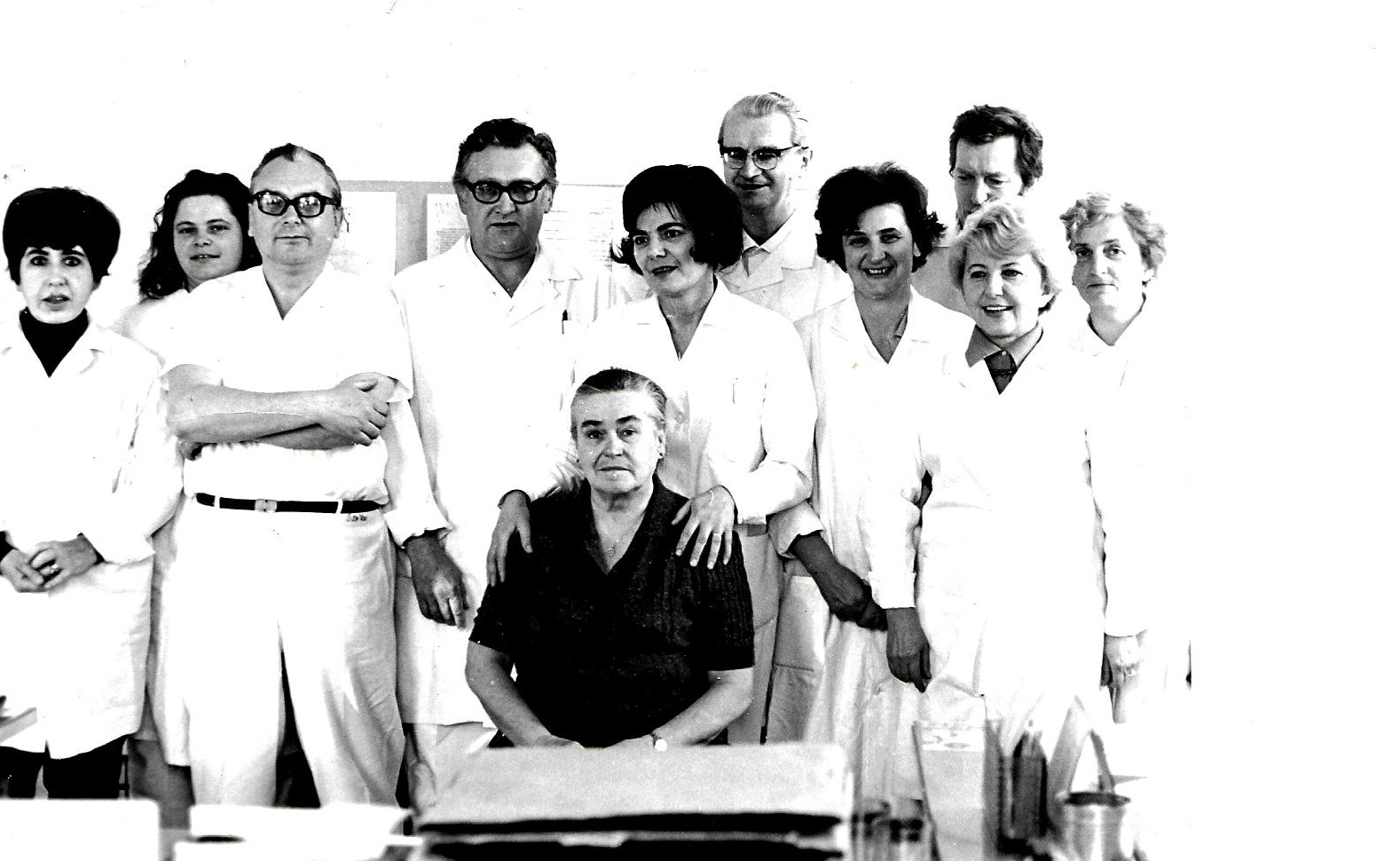
Lung Department of Vítkovice Hospital (VŽKG) - doctors and nurses; the man with glasses in the back is head physician Dr. Spilka, next to him his successor-to-be Dr. Prokop, 1976-1980
Lung Department of Vítkovice Hospital (VŽKG) - doctors and nurses; the man with glasses in the back is head physician Dr. Spilka, next to him his successor-to-be Dr. Prokop, 1976-1980
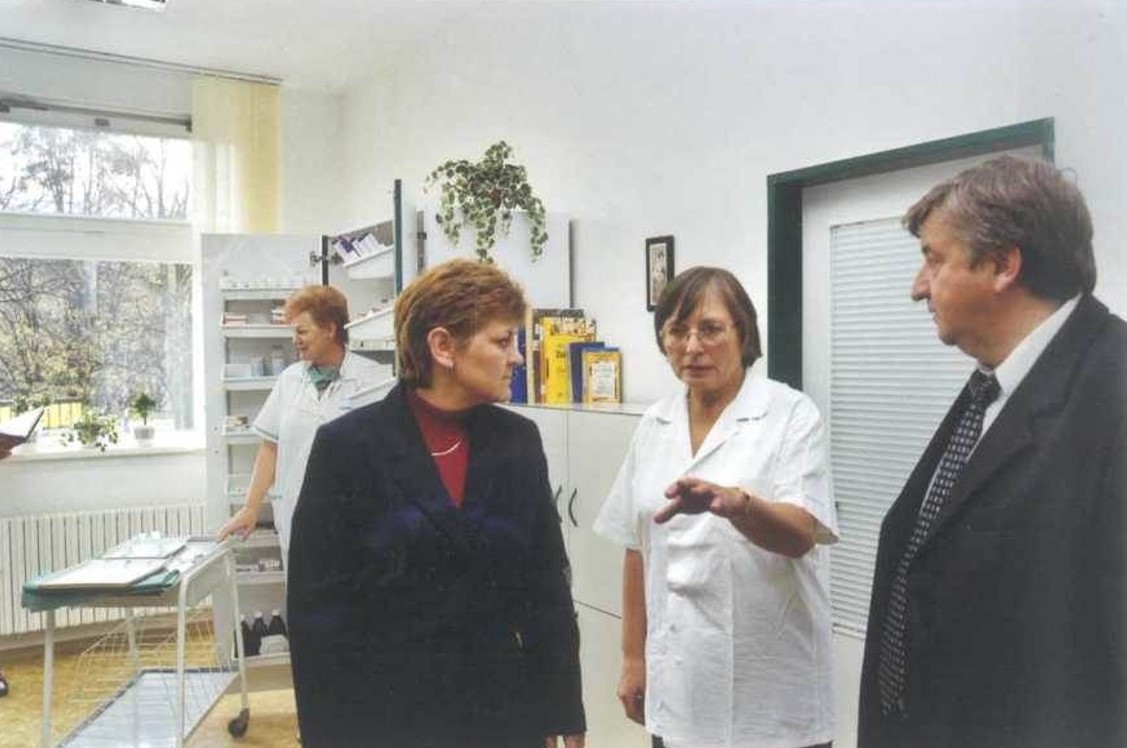
Minister Součková (left), Dr. Krynská (centre) during the opening of the new pulmonary pavilion, Zlín Hospital, 2002; Jana Krynská was the head of the pulmonary ward in 1997-2005.
Minister Součková (left), Dr. Krynská (centre) during the opening of the new pulmonary pavilion, Zlín Hospital, 2002; Jana Krynská was the head of the pulmonary ward in 1997-2005.
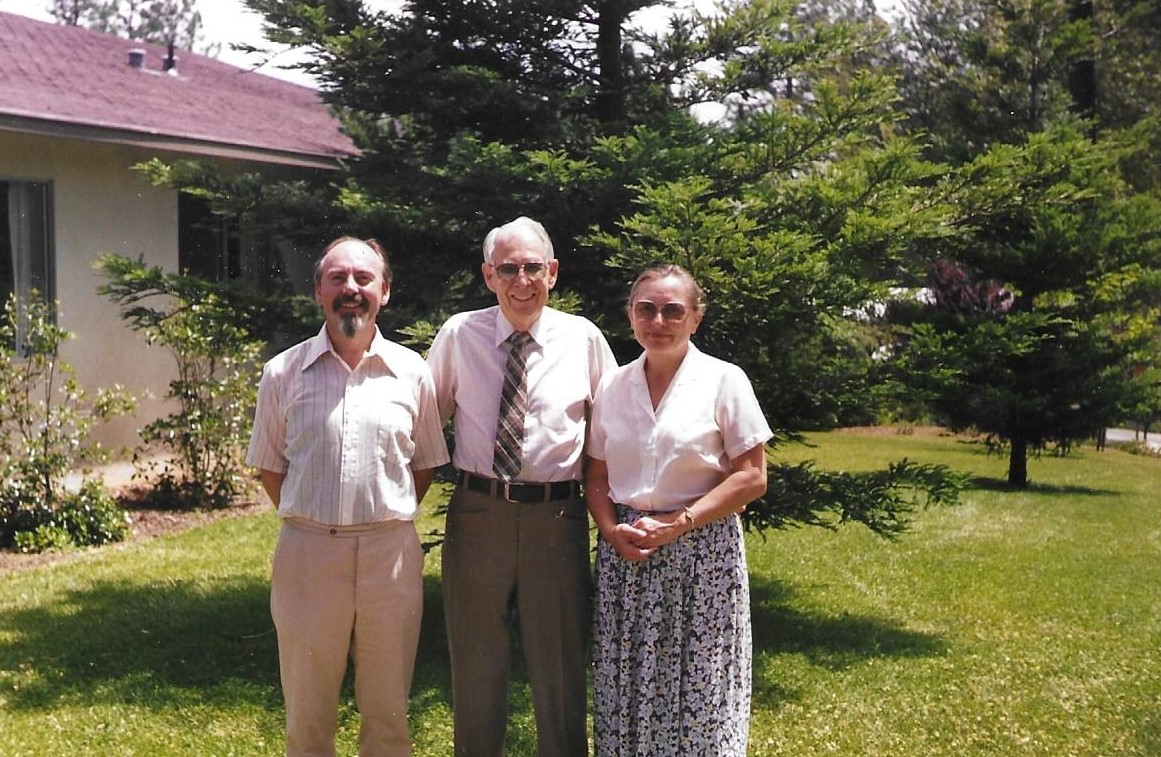
Weimar Institute, Ca, USA, 1994. As an intern in the NEWSTART (Comprehensive Prevention Program); Research and Training Center, pictured here with the Institute's Chief Medical Officer (center) and husband Petr Krynský
Weimar Institute, Ca, USA, 1994. As an intern in the NEWSTART (Comprehensive Prevention Program); Research and Training Center, pictured here with the Institute's Chief Medical Officer (center) and husband Petr Krynský