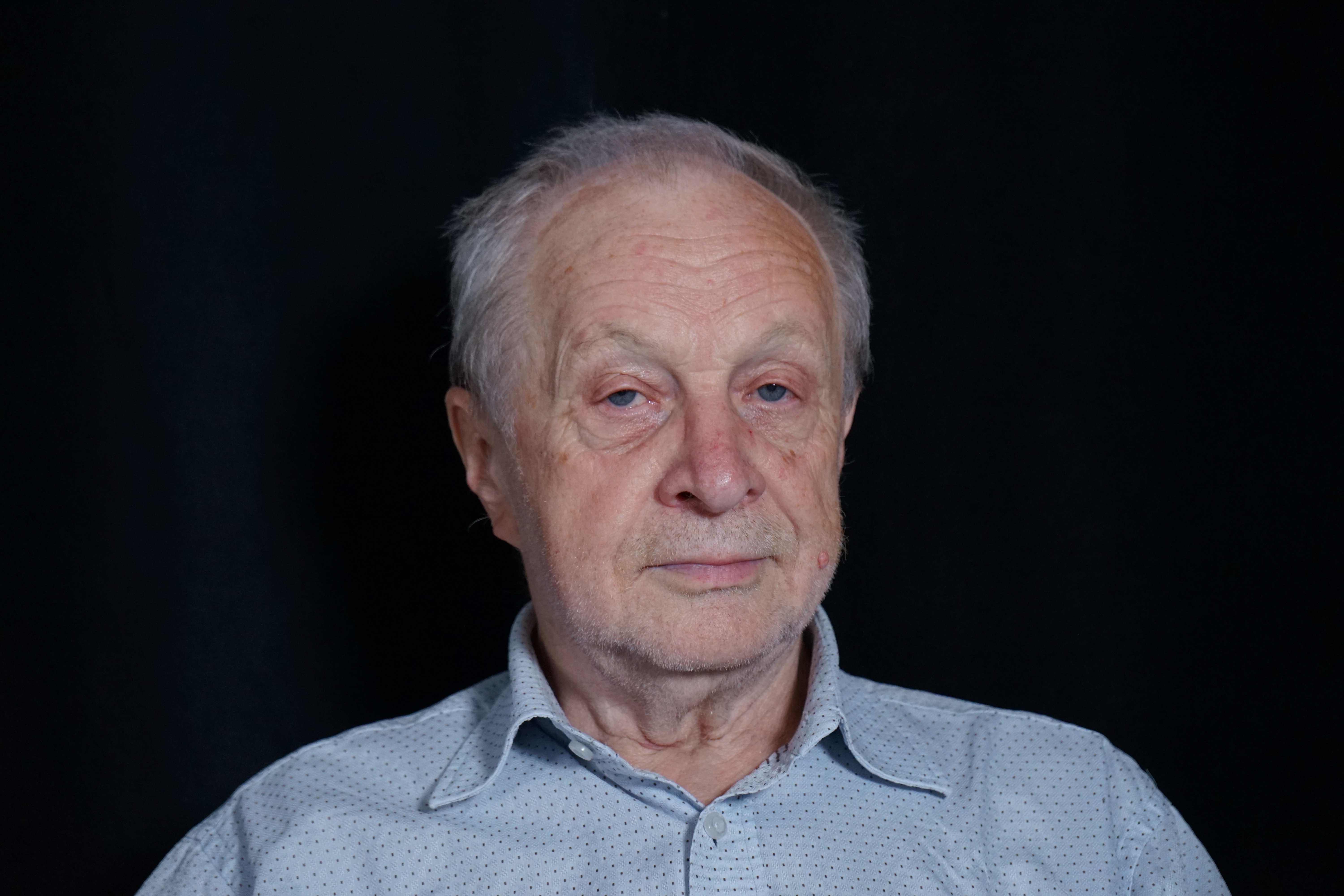
Janusz Korzen

* 1947

  • "We did a very careful analysis - one of very few - of the tourist and recreational capacity of the entire area, supported and calculated by excellent experts from the then Wroclaw branch of the Environment Institute. Such a study was never made again, and common sense and counter-arguments were lacking sometimes, in particular where it was done hastily such as in Karpacz. We couldn't have foreseen that our assessment would not be respected at all and that they would proceed so hastily. For example, I recall that we concluded a permanent population of 6,000 plus 12,000 hotel beds was the maximum that Karpacz could handle. Today, there are just under 5,000 inhabitants and 30,000 beds; not 12,000. It is impossible for the infrastructure, which is hardly developed at all, to withstand this: the water and sewage systems - and especially the sewage system, not to mention transport, which fails on weekends."

  • "We also established an Eco Club. Professor Tadeusz Borys was the main driver behind the Kontra project. At the time, 26 or 27 environmentally endangered areas were identified in Poland, including the Jelenia Góra area, which was mostly affected by the very harmful emissions from Celwiskoza. If we add the sulphur coming in from the west to the Celwiskoza emissions in an often unventilated basin, you can imagine what it did. It was a matter of doing away with Celwiskoza, and Tadeusz Borys eventually did it, although the process took years. Celwiskoza employed about three [thousand] or more people, so it [supported] the same number of families, which made it a huge social problem and, at the same time, a somewhat different issue. See, this cellulose-based viscose was used for cotton wool used for bandages for basically the whole Warsaw Pact, so it was not so easy to close down. Five or six volumes analysing the economic/environmental balance were written - the gain, the loss and so on and so forth. Out of that came the absolute certainty that the damage outweighed the benefits."

  • "When I arrived, I immediately saw the condition the forests wre in. You know, it's just unimaginable. For example, we drove from Szklarska Poręba to Świeradów and there was a dead forest along the road, not a single bird in it, no mushrooms, nothing. On the ridge of the Jizera Mountains there were basically just tree stumps, extracted en masse and stacked along the asphalt roads. Today, these forests have been restored, the chief pests have disappeared and highly efficient filters have been installed, whether in Turoszów or in German or Czech power plants. The world has changed. But for me, it was the first school in terms of serious planning, and I was lucky to be able to do the work."

  • Full recordings
  • 1

    Jelení Hora, 26.06.2025

    (audio)
    duration: 01:49:51
    media recorded in project Příběhy regionu - HRK REG ED
Full recordings are available only for logged users.

I didn’t build much but prevented a lot from being built

Janusz Korzen in 2025
photo: Post Bellum

Janusz Korzeń was born on 5 March 1947 in Tomaszów Lubelski. He moved to Warsaw in 1962. He graduated from the Faculty of Architecture in Kraków. In 1976 moved to Jelenia Góra and worked in zoning in the Krkonoše region. In 1980 he was tasked with drafting a proposal for a comprehensive nature and landscape protection system for the Jelenia Góra Voivodeship, which gave a strong direction to his career. He has involved in conservation of nature, landscape and cultural heritage most of his life. For years, he served as the director and chairman of the Jelenia Góra Zoning and Design Authority (Jeleniogórskie Biuro Planowania i Projektowania), which was privatised in 1989. He authored conservation plans for three national parks and four landscape parks, zoning plans for the towns of Brzeg and Zamość, and documentation for establishing the Wilanów Culture Park. Janusz Korzeń is a member of the Society of Polish Urban Planners (TUP), having served as the chair and board member, and a member of the Association of Polish Architects (SARP). He is also one of the leaders of the Krkonoše Foundation (Fundacja Karkonoska) and the Krkonoše Society (Towarzystwo Karkonoskie).