Jakub Koloušek

* 1971

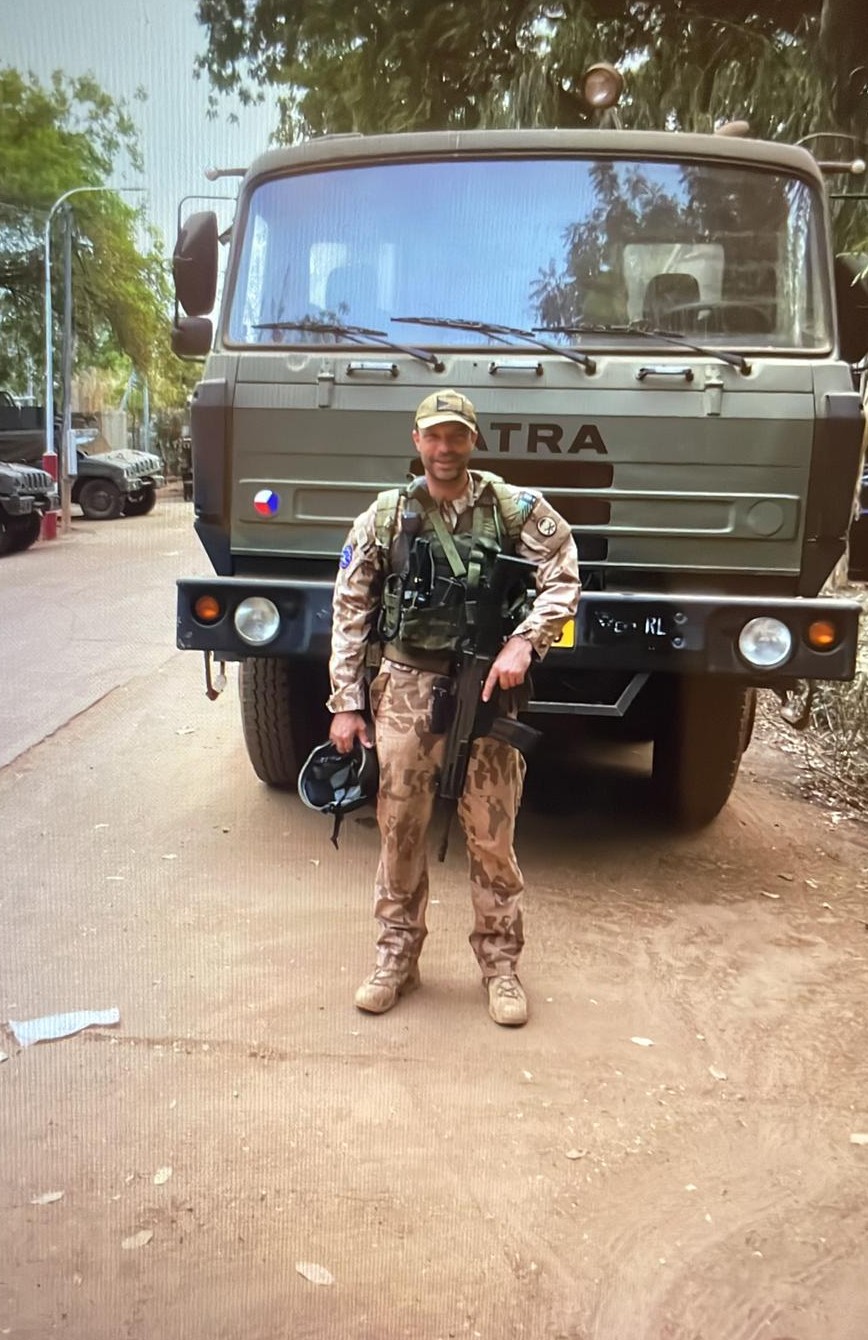
  • "The Kosovo mission was a peacekeeper, that is to say, to keep the peace, there was peace. Here [in Mali] it was terribly unstable. It was an under-developped country, in my opinion the worst place in the world, poor, the Sahel region. The people were terribly smiley, but there was some history there, a lot of factions amongst themselves... and then there was the Al Qaeda pulling in because they're looking for unstable states. And we were guarding the instructors who went there to train the soldiers. And then they decided that the soldiers needed to be trained closer to the focal point. The south was calm, but up there... The French had theirs there, it was regular, and we even had a unit there. There was a lot of shooting. It was all very mixed up there, ethnic nationalities mixing with each other, Al Qaeda, Islamic State, a government that was corrupt, and now try to get this. I've had some tough moments there, like when a drone came in and nobody knew..."

  • "They were all carrying something accros the border and I had forty marks and a metal five-mark coin. And I was worried about how I was going to transport it, so they wouldn't find out that I was over the currency limit. I thought about where I was going to hide it, and I ended up hiding it, as there is a ventilation shaft in the Karosa bus, a window, so there was packing and I tucked the five-mark coin under it. Customs came in, went through it, but it wasn't a big deal, and they left. And there was a guy sitting next to me with a book, his name was Milan, so I said to him, 'Hey, they didn't figure it out,' and I pulled it out. And he said that neithe did they with him. He opened the book, and there was a 200-mark note. It's just dark under the candlestick. So it used to be hid like that. And of course, when things were brought in, and they knew about the forty-mark limit, and I'm bringing a big magnetophone, it always had to be made 'donation' so that it would somehow be stamped. Customs knew that."

  • "They weren't bohemians. People say that about actors, but that's just some of them, some of them live a decent life. My dad was still a keen fisherman, so he still divided it among the fish. I remember learning the roles, making fun of the scripts. He's just the difference of being an actor who has a salary in the theatre and then makes a living in television. But when you're an actor who doesn't have a theatre and only has television, it's very hard. My dad always had the acting thing and film was a side job. But his steady salary was always in the theatre. I know he and Větrovec used to argue, that was interesting. He was an awfully nice guy, Uncle Windy. They were all mostly members of the Communist Party, but on the other hand, Větrovec had been in a concentration camp, he almost died, he survived. Some people just changed their minds, that's why they went to the Communists in the beginning, and then maybe they wised up, but I don't think these people harmed anybody."

  • Full recordings
  • 1

    Liberec, 07.11.2025

    (audio)
    duration: 01:53:30
    media recorded in project Příběhy regionu - Liberecký kraj
Full recordings are available only for logged users.

He won two volleyball titles, kept the peace in Kosovo and Africa
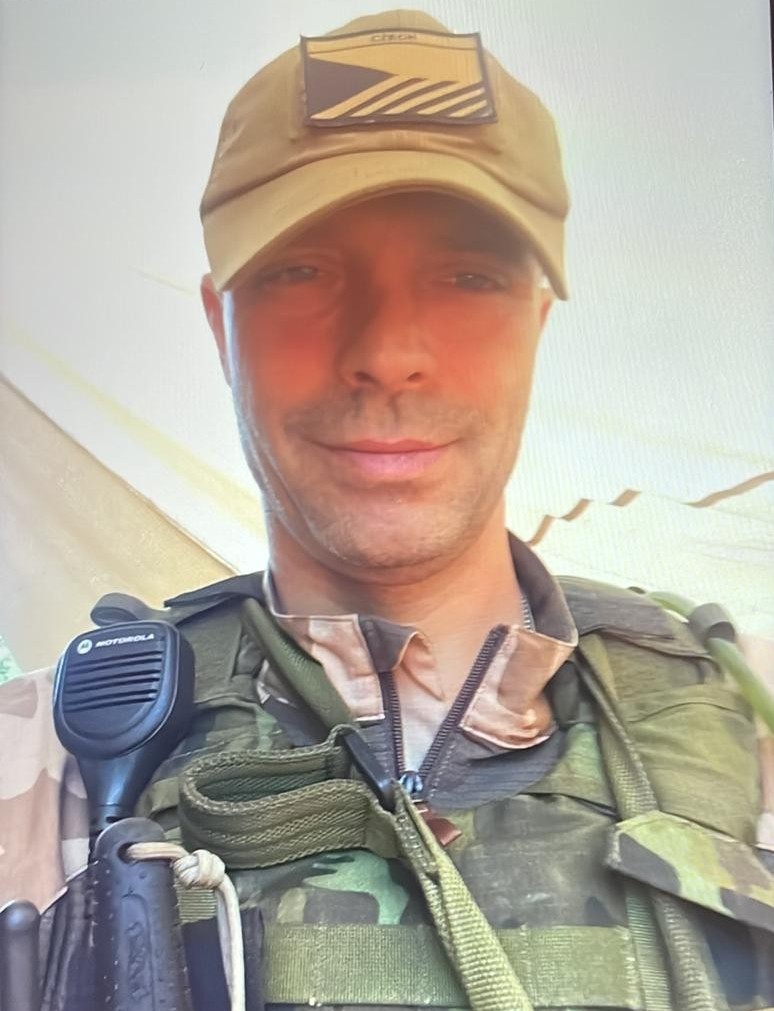
In the military uniform
photo: witness´s archive

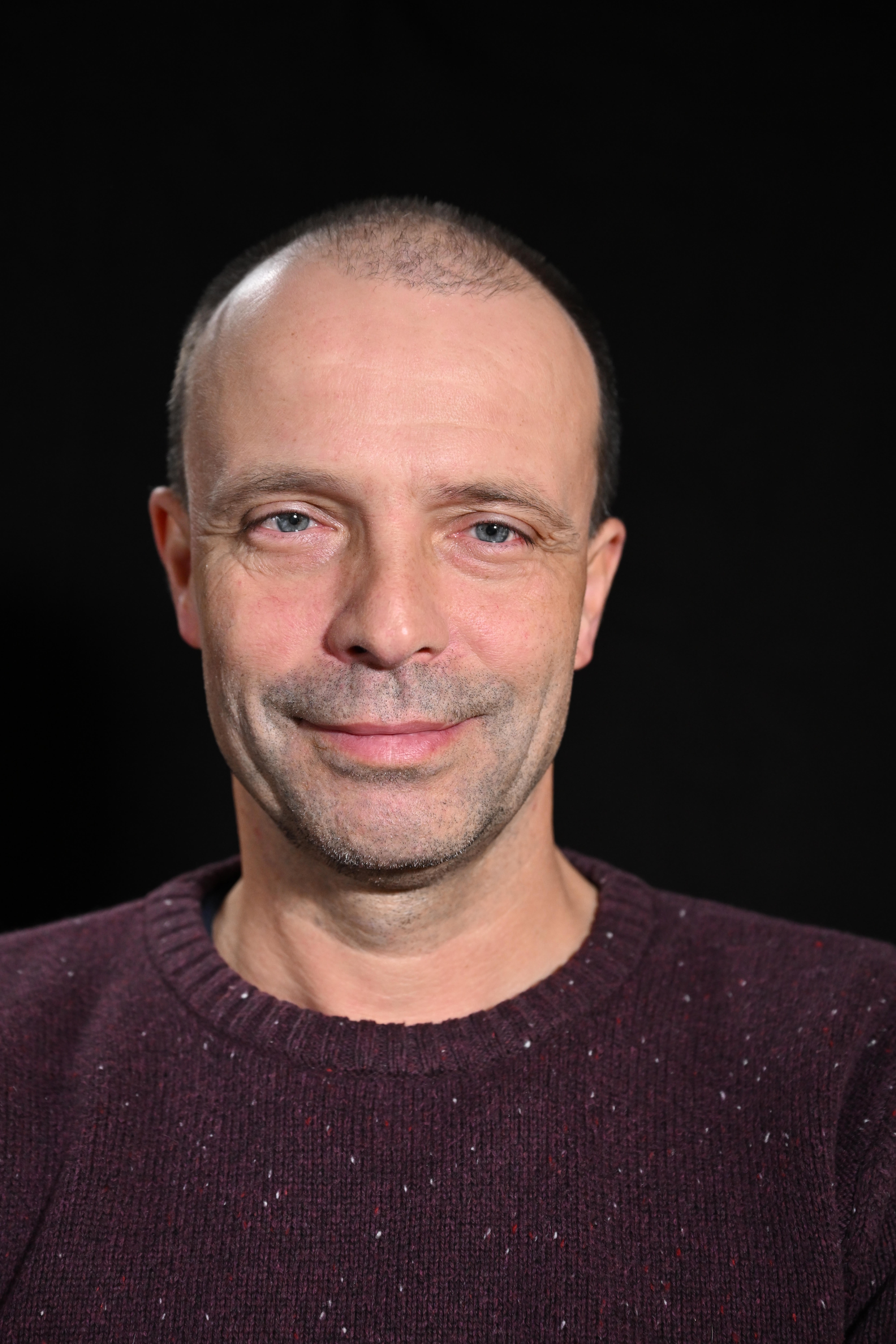
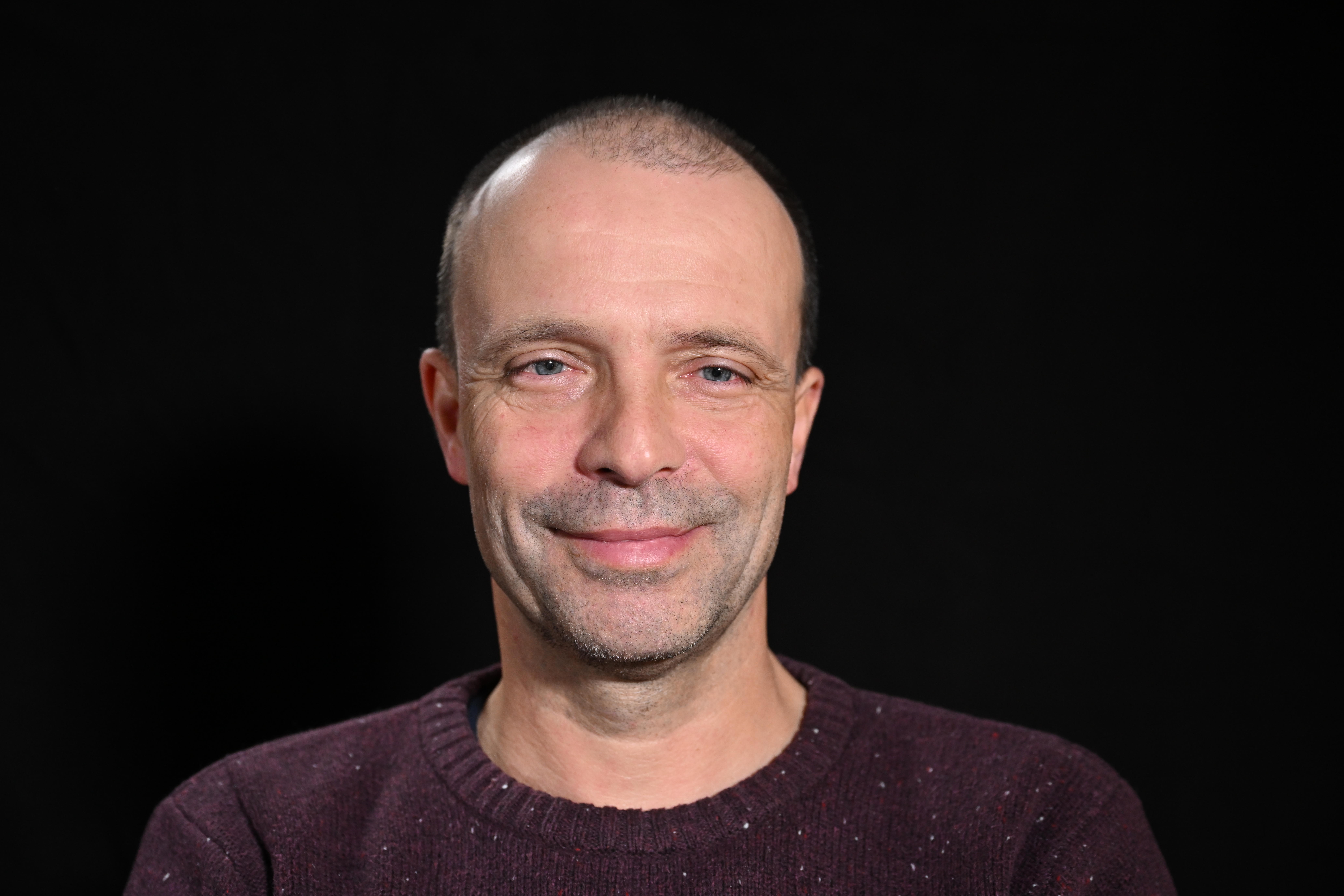
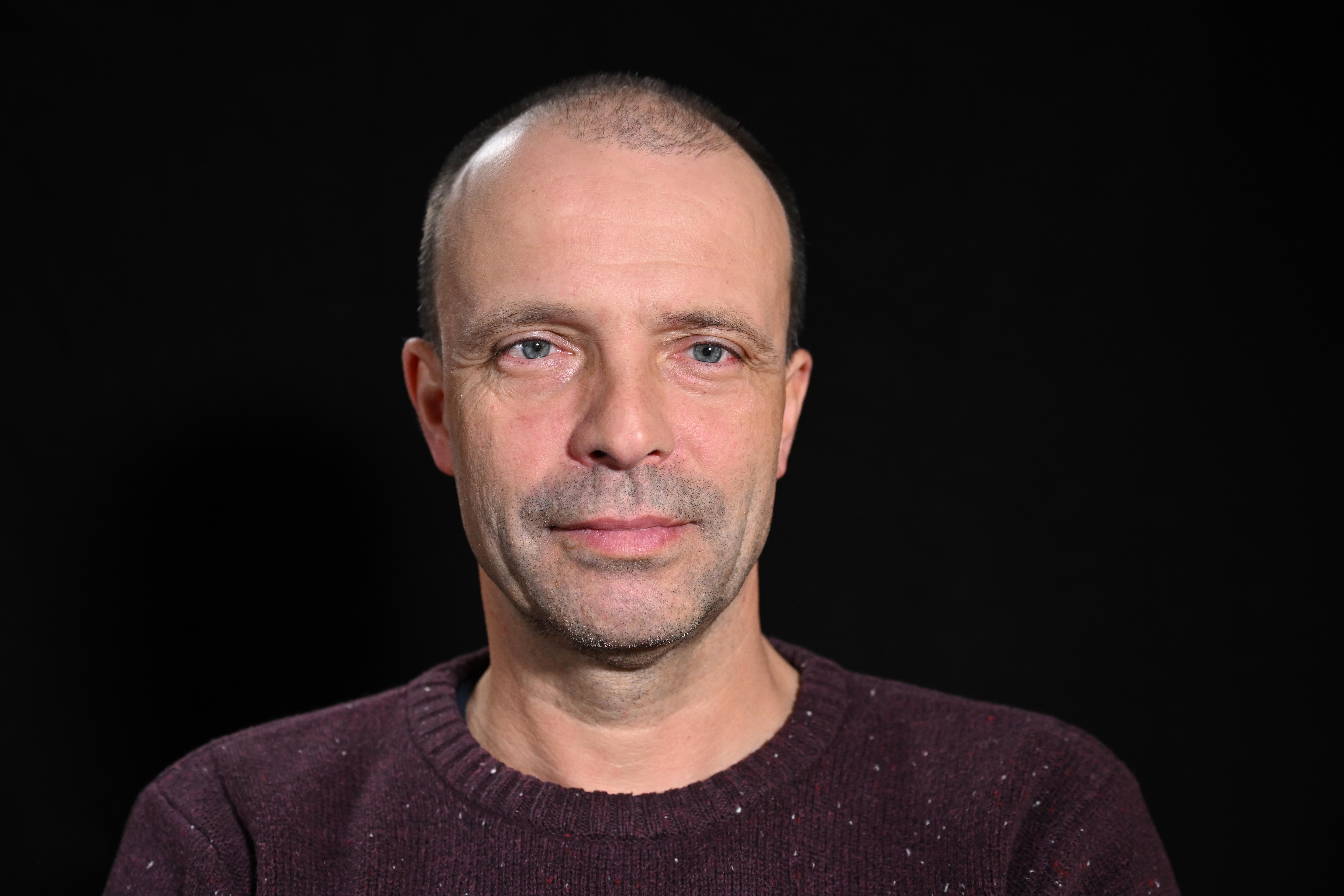
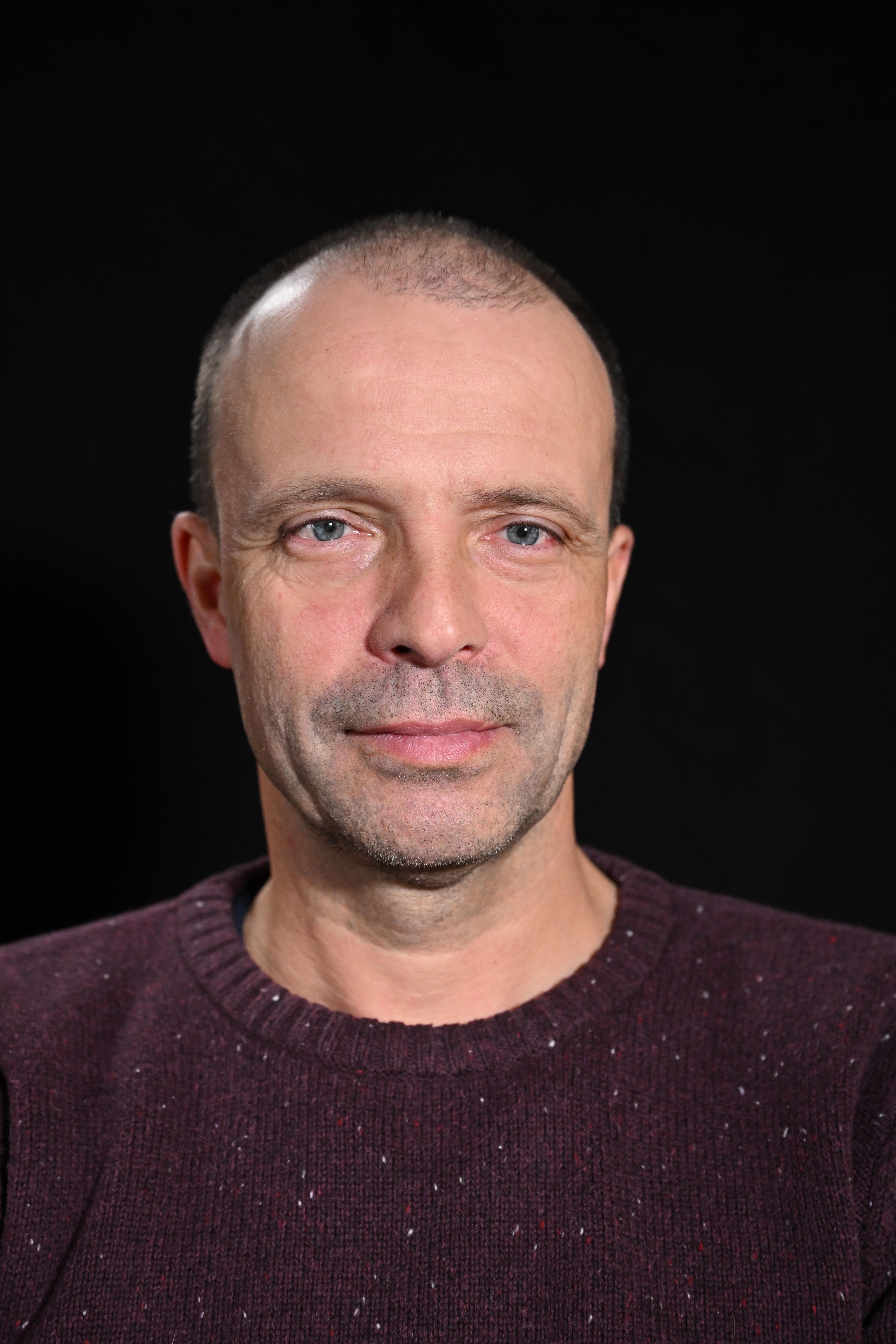
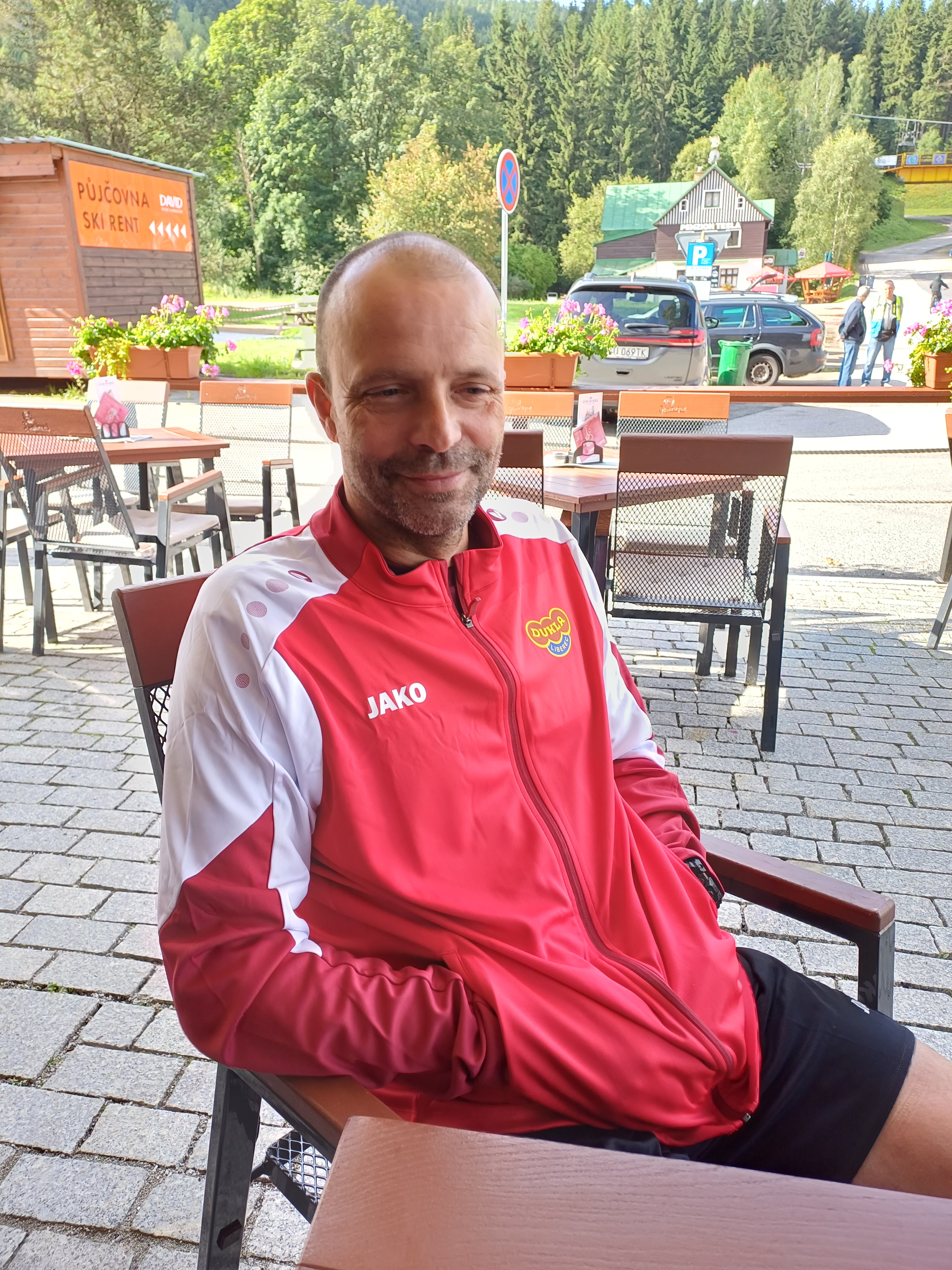
Jakub Koloušek was born on 28 February 1971 in Prague, Žižkov, as the child of a single mother, Kateřina Koloušková. He saw his biological father only a few times, and considers his own father to be the actor Karel Koloušek, whom his mother met when he was about one year old. In addition to the theatre, Karel Koloušek (1924-1998) appeared in a number of popular series and films of the time. Jakub Koloušek took up volleyball from the age of ten and made it to the junior national team. He graduated from the sports Grammar School Přípotoční. In 1991 and 1992 he won the domestic competition with Olymp Prague. In 1999 he married volleyball player Karolina Myslíková, who played 11 seasons in Turkey. In addition to Turkey, he also played in Poland, France and Slovakia. In 2005 he joined the newly formed professional army. He took part in the KFOR peacekeeping mission in Kosovo and ten years later in the EUTM Mali mission. He was a professional soldier until 2020. After that he became a volleyball coach. At the beginning of 2026 he coached Ústí nad Labem. He lived permanently in Pilsen.