„But we were gathering some food. There was some smoked meat, ... bacon, sausages, lard, bread that my mother baked, and they told me to go and take it to them, because they were hungry, they had nothing to eat. She also took a bottle from the pub. The pub had been looted, but a bottle was still there. The Germans were looting alcohol. So they gave me the bottle and this food, and a backpack, and sent me to Kozel. They are in Kozel. It's just such a hill. You don't know it, of course, you don't know it. And I know it, because there was such a big meadow there. There was a forest around, a big meadow, we used to mow hay for the haystacks there. That's how I know it. So I went to Kozel, but those Germans were already on those hills and were just observing the terrain. And when they saw any movement, they would shoot here and there to scare people, saying that they shouldn't hang around, run into the woods, and that they should be available in the village for German purposes. Because they were catching men there for labor. But somehow, fortunately, I got to Kozlo without injury. And now, that's the moment when I can't talk. You know, these are painful memories.“
"I wasn't very interested in politics. I didn't know, I just couldn't evaluate these events. It's not like now, when there's television, newspapers, opposition, such nonsense in Slovakia. My father and notary had a radio. And we listened to the nightly news under penalty of death from London and Moscow. There was a death penalty for that. But not only us, but the guys from the pub would come to our place to listen to what Bum bum bum, says London. That was the slogan, Bum, bum, bum, says London. So the information was one-sided, official, and it only got through the radio. There was no television, there was no opposition press. The only newspaper was Gardista, I don't know what it was yet, it went from hand to hand in the pub, but the guys cursed at it, spat at it. No one bought the newspaper, they only looked at the newspaper in the pub. So the overall level of information was such that where were the Russians, how far away? That was the question that had to be answered.
They're already at Mikuláš's. That was known from Bum bum bum, London is calling. But otherwise I wasn't that interested in politics. Because I had my age, my problems, in a foreign world."
"But then collectivization came. And these Slovak colonists all belonged to the category of kulaks, because they had 16 hectares. Dear and dear. So they were all enemies of socialism as such, and that's how they were treated. It was like that after the harvest, the militia came in trucks and took the grain from the threshing machine. Dear. And they didn't even leave time for sowing. The spring plowing came and there was nothing to sow, because there wasn't a grain in the ground. So grandfather, I'm talking about grandfather, but that was generally true of those kulaks. That was the kind of policy. They locked up grandfather. By the decree of, I don't know, the internal affairs department of the District National Committee. No court. The local committee of the District National Committee, I don't know which one, internal affairs, because what was it? On paper, confiscation of land, confiscation of half of the property and a prison. And he was in prison from spring until autumn. So when it was supposed to be sown, it was abandoned farm, it belonged to the cooperative. And when the harvest was over, the abandoned farm belonged to the cooperative. And this is how those who were placed there by the state during the First Republic and as communists within the framework of socialization were treated. This is how everyone ended up. So most people left there for their original northern Slovak villages, where they came from. And so they left Čičmany as well."
"My son was born, he was born in 1967 and the Russians came in 1968. So I got up, I said what's going on? What a commotion? That the Russians occupied us. But what are you talking nonsense about? Russians. Well, I found out, the radio was already full. Well, the first thing that came to mind was, I'm going to the store to do some shopping, because there's going to be a problem. Little guy. So I went to the store in the Fronta store, there was a grocery store next door, so I bought what I could, including meat, some sausages and just food like that. He came home. Well, the Russians came, well. Whatever. We protested in the streets. And how did you perceive it, for example, because there was also the shooting in Bratislava, how did you perceive it and didn't it remind you of that period of the war? I didn't believe that the Russians were shooting. I didn't believe it. Because I took the Russians, that they were a Slavic nation. And yet we are Slavs. That it's impossible for the Russians to come and murder in Slovakia. Well, I happened to be near the university when the shooting started, they killed that girl. There's a sign at that university. I was right there in that environment, even when Bielik was taking those photos, when he was standing against that tank. I was in that group, I saw it. But the mass of people around the tanks, the tanks couldn't move because people were standing against the tanks, yes. Protest on the square, chaos. Well, this is what I experienced when the shooting happened there. How it was, well, it was. The Russians were here, the Russian regime came, a big cadre."
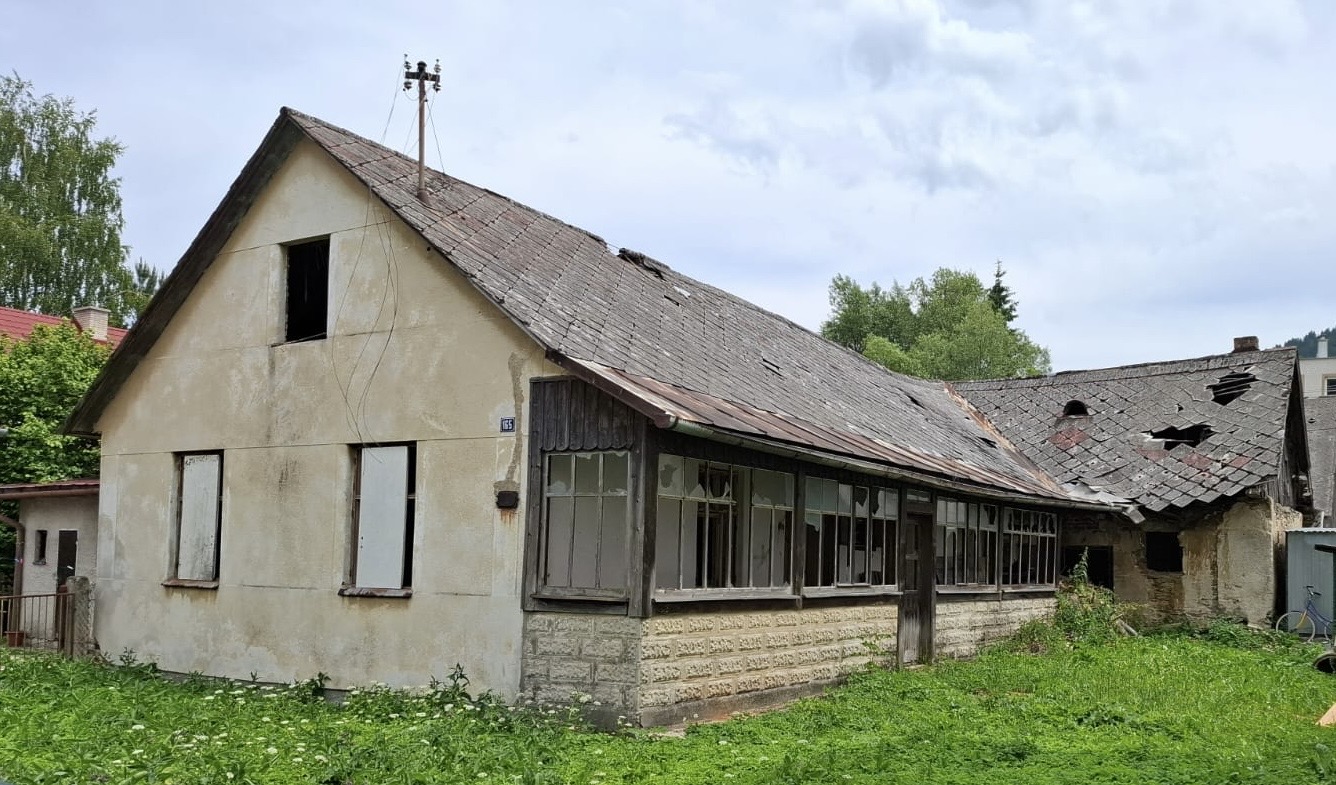
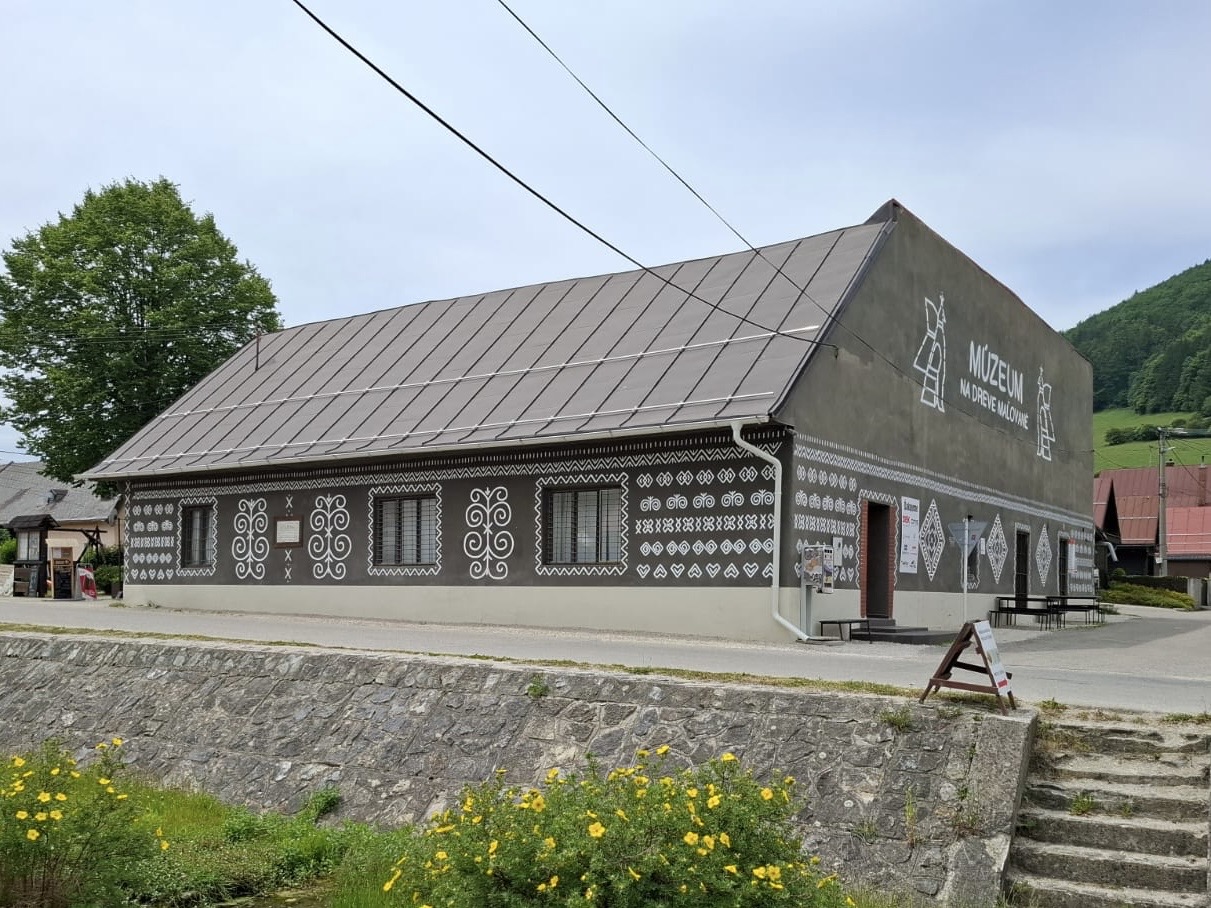
"I remember very painfully the period before the arrival of the front, the partisan period. Because Čičmany was in the high mountains, far from everything, and there were a lot of partisans around. They were either passing through or they were locals and they were just mainly making trouble there, it was called Vrchhora, that's the road from that valley to below Kľak. That's such a steep road and that road played an important strategic role for the Germans in supplying the front and retreating. And they, the partisans, were disrupting that there. And the Germans reacted by attacking those specific villages where they knew that the partisans were either staying or had support. Well, Kľak burned down, so did Čičmany. That was retaliation for the partisans' action, that they were just staying there, shooting them with mines and I don't know what else, the passage of the German army. So that's what I remember the most, because whenever it happened that at night they would bang on window. My father had a pub after Uncle Jan, because Uncle went to Žilina, when he got married, he had a pub. They were banging on the window, Štefo, come open the pub, there are partisans here. That was the only center, our pub, where the partisans simply took refuge, whether to eat or sleep. It didn't matter, but there was always a group there. And they took turns, sometimes they were there, sometimes they went somewhere else. Many times it was just that my mother had to cook at night, they were starving, freezing, wet. Next to the pub there was a room, the so-called, it used to be a dairy, milk production, but it was empty and they made a dance hall. It was cleaned out and then not only partisans, but also Ukrainians and Germans, slept there on the ground and on blankets and straw, because Ukrainian soldiers in German uniforms and native Germans took turns there. When it was "It was necessary to intervene in the village, so they deployed the Germans, because the Ukrainians were not reliable. They ran to the partisans. So this period was the most critical for us."
0:23:32 - 0:26:35 - Memory of local partisans, they went to the Kohútovci to eat and sleep
1 914 / 5 000
"So the Germans were retreating and there were a lot of partisans there. And they had them, the partisans and the Germans were still there, there were just gunfights. They came from there, wounded and so on. And the Germans, to put an end to it, they made a police raid with mortars, with machine guns. There were tanks normally through the village, shooting in all directions to get rid of the partisans. So the partisans escaped from the village, but the citizens stayed there. And when they wanted to save their lives, they had to run to the mountains, because the village was burning. There was shooting, the Germans were catching men, taking them away. I will come back to that later. So the village was actually cleared out. Only the cows in the barns were mooing from hunger, the sheep were bleating, and the pigs were no longer squealing, because the Germans had taken them and were cooking goulash in the neighbors' yard. Even from our own cattle. That was the situation. And when the biggest mortar shooting, we already knew what was happening, so we ran outside. And behind our house there was an alley and behind it a row of granaries. In those granaries the farmers had hay and provisions for the cattle for the winter. This was before Easter. It was burning. The Eternit roofs were flying high. It was as if shells were shrapnel. It was a risk to cross the line where the granaries were burning, out towards the area and then into the forest. So we were not surprised that the Germans came, but we were surprised by the effect that we were not used to. So children, women, old people what happened. It's like in that poem. Hello God, great fear, the Turks attacked Poníky. The young fled and the old could not control themselves. This was also the case in Čičmany. Those who could control themselves fled, those who could not control themselves stayed and perished. Many people were shot there and also as a result of the hardships that they had to hide in the forest for weeks, to freeze, without food, you know, risk. They're shooting there, they're shooting here, let's go there, because there are Germans there. Well, that was terrible. So this is such a childhood experience that shook my soul. And when I remember it, I feel like crying. Don't ask me about it anymore.”
0:28:36 - 0:31:50 - The Burnout of Čičmany and the Memory of the Escape to the Mountains
"And this escort took us, and we didn't know where or why. And there were some strangers among us and they said. There were twelve of us. That if one of you escaped, we would shoot everyone. We, who knew each other, were sure that we wouldn't betray each other. But those strangers couldn't be trusted. So we went under escort and it was already early evening again. Up such steep slopes. It was already dark, we were stumbling, there was snow, we were slipping, we were falling. But we got over the hill. And we were supposed to get there, God knows... They didn't tell us that, but we assumed so. They probably wanted to send us to Fačkovo. Because we already saw that we weren't going to Čičmany, because we were going down the river. And we were supposed to cross the Rajčianka river. But it was, at that time, before Easter, so flooded, so turbulent that it was knees of water. Otherwise it was a small river. But it was possible to ford that river. Evening, dark, cold. Across the river, knee-deep in water, cold, cold. So we crossed that road. And already along the road they led us along that road Čičmany-Fachkov, along that road. At every point they had their halt! guards. So they took us to Fachkov and straight to the church, to close it. Wet, we didn't even have anywhere to lie down, because there were already a lot of such rabbits on those back benches. Some settled there, some just sat, because there was no more room. Behind the sacristy there was a barrel for heavy use and so on. The windows were broken, dark, cold. Wet, cold, hungry. Can you imagine? And such a small child. I was basically 13 years old at the time. Oh, it's hard to tell."
0:57:52 - 1:00:37 - Milan and the other refugees were detained by German soldiers, escorted to Fačkovo and imprisoned in a church
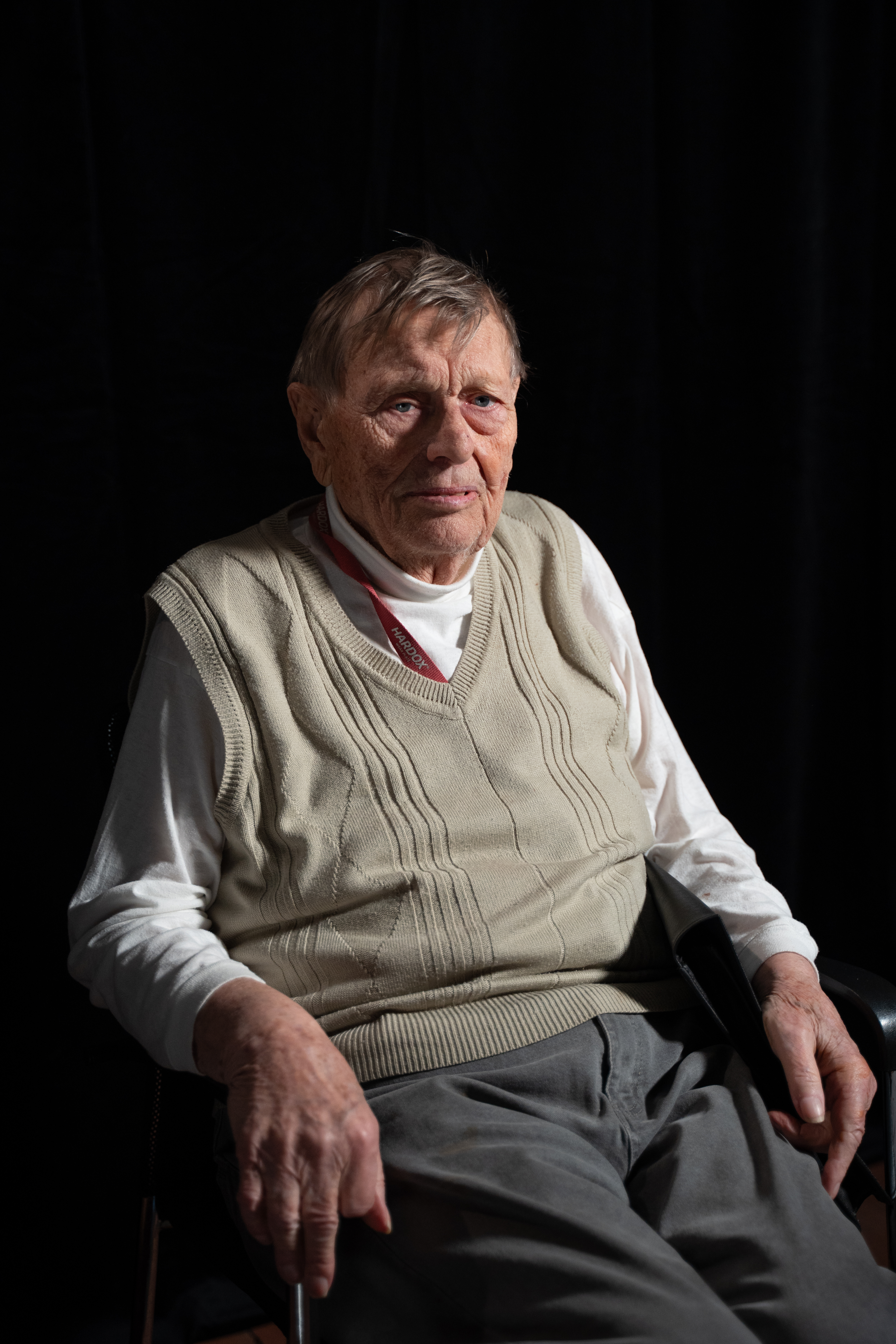
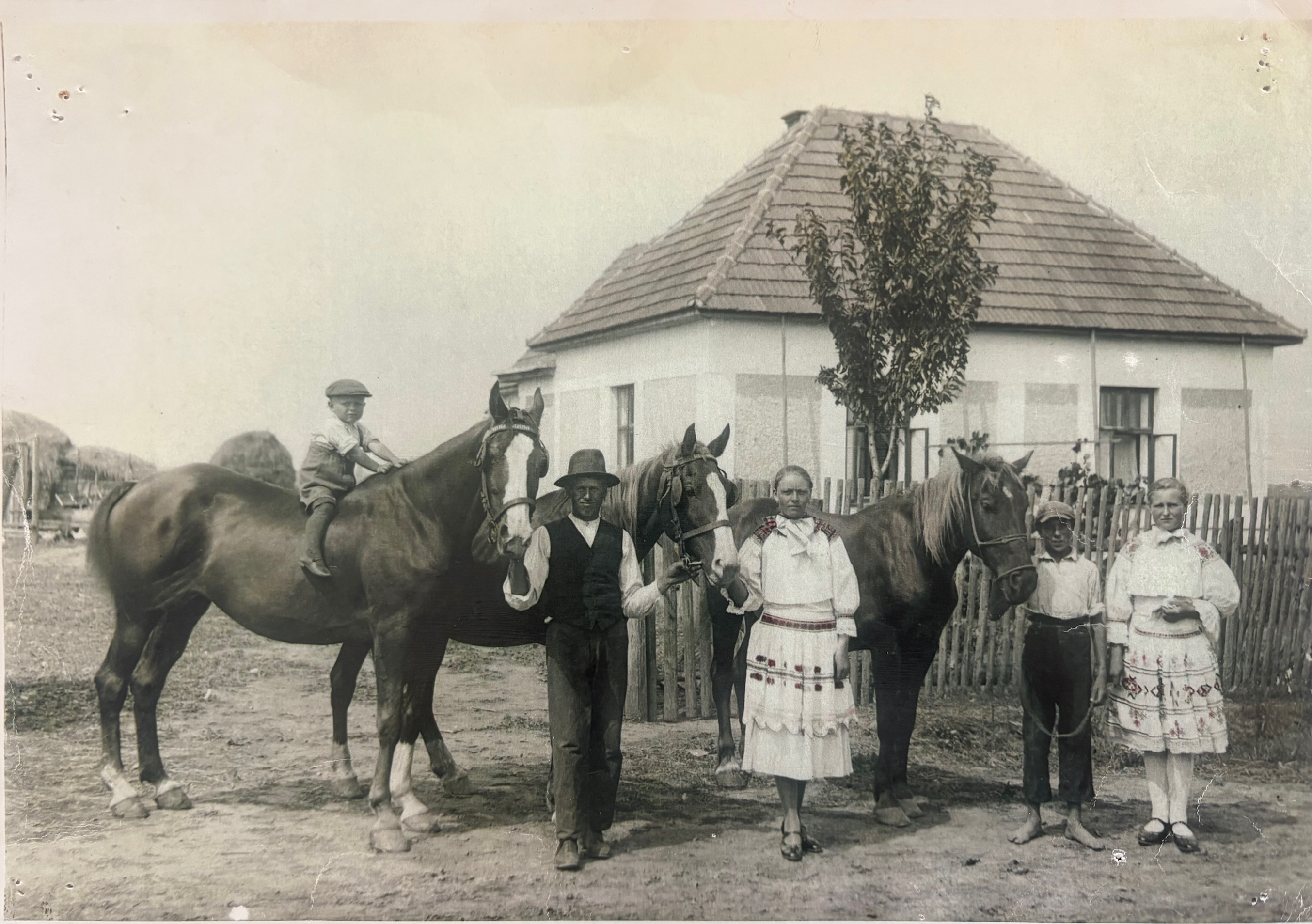
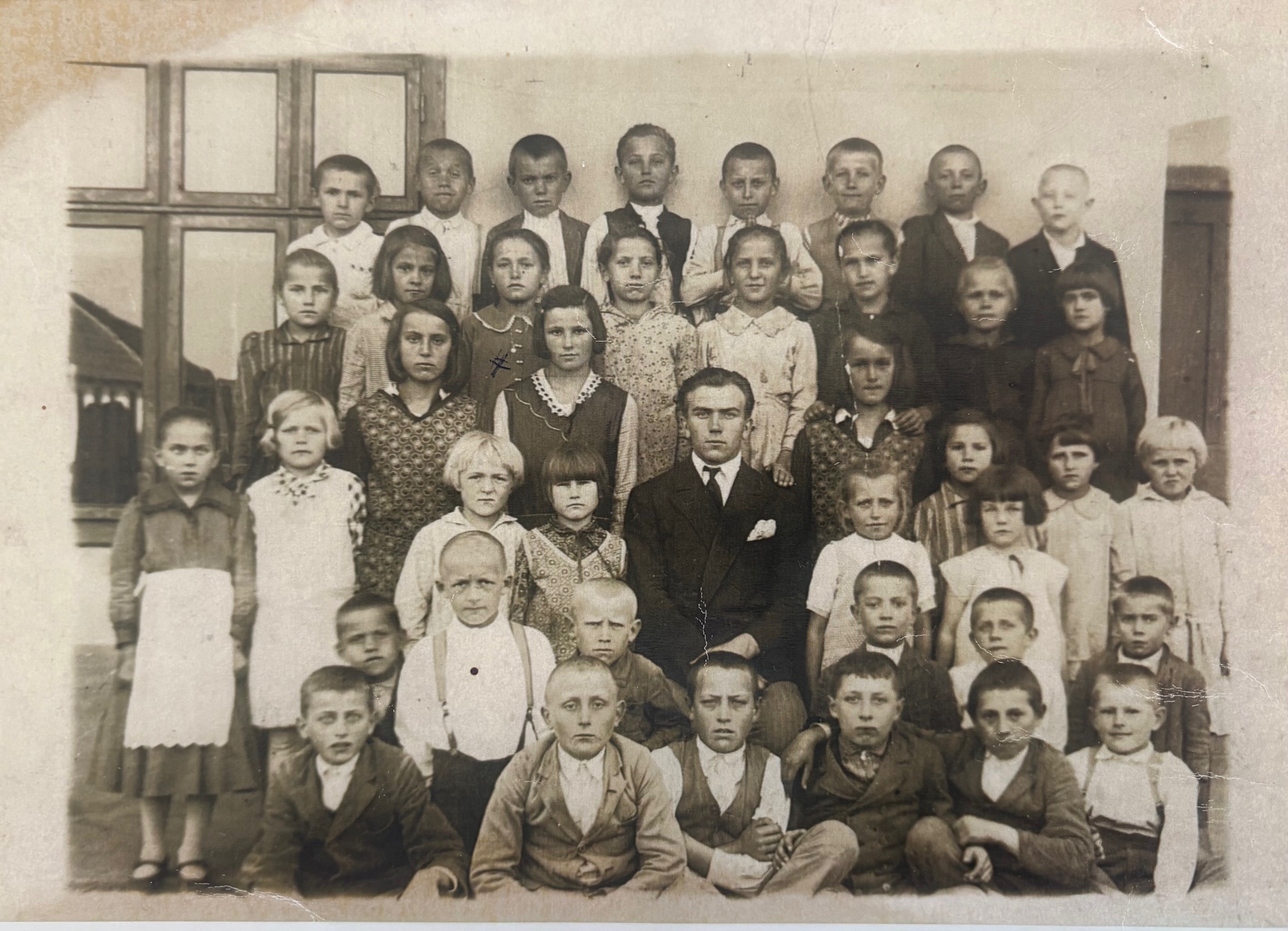
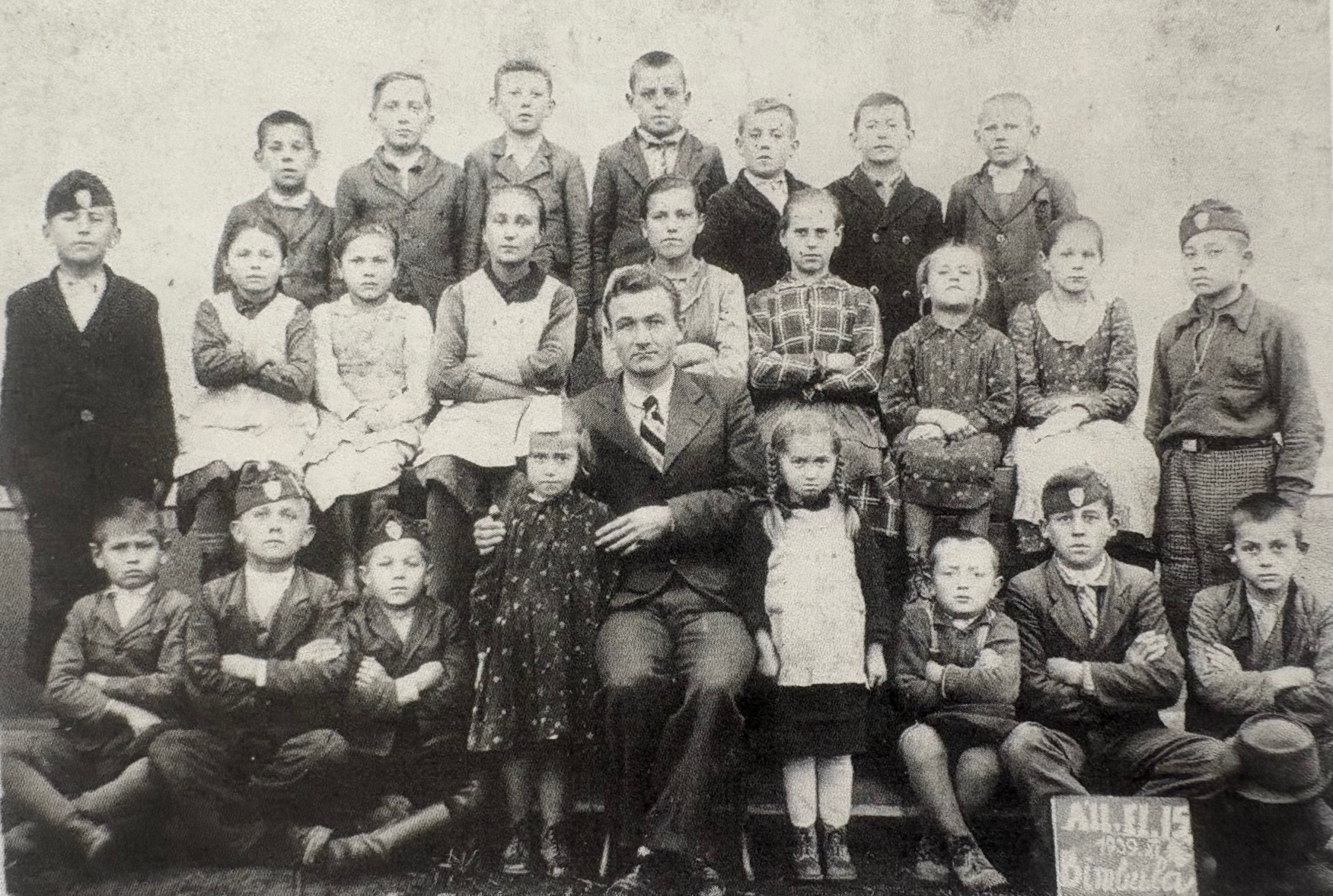
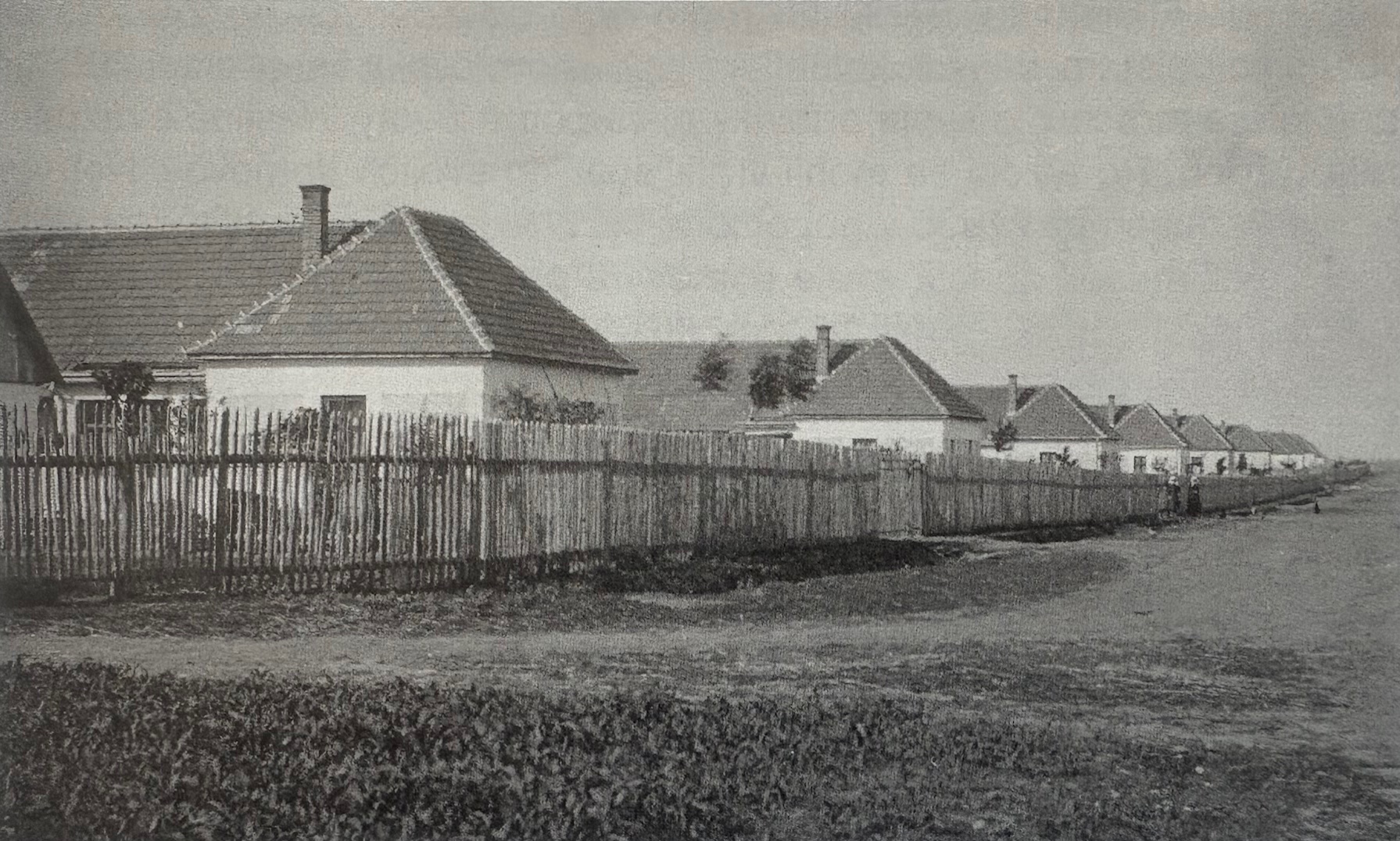
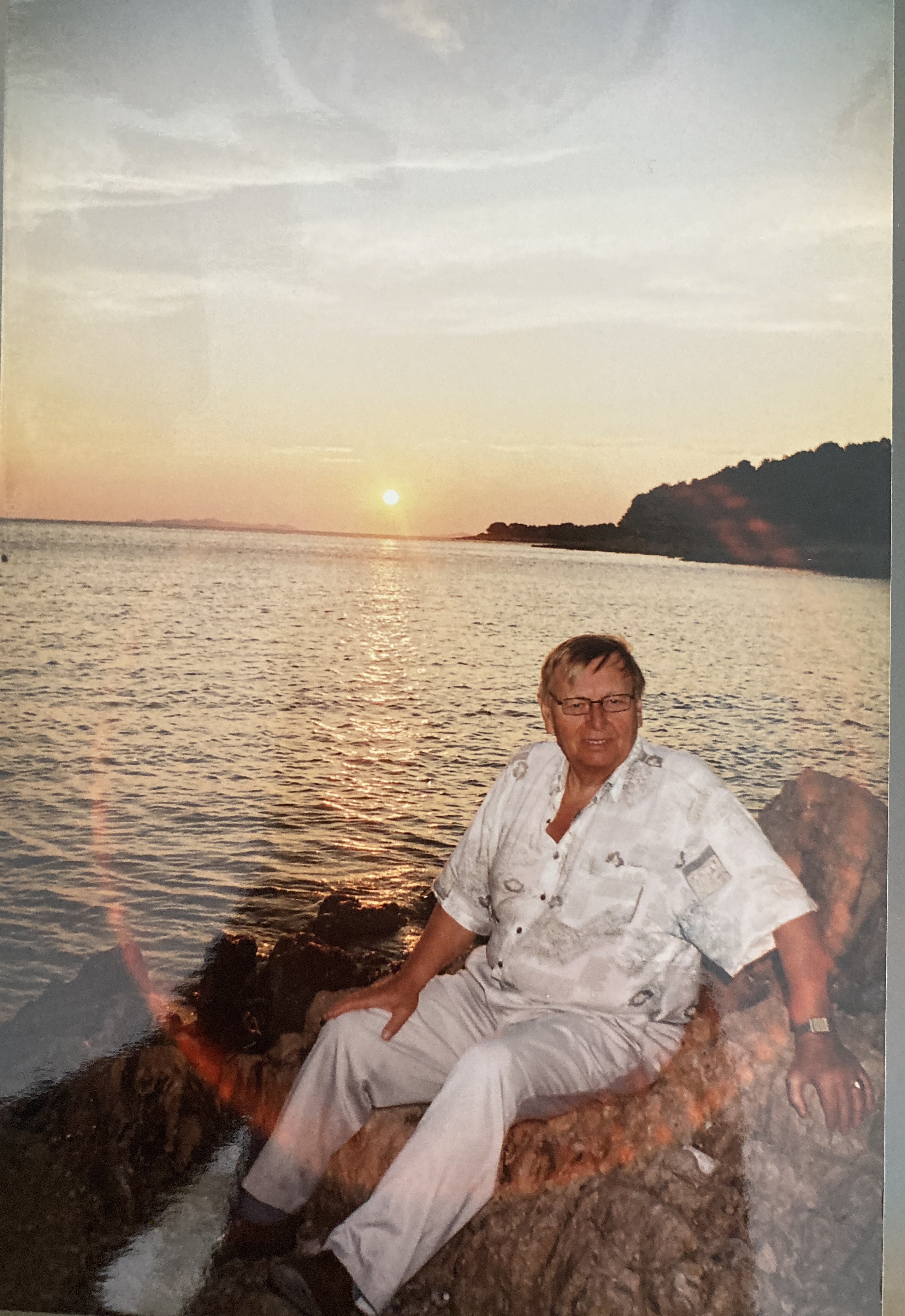
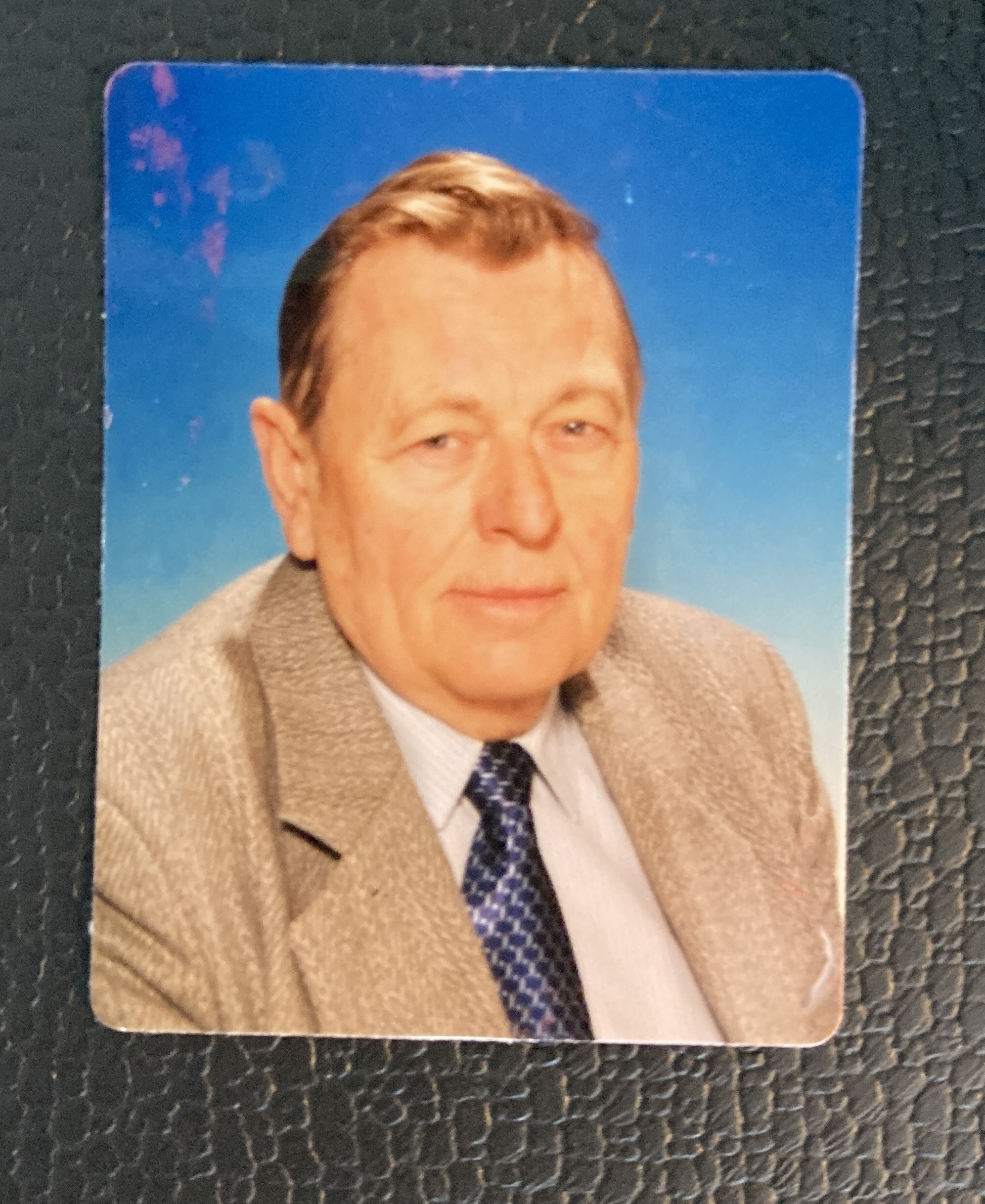
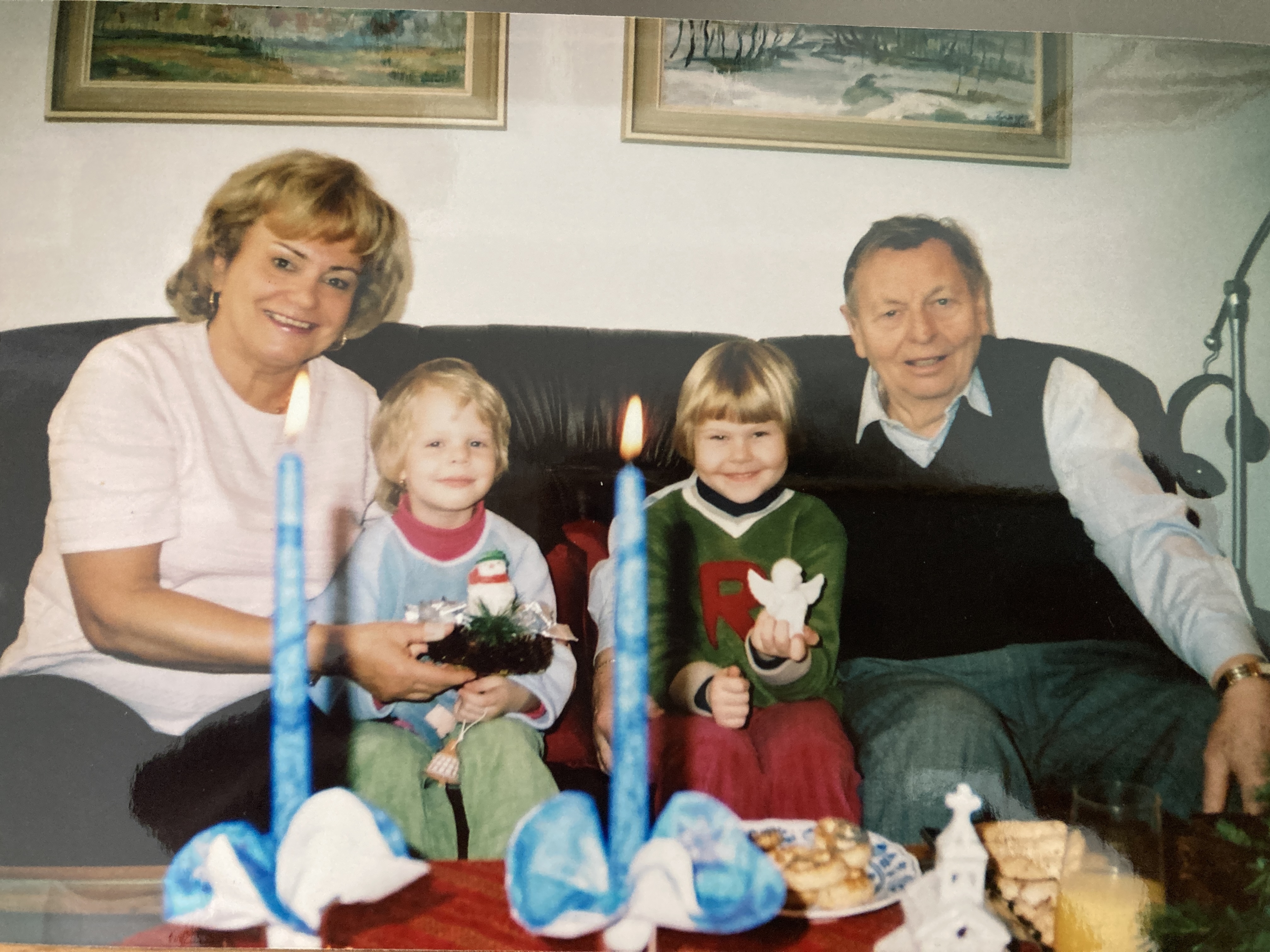
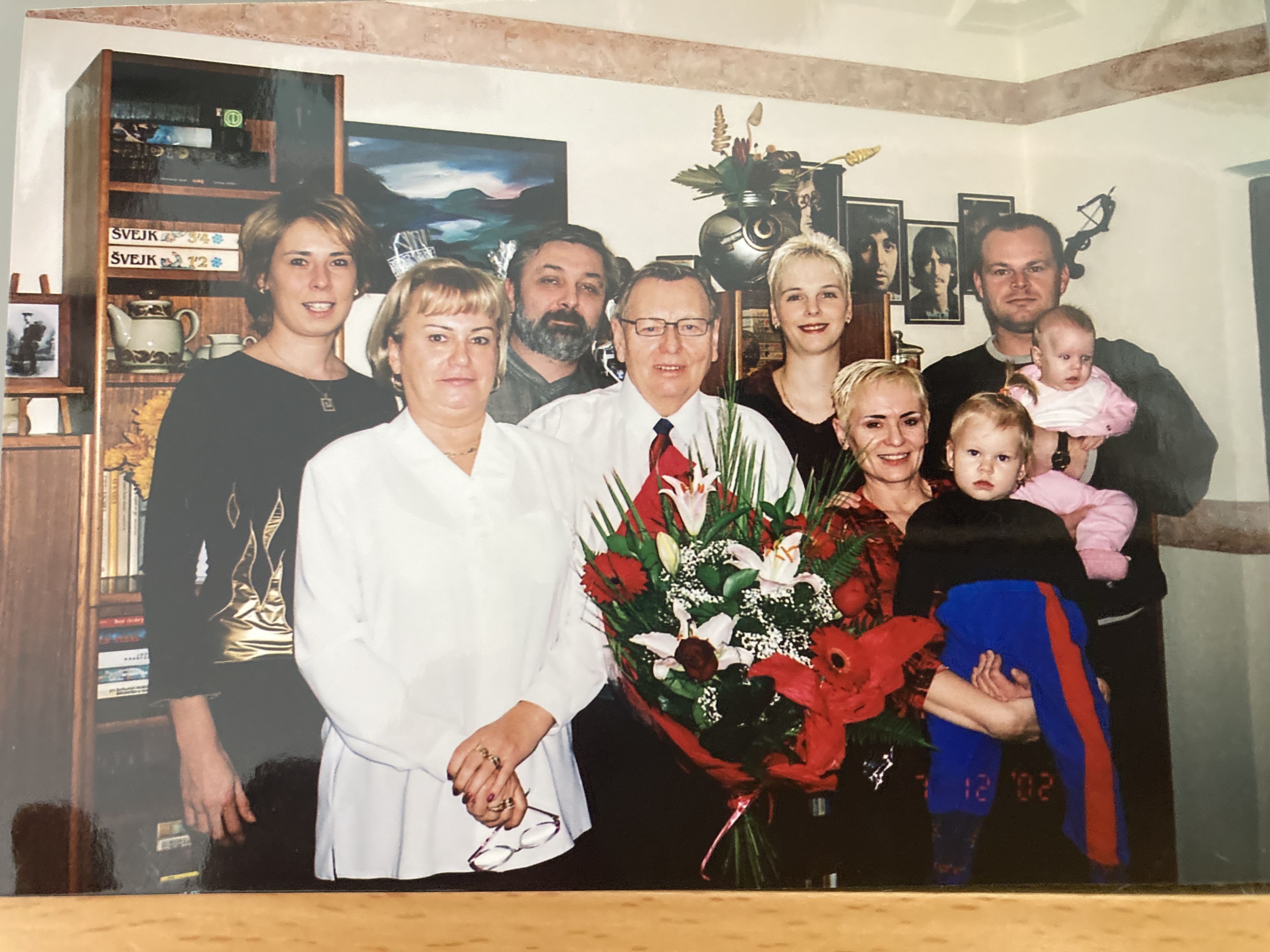
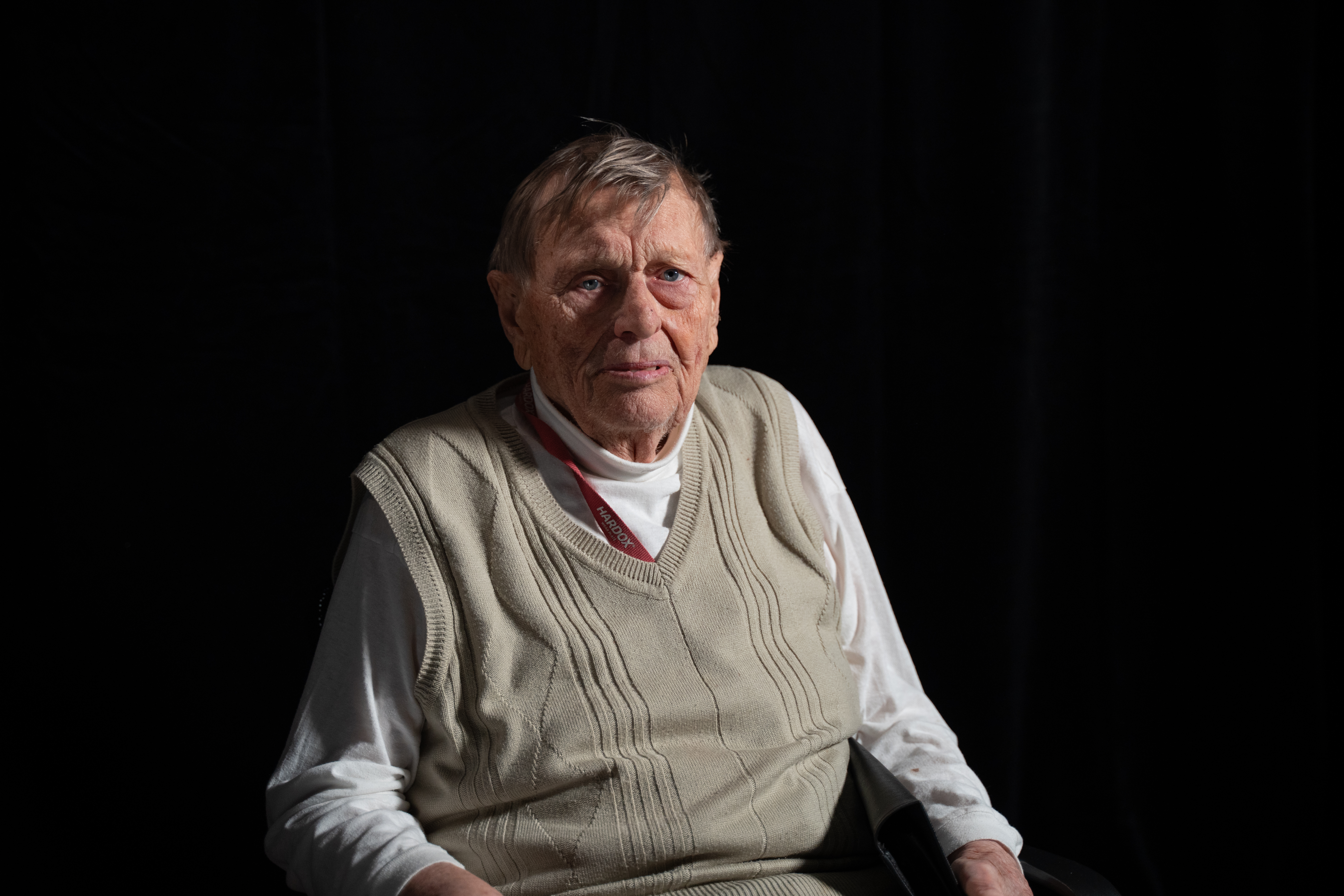
Milan Kohút was born on July 25, 1932 in Bimbula (later Ursínyovo, today’s Medvecké) to Štefan Kohút and Anna, née Baculáková. Milan’s grandparents, Pavol and Mária Kohút from Čičmany, were among the colonists who immigrated to Bimbula from the mountainous regions to Slovakize the southern regions of Slovakia with a predominantly Hungarian population and to farm. In November 1938, the Vienna Arbitration ceded the southern parts of Slovakia to Hungary, and the Slovaks were forced to abandon their newly built houses. They were concentrated in a granary in Želiezovce. From there they went to Zemianske Sady, and from there they left for Čičmany in 1941. There they survived World War II, the SNP, and the crossing of the front. His father ran a pub in Čičmany, where German soldiers and partisans took turns, and his mother cooked for them. At the end of the war, the retreating German army was looking for escape routes, but in Čičmany the local partisan unit eliminated several patrols. They arrived in the village and set fire to several houses with mortars. Milan and his parents had to flee to the mountains, where they hid. They spent several days there, were arrested and imprisoned in the church in Fačkovo. After a few days, Milan was rescued from there by the merchant’s wife. After the liberation of Fačkovo, his father came to get Milan and they went to Tužina to see his family. Exhausted, he stayed there for several days and after some time returned home to Čičmany. After the war, his grandparents returned to Bimbule, had to fight to get their house and property back, but soon their farm was forcibly taken over by a cooperative. After the war, he finished middle school in Rajec, then studied at the Business Academy in Bratislava and graduated from the University of Economics. He worked in the field of labor and wages in construction companies his whole life. He joined the party under Dubček, but was expelled after the change of regime. In August 1968, he experienced a shooting in a square in Bratislava. After a while, he was lured back into the party. Later, he worked in the Slovak Planning Commission, which he was given the task of liquidating after the Velvet Revolution. At the time of documentation, he was a pensioner and lived in Ivanka pri Dunaji. Milan Kohút died at the end of December 2025.