Jana Kašparová

* 1948

  • "I had it (Charter 77) at my disposal, I got it through Miloš Rejchrt, who brought it to us personally. We thought about it, but we decided not to sign it. However, Jan Litomiský signed it. So I didn't hide my sympathy for Charter 77 and the fact that I agreed with its content, but I was aware that by signing it I would really probably exclude myself from the work I wanted to do, and I considered whether it was worth it. Whether it outweighed what I could do otherwise, so I was more focused on sort of alternative work for some sort of humanization and normalization of society rather than a gesture like that. That was my position. I still maybe realize that we had a little bit of support in that. We also got to know the writer Ivan Klima at that time and he started coming to us for his working stays, when he wrote some of his books or even started writing new ones, and he was a prominent representative of the Czechoslovak literary scene who was prevented from publishing. And he didn't sign the Charter either, but he was very sympathetic to it, and we tried, and we succeeded, to borrow books through him that were published. For example, in the Petlice edition, or even what he published in that samizdat - and we borrowed them and we lent them on. And in this way we tried to bring some alternative literature, music and so on into the environment where we lived."

  • "It was after Jan Litomiský signed Charter 77 and he was, I think, vice-chairman of VONS that the State Security had constant surveillance over him. I used to experience it in such a way that on Sundays when I used to go by car from Horní Dubénky to Opatov to hold services, there was already a sixty-three waiting for me in front of the village where Jan Litomiský lived, in front of Vyskytná, who joined in and followed me to that village through Vyskytná to Opatov, where my parish and church were. There the services were held and they were watching me and waiting for the services to finish. Apparently, they were checking with this Jan Litomiski, who used to have various visitors and also went to that service, to see if I would be any more with them. I didn't really understand what was going on, but for several months that checking was going on. It even happened once that they stopped me and searched the car I was carrying and read the sermon I had. But then I have to say that myself and those members of the congregation in Opatov and the curator, we accepted it more as a kind of play thing. And that we tried to sort of bypass the State Security or pretend like it wasn't there, because we suspected that to start being afraid and making concessions would lead to some kind of complete paralysis."

  • "The leaflets got to Prague, they were distributed through various channels. So we got them through this Jan Tesar and we sent them out. One evening, in my cousin's borrowed apartment, we brought hundreds of envelopes and addresses according to the phone books and also according to what I remembered of the different addresses from that particular Miroslav. So we put them in envelopes, put them in various mailboxes around the city, and Jan Tesar and I agreed that on the third day after the mailing we would meet in Wenceslas Square and he would let us know if everything was all right or if there was a problem. We were supposed to meet in front of the Světozor cinema, and if there was a problem, he would go to the other side and we would go through, and if everything was OK, we would just meet. Well, it turned out that he left and disappeared, which is how we knew there was a problem. We learned that other participants in this leafleting event had been arrested. It was Professor Hejdánek, the pastor of the Vršovice congregation Jaromír Dus and his curator. The action was somehow compromised and the police found a supply of the leaflets in their home and arrested them. And that's when I felt a little bit of fear, or a kind of threat, the proximity of arrest and imprisonment. But they managed to cover it up. I was discussing this with Jaromir Dus not long ago. How is it possible that they got away with it and were sentenced even to a few months and he got years. I don't know how they didn't find out about us, but I guess it really didn't get out. The election turned out the way it did, but that was sort of the first of my political experiences of how one can engage in relativizing those things, at least a little bit, or making one's position known. What was interesting was that when I came to Miroslav for the weekend afterwards, a lot of people told me about how they were told not to vote. And it's interesting, my parents got it, I sent it to them too, but I think it wasn't just for that reason that they didn't go to the polls. And my dad called me on the phone afterwards and said that the commission was so relentless that they even came to him with the ballot box in the field where he was plowing and begged him to stop the tractor and throw the ballot in. Because it was a terrible shame for that particular commission that somebody didn't vote. And he never voted again, and neither did my mother, and I wasn't able to go to any more elections either."

  • "As I was saying, when we went to East Germany, to East Berlin, the reality of how the West versus the East works became a bit stale, you could say. Or you were already counting on it and somehow you didn't fully realize the consequences. But now, when we were able to go up to the wall, and even climb up the scaffolding to see where the East was - and there were armoured men standing guard from the East, I became tangibly aware of the difference and the strength of the communist power, which is manifested even in such brutal interventions. There were memorials on the wall to people who tried to cross - and failed and died there. The trip to the wall was on Tuesday, I think, before we knew about the occupation. After that, I didn't have much thought of enjoying the West, although it made a big impression on me at the time, because of course, even externally, life there was much better than in those socialist countries and than in the eastern part. There was this tangible difference that East Germany was really poor and the West, and especially Berlin, was a kind of showcase."

  • Full recordings
  • 1

    Brno, 29.05.2025

    (audio)
    duration: 03:22:39
    media recorded in project Příběhy regionu - JMK REG ED
Full recordings are available only for logged users.

I regarded the State Security’s surveillance as the price I paid for my alternative way of life.
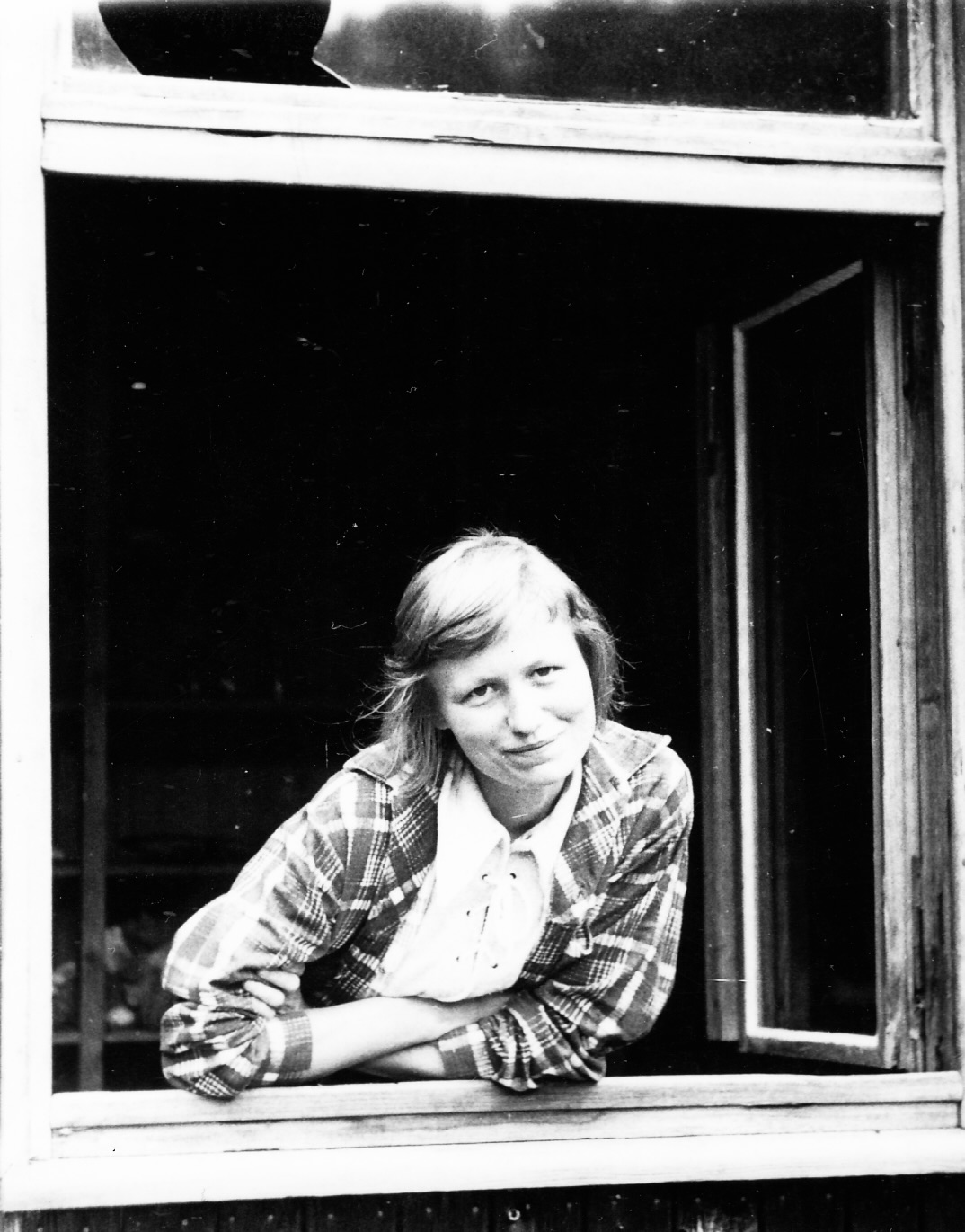
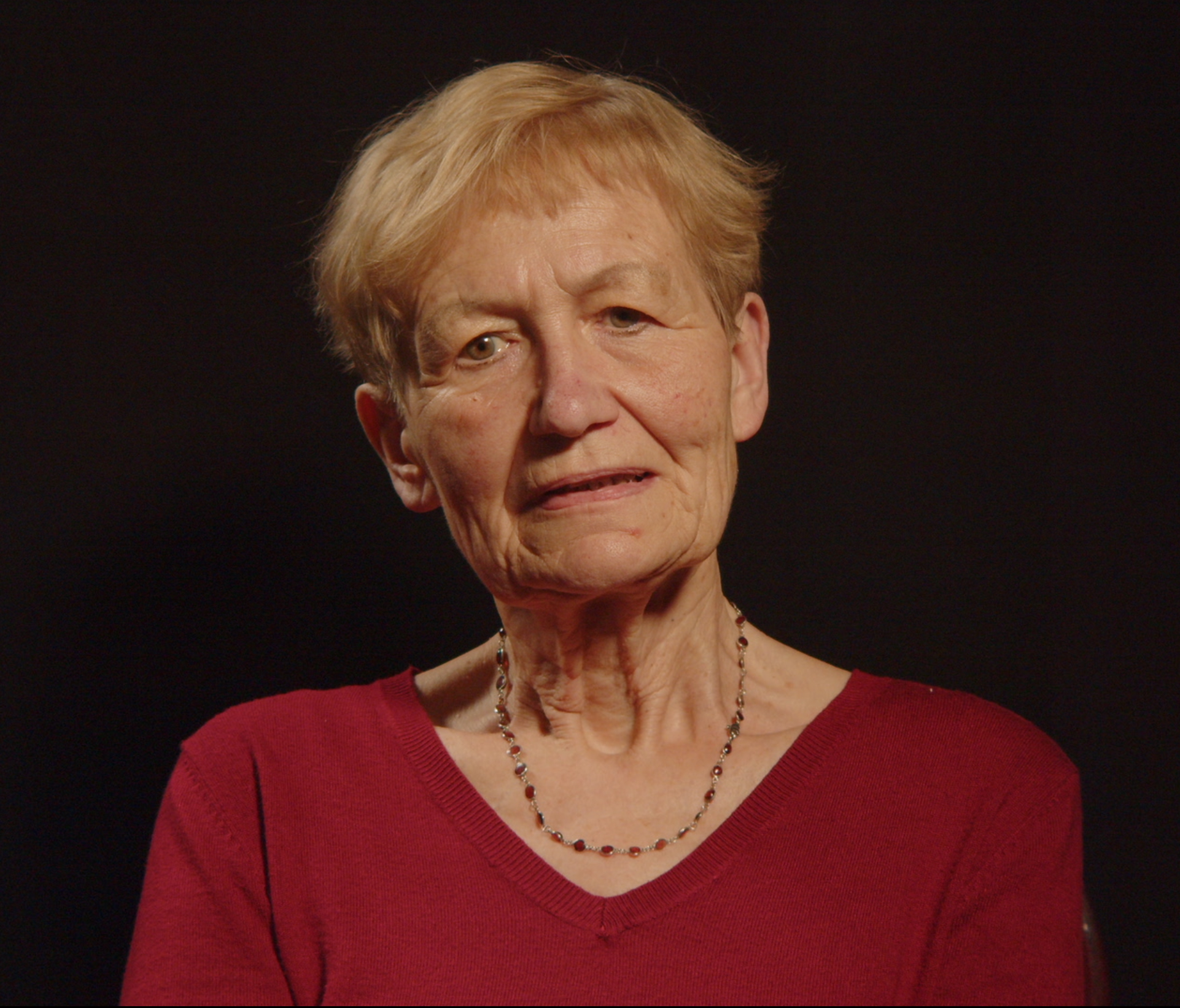
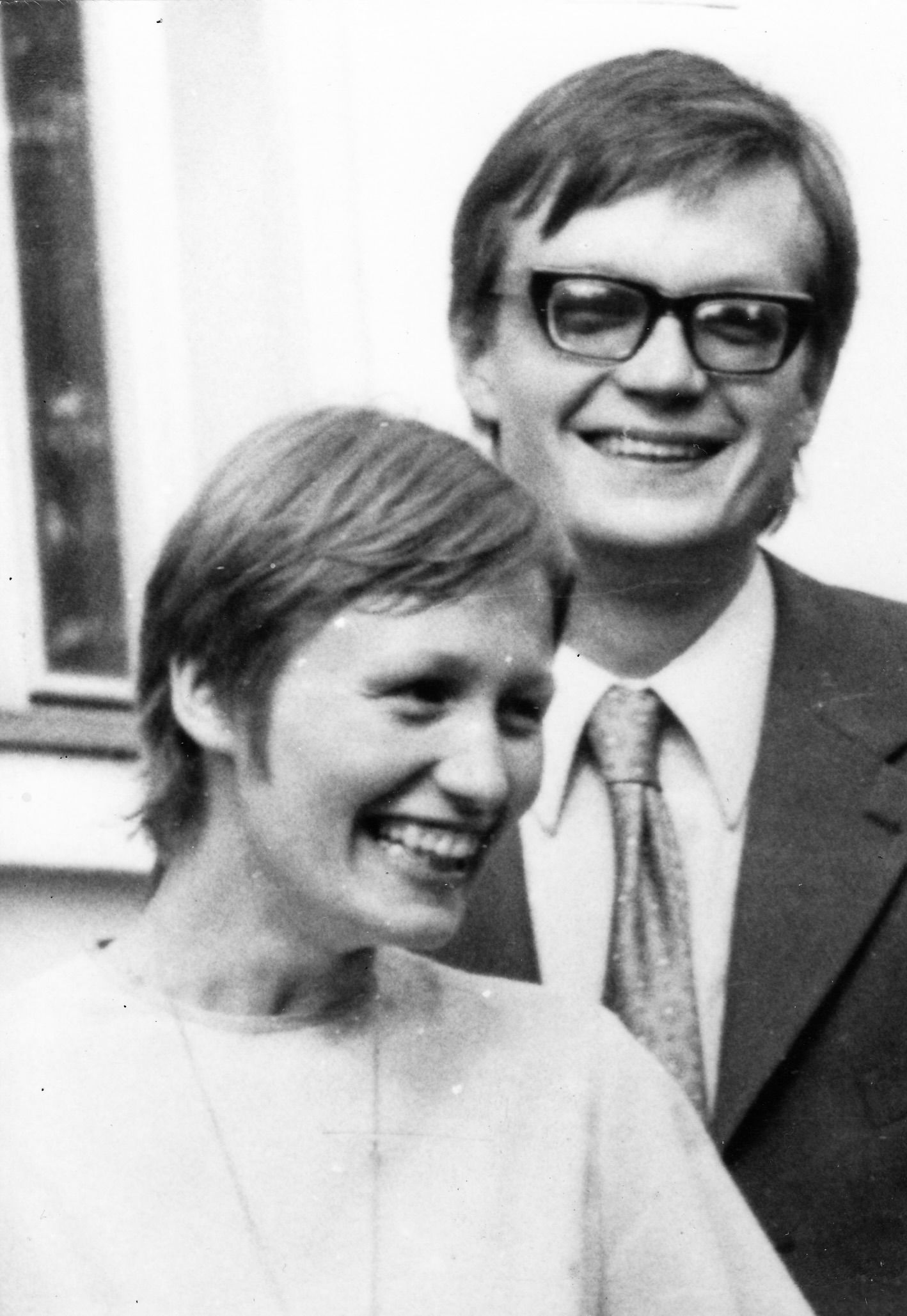
Jana Kašparová, youth
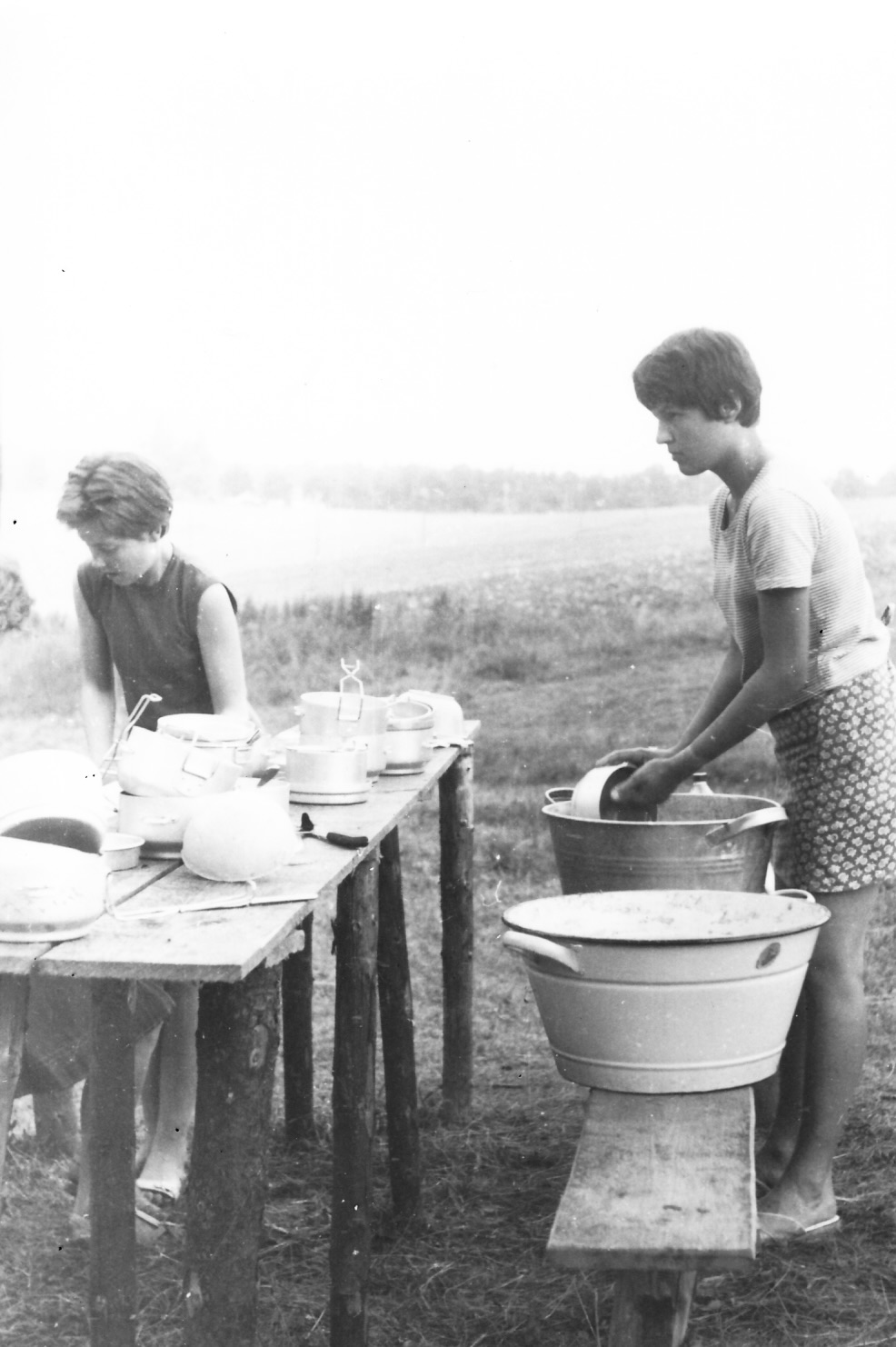
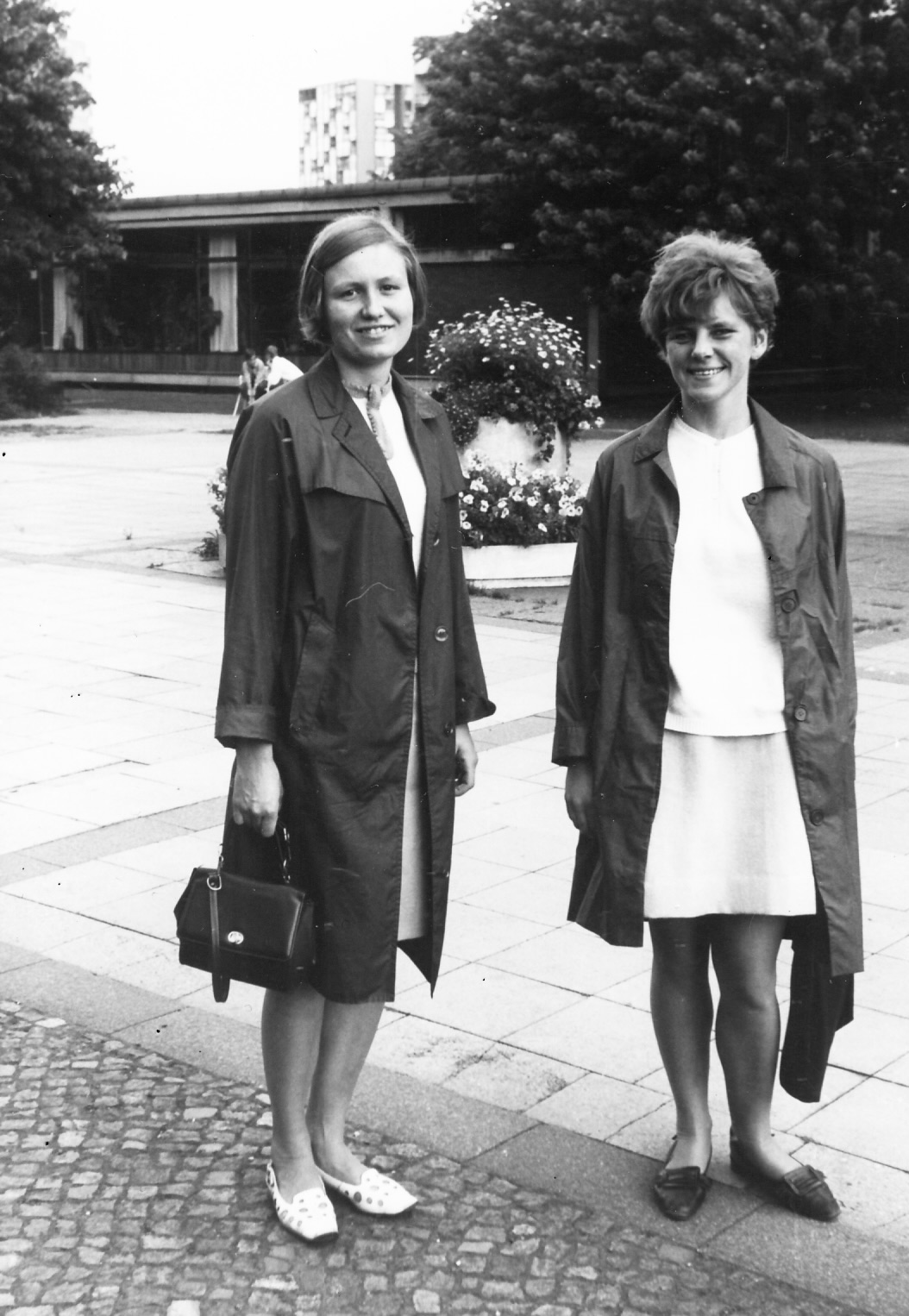
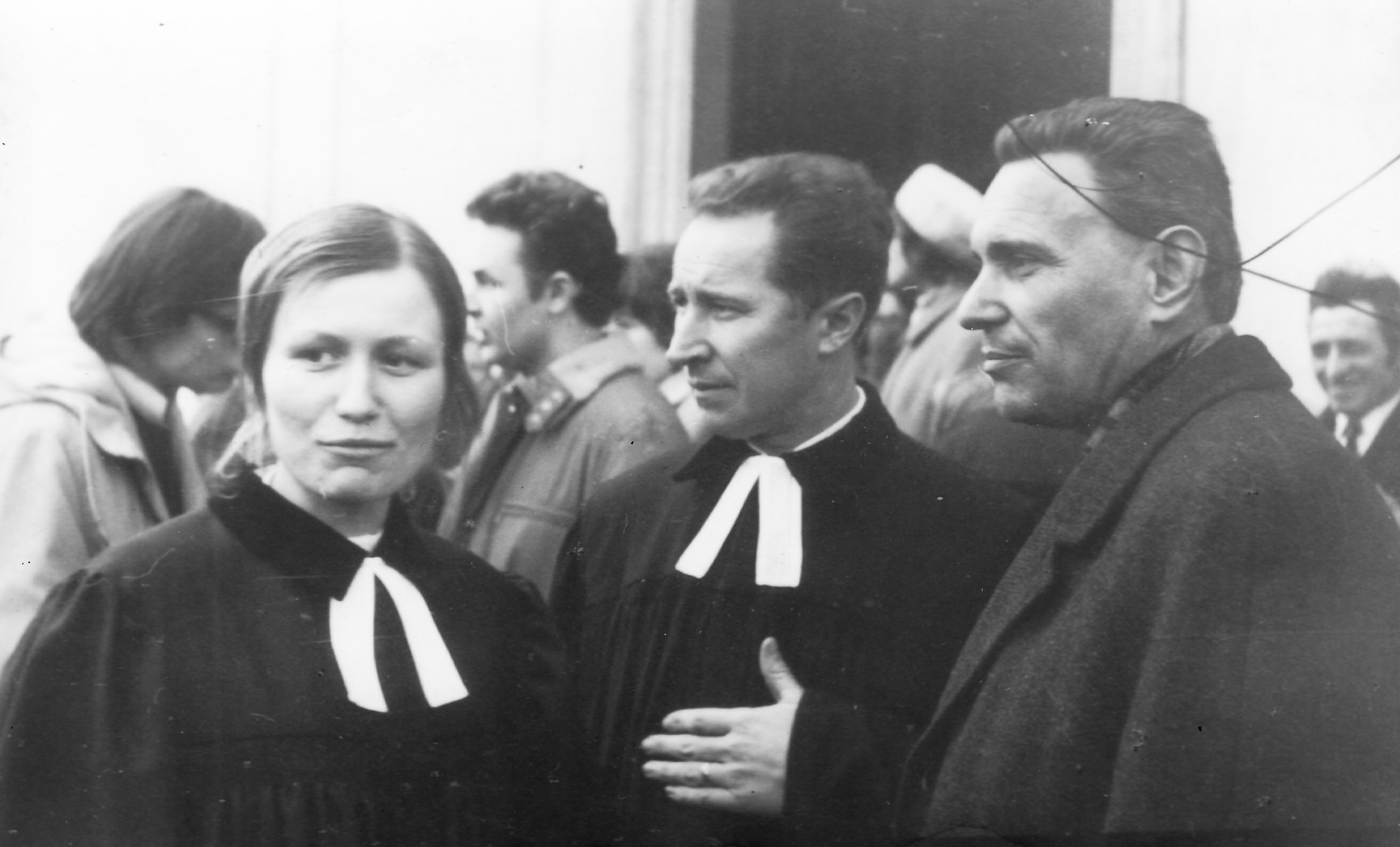
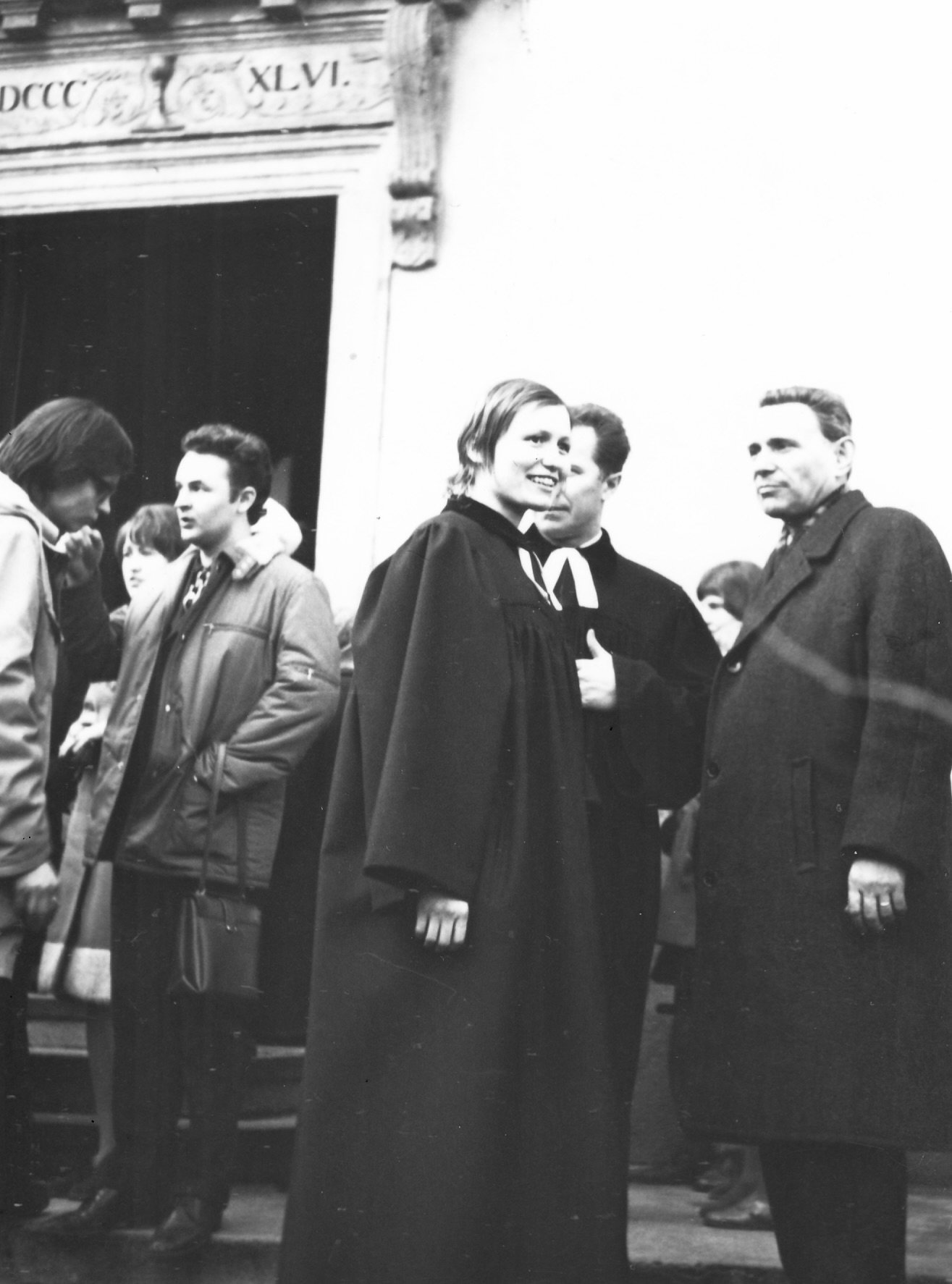
photo: Archive of the witness

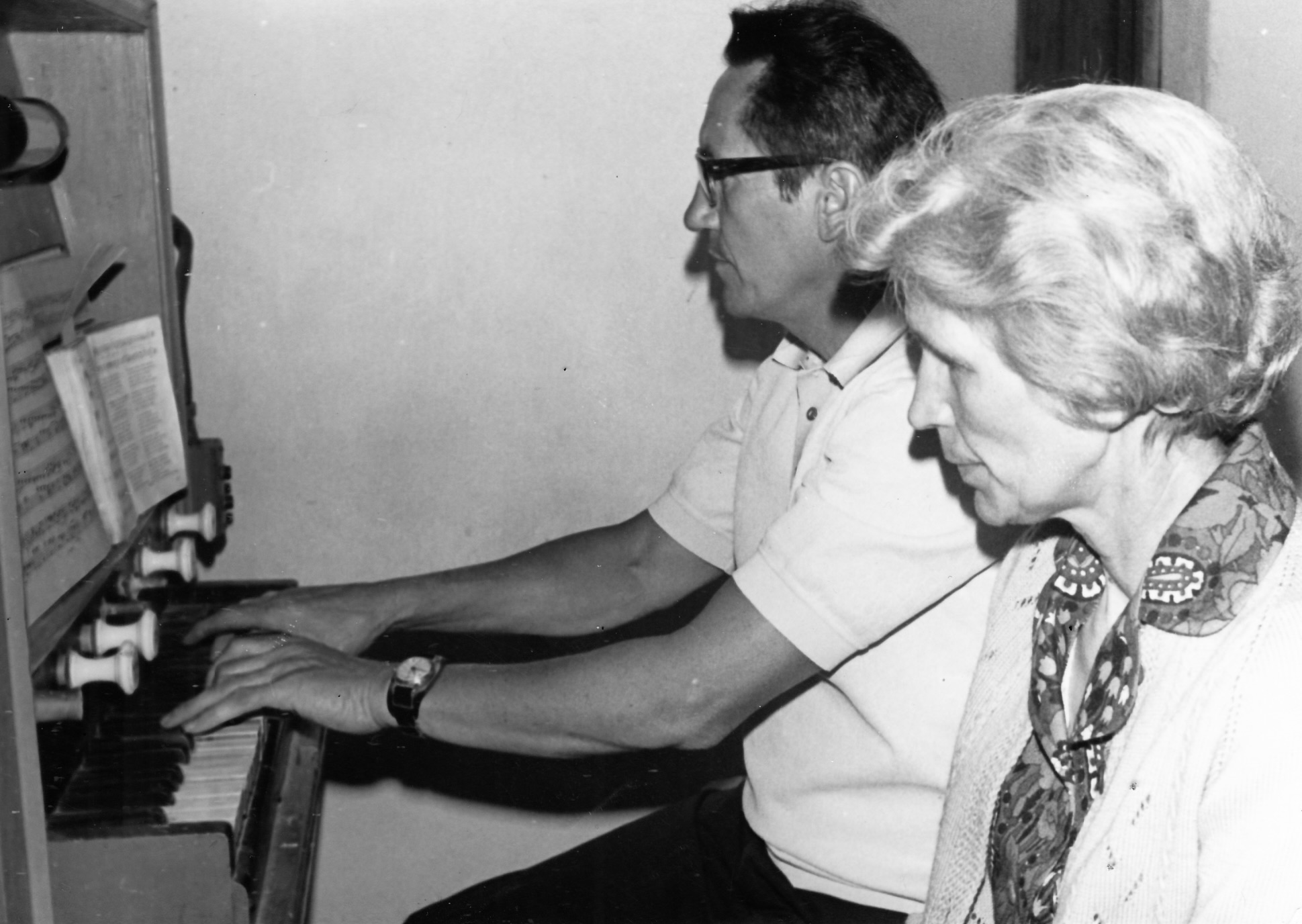
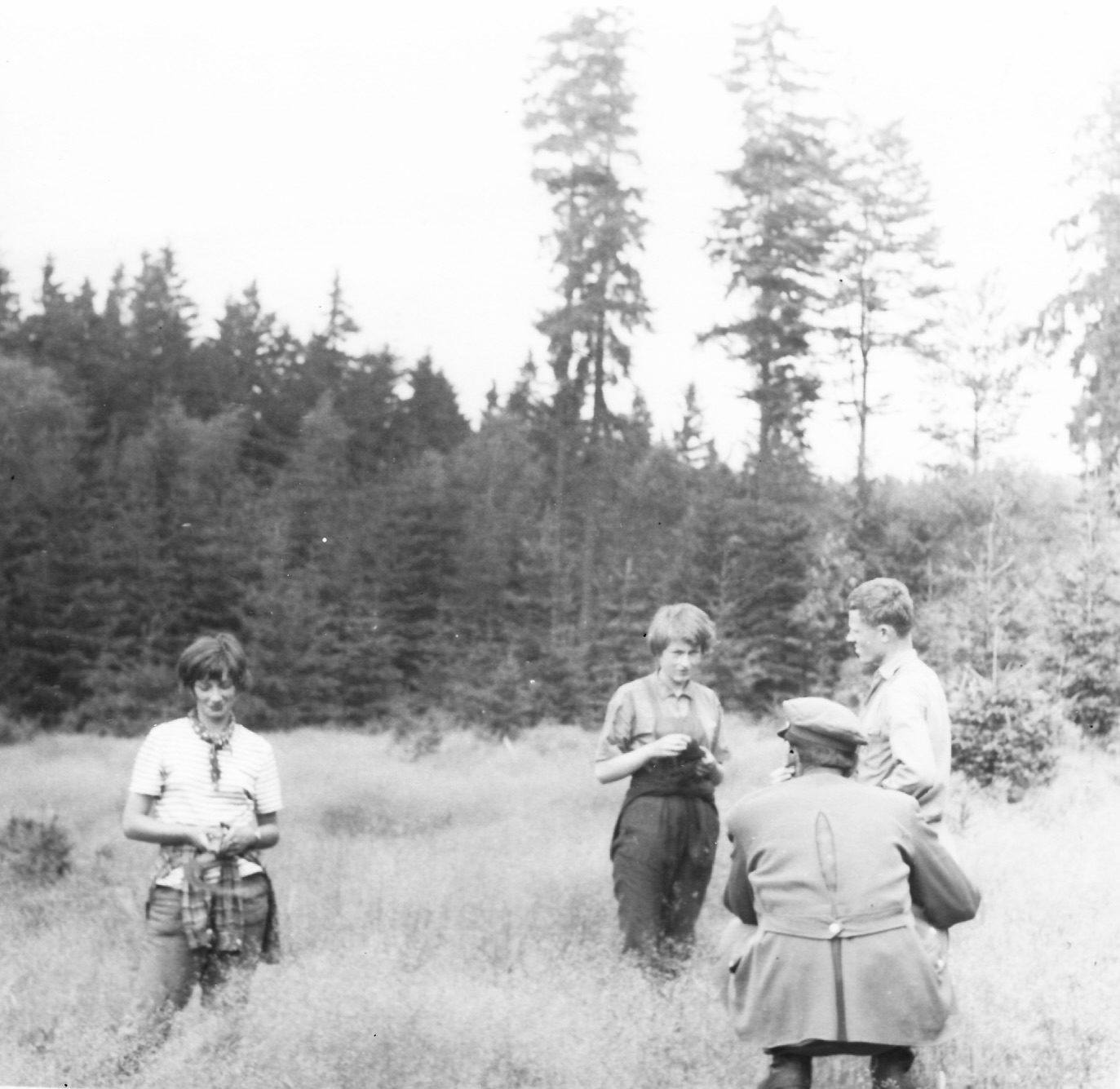
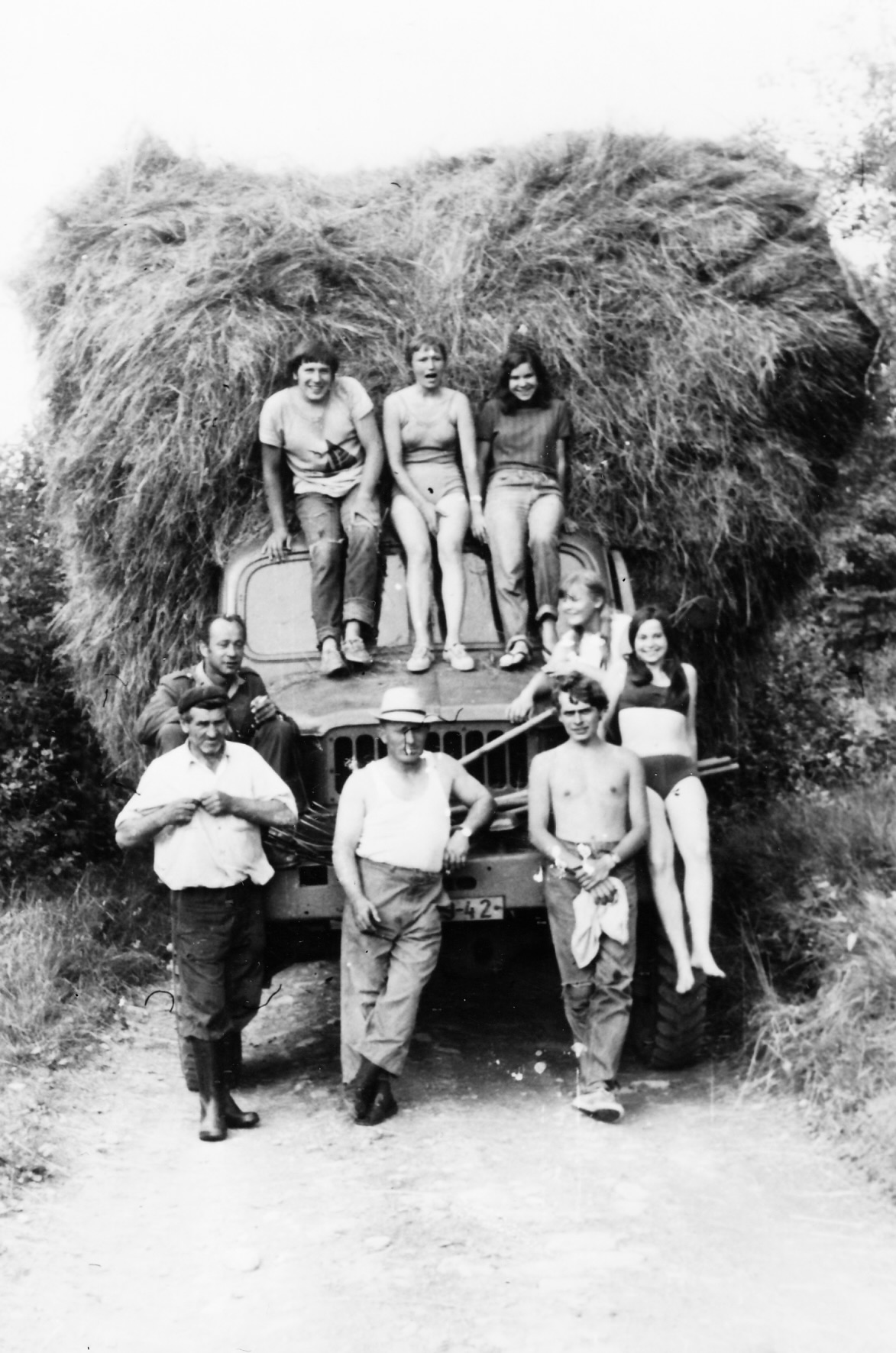
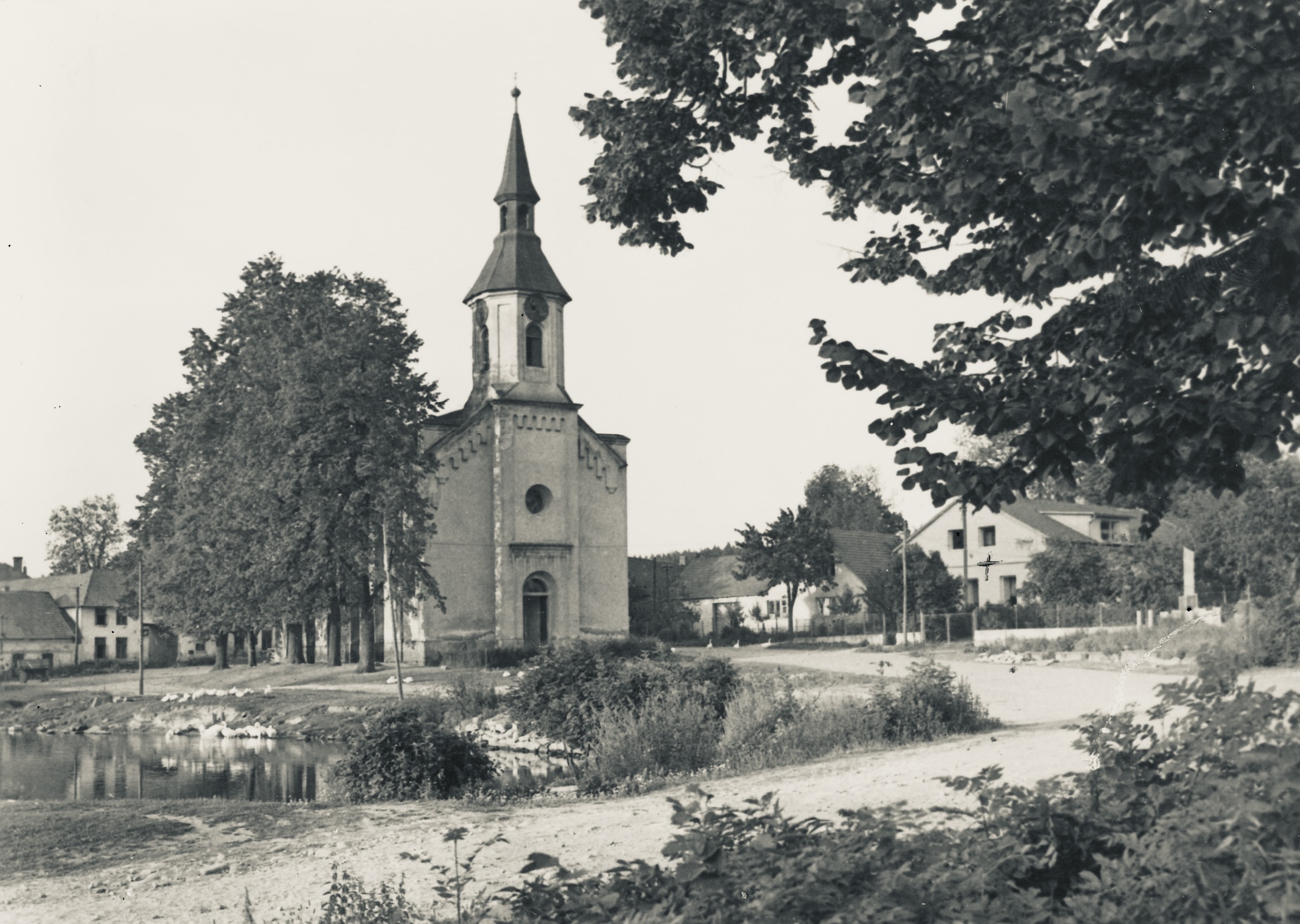
Jana Kašparová, née Ryšavá, was born on October 24, 1948, in Miroslav in the Znojmo region. Her family was marked by wartime events when, during the bombing of Miroslav at the end of World War II, her uncle and cousin were killed. The family was also affected by collectivization, during which the gardening business owned by her grandfather was nationalized and her father was forced to join an agricultural cooperative (JZD). In her youth, Jana Kašparová was shaped by the environment of the Evangelical congregation in Miroslav, which created an alternative space not only for spiritual life but also for education. During her adolescence, she repeatedly took part in so-called summer youth camps, where she worked during the day in forestry in the border regions and spent the evenings studying and socializing, including with East Germans. She studied theology at the Comenius Evangelical Faculty of Theology in Prague, where she experienced both the more liberal atmosphere of the Prague Spring and the subsequent tightening of conditions during the period of normalization. She witnessed the occupation by Warsaw Pact troops in August 1968 from West Berlin, where she happened to be staying at the time. In 1971, she became involved in a leaflet campaign calling for a boycott of the Communist Party. After completing her studies, she obtained state approval and took up a position as a vicar in Opatov in the Jihlava region. However, she was under constant supervision by the church secretary and later also by the State Security (StB), due to her acquaintances—including Jan Litomiský—and her numerous contacts abroad. The StB regularly summoned her for interrogations. She did not sign Charter 77 but helped distribute it. She was denied state approval to serve as a pastor in Vanovice na Hané and instead worked there as a parish assistant; her activities were once again monitored by the State Security. After 1989, she helped establish the Evangelical Academy in Brno, which is still active today. In 2025, Jana Kašparová was living in Bílovice nad Svitavou.