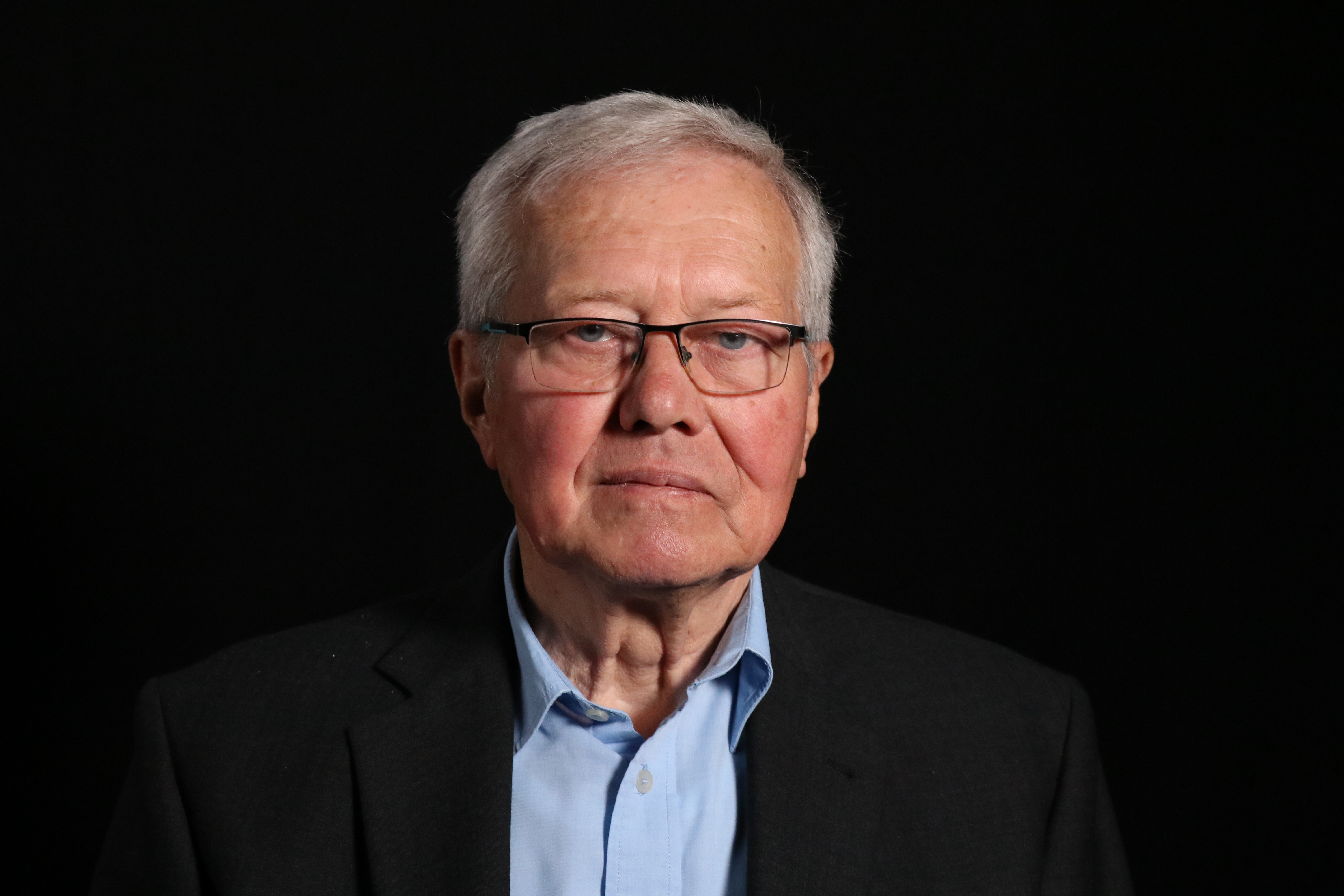
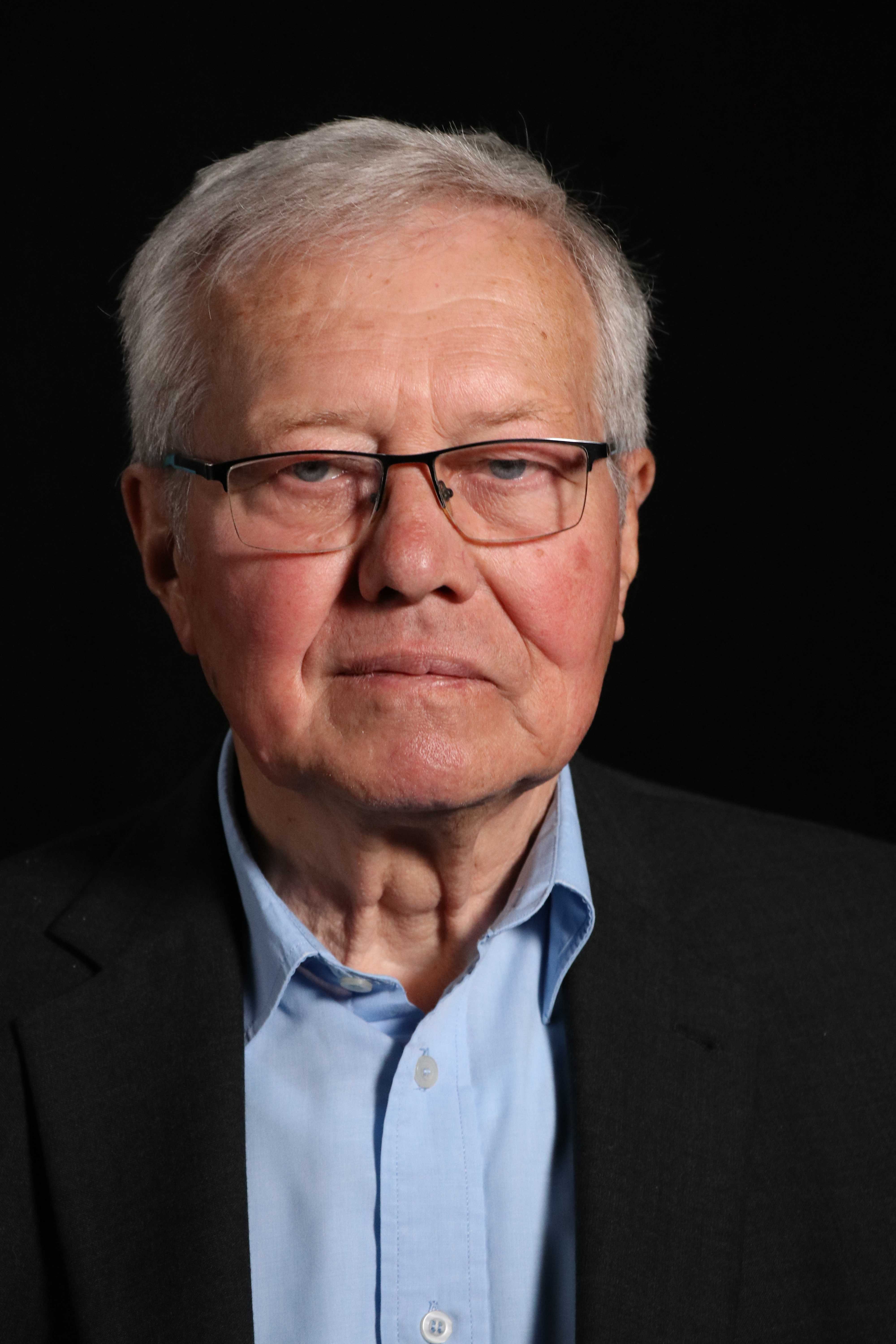
Václav Kášek

* 1943

  • "We immediately disarmed the militia." - "Did they resist?" - "They didn't. I said to the commander, who was a mechanic at the Holešovice plant and whom I had known for years, and even made some inventions for him, because he was clever, but he was the militia commander: 'Zdeněk, do you have the keys?' - 'Well, I have them in the changing room.' - 'Then go and get them and let's go. We're taking over your warehouse.' And he says, 'By what title?' - 'We're Civic Forum, Zdeněk. What other title would you like?' This one was up to me, because I knew him well enough to know that he wouldn't be a problem. So he says, 'I'm going to get the keys.' He brought the keys. But I can tell you, my eyes were popping out, what they had in there. They had machine guns, lots of ammunition, hand grenades, machine guns."

  • "But after a while, when I had applied for a passport, I was invited there and there was this young, nice guy sitting there and he said, 'Mr. Kášek, you have applied for a passport, but we have it here that you were - and it shoudl have been already erased in theory - we have it here that you were convicted, and so we are deciding whether we should give you the passport or not.' And again, it was like being hunted. That under certain circumstances it might... And he went on to say, 'You know, we obviously can't... I'm young, I can't judge the situation in that sixty-ninth year. But we still have it here.' And I said, 'You know what, I don't care. Even with this passport you won't let me go anywhere else than where I already can go: to Hungary, to the GDR. And he said, 'Well, thank you. Goodbye .'And within a week I got a paper to come and get my passport."

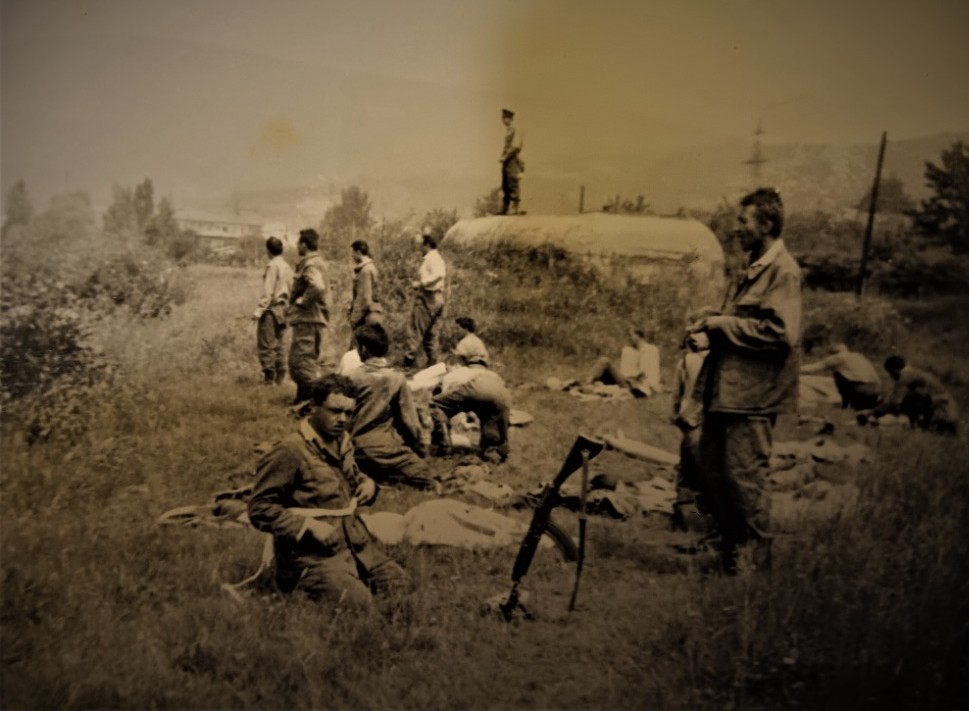
  • "In 1968 after the entry of the troops. I had a few days leave, so I was at home in Horoměřice. Through us, over Horoměřice, planes were flying to Ruzyně, so the first thing I heard - in the summer, open windows - a big roar. So I turned on the radio and I knew what was going on. So I got dressed, got on my motorcycle and rode to Beroun to the barracks. In Ruzyně I was stopped by Russian soldiers. There was already a piece of the motorway that is there now, but you could still drive in both directions, it wasn't one way yet. So they stopped me. I tried to push him away, he pulled out his machine gun and took my key from the ignition. That's how I knew this wasn't the way to go. But I pulled out my ID, showed him that I was an 'officer' and asked him to put me in touch with the commander. So the Russian lieutenant came again. We had a little talk. The soldier gave me back my keys, but told me that I had to return home and that I was not allowed to go anywhere. So I promised him. But at the crossroads near Nebušice I turned round and drove through Prague, where tanks were already driving, but it wasn't so heavily regulated. I got to Beroun and was immediately brought to the regimental commander. [...] The regimental commander let me know how things were in Prague. I knew something, because I had been through a part of Prague. How things were in Ruzyně, that's what I said. And it was bad there, because they were confiscating vehicles, especially trucks. And they shot a friend of mine there who was the driver of one of the trucks, and maybe he was giving them a bit of trouble. They didn't hesitate at all, so then there was a big funeral a week later."

  • Full recordings
  • 1

    Horoměřice, 01.10.2024

    (audio)
    duration: 02:07:35
    media recorded in project The Stories of Our Neigbours
  • 2

    Praha, 05.06.2025

    (audio)
    duration: 03:02:40
    media recorded in project Stories of the 20th Century TV
Full recordings are available only for logged users.

I don’t want to be a communist
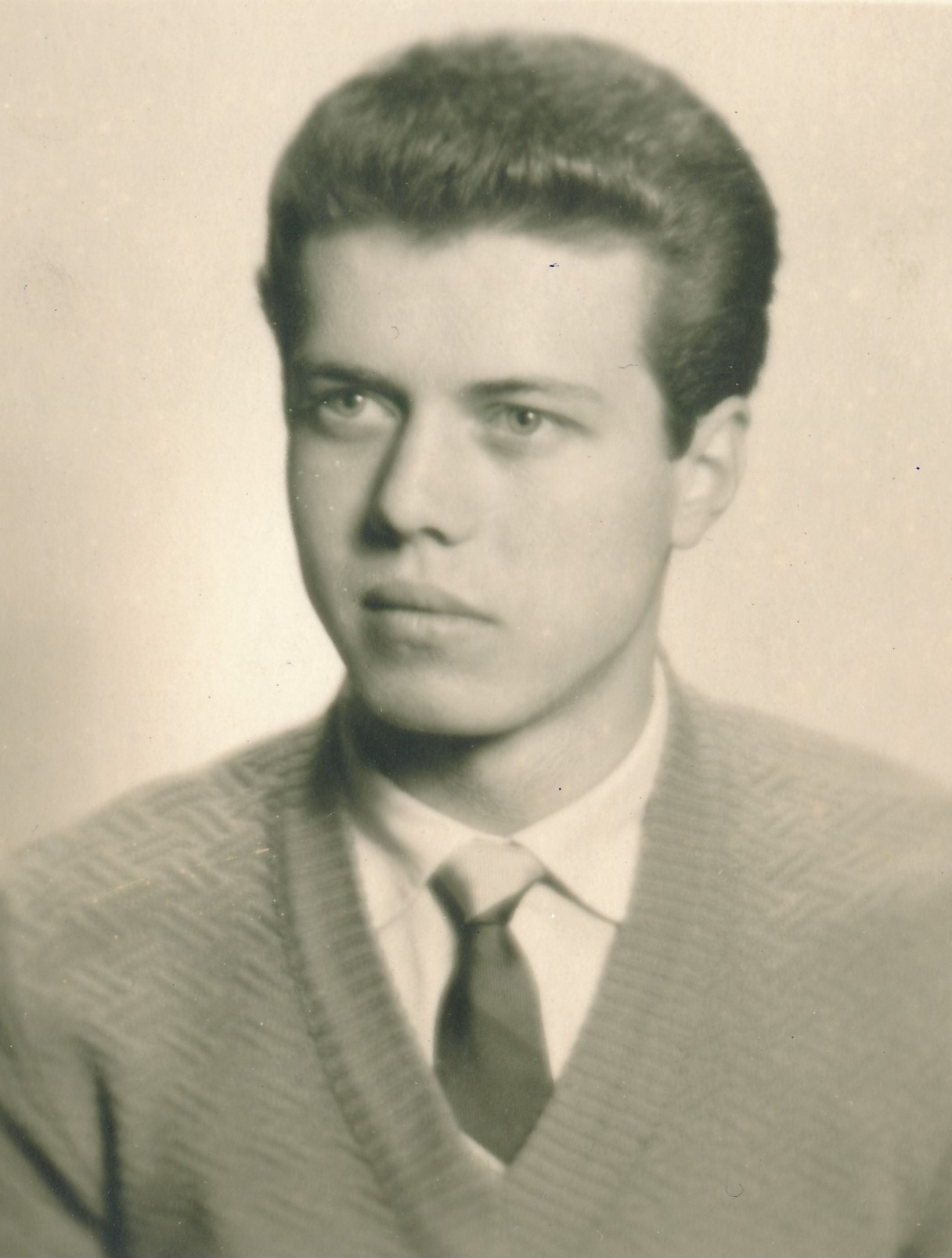
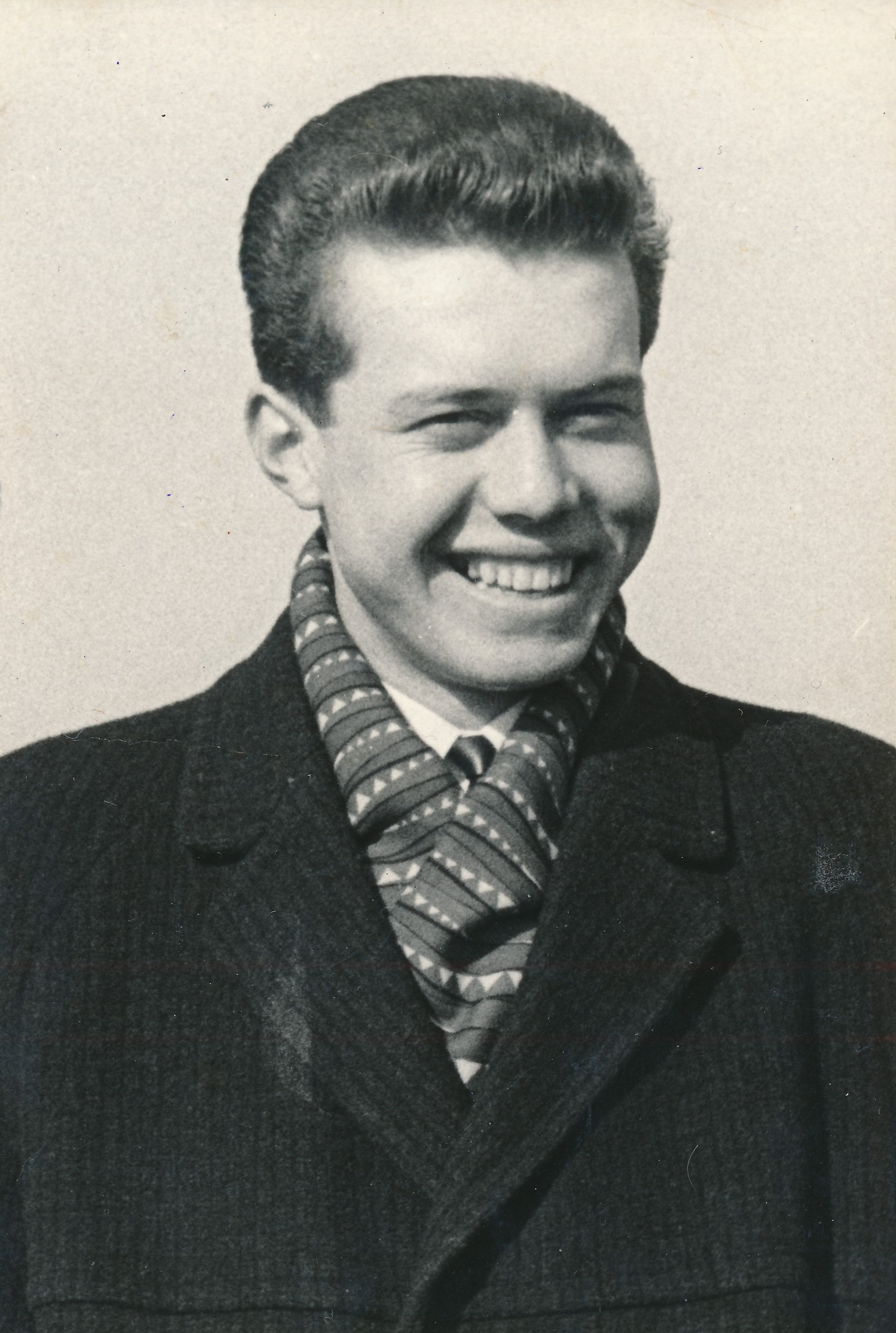
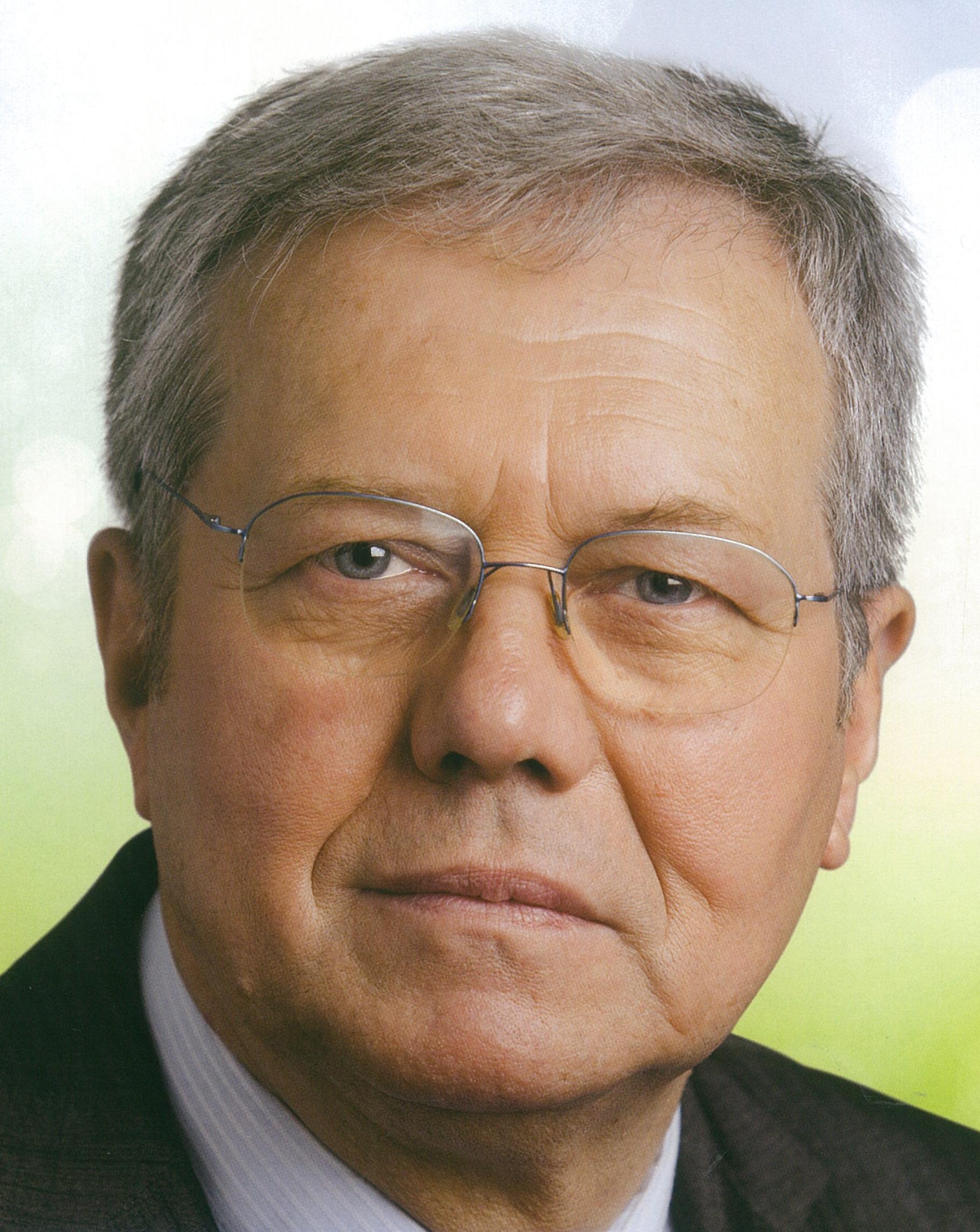
Václav Kášek in 1969 after his release from prison
photo: Witness´s archive

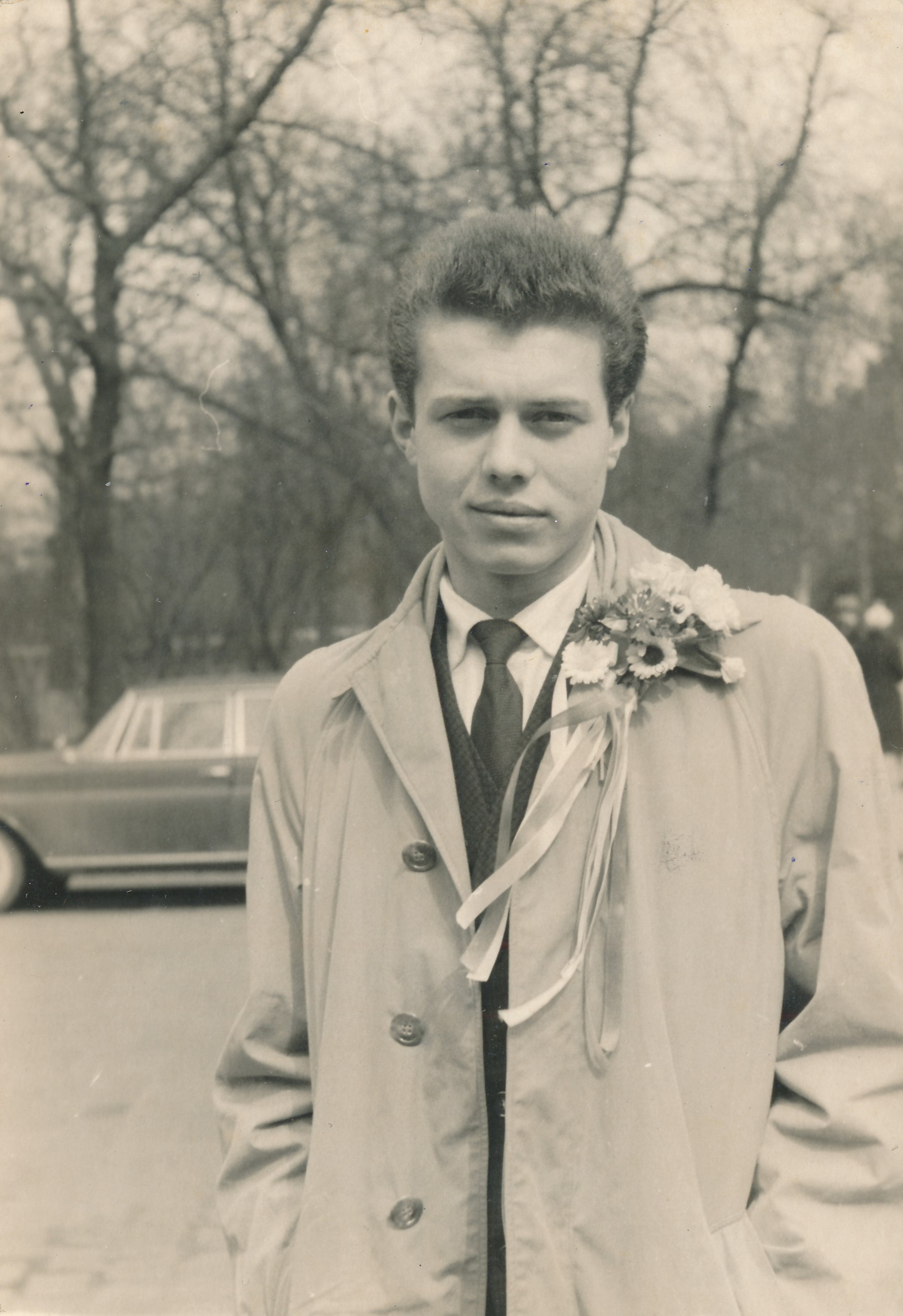
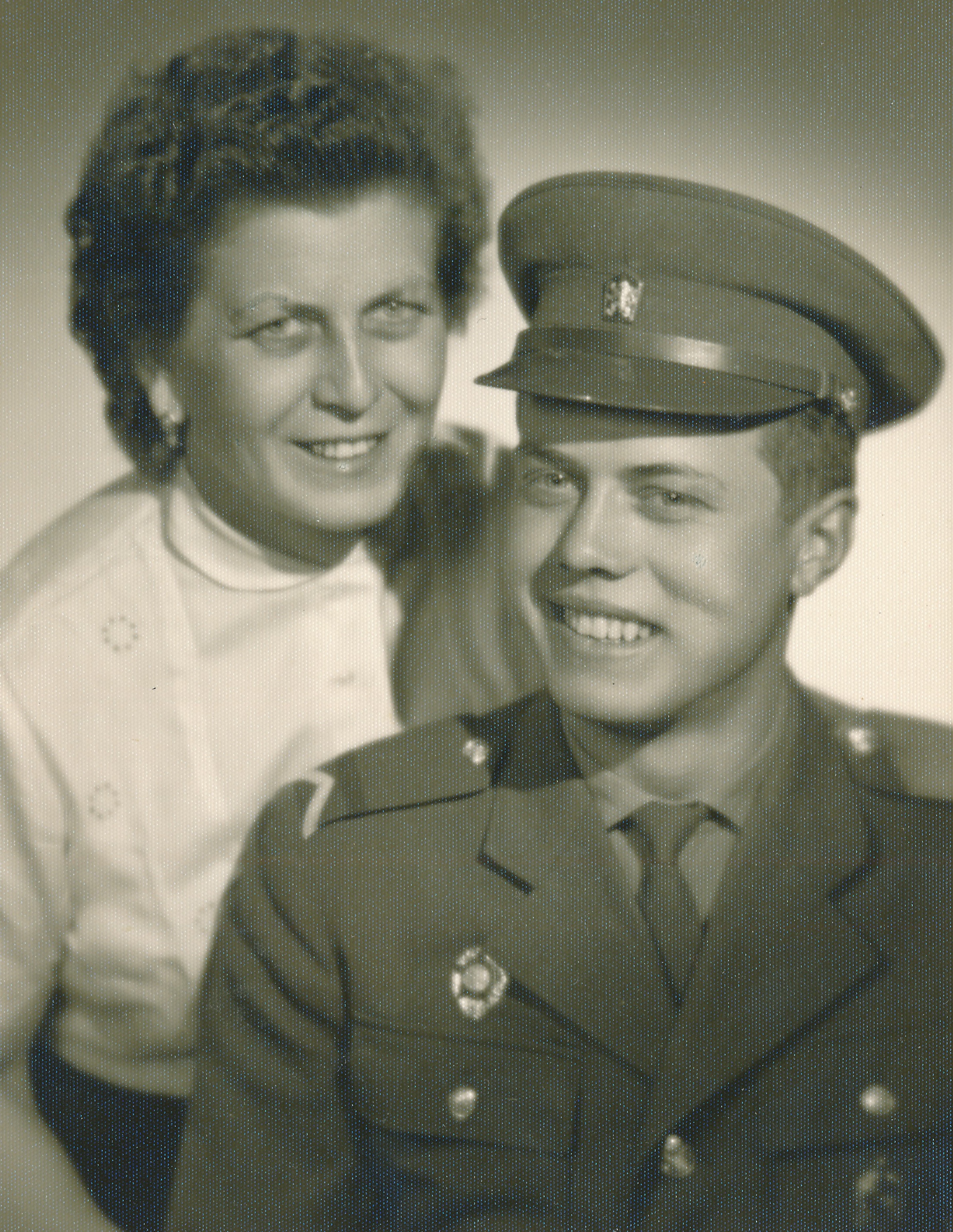
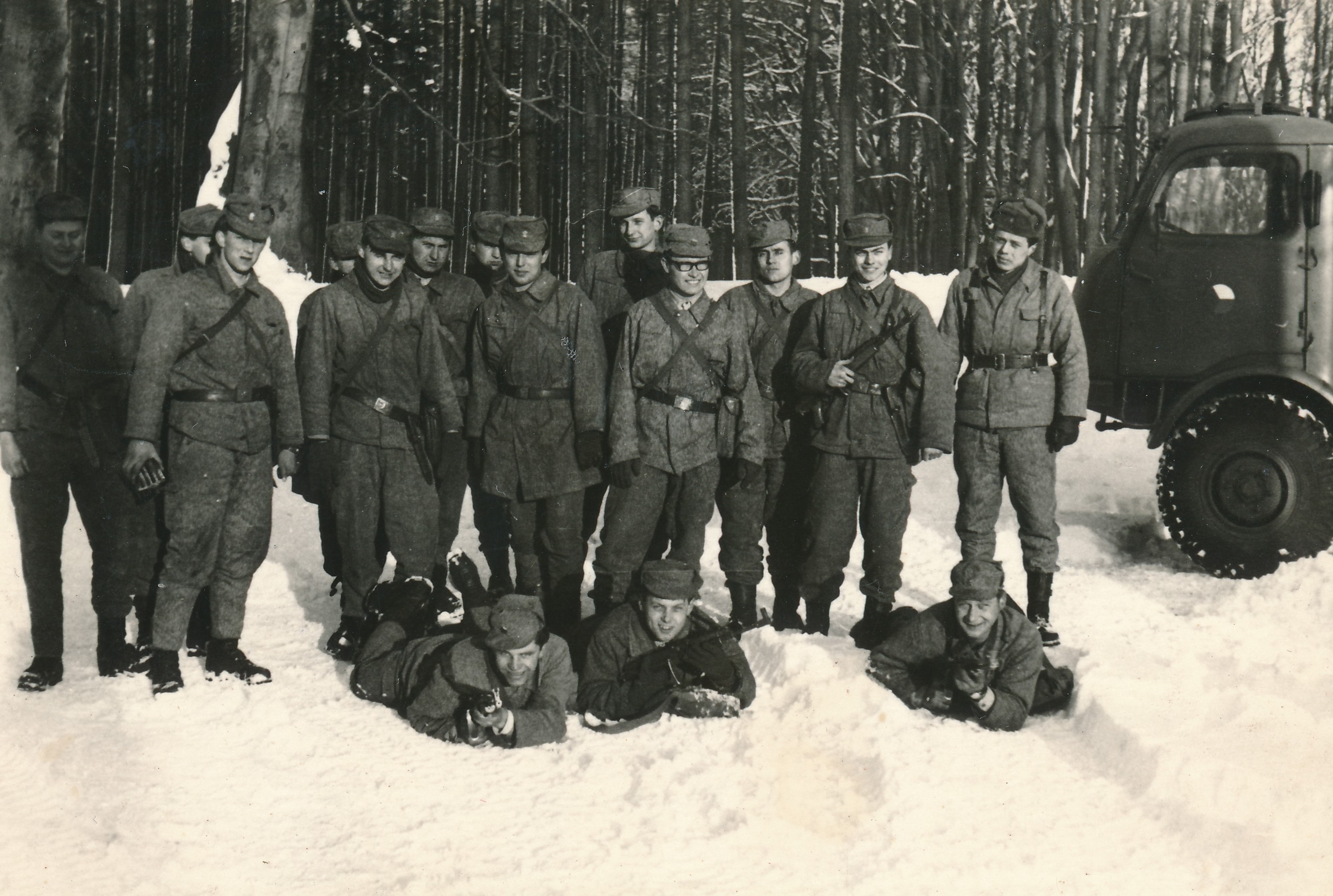
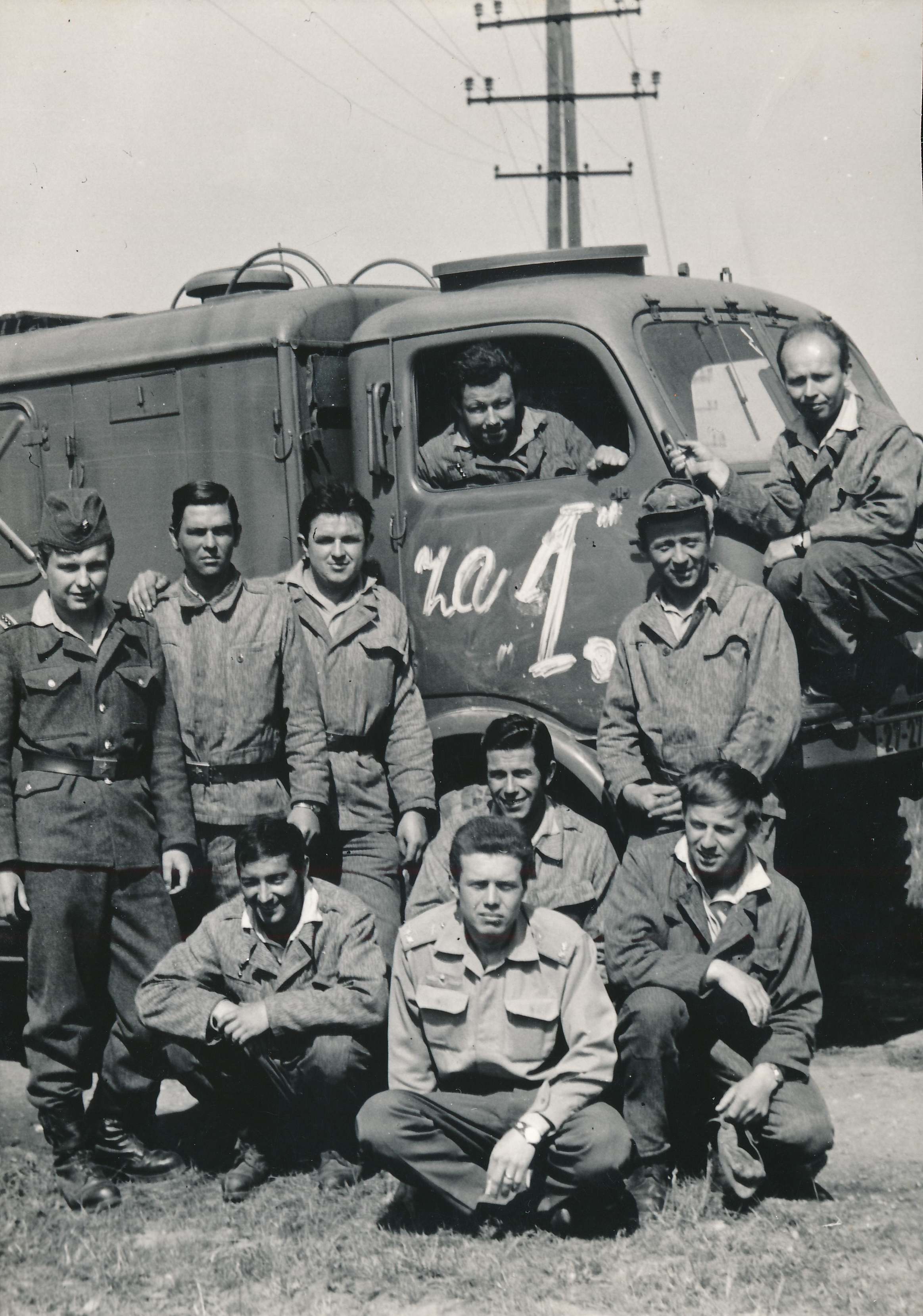
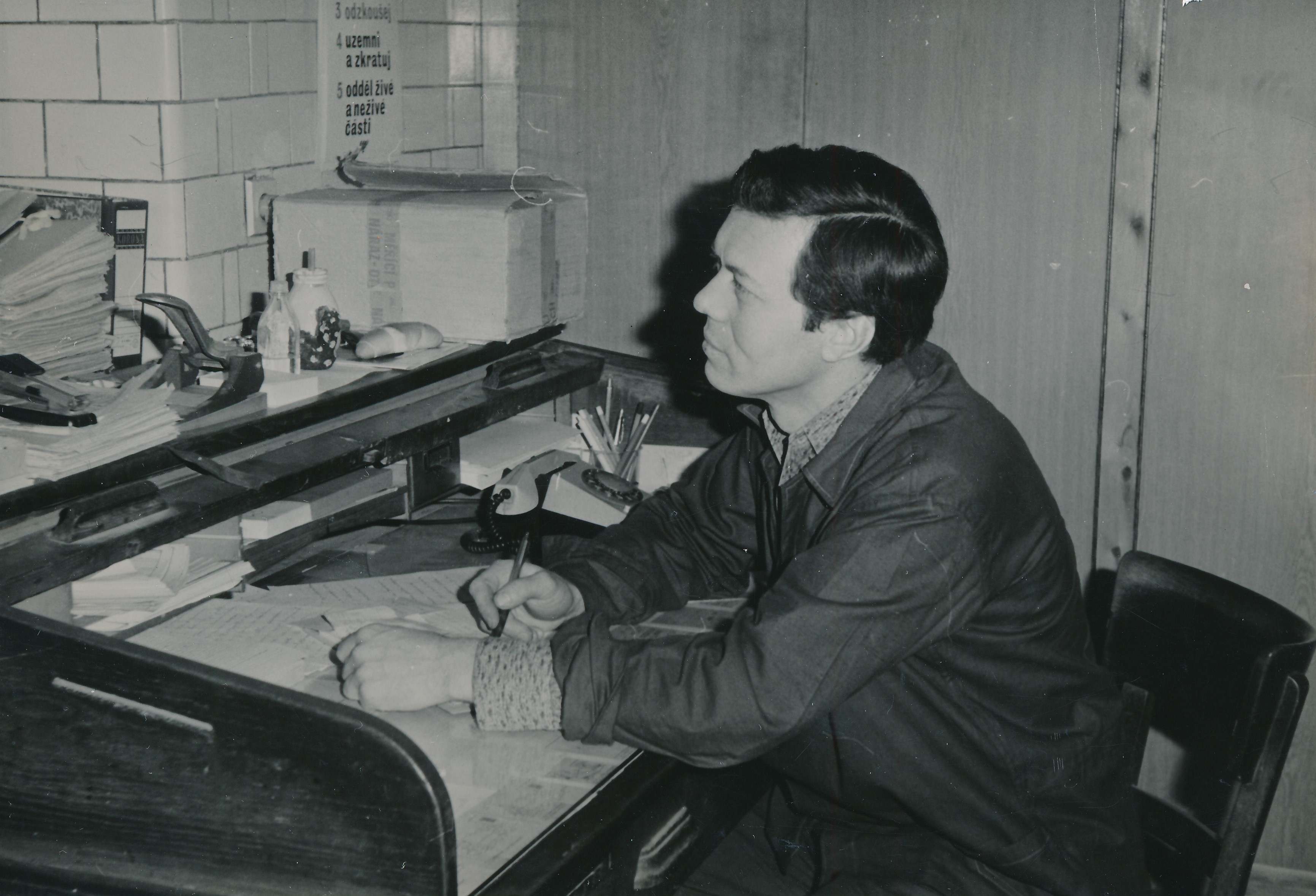
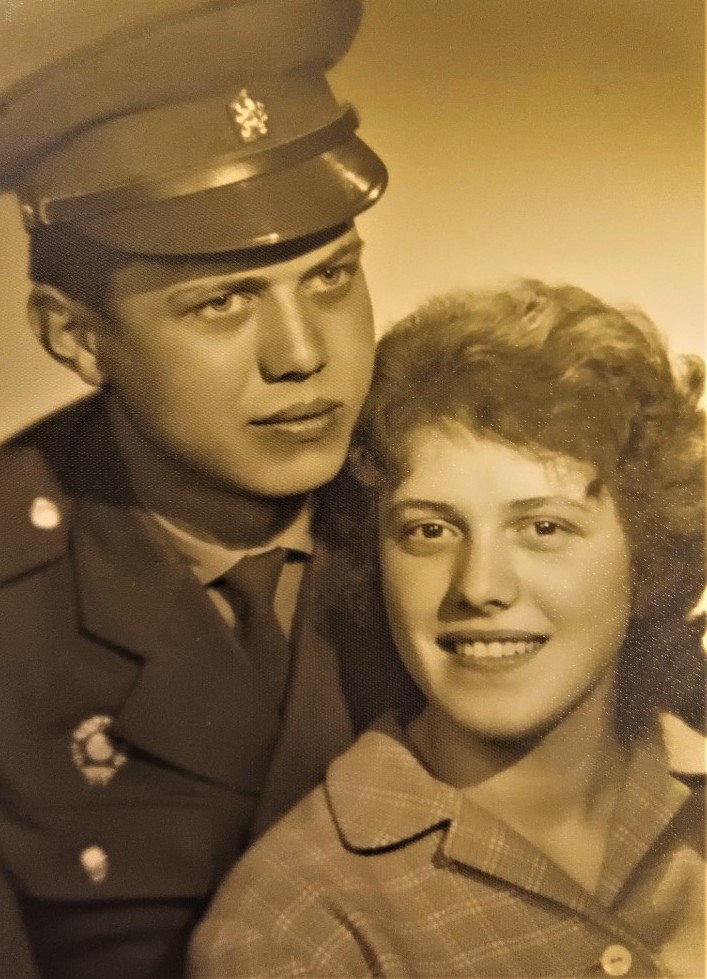
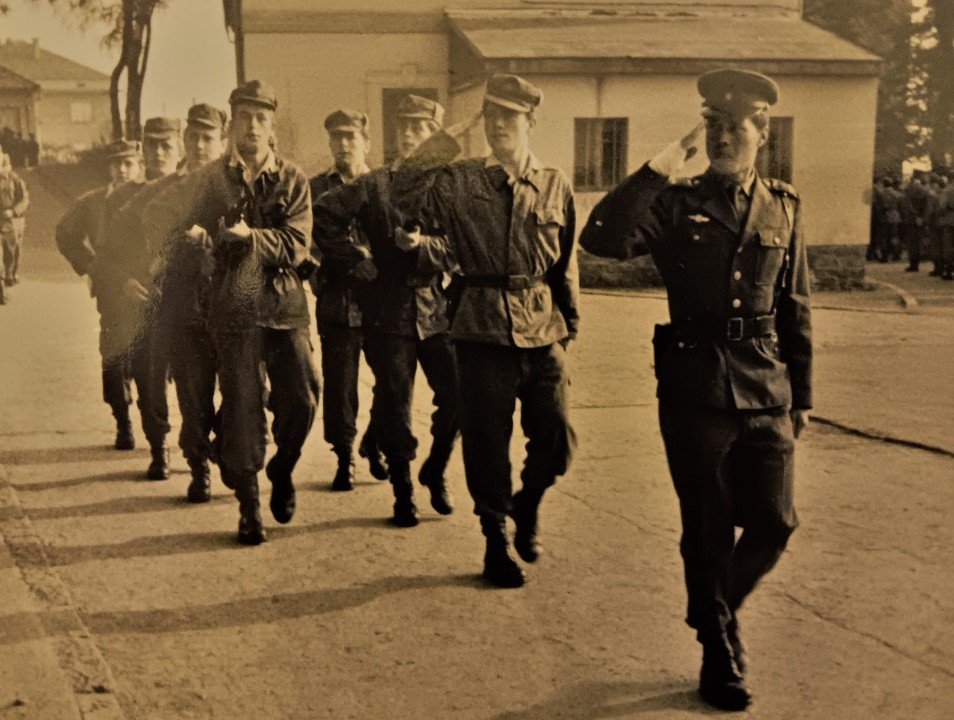
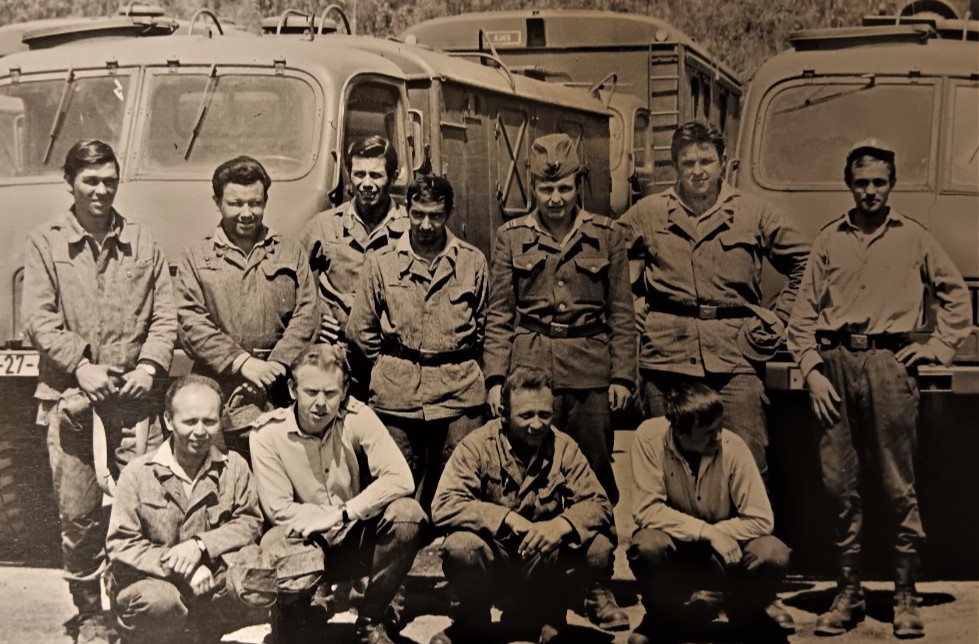
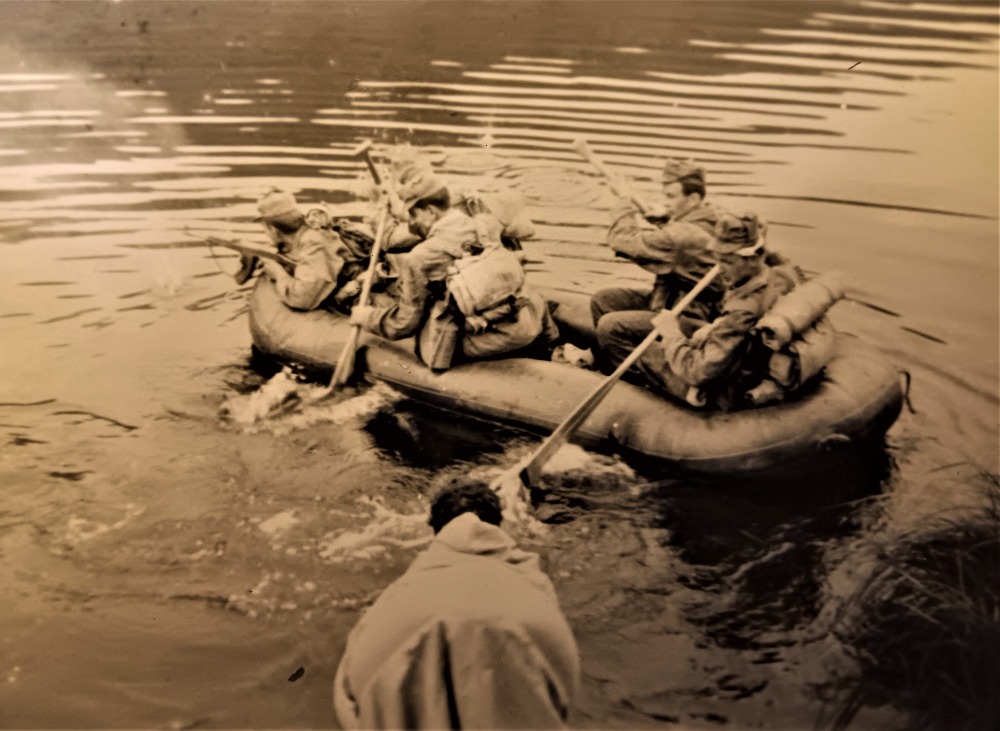
Václav Kášek was born on 24 May 1943 in Statenice, at the time when his father was totally deployed in Berlin. In accordance with his family background, he joined the Communist Party of Czechoslovakia on the threshold of adulthood and became a professional soldier. However, while studying Marxism-Leninism at the military school, he was already losing his family’s conviction. The break with the communist ideology for Václav Kášek was finally sealed by the invasion of the Warsaw Pact troops on 21 August 1968. He immediately asked to be discharged from the army, but the process took some time. On the first anniversary of the invasion, Václav Kášek was still a professional soldier, but he had only four days of service left. Soldiers from his battalion went on hunger strike in protest, which caused consternation and efforts to suppress the revolt. Václav Kášek did not share this view with his superiors and refused to obey the order. Therefore, the very next day he found himself in the Pankrác detention centre. His wife had given birth to their first child just a few days before. He spent several weeks in detention, and the trial dragged on for more than a year. Immediately after his release from Pankrác, Václav Kášek took up a civilian job at the power plant in Prague’s Holešovice, where his heart’s work eventually became the care of inventors. In November 1989, he co-founded the Civic Forum at the power plant and disarmed the local militia. Later, for five terms as mayor, he took care of his almost native village of Horoměřice, where he was living in 2025.