Josef Karafiát

* 1957

  • „My jsme měli marky. Na černém trhu jsme koupili marky, abychom měli. Já jsem to měl v podrážce.“ – „Vy jste to koupili od veksláků?“ – „No, no, jasně, před Tuzexem: ,Mařeny, mařeny.' Za osm nebo deset korun. A ten kolega, ten kámoš, co se mnou jel, tak měl asi dva tisíce, což bylo obrovské množství peněz. Měl to v ruličce a já mu říkám: ,To máš u sebe, jo? Vždyť tady přijdou fízlové, ty pohraničáři.' Nastoupila četa, měli zbraně. Železná opona. Já říkám: ,Co teď, vole, budeš dělat? Já to mám v botách, tak pokud mě nezujou, tak to nenajdou, ty peníze.' To by byl signál, že chceme emigrovat nebo že je to nějaká šmelina. Ale my jsme měli takhle vousy, vlasy, to byla šmelina, to byla emigrace jasná. On vzal tu ruličku a jak jsou šoupací dveře v kupátku, tak to hodil do toho šoupátka tam. A teď přišel ten voják ozbrojený a s baterkou se dívá do té škvíry. Já jsem říkal: 'Jsme v prdeli, teď půjdeme rovnou, teď nás rovnou seberou a prohlídnou a jsme v prdeli.' Ale on to měl vysvícené. V té době se na všechno kašlalo. Tam chceš práci a oni prostě prohlíželi vagony a je mu to úplně jedno. A já říkám: 'Co bychom dělali, kdyby to našel, kdyby mu ta baterka svítila?' Tak by tam viděl, vytáhl 2000 marek, my dva tam seděli. Tak bychom řekli, že to není naše.“

  • „Máma taky odjela ze Slovenska, utekla do Čech, tak já uteču na Západ. A v práci byl takový borec a ten měl milenku a ta dělala v bance. Aby člověk mohl vyjet na dovolenou, tak potřeboval takový, říkalo se tomu devizový příslib – dali prachy, ta banka. Pak se žádalo o výjezdní doložku, to byl problém věčně. Já jsem to uplatil všechno prachama, já jsem to podplatil a ještě s dvěma kámoši jsme ujeli. Já jsem zaplatil, já jsem měl kontakty takové do banky a všude, já jsem prostě dostal výjezdní doložku.“

  • „To bylo podle mě – jestli byl člověk v kriminále nebo na svobodě – to bylo hodně podobné. My jsme nemohli vůbec nic. Já jsem nevypadal takhle, já jsem měl dlouhé vlasy, fousy. S kytarou kolikrát mně dali támhle pár facek nebo mě kontrolovali pořád, jestli mám razítko v občance – to je nepředstavitelné –, jestli pracuju, což jsem měl, jinak by mě zavřeli. A pak ta kultura, ta populární, co se hrálo, takové ty hvězdy – tady ten Kája Gottů a ta Vondráčková a Zagorka. Tak to mě dorazilo pak, když jsem se vrátil, že je to vlastně pořád stejné.“

  • "We just wanted to go to England, we didn't want to learn French or German. We wanted to learn English. I went there, and I could do three sentences. And I remember the first experience when I got there and went there… I bought a cola there, right, and I went… it was nice in the summer ... I went to bed in Green Park or Hyde Park , I don't know what it was anymore, and a lady, an Englishwoman, walked around and said something to me. I tell her, 'I don't understand you, I don't speak English.' She asked, 'Where are you from?' And that was the second day I arrived in London. I say, 'Well, I'm from Czechoslovakia.' And she said in Czech, 'Then stay here.' Yeah. Which is an incredible thing, yeah. I hadn't spoken to an Englishman before, and here I met this lady. So I said, 'Yeah, sure, well. I'll stay here.‘“

  • "Well, I remember it very well. I played in the band Domácí kapela. It was such a pretty good alternative project of Honza Brabec, and it was the original drummer of the Plastics. And in '97, President Havel asked them if they would play at the Castle. And they got together and did a concert there, which was great at the time. Well, after that concert, they decided that they would still play, so Honza Brabec, the friend, called me if I wouldn't go with them as their guest. So, there were posters, there were names, and then there was, Karafiát J.H.' Their guest. So, they didn't take me just then. I guess they wanted a registration, I don't know. So like this, well.”

  • "People couldn't even leave, even to Austria, they just needed certain permission, of course, those were the exit clauses. That's what the police issued. And the main thing was to get a foreign exchange in the bank, which meant that they gave you hundred German marks for a fortnight's stay in the West, for example. Which was like one night, yeah, so it was important to get that foreign exchange vow for the little money anyway. So here in Dejvice there was a young lady in the bank and she got bribed. So, for five hundred crowns she gave us the foreign exchange vow. There were more of us guys who just arranged it like that. And so I got a foreign exchange, yes, so I applied for an exit clause. And when you weren't exactly a chartist - like me, my bunch, we weren't very chartist, we were so hidden that they didn't know about us - so he got the foreigner. Yeah. So then it was done by going after the money changers and grinding the currencies. So as we drove… I drove in low shoes, in the sole, about a thousand marks, yeah, it was a lot of money. Well, we took the train to Frankfurt or somewhere and then we hitchhiked to London."

  • Full recordings
  • 1

    v Praze, 17.12.2020

    (audio)
    duration: 42:31
    media recorded in project The Stories of Our Neigbours
  • 2

    Praha, 17.06.2025

    (audio)
    duration: 01:43:41
    media recorded in project Stories of the 20th Century TV
Full recordings are available only for logged users.

One must not be afraid
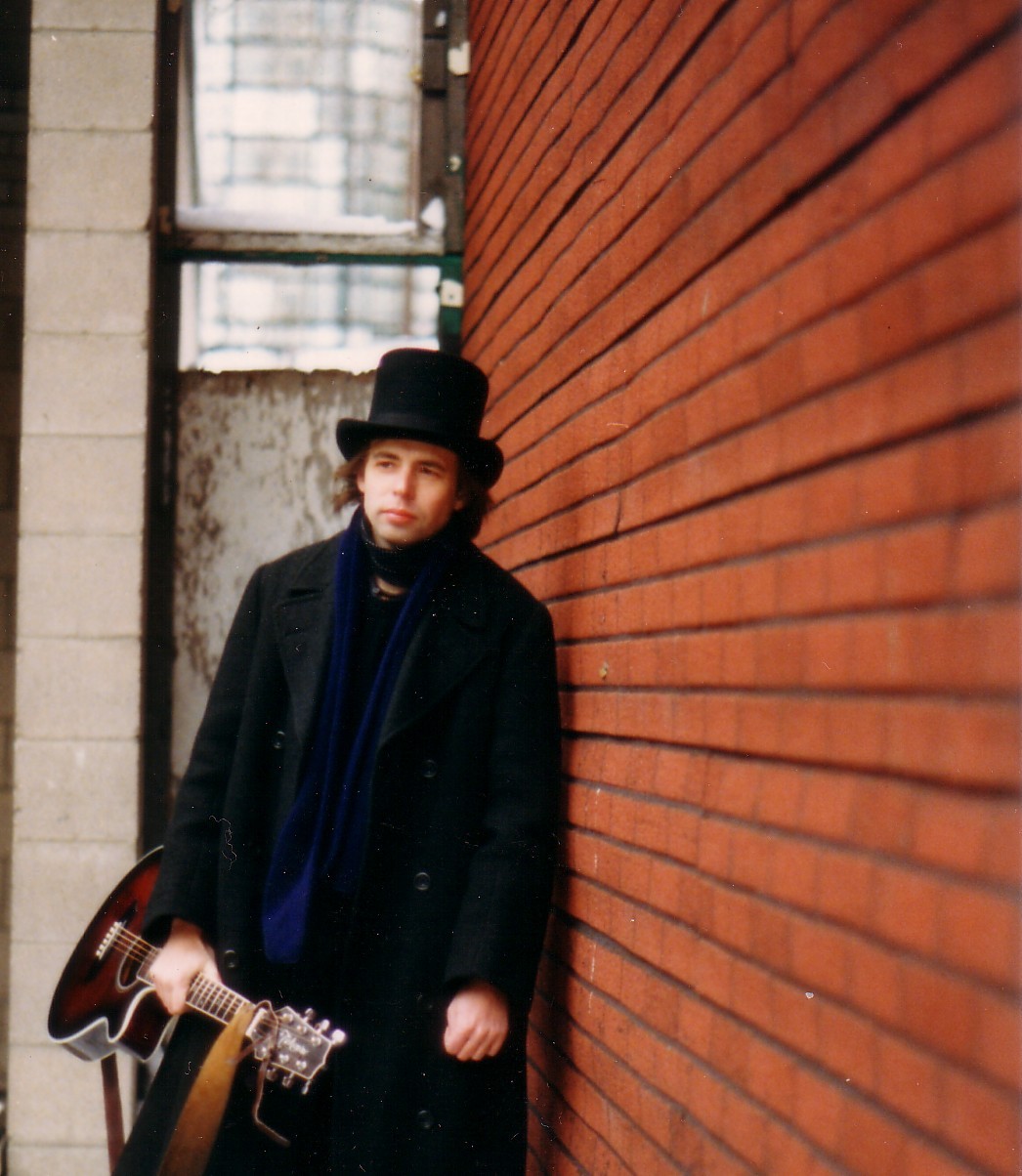
Josef Karafiát in winter in Canada in 1987
photo: archiv pamětníka

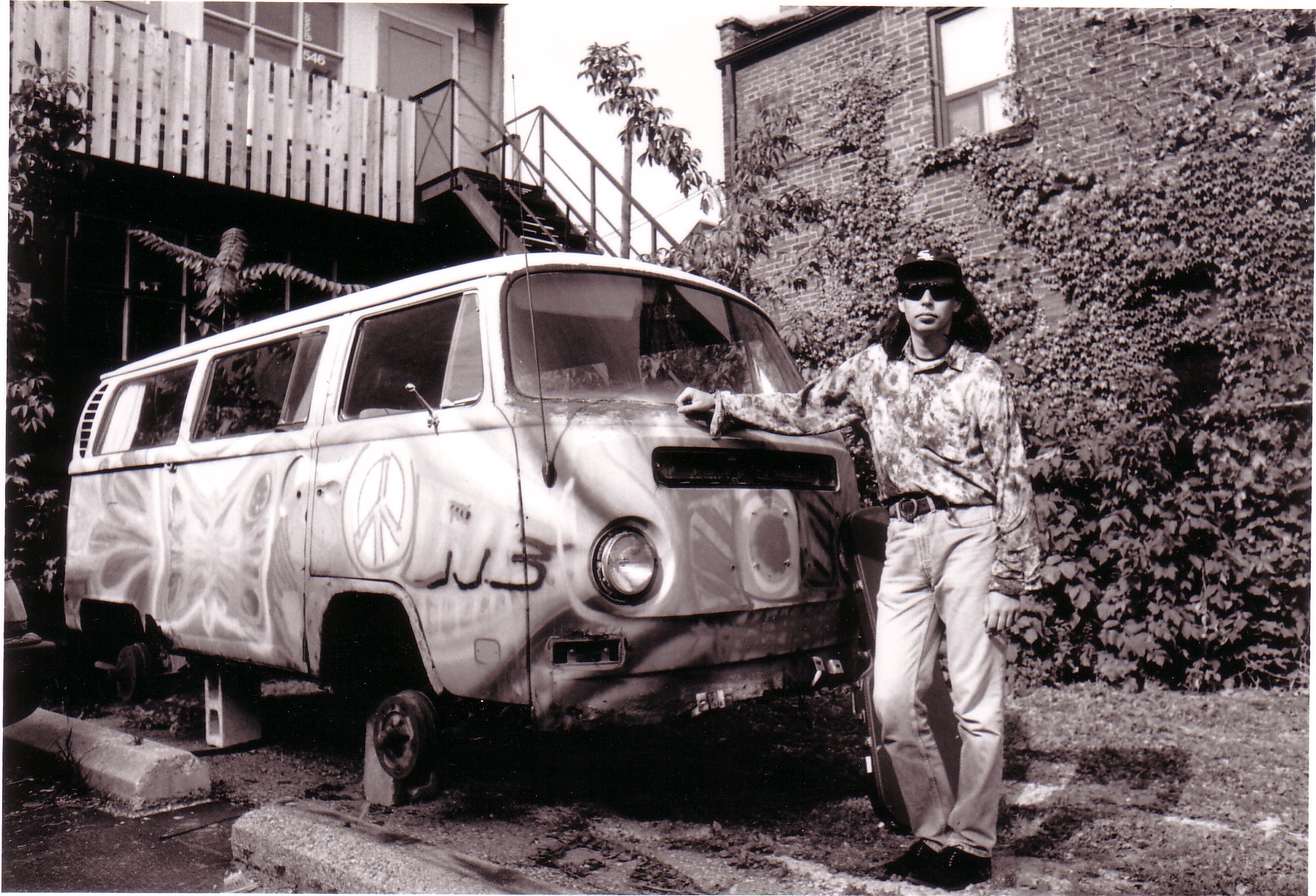
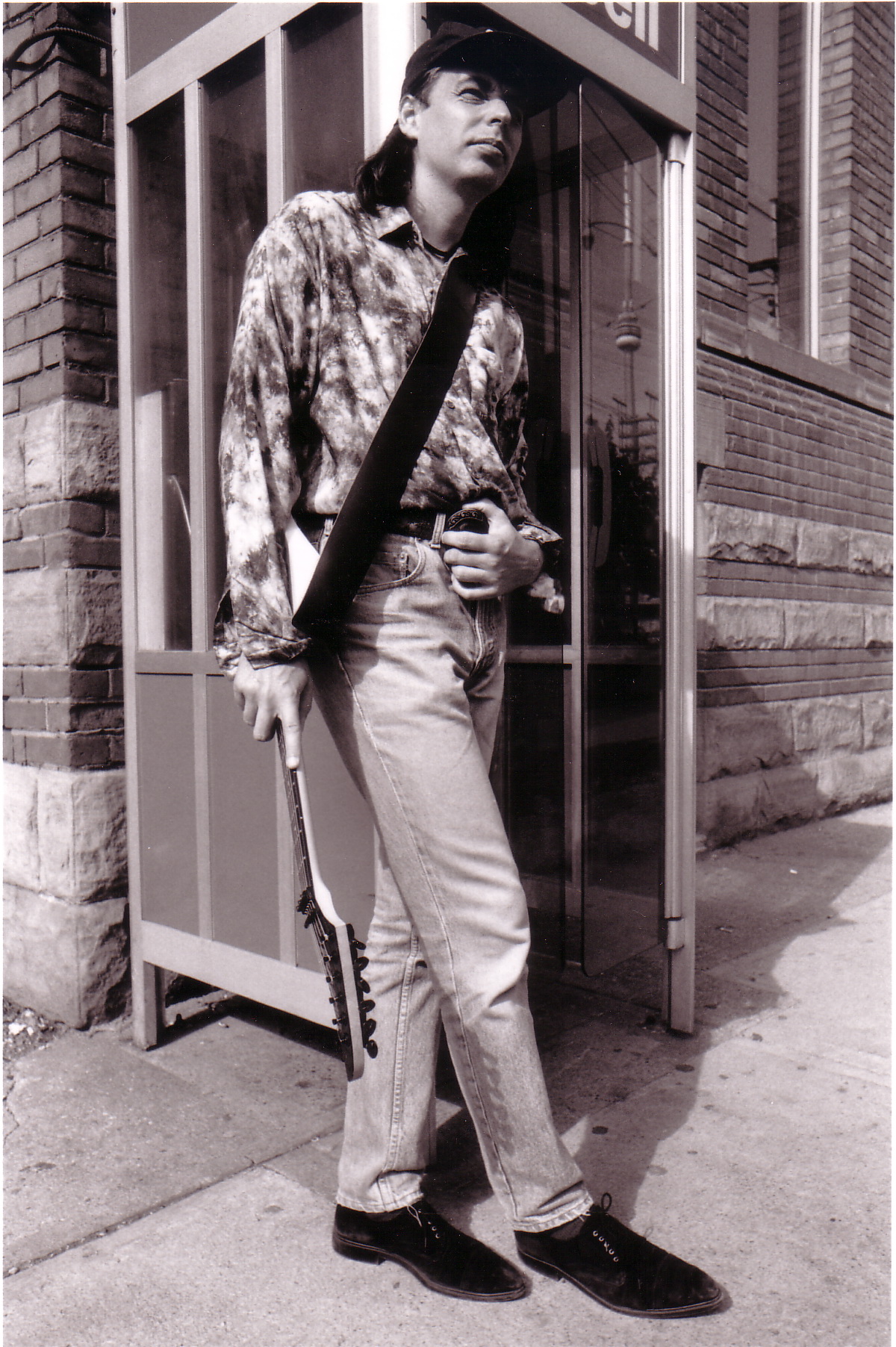
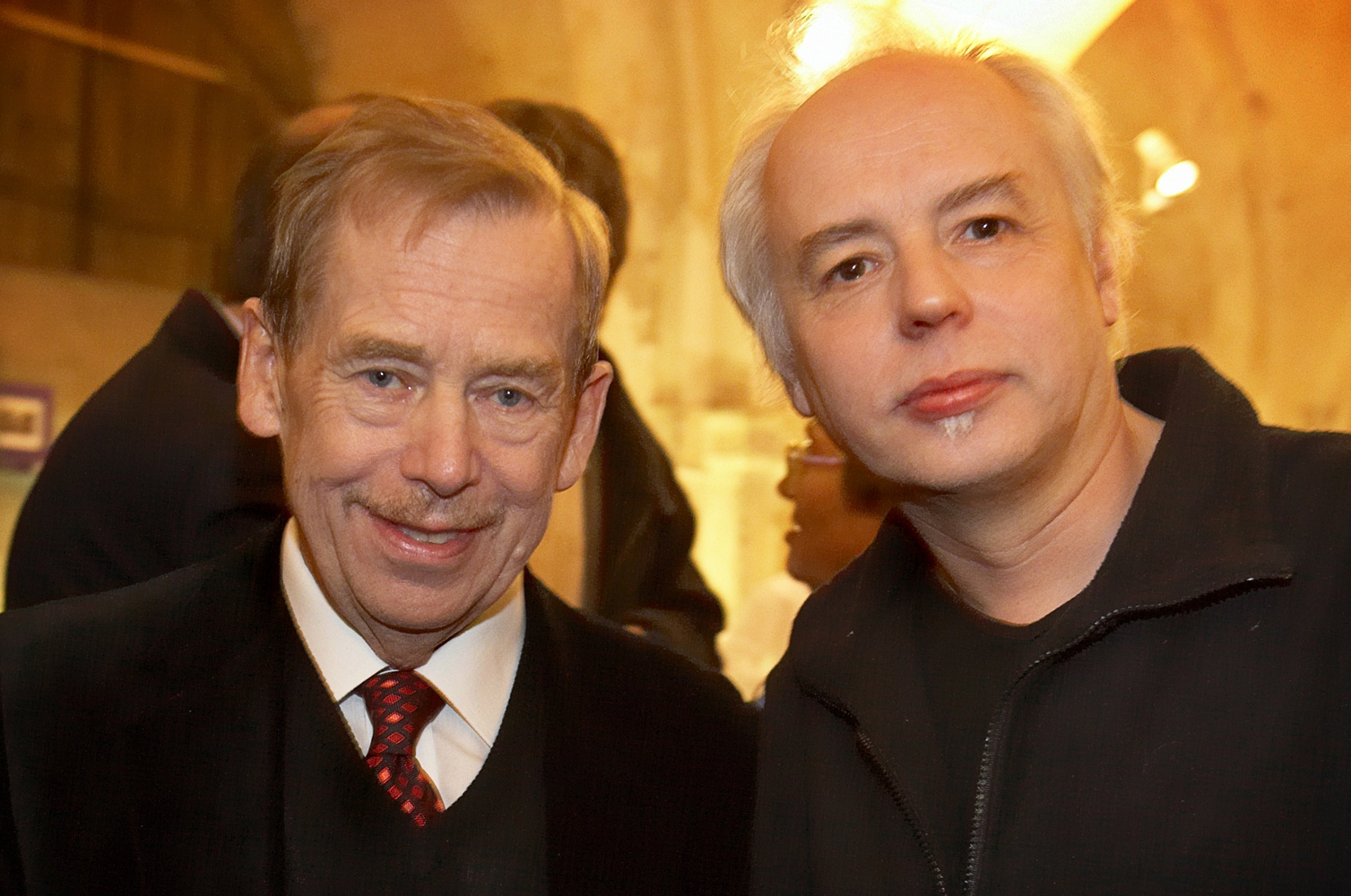
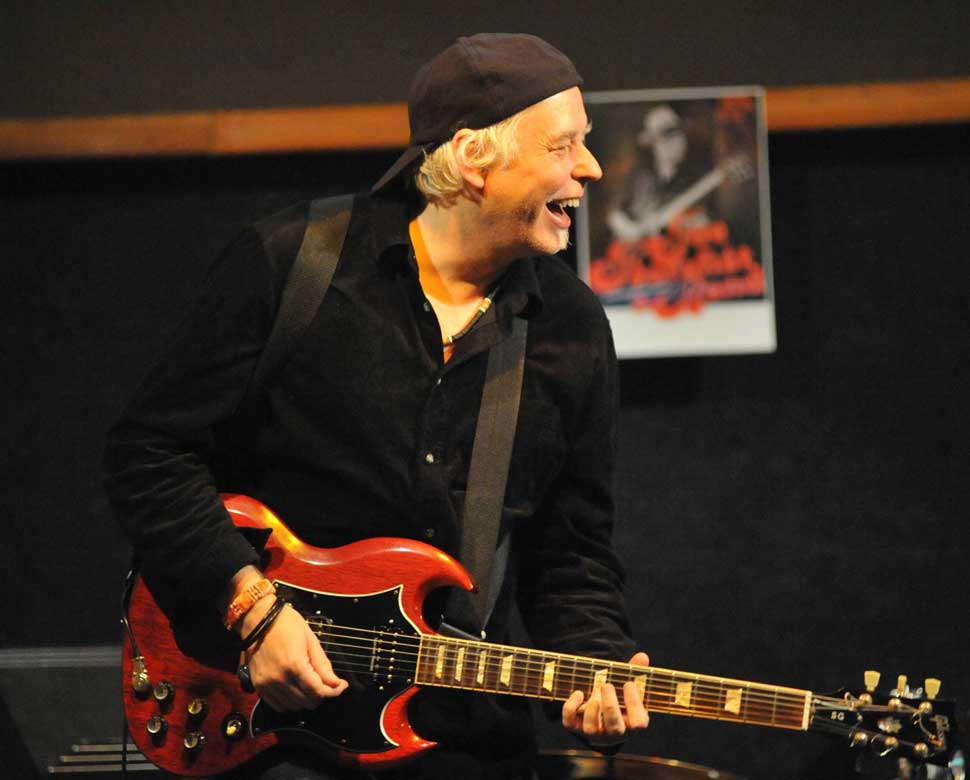
Josef “Joe” Karafiát was born on February 16, 1957 in Vinohrady, Prague, and spent his school years in Prague 6. In 1968, he witnessed the invasion of Czechoslovakia by Warsaw Pact troops. During his apprenticeship, he began to devote himself to music. At the age of twenty, he and his friends decided to emigrate via Frankfurt to London. He spent two years in England, learning English, earning money by playing the streets in the tube and teaching guitar. He then travelled to Canada, where he lived first in Ottawa and later in Toronto, where he also devoted himself to music. In the 1990s, Josef returned to Czechoslovakia due to his sick mother. In 1992 he started playing with the band Garáž, from 1997 he became a member of the renewed band The Plastic People of the Universe and later he also performed in the solo project of Milan Hlavsa Šílenství. At that time, he also met Václav Havel. He toured the world with the bands he was a member of, his home is still the Czech Republic.