I often dream I’m in Argentina looking for my uncle’s house. I never find it
Download image
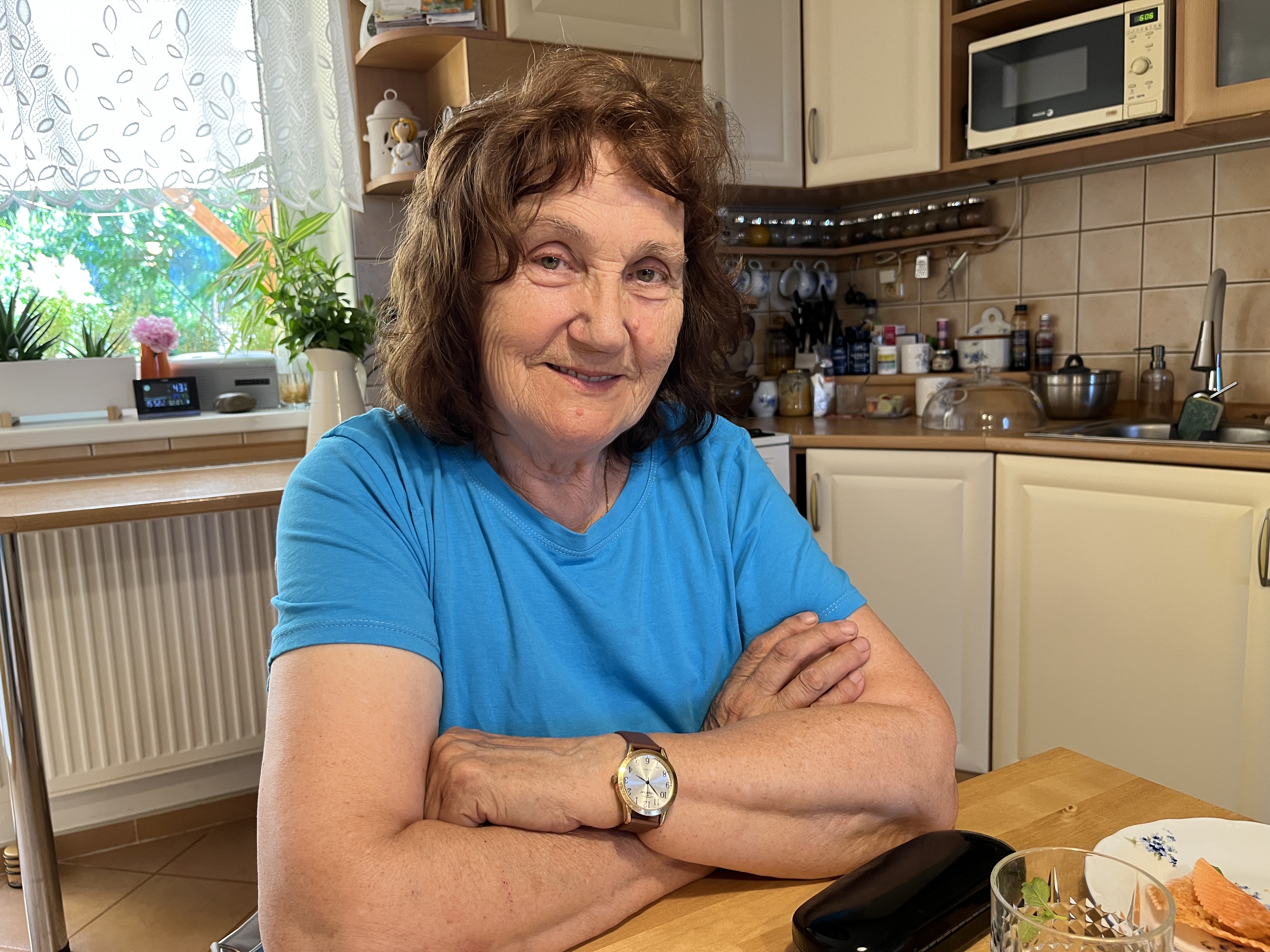
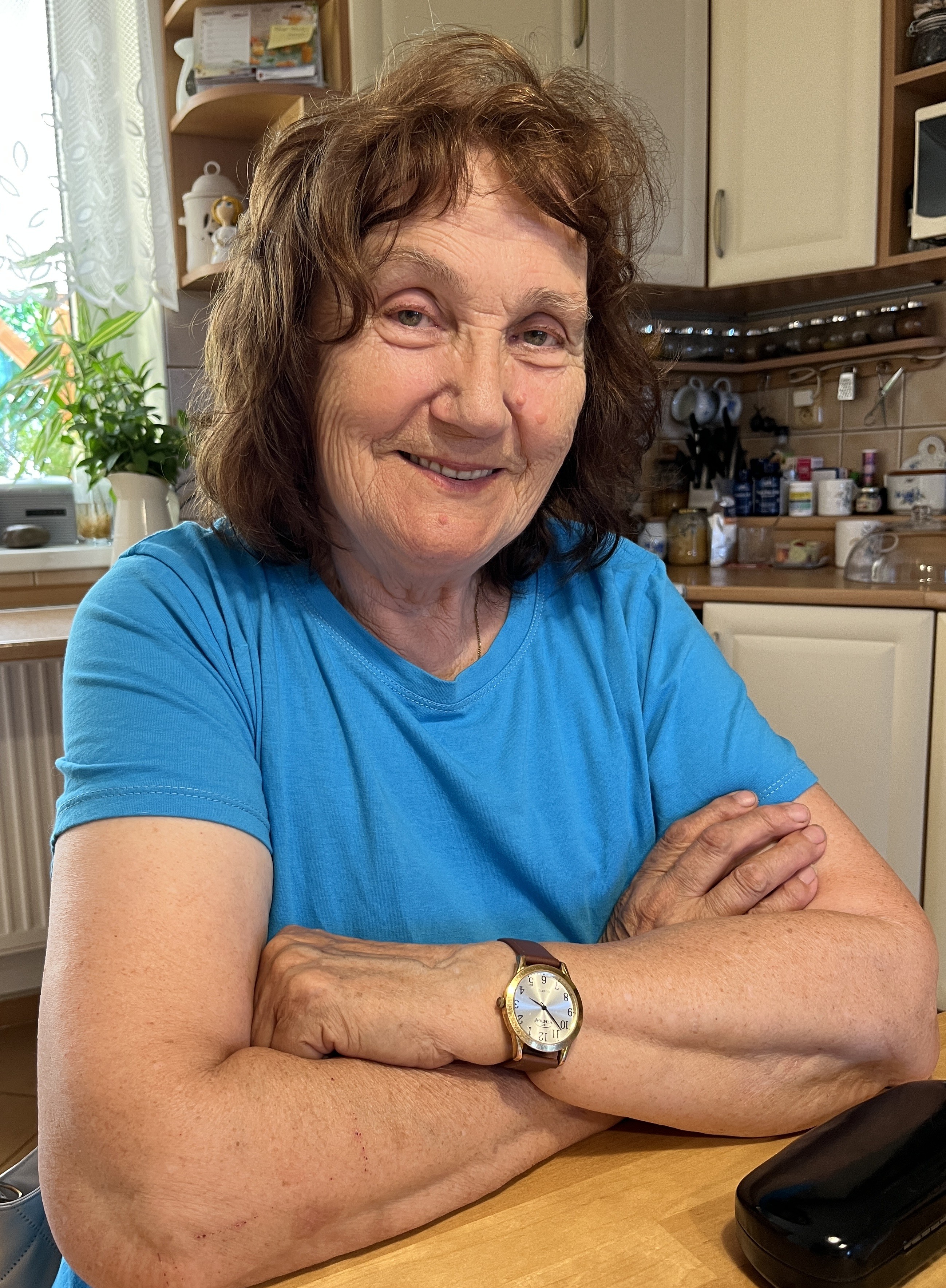
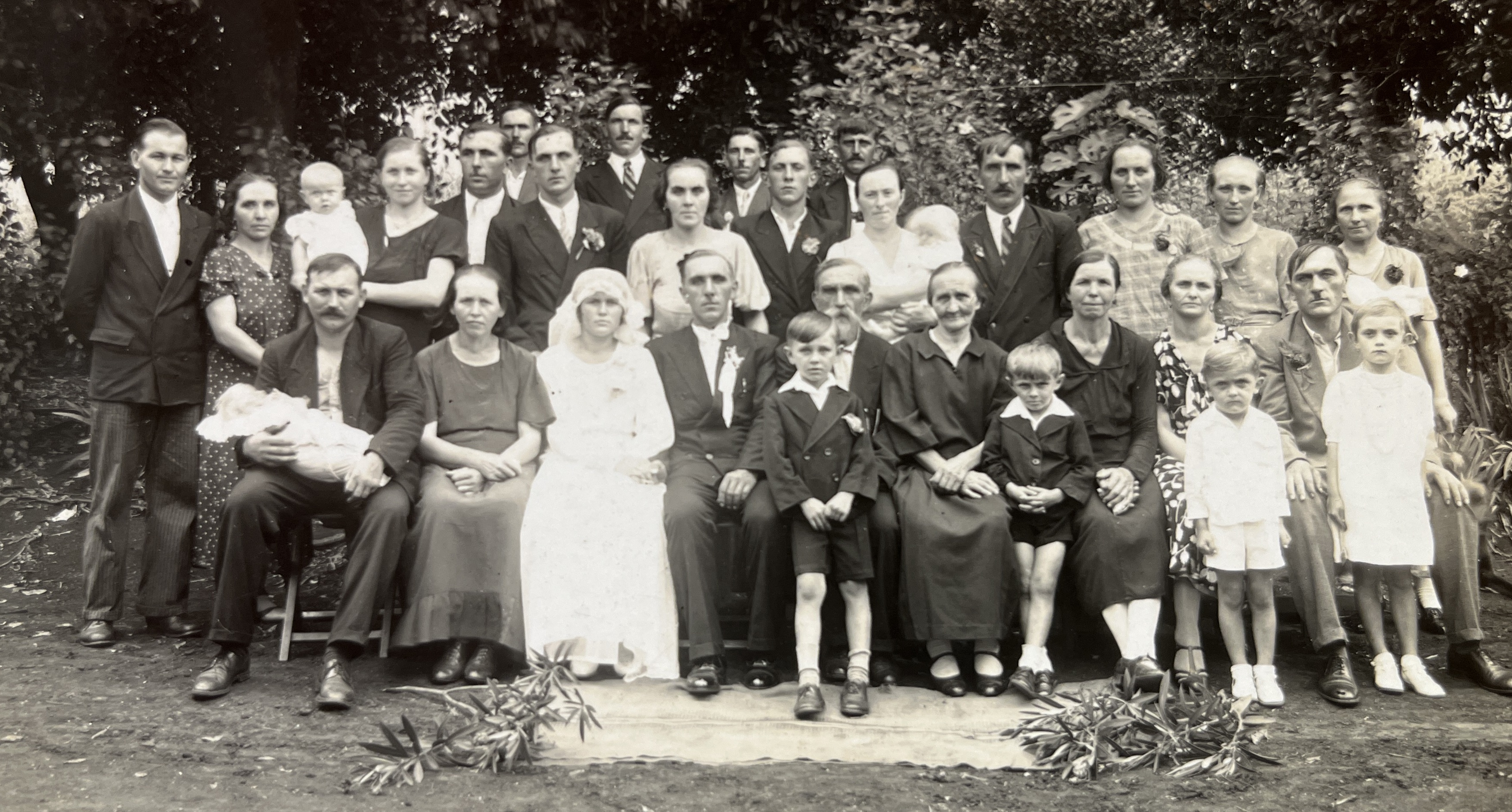
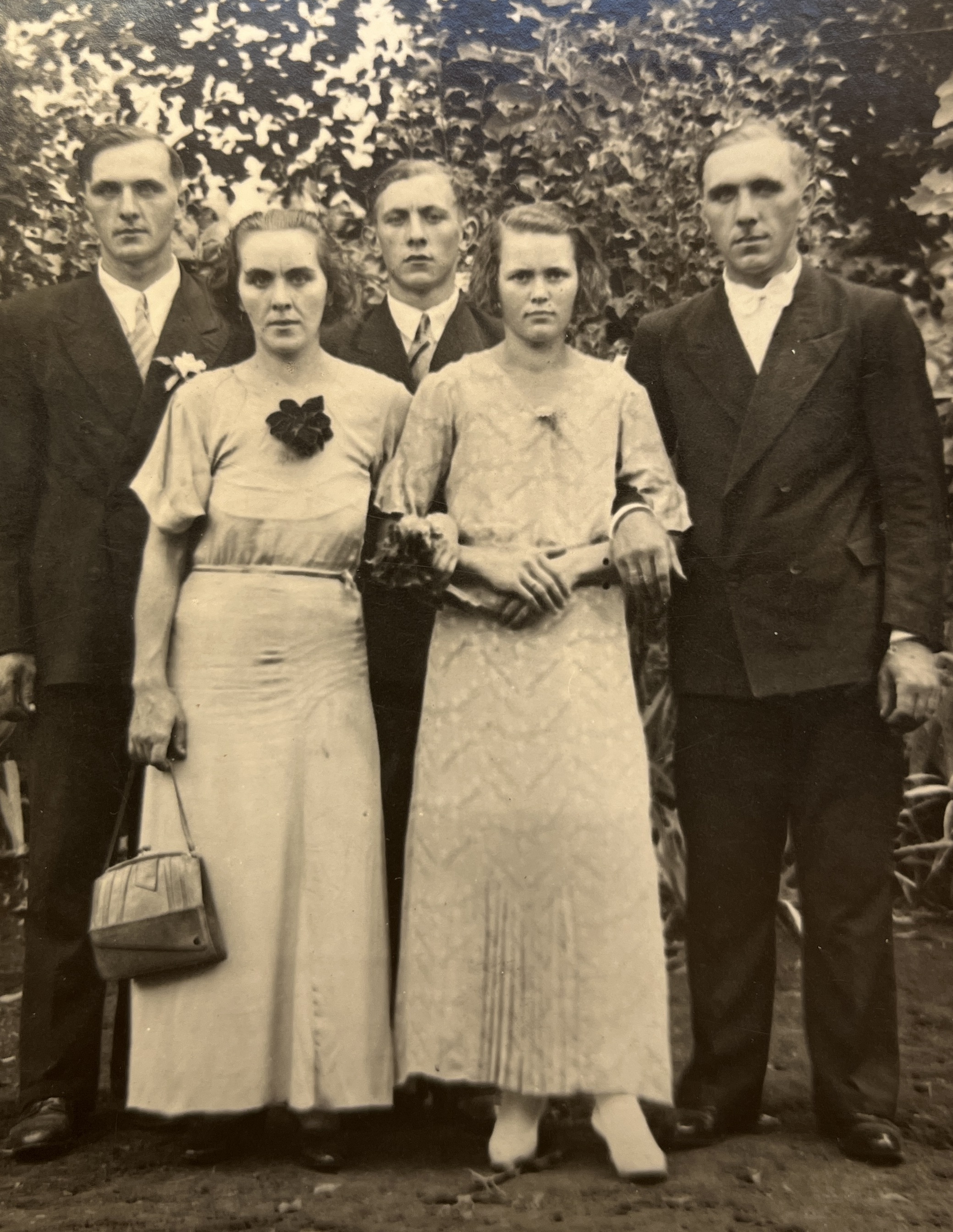
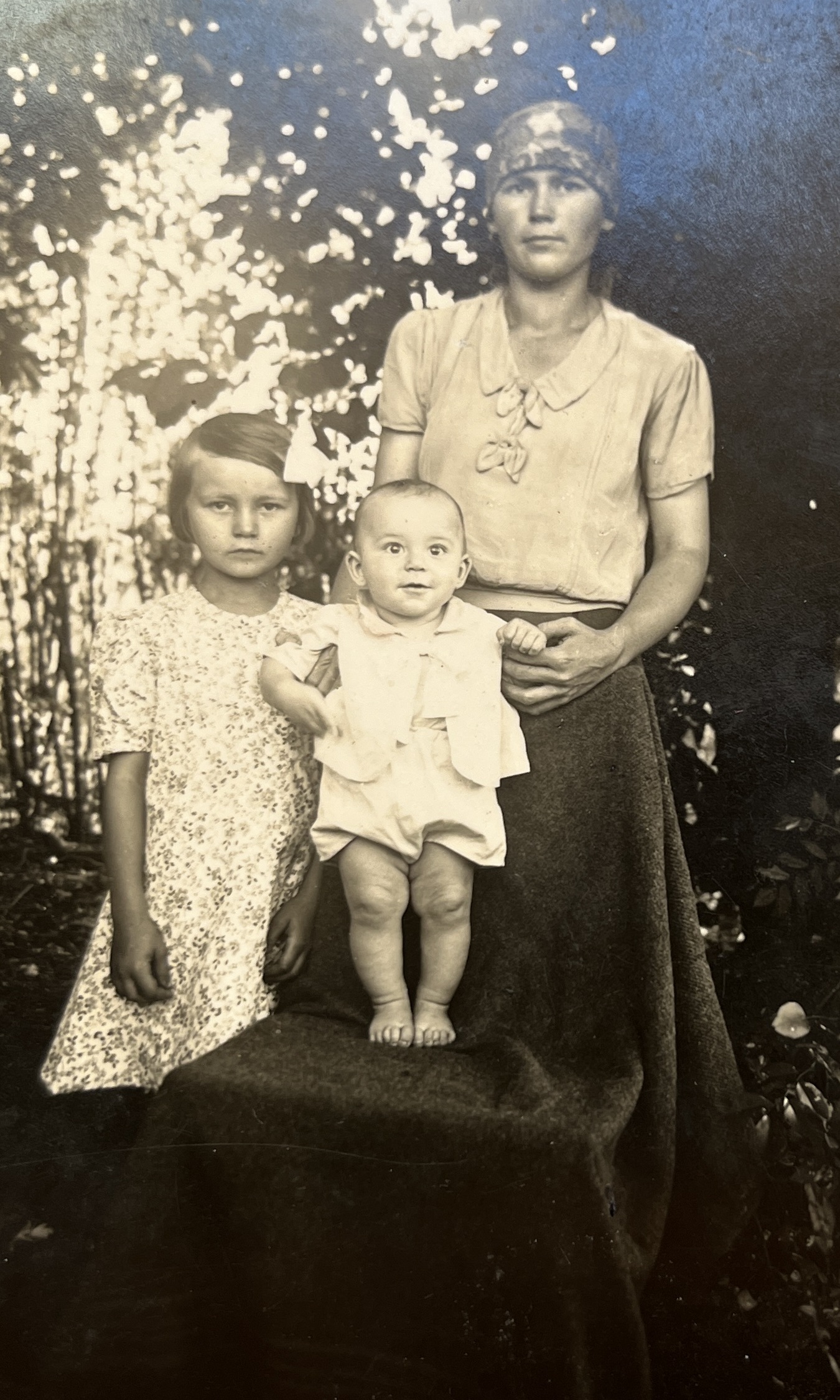
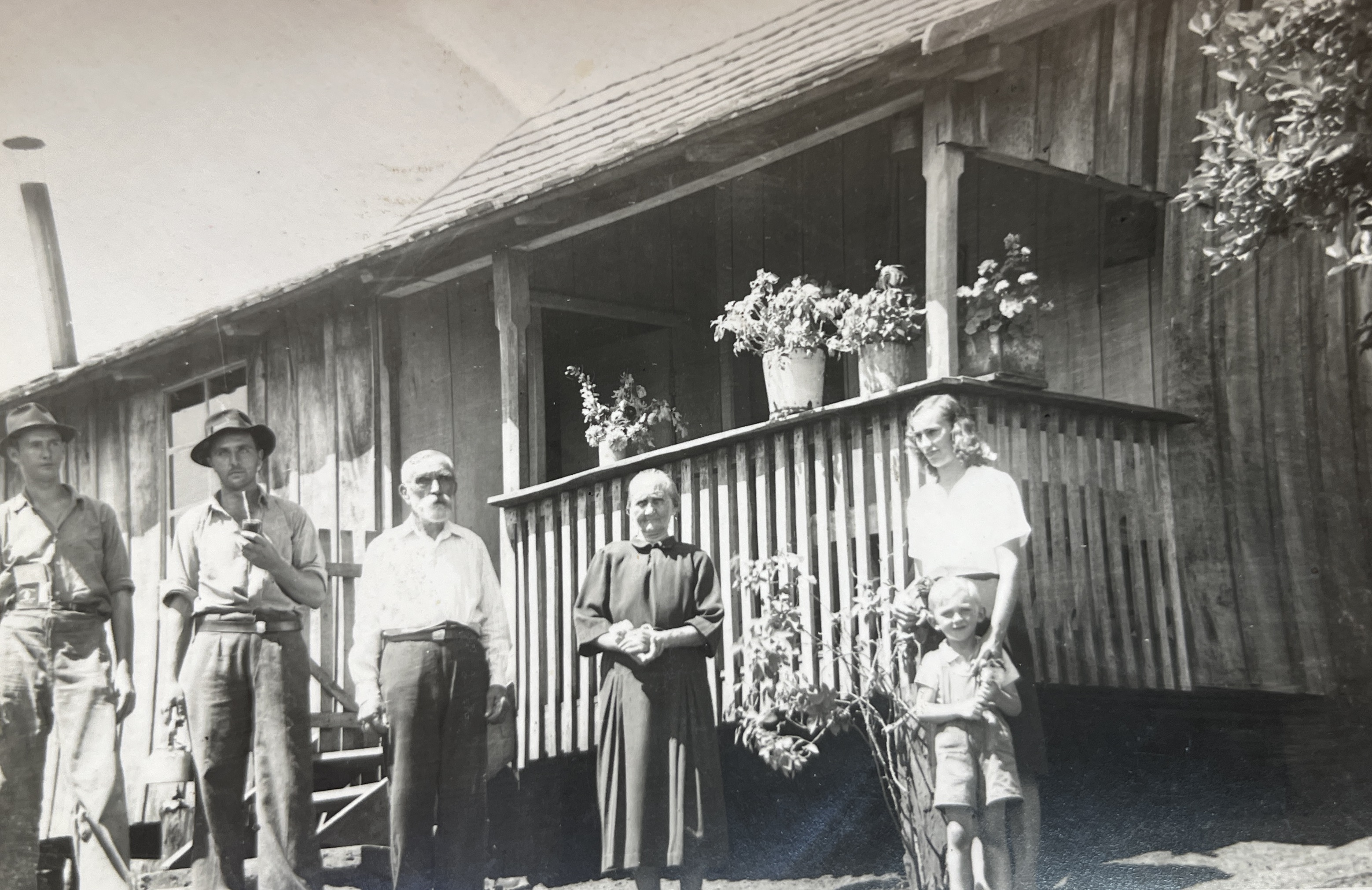
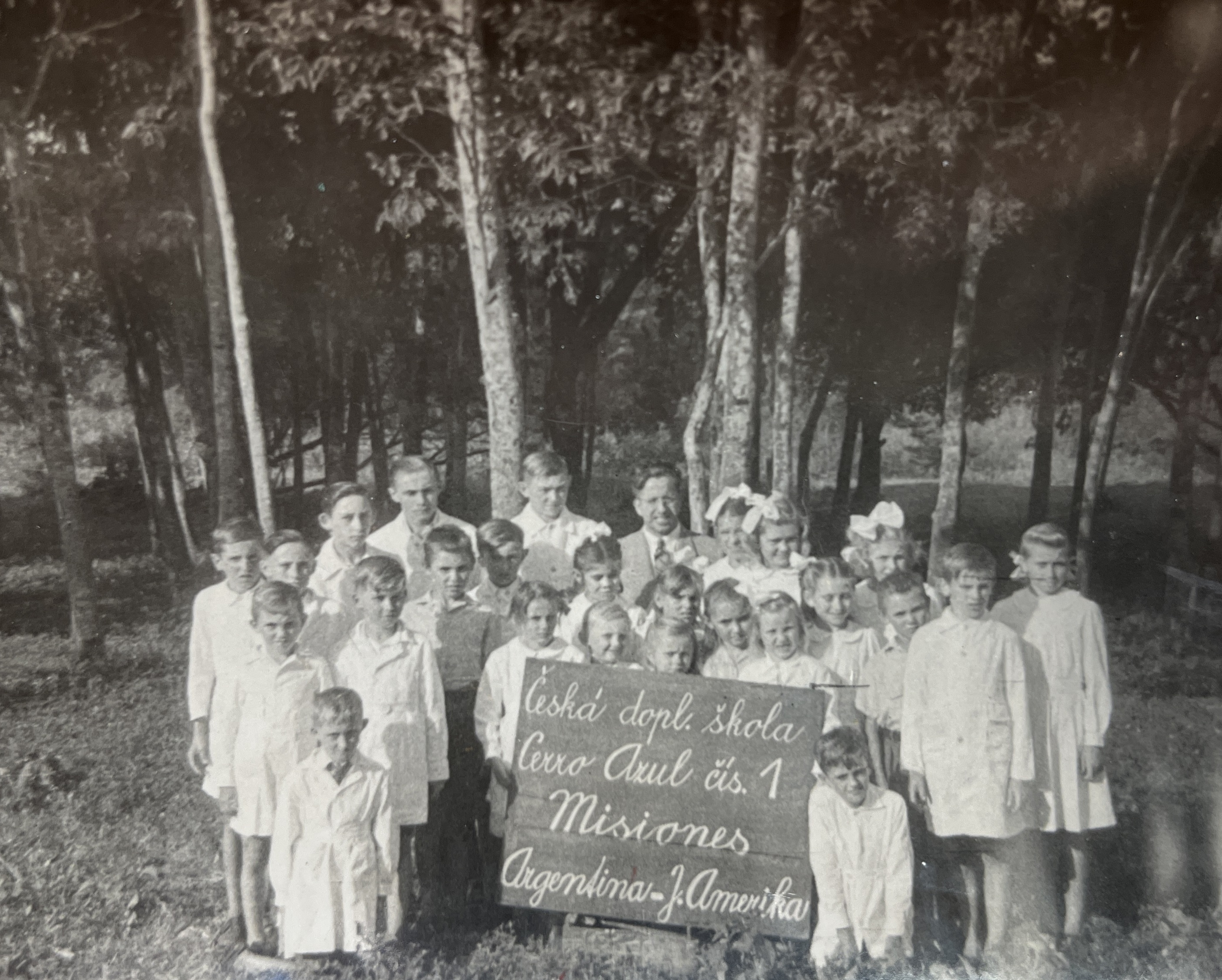
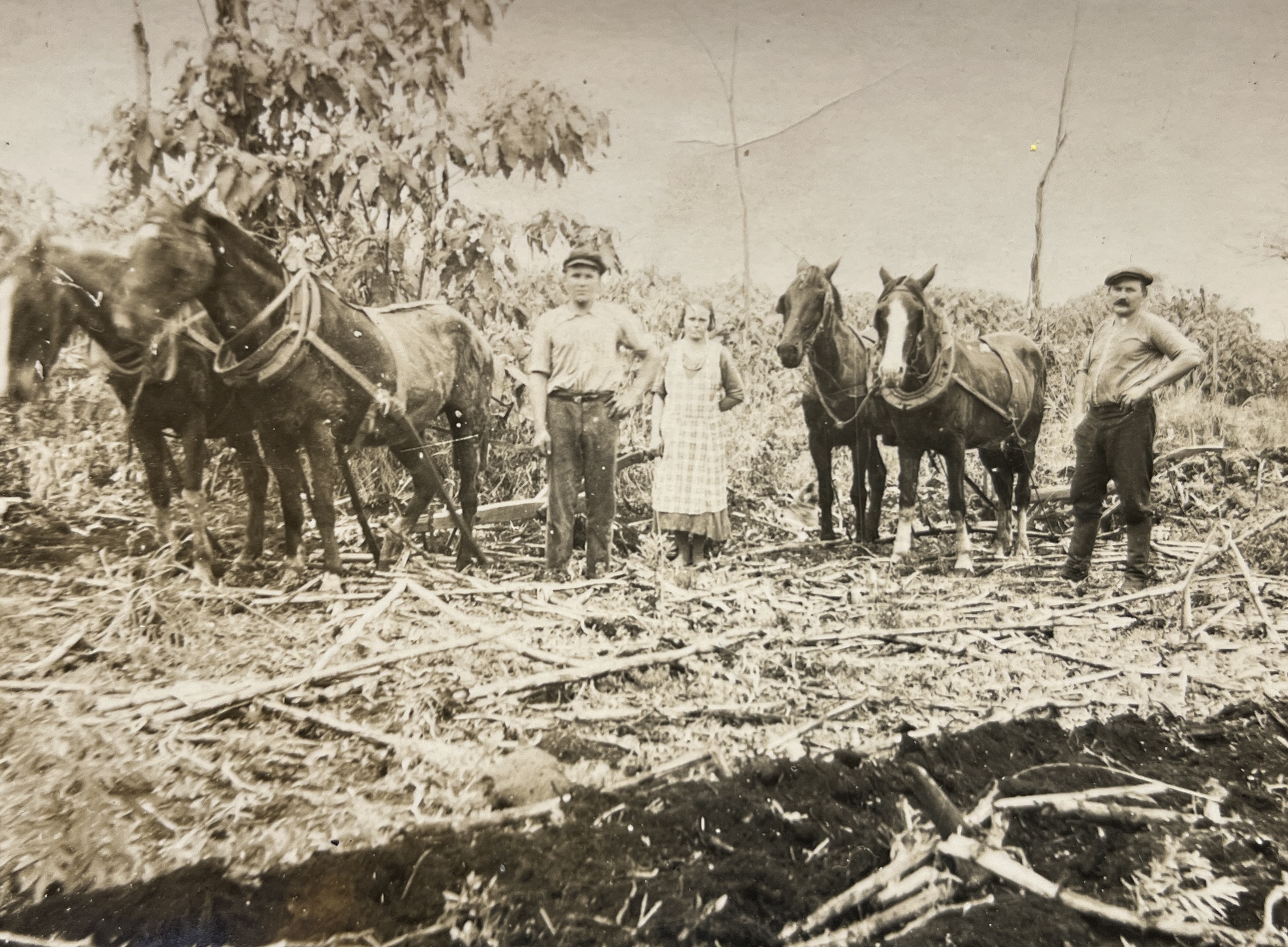
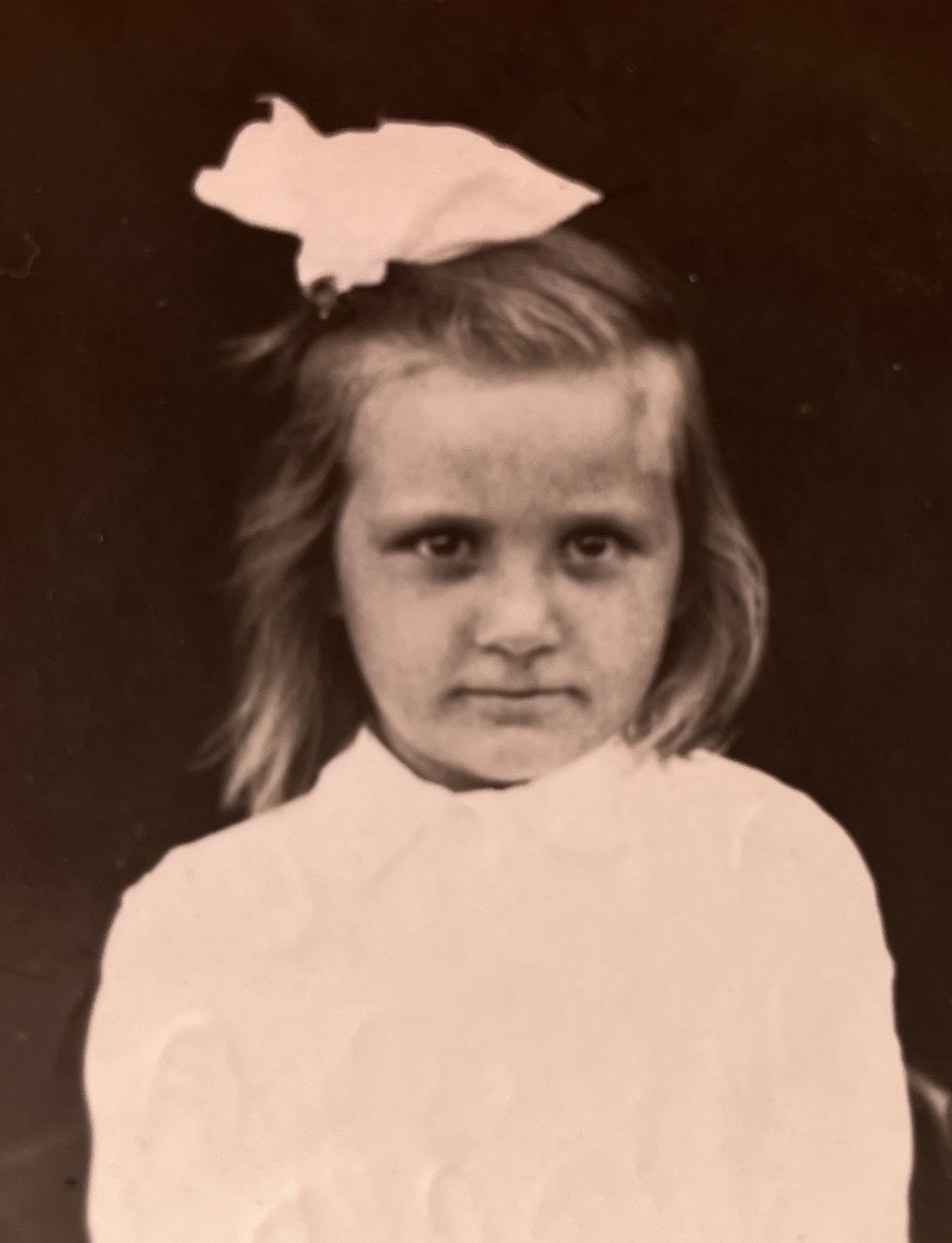
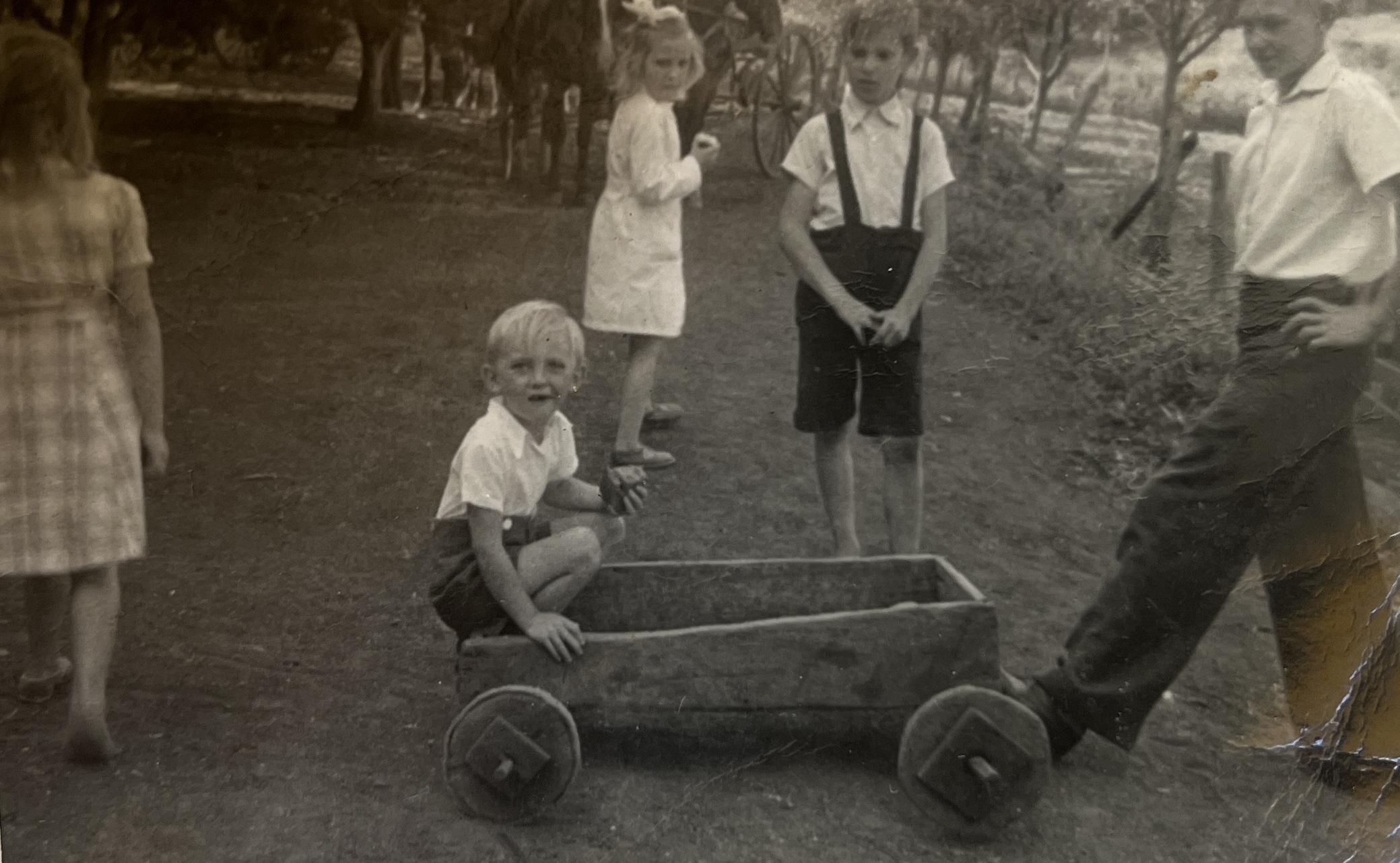
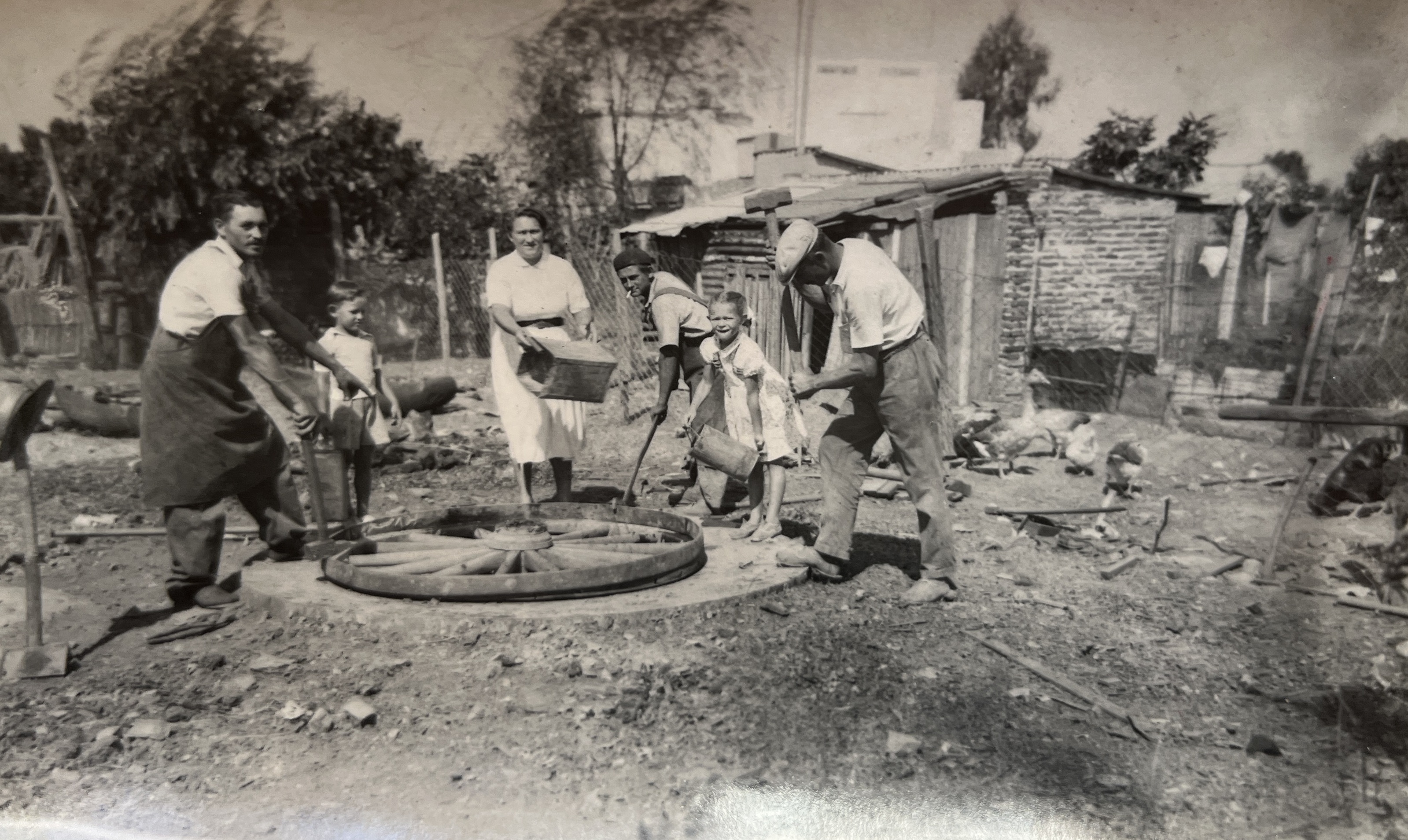
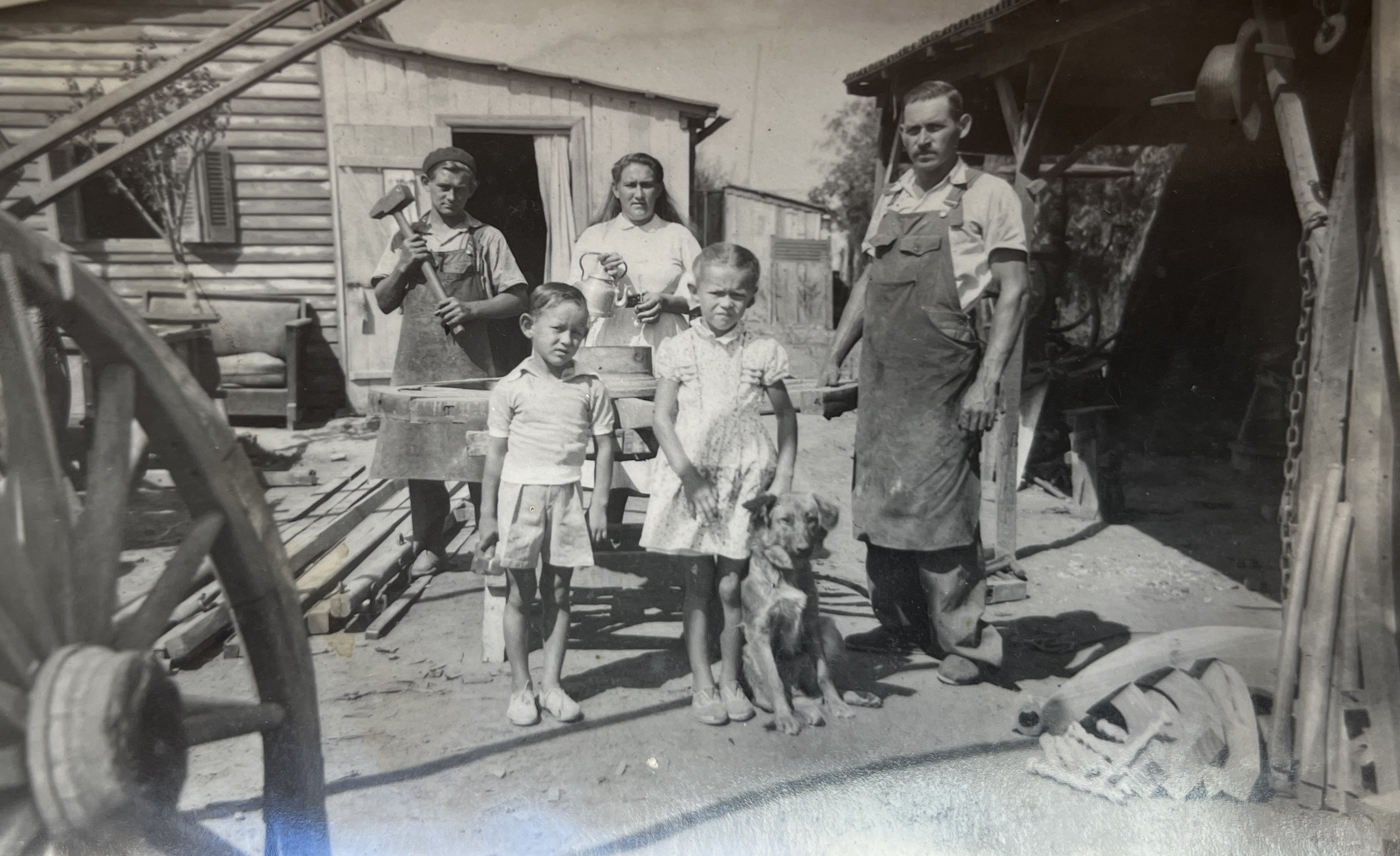
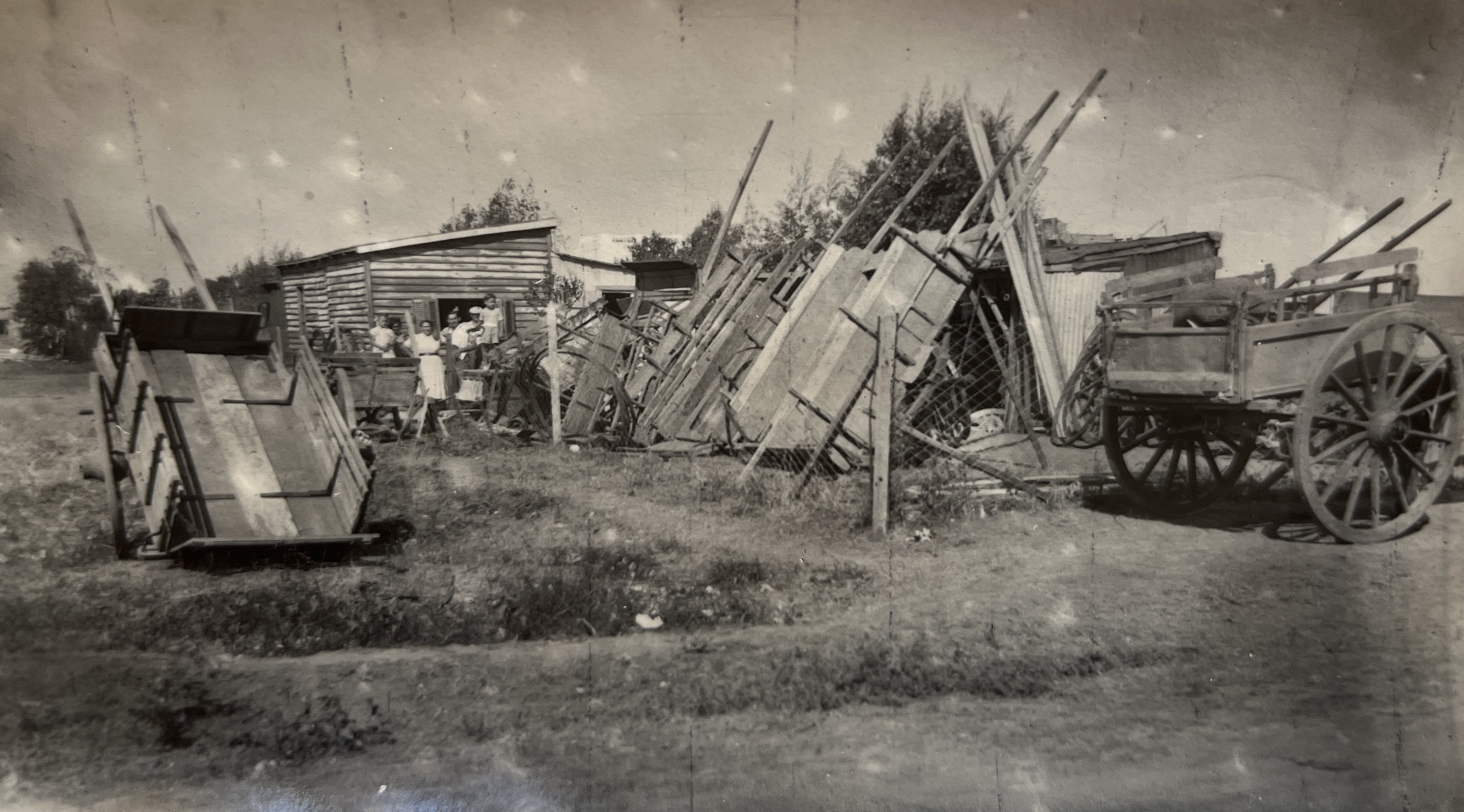
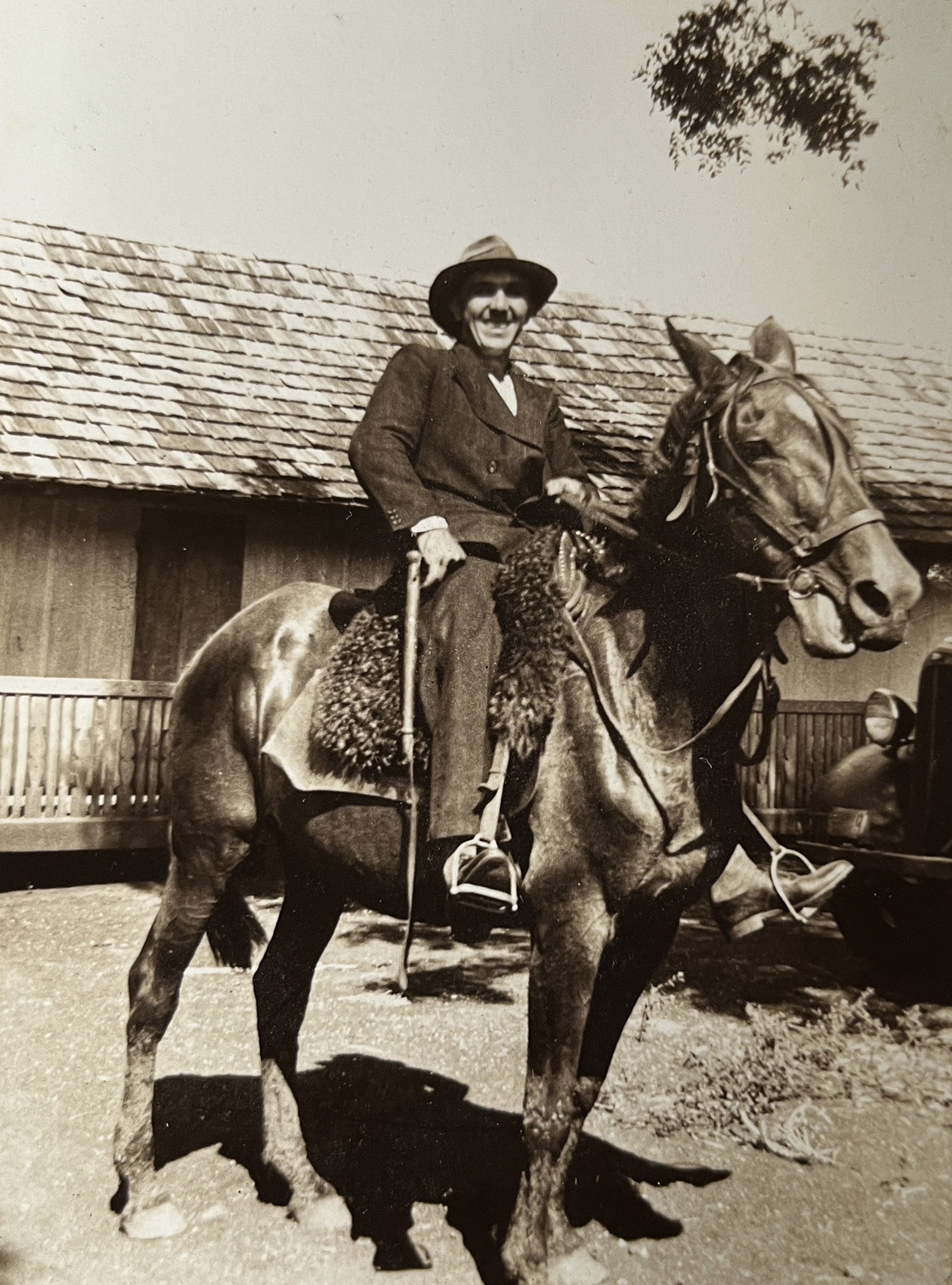
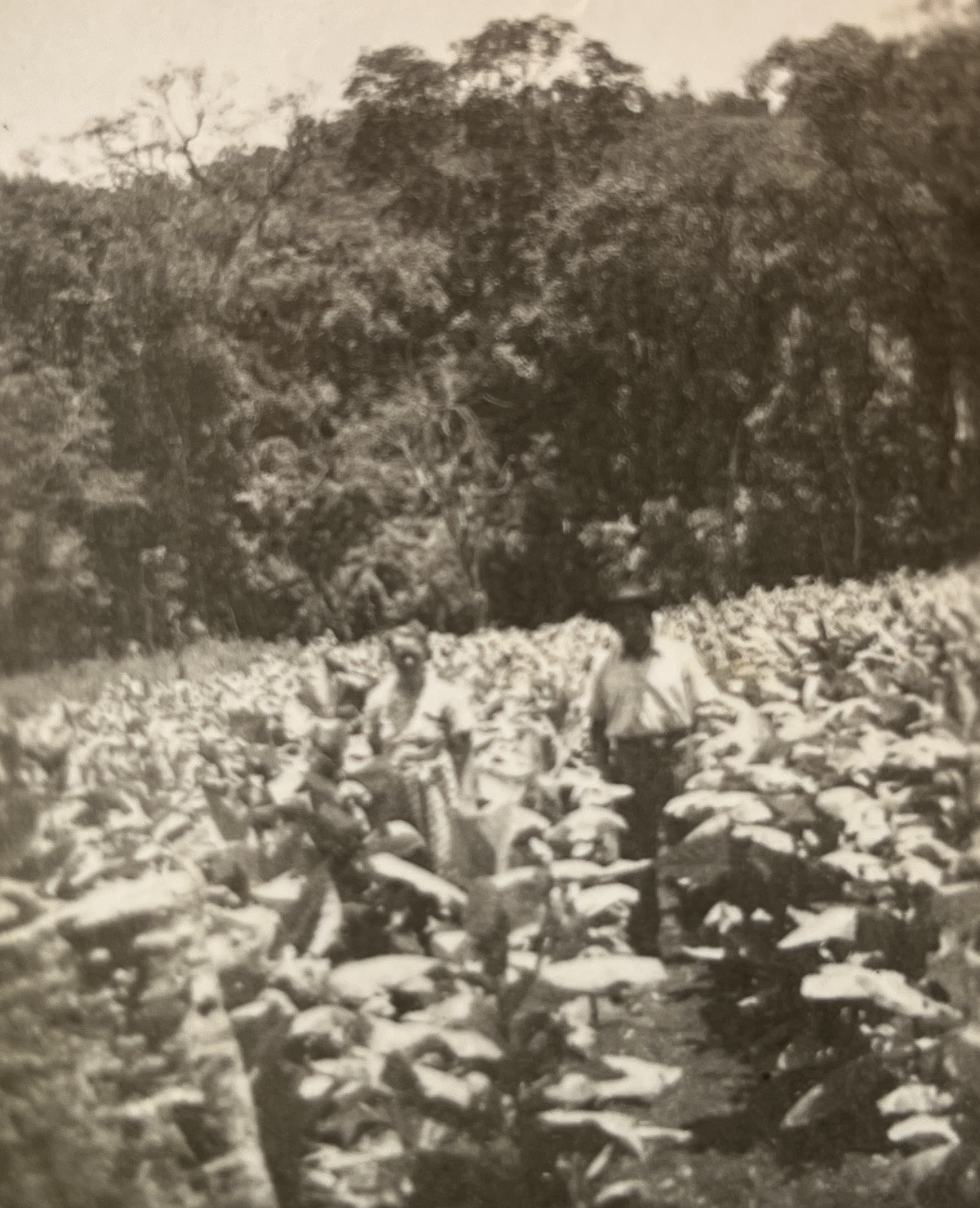
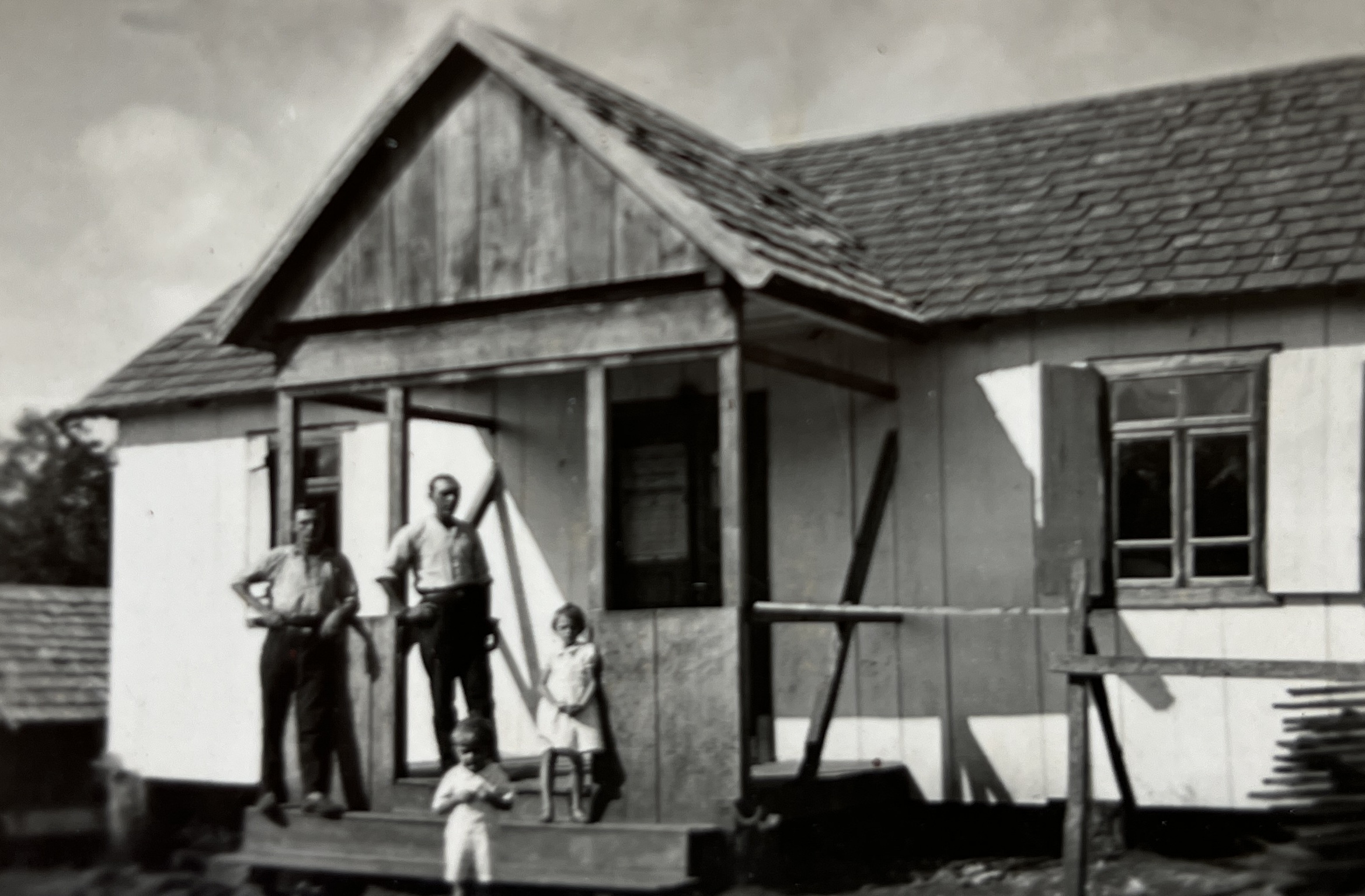
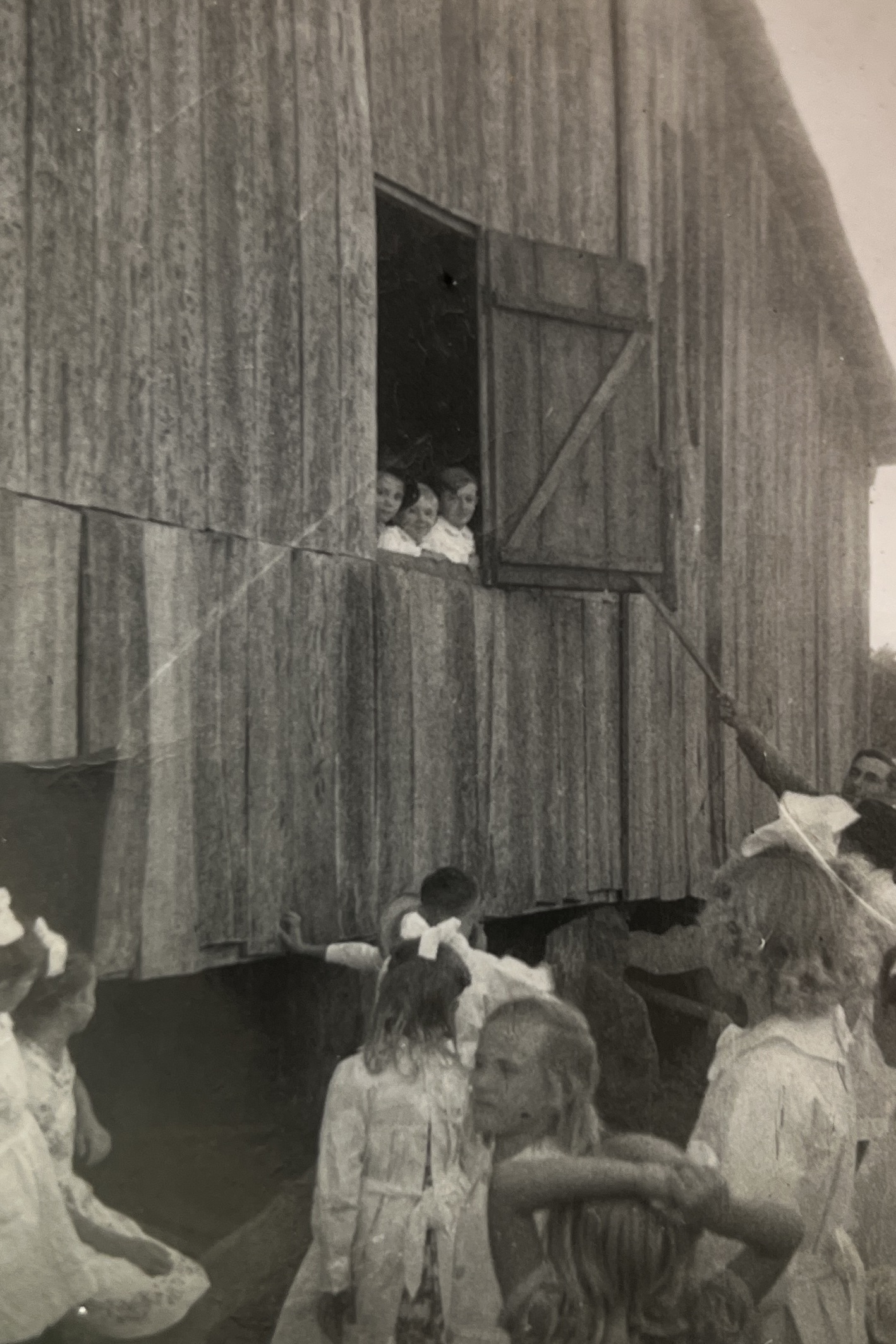
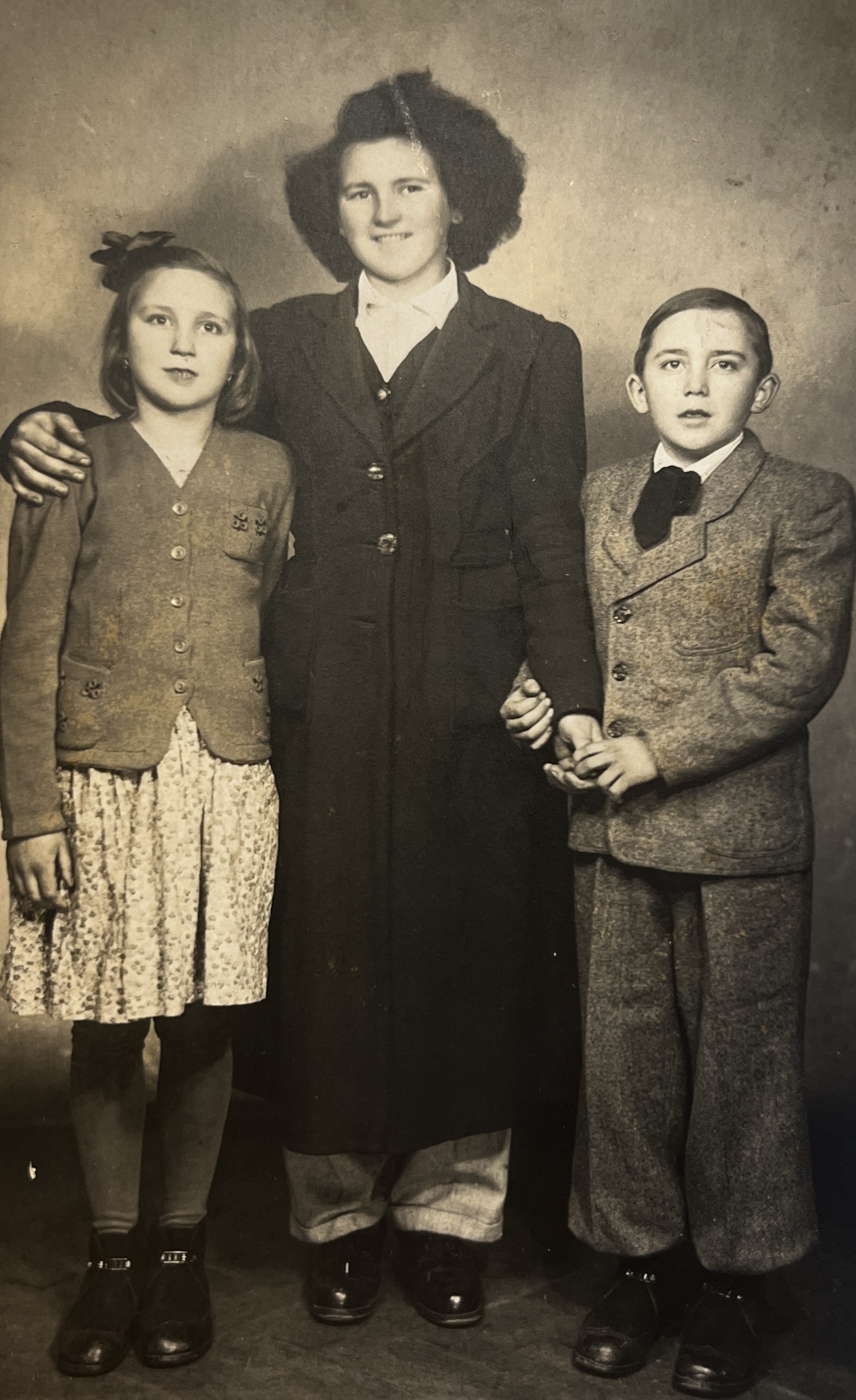
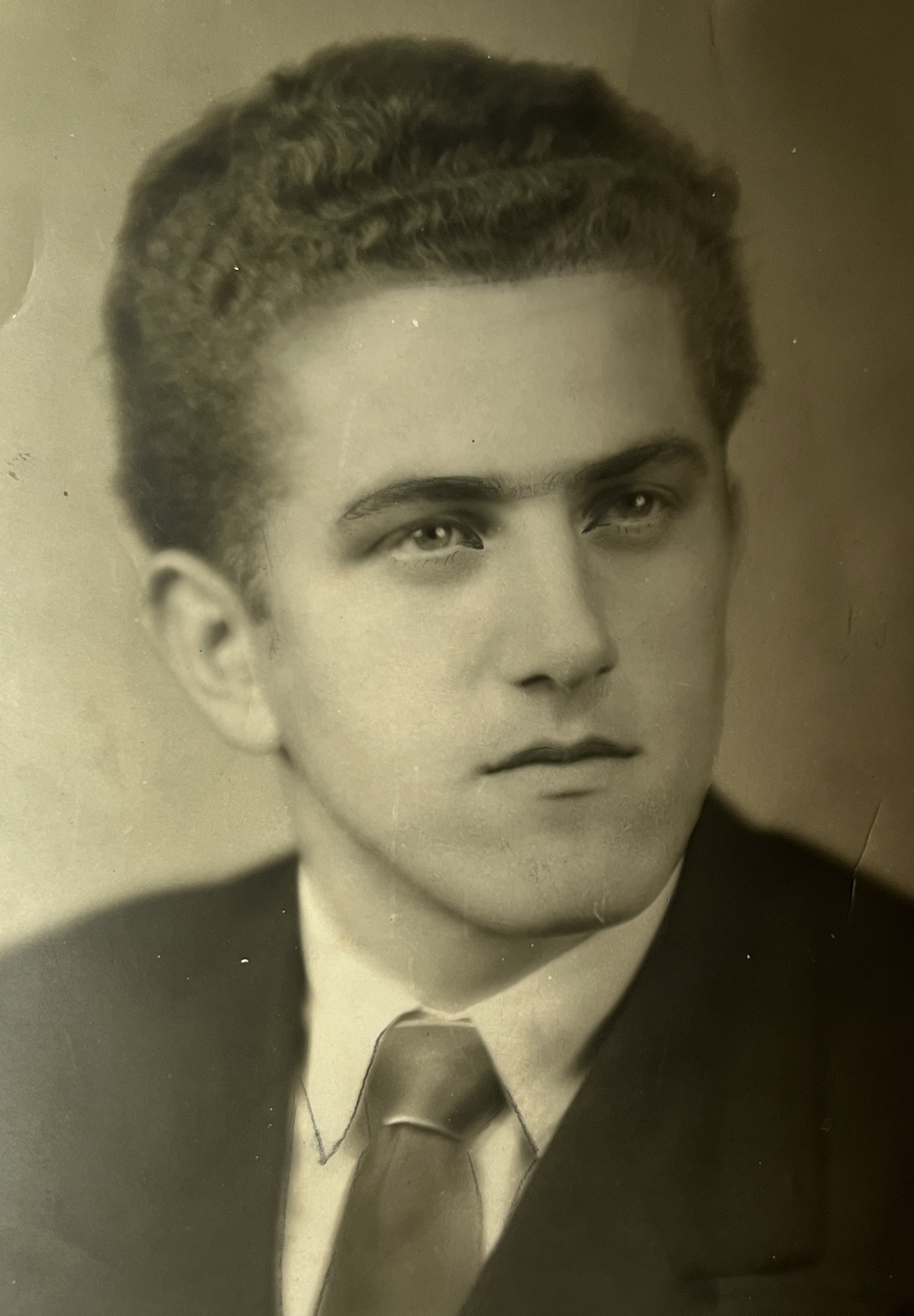
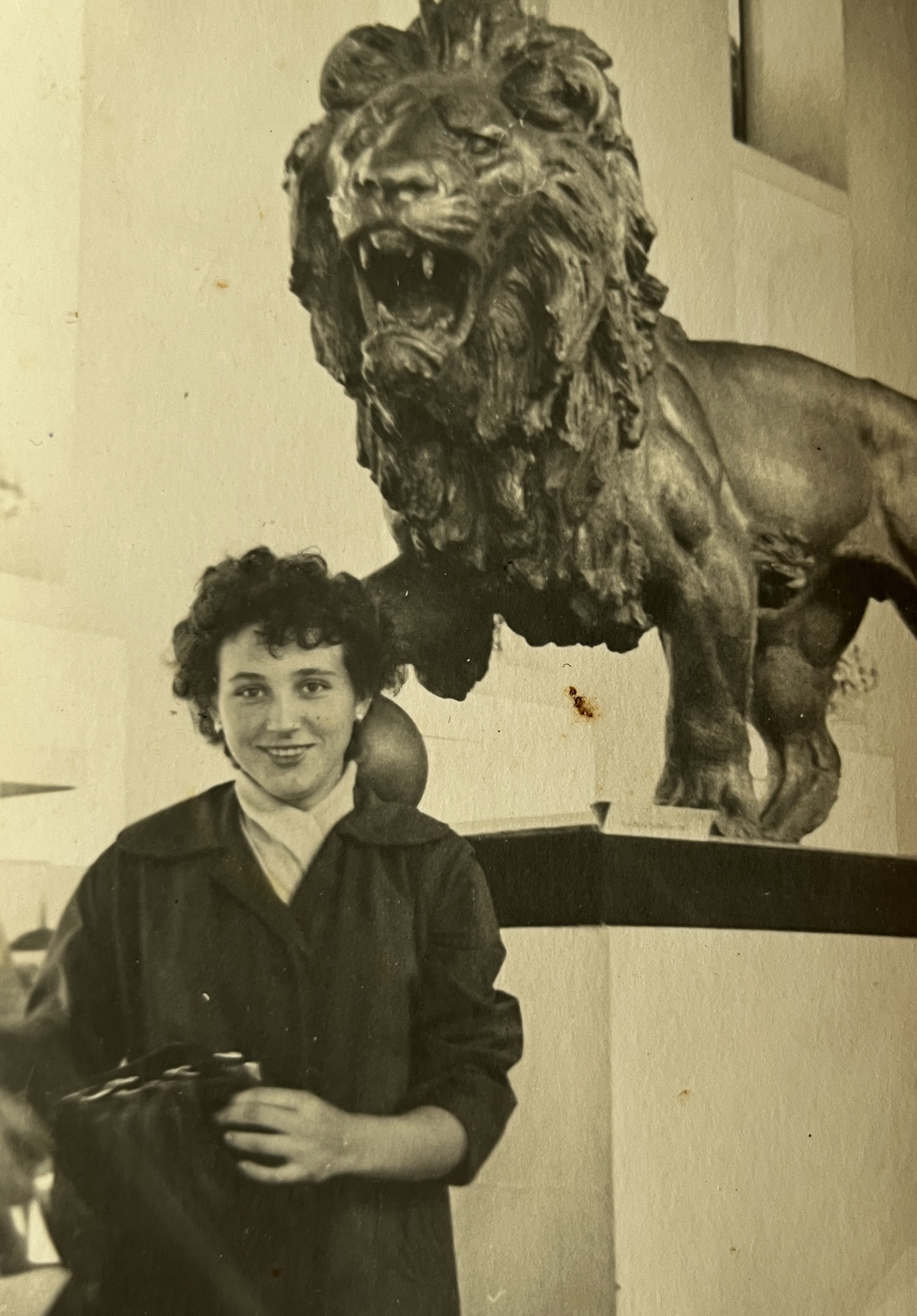
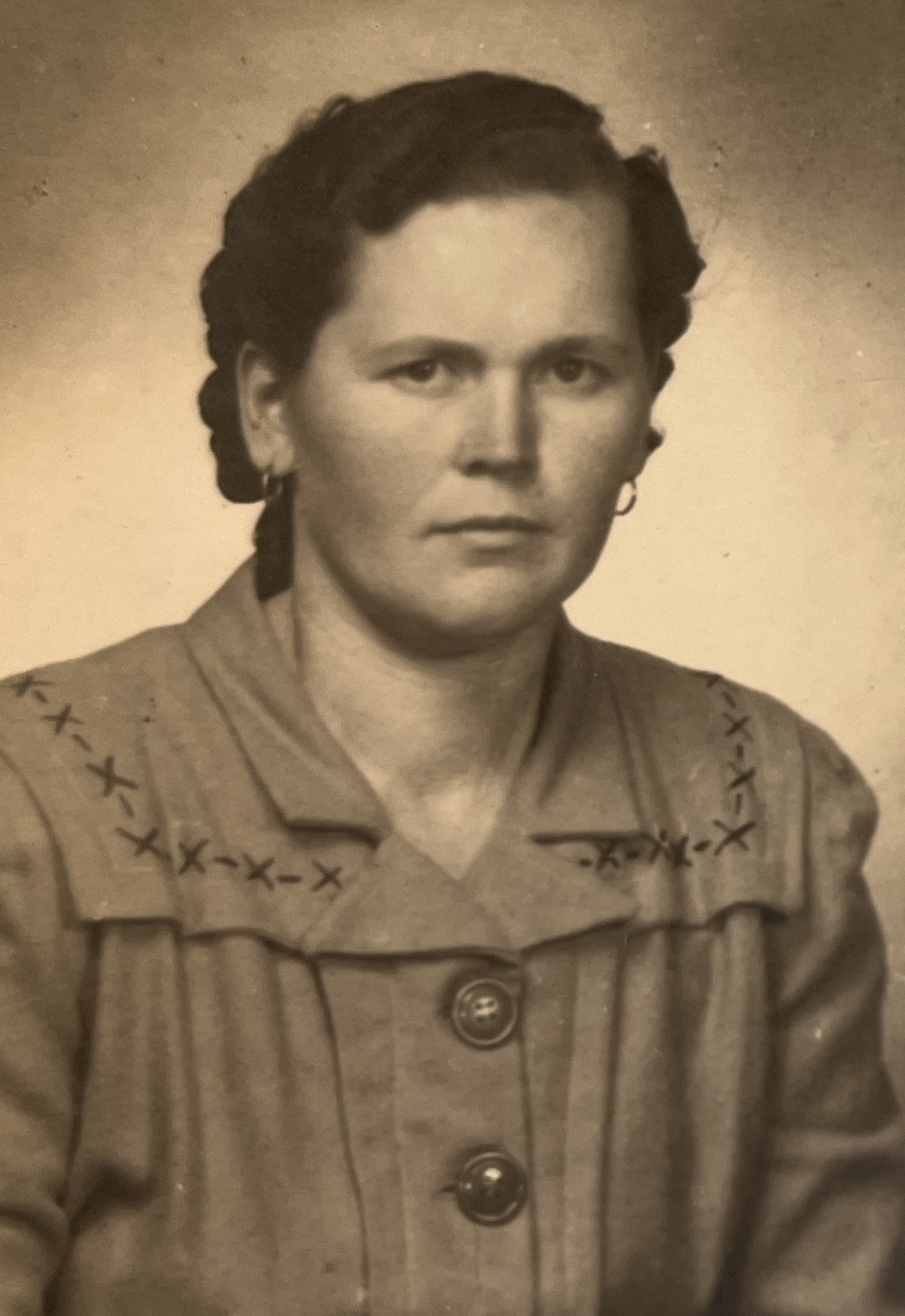
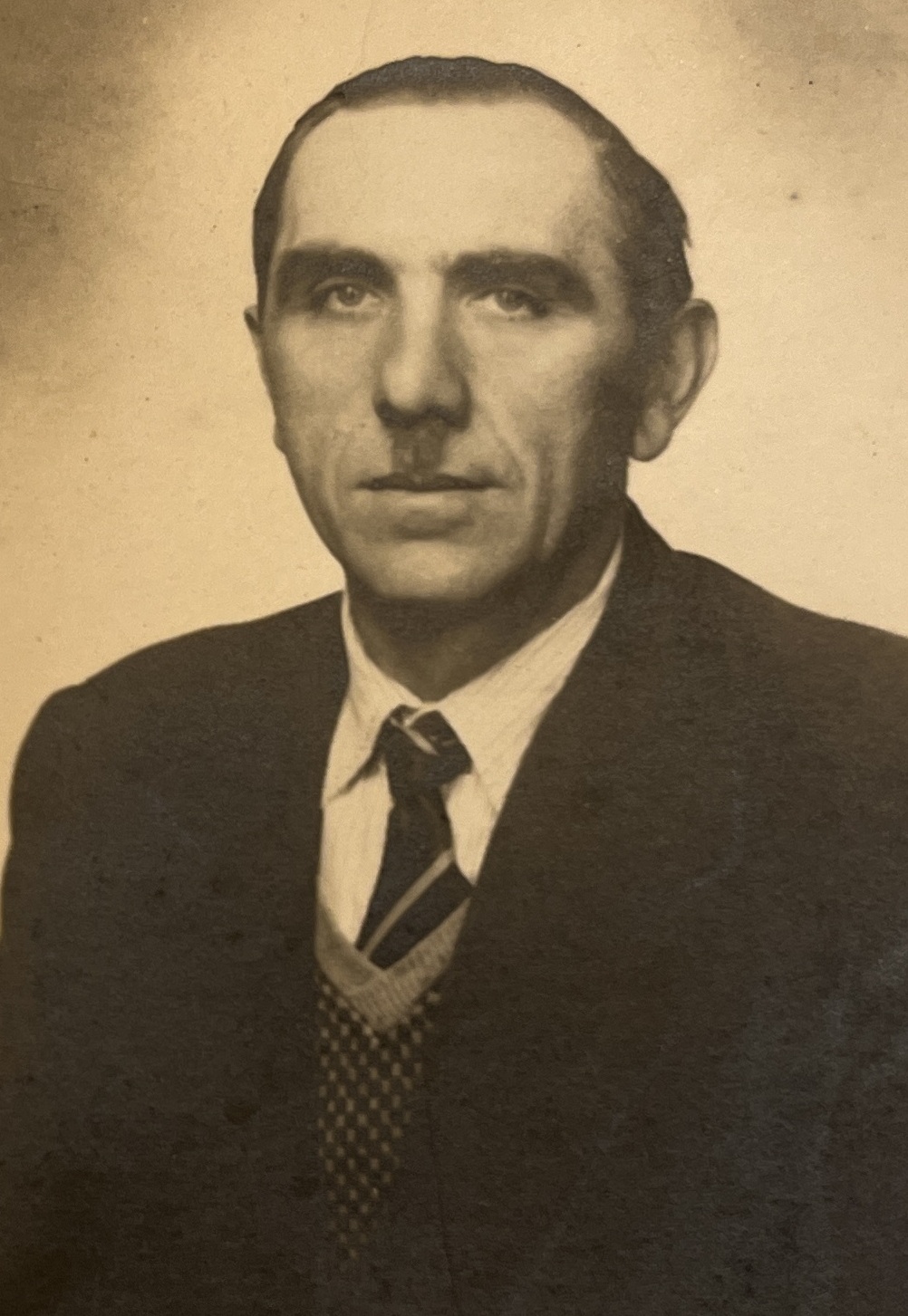
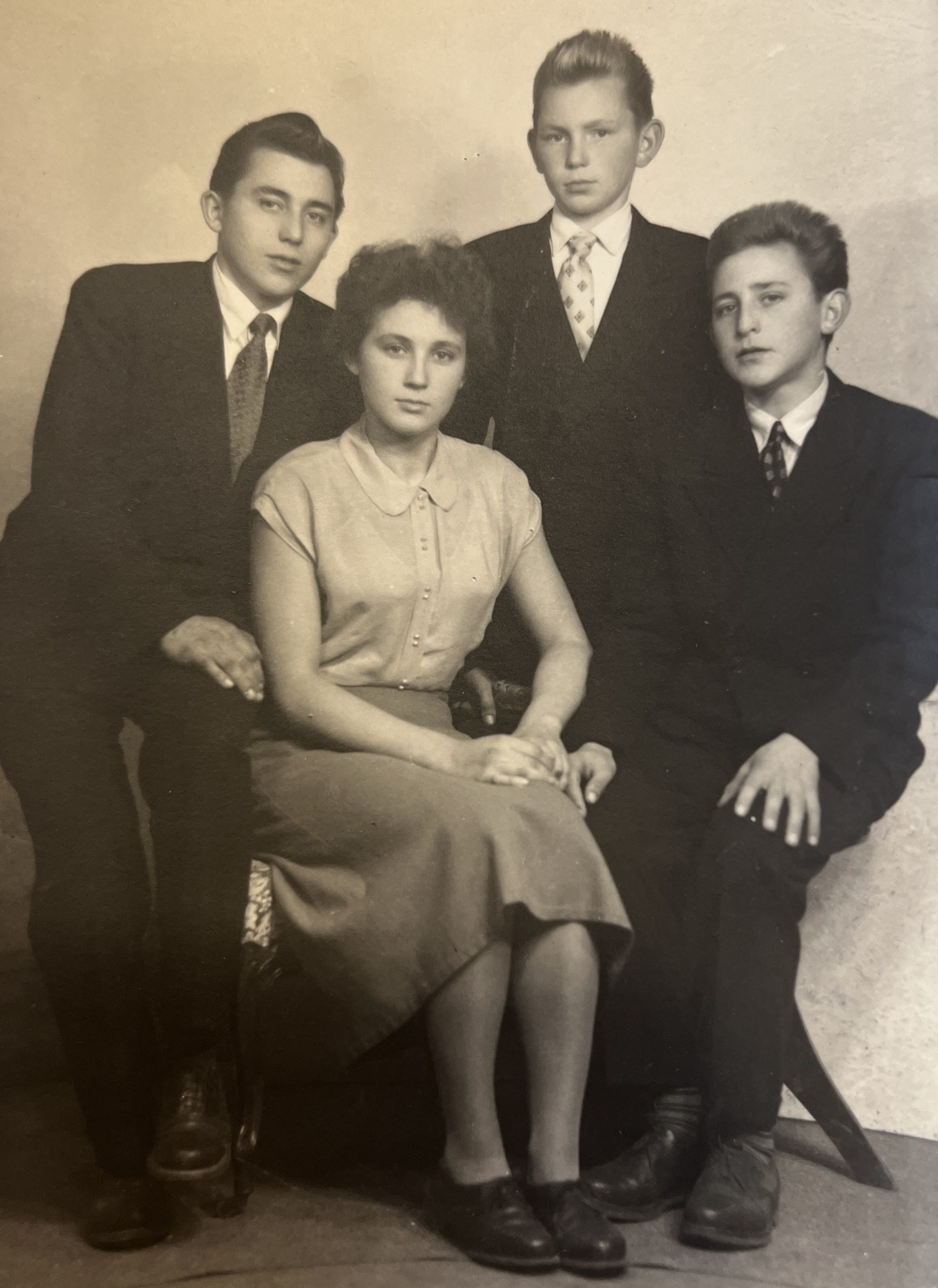
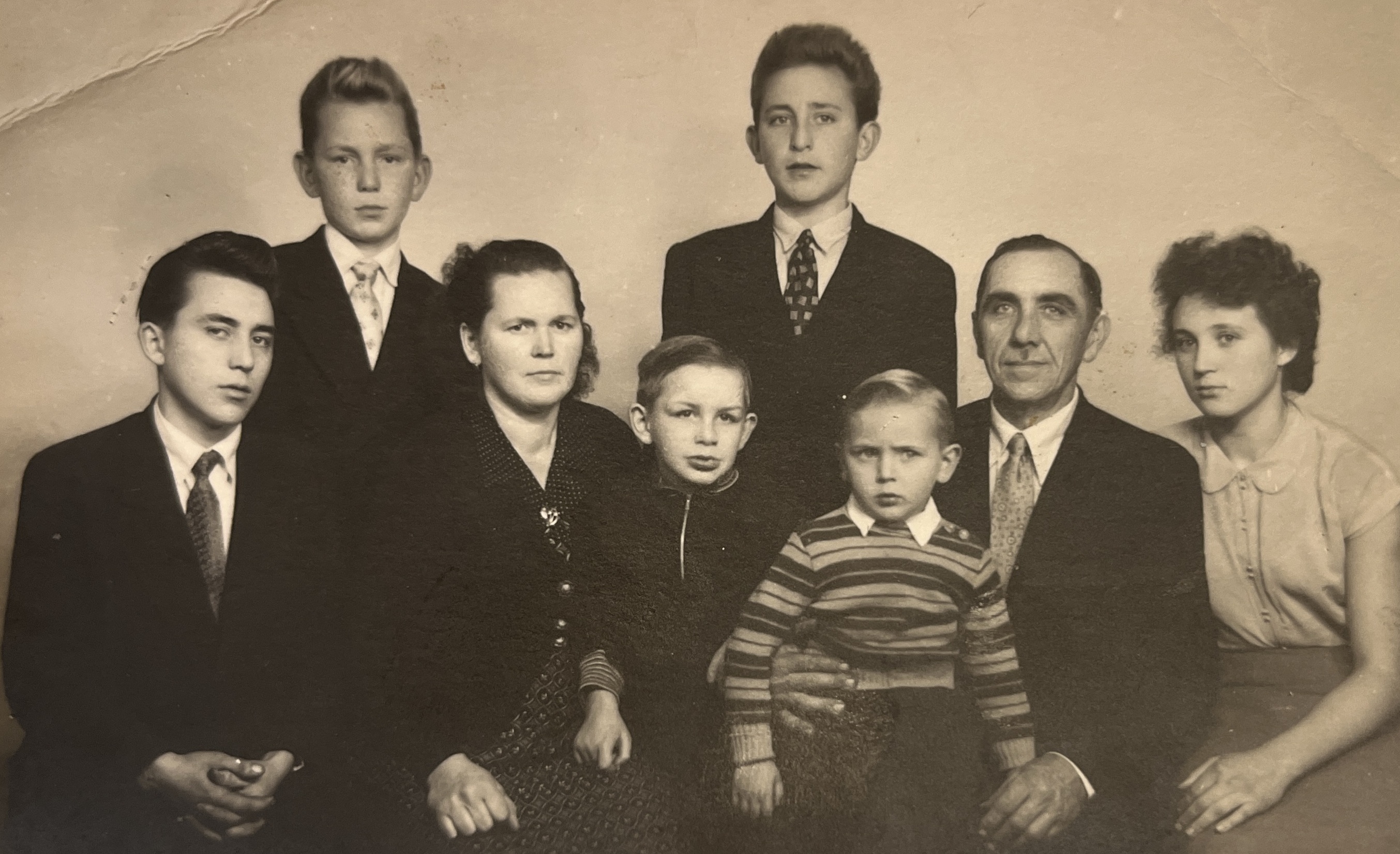
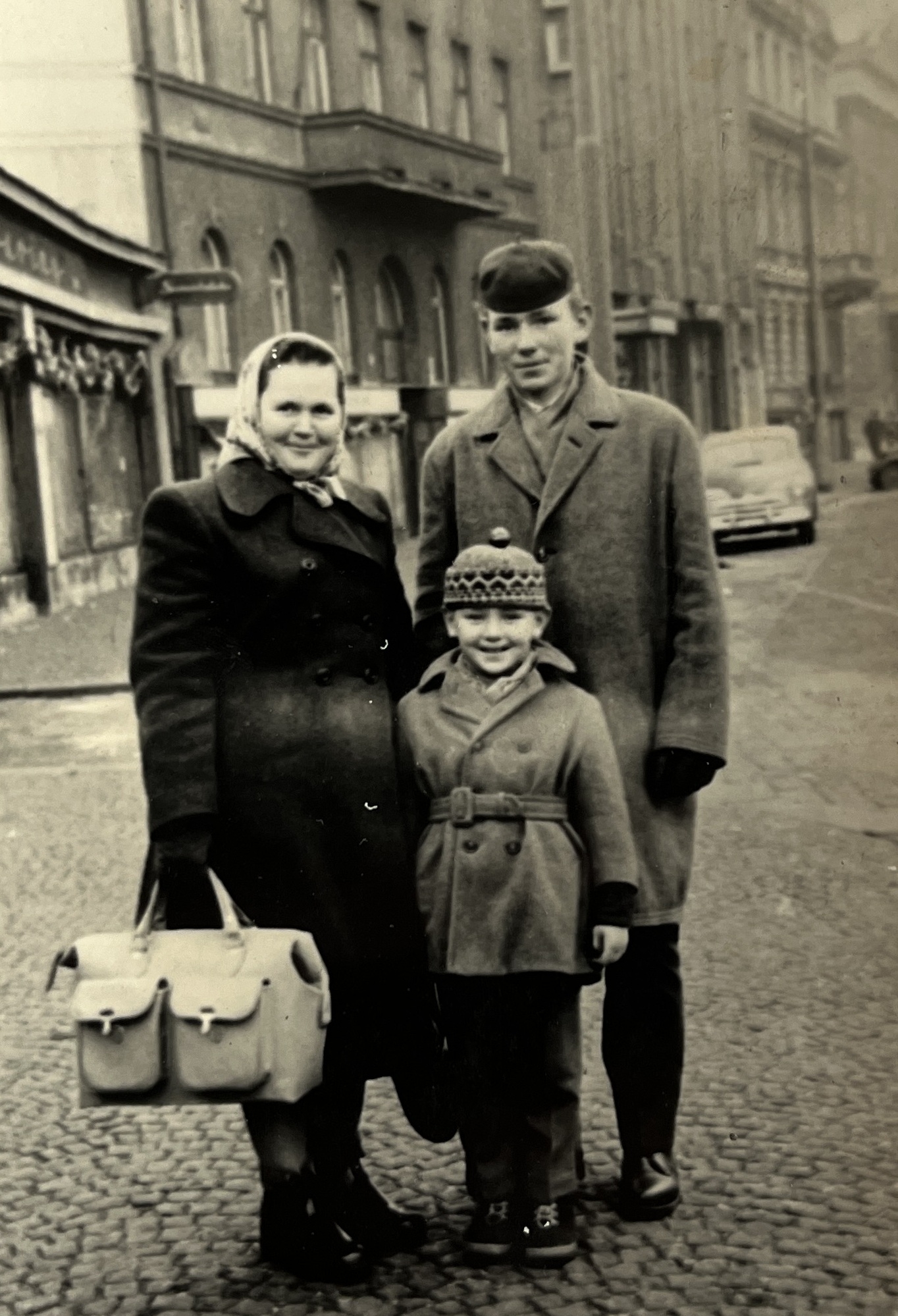
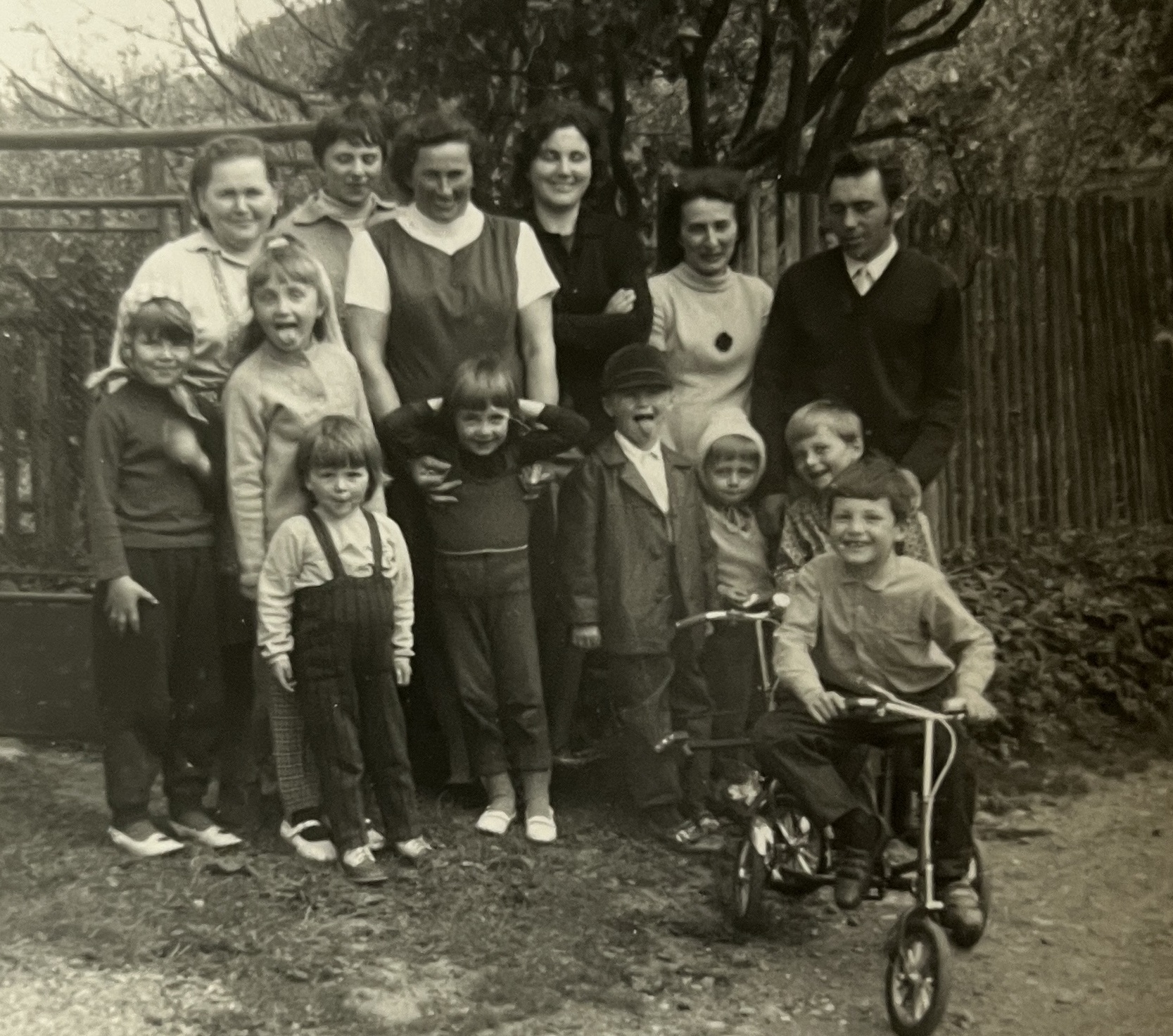
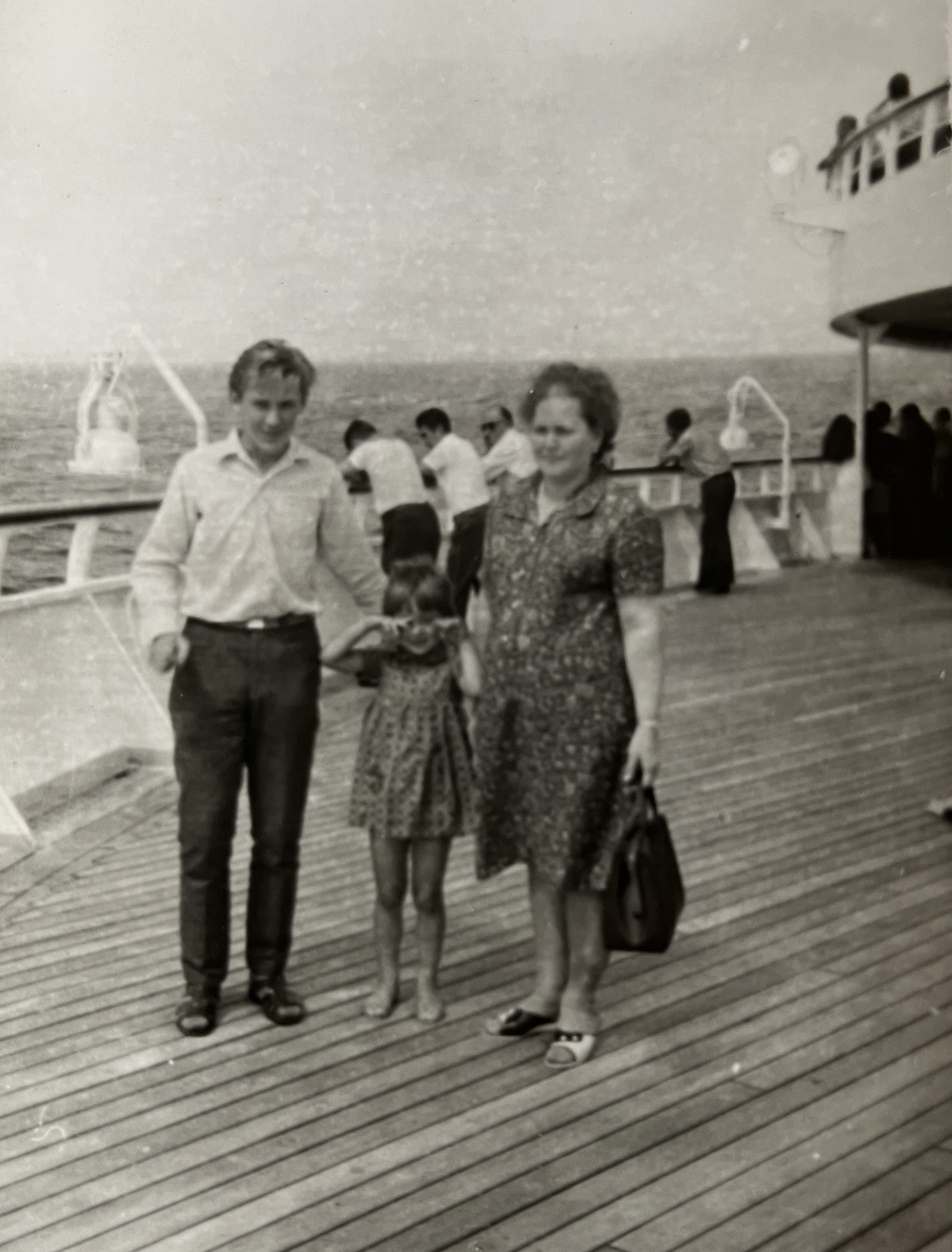
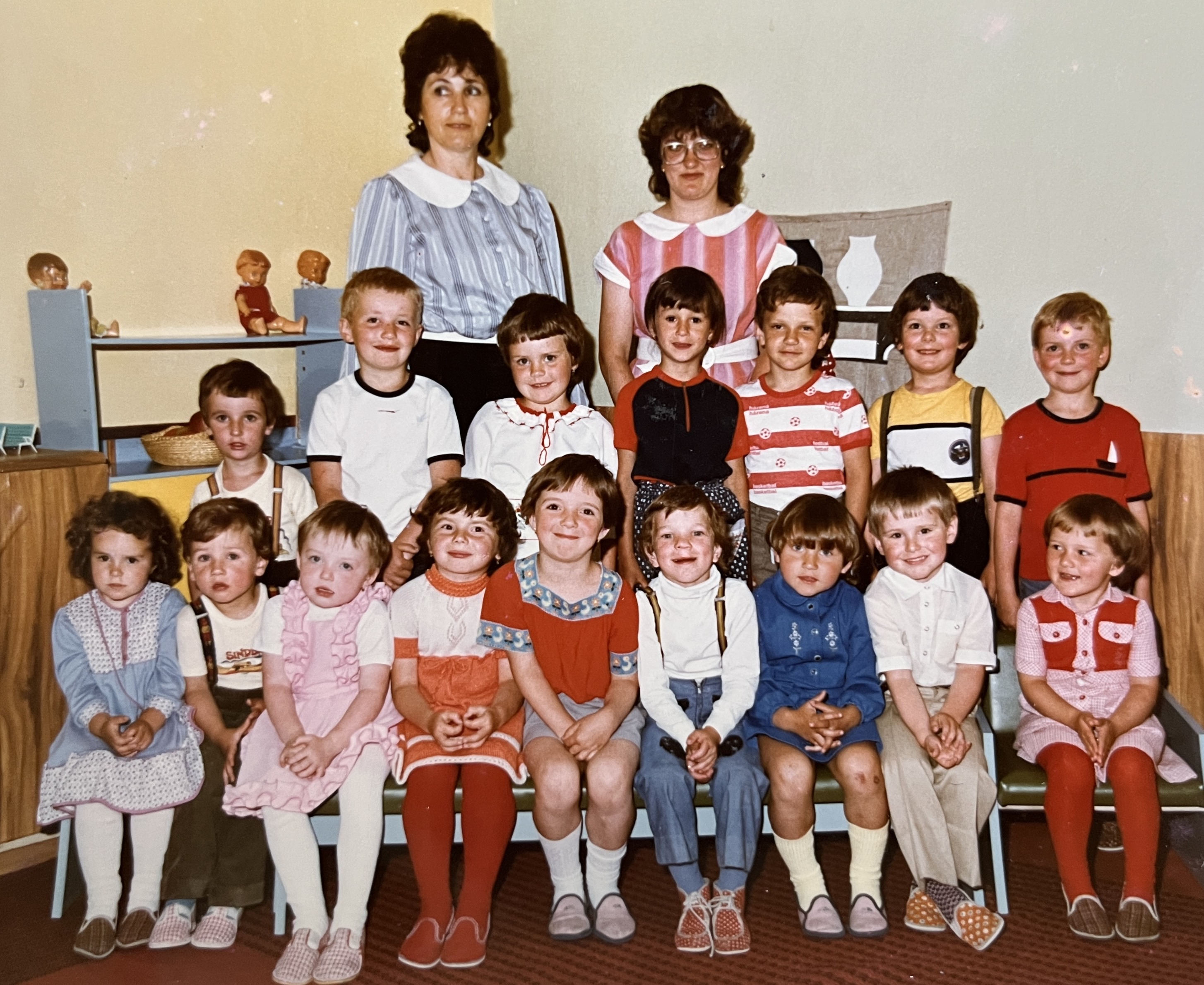
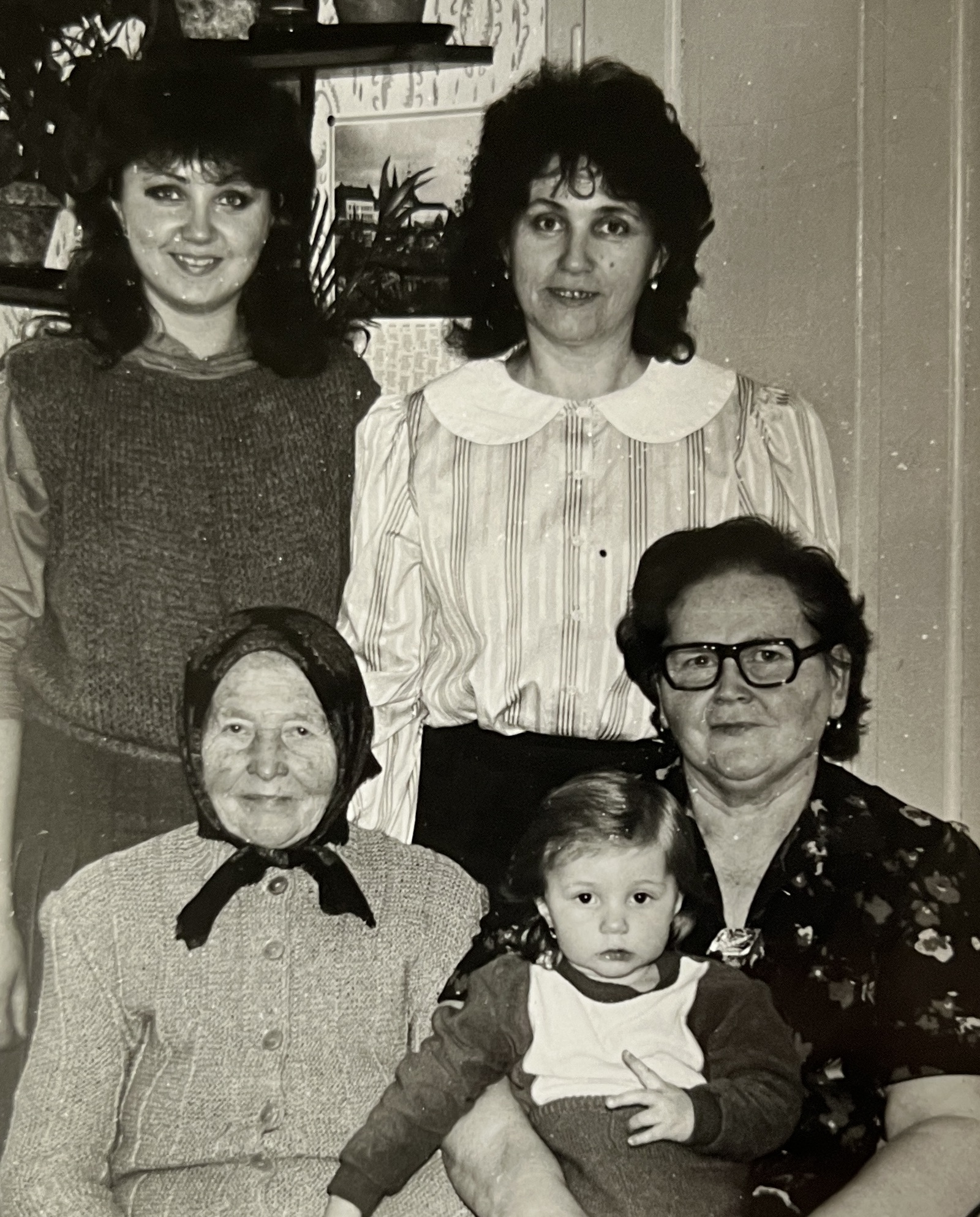
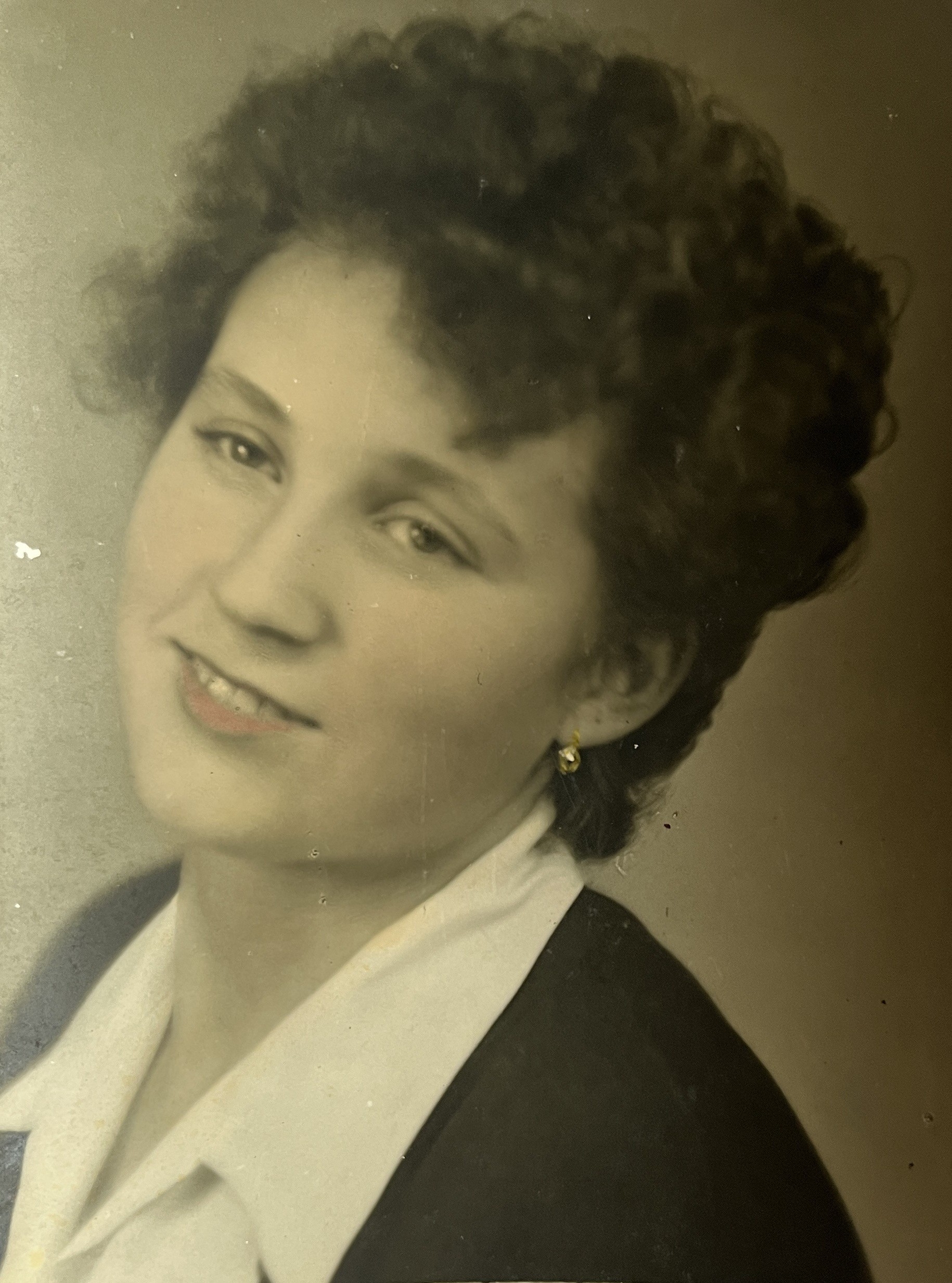
Anna Jud was born on 27 July 1941 near Cerro Azul in northern Argentina. Her parents came there from Volhynia in 1925 in search of a better living together with their large family. They lived at isolated place. They were given a piece of forest which they had to clear, build a house of wood, dig a well and establish a farm. They raised cows, pigs, vines, tobacco, sugar cane, peanuts, peaches, oranges. What they grew, they sold, and it fed them handsomely. Parents Jaroslav and Anna Liška had a total of seven children, five born in Argentina, two after their return to Czechoslovakia. Anna went to school in Argentina for a year. But in 1949, at the suggestion of a Czech teacher, the Liška family took a boat back to Czechoslovakia - to build the republic. The harsh climate, the absence of relatives and friends, and the poor material conditions in their new home were hard to bear, especially for their mother, who longed to return. They settled in Damníkov near Lanškroun, in a house left by the displaced Germans, and set about farming - what they did best. In the fifties, this meant hard work, heavy deliveries and poverty of the farmers themselves, so the Liškas eventually joined a cooperative farm. After primary school, Anna graduated from the “eleven-year school”, later the grammar school, and then took a job as a tutor in the school’s day care centre. She also worked in a kindergarten or in children’s homes. In 1961 she married Václav Juda (1939) and in 1962, 1963 and 1964 their children were born. During the time she was caring for young children, she completed her education by distance study. Her mum visited Argentina in 1970, but Anna Juda never made it back. In 2025 she was living with her husband in Albrechtice near Lanškroun.