Jaroslav Jirmus

* 1945

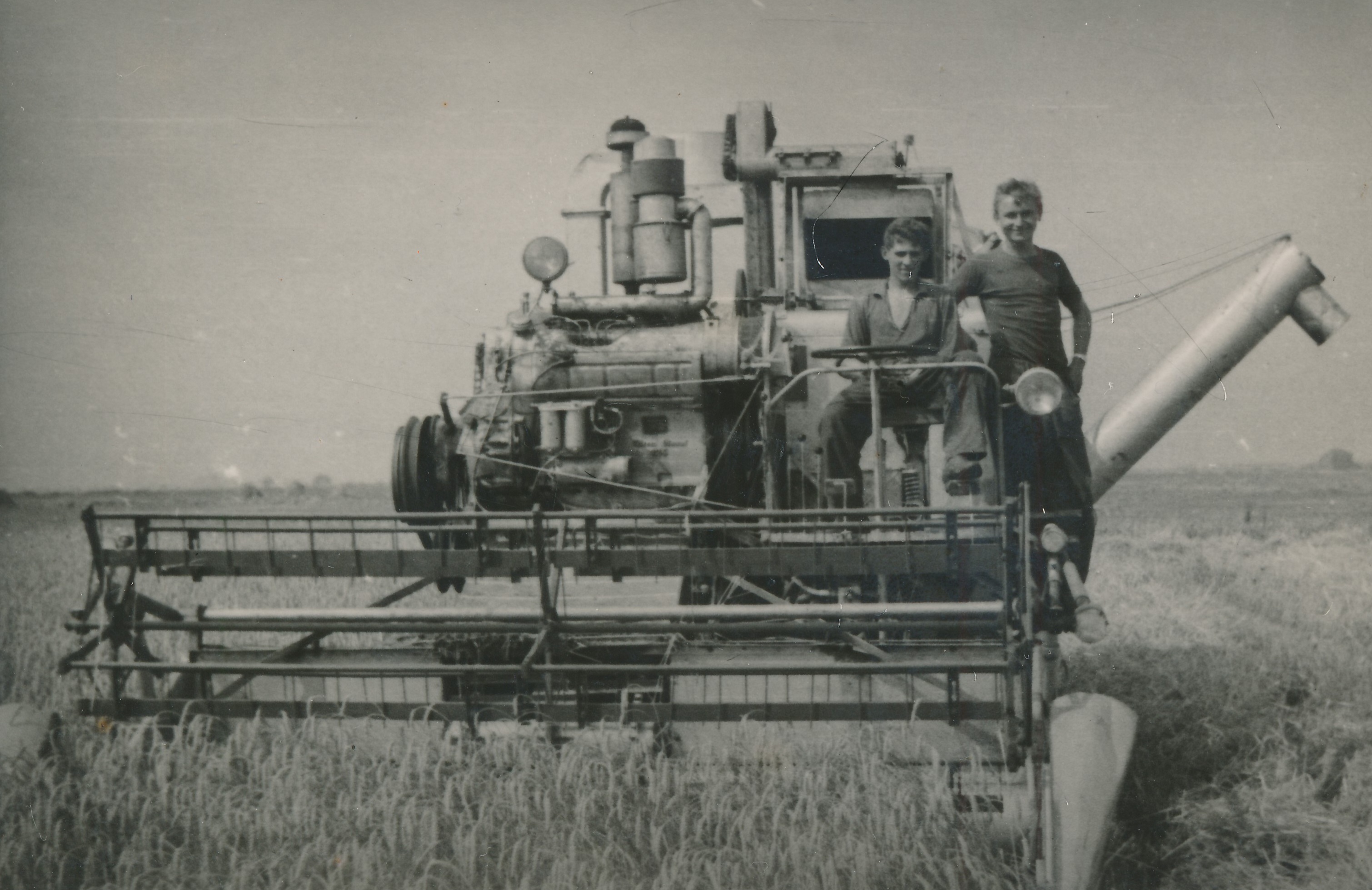
  • "When the harvest came and the cooperative farm started threshing, threshing, they threshed until about midnight. Well, we boys kept watch so that the imperialists wouldn't burn it or destroy it. So we walked around the village after midnight in the dark, more scared than anybody else. Well, we stuck it out. We endured everything. It was... it was a piece of life, too. It's a tough, fighting kind of life. In school, we learned that the imperialists would throw some sulphur stuff in our stacks to set the stack on fire and things like that. Well, the regime carried its own, like every regime carries its own eccentricity. We survived..."

  • "The beginnings of the cooperative were all sorts of things. People joined, then left, then joined again, then left again. He resisted, I think, until the sixty-third or fifth year. I have an impression, when I was at university, he got caught then on the fact that two cows died and he didn't meet the milk delivery, so he had to pay eighty-five thousand. At that time it was a huge amount of money - or join a co-operative farm. And he paid the money and then he joined the cooperative. Then they made him some kind of group leader, or whatever it was called. It was a pity. But these people who broke away, they were literally terrorized. Every year they had a field somewhere else. And when he fixed it up, they replaced it right away. That was no pleasure. But like I say, time smoothes everything."

  • Full recordings
  • 1

    Praha, 08.07.2025

    (audio)
    duration: 02:08:19
    media recorded in project Stories of the 20th Century TV
  • 2

    Praha, 10.07.2025

    (audio)
    duration: 01:33:55
    media recorded in project Stories of the 20th Century TV
Full recordings are available only for logged users.

Either we will tolerate them, or we will swear at them. That’s all there is to do in politics
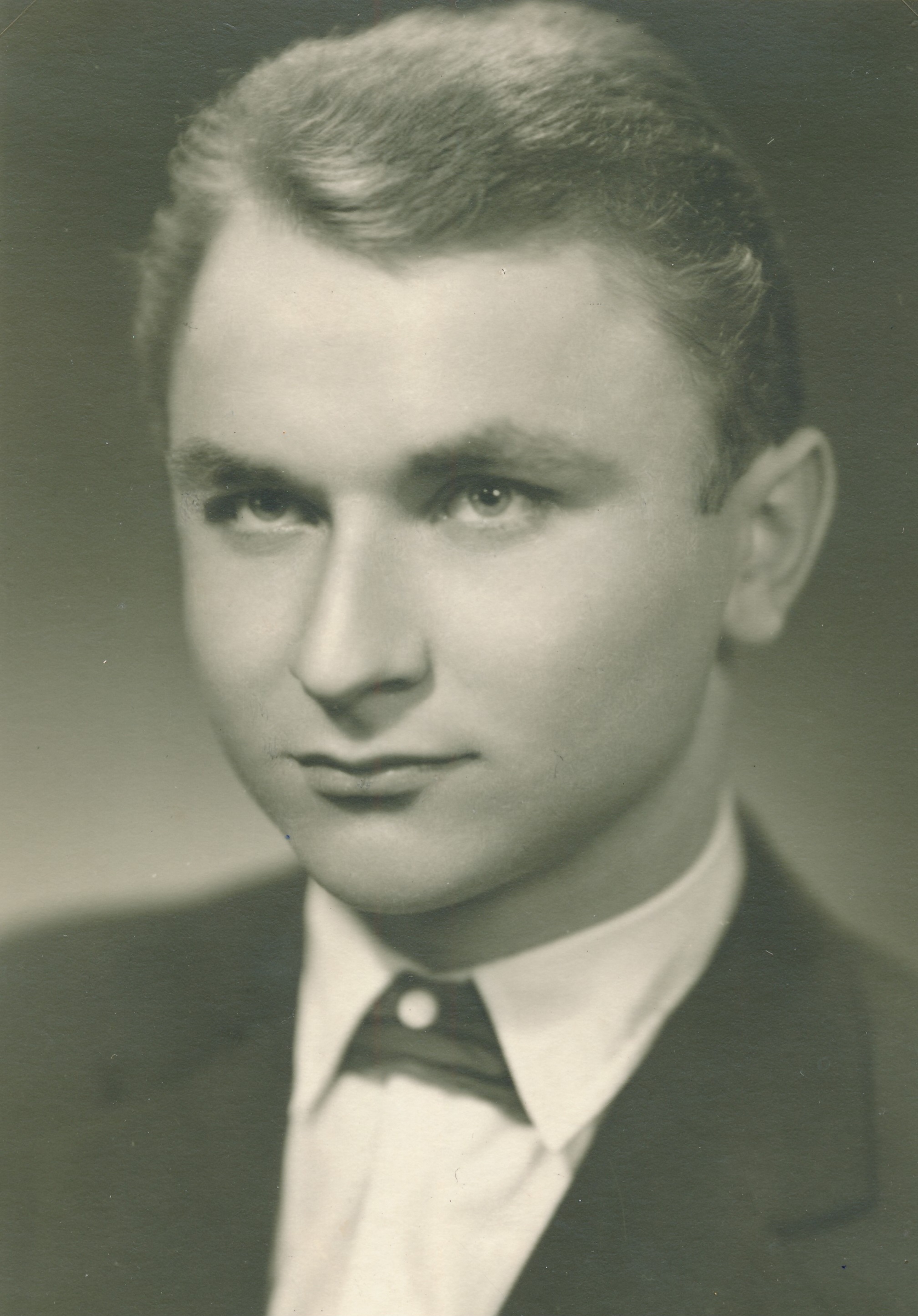
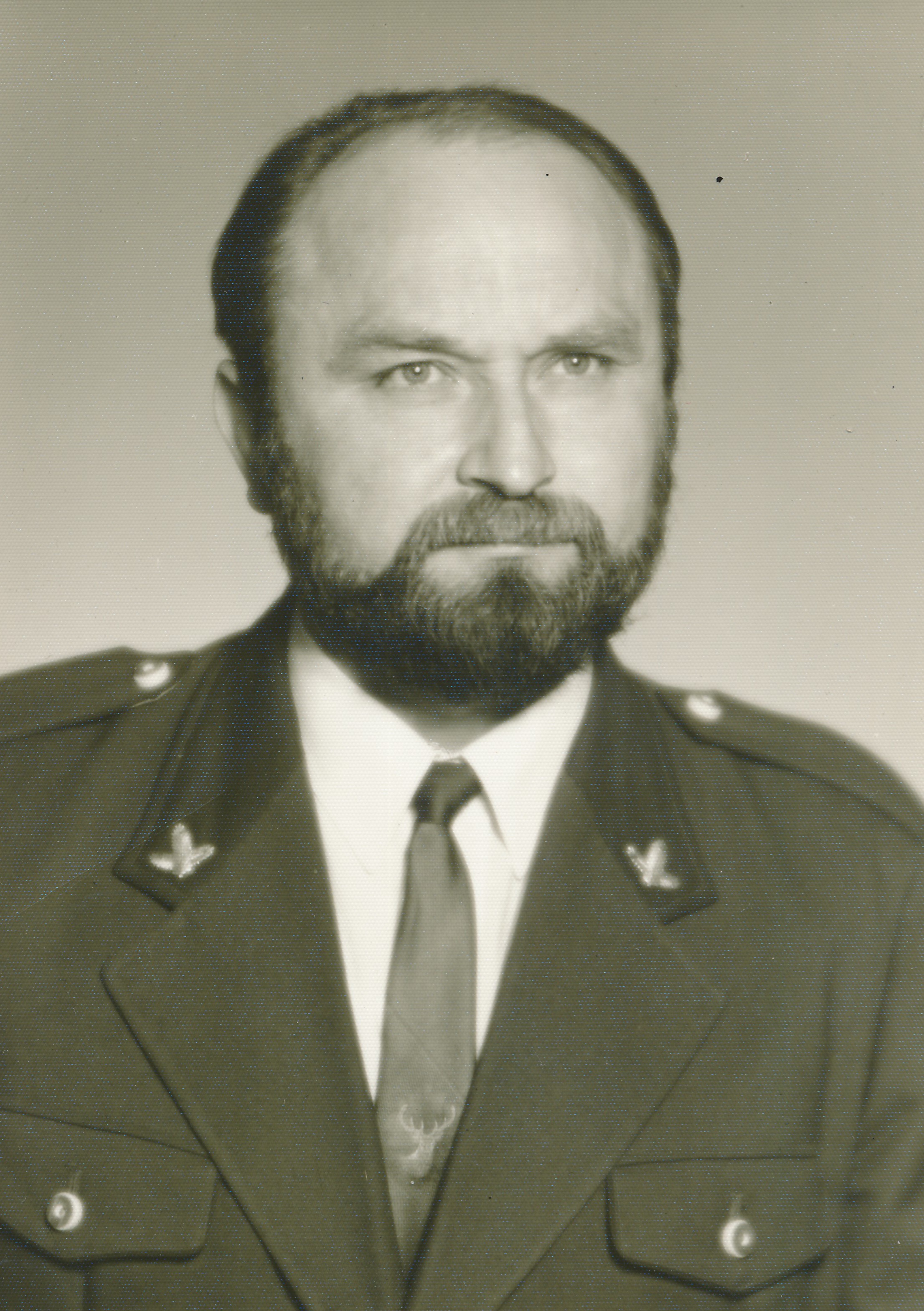
Jaroslav Jirmus in 1963
photo: Witness´s archive

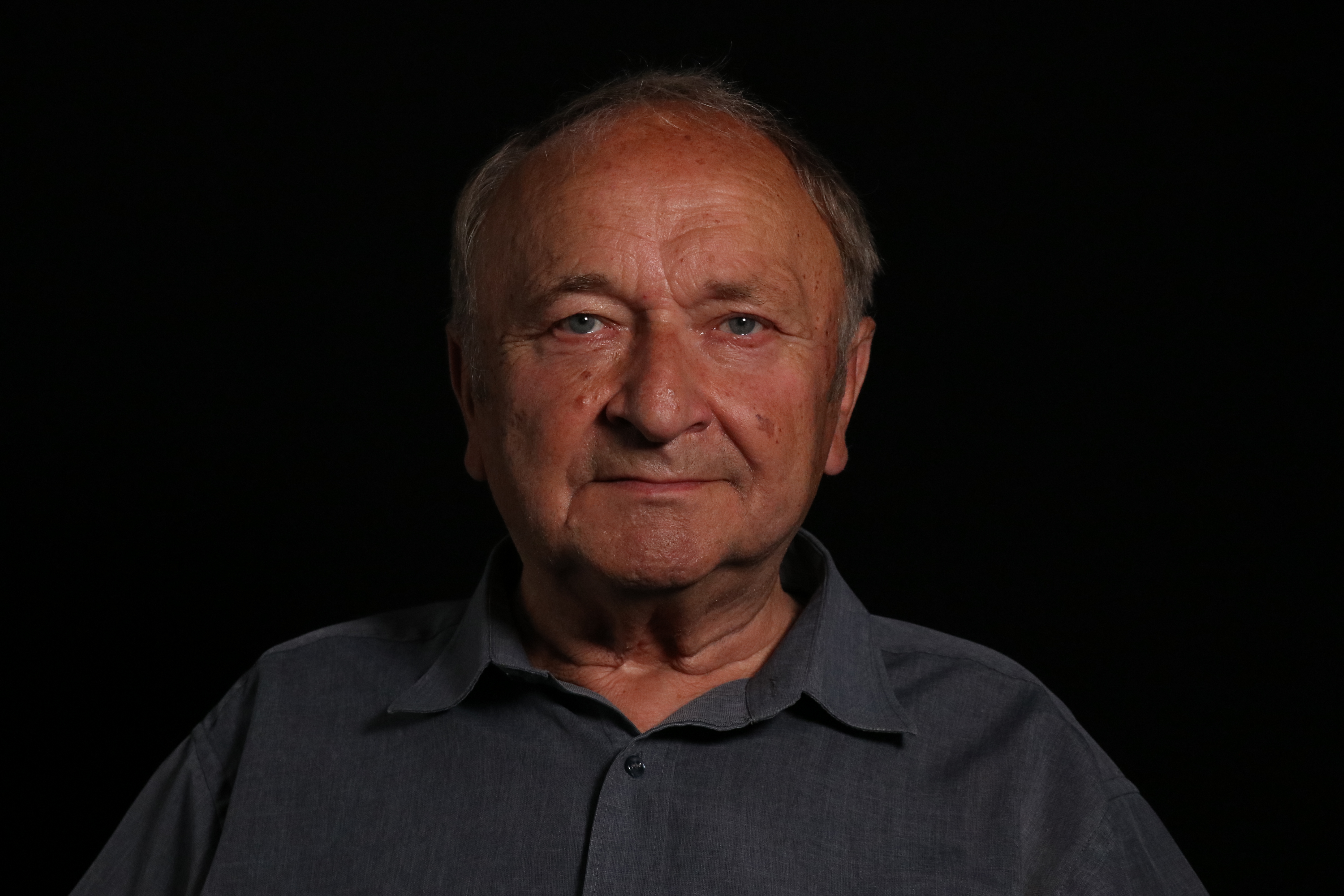
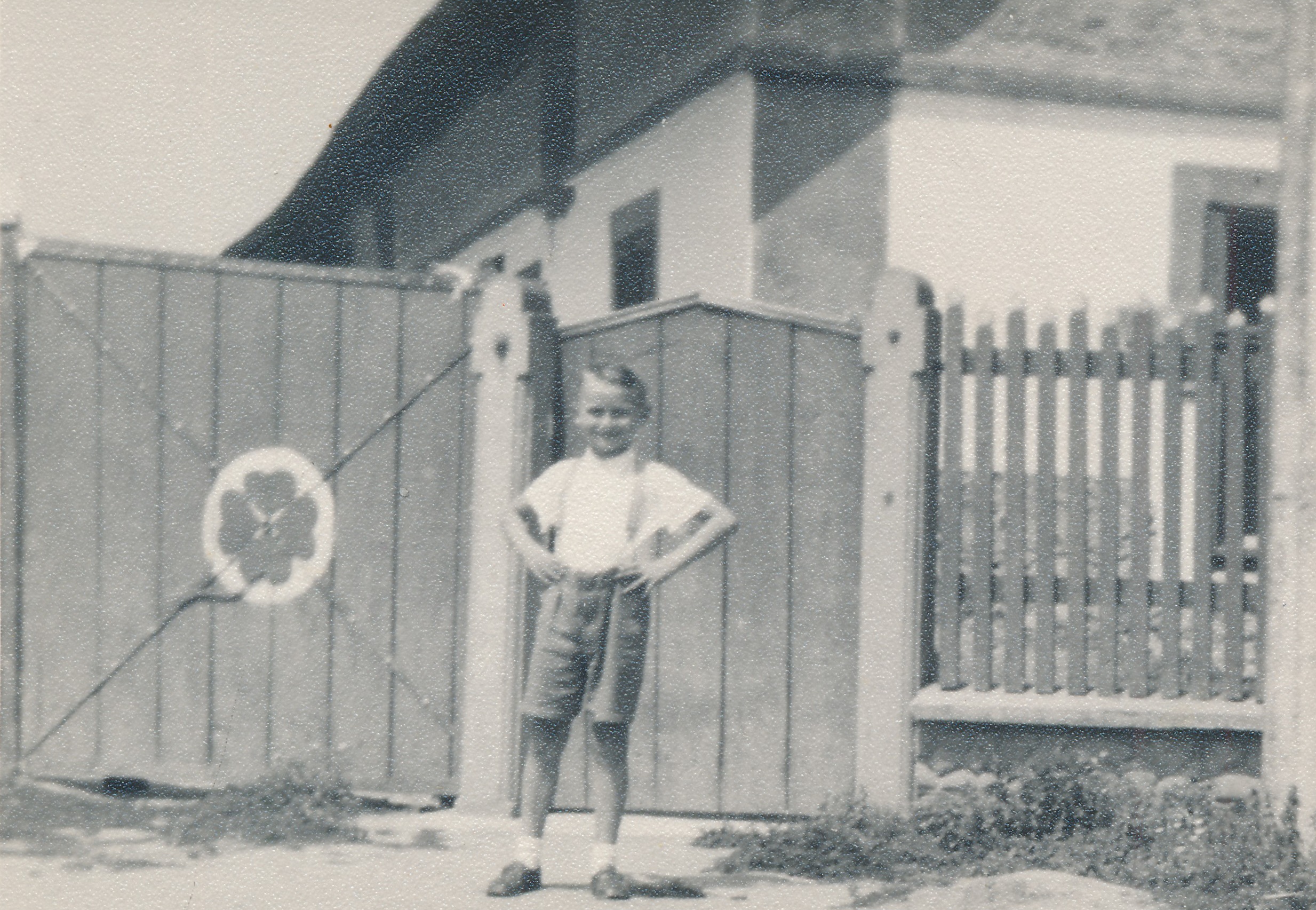
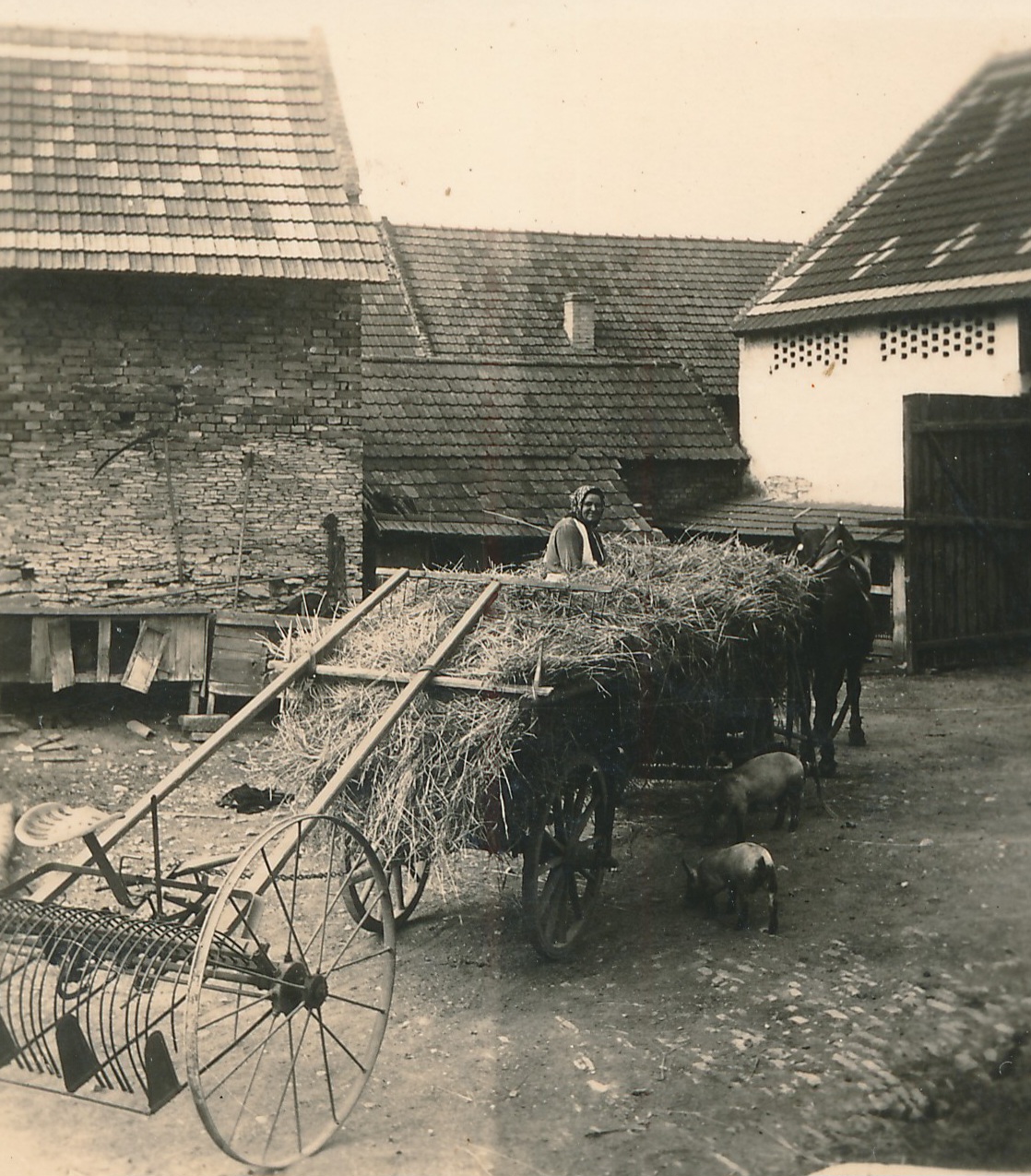
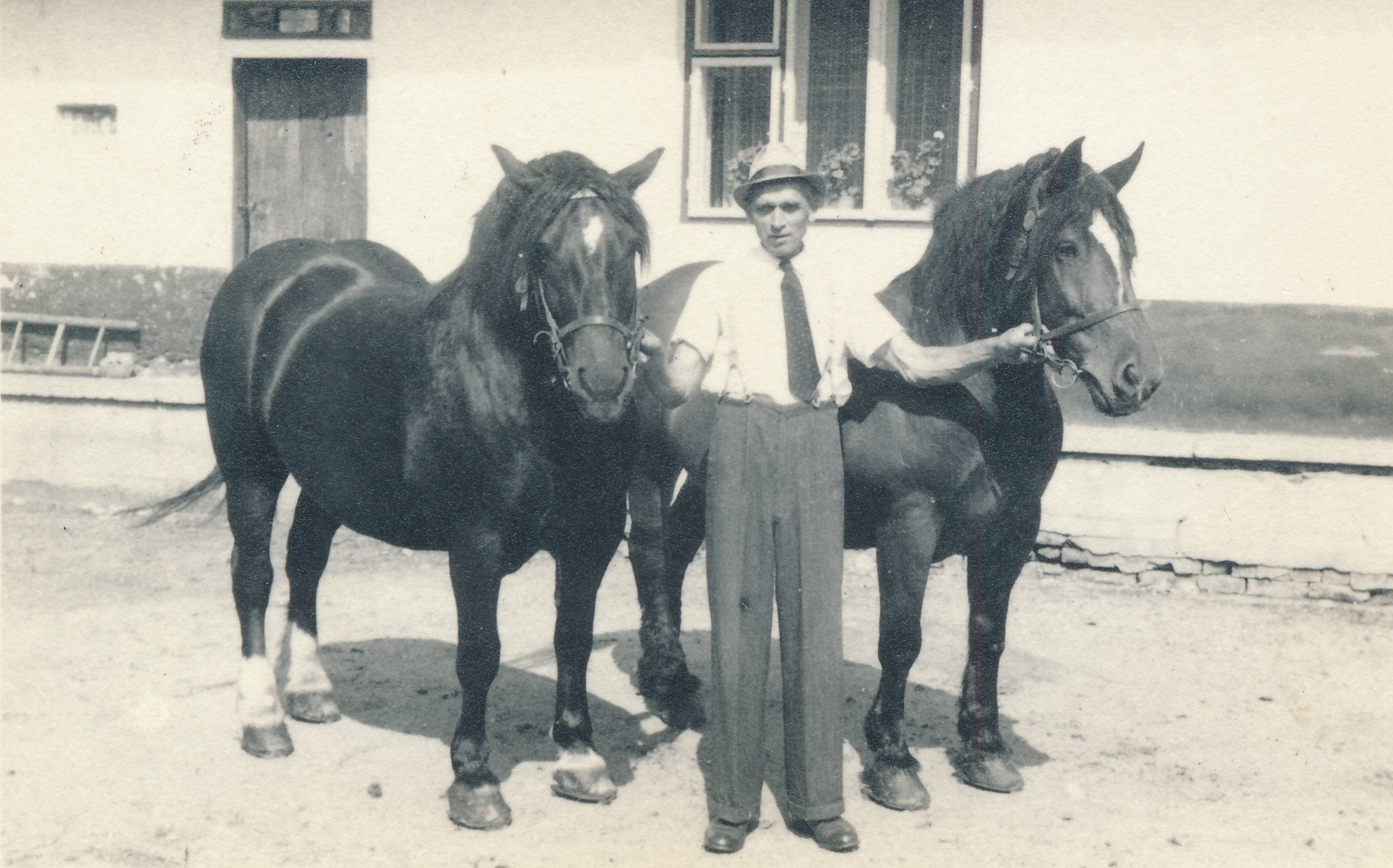
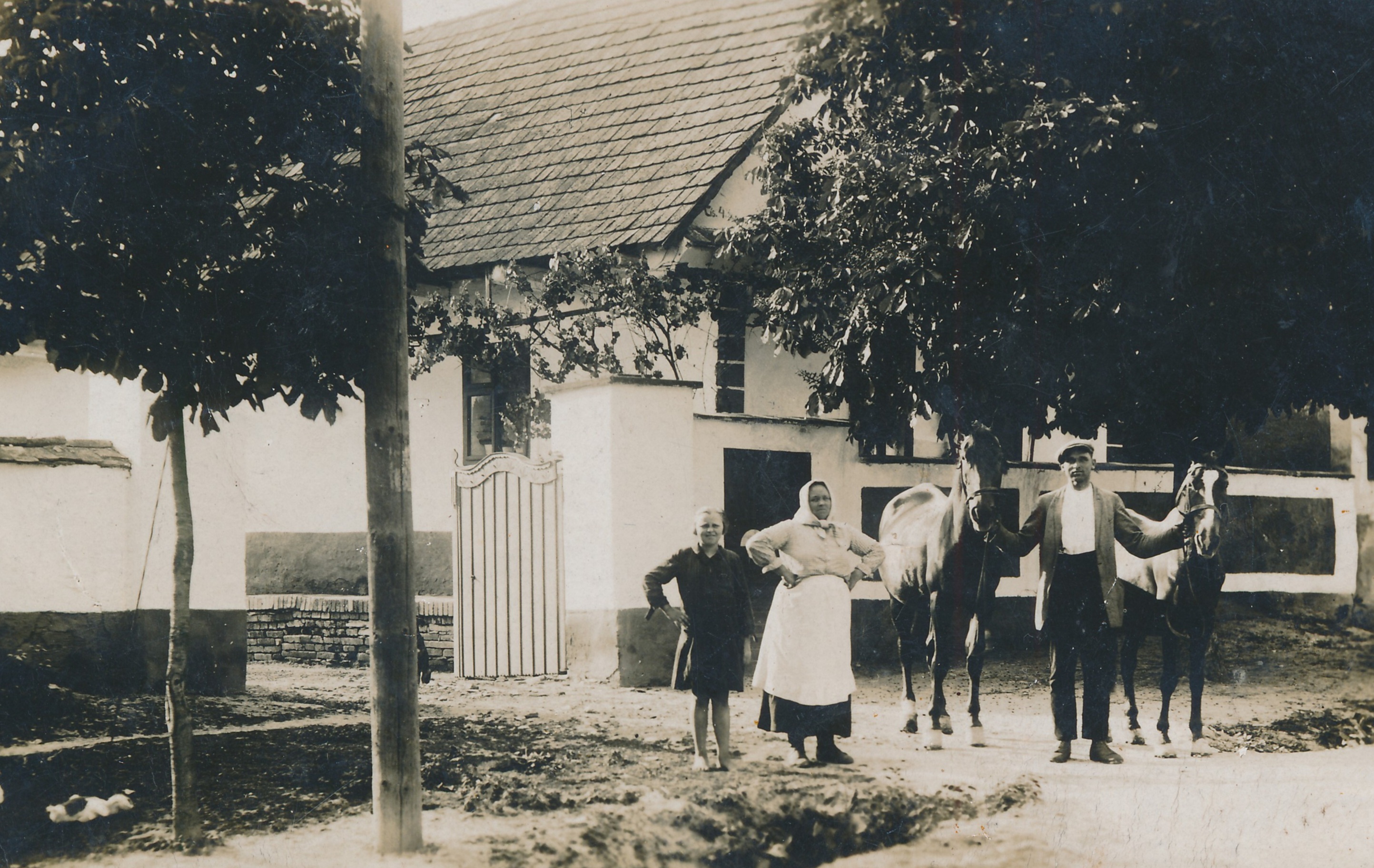
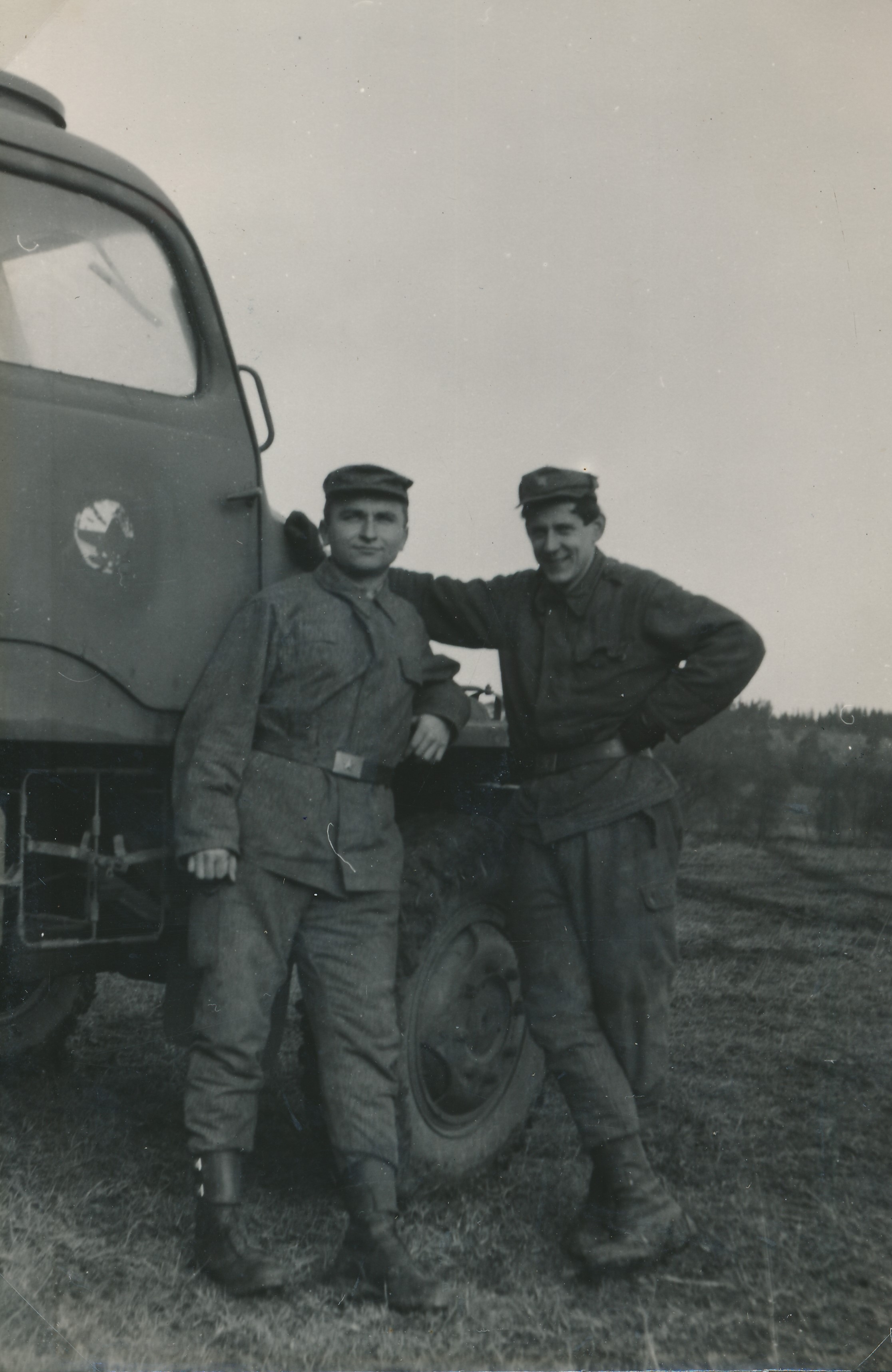
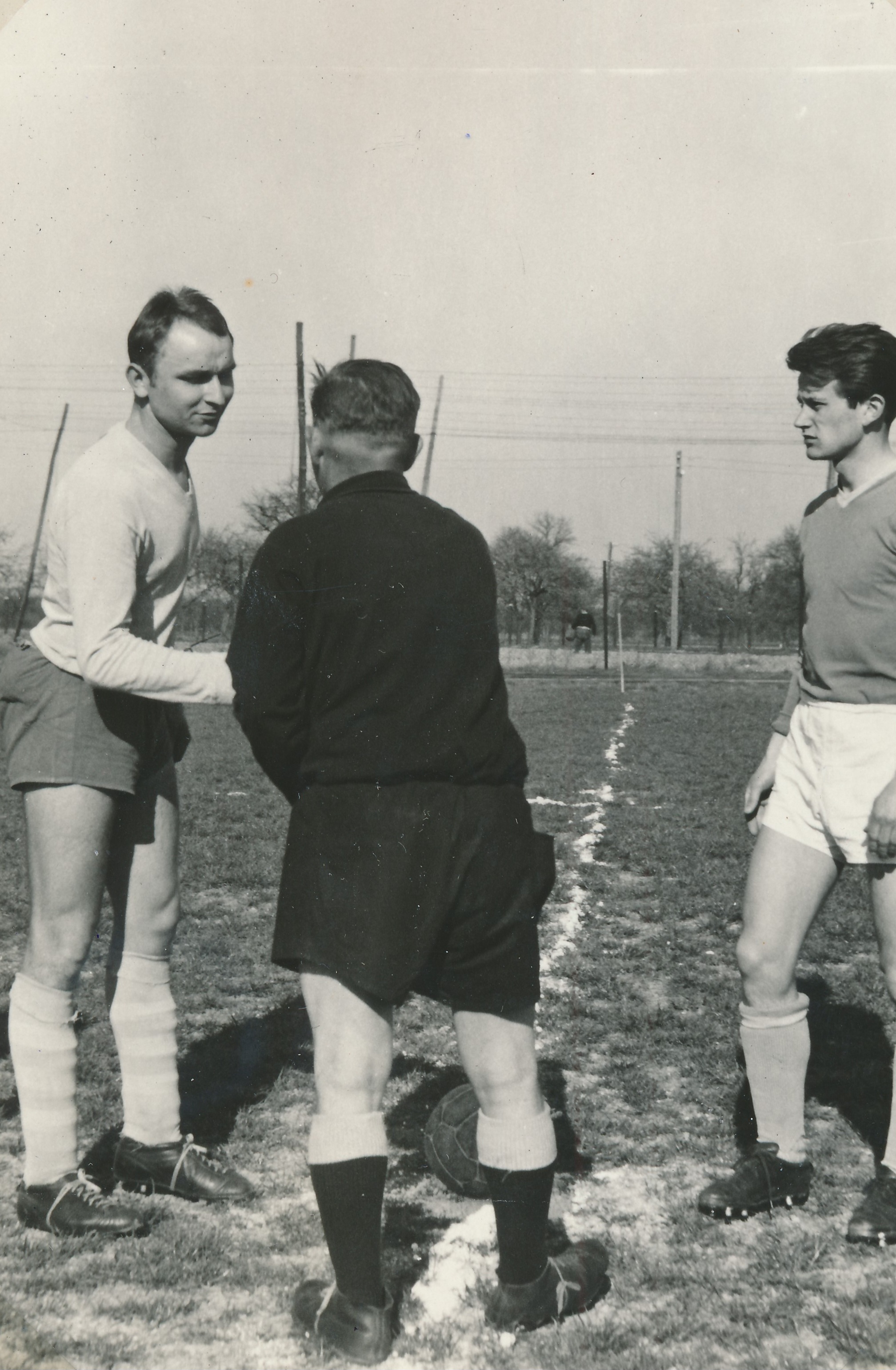
Jaroslav Jirmus was born into a farming family on 18 April 1945 in Velenice, Nymburk district. As a young boy he observed what was happening in the countryside. It shaped his lifelong negative attitude towards the communists. Because of them, he was not able to study the field he wanted. At the agricultural secondary school, his classmate and roommate was the later communist functionary Miroslav Štěpán, with whom he maintained close relations until his death. After the military sevice served in Rakovník, which he partly spent as a semi-professional football player of Sport Club Rudá hvězda Kněževes, he returned to his native Velenice and started working in the local cooperative farm. He also helped his uncle Jaroslav Šukal, a farmer, who resisted joining the cooperative farm for a long time. He had two children with his wife, whom he met on the morning of 21 August 1968. He continued his football career. Thanks to his abilities and despite the absence of a party book, he moved up the career ladder. However, he says to have often been deprived of financial reward for his views and on one occasion his career rise was halted. When he was feeling low, he used to go to private conversations with a priest in the next village. He was a believer all his life. After the Velvet Revolution in 1989, he started farming as a private farmer, partly on reclaimed family land, and most of it acquired by rent. However, small owners often sold their small fields to larger farmers. Jaroslav Jirmus’ grandson also continues the family tradition of farming.