Mark Jirásek

* 1957

  • "Yes, after all this I have seen that I have no future here. I thought, what about here. One saw no goal that communism would ever fall. Back in the eighty-second, there was no sign of that, so I thought, I can't live here the rest of my life, so I started planning to emigrate. The only route I could find was Yugoslavia. My friends found me the UN office. I still remember [the address]: 5 Rysanska Street, Belgrade. Goran handled it there. So I got the address and went straight to him and everything went on from there."

  • "After they beat us up, I started to get hate. I saw them beating young girls. And the hatred grew and I wanted to show it somehow. I was offered a charter. I read it, I agreed, I signed it, and I was a signatory to Charter [77]."-"What was significant to you about Charter 77 with respect to the times?" - "For me it was significant because it was a sliver of new hope, of resistance. Until the Charter, there was no resistance. People were reconciled to the situation as it was. They took it that they had to bow their heads, and they went. And suddenly the Charter was a sliver of new hope of the resistance, that something could start happening and people were not going like sheep and that there were people who would rebel and would rebel openly. And they will admit to it and they will do it not covertly but openly. They will openly express their hatred of the system that we live in. Only about two thousand people signed the charter. I understand that today, because there were a lot of people who agreed with the Charter, who I gave it to to read, but they said, 'You know, Čenda, we have a family. They didn't sign it for these existential reasons, so as not to hurt their children, because they knew they would lose their jobs and have problems. Of course, whoever had a higher position and signed the Charter had to leave it." - "Did you go into it knowing what would happen afterwards?" - "Yes. I knew I was going to have problems. I knew I would have no future in this republic. But I didn't give in, and the feeling of hatred outweighed the fact that there would be trouble, and I had to express myself. Hate won."

  • "I even had Pepa Nose at my house. The poet Heřman Chromý came to my house. About sixty people came to my apartment. I had the flat of my grandmother, who had died. It was quite big. Pepa Nos, Heřman Chromý, sixty people came. But it didn't take long. After about half an hour, fifteen police cars arrived. They surrounded us. All the people wanted to run. We said, 'No, nobody run. We're not doing anything wrong.' The cops came. Of course they interrupted, cancelled, checked all the IDs and then we were called for questioning in the 'estébárna'. Of course there was Korčák and Borový, two policemen. Two State Security officers who played good guy and bad guy. Good cop, bad cop. One of them came and said: 'Čenda, you can have such a nice life. Just sign a few things here and you can have a nice life.' I said, 'I won't sign.' The other one came: 'If you don't sign, you'll see.' Again the pressure. I said, 'I won't sign. I won't tell you anything. You can do whatever you want with me.' It was like that several times in the interrogation. Then, of course, they came and did a search about three times, because there were always informers among us again. There were always some informers who probably told me that I was distributing letters and distributing the Charter. They came and searched the house. I wasn't stupid, so I didn't have anything at home. I had everything hidden in the attic, so nothing was found, but they went through everything. They were doing their job as an SS man."

  • Full recordings
  • 1

    Karlovy Vary, 01.10.2025

    (audio)
    duration: 01:25:54
    media recorded in project Living Memory of the Borderlands
Full recordings are available only for logged users.

Charter 77 awakened new hope in him
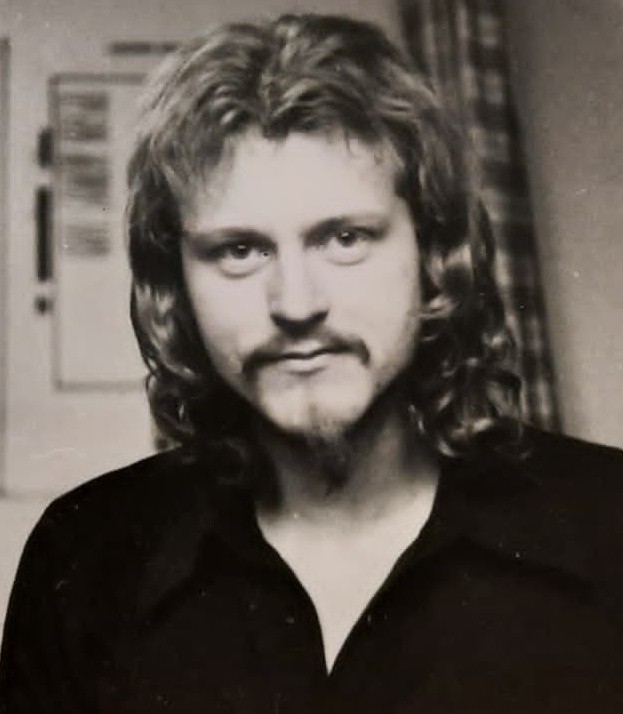
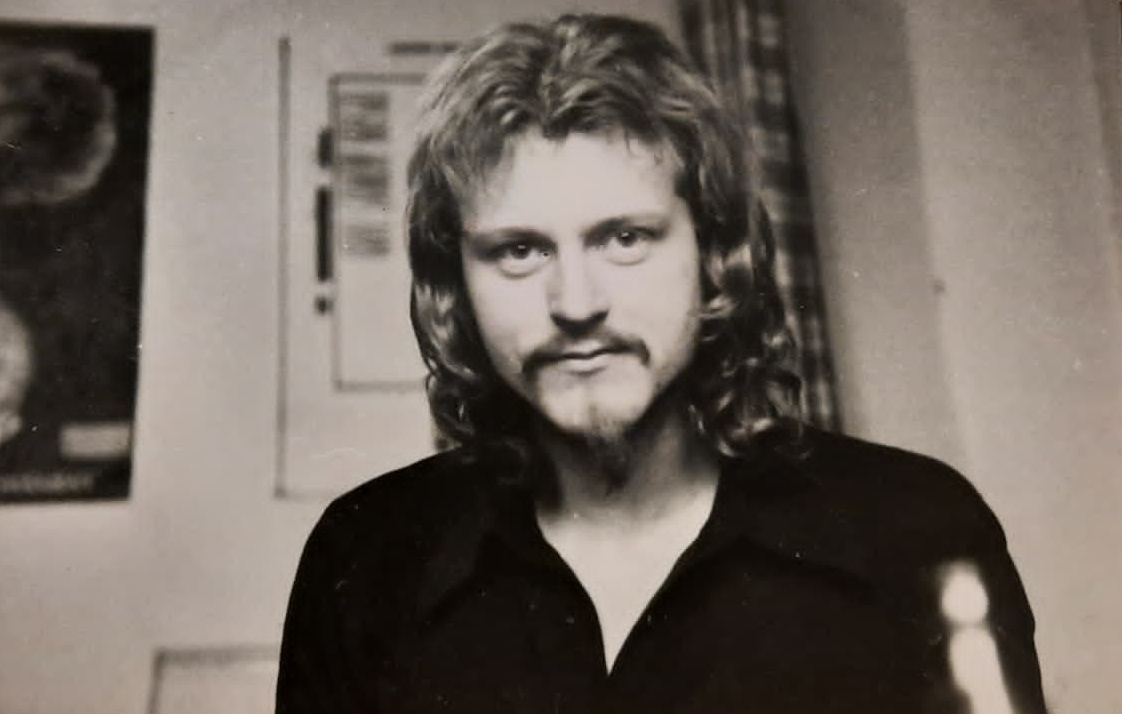
Mark Jirásek, 1978
Mark Jirásek, 1978
photo: archive of a witness

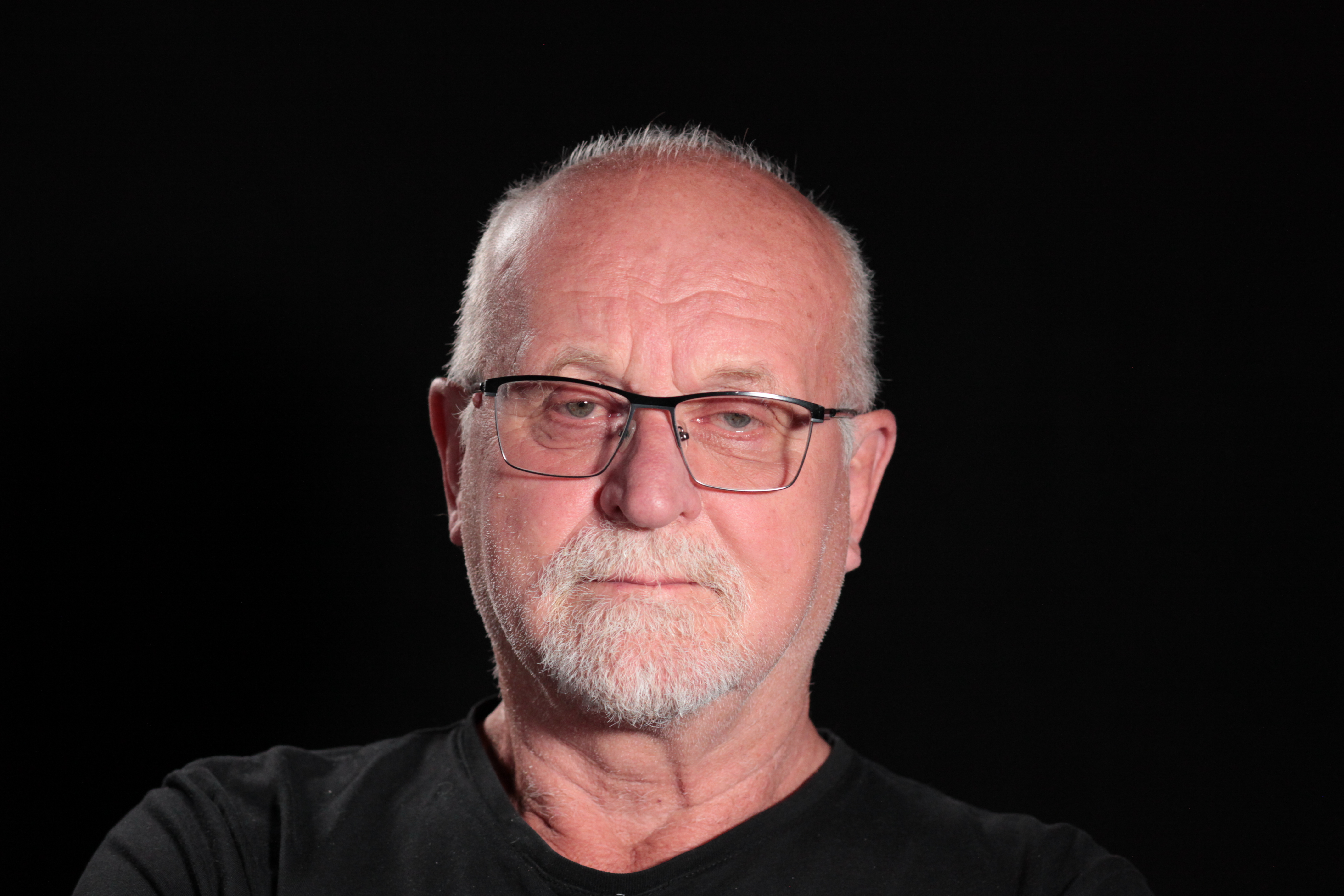
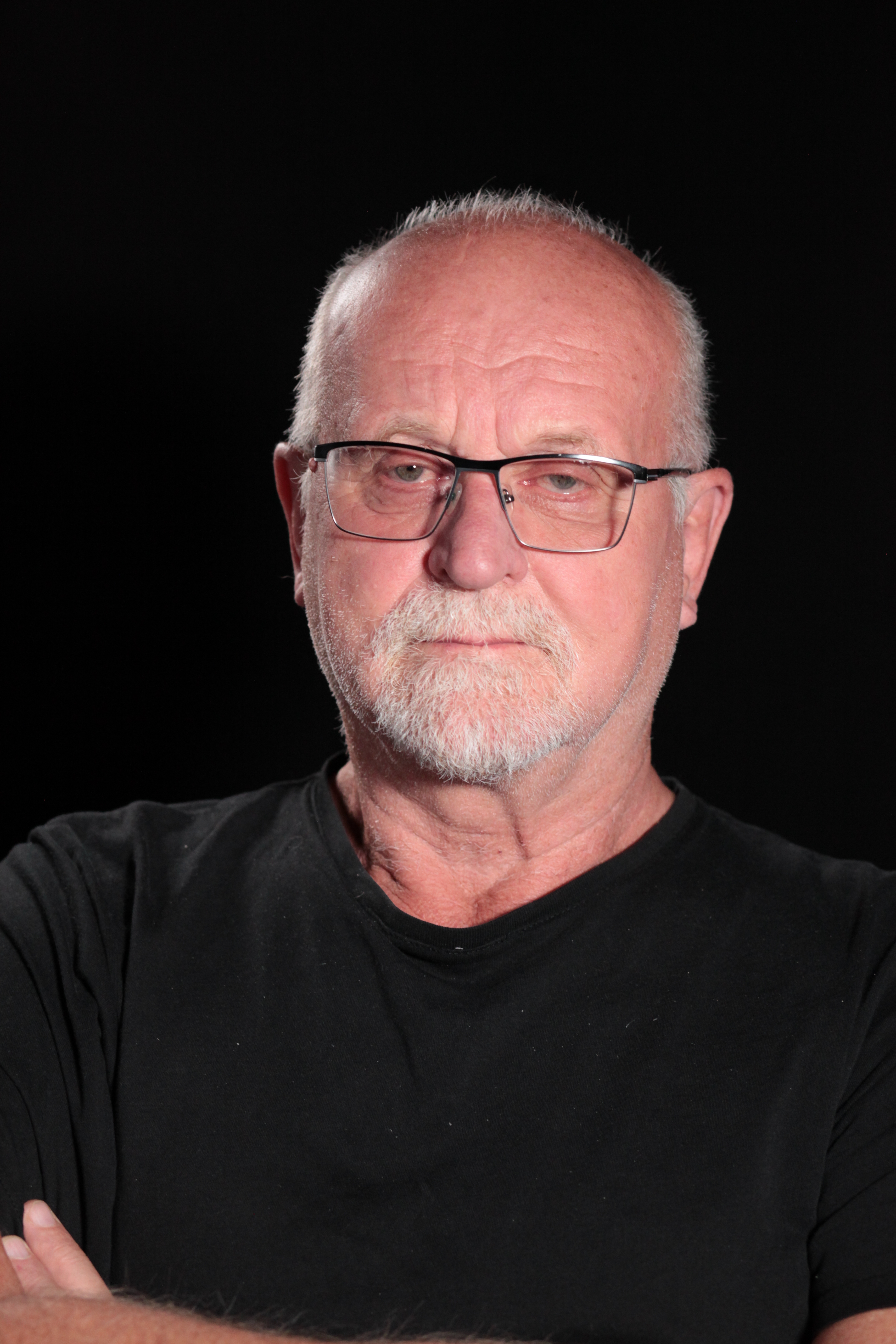
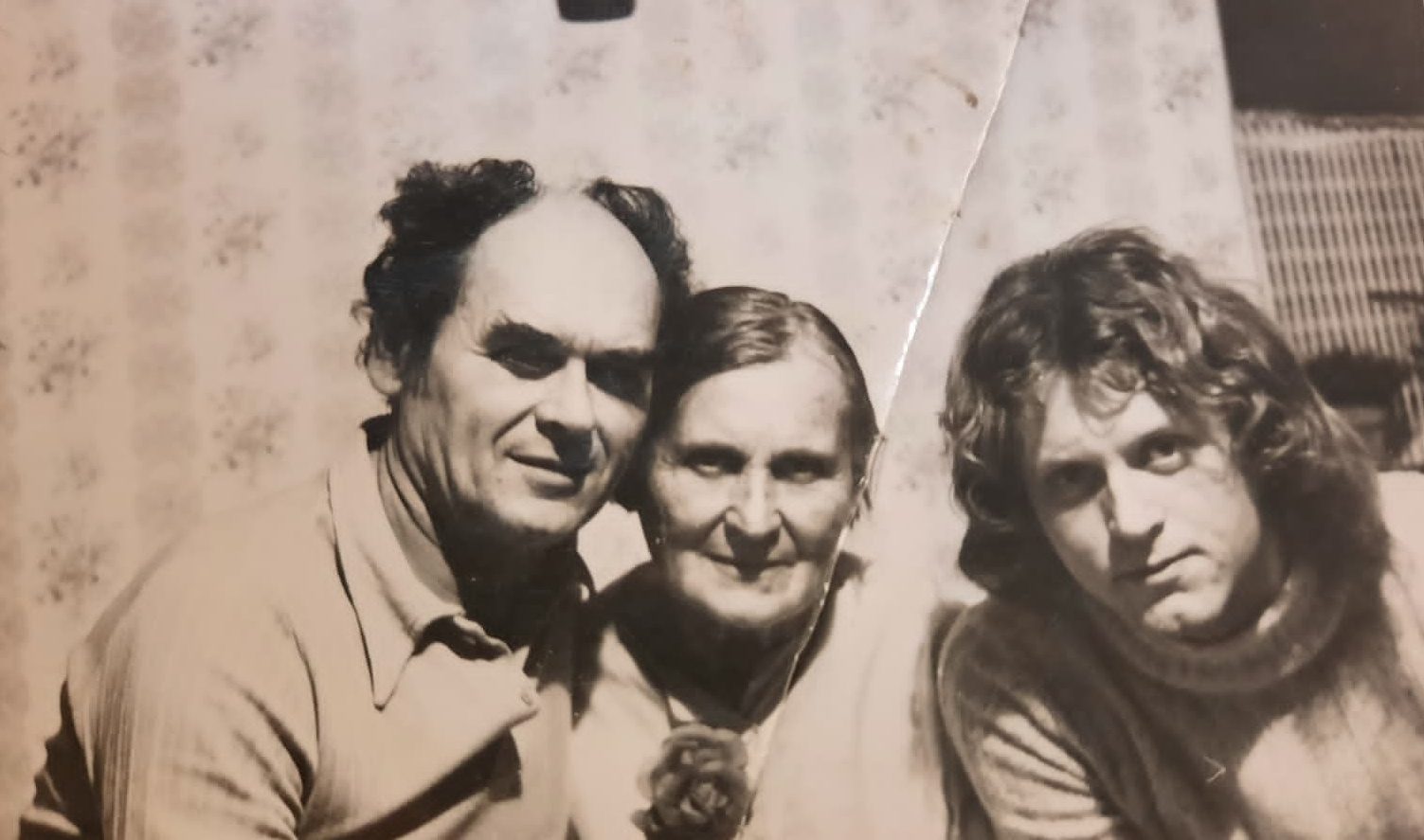
Mark Jirásek (original name Miroslav) was born on August 21, 1957 in Karlovy Vary, where his mother Margit, née Černá, came from. Her predominantly German family was able to stay in Czechoslovakia after the war because her grandfather was Czech. His father Jiří came from Kladno and worked as an engineer. After the divorce of his parents, his grandmother Alžběta Jirásková raised him. After elementary school, he trained as a refrigeration technician in Ústí nad Labem. He then returned to Karlovy Vary and worked in his field. At the same time he started to get involved in the Karlovy Vary underground. He visited the Chartists, the husband and wife Květoslava and Jan Princ, on their estates. In 1980 he became a signatory of Charter 77, which he actively disseminated. After several denunciations, members of the secret police searched his apartment and interrogated him several times. For example, he organised a concert in his flat by Pepa Nos, to which he also invited the poet Heřman Chromý. He attended concerts of the group The Plastic People of the Universe, where he was physically assaulted several times by members of the Public Security Service. In 1980, he entered basic military service with the military technical unit in Most. Due to the care of his grandmother, he served in the army for five months, and for the remaining nineteen months he worked for Military Construction. In August 1982 he left for Yugoslavia with his wife, father and his family. In Belgrade, he applied to the United Nations Refugee Agency and decided to emigrate to the United States. He settled in Portland where, after a few years, he started his own company and designed new air conditioning systems for older commercial buildings. In 2014, he returned to the Czech Republic with his second wife. At the time of filming, in 2025, Mark Jirásek was living in Karlovy Vary.