“Everything began in Timișoara, and that is where the people rose up. Then they quickly warned me and told me: Mireya, in Bucharest the people are in the streets. And when I leave the hotel where I was staying, I see tanks passing by, I see people running in the streets. What do I do? I put on my cap, I get dressed, I get ready, and I go out into the street. And I go to the homes of those families, families who were already going out with their signs saying down with Ceaușescu. I was twenty-nine years old. I had to live that moment. That is why I say that I don’t know, because it motivated me so deeply. First I cried, I cried, I cried, I cried, I cried, seeing that people so joyful, seeing how those people rose up as if out of nowhere, coming out like ants from an anthill, all joining together, shoulder to shoulder.”
“They forbade us from having relationships with Cuban exiles. That was the rule. Just greeting a Cuban exile anywhere, even a simple greeting, could get you sent straight to Villa Marista, that was prison, and fired from the company. They wove panic and terror around us. They wanted to weave it in the worst possible ways: you cannot associate with this person because he is CIA, for example. Even native people from those countries, they told us they were CIA, and anyone who was seen interacting with them would be sent back to Cuba as a prisoner. I saw many merchant sailors taken out of my company that way. I saw it with my own eyes. Why? Because maybe someone invited you, like now I invite you for a coffee or for a meal or to prepare a dinner. And maybe he was taking photos without us realizing it. Then you, who owe nothing and fear nothing, who have your own thoughts but are not involved in terrorism, not involved in anything criminal, not trying to harm your Cuban people, you had already been reported with photographs, and when you arrived in Havana, you know what happened: patrol boats would come out to pick you up, straight to prison. That was our life.”
“My mother had two children older than me from her first marriage. My mother’s eldest daughter was seventeen years old when I was born. She married a great man, may God always bless him, a great man, a peasant from the Escambray. What happened? When they began to build what all those people built in the Escambray, they took them all away as prisoners, from Trinidad to Pinar del Río. My two older nieces were born in captivity. My mother had to travel from Trinidad to Havana to see her eldest daughter, and that made my mother sick. It made her sick physically: from blood pressure, from her heart, from her nerves, from everything. A daughter in prison is a daughter in prison, especially without having committed any crime. I was not aware of that. I was just a little girl, barely over a year old. All I know is what I was told, that when my mother left, the crying was enormous. Why? Because I simply missed my mother, like any child. But as I grew up, I began to understand everything, everything. I began to understand my father, I began to understand all things, and well, I no longer remember exactly how old I was when they were taken out of Pinar del Río. That is, my brother-in-law, the whole family, my brother-in-law and my sister of course, with their two small daughters, to Camagüey, as if they were animals, and they were taken to a town in Camagüey called Imías, on the north coast, in the municipality of Sola. And there are two more towns in Camagüey, Miraflores and Manantoago. All those towns were for political prisoners from the Escambray. Therefore, I grew up with all of that, and those were my first books. It was the first thing I learned in life. And well, since one could not speak, since nothing could really be expressed, my father would say quietly — and I said it today in a live broadcast in honor of my father — long live the Republican Party, long live the Liberal Party, because my father was a pluralist, and that is what we want, pluralism.”
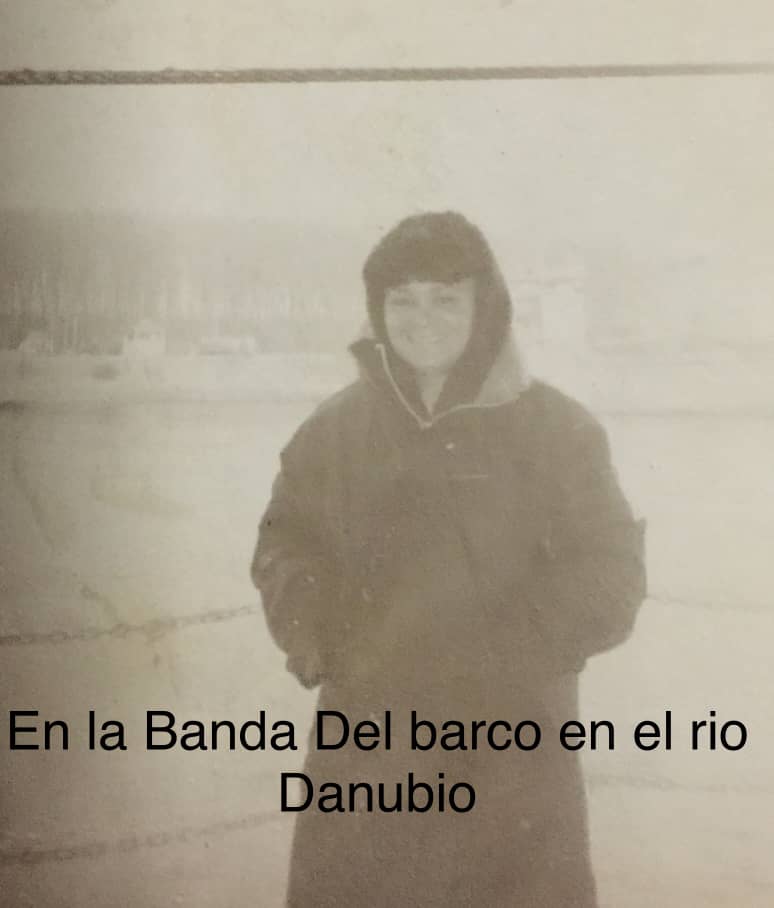
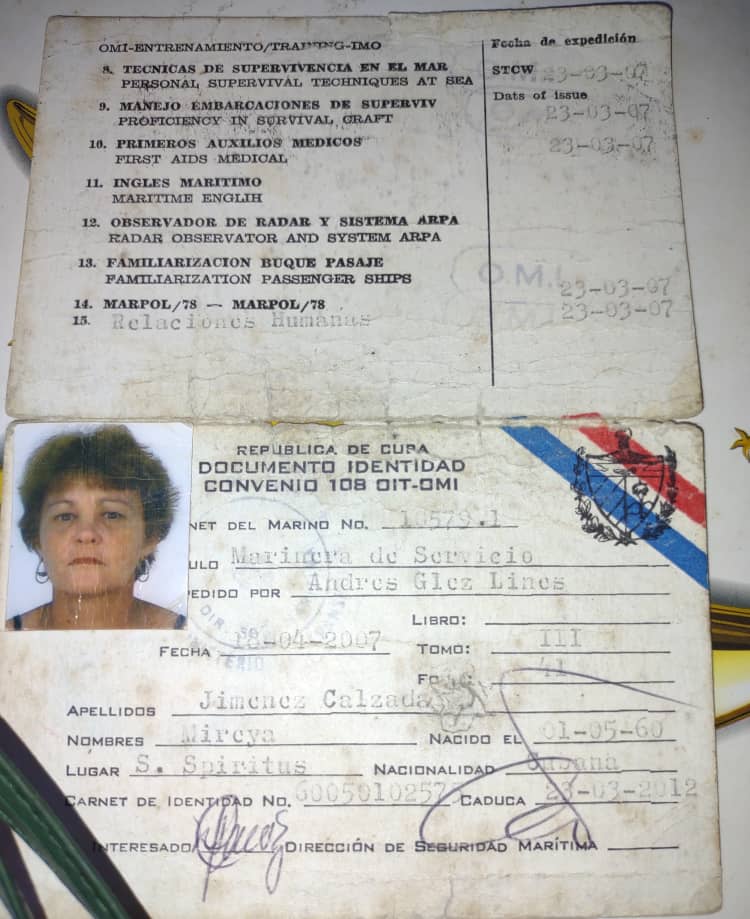
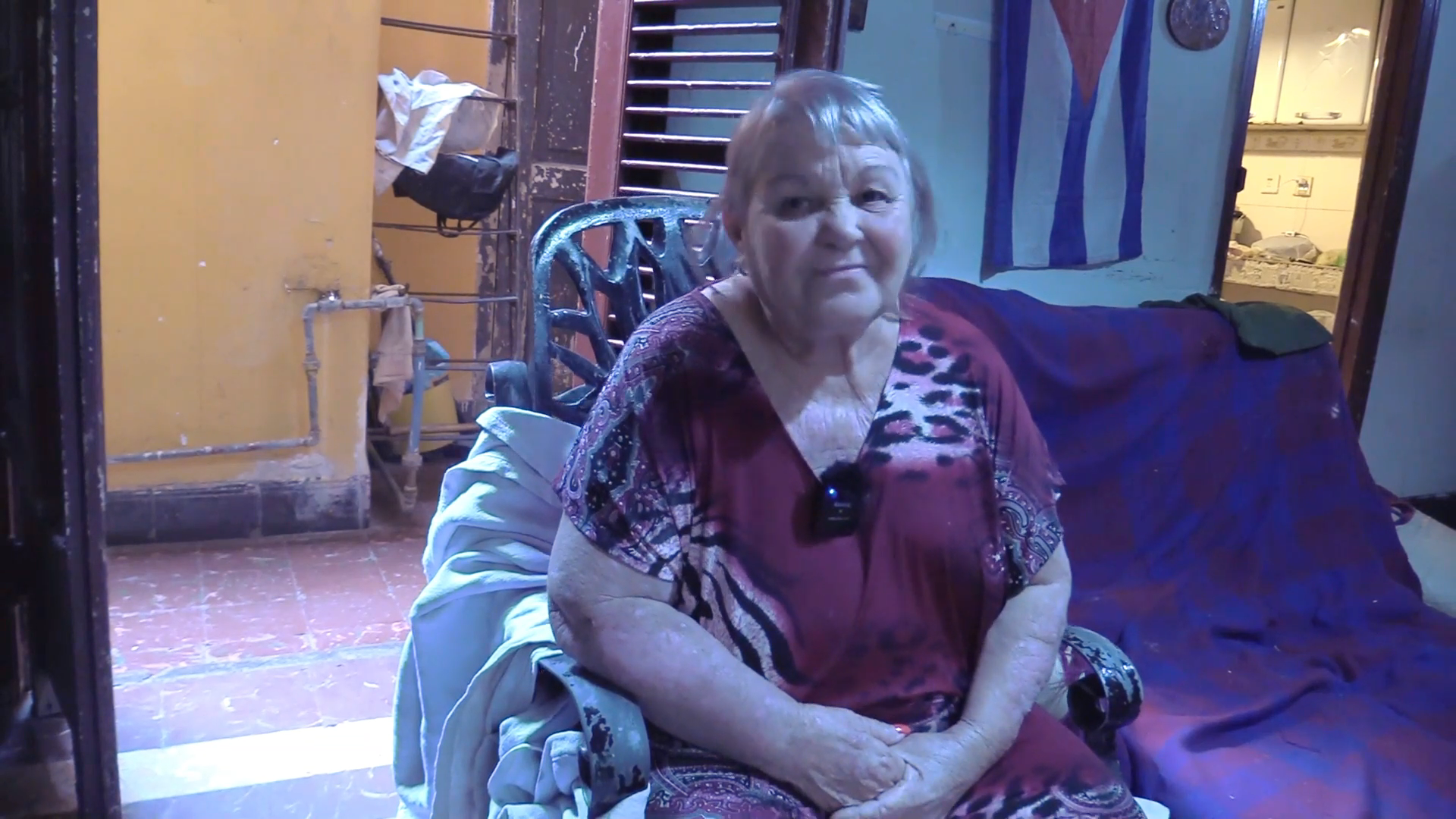
Mireya Jiménez Calzadas was born on May 1, 1960, in Trinidad, in the province of Sancti Spíritus, Cuba, into a humble, working-class family deeply rooted for generations in the Trinidad region. Her father, Sixto Celestino Jiménez Benítez, born in 1917, was a merchant seaman and lived under all Cuban governments of the twentieth century; in 1960, following the nationalization of private enterprises, he had to take the ship on which he worked to the United States and received an offer to remain there with his family, an offer that his wife rejected while pregnant with Mireya, which led to his return to Cuba in April of that same year. Mireya grew up in Trinidad alongside her younger brother, three years her junior, and older siblings from her mother’s first marriage, in a context marked by the political repression suffered by her family, especially the imprisonment and deportation of relatives linked to the Escambray, including brothers-in-law and nieces who were born in captivity, as well as the forced relocation of family members to different parts of the country. She completed her education through the twelfth grade, and although her mother attempted to guide her toward a degree in Economics, she did not pursue university studies; in 1981 she joined the Merchant Marine, where she worked for thirty years, sailing throughout the Caribbean, South America, and Europe, and visiting countries such as Curaçao, Brazil, Venezuela, Colombia, Italy, Spain, Turkey, and Romania. In 1989, while she was in Brăila, she was a direct witness to the fall of Nicolae Ceaușescu’s regime, an experience that profoundly shaped her political outlook; she returned to Cuba on May 1, 1990, via Santiago de Cuba. During the years of the so-called Special Period, she continued working aboard tanker ships involved in fuel transport around the island. She retired from the Merchant Marine in 2010 without receiving a pension. From that point on, she began to express herself openly and critically against the Cuban regime, which resulted in interrogations, surveillance, house arrests, harassment of her family, and restrictions on her freedom of movement. In her personal life, she suffers from a hereditary heart condition diagnosed more than fifteen years ago and was treated for cancer, an illness from which she considers herself free following surgery in 2023, a process she endured in a context of surveillance and political repression.