Karlovy Vary was the biggest money changer in the world, I never knew a waiter who didn’t do exchange
Download image
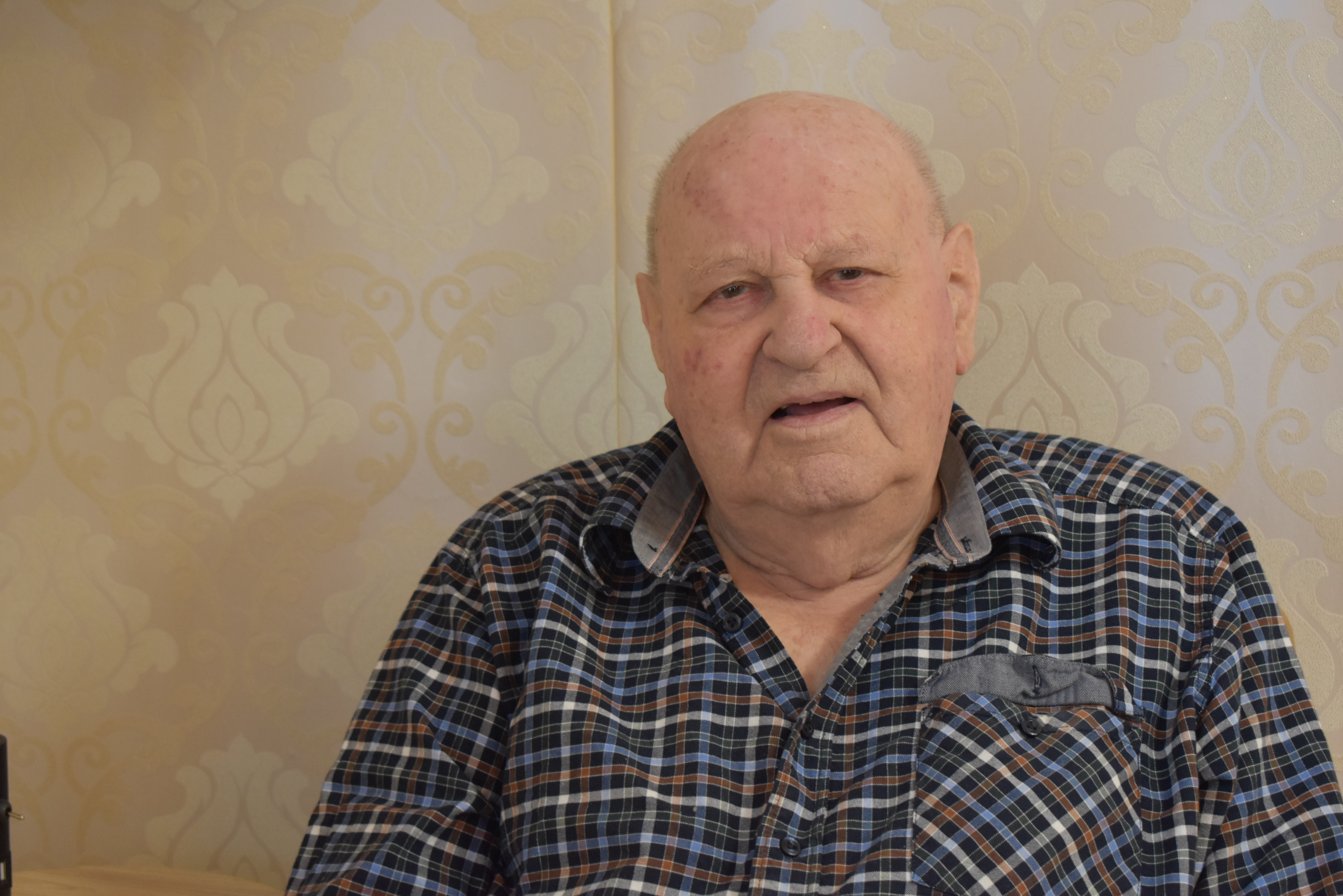
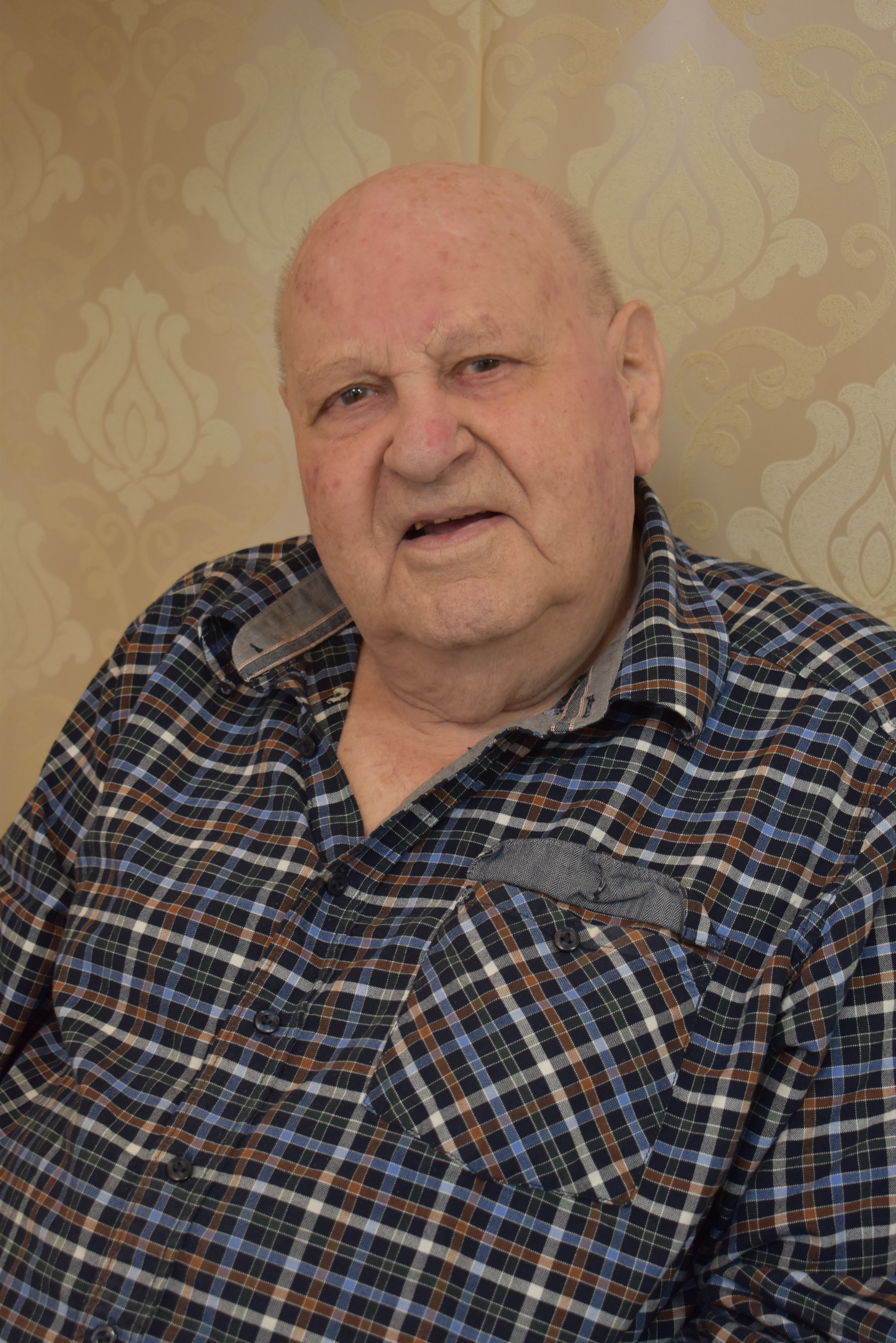
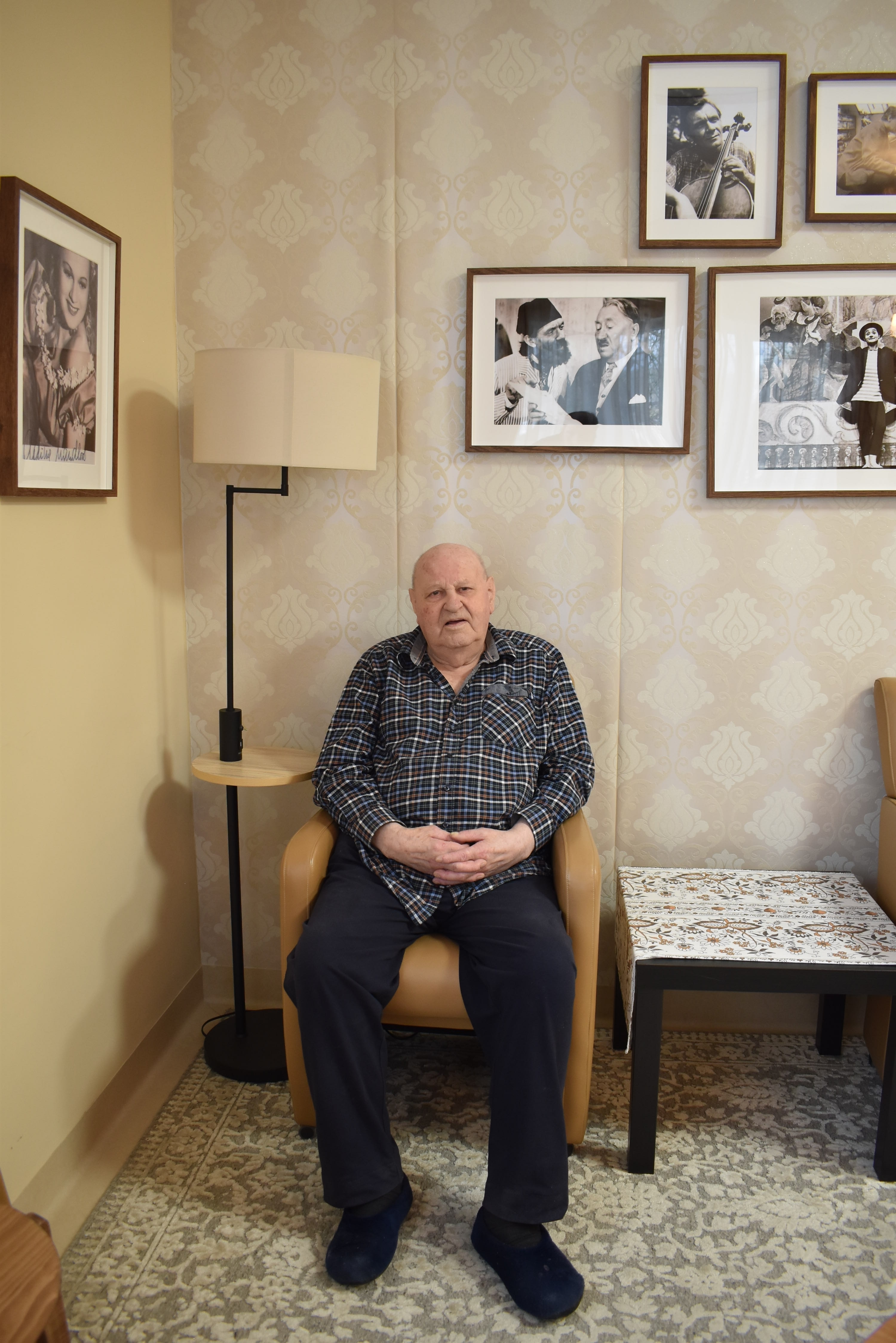
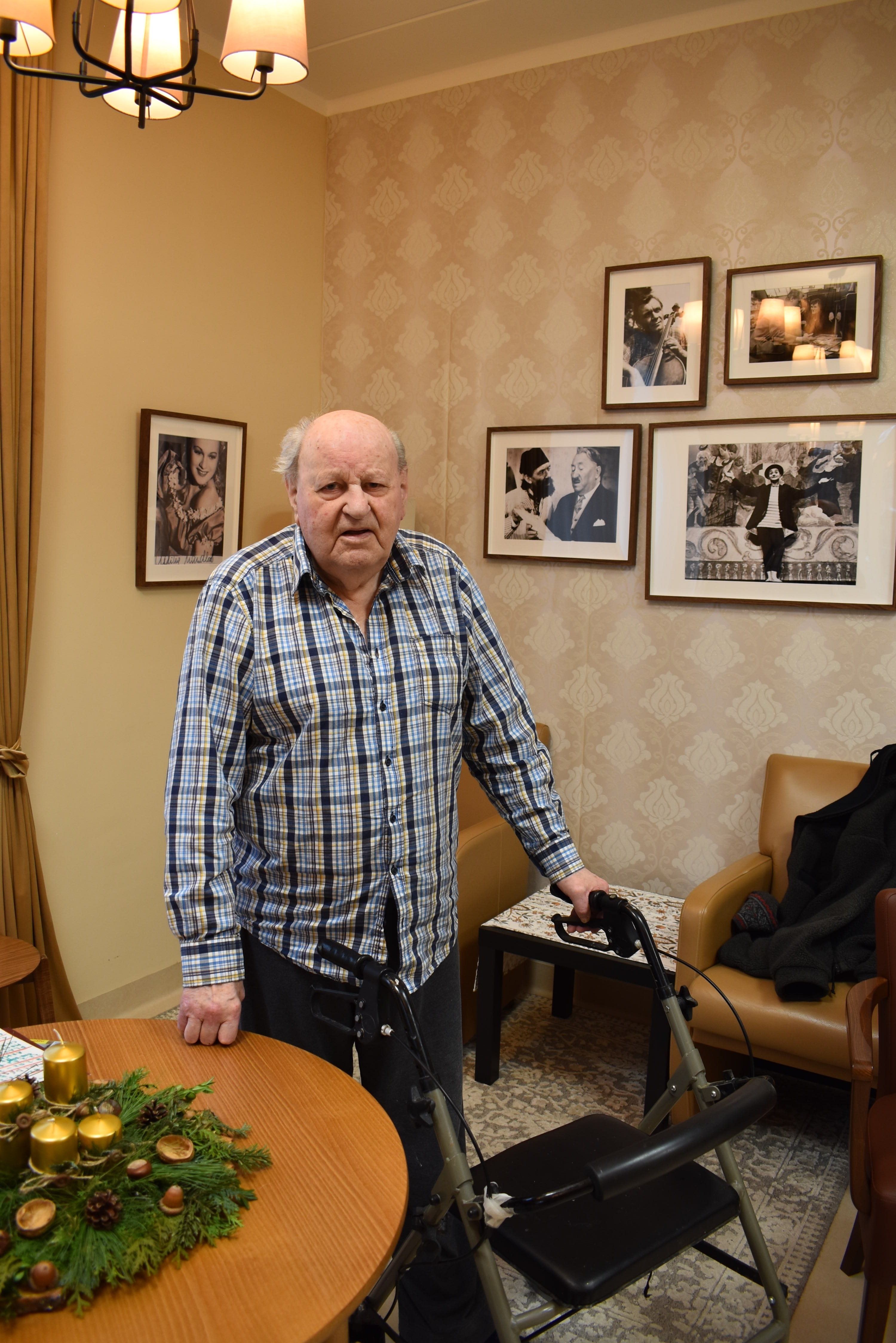
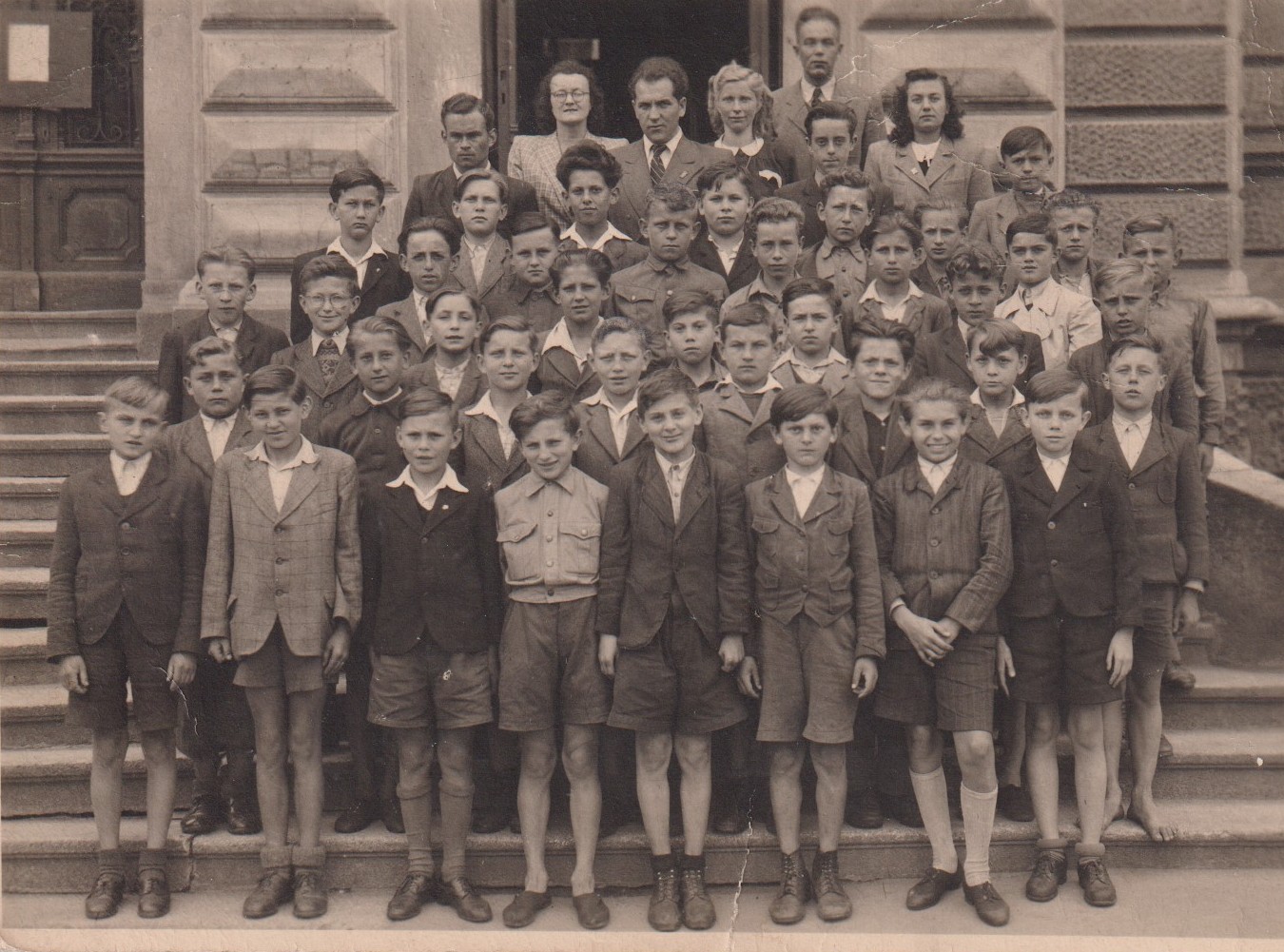
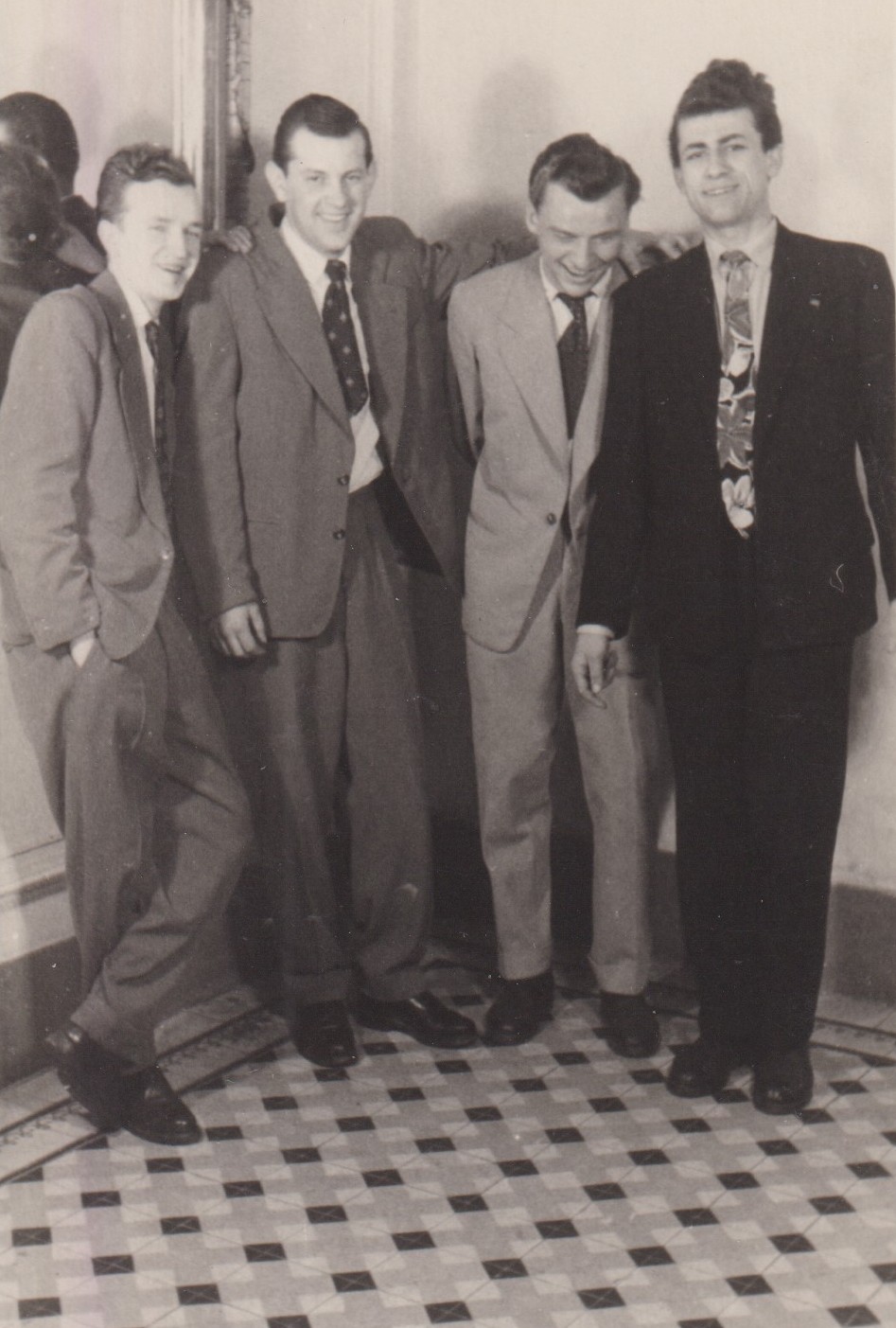
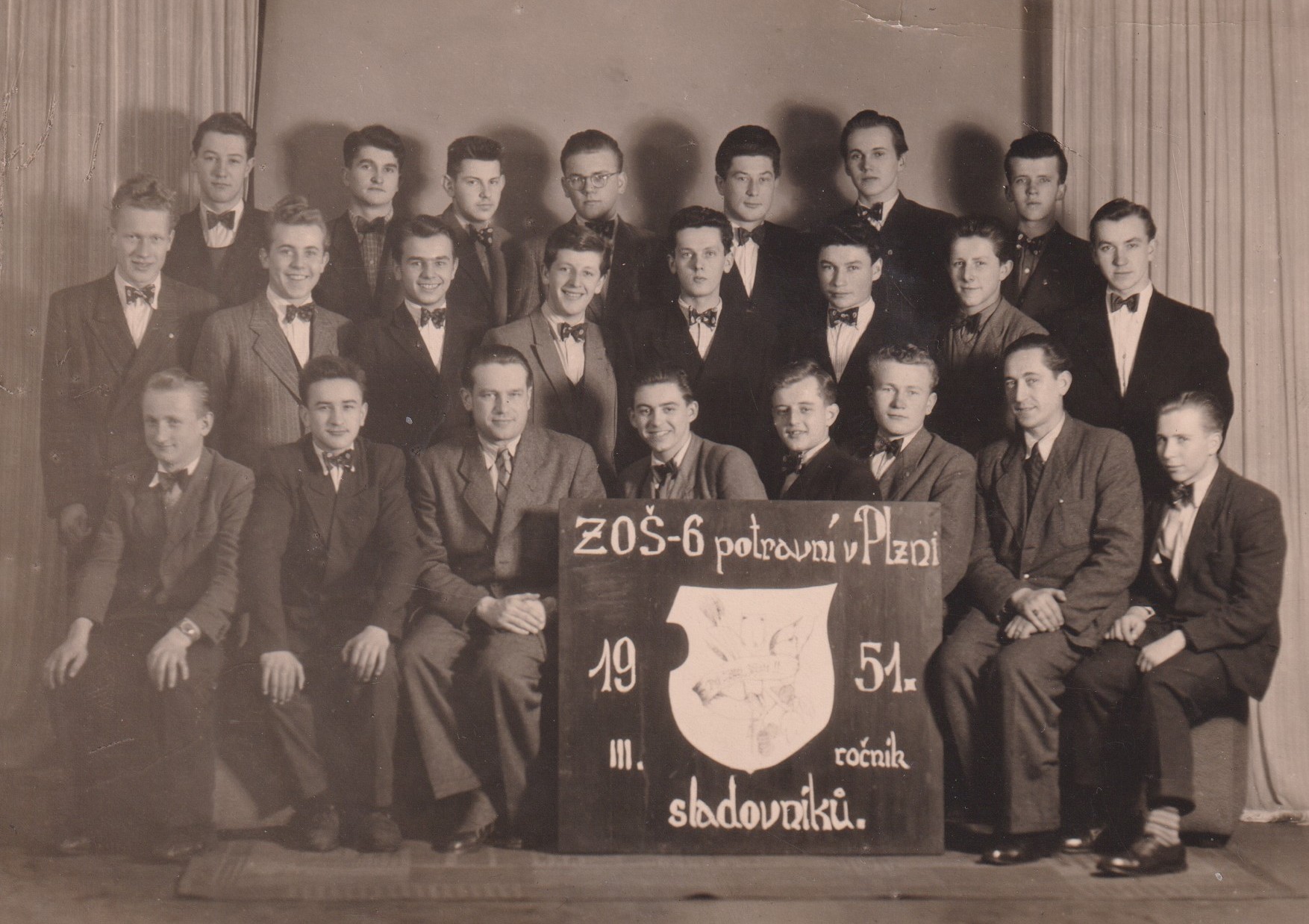
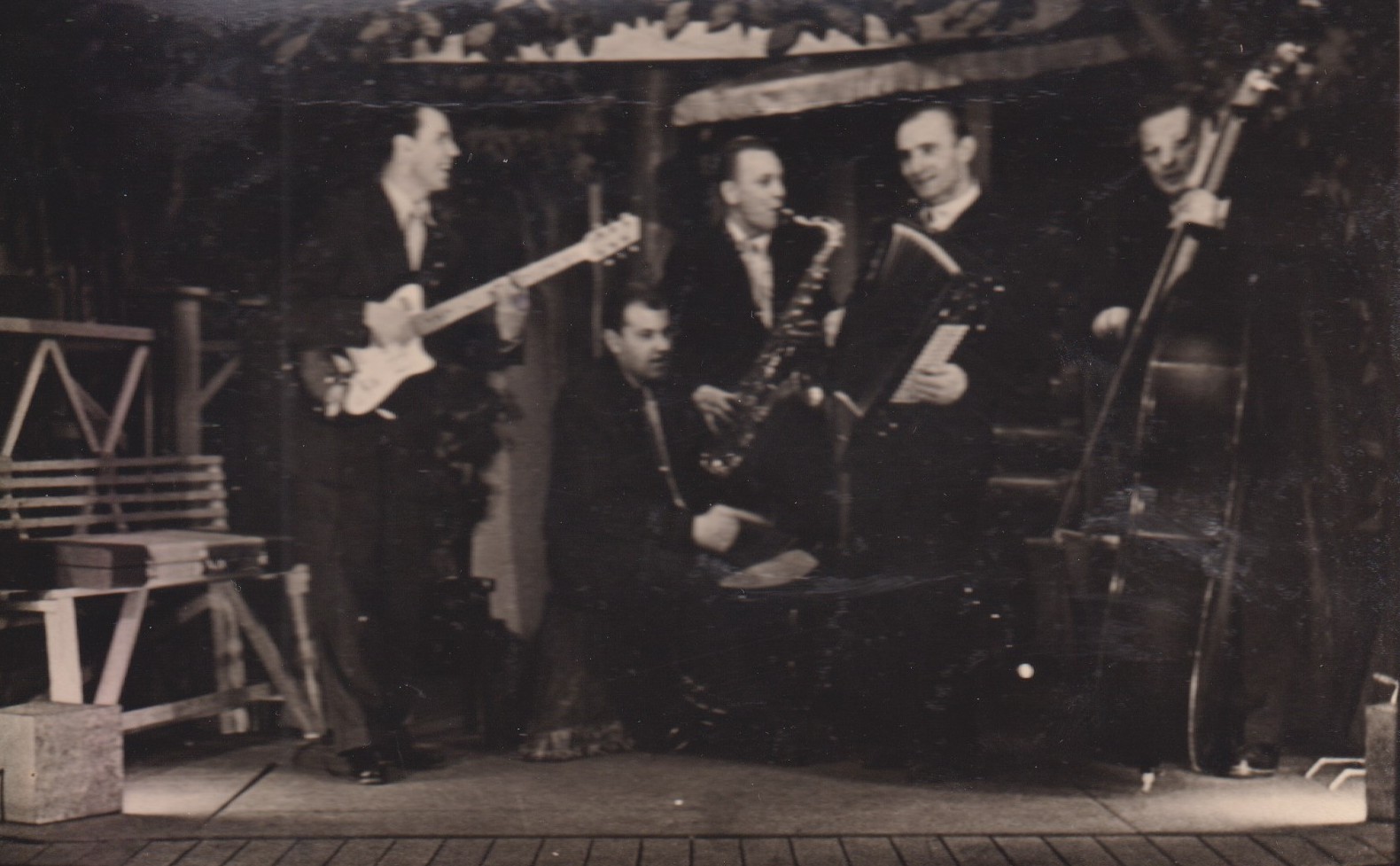
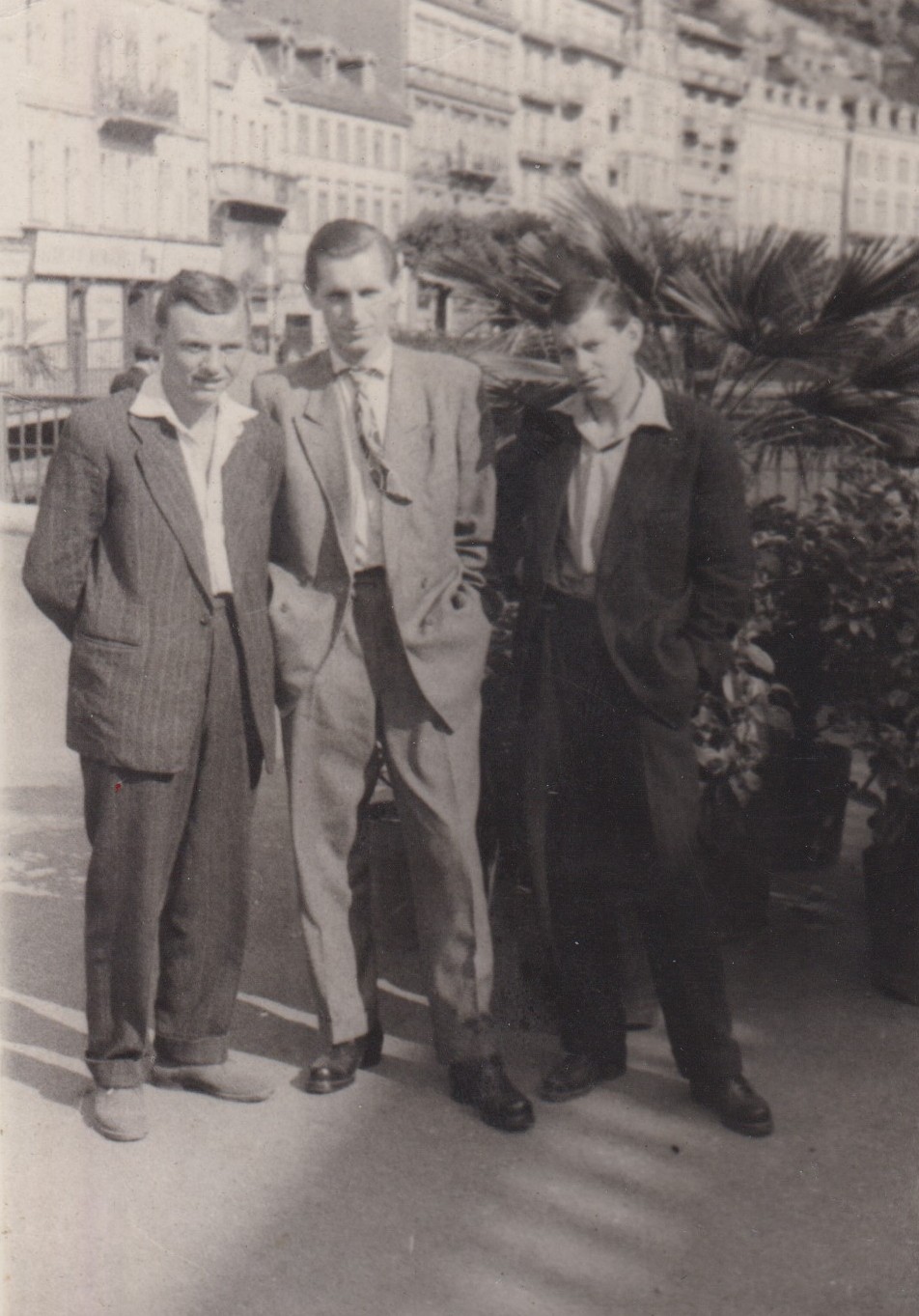
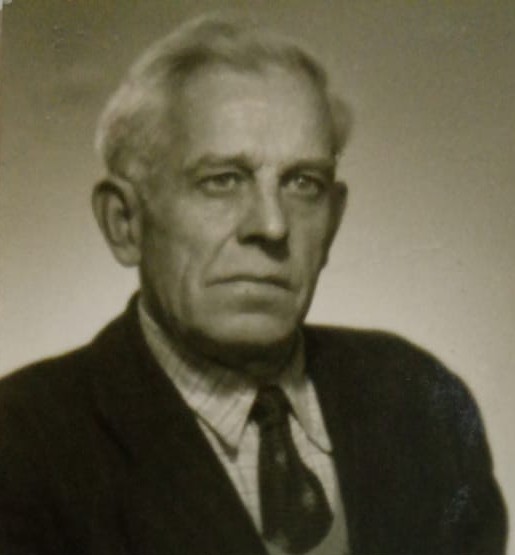
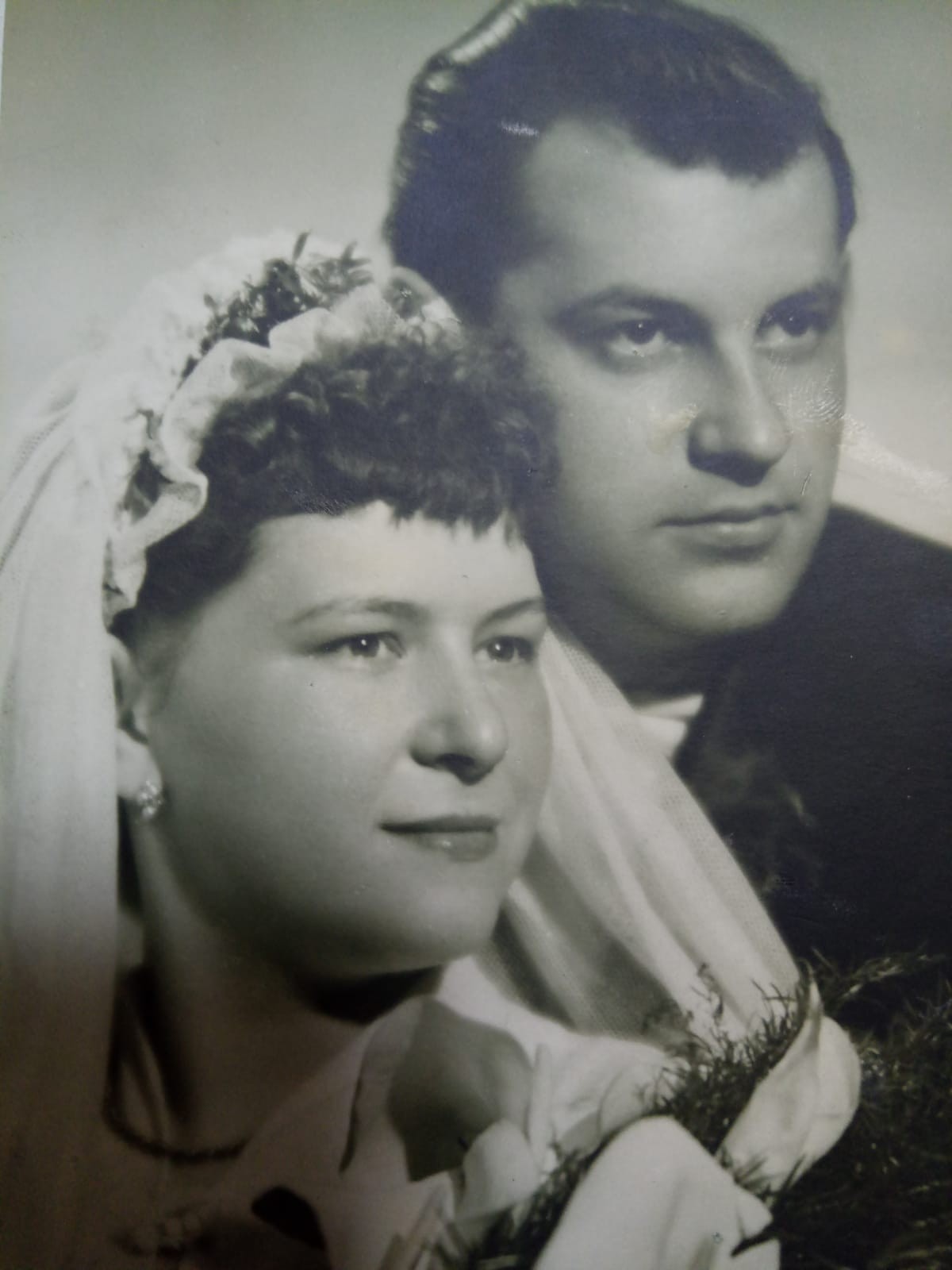
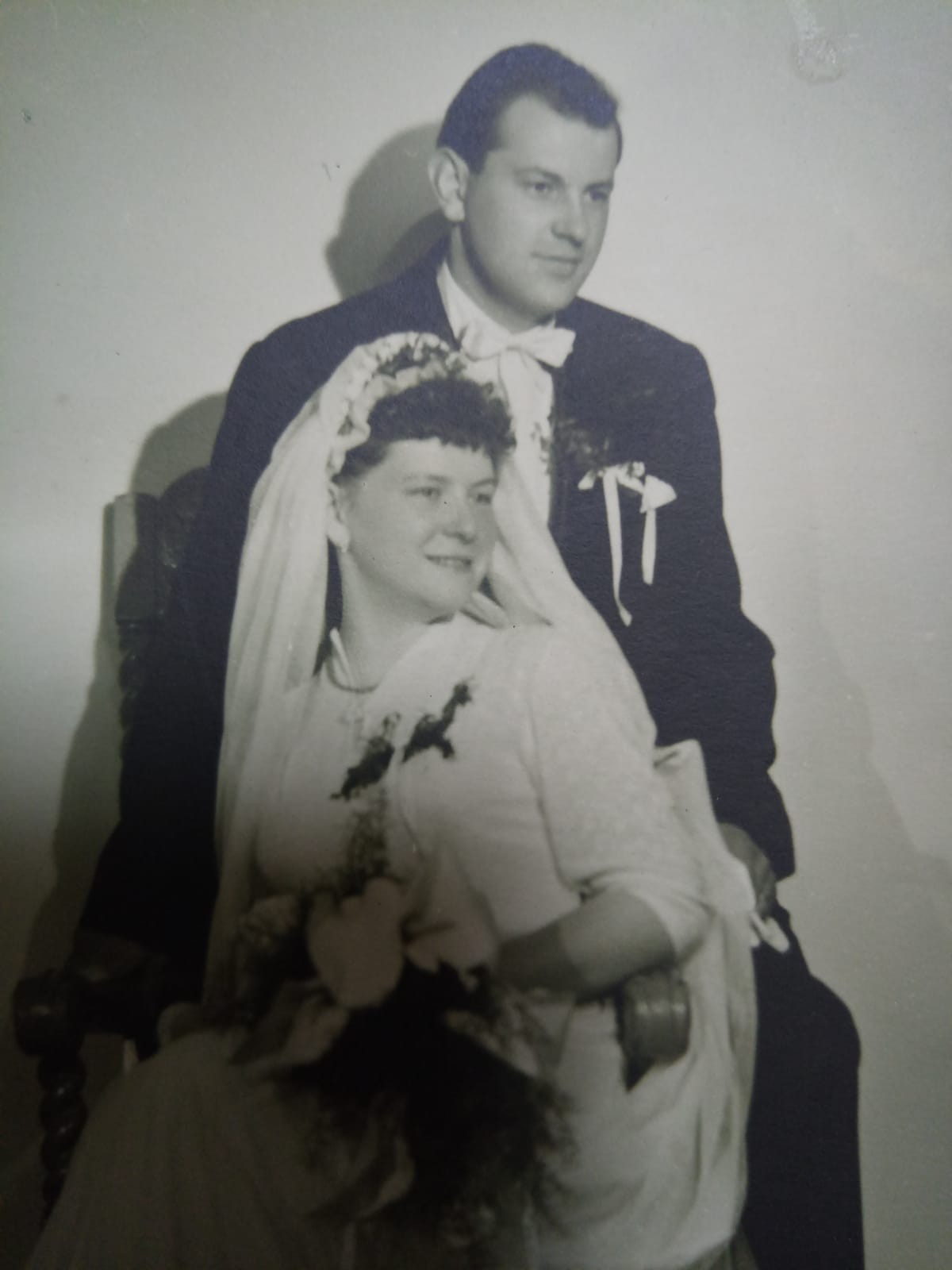
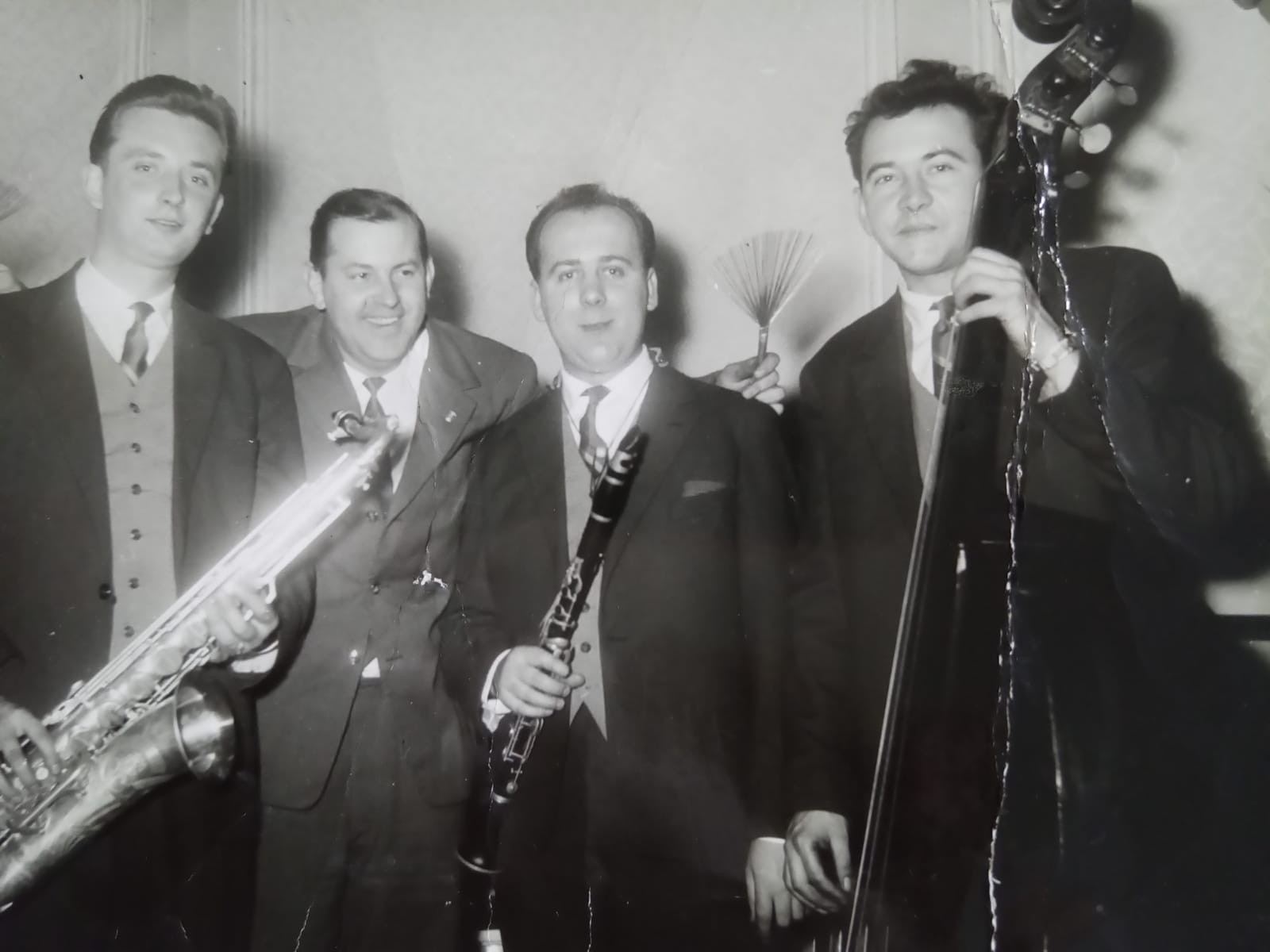
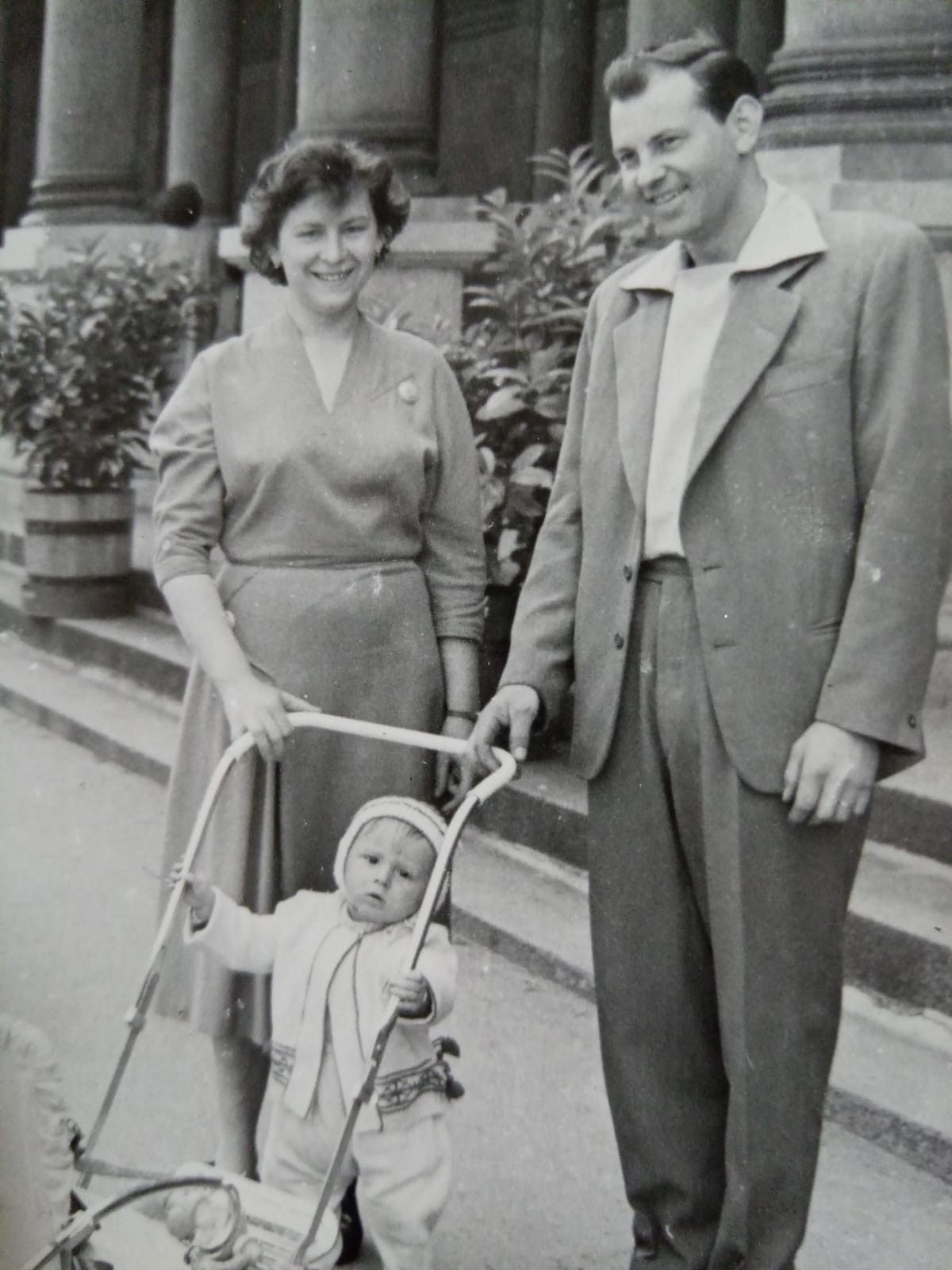
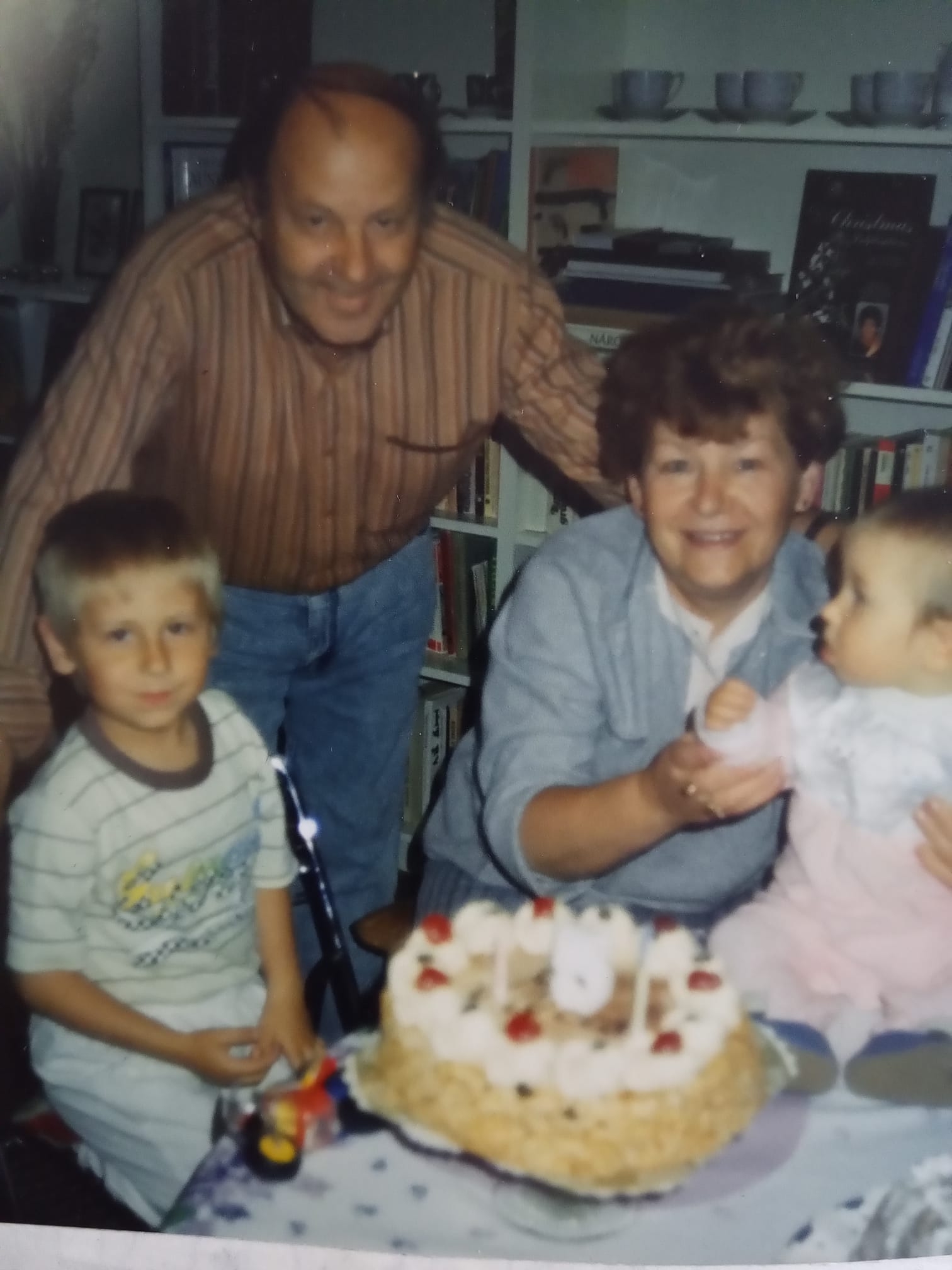
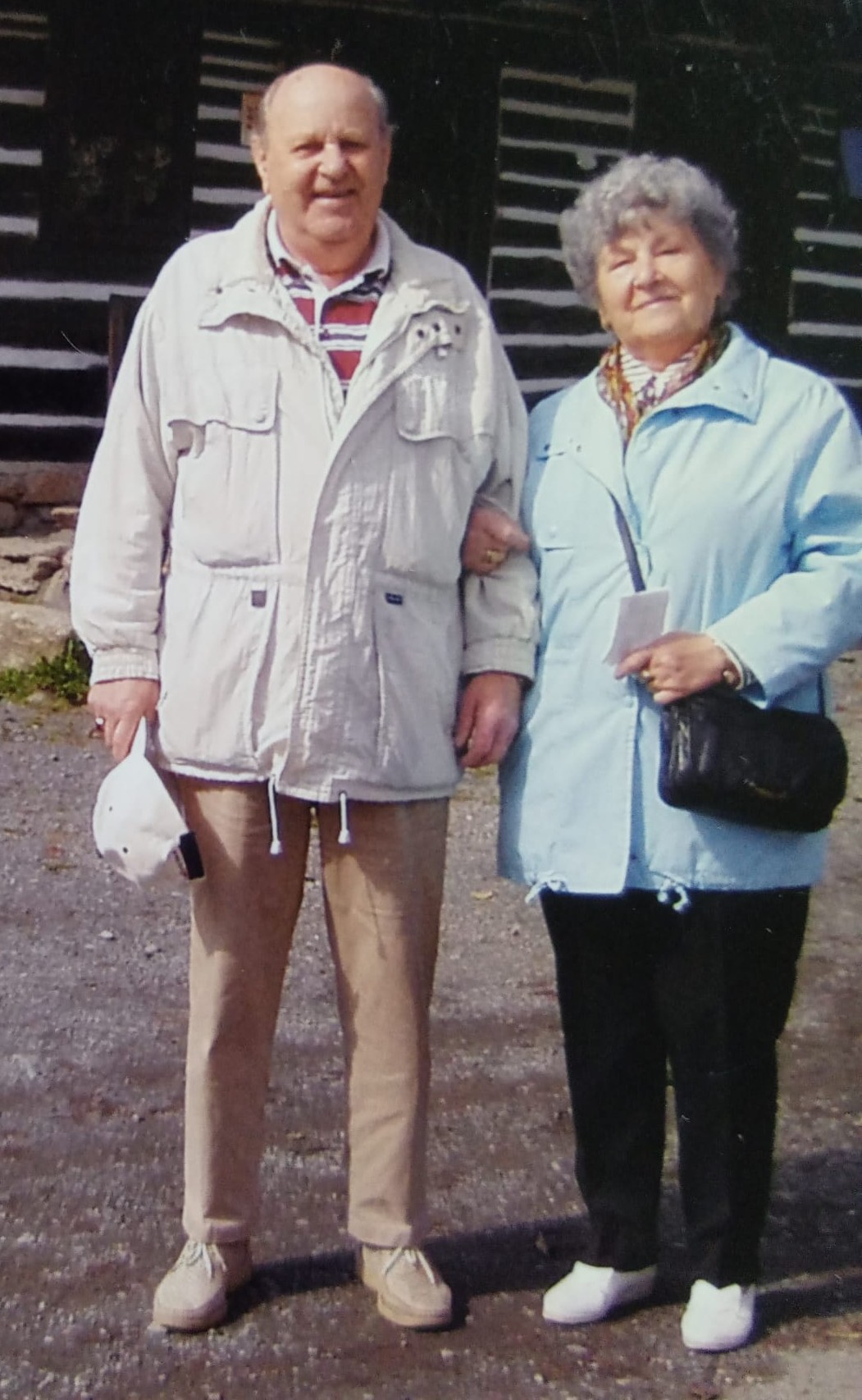
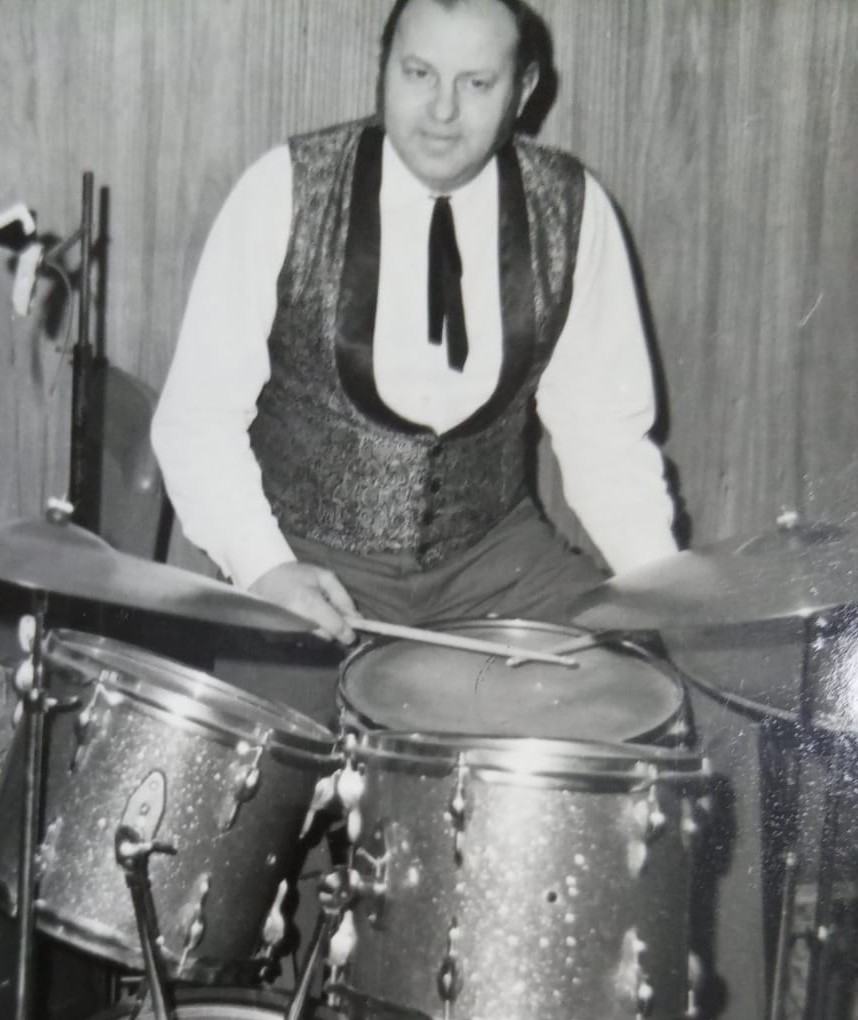
Josef Jelínek was born in Rosice near Brno on 28 July 1933. His father František Josef came from Brno, his mother Marie Magdalena was born in Belgium. Josef Jelínek had older siblings from his mother’s first marriage to a German. Both parents spoke several languages; the father travelled Europe as a miner. From Brno, the family went to Bratislava-Petržalka where the father got a mining job. The Slovak hate of the Czechs drove them away under dramatic circumstances in 1939. They settled in Židlochovice near Brno, and the father and eldest sister were deployed on forced labour in Germany in 1940. His brother enlisted in the Wehrmacht and was killed in combat. Mom took care of the children alone and the family suffered from poverty. She fled to Austria for fear of the Soviet army in the spring of 1945. The family reunited after the war, headed to the west of Bohemia and settled in Karlovy Vary. A half of the house they lived in collapsed, but fortunately no one was hurt. The father worked in the mines in Jáchymov, witnessing the cruel treatment of political prisoners. Completing primary school, Josef Jelínek trained as a maltster and worked in the Karlovy Vary brewery until 1952. He wanted to go to Prague to work, but had to gain industrial experience before leaving the region, so he spent a year in the mines as a labourer. He still did not get a pass, so he and two friends decided to cross the border illegally near Kraslice. They were caught on East German territory and handed over to the Czechoslovak authorities. The trial took place in the autumn of 1953, but thanks to an amnesty granted by President Zápotocký, they were released after six months of detention. Josef Jelínek worked at Municipal Services, then at Realistic, and then at the District Construction Company. He worked there until 1979 when he retired on disability. He married and raised sons Petr and Josef with his wife. Music has been his lifelong hobby, and he played with bands in and around Karlovy Vary for more than 30 years. He knew thoroughly the atmosphere of the spa town where West Germans came for entertainment and met their relatives from East Germany, where illegal money exchangers flipped German marks and Tuzex vouchers. His sons emigrated in 1984 and 1985 via Yugoslavia and went to Australia. Josef Jelínek visited them in 1989, witnessing the November events and the regime change on television. Both sons eventually returned and started a business in the Czech Republic. Josef Jelínek was living in Karlovy Vary in 2025.