Blanka Janoušková

* 1946

  • "The Sixties was a wonderful respite because everything was suddenly free, you could go abroad. I was just sorry, I wanted to go to university, to study architecture, because I liked that and it was related to furniture. Of course, that's how the communists still worked, that it didn't work out. But otherwise it was beautiful. For one thing, we were young, we were at the best age and we were experiencing everything to the full. And then it was even worse after the arrival of the Soviet troops, our brothers, that was a gift. It brought everybody to their knees. Suddenly there was such enthusiasm in the nation, and everybody was as together as they could be, and everybody was willing to work as hard as they could, and everything for the company. And this gift completely disintegrated the society. But completely."

  • "And then I got to the eighth grade. We had a class teacher, she was a hardened communist. And one day she came into the classroom in the morning and she said, 'Well, whoever wants to continue studying in high school, stand up.' So I stood up too and she said, 'Whey, you sit down.' For me it was just... from then on I knew that I really hated the communists because I was the valedictorian of the class, all A's, I wanted to study and they just... they don't go through that train. So I stayed till ninth grade, it was still such a novelty that you could stay in ninth grade, and then they offered me that the only thing that would make me turn a blind eye was that I could go and learn to be a hairdresser. There was quite a bit of interest in that, because they were making a lot of money on the hairdressers. I was terribly desperate because I was a good drawer and I wanted to study some kind of art. The year before, I'd applied for graphic design, but of course that didn't work out. And from the ninth grade onwards, all the other teachers interceded for me, my dad's boss came, he interceded too. So in the end I managed to get into the secondary school of arts and crafts, so I was in seventh heaven."

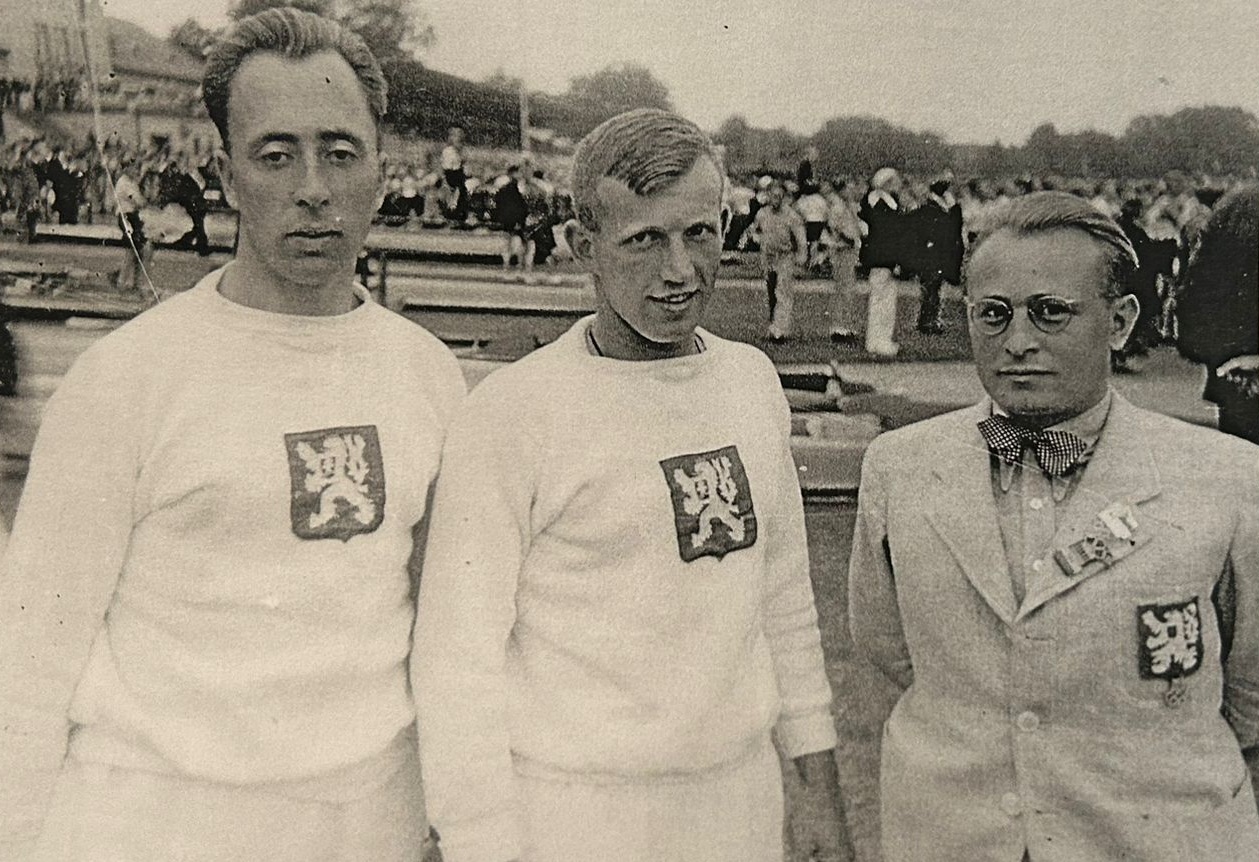
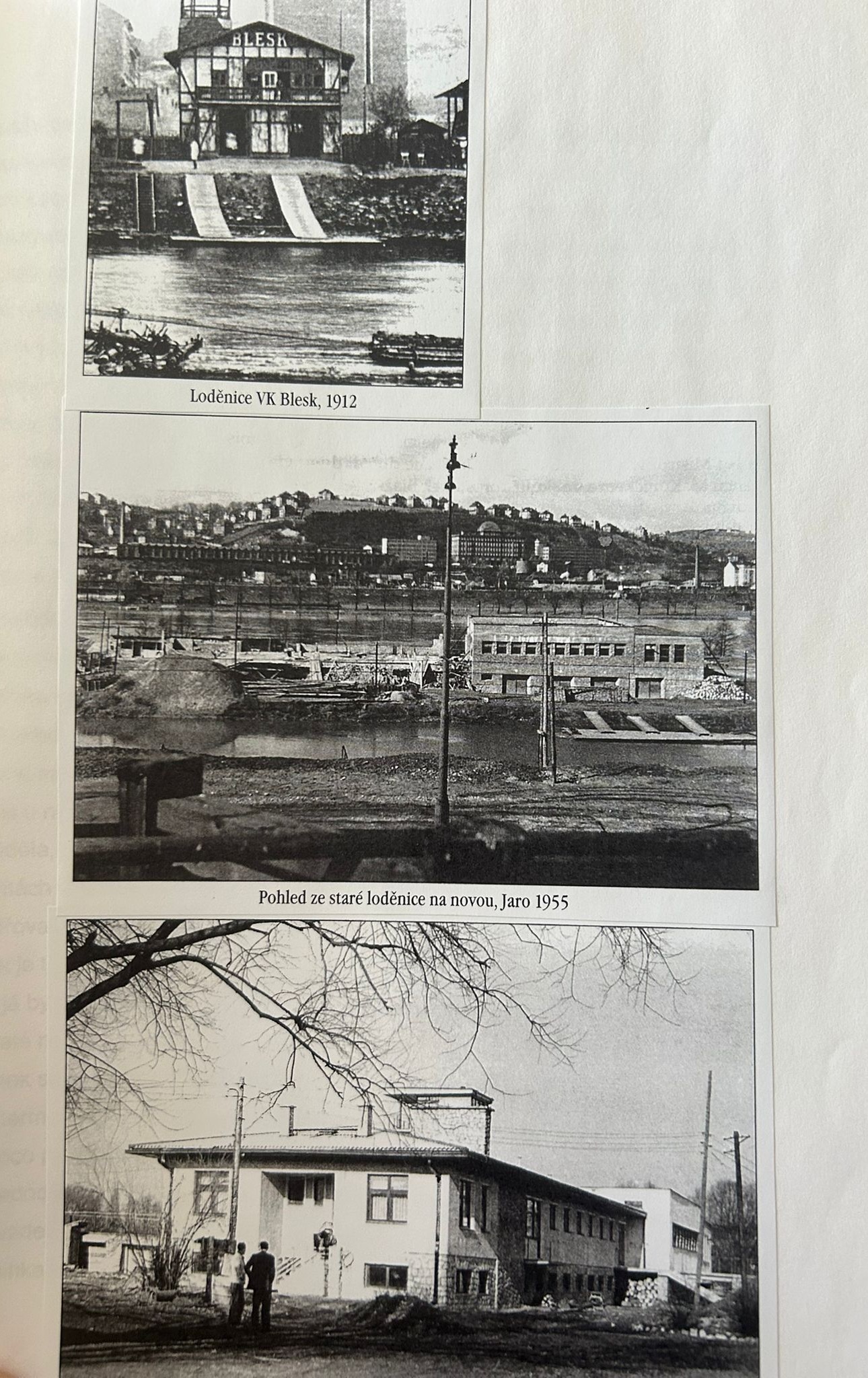
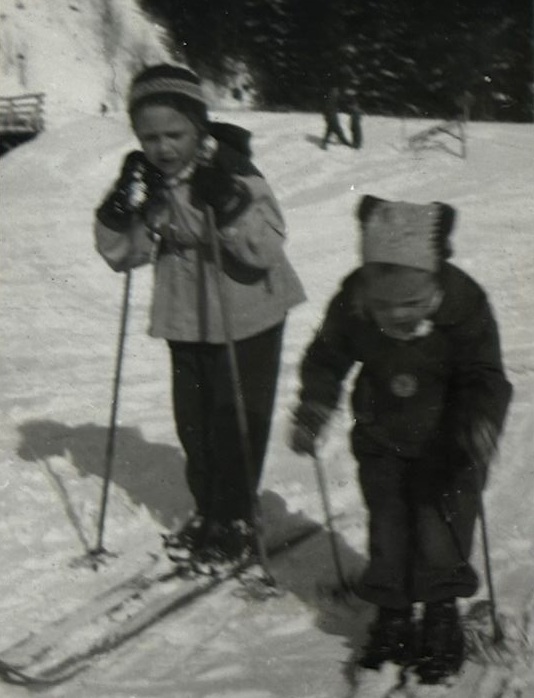
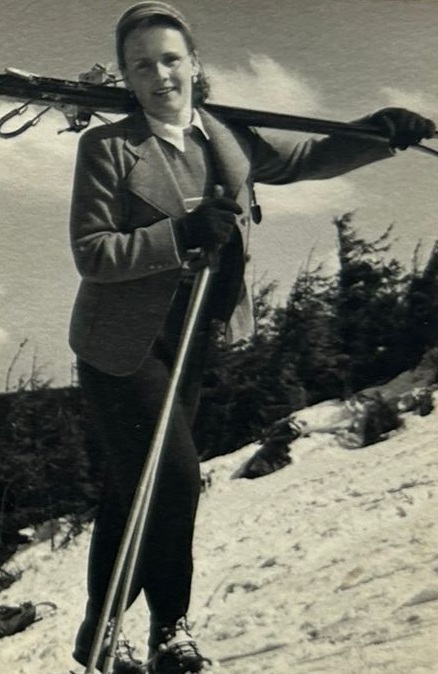
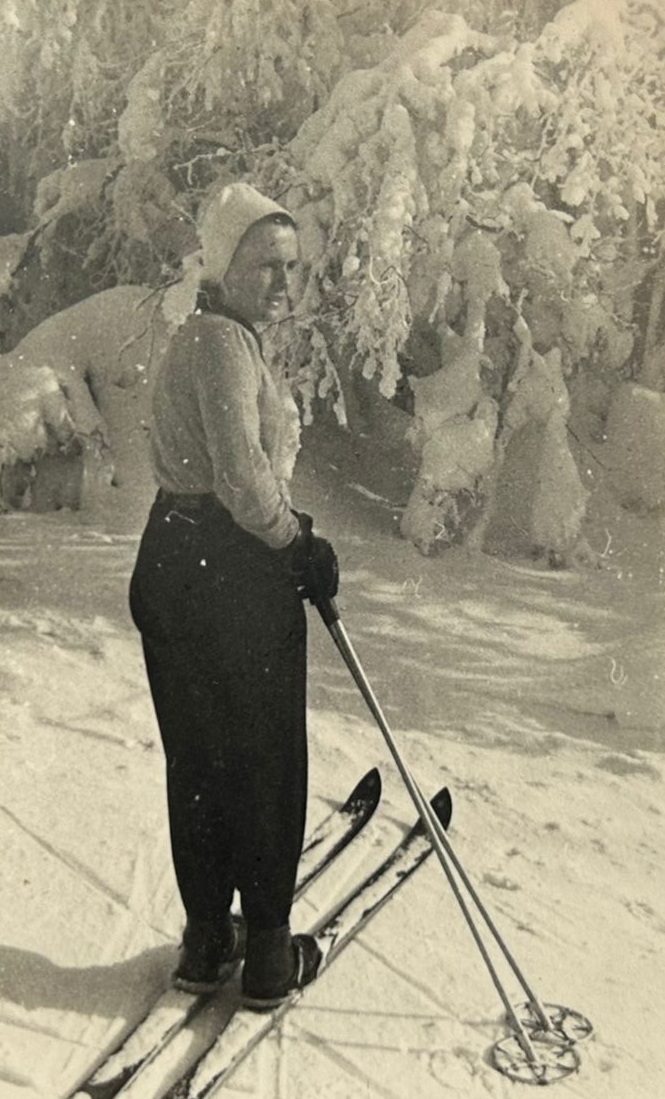
  • "My father was an aeronautical engineer, he worked at the airport. And in 1939, when the Germans came, they occupied all the airports and other strategic places and threw all the Czechs out of the airport. My dad had quite an illustrious sporting career before that, he raced double canoes, even won a gold medal in 1936 in Berlin with his friend Jan Brzak. And when he finished his racing career, that was in 1936, he still went to Sweden for two years to train. And when he came back, the Germans came and he was unemployed. He didn't know what to do, so he started building racing canoes for his friends. Because he was a machinist, he knew how to do it, he knew how to design it. He was quite successful, then somebody said why don't he get a trade certificate, so he got a trade certificate. And during the Protectorate he built up quite a decent company for making skis and boats."

  • Full recordings
  • 1

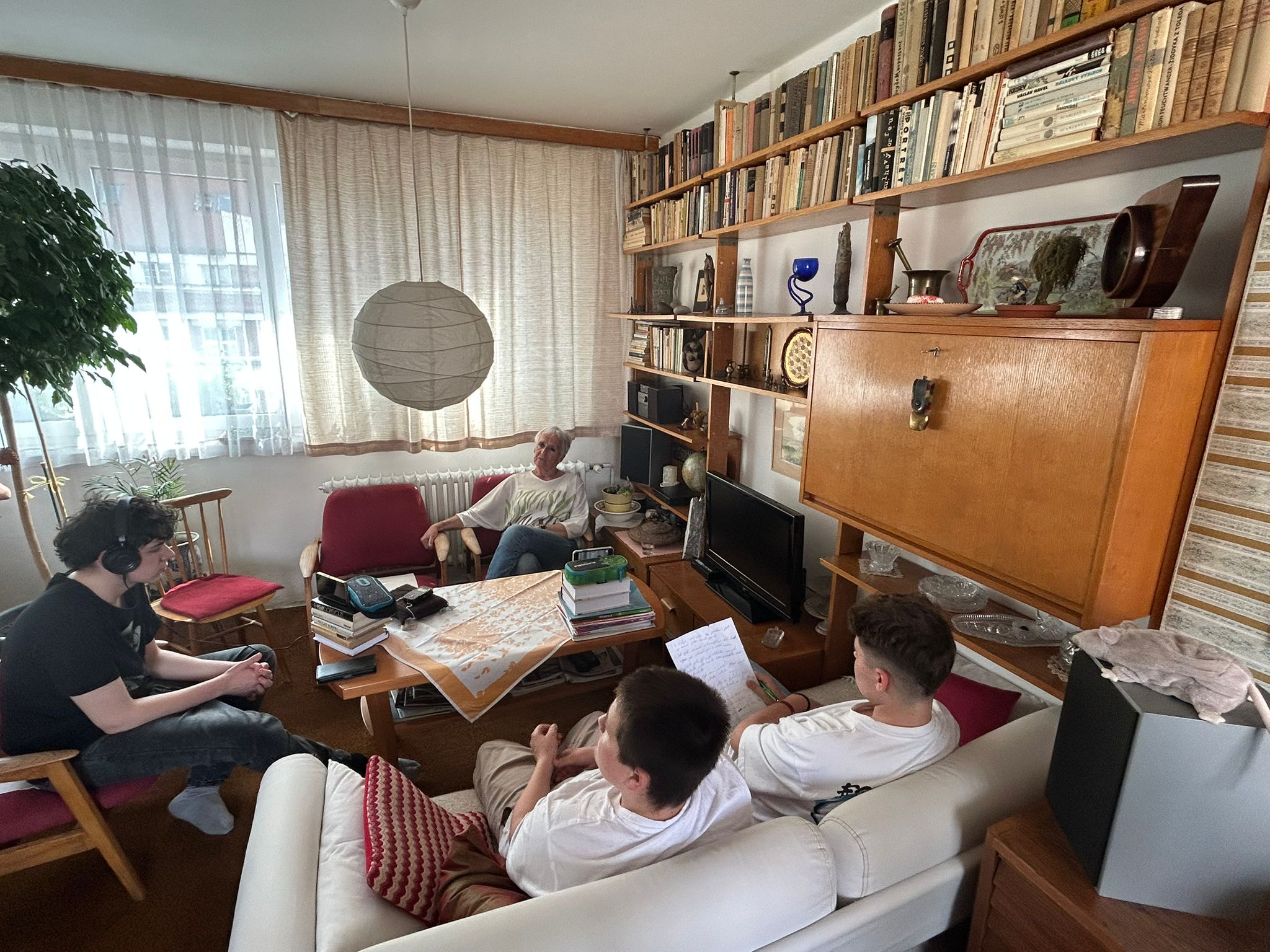
    Praze, 23.04.2025

    (audio)
    duration: 58:43
    media recorded in project The Stories of Our Neigbours
Full recordings are available only for logged users.

The art school was an island of freedom in the communist era
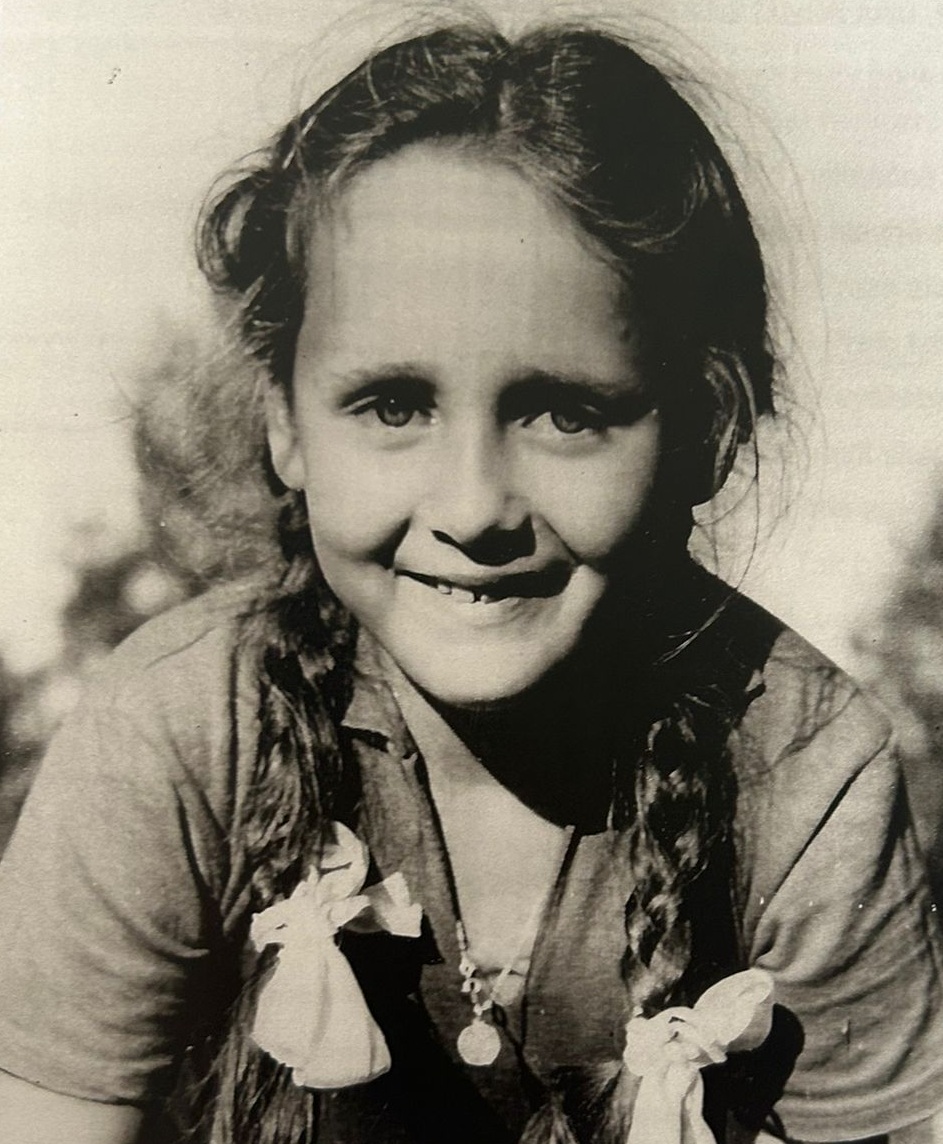
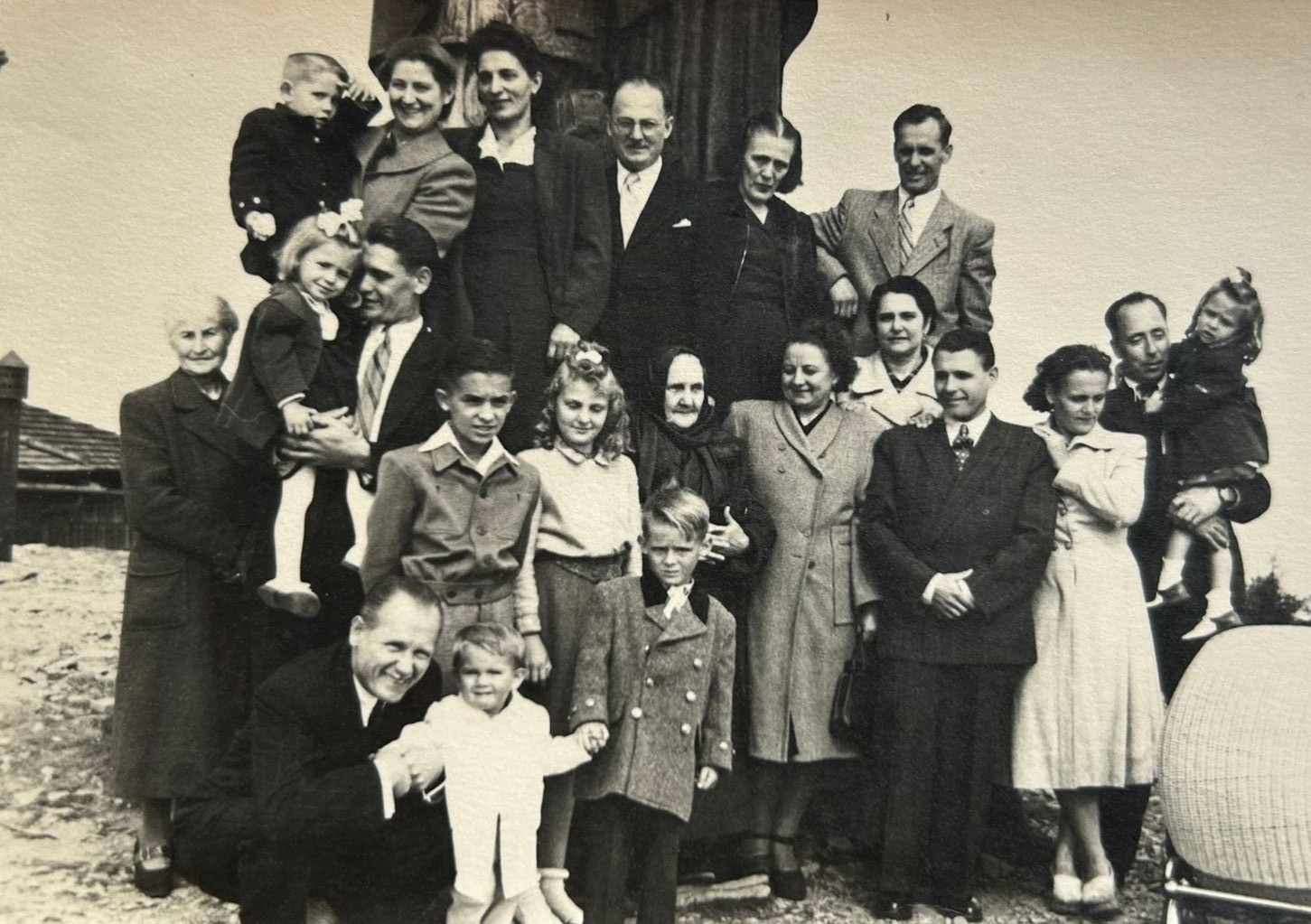
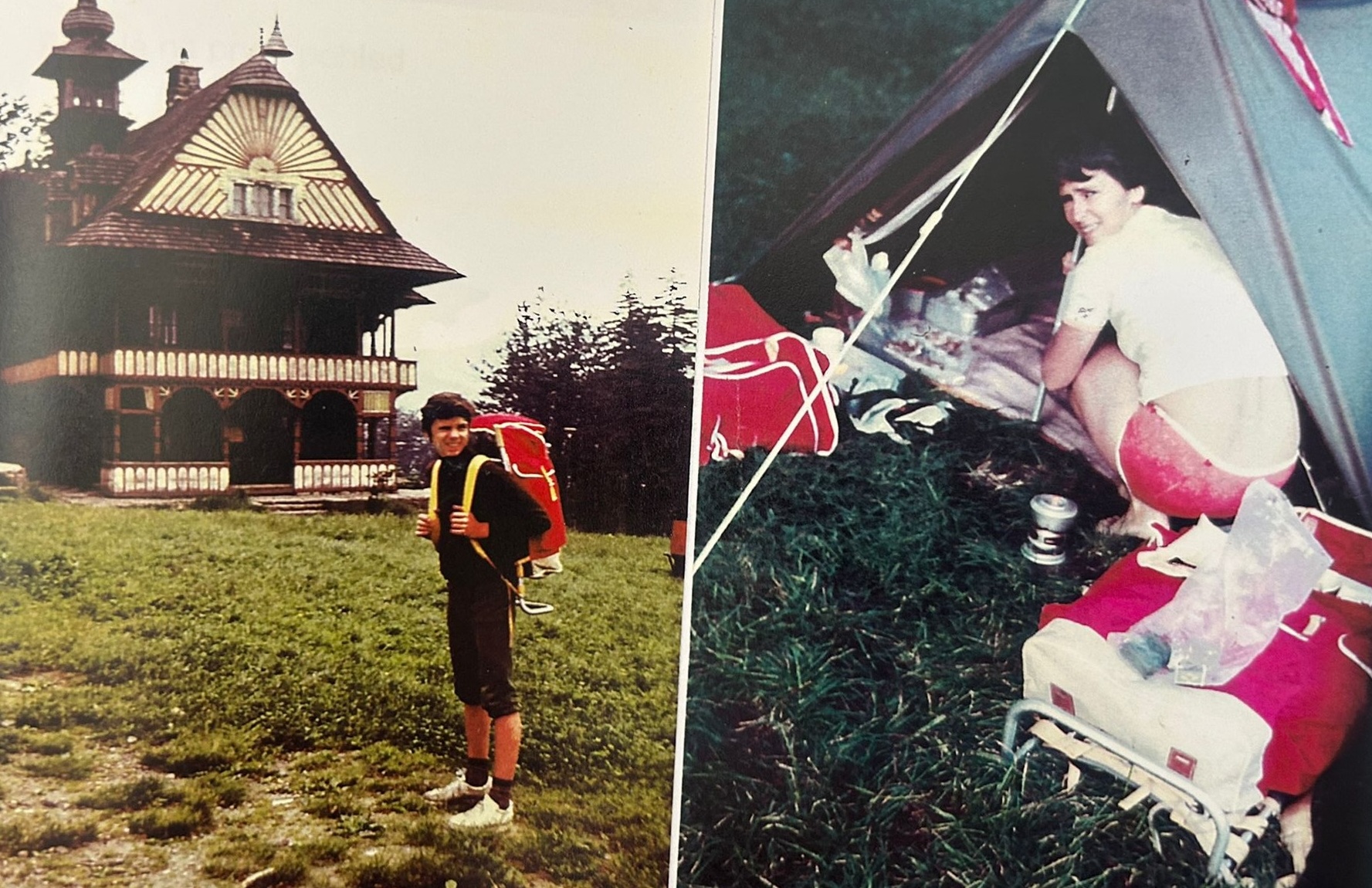
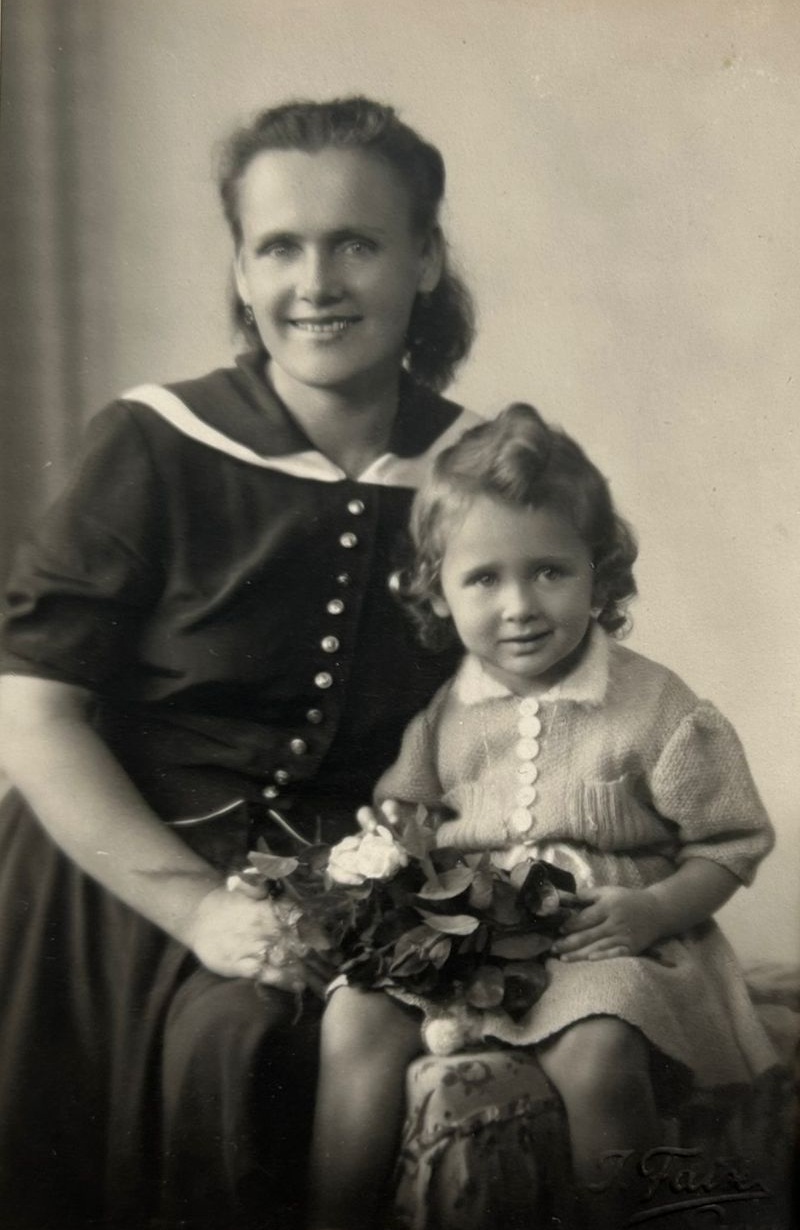
Blanka Janoušková as a young girl
photo: Archive of Blanka Janoušková

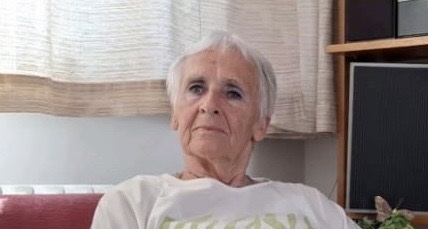
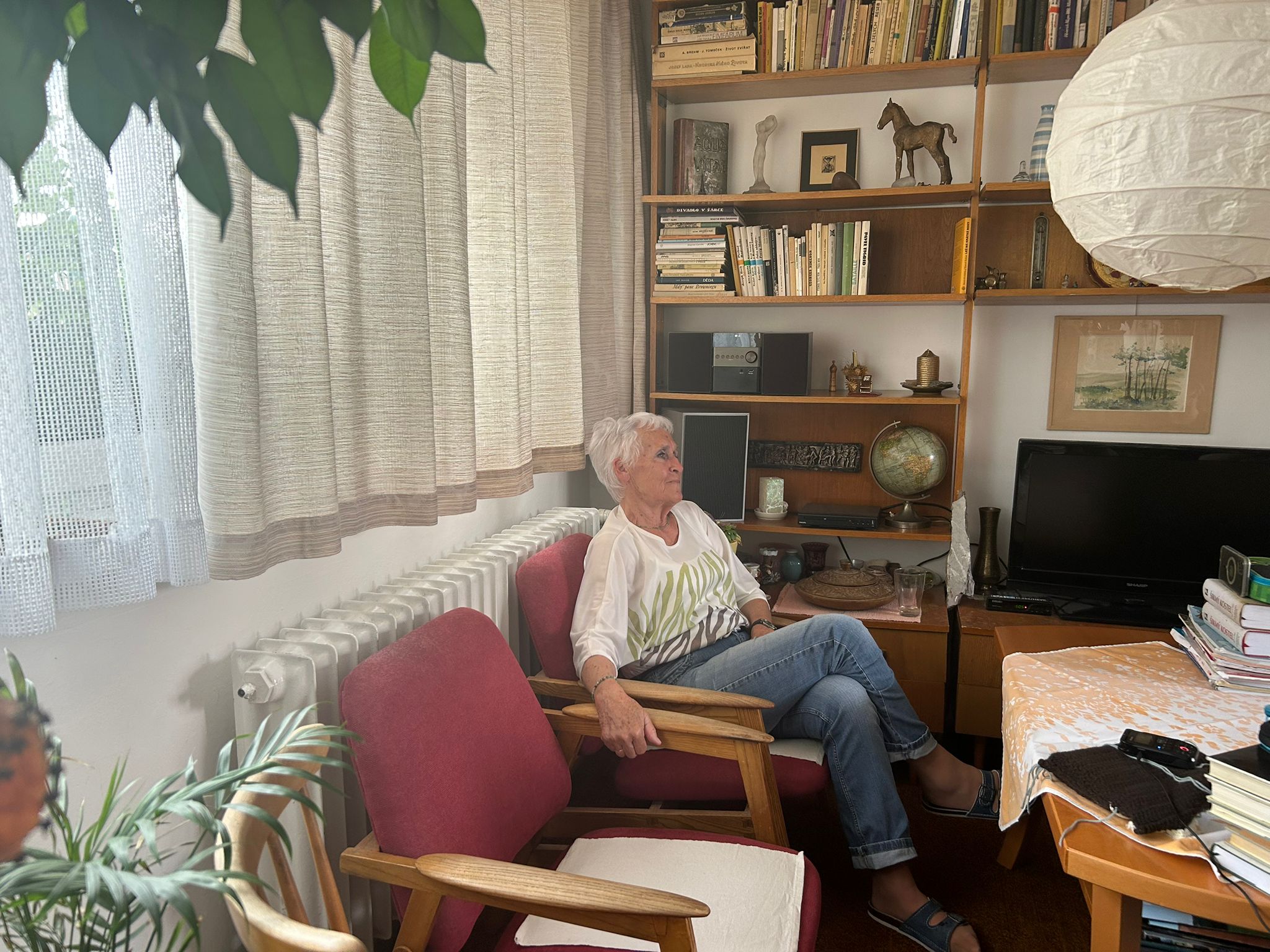
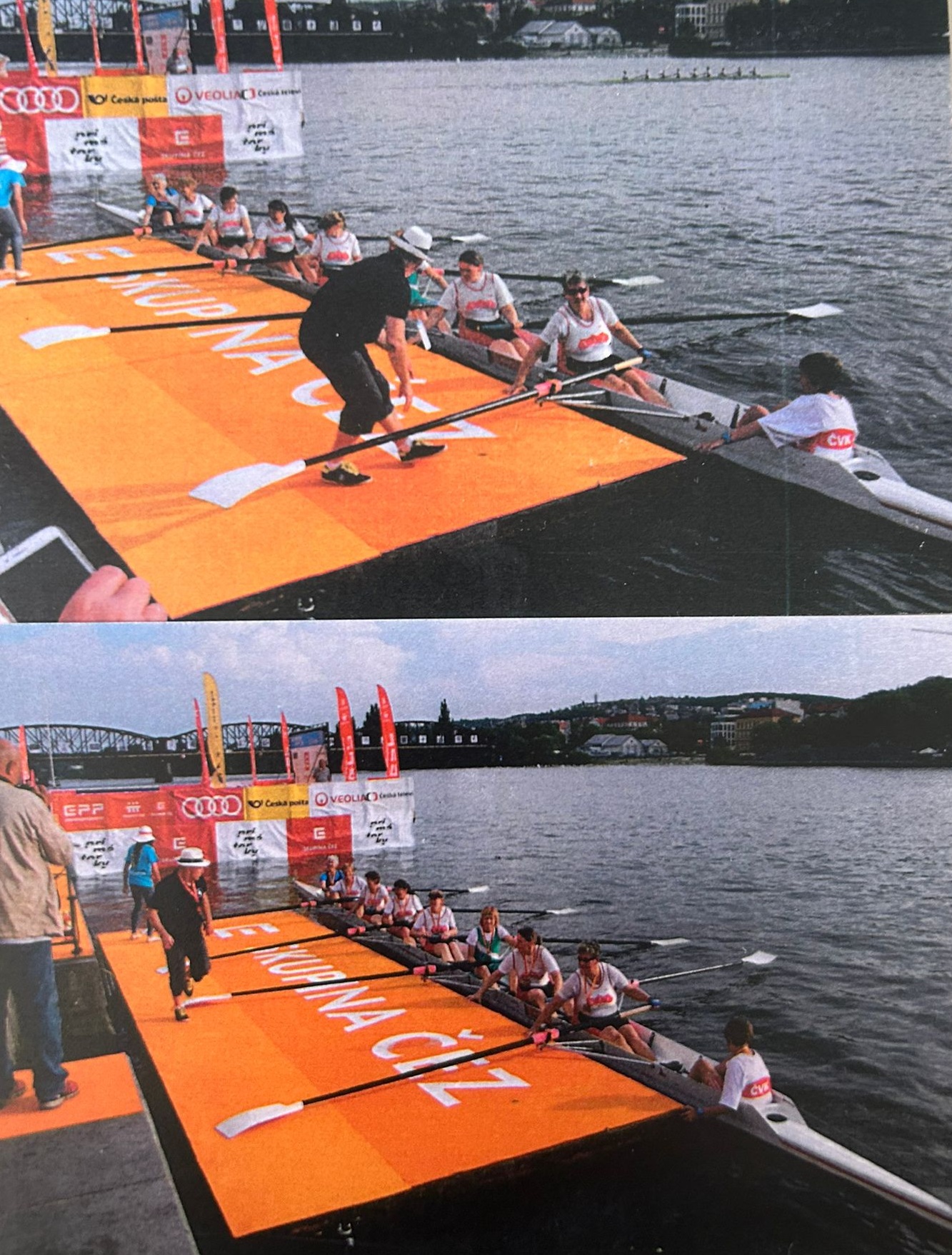
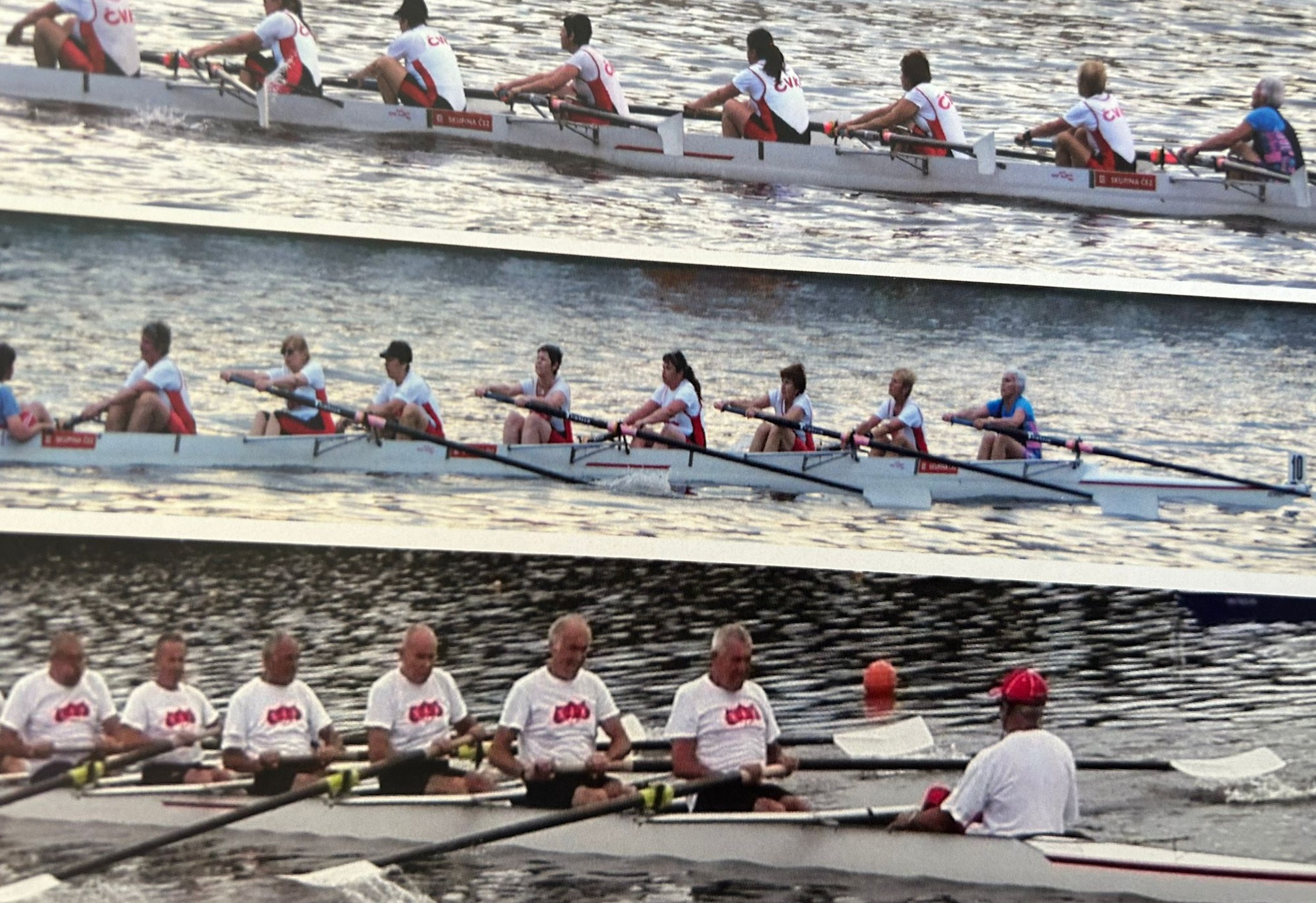
Blanka Janoušková, née Syrovátková, was born on February 16, 1946. Her father was a successful Czech and Czechoslovak canoeist Vladimír Syrovátka, whose successful ski and boat manufacturing company was confiscated by the communist regime after 1948. She herself graduated from the Secondary School of Arts and Crafts and became an interior designer, a field she devoted her entire professional life to. After her parents’ leave in 1972, she joined the Prague Design Institute, working, among other things, for Agrobank. In retirement she returned to rowing, but sport was part of her whole life. Her son was one of the student leaders of the Velvet Revolution. In 2025 she lived in Prague.