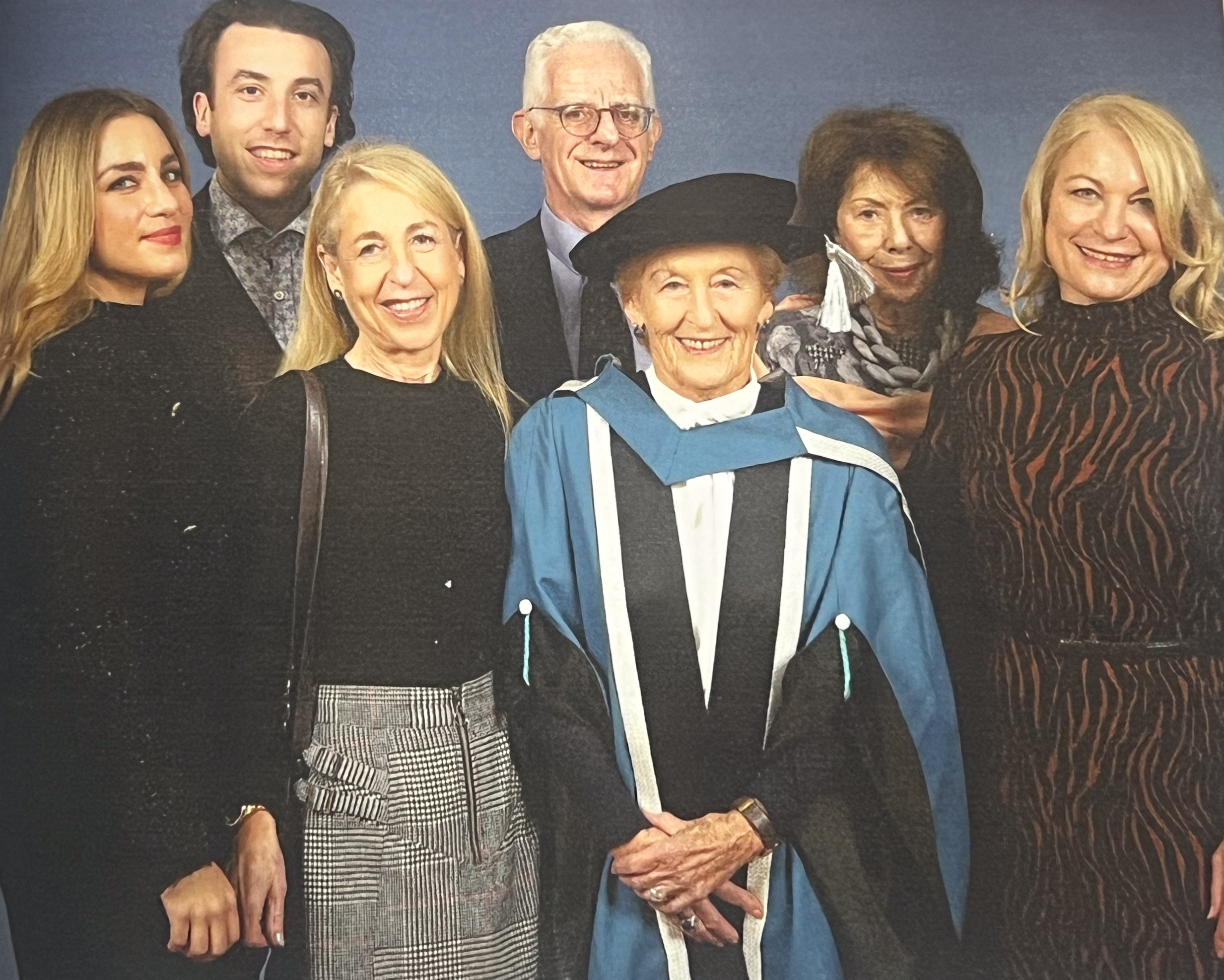
Mindu Hornick

* 1929

  • "They bombed our train again and I remember looking out. The roof of our carriage had gone. My sister was holding ma hand tightly, pulling me out of the carriage and all around us were dead bodies - our carriage was particularly badly hit - dragging me out and feeling if I was still alive because she saw all those dead bodies. We started with 500 people, but as we foud out afterwards, we remained 340. Anyway, they took us out of the trains, still insisted we form a rows of five and started marching us. Then we realised we were in the direction of Lübeck. But by that time the dusk fell and we reached small village harbour, small town called Plön. We had many sick and wounded girls, we were shocked and we haven’t eaten for two or three days. They tried to get us on to some boats, they were going to hand us over to Red Cross. But they were still following Himmler’s orders, we discovered afterwards they were supposed to drown us or shoot us. It was difficult for them as the Allies were on their tail and also as there was a big residential area so they could not suddenly kill off 350 people. They sat us on this embankment and we refused to move. They were shooting guns in the air. We were very frightened because the war was still going on. We could hear bomb explosions, we could hear shootings, we could hear plains flying. The dusk fell and our Lagerführer, the head of the camp in Lübberstedt, suddenly appeared. We didn’t see him anywhere on the train, he must have been in a private car. He stood in front of us as we were sitting there half dead on this embankment, put his hand on his heart and said: ‘I have been to you like a father, we are going into captivity and you are free.' With that he took his hat off and put it on the embankment."

  • "We went through the gate and the sight that greeted us will stay with me for the rest of my life. There were watchtowers with soldiers machine-guns pointing at us and along the walls there were all these trolleys of bodies just lying with legs hanging and so on. Just skin and bone, they were dead. And some of these capos were walking around pulling those trolleys and some would just walk around aimlessly. We really thought we had entered hell. We didn’t know where we were or what was happening and kept looking around if we could see our mother.”

  • "They knew somehow that we had come in, they guessed we were on that transport. My auntie Berta came to find us and we were so very very tearful still crying and a woman was there. She must have been there a for bit longer. I said: 'You know, that man promised that we would see our mother.' And she was fed up with us crying, she said: 'You see that smoke? That's where your mother is!" Who has ever heard of anything, can you imagine? I keep telling the students we were not sophisticated with mobiles and telephones and so on. Who would have ever heard of people being burnt? My aunt nearly could have killed her with her looks as to how she told us. That's the only time when I found out that my mother was gassed, that my mother was being burnt in crematoria."

  • Full recordings
  • 1

    Birmingham, 16.03.2025

    (audio)
    duration: 02:24:56
    media recorded in project Stories of 20th Century
Full recordings are available only for logged users.

You see that smoke? That’s where your mother is
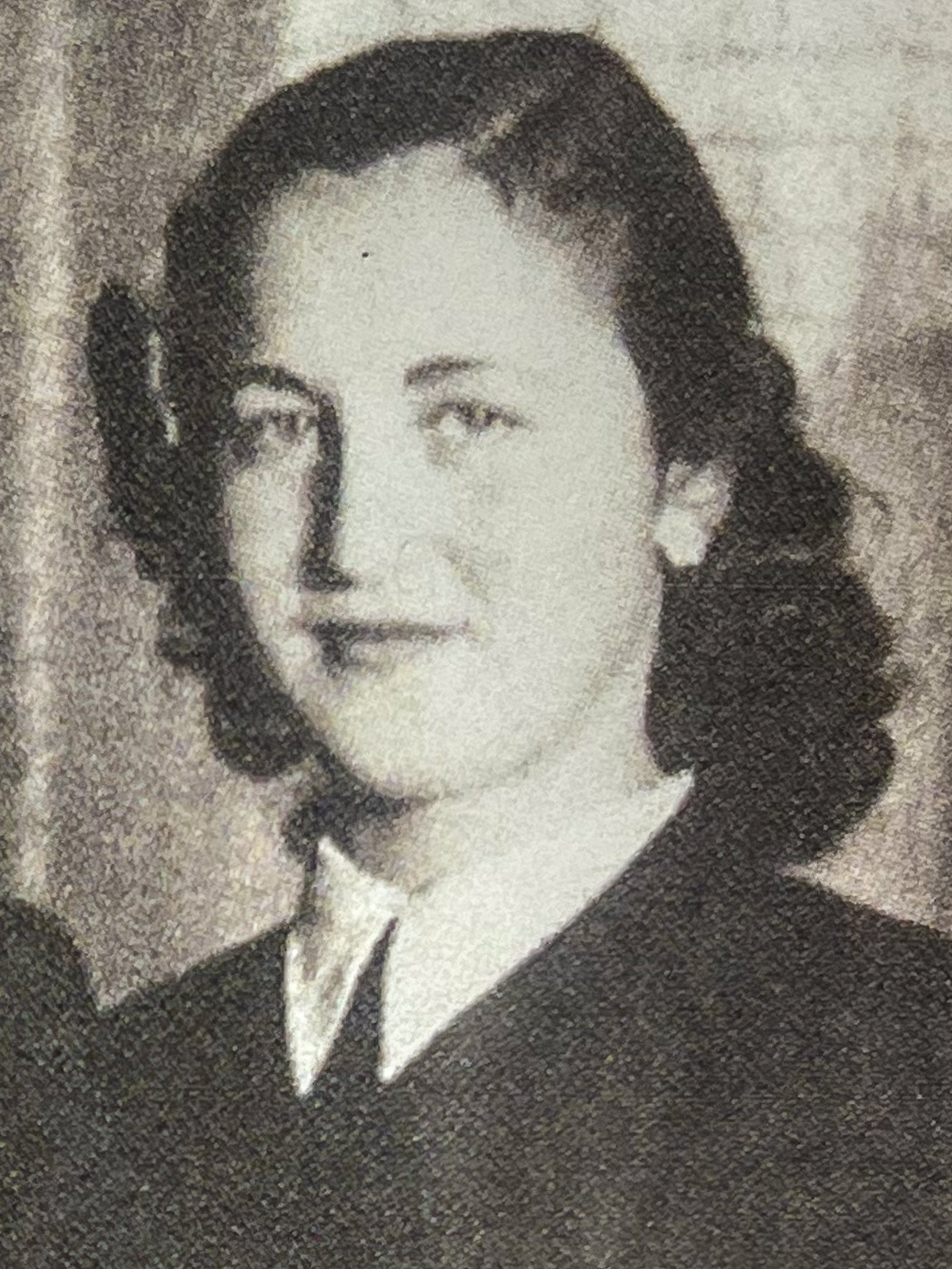
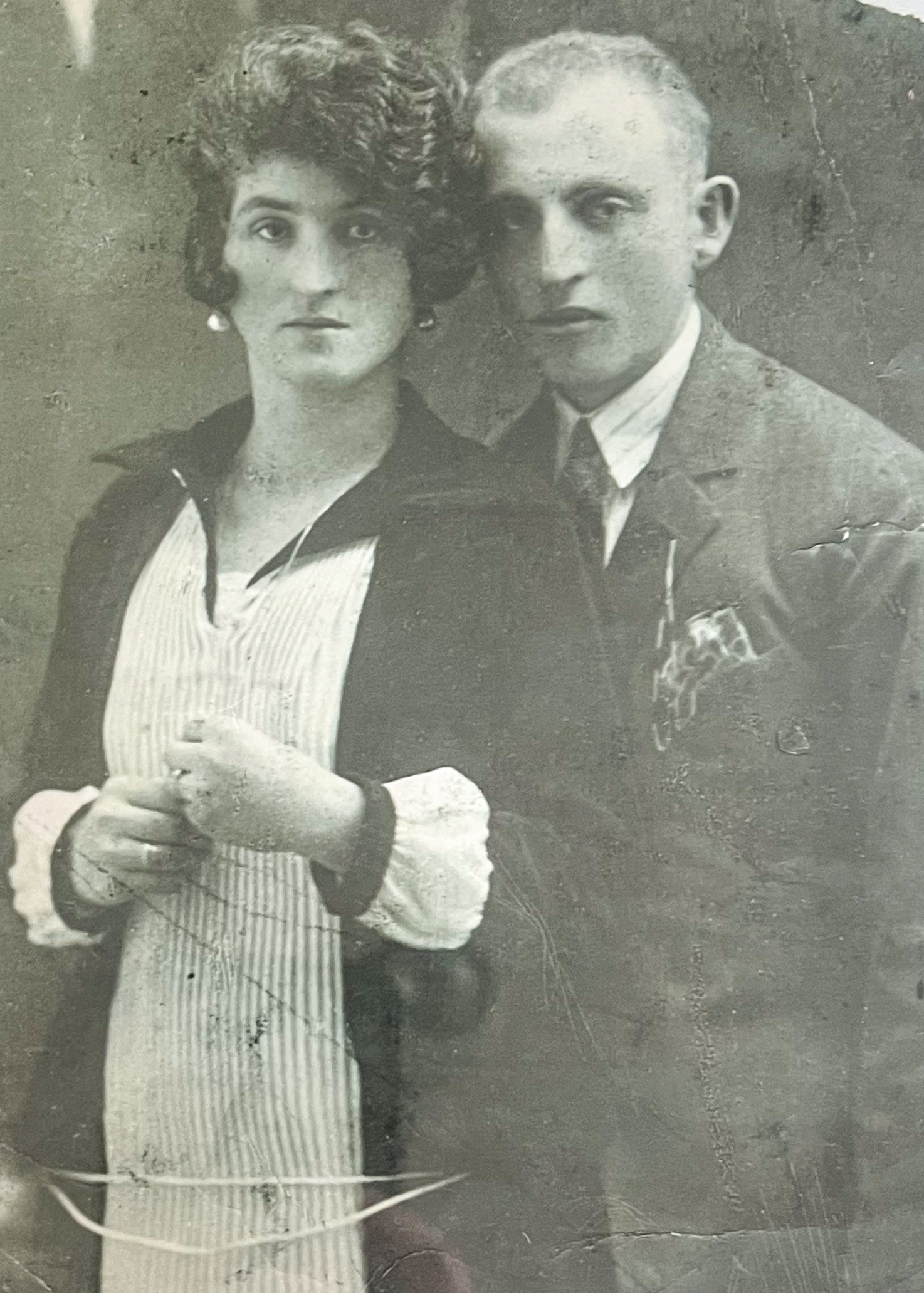
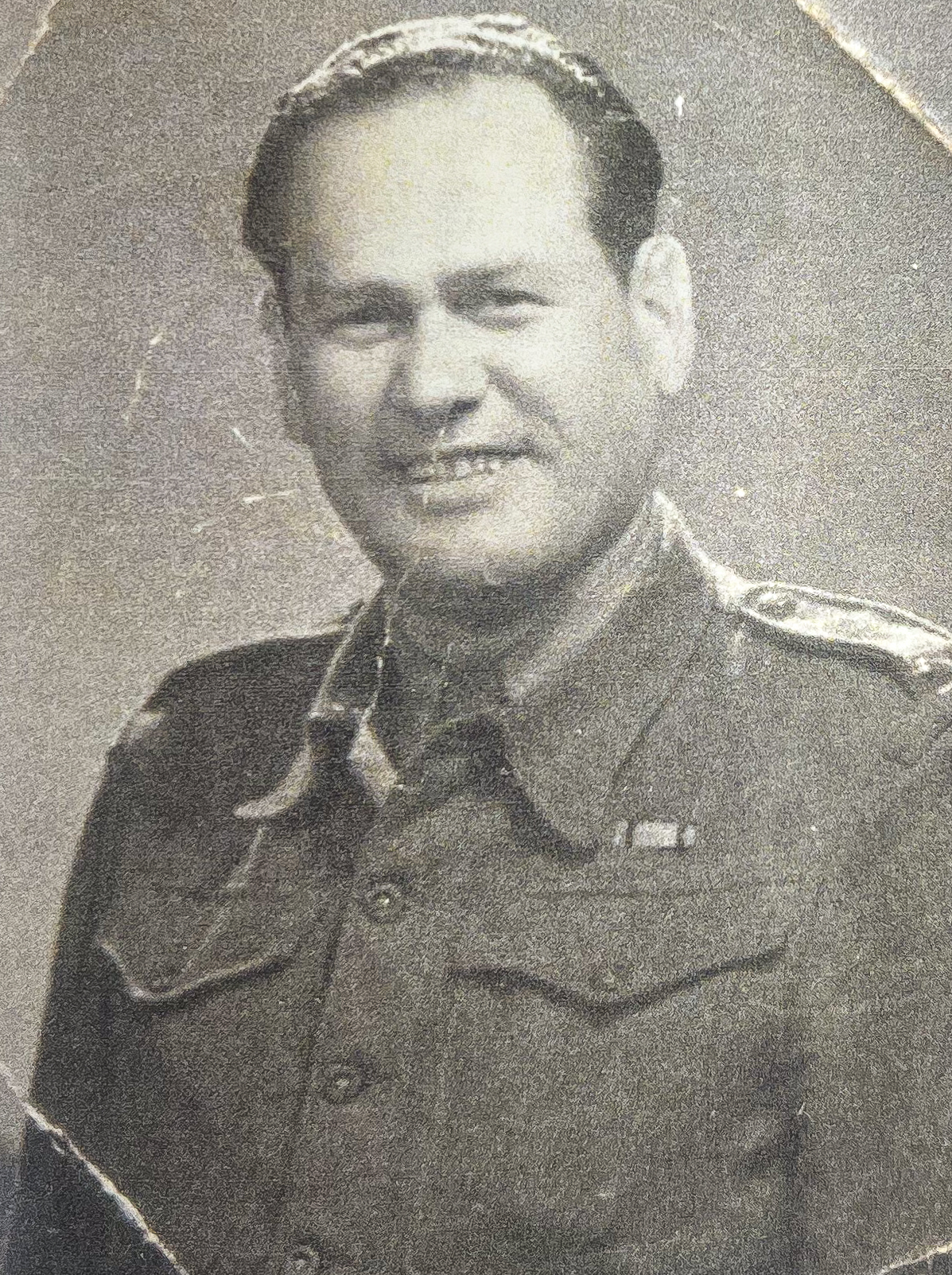
Mindu Hornick in 1948
photo: witness archive

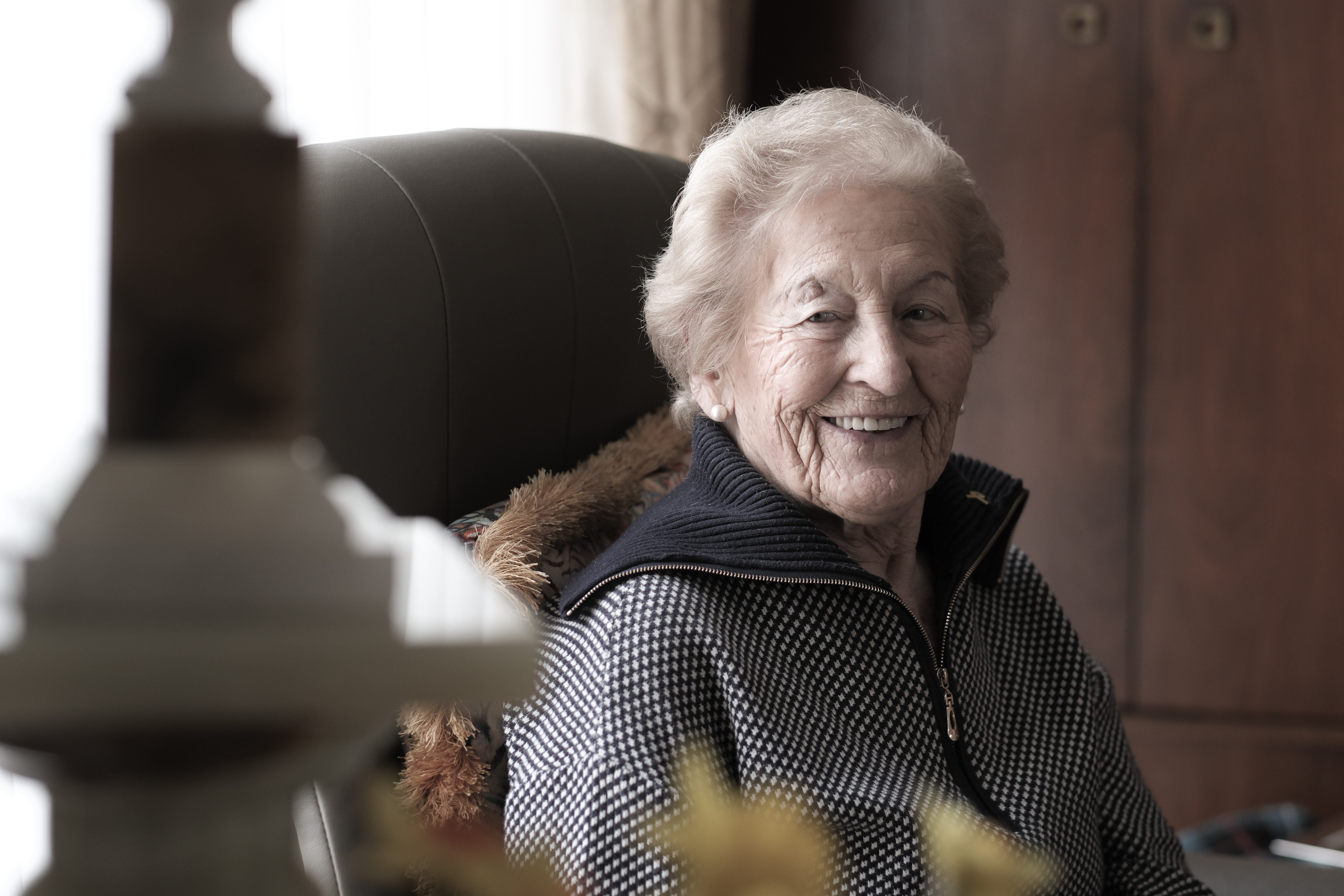
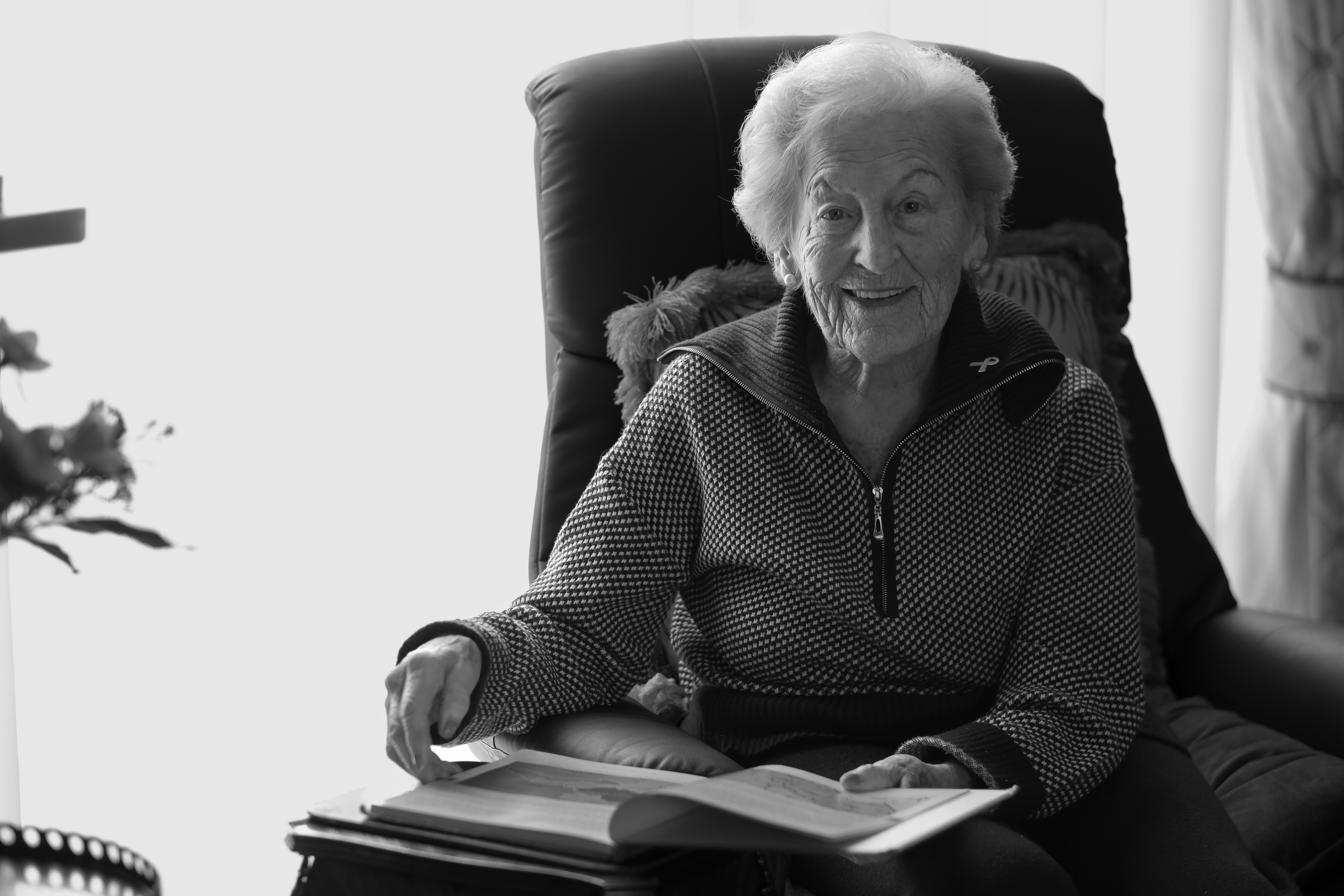
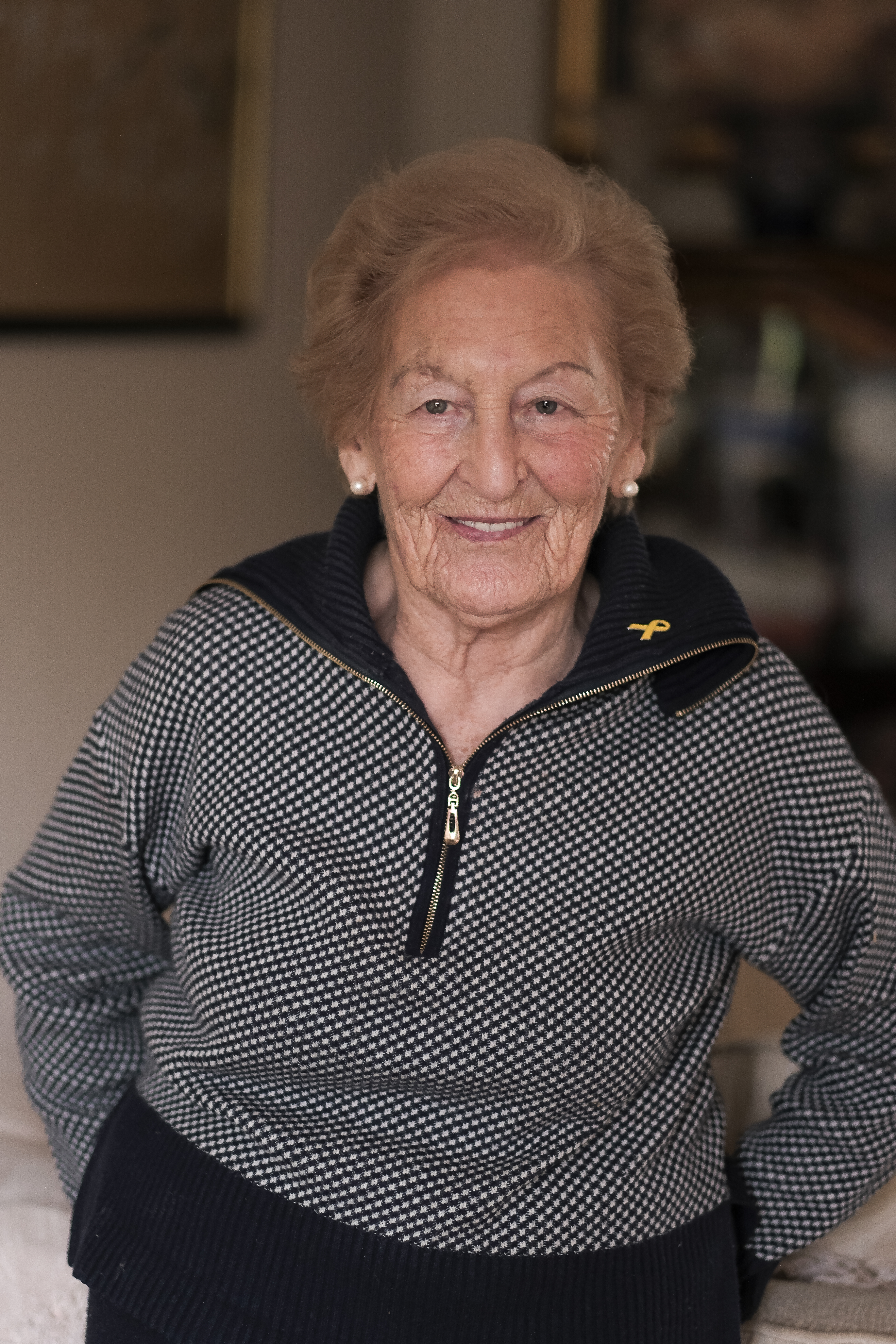
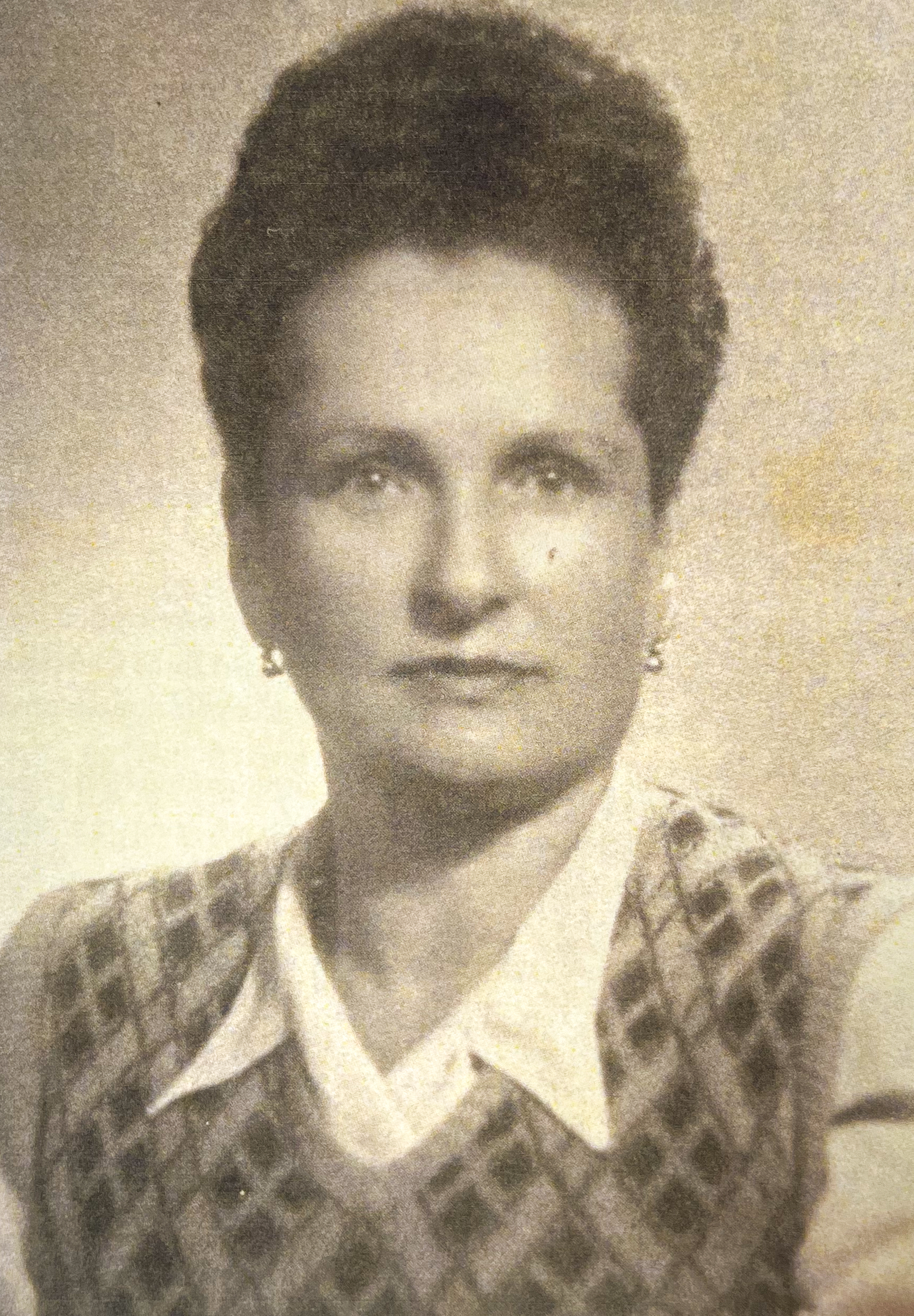
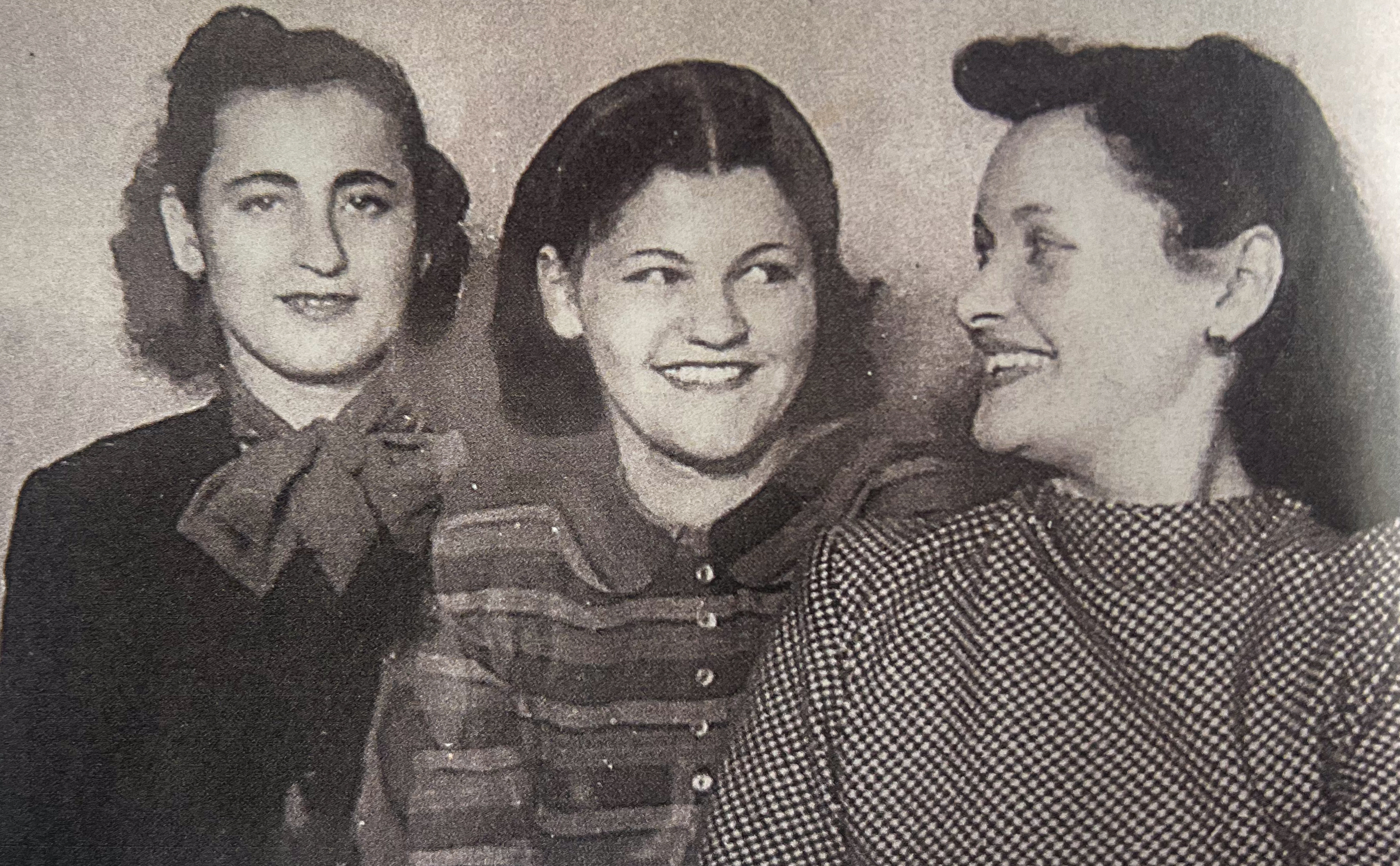
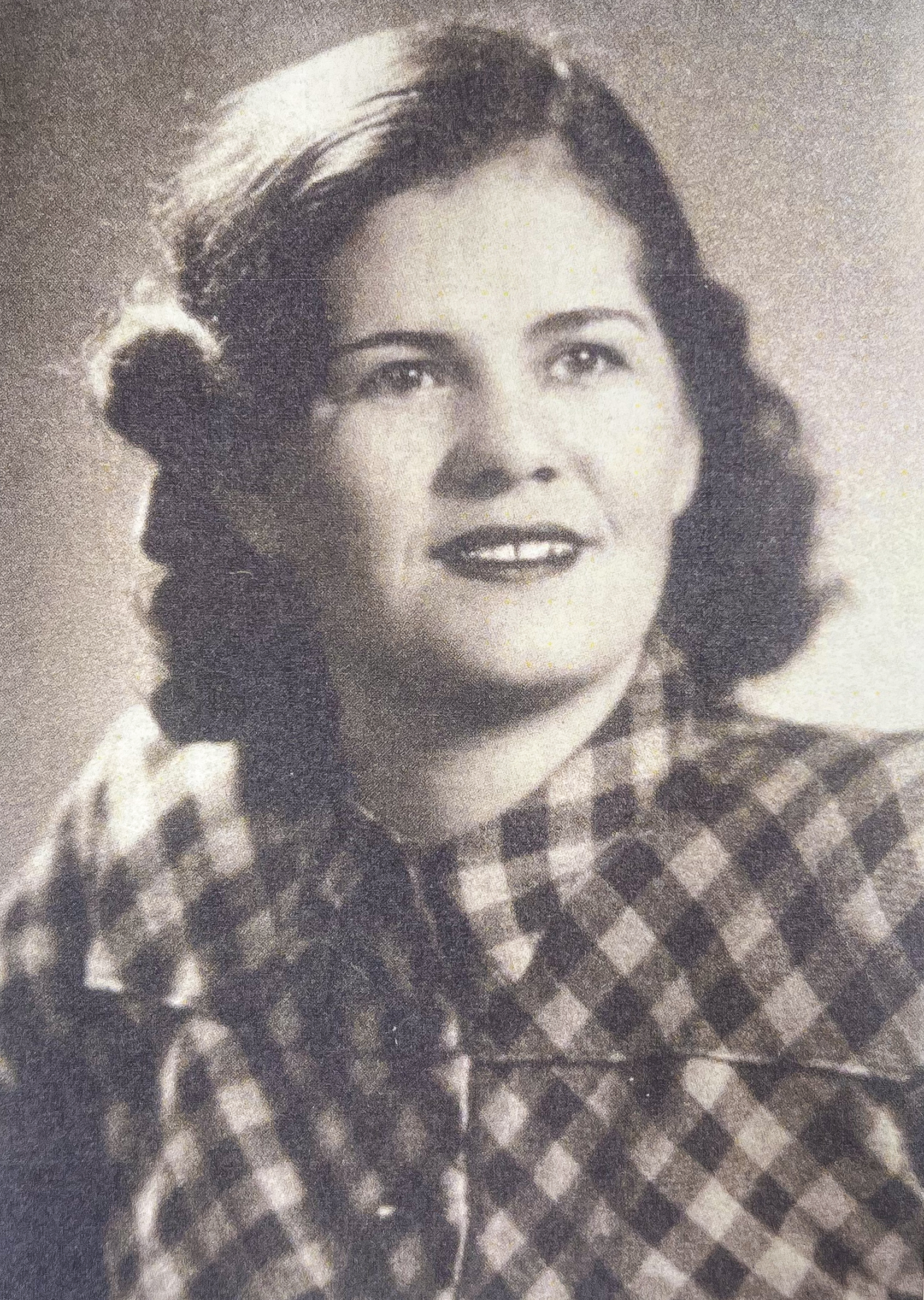
Mindu Hornick was born on 4 May 1929 in the village of Ruské Pole in Czechoslovakia. After the beginning of World War II, the Germans took her father to forced labour. She was taken with her mother, sister and brothers to the Berehovo ghetto in the spring of 1944 and from there to the Auschwitz extermination camp. Her mother and brothers died, but she and her sister Bila survived and, with the help of relatives, were selected for the Lübberstedt-Bilohe labour camp in August 1944. At the end of the war, they survived two Allied air raids on the trains used by the guards to move them. The surviving women had to continue on foot. After three days, they were liberated by the British army in the town of Plön. After the war, she and her relatives made it to Prague, where they were cared for by her mother’s sister Ida. In 1948, they had to look for a new refuge. Mindu Hornick found it thanks to Solomon Schonfeld and her uncle Zolly Slyomovics in Birmigham, UK. There she married in 1950, and later had two daughters with her husband Alan Hornick. Mindu Hornick was widowed in 1974, and for the next 15 years she ran the electronics shop she and her husband owned. After years of silence, she began to bear witness to the suffering endured by the victims of the Holocaust and has continued to do so tirelessly to the present day. In 2025 she was living in Birmingham, where she celebrated her 96th birthday in May.