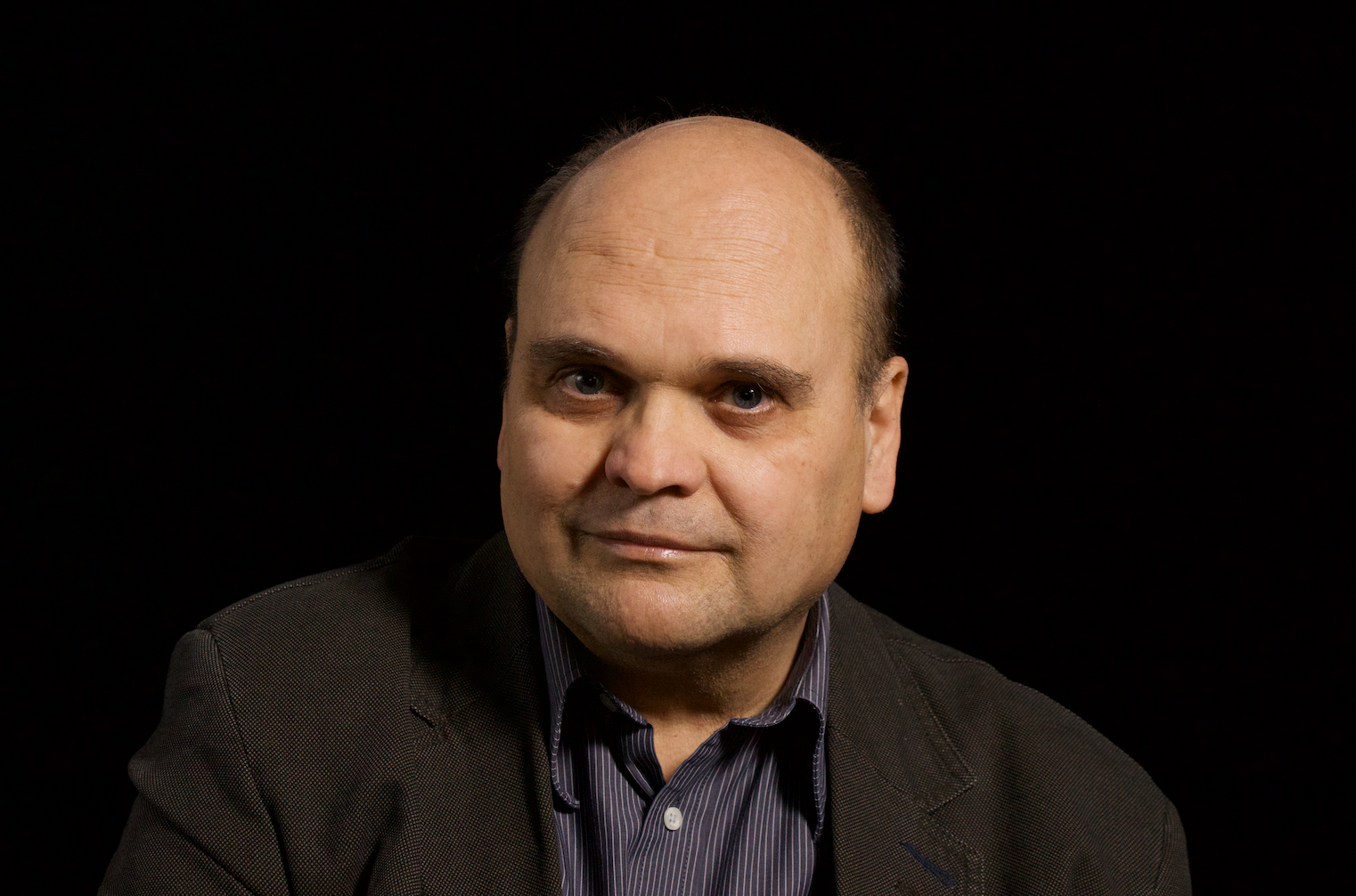
Miroslav Holub

* 1960

  • "I was looking at it and I said, 'Dad, why don't the other people have that banana too?' Because we could see that, from the terrace we could see into the other gardens and this banana tree that was on the consulate's property was right in the corner, so the sprouts must actually go into the neighbouring gardens. Well, Dad says: 'You know, that's it, if they'd let it grow there and start using those bananas for their own use, then some comissario would come,' or I don't know what they called them, 'calculate how much they had to pay to the state from those bananas, and if they didn't, there'd be some sanctions and so on, so they'd better not have any trouble with it, so they'd better nip it in the bud, the sprouts that are sure to be there, so they just cut it off, so that something like that doesn't happen to them.' That's the essence beautifully captured as an example of how the economy can't work if you don't give the initiative to the people."

  • "It was unfortunately at a time when there was a pretty nasty civil war raging in that Colombia between the rebels who were ultra-leftist - FARC - and I don't know what the other ones were called, but FARC was the main one. So there was a time, also, the drug cartels were connected to it, Pablo Escobar. There was so much turmoil, there were all kinds of explosions, they had a plane blown up, an Avianca plane, bombs in shopping malls and things like that. We lived there at the time, so my parents on both sides were always like terrified. We always had to, when something happened, we had to make quite complicated phone calls home to say we were okay."

  • "There was a class meeting about a month after I started going to the Russian school, where everyone's parents were invited, even the parents of the foreigners, because we were foreigners to the Russians. Well, and when my dad came back from the parents' meeting, he said to me, 'If you want, we'll end this and you'll go home and go to boarding school, because this is crazy.' He told me how they lined up the parents just like in the army, just like at the regimental roll call, and now they were just individually reproaching those parents for all the misdeeds of their kids - in public, in front of everybody else. And every single one of those parents had to say, like, what are they going to do about it, how are they going to fix it. So it was really a big surprise even for him that you can deal with the parents of children in that way. Well, but I didn't want to leave there. I liked it there in Cuba, I was with my parents, I was thirteen years old, I didn't want to go to boarding school, so I kind of got over it and really stuck with it, which was good."

  • Full recordings
  • 1

    Praha, 10.02.2021

    (audio)
    duration: 01:56:44
Full recordings are available only for logged users.

Dad was arrested and we had to leave the country within 24 hours
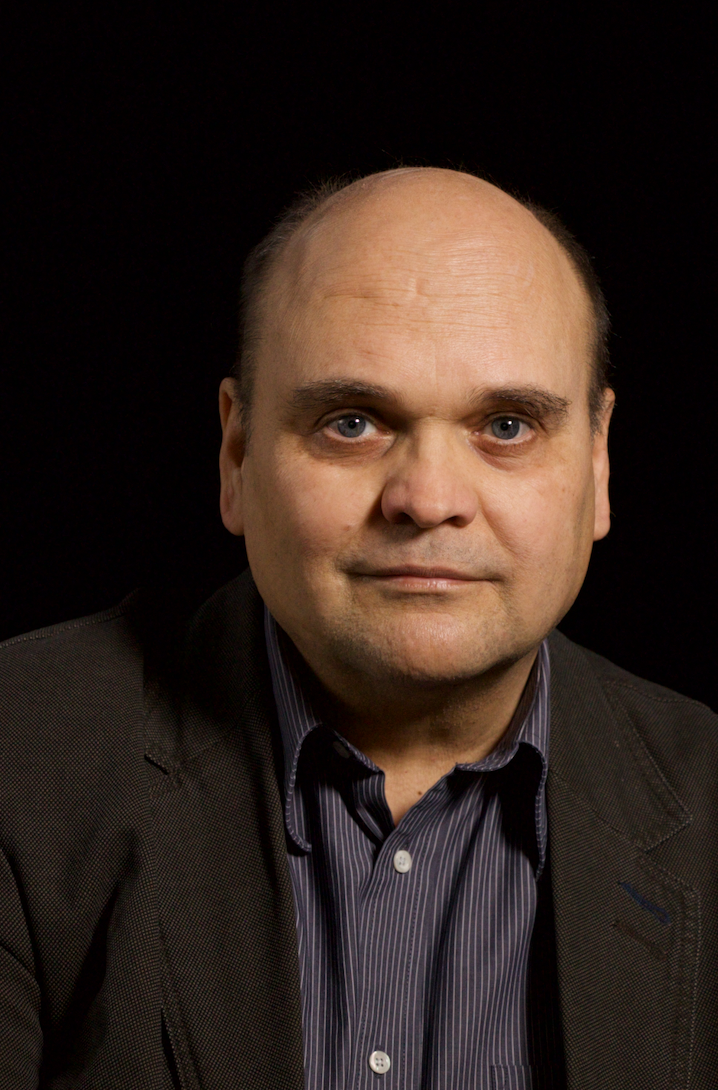
Miroslav Holub in 2021
photo: Post Bellum

Miroslav Holub was born on 6 February 1960 in Prague, but soon left for Argentina, where his father was posted as an employee of the Ministry of Foreign Trade. He lived with his parents in Buenos Aires until 1963. In 1963, his father was arrested for several months in a staged trial and Miroslav and his mother had to flee the country. In 1966 the family went to Cuba, where they lived until 1969. They returned to the country again in 1973. At that time Miroslav had to start a Russian school in Havana. After returning to Prague in 1979, he studied internal trade and joined the foreign trade company Merkuria. He travelled all over South America and lived in Colombia from 1986 to 1991. After the collapse of Merkuria, he worked in the Czech branch of a Spanish logistics company and since 1998 in the company he co-founded.