"They built a gazebo for the orchestra in the square and made a dance floor there. The most incredible thing was the children's pavilion - a glass pavilion with some kind of emblem. There were little cribs, all beautifully lined, I think in light green. There were taps with basins, and of course, there was no water in them... Then they herded the children in there so they knew they were supposed to lie down."
"The food distribution looked like this: there were huge queues in the enormous courtyard, and at the end of them stood the so-called cooks. They had a tub, a big tub, and they had coffee [melta] in it. But that was the end of it. There was no breakfast; bread was rationed behind closed doors. But at noon I got a soup and a second there. There was a line, a huge line of people waiting, and it was unbelievable - you stood there, and you saw a crop of lice. I was standing there, and there were people in front of me, and the lice were crawling all over them."
"We were lying on the ground, and three or two times a day it was always, 'Achtung, achtung!' We all had to get up; it was grave silence. Now the chairman of the Jewish community was walking, and behind him was the SS with his dog and his escort. They walked, they walked in silence in their uniforms, and it was grave silence. The women who had babies gagged them so that there would be complete silence. They walked around two or three times a day. It was a kind of play. They seemed to enjoy it, and it kept order, as they'd say. Because in the meantime, somebody always hung themselves over there."
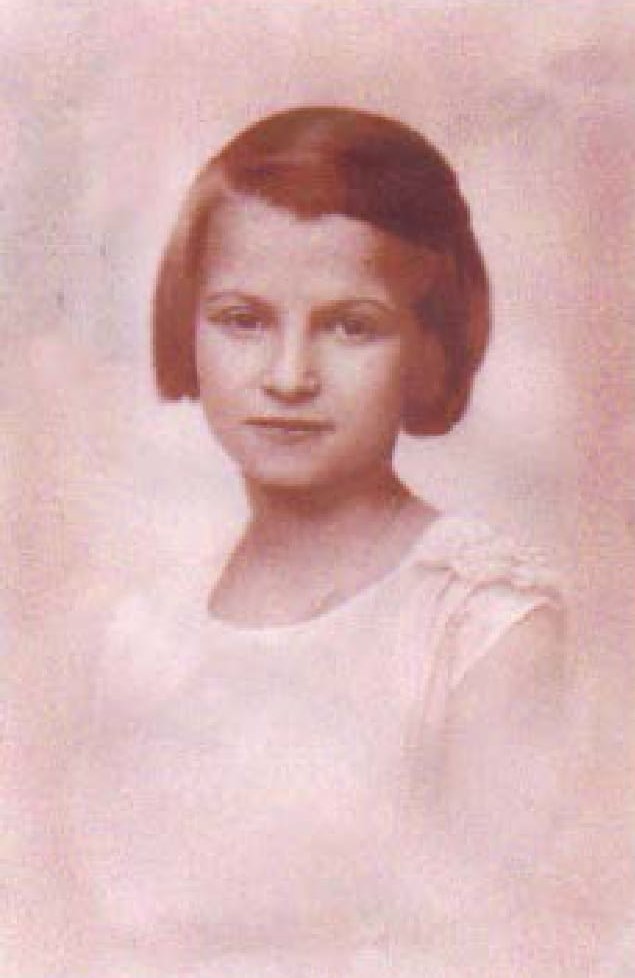
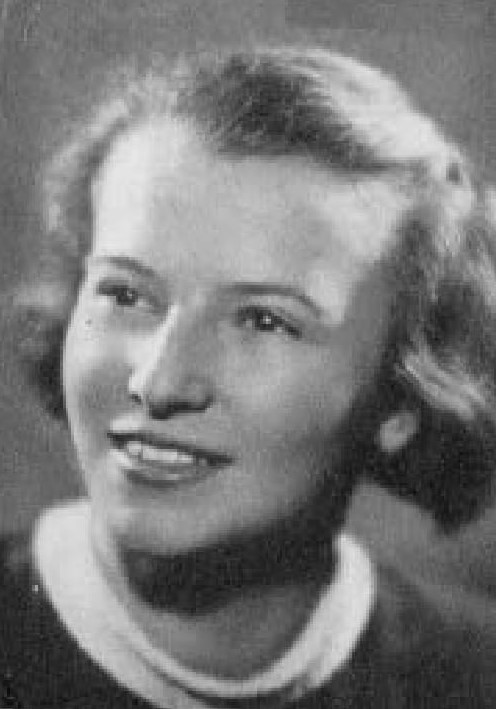
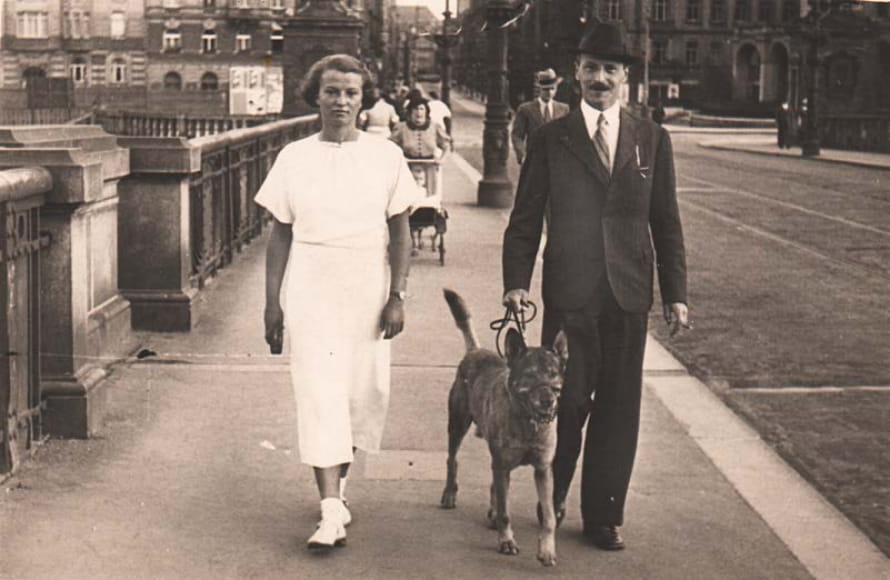
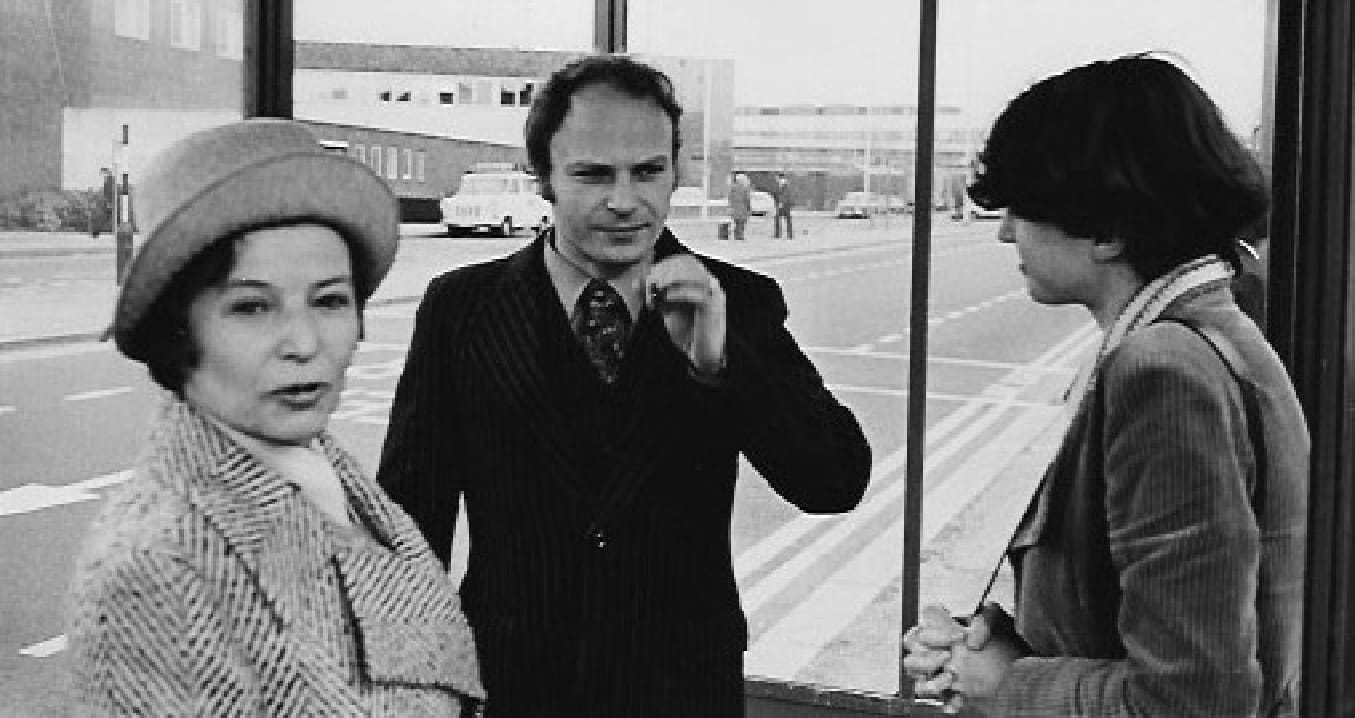
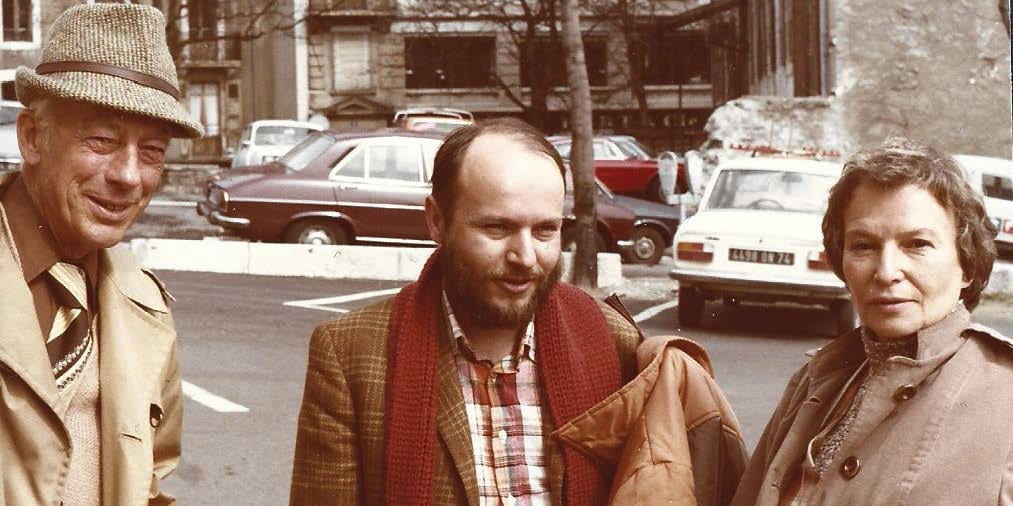
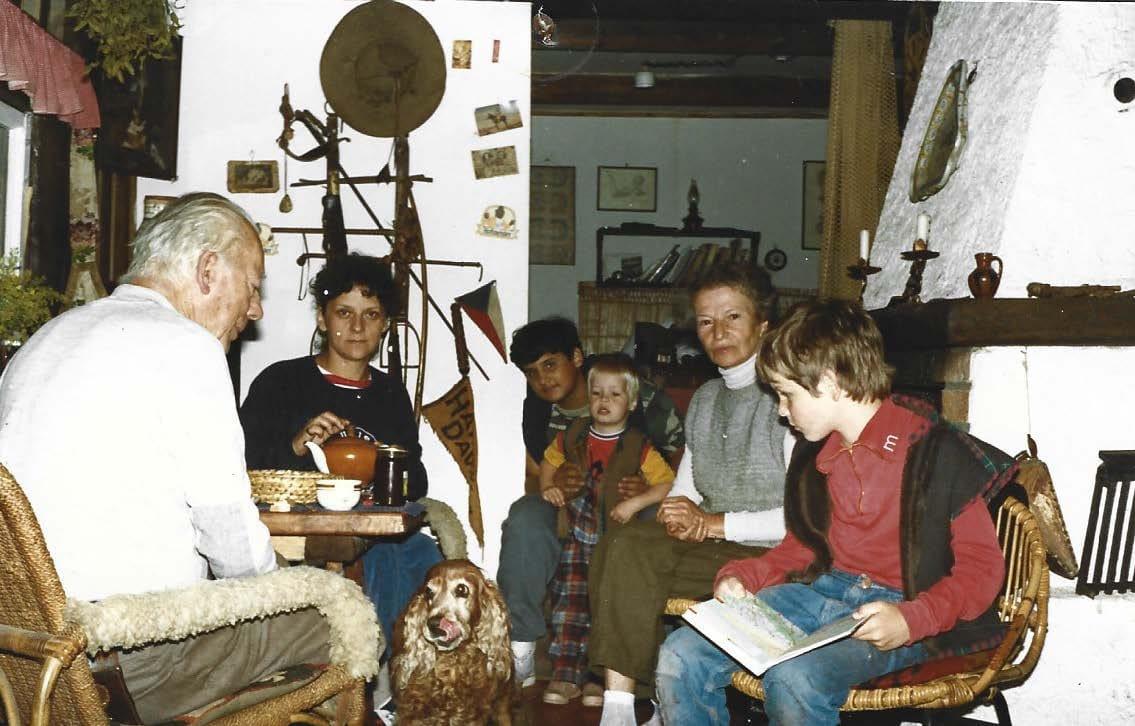
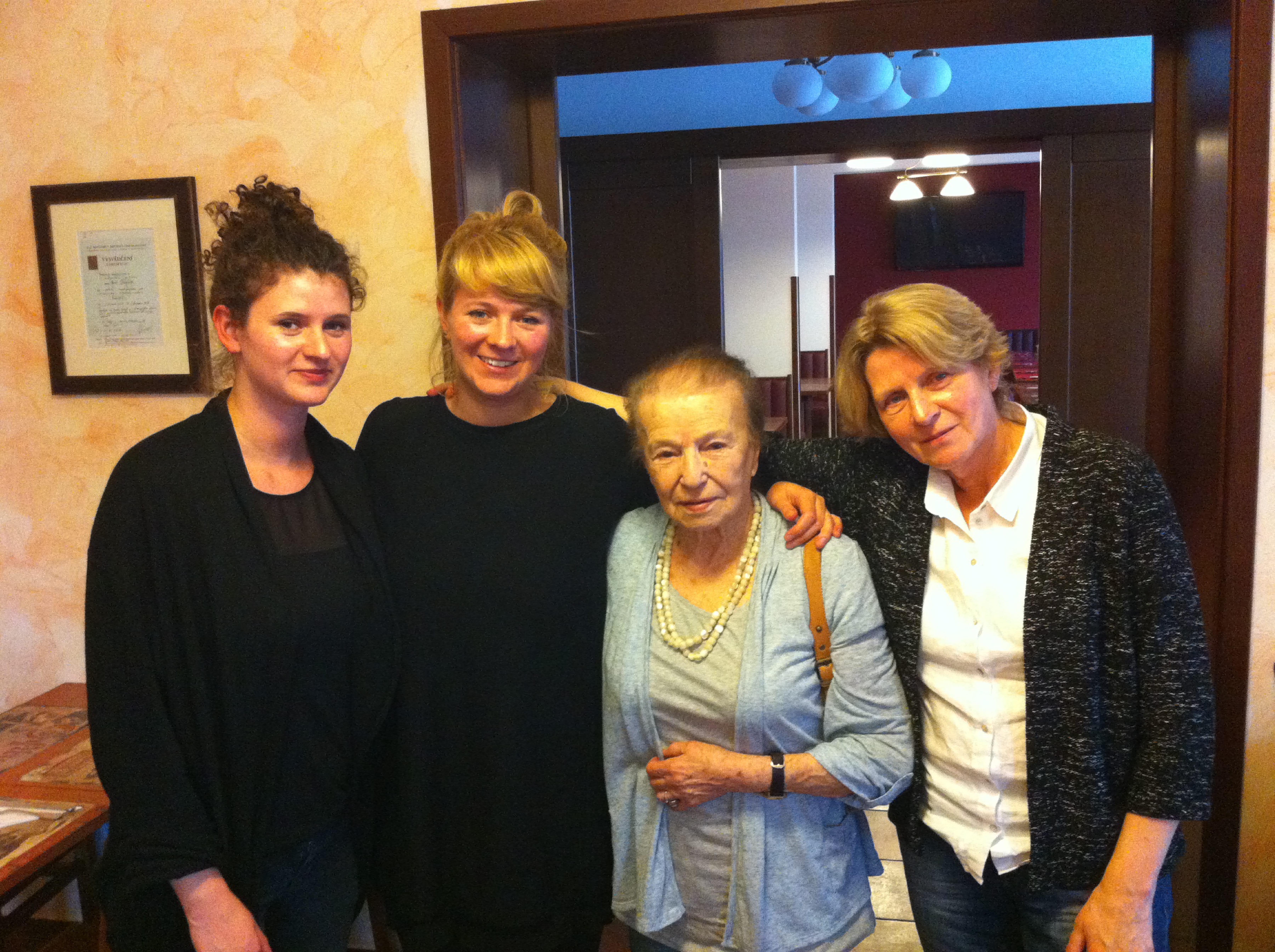
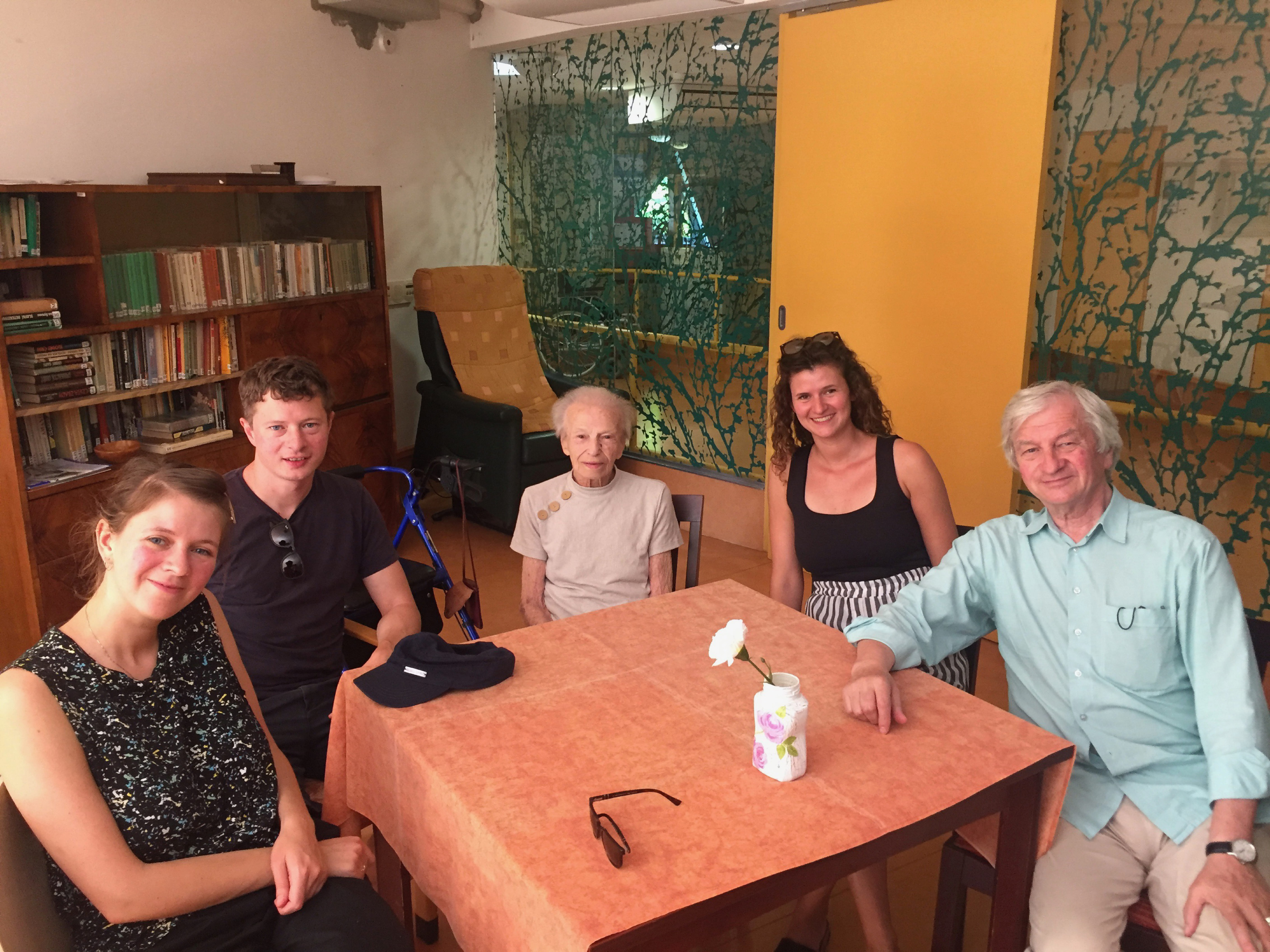
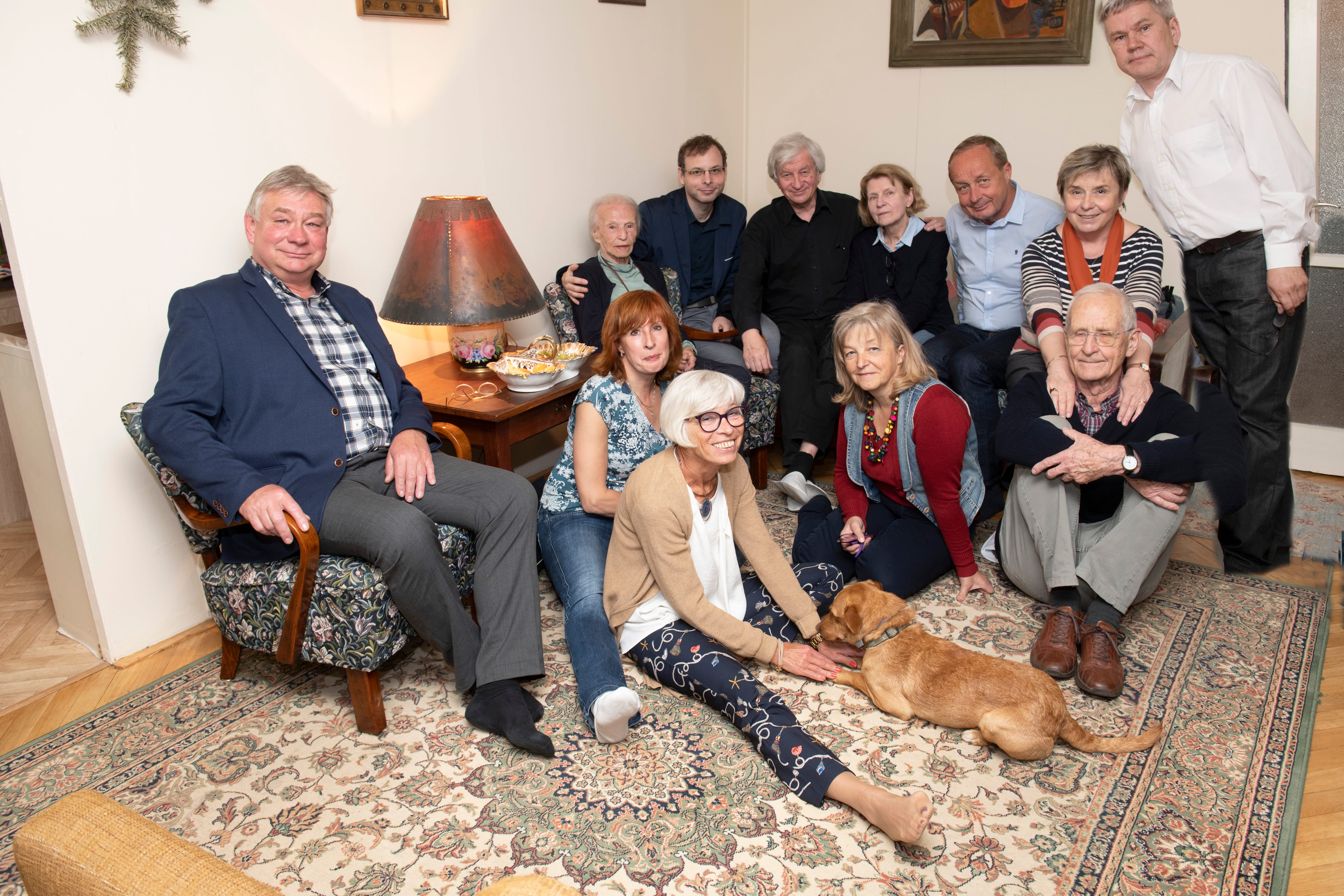
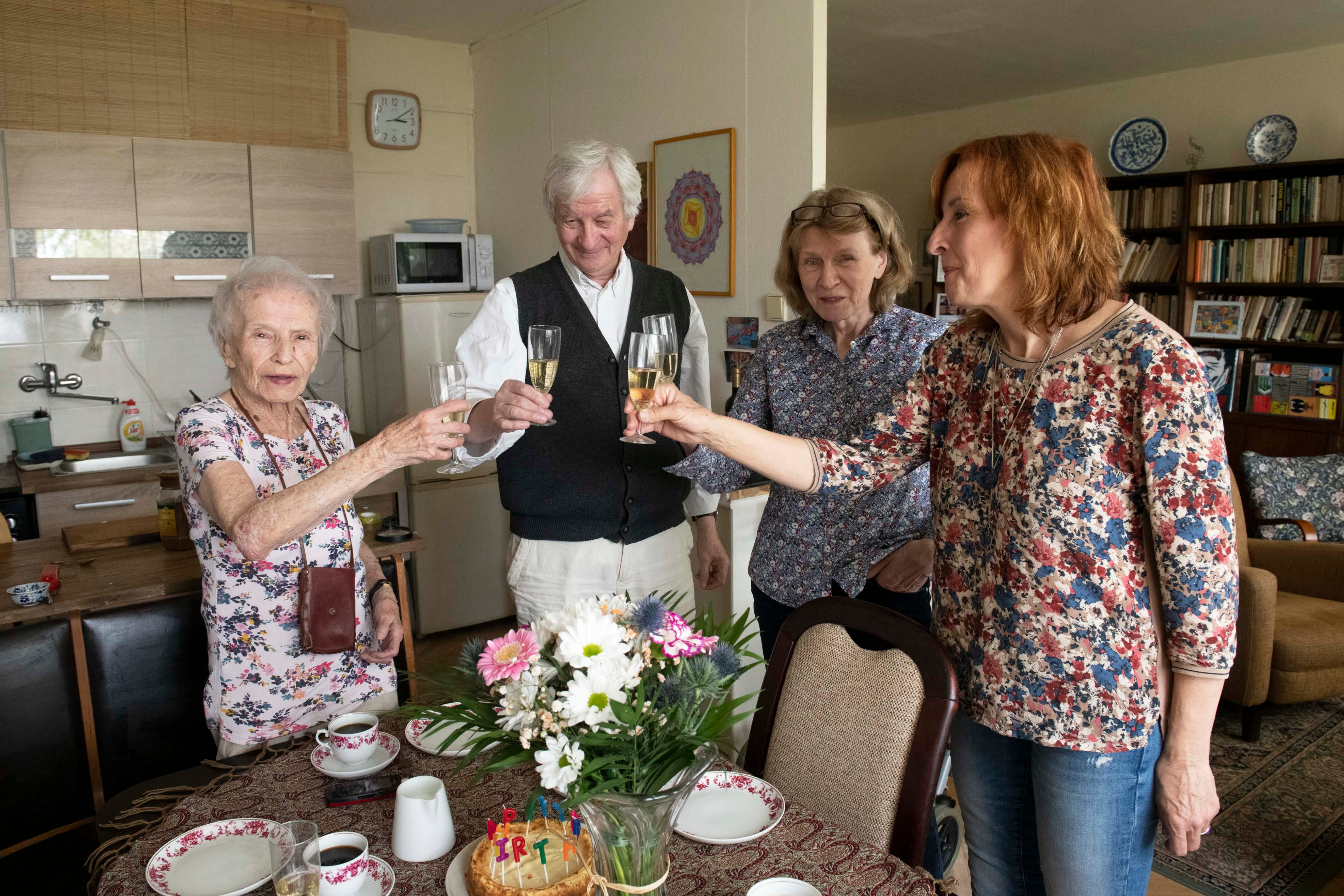
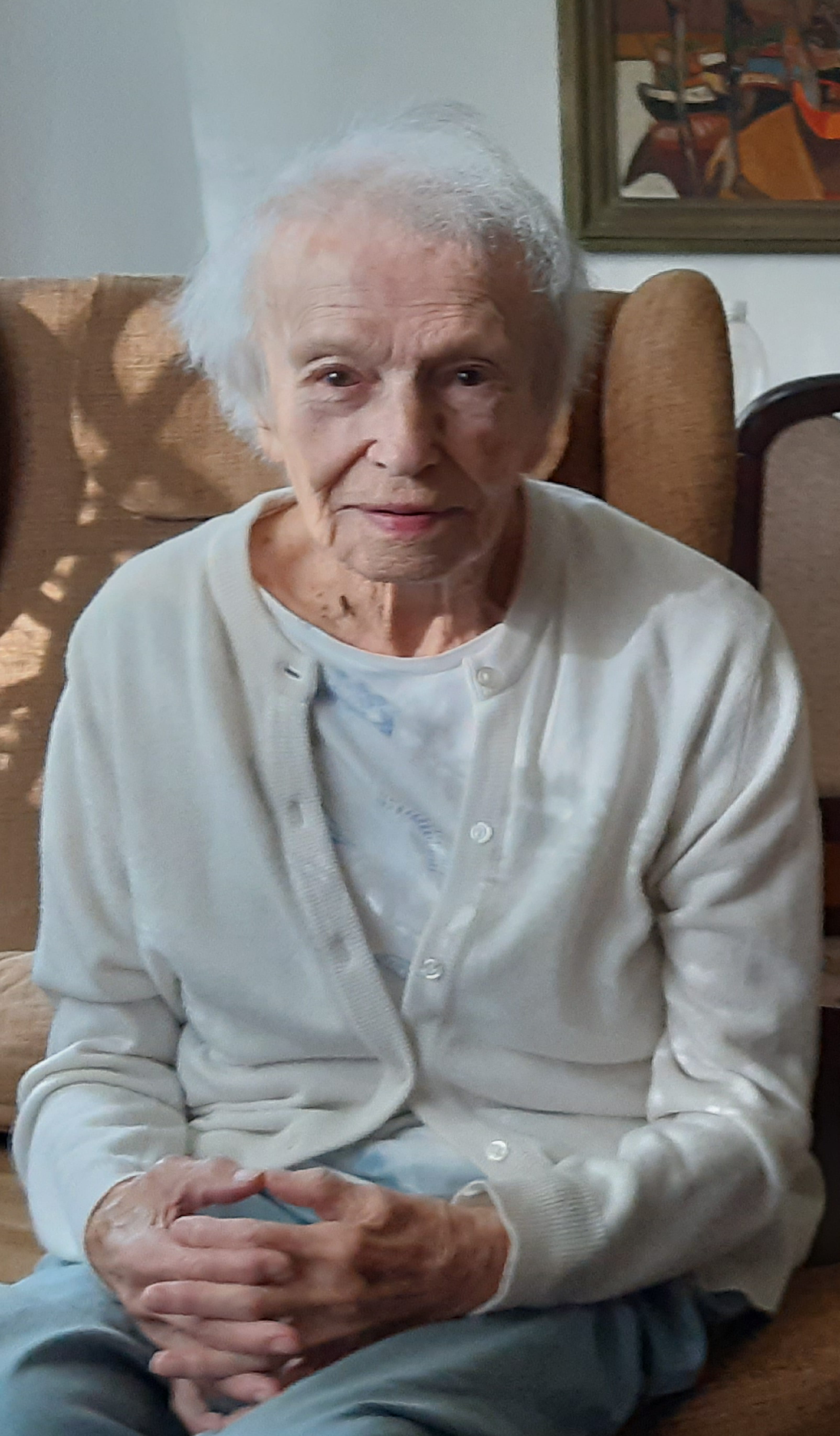
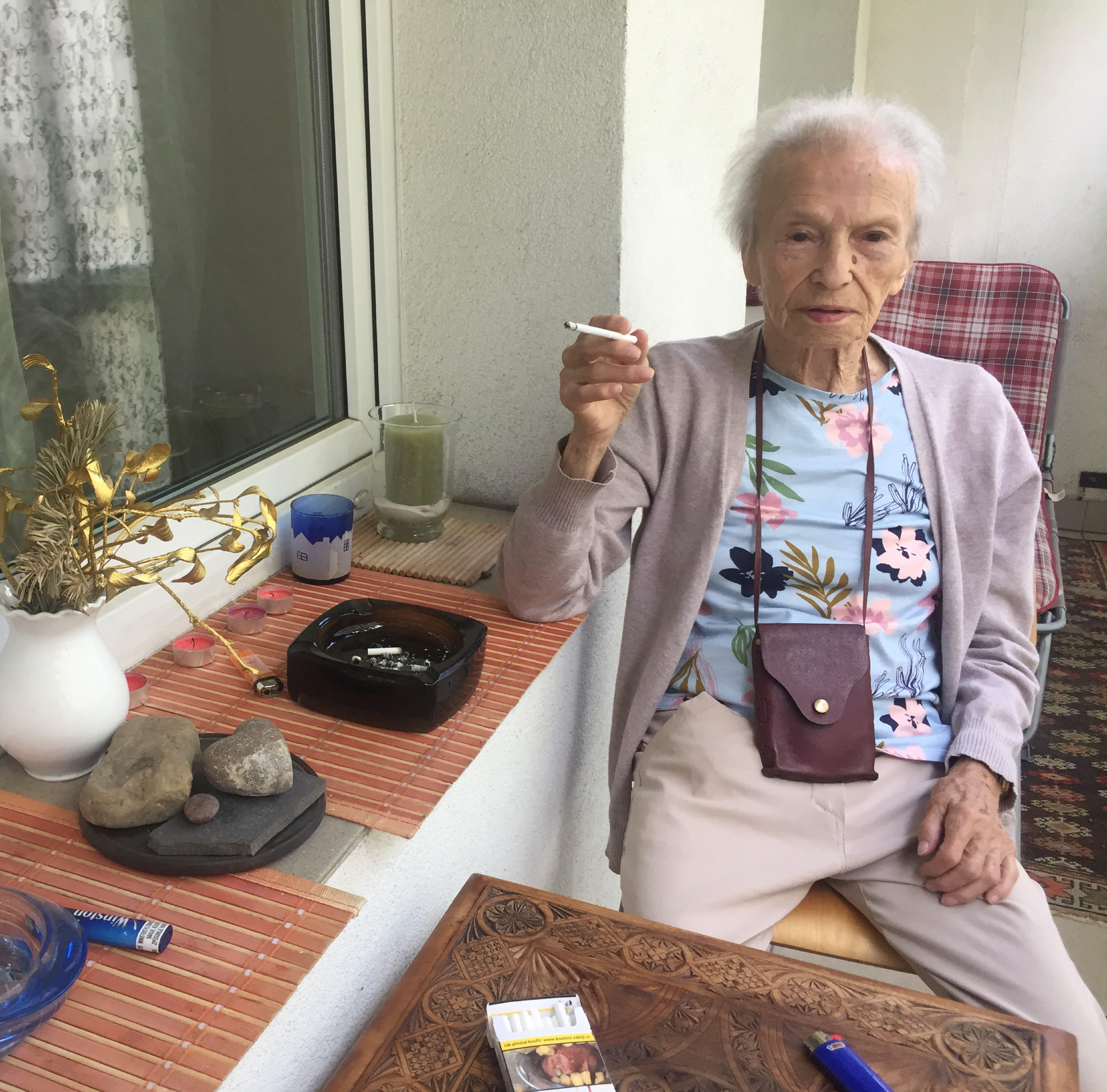
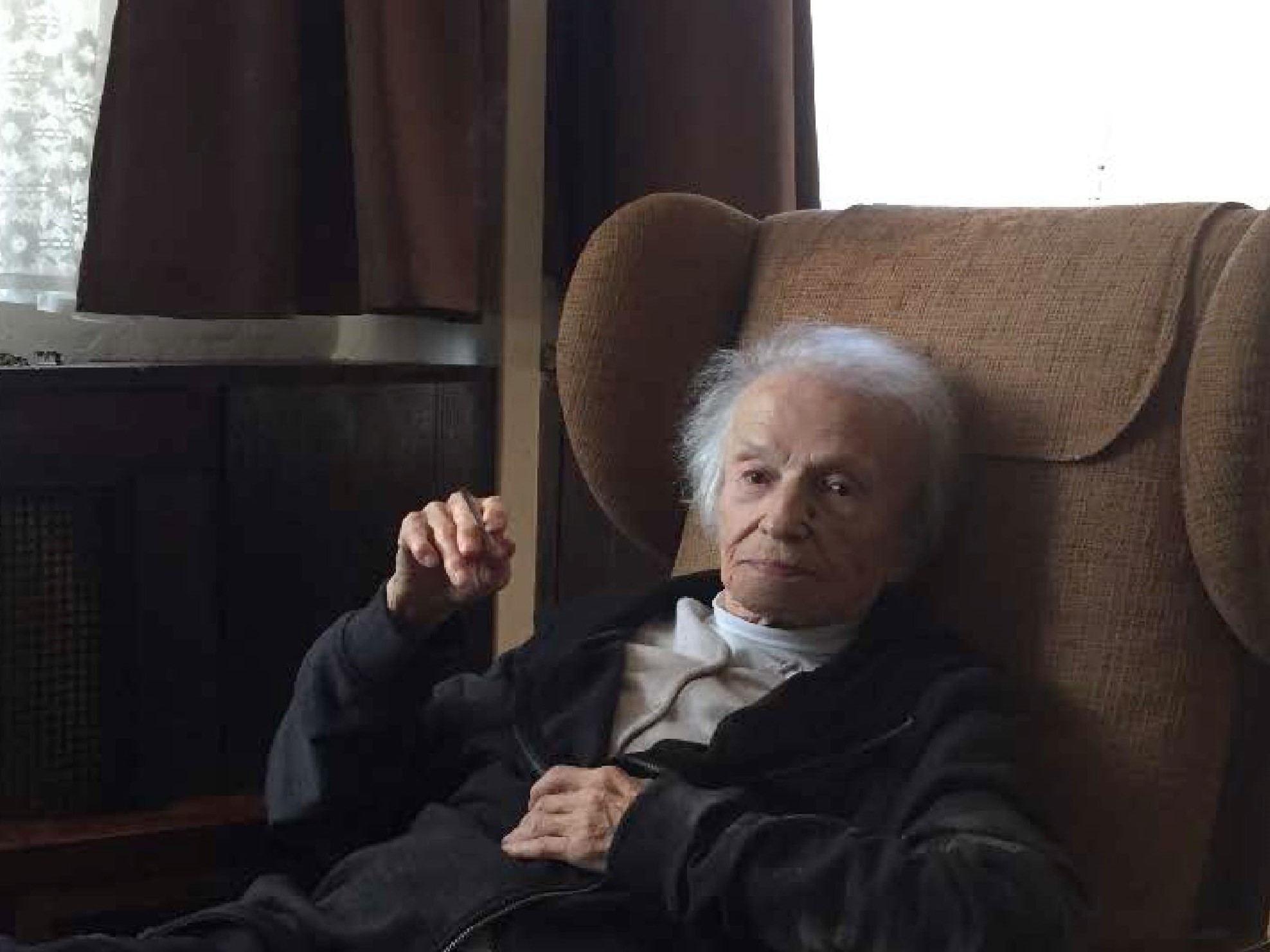
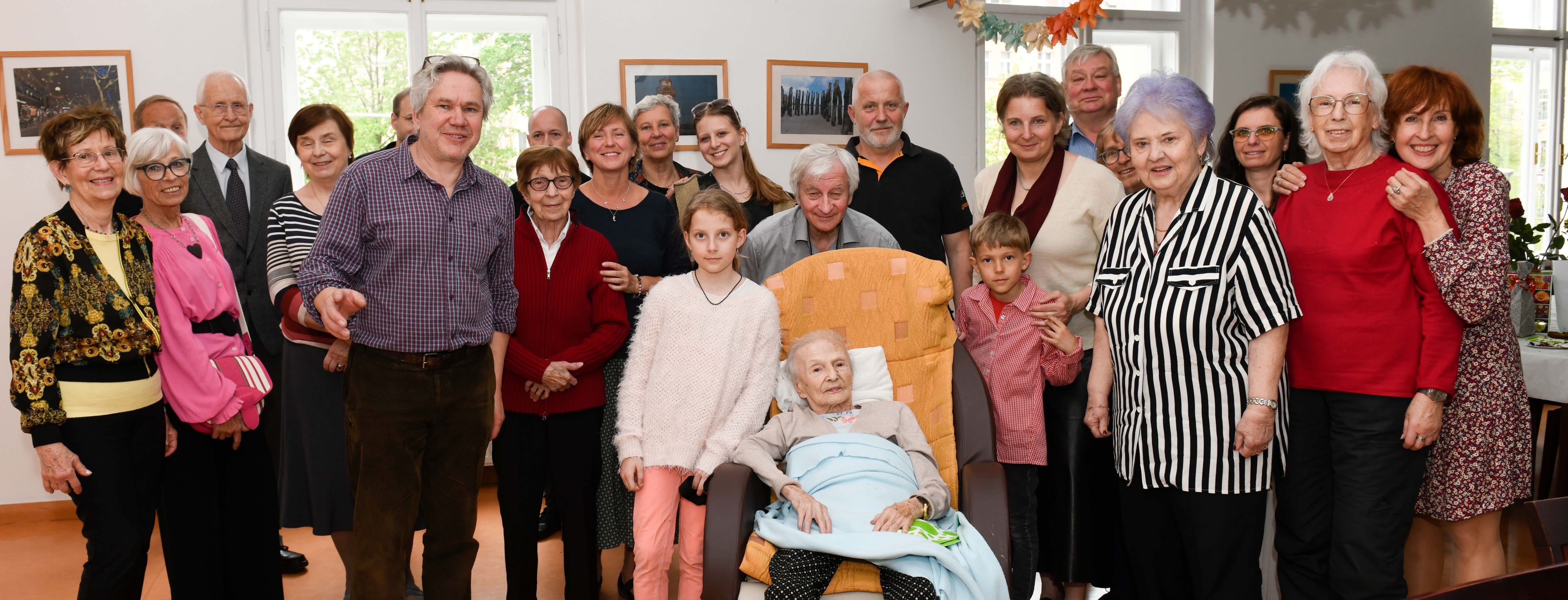
Hana Hoffmeisterová was born on 29 April 1920 in Prague into a Jewish-Christian family. Her father, Josef Steiner, worked as a bank clerk, and her mother, Ida, took care of the household. On 24 November 1941, her fiancé Kamil Passer was called to the first ever transport (Ak 1) to Terezín. Hana did not want to be without him and volunteered for deportation. She joined the Terezín transport in July 1942. In the ghetto, she married Kamil in April 1943, and in August of that year, their son Vít was born. On 28 September 1944, Kamil Passer was deported from Terezín to the Auschwitz-Birkenau extermination camp. As if by a miracle, he managed to survive until the end of the war. Hana stayed in Terezín until the liberation and worked as a nurse in the ghetto. After the war, she completed her education and worked as a doctor all her professional life. At the time of filming in 2023, she was living in Prague, and in October of that year, Hana Hoffmeisterová died at the age of 103.
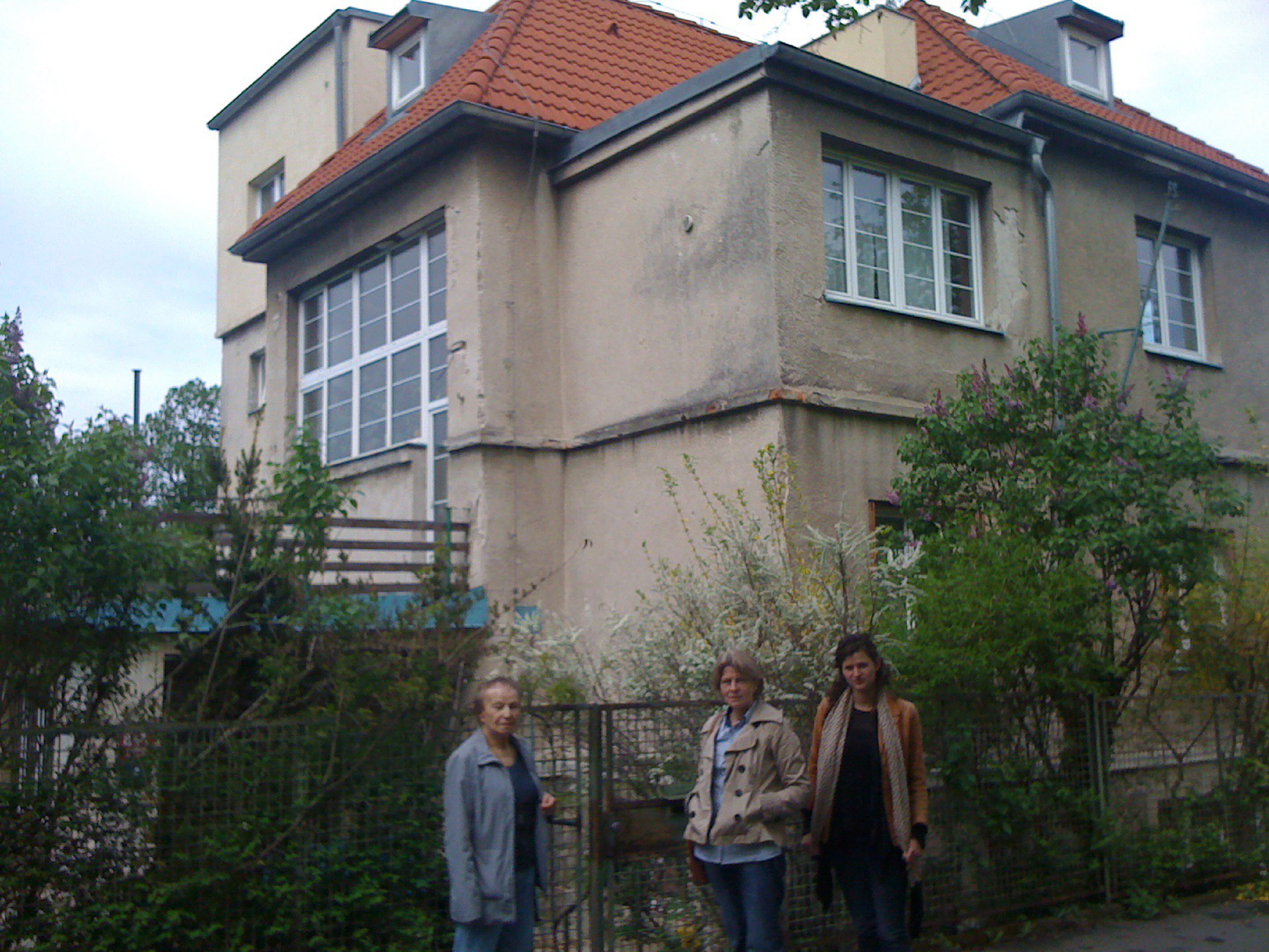
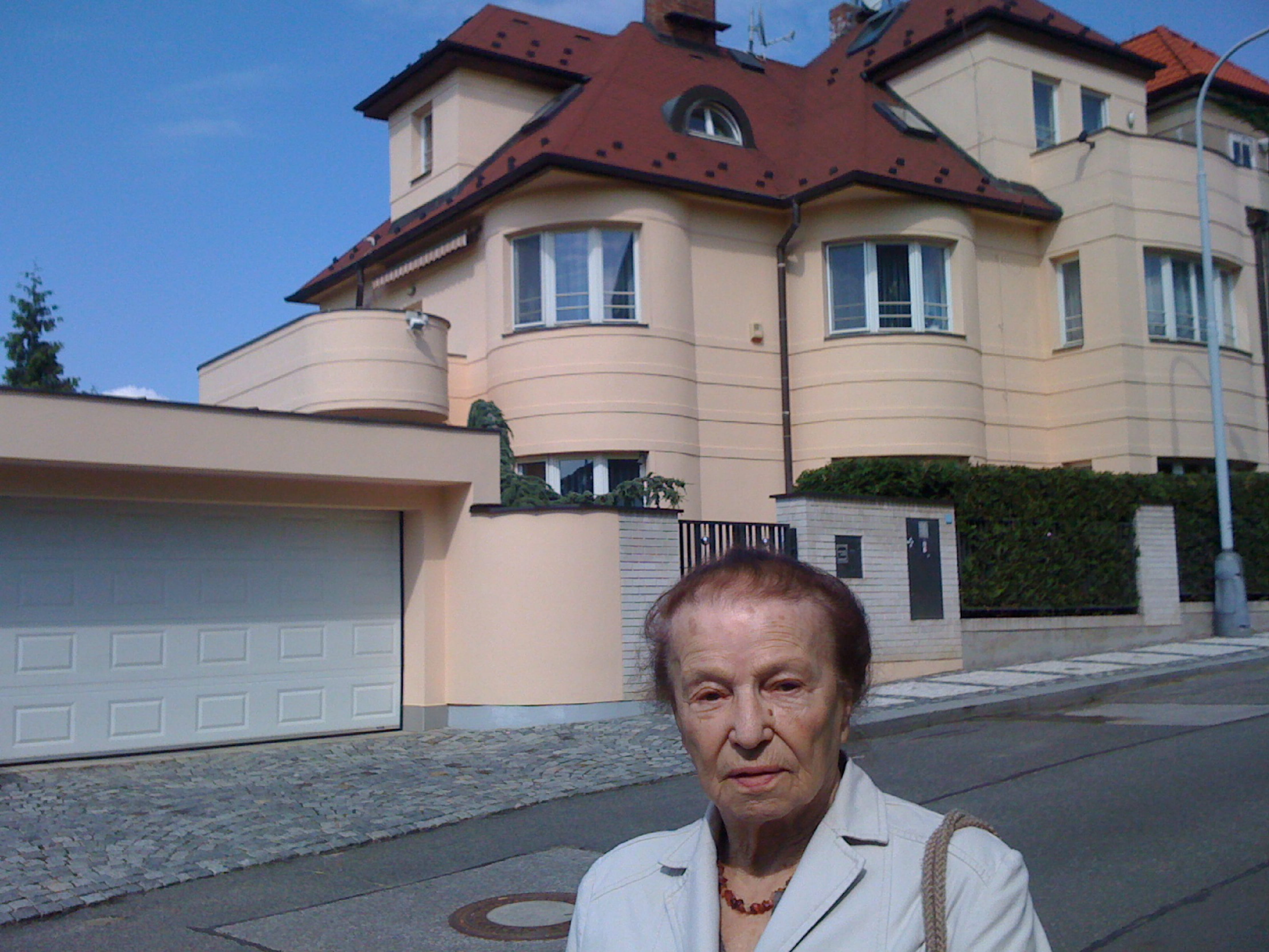
2015: Hana Hoffmeisterová in front of her house in Šmukýřka, from where she and her father were evicted by the Germans as Jews, while her mother and sister were allowed to stay
2015: Hana Hoffmeisterová in front of her house in Šmukýřka, from where she and her father were evicted by the Germans as Jews, while her mother and sister were allowed to stay