Zdeněk Hlačík

* 1935

  • "I did everything I could to ensure we stayed a state-owned business after the revolution, but it didn't work. It was possible to make a PlC during the coupon privatisation and it was advertised everywhere, so we bet on this. I was rejected at the Ministry of Agriculture, but I got through to the Minister of Privatisation, Tomáš Ježek, and he finally signed the PLC papers. We had to announce this publicly, and I took a chance believing there were many people in the country who loved horses. What happened was, we suddenly had 2,500 shareholders who put their coupon books in knowing they wouldn't get a penny back. The stud farm had been struggling to stay afloat since 1989."

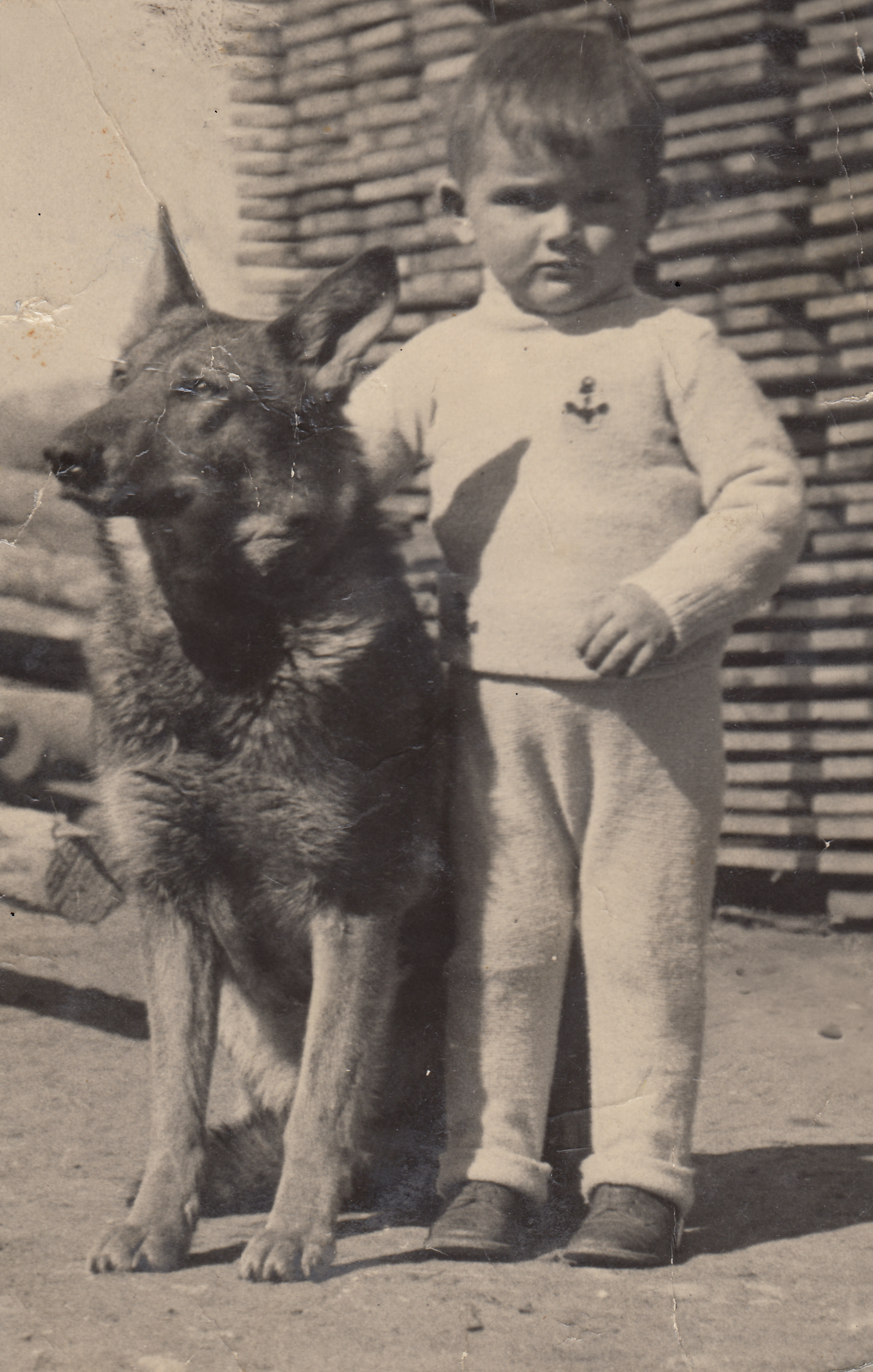
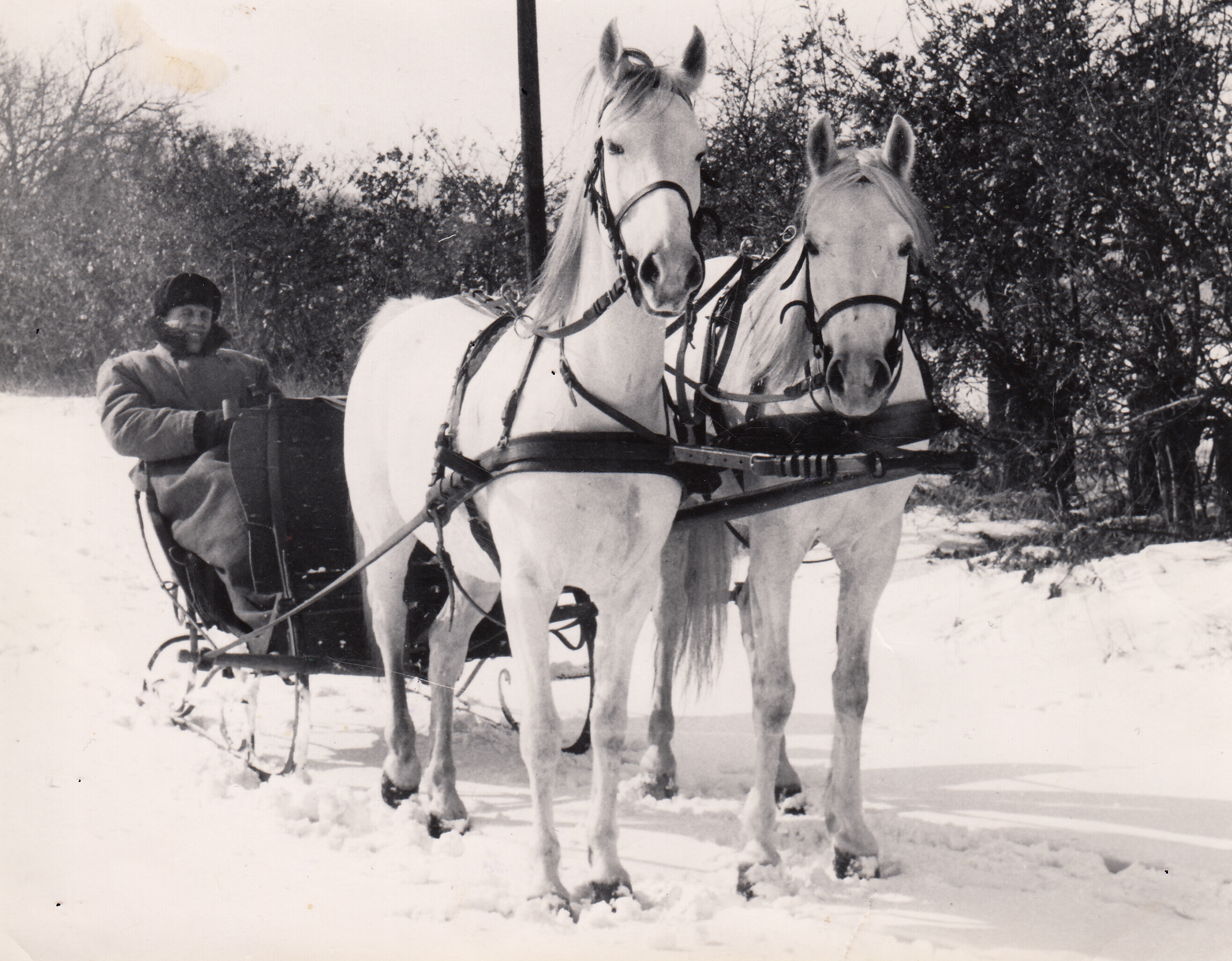
  • "When retreating, the Germans had to stop for the night so they could go on again, or even defend themselves. They were not staying with us, but our yard was large, so they moved in and put guns in the street. My father was so afraid because there was one gun in front of the house, and should the Soviets start attacking, something might happen. But then they packed it up and left again. As the Germans were about to leave, there was a horse lying in front of the house that was so tired it couldn't go on. A German soldier pulled out a pistol and wanted to shoot it. I saw this and turned to my father. He didn't speak German, but he had cigarettes in his pocket, so he offered them to the German. The guy took them, waved his hand and left, leaving the horse alone. We brought it to our yard and took care of it. We had it for maybe a year and then we had to return it to the army as spoils of war."

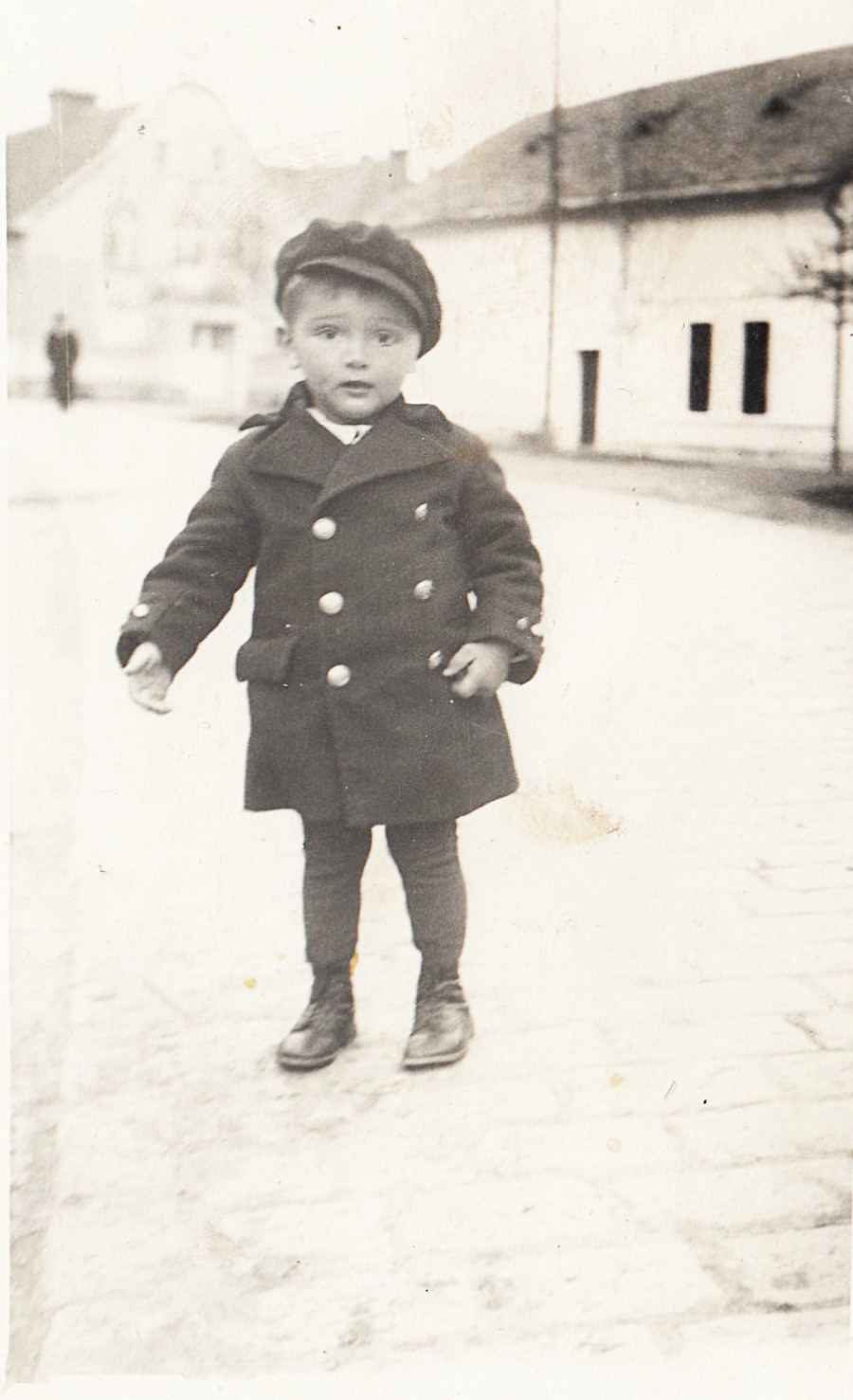
  • "My first memory is my father leaving with a brown suitcase and my mother crying hard. It was the mobilisation [1938]. He told me he was in Frývaldov, that's Jeseník today. They were in forest dugouts on the Šerák hill. Then they went back home and my sister was born in the meantime, before dad came back. My next memory is being at my grandmother's. It was snowing, it was this foggy weather, and a column of horse-drawn wagons with soldiers was going past the windows. They were Germans occupying us. I didn't know it at the time and I kept climbing on the window, and my grandmother kept pulling me back because she was scared."

  • Full recordings
  • 1

    Zlín, 23.03.2024

    (audio)
    duration: 02:11:52
    media recorded in project Stories of the region - Central Moravia
Full recordings are available only for logged users.

Horses have been with me all my life
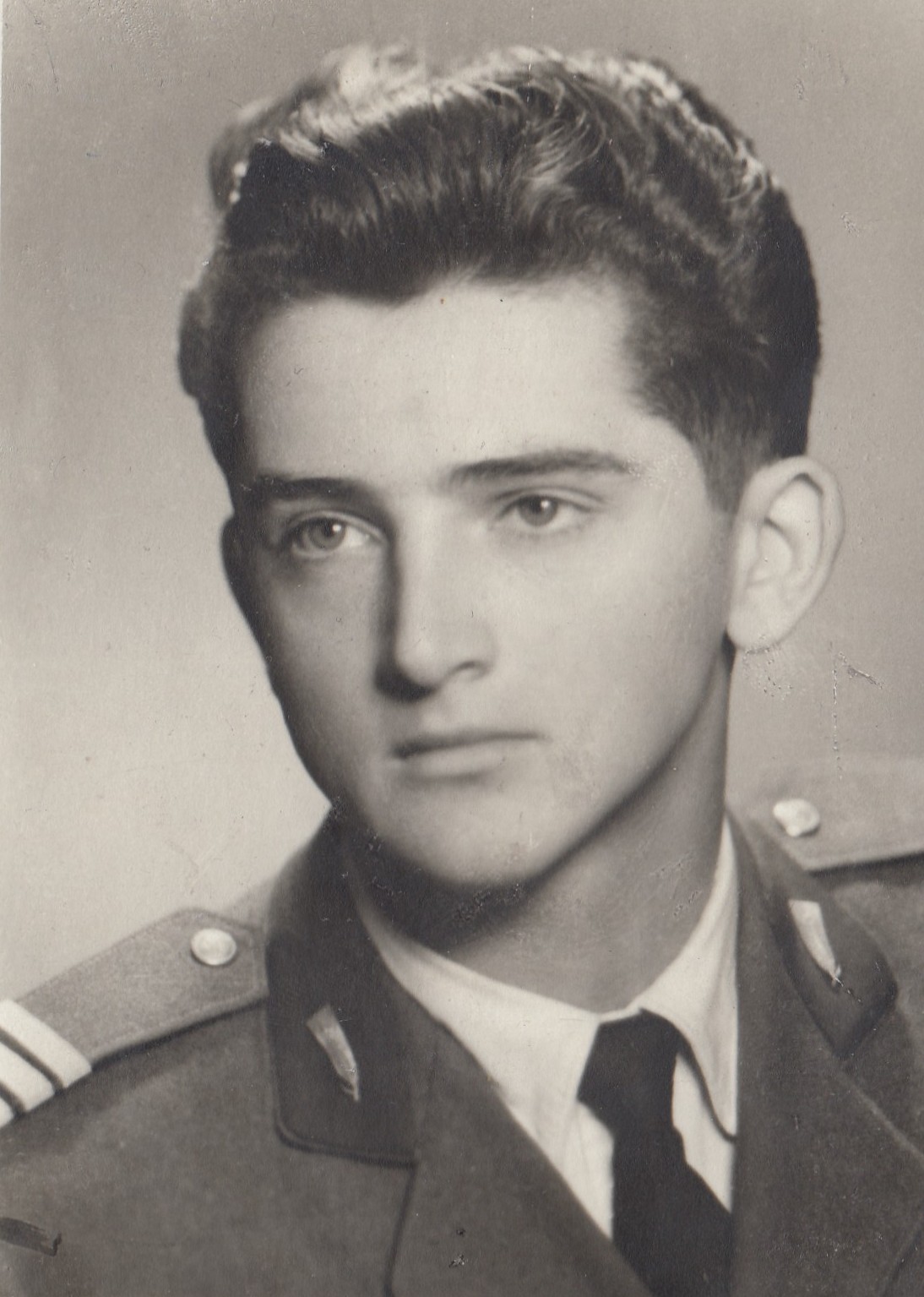
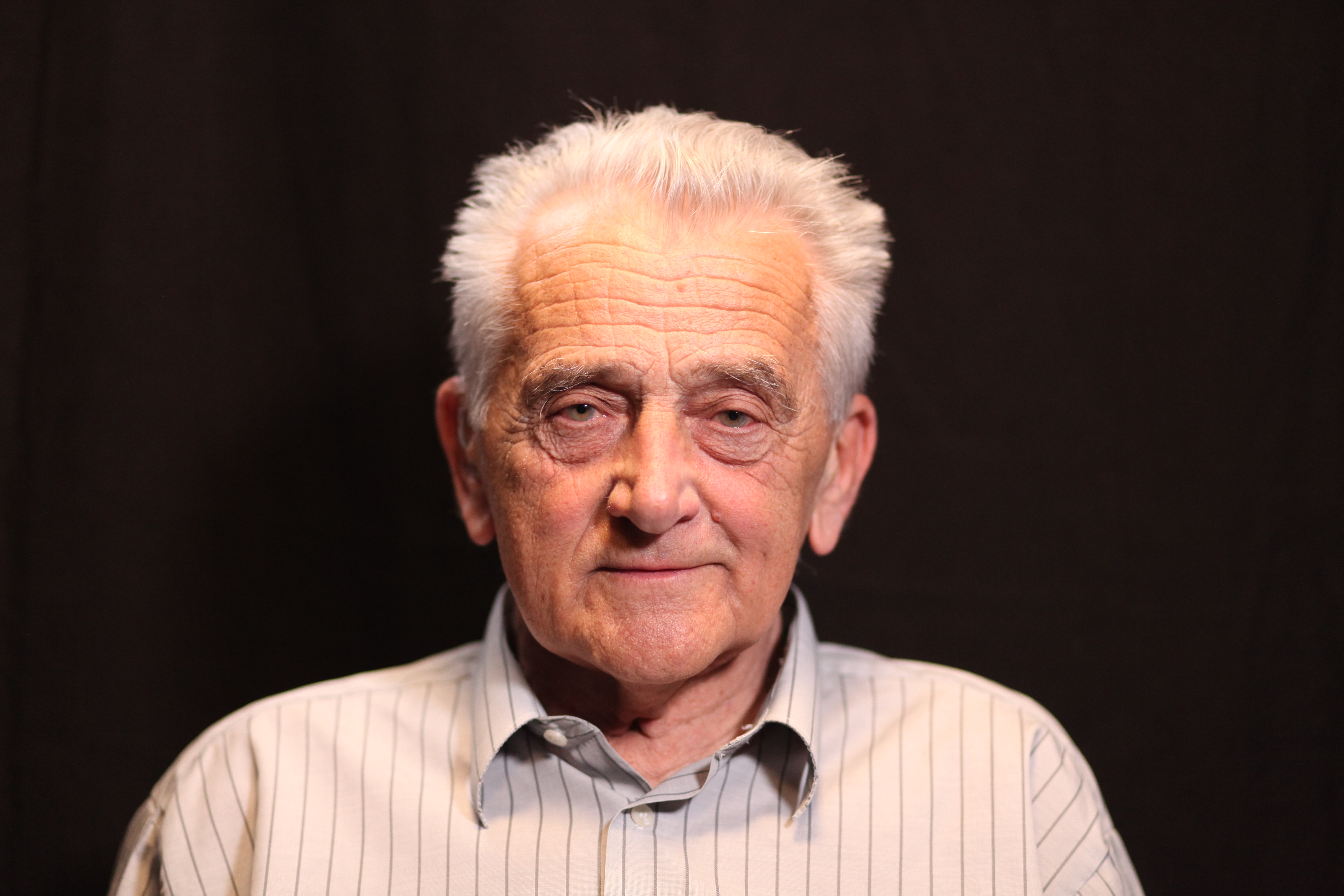
Sergeant Graduate Zdeněk Hlačík
photo: Witness's archive

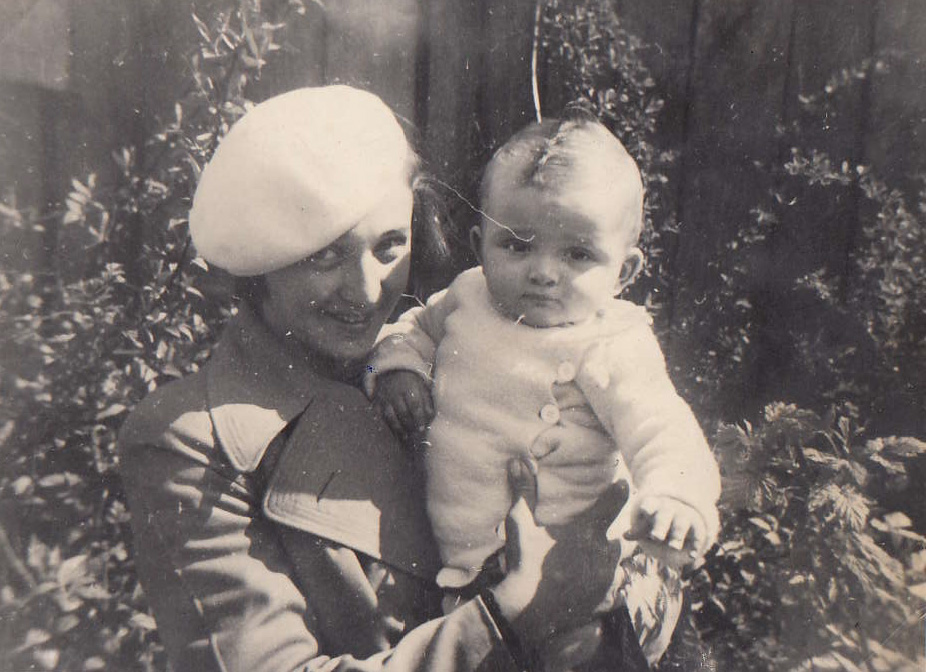
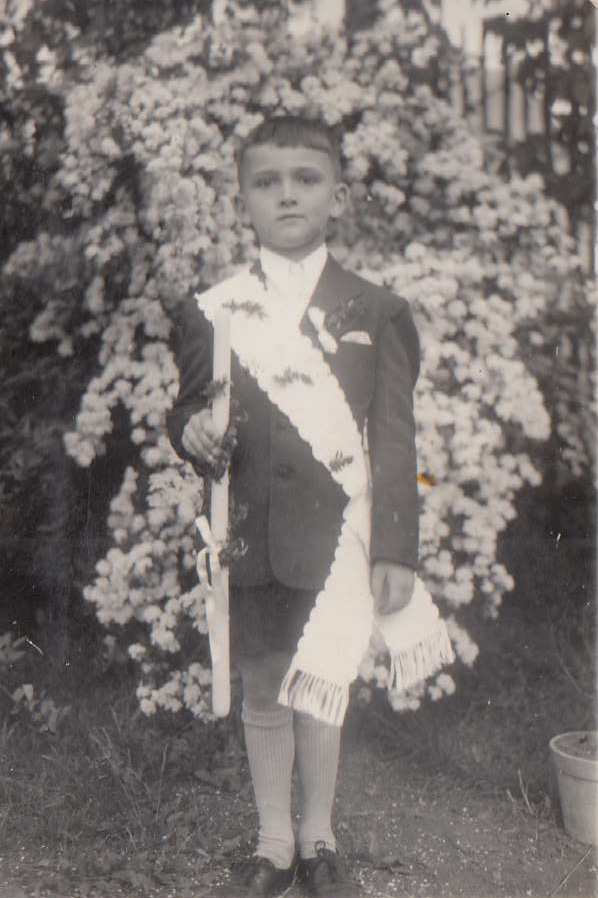
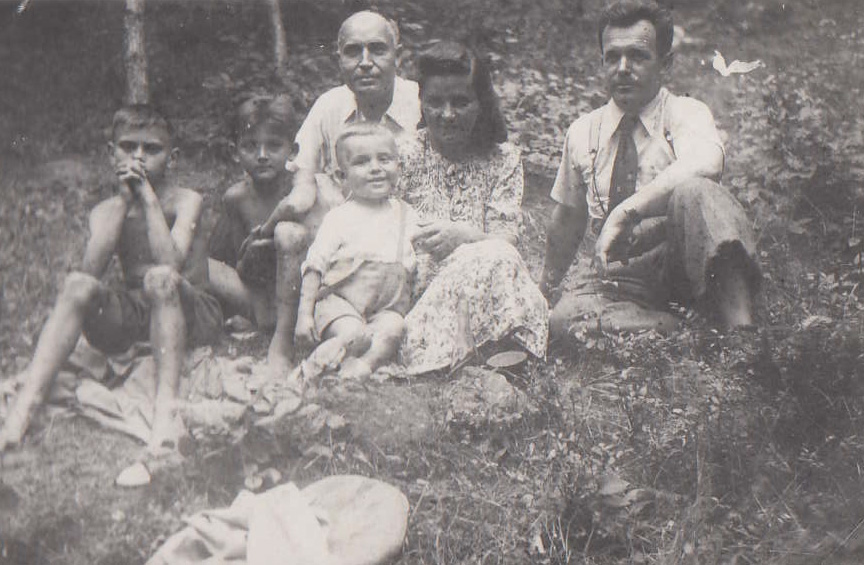
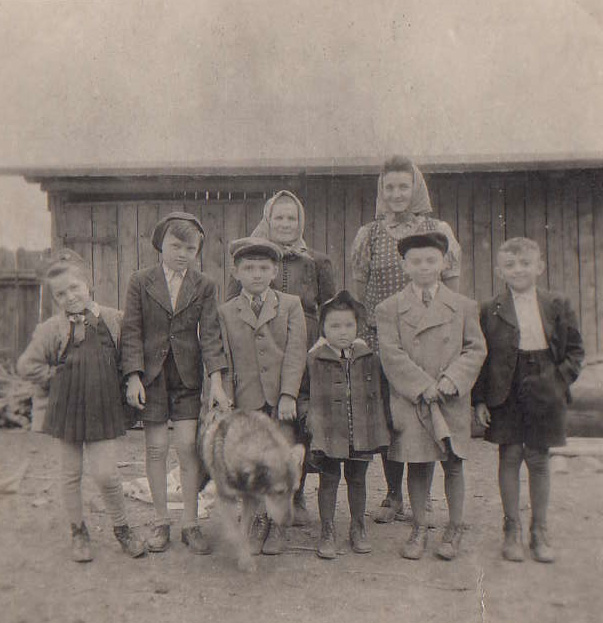
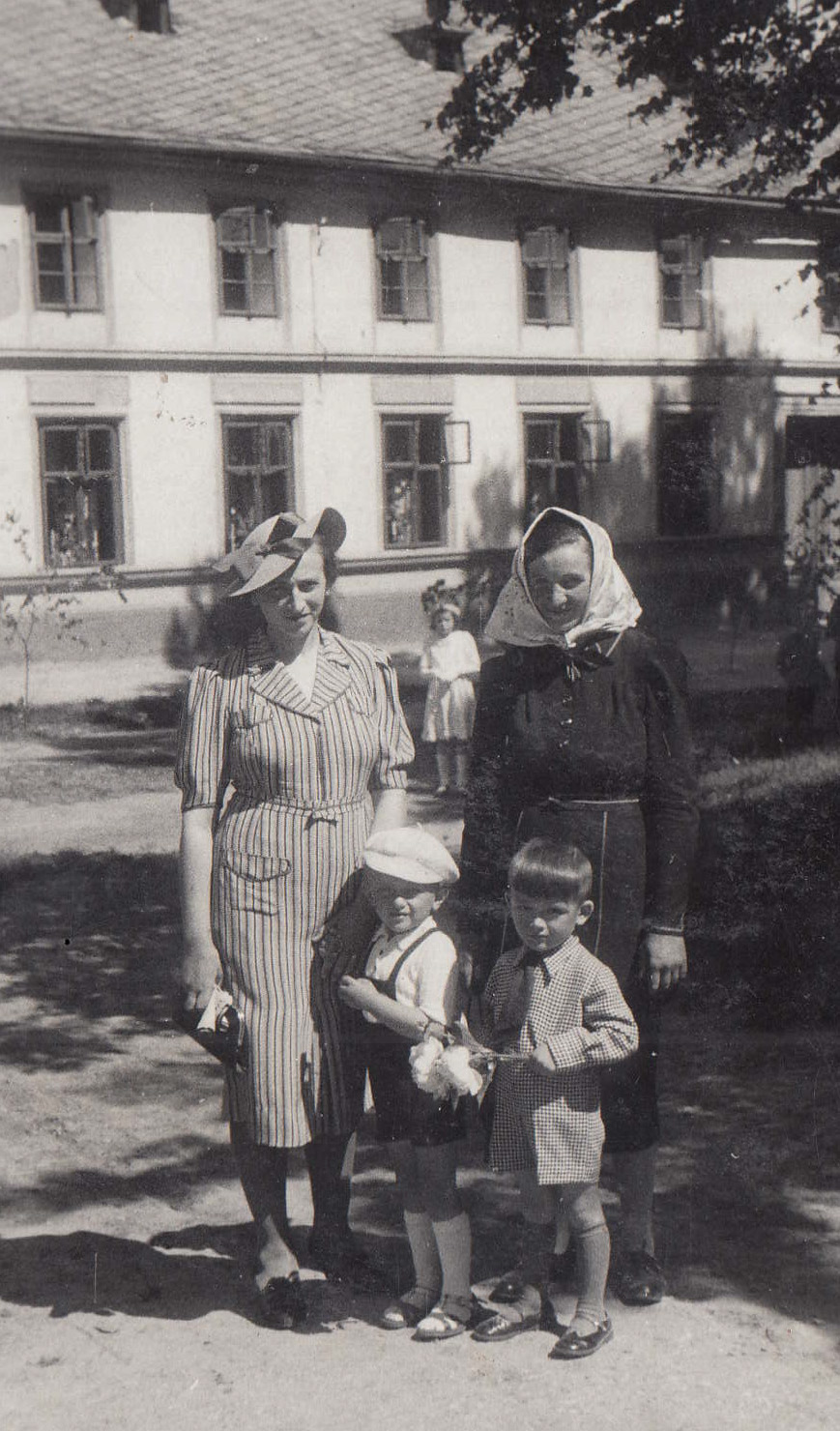
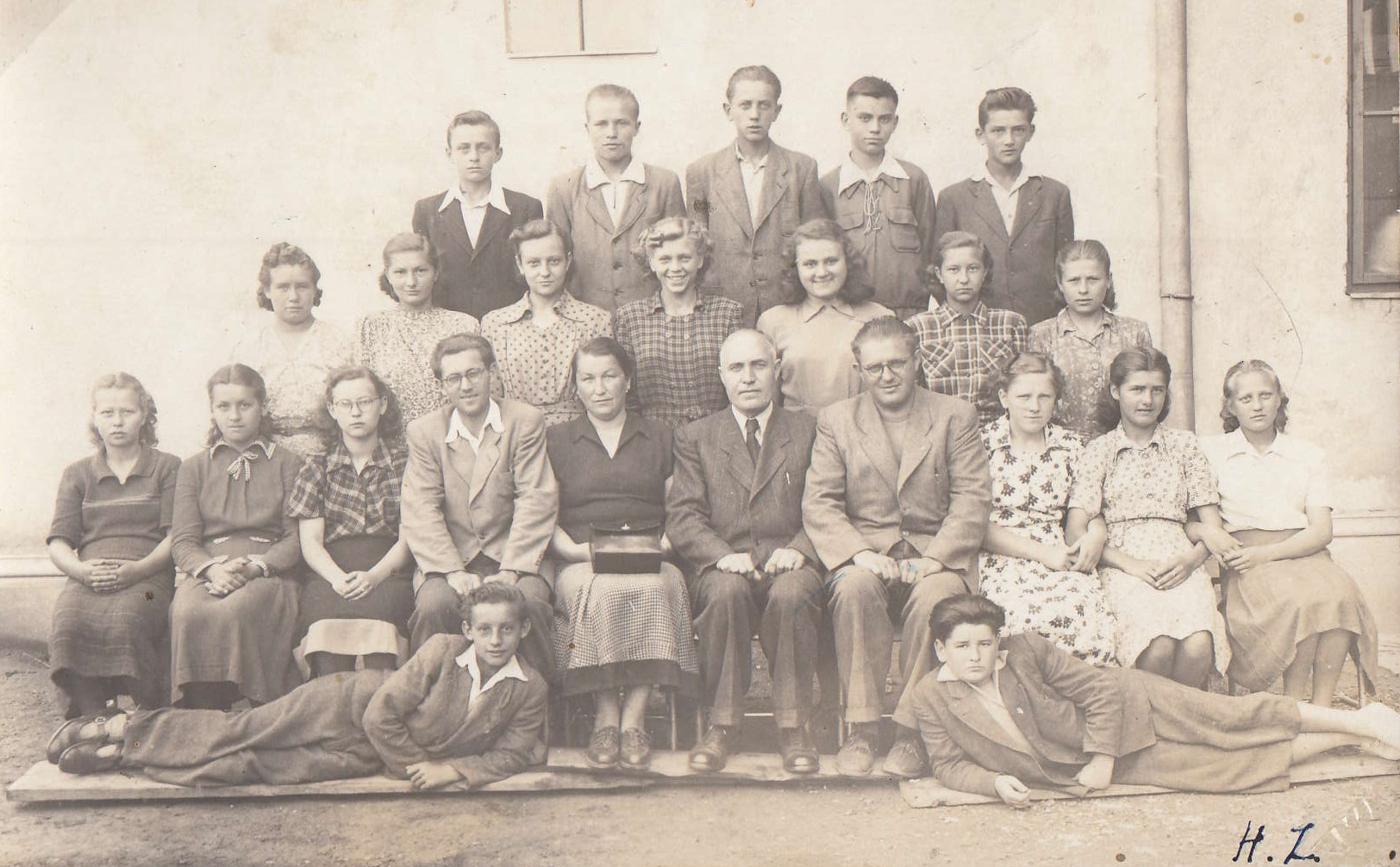
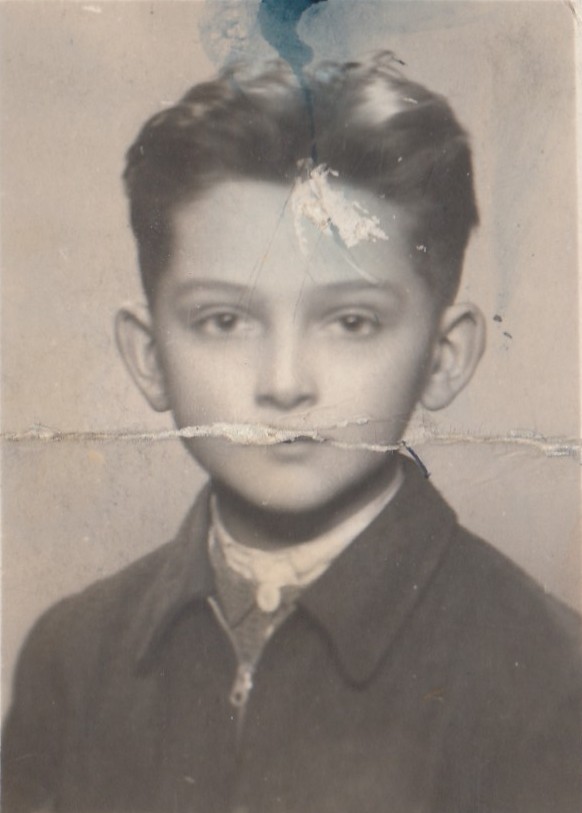
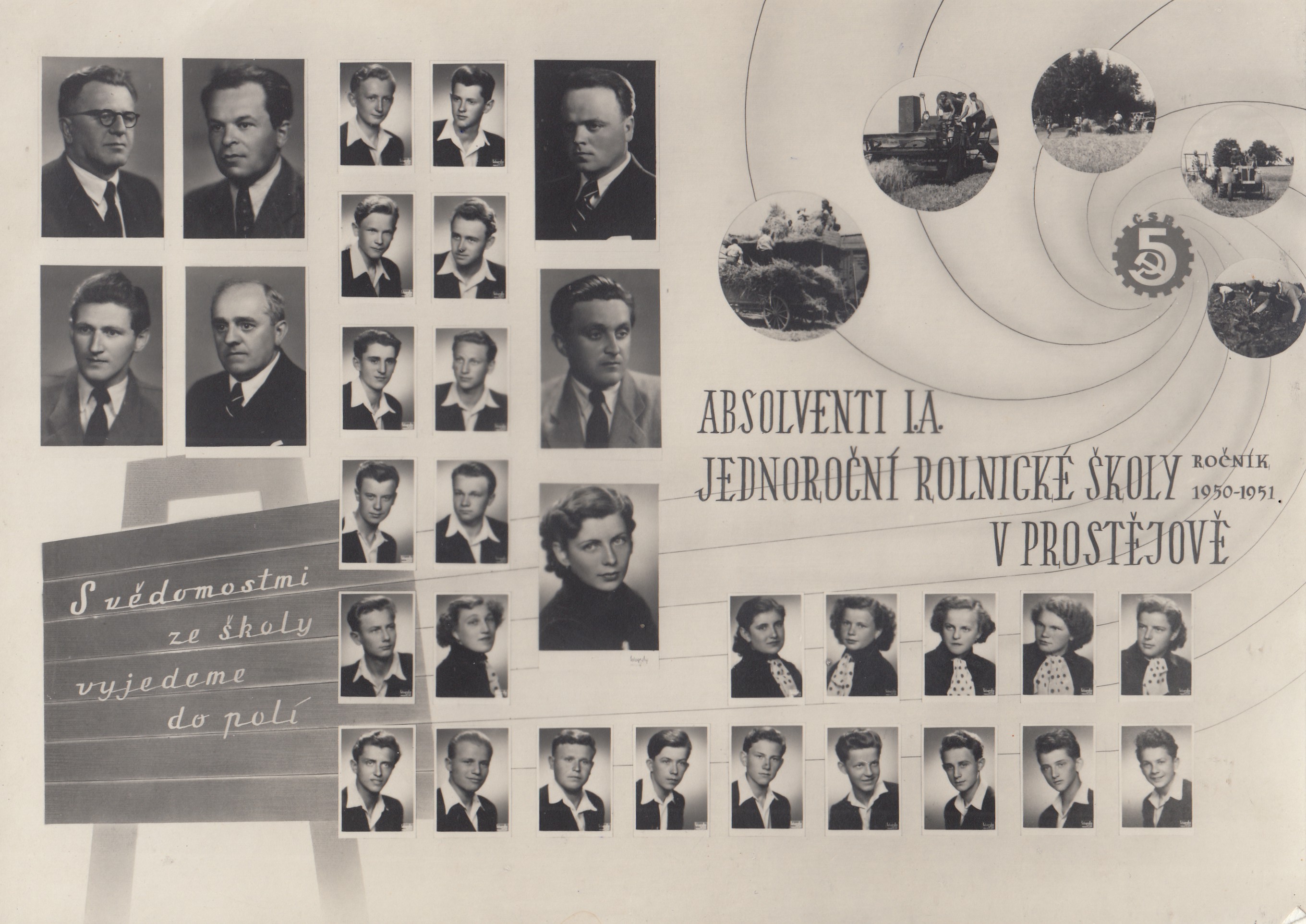
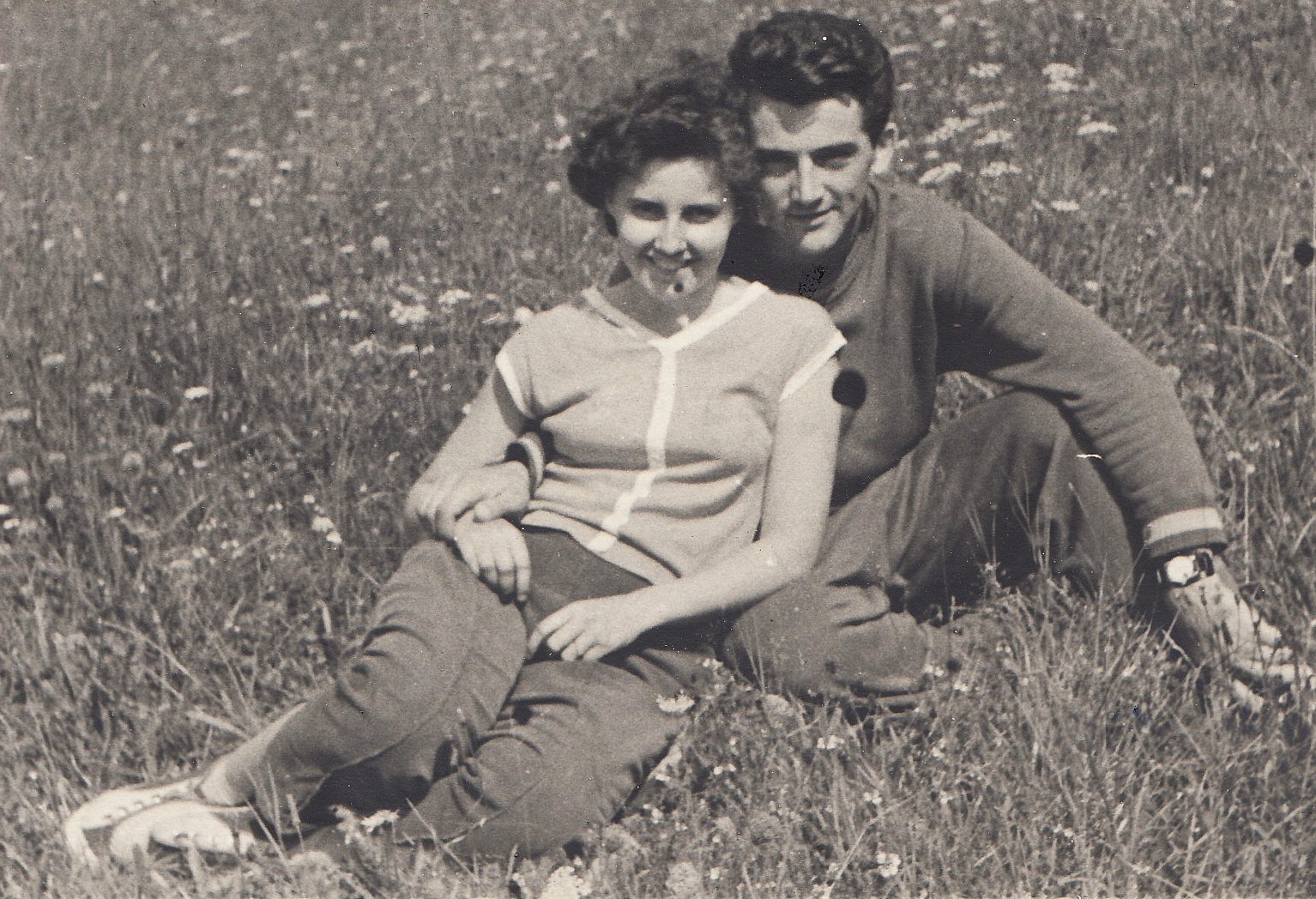
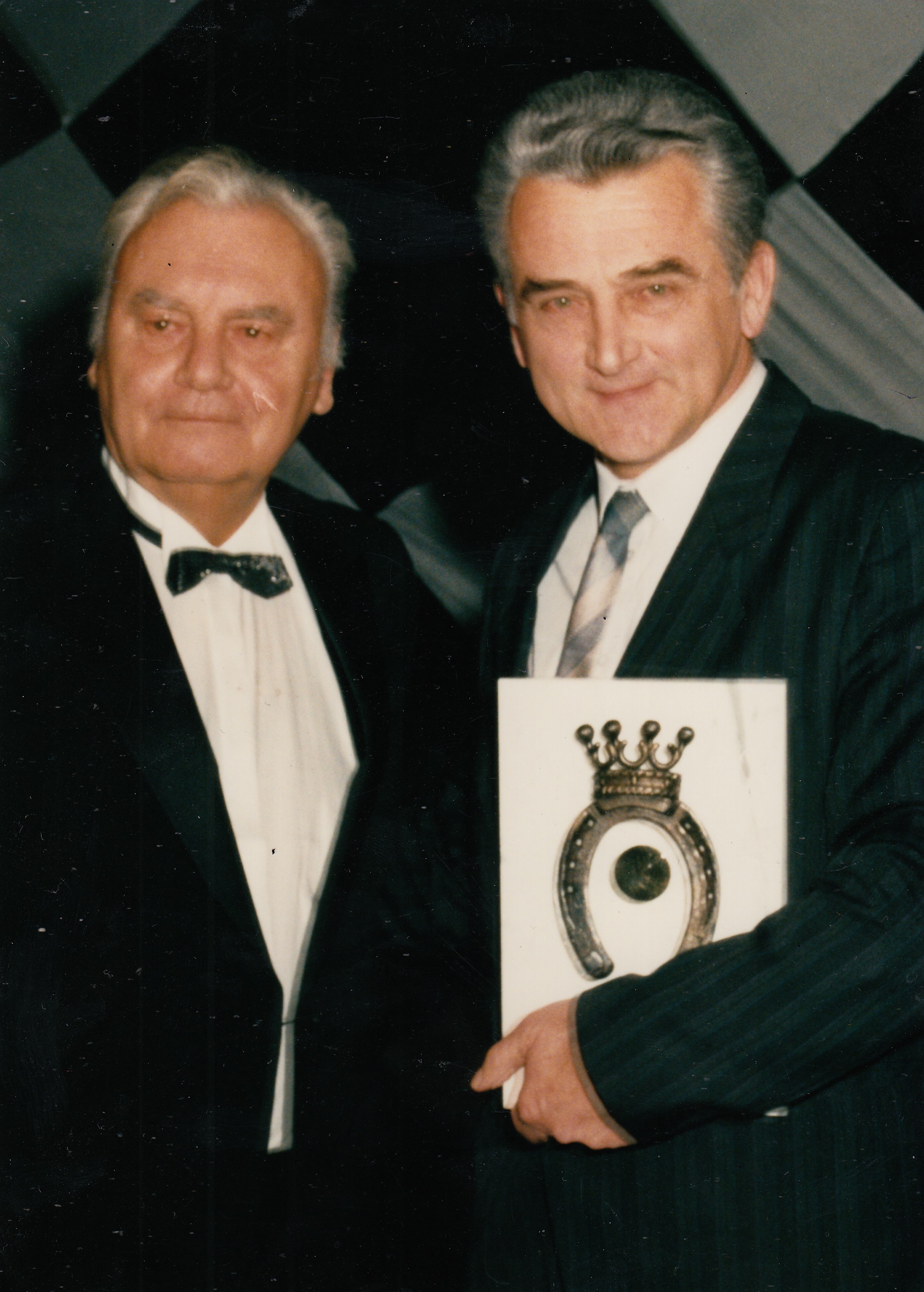
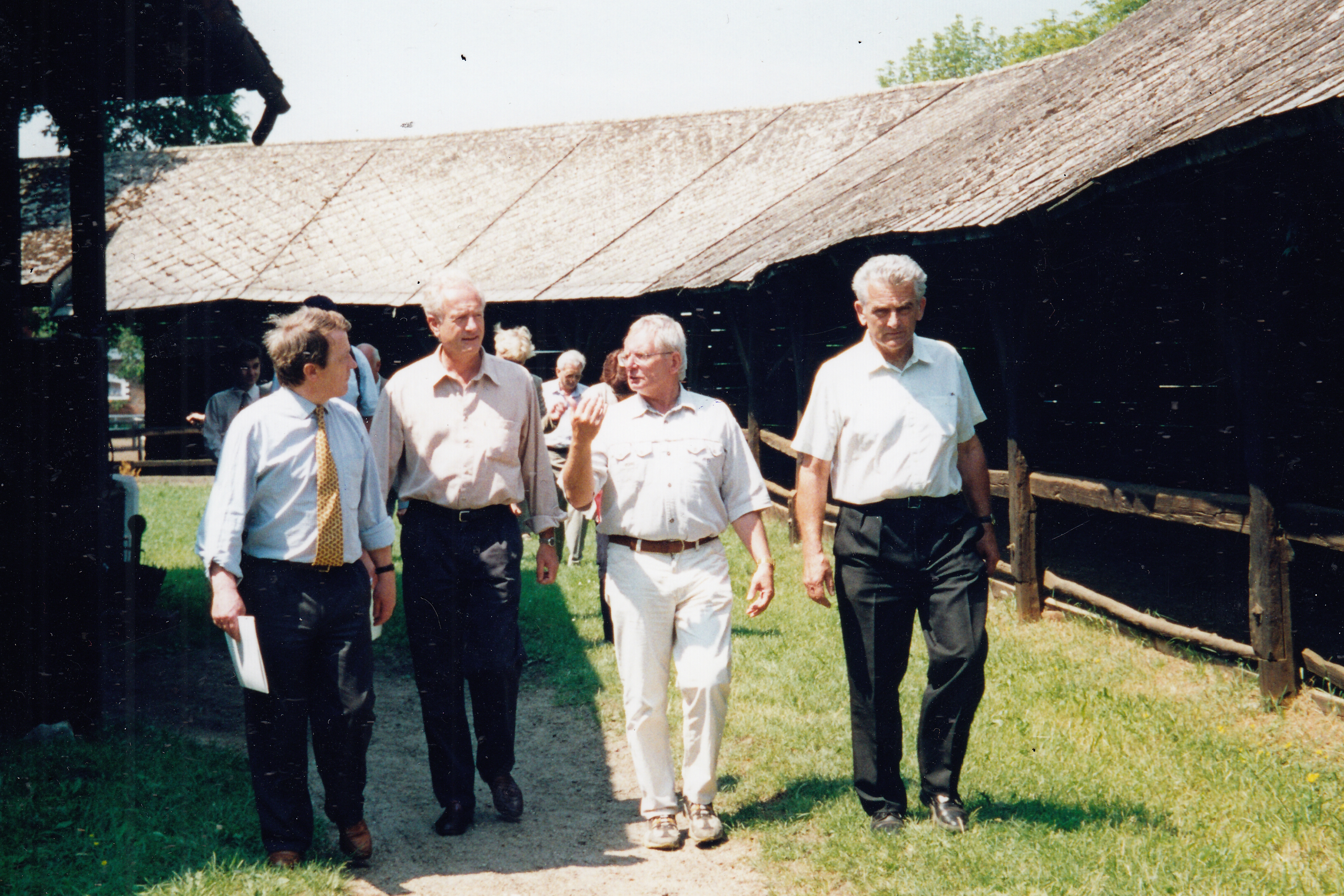
Zdeněk Hlačík was born on 7 September 1935 in Vrbátky near Prostějov where his parents Josef Hlačík and Aloisie Hlačíková owned a mid-sized farm. From an early age, the environment he grew up in shaped his lifelong relationship to agriculture and breeding, especially horses. He encountered them on the farm and saw them with German and Soviet soldiers during World War II. He studied at a higher school of agriculture in Olomouc and the University of Agriculture in Brno. In 1948 he attended the first post-war (and, for a long time, the last) All-Sokol gathering. Interested in horses, he started working as a zootechnician on a stud farm in Netolice in Šumava after his military service. In the spring of 1968, he took over as the director on recommendation from his predecessor. In a period promising social reforms, he met the essential requirement, joining the Communist Party of Czechoslovakia (KSČ). Due to his disagreement with the Warsaw Pact invasion in August 1968 and the subsequent normalisation, he was dismissed and went to work at the stud farm in Tlumačov as a horse breeder in 1973. Three years later, he took over as director of the Napajedla stud farm where he worked for 30 years. He greatly contributed towards the local thoroughbred tradition being upheld even after the 1990s privatisation. At the time of the filming in 2024, he was actively involved in its restoration.