A dissident son of a border guard father
Download image
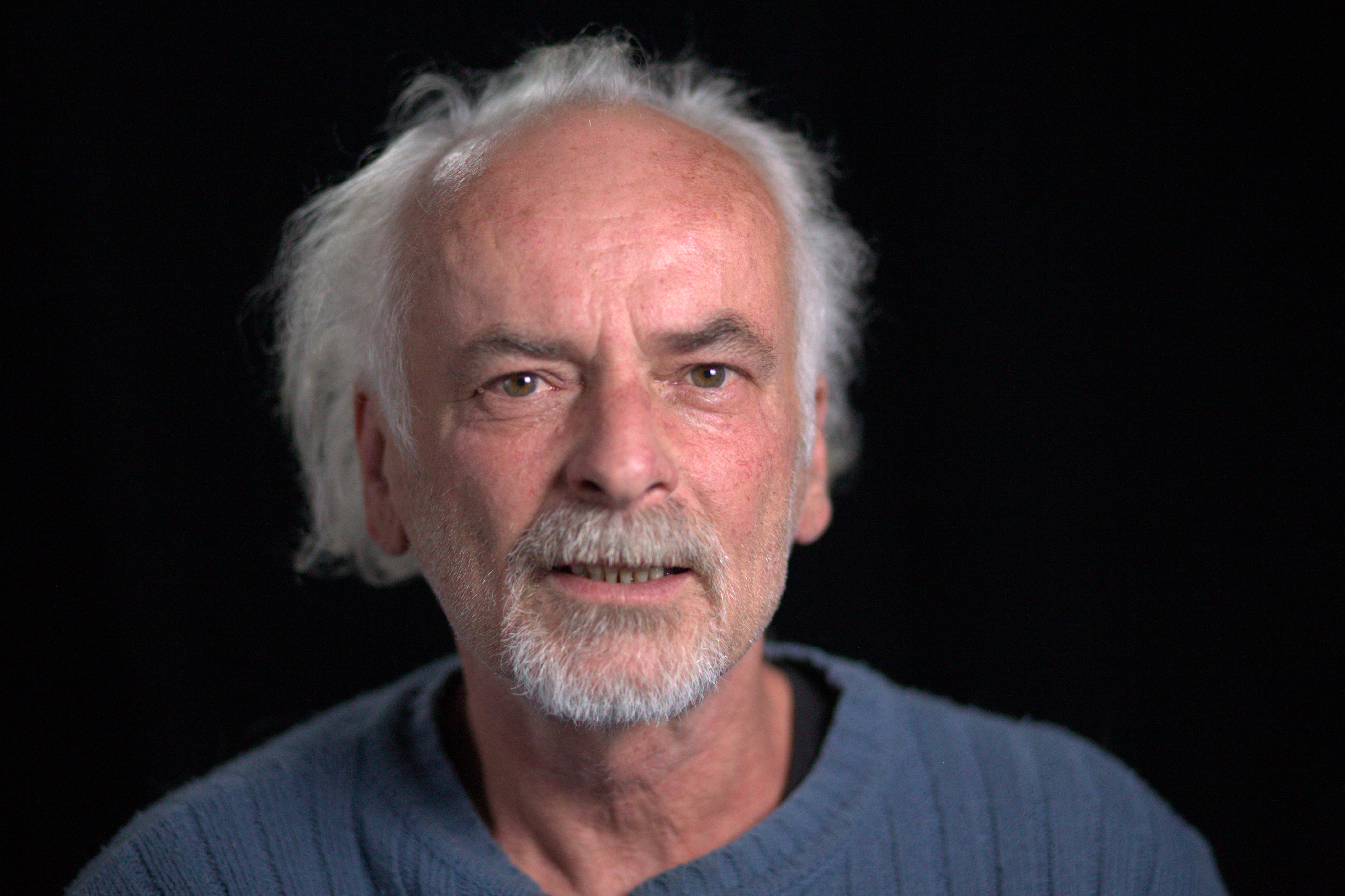
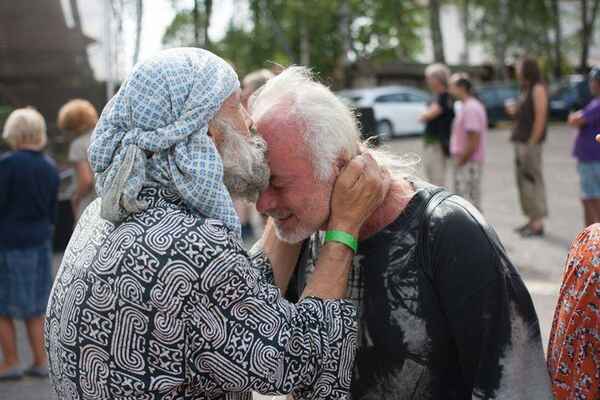
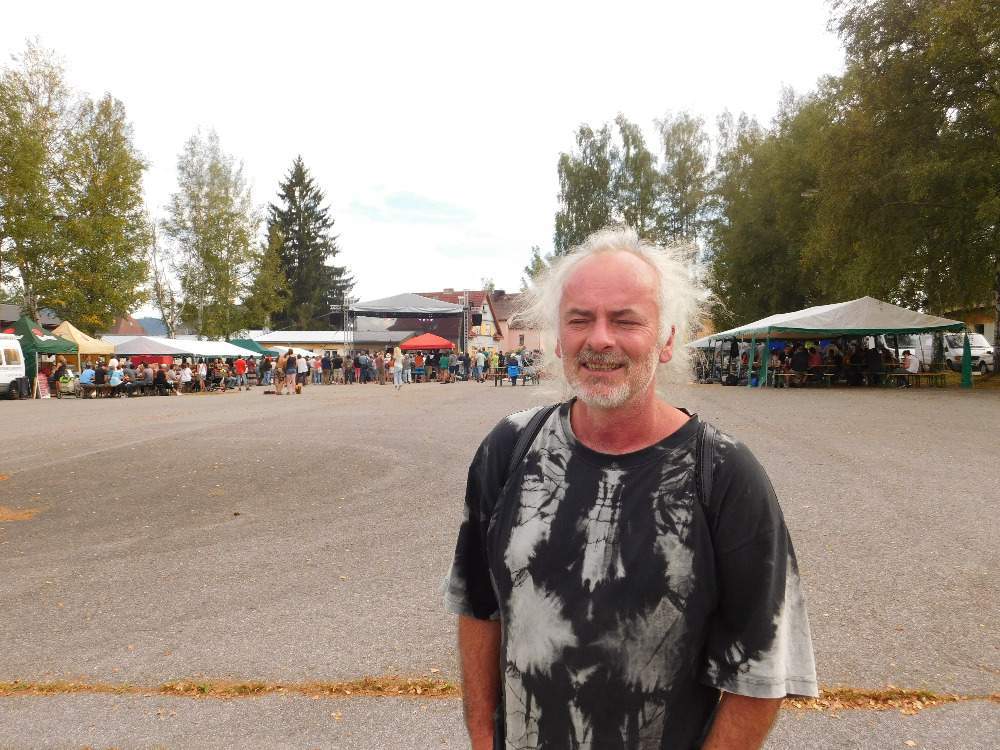
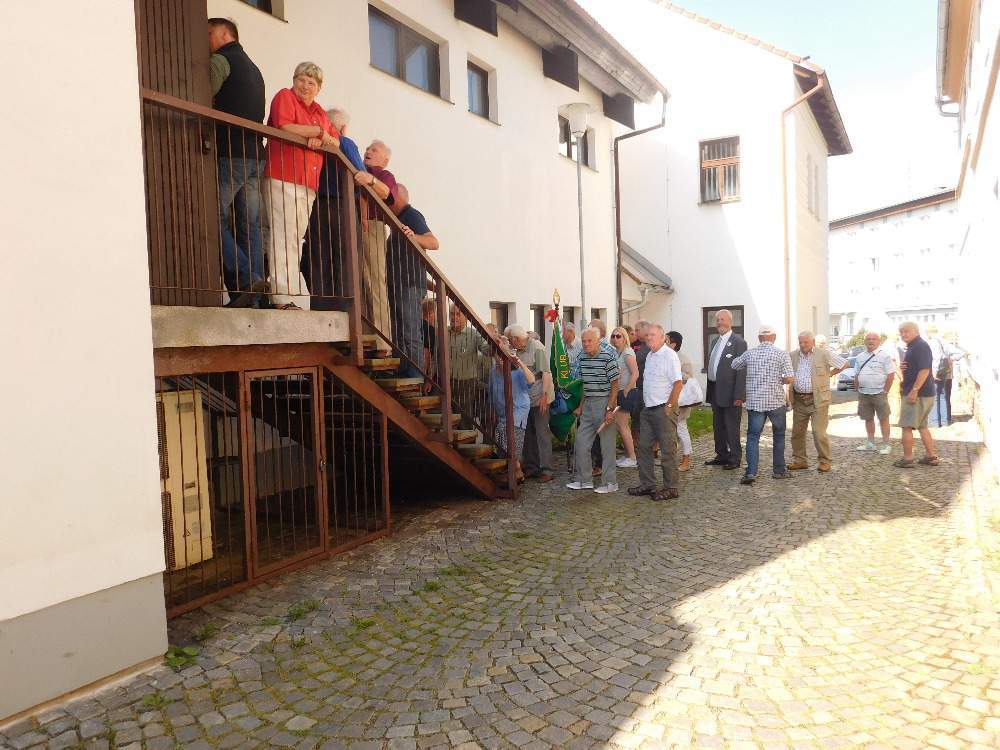
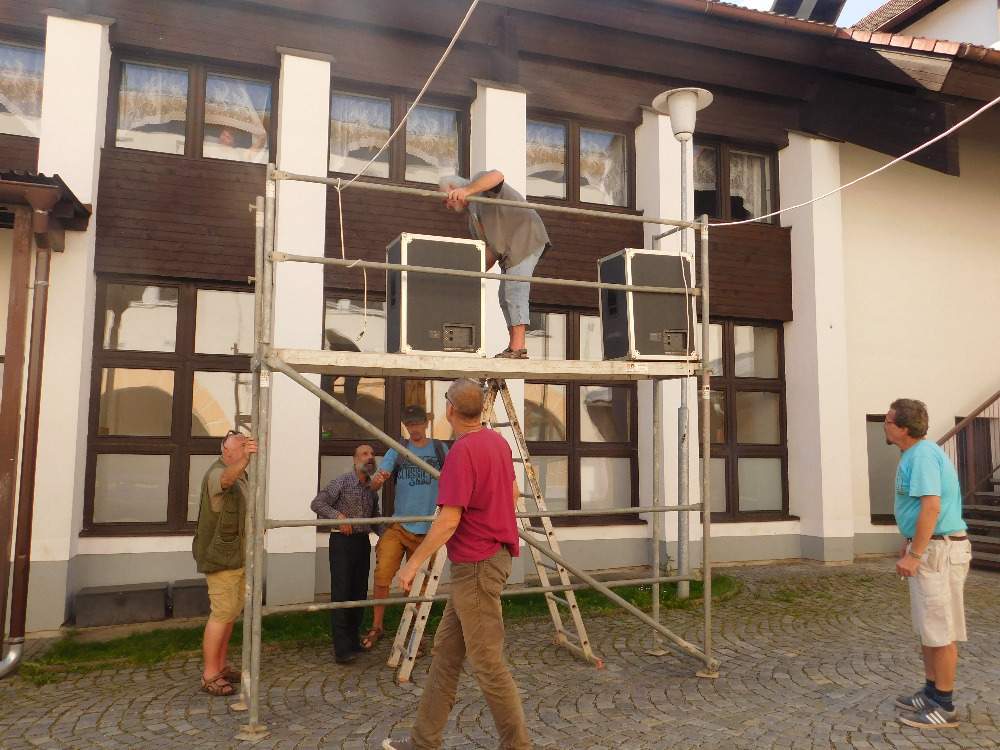
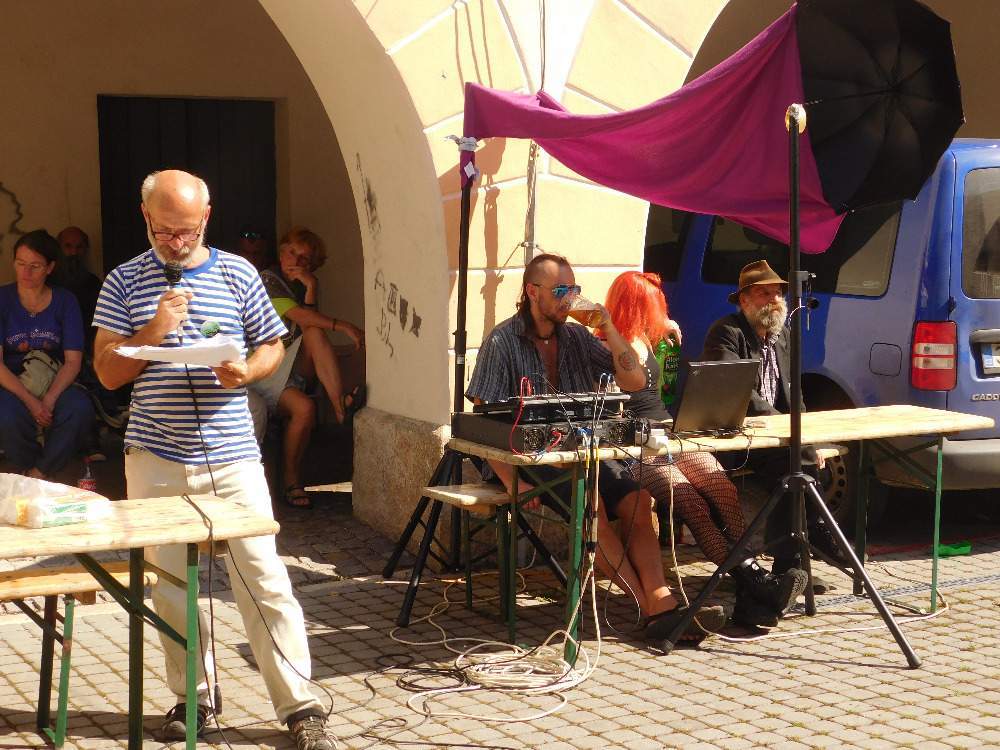
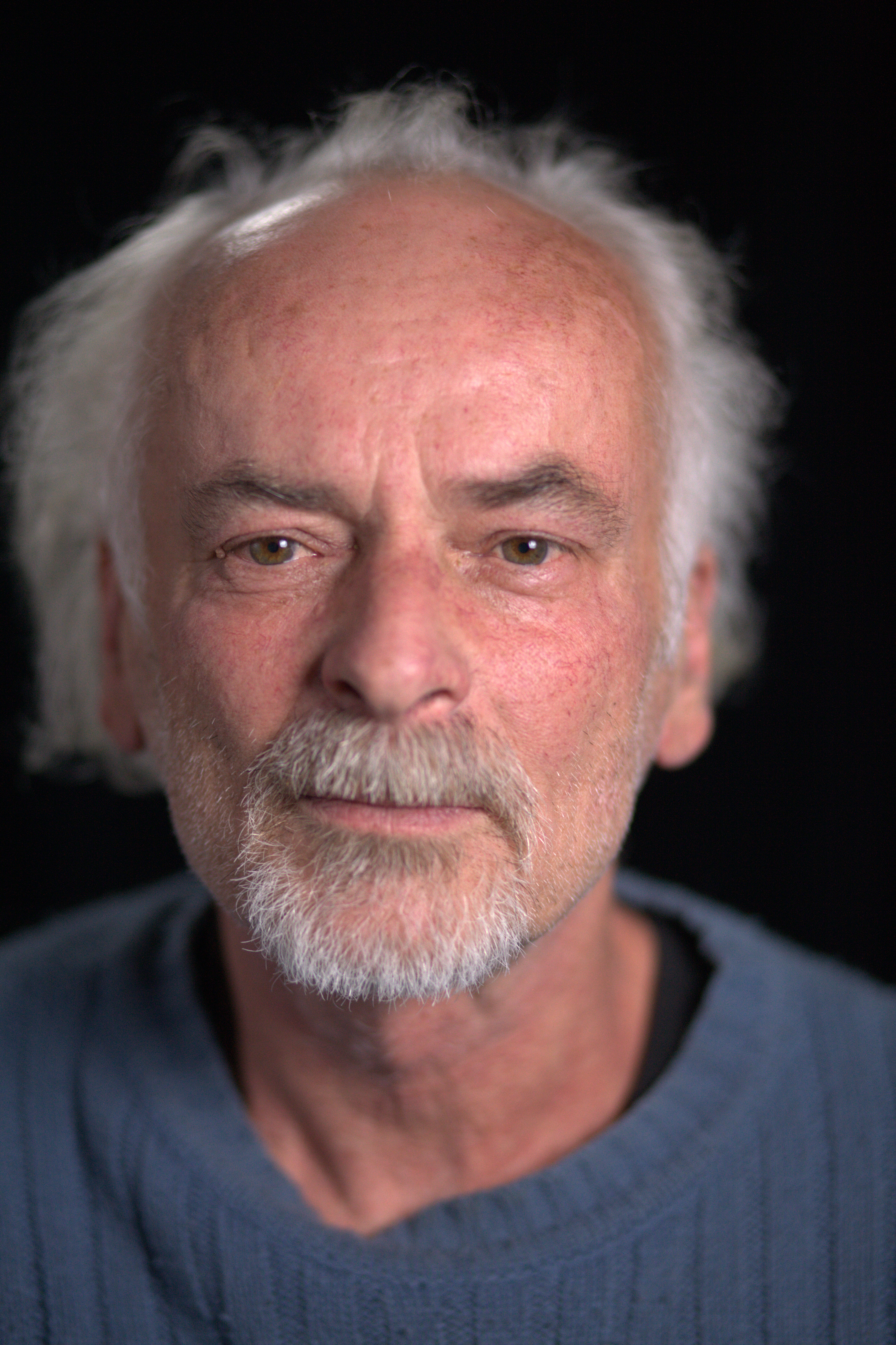
Bohumil Harmonický (né Miroslav Crha) was born on 7 May 1963 and lived most of his life in Volary in Šumava. His father Miroslav Crha was the chief of staff of the border guard stationed in Volary; his mother Soňa was a nursery teacher. As a child, he admired his father and other border guards, but distanced himself from him later because of his father’s drinking and violent nature, and changed his name to Bohumil Harmonický. In 1978, he joined a high school of construction in Volyně, played with an amateur theatre, began “expanding horizons” and “opened up to culture”. His father promised to arrange alternative military service for him but did not keep his promise, so the witness served for two years with the border guard in České Budějovice. He then joined Jihočeské dřevařské závody where his father father worked as a guard, having to quit the border guard due to drinking. Alcohol in the workplace and different attitudess towards higher-ups and workers were the subject of his critical speech at a trade union meeting, which made him a “counter-revolutionary element” for the officials. Bohumil Harmonický along with twin brothers František and Ondřej Klišíks founded the South Bohemian cell of the Movement for Civil Freedom (HOS) in 1989. In the spring of 1989, he wrote a petition demanding the release of political prisoners and the legalization of the opposition; he personally handed one copy to the Office of the Prime Minister of the Czechoslovak Socialist Republic, the other to the US Embassy, and the petition was also quoted by Radio Free Europe. In the summer of 1989, he complained to the Municipal National Committee in Volary that there was still a Stalin Street in the town. He collected signatures for the petition Several Sentences, which was published by Charter 77 in early summer 1989, and was in court over that; the Velvet Revolution saved him from punishment. In November 1989, he was active in the Civic Forum and sat on the five-member Volary City Council. He soon left politics and started a construction business, building mostly houses, but his company eventually went bankrupt. In 2015 and 2016, he organized the Festival Against Memory Loss to protest the fact that the Czech Border Guard Club (former members, helpers and sympathizers of the border guard) would meet in the main hall of the Volary Town Hall. During the first year, Cardinal Miroslav Vlk celebrated a service for the victims of the Iron Curtain, the ÚSTR prepared an exhibition “Kings of Šumava”, and there was a concert in the former barracks. During the second edition, the witness had scaffolding erected at the town hall and played Kryl, Kubišová, Karásek and the Plastic People to the “border guards” through the hall windows, and had the stories of 282 victims of the Iron Curtain read. In 2015, he received the Václav Benda Award from the Institute for the Study of Totalitarian Regimes for his outstanding role in the struggle for the restoration of freedom and democracy. In 2017, he received a certificate from the Ministry of Defence as a participant of the Third Resistance.