Marie Hanušová

* 1951

  • "Then [in November 1989] the demonstrations began. First it was on Wenceslas Square, we gathered there, Mrs. Kubišová sang her famous Prayer for Marta, and Václav Havel, the future president, spoke there for the first time, and those were wonderful moments. For me, it was mixed feelings, with my child in the hospital undergoing surgery, and now these beautiful moments, so I always went there after the demonstration. They wouldn't let me see him because I wasn't allowed to visit him, so I just sat behind the door to be close to him at that time. First there were demonstrations on Wenceslas Square, then there were so many of us that we went to Letná, and there were these wonderful moments when Father Malý organized the arrival of ambulances, so that if someone felt ill, he would just say in a calm, gentle voice: ' Now I would just ask you all to take a step back so that the ambulance can pass.' And the whole of Letná moved aside and the ambulance passed through, and it was amazing."

  • "We had a classmate, Ludvík, who went to primary school with us and then went to Plzeň for some secondary technical school. And he had an uncle in Canada, and in the holidays of 1968 his uncle invited him to Canada to learn English and to see the world and so on. So he was supposed to go there for the holidays. He went there. And on the 21st of August, Ludvík was up in the house and his uncle calls out, 'Ludvík, come downstairs, come and see something!' And on the television there was footage from Prague, of the tanks coming in and all that was going on in front of the radio station and all that. And Ludvík says, 'What kind of film is this? What did you turn on, uncle?' And his uncle says, 'That's not a movie. It's a live broadcast from Prague. Which means for you, Ludvík, that you can't go back there now until it calms down.' But it didn't calm down and it didn't calm down, and in the meantime Ludvík grew up and grew to the age where he was supposed to do compulsory military service. But because he was in Canada, he didn't enlist and was sentenced here in Bohemia. He was sentenced to three years in prison. Which meant he couldn't come here because he would have been arrested at the airport immediately and would have gone to prison."

  • "During the normalisation period we were not allowed to travel anywhere abroad, but because we wanted to travel, we travelled around the Czech Republic. And since we were students, we didn't have much money, so we hitchhiked. And one day my friend and I managed to hitchhike with a gentleman who was Czech, had a mother here, but he had lived in Italy for many years. And he asked us how we felt here and what the entry of the troops had done to us. We said, "So we go to school, we travel around the country, we try to live somehow." And he said, 'I'll tell you something. They took away your external freedom. You're not allowed to do anything. You can't say anything, you can't go anywhere, you can't do anything you want, etc. But what they have not taken away from you is the inner freedom. That is what you think, what you are, what you are convinced of. And this is terribly important to you. If they've taken away your outer freedom, don't let them take away your inner freedom."

  • Full recordings
  • 1

    Klatovy, 13.01.2025

    (audio)
    duration: 20:53
    media recorded in project The Stories of Our Neigbours
Full recordings are available only for logged users.

We wanted to explain to the occupiers that they didn’t have to save us
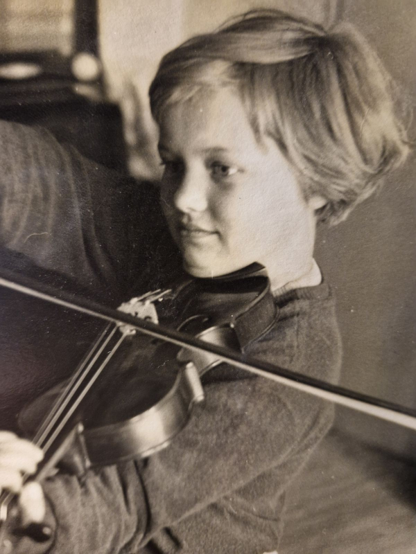
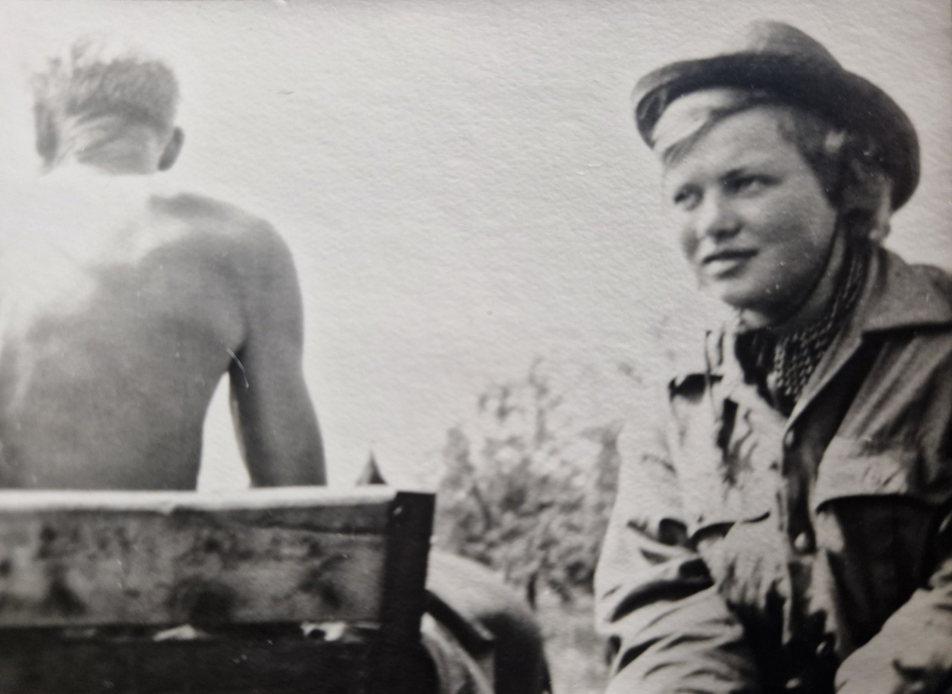
Marie Hanušová as a child
photo: Witness´s archive

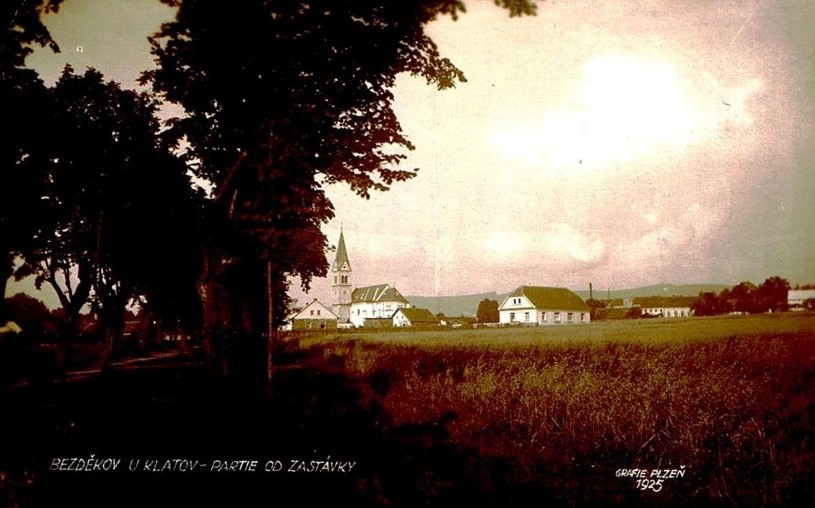
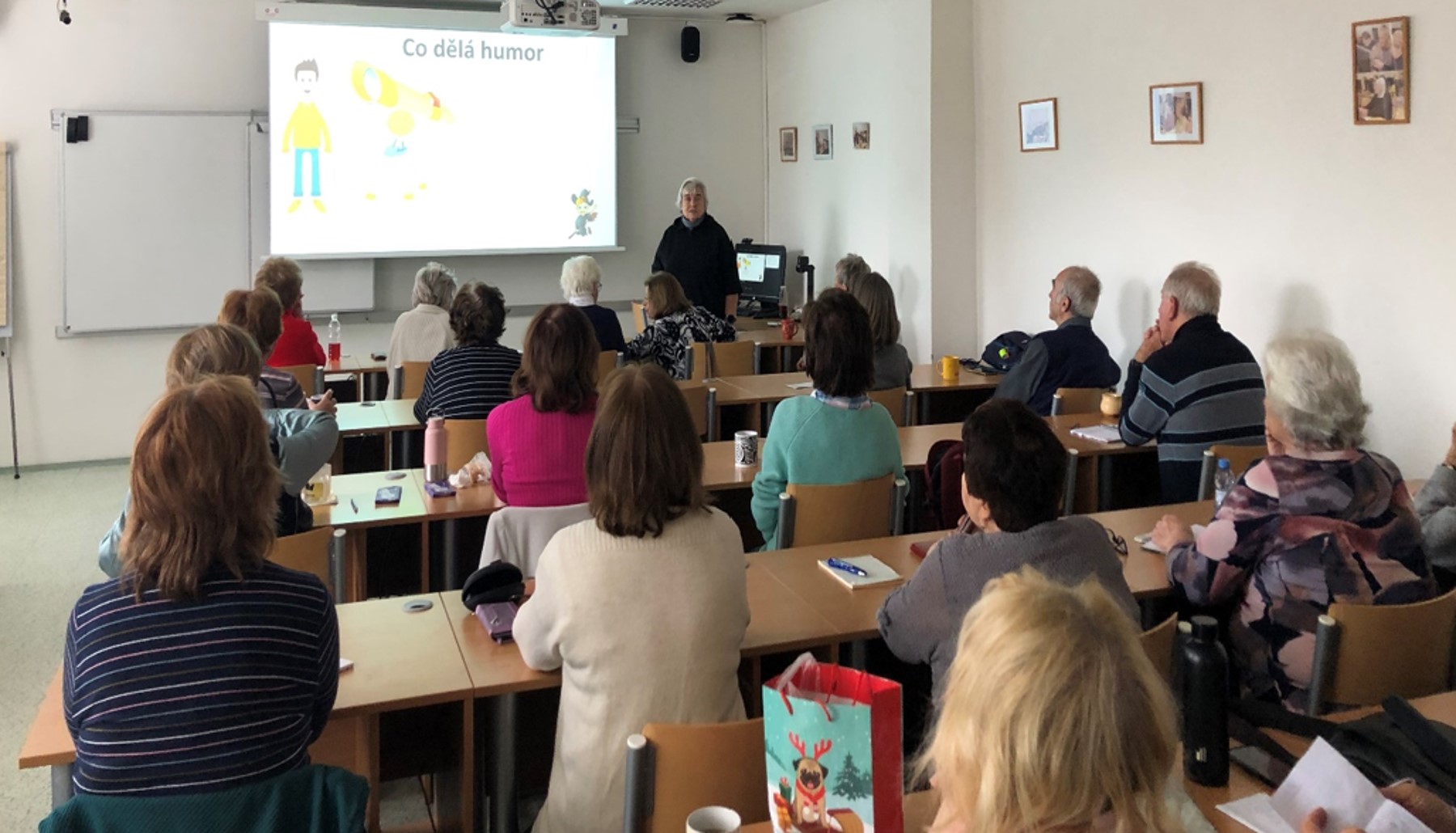
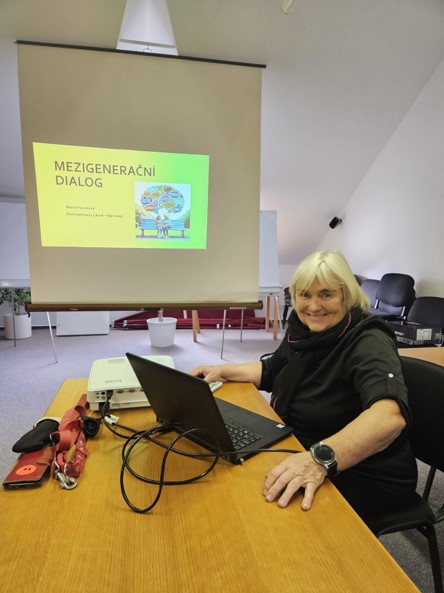
Marie Hanušová, née Korcová, was born on 28 January 1951 in Bezděkov near Klatovy. As a secondary school student she experienced the occupation by the Warsaw Pact troops. She graduated from the Secondary School of General Education and then graduated from the Faculty of Education in Pilsen. She worked as a graphic designer in the Cabinet of Didactic Technology at the University of Agriculture in Prague and studied psychology at the Faculty of Arts of Charles University in Prague. During her studies she started working at the Department of Psychology and remained there until her retirement. For several years she also held the position of company psychologist at the State Farm Prague-West. After the revolution, she also established a trade license and began to provide psychological counselling. She still works and teaches at the University of the Third Age. In 2025 she was living in Prague