Артак Григорян Artak Hryhorian

* 1997

  • So, from the beginning of the revolution until about the New Year, that was probably the time when I was developing some kind of understanding of the events. Because I was in the 11th grade, it’s not like I knew the Odesa [context]. That was probably the biggest turning point, because I always followed what was happening in Kyiv, some talking heads who, I now understand, decide nothing, and so on. But back then, I thought that when [Mykola] Katerynchuk [a member of parliament] came on [The Freedom by] Savik Shuster [political talk show] and said something, he really knew what he was talking about, and that nothing was happening here in Odesa. But then that changed dramatically, and I started to get interested. But a big problem for me, it seems to me now, is that in [20]14 I couldn't find communication channels that covered the Odesa events in any way. I mean, I wasn't subscribed (this was when VKontakte was still a thing) on Facebook, and [the information] just didn't reach me. I was there after the New Year, maybe six or seven times in total during the whole revolution, at some gatherings near the [Monument to] Duc [de Richelieu], for example. But not that much. And it all reached me very inefficiently. I was near the R[egional] S[tate] A[dministration] when those titushky [paid thugs] beat people up on, I think, February 12th. When Skoryk and the titushky beat up journalists, I was there. Not among the journalists, but just standing to the side at that moment. For example, the events that happened here during the Revolution of Dignity near the 8th station of Fontan, when [Oleh] Tsariov [a member of parliament] arrived — I only found out about them around [2]016. So I was following the national agenda. I knew what was happening in Kyiv every day, and so on, but I knew almost nothing about what was happening in Odesa. I could hardly find any information for one reason or another. And now I can say that the guys <...> I know them quite well now and we talk, and I tell them that they underperformed a bit back then if I didn't even know. But I also understand that I could have done more to find out... So for me, the Revolution of Dignity was probably the creation of a new foundation. I mean, there was the first foundation that my father and his political television shows gave me. And the next foundation, a more expanded one, was when I started to understand things for myself, not just listening to my parents about what was happening, and began to figure out not only Ukrainian politics but specifically Odesa politics. Understanding that this is actually the next step, and it's even more important than figuring out what's going on in Kyiv, which party got more votes. [It's more important] to understand that some local guy is organizing a self-defense group, who this person is or that one.
  • For graduation, we did a musical. One of the numbers was political, kind of funny. There was this Vietnamese girl, and she came out with... we did a cover of a song from [the musical] “Chicago.” In it, five girls tell their stories. <...> There are four storylines. And the fifth one, this Vietnamese girl, comes out with a placard showing the flag of Vietnam. And she starts speaking in Vietnamese. There's a translation. And she starts saying, "I, Nguyễn Thị Huyền, am Vietnamese, and I want to say that neither in the Richelieu Lyceum nor in the 11th grade does anyone oppress the rights of the Vietnamese-speaking population." And then she flips the placard over to show the flag of Odesa. The whole hall starts laughing, because this was the end of May [2014], so the tension about the "Russian-speaking population" and all that was still high. And I remember, during the curtain call, I started chanting, "Glory to Ukraine! — Glory to the heroes!" and "Putin khuilo!" and so on. I mean, I was the instigator, I was shouting it, and people were shouting back. Then our biology teacher came up, like, "You can't do that! No, no! Who is that? Who is that?"

  • I always have these conflicts with our police when I have to write down my ethnicity, because we still have these old forms where you have to state your ethnicity. They ask, "Ethnicity?" and I'm like, "What am I supposed to write? I mean, what is this?" They're like, "Well, who are you?" I say, "If I was born in Odesa, am I Ukrainian?" "Probably. Well, yes, that means you're Ukrainian." "Then Ukrainian it is." Or another one might ask, "Well, I can see you're not Ukrainian." I say, "My parents are from Armenia, so what's my ethnicity?" So, starting with those police reports where you have to write your ethnicity, I'm just like, "Ugh, what is this, why do I even have to write this?" I think that [identifying myself as Ukrainian] definitely happened after the Revolution of Dignity. I didn't even think about it at all back then. It was around [20]17 when I started, probably, getting involved in more substantial activism. Not just observing. I guess when I reached that level of theoretical knowledge, when I had formed some kind of foundation, I was able to move beyond it and understand that, for example, I needed to join some initiative, go somewhere, do something.

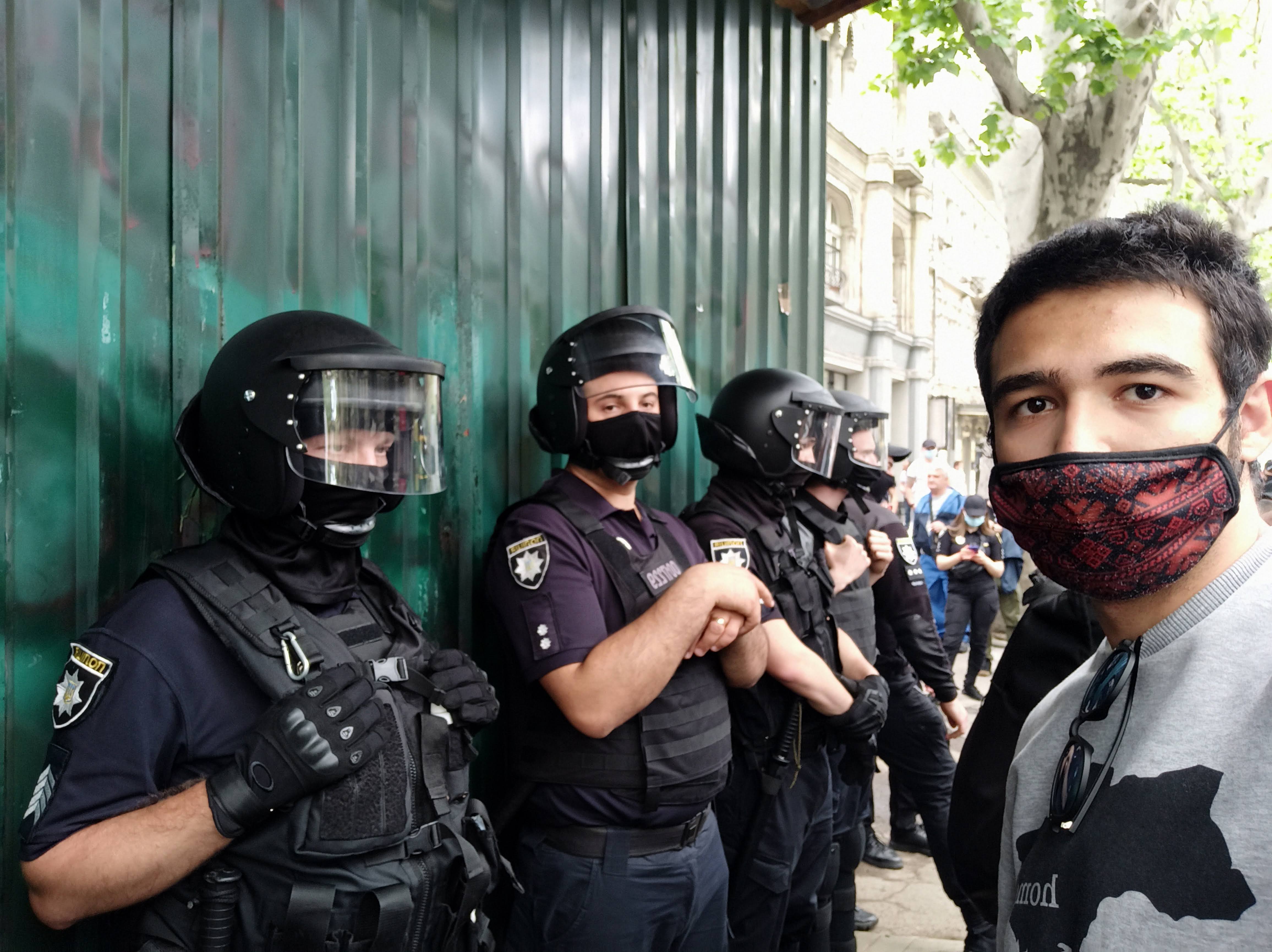
  • When I went there [to Automaidan], I didn't go with a specific goal. I just ended up there. It turned out that I was interested in just being in the same group with these people and seeing what they were creating, and helping them with it. Since, basically, that first case of mine with the Maraslis's House was a personal story for me, managing it was probably my main task. Then I realized that it didn't have to be just that, there could be other cases. Then it happened that we realized we had a common outlook on other political situations. In principle, [my] goal is the same as all of Automaidan's — to do the right things and not do the wrong things. To be that part of society that can show by its own example how society should live. Not to betray these principles. And to do the absolute most that you can, whatever depends on you, in one way or another, without doing the boring stuff. That's what I like about the organization and the people around me — that we always remain the same people who, in the morning, are talking about what to do with some security guards at an illegal construction site, for example, and in the evening, we're going out for a beer and watching football.

  • After Yanukovych fled and the main demands of the Maidan were met, we understood that the main problem now was the unreformed judicial system and our unreformed police. And we started to work on this security bloc. We have a lot of very cool lawyers, like Vadym Valko in Kyiv, for example, who attends all the High Anti-Corruption Court hearings and knows every single one of them inside and out. Like Roman Maselko, for example, who is no longer a member because he was appointed to the HCJ, the High Council of Justice, and now, at the highest official level, determines which judges will face [punishment]. If, for example, there's a criminal proceeding or something like that, your vote will decide whether that judge can face a fine or another penalty. <...> While the Kyiv story is more about reforming the system as such, <...> in Odesa, all of it [the Automaidan initiatives] turns into a fight against local developers, the local council, and so on, because changing things at the local level... The rules of the game are mostly decided within the walls of our parliament in our legislation. We understand what the rules are here in Odesa. We also have legislative initiatives, like our local or regional authorities, which can also determine a lot. But for the most part, it’s about specific cases that you react to. But that’s the nature of local cases. So this coalition, as I see it, of really cool people from Kyiv, like Katia Butko, who do real things, with slightly crazy people who have the same values in the cities. It makes for a cool organization with cool values. And I see the main goal as supporting all of this so that it works. <...> What’s the difference between a volunteer and an activist? The fact that <...> volunteering arises because the government is failing somewhere, while activists want to be above that. Under any government policy, there will always be activists who will show the government which path it needs to take and in which direction it needs to move.

  • Full recordings
  • 1

    Odesa, 23.06.2023

    (audio)
    duration: 03:04:37
    media recorded in project Voices of Ukraine
Full recordings are available only for logged users.

You are the mainest character and nothing happens without you

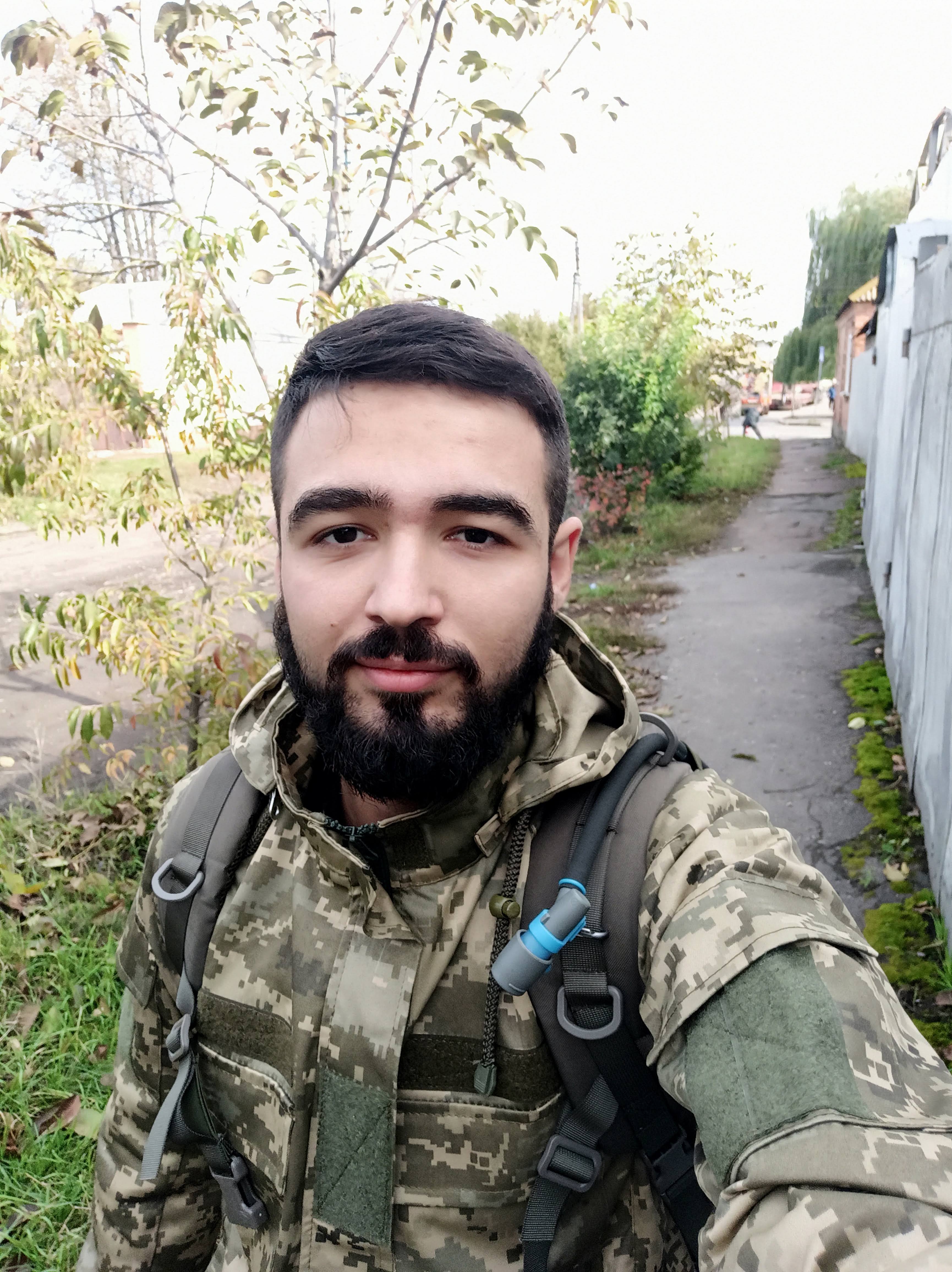
At the training area. Sumy, October 2022
photo: Personal archive of Artak Hryhorian

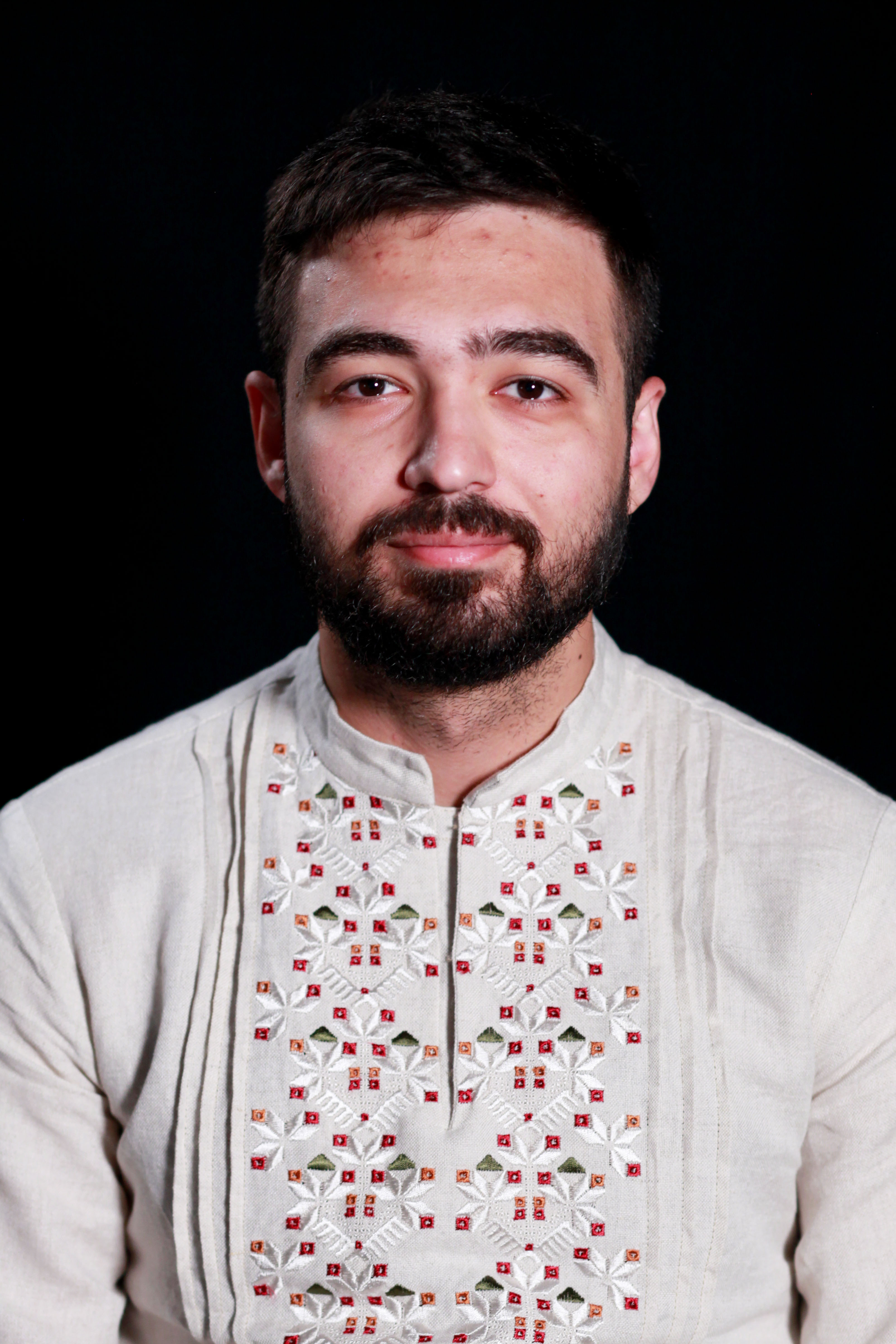
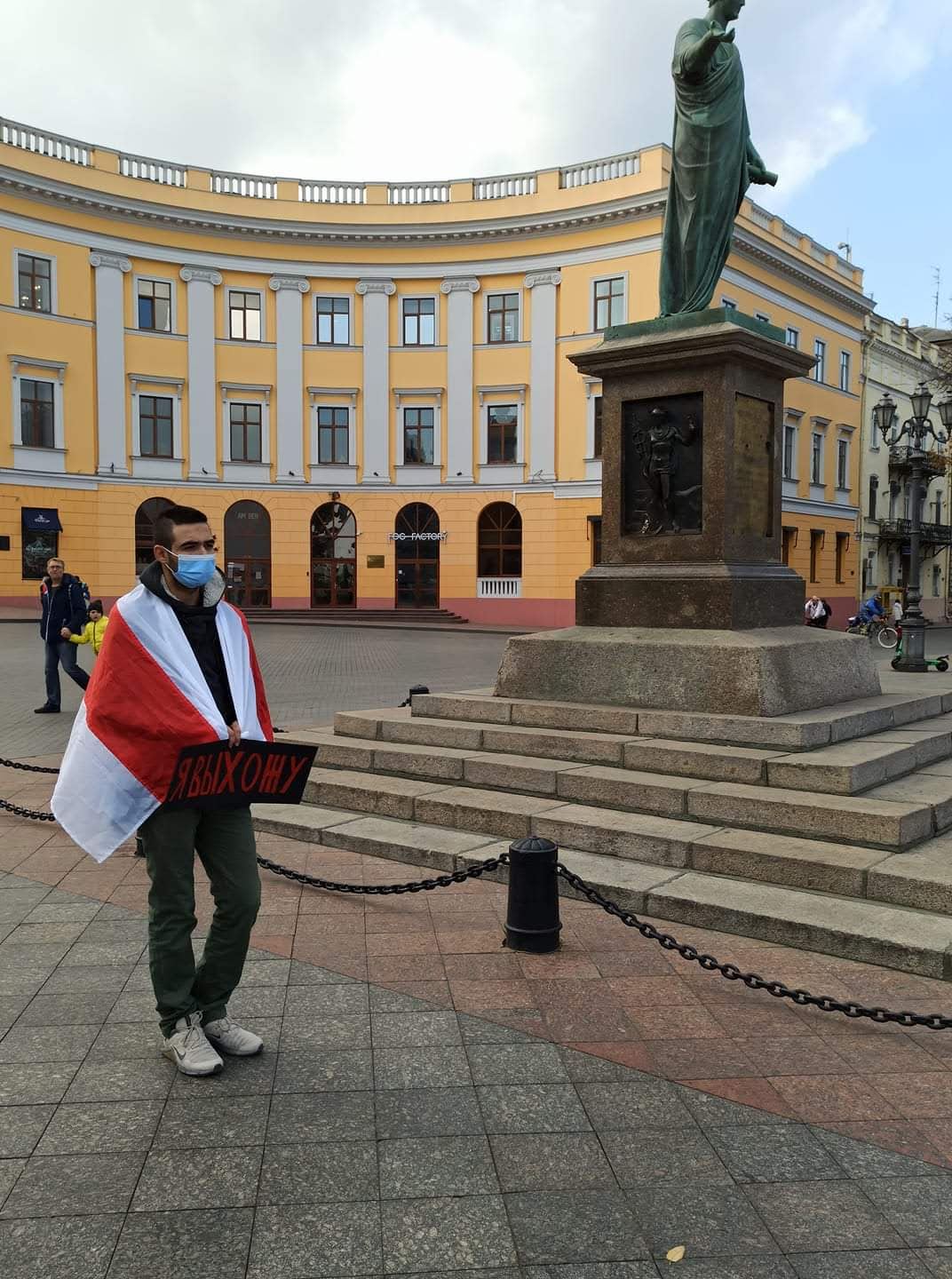
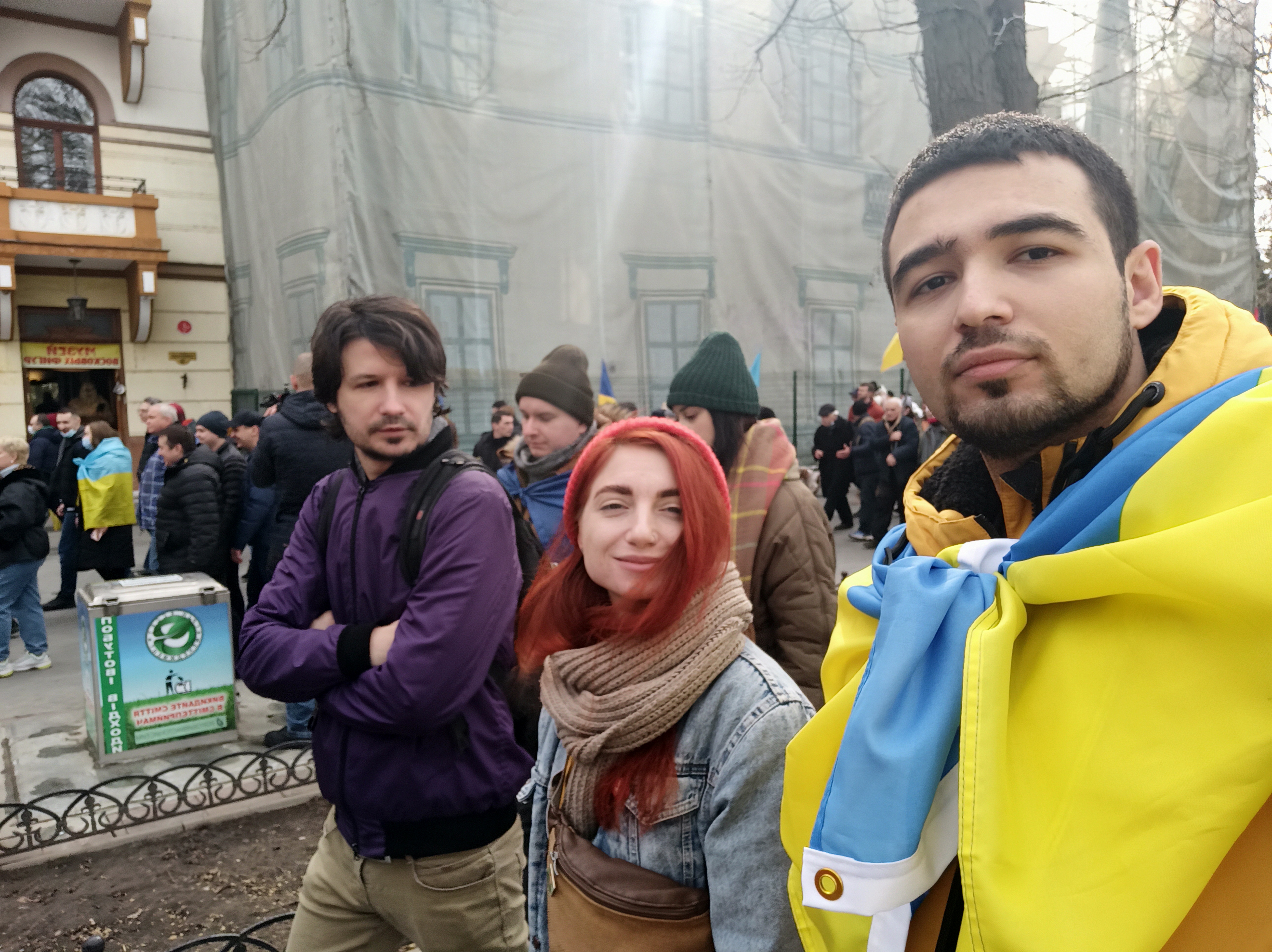
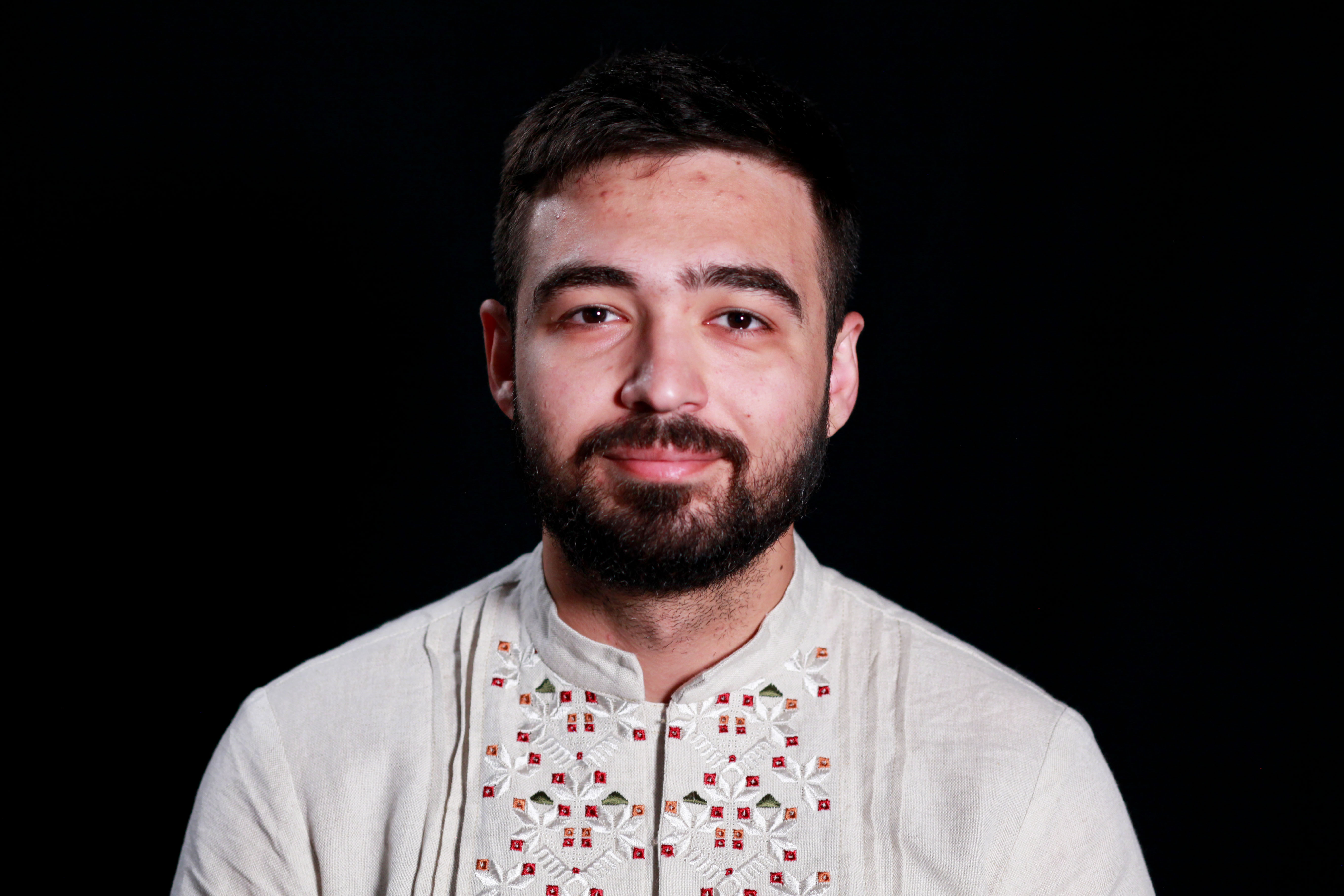
Artak Hryhorian was born on January 13, 1997, in Odesa to a family of Armenian emigrants. In 2014, he graduated from the Richelieu Scientific Lyceum and entered Mechnikov Odesa National University, majoring in Applied Mathematics. During his student years, he organized a “What? Where? When?” [intellectual game] club, which became his first step into civic activism. In 2019, he completed his studies, earning a master’s degree. In 2021, he joined the Automaidan All-Ukrainian Union non-governmental organization and began to fight against illegal construction in Odesa. He participated in protest actions to protect architectural monuments, such as in rallies against the development of the territory of Maraslis’s House and the demolition of the Fesenko printing house. Since April 10, 2023, he has been a member of the Public Anti-Corruption Council of the Ministry of Defence of Ukraine.