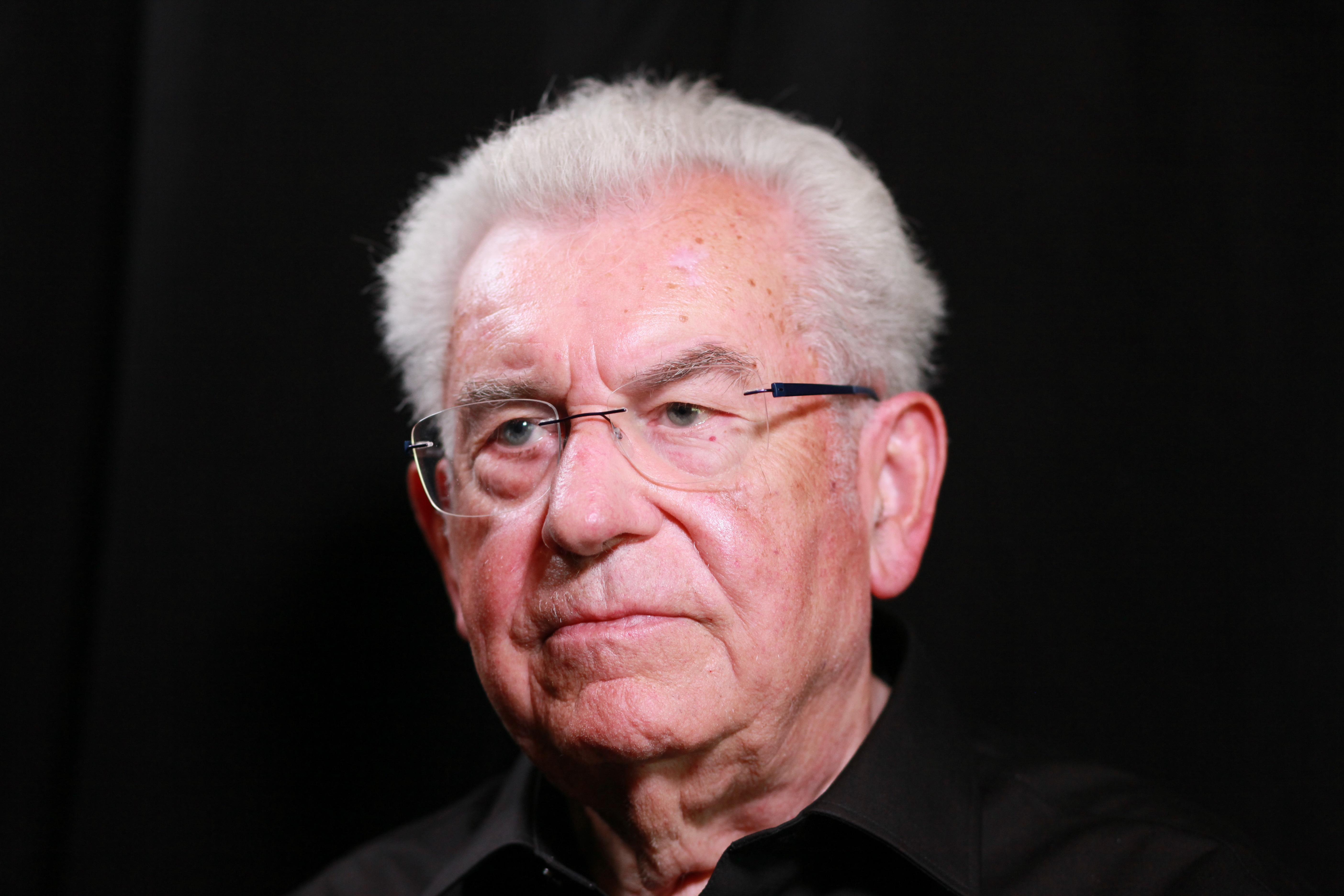
Dr. Manfred Frey

* 1940

  • "The revolution had two stages, the first of which was the picnic in Burgenland (the so-called Pan-European Picnic). This was on 15 August. As president of the tax administration, I issued permits to the Austrian side so that this picnic could take place, that was on August 15. Then came the big break when, on the night of 10-11 September 1989, the Hungarians allowed East German citizens to go west. At that time I was appointed by the government to supervise the situation in Klingenbach, and I remember well that it was a Sunday evening. I got there around midnight and there were 20, 30 television crews there. The district governor was there and he was trying to keep order. I said to him at the time, "Mr. Governor, I think today is a special day, today you cannot keep order, today you have to let events take their course." At midnight, on the Hungarian side, I can still see it today, the gates went up and then we saw an endless line of cars behind them. They turned on their lights because they knew that it was going to start now. On the Hungarian side you could see an endless line of cars just waiting for the starting signal, they were East Germans. And that was the fall of communism, the release of the East Germans by the Hungarians so that they could go to West Germany, that was the fall of communism."

  • "In 1992 the former displaced inhabitants of Jaroslavice donated new church bells. The displaced inhabitants of Jaroslavice bought two church bells in Tyrol because the church bells from Jaroslavice were confiscated by the German Wehrmacht and melted down for weapons. Jaroslavice was thus left without church bells. The displaced inhabitants of Jaroslavice organised a collection and paid for two church bells. These were then transported from Tyrol to Jaroslavice. On September 2, 1992, they were consecrated in the main square in Jaroslavice by the Bishop of Brno named Cikrle. The consecration took place on Saturday, and on Sunday a Holy Mass was held in Jaroslavice. The Cardinal of Vienna came there specially, because I knew him, to celebrate the mass. It was a great event."

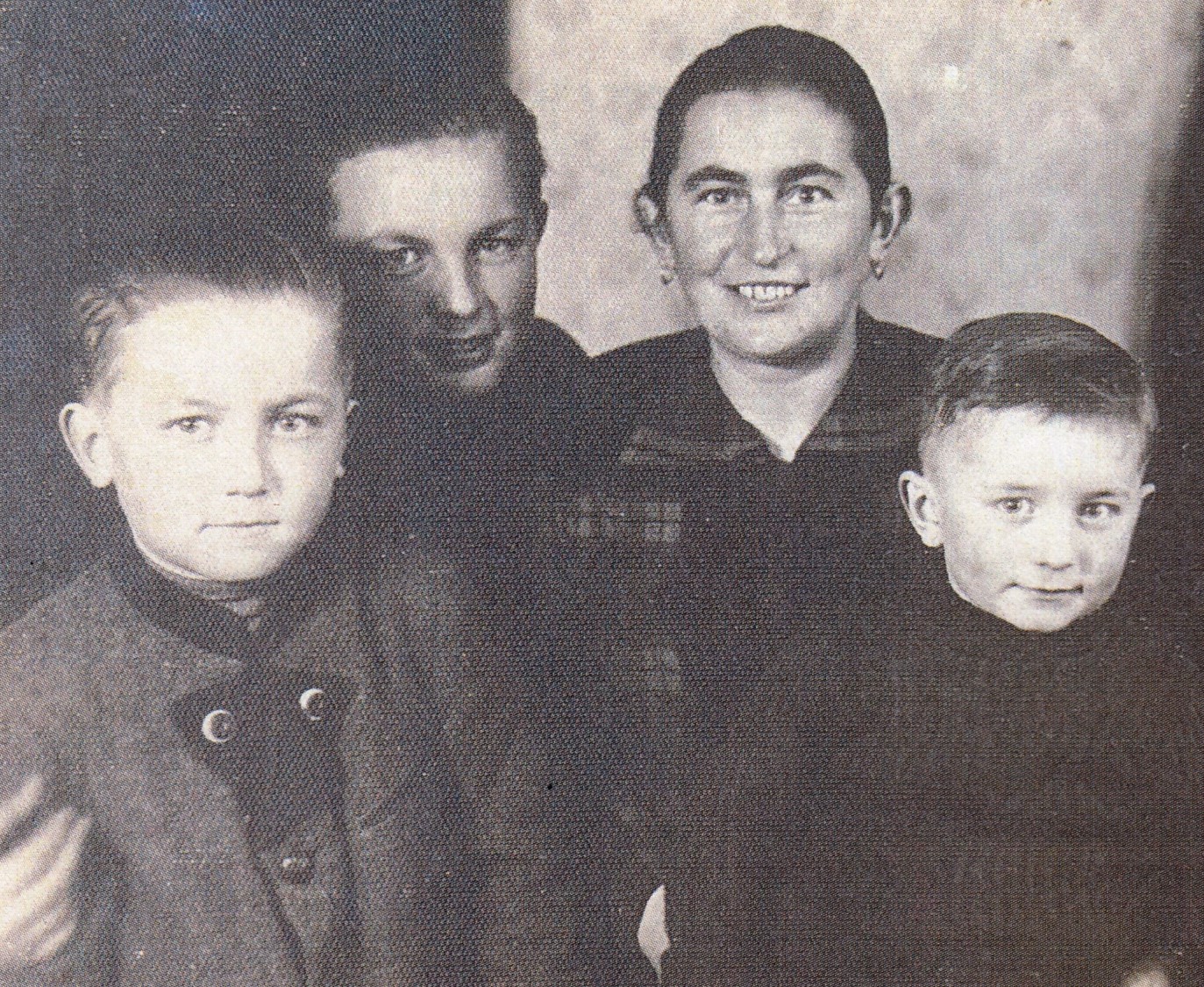
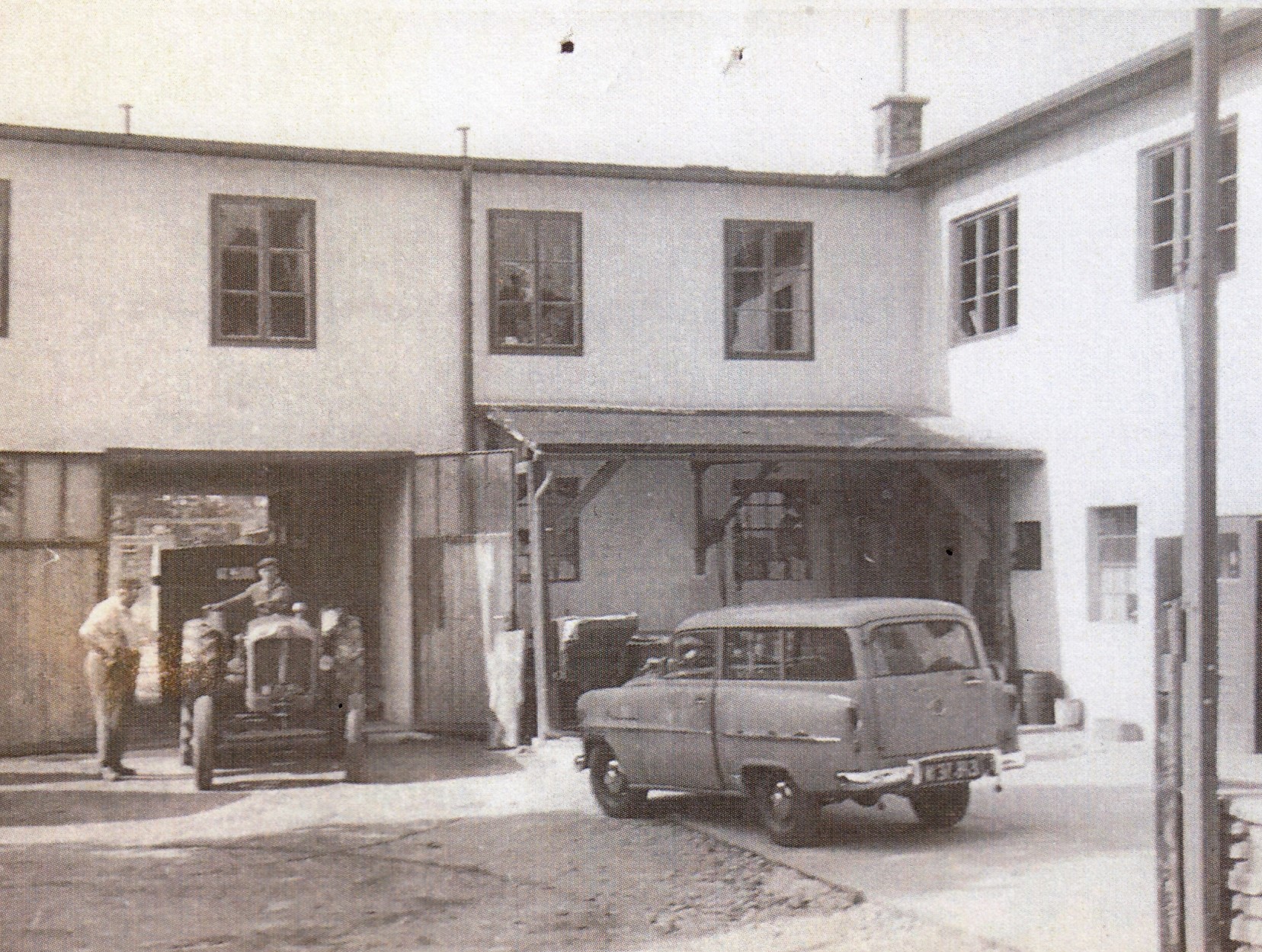
  • "The third experience was very dramatic. My father was a hunter, and when the Czechs took over our farm and also the brickworks, it was obligatory to hand over the weapons. However, my mother couldn't find the hunting guns, so she couldn't hand them in. Someone had to report that my father was a hunter and that he should have had weapons. Subsequently, we were searched by five Czechs and two Russians. The night before, my mother had been warned that the search would take place the next day. The Czech customs officers who had left Jaroslavice in 1938 had always bought food from our mother, because our farm was right in front of the customs office. These customs officers returned and one of them warned my mother that the next day there would be a search and they would be looking for weapons. My mother searched the house all night but found no weapons, only ammunition. She threw it outside later that night. The next day the Czechs and Russians came to search the house. I still remember it well: we were standing in the hallway, the whole family, my mother and us three children. A Czech partisan was guarding us. I remember that he had a rifle slung over his shoulder, and he looked awfully big to me. In my memory he is still huge. The psychologist later explained to me that as a child I had felt my mother's danger and unease, and therefore the Czech partisan seemed to me as a child to be a great danger, he seemed over two metres tall. It was the fear of a five-year-old child."

  • Full recordings
  • 1

    Mikulov, 29.08.2025

    (audio)
    duration: 01:39:36
    media recorded in project Living Memory of the Borderlands
Full recordings are available only for logged users.

Even then there were efforts to coexist
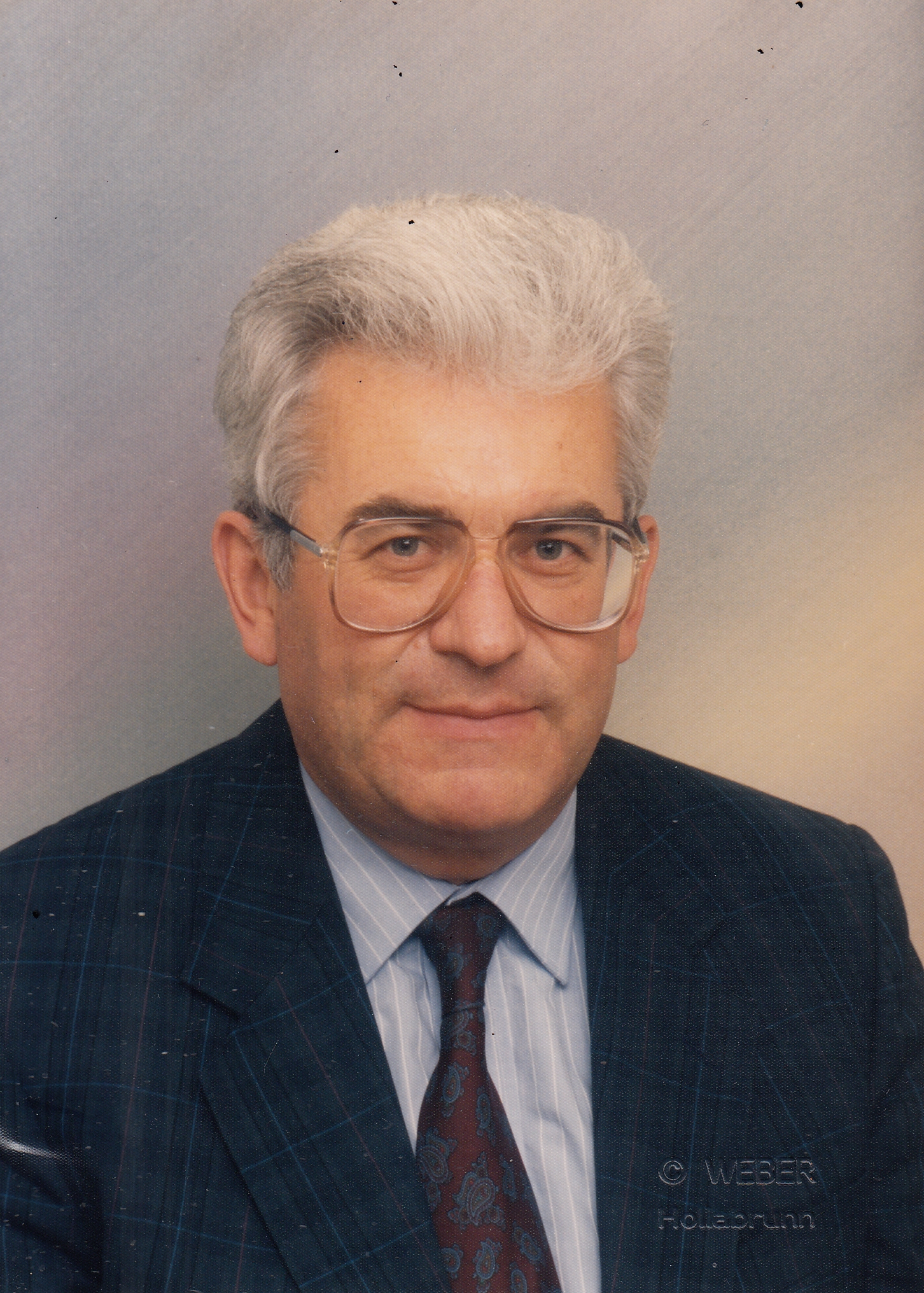
Manfred Frey in the 1990s
photo: Archive of the witness

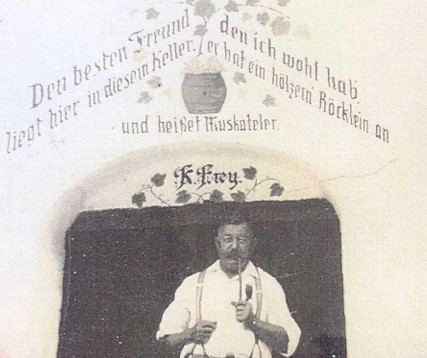
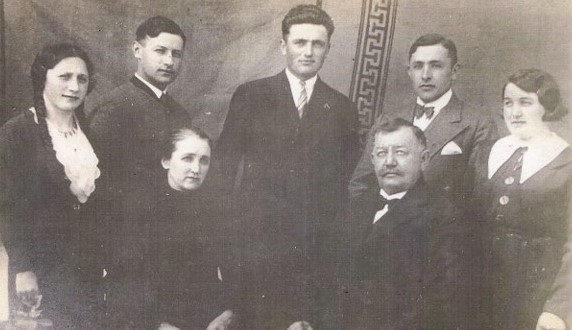
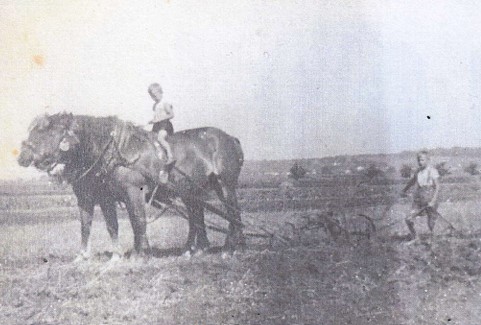
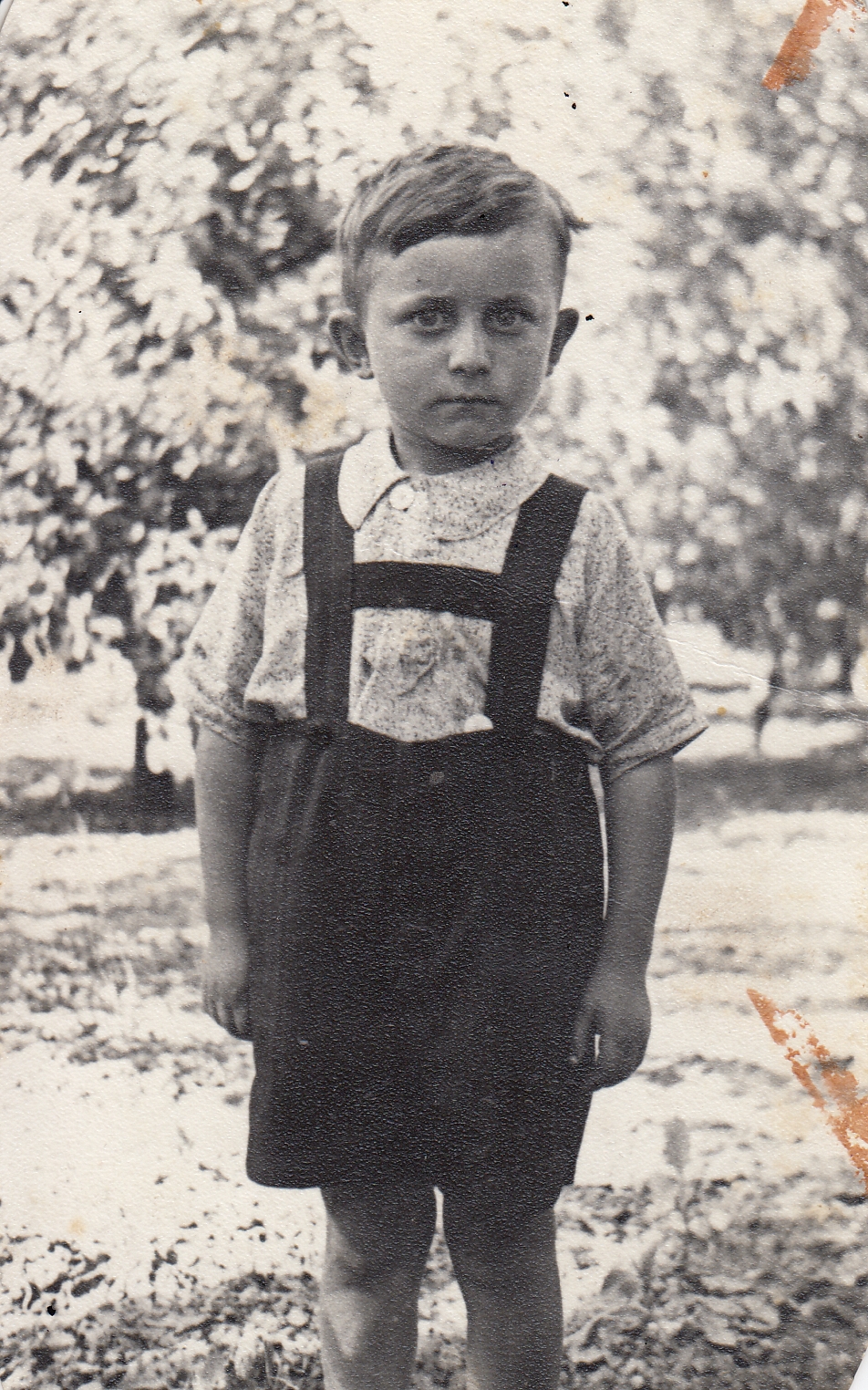
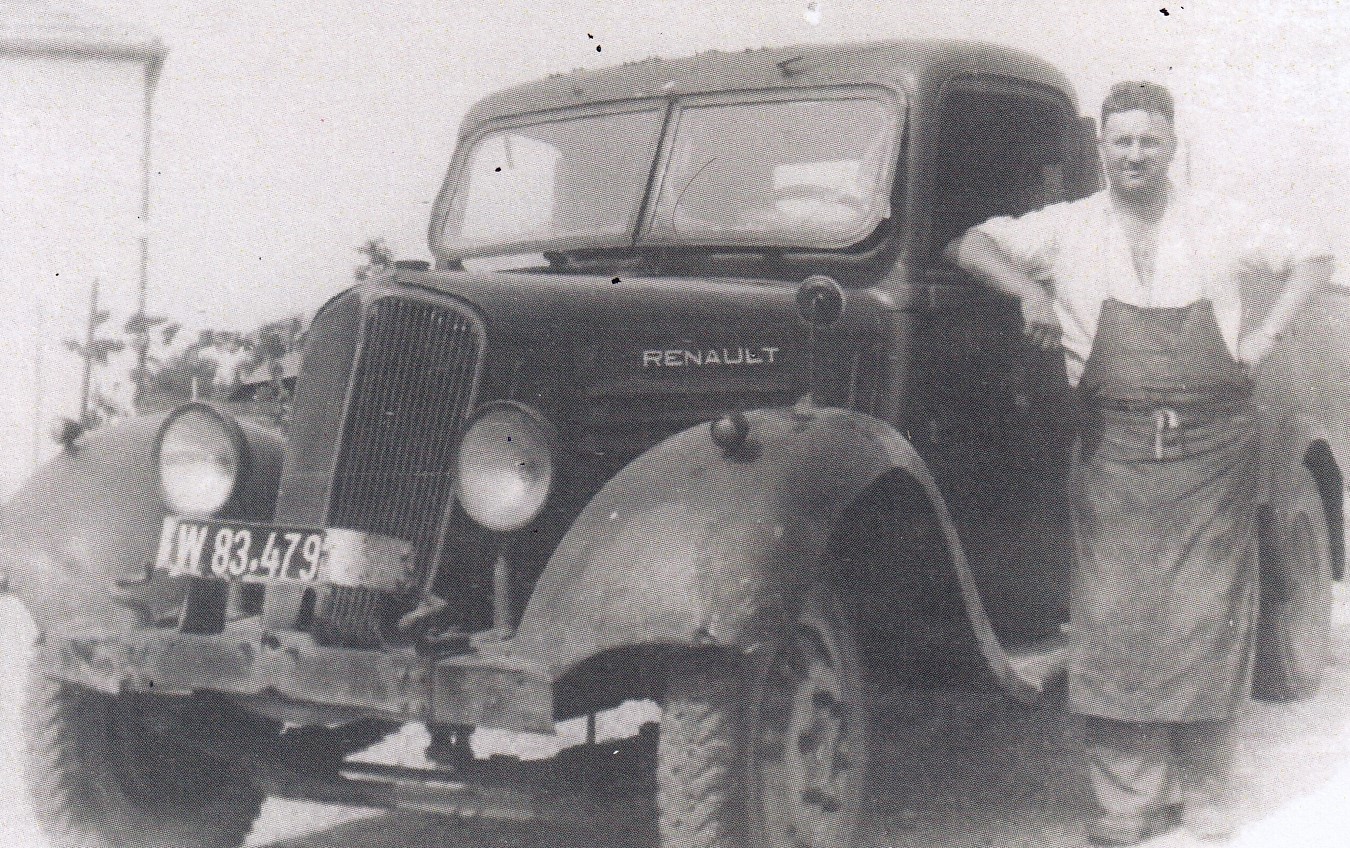
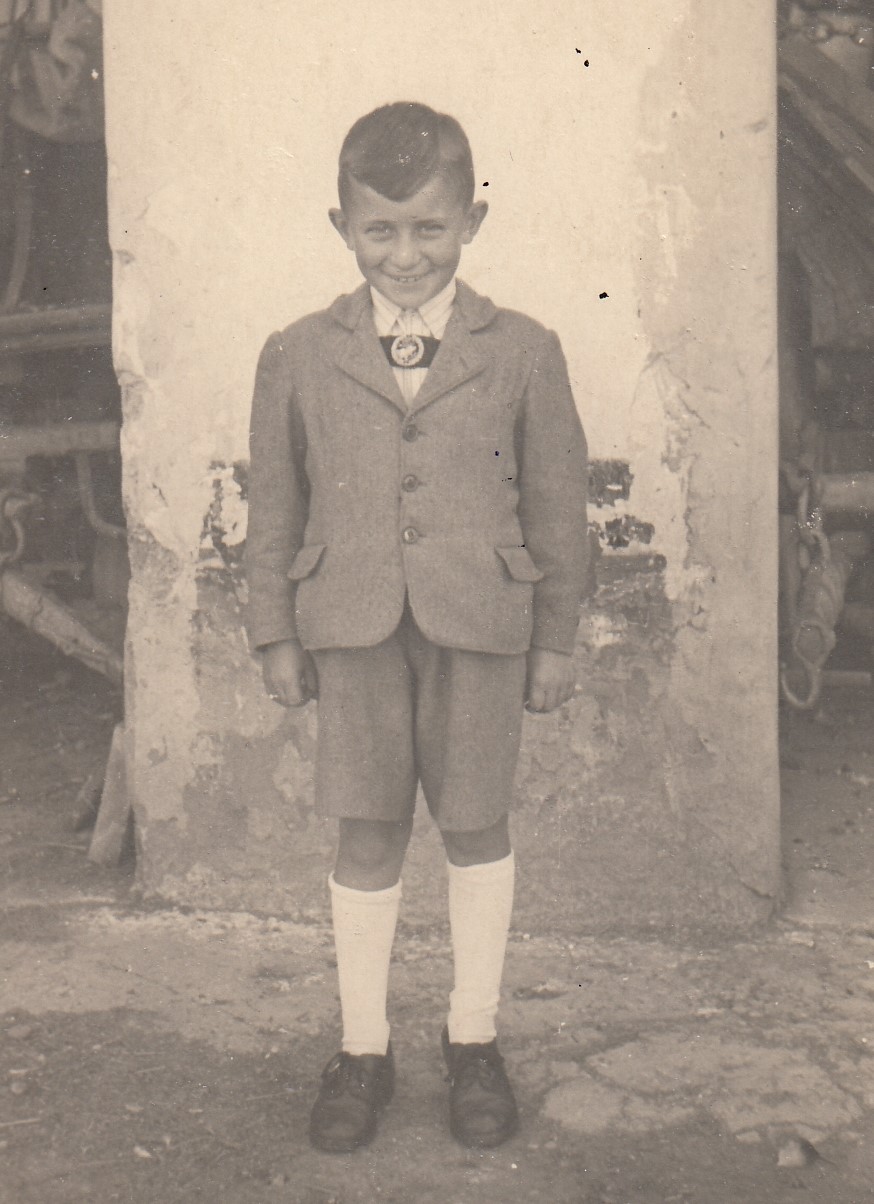
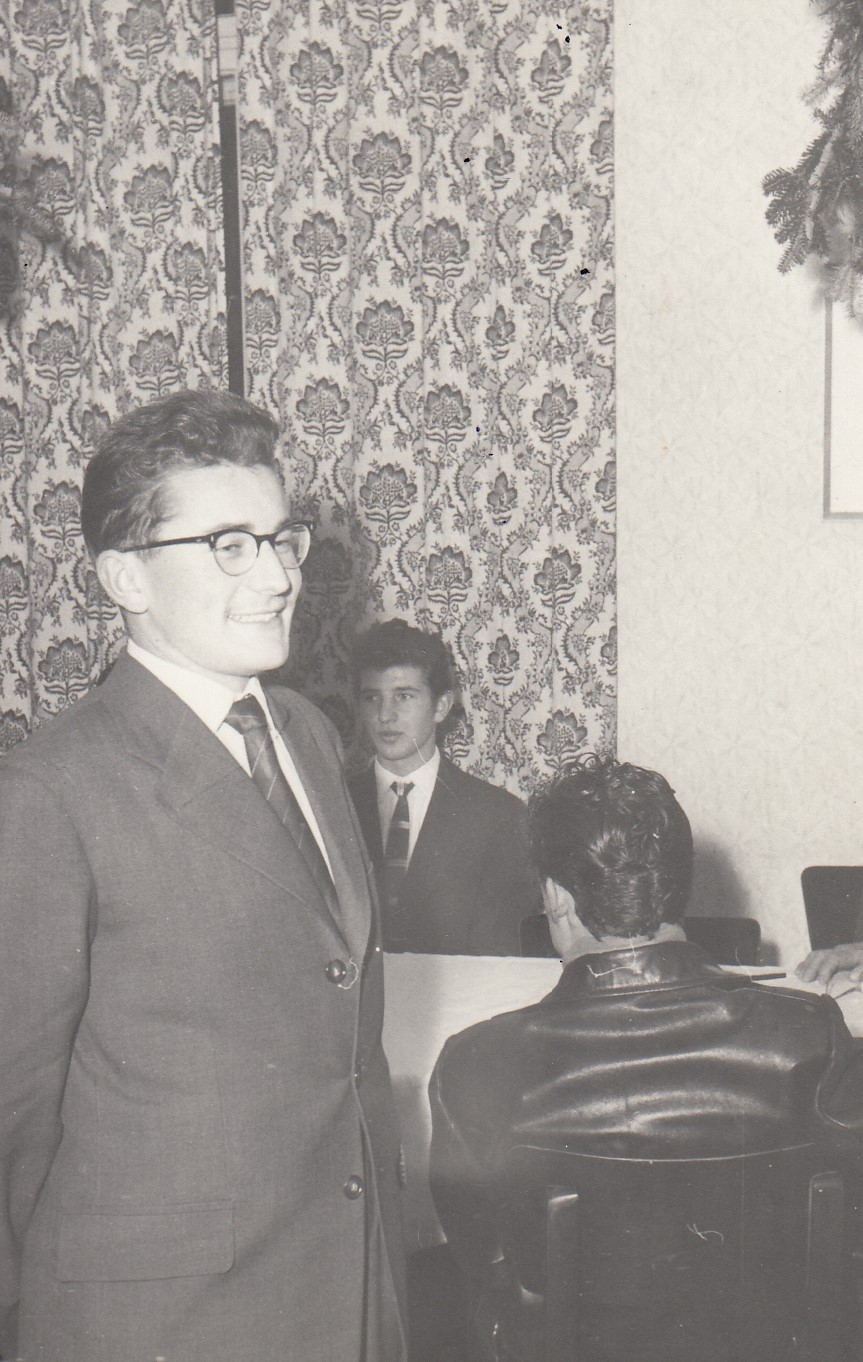
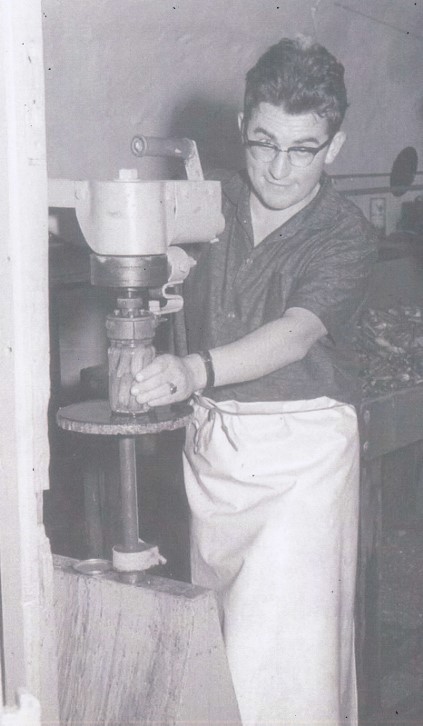
Manfred Frey was born on 4 May 1940 in Jaroslavice (Joslowitz) into a German family. His family’s life was affected by the dramatic events of the Second World War and the 1930s. His grandfather, Karl Frey, was a member of the Farmers’ Union (Bund der Landwirten) and his father, Ewald Frey, was conscripted into the Wehrmacht. As a child, Manfred Frey experienced the liberation of Czechoslovakia by the Red Army. The gradual escalation of the situation after the end of the war led his mother, Johanna Frey, to leave the country with her three sons to avoid forced expulsion. After meeting the father in Austria, the family settled in Vienna. After studying and completing his military service, he joined the Austrian tax administration, where he worked his way up. In 2003 he became vice-president of the Austrian National Bank. He had been a regular visitor to Czechoslovakia since the communist era and followed events there with great interest. In the 1970s, he and his brother began to organise commemorative events in Zwingendorf, Austria, which they extended to the Czech side of the border, to their native Jaroslavice, in the 1990s. He was present at the historic opening of the border between Austria and Hungary in 1989 and also at the opening of the border between Austria and Czechoslovakia. In 2025 he lived in Hetzmannsdorf, where he remained active in cultural and public life.