František Fleischmann

* 1946

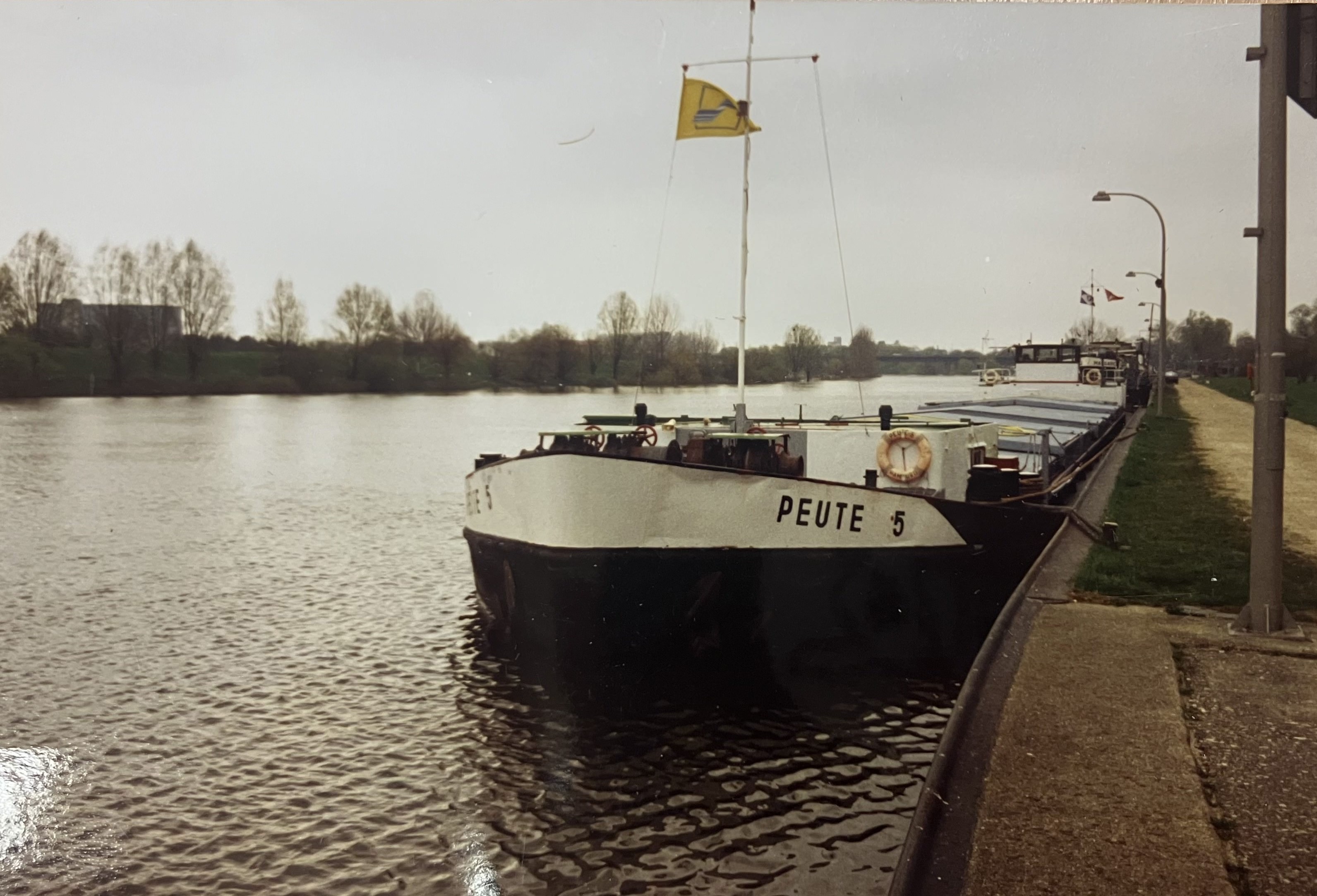
  • "They invited me. I was not acquinted with it at all. I didn't know this was happening. I was invited to the customs office in Děčín. And I said, what have I got to do with customs. I wondered where I had what, what customs trouble. And then I found out that State Security actually had an office at the customs. That's where they actually operated. I went there, I reported to the reception, and they were already there then with like, 'Second floor,' and I found out that I was at State Security. I had no idea where I was going. Well, there I had this, I wouldn't call it an interrogation, an interview. They pressed me - we were two Czechs at Peute - they pressed me, they wanted me to tell them something about this colleague of mine that I was there with. And even if I wanted to, I had nothing to say. So I didn't say anything, so they were angry, and they were attacking me in a way that, like, 'Your daughter would definitely like to go to school when she's done, so just remember that,' and that kind of thing. And we know everything about you anyway.' Because when I came back, it was after the second time, it was fresh, I wanted... At that time we were getting some money, marks, but the basic main salary went in crowns. But there was quite a bit of foreign money and you saved on that. And I wanted to buy a car in Tuzex, a Fiat 127 at that time, a little Fiat, no miracle. And I didn't have enough money for it. So my colleague, who they wanted me to report on, didn't want the marks again, so he sold it to me. So I bought marks from him, but it all had to go to Tuzex anyway, so he actually sold me Tuzex vouchers, because the marks you got you couldn't have. You had to give them immediately, we had a Tuzex account, it had to go immediately to Tuzex. So I de facto bought the vouchers from him and we bought this car. And that's what they pulled on me, that's what they knew, that's what they knew, that this transaction had been done. 'And is that criminal?' 'No.' 'So what?' So they let me go, they were annoyed, 'You didn't tell us anything.' And I felt very bad about it, I'll tell you. I was annoyed, humiliated."

  • "In the morning at about four o'clock we knew that the troops were here. So my mother, who already knew from the war, she immediately, when we were occupied by the troops, she said, 'Get your bag and go shopping.' So I got the paper and went grocery shopping, because she knew that when there's a war, there's poverty. There will be nothing, we have to stock up. So I ran shopping and I met a friend I went to school with. He was actually from that corner, from Libeň. And we agreed to go into town together, so I went home and we went into town, and there wasn't much traffic. I think we walked. And on Sokolovská from Vysočanska Street there were trucks with people going to the centre. There was excitement on one side, fear on the other side, like chaos. So we went into the city and wandered down Vinohradská Street to the Czechoslovak Radio. So we saw there with our own eyes, I'm not making this up, how they somehow cut off about two tanks, or however many there were, set the place on fire. And so we were like down below, under Radio. Now there was a column of tanks and they turned around and went down. Zdeněk Charvát was the name of the friend, I think he's dead now. And so we ran down Vinohradská Street to the museum and down, and we stopped for sure under Jindřišská Street, because it was like that, when the tanks were rumbling, they were shooting in the air. Well, they turned the tanks around at Wenceslas Square and started shooting into the museum. We were looking at that, we were already on Můstek. So from Můstek we watched them shelling the museum. So that was my worst experience of that August. And then it was tough. And we, when we were living in Invalidovna, one night I woke up, I heard shooting. And when I looked out of the window, I had a room, it was a building facing south and north. And to the north was, that's where I had my room and that's where the Libeň bridge was. And they were guarding the bridges like in Russia in peacetime, when I was on holiday there, they had palposts, some machine guns or... And they were firing from this post, like towards Vitkov. And I looked out the window and some of the bullets were glowing. And so it was flying over the block of flats. So I lay down under the window and just hoped that if they hit, they wouldn't shoot the panel. Well, they didn't hit it."

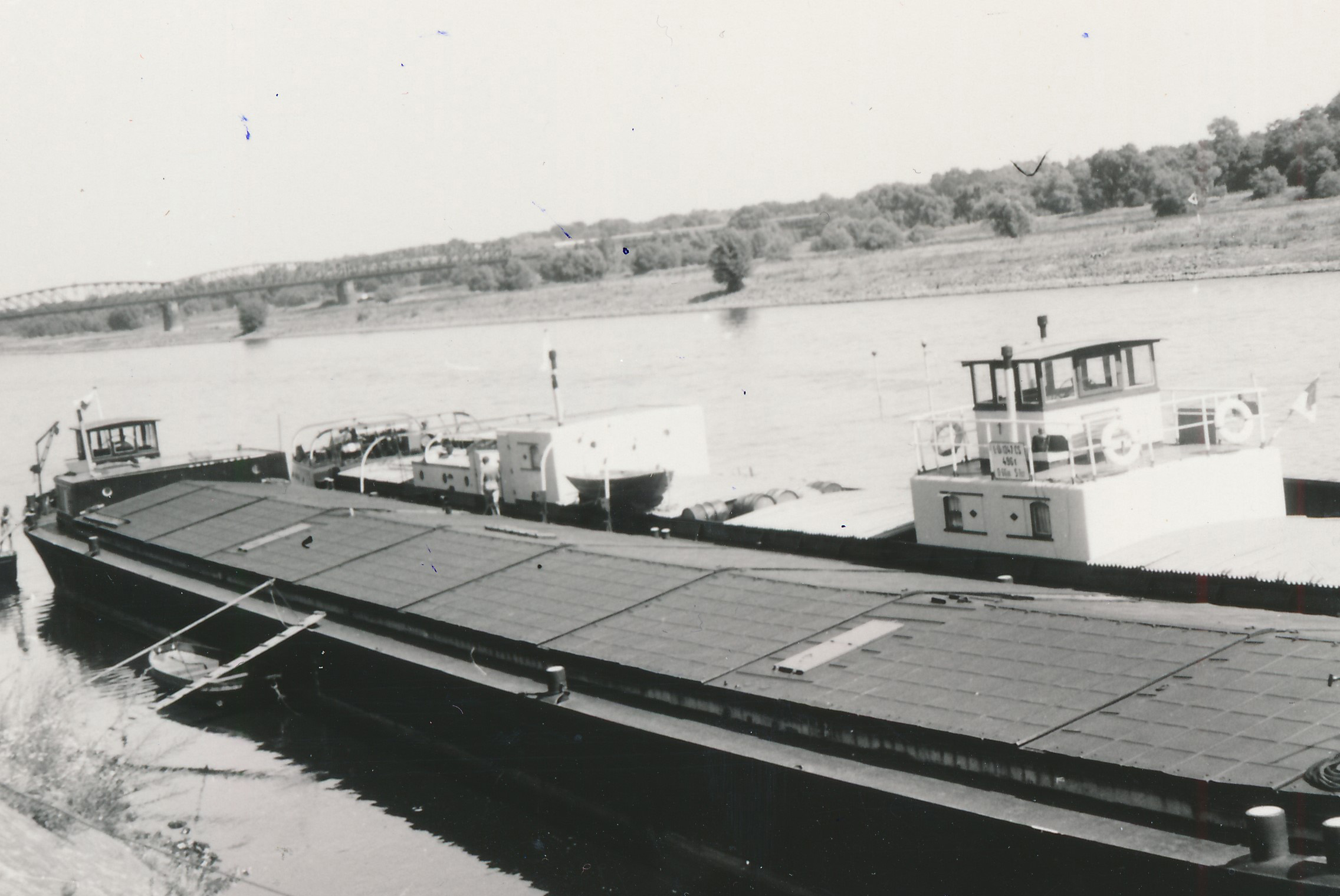
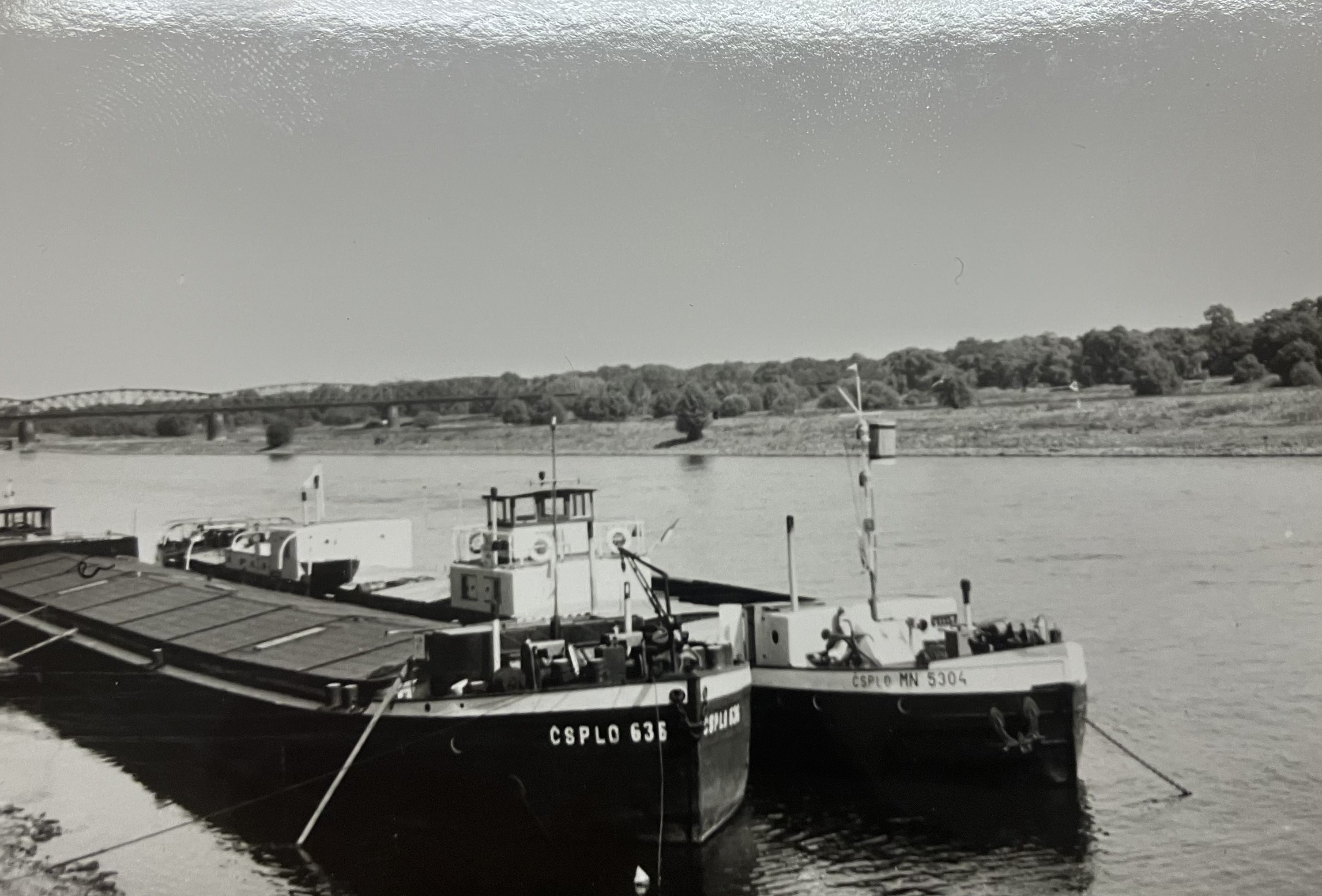
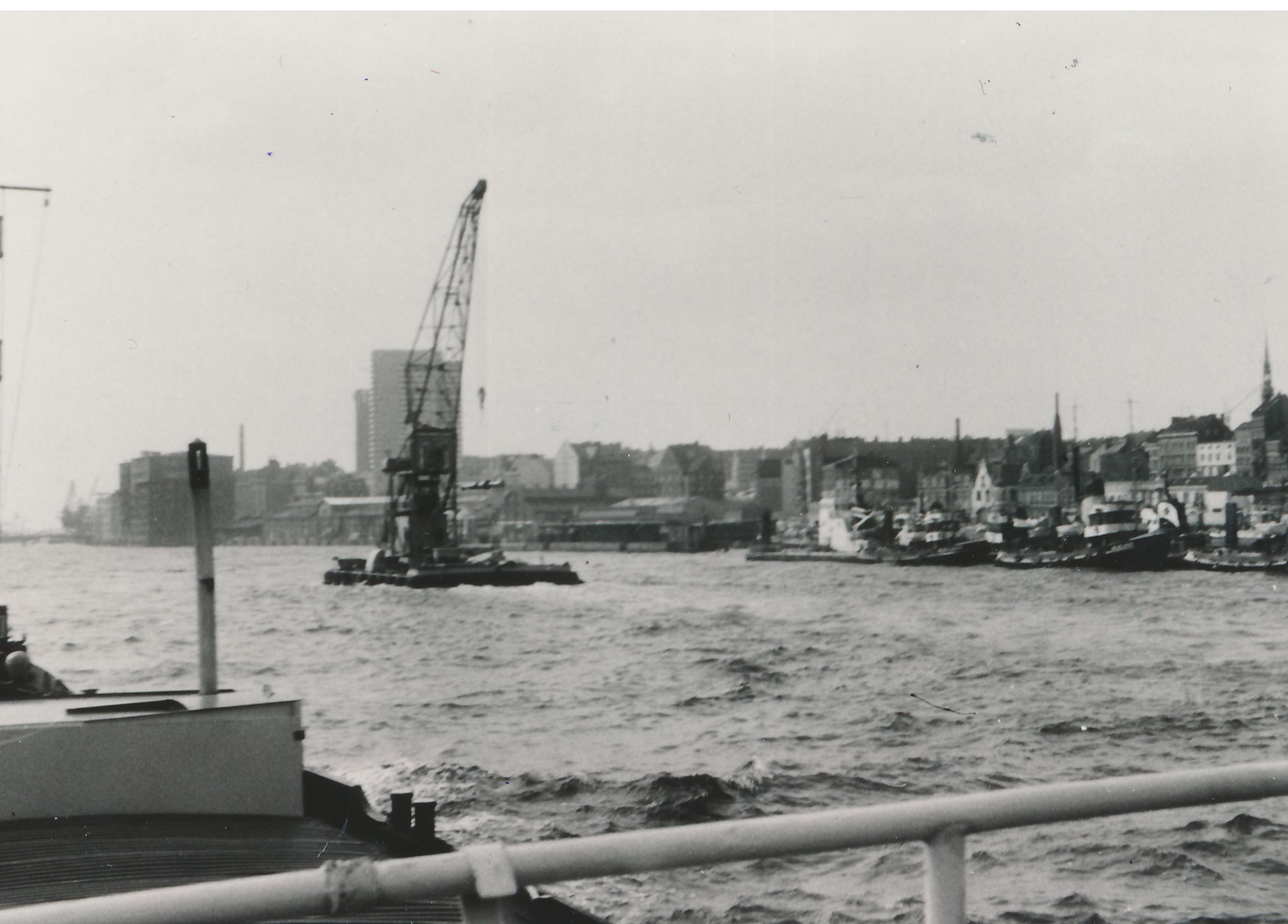
  • "Well, first boat, strangers, and back then the lifeguard wasn't treated very special, that he would take any notice, he's young, no. You were just thrown in the water and swim and no mercy, nothing. So I wasn't the happiest at that point. That's when I remember I went, actually I started on a speedboat, I was still lucky because some people went on a tugboat, the conditions were terrible there. This was still a comfortable boat. On the speedboat, which only went to Hamburg, second luck. But nobody took any care of you. Everybody cooked for themselves. In fact, that was the time when I came on the ship, the time when the cooks were abolished. There used to be cooks where there were more than four people, so there was a cook. And so they got rid of the cooks, and I was like I had to cook for myself. And now I went there and they said, I was boarding in Ústí nad Labem, 'Well, we're sailing to Hamburg, we'll be on the way for about three weeks, so buy yourself some food to last. 'We'll be stopping twice more on the way, downstream in Magdeburg and upstream in Magdeburg, to do some shopping, so you can buy something else there too.' But that was East Germany, I didn't know then, where there wasn't much after the war. Czechoslovakia was a paradise compared to East Germany at that time. So I was like, 'What should I buy?' I had no idea, I was clueless. And I was lucky, it was in the summer and the engineer had his wife with him. There was a possibility in the summer when the family, the wife, got permission that she could go with him on one trip. So the lady gave me advice, she didn't cook for me, but she gave me a lot of advice, she saved me. She told me what to buy, and she gave me advice on how to do what. But I just cooked for myself. I never knew in my life, I couldn't even make my own tea. But slowly I started, I pushed through, I came back alive. So that was the first journey, not so much crossing the border, but the problem with food and all that. Well, then dealing with the sort of a little bit rough treatment from my colleagues on the ship, so that cost something too, but the beginning is everywhere... But I was well armed when I went to the army and I was like a rookie, so I didn't find it terrible at all, because I had experienced it twice before: at boarding school and on the ship. But the biggest shock was when we arrived in Hamburg. That's what you experience a lot when you suddenly see a completely different world, something completely different. But it was nice, and today I remember it fondly."

  • Full recordings
  • 1

    Praha, 18.12.2024

    (audio)
    duration: 01:32:13
    media recorded in project The Stories of Our Neigbours
  • 2

    Praha, 03.09.2025

    (audio)
    duration: 02:10:20
    media recorded in project Stories of the 20th Century TV
Full recordings are available only for logged users.

I obtained my Rhine captain’s license during the totalitarian era, just to be on the safe side
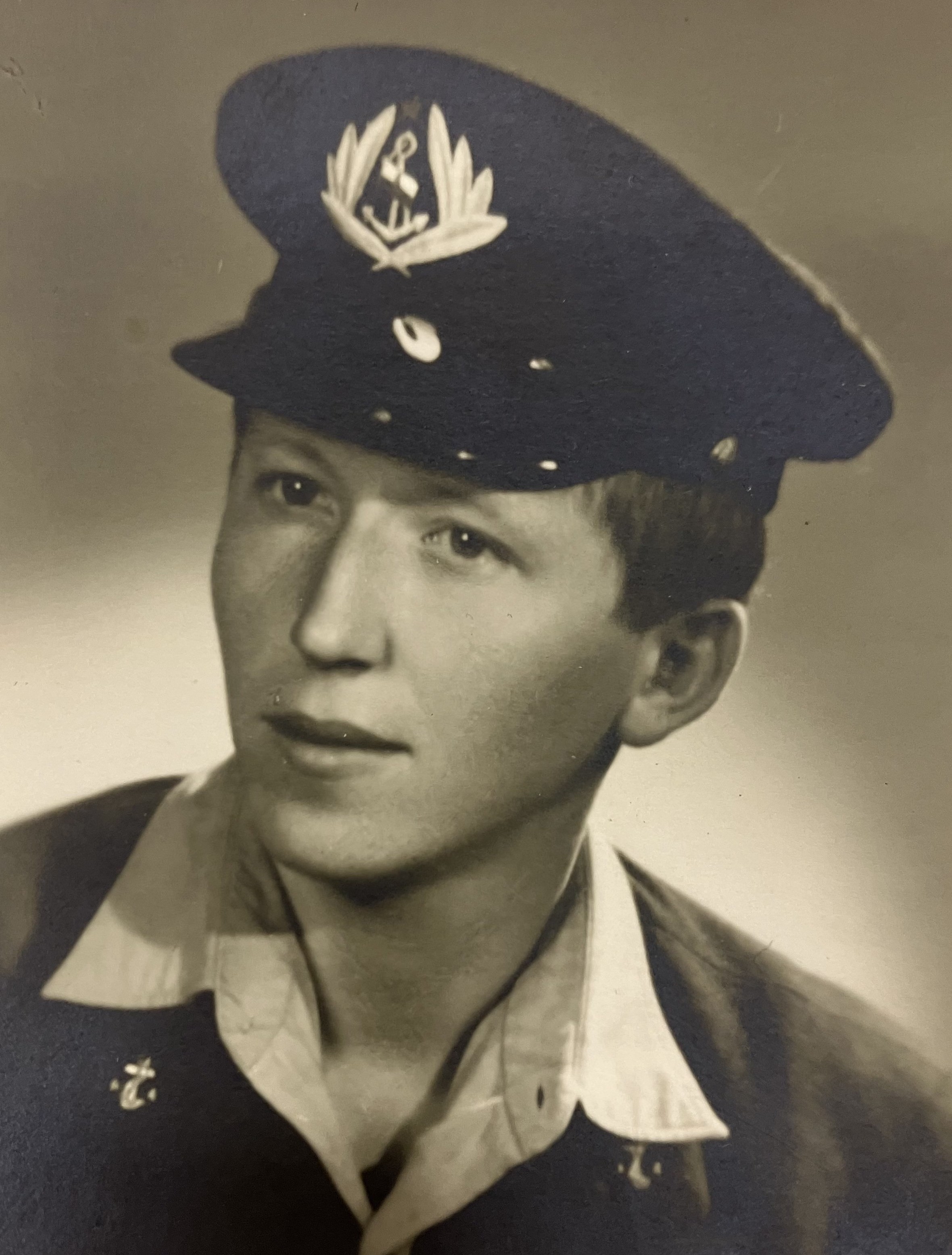
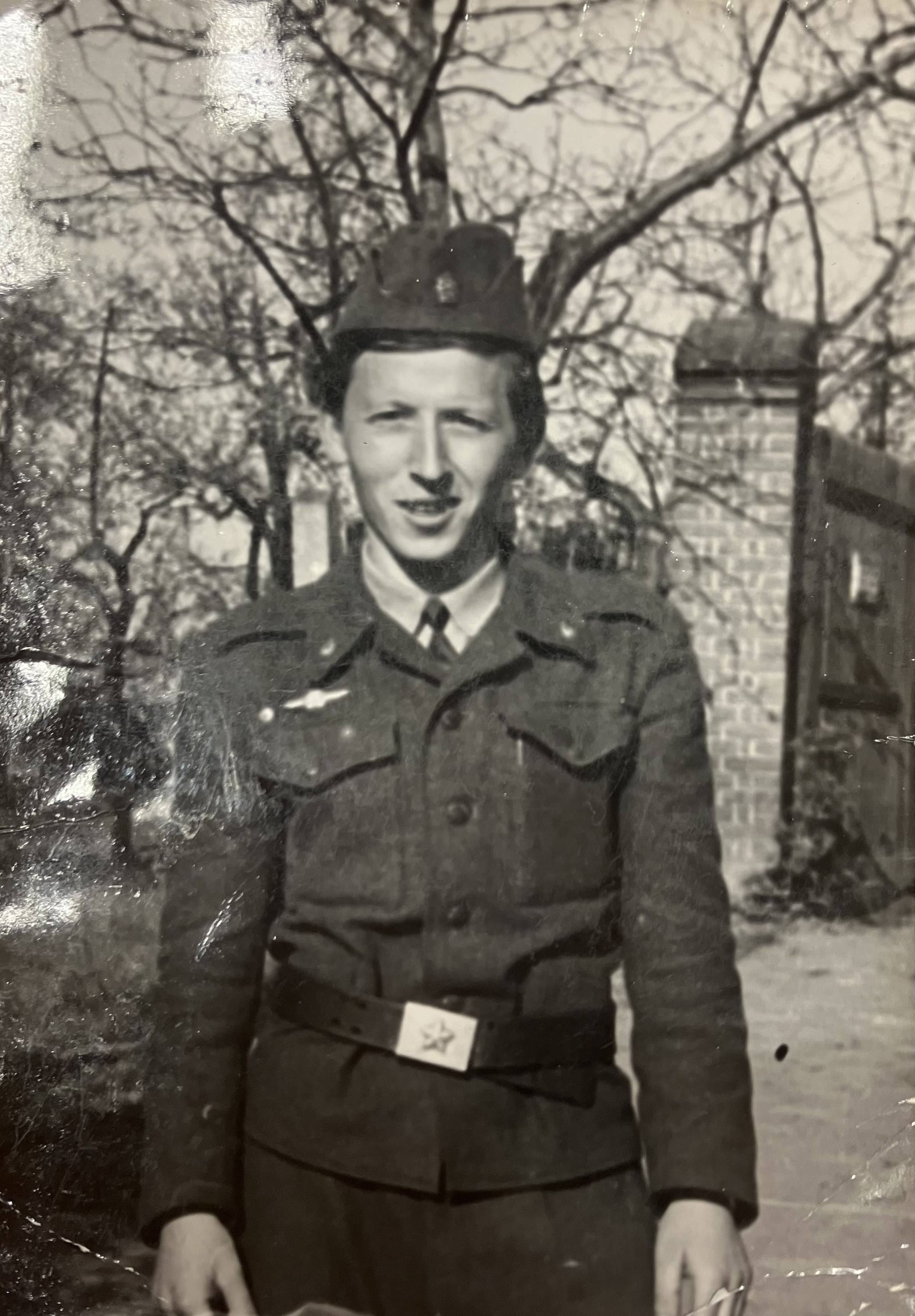
František Fleischmann as a ship boy in uniform, 1967
photo: Witness´s archive

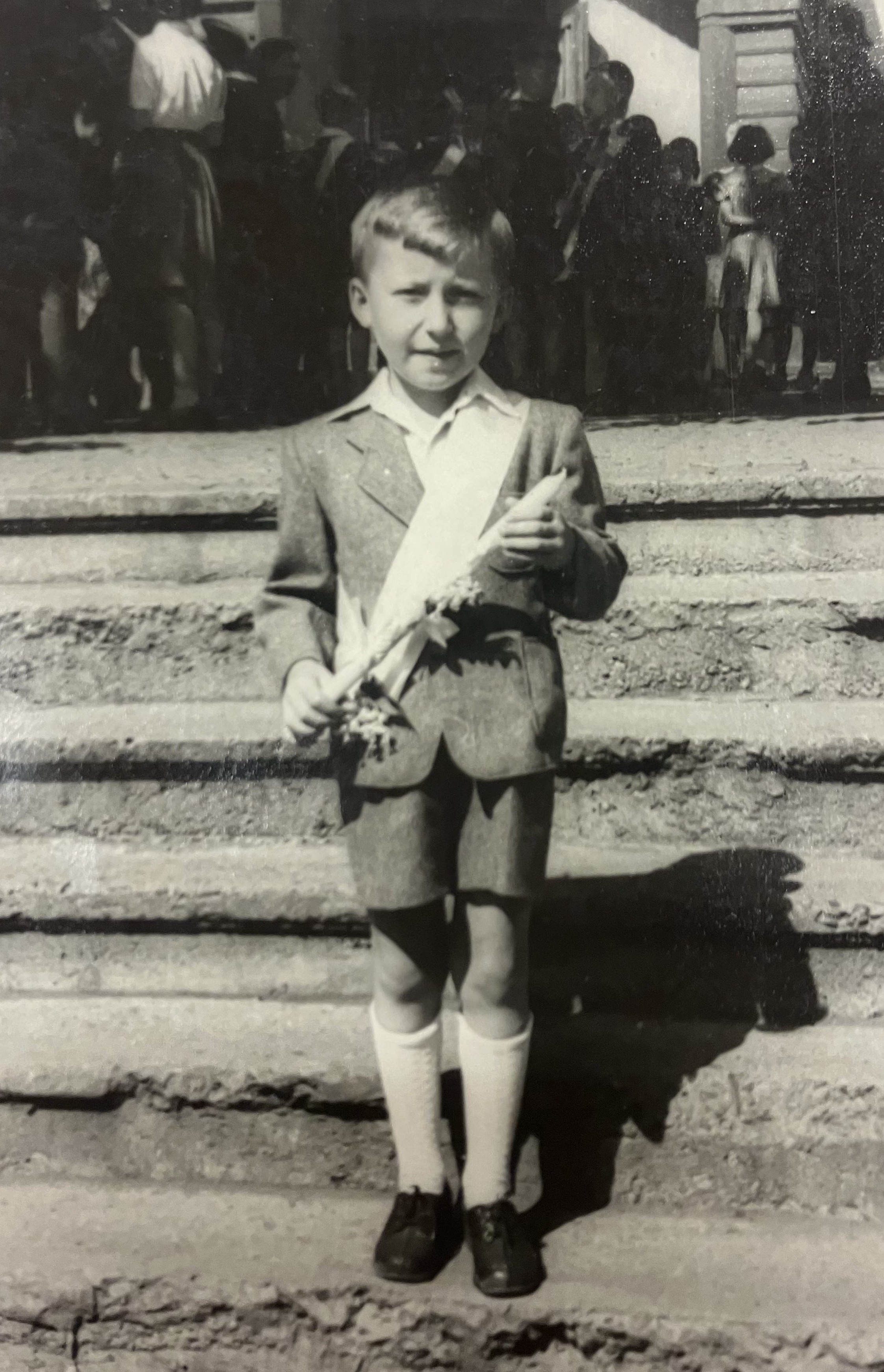
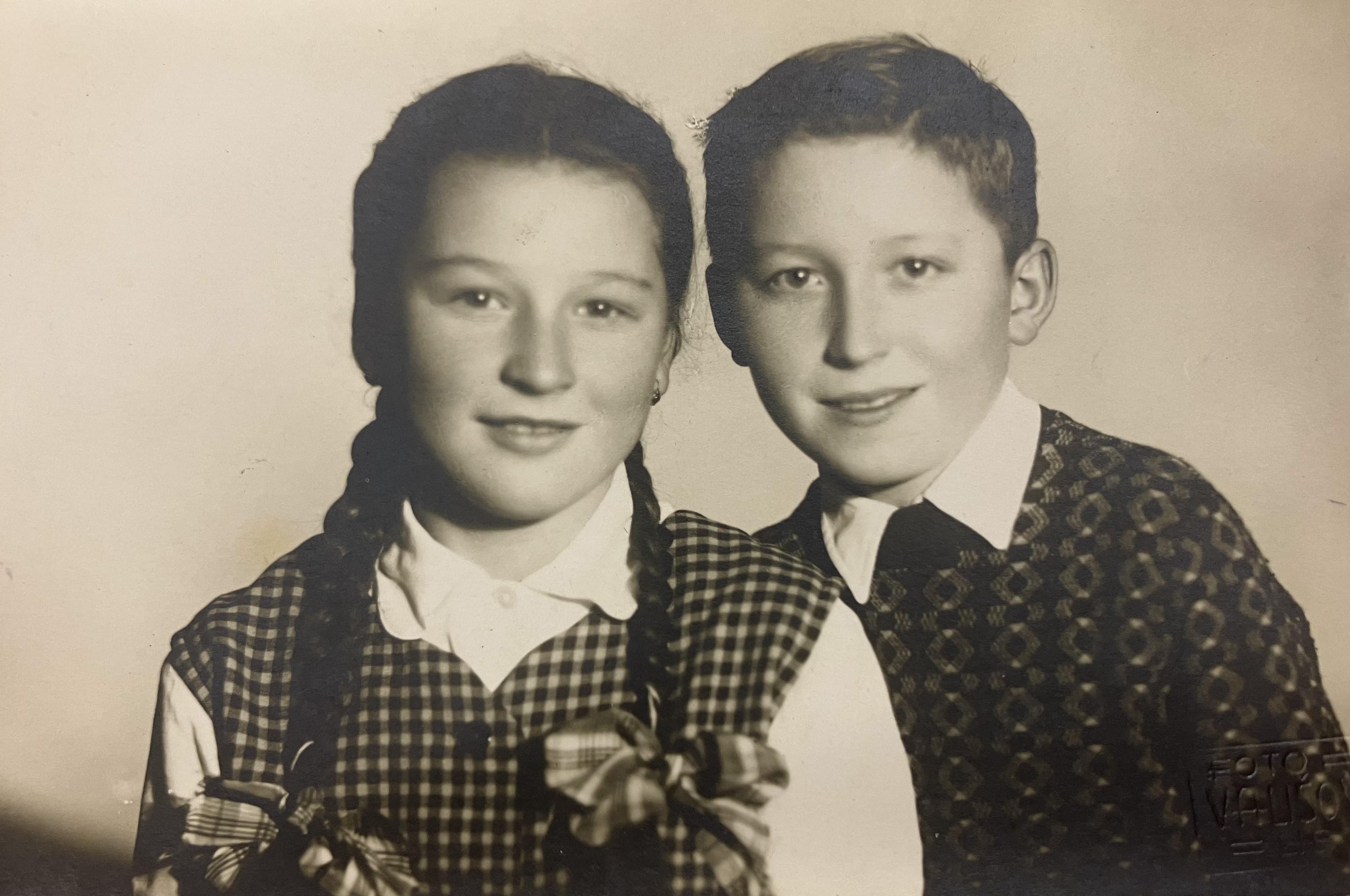
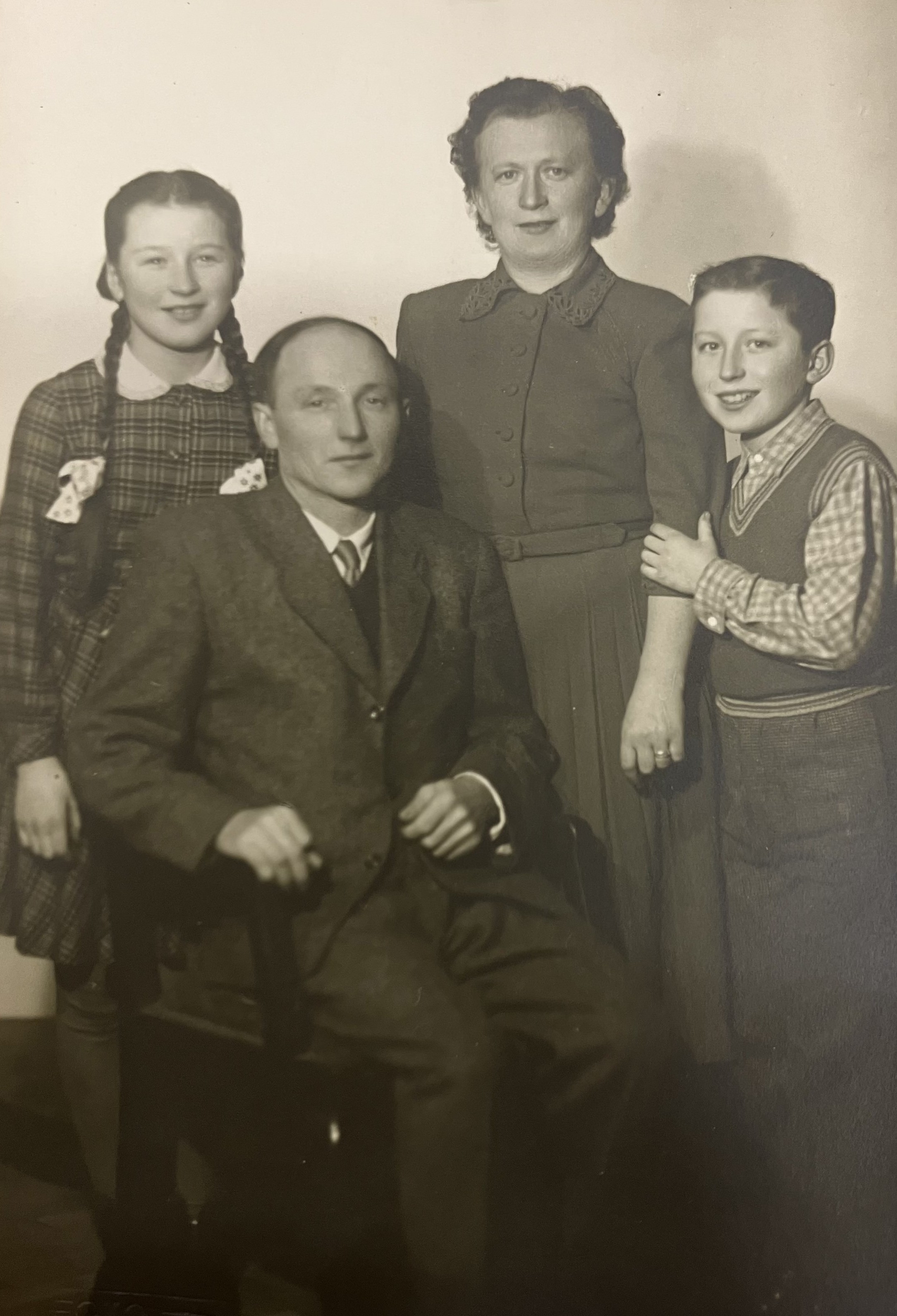
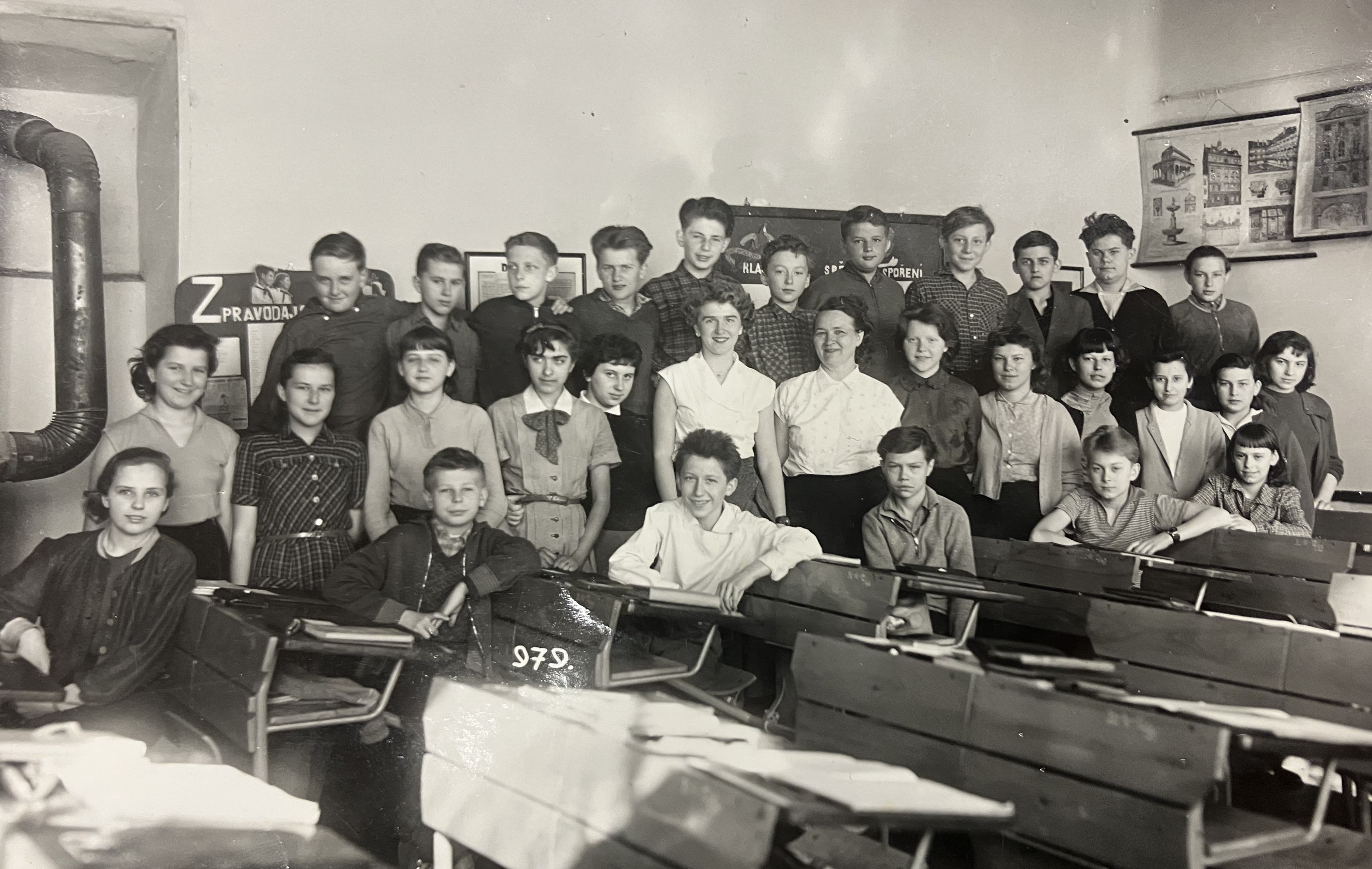
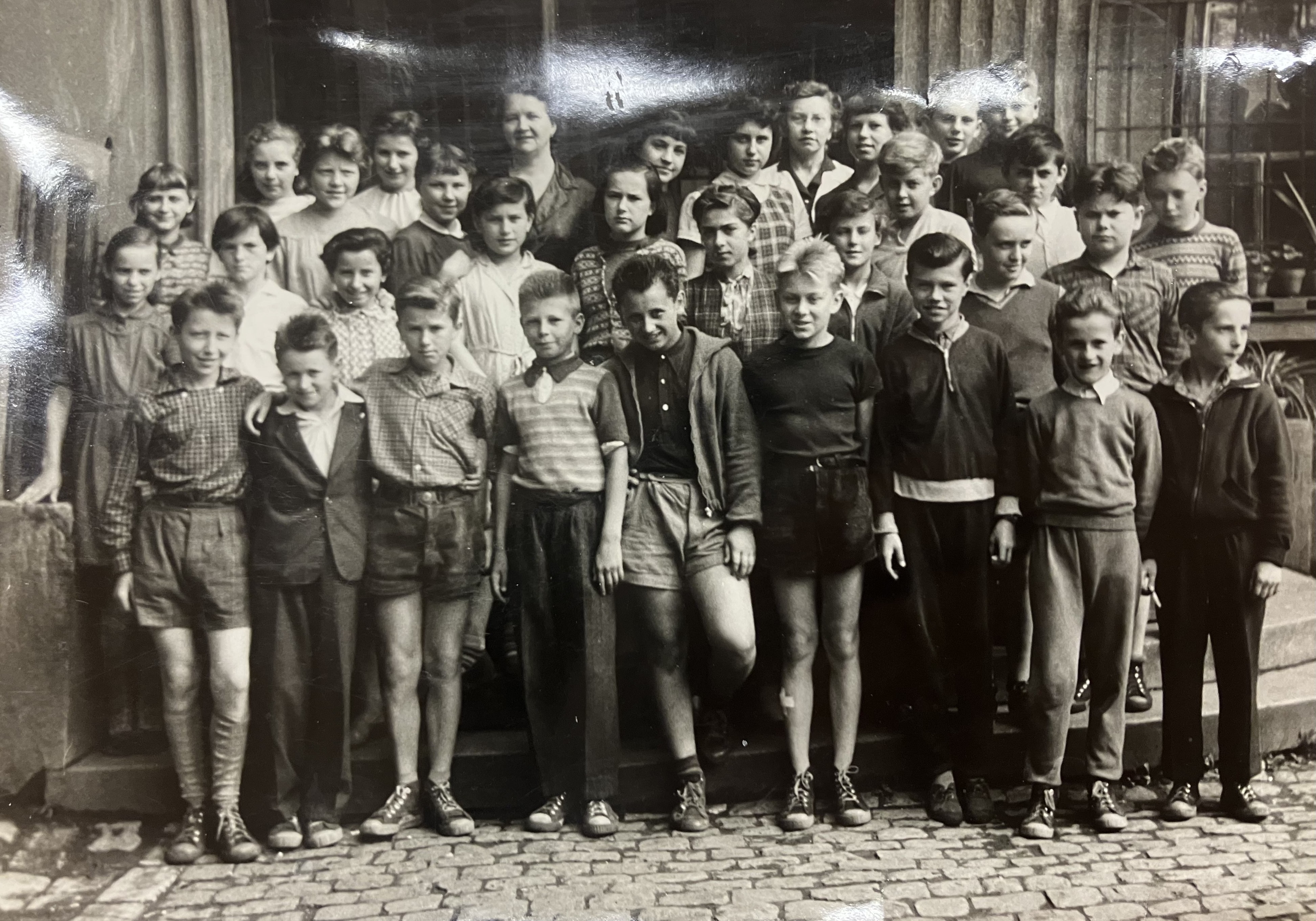
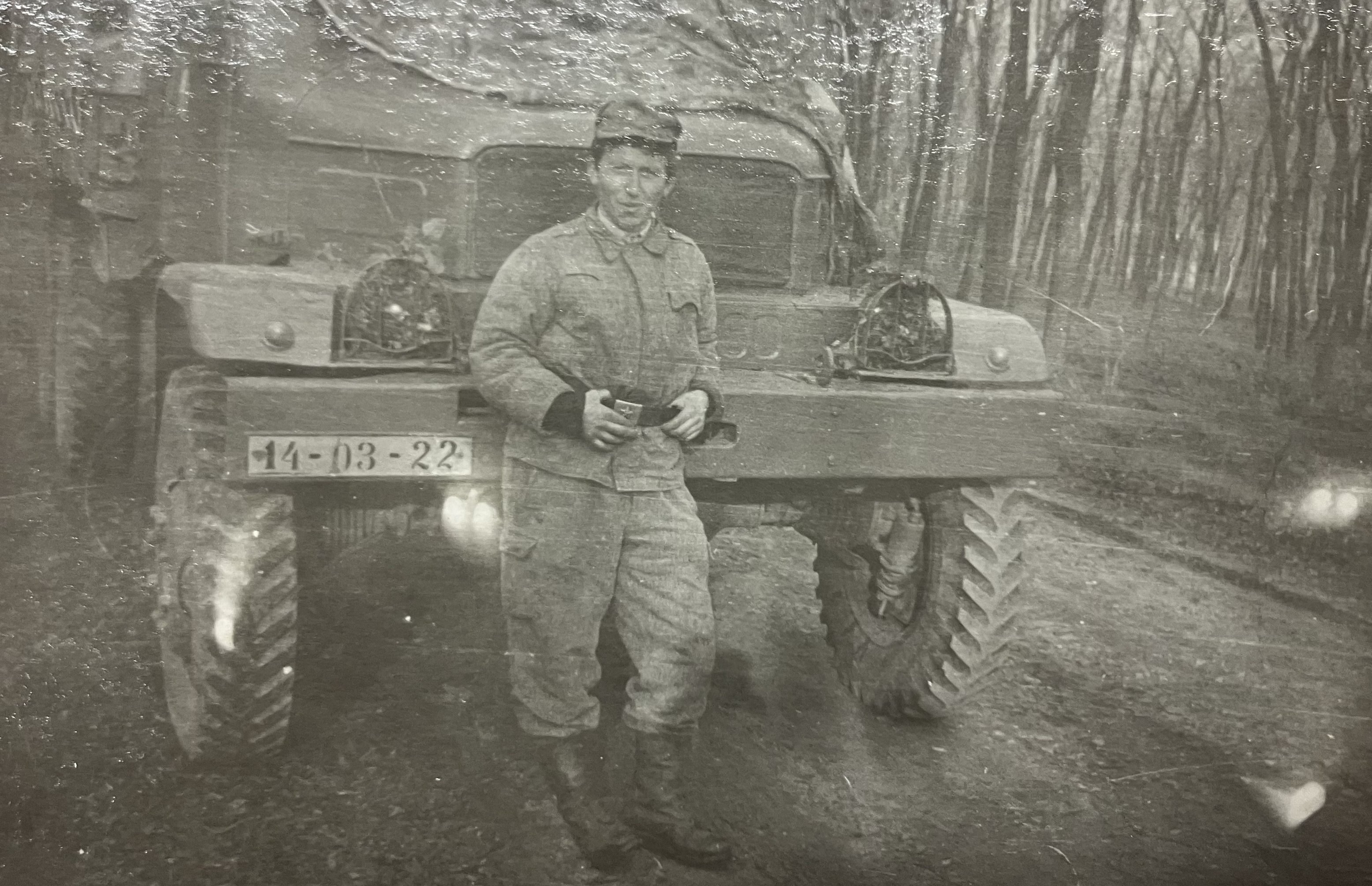
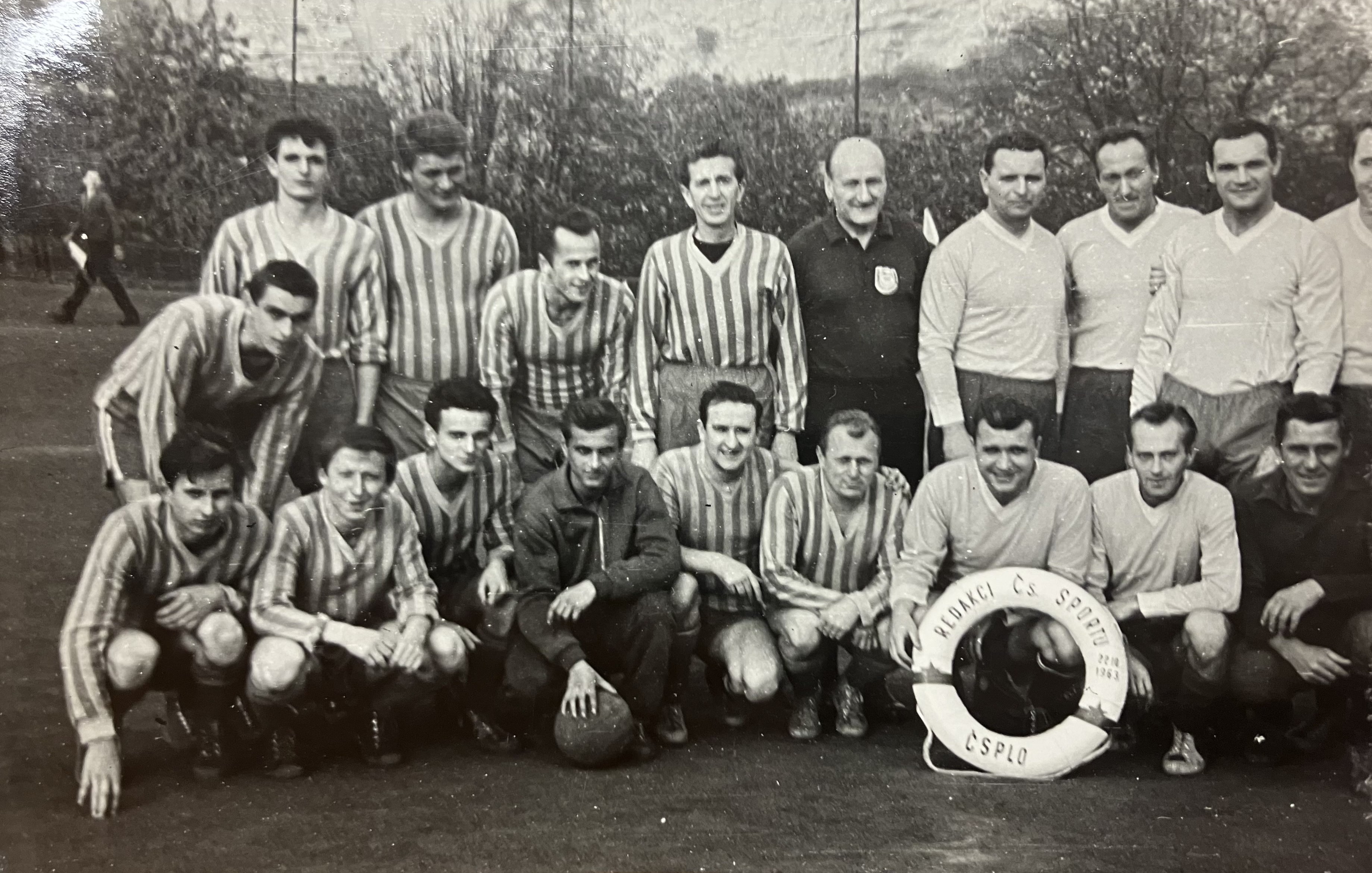
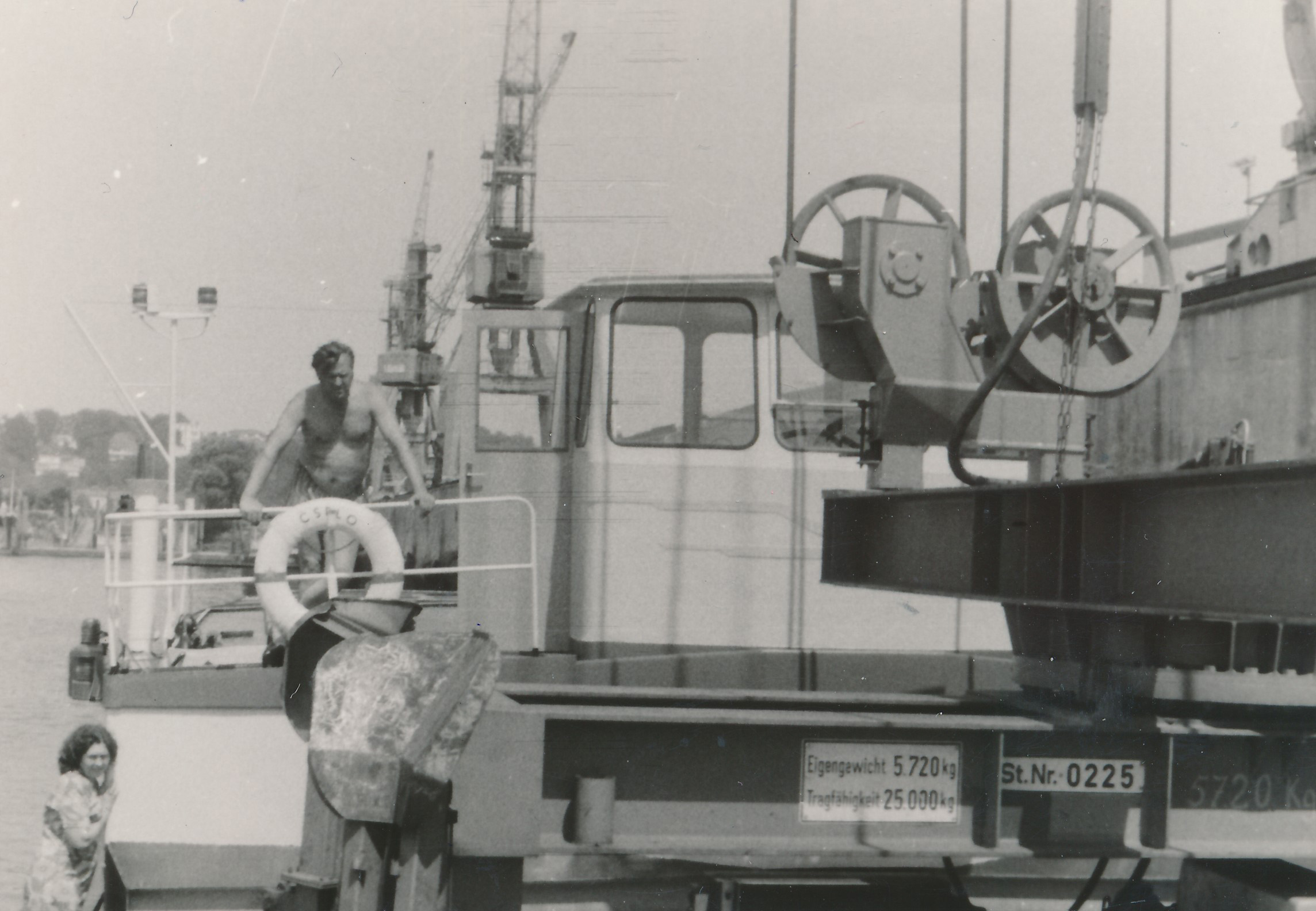
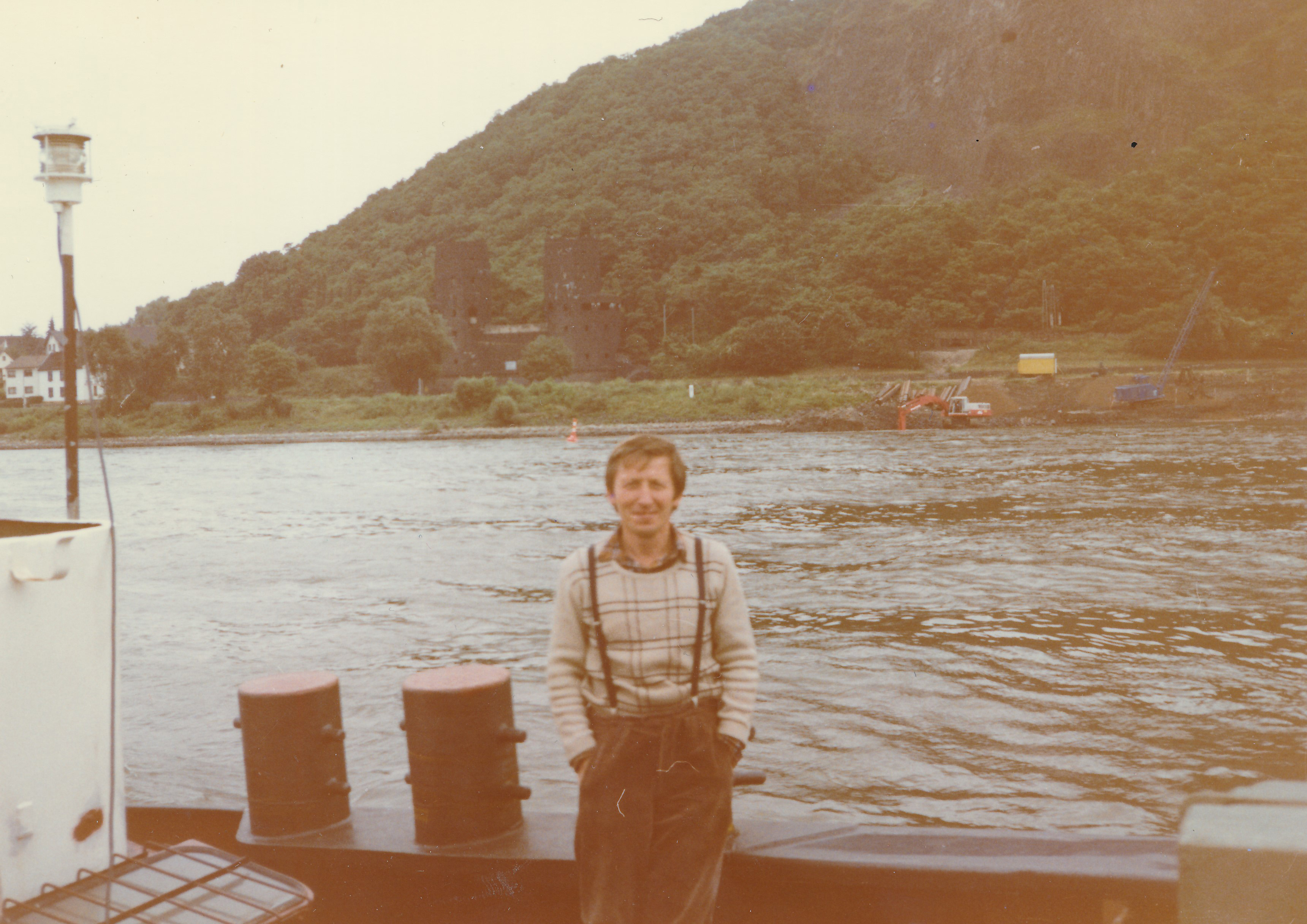
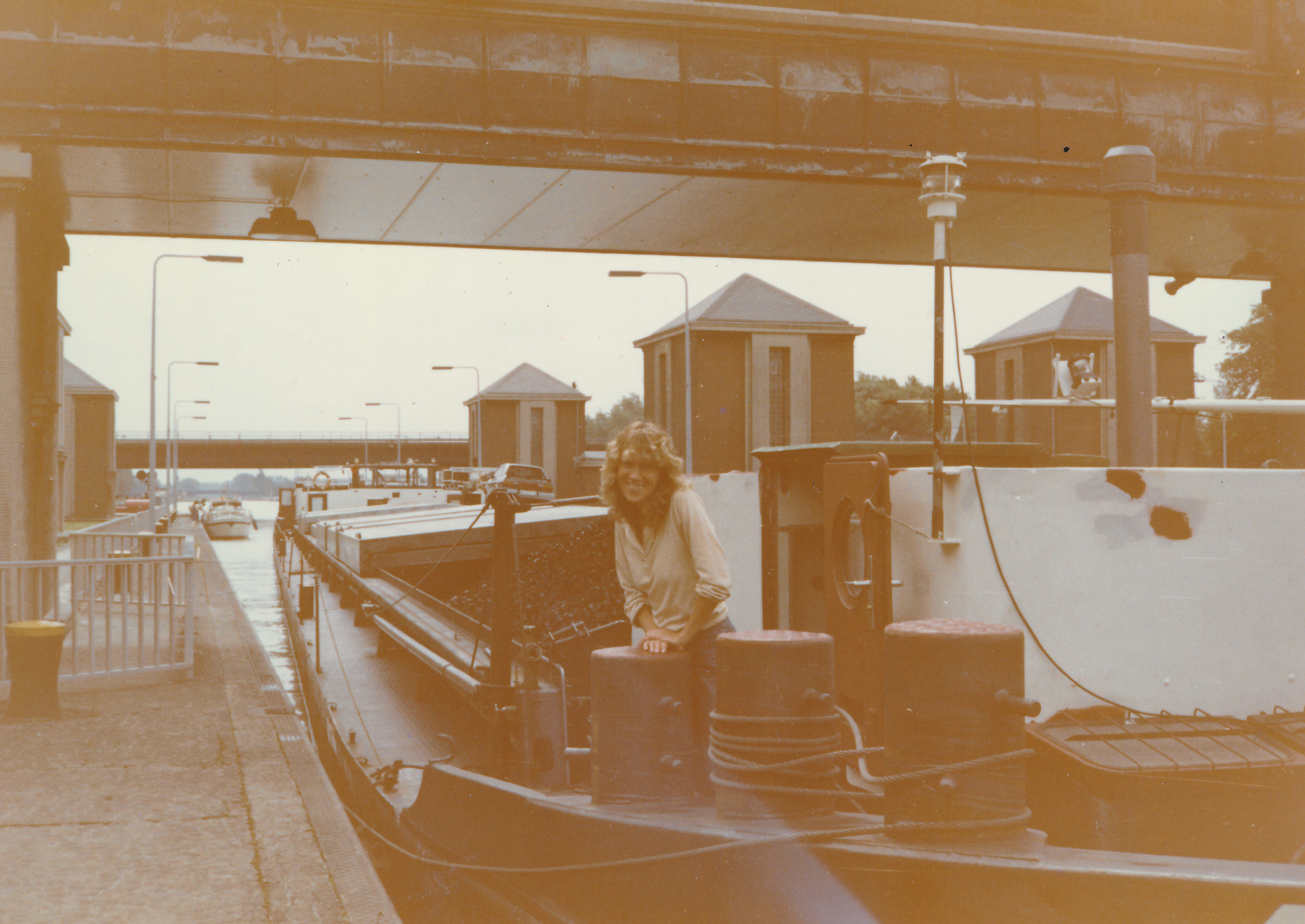
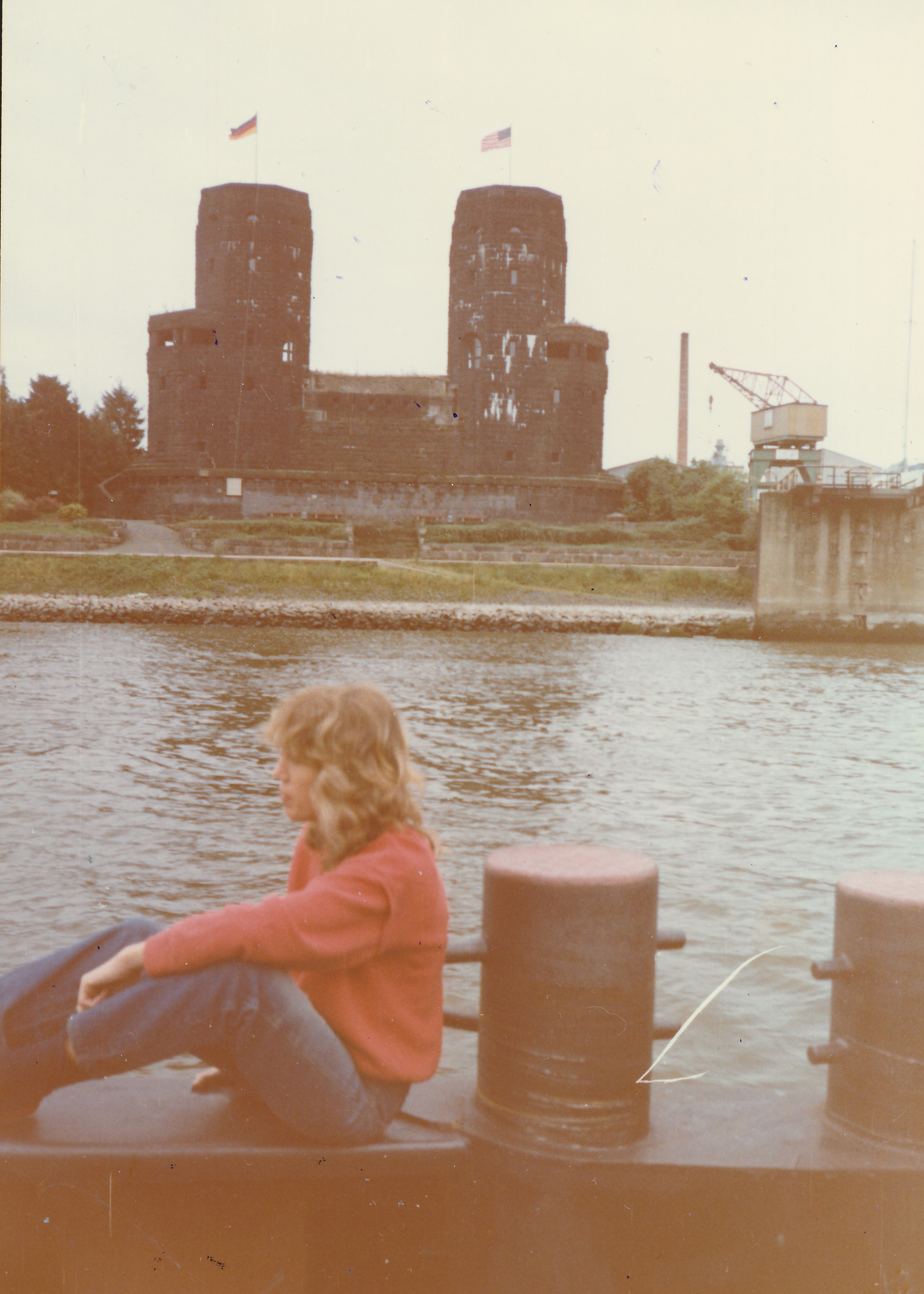
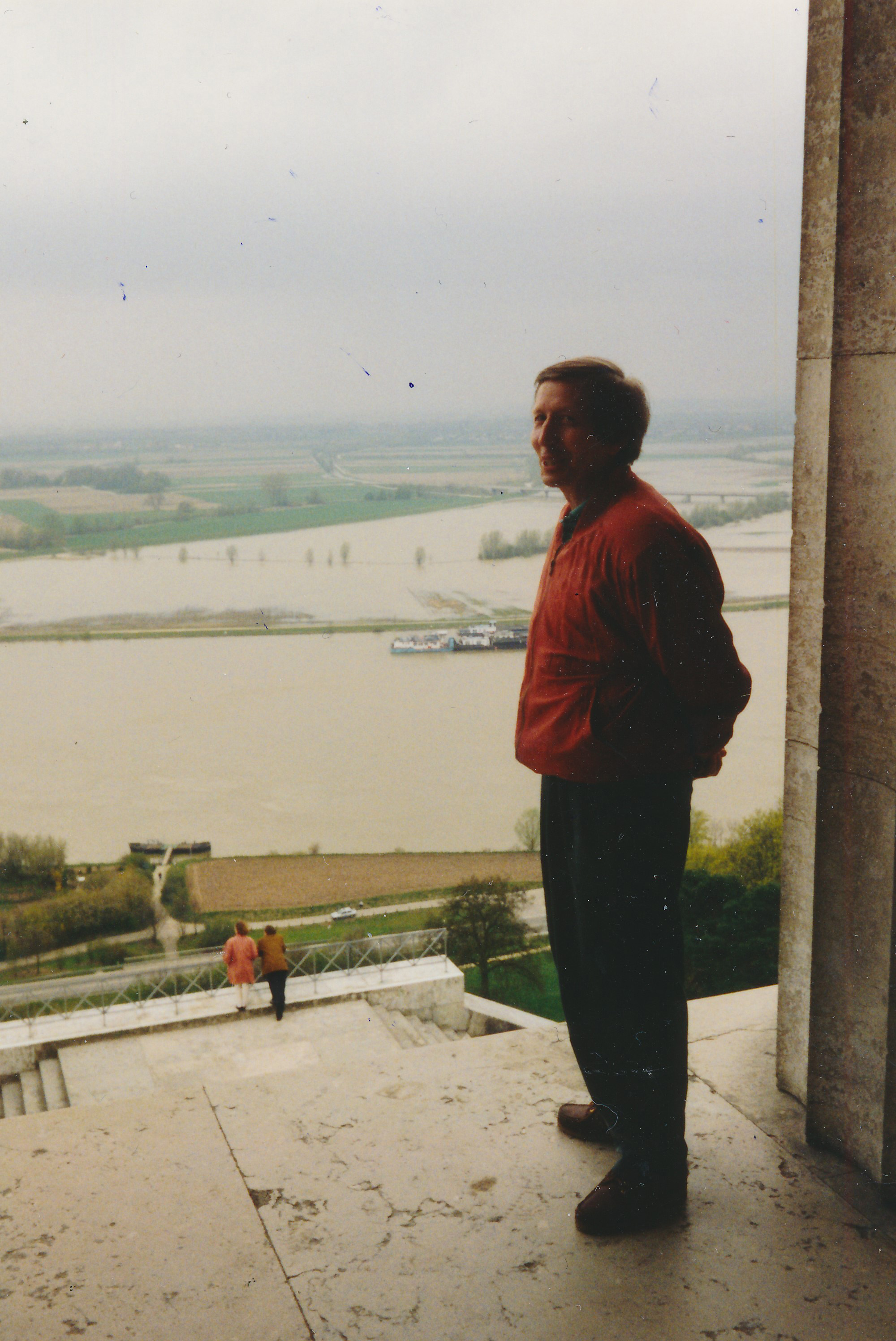
František Fleischmann was born on 4 March 1946 in Prague. His father came from a poor Šumava background and despite his Czech roots had a positive attitude towards German and Germans in general. During the war he went to Germany to work, and when he was called to the Děčín region for the removal of Germans, after a few days he asked for a transfer. František spent his childhood in Libeň, Prague, where he grew up within sight of the poor housing quarters. When he was only fourteen years old, he went to Děčín to board at the boarding school of the Czechoslovakian Labe Sailing Company, later the Labe-Odra Sailing Company. His stay at the boarding school and his first voyages as a ship boy gave him such a hard training that the subsequent war did not seem difficult at all. He began to take the regular route to Hamburg and explored West Germany. August 1968 found him in Prague, where he witnessed tanks firing on the National Museum building. Although the occupation was a turning point for him, as Communist Party loyalists came to the management of the shipping company and working conditions changed, he never considered emigrating. He gradually worked his way up from ship boy to shipmaster and later to captain. Thanks to the vision of the CEO of the ČSPLO, he earned a captain’s licence on the Rhine. Although this put him in the focus of State Security, after the revolution in November 1989 he was able to immediately use his expertise and start sailing for the German company Peute Reederei on the Rhine. He retired in 2013, living with his wife in Prague in 2025.