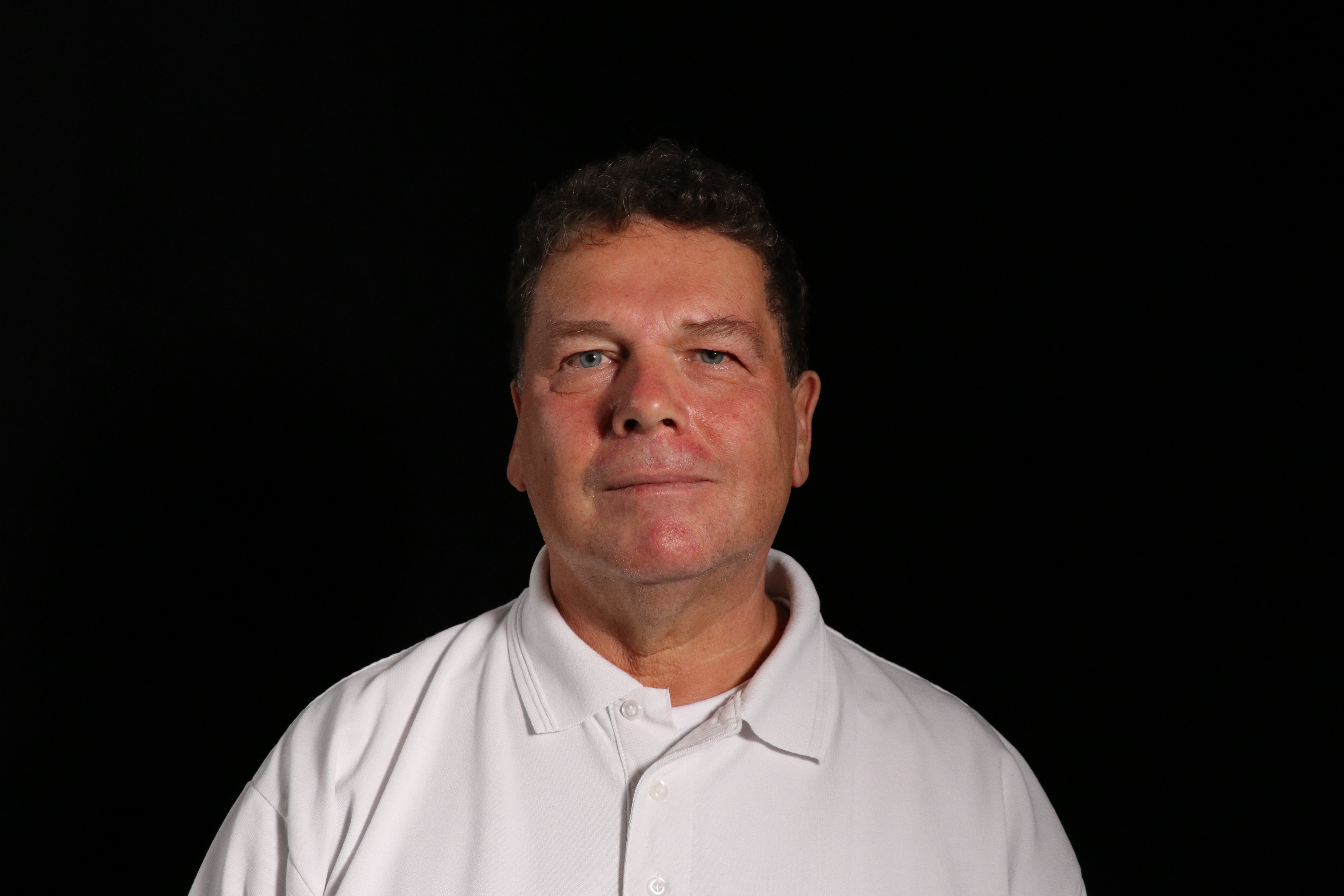
In der Uniform des Roten Kreuzes in der Prager Botschaft
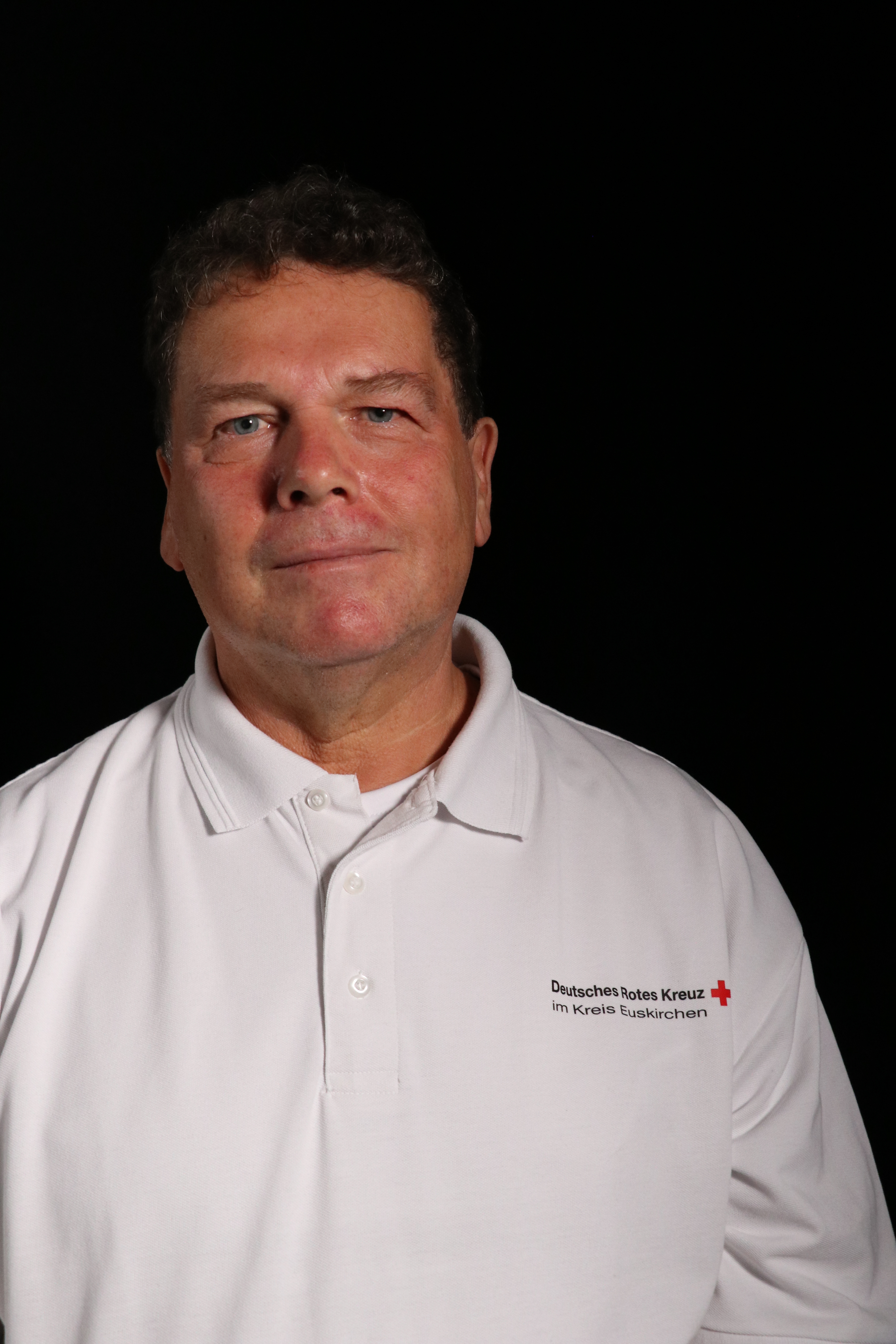
Download image
Gerhard Fink was born on July 22, 1965, in a small West German community near the Luxembourg border, the son of a customs officer. However, he attended elementary school and high school in the small town of Euskirchen, where his family had moved. After graduating from high school, Gerhard Fink became a tax officer and joined the German Red Cross as part of his civil service. The existence of the Iron Curtain was hardly noticeable in everyday life for people in the West, but at the Red Cross he was trained for war situations, among other things. Smaller missions were insignificant, but his assignment to the West German embassy in Prague in the fall of 1989 changed his perspective and his life. The team from Euskirchen was tasked with transporting and operating a third field kitchen. Just getting the field kitchen onto the embassy grounds, where crowds of East German refugees were already gathering, was no easy feat. This was followed by 18-hour days in cramped conditions, no free time, working as a paramedic after the speech by Federal Foreign Minister Genscher, a short lunch break after the departure of the first wave of refugees, more work until the departure of the second wave of refugees, and cleaning up the embassy grounds. After returning home, Gerhard Fink had no vacation and therefore no time to reflect on everything, but when the Berlin Wall fell later, he realized that his work at the embassy in Prague had contributed to the beginning of the collapse of the Eastern Bloc. Later, he also helped rebuild the former GDR, where his experience from his time in Prague proved very valuable. He remained with the German Red Cross and became politically active as a member of the SPD. Even after 35 years, he still gets goosebumps when he remembers certain experiences from his time at the Embassy in Prague.