"As organizers, we had no idea how many people would turn up there, how it would all end, or whether we would even go to Wenceslas Square. I was surprised by how prepared they were on the spot - it seemed strange. When we turned onto Národní Street, I met my friend Majda. She urgently needed to catch the bus home to Janov to see her mother. I took her hand and we made our way to the front row. I've always been a bit of wild, so I explained to the boys at the front: 'We need to catch the bus.' It wasn't a big evangelization for freedom and democracy - the first reason we approached them was Majda's need to get home.
But they did not want to speak at all. They wouldn't let us go. I didn't understand. They said, 'Disperse,' and we wanted to disperse, we wanted to go home. I said, 'Why won't you let us go?' They said they had orders and that we should go to the other side. But we couldn't go there - there were too many people, all crowded together. Moreover, we needed to go to the metro, which was in front of us, not to the Vltava River to the steamer. We could not agree. And while we were standing there, we started talking to them. We said, 'Boys, why are you doing this? Some evil monster sent us against each other. We're from the same nation, we're not doing anything wrong. These are our friends.' This is where my ability to exaggerate became very apparent - there were ten thousand people and I called them all my friends. I went on, 'We don't want to break windows, we don't want to hurt anybody. We want there to be truth and democracy in our country, we want there to be freedom. We want to travel freely, we want not to be afraid to tell the truth. And that's why we're supposed to stand here against each other?'"
"The [Disk Theatre] suggested at the time that we could go on strike emergency, that we could come back to it at any time. But I knew that was nonsense. The students at our school weren't that keen on striking. 17 November was a heated period, it's true, and that's when they went on strike. But once they went back to normal, they wouldn't rise again just because they didn't like further political developments. It was clear to me that it was now or never. I fundamentally disagreed with that. I said it both at the strike committee and at school: 'No. This is about the future of our country, we can't let it go now.' There were also voices against it, especially from some of the teachers. They said that they had already multiplied yeast cells, that they simply had to go to the laboratory. I said, 'Let the yeast cells die, I don't care at all. This is about the future of our country, about our children living in a free country. I'm not really interested in your yeast cells.' This was not understood, of course. Even some of my classmates told me that if I was this nasty about yeast cells, I would be removed from the committee and would no longer represent our faculty. But fortunately, they were pretty incompetent. There was no body that could actually remove me. It was all improvised, it was a revolution. They were used to it from the Youth Union and from the Communists that a meeting would be called, minutes would be taken. Nothing like that worked here. In fact, I don't even know how they could have remove me."
"People have come to our strike committee, to our coordination center, saying that people are spitting on MPs and shouting nasty things at them when they are going to work. They were still communist MPs at the time. We evaluated this as a provocation by State Security and said that we had to put a stop to it. We needed those deputies - we needed them to elect Havel president. We believed that if they elected him, it would be a guarantee of democratic development for us. We needed a milestone, something concrete to fall back on. Not just promises, but action. We told ourselves that the deputies must voluntarily cut off the branch on which they were sitting - vote for Havel, agree to free elections and then leave quietly. A lot of students stood up in front of parliament then. They made a double row from the metro to the building that was then on Wenceslas Square, on the top left behind the horse statue. Later on, Free Europe was based there, and today I don't even know what it is.
When we were preparing it, I suggested: 'How about a girl in a traditional costume? Bread and salt?' They said it was a good idea, but who would wear a costume today? I said I had one. I took it, got bread and salt and went to stand there. As the MPs were coming from the metro, I stood in their way and handed them a piece of bread. I was trying to be kind. I told them sincerely, 'Look, you don't have to be afraid of us. We don't want revenge, we don't want to hang anyone from lampposts, we don't want to hurt anyone. We need you to elect Havel president so we can go back to school and finish our studies in peace.'"
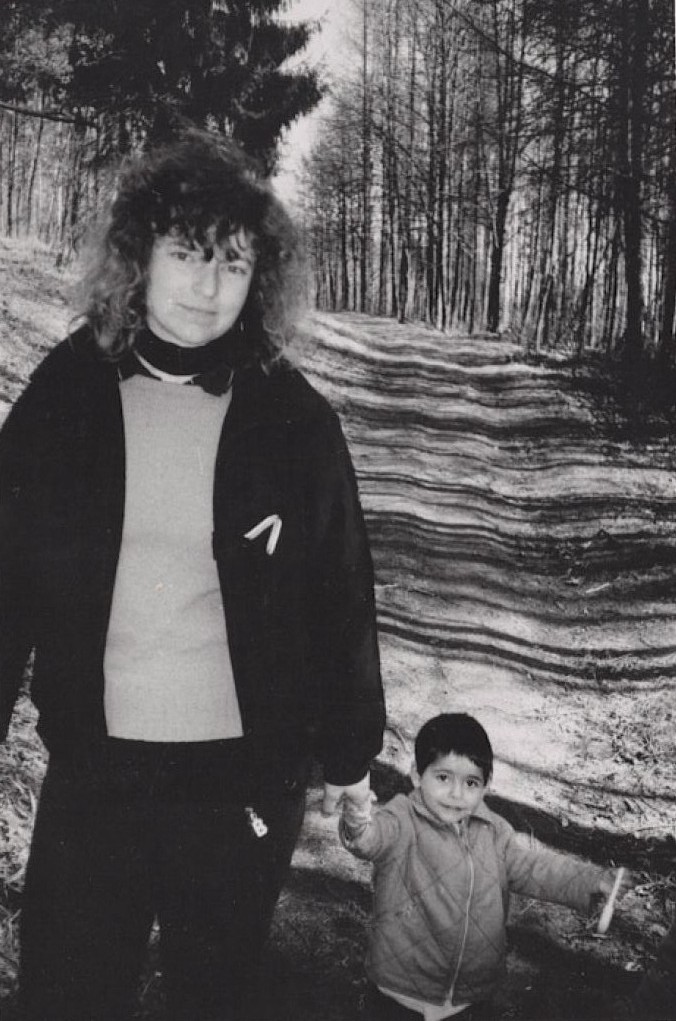
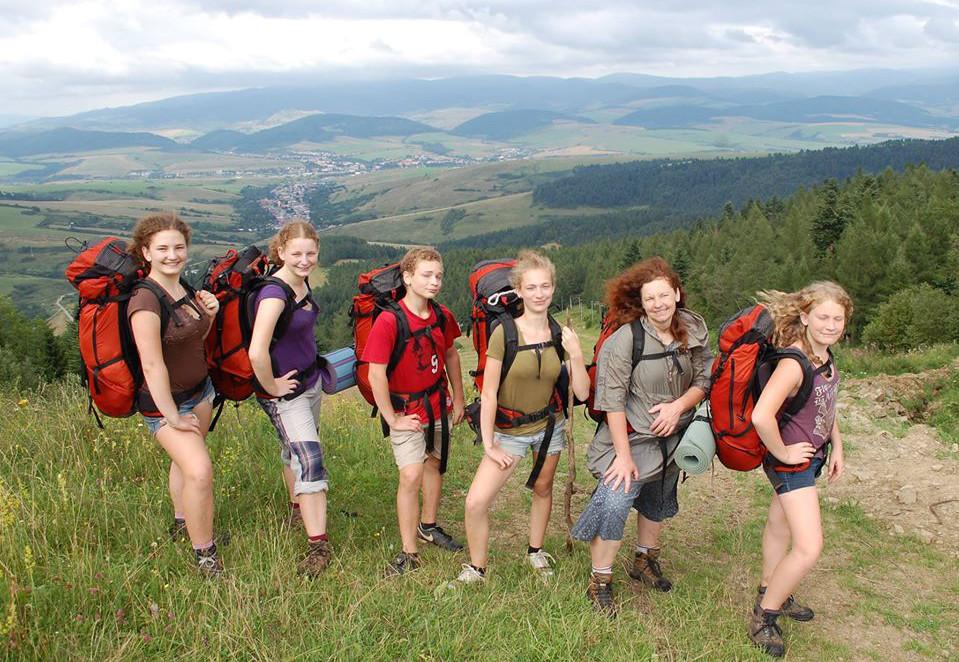
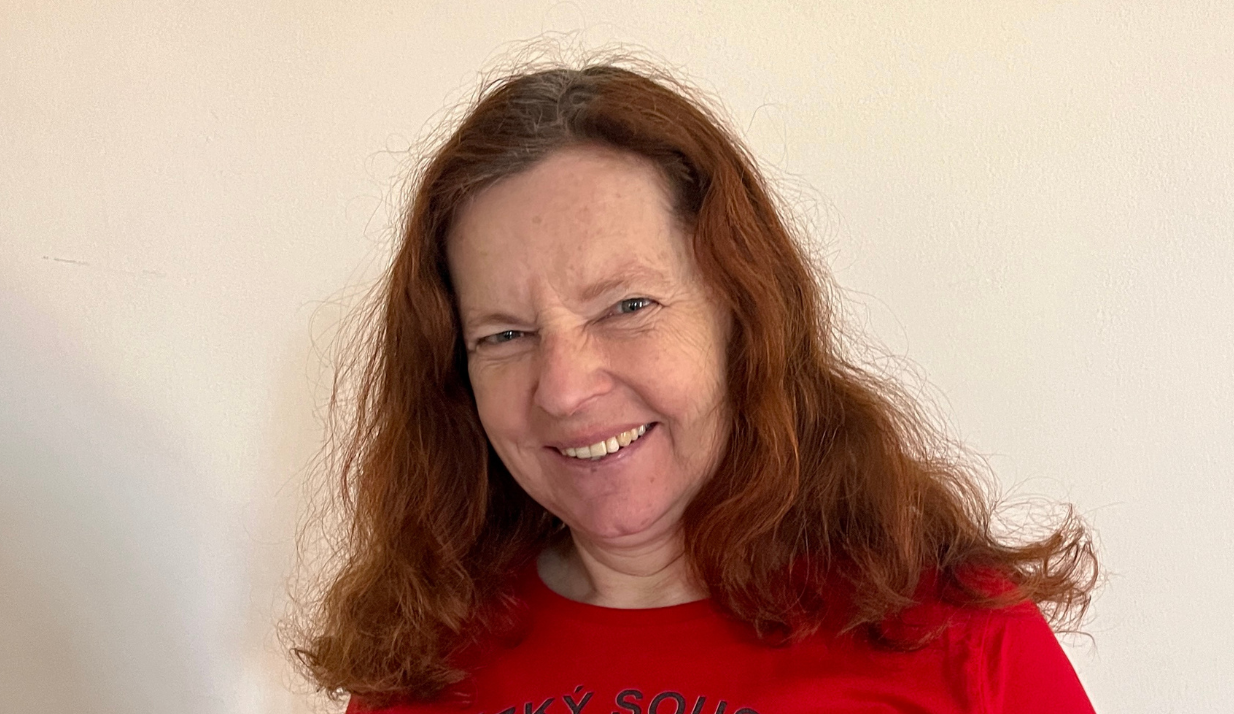
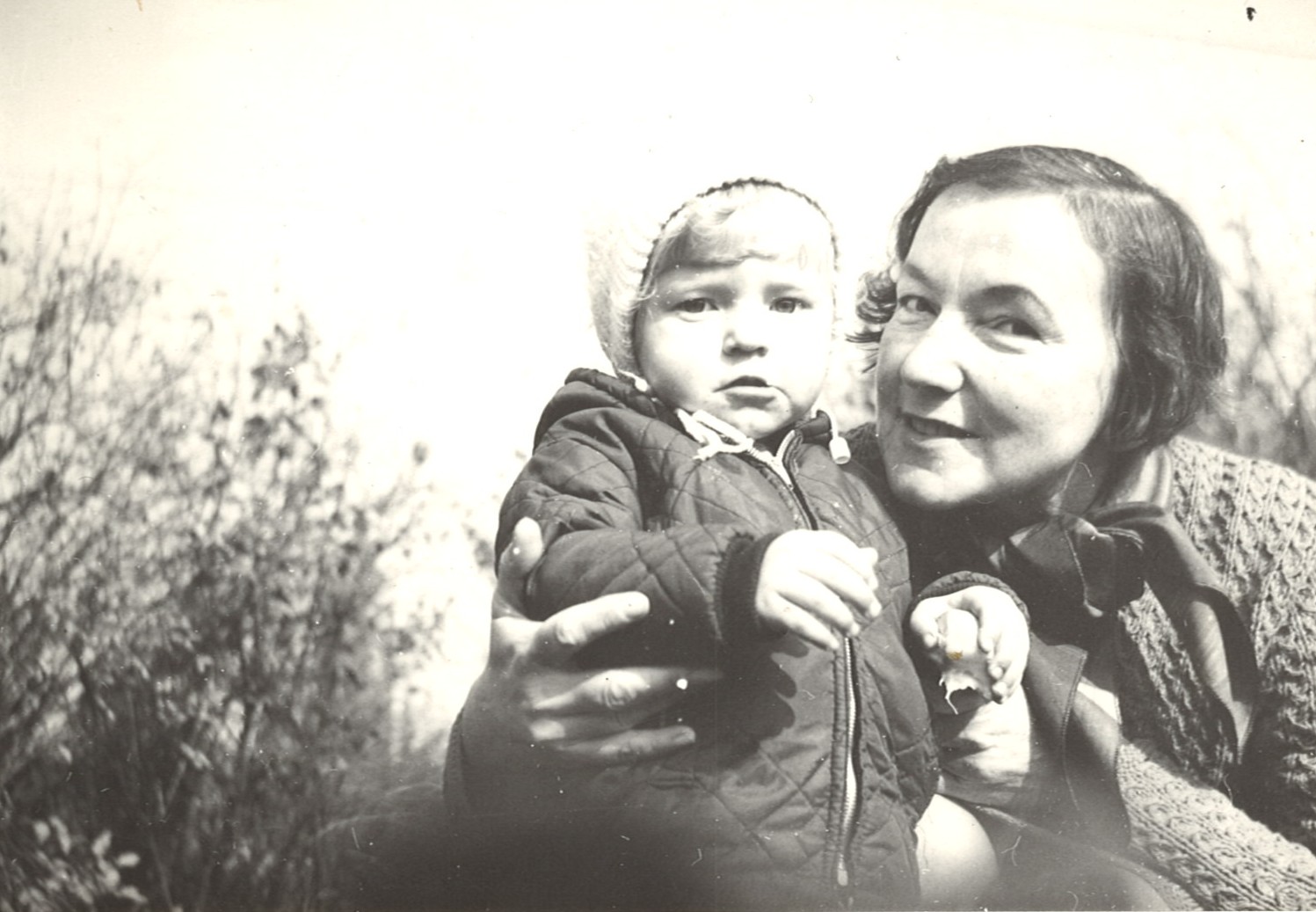
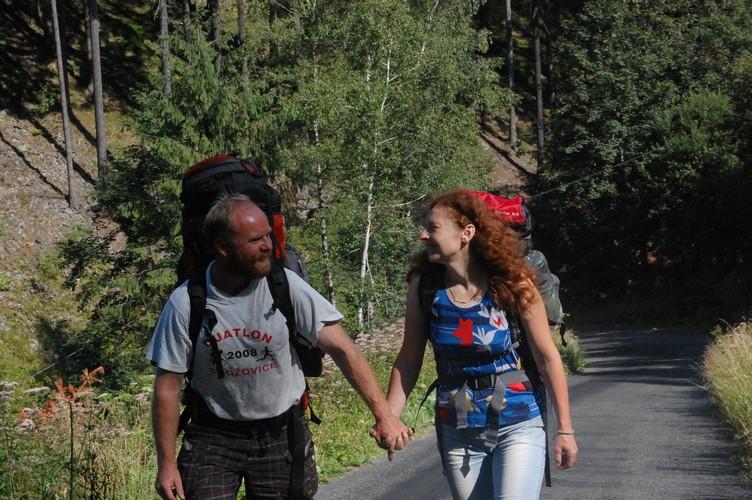
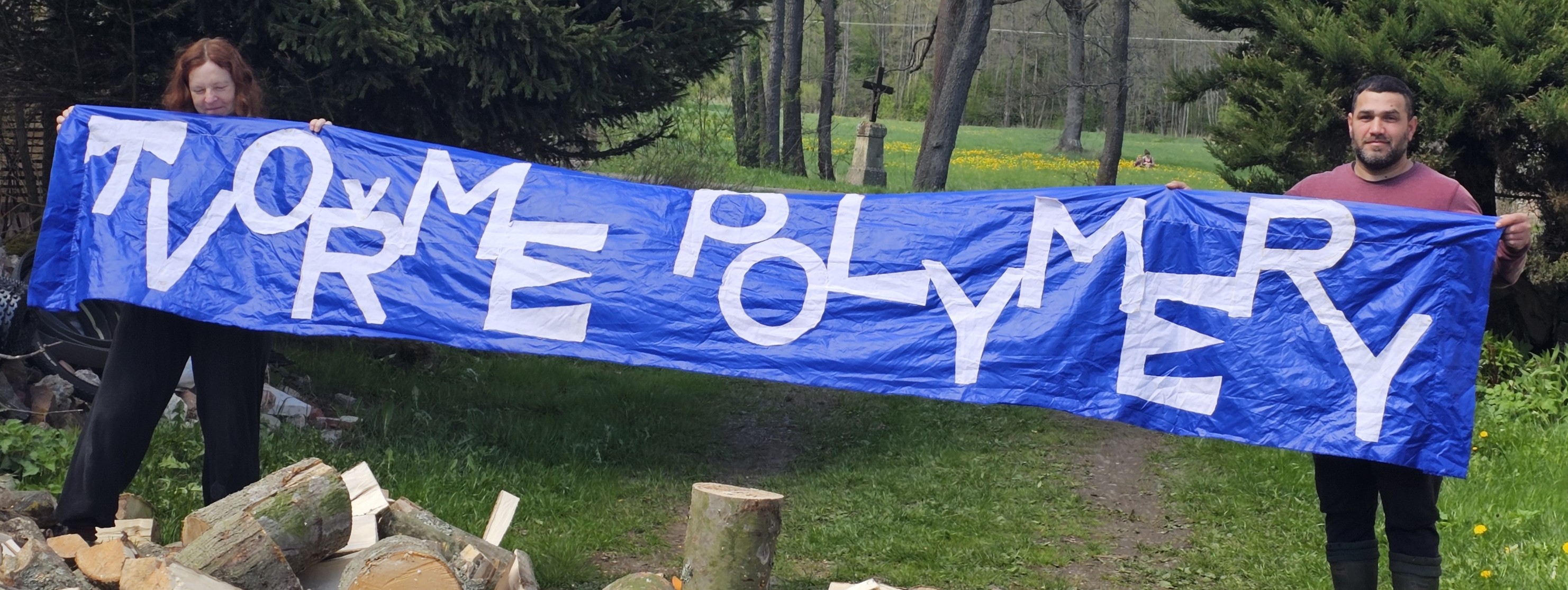
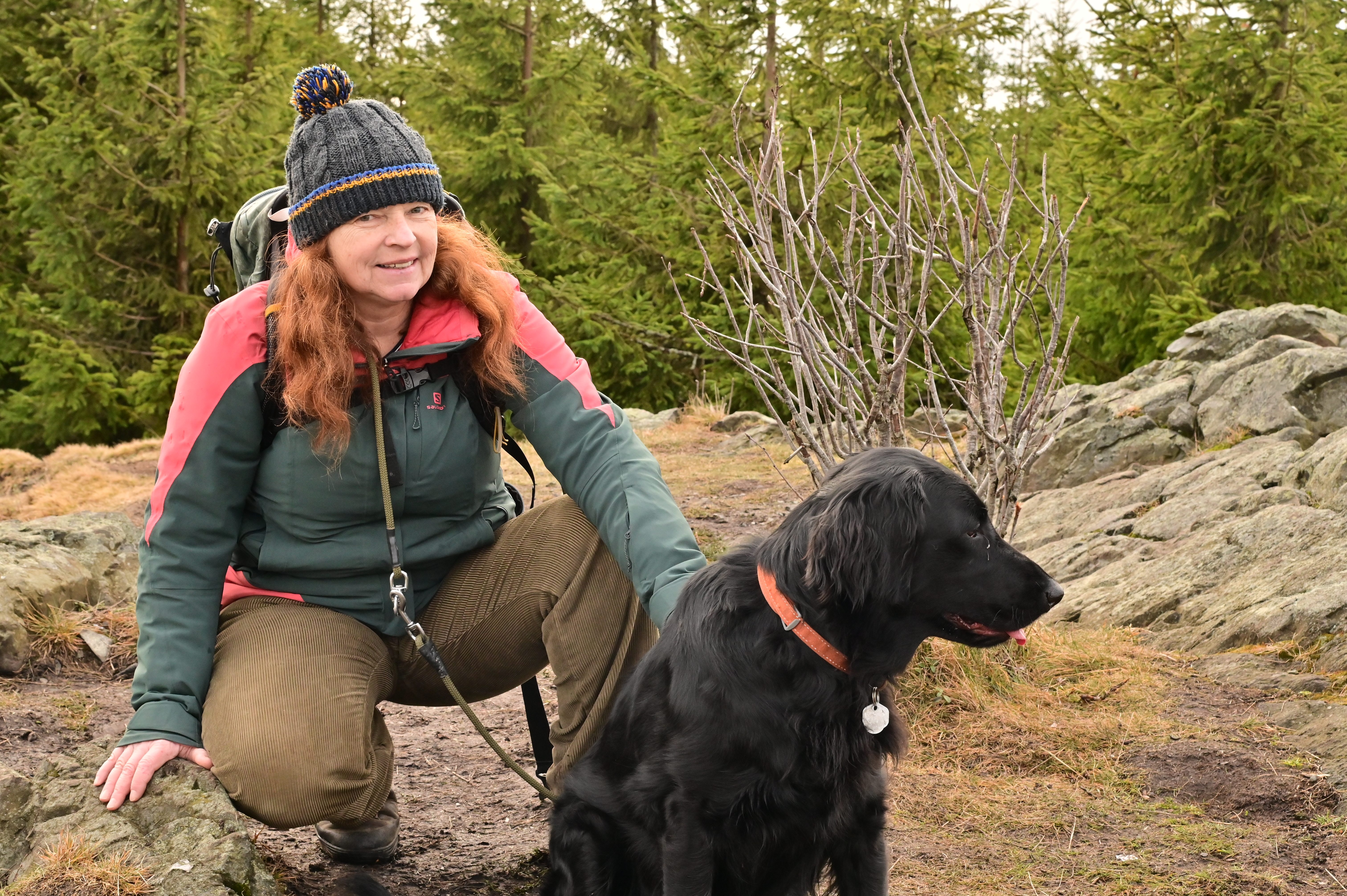
Pavla Fáberová, née Knoblochová, was born on 1 January 1968 in Prague to Jarmila Bartůňková and Pavel Knobloch. She grew up in a household with her grandparents, her grandfather Eduard Knobloch, a prominent chemist who simplified the production of insulin. She studied at the Jan Kepler Grammar School, then from 1986 at the University of Chemistry and Technology (VŠCHT) in Prague, majoring in fermentation chemistry and bioengineering. In 1989 she joined the student movement, participated in a petition against the teaching of Marxism-Leninism, took part in the 17 November demonstration, was arrested and interrogated. She co-founded a strike committee at the University of Chemistry and Technology, and personally intervened in front of the parliament with bread and salt. After the revolution, she collaborated on a samizdat, and later founded the non-profit organization Close Neighbour for the support of Roma children. She holds a certificate of a participant in the resistance and resistance against communism. In 2025 she lived in Pilsen.