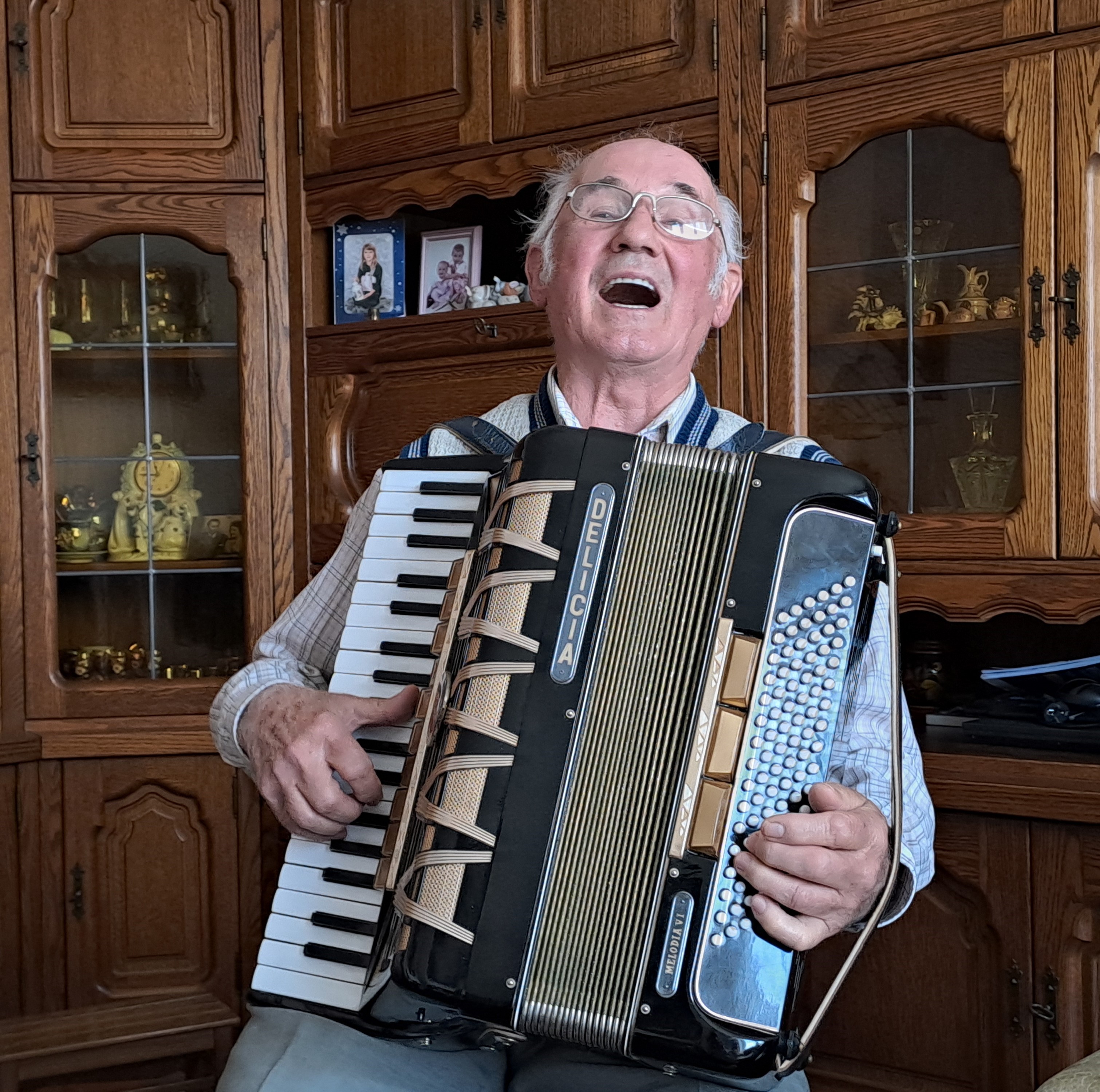
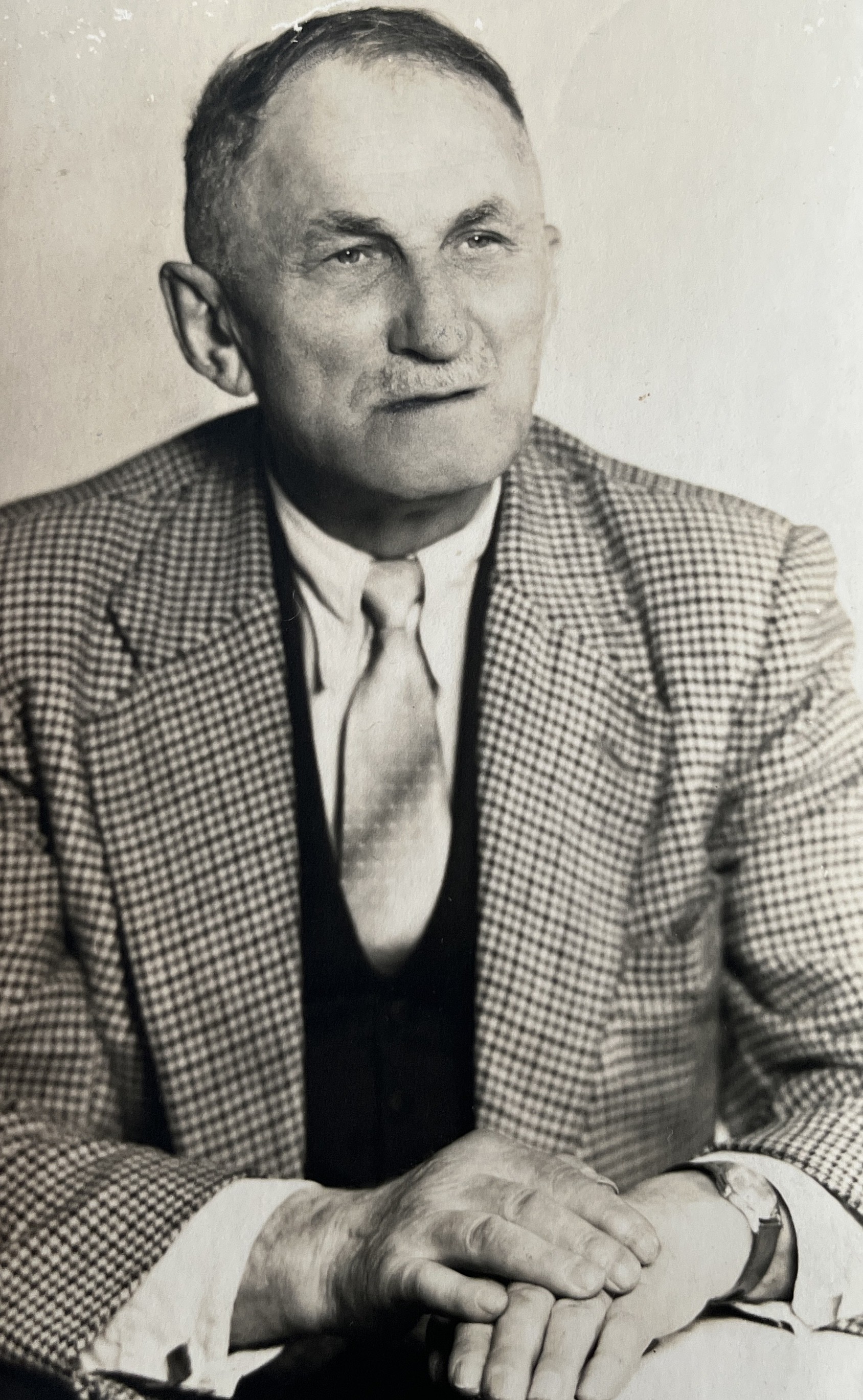
The war tore our family apart forever. The Germans were cheap labour force
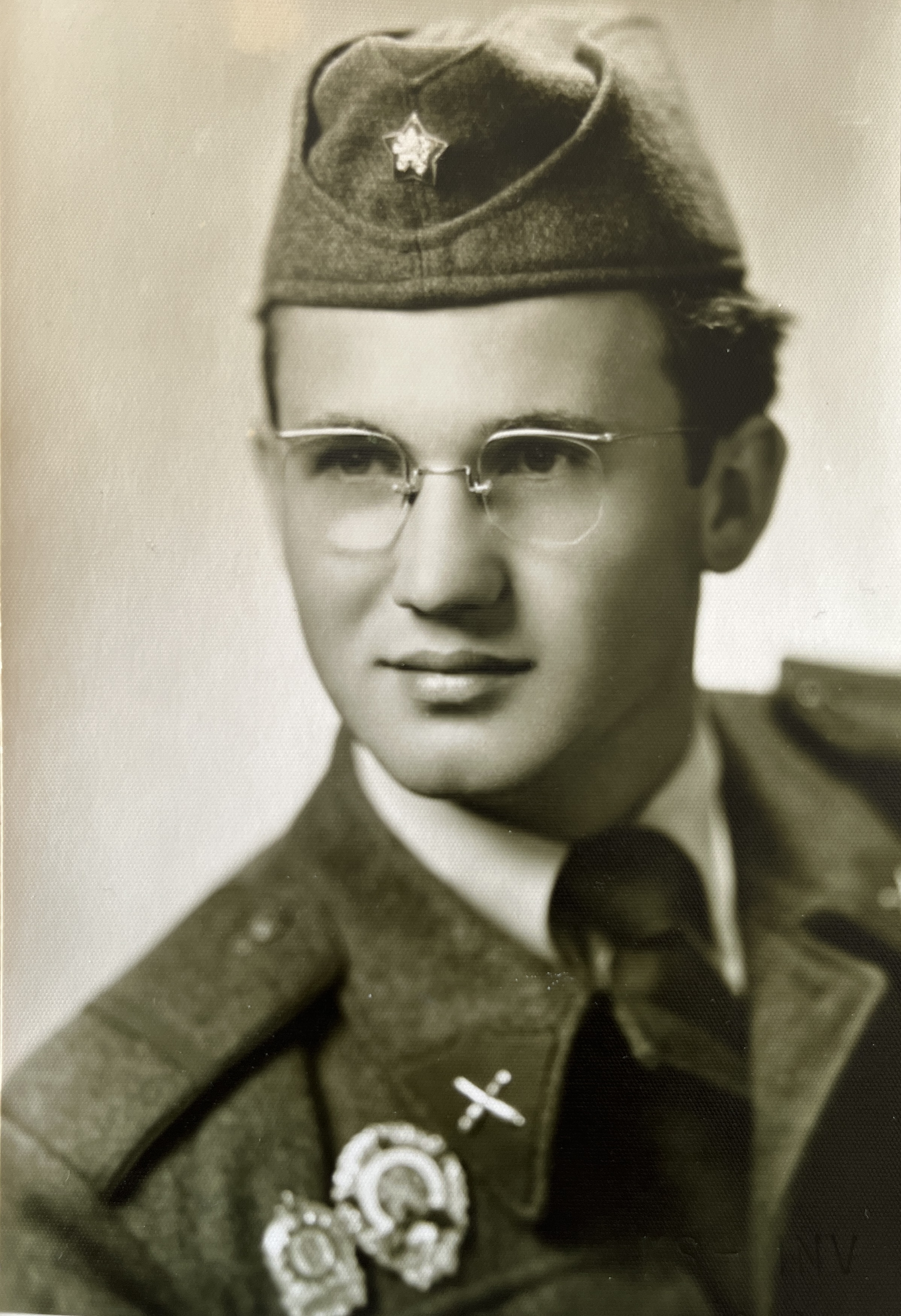
Download image
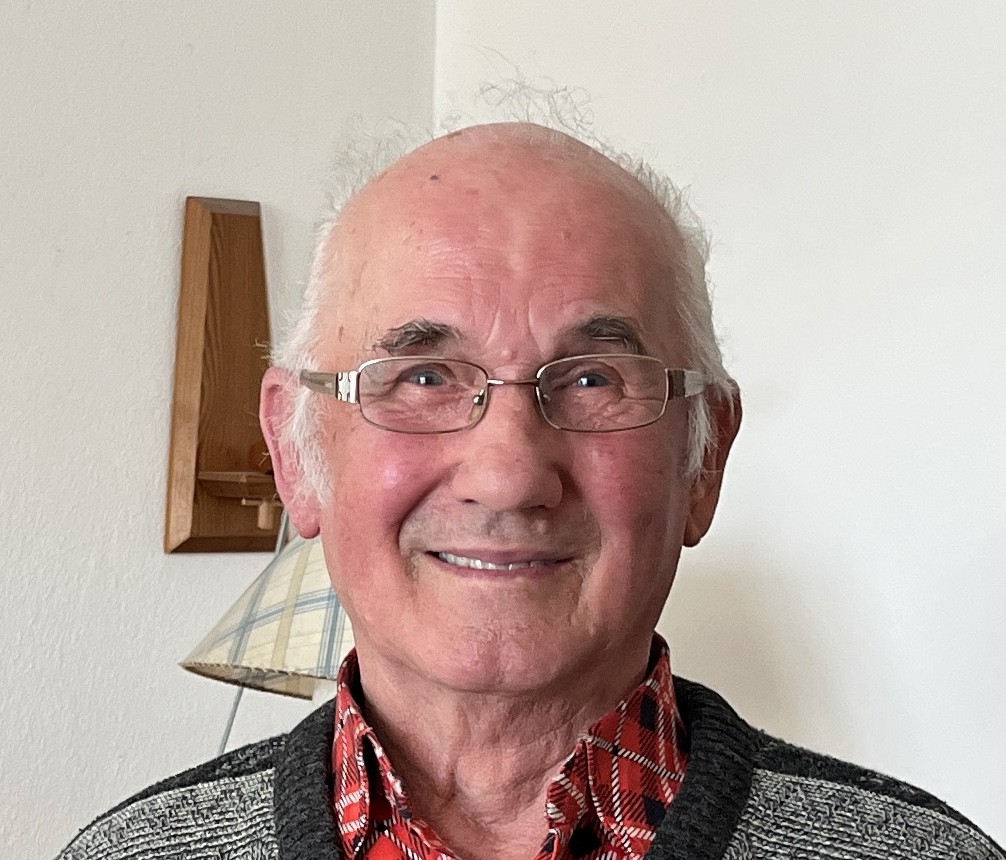
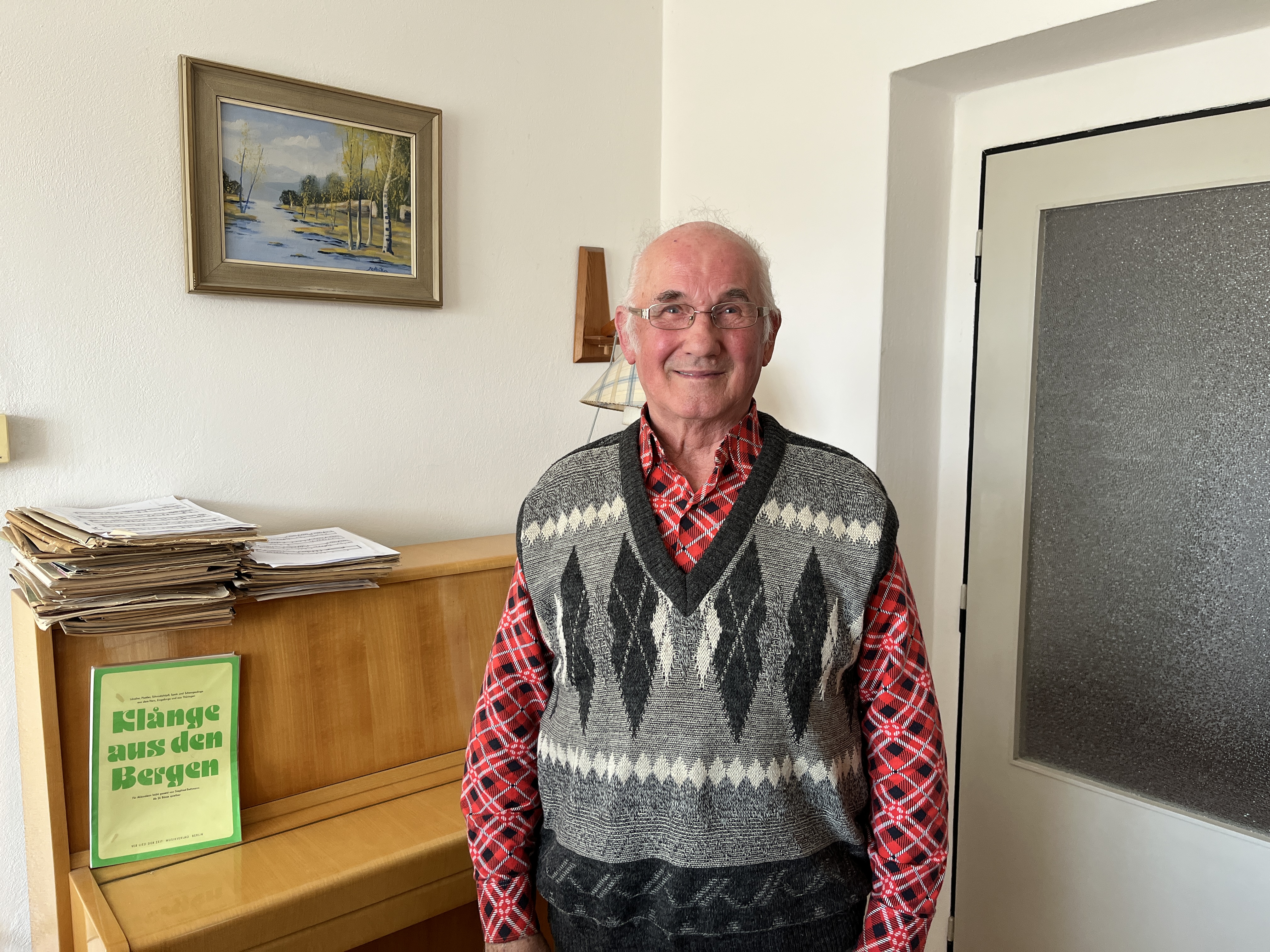
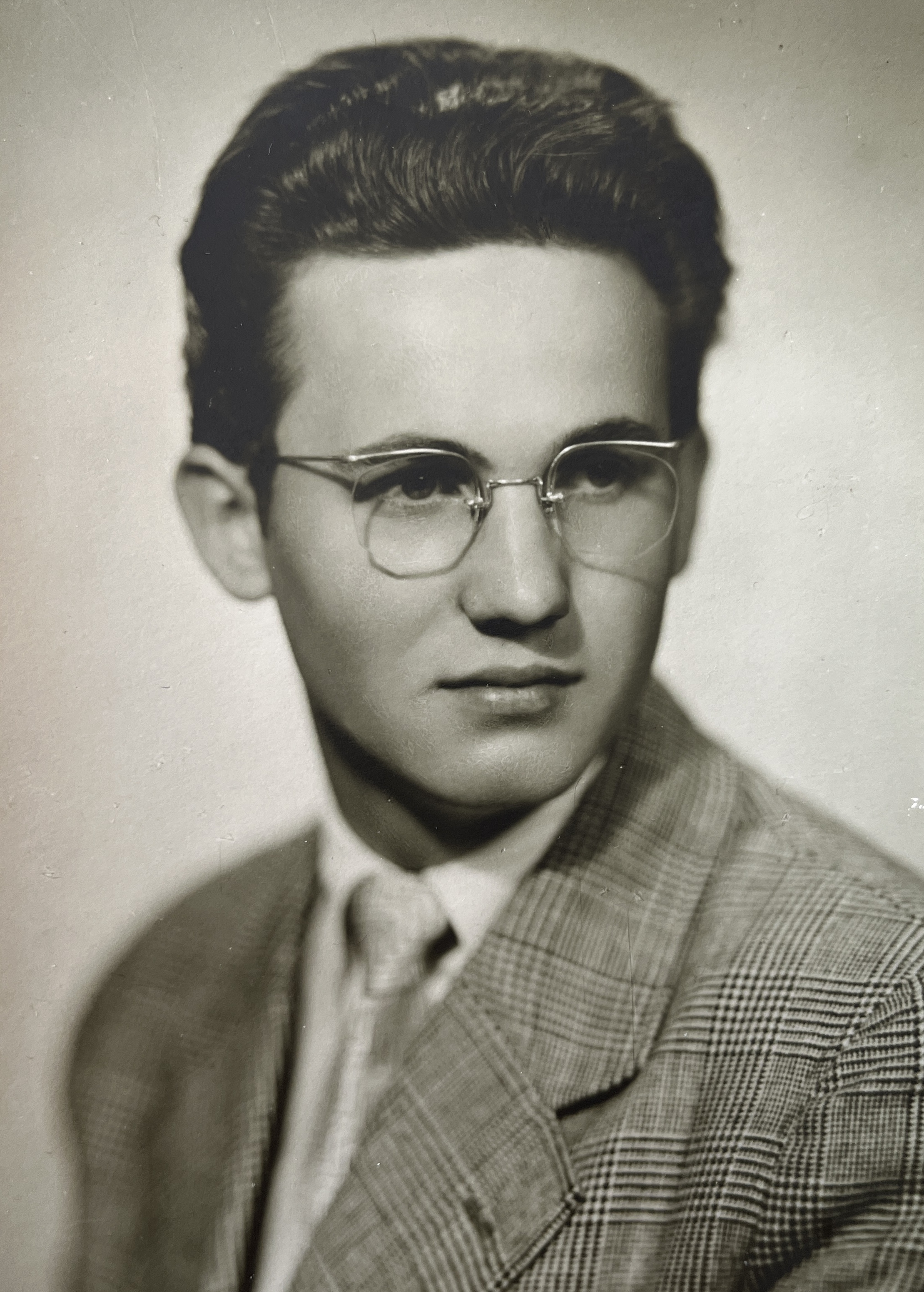
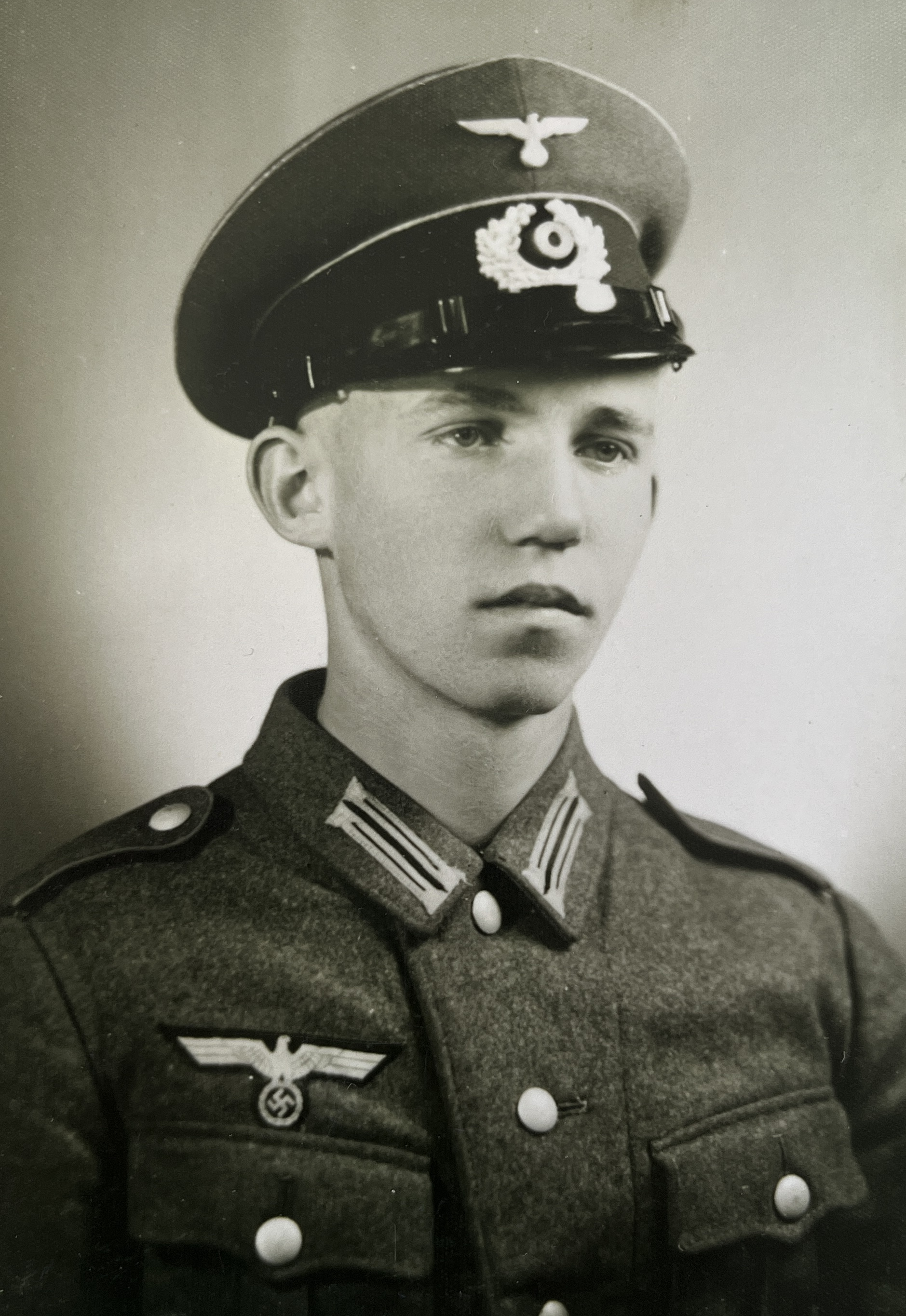
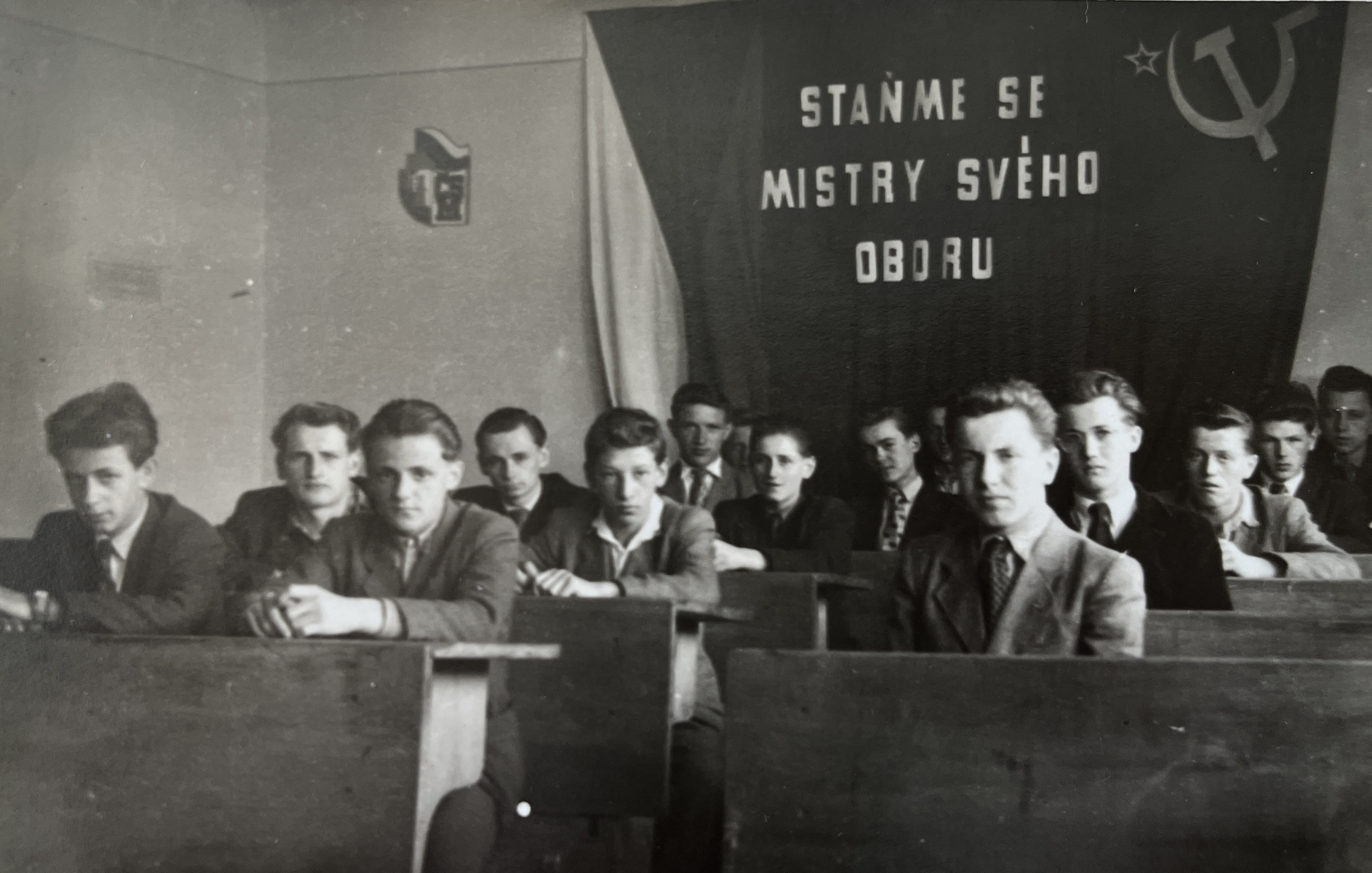
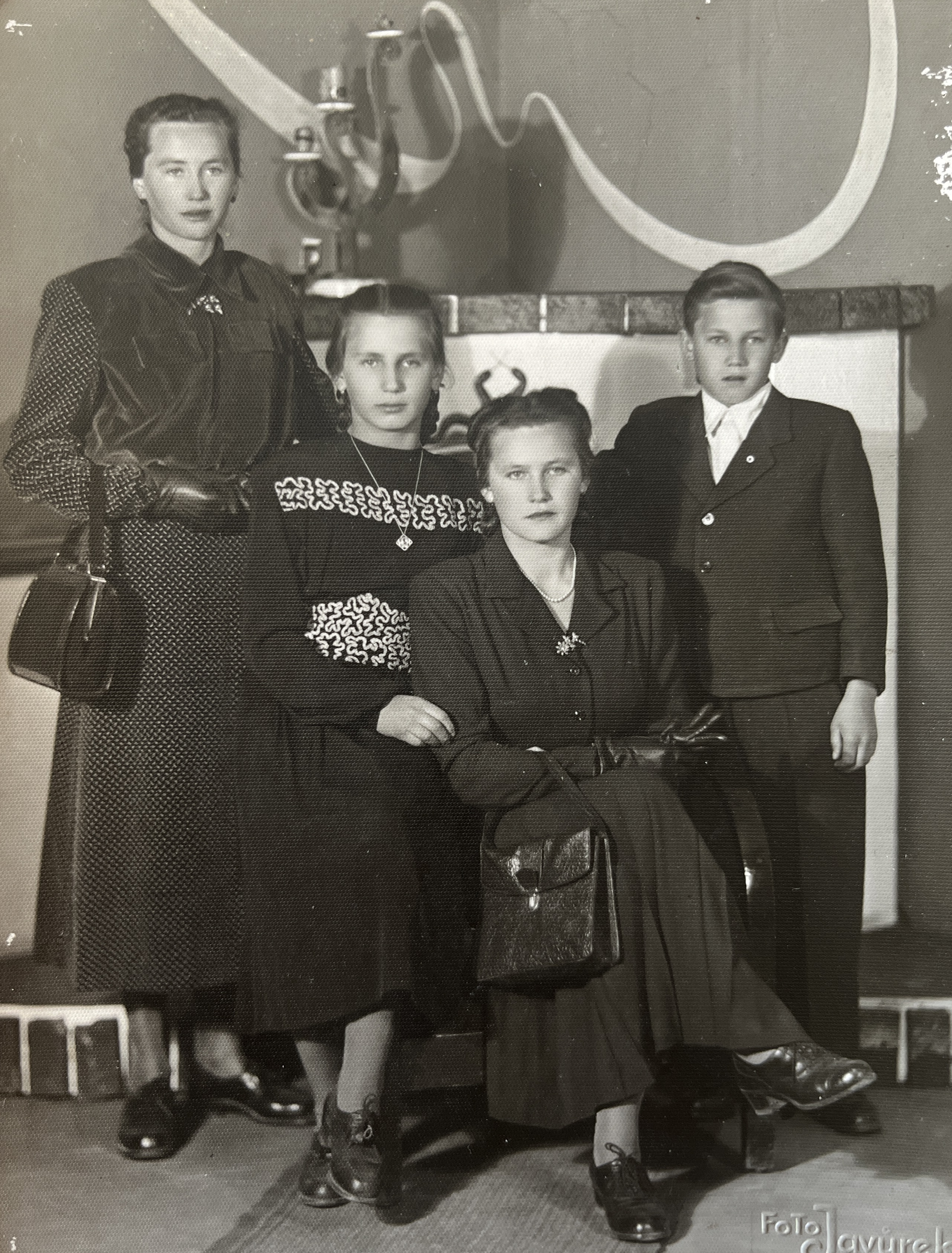
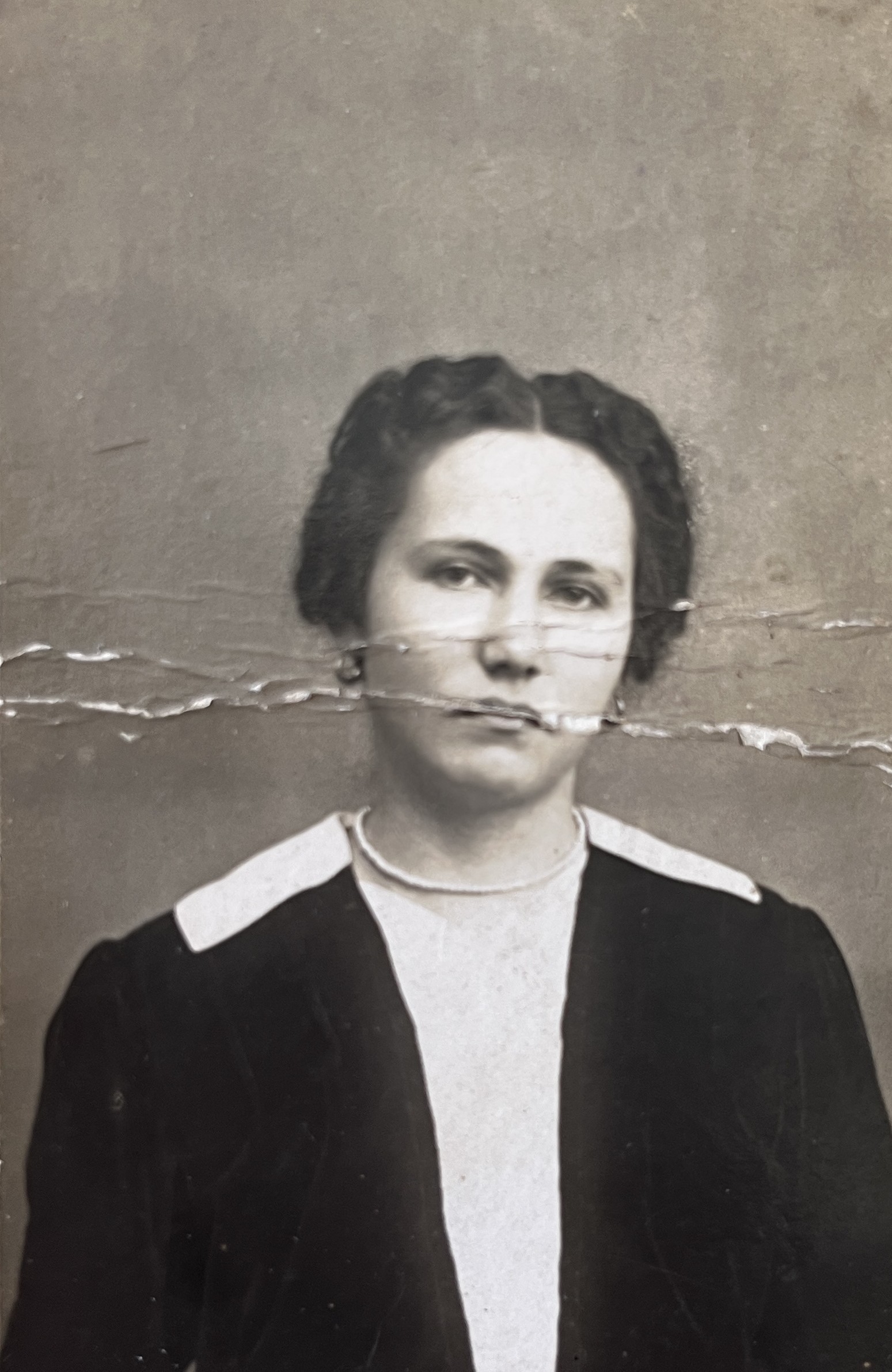
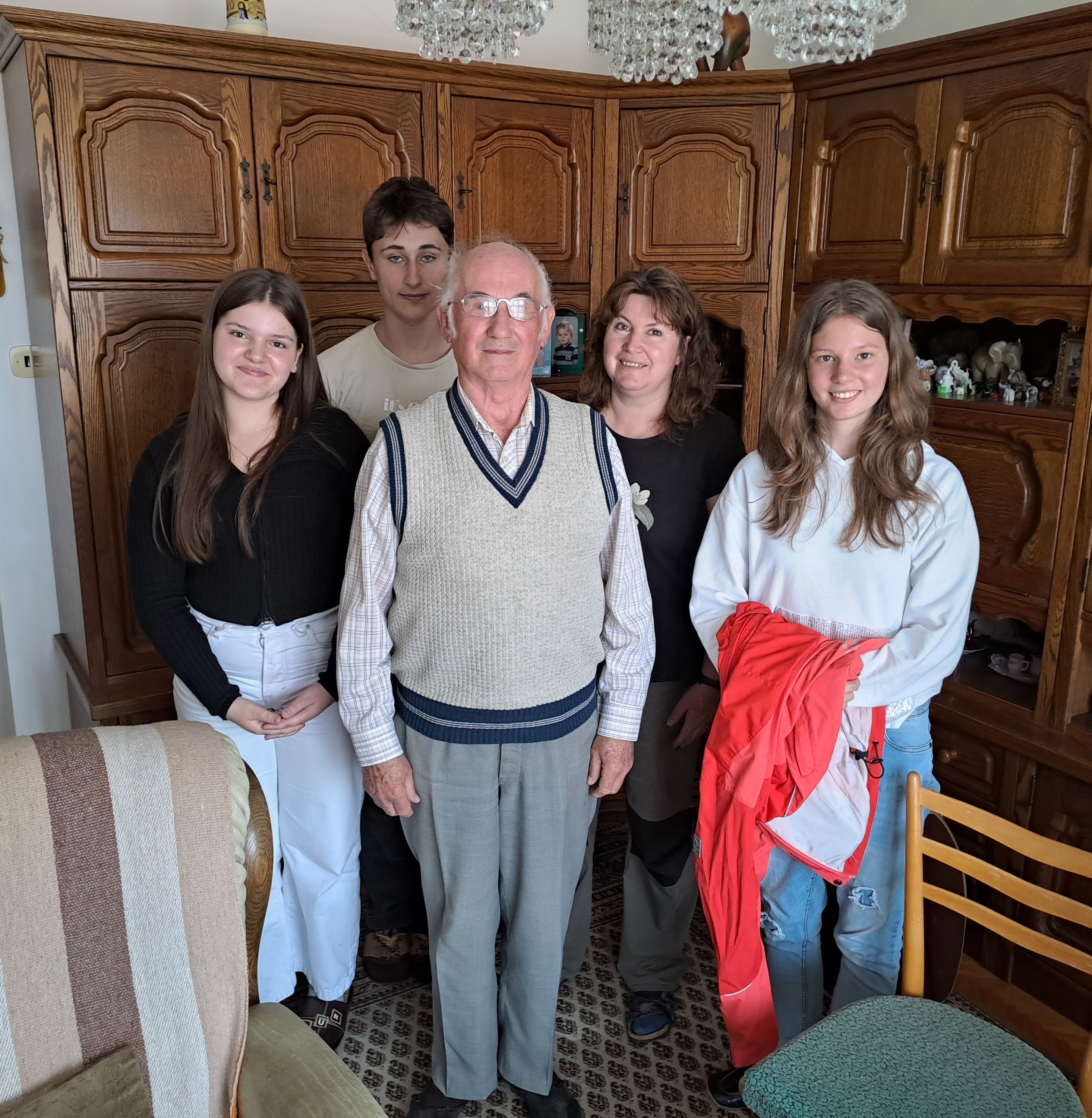
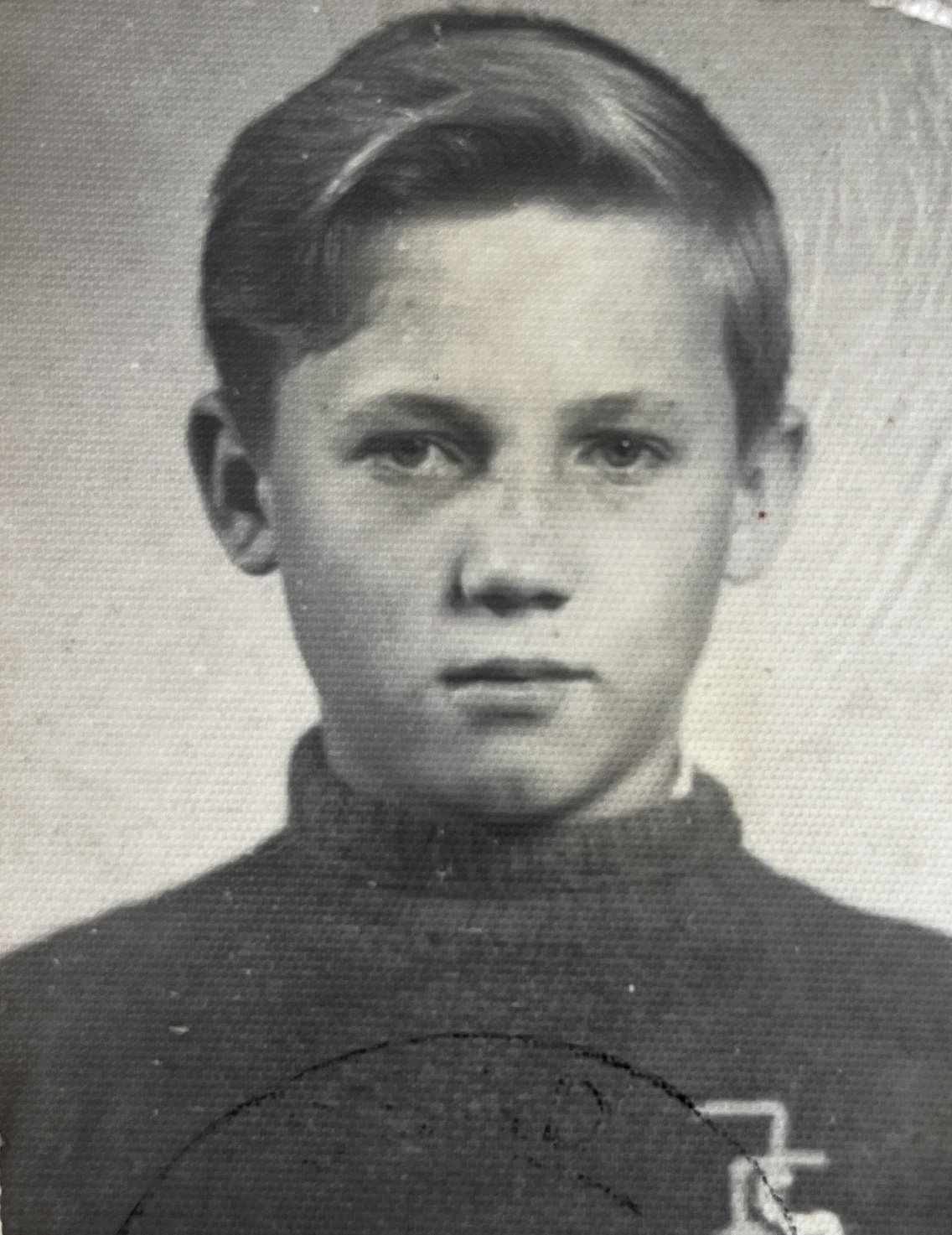
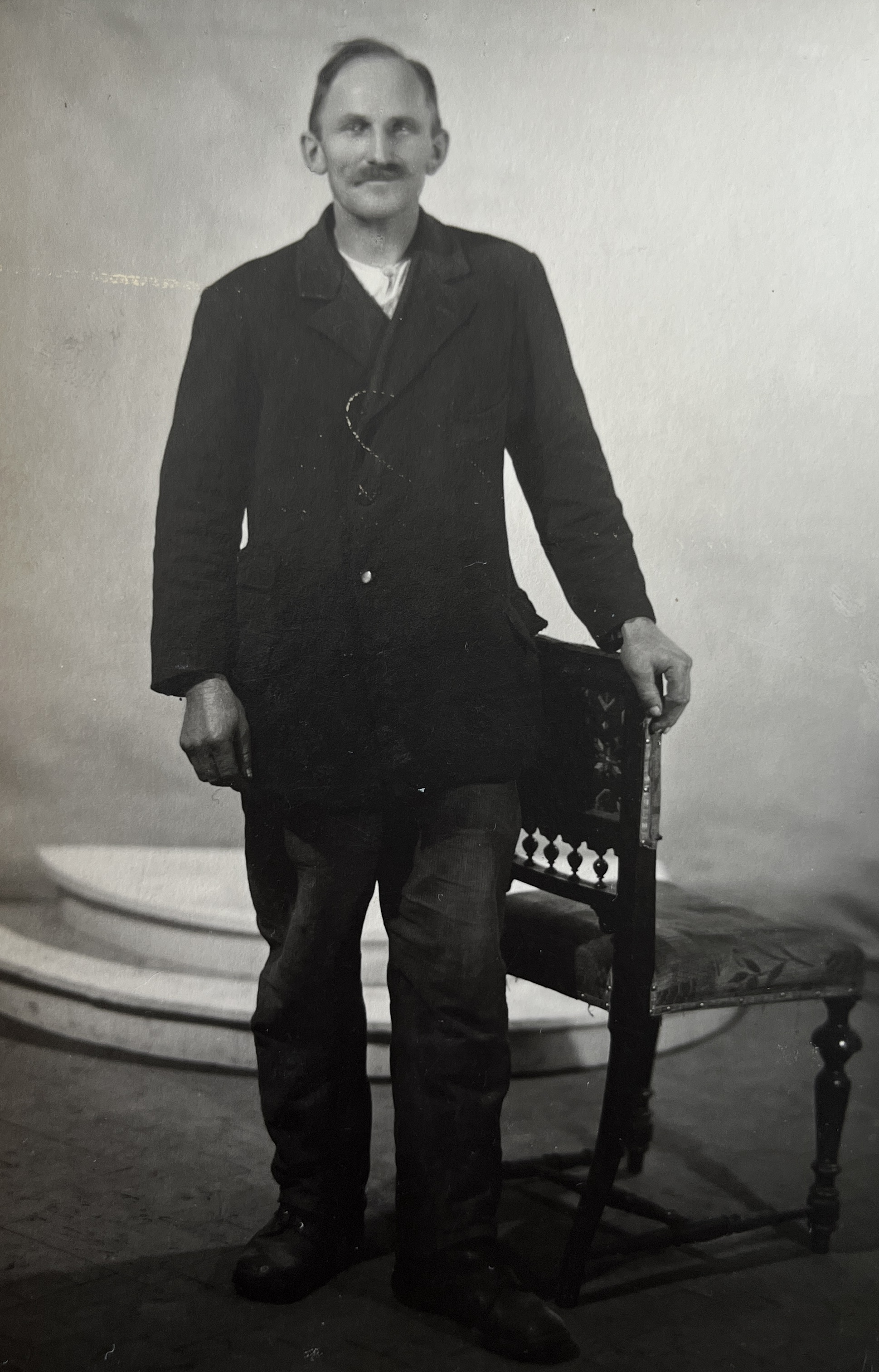
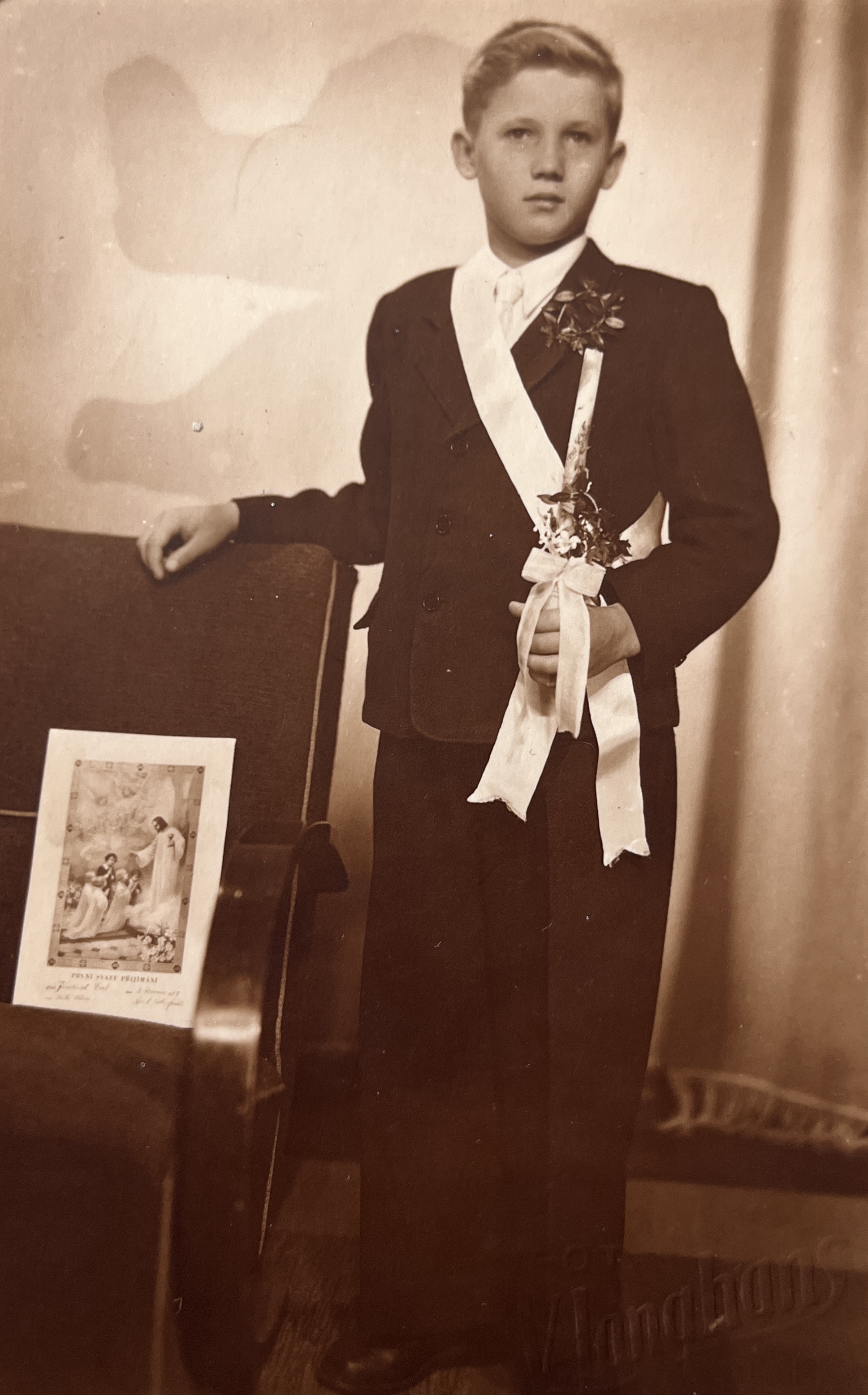
Jindřich Essl was born on 1 December 1939 in the village of Hořice (Vojslavy) in Šumava into a German family of Johann Essl and Ludmila, née Jakubcová, from a mixed Czech-German marriage. The father was a trained blacksmith, but the family lived mainly on a six-hectare farm. There were eight children in the family, one daughter died shortly after birth. After the occupation of the border area in September 1938, Hořice fell to Germany. His father rejected Nazism and did not join the NSDAP, but had to enlist in the Wehrmacht in March 1944 at the age of fifty; the same happened to his eldest son Jan. The younger son Otto was deployed in the Reichsarbeitsdienst (RAD - Reich Labour Service). In August 1942, Heinrich’s brother František died tragically. After the war, the consequences of the post-war policy towards the Germans fell on Essel. By a decision of 29 June 1946, they were deemed unreliable by the state, lost their property and were evicted from their farm. In 1948 they were sent to forced labour in Chvalešovice and from 1949 to Milenovice. In 1952 they started a new life in Český Krumlov. His father and brothers could not return after the war and remained in Germany forever. They corresponded with the rest of the family, but visits were very limited. Jindřich Essl trained in paper technology, then completed his secondary school education. From 1956 he worked for forty-four years in the paper mills in Větřní. He never joined the Communist Party. He and his wife Jana built a house in Český Krumlov in the 1970s and together they raised their daughter Jana and son Jindřich. In 2026, Jindřich Essl was living in Český Krumlov.