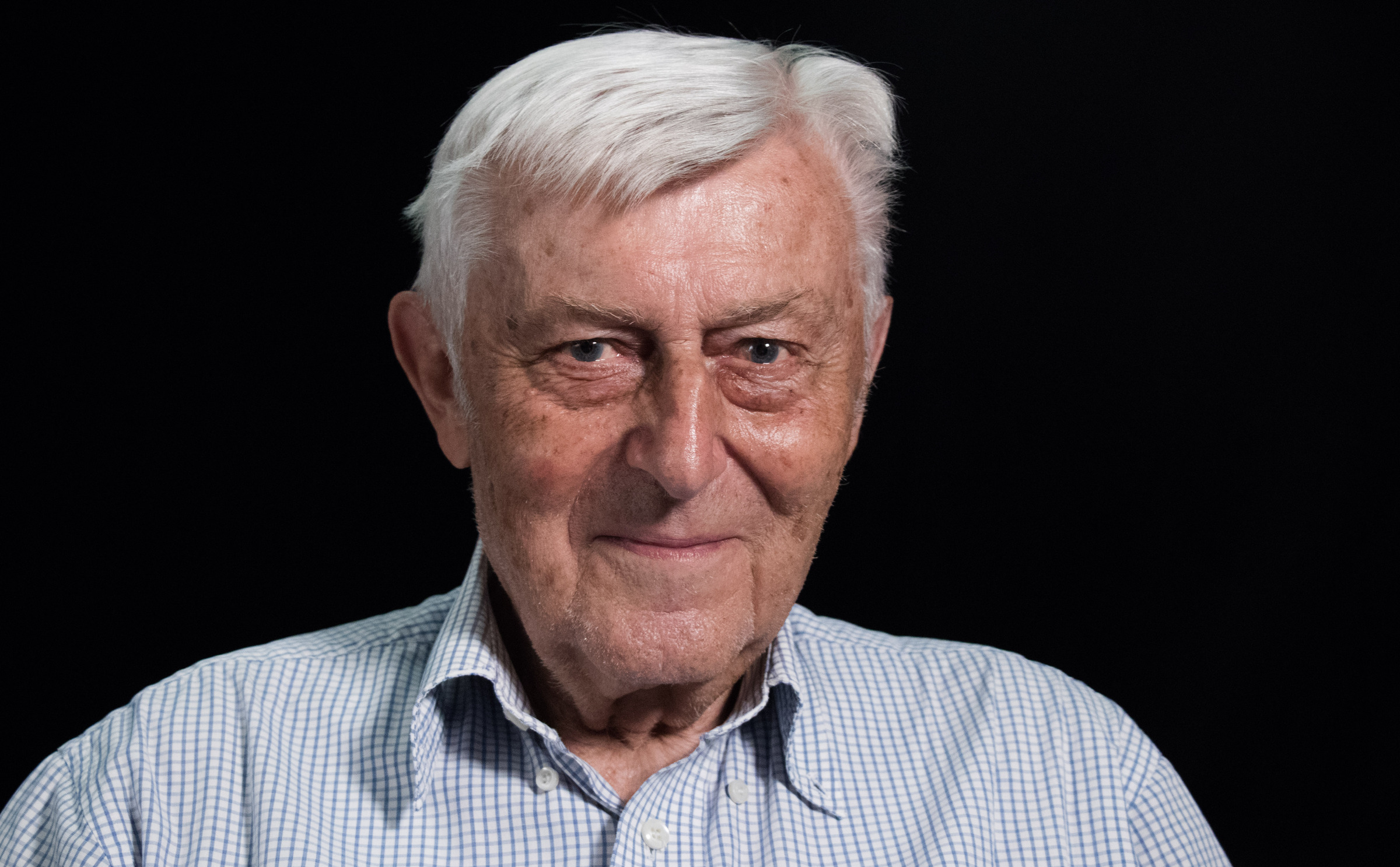
Toni Eckert

* 1936

  • "We had to lock the front door with one hand, hand over the key and suddenly we had nothing. We were taken on a horse-drawn carriage with our fifty kilos of luggage to the airport to the assembly camp. Four days later the transport left. We firmly believed and were also promised that we would go to the American zone, but it was different. The border with Bavaria, the American zone, was impassable because they could not accept new people. In Cheb we already knew that we were going to the Russians. We were not going in the direction of Marktredwitz, but in the direction of Bad Brambach and Plauen. So we ended up in a camp in Bernburg in Saxony-Anhalt. The supply was poor, the sanitary facilities were bad, there was only one latrine, which had to be chlorinated all the time because of infections. The Russians looted there. They broke into the camp and stole what little was left of the people. What they didn't need, they scattered in the fields. Once there were four Russians in our house. They wanted salt from the cucumbers. We stole some cucumbers somewhere, so we had it. My mother understood, so she gave it to them. Then they saw me, so they wanted another eight-minute glass. They filled it with vodka and made me drink it. It was the first time I'd ever encountered vodka, and it made me sick. Somehow I managed, but for a long time after that I couldn't even see any schnapps."

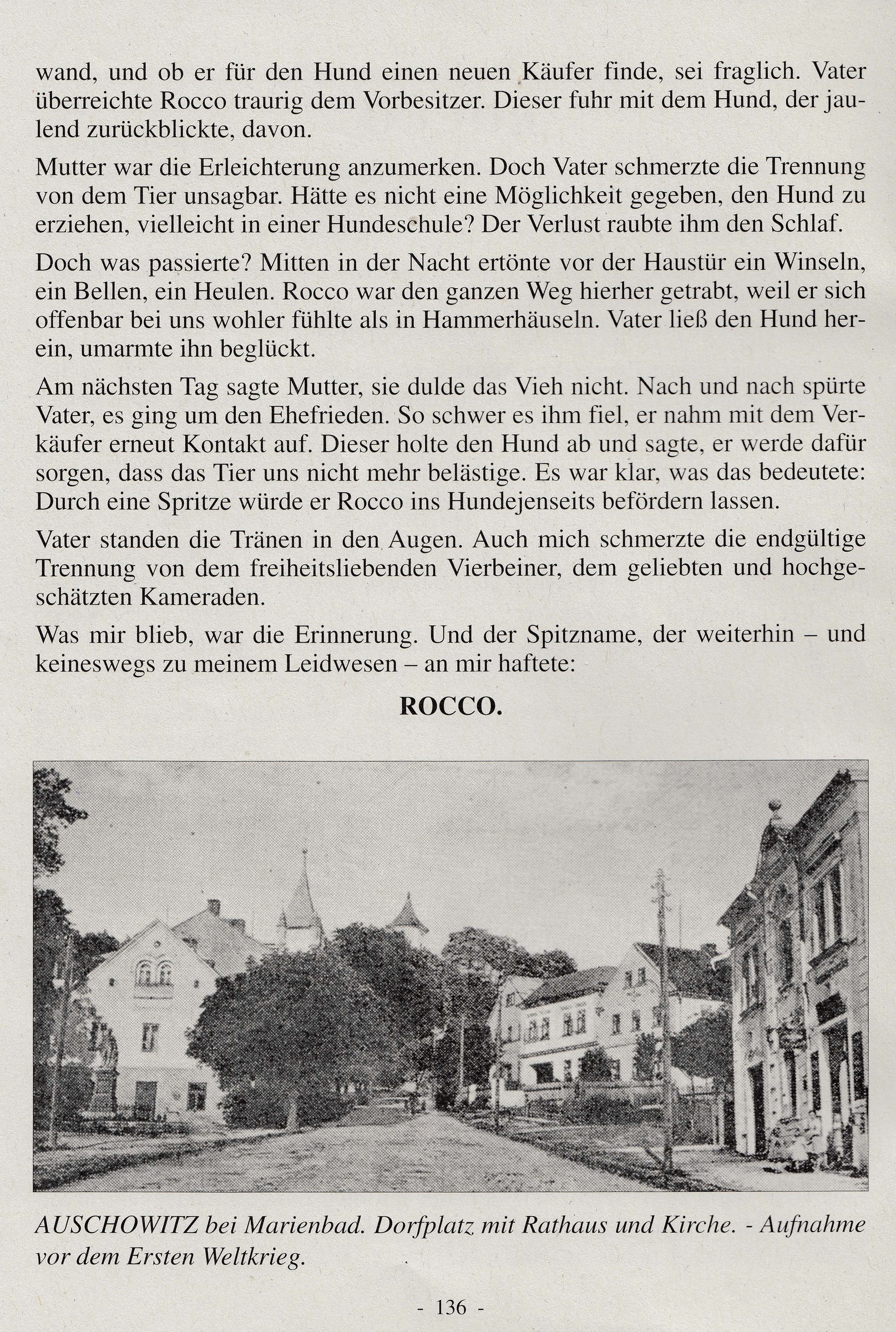
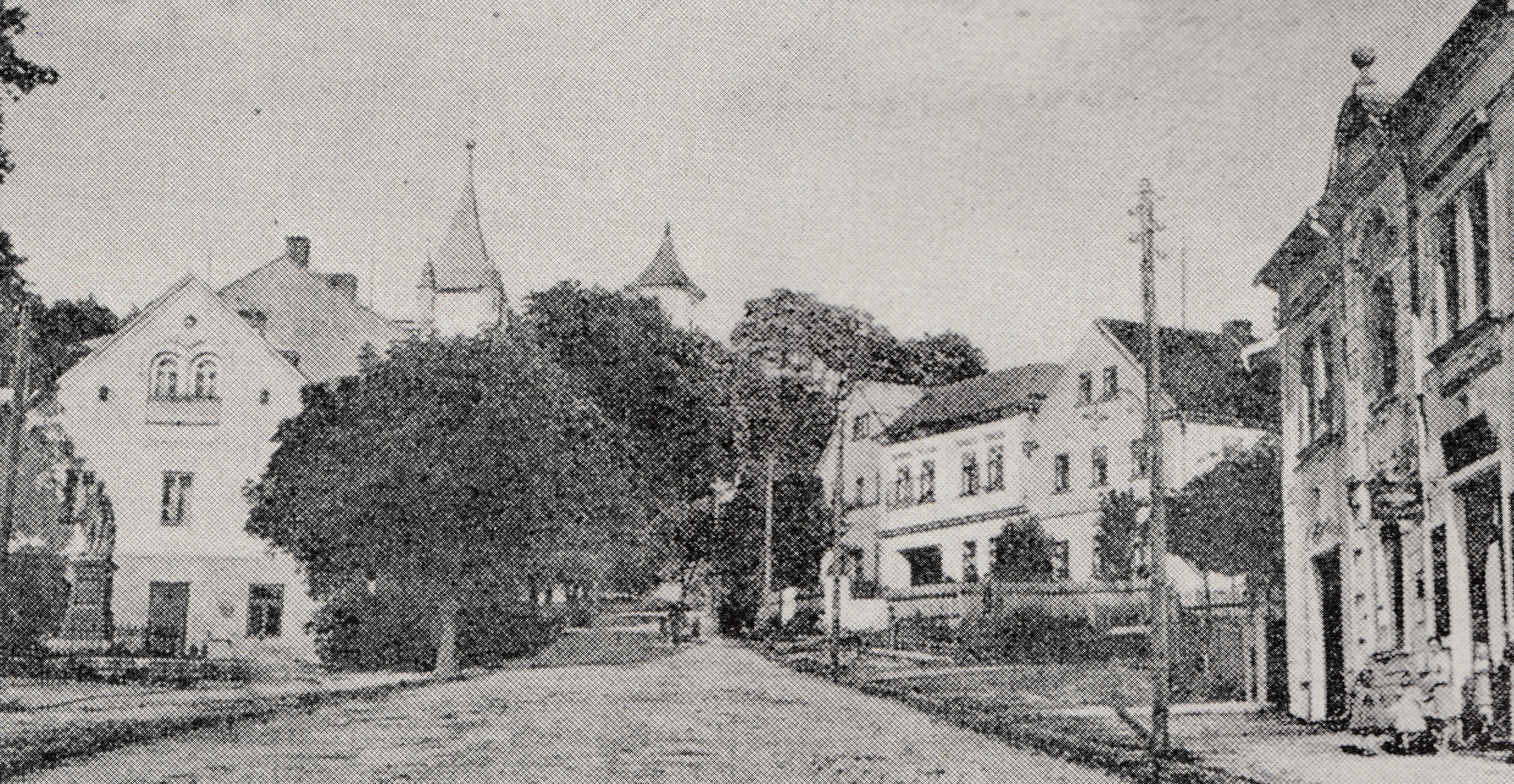
  • "And once I die, I will be cremated and somehow arrange for my ashes to be scattered in my homeland. Then I'll go home. Mariánské Lázně is my home. Bavaria is the other. I live in Bavaria and I have no problem with the Bavarians, but my home is in Mariánské lázně. As long as my father was alive, until his death in 1976, we spoke together in our dialect. And since my wife died, I talk to myself - again in the Cheb dialect."

  • "I saw American tanks at the end of April 1945. They just drove by the dairy, south of the station, then turned around. Two or three days before the end of the war, they marched in. One example (that I can remember: I was a minister at that time. The Nazi propaganda attacked even the children. During one big church festival, on Pentecost, there were two of us and two altar boys on both sides. One of them pushed me and said, 'Turn around, the enemies are sitting in the back of the church.' There were two Americans and one of them was black. For us, because of the propaganda, they were enemies. Even though it was already gone."

  • Full recordings
  • 1

    Rehau, Německo, 14.07.2018

    (audio)
    duration: 01:25:21
Full recordings are available only for logged users.

It is a pity that Czechoslovakia did not become the second Switzerland
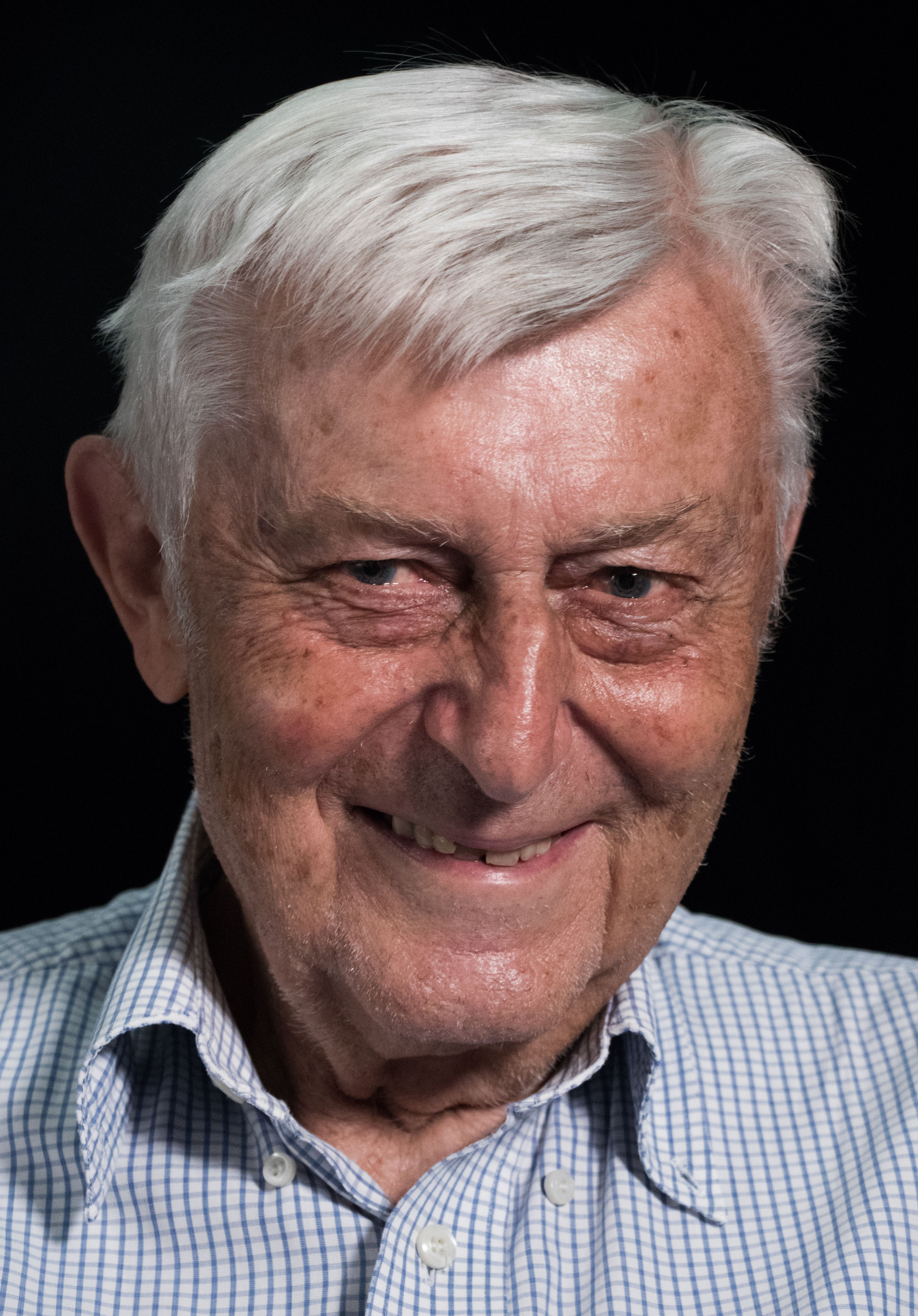
Toni Eckert, 2018
Toni Eckert, 2018
photo: PB

Toni Eckert was born in 1936 in Ušovice (today part of Mariánské Lázně), where his parents ran a tavern with a butcher shop. Already as a young boy he was very interested in what was going on around him, he was constantly surrounded by people, as he says, since he could ride a bike early on, his radius of action was much larger compared to similarly aged boys. He vividly remembers the war, the events in Mariánské Lázně during and after it. In June 1946 the family was deported to Germany, first to the Soviet zone. However, because the parents did not accept this, they made a long odyssey, and after a three-month journey they finally reached the south of Bavaria, which became their new home. They settled in the town of Mehring near Burghausen. After graduating from the Humanities Gymnasium, Toni studied civil engineering at university. He married and has one daughter with his wife. He is very active in many areas of his life, playing sports, working in the garden and creating art. He takes an active interest in events in the Czech Republic.