Marie Dvořáková

* 1931

  • "Of course. They kept... saying that we were Polish descendants and that they would kill us all. Someone always told us: 'Hide, the Banderites are coming to get you!' So we dug a hole two by two metres and we hid in there. Sometimes, when we couldn't get there, we ran to hide in the field. They were shooting. They also wore black uniforms that the Germans gave them. They said that if they liberated Ukraine from Jews and all nationalities, they would give them pure Ukraine, like a glass of water. They believed it at first, I guess, but before too long, they started ambushing the Germans on the main road, going from Dubno to Rovno, for example. Then the Germans cut down the trees on one side and on the other side, because they started to go after the Germans. And they murdered an entire family in our village, Martinovka, but how! They could have shot them, but they dismembered them, those girls. One of them, Věrynka, sat with me at school. That was terrible. Libuška had her stomach out and all. They drew a dagger through their mother's head. They shot their dad about eleven shots and set him on fire."

  • "Those who had ten hectares were kulaks. Many people were deported to Siberia. It so happened that we were to go the next day - we had already packed... and were to take a train to take us away. Suddenly my mother's sister comes and says: 'Why are you sitting here so puzzled?! Come and hear what's going on outside!' We could already hear the German planes flying over Rovno and bombing. So actually the Germans saved us."

  • "Daddy was persecuted afterwards. Two Russians of NKVD came. They kicked us out of the house. They interrogated my father, asking for a gun, papers and I what not. Dad spoke perfect Russian and all, so he explained that he had nothing. All he had was a typewriter, so they took that. Then one of them left. The other one said: 'Once we leave, get lost immediately', and that's the way it was. Dad got lost and we didn't even know where he was. Then we found that mom's sister's sons saved him. They hid him. They didn't tell us where he was. Mum blamed them later on. They said, if we told you, they'd crack down on you and you'd give it away. You'd better not know."

  • Full recordings
  • 1

    Ostrava, 31.07.2025

    (audio)
    duration: 01:56:13
    media recorded in project Living Memory of the Borderlands
  • 2

    Ostrava, 08.09.2025

    (audio)
    duration: 01:55:33
    media recorded in project Příběhy regionu - Moravskoslezský kraj
Full recordings are available only for logged users.

We were happy to get out of that hell
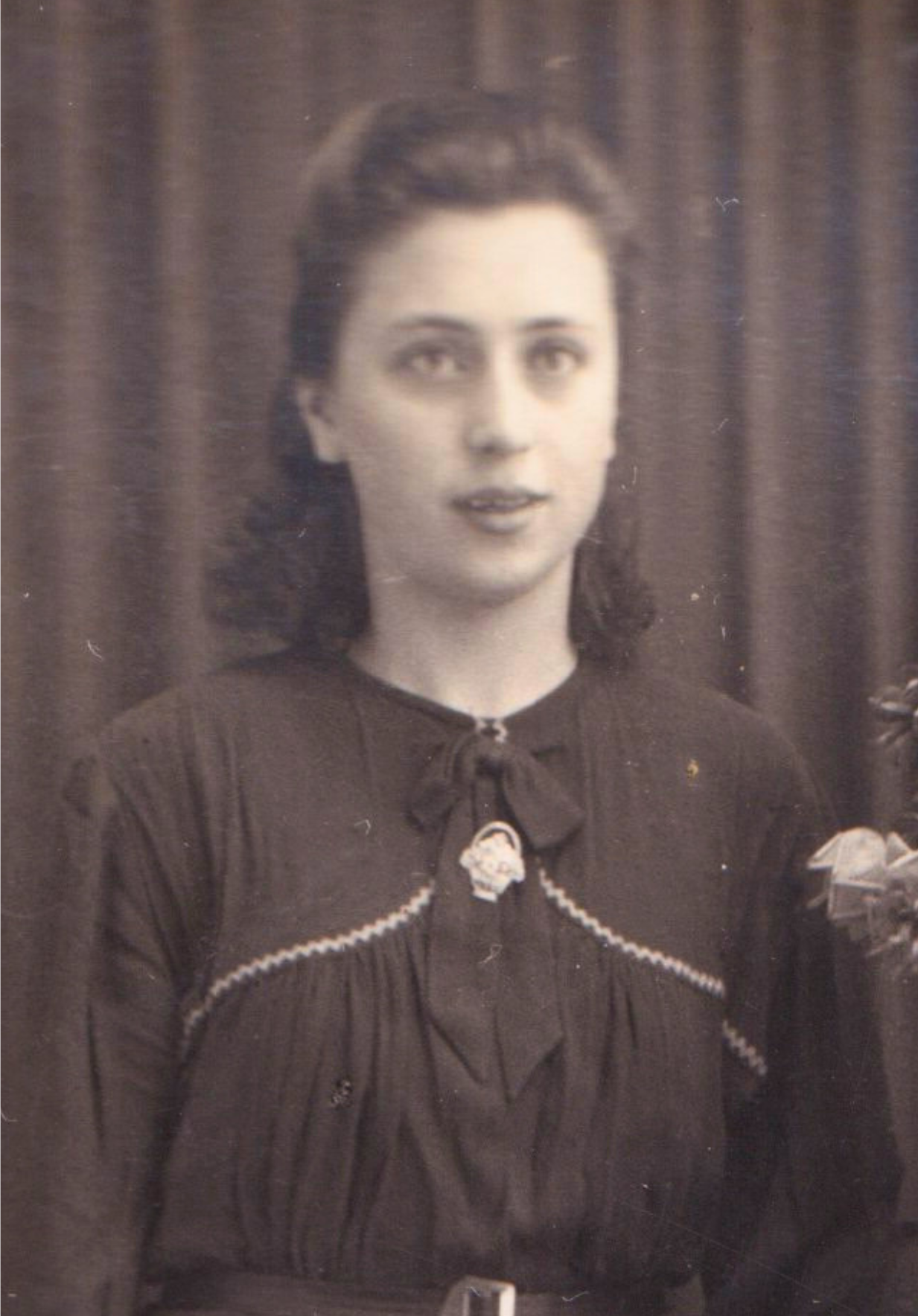
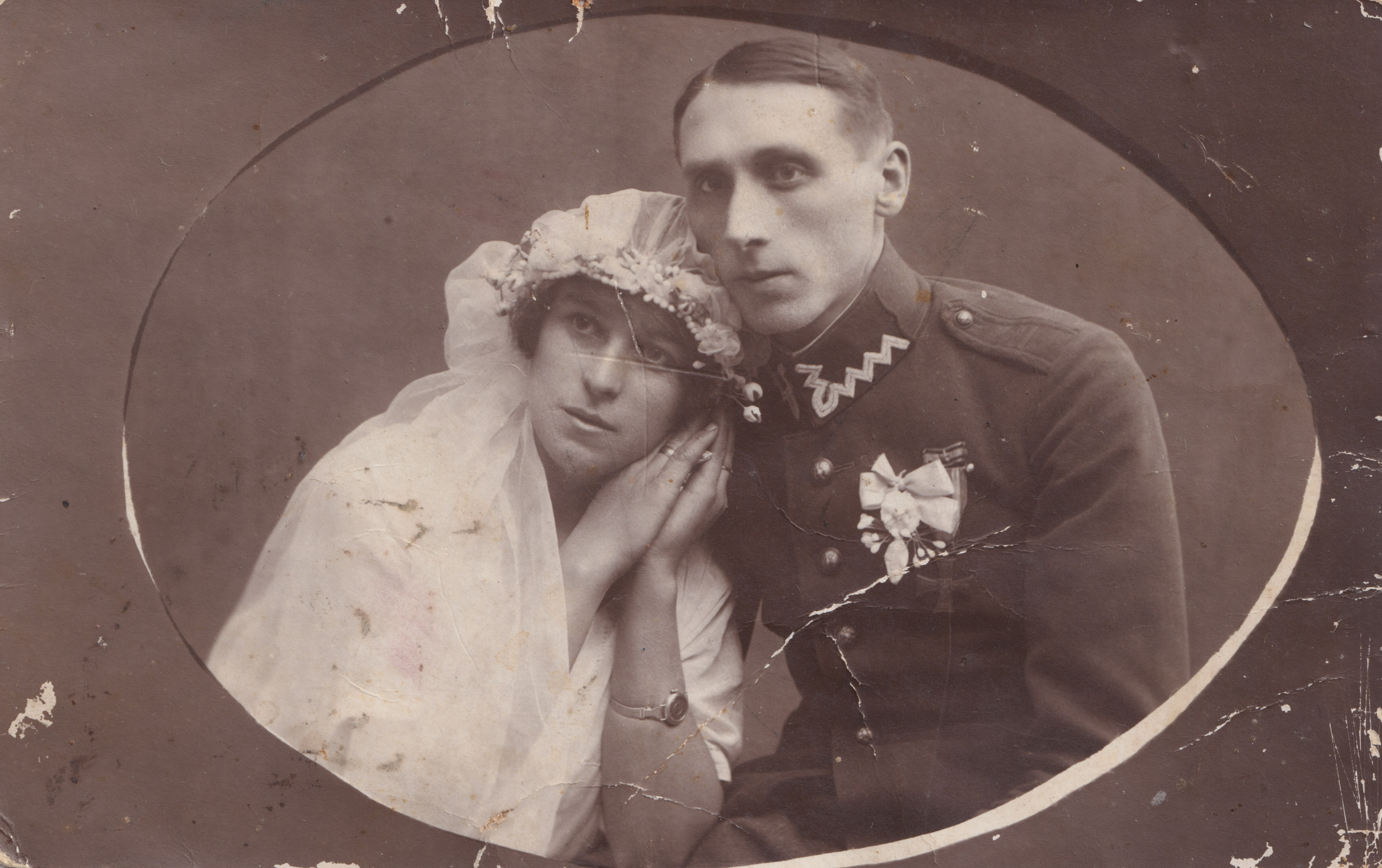
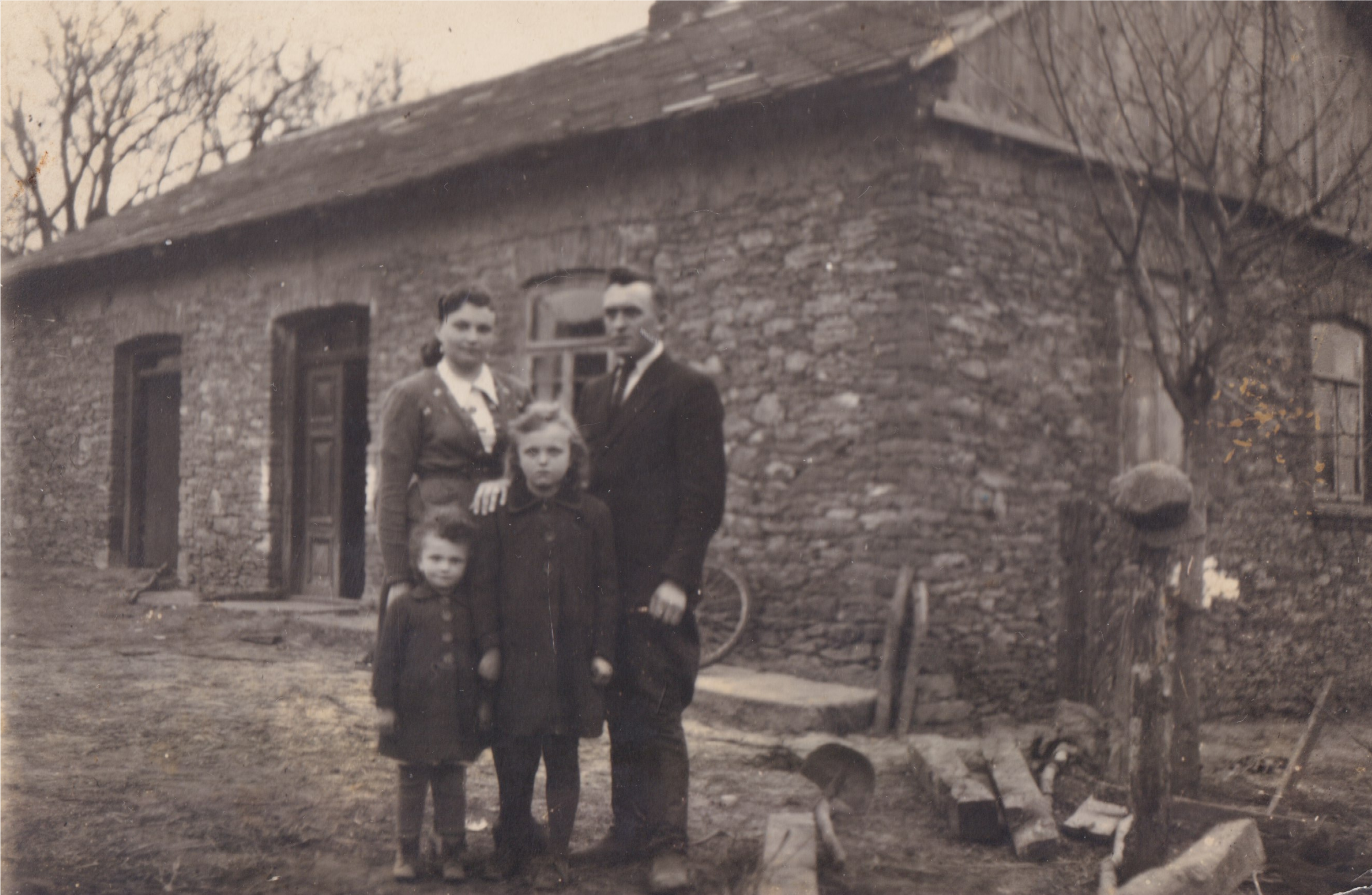
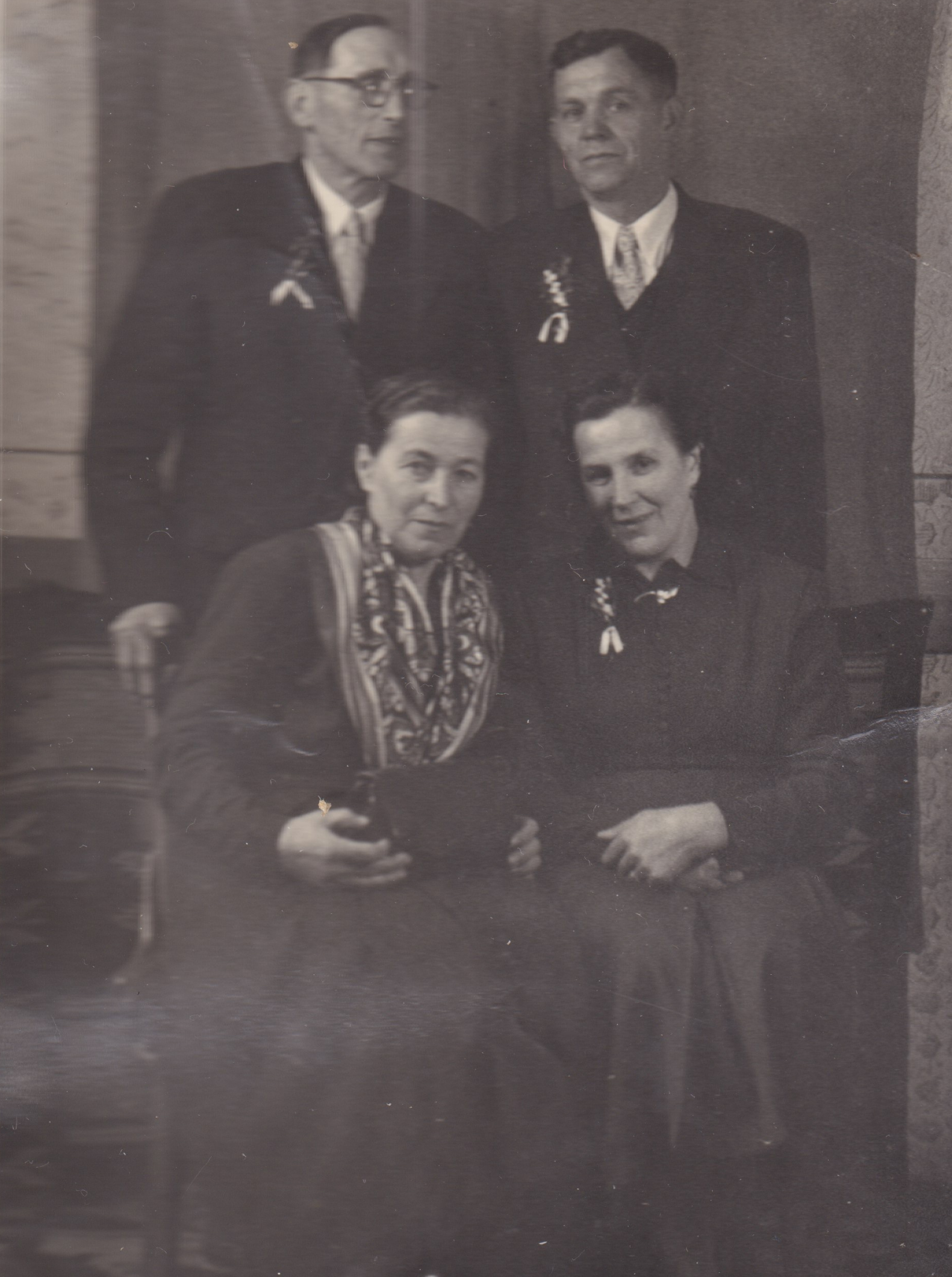
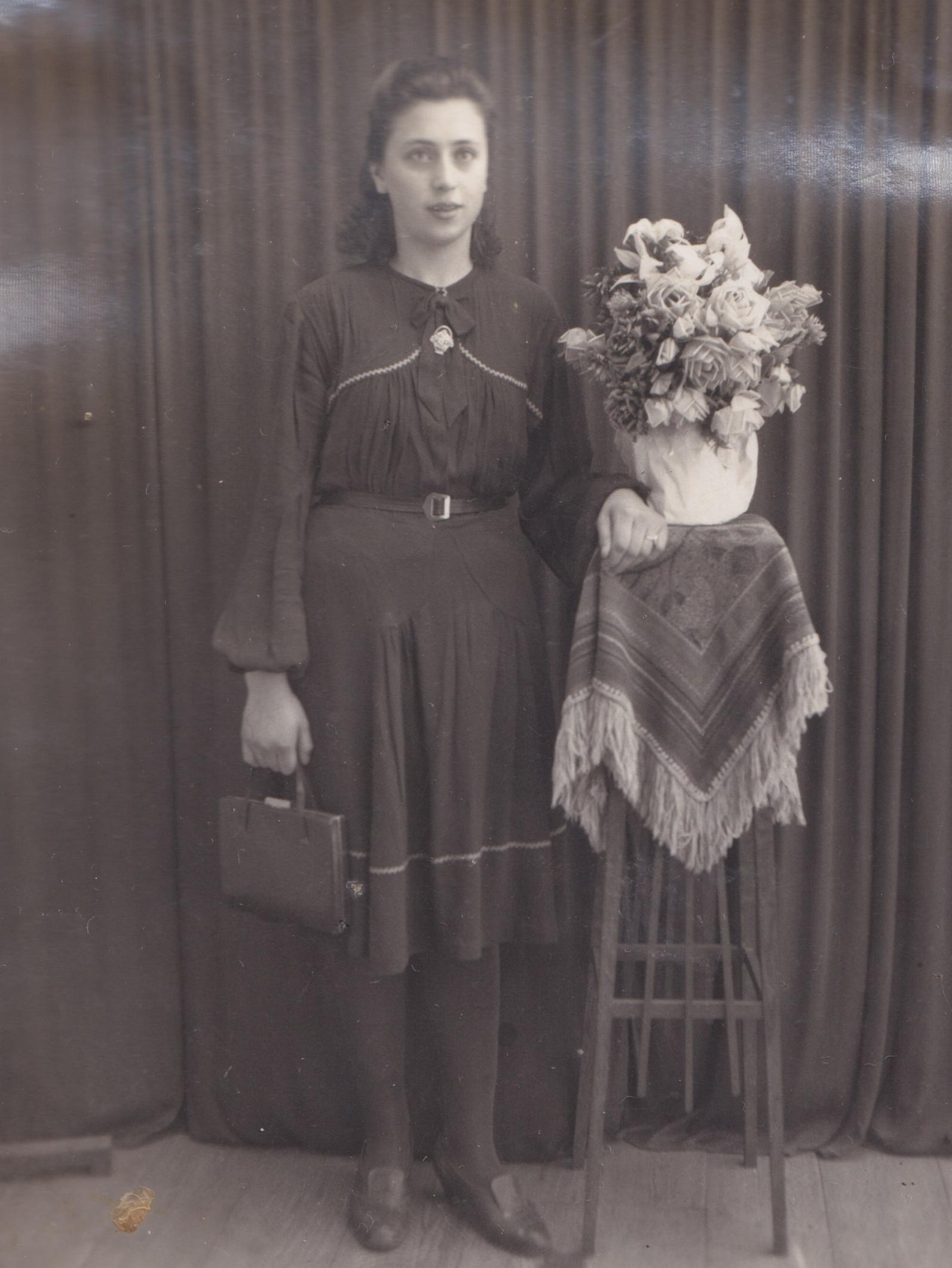
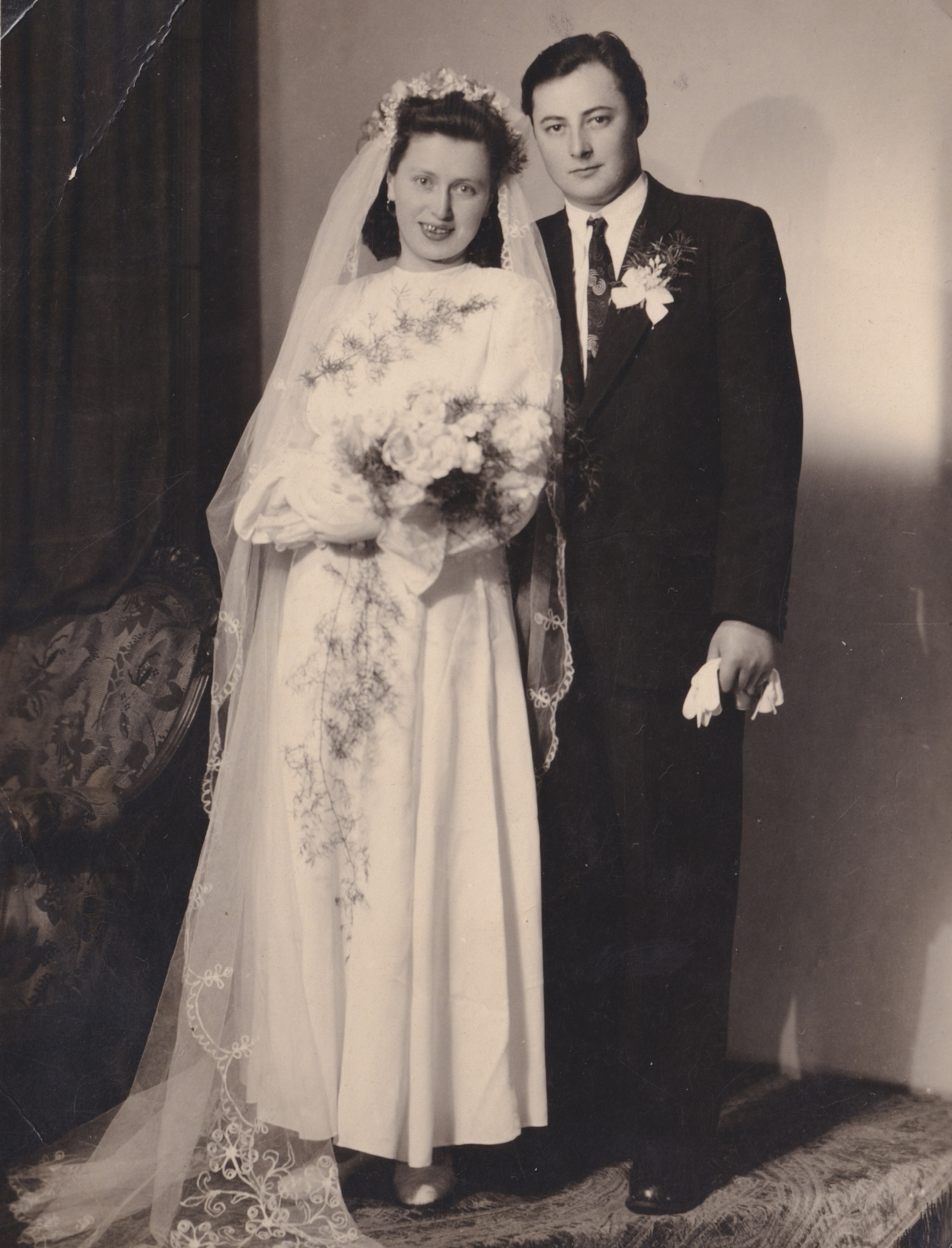
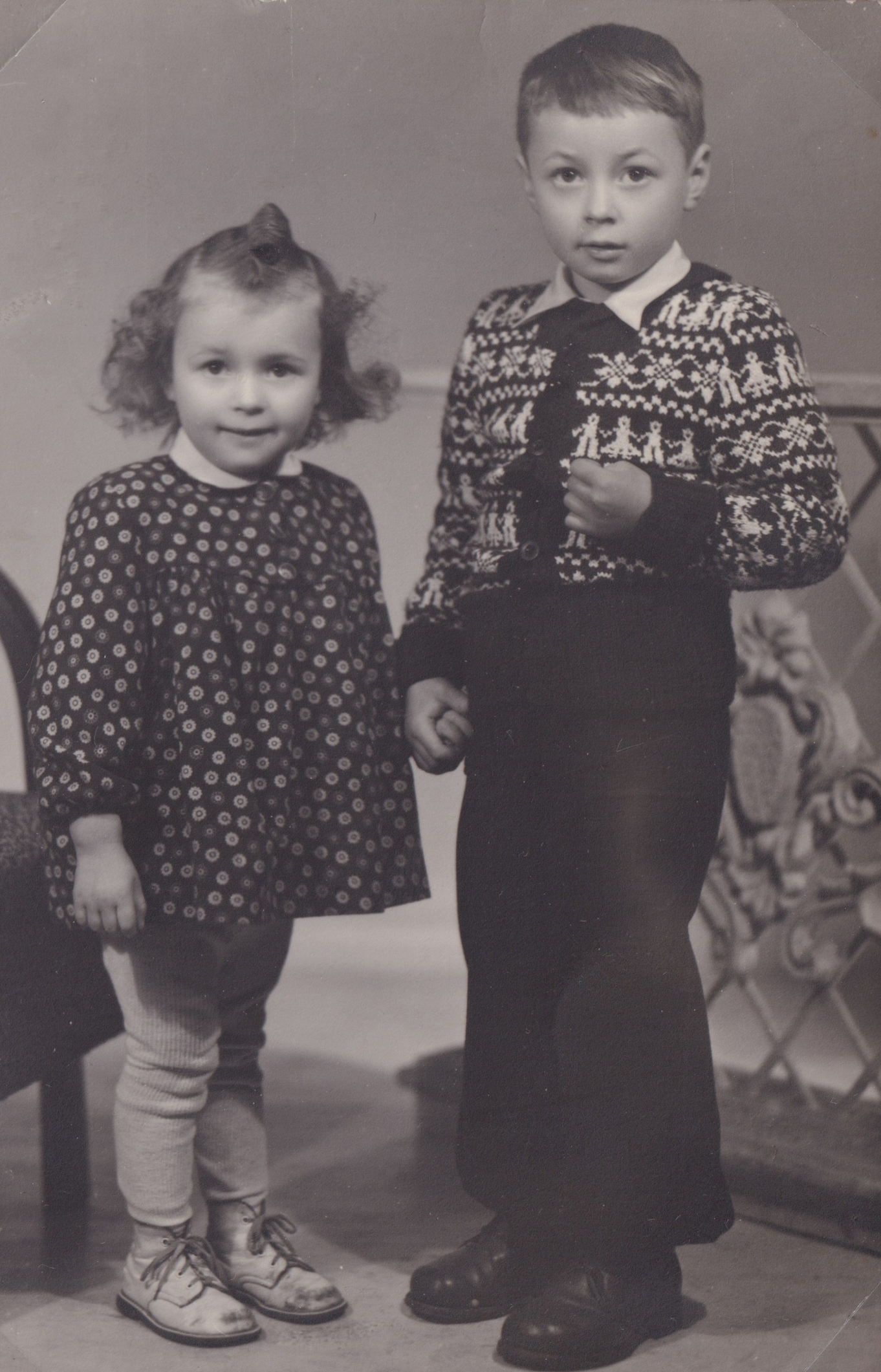
Marie Dvořáková, 1940s
photo: Witness's archive

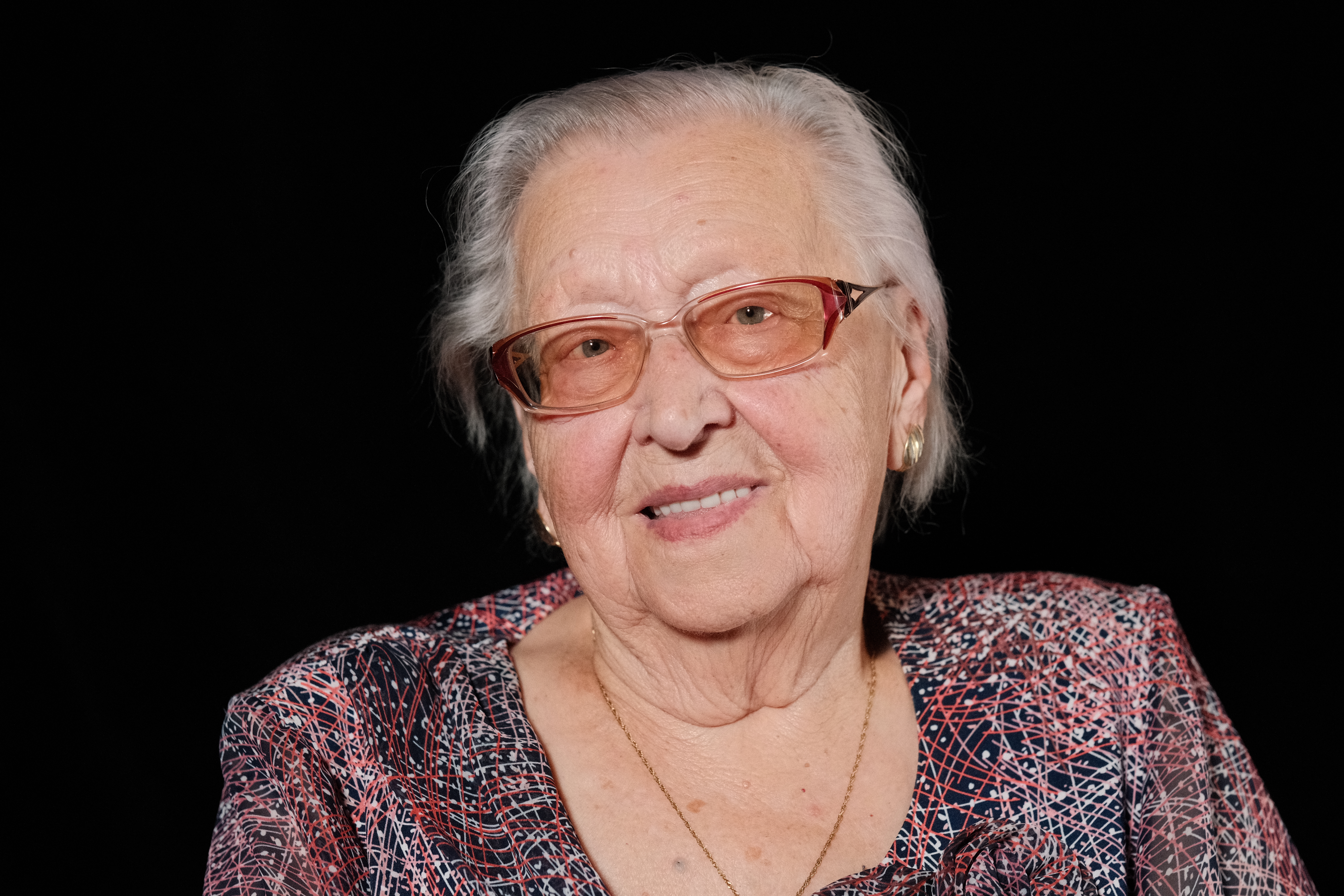
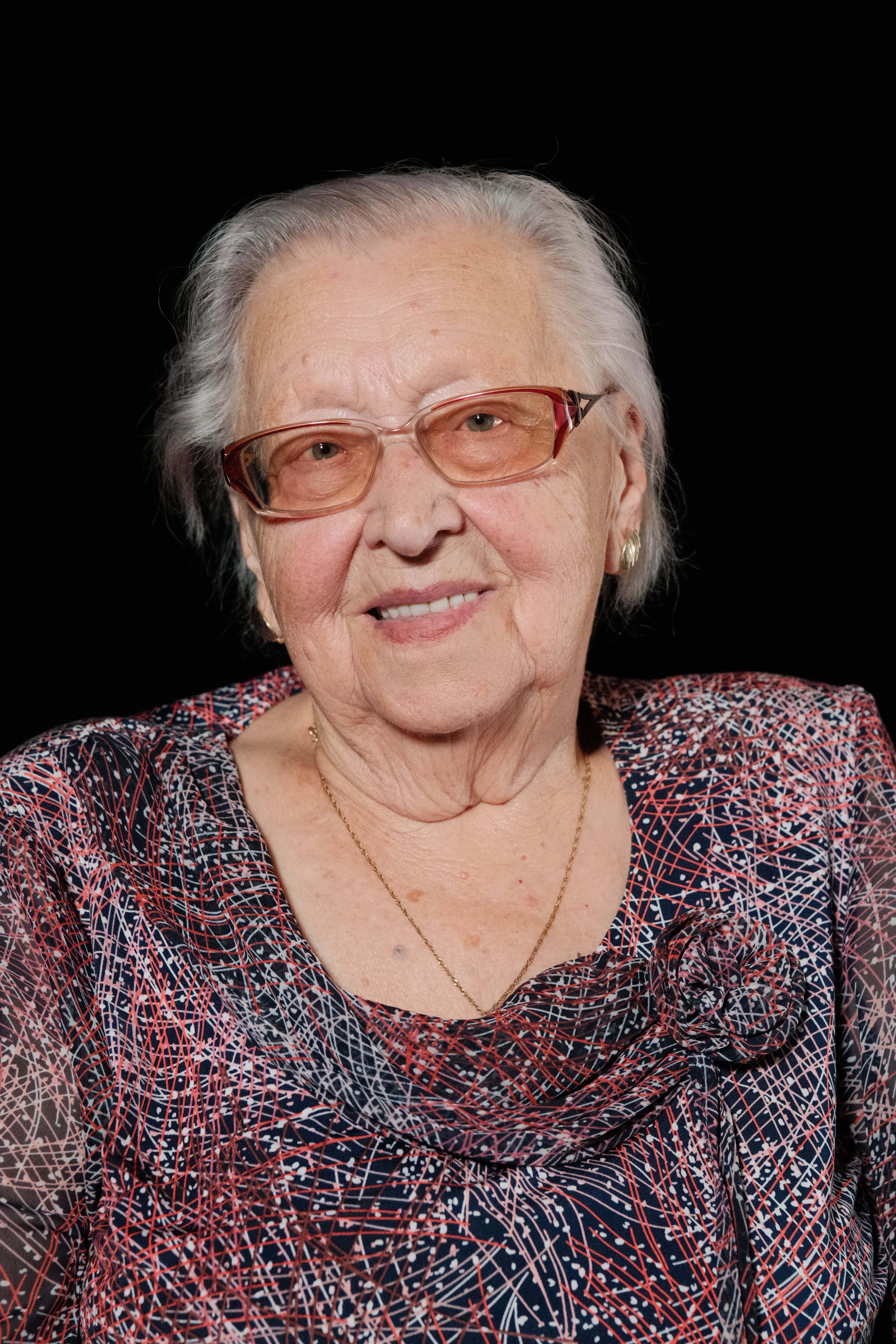
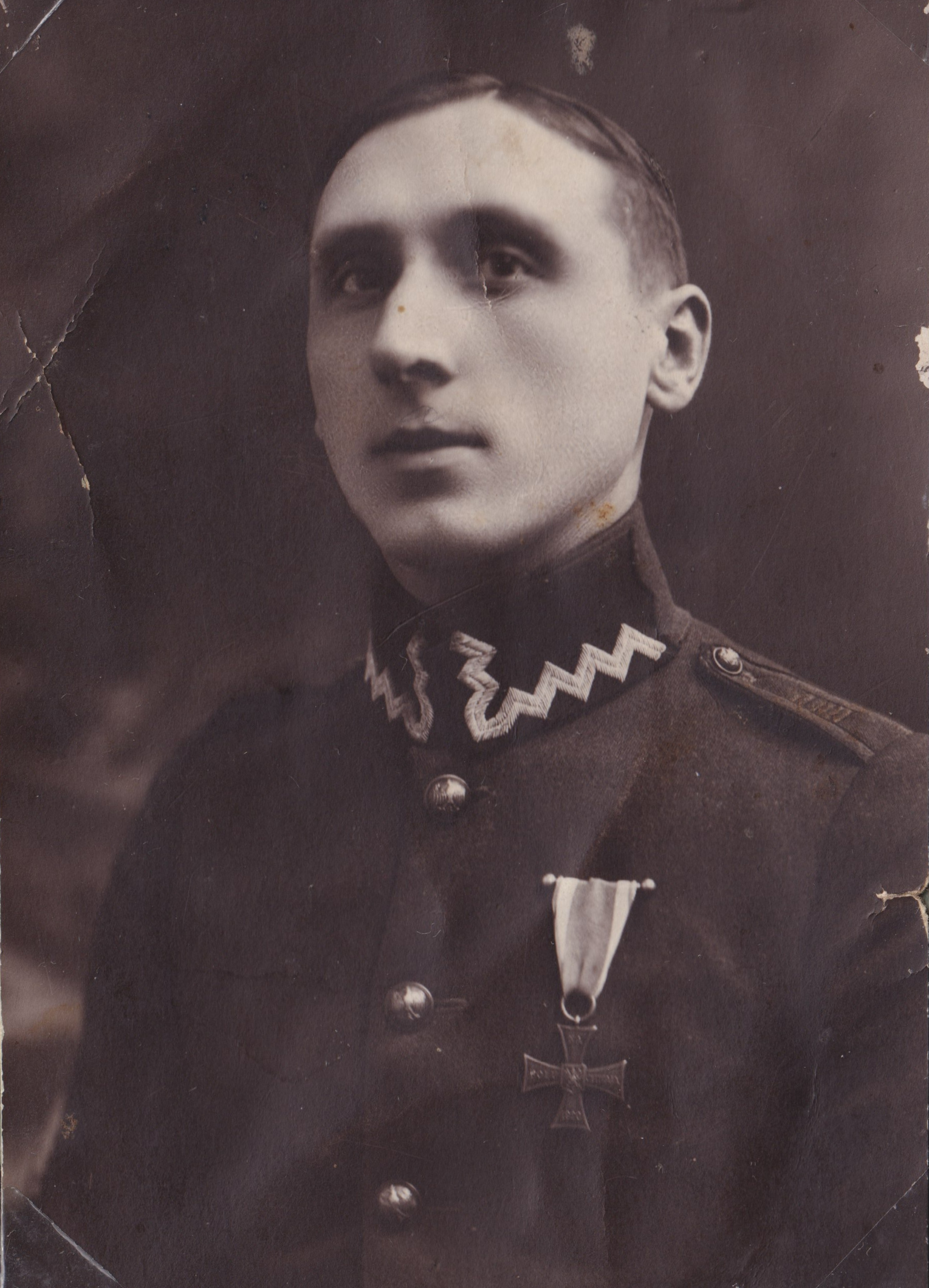
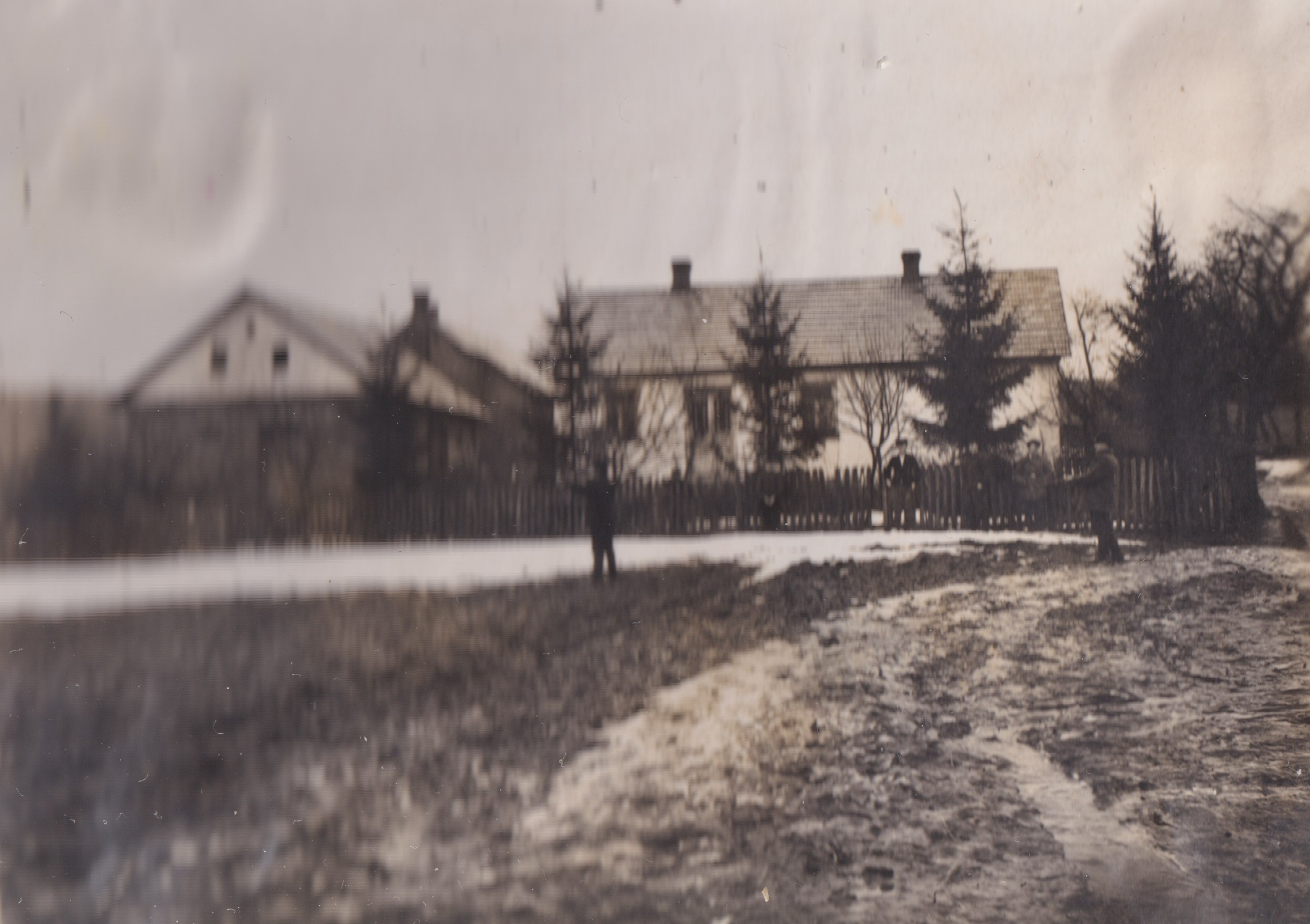
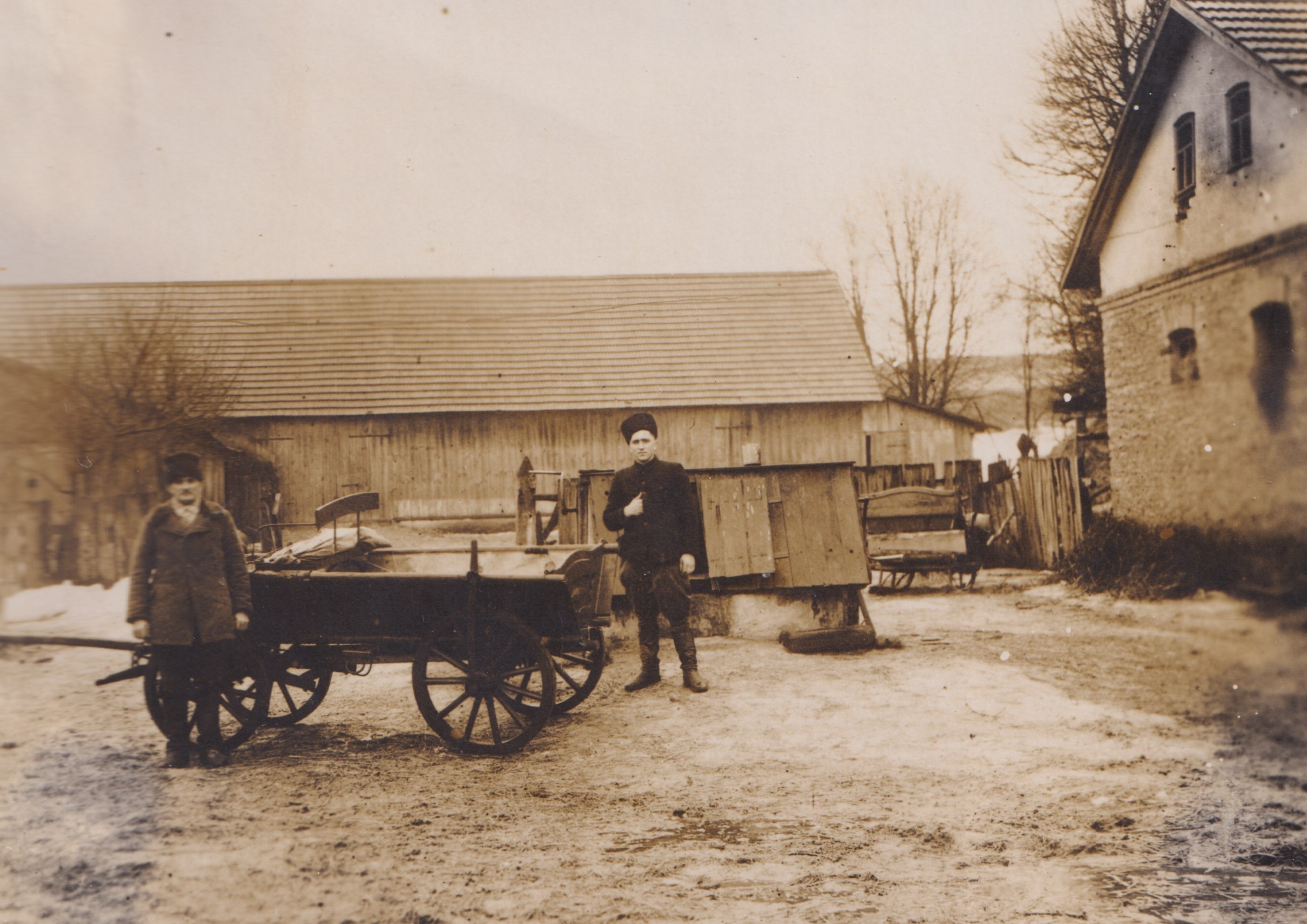
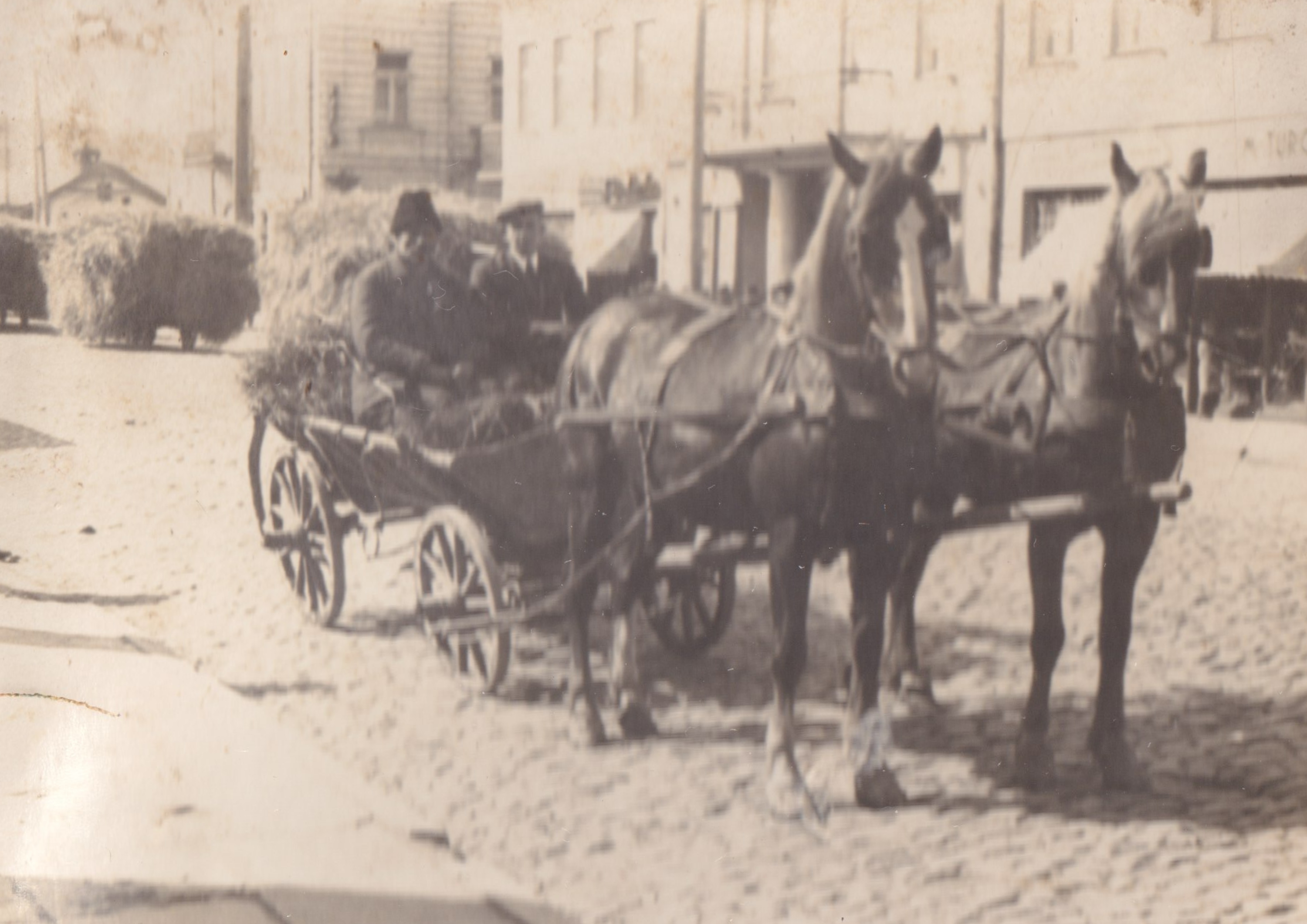
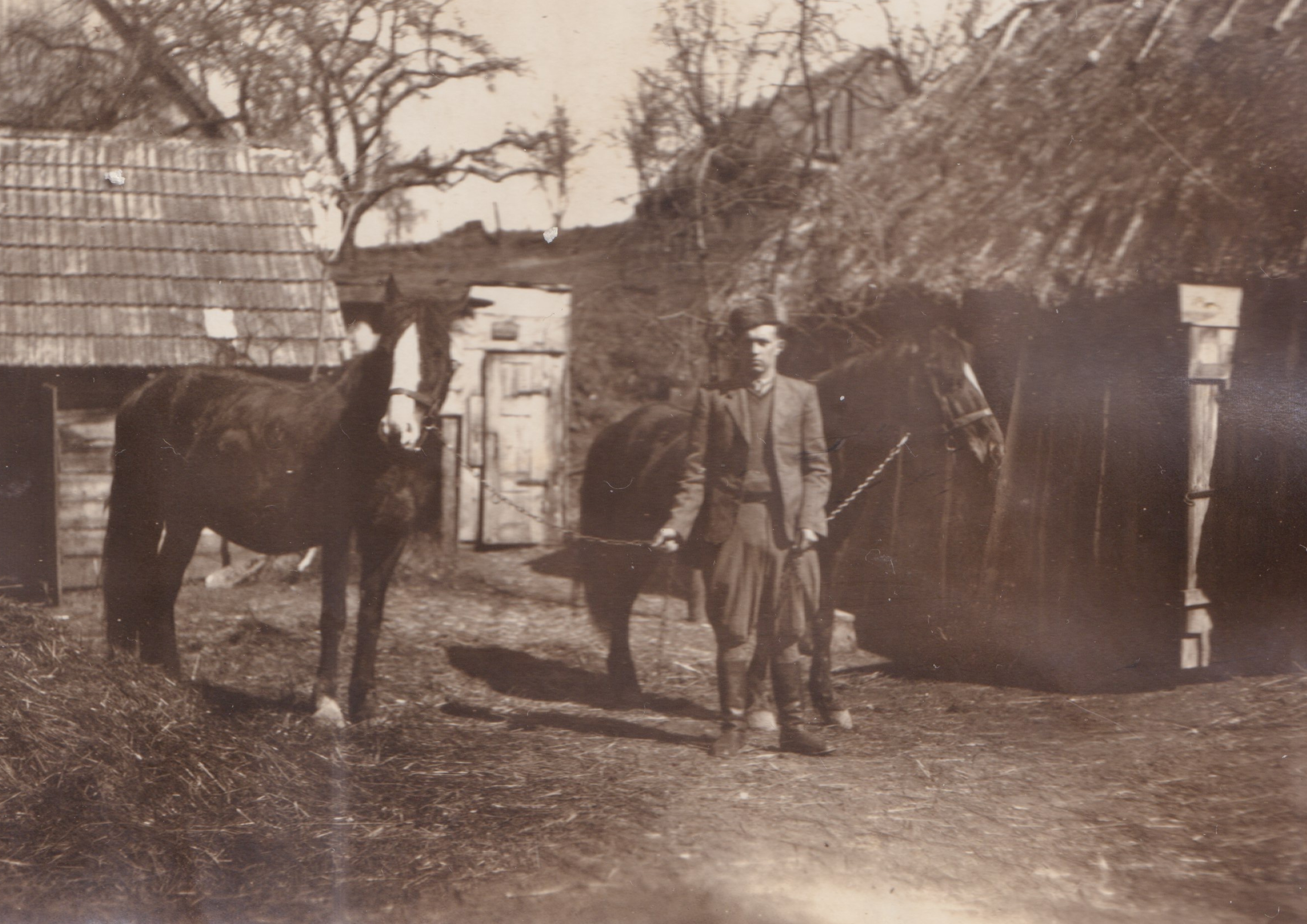
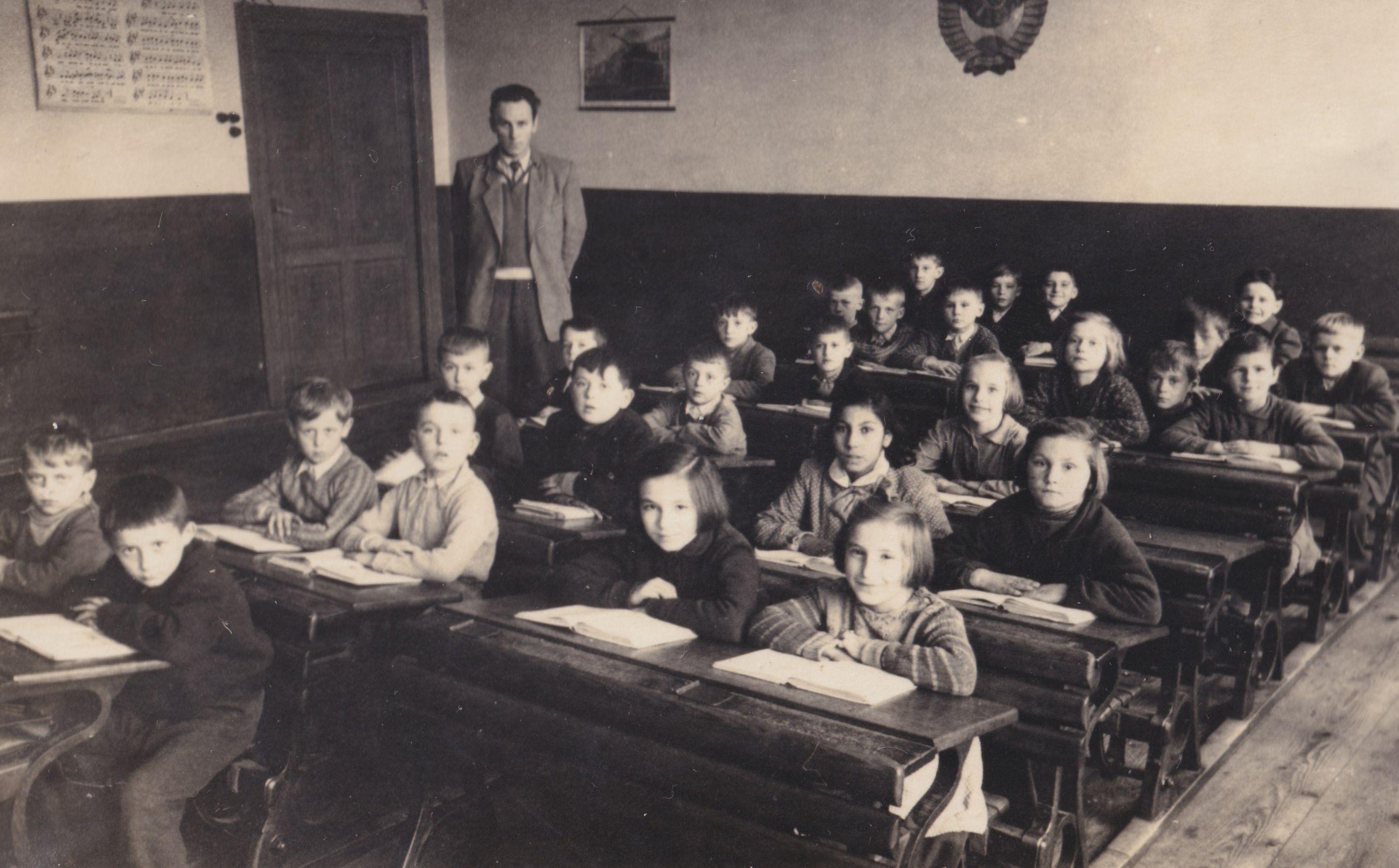
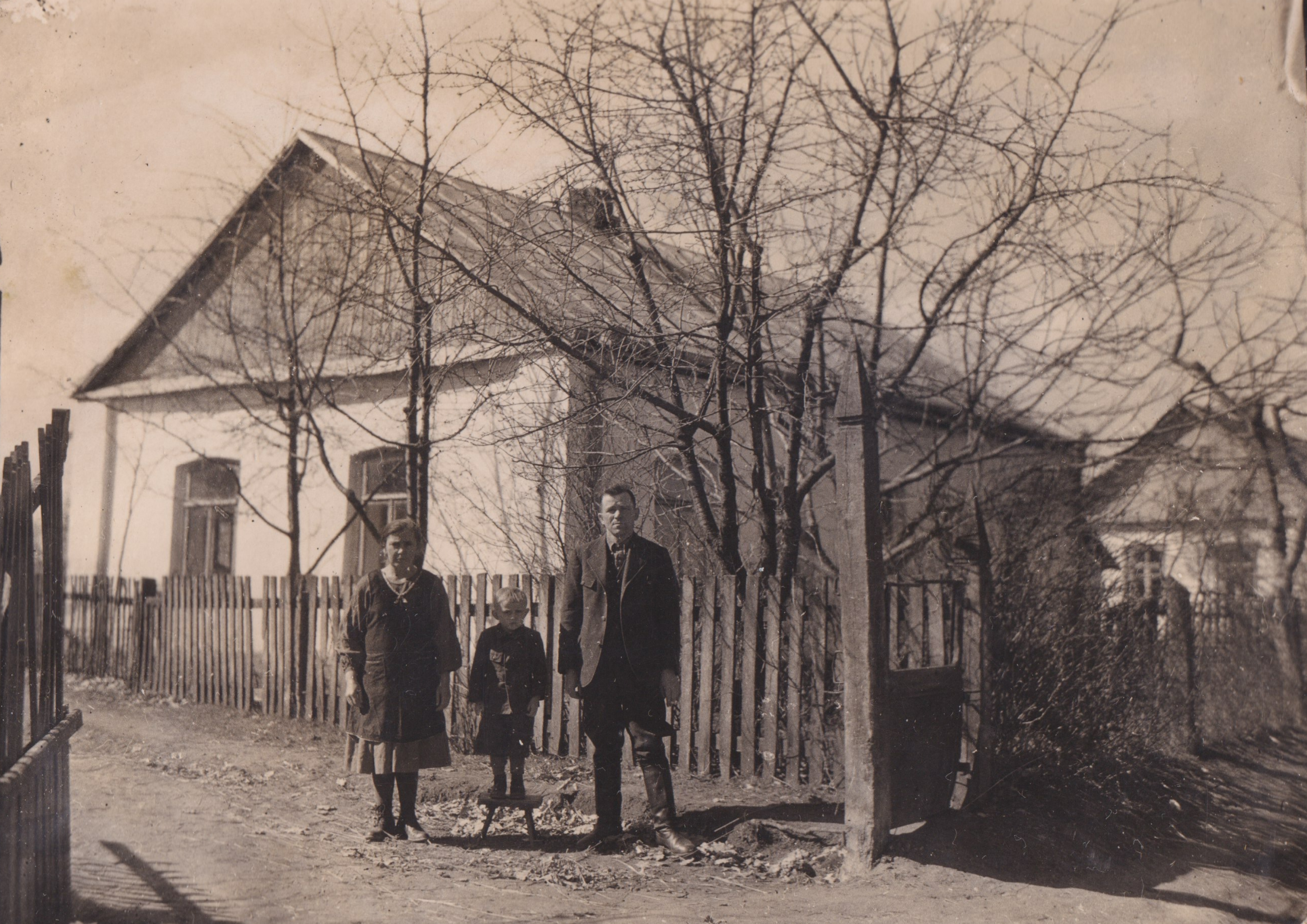
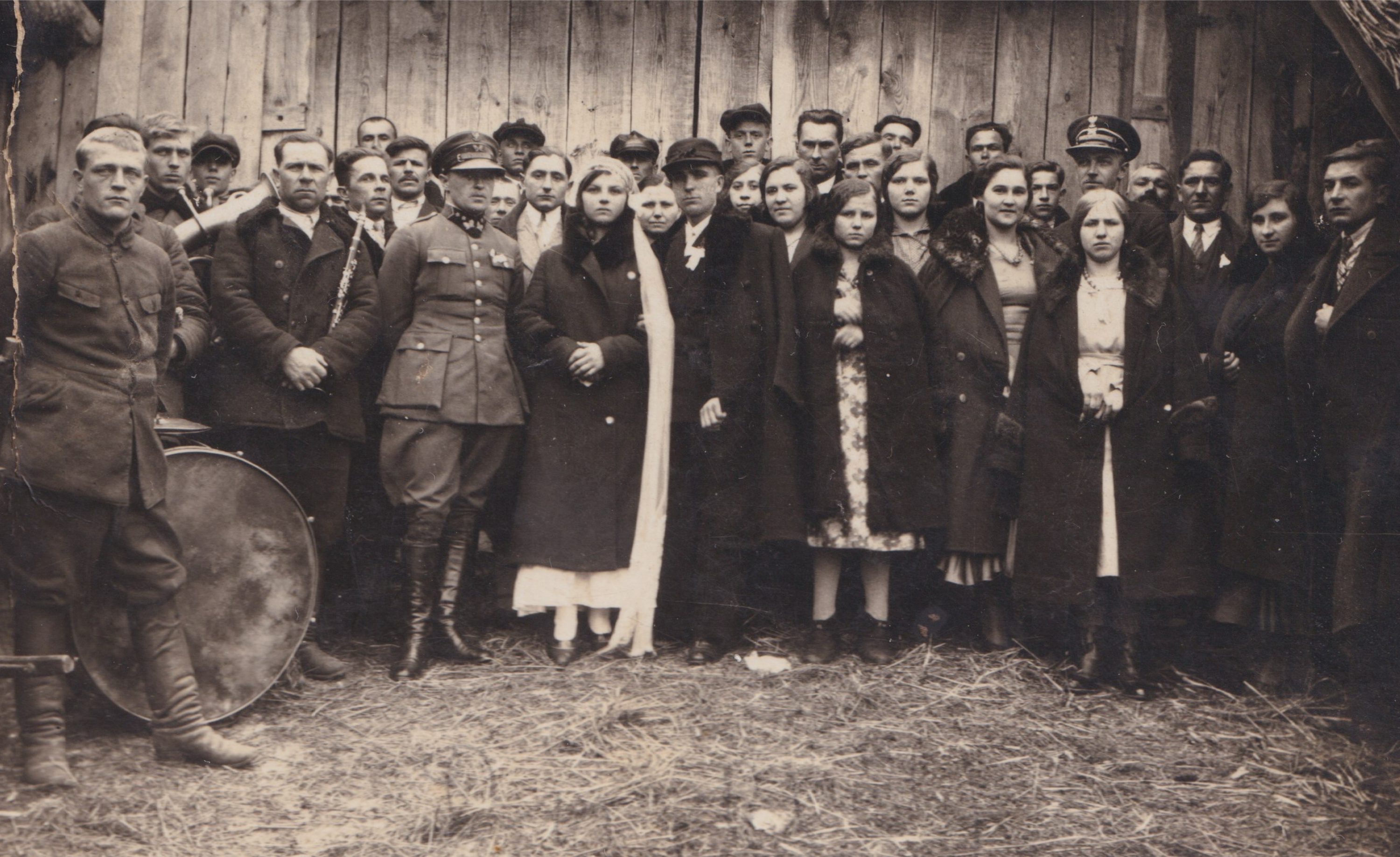
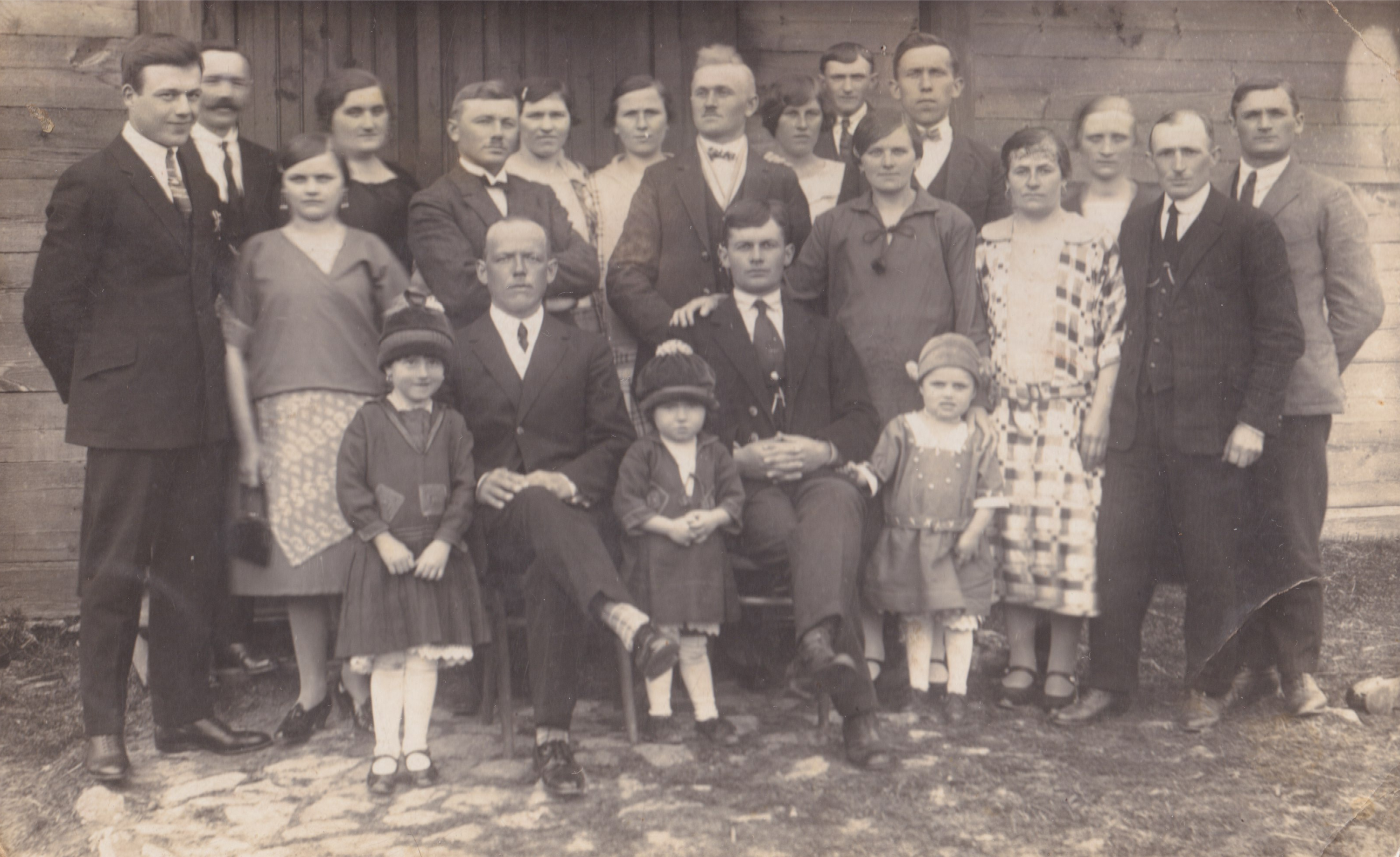
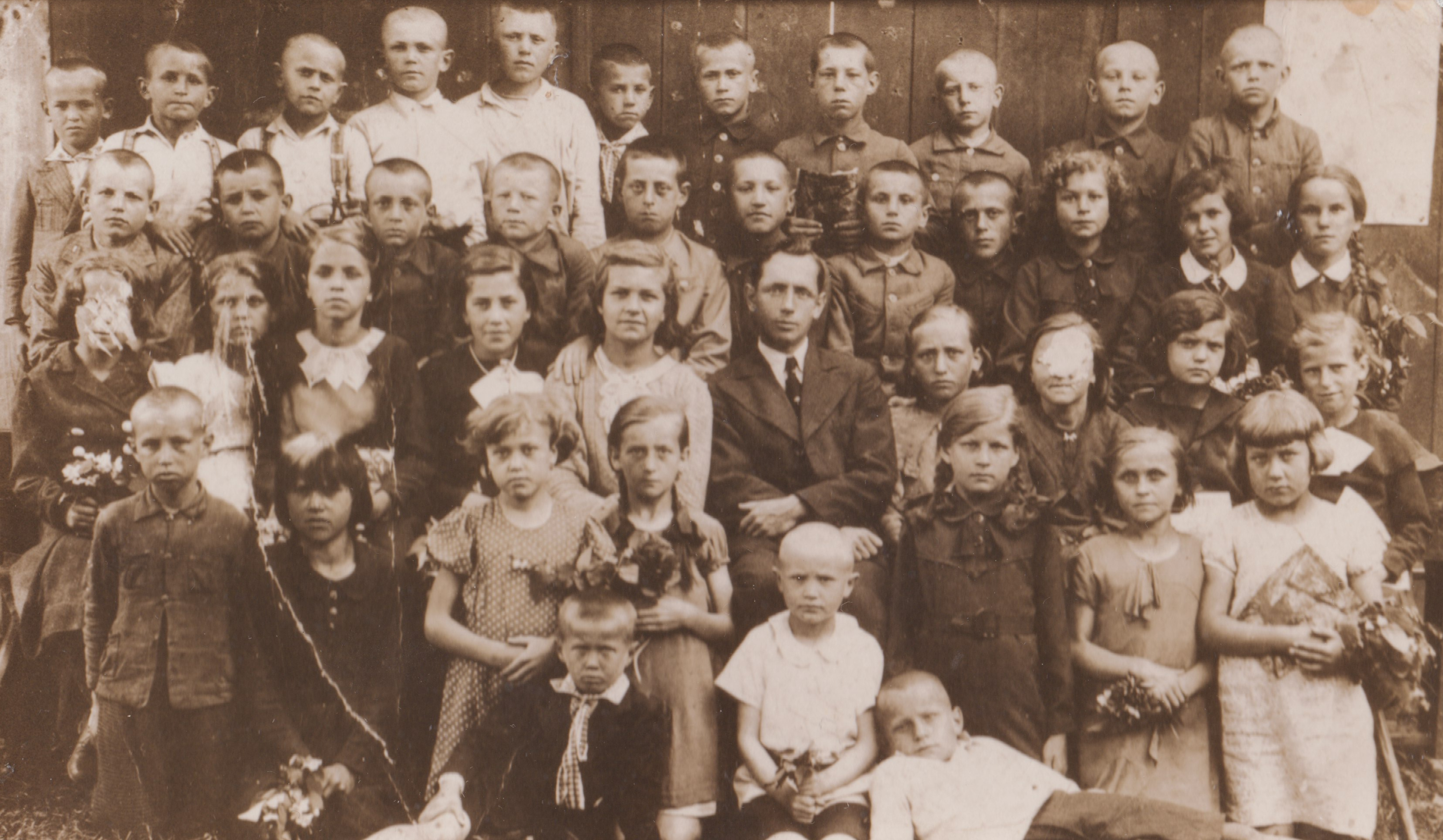
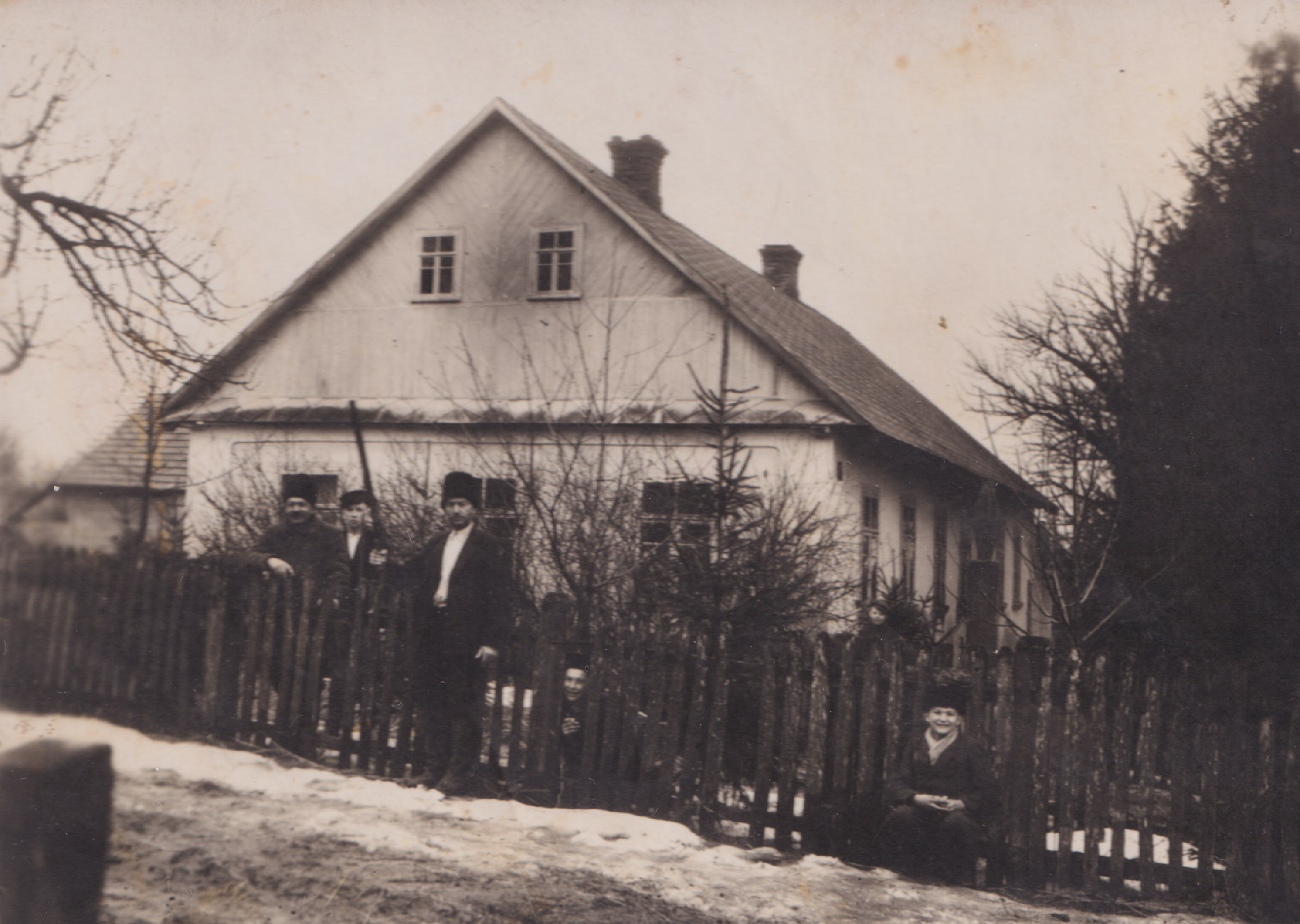
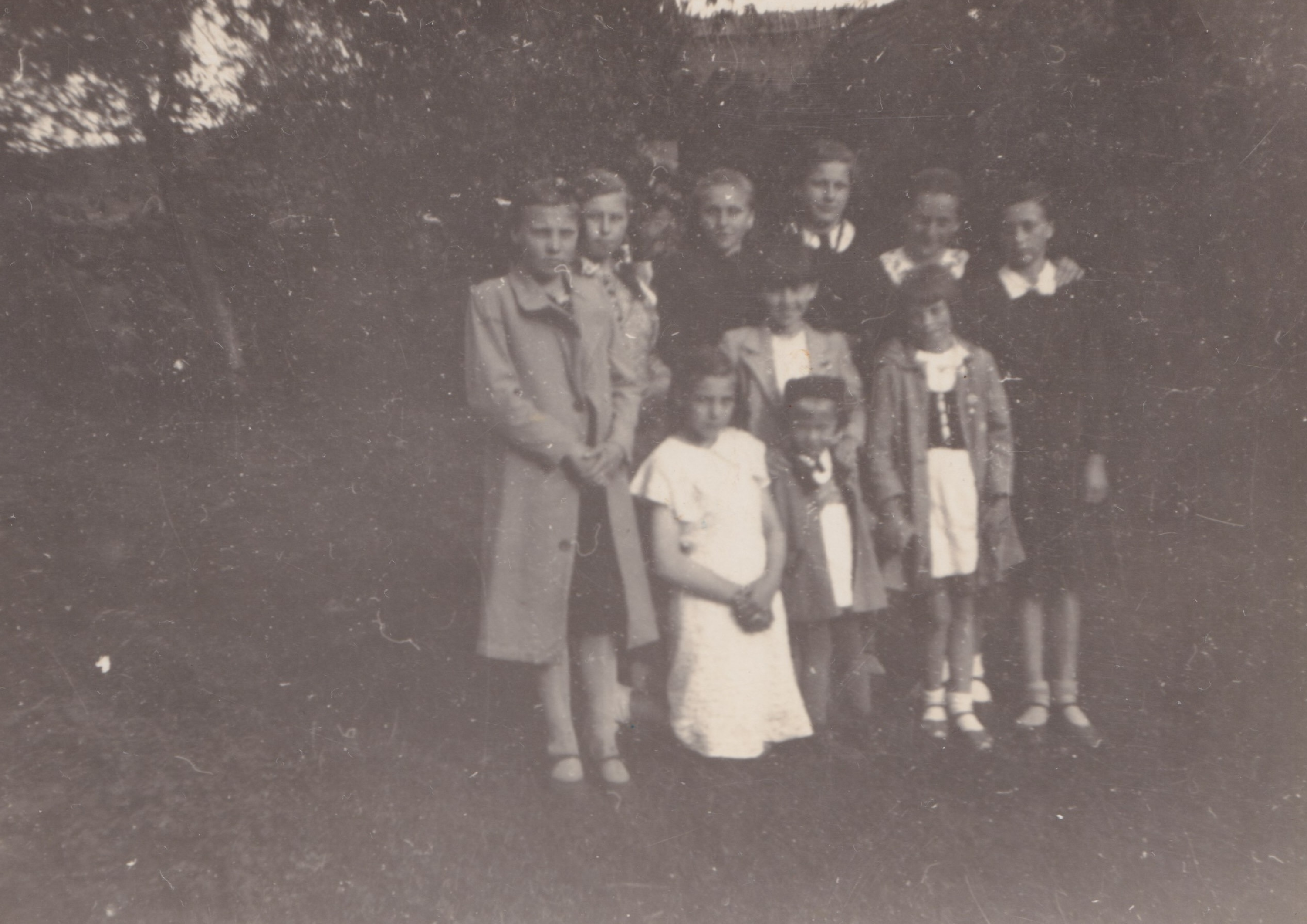
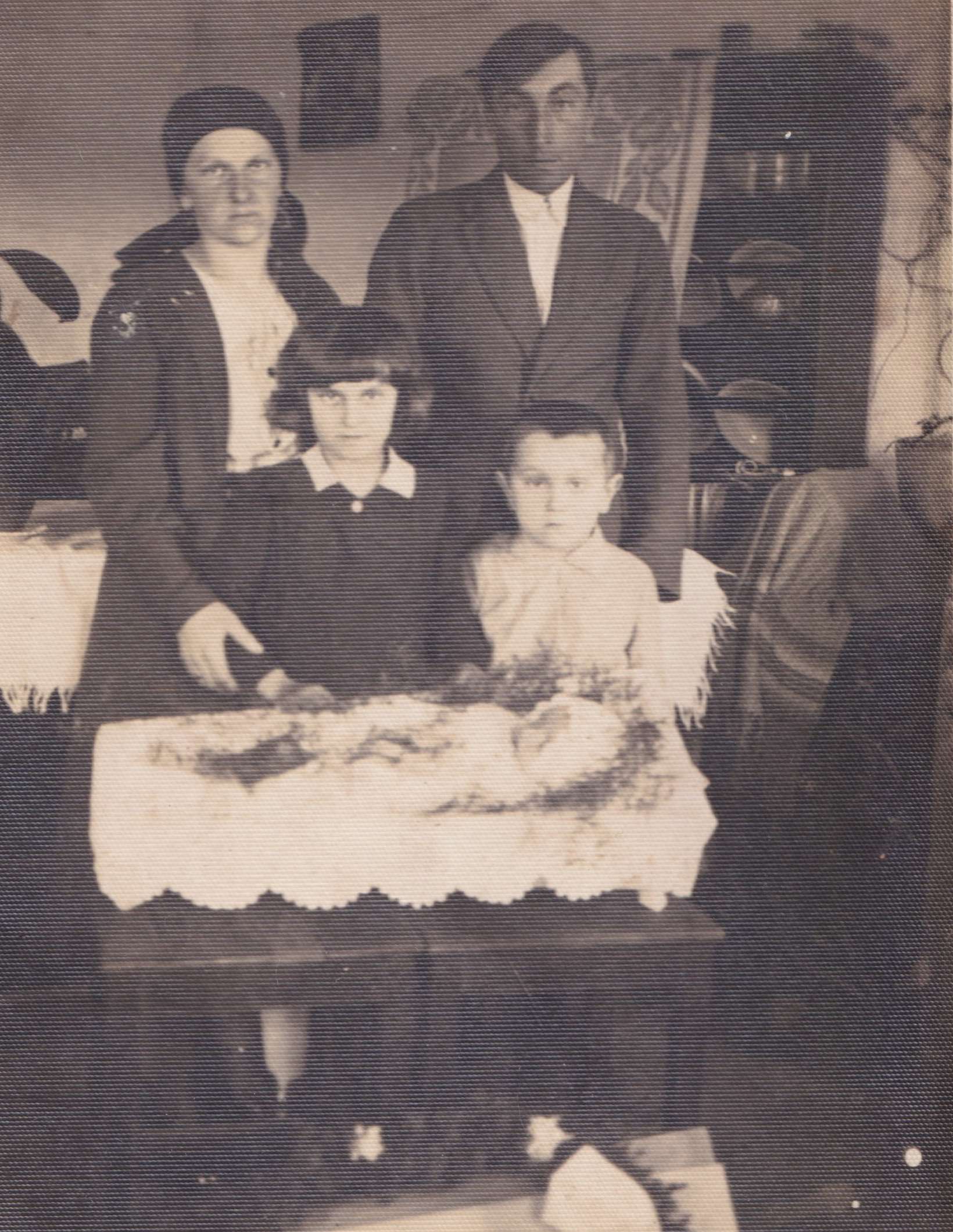
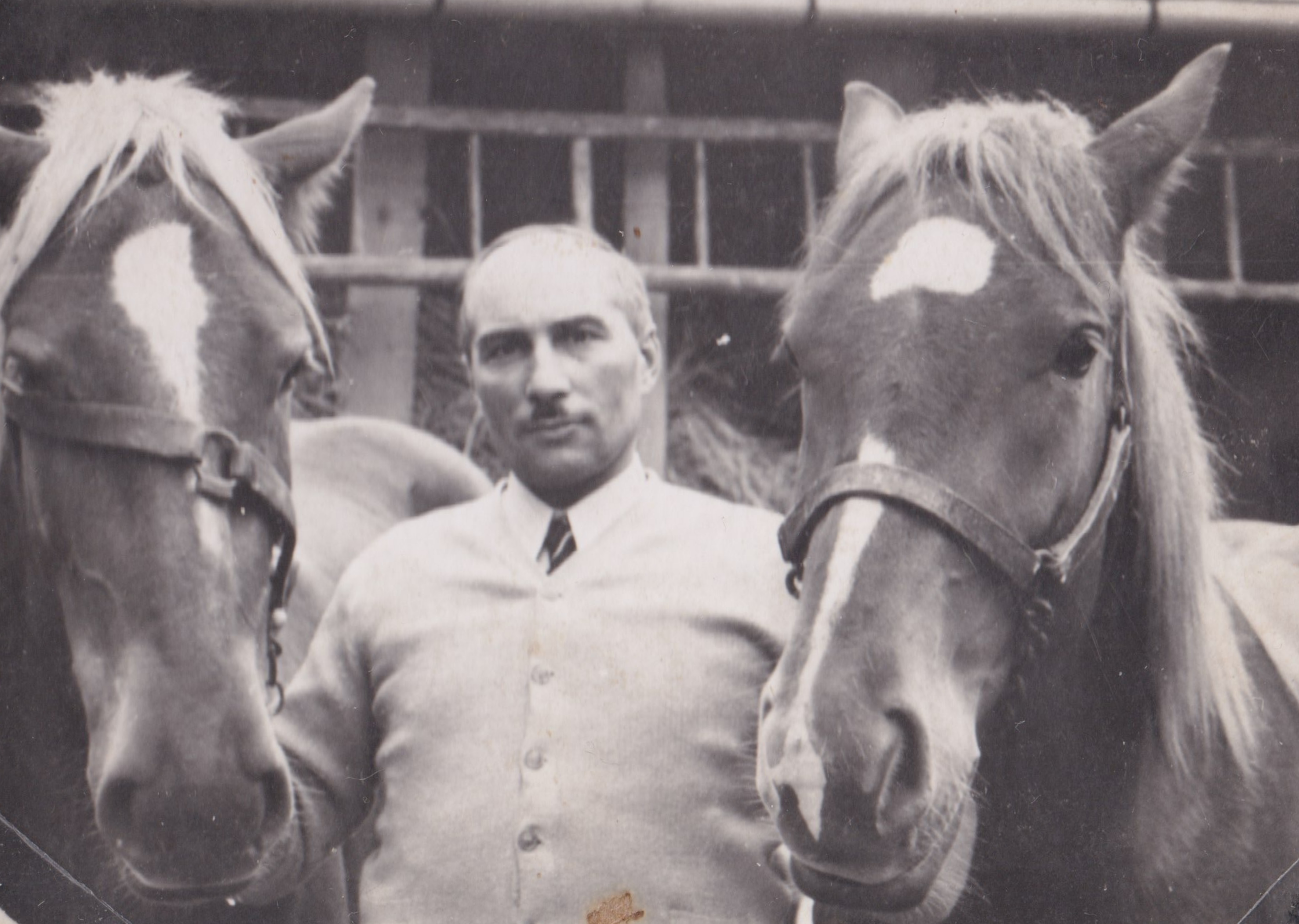
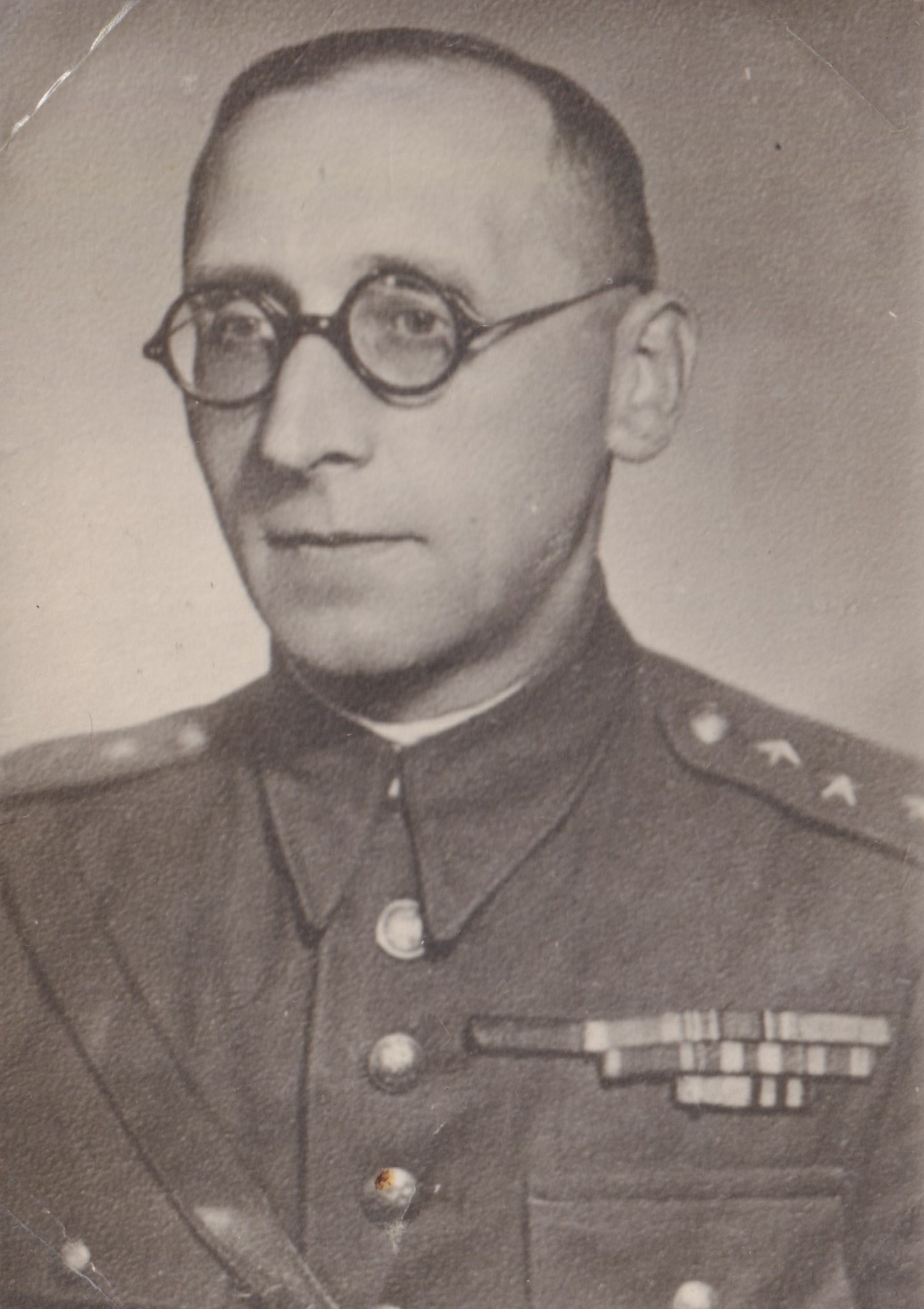
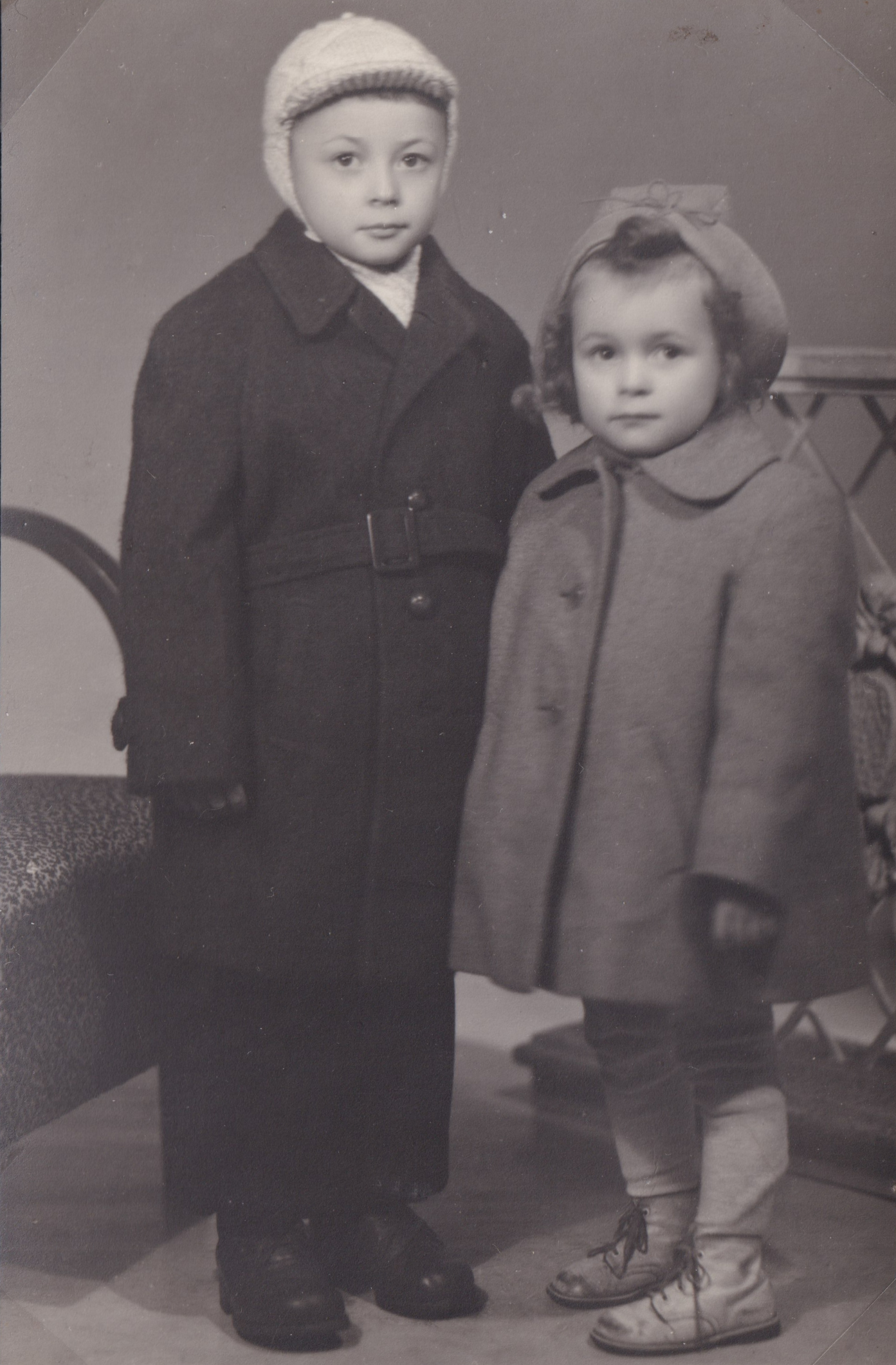
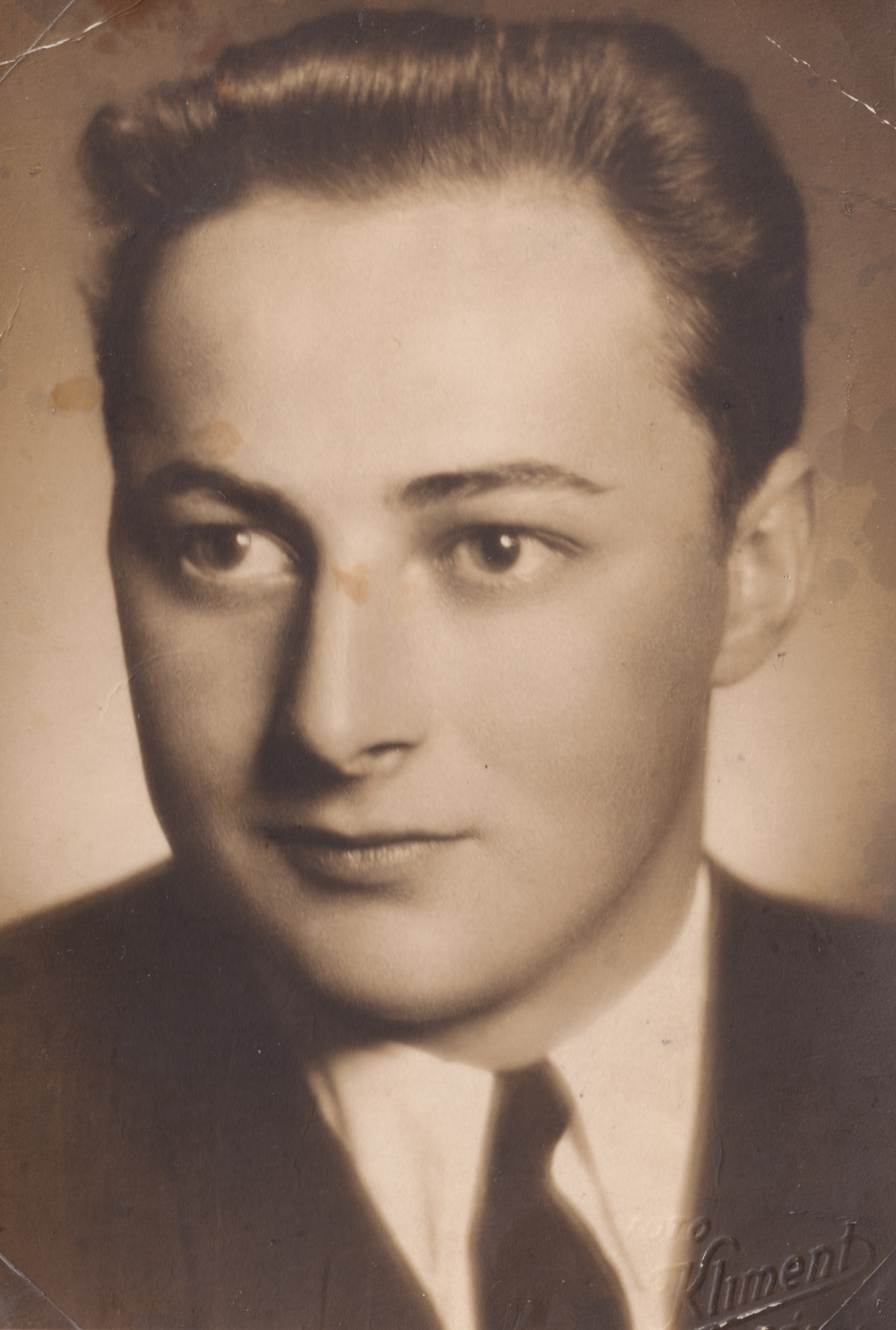
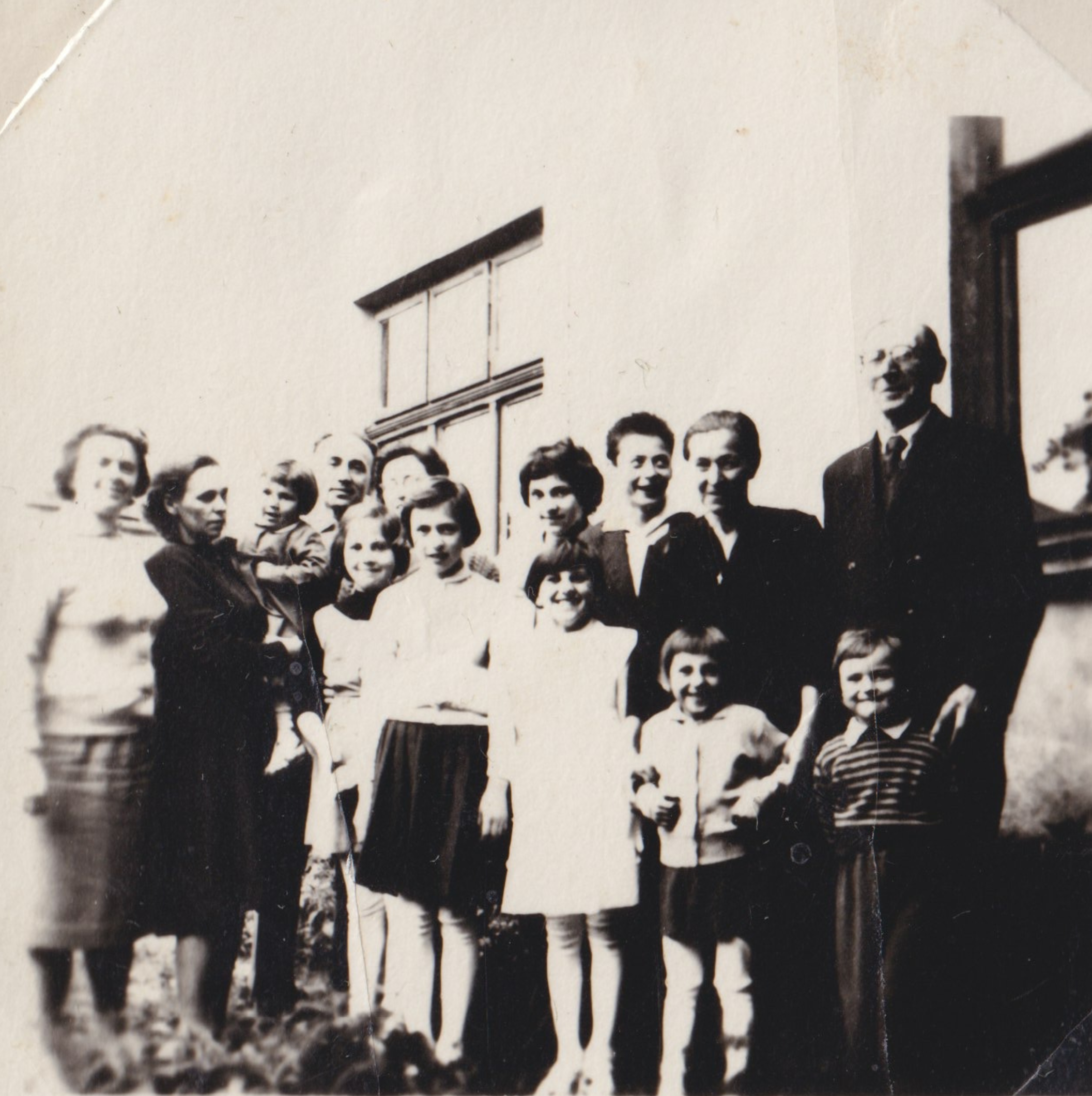
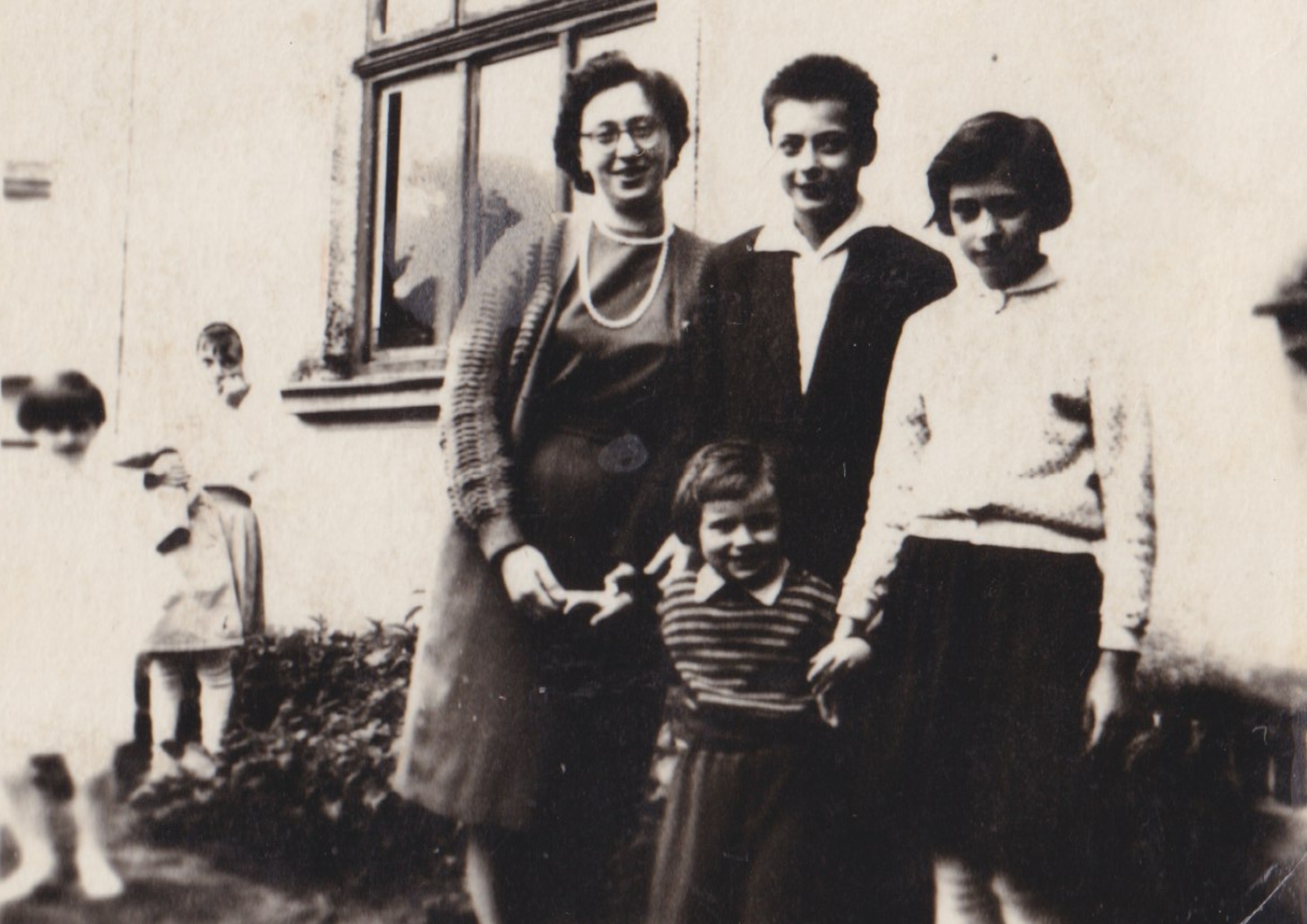
Marie Dvořáková (née Zbierajewska) was born on 18 January 1931 in the village of Martinovka in Volhynia into a Czech-Polish family. When she was eight years old, the Red Army occupied Volhynia. As the daughter of a former Polish officer, she and her family were to be deported to Siberia or another remote part of the USSR. Fortunately for her and many other families of alleged enemies of the Soviet regime, the transport was thwarted by the invasion of German troops in June 1941. She weathered war and ethnic violence that engulfed the ethnically diverse region in her native village. Even the predominantly Czech Martinovka was not spared. Marie’s family spent many restless days and nights in a well camouflaged shelter. They lived to see the arrival of the Red Army and with it the Czechoslovak army. Her father, who had escaped the NKVD and had been hiding for three years, also returned. He did not stay long, going to fight to free their ancestral homeland together with his Czech relatives. It was there that the family finally reunited in 1947. As repatriated Volhynian Czechs, they found a new home in the Osoblaha region. They were not the only settlers; Moravians, Slovaks and Greeks became their neighbours. The witness went to school in the border region, found lifelong employment in a textiles factory and, despite the untimely death of her first husband, she also found family happiness. At the time of filming (2025), she lived in Krnov. However, in her memories she often returned to Volhynia and to the people who made up its extraordinary character.