Petr Dušejovský

* 1954

  • "Somewhere around nine or ten o'clock in the morning, they suddenly opened the door for me to go out with them. They took me to the interrogation room, and my wife was there. They had taken the wife from her job, she was an elderly caregiver. They went around to all her clients that she was taking care of, they went around to all of them. Then they brought her to their service and there they tried to interrogate her - what can you tell us etc. She had already been taught by me to say, 'Since my testimony could be used against me, I refuse to testify.' We had already learned that together, slogans like that. Surprisingly, then suddenly I was let out with her. I thought to myself, that's impossible. The fact is that after that I often saw their cars behind me, which I already knew slowly. But they let me out. So I was kind of looking at it, thinking, "Who knows what their intention is?"

  • "Finally, I told my wife we were going back home. I thought I would be detained as soon as we crossed the border, but it didn't happen, so we went. We arrived home and as we were coming down our street, I saw a State Security officer Zhiguli driving down Vídeňská street. I said, 'Ivi, get me some toothpaste and a toothbrush.' I wanted to hide the car first, so I opened the gate to go to the garage. Well, I saw them pull up, go around it and they were at our house right away and they pulled me over. They took me to Malinovský, where they interrogated me for several hours, it was a lot of interrogations... I refused to talk to them much because I knew their methods. Now this Matoušek said: 'Sign here!' And he wrote something on it. And I said, 'No, I never said that!' And he says, 'Sign it or nobody will ever see you again!' I said, 'Hey, sign it yourself. If you made it up, then sign it.' He paused for a moment and said, 'You know what? I’m going to have you locked up!'"

  • "Two [State Security officers] came there and questioned me in the director's office. Then the director Nesvatba held a meeting of the whole company and started to speak against me, basically campaigning. He shouted there that I was not a comrade, that I was a citizen, as if that was defamatory. I proudly claim to be a citizen. When I saw what was happening, I had an escape plan. So I left there and I had a doctor's note from work ready. I left for Prague and I was going to Poland."

  • Full recordings
  • 1

    Znojmo, 20.06.2025

    (audio)
    duration: 01:57:57
    media recorded in project Příběhy regionu - JMK REG ED
Full recordings are available only for logged users.

Better to sacrifice for freedom than to live in unfreedom
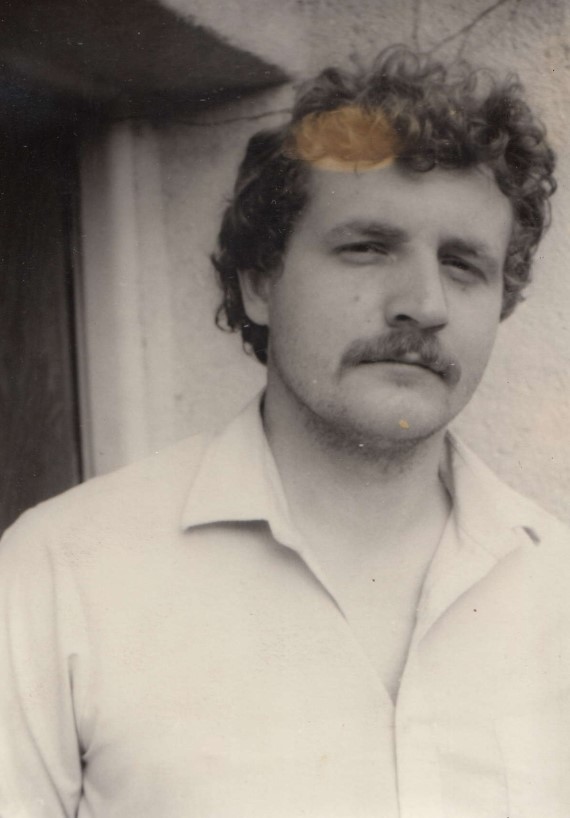
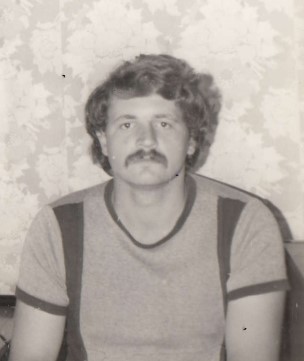
Petr Dušejovský around 1980
photo: archive of a witness

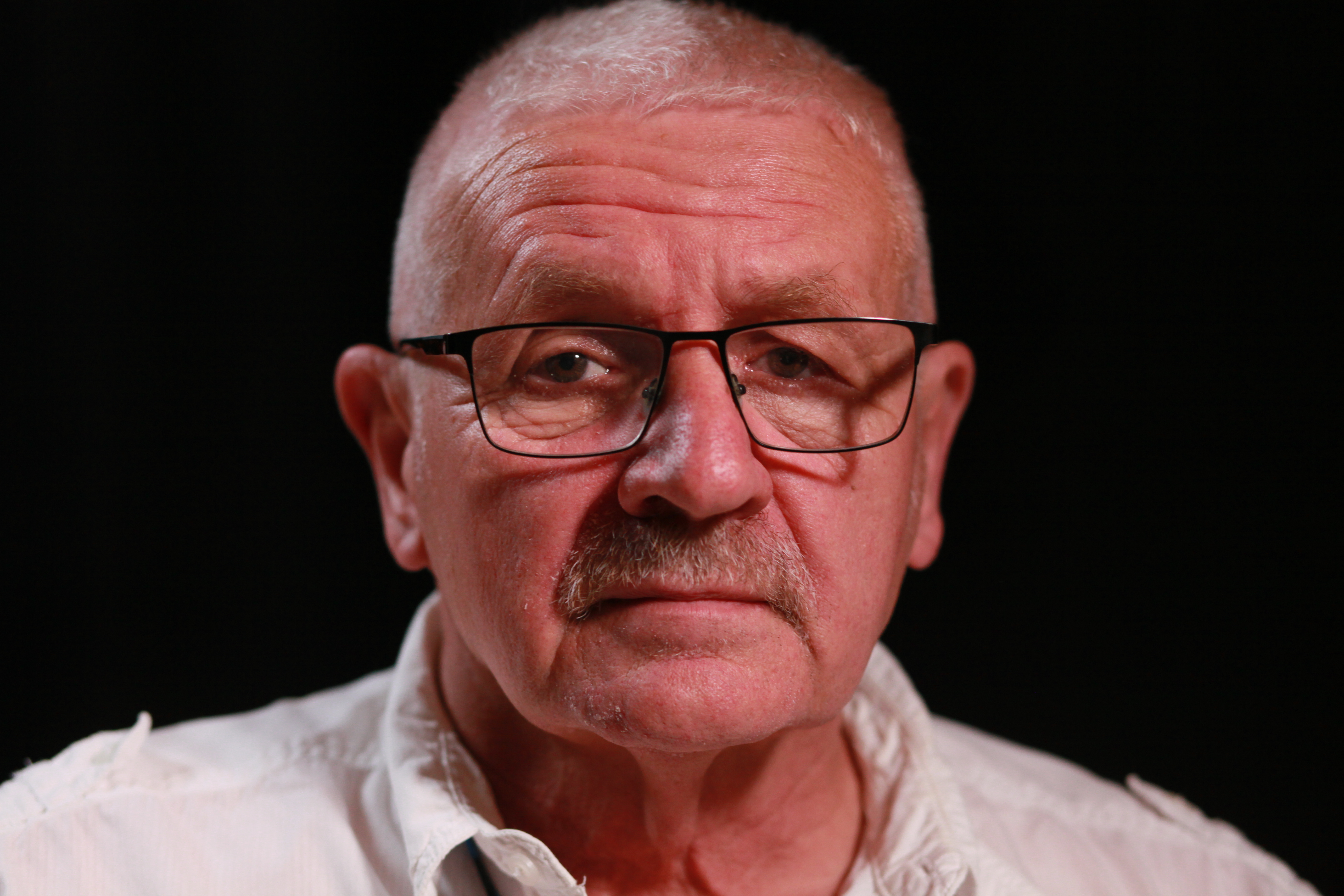
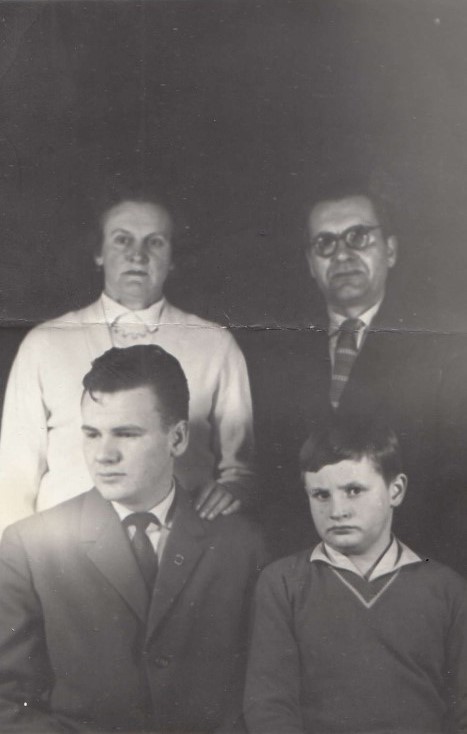
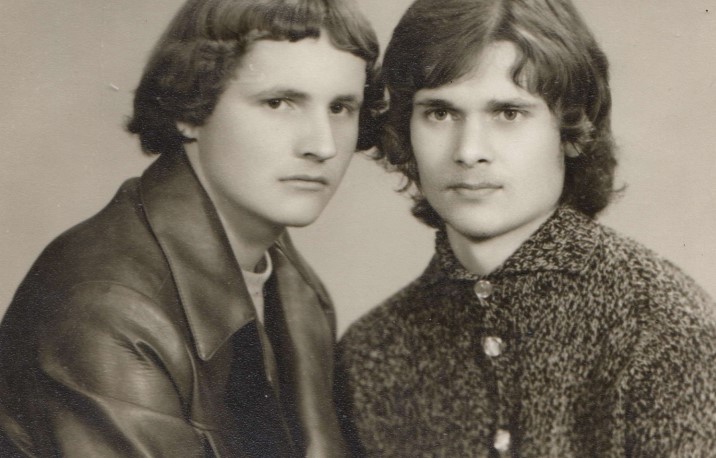
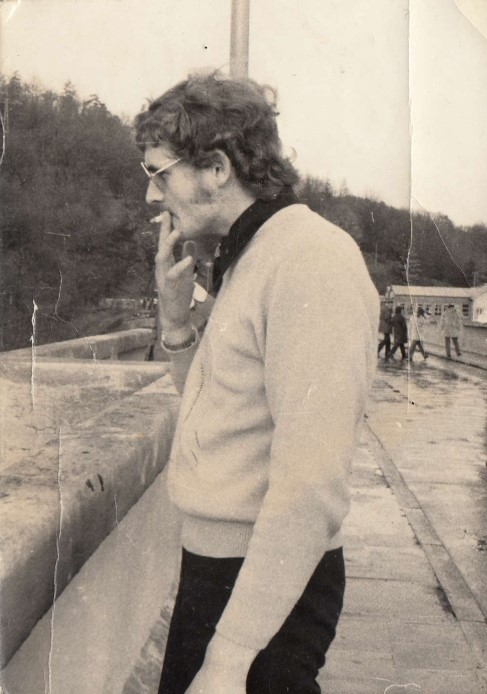
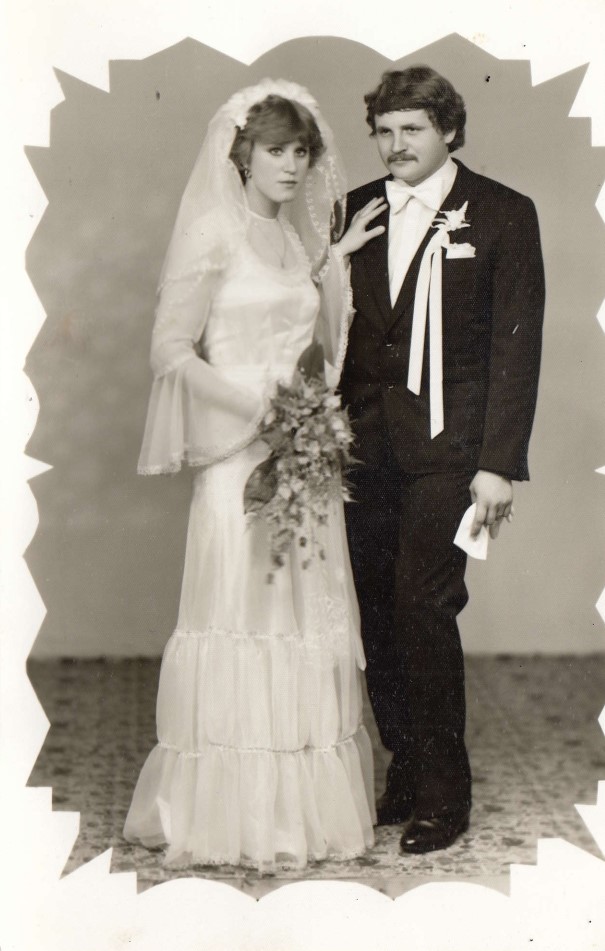
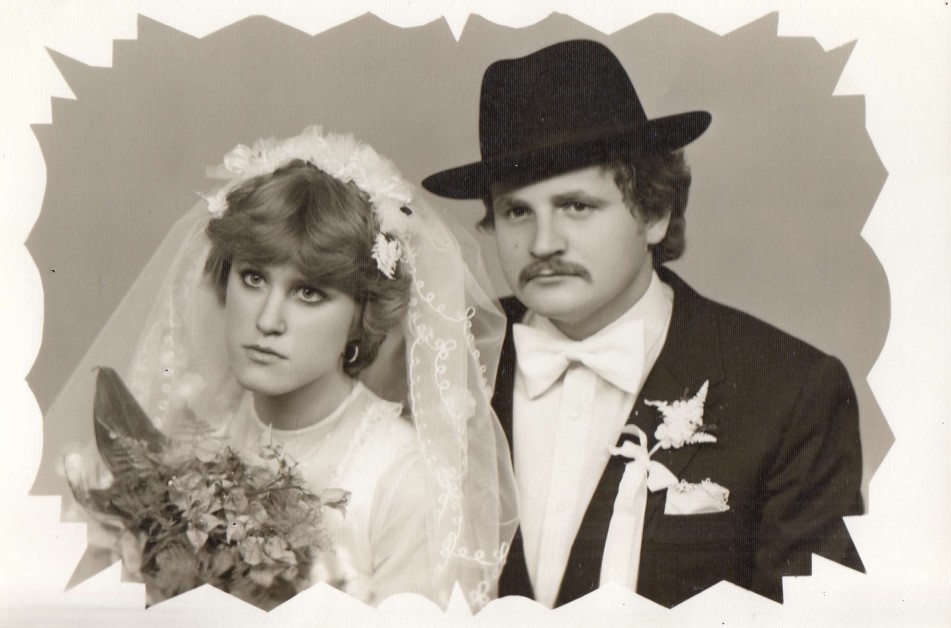
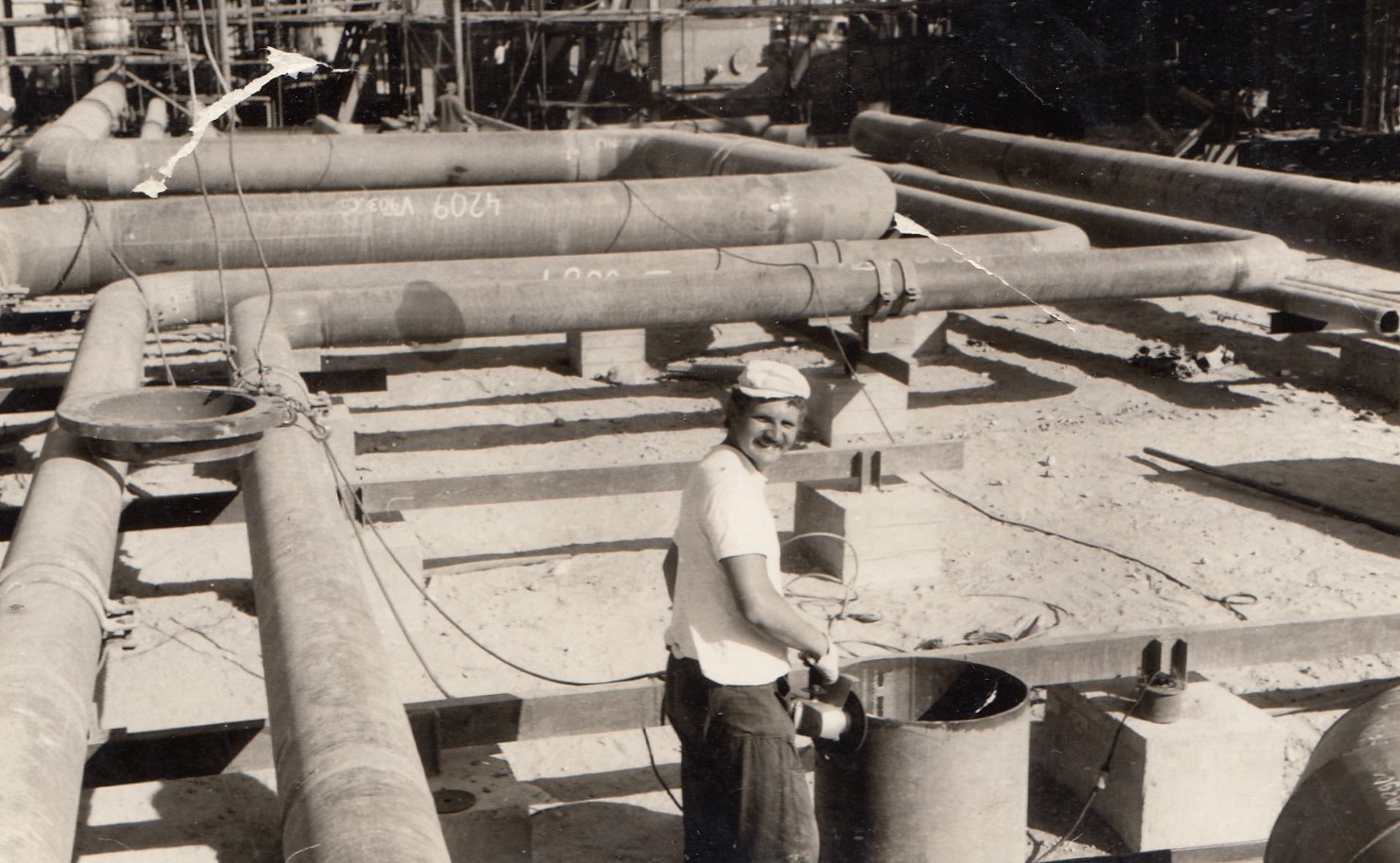
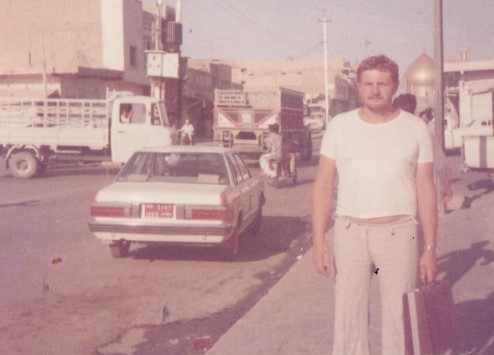
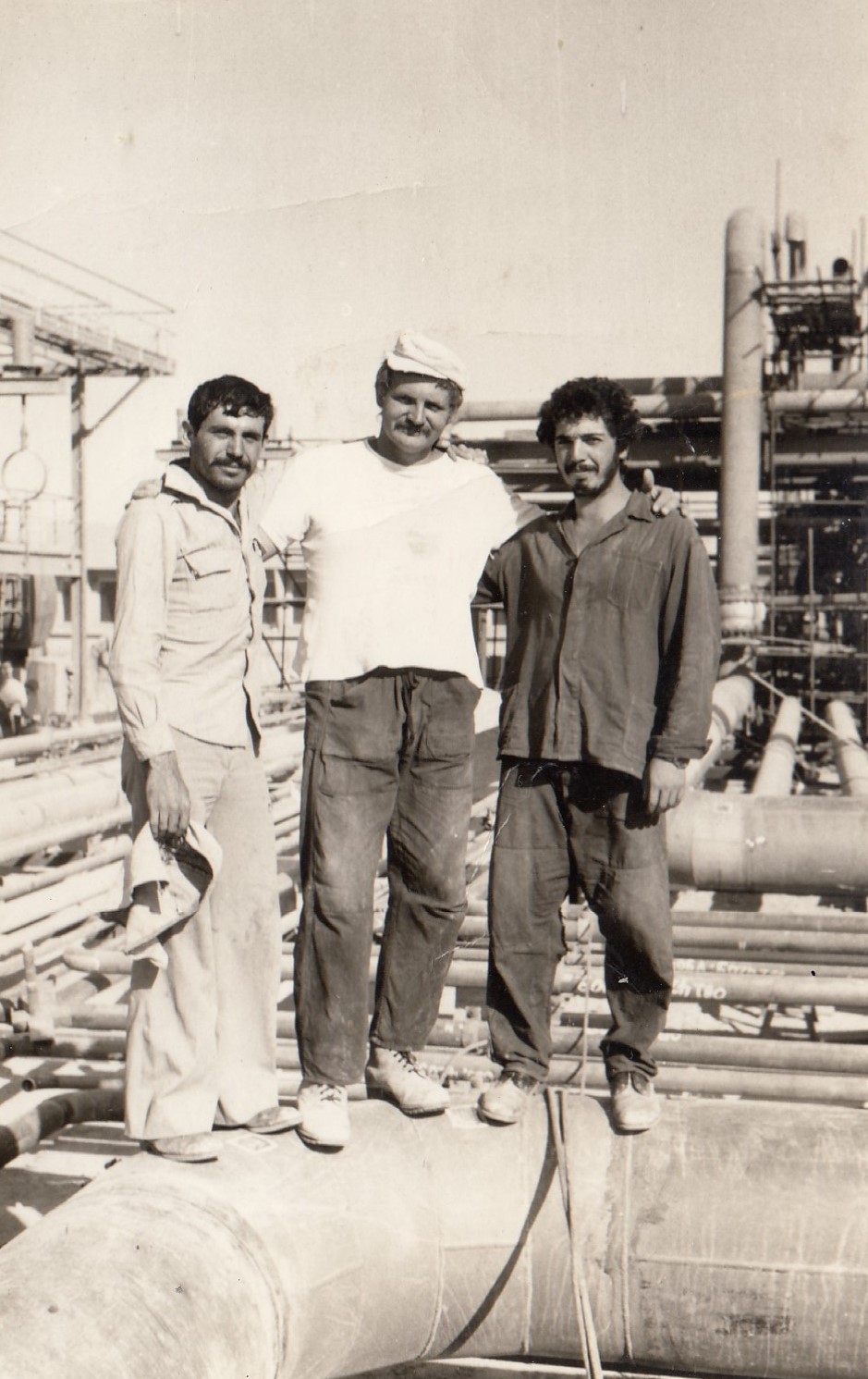
Petr Dušejovský was born on February 11, 1954 in Znojmo to Milada (née Smolová) and Josef Dušejovský. His father was a warehouse manager in the railways, his mother a housewife. The family moved to the Znojmo area after the Second World War, in 1947, when they bought a house after the Germans had been evicted. Petr Dušejovský graduated from primary school and then from the locksmith apprenticeship in Kuřim, later he worked mainly in manual jobs (state-owned companies TOS Kuřim, Montas Hradec Králové, Strojobal). At the age of 14 he was severely affected by the invasion of the Warsaw Pact troops, turning over signs and drawing anti-Soviet inscriptions on the walls. He persisted in his resistance even later, acquiring a cyclostyle and printing anti-regime leaflets at home. In 1980, shortly after his marriage, he visited Iraq on business, inspecting Turkish workers building an oil refinery at a time when the country was at war with Iran. After a few months, he returned to the Czechoslovakia because of a tropical illness. In the second half of the 1980s, thanks to listening to Free Europe, he was able to connect with the Prague-based dissident group Democratic Initiative. With Eva Štolbová, Emanuel Mandler and Bohumil Doležal, he met in a conspiratorial flat in Bubenská, printed leaflets and went among the people with petitions - he himself, for example, with a petition for the release of Václav Havel or Pavel Wonka. Later (1988), he was denounced by the director of Strojobal and interrogated by the State Security Service (StB) at his workplace; after this experience, he used his contacts in Solidarity and escaped to Poland. On his return, he was arrested at home and imprisoned for one night in Znojmo, but was released without justification. Until the fall of the regime, he was under pressure from the secret police, who frequently investigated him, spied on their dissident meetings and put a man directly into the Democratic Initiative. He actively supported the events of November, but was disappointed by later developments - he felt that the “old cadres” remained in place. After the Velvet Revolution, he was briefly politically involved in the Liberal Democratic Party (LDS), one of the many offshoots of the OF. In 2025 he lived with his wife in Znojmo.